
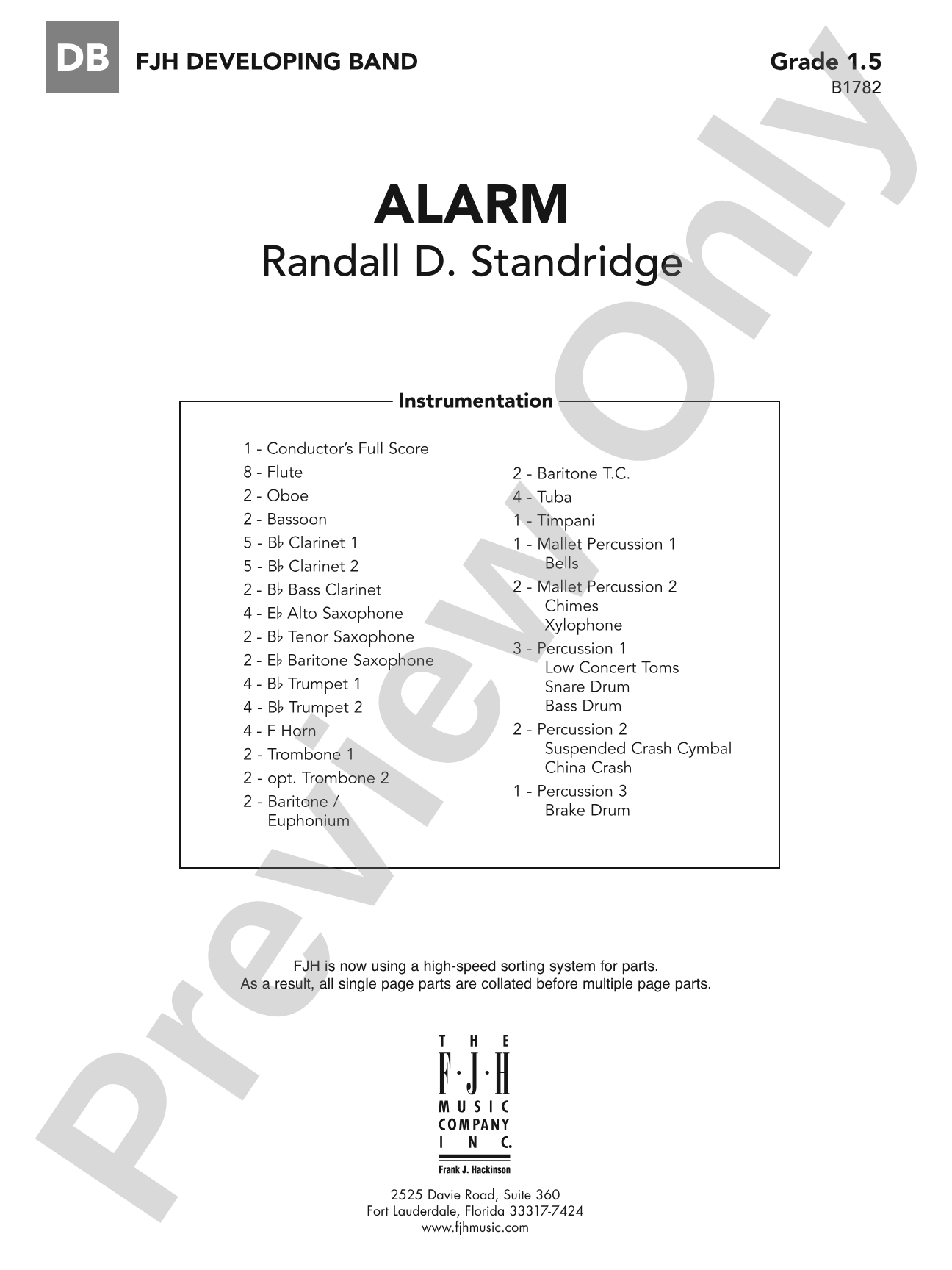
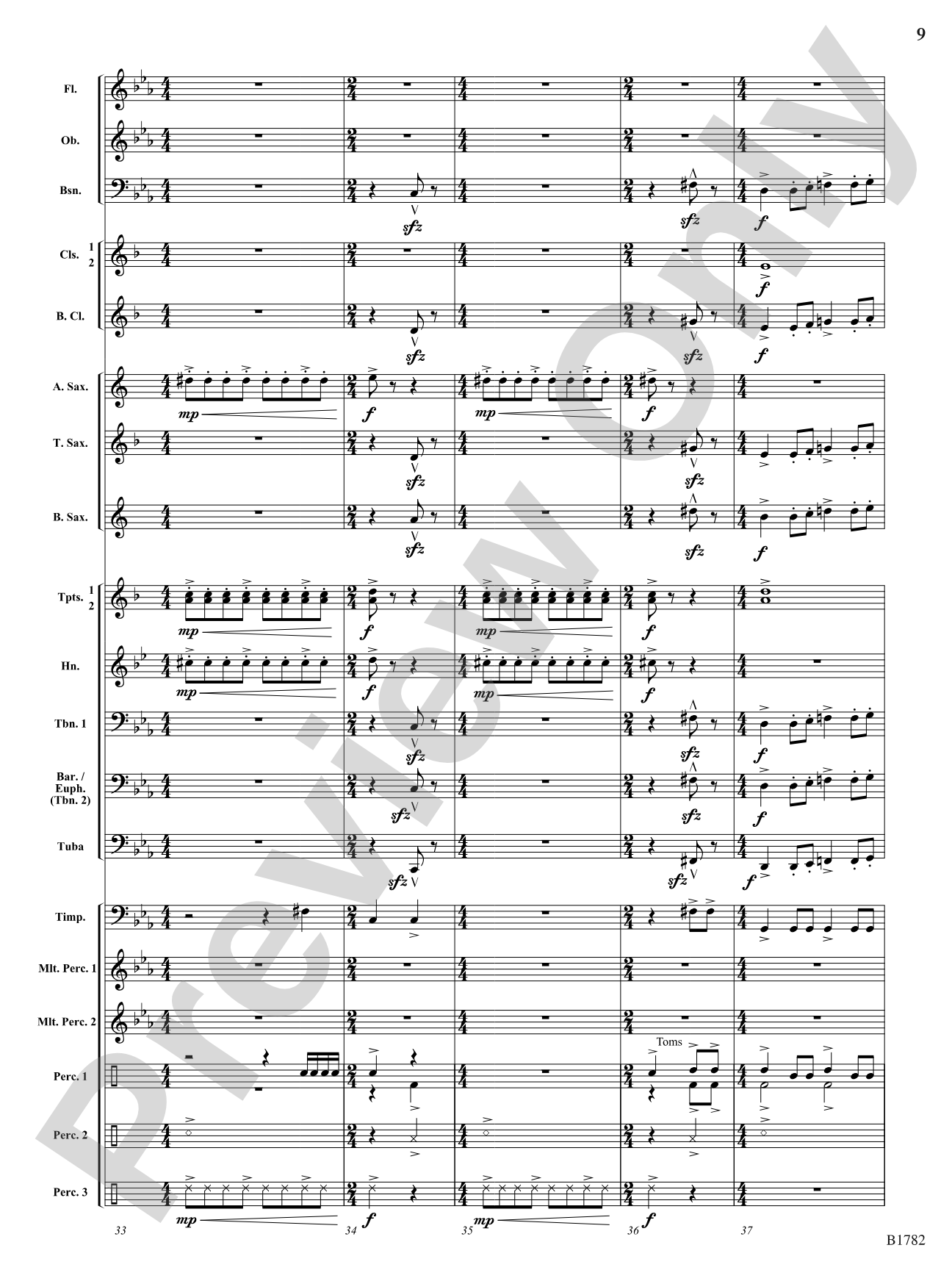
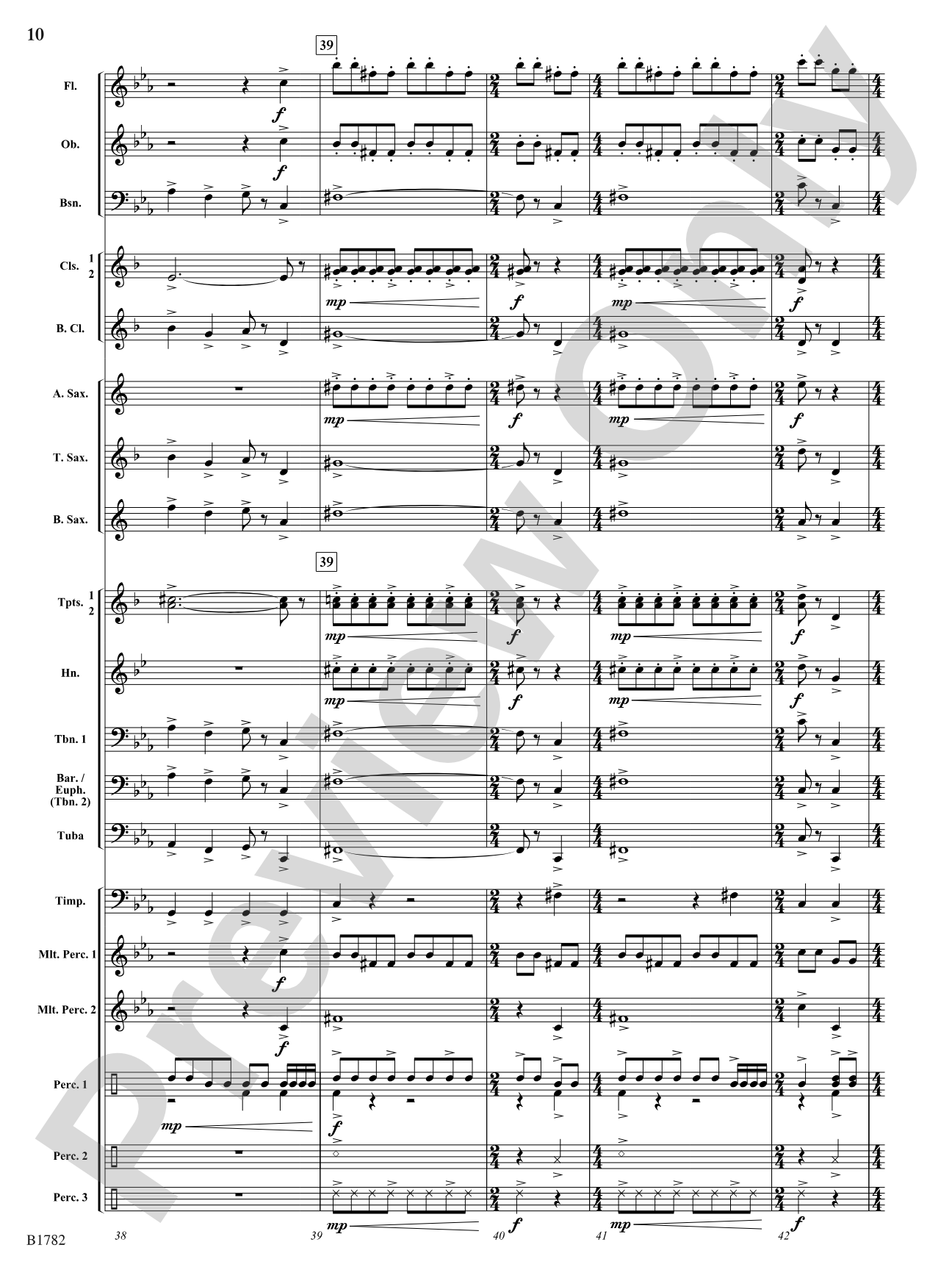
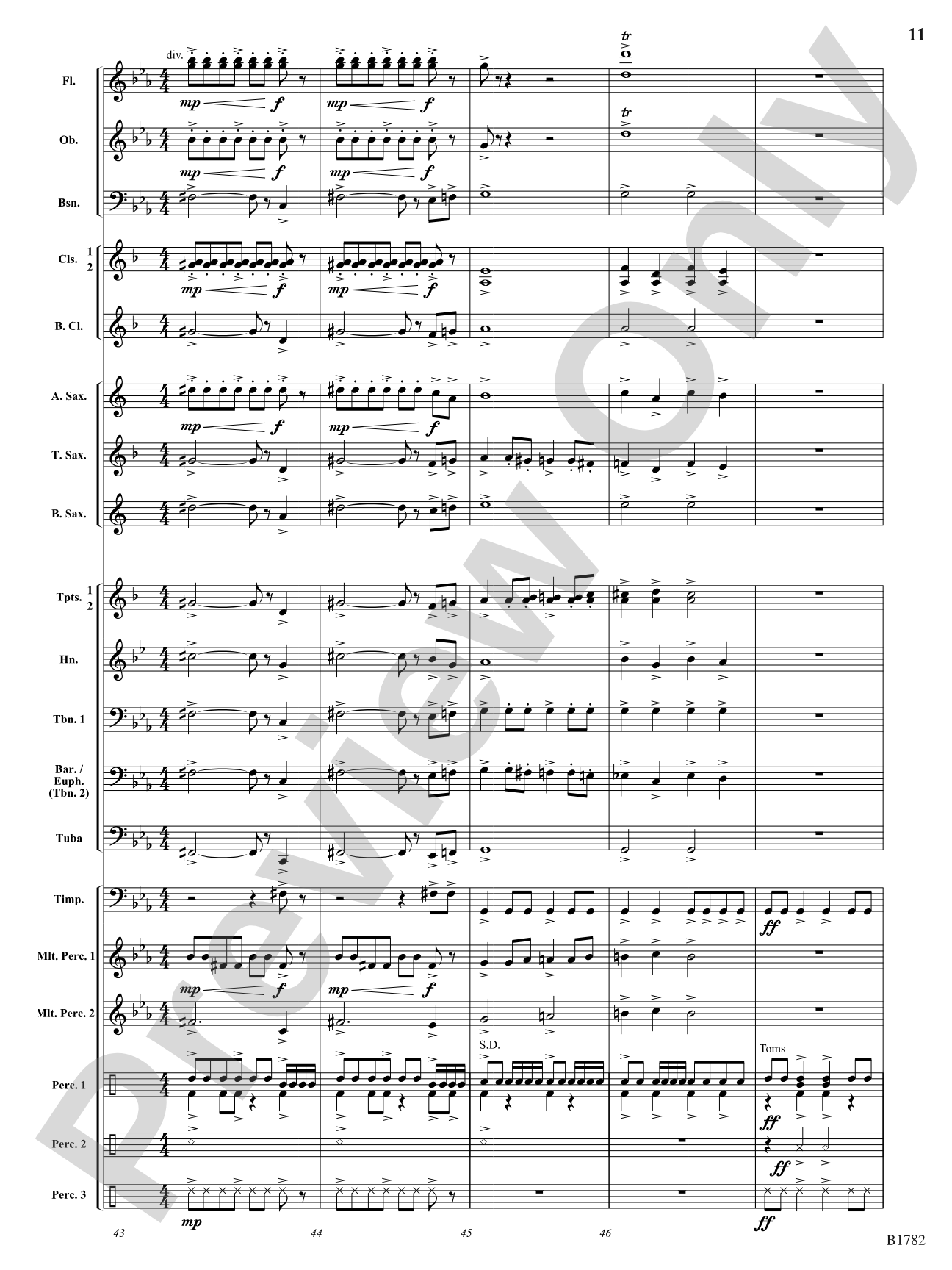
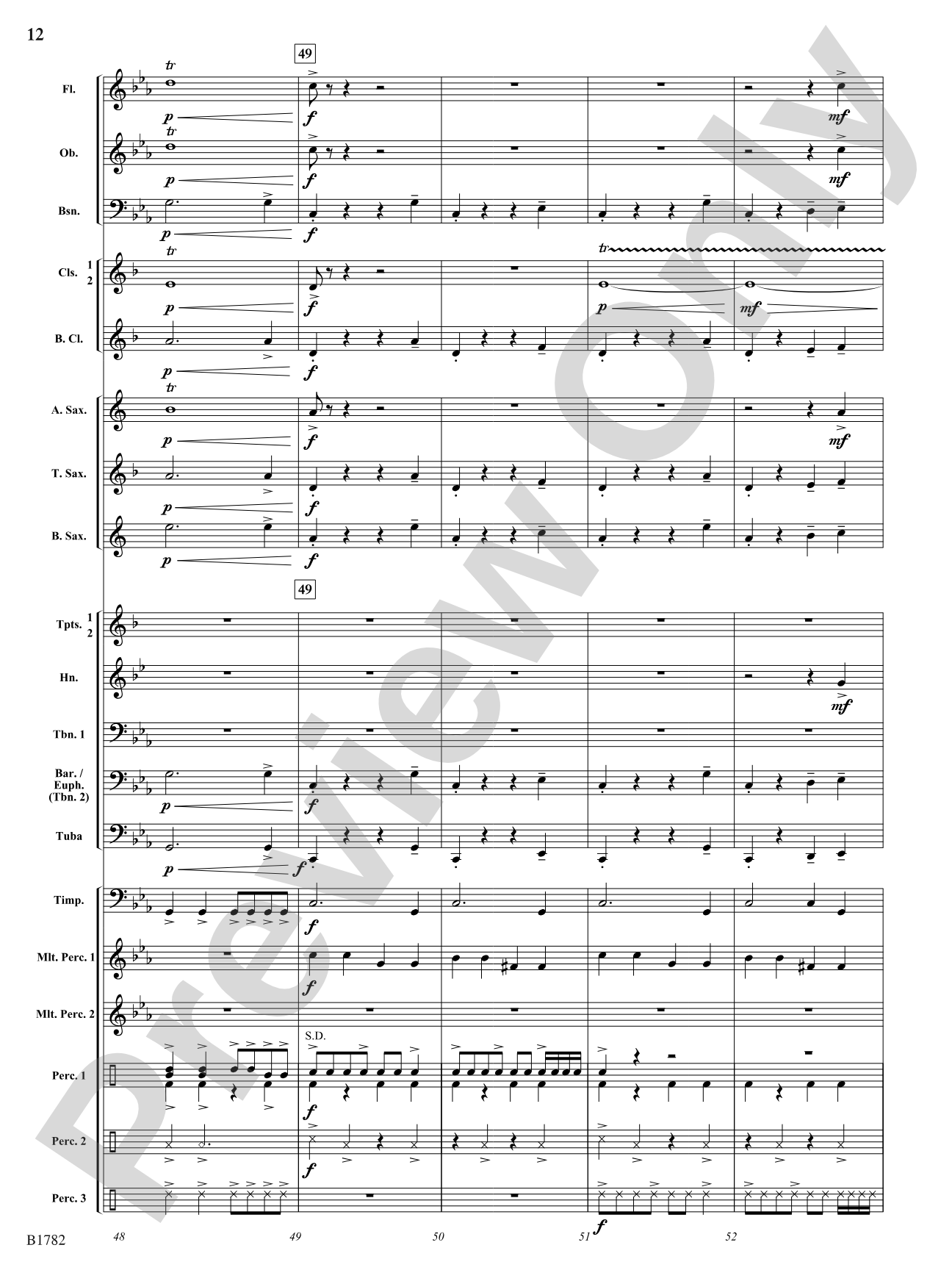
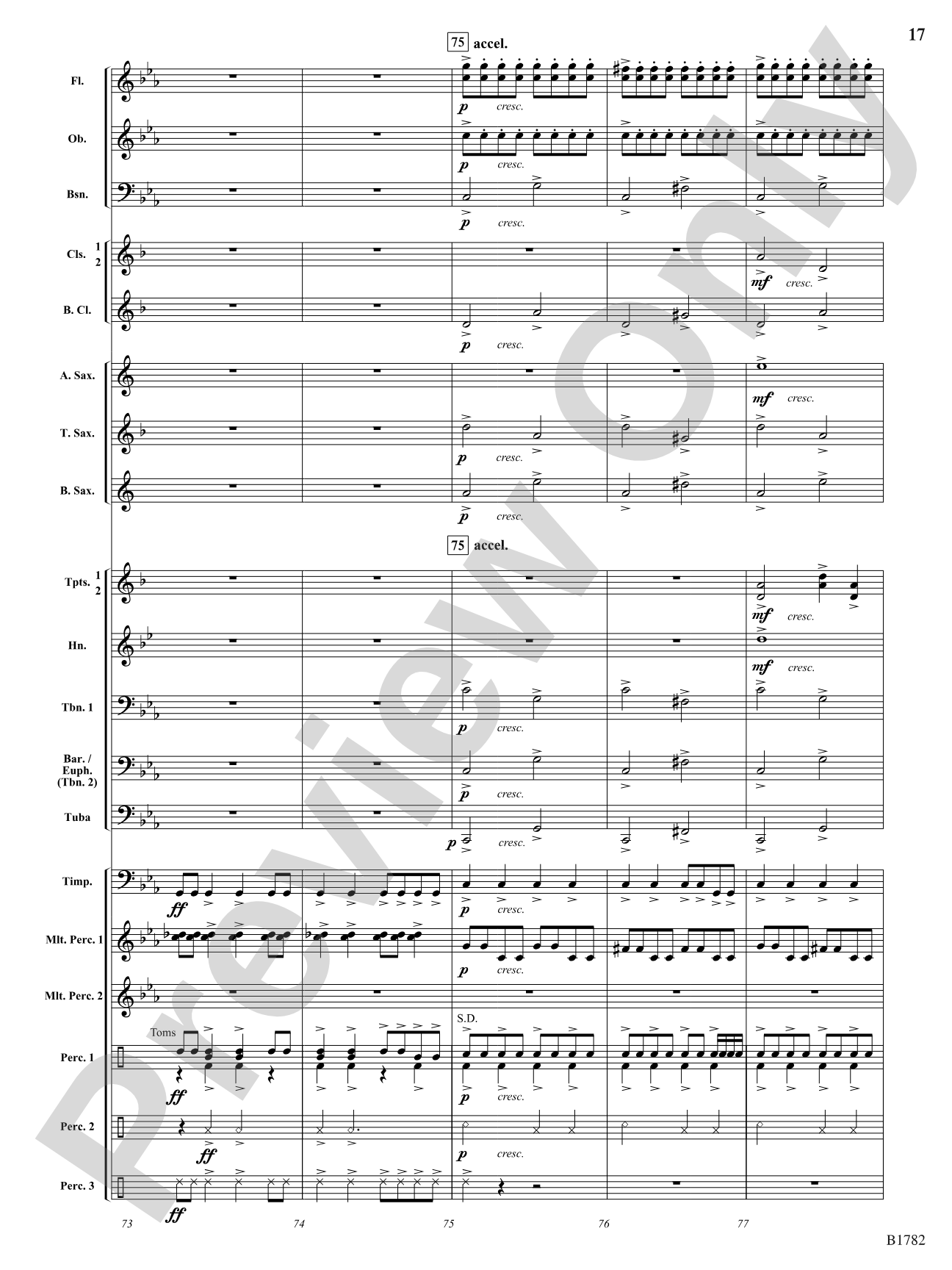
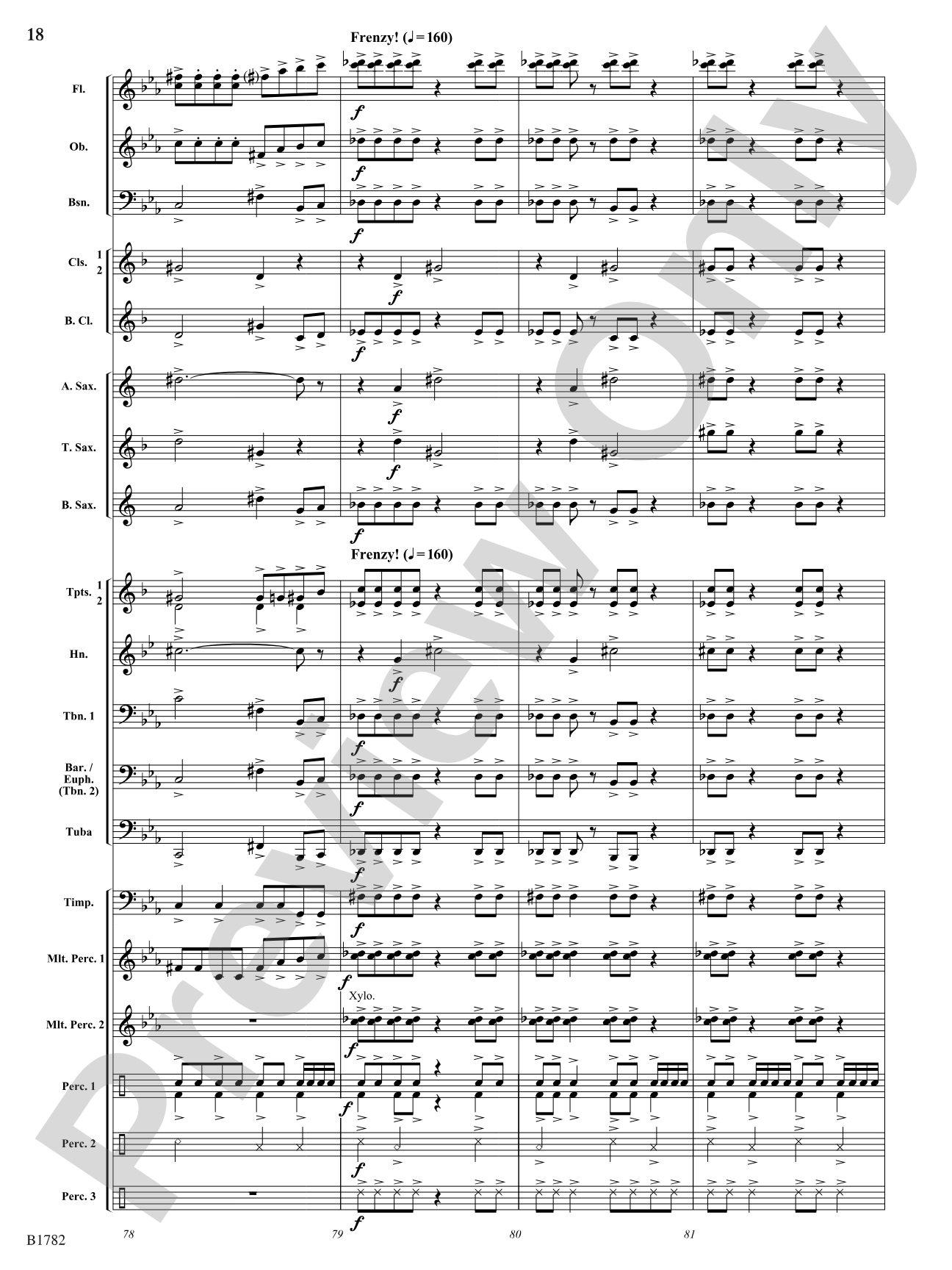
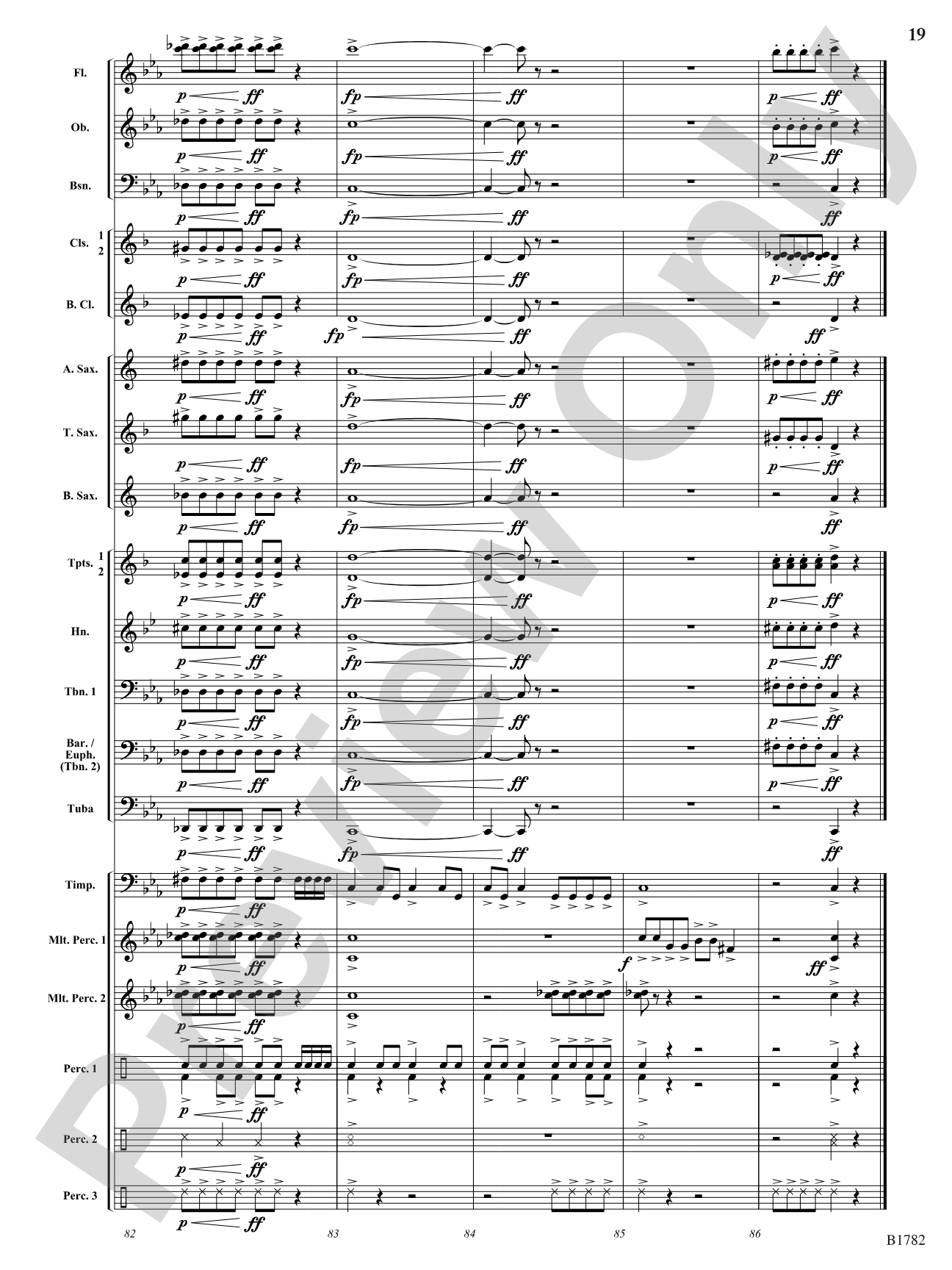

Alarm: Score
By Randall D Standridge
Grade: 1.5
Item: 98-DB1782S
$13.00
Pickup currently not available
Description
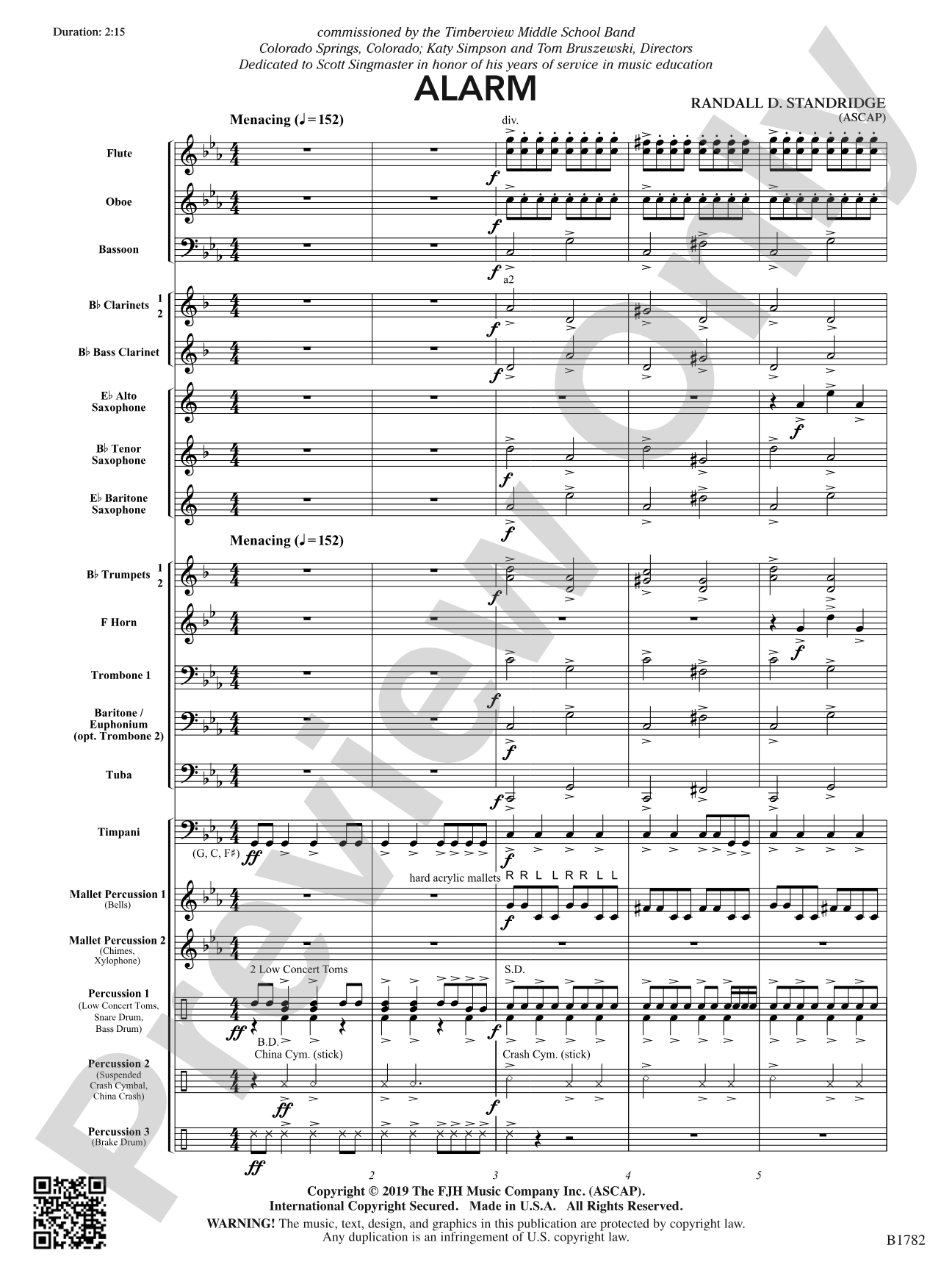
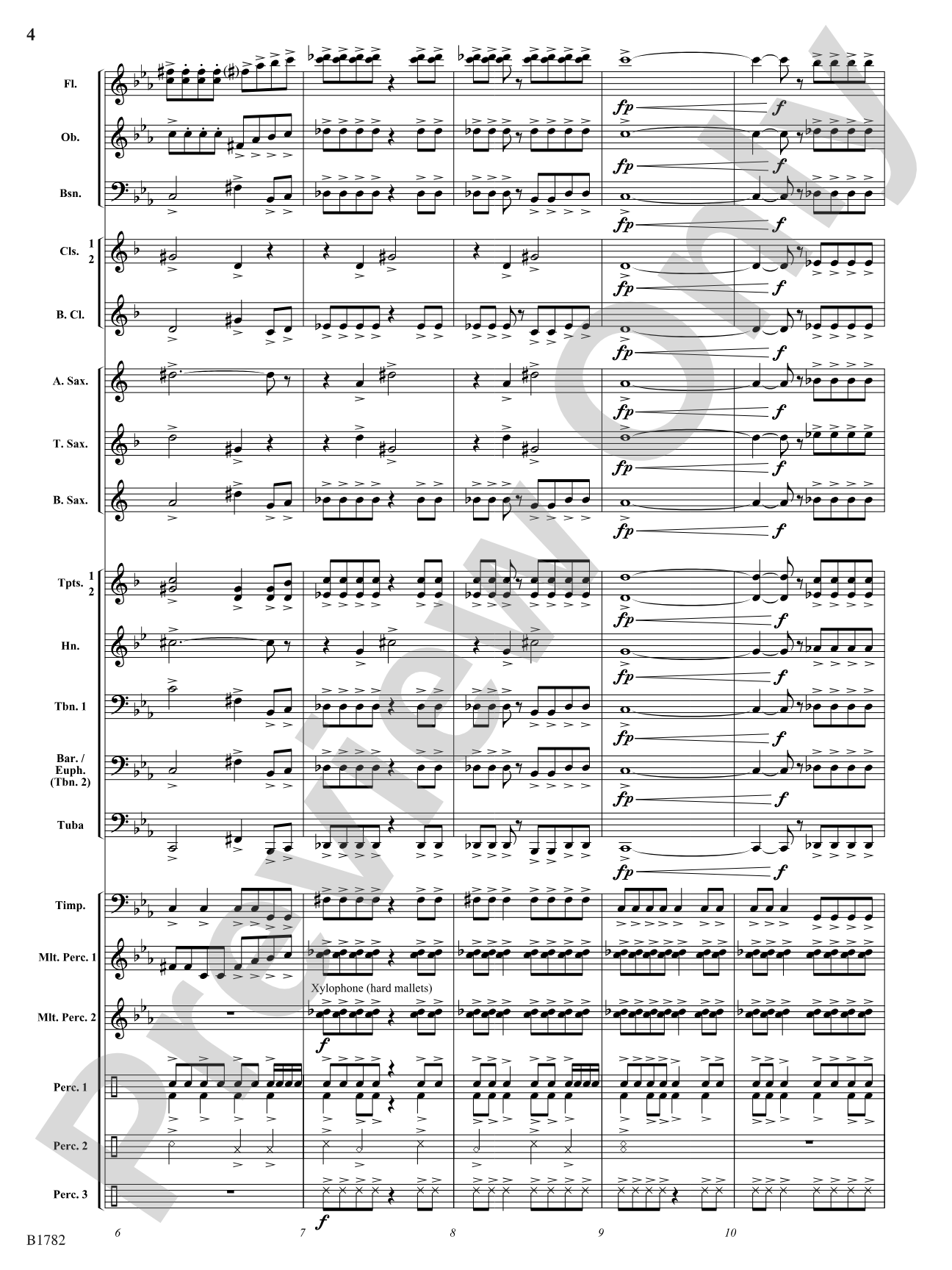
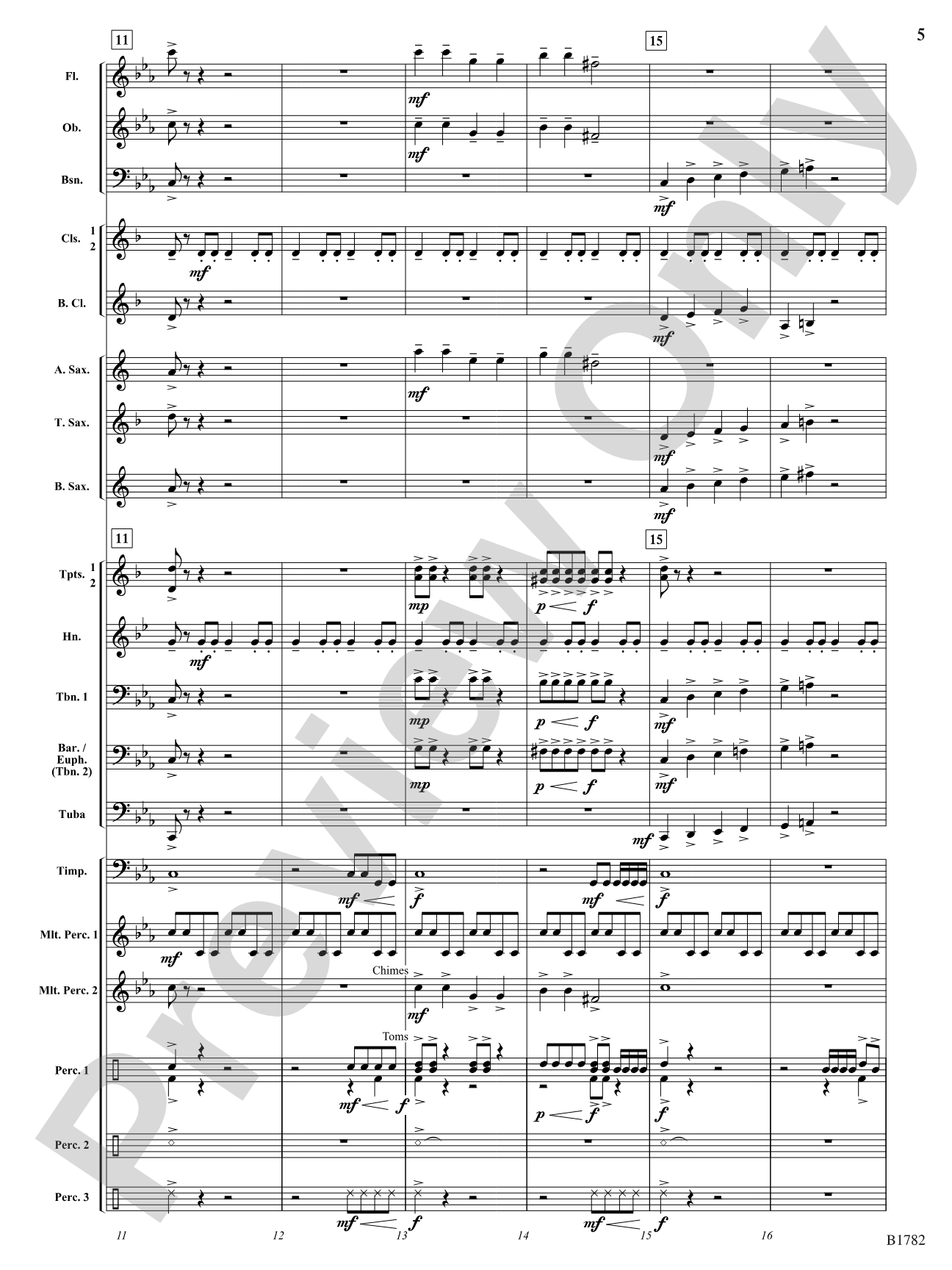
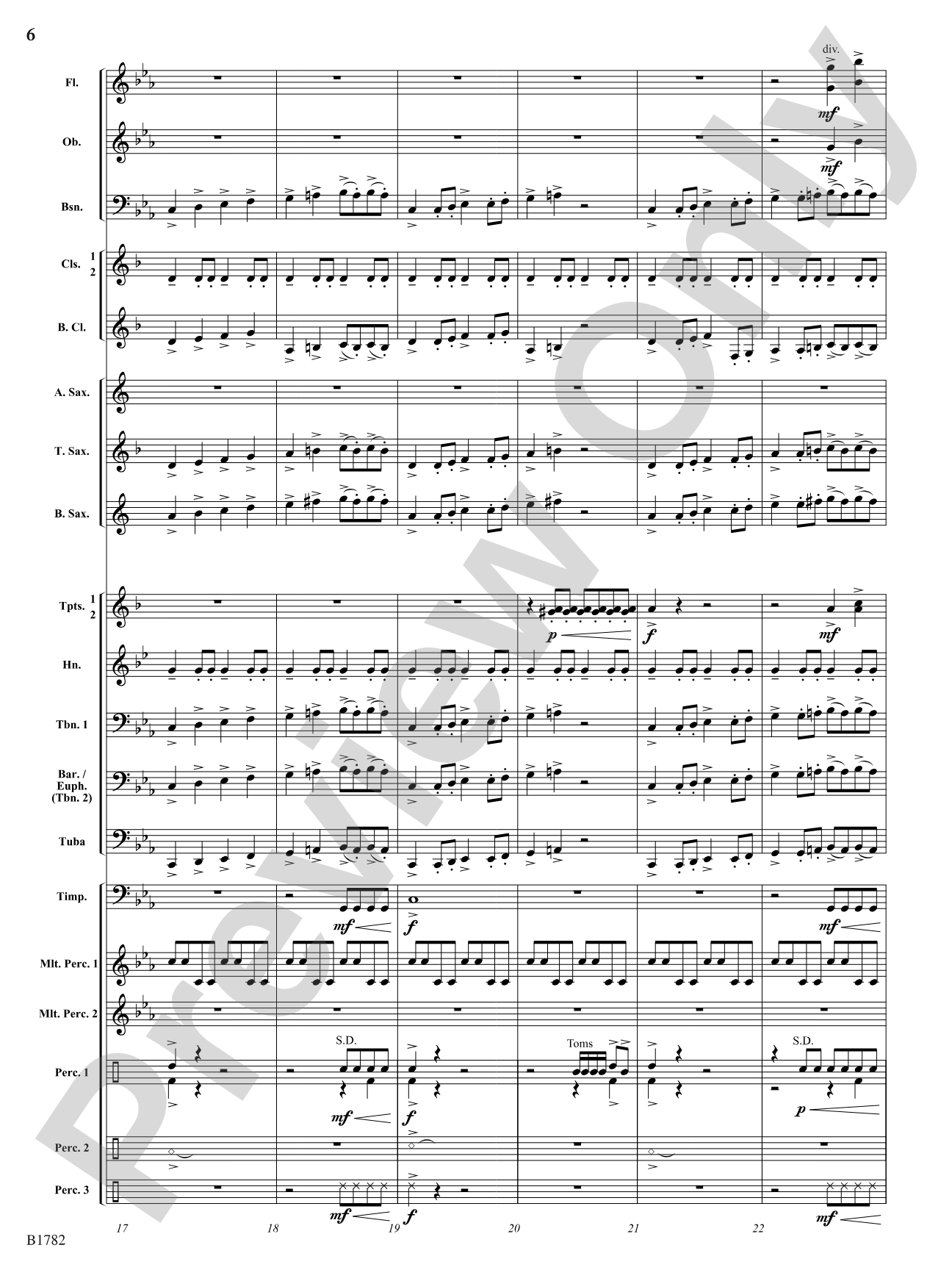
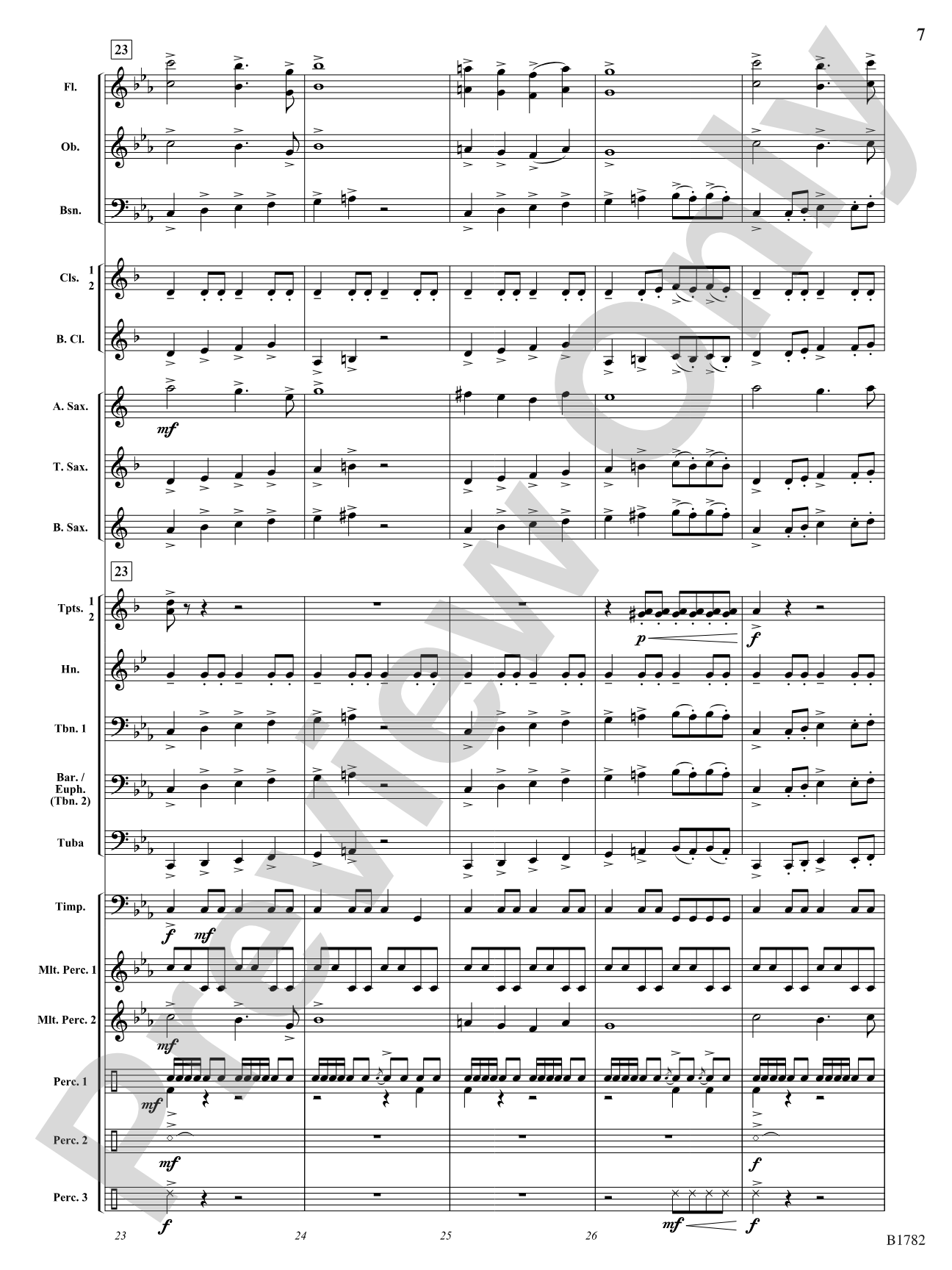
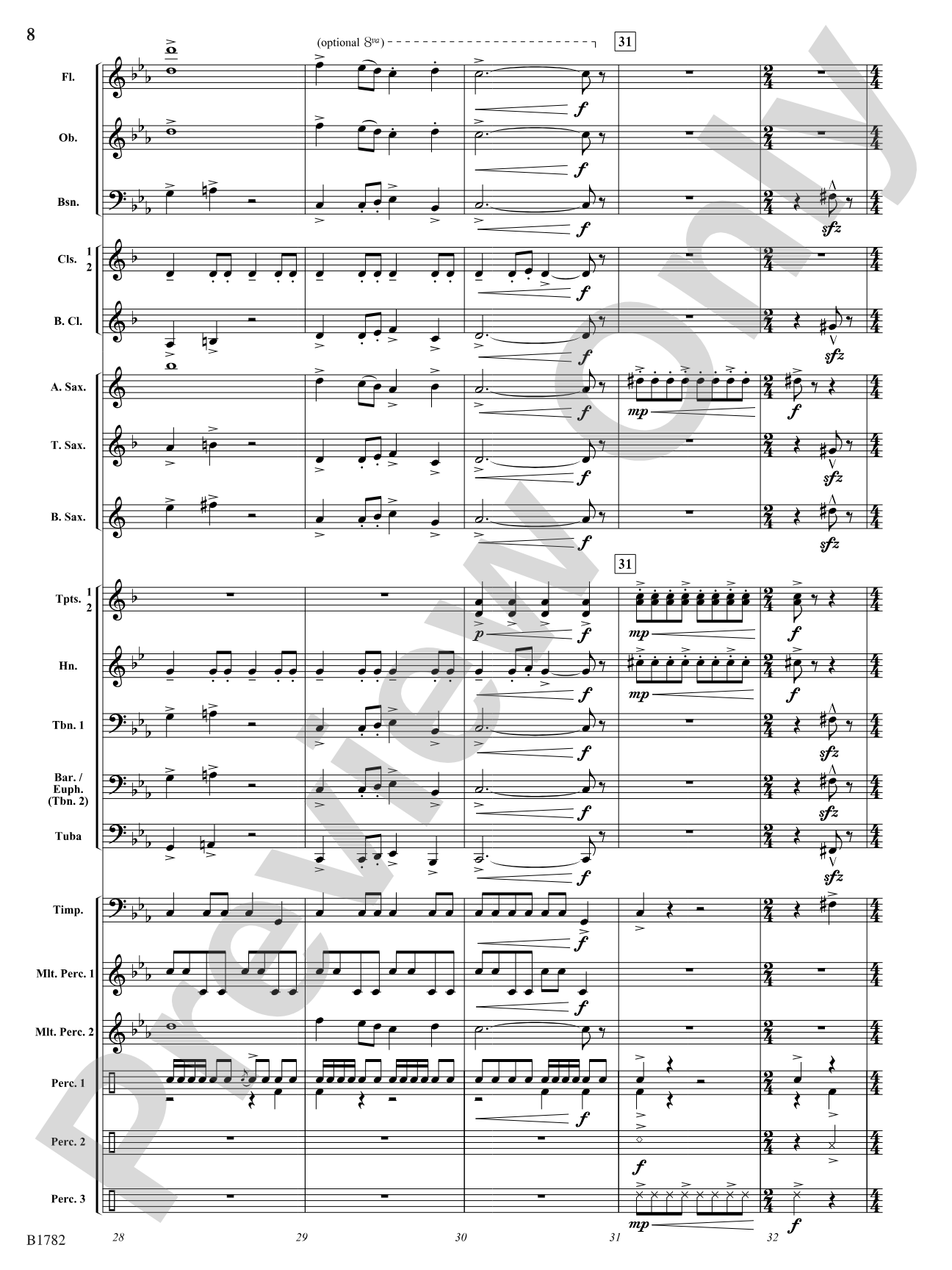
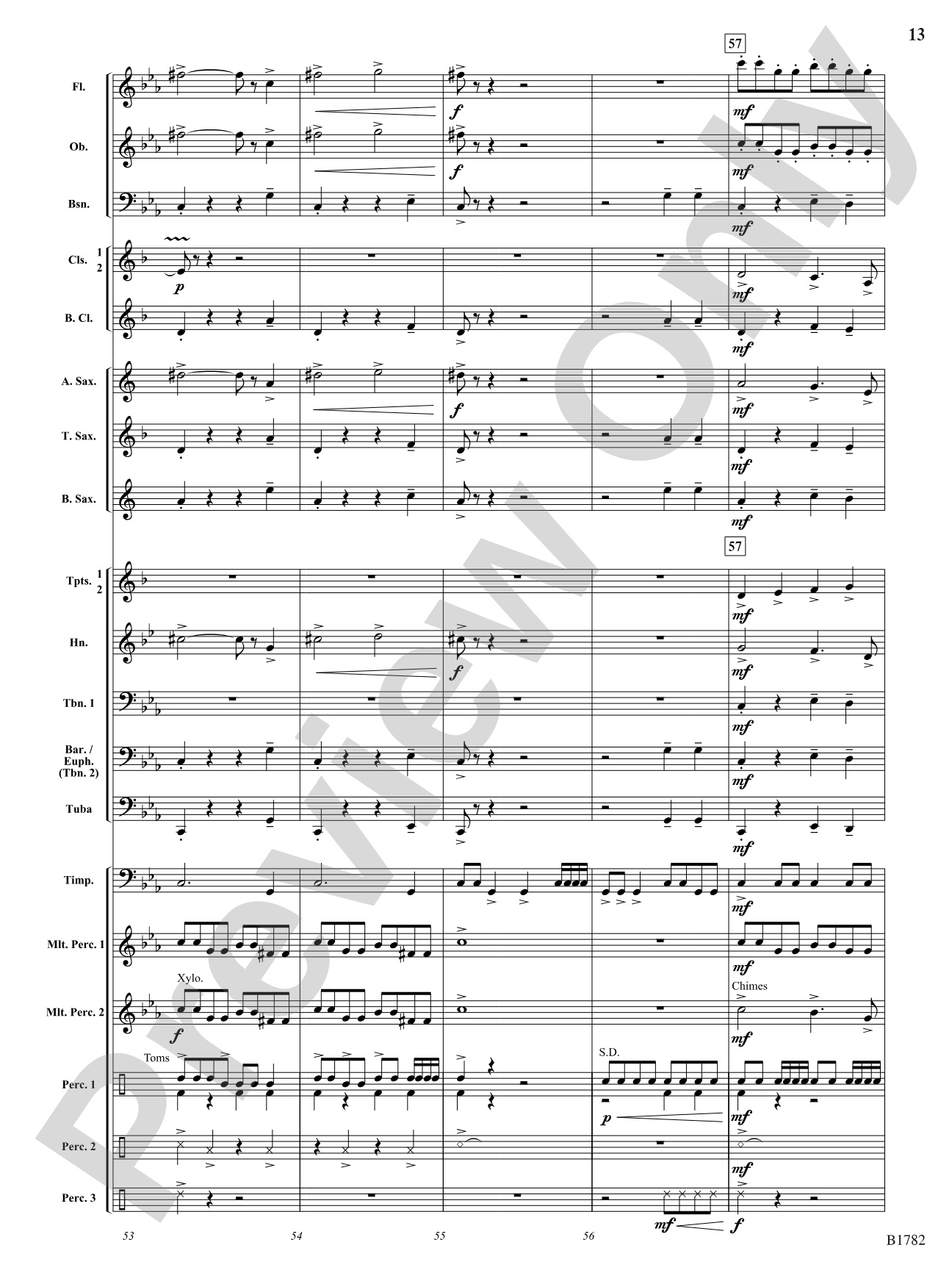
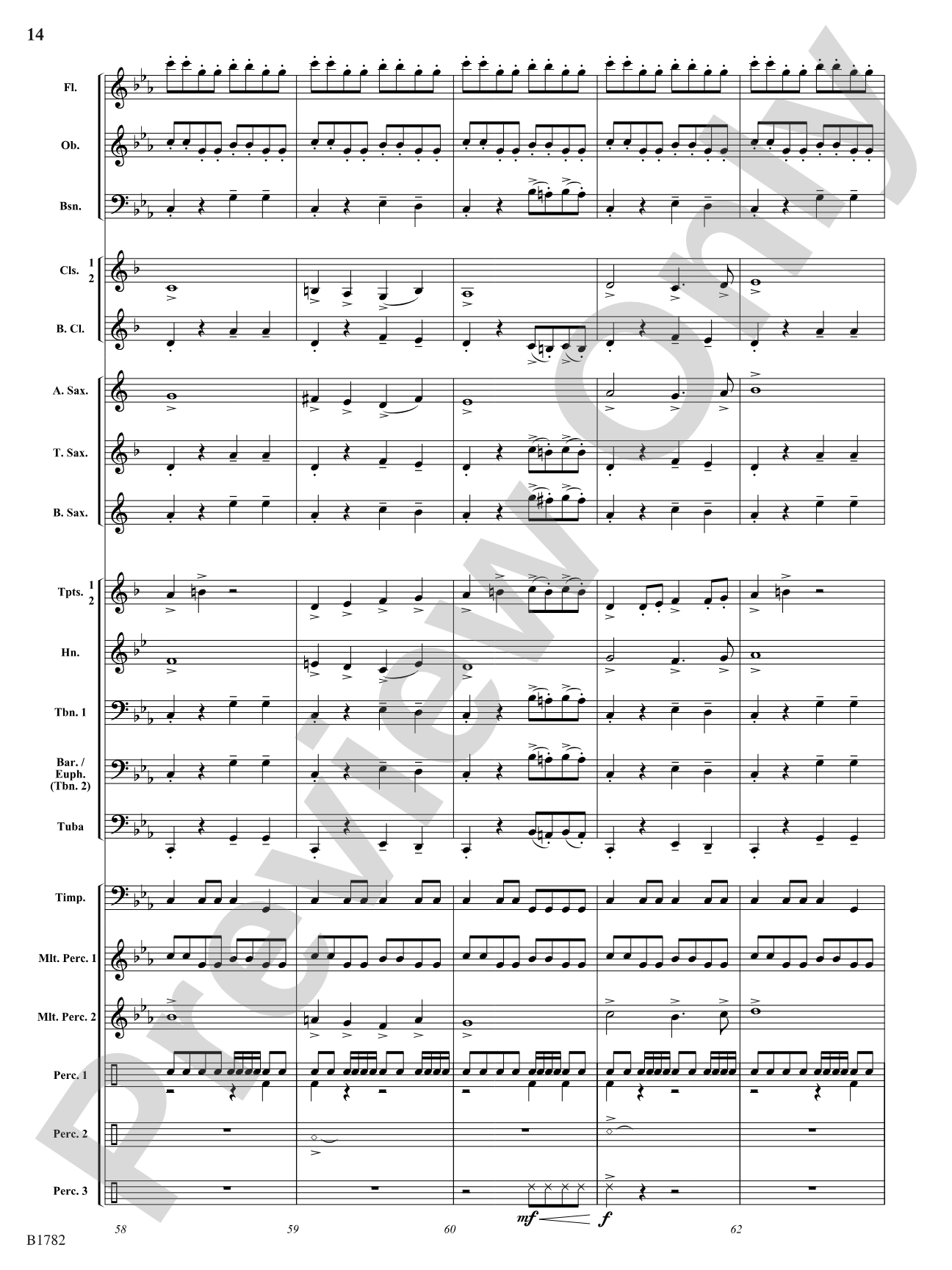
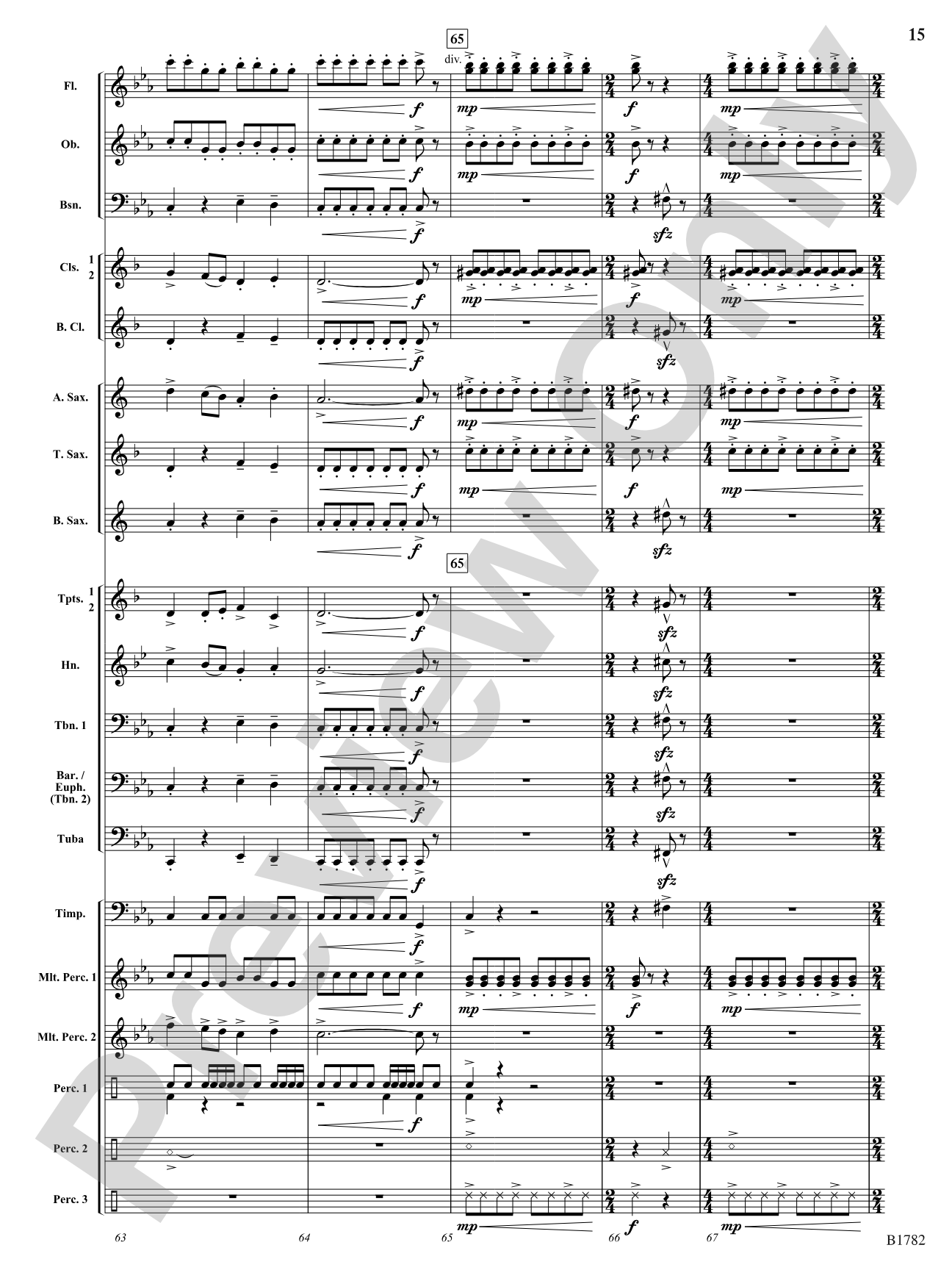
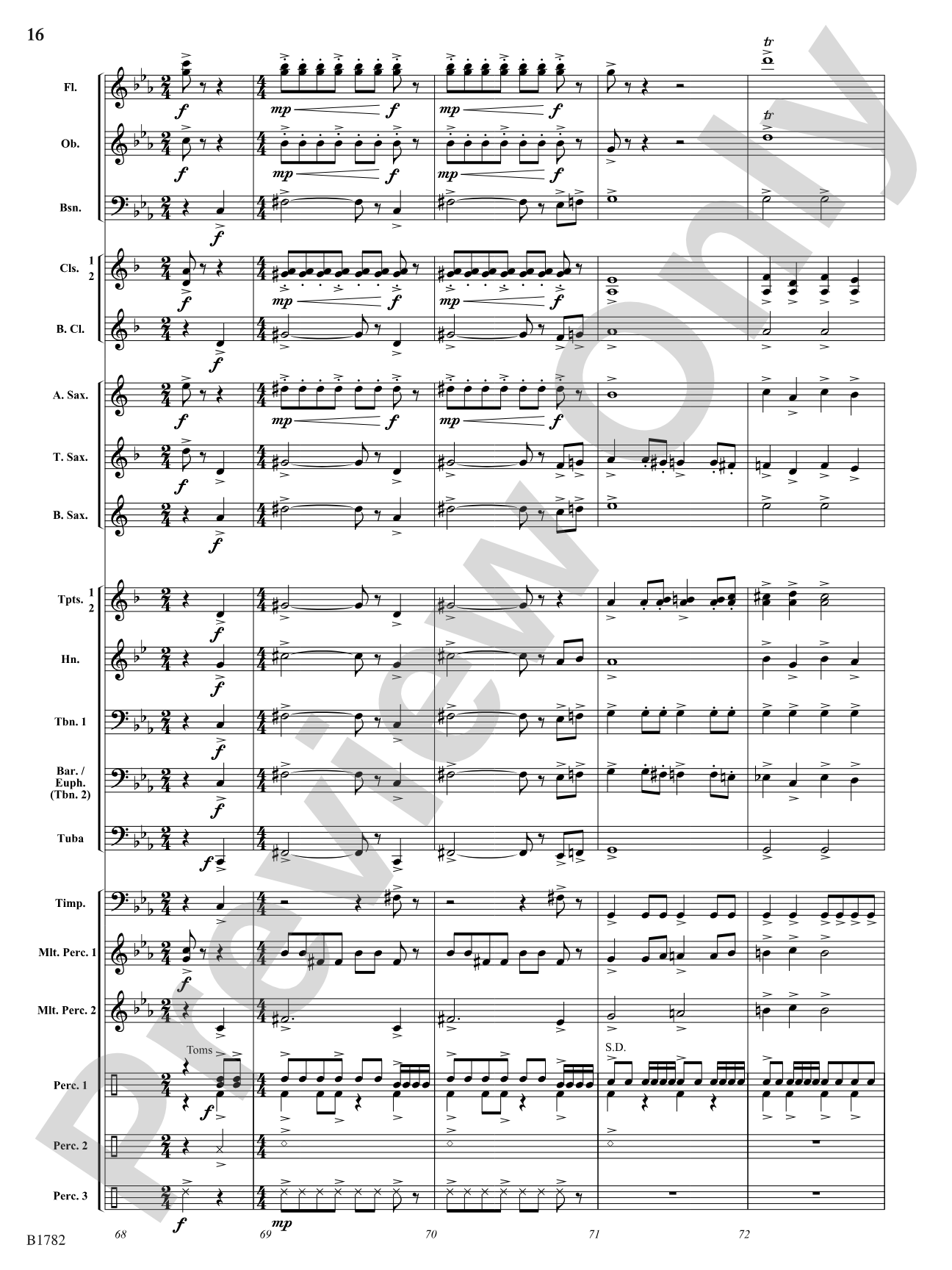
Sound the alarms! This bombastic work will make an exciting addition to your next concert and keep your students motivated from rehearsal to rehearsal. Searing dissonances, tri-tones, and syncopated rhythms have been utilized carefully to create a challenging, yet achievable piece with active parts for all players. Sure to be a hit with musicians and audiences alike.


Don't just read it, hear it, play along with it, and watch your students grow with it. In MakeMusic Cloud, Alarm: Score comes alive with professional accompaniment, adjustable tempo, and built-in practice tools that turn solo practice into real progress.
Open in the Player
Jump straight in and assign it today.
Start Your Free Trial
Open this title and explore the full library in minutes.
Sample Audio
1
Audio File
--:--
0:00
0:00
Sample Video
Additional Details
Series:
FJH Developing Band
Publisher:
The FJH Music Company, Inc.
SKU:
98-DB1782S
More about this title
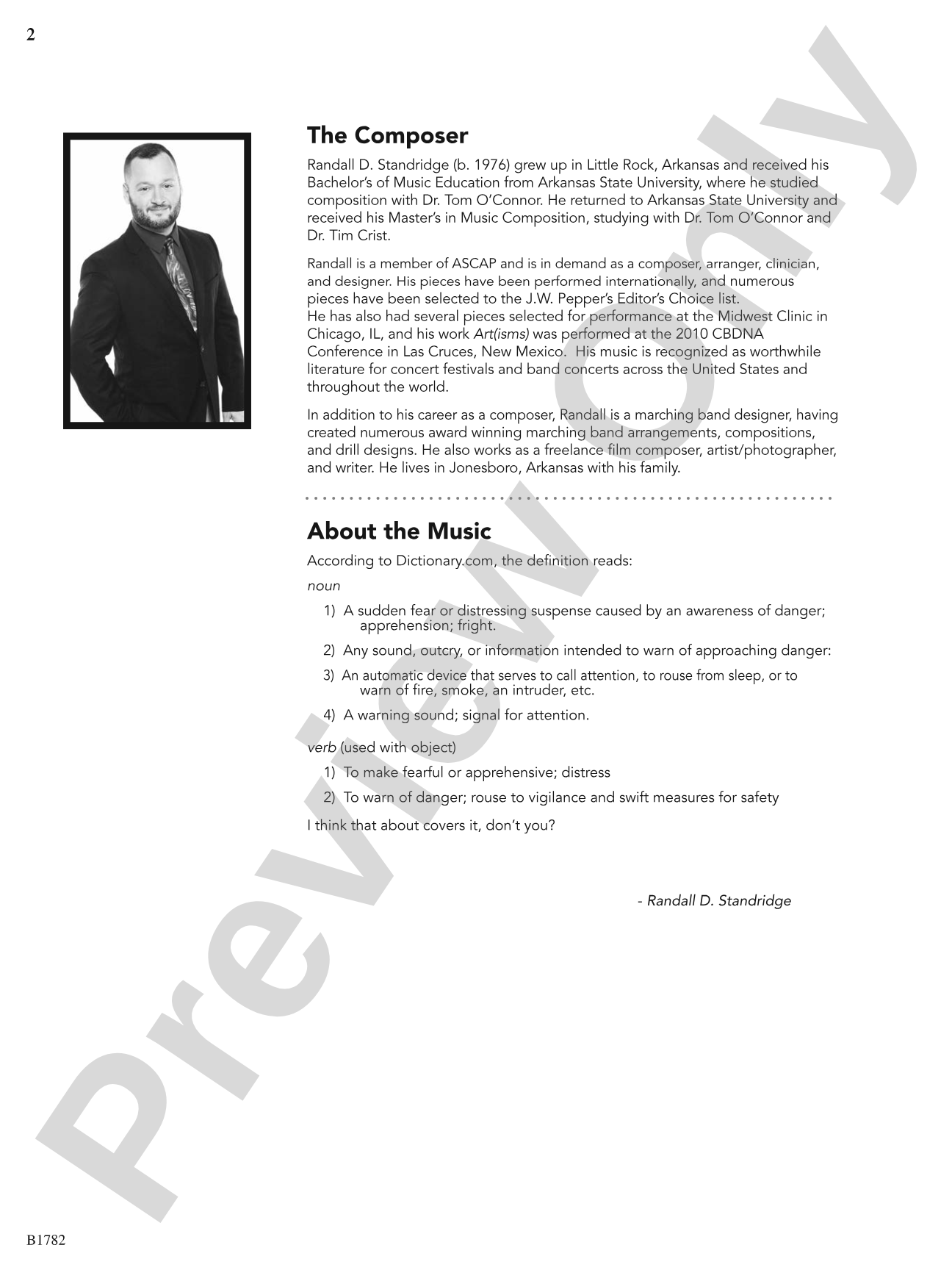
About the Composer: Randall D Standridge
Randall D Standridge is a prolific composer and arranger whose work spans concert band, jazz ensemble, and choral literature. He has built a reputation for writing accessible yet musically substantial pieces that engage developing musicians while maintaining artistic integrity. His catalog includes numerous contest and festival selections performed by thousands of bands annually.
Why we love this
Standridge crafts pieces that balance immediate impact with genuine musical substance. Alarm delivers visceral energy through dissonance and syncopation without sacrificing clarity or pedagogical value, making it an ideal encore or festival opener that energizes both ensemble and audience without overshadowing the skill level of developing musicians.
What to expect
Alarm strikes with urgency and raw power, its dissonant clusters and tritone intervals creating an almost visceral sense of alarm that feels immediate and present. Syncopated rhythms propel the piece forward with relentless energy, building excitement that engages audiences from the first downbeat to the final crash.
Who it's for
Grade 1.5 concert bands ready for a high-energy centerpiece that showcases rhythmic precision and ensemble control. This work suits ensembles with solid fundamentals in place and the ability to execute articulation changes and dynamic shifts confidently.
How to get the most out of it
- Shape the dissonances deliberately rather than rushing through them; let the searing quality breathe so audiences hear the intentionality behind the sound design.
- Lock the syncopated rhythms as a full ensemble before sectional work. Clap the rhythmic figures together, then distribute them across instrumental families to clarify how each part contributes to the forward momentum.
- Balance the tritone intervals carefully in rehearsal by bringing out the lower octaves slightly; this prevents the effect from becoming shrill and allows the harmonic tension to register clearly.
How to use it
Position Alarm as a festival selection or concert opener designed to capture immediate attention and establish momentum. Its bombastic character pairs well with more lyrical works on the same program, creating dynamic contrast and giving audiences a moment to reset.
Skills your students will build
- Executing syncopated rhythmic patterns with ensemble precision
- Balancing and blending dissonant harmonic intervals (tritones, searing clusters)
- Reading and performing sharp articulation changes under varying dynamic levels
- Maintaining ensemble cohesion during rhythmically complex passages across multiple instrumental families