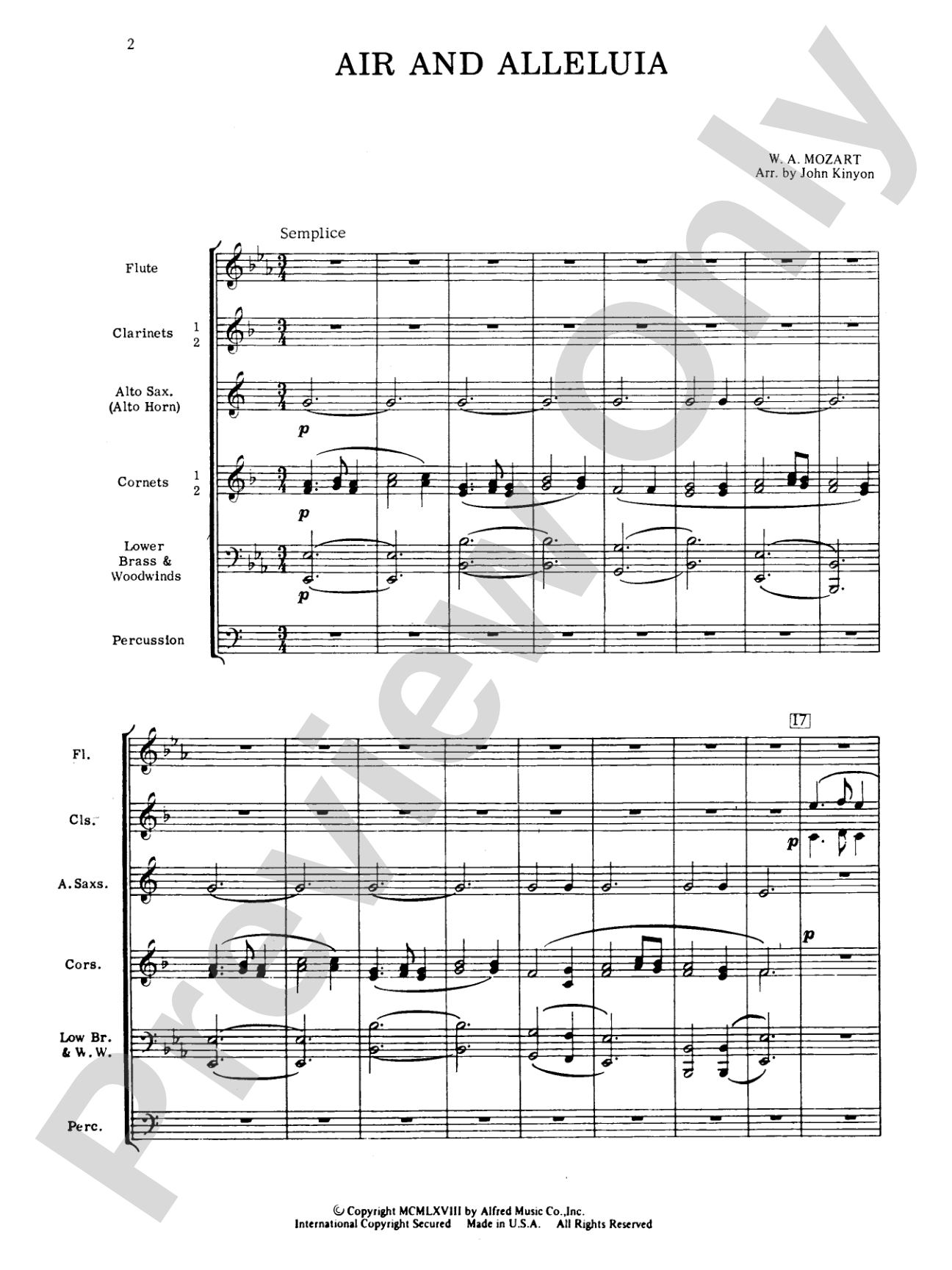
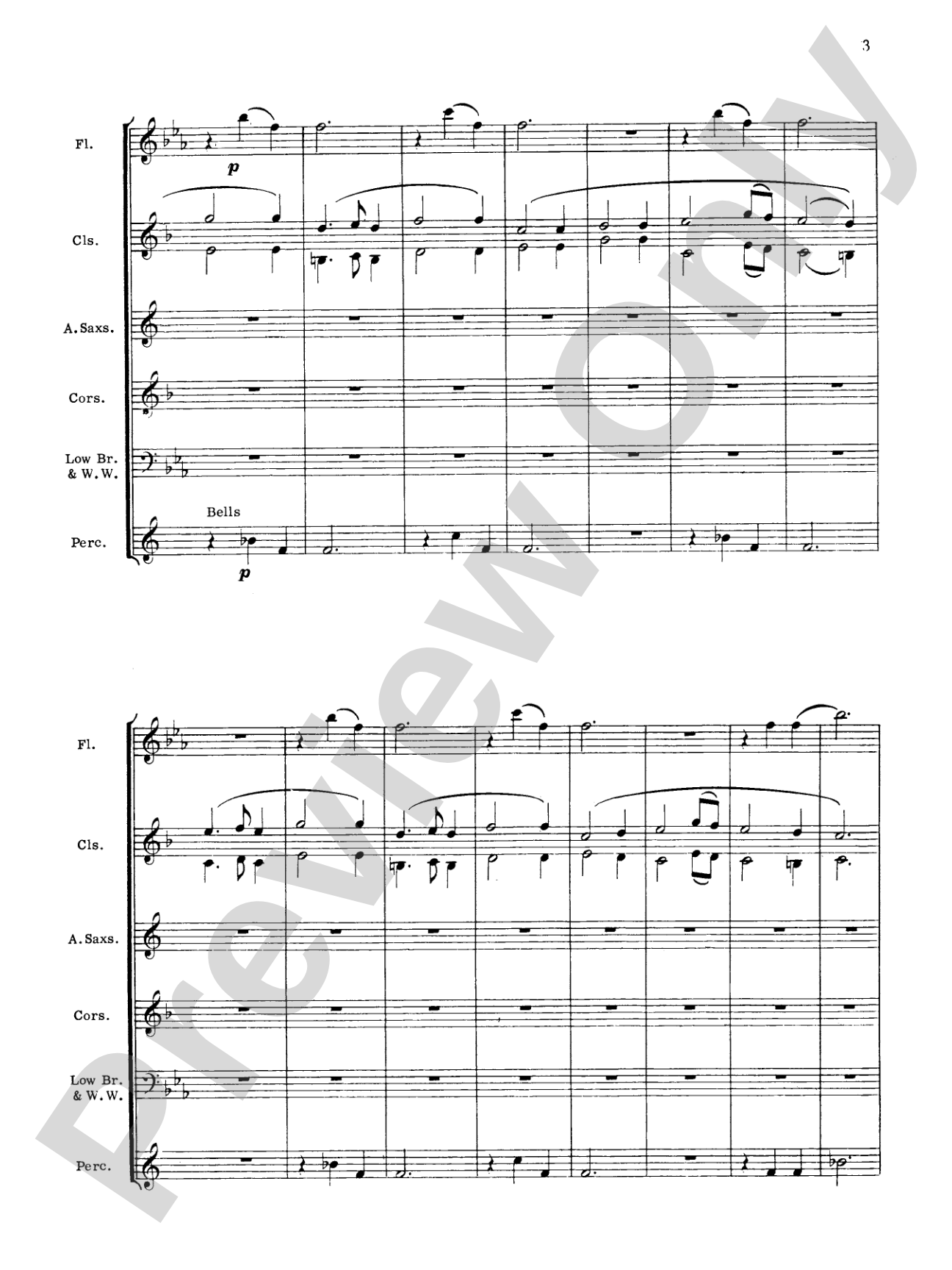
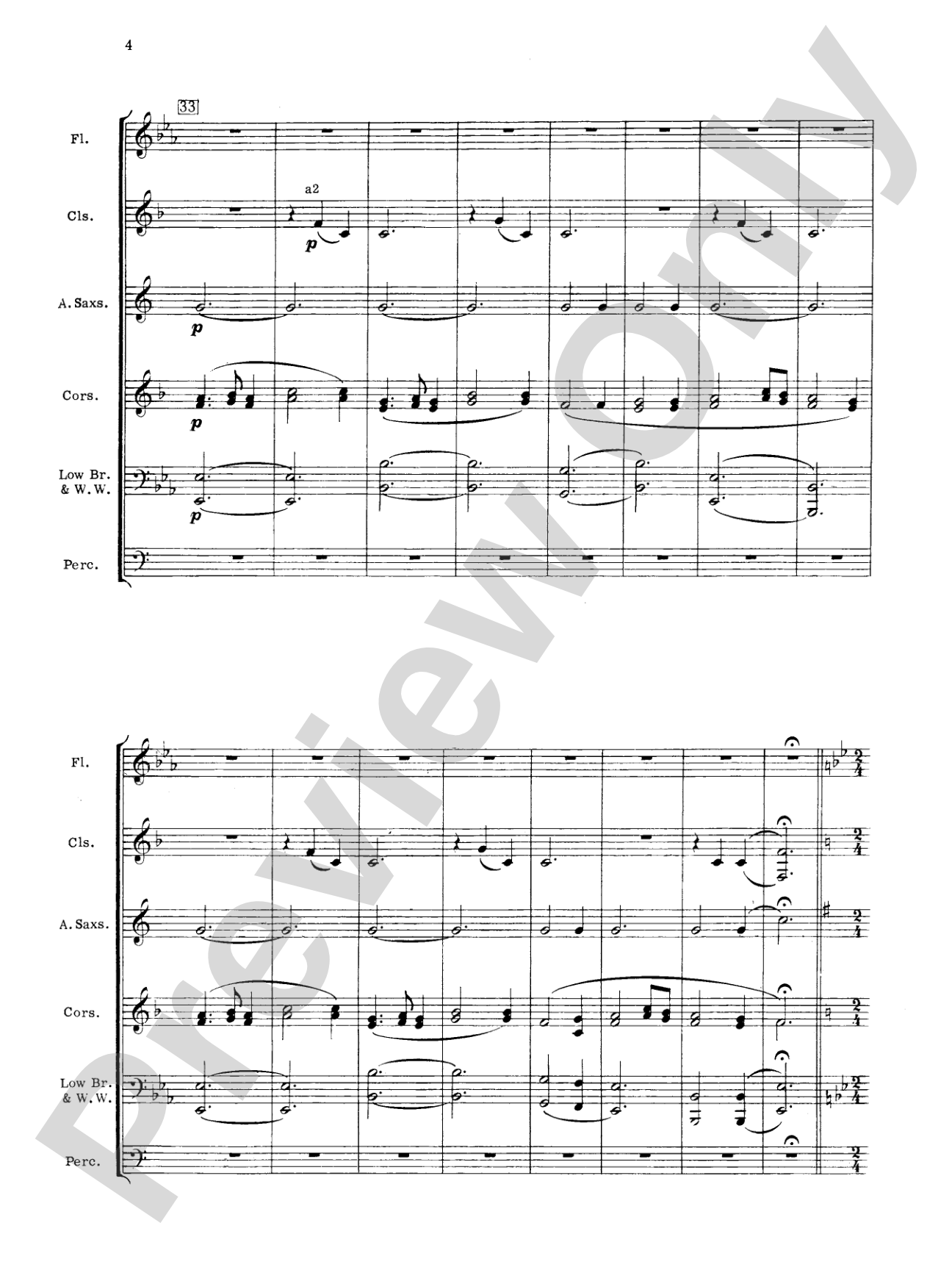
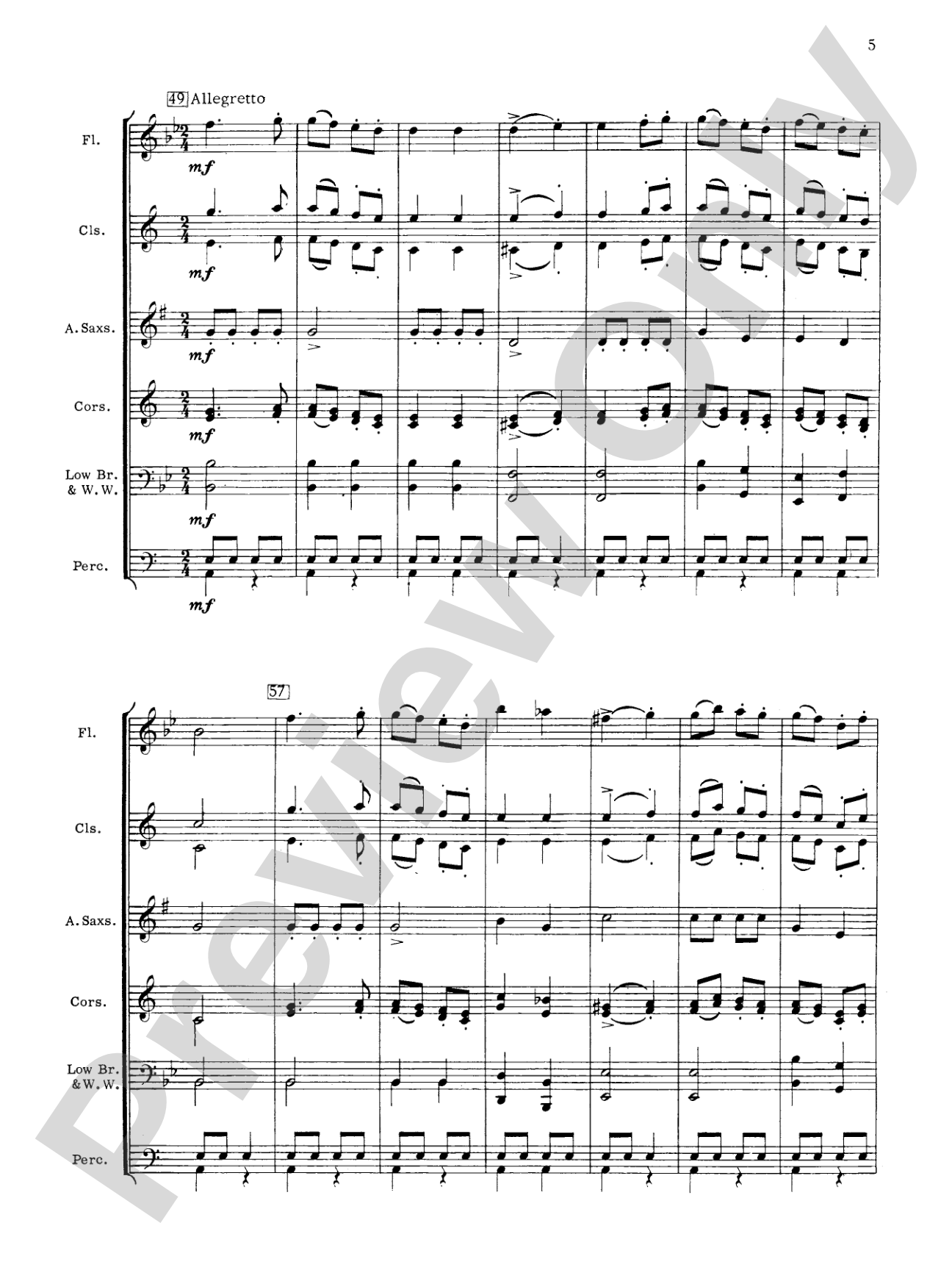
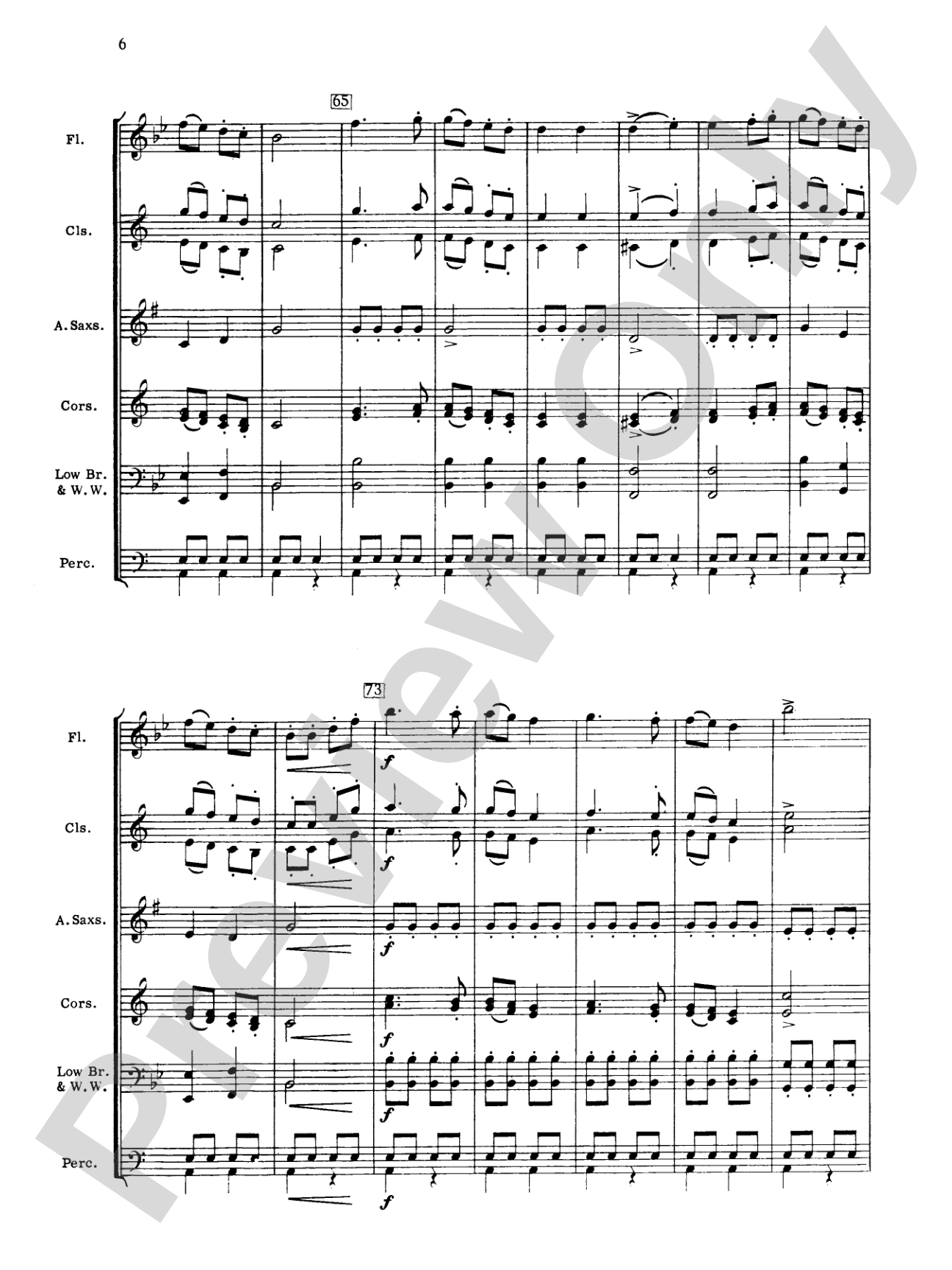
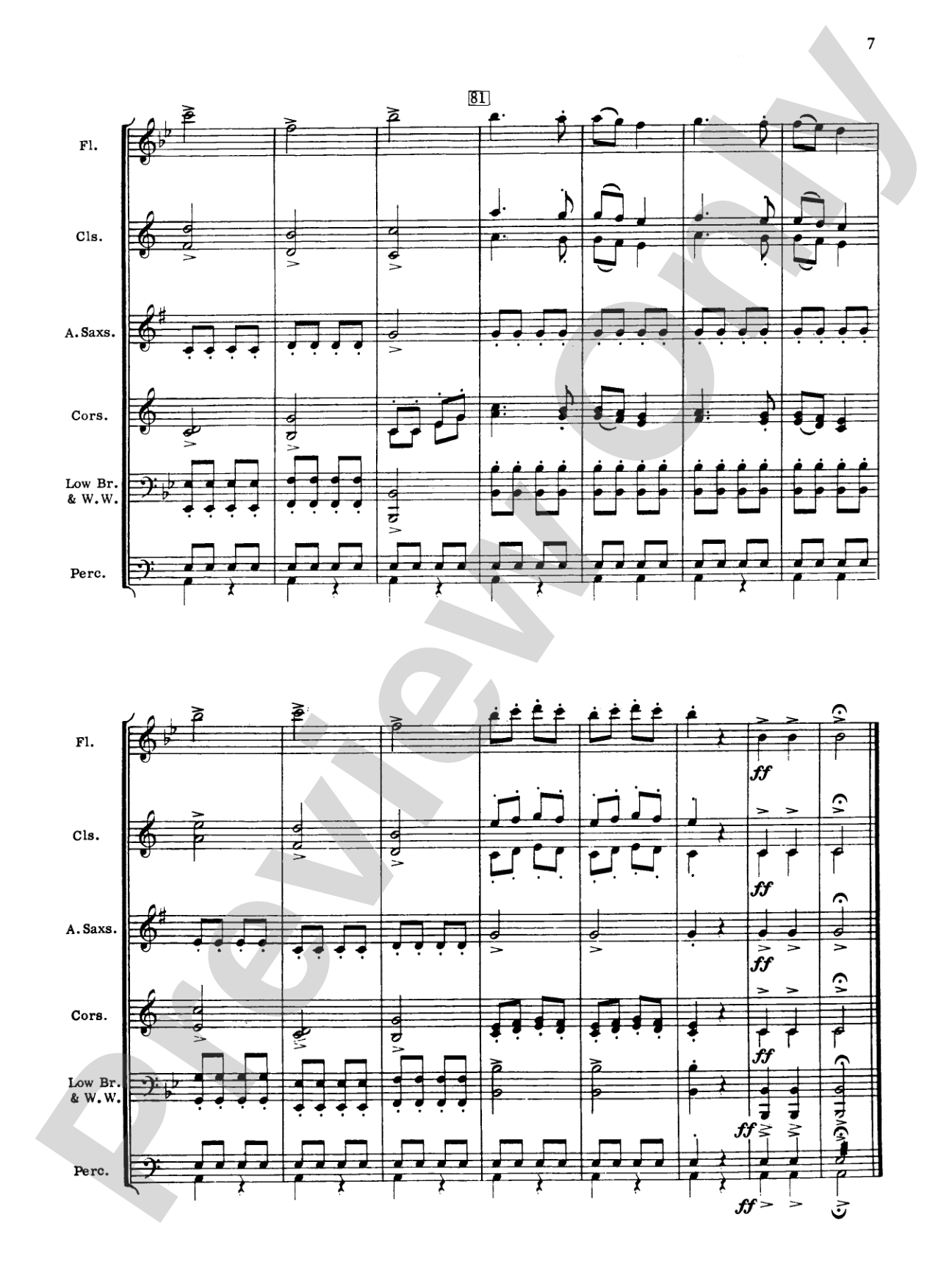
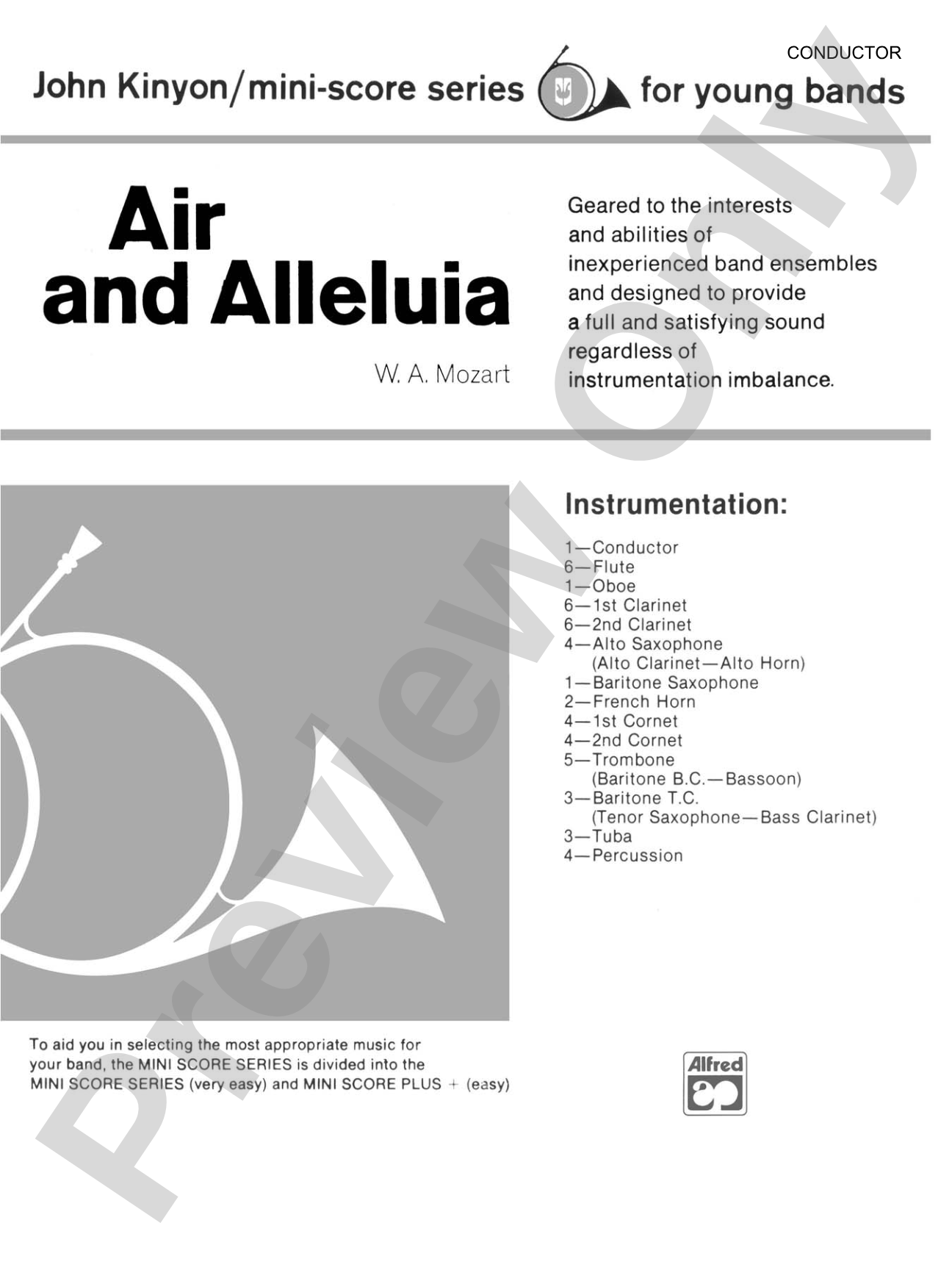
Air and Alleluia: Score Sheet Music Preview

Air and Alleluia: Score

By Wolfgang Amadeus Mozart / arr. John Kinyon

Grade: 1 (Very Easy)

Item: 00-PR-0001927

Digital Download
$7.00
Description

Don't just read it, hear it, play along with it, and watch your students grow with it. In MakeMusic Cloud, Air and Alleluia: Score comes alive with professional accompaniment, adjustable tempo, and built-in practice tools that turn solo practice into real progress.

Sample Audio
No sample audio found.
Sample Video
Additional Details
Series: Mini Score Series
Publisher: Alfred Music
Page Count: 98
SKU: 00-PR-0001927

More about this title

About the Composer: Wolfgang Amadeus Mozart

Wolfgang Amadeus Mozart (1756-1791) composed across every major genre of his era with extraordinary facility and invention. Born in Salzburg, Austria, he achieved mastery as a child prodigy and went on to create over 600 works that remain central to the concert repertoire. His music balances formal clarity with emotional depth, making his compositions enduringly rewarding for musicians of all levels.

Why we love this

John Kinyon's arrangement preserves Mozart's elegant melodic voice while making it genuinely playable for very young ensembles. The Grade 1 scoring allows developing musicians to experience authentic Mozart without compromise, and the pairing of two contrasting movements gives your band substantial, recognizable repertoire that audiences embrace instantly.

What to expect

The Air unfolds with Classical poise and graceful melody, inviting careful listening and gentle expression. The Alleluia shifts into brighter, rhythmically propulsive territory, giving the band a chance to display articulation clarity and ensemble cohesion in a joyful, dance-like character.

Who it's for

This arrangement suits beginning concert bands and middle school ensembles ready to tackle genuine masterwork literature. Directors seeking strong opening or intermission material for young musicians will find reliable, audience-pleasing repertoire that builds confidence without oversimplifying Mozart's voice.

How to get the most out of it

  • Shape the phrases with gentle dynamic contours rather than playing at a uniform level; Mozart's lines breathe naturally and respond well to subtle shaping that follows the harmonic motion.
  • Balance the melody across your available instrumentation so the tune remains clear; resist the temptation to overblown the tuttis, as Mozart's textures gain transparency when voiced with restraint.
  • Maintain steady tempo and articulation clarity in the Alleluia section so the rhythmic drive builds momentum without rushing; younger ensembles often accelerate when they feel excitement, so marking a comfortable tempo helps.
  • Listen for balance between the Air's lyrical quality and the Alleluia's quicker character; treat them as contrasting movements that showcase different musical moods within a single piece.

How to use it

Open a winter or spring concert with this pairing to establish an elegant, accessible tone for your audience. The contrasting movements work equally well as a complete standalone set or as part of a program mixing Classical and contemporary works; the Grade 1 accessibility means your band can tackle it early in the season and refine it throughout the year.

Skills your students will build

  • Balancing melody and accompaniment in Classical textures
  • Phrasing with dynamic contour in lyrical passages
  • Maintaining steady tempo during rhythmic figures
  • Transitioning between contrasting musical characters
  • Articulation clarity in faster moving sections

You May Also Like