Ahrirang Cover Image

Ahrirang: SATB Choral Octavo

$2.05 USD
Sale price  $2.05 USD Regular price 
Skip to product information
Ahrirang Cover Image

Ahrirang: SATB Choral Octavo

Korean Folk Song / arr. Robert DeCormier

Item: 00-LG51540

makemusic Cloud badge

Need it now?

Buy Digital Version
$2.05
Shipped

One moment…

Description
Instantly recognizable as probably the most well-known Korean folk songs known in this country, this setting by Robert DeCormier is exceptionally beautiful! Very haunting! This title is available in Music Prodigy.

Don't just read it, hear it, play along with it, and watch your students grow with it. In MakeMusic Cloud, Ahrirang: SATB Choral Octavo comes alive with professional accompaniment, adjustable tempo, and built-in practice tools that turn solo practice into real progress.

Sample Pages

Sample Audio
0:00
0:00
Sample Video
Additional Details
Series: Lawson-Gould
Publisher: Alfred Music
Page Count: 8
UPC: 783556006855
SKU: 00-LG51540

More about this title

About the Arranger: Robert DeCormier
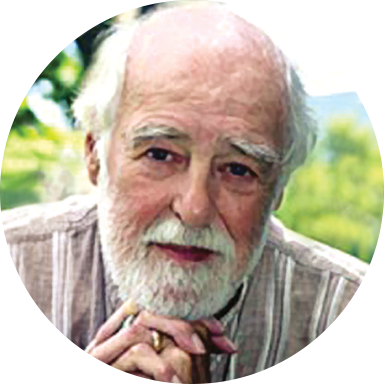
Robert DeCormier

Robert DeCormier studied at the Juilliard School and spent decades shaping choral music in America through conducting, arranging, and education. His tenure as music director of the New York Choral Society spanned seventeen years, and he collaborated with major folk artists including Harry Belafonte and Peter, Paul and Mary, the latter a partnership that lasted until 2010. He also taught conducting and ensembles at the Eastman School of Music from 1972 to 1977.

Beyond his conducting work, DeCormier built a reputation as an arranger of remarkable range, drawing from African-American spirituals to folk traditions across cultures. In 1993, he helped establish the Vermont Symphony Orchestra Chorus, and founded the professional ensemble Counterpoint in 2000, which recorded extensively and led workshops with high school choirs throughout New England and beyond. His contributions to choral music earned him the Vermont Governor's Award for Excellence in the Arts and a Lifetime Achievement Award from the New England Choral Arts Foundation.

Why we love this

DeCormier's arrangement captures what makes Arirang so compelling: its melodic simplicity masks genuine emotional depth. This version sits perfectly for choirs seeking meaningful repertoire that resonates with audiences immediately while offering enough harmonic sophistication to engage singers. It's the kind of piece that works equally well at a festival or as a concert opener that genuinely moves people.

What to expect

Arirang carries a quiet persistence, a longing quality that unfolds gradually rather than demanding immediate attention. The arrangement preserves the modal character and emotional restraint of the original folk melody, creating an introspective moment that lingers with listeners long after it ends.

Who it's for

Choirs at the intermediate to advanced level looking for culturally significant repertoire that doesn't demand extensive technical pyrotechnics. This is ideal for groups preparing festival programs or wanting to meaningfully expand beyond the Western European canon.

How to get the most out of it

  • Honor the folk roots by resisting the urge to over-interpret. The haunting quality DeCormier captures comes from restraint and clarity of line.
  • Balance the parts carefully so that the melody never disappears into the texture, even when it passes between voices.
  • Pay attention to text underlay and vowel consistency across the octavo to maintain the song's meditative character throughout.

How to use it

This works beautifully as a bridge piece in a concert that might otherwise stay within one cultural tradition, or as a standalone moment of contrast between more energetic selections. Its eight-page length makes it manageable for festivals or chamber choir programs, and its accessibility ensures audiences connect with it immediately.

Skills your students will build

  • Singing in modal harmony and non-functional chord progressions
  • Maintaining intonation across long, sustained lines
  • Blending folk melody with arranged harmonic accompaniment
  • Text clarity and emotional communication in a non-native language

You May Also Like
