
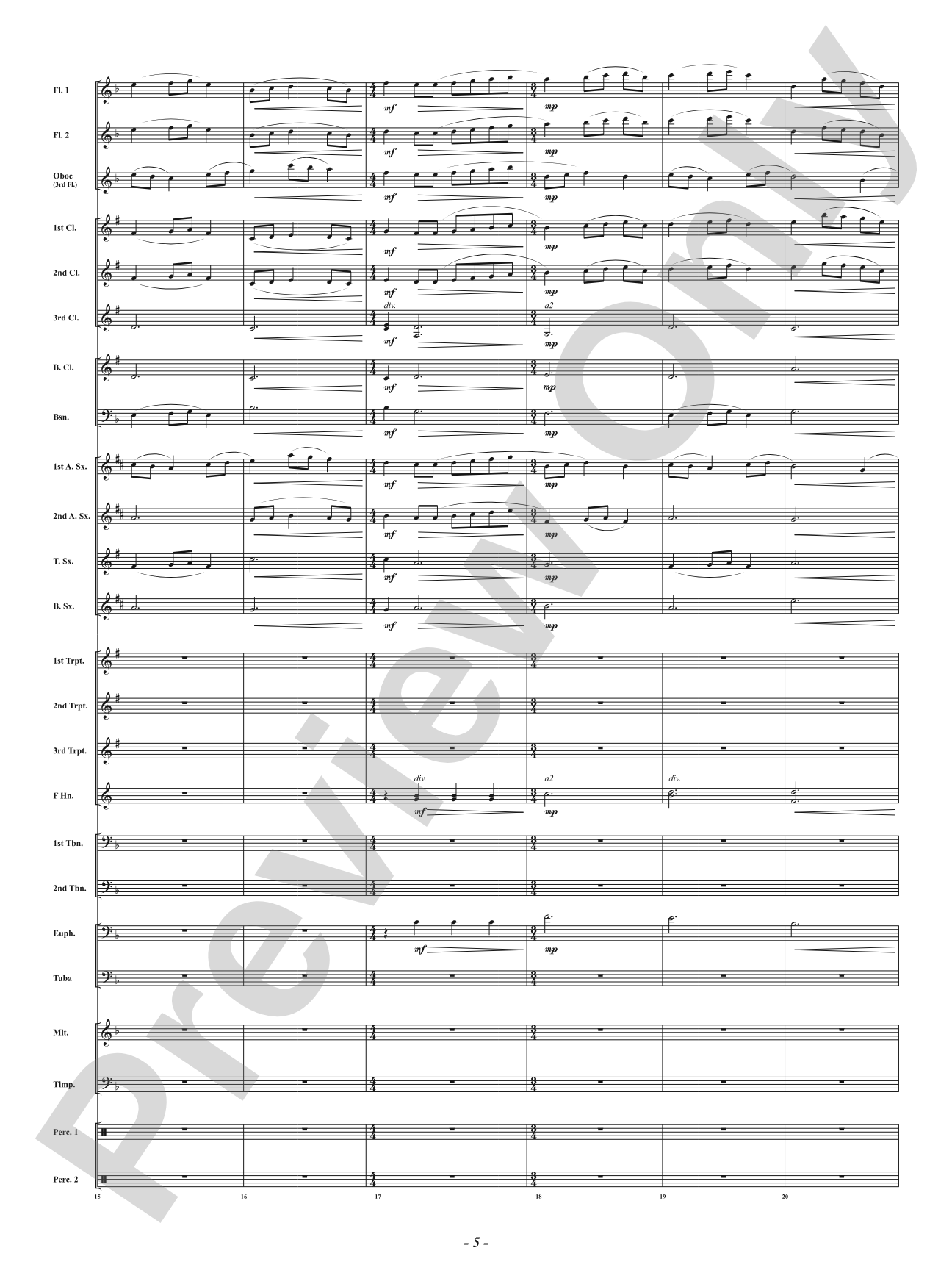
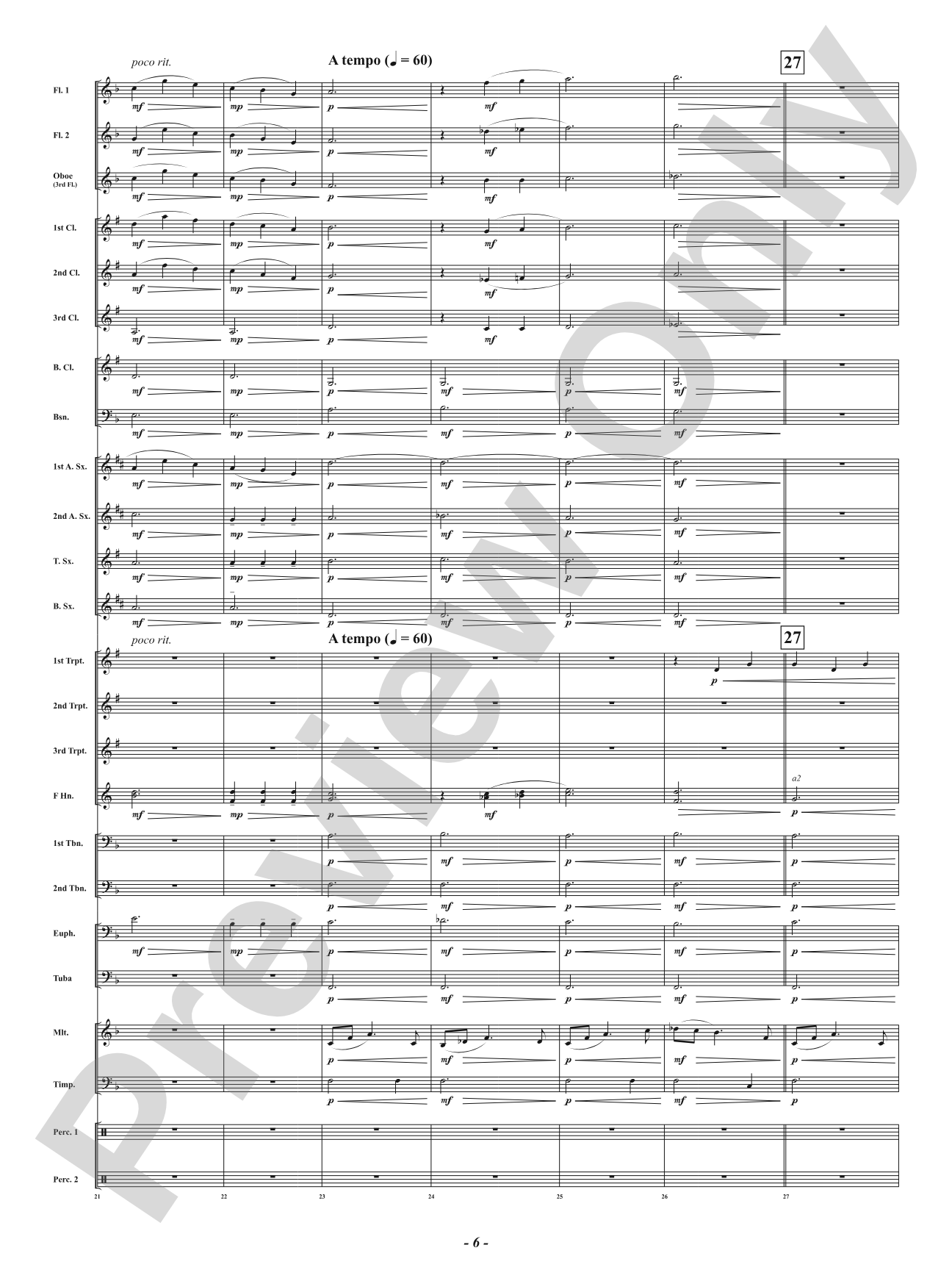
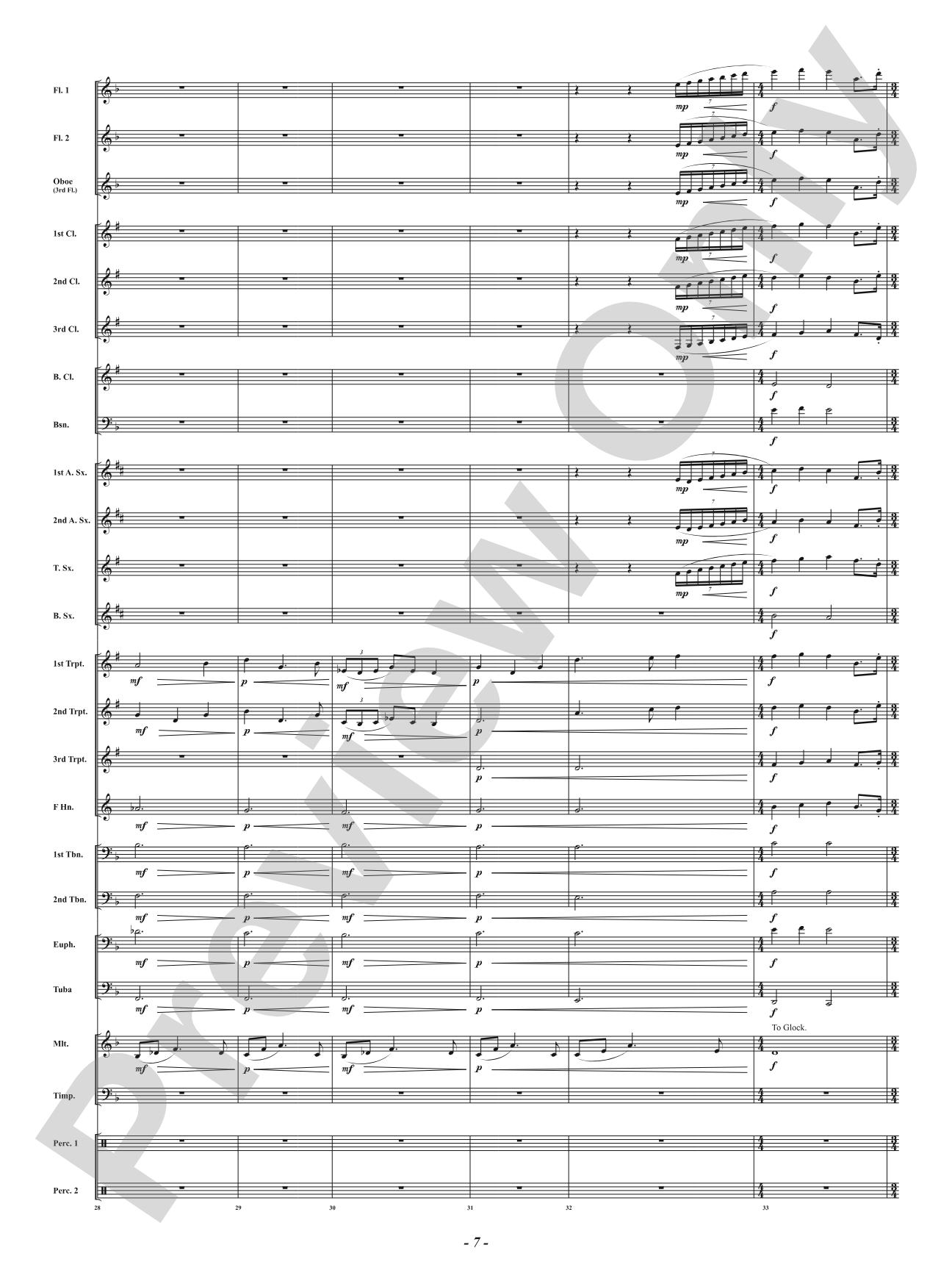
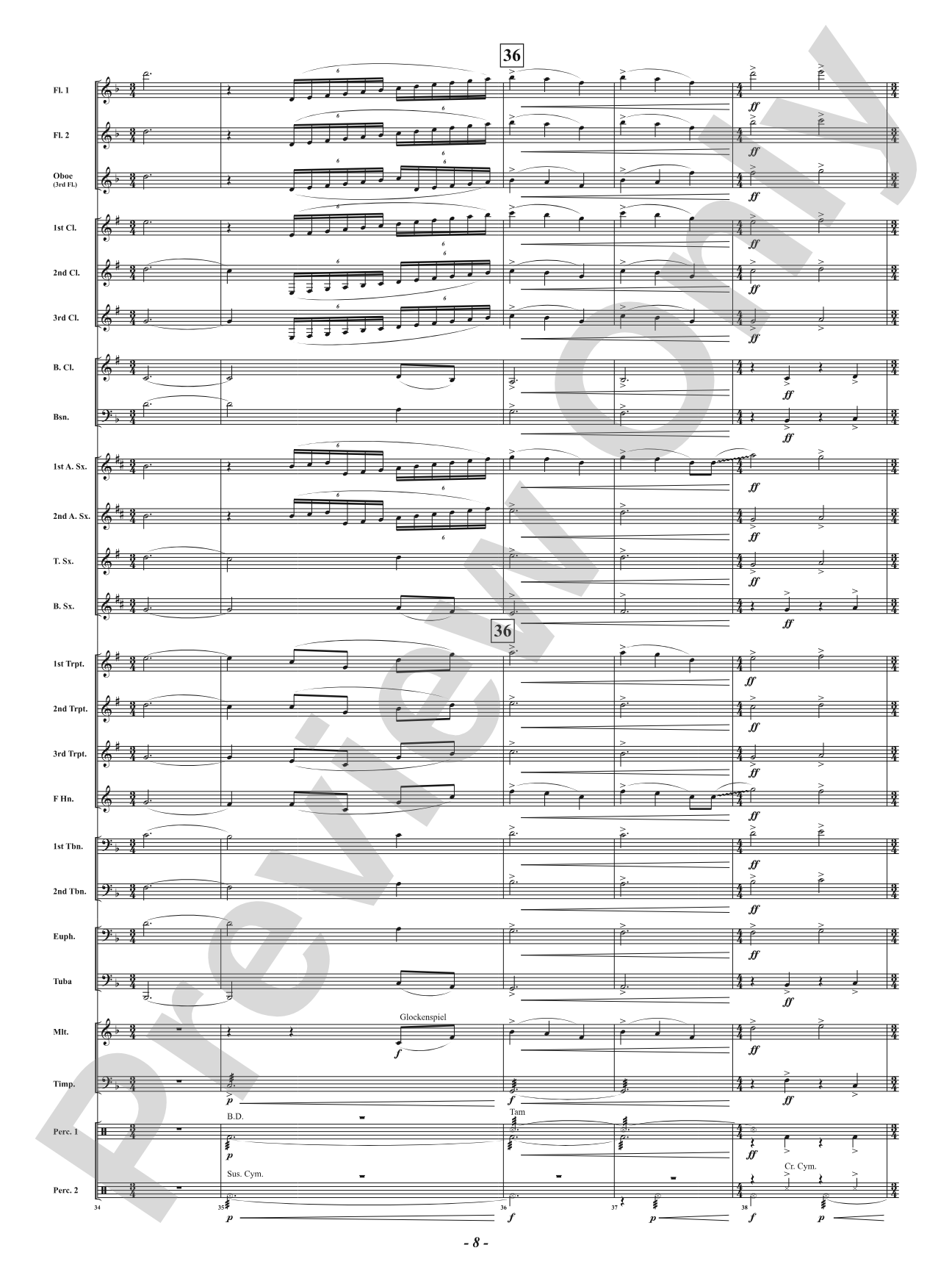


Again We Rise: Concert Band Conductor Score & Parts
By John M. Pasternak
Grade: 4
Item: 98-PK-RWS1702
$95.00
Pickup currently not available
Buy Extra Parts (Digital PDF Download)
| Product | Price | Quantity |
|---|---|---|
| Again We Rise: Score | $15.00 | |
| Again We Rise: 1st Flute | $3.99 | |
| Again We Rise: 2nd Flute | $3.99 | |
| Again We Rise: Oboe | $3.99 | |
| Again We Rise: 1st B-flat Clarinet | $3.99 | |
| Again We Rise: 2nd B-flat Clarinet | $3.99 | |
| Again We Rise: 3rd B-flat Clarinet | $3.99 | |
| Again We Rise: B-flat Bass Clarinet | $3.99 | |
| Again We Rise: Bassoon | $3.99 | |
| Again We Rise: 1st E-flat Alto Saxophone | $3.99 | |
| Again We Rise: 2nd E-flat Alto Saxophone | $3.99 | |
| Again We Rise: B-flat Tenor Saxophone | $3.99 | |
| Again We Rise: E-flat Baritone Saxophone | $3.99 | |
| Again We Rise: 1st B-flat Trumpet | $3.99 | |
| Again We Rise: 2nd B-flat Trumpet | $3.99 | |
| Again We Rise: 3rd B-flat Trumpet | $3.99 | |
| Again We Rise: 1st F Horn | $3.99 | |
| Again We Rise: 1st Trombone | $3.99 | |
| Again We Rise: 2nd Trombone | $3.99 | |
| Again We Rise: Baritone B.C. | $3.99 | |
| Again We Rise: Baritone T.C. | $3.99 | |
| Again We Rise: Tuba | $3.99 | |
| Again We Rise: 1st Mallet Percussion | $3.99 | |
| Again We Rise: Timpani | $3.99 | |
| Again We Rise: 1st Percussion | $3.99 | |
| Again We Rise: 2nd Percussion | $3.99 |
Parts Added to Cart!
Description
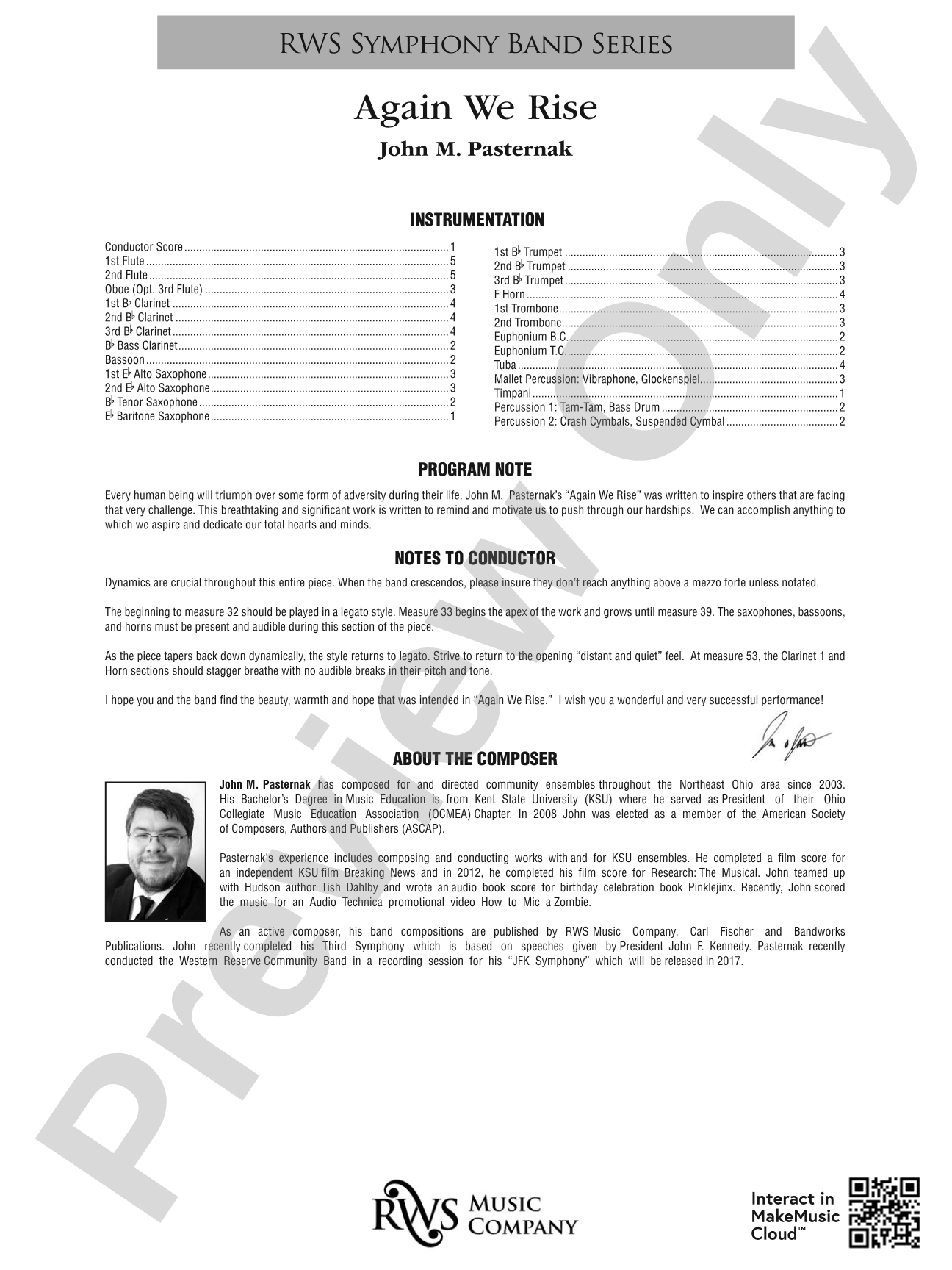
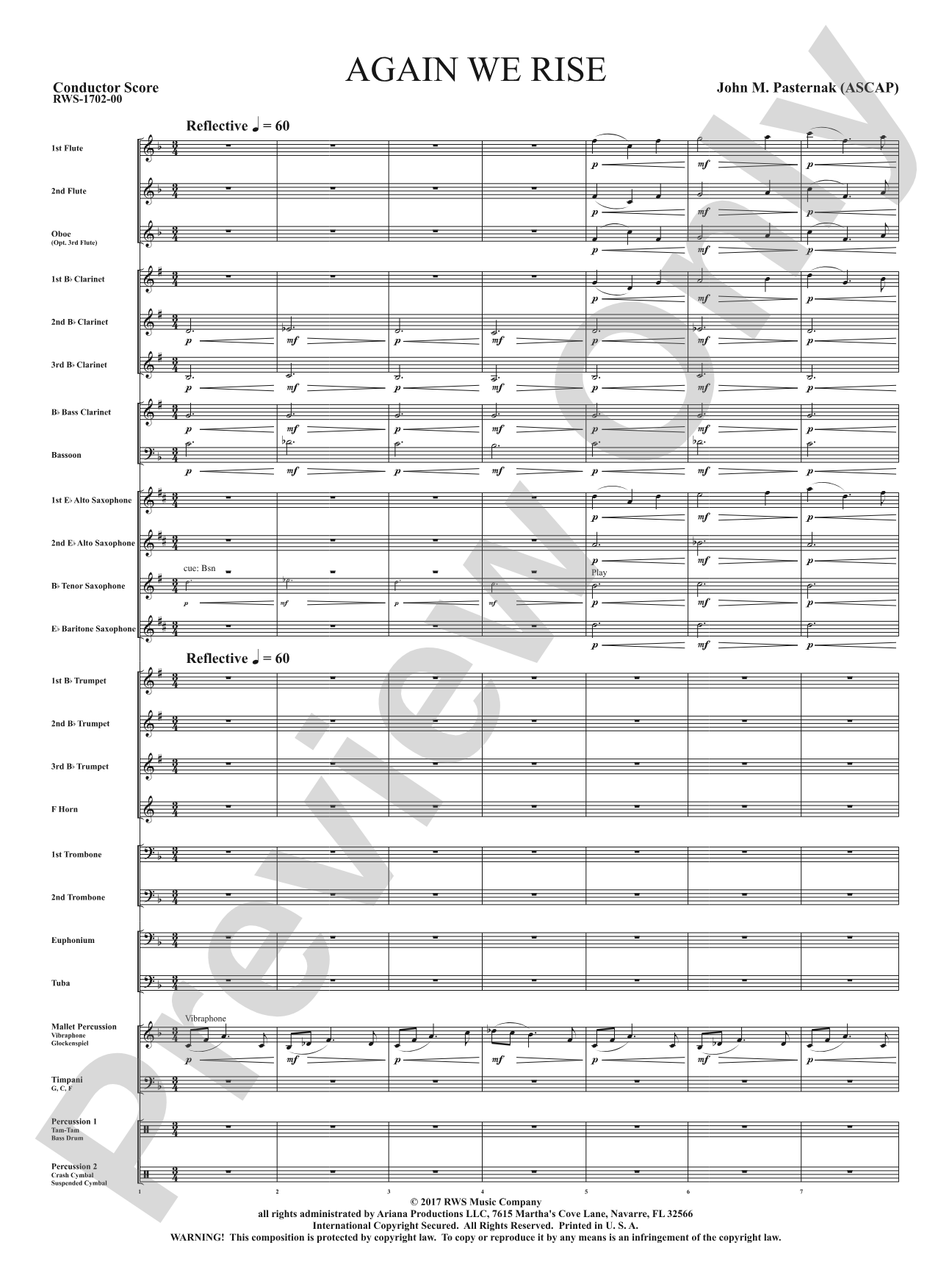
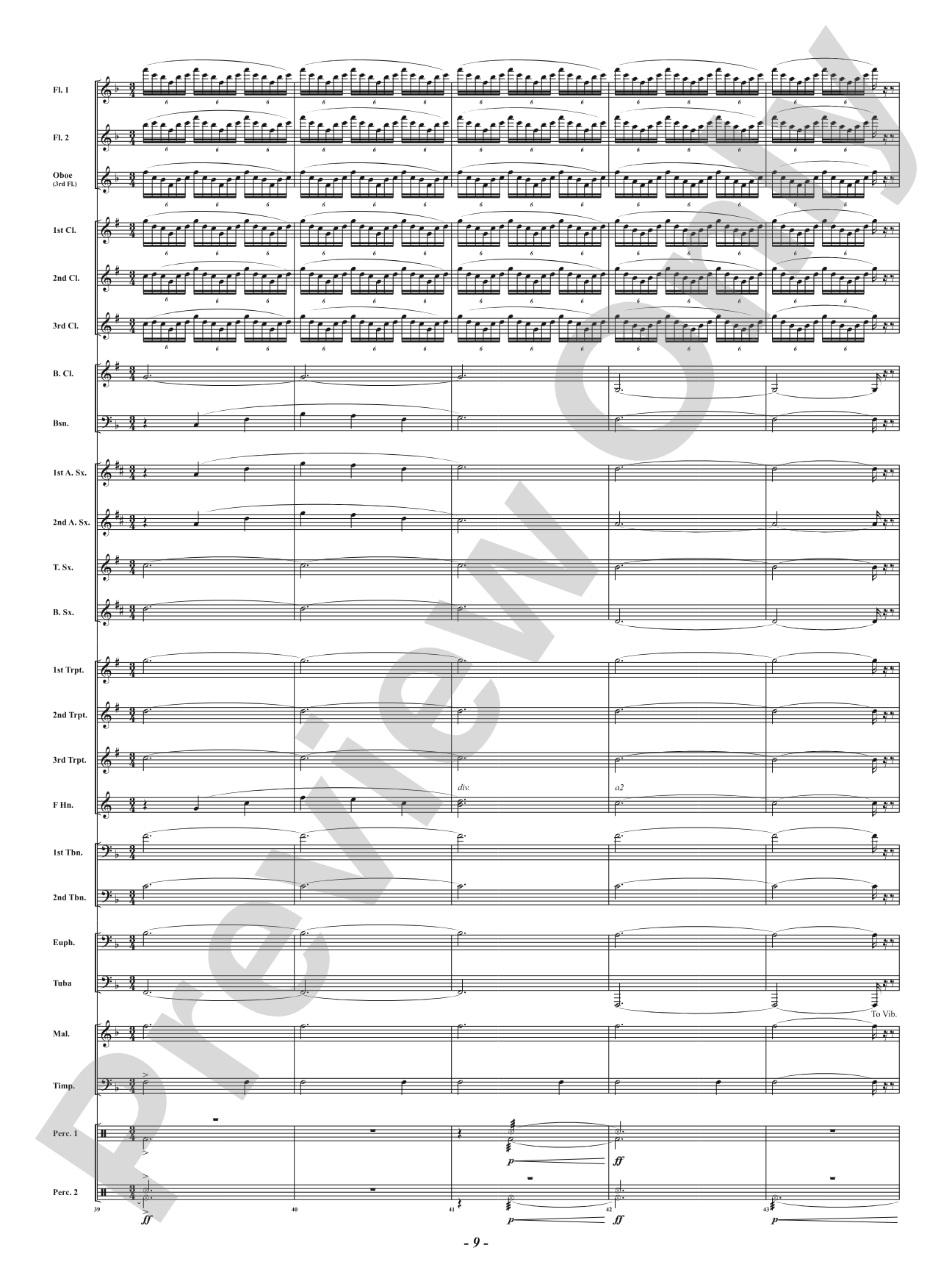
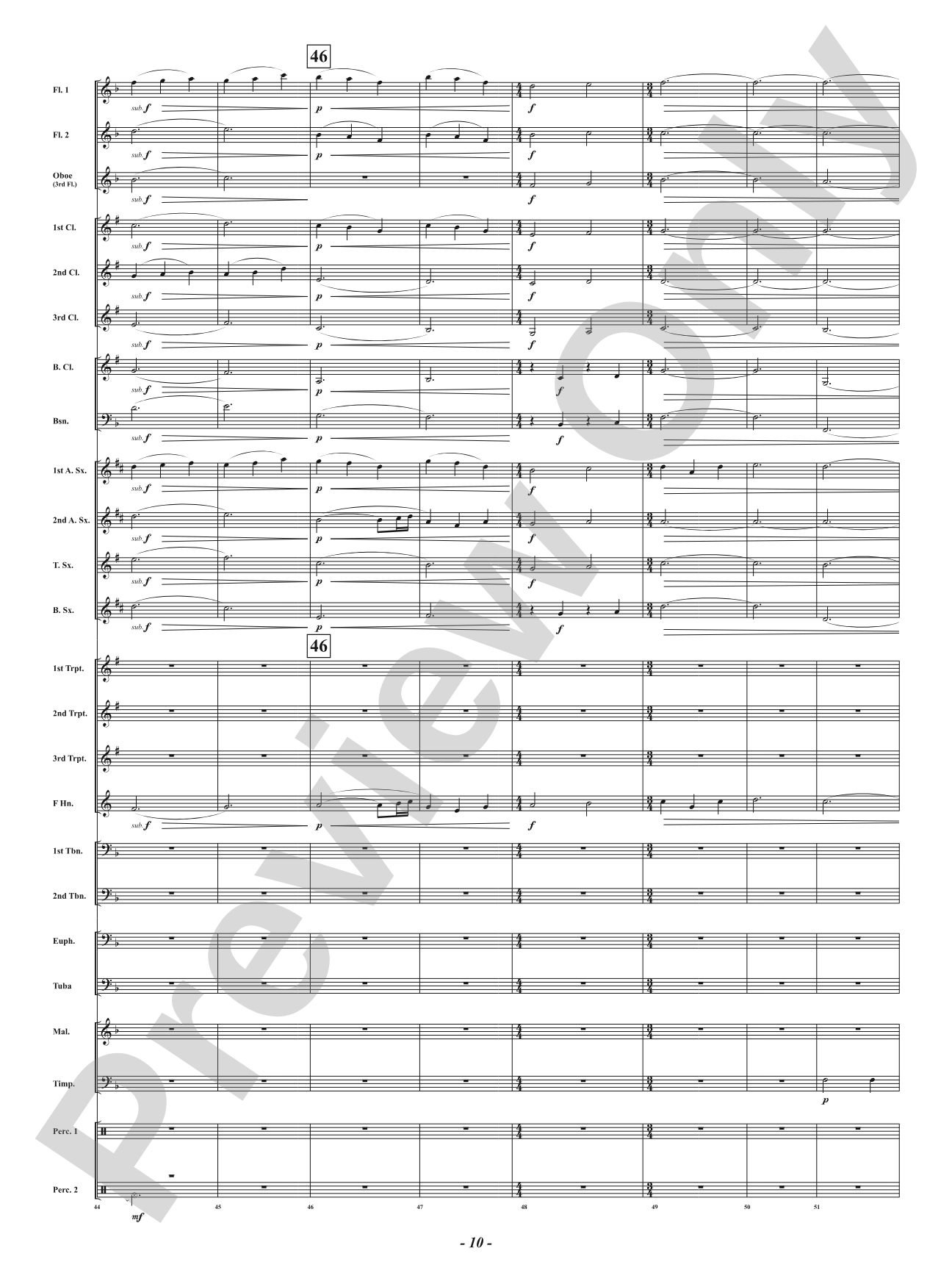
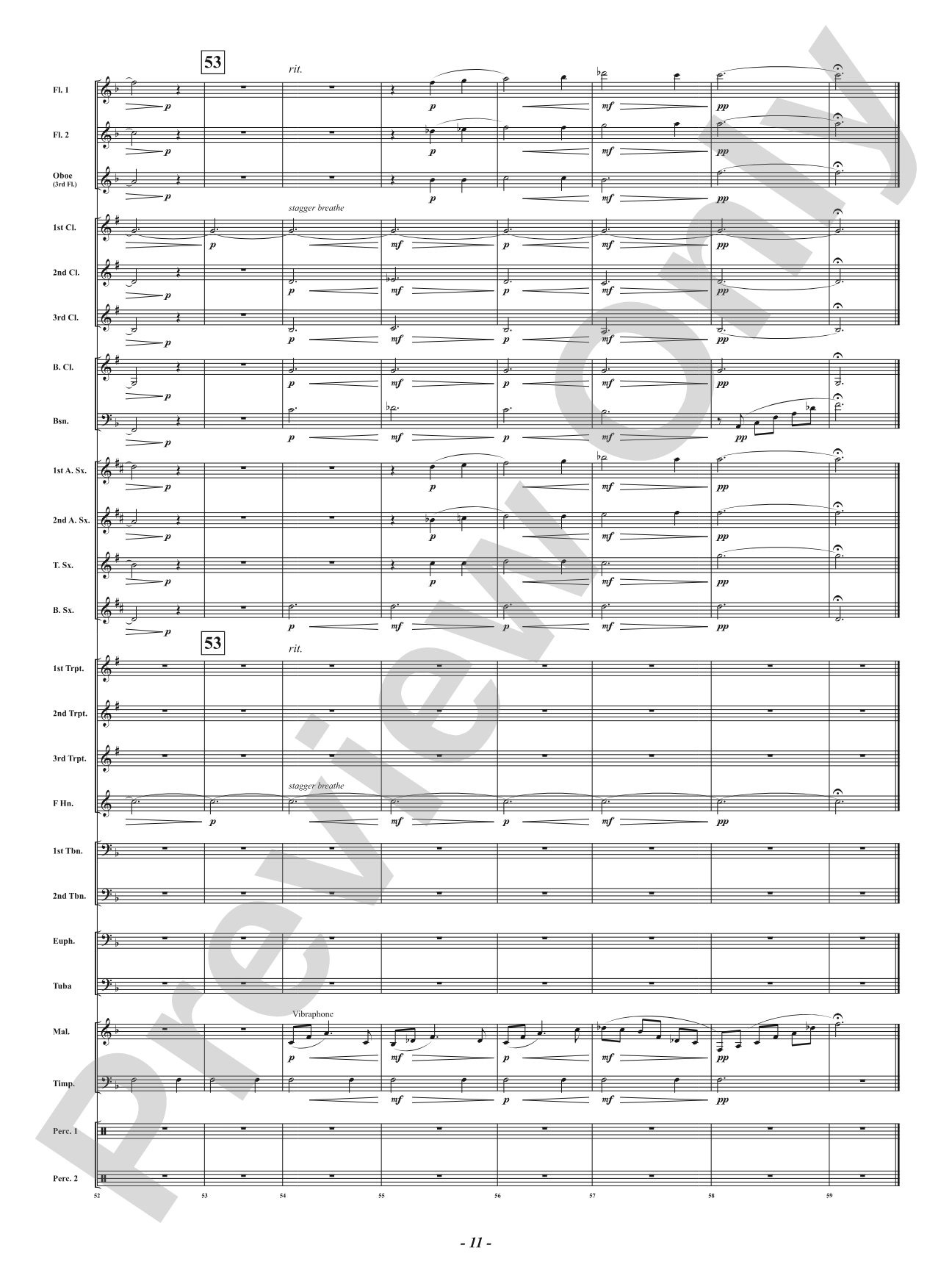
This beautiful lyrical work will be sure to leave audiences with a sense of hope and promise. From the slow mysterious opening statement to the glorious resolution, "Again We Rise" is a significant musical work for the wind band. Suitable for festival and concert performance, we predict this artistic work by John Pasternak will become part of the standard repertoire.
Original Item#: RWS-1702-00


Original Item#: RWS-1702-00
Again We Rise: Concert Band Conductor Score & Parts isn't in MakeMusic Cloud just yet...but it could be. Let us know you'd like to see it, and you'll help shape what comes next. In the meantime, start a free trial and dive into thousands of interactive titles your students can play along with today.
Request This Title
Tell us you want it.
Start Your Free Trial
Explore everything that's ready to play right now.
Sample Audio
1
Audio File
--:--
0:00
0:00
Sample Video
No sample videos found.
Additional Details
Series:
RWS - Symphony Band
Publisher:
RWS Music Company
SKU:
98-PK-RWS1702
More about this title
About the Composer: John M. Pasternak
John M. Pasternak is a composer and conductor whose works for wind band reflect a deep understanding of ensemble sonority and narrative arc. His compositions balance accessibility with artistic depth, making them fixtures in festival programming and concert halls across North America.
Why we love this
Pasternak crafts an emotional journey that feels earned rather than imposed. The architecture moves from introspective mystery into genuine brightness, giving your ensemble room to shape the pacing and allowing audiences to experience a complete emotional statement in a single work.
What to expect
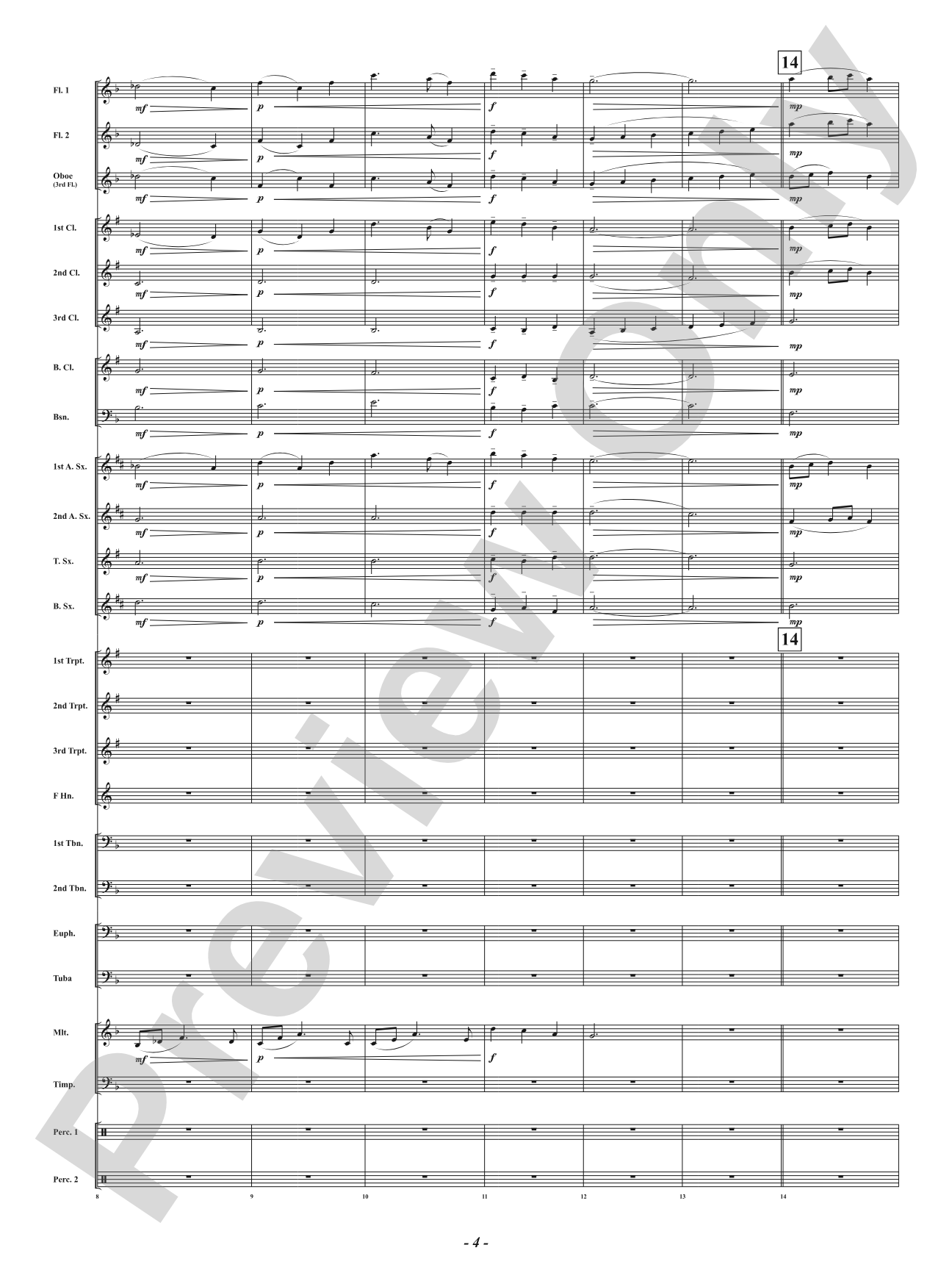
The opening unfolds like watching light gradually break through clouds, hesitant and incomplete at first. As the work develops, confidence and warmth emerge, building to a moment of genuine uplift before settling into quiet affirmation of renewal.
Who it's for
Concert bands at the upper high school and college levels will find this work both rewarding and achievable. It suits ensembles seeking substantial repertoire with genuine artistic merit for festival adjudication and concert programming.
How to get the most out of it
- Establish the mysterious opening with deliberate control of tone color. The low register foundation matters as much as the upper voice lines; ensure these voices blend rather than compete.
- Build momentum gradually through the arc. Resist the urge to rush the climactic sections; let the resolution feel inevitable rather than sudden.
- Balance the return to lyricism in the closing measures. This should feel reflective, not diminished, drawing listeners back into the emotional core before the final statement.
How to use it
Program this as a centerpiece work on a concert devoted to contemporary wind band literature, or pair it with contrasting styles to highlight its lyrical approach. The festival-ready quality and emotional arc make it an excellent choice for spring concert programming when audiences appreciate reflective, hope-centered messaging.
Skills your students will build
- Shaping long melodic lines with consistent phrase direction
- Balancing transparent textures in sparse orchestration
- Managing dynamic control across a wide range without losing tonal center
- Responding to subtle harmonic movement and color shifts