
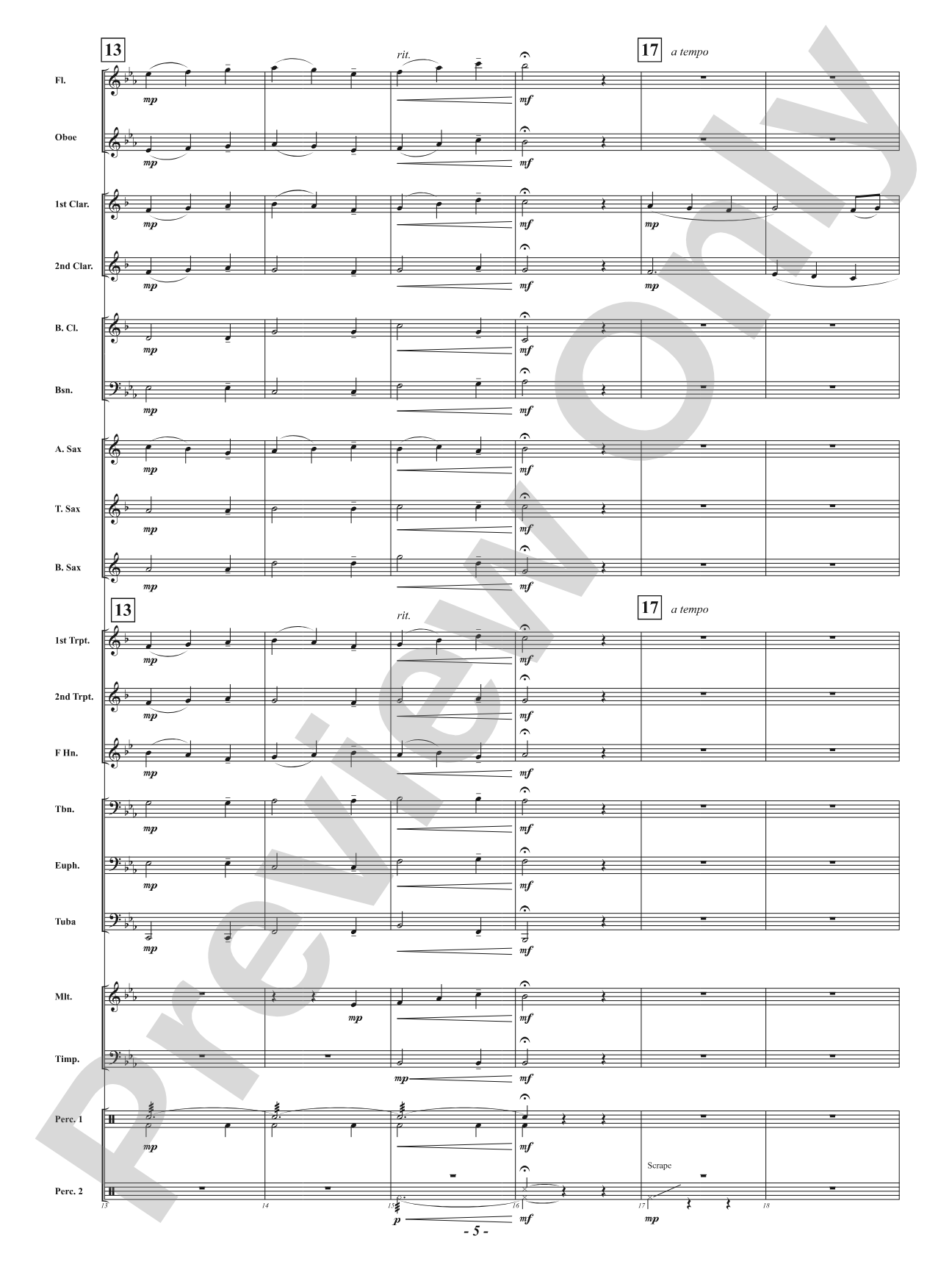
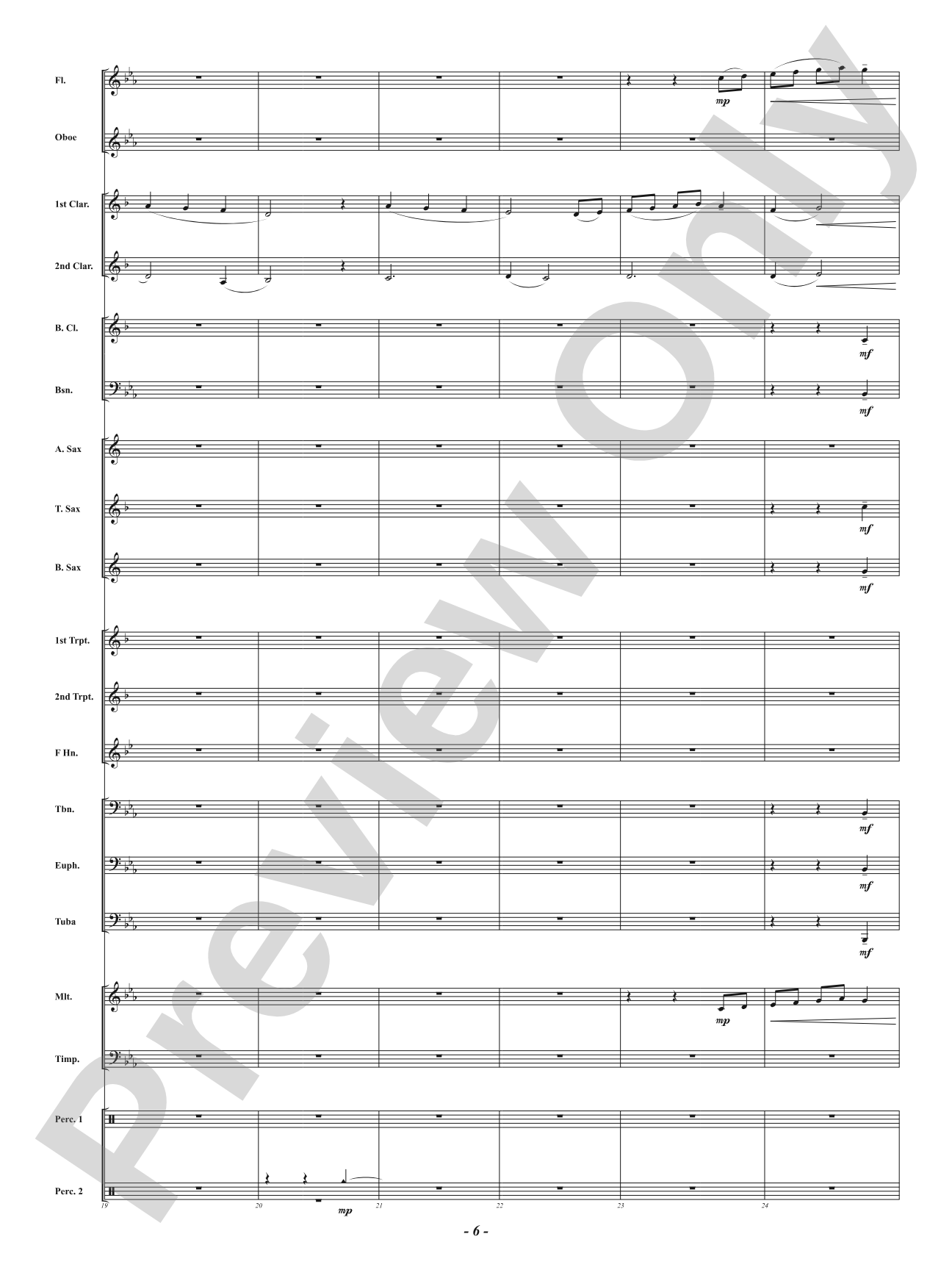
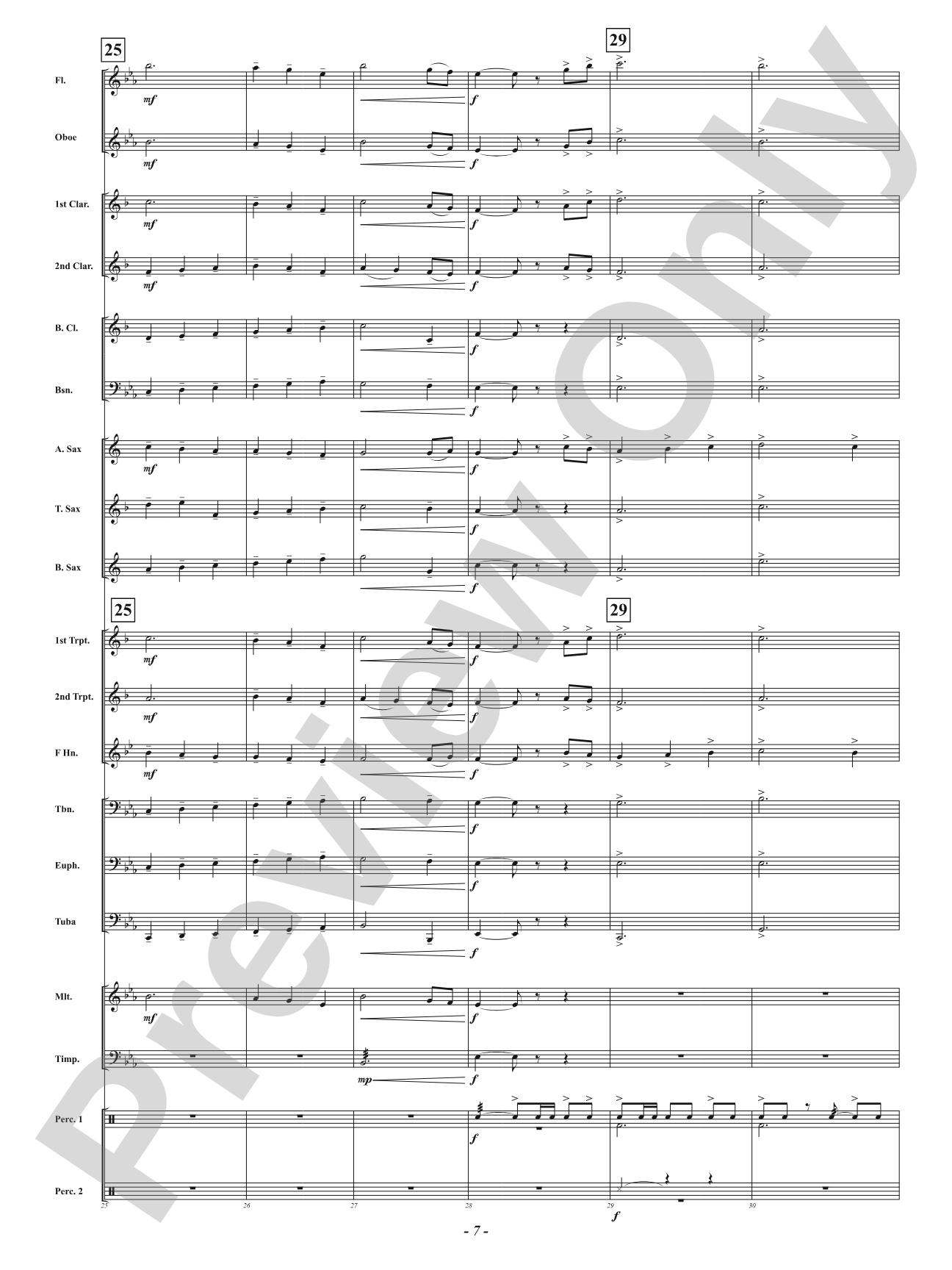
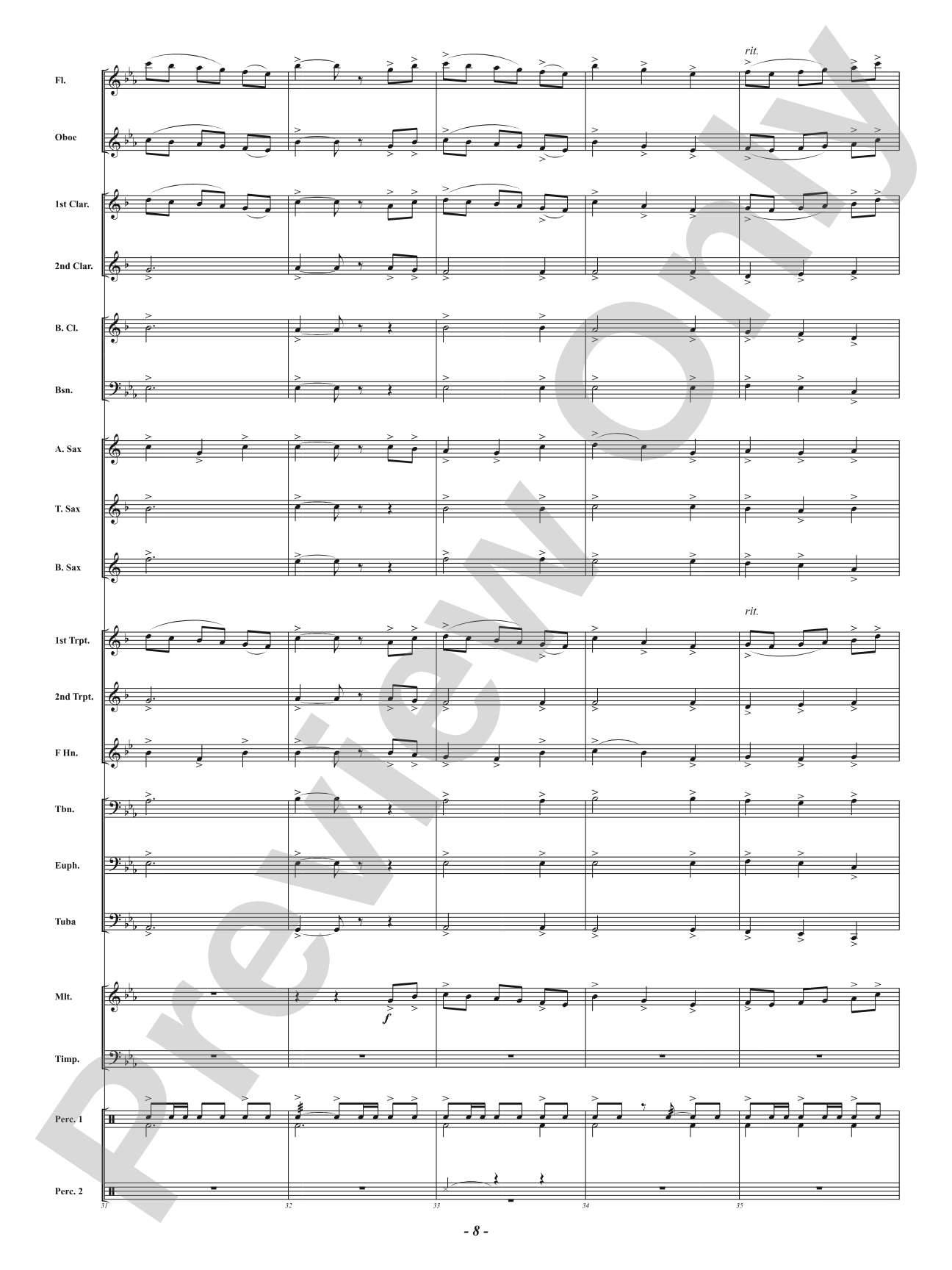
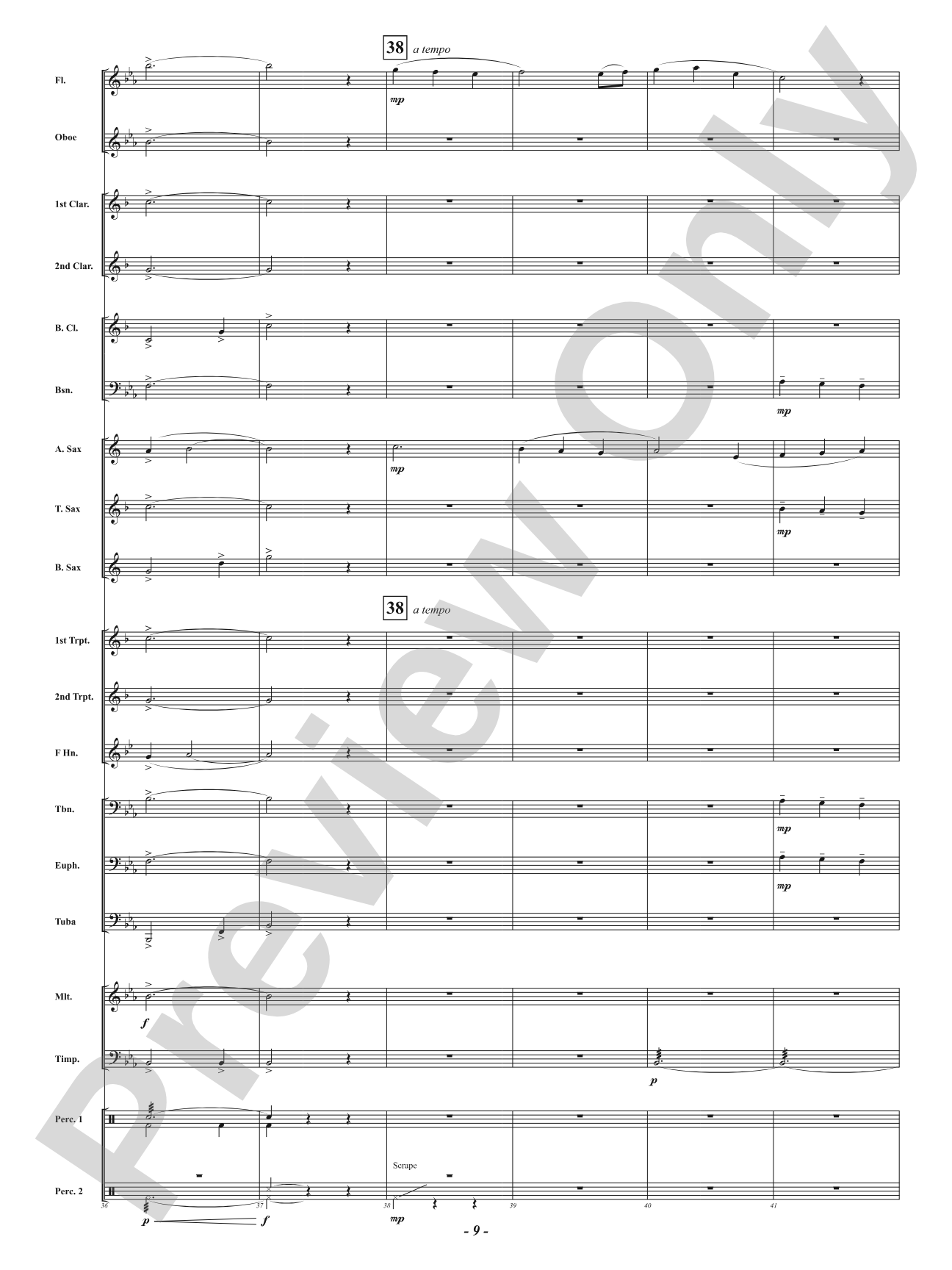
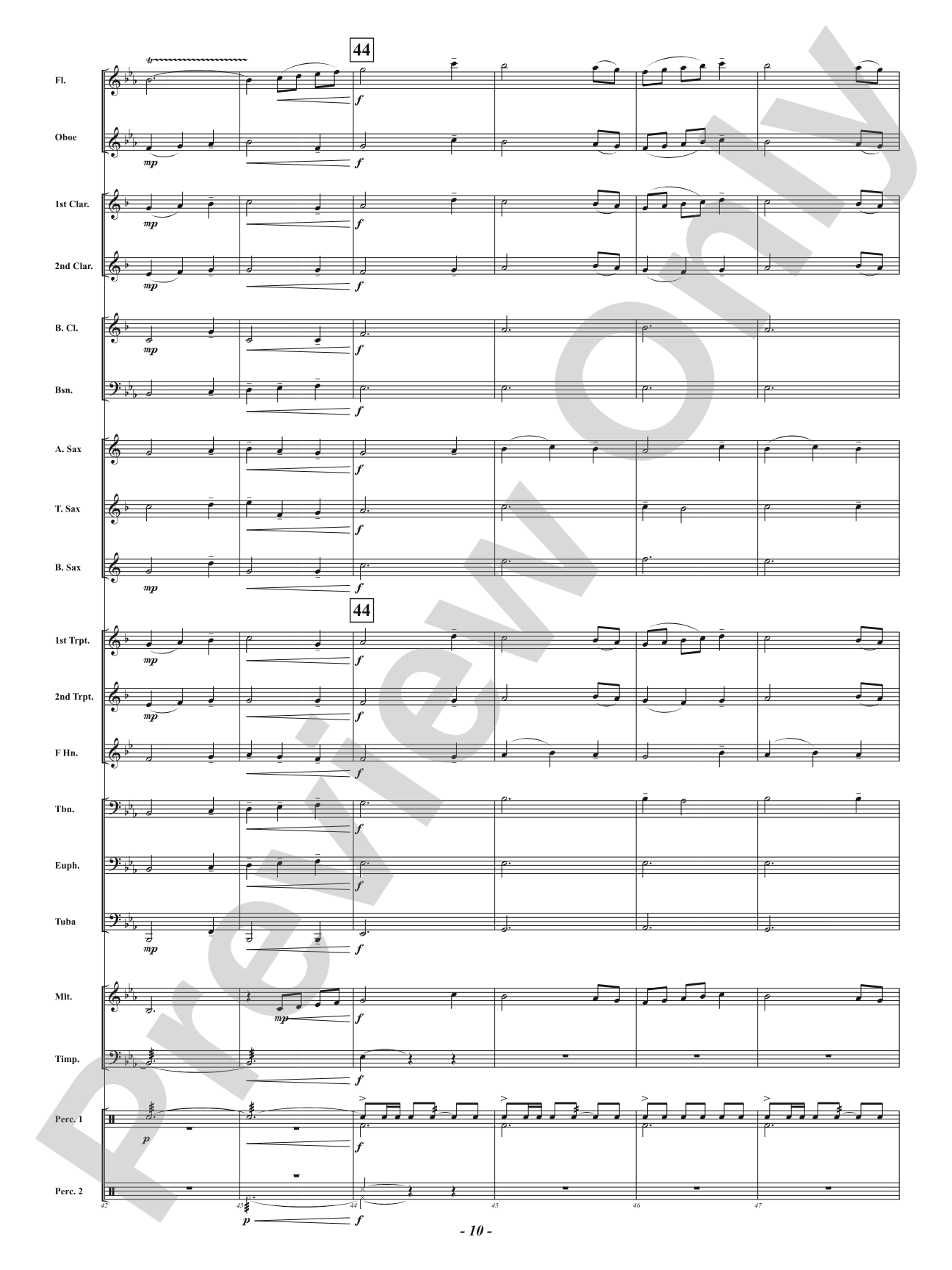
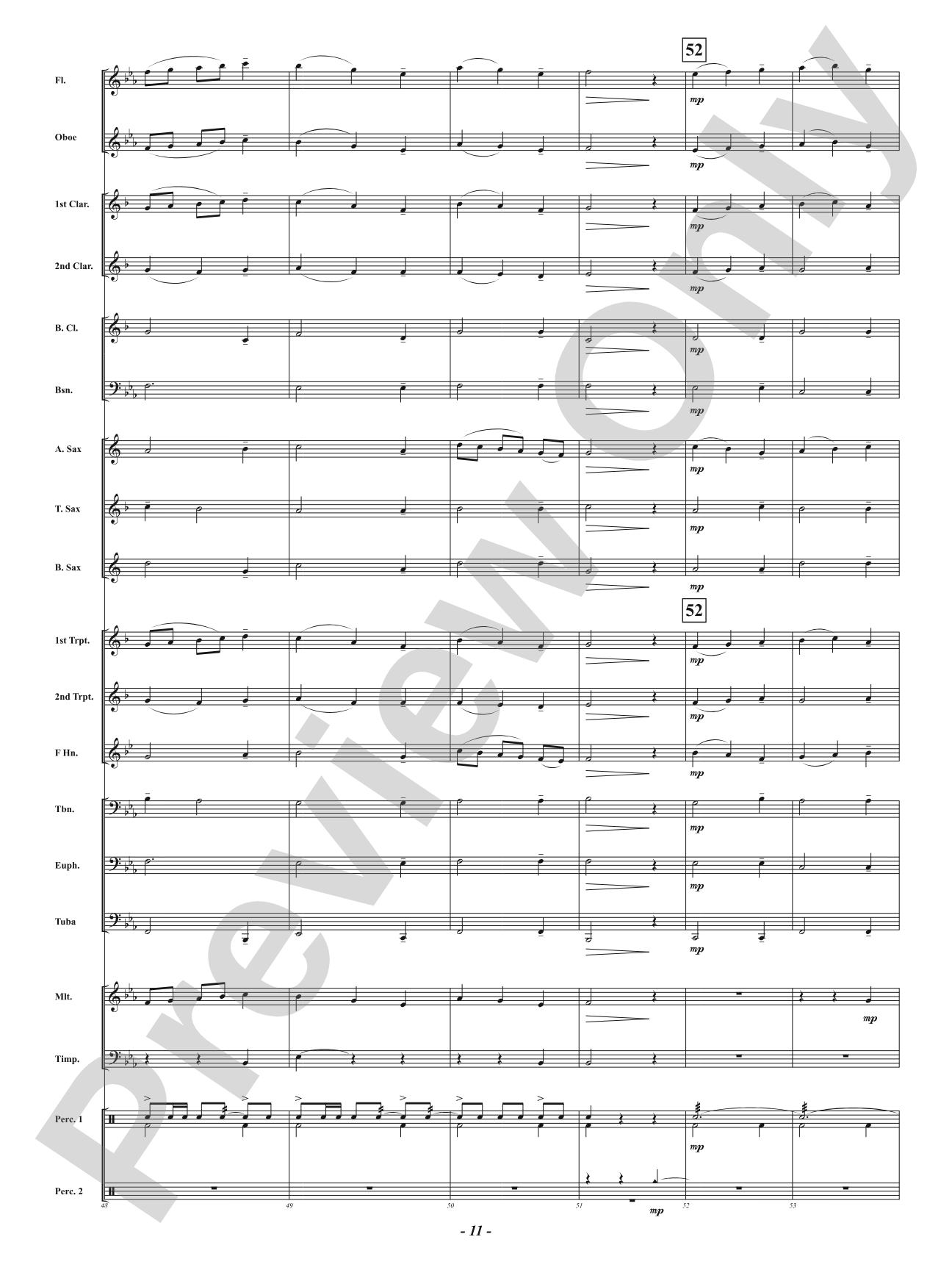
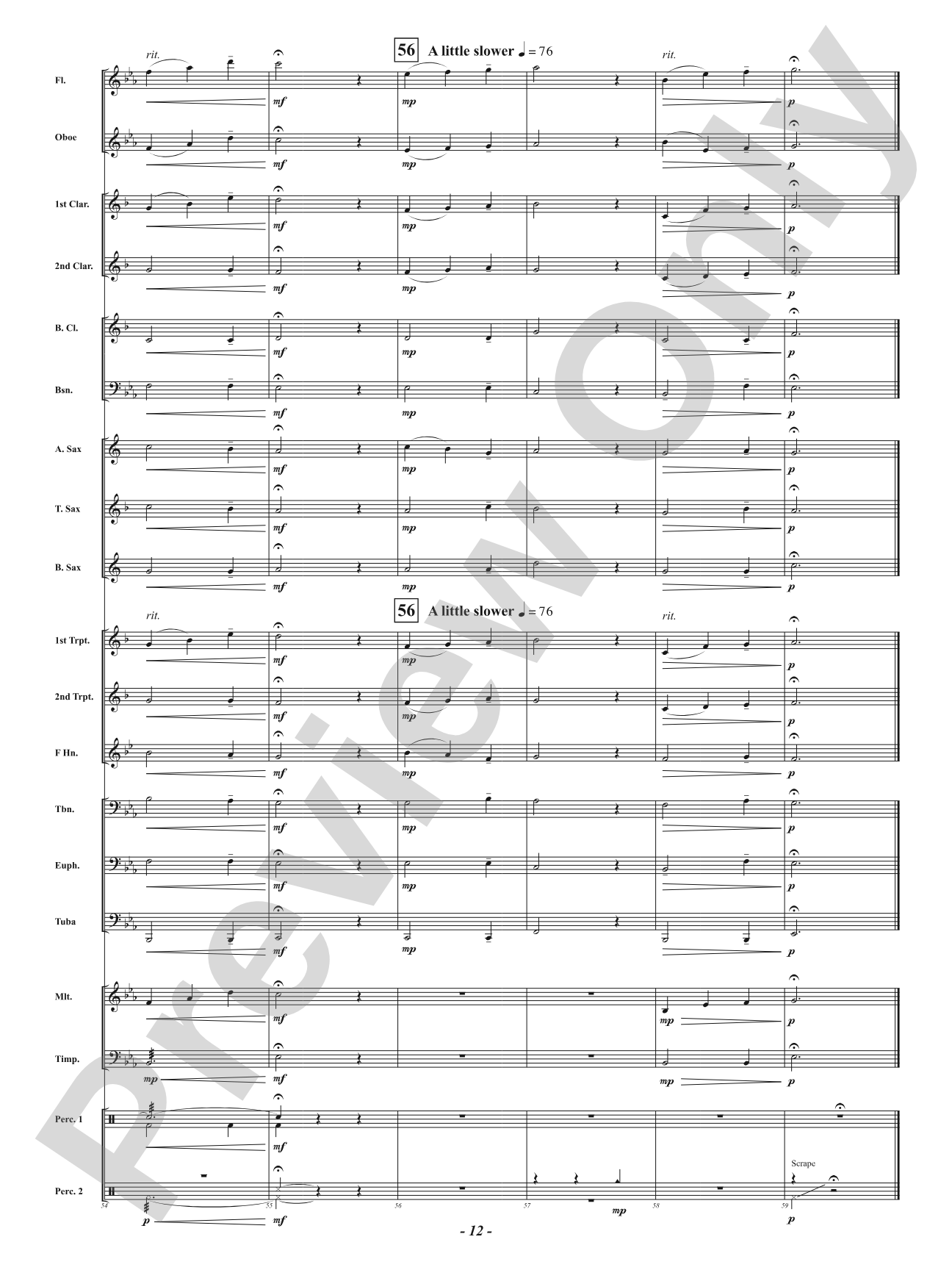

Afterlight: Concert Band Conductor Score & Parts
By Brian Bankston
Grade: 2.5
Item: 98-PK-RWS1922
$65.00
Pickup currently not available
Buy Extra Parts (Digital PDF Download)
| Product | Price | Quantity |
|---|---|---|
| Afterlight: Score | $10.00 | |
| Afterlight: 1st Flute | $3.99 | |
| Afterlight: Oboe | $3.99 | |
| Afterlight: 1st B-flat Clarinet | $3.99 | |
| Afterlight: 2nd B-flat Clarinet | $3.99 | |
| Afterlight: B-flat Bass Clarinet | $3.99 | |
| Afterlight: Bassoon | $3.99 | |
| Afterlight: 1st E-flat Alto Saxophone | $3.99 | |
| Afterlight: B-flat Tenor Saxophone | $3.99 | |
| Afterlight: E-flat Baritone Saxophone | $3.99 | |
| Afterlight: 1st B-flat Trumpet | $3.99 | |
| Afterlight: 2nd B-flat Trumpet | $3.99 | |
| Afterlight: 1st F Horn | $3.99 | |
| Afterlight: 1st Trombone | $3.99 | |
| Afterlight: Baritone B.C. | $3.99 | |
| Afterlight: Baritone T.C. | $3.99 | |
| Afterlight: Tuba | $3.99 | |
| Afterlight: 1st Mallet Percussion | $3.99 | |
| Afterlight: Timpani | $3.99 | |
| Afterlight: 1st Percussion | $3.99 | |
| Afterlight: 2nd Percussion | $3.99 |
Parts Added to Cart!
Description
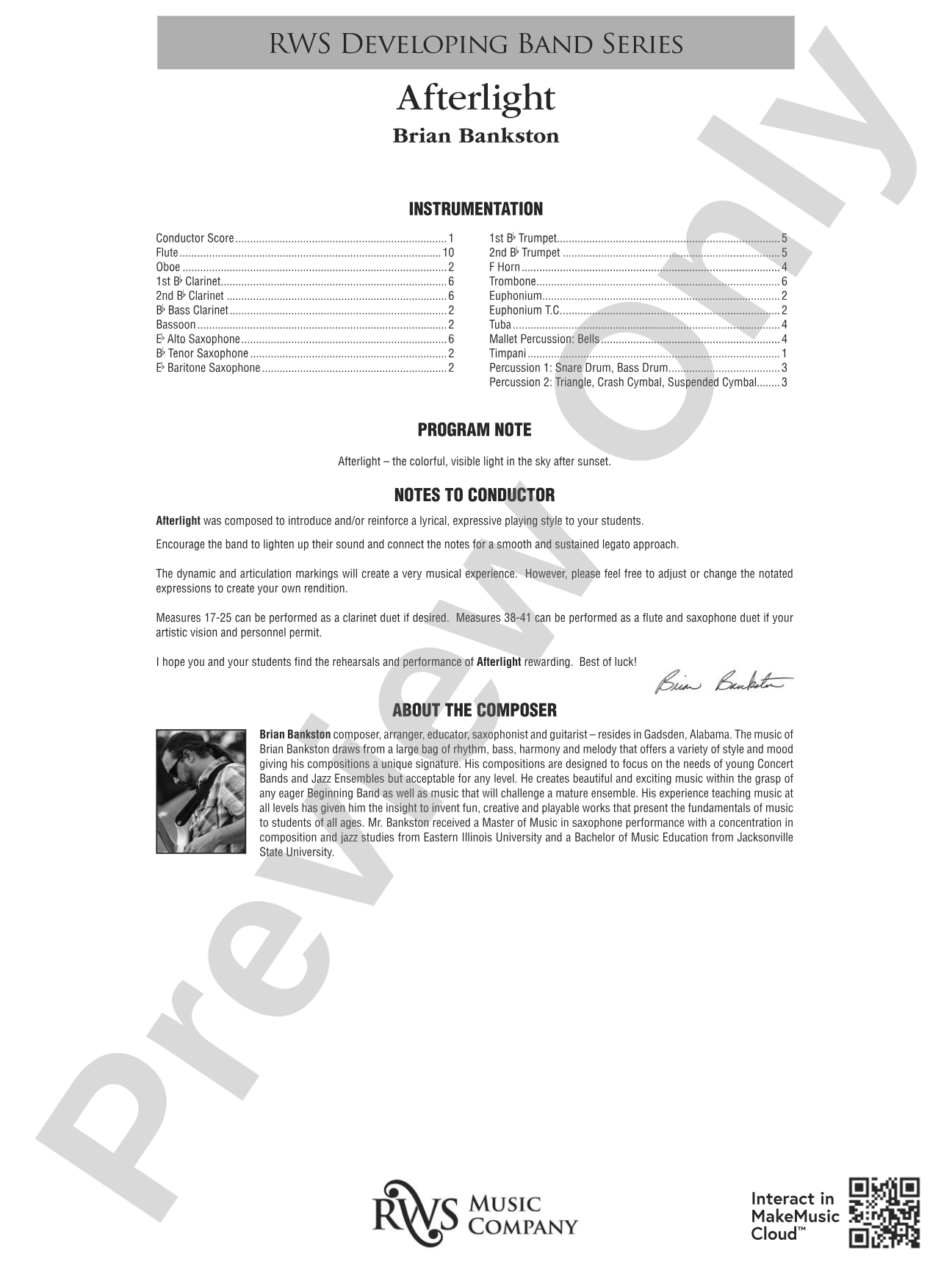
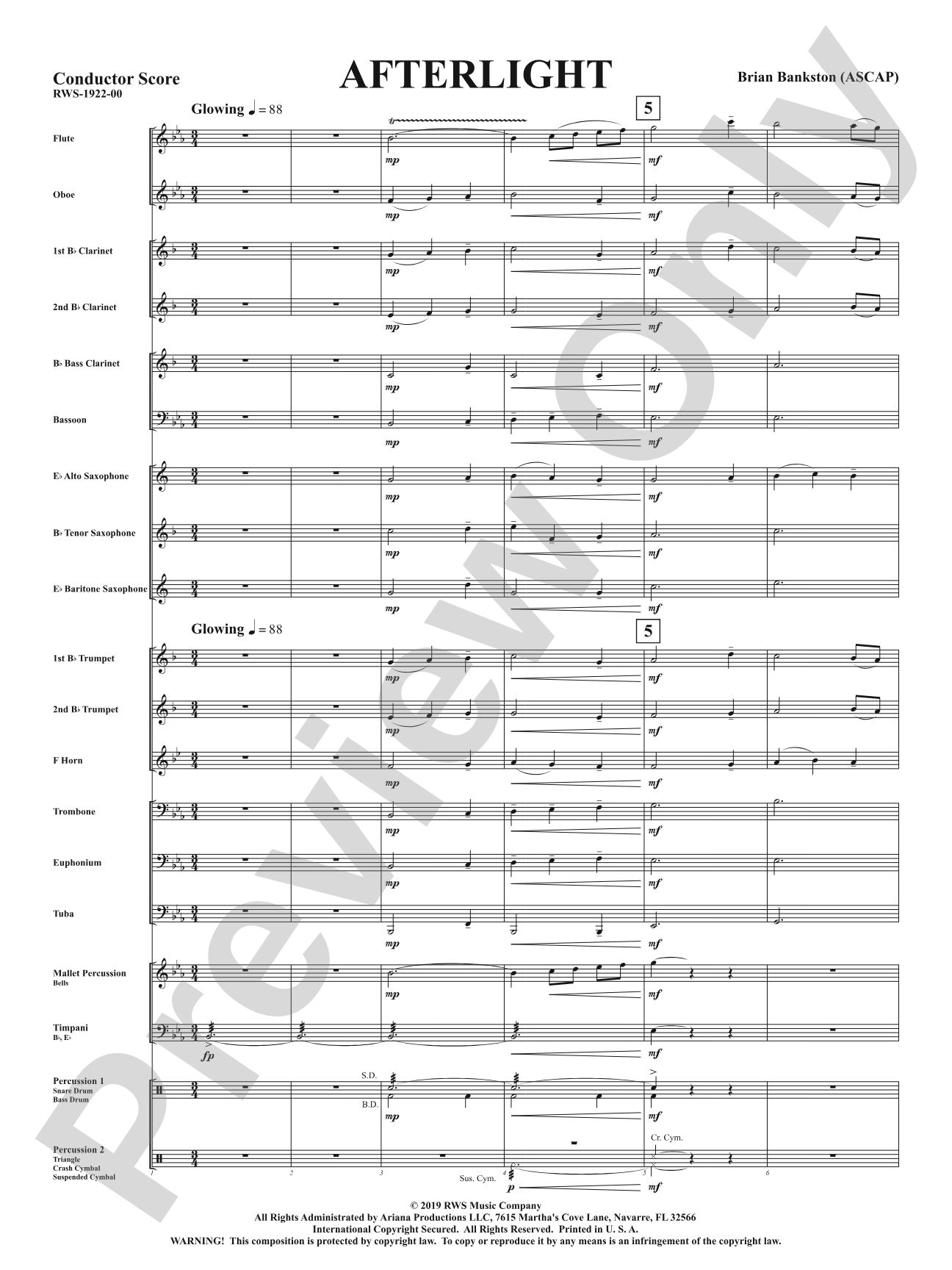
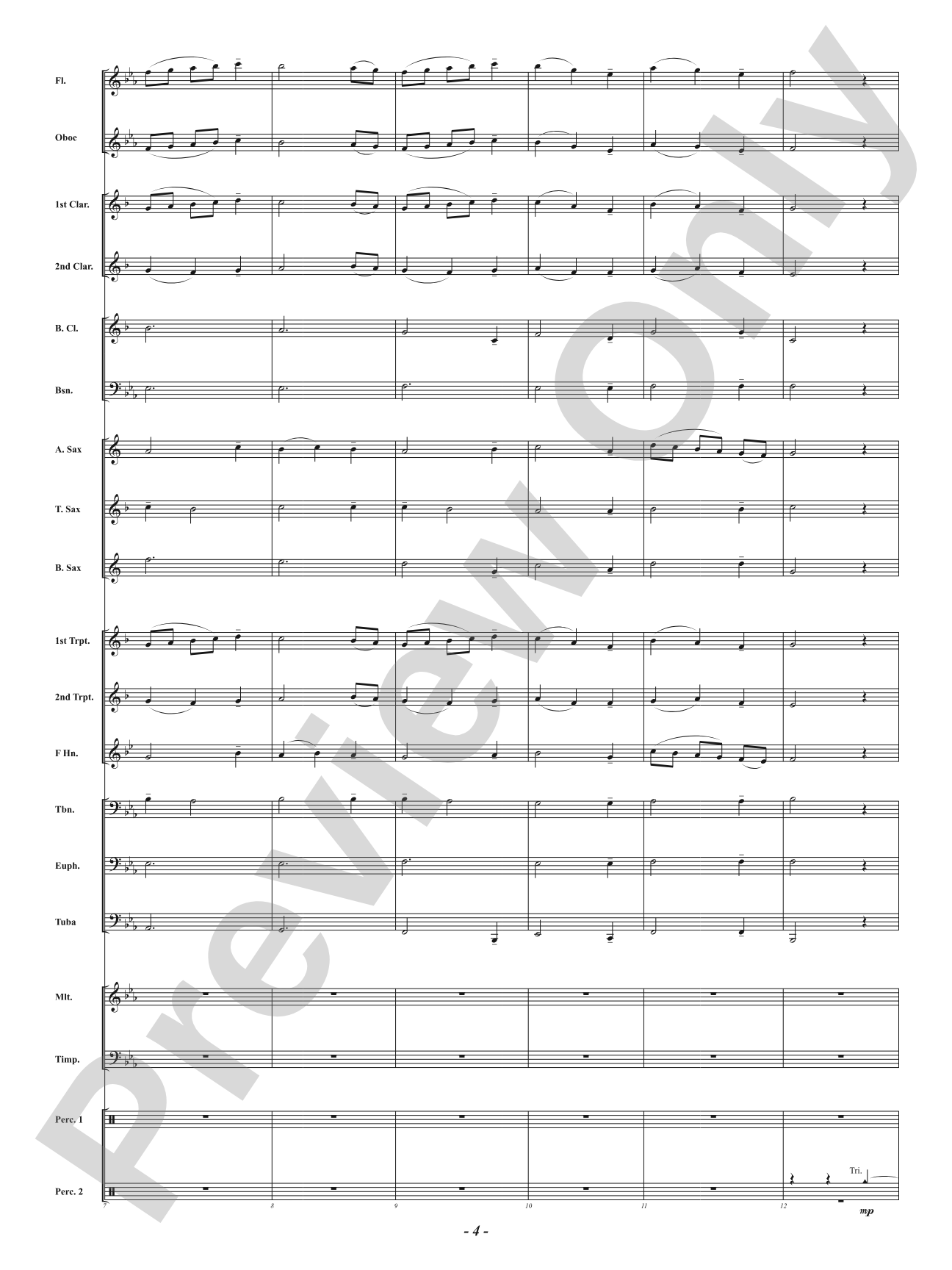
"Afterlight" by Brian Bankston is a lyrical work that is sure to warm the hearts of your band and audience. Each instrumental part has interesting lines and motion that will open young ears as they start to perform with musical independence. Ranges and rhythmic demands are accessible for developing players making it a wonderful vehicle for teaching intonation, dynamics and phrasing. "Afterlight" is sweet, melodic, expressive and memorable.
Original Item#: RWS-1922-00


Original Item#: RWS-1922-00
Afterlight: Concert Band Conductor Score & Parts isn't in MakeMusic Cloud just yet...but it could be. Let us know you'd like to see it, and you'll help shape what comes next. In the meantime, start a free trial and dive into thousands of interactive titles your students can play along with today.
Request This Title
Tell us you want it.
Start Your Free Trial
Explore everything that's ready to play right now.
Sample Audio
1
Audio File
--:--
0:00
0:00
Sample Video
No sample videos found.
Additional Details
Series:
RWS - Developing Band
Publisher:
RWS Music Company
SKU:
98-PK-RWS1922
More about this title
About the Composer: Brian Bankston
Brian Bankston is a composer and arranger with a particular gift for writing accessible band music that doesn't sacrifice musicality. His work in the developing band repertoire demonstrates a deep understanding of what young musicians need at different stages of their growth, combining technical feasibility with genuine artistic substance.
Why we love this
Bankston understands the developing band rehearsal. Every section has something to do, which means your players stay engaged and invested rather than waiting passively for their entrance. The writing sits comfortably in young players' ranges while still asking them to shape phrases with intention, giving you legitimate musical work to do without frustration.
What to expect
Warm and contemplative, like watching light change at dusk. The melodies are direct and singable, designed to stay with your players and audience long after the final note. There's a quiet confidence to this writing that never forces drama but instead invites genuine listening.
Who it's for
Developing concert bands in the middle school and early high school range who are ready to move beyond purely technical studies into meaningful musical expression. This is for students who can handle independent lines and maintain consistent tone while someone else carries the melody.
How to get the most out of it
- Balance the melodic lines across sections rather than letting one voice dominate; this piece rewards transparency and will sound undersized if the brass overwhelms the woodwinds.
- Shape the dynamic contours through breath points and phrase endings so the sweetness doesn't flatten into blandness.
- Let the piece breathe. Younger ensembles sometimes rush lyrical writing out of uncertainty; a steady, patient tempo reveals the melodic beauty.
- Listen carefully to intonation at the dynamic peaks where inexperienced players tend to sharpen with excitement.
How to use it
Use this as the centerpiece of a concert that explores lyrical, introspective repertoire rather than virtuosic showpieces. It pairs naturally with other character pieces and gives you a strong ballast for a mixed program. The accessible difficulty also makes it ideal early in the season when you're still building ensemble cohesion.
Skills your students will build
- Sustaining steady air pressure through longer phrases
- Responding to dynamic shape and direction within a single melodic line
- Tuning unison and octave doublings across sections
- Maintaining independence while supporting the primary melody
- Blending tone quality across the full ensemble
- Reading rhythmic patterns within a connected, flowing context rather than isolated exercises