
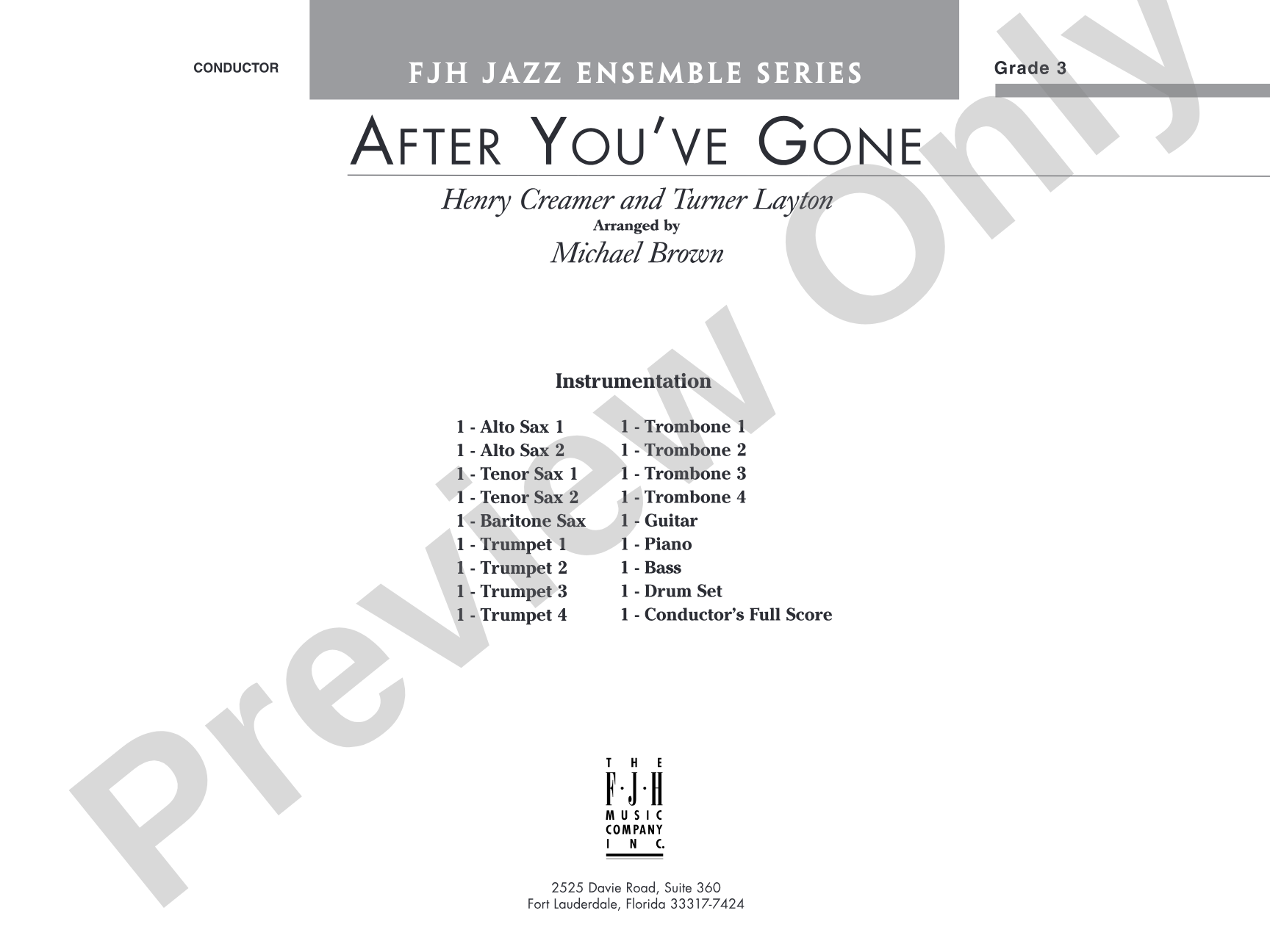
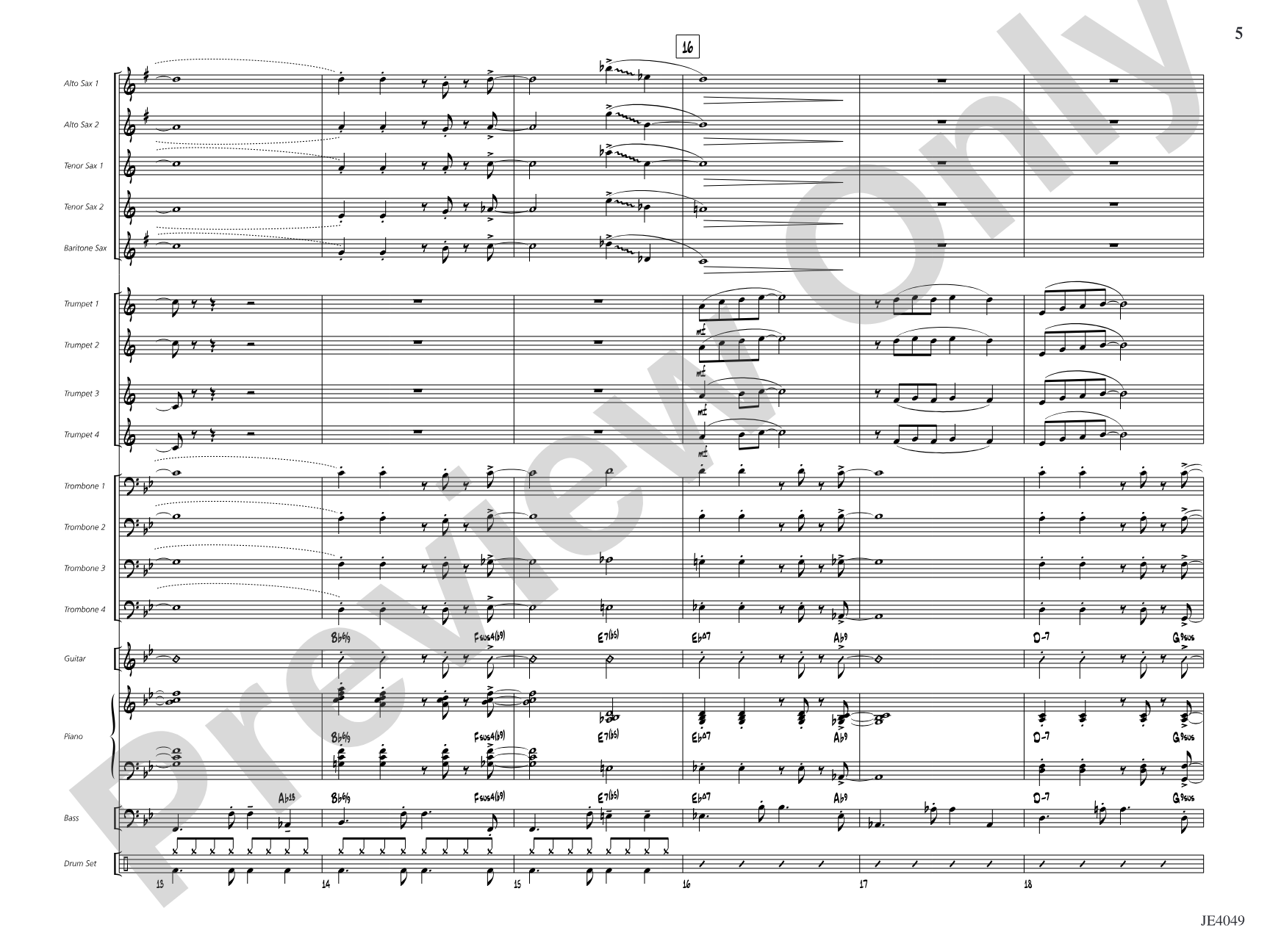
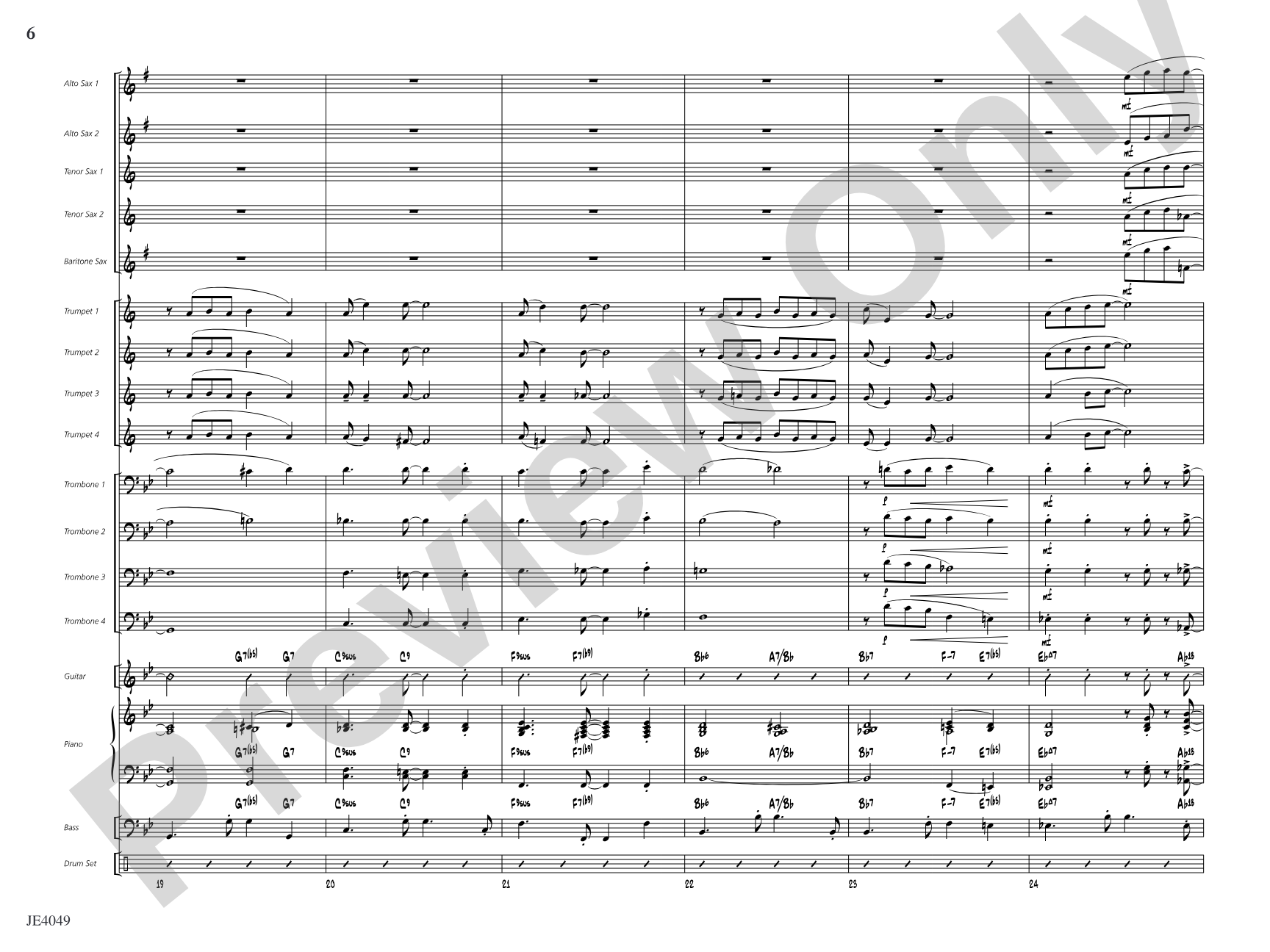
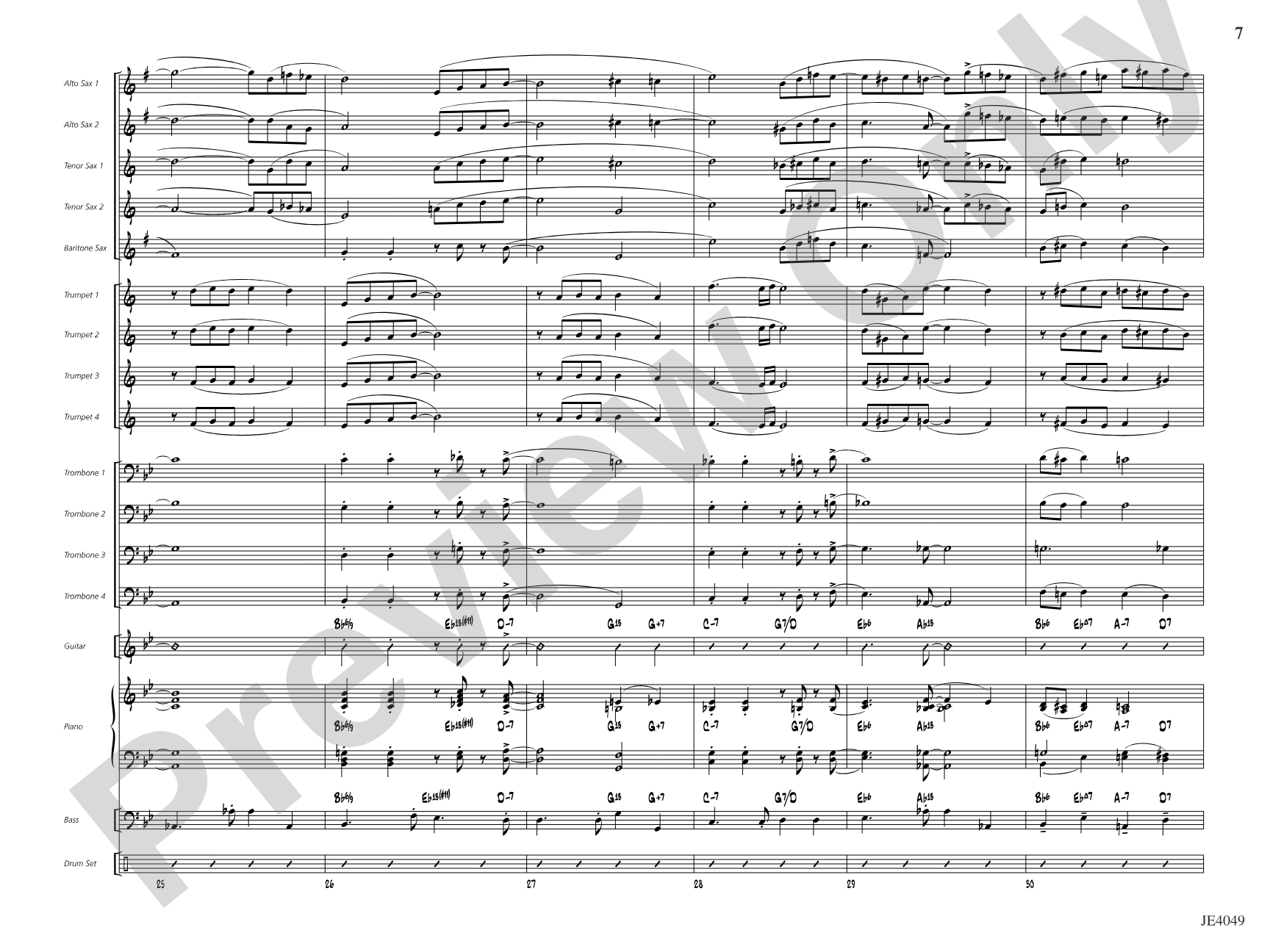
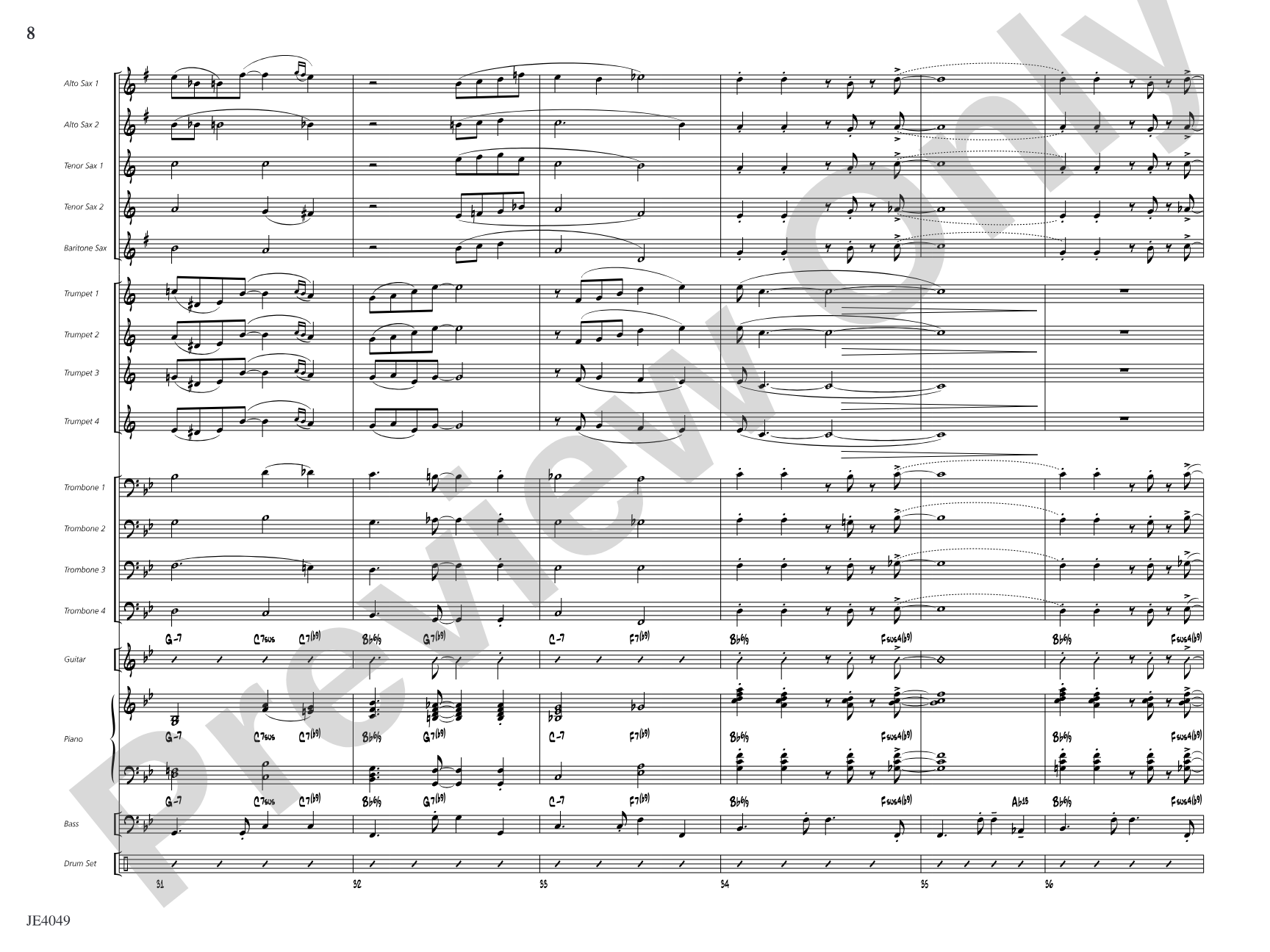

After You've Gone: Jazz Ensemble Conductor Score & Parts
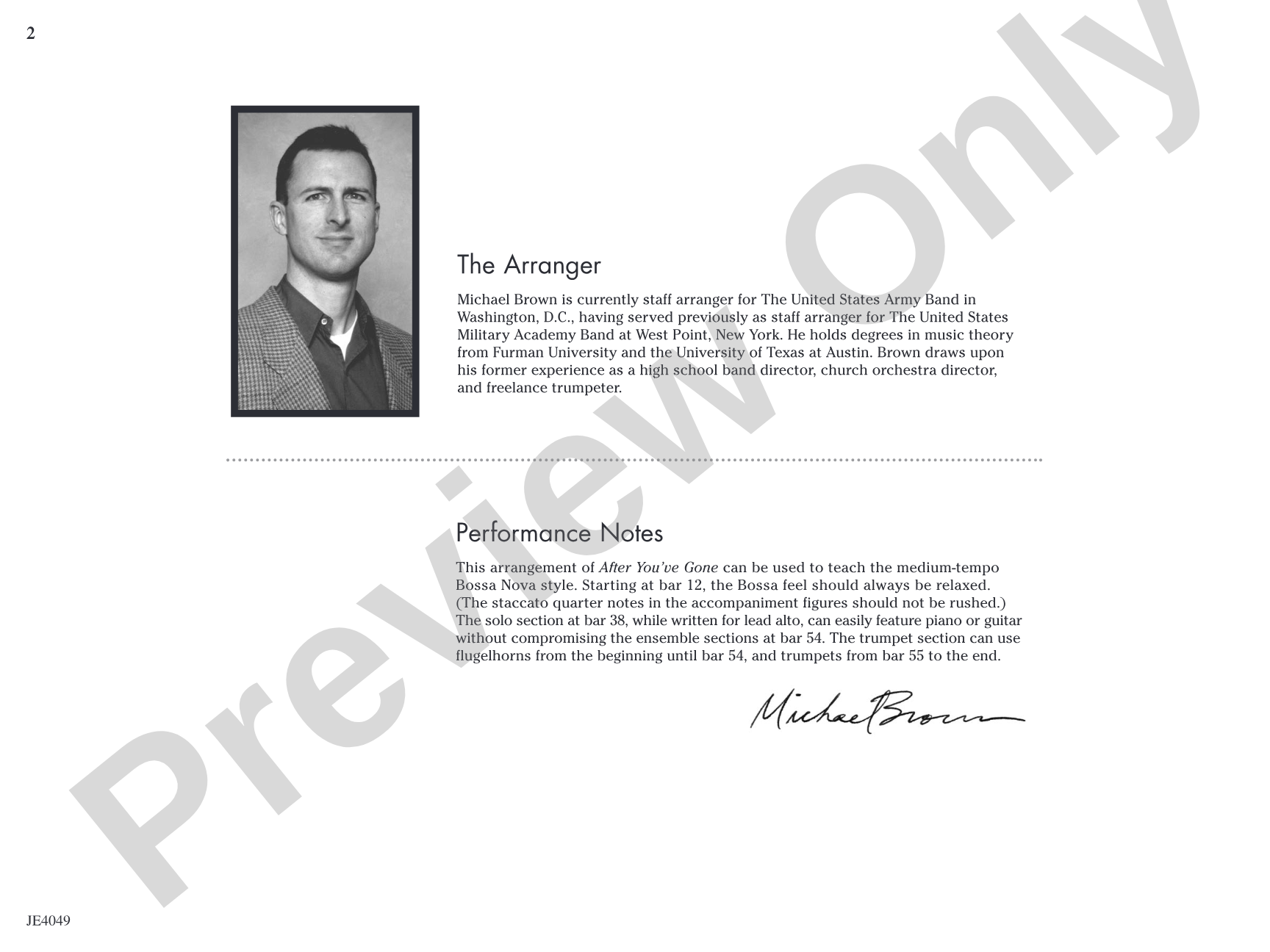
By Henry Creamer and Turner Layton / arr. Michael Brown
Grade: 3
Item: 98-DJE4049
$35.00
One moment…
Description
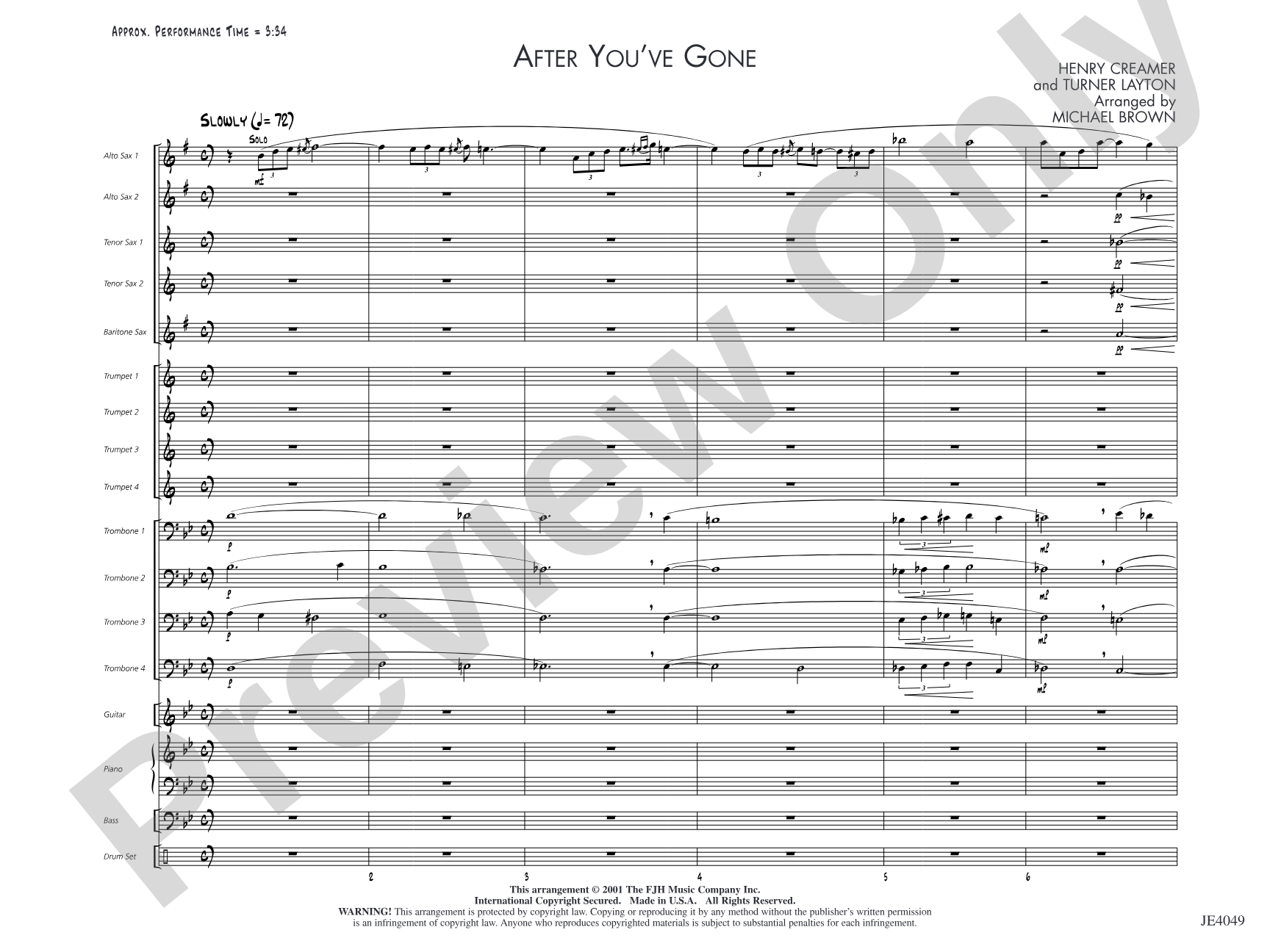
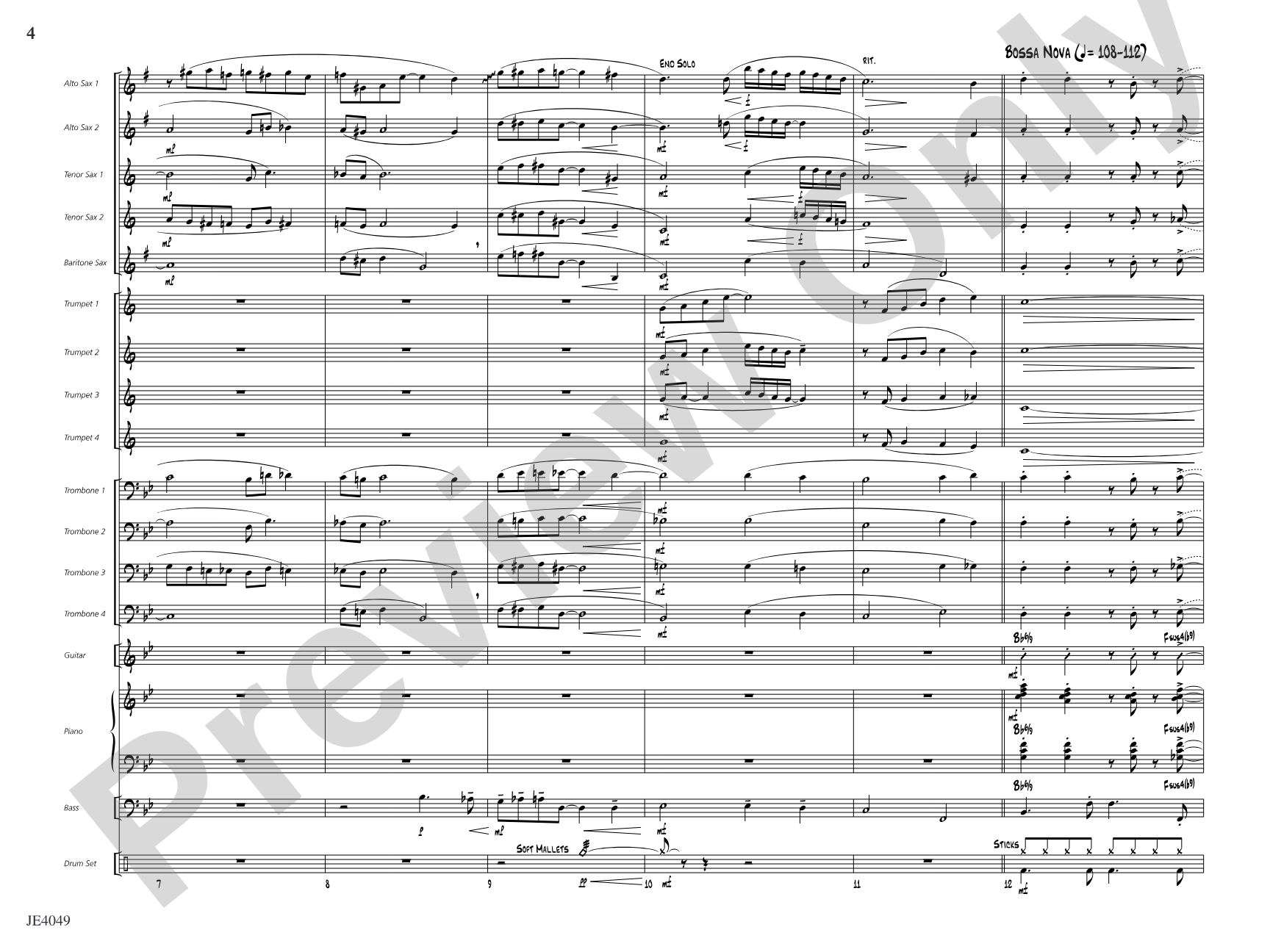
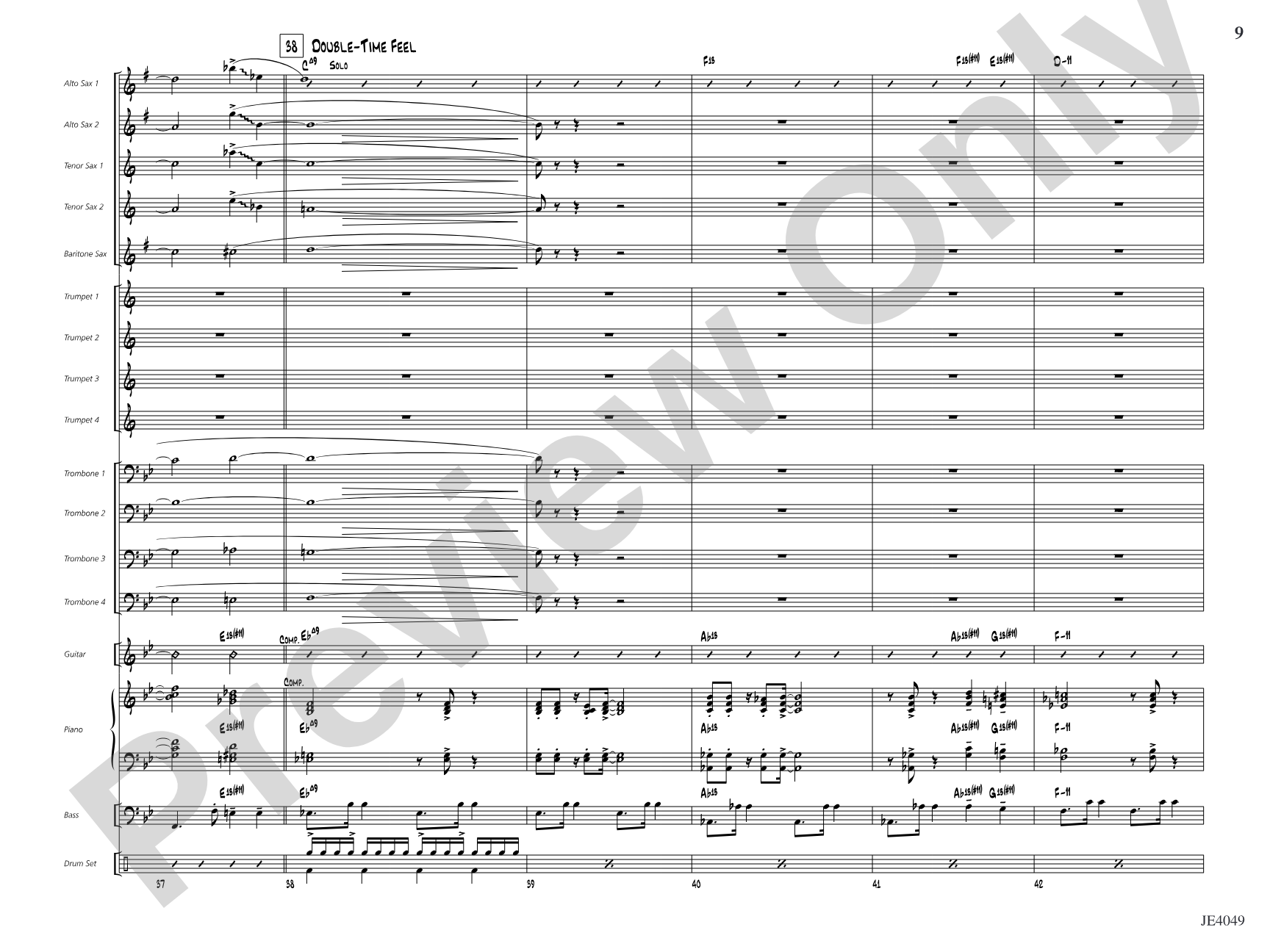
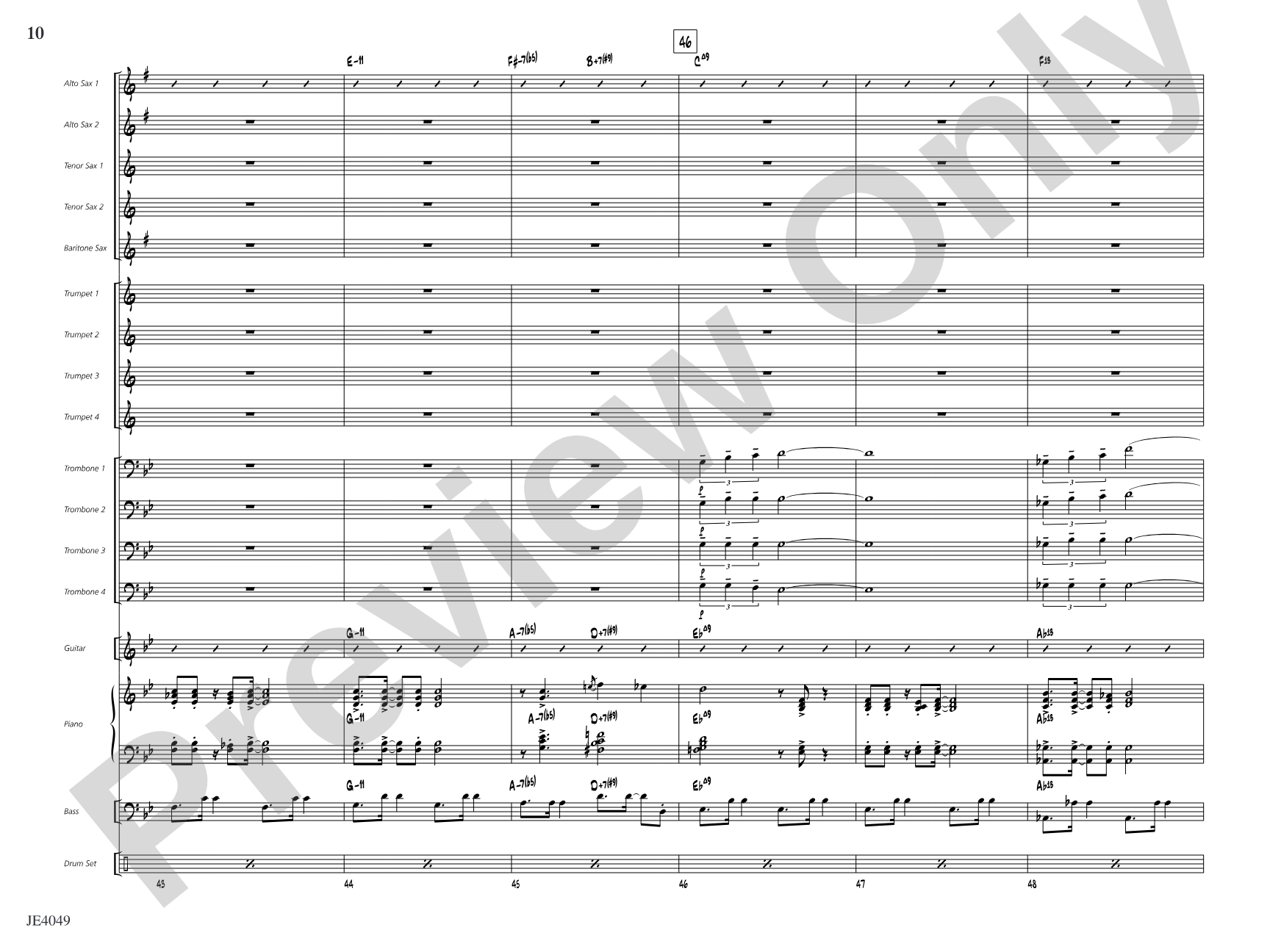
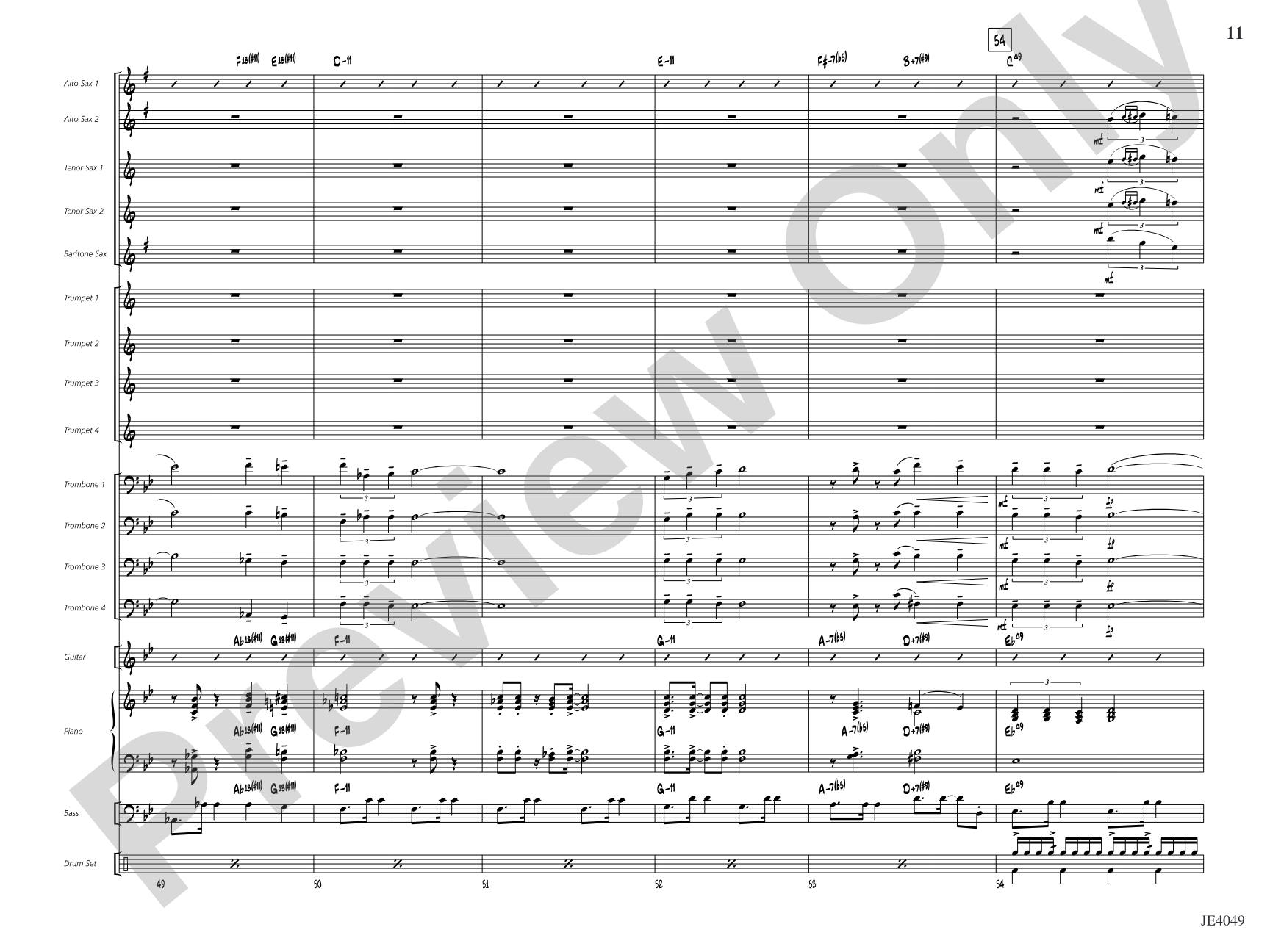
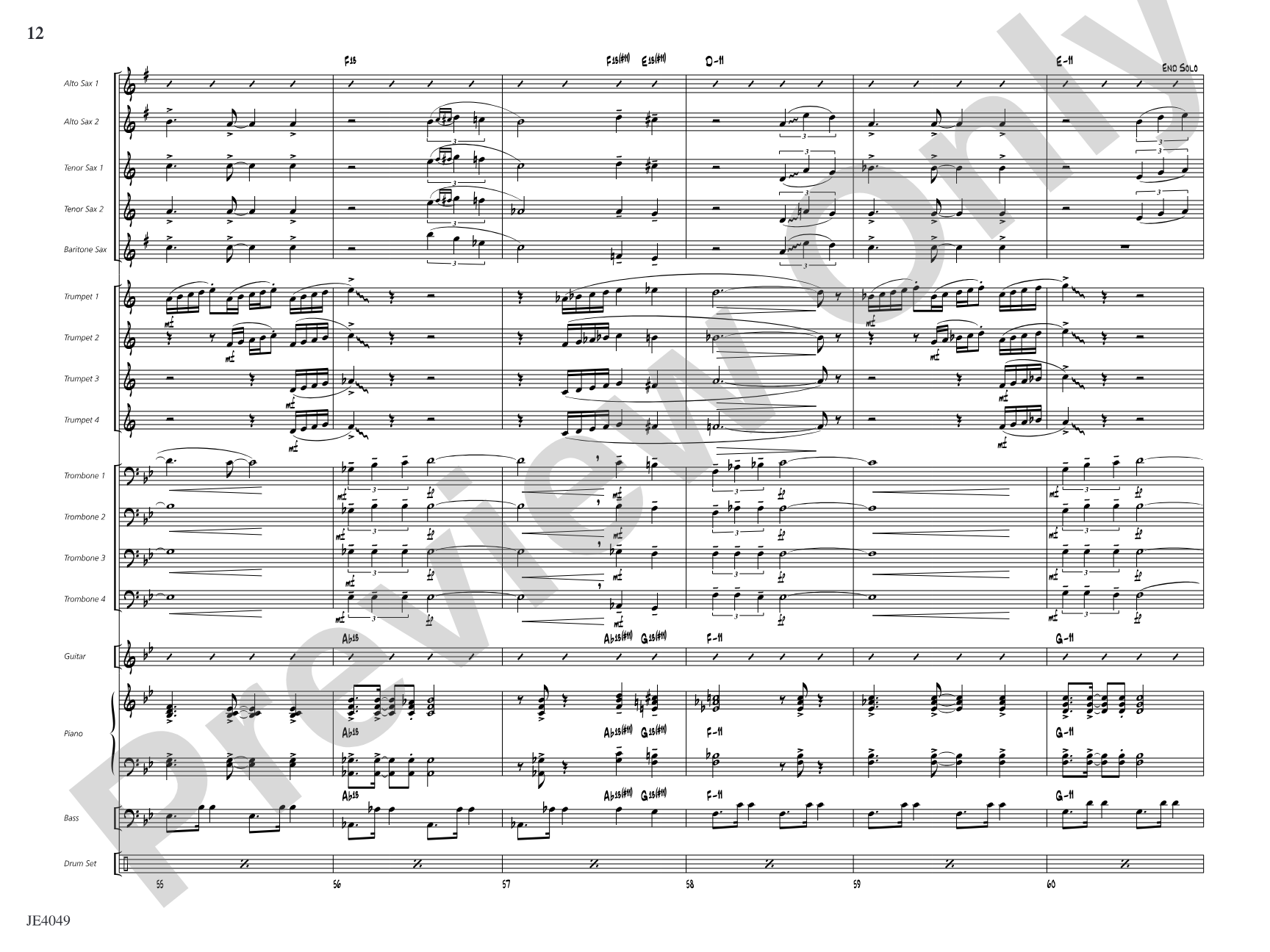
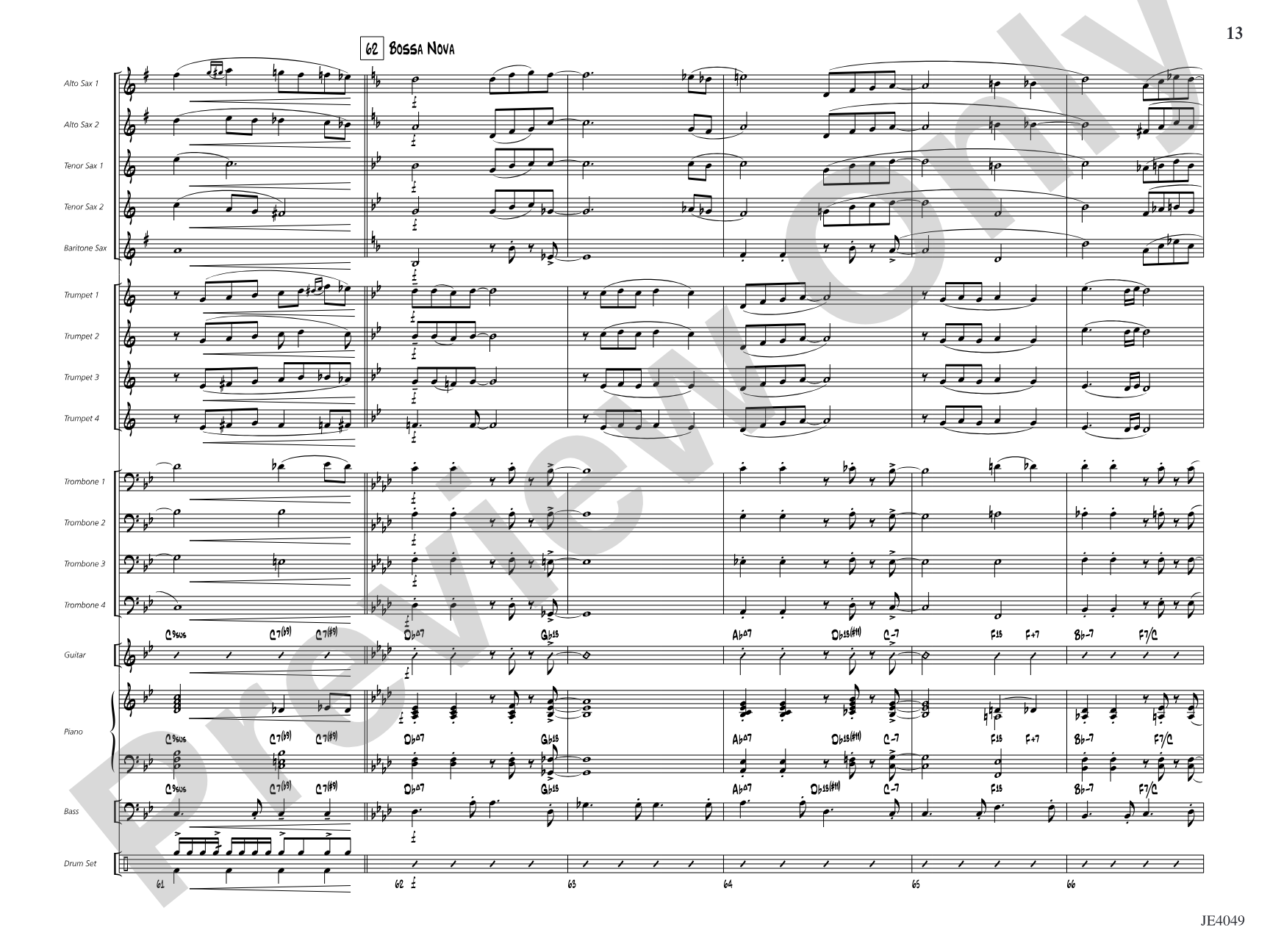
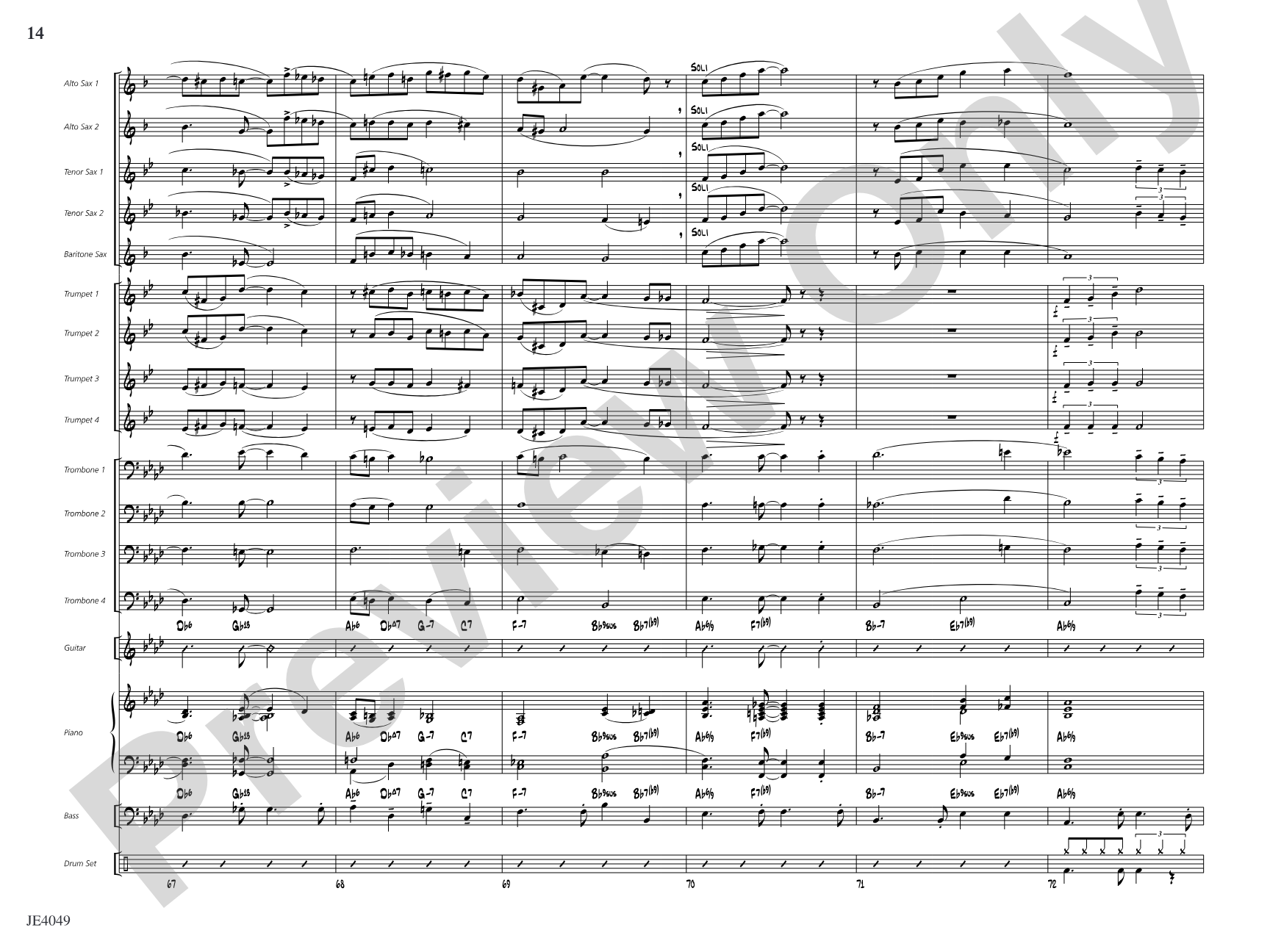
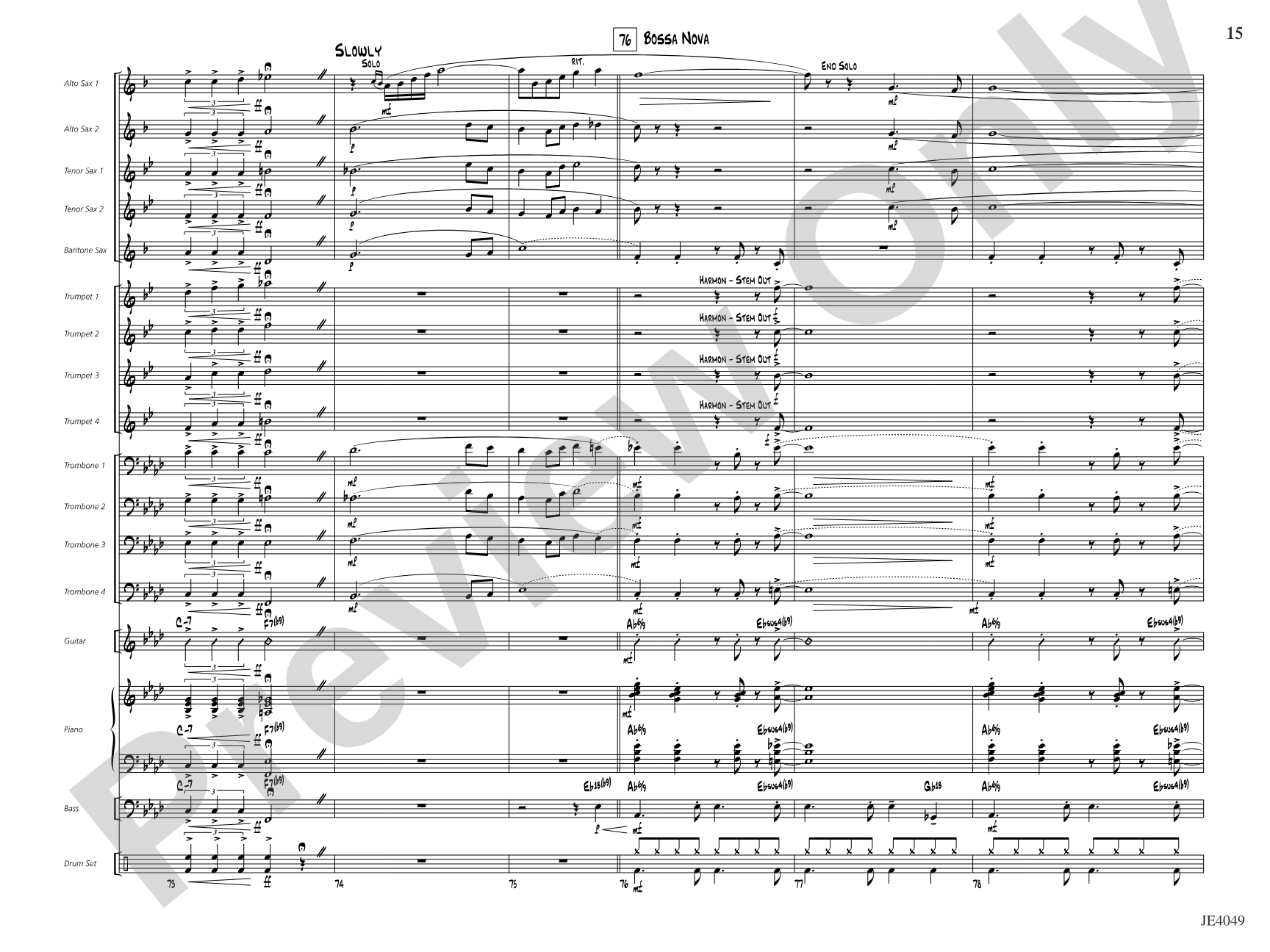
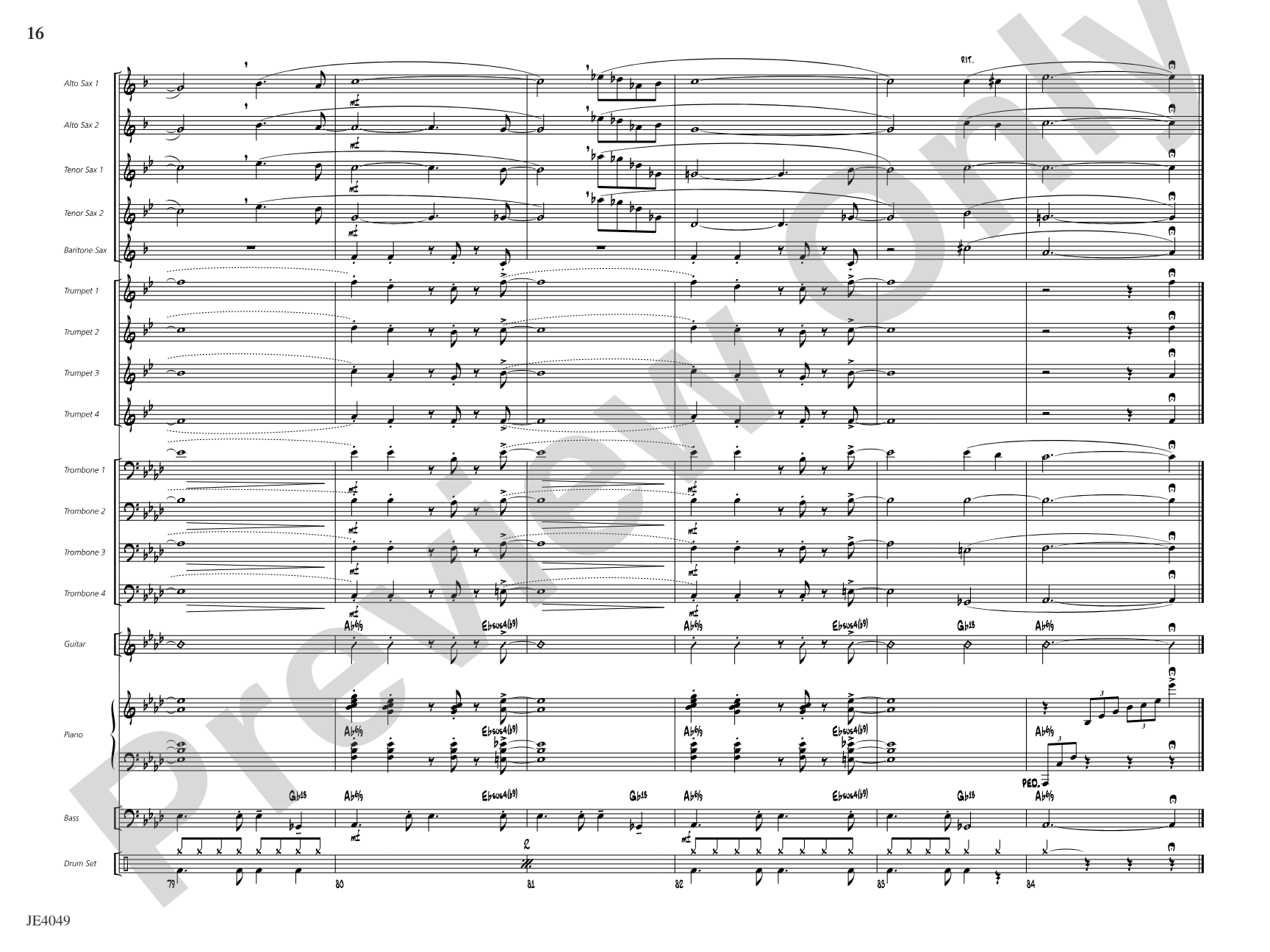
Check out this tasty setting of an old standard. It features an alto solo on the intro, then settles into a nice bossa groove. The solo section is double time for an added kick, with the bones playing the familiar melody in the background. Great writing!


After You've Gone: Jazz Ensemble Conductor Score & Parts isn't in MakeMusic Cloud just yet...but it could be. Let us know you'd like to see it, and you'll help shape what comes next. In the meantime, start a free trial and dive into thousands of interactive titles your students can play along with today.
Request This Title
Tell us you want it.
Start Your Free Trial
Explore everything that's ready to play right now.
Sample Audio
1
Audio File
--:--
0:00
0:00
Sample Video
No sample videos found.
Additional Details
Series:
FJH Intermediate Jazz Ensemble
Publisher:
The FJH Music Company, Inc.
SKU:
98-DJE4049
More about this title
About the Composer: Henry Creamer
Henry Creamer was a prolific songwriter and lyricist during the early 20th century, contributing significantly to the Great American Songbook. Working often with composer Turner Layton, Creamer crafted memorable melodies and witty lyrics that became standards in jazz and popular music. His compositions remain teaching vehicles for understanding melody, form, and the intersection of popular song with jazz interpretation.
Why we love this
This arrangement captures what makes teaching jazz standards rewarding: the writing respects the tune's architecture while creating genuine improvisation opportunities. The alto solo over double-time changes gives soloists something substantive to work with, and having the bones carry the melody underneath adds texture and keeps the ensemble engaged during the solo section rather than just marking time.
What to expect
Sophisticated but approachable. The bossa groove feels smooth and contemporary, while the double-time solo section injects energy and gives the tune unexpected momentum. There's a coolness to this arrangement that appeals to students and audiences alike.
Who it's for
Grade 3 jazz ensembles with at least one capable alto saxophonist and a solid trombone section. The arrangement works equally well for groups seeking a confident closer or an accessible introduction to bossa grooves and jazz standards.
How to get the most out of it
- Balance the alto intro so the bossa groove instruments can lock in clearly once the full ensemble enters; the intro sets the groove's foundation, so precision matters here.
- During the double-time solo section, keep the rhythm section tight and propulsive. The contrast between the original tempo and the accelerated feel for soloists only works if the pocket is rock-solid.
- Feature the bones section intentionally during the solo section. They're not background texture; they're carrying the familiar melody that audiences recognize, so bring them forward in the mix.
How to use it
Program this as a mid-set moment when you want to shift from funk or swing into Latin territory. It's also an excellent choice for a concert dedicated to standards, where you can pair it with other familiar melodies at varying tempos to showcase your ensemble's stylistic range.
Skills your students will build
- Bossa nova rhythmic precision and feel
- Accompanying soloist while maintaining groove integrity
- Double-time phrasing and navigation of faster harmonic changes
- Balancing solo section instrumentation (melody, harmony, rhythm)