After Images Cover Image

After Images: Concert Band Conductor Score & Parts

$60.00 USD
Sale price  $60.00 USD Regular price 
Skip to product information
After Images Cover Image

After Images: Concert Band Conductor Score & Parts

By Vince Gassi

Grade: 2

Item: 81-CB19379

$60.00
Shipped

One moment…

Description
Colors, textures, impressions. Rhythms that float, rhythms that drive, themes that are lyrical. If you are looking for something different, you've found it. Written for the Chippewa Secondary School Concert Band (North Bay, Canada), this work provides much opportunity to work on shading and expressive playing as colors and images float by.

After Images: Concert Band Conductor Score & Parts isn't in MakeMusic Cloud just yet...but it could be. Let us know you'd like to see it, and you'll help shape what comes next. In the meantime, start a free trial and dive into thousands of interactive titles your students can play along with today.

Sample Pages

Sample Audio
0:00
0:00
Sample Video
Additional Details
Series: Eighth Note Publications
Publisher: Eighth Note Publications
ISBN10: 1-77157-612-X
ISBN13: 978-1-77157-612-3
UPC: 685462026135
SKU: 81-CB19379

More about this title

About the Composer: Vince Gassi
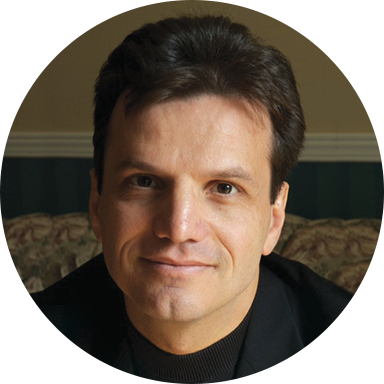
Vince Gassi

Vince Gassi has established himself as a prolific composer whose output exceeds 100 published works since joining Alfred Music in 2006. His training spans practical performance and formal study, including a Bachelor of Music from the University of Western Ontario, advanced composition and arranging work at the Dick Grove School of Music in Los Angeles, and a Ph.D. from York University in Toronto.

For a quarter century, Gassi has taught instrumental music at elementary and secondary levels while building a reputation as a clinician and guest conductor throughout North America. His compositions balance accessibility with musical substance, earning regular performances at major venues including the Midwest Clinic in Chicago. Beyond composing, he leads seminars on creative engagement and digital workflows for music directors, bringing both creative and practical innovation to music education.

Why we love this

After Images delivers exactly what Grade 2 conductors need: an accessible work that doesn't sound like student repertoire. The piece's focus on color and shading invites young musicians to think beyond notes and rhythms, treating ensemble playing as an expressive art. It's written for a real school ensemble, which means Gassi understands the voices and abilities you're actually directing.

What to expect

After Images unfolds like a series of musical postcards, each with its own mood and texture. You'll move between passages of floating lyricism and sections with forward momentum, creating a kaleidoscopic effect that keeps listeners engaged while remaining transparent in voicing.

Who it's for

Concert band directors seeking Grade 2 repertoire with genuine musical substance. This score works for bands wanting to develop expressive sensibilities and for ensembles that benefit from pieces specifically composed with secondary school instrumentation in mind.

How to get the most out of it

  • Shape phrases by varying dynamics and articulation rather than relying on tempo changes; let the floating rhythmic sections breathe naturally without rushing
  • Balance between the lyrical themes and driving passages by having students practice each section independently before combining them
  • Experiment with rehearsal tempos that bring out the impressionistic quality of the piece; what feels right at performance tempo may obscure the color changes at full speed

How to use it

Program this as a change of pace on a concert that mixes traditional march-based repertoire with more contemporary sounds. Its moderate length and Grade 2 accessibility make it ideal for mid-program positioning, where it can reset audience attention before heading into heavier works.

Skills your students will build

  • Dynamic shading and expressive control within Grade 2 technical ability
  • Balancing ensemble sound across contrasting sections (floating versus driving rhythms)
  • Sustained tone production and phrasing over longer melodic lines
  • Ensemble listening and blend in lyrical contexts

You May Also Like