
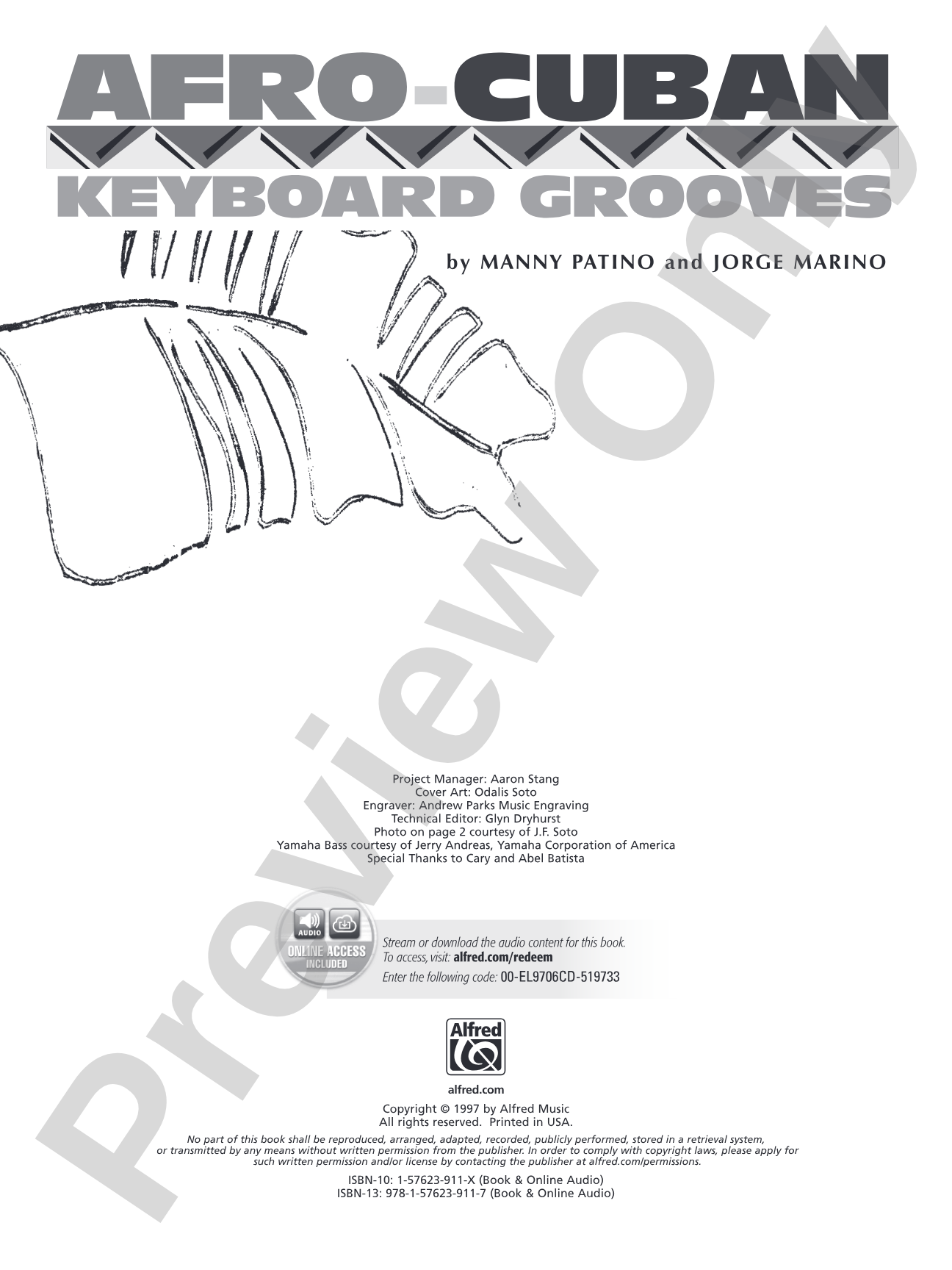
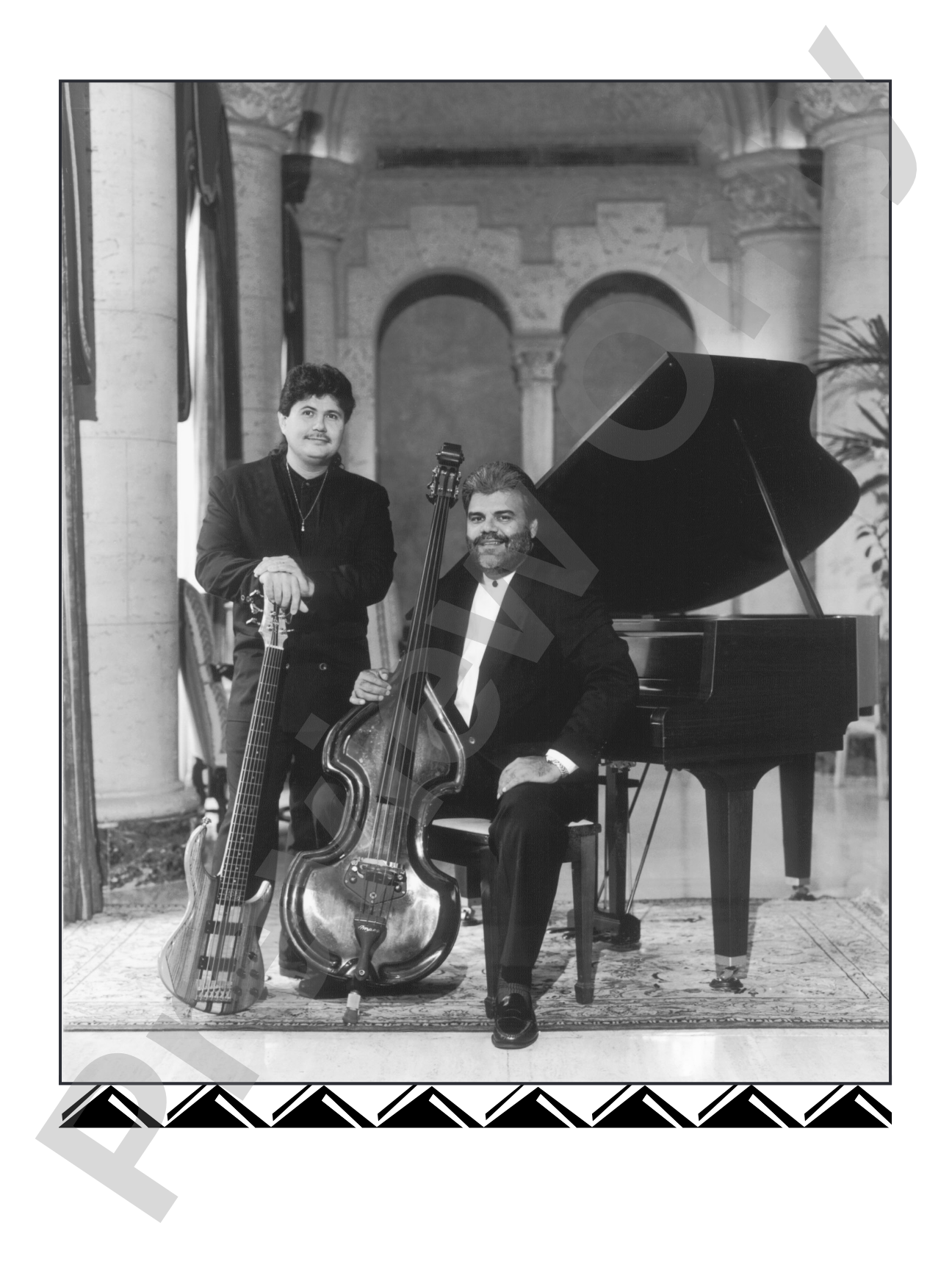
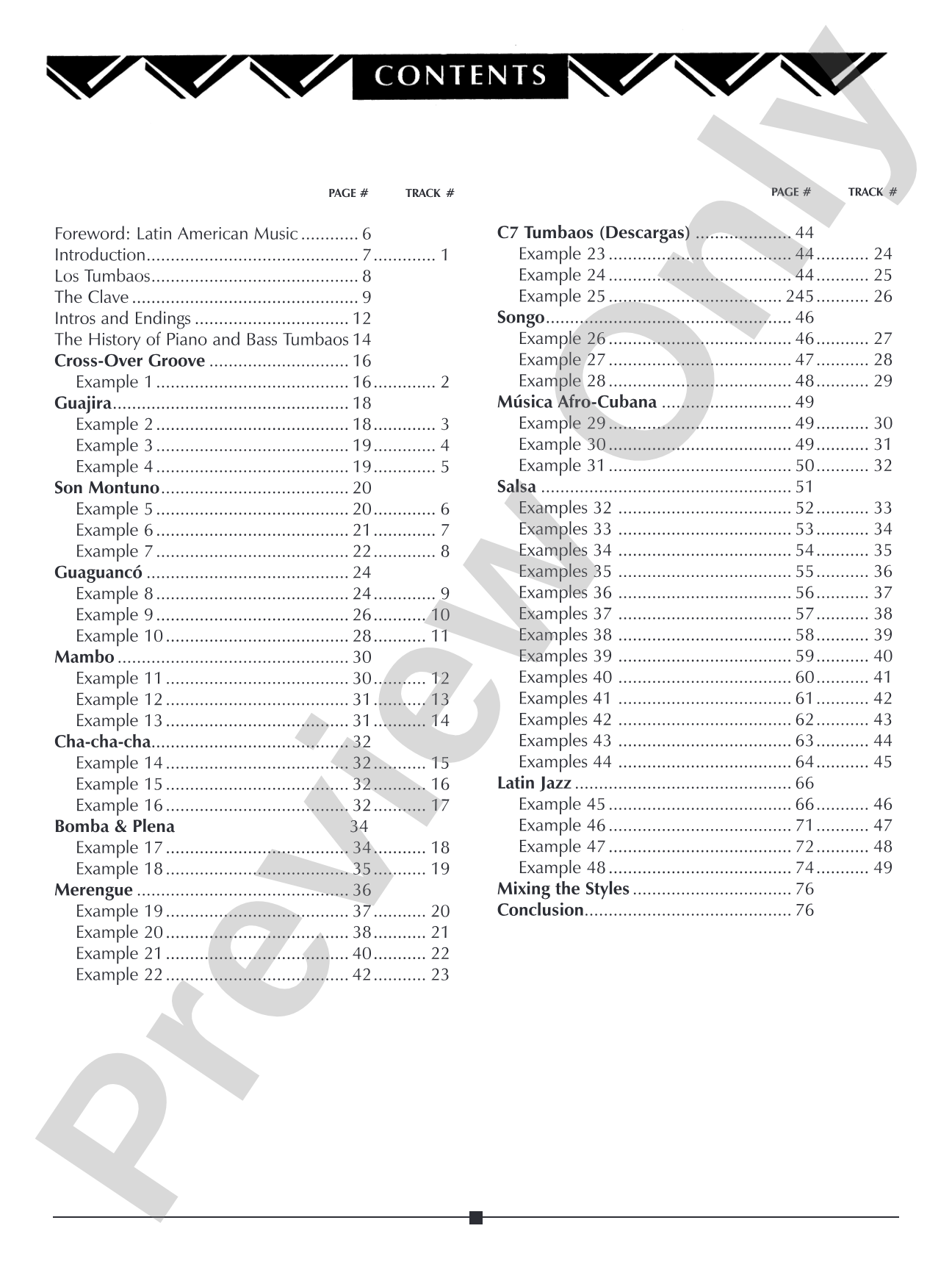
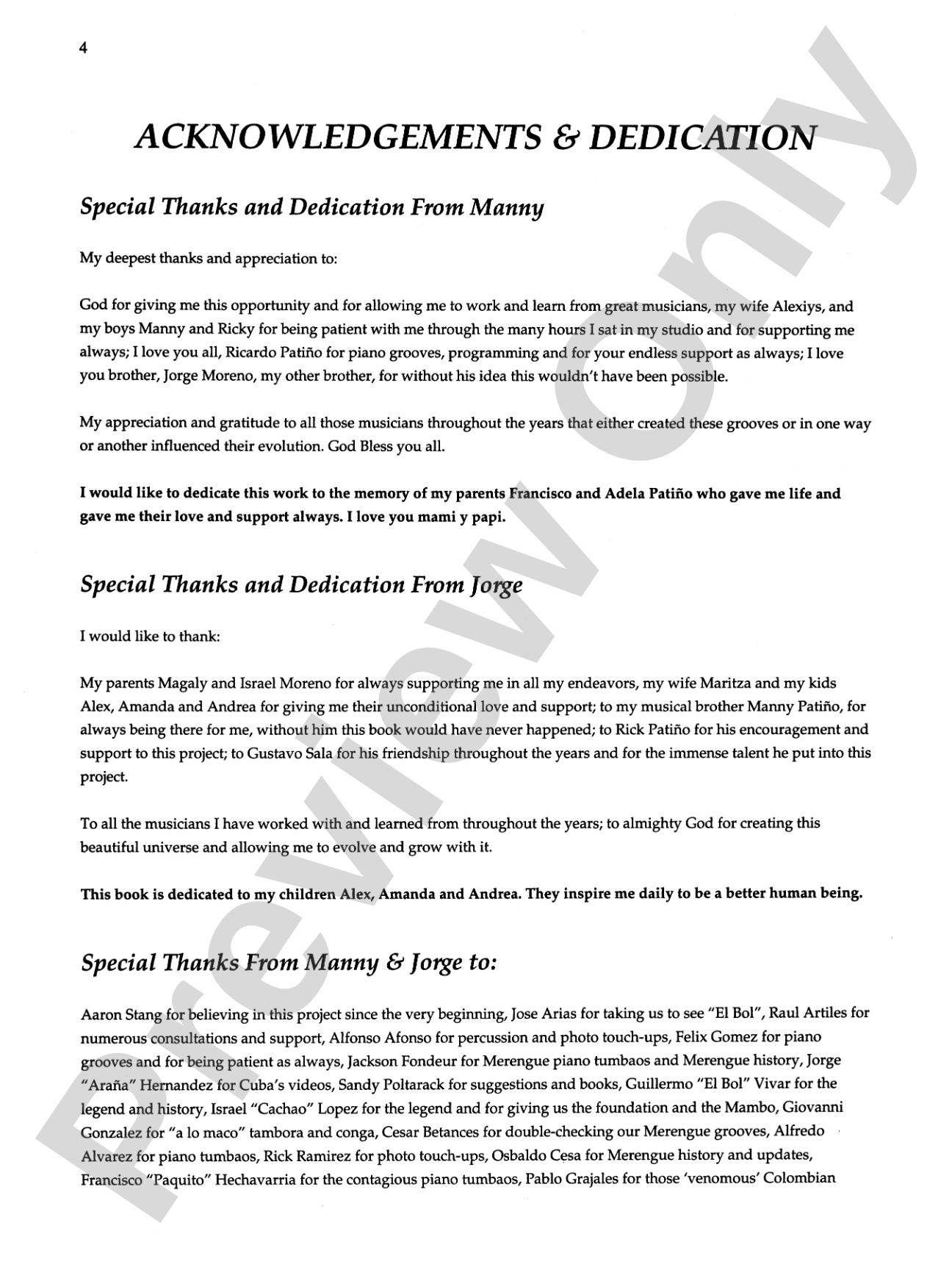

Afro-Cuban Keyboard Grooves: Piano
By Manny Patiño and Jorge Moreno
Item: 00-PB-0002053
$19.99
Pickup currently not available
Related Items
Afro-Cuban Keyboard Grooves: Piano Book & Online Audio |
$19.99
|
View |
Description
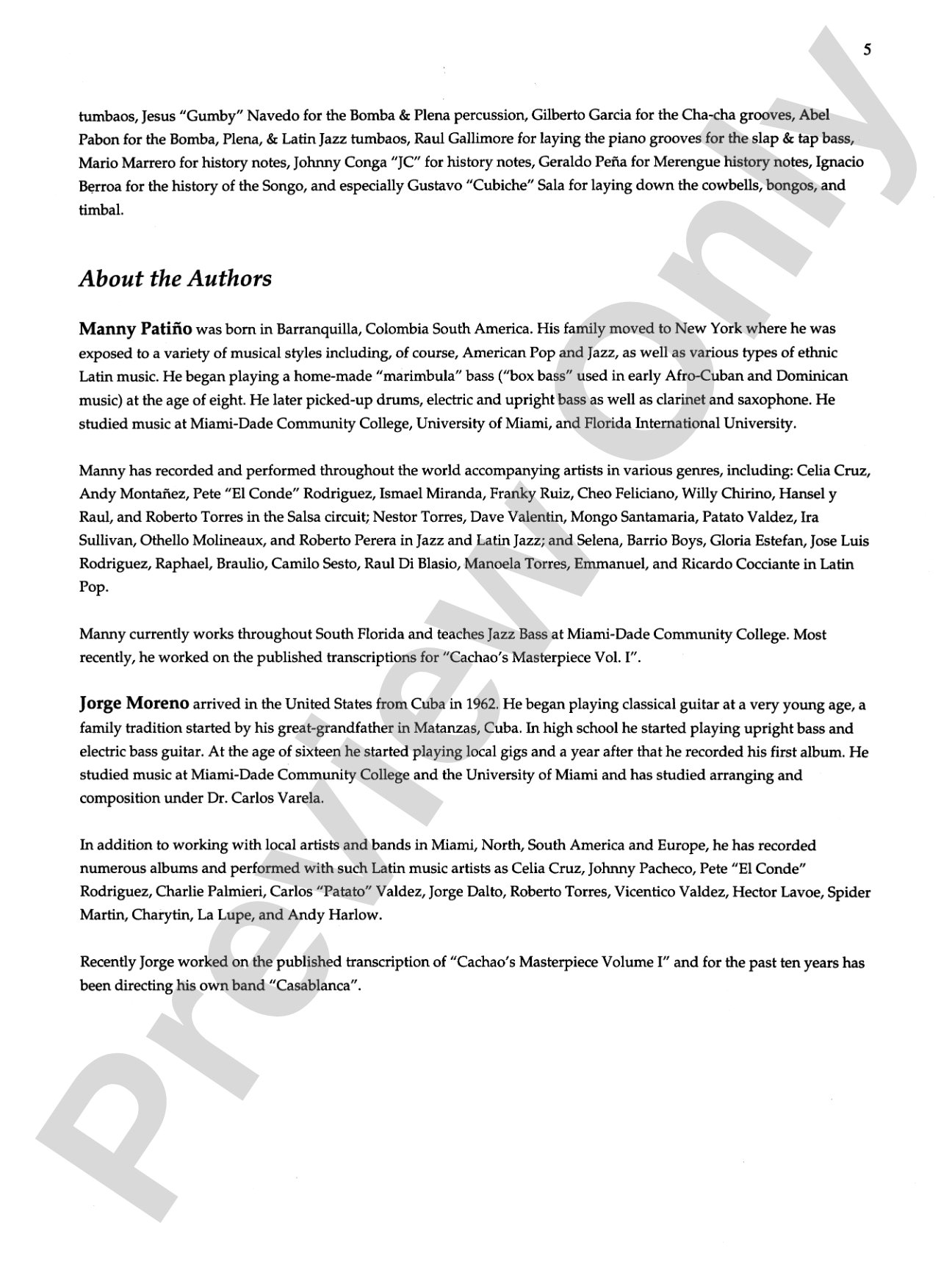
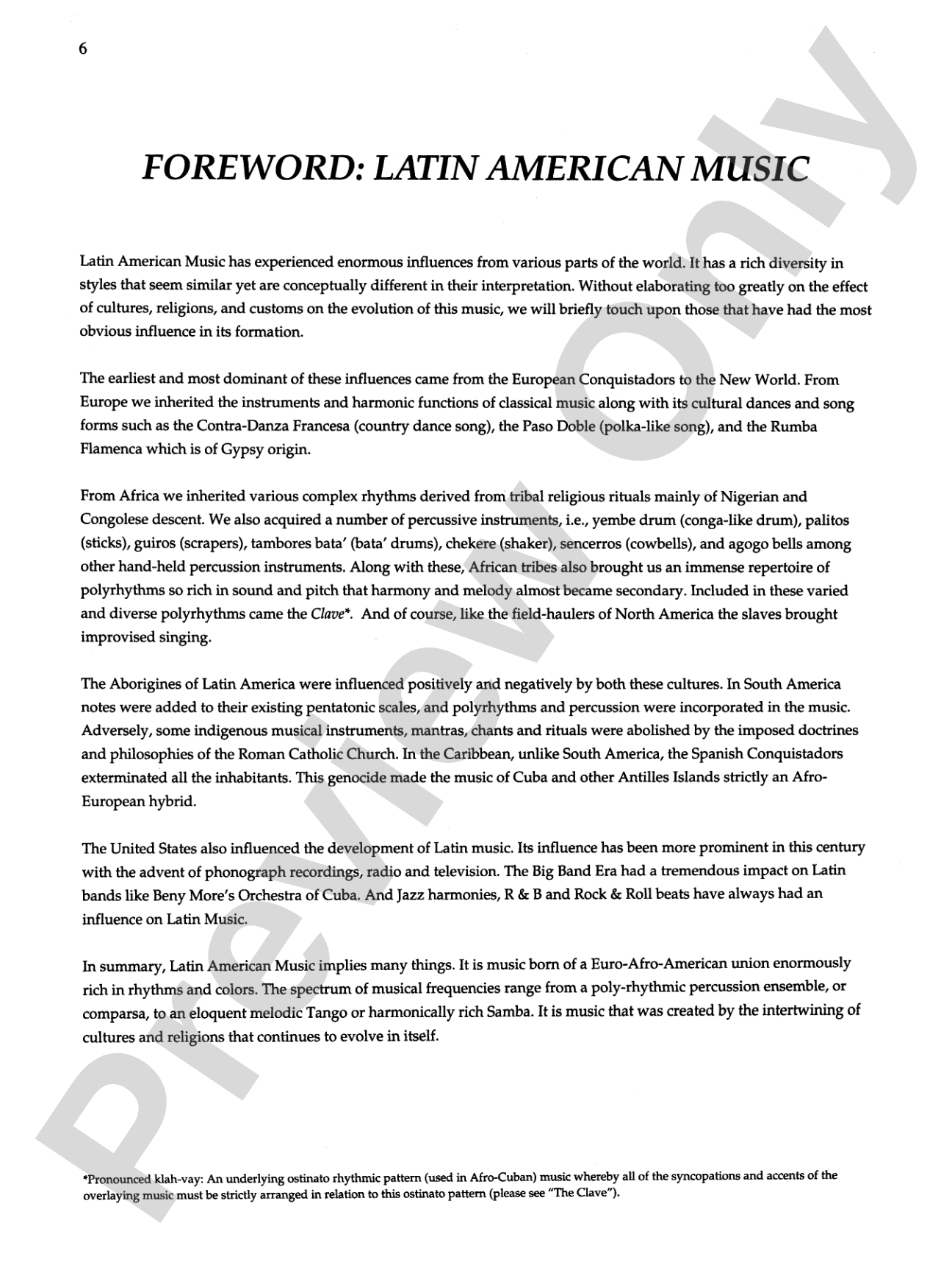
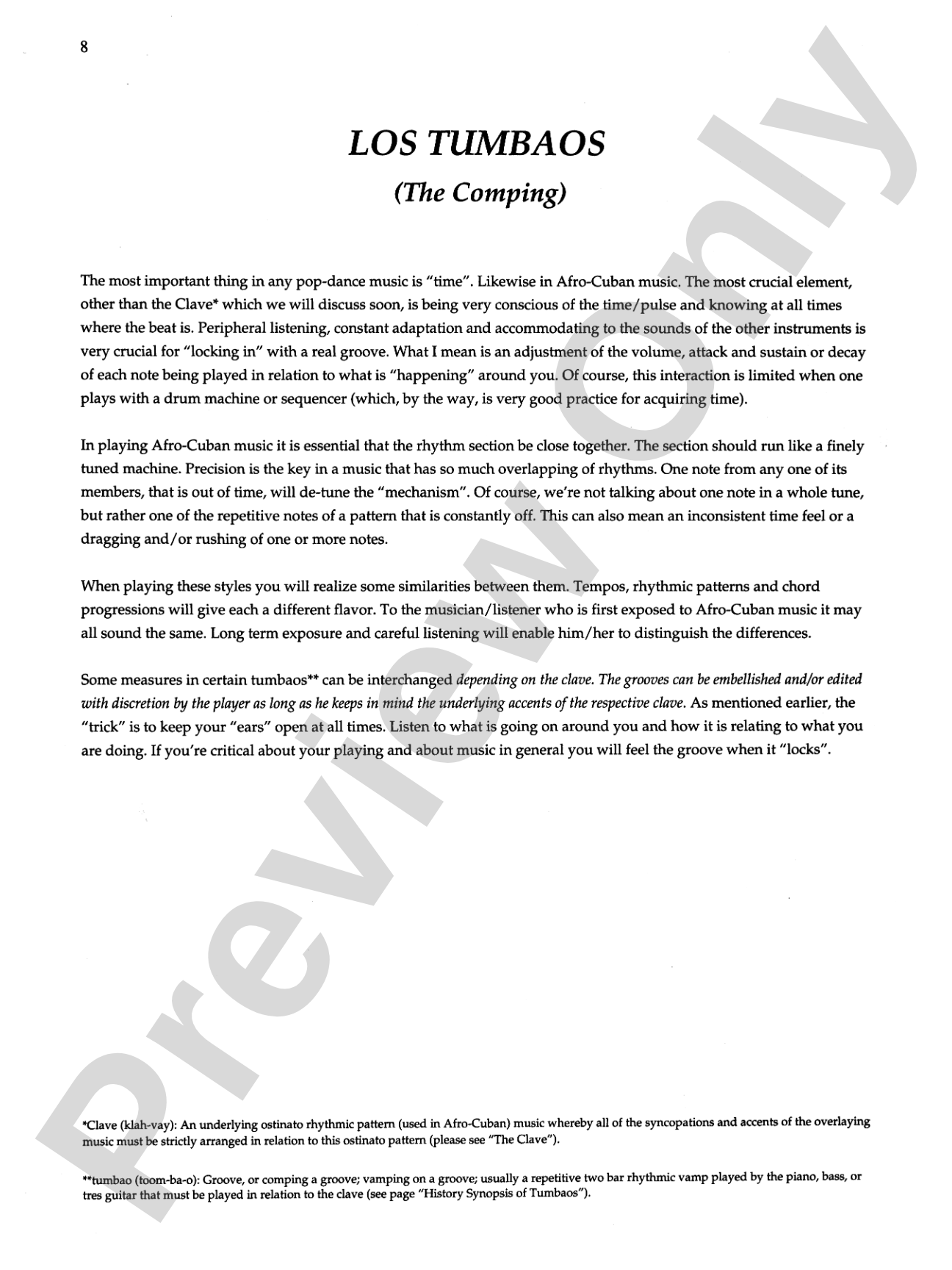
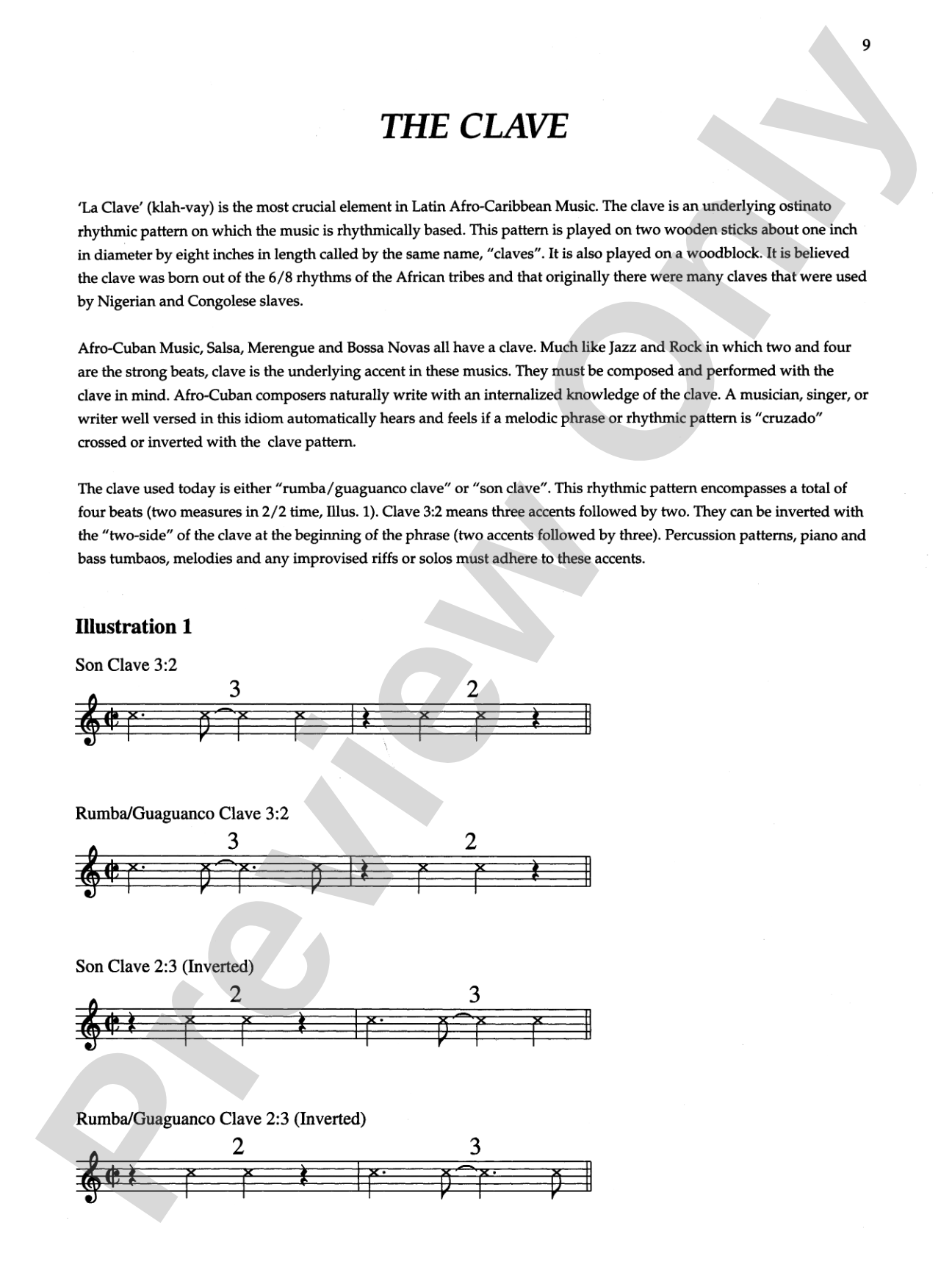
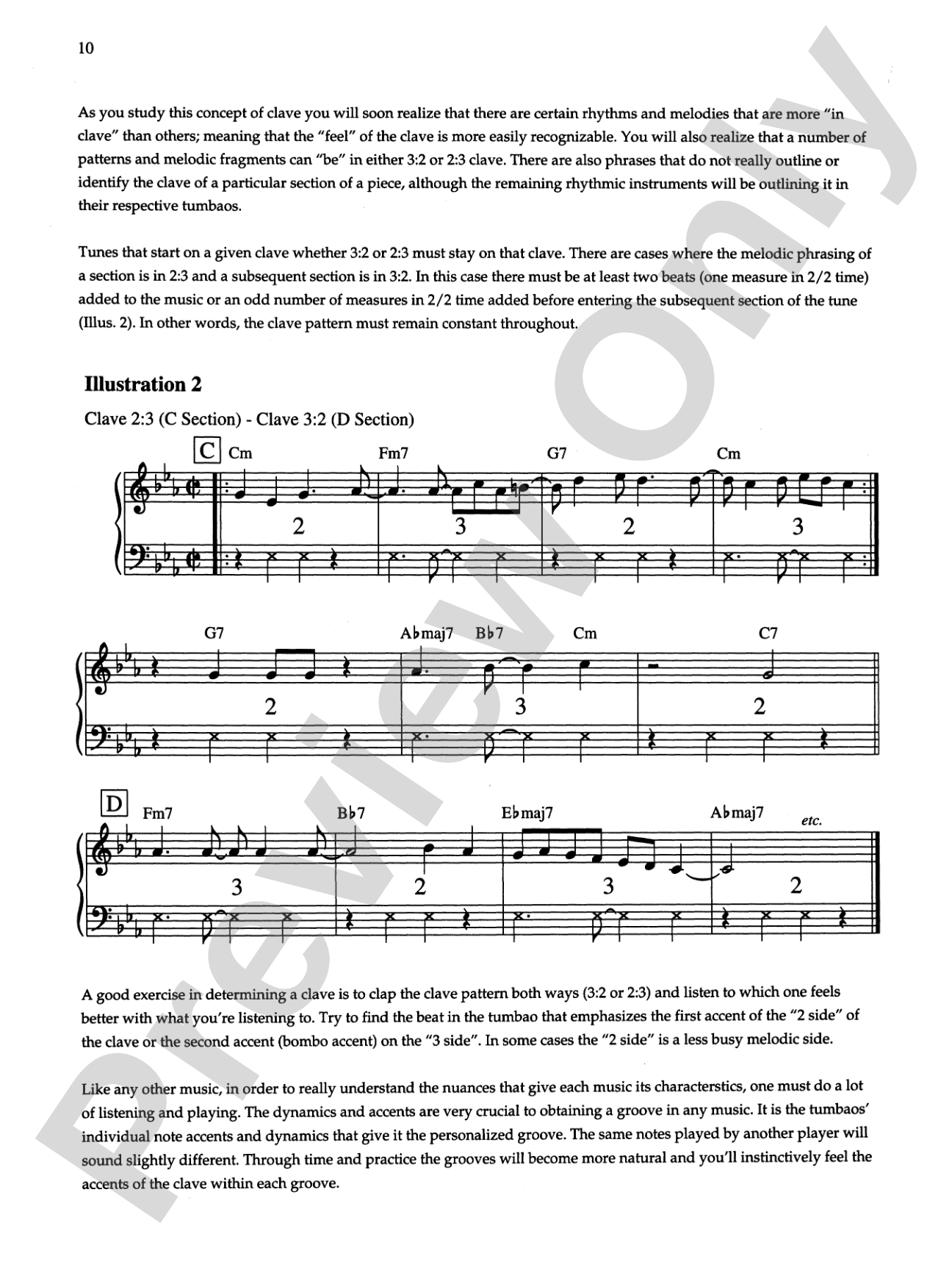
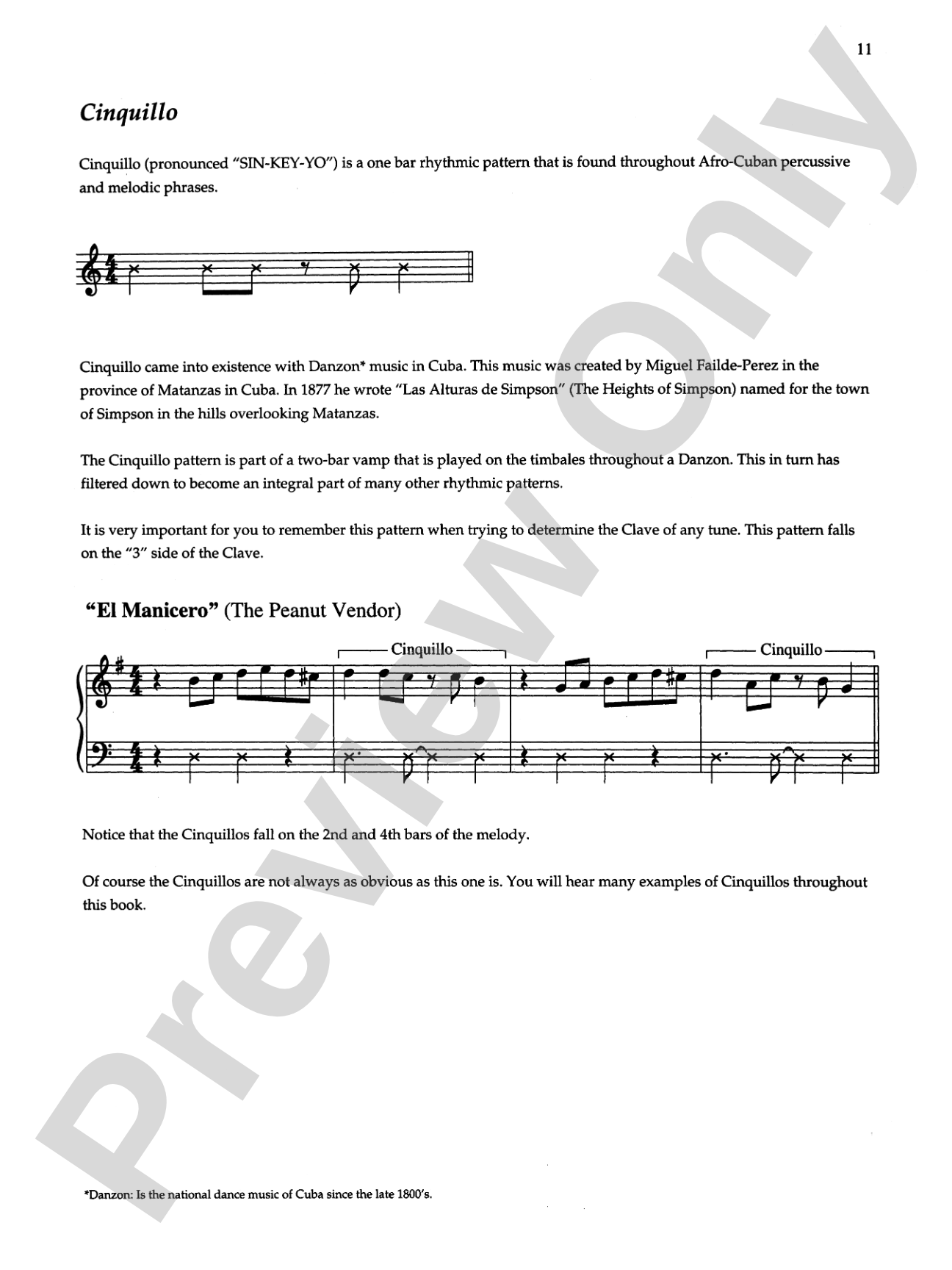
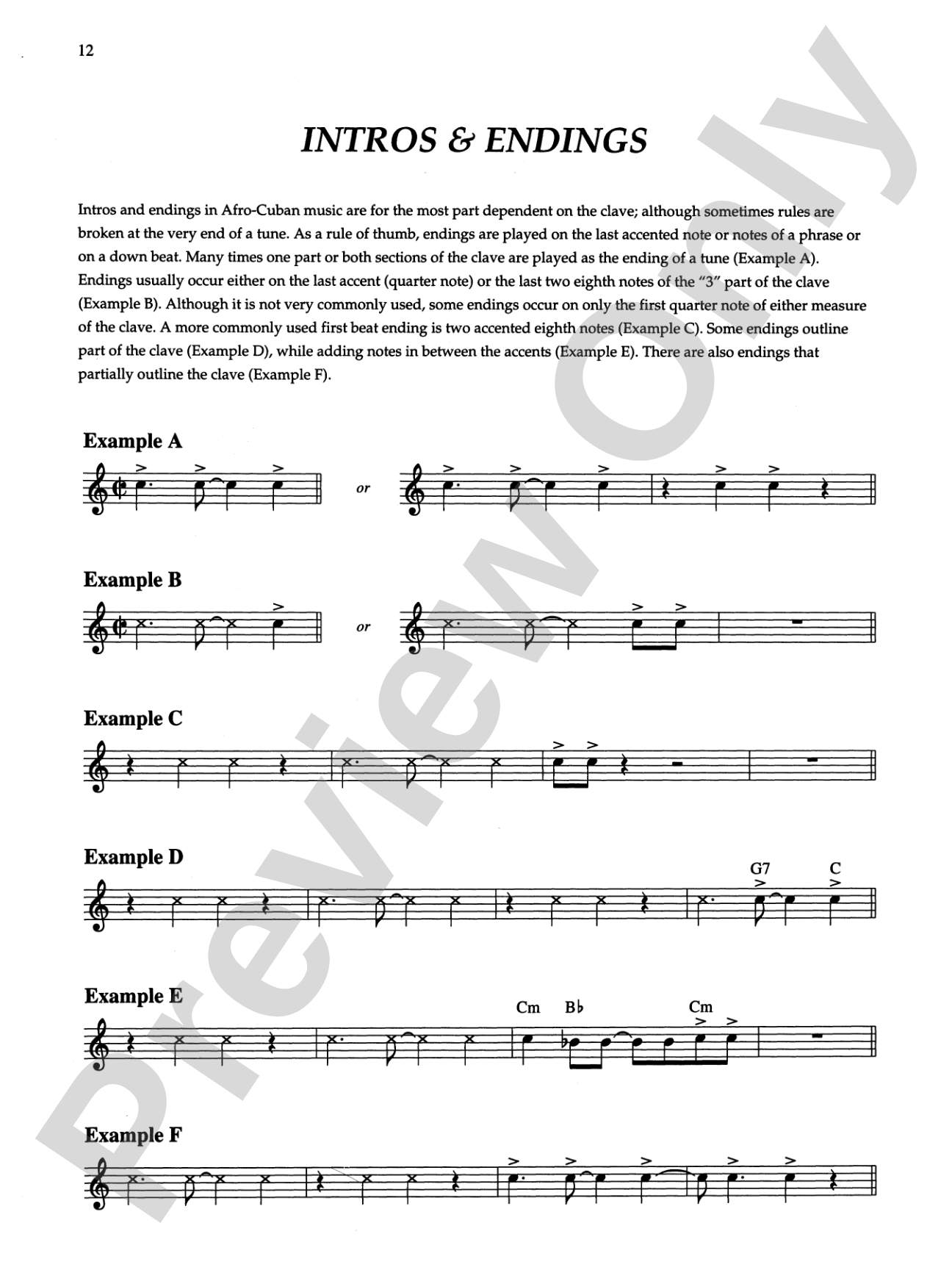
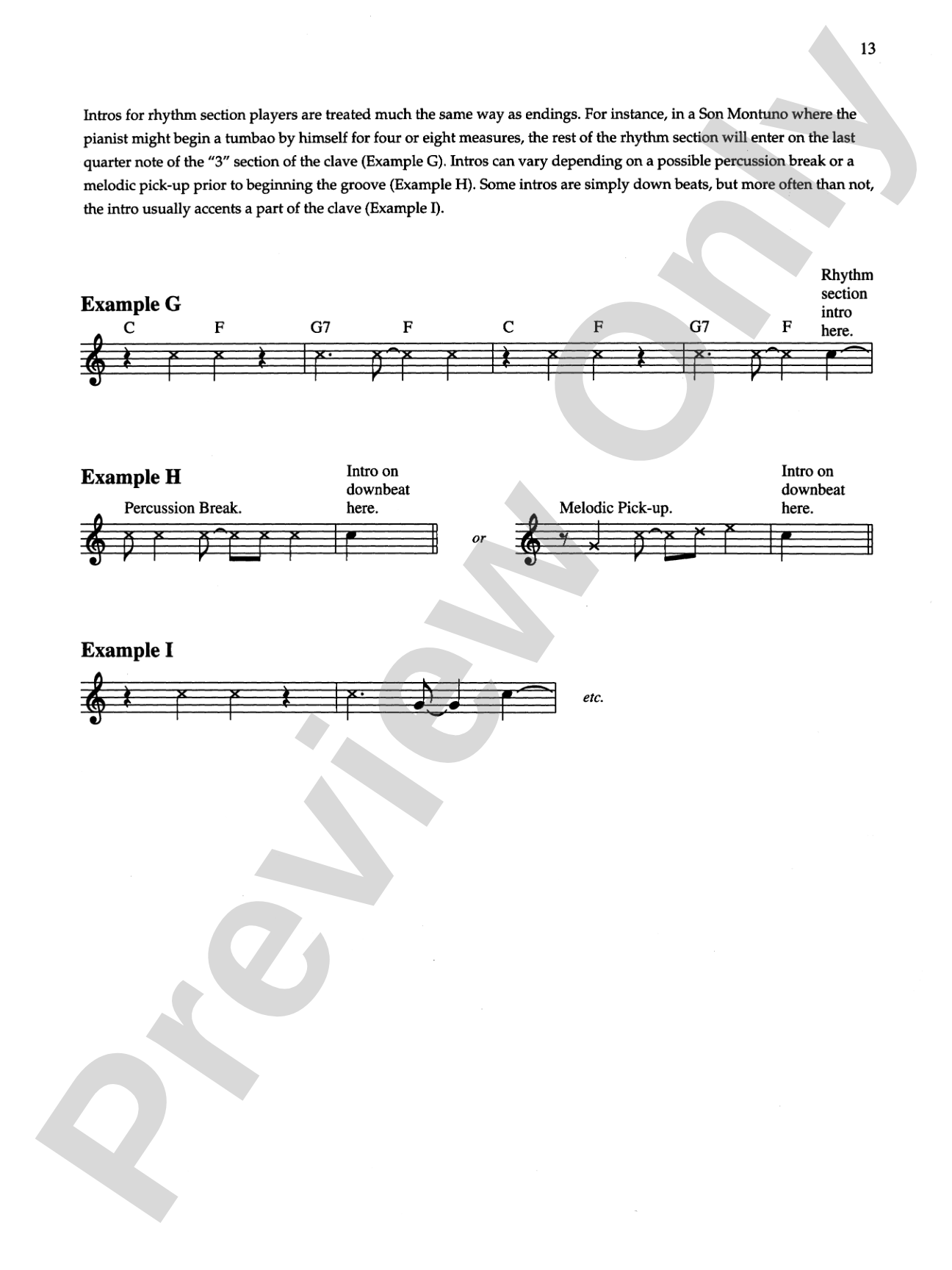
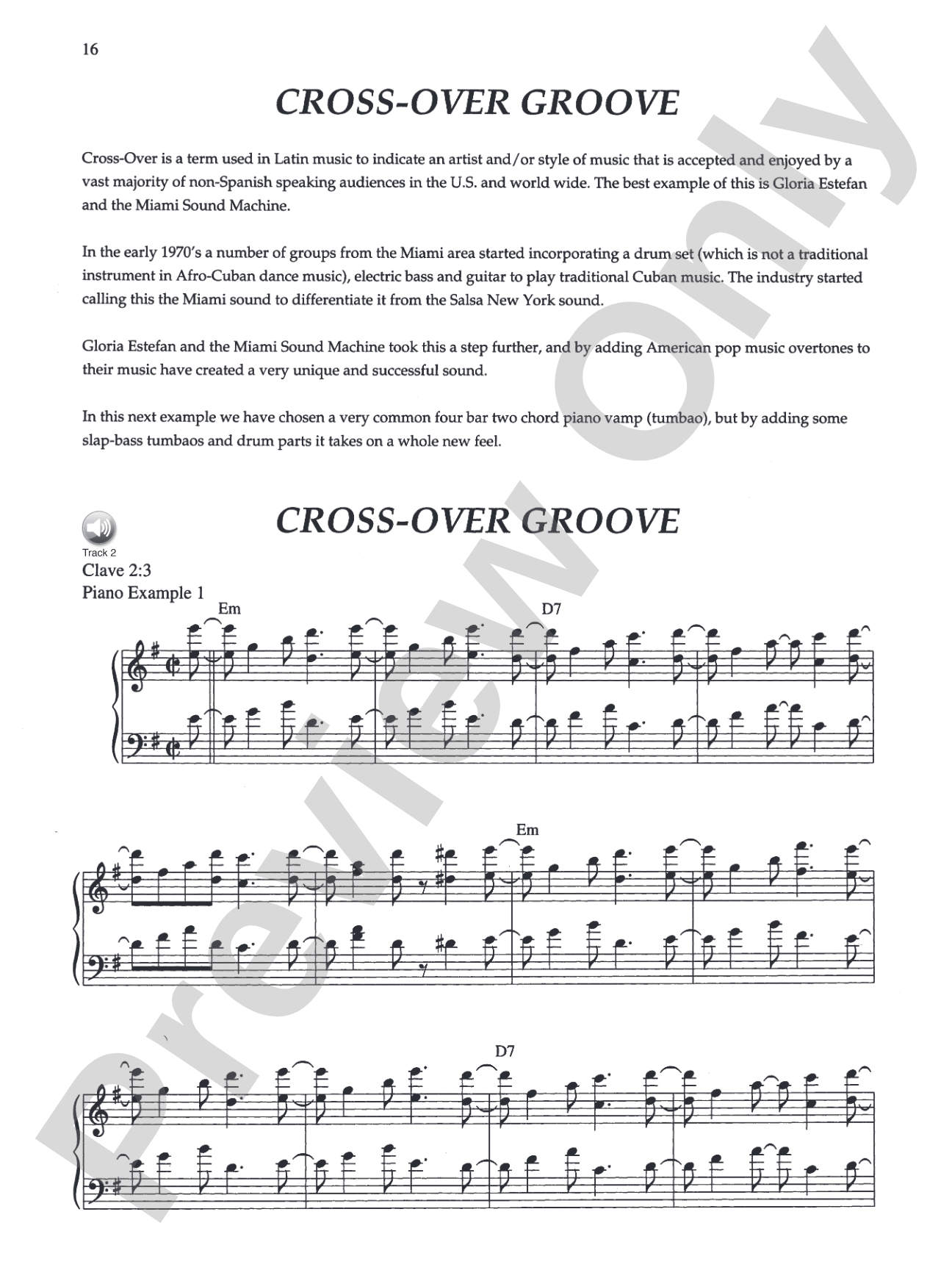
This book will help any musician unlock the secrets of the Afro-Cuban rhythmic feel. By clearly demonstrating the underlying pattern called the Clave and the comping patterns called Tumbaos that are played over the Clave, this book will help every keyboard player learn these fundamental Latin rhythms. [Matching bass book (EL9707CD) also available.]


Afro-Cuban Keyboard Grooves: Piano isn't in MakeMusic Cloud just yet...but it could be. Let us know you'd like to see it, and you'll help shape what comes next. In the meantime, start a free trial and dive into thousands of interactive titles your students can play along with today.
Request This Title
Tell us you want it.
Start Your Free Trial
Explore everything that's ready to play right now.
Sample Audio
1
Guaguanco
--:--
2
Salsa
--:--
Guaguanco
0:00
0:00
Sample Video
No sample videos found.
Additional Details
Publisher:
Alfred Music
Page Count:
80
SKU:
00-PB-0002053
More about this title
About the Composer: Manny Patiño
Manny Patiño is a pianist and composer with deep roots in Latin jazz and Afro-Cuban music pedagogy. His work focuses on making the sophisticated rhythmic and harmonic language of Cuba accessible to Western-trained musicians through systematic, hands-on instruction.
Why we love this
This book cuts through the mystique of Afro-Cuban piano by isolating the two elements that matter most: clave and tumbao. Rather than throwing students into full arrangements, Patiño and Moreno build from foundational patterns upward, which means your pianists actually internalize how these grooves work instead of just imitating them.
What to expect
The rhythmic precision of Afro-Cuban music is both mathematical and deeply physical. You'll feel the push and pull of the clave against the steady pulse, discovering how space and syncopation create the specific flavor that makes this music unmistakable.
Who it's for
Any pianist serious about playing jazz, Latin jazz, or contemporary pop and R&B where Afro-Cuban feels permeate the grooves. This works equally well for classical pianists expanding their rhythmic vocabulary and for young students discovering where jazz comping patterns actually come from.
How to get the most out of it
- Separate clave from comping in your mind before combining them. Play clave in one hand while listening to the pulse with your body; only add tumbao patterns once the underlying rhythm feels automatic.
- Record yourself playing the clave as a click track, then layer the tumbao patterns over it. This reinforces independence and locks the relationship between the two elements.
- Listen to recorded Cuban music alongside the exercises. Hearing how professional pianists deploy these patterns in real tempos bridges the gap between workbook drills and authentic application.
- Start every session by reviewing the clave patterns from earlier chapters. Muscle memory in Latin rhythms requires consistent reinforcement.
How to use it
Assign chapters progressively throughout a jazz or contemporary music unit, using the tumbao patterns as the foundation for ensemble rehearsals. Students who understand clave and tumbao bring a completely different understanding to how they comp in a rhythm section, and their ears open up to Latin standards and Latin jazz repertoire.
Skills your students will build
- Playing clave rhythms with precision and independence
- Improvising and voicing tumbao (comping) patterns over clave
- Coordinating left hand independence from right hand in polyrhythmic contexts
- Recognizing clave in recorded music and transcribing from recordings
- Building Latin jazz vocabulary for ensemble playing and improvisation