


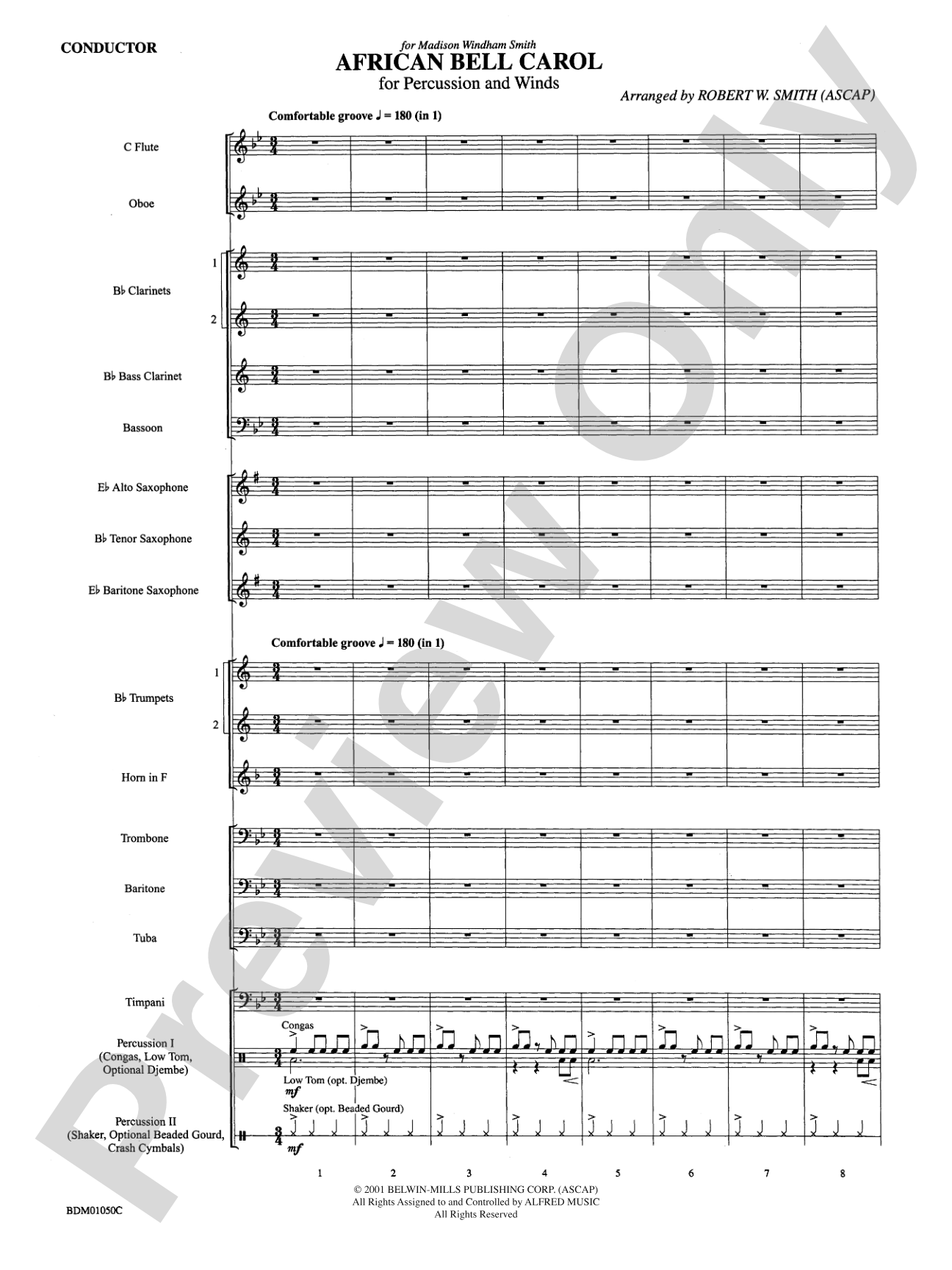
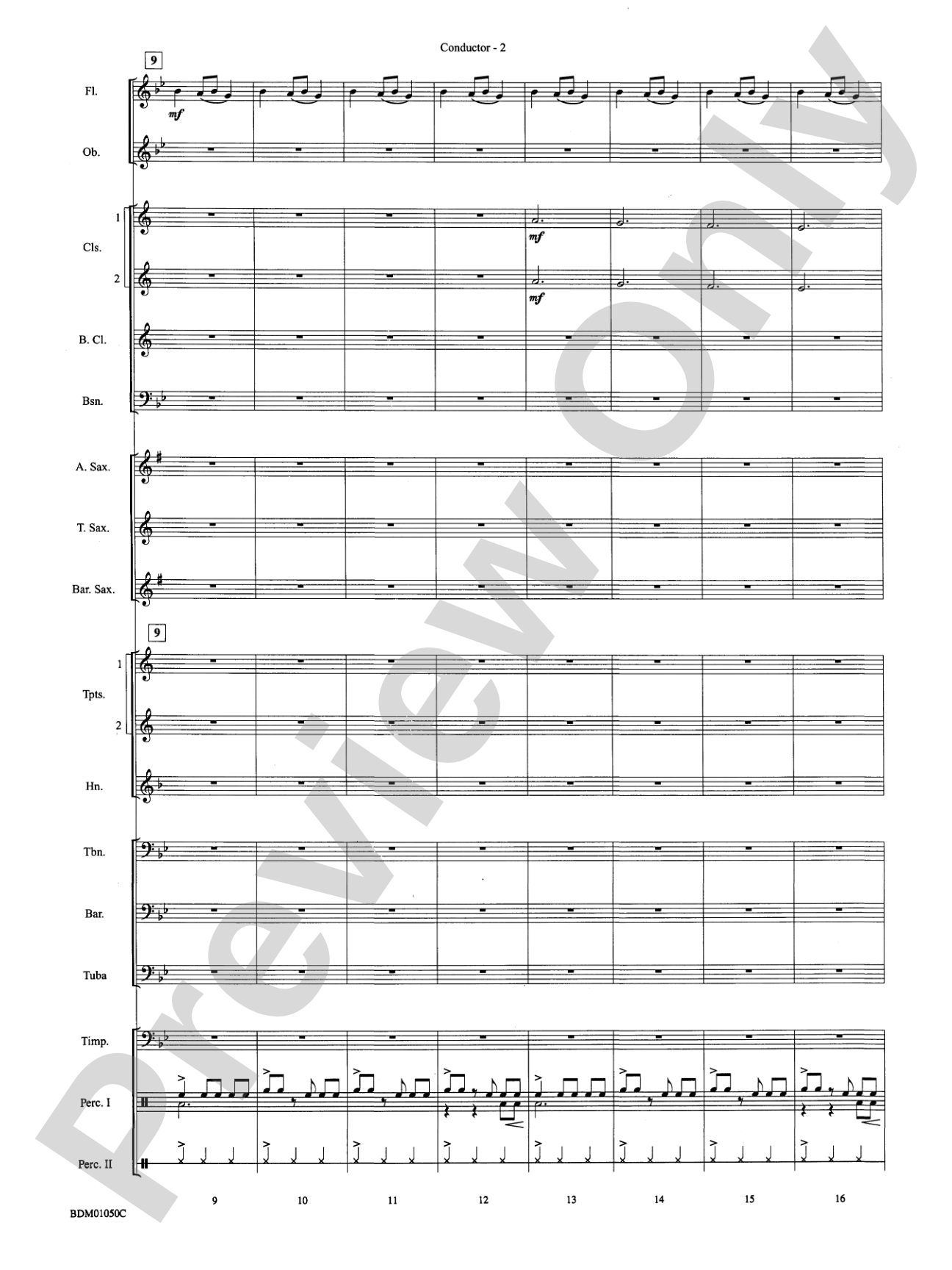
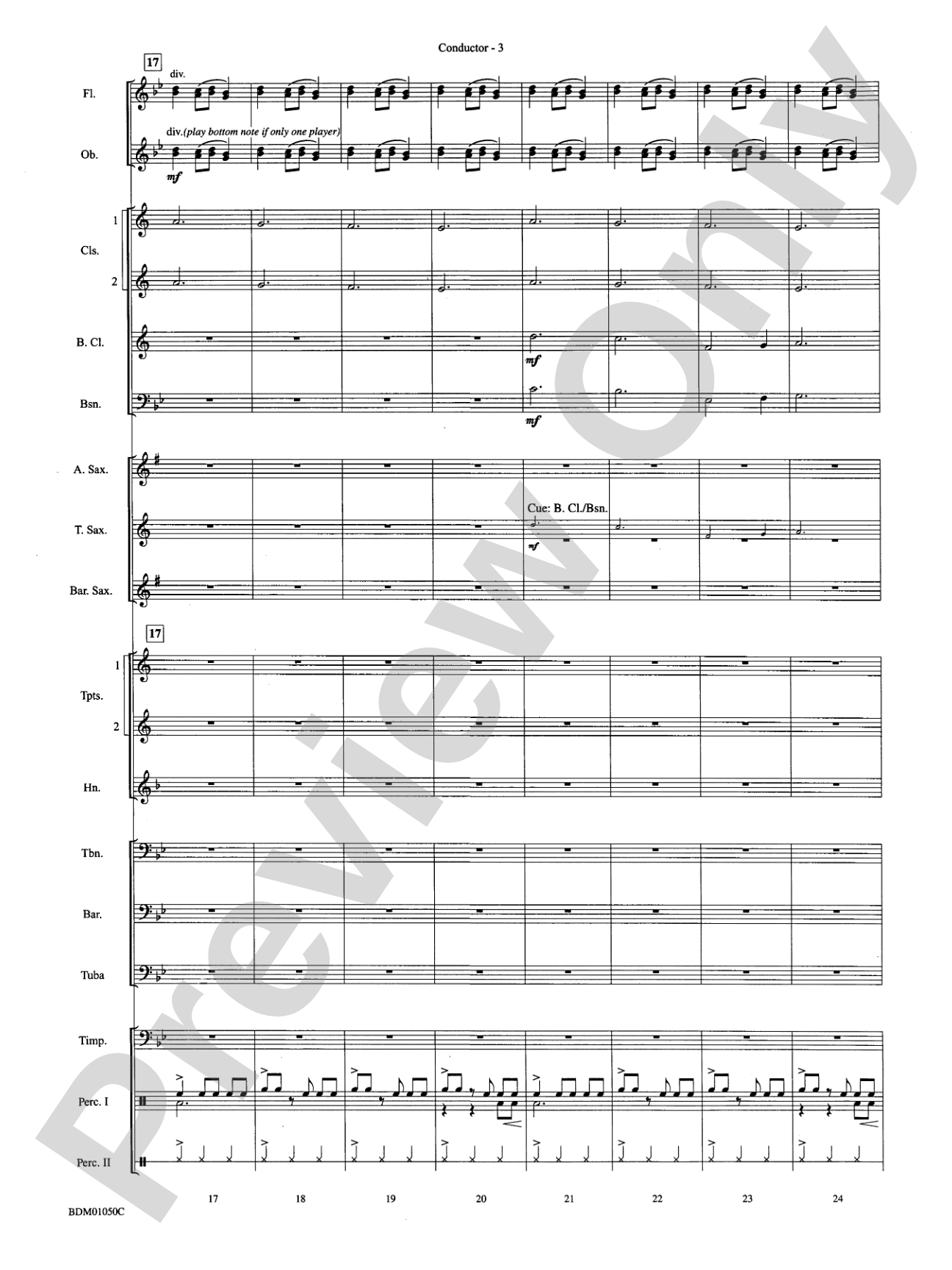
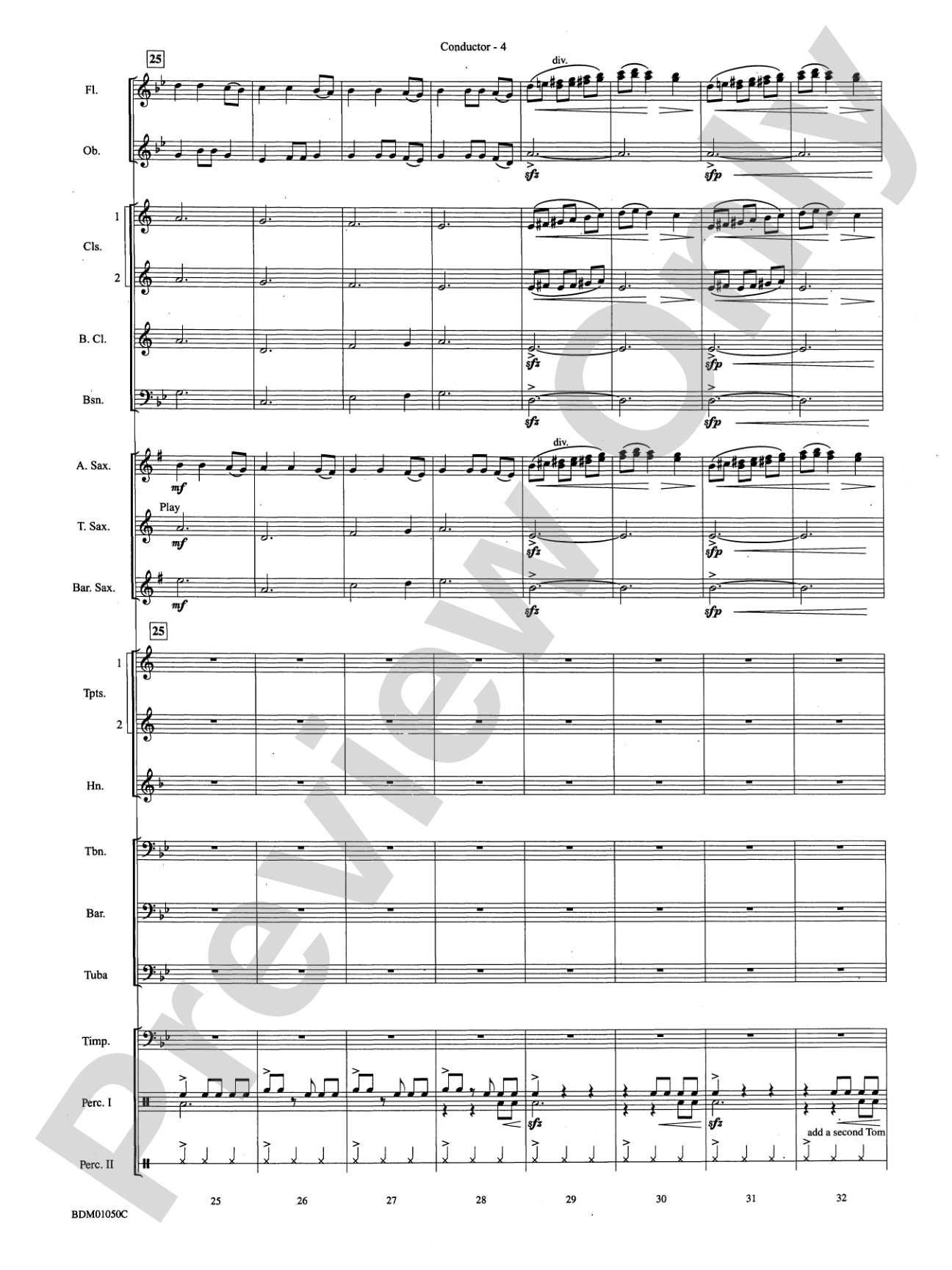
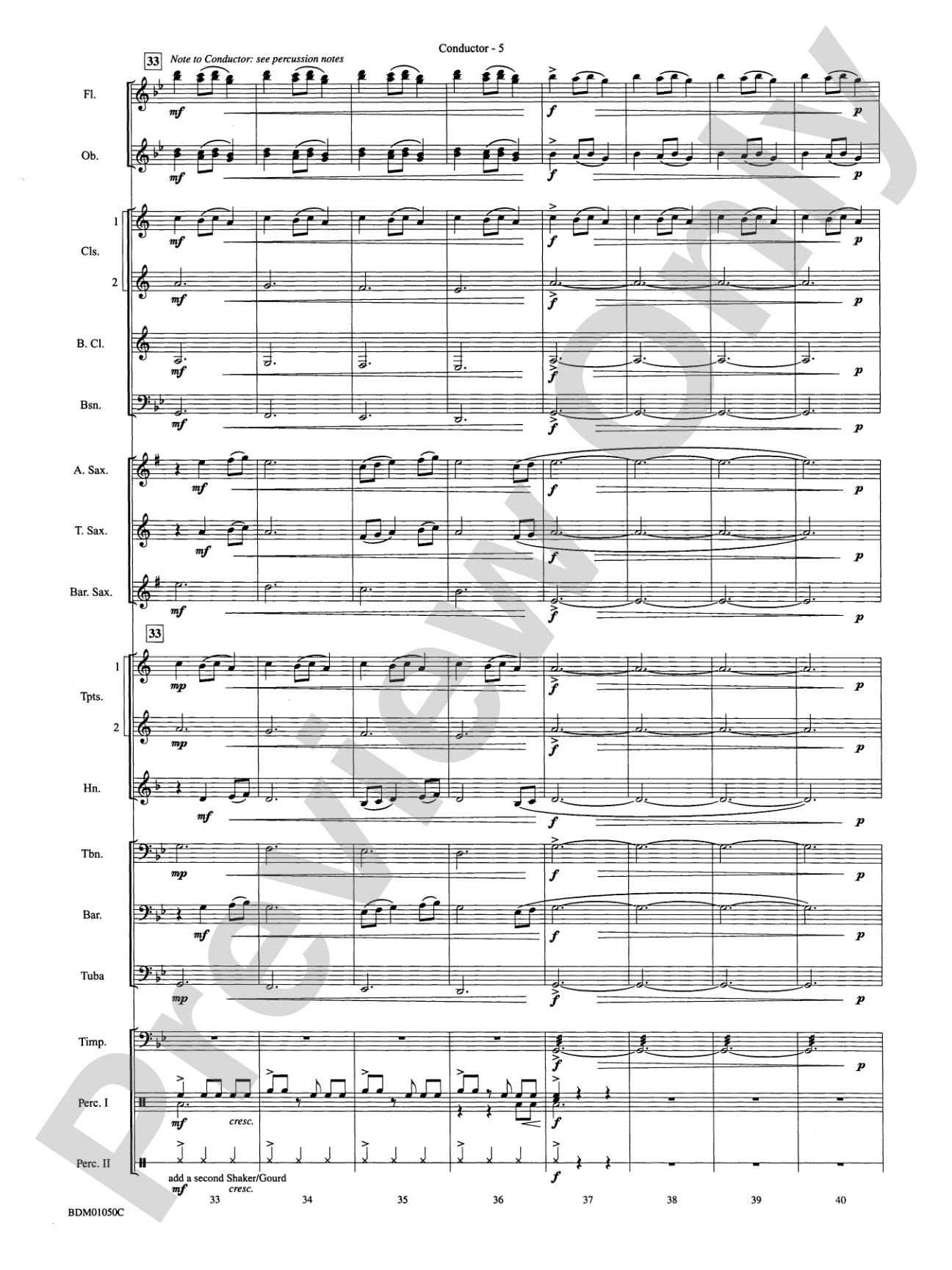
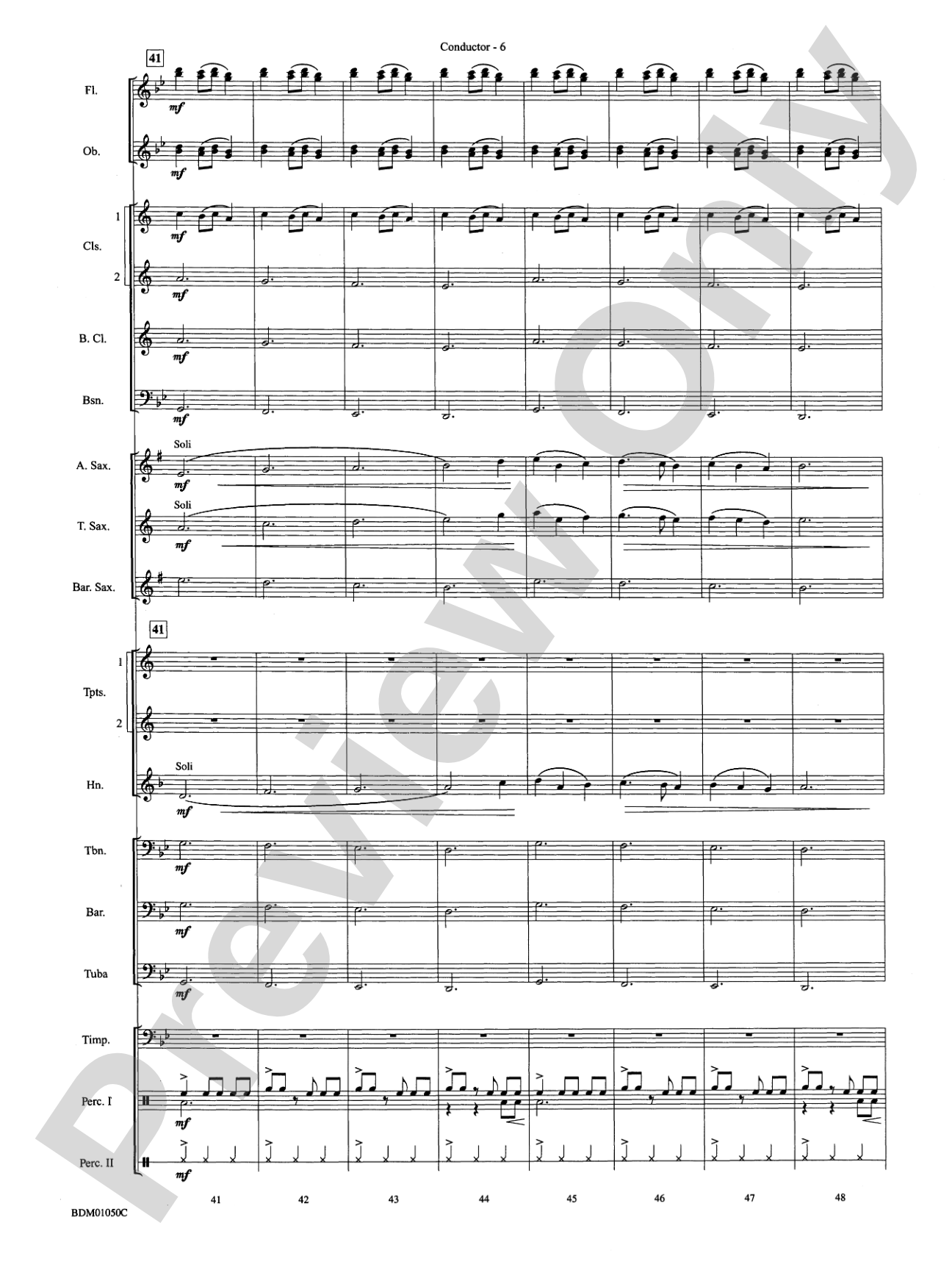
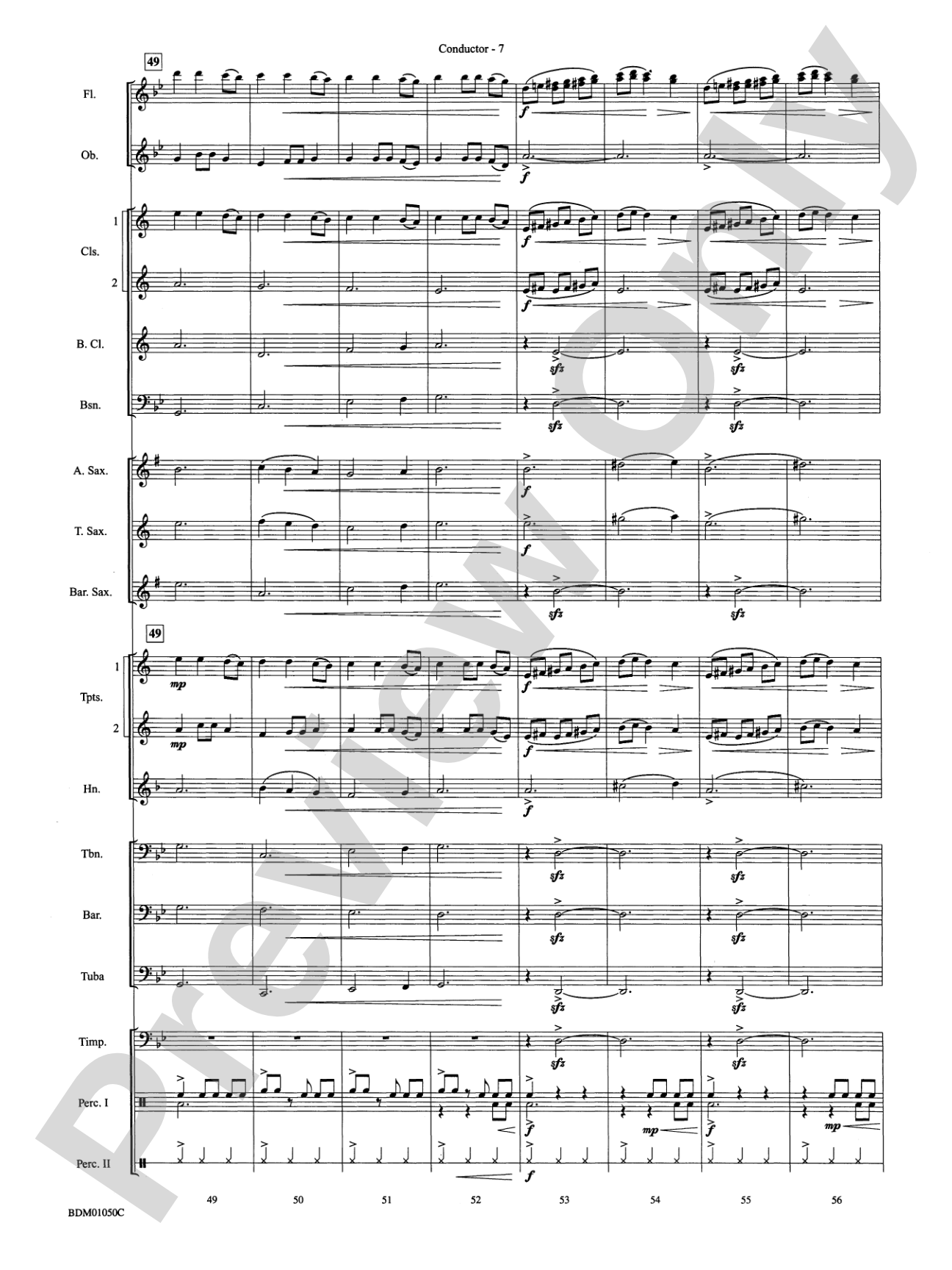
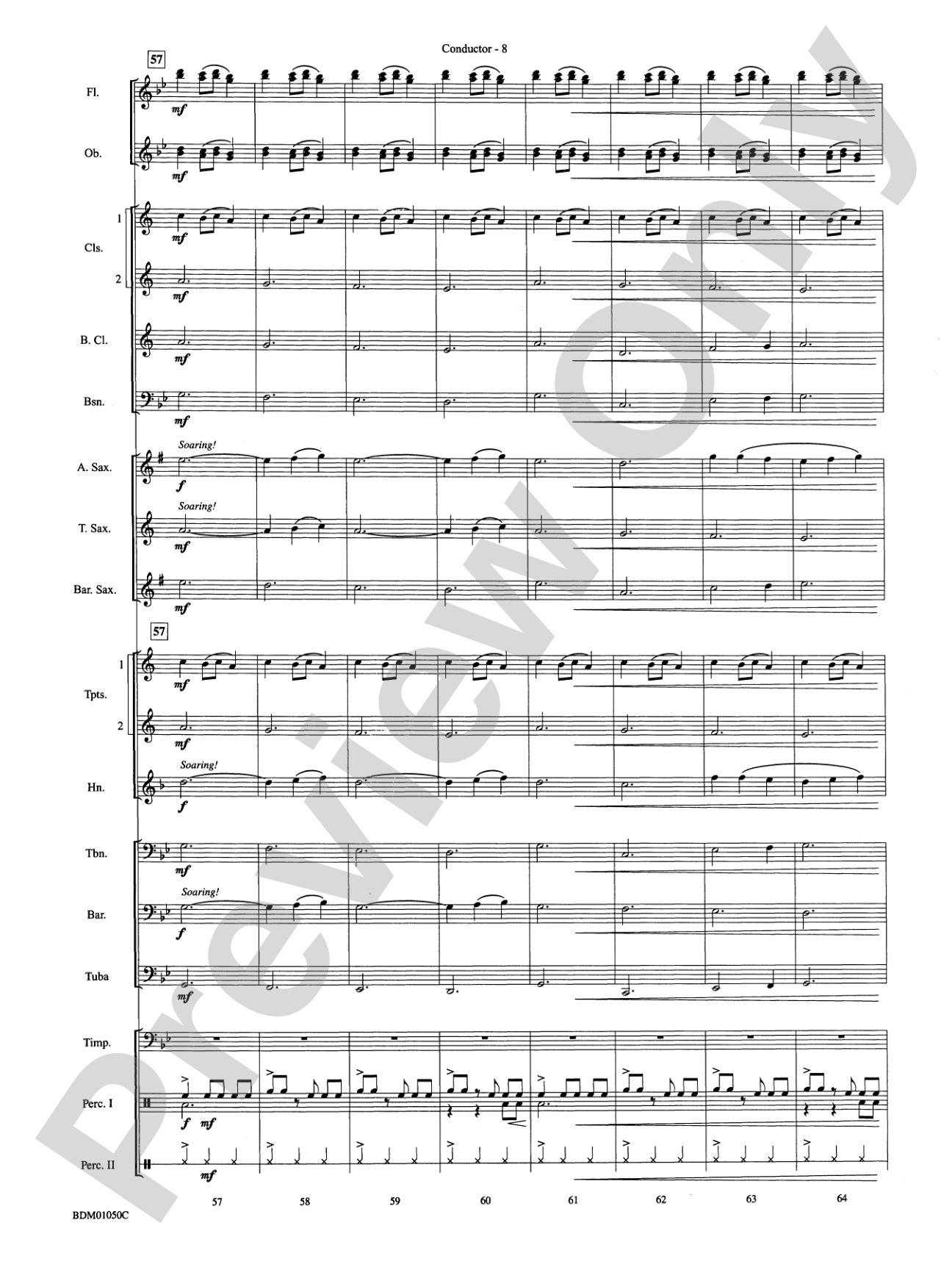
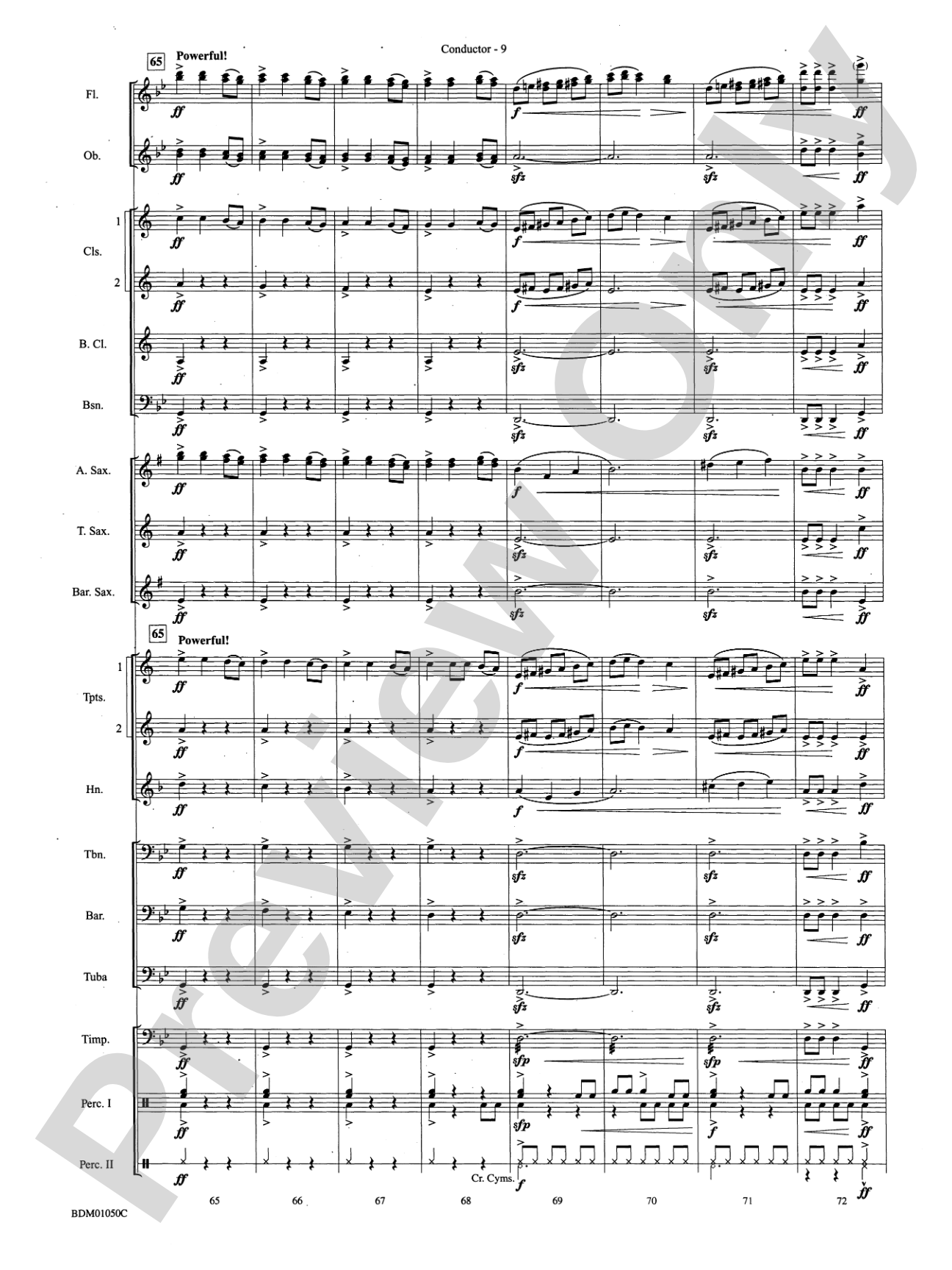
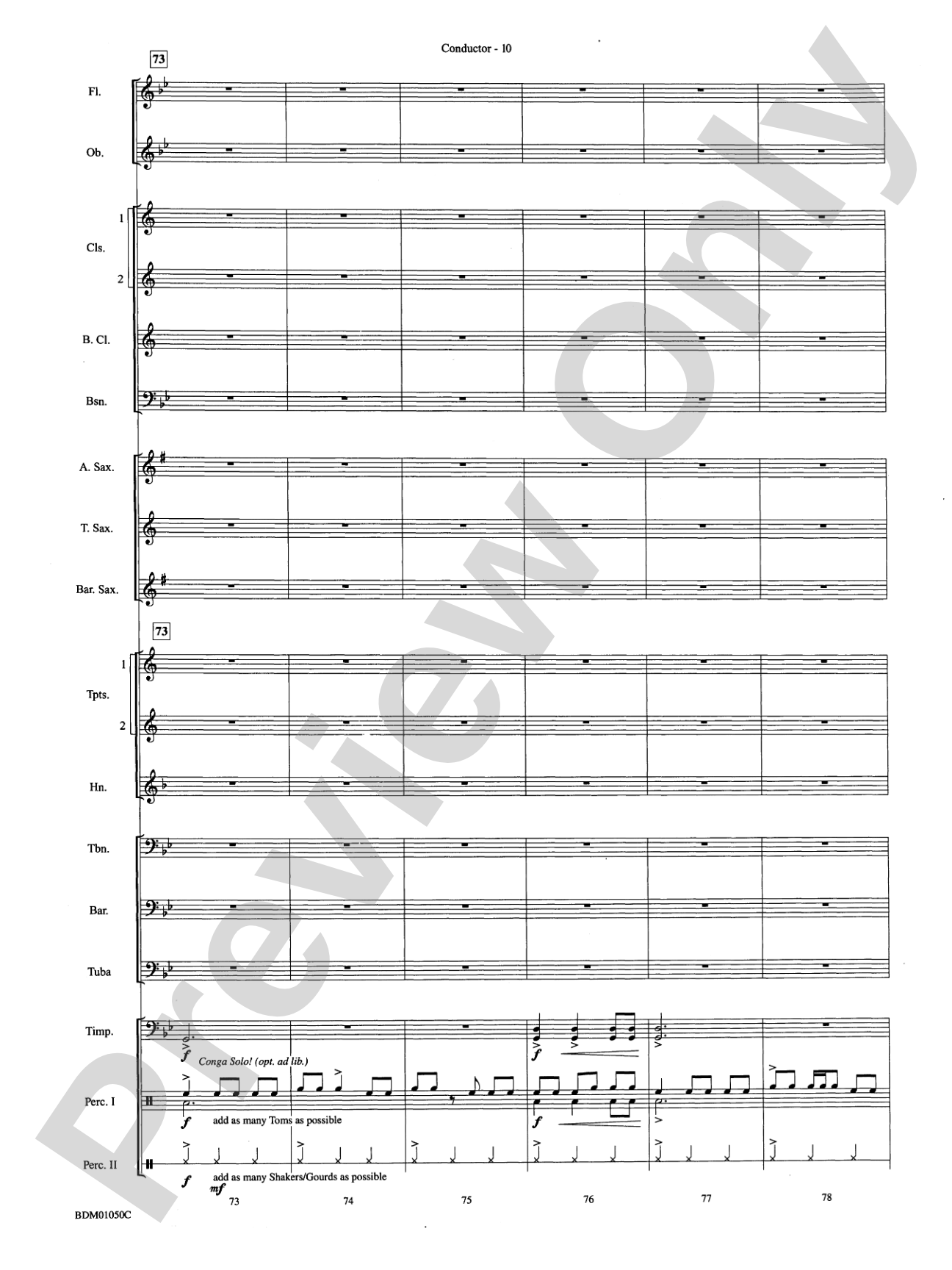
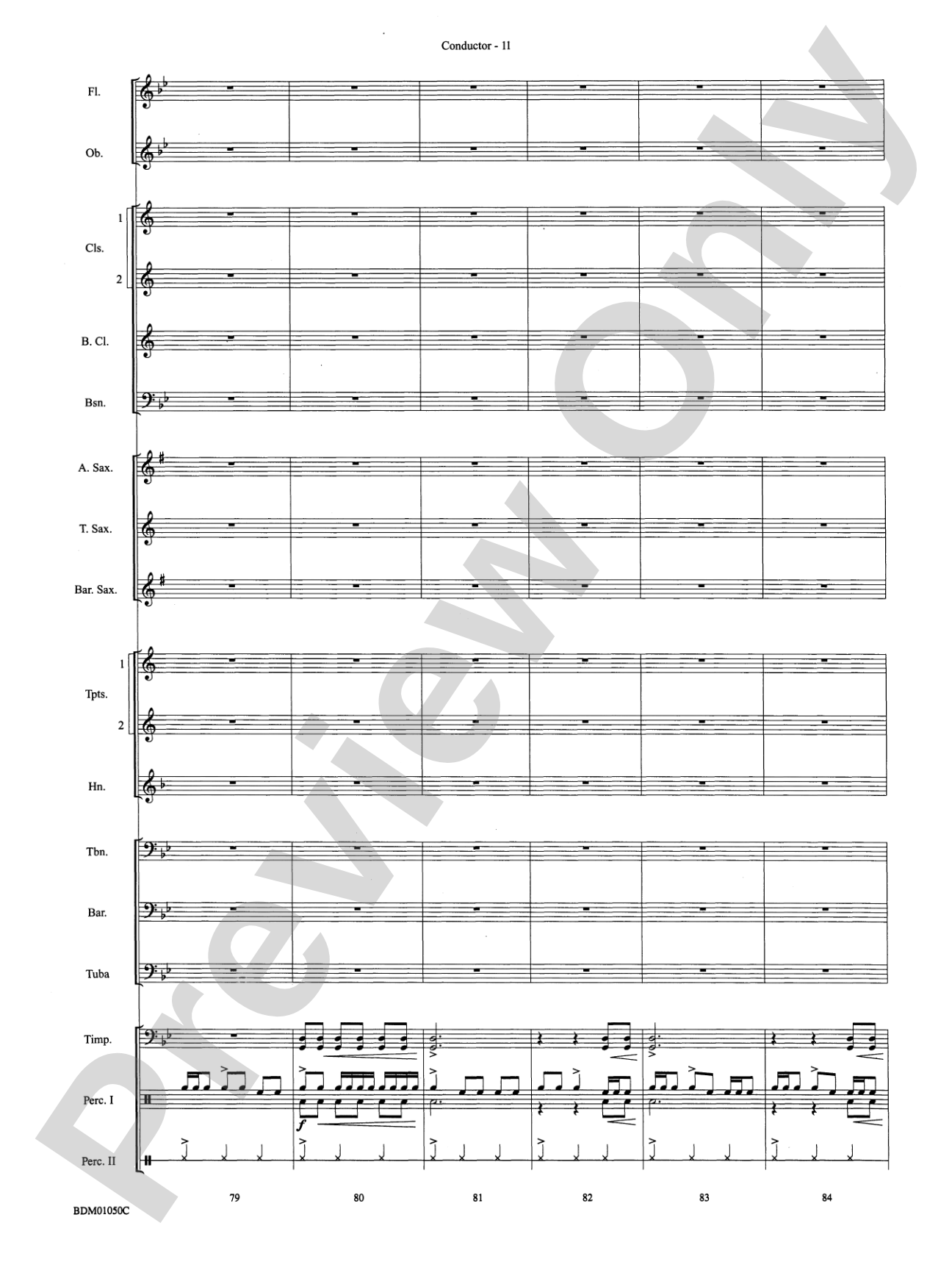
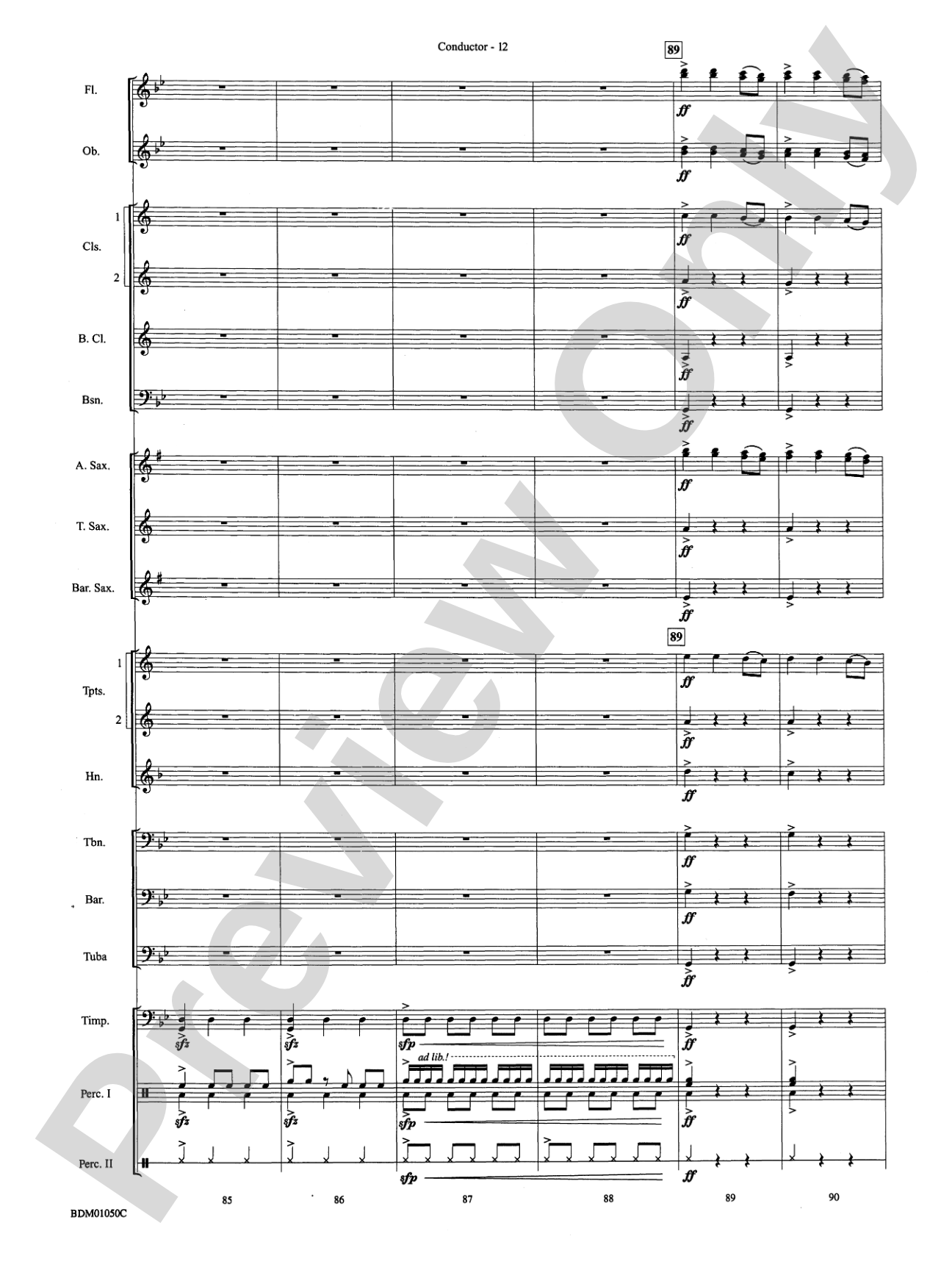
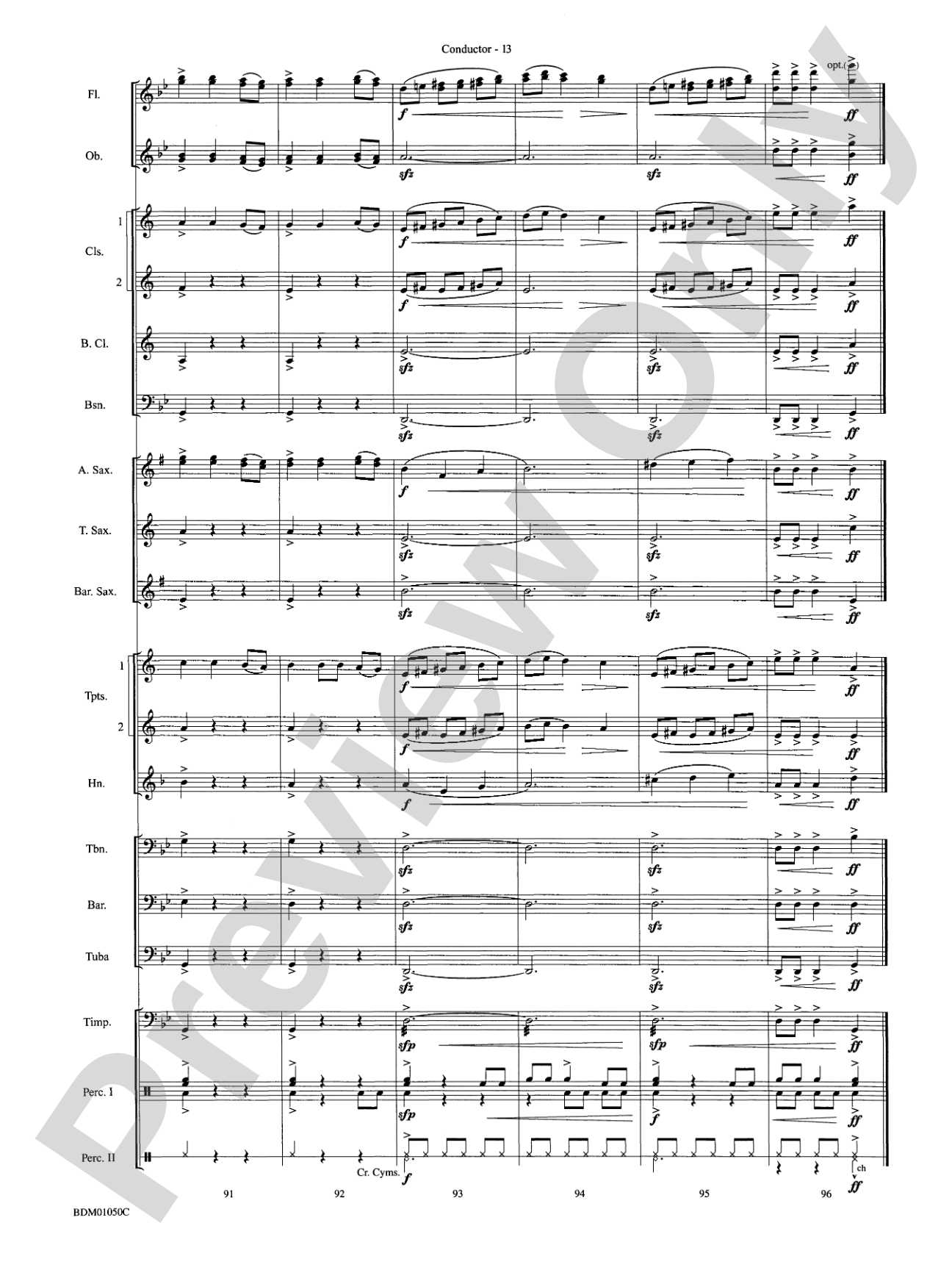

African Bell Carol (for Percussion and Winds): Score
Traditional / arr. Robert W. Smith
Grade: 2 (Easy)
Item: 00-PR-0005803
$10.00
Pickup currently not available
Description
The traditional "Ukranian Bell Carol" has been expertly scored in a multi-cultural setting for young band and percussion by veteran arranger Robert W. Smith. The arrangement begins quietly with percussion disguising the familiar melodic material. A series of musical evolutions builds to an impressive conclusion. This selection is sure to be a holiday treat for years to come. This title is available in MakeMusic Cloud.


Don't just read it, hear it, play along with it, and watch your students grow with it. In MakeMusic Cloud, African Bell Carol (for Percussion and Winds): Score comes alive with professional accompaniment, adjustable tempo, and built-in practice tools that turn solo practice into real progress.
Open in the Player
Jump straight in and assign it today.
Start Your Free Trial
Open this title and explore the full library in minutes.
Sample Audio
1
Audio File
--:--
0:00
0:00
Sample Video
Additional Details
Series:
Belwin Young Band
Publisher:
Alfred Music
Page Count:
146
SKU:
00-PR-0005803
More about this title
About the Arranger: Robert W. Smith

Robert W. Smith stands among America's most prolific and performed composers for band and orchestra, with over 400 published works distributed primarily through Alfred Music. He holds a Bachelor of Music Education from Troy State University and a Master of Music from the University of Miami, and his original compositions have been heard across North America, Europe, Australia, and Asia. His symphonies The Divine Comedy and The Odyssey, along with concert band standards like The Tempest, have established him as a major voice in developing band repertoire.
Beyond the concert hall, Smith's compositions and arrangements have reached audiences through television broadcasts, Olympic ceremonies, the Macy's Thanksgiving Day Parade, and major sporting events. He conducts and clinics internationally, bringing his distinctive compositional voice and deep understanding of young ensemble capabilities to musicians worldwide.
Why we love this
Smith reimagines a cherished carol through a multicultural lens while respecting its melodic core, giving your young band a sophisticated arrangement that sounds far more advanced than its Grade 2 designation suggests. The opening percussion feature is a refreshing departure from typical holiday programming, creating intrigue before the melody emerges. Directors value this selection for its impressive arc from quiet mystery to full ensemble brilliance, rewarding both player investment and audience attention.
What to expect
The arrangement begins in shadow and mystery, with bells and percussion disguising a familiar tune before gradually illuminating it through layered orchestration. It builds from intimate, almost ritualistic percussion textures to a radiant, full-ensemble conclusion that feels celebratory without losing the carol's inherent warmth.
Who it's for
Grade 2 concert bands seeking a holiday selection that challenges young players without overwhelming them. Directors want fresh alternatives to overused carols, and this arrangement delivers sophisticated scoring with engaging percussion features that keep the ensemble invested.
How to get the most out of it
- Balance the opening percussion writing carefully so it establishes rhythmic texture without overwhelming the emerging melodic fragments in the winds.
- Shape the series of musical evolutions as discrete moments rather than rushing through transitions; let each building section breathe before the next development.
- Pay attention to the instrumentation featured throughout the arrangement, rotating which sections carry the melody to engage all players and highlight the multicultural scoring concept.
- Control the dynamic arc toward the conclusion so the impressive finale feels earned rather than simply loud; the impact depends on contrast with what precedes it.
How to use it
Program this as the centerpiece of a winter concert or holiday assembly, where its dramatic arc and multicultural perspective complement both traditional and contemporary repertoire. The piece works equally well as an opening selection that establishes sophistication for the concert or as a closing number that sends the audience out on a note of warmth and light.
Skills your students will build
- Balancing articulation and dynamics across changing instrumental combinations
- Reading and executing percussion parts that establish harmonic foundation
- Ensemble listening and blend while melodic leadership rotates between sections
- Sustaining musical momentum through extended builds and dynamic evolution
- Recognizing melodic material across varied orchestrations and cultural contexts