

Advanced Techniques for the Modern Drummer: Coordinated Independence As Applied to Jazz and Be-Bop
Coordinated Independence As Applied to Jazz and Be-Bop
By Jim Chapin
Item: 00-PB-0002265
$24.99
Pickup currently not available
Related Items
Advanced Techniques for the Modern Drummer: Drumset Book & Online Audio |
$24.99
|
View |
Description
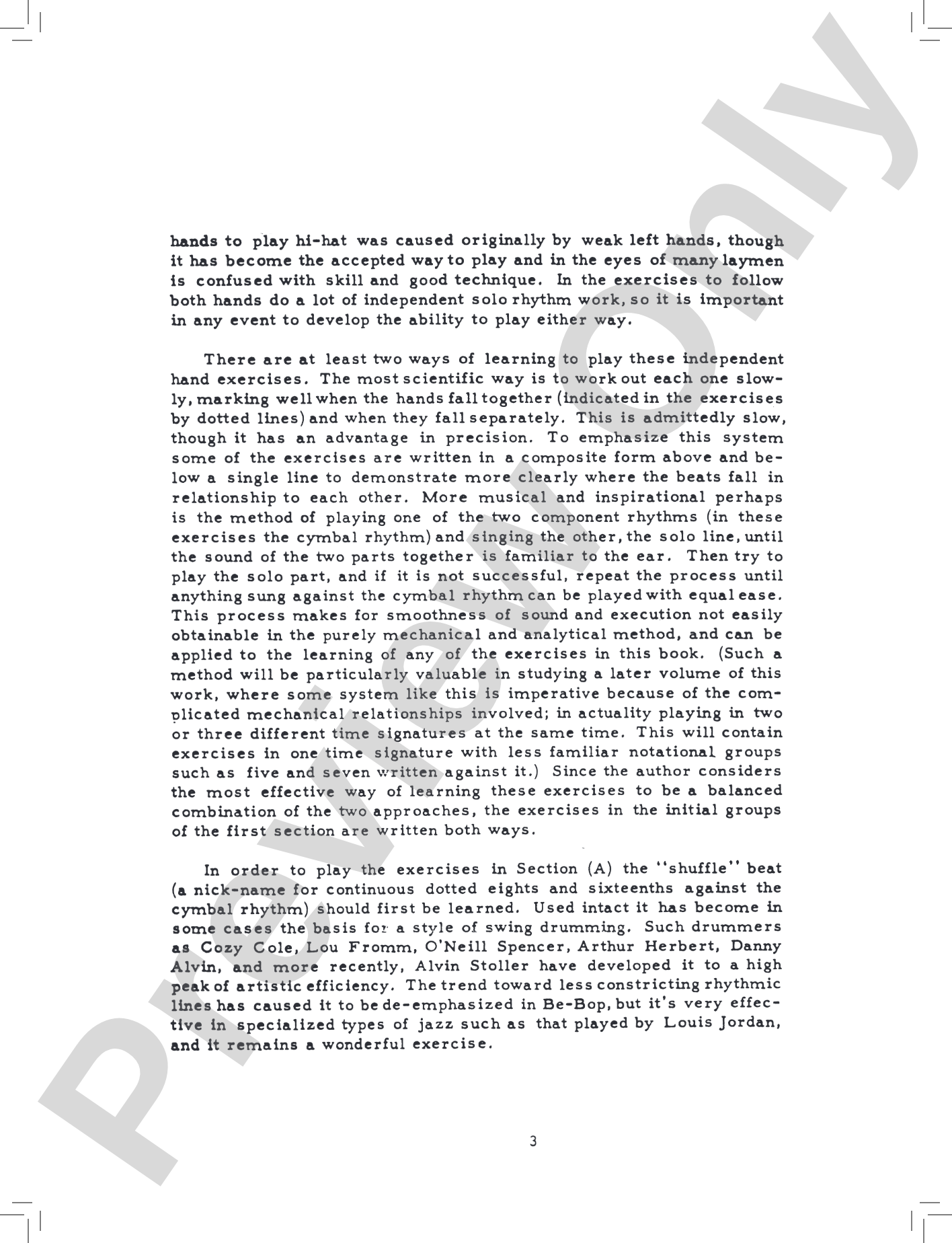
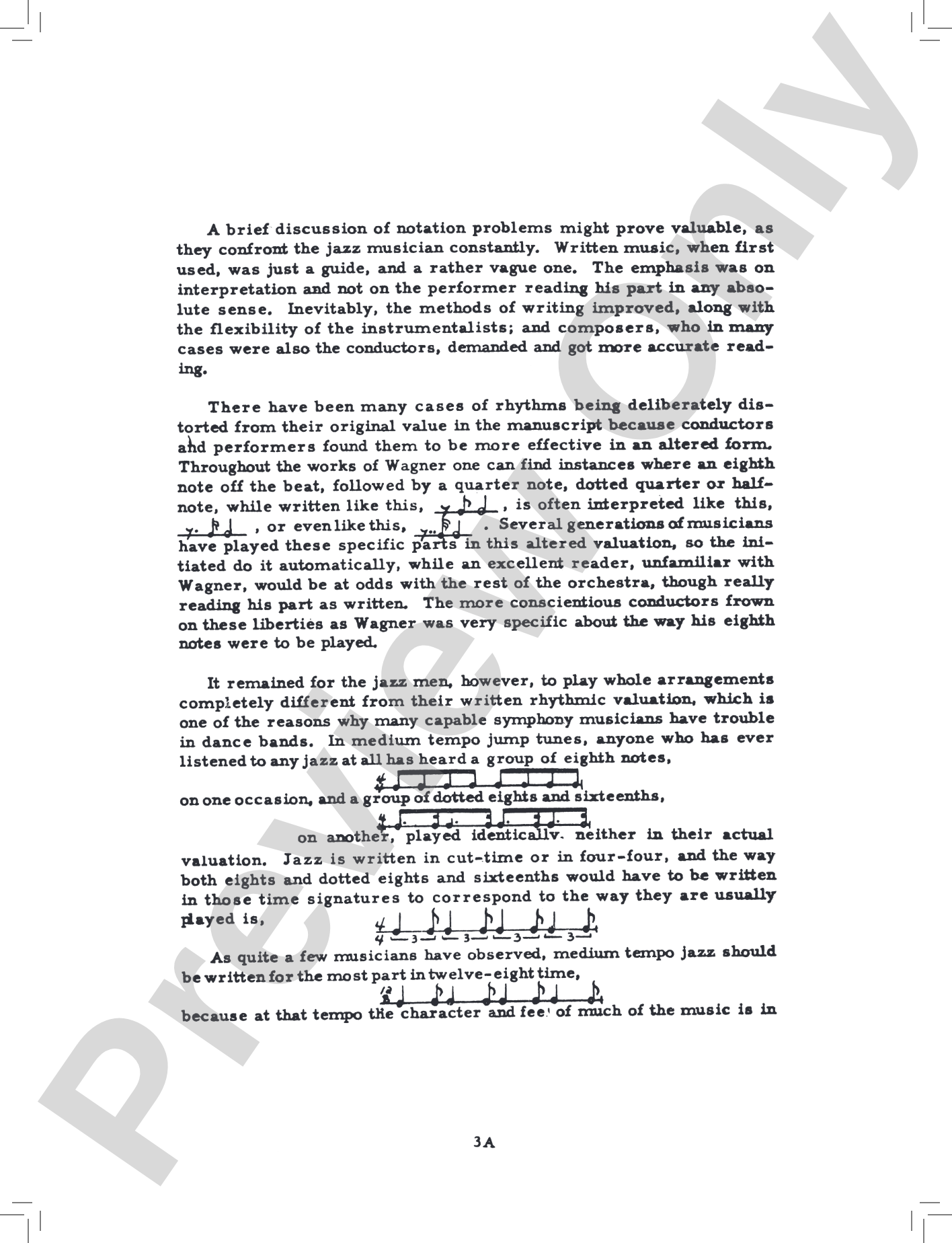
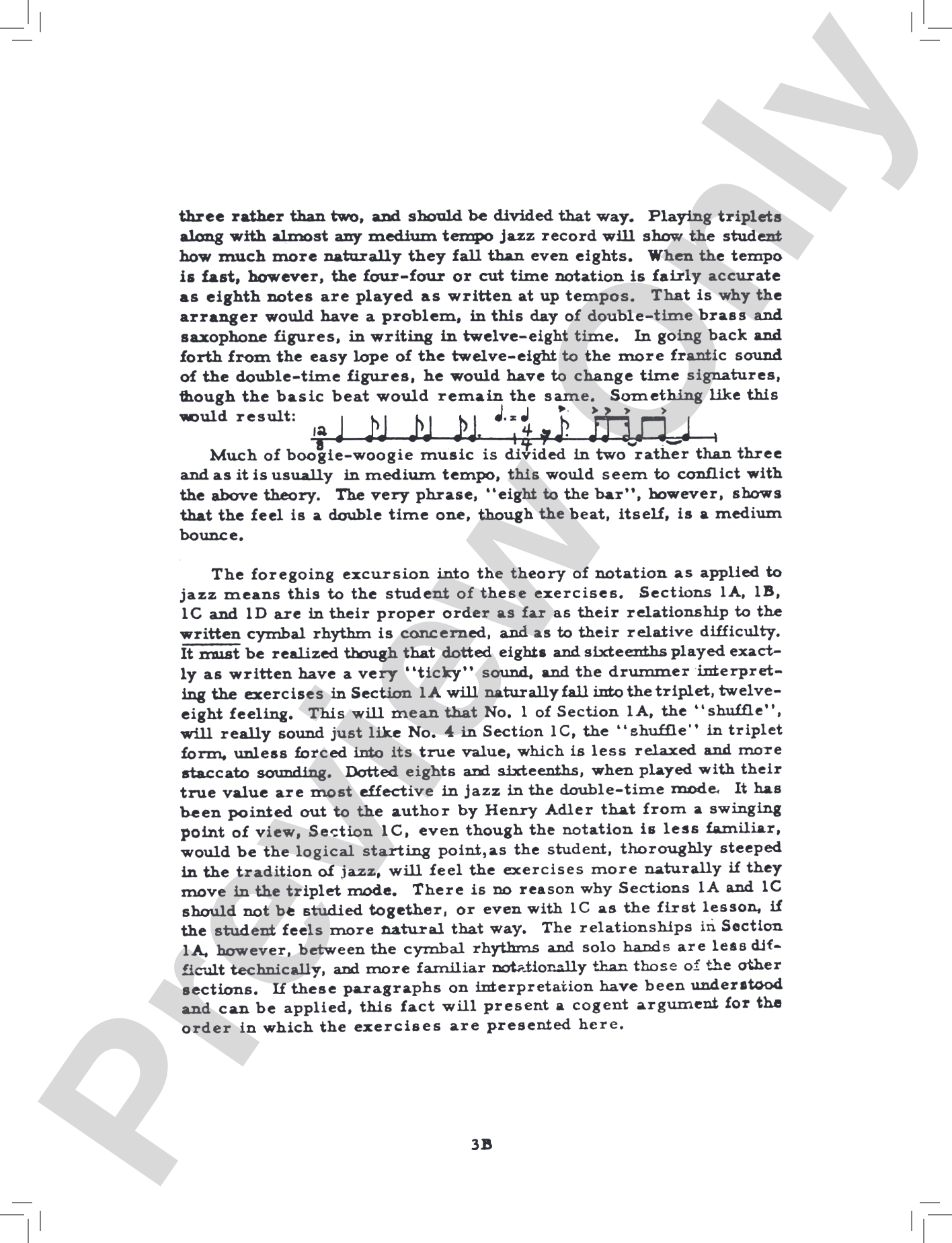
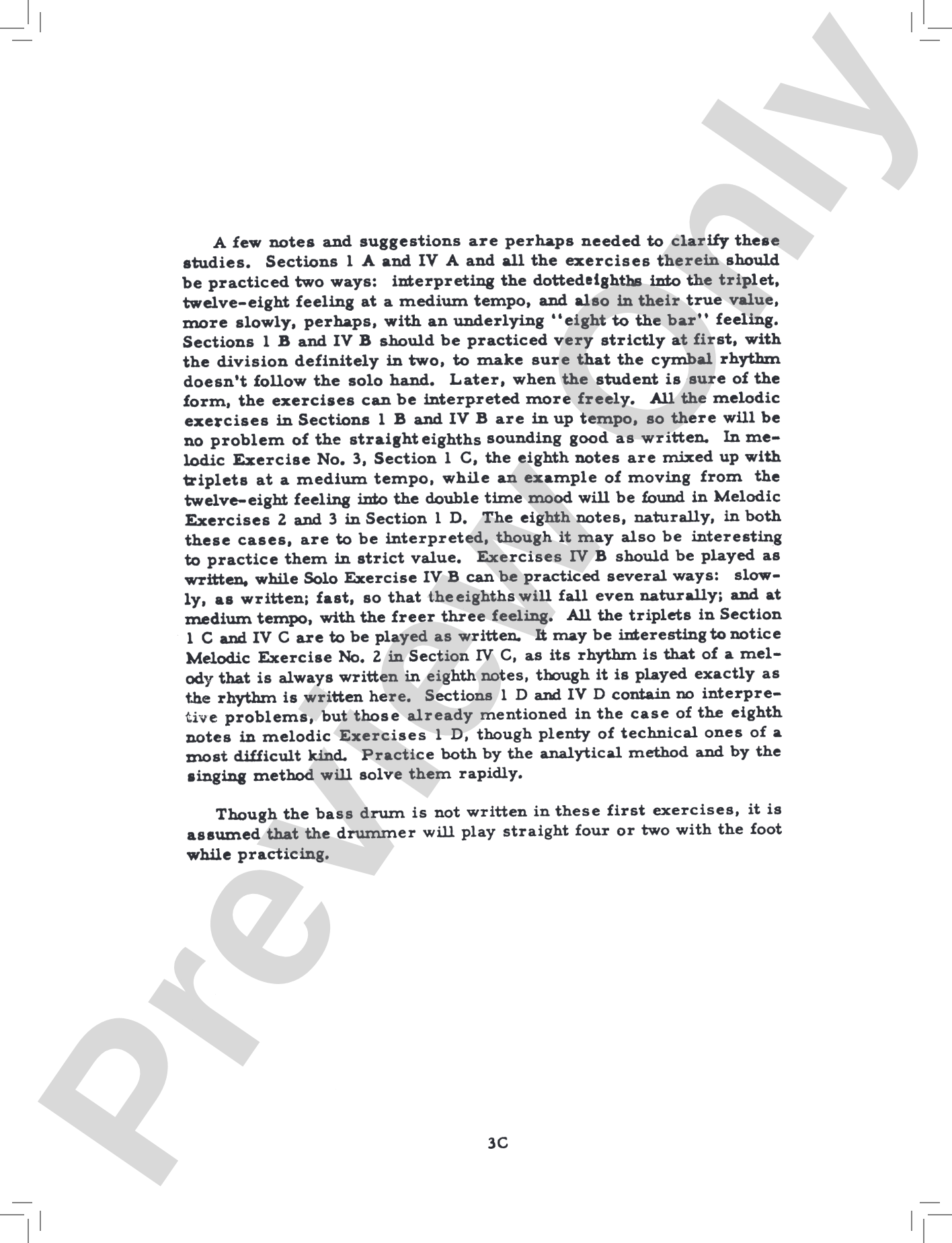
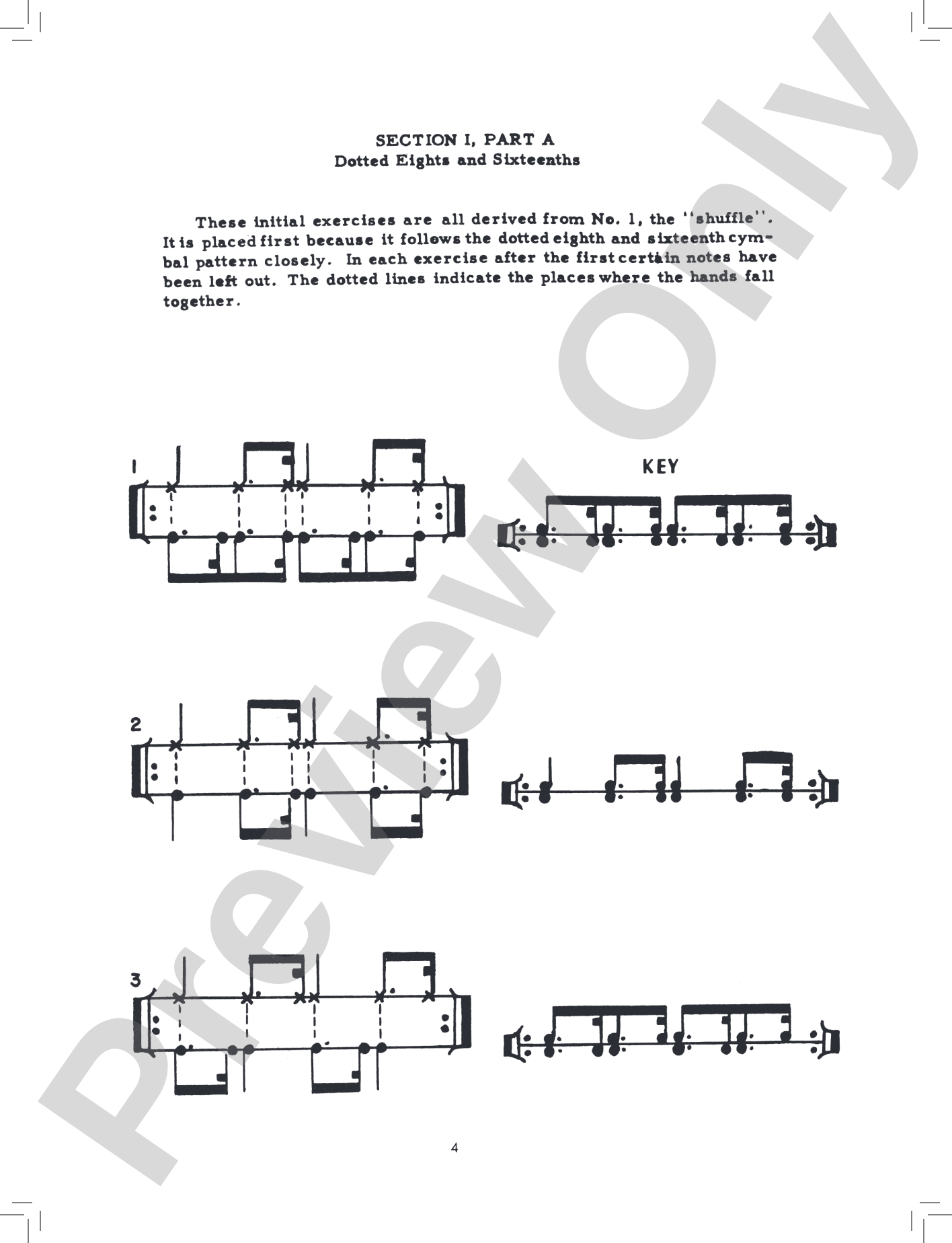
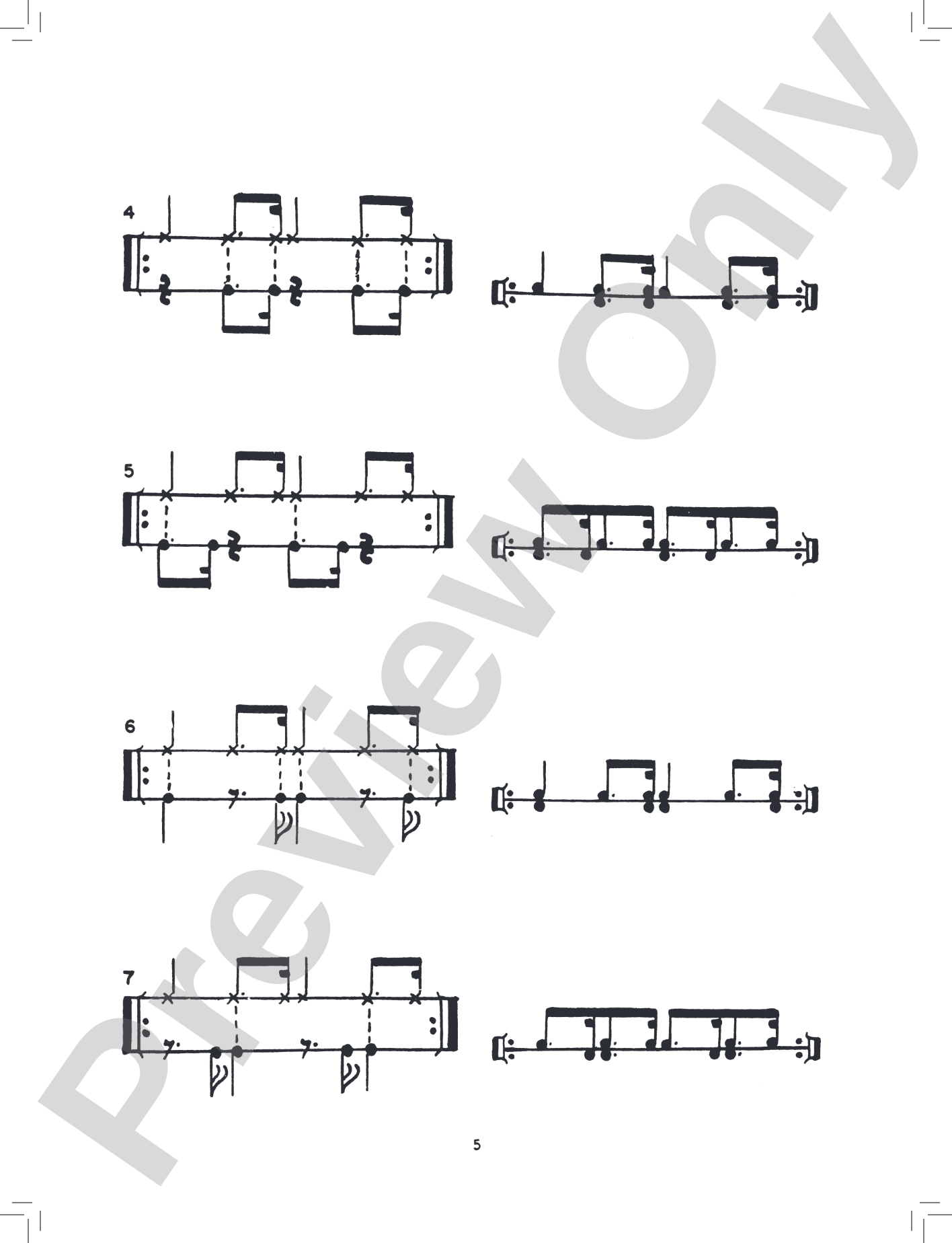
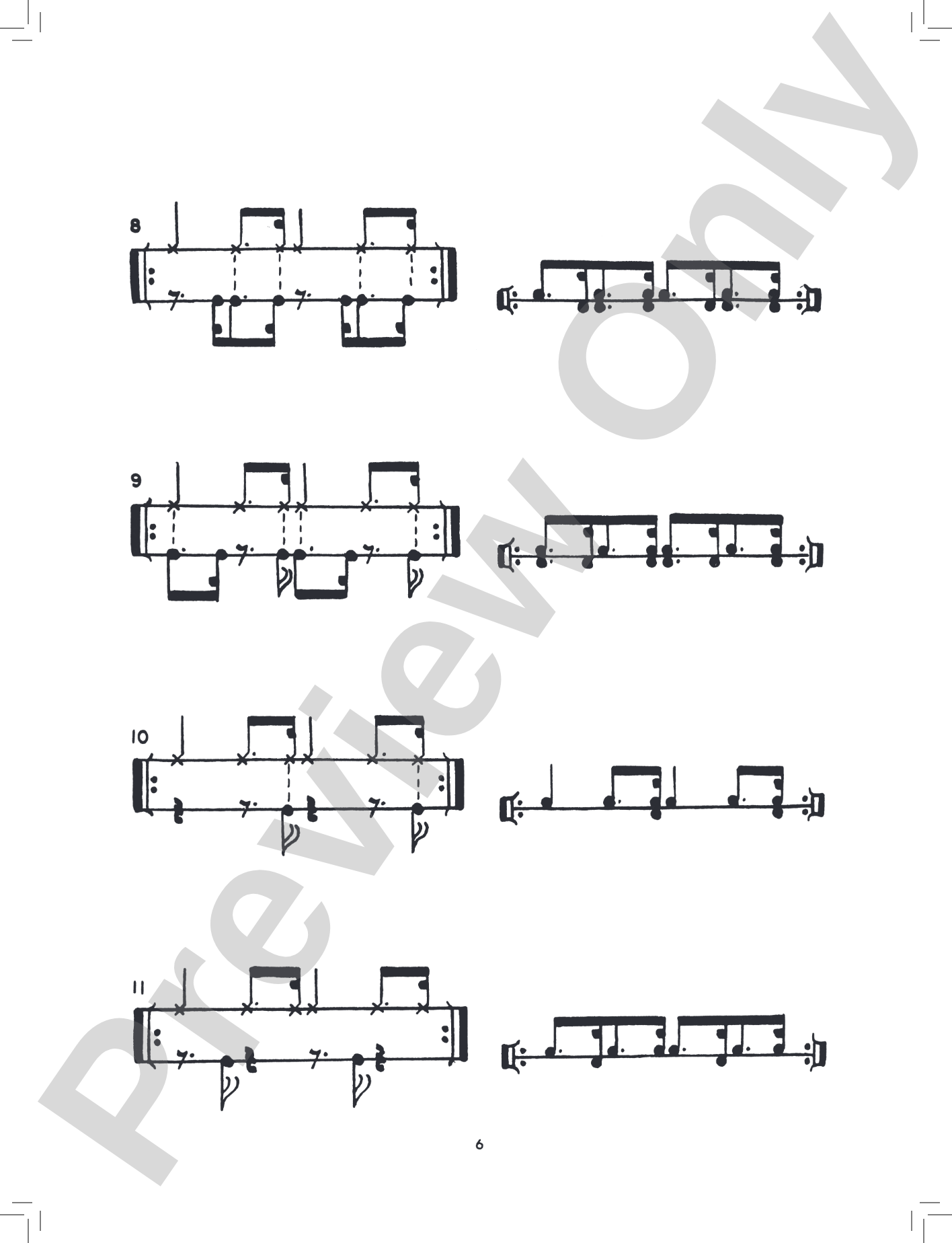
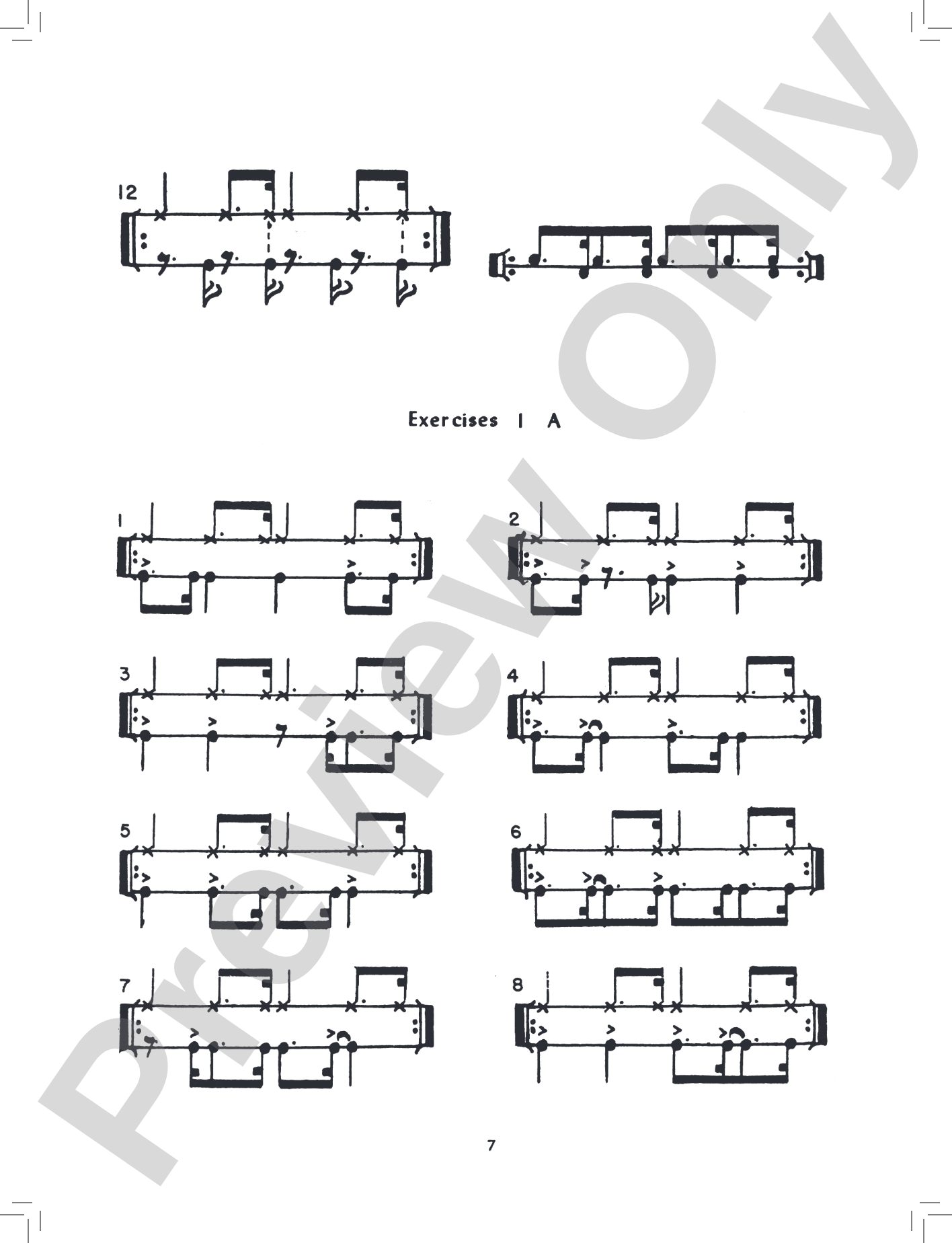
The classic jazz independence book is now new and improved and with online audio! Jim Chapin, known as the "Father of Jazz Independence," has written one of the most popular drumset books of all time. This classic work should be in every drummer's library as there is always something new to learn and develop from this masterful book. Whether for a beginner or an accomplished drummer, this system will greatly improve independence and coordination, sticking, power, speed, and endurance on the drumset. Dedicated to Sanford Moeller, this book proves Jim's teaching techniques like no other.


Advanced Techniques for the Modern Drummer: Coordinated Independence As Applied to Jazz and Be-Bop isn't in MakeMusic Cloud just yet...but it could be. Let us know you'd like to see it, and you'll help shape what comes next. In the meantime, start a free trial and dive into thousands of interactive titles your students can play along with today.
Request This Title
Tell us you want it.
Start Your Free Trial
Explore everything that's ready to play right now.
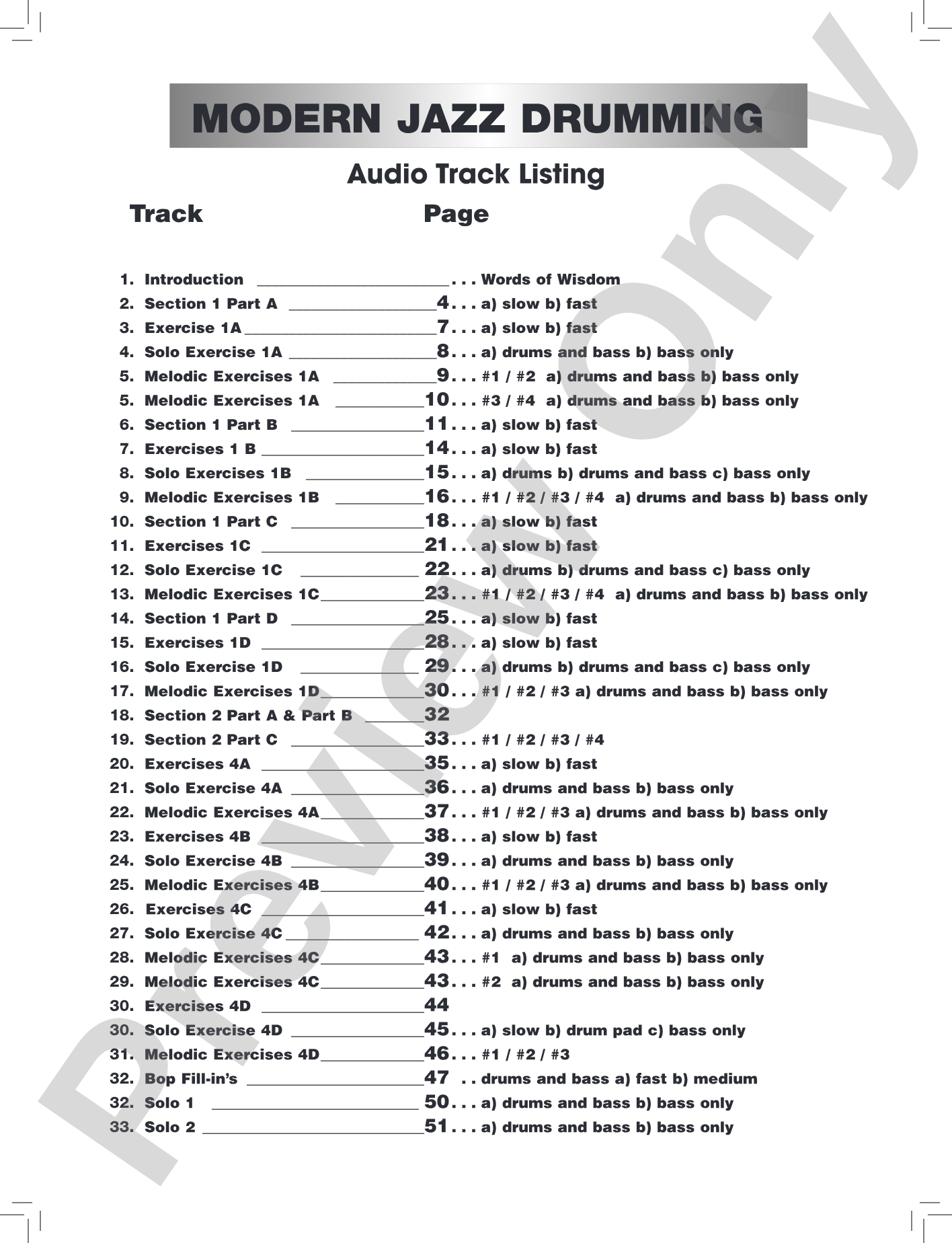
Sample Audio
1
Melodic Exercises 1A
--:--
2
Melodic Exercises 1B
--:--
Melodic Exercises 1A
0:00
0:00
Sample Video
No sample videos found.
Additional Details
Publisher:
Wizdom Enterprises
Page Count:
64
SKU:
00-PB-0002265
More about this title
About the Composer: Jim Chapin
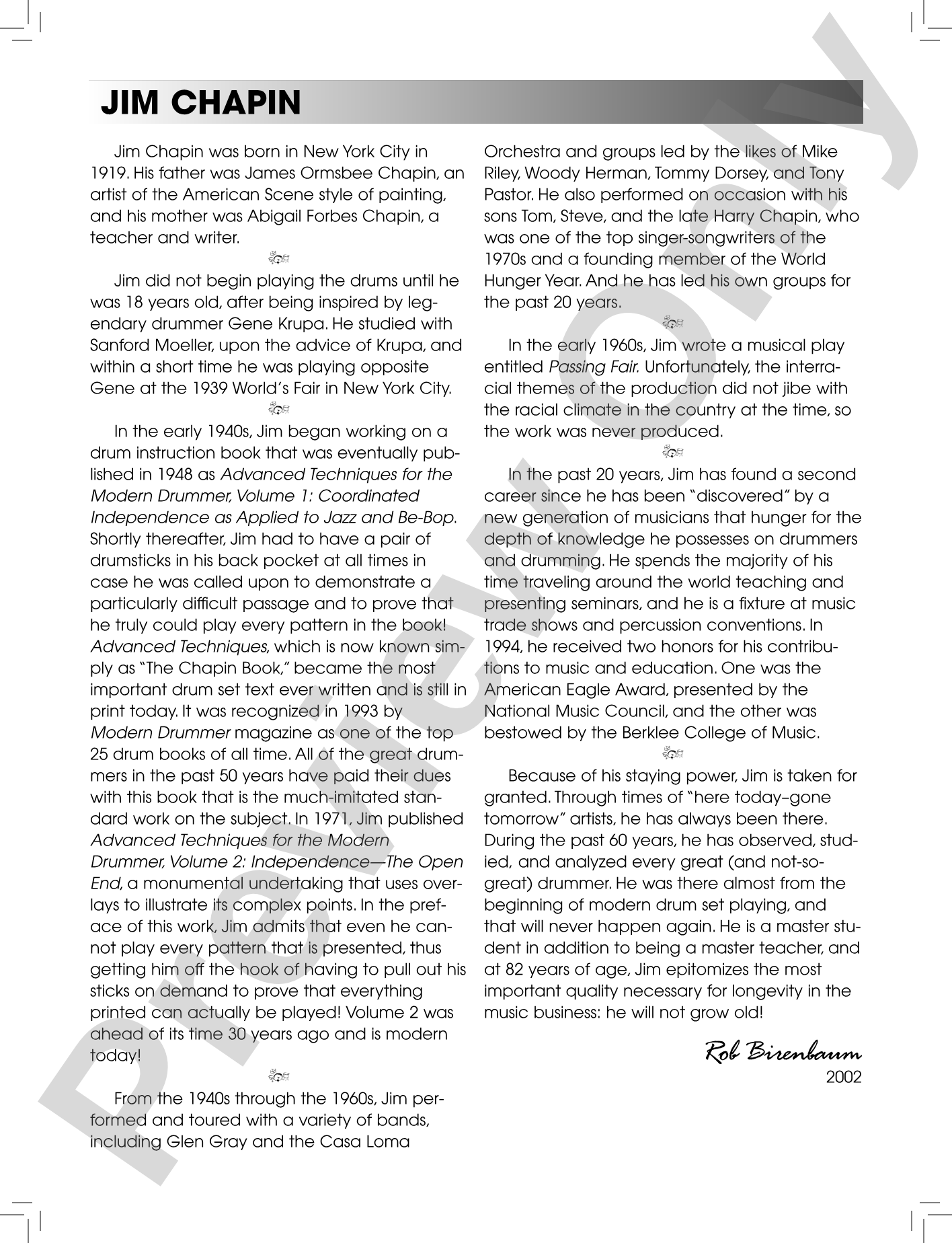
Jim Chapin revolutionized how drummers approach independence at the kit. His pedagogical approach emerged from decades of performing and teaching, establishing principles that remain foundational to jazz drumming education. Chapin's influence extends far beyond his own playing; generations of drummers have built their technical foundation on the systems he developed and refined.
Why we love this
This book endures because it isolates the specific coordination challenges jazz drummers actually face, then provides a logical progression to solve them. The addition of online audio transforms solitary practice into guided work with recorded accompaniment, making the repetitive drills musically purposeful rather than mechanical.
What to expect
Working through these exercises is like learning to think in four different musical thoughts simultaneously. The initial frustration of uncoordinated limbs gradually transforms into the fluid, conversational independence that defines authoritative jazz drumming.
Who it's for
Every drummer serious about jazz vocabulary needs this book at some point. Whether you're early in your studies or returning to refine fundamental independence, the graded progression meets you where you are and demands genuine growth.
How to get the most out of it
- Start each exercise at a tempo where you can execute all four limbs cleanly, even if it feels sluggishly slow. Speed arrives only after the pattern lives in your muscle memory without conscious calculation.
- Record yourself playing the exercises. Listening back reveals coordination gaps your ears miss in real time, especially where independence breaks down under pressure.
- Isolate individual limbs before combining them. Play just the bass drum pattern, then add the snare, then the hi-hat, then finally the comping hand. This builds the foundation each layer depends on.
- Use the online audio to play along at different tempos. This forces your independence to function within real musical context rather than in isolation.
How to use it
Assign this as supplemental material for jazz ensemble drummers rather than relying solely on ensemble rehearsal to build independence. Pairing these exercises with active big band or small group charts ensures students apply their coordination gains to real repertoire immediately.
Skills your students will build
- Polyrhythmic independence between all four limbs
- Jazz comping patterns and their coordination with bass drum figures
- Consistent hi-hat technique while managing snare and bass drum complexity
- Speed and control development without sacrificing finesse
- Sticking patterns specific to swing and bebop drumming
- Endurance for extended soloing and group performances