
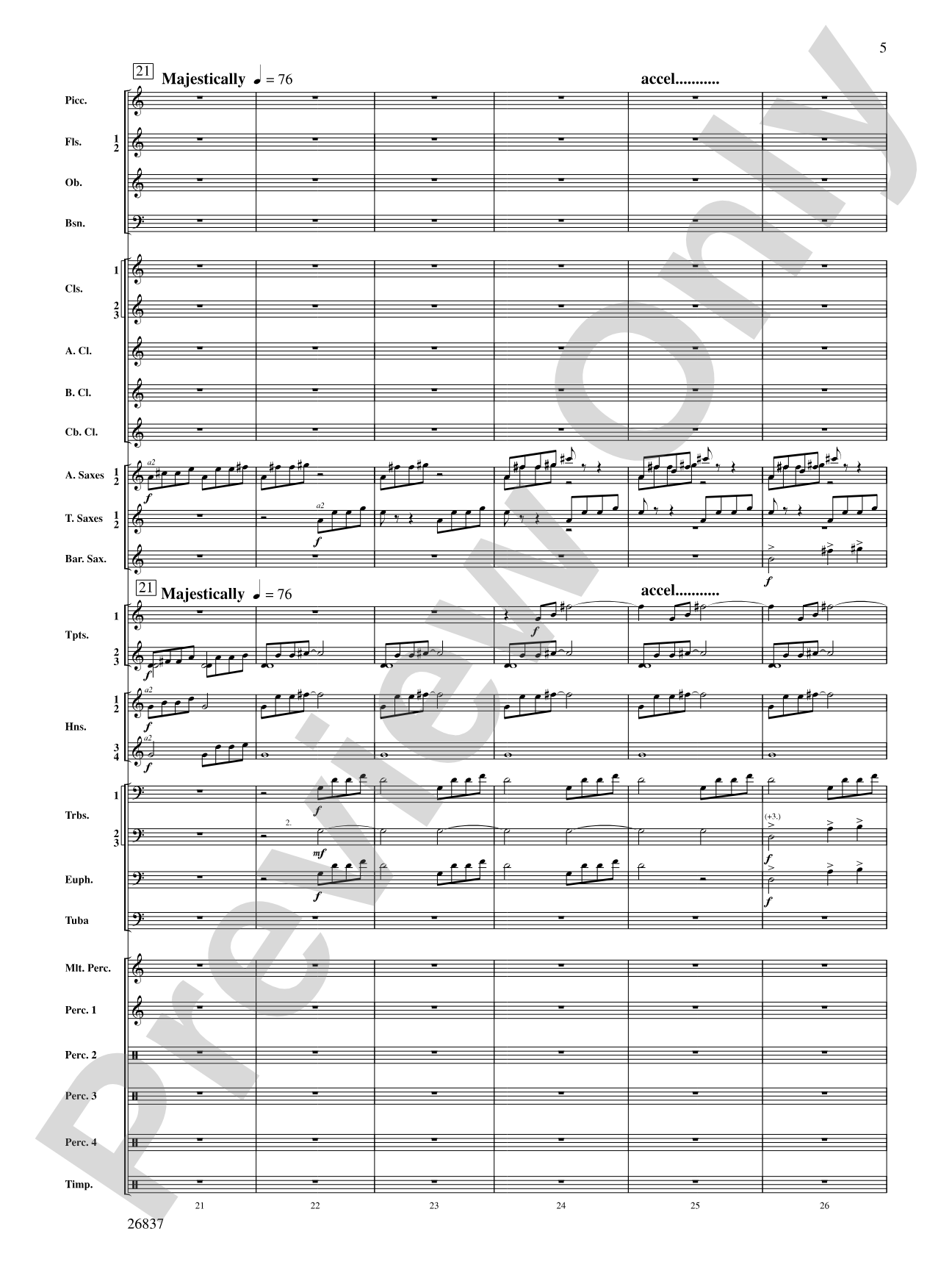
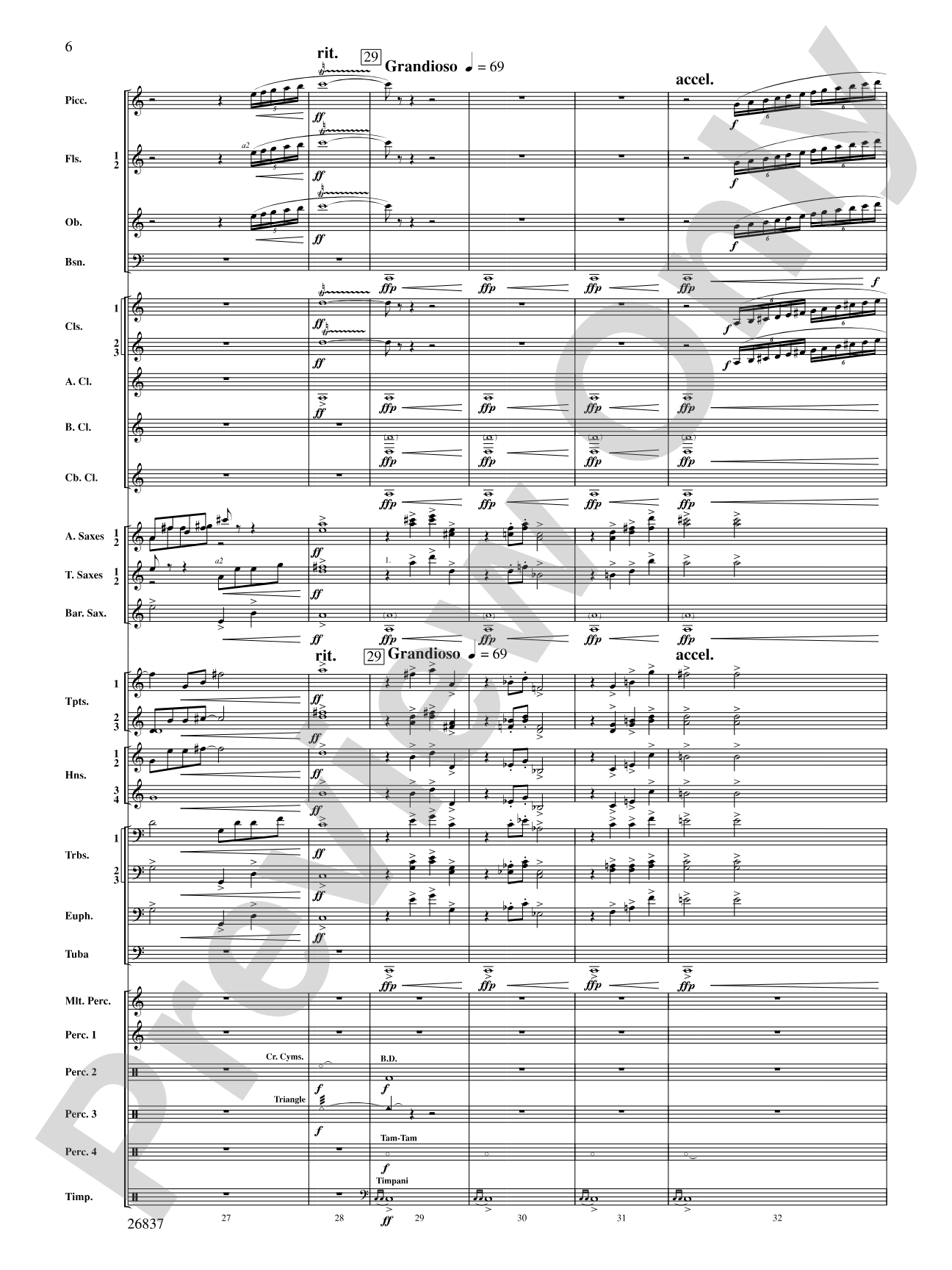
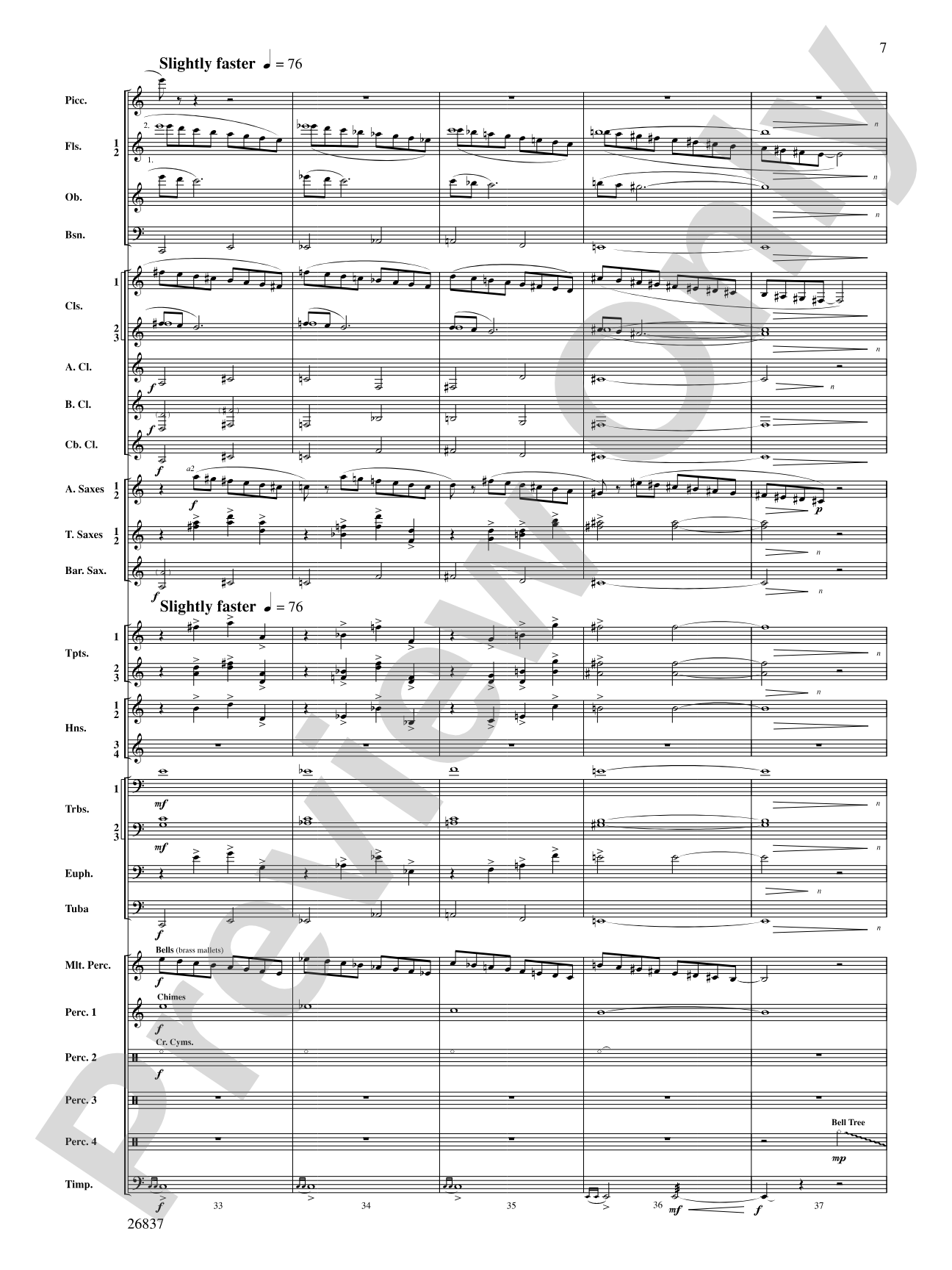
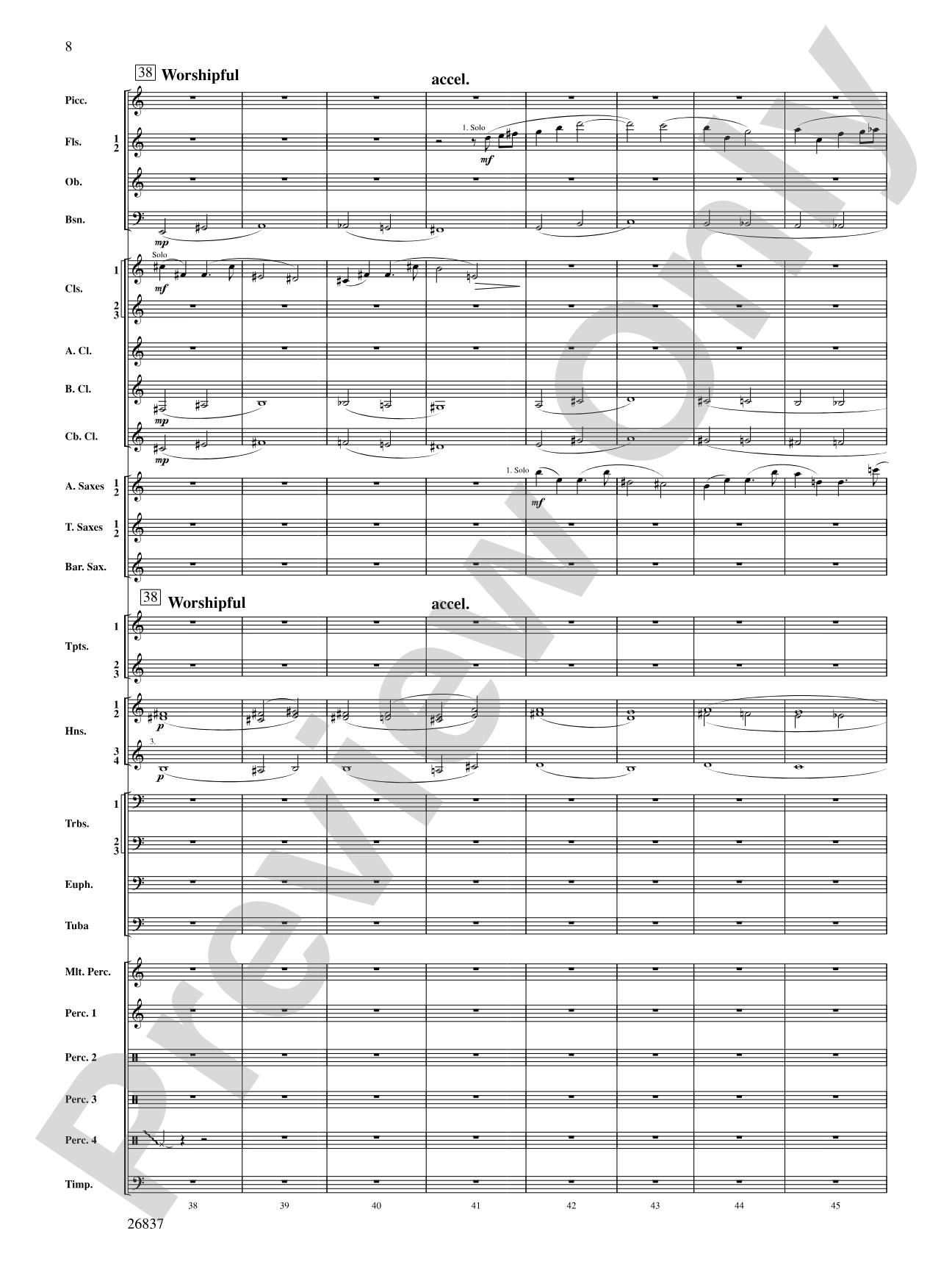
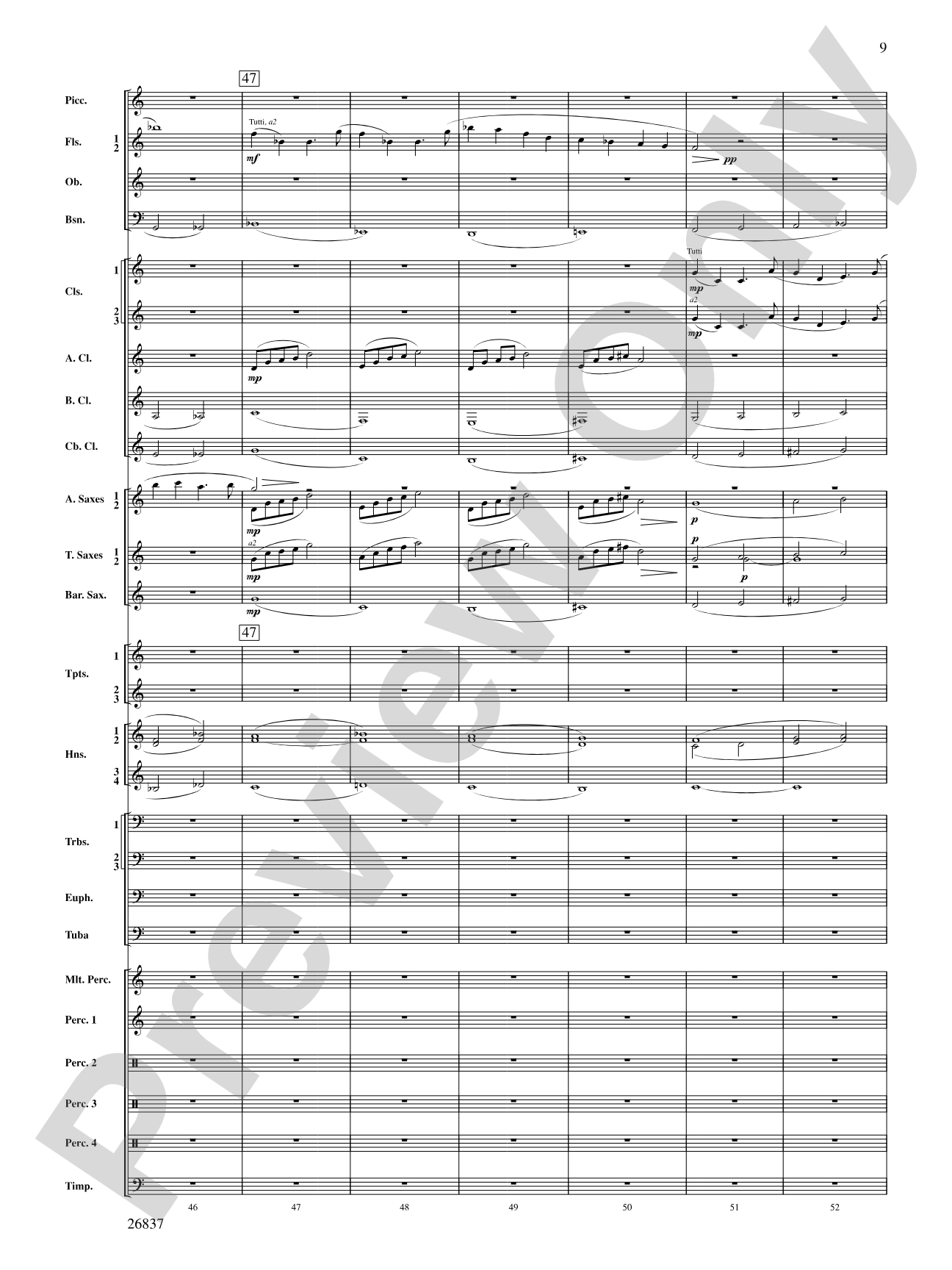
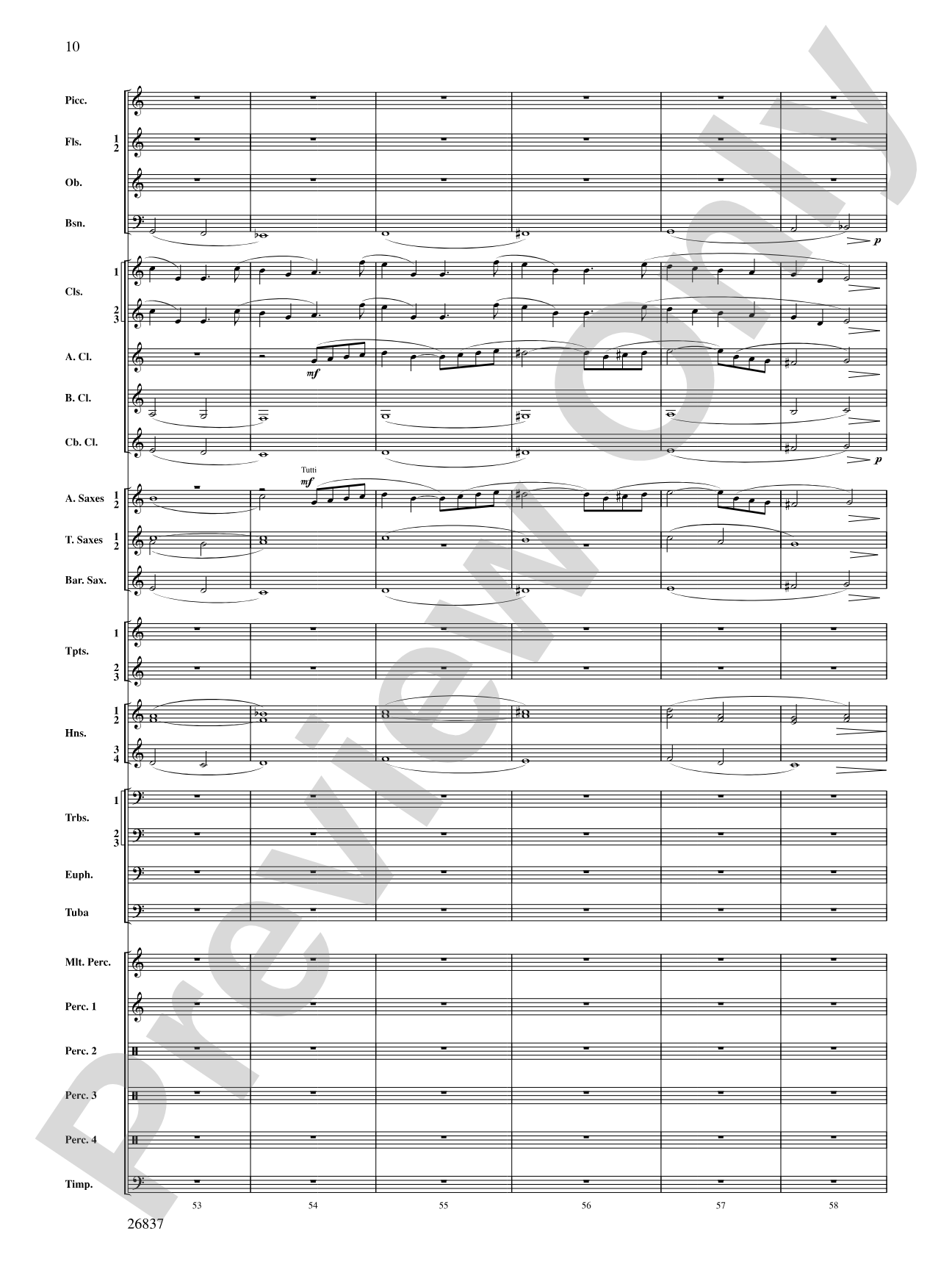
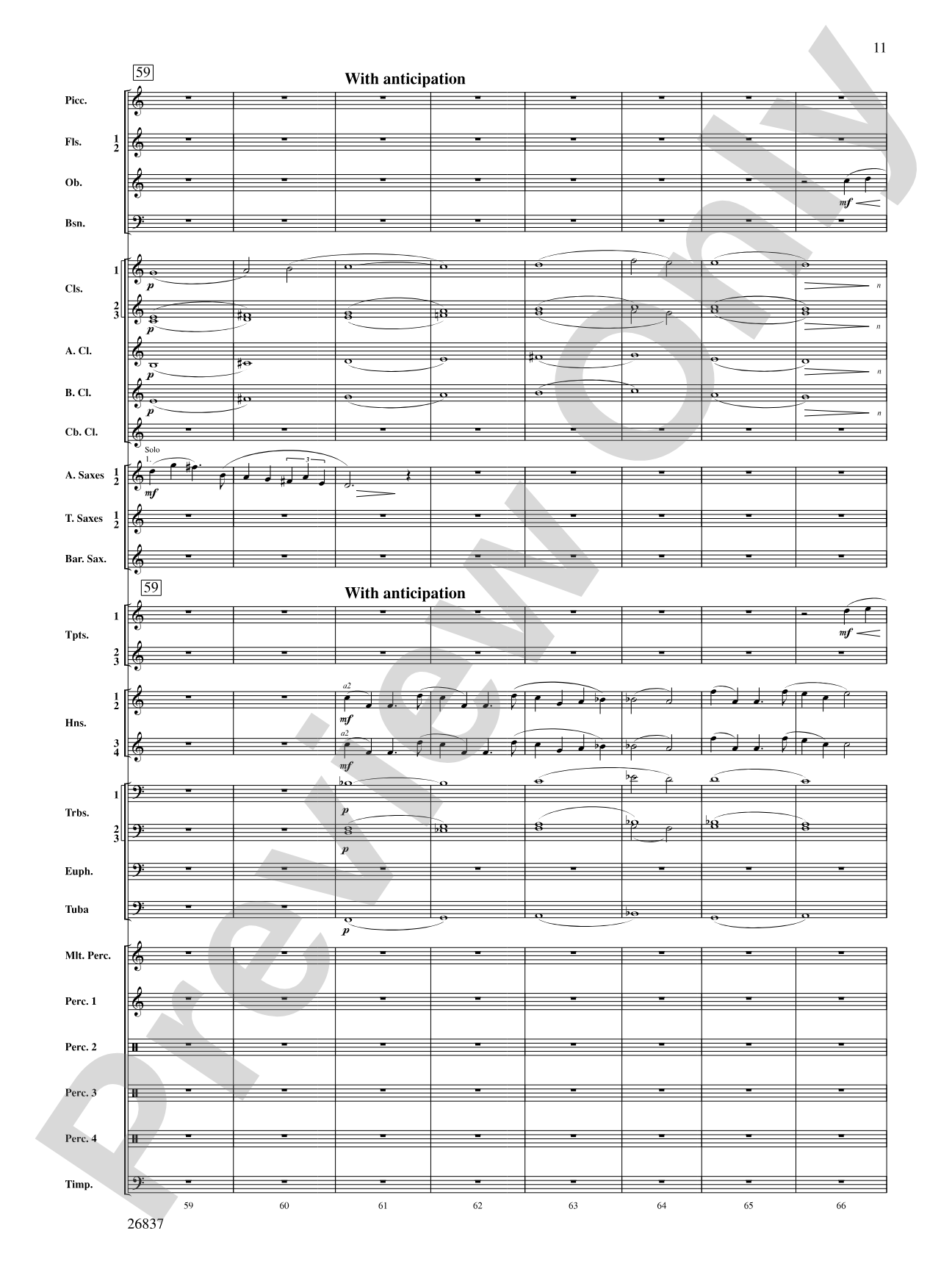
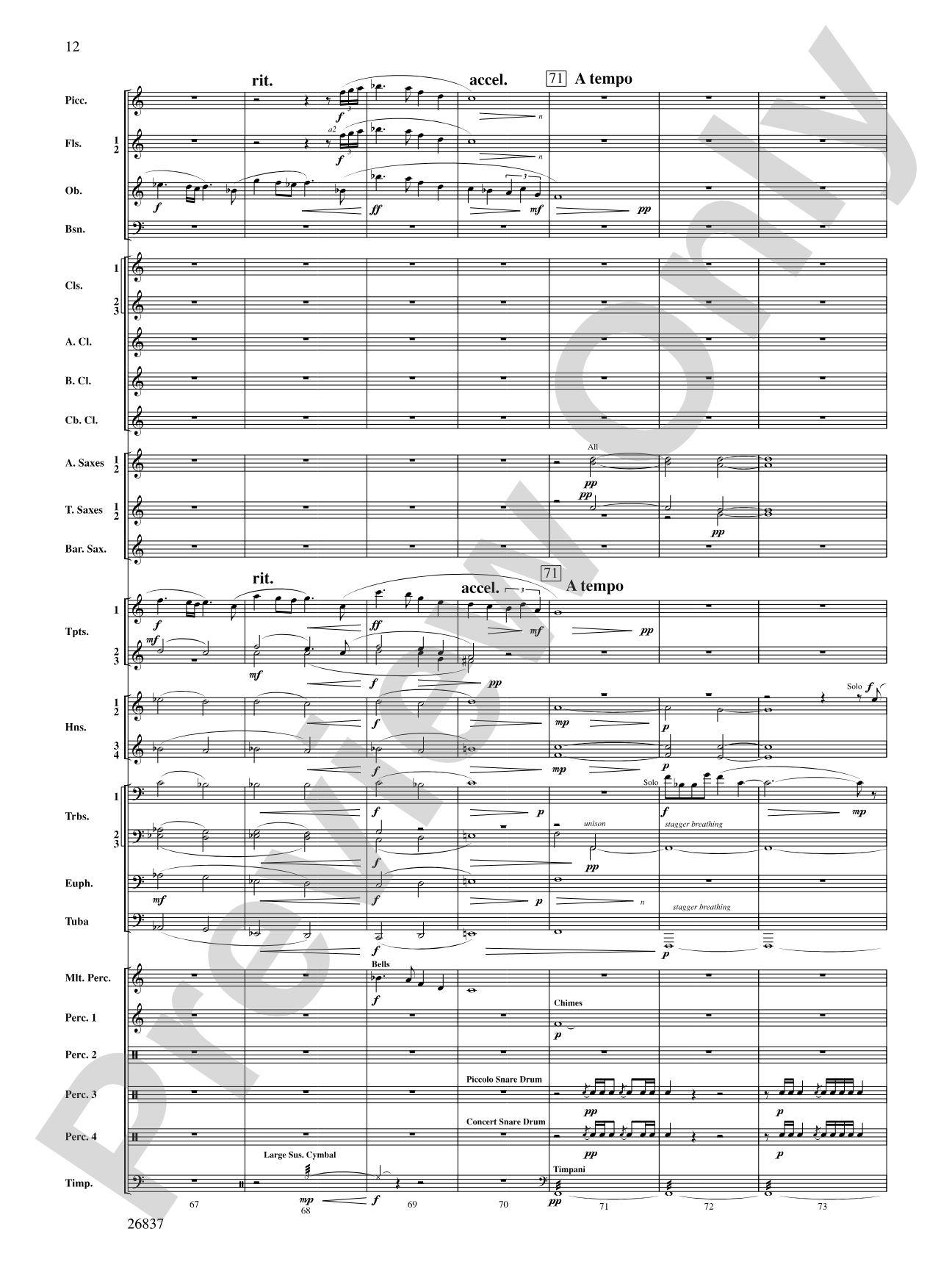
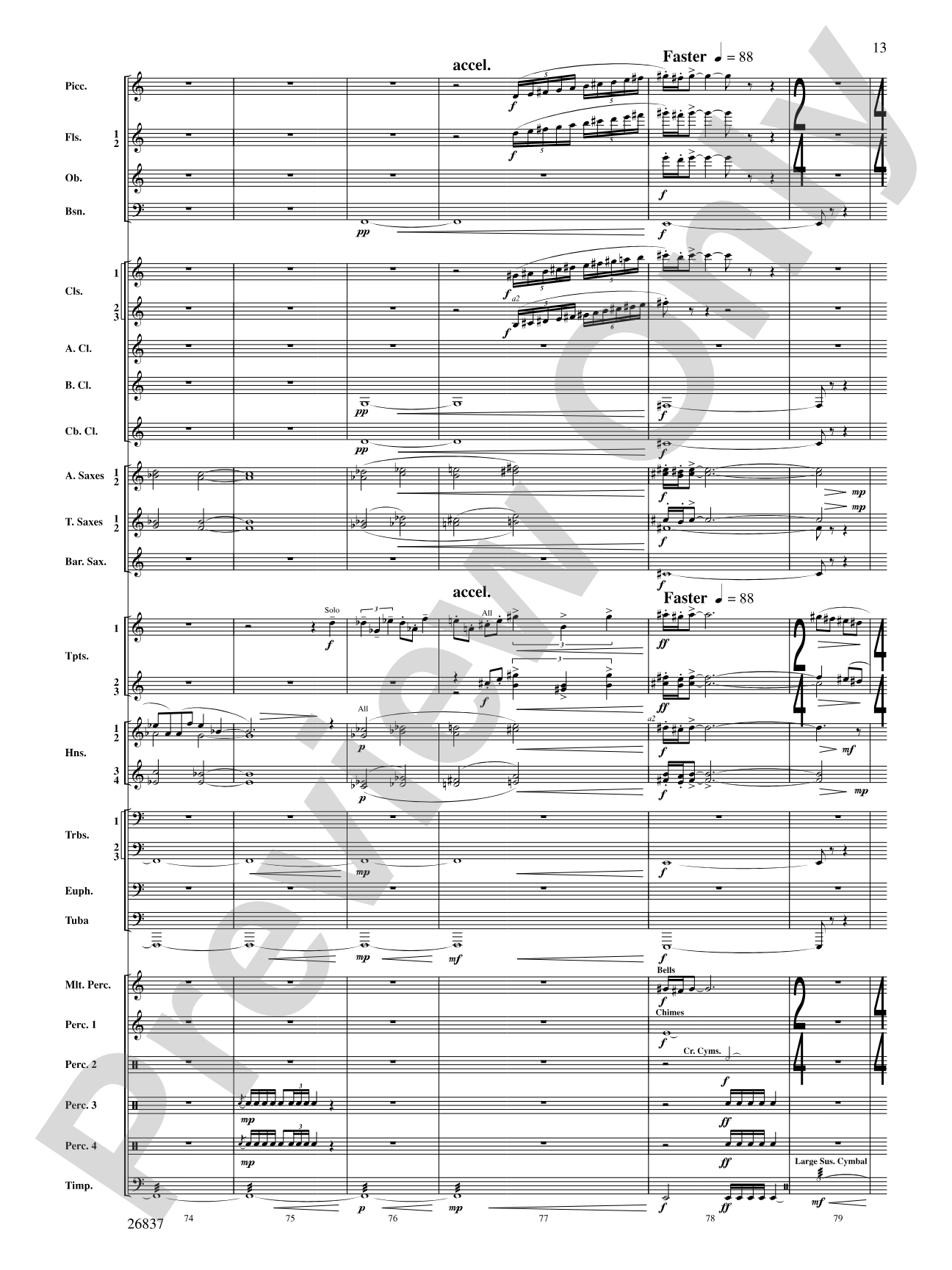
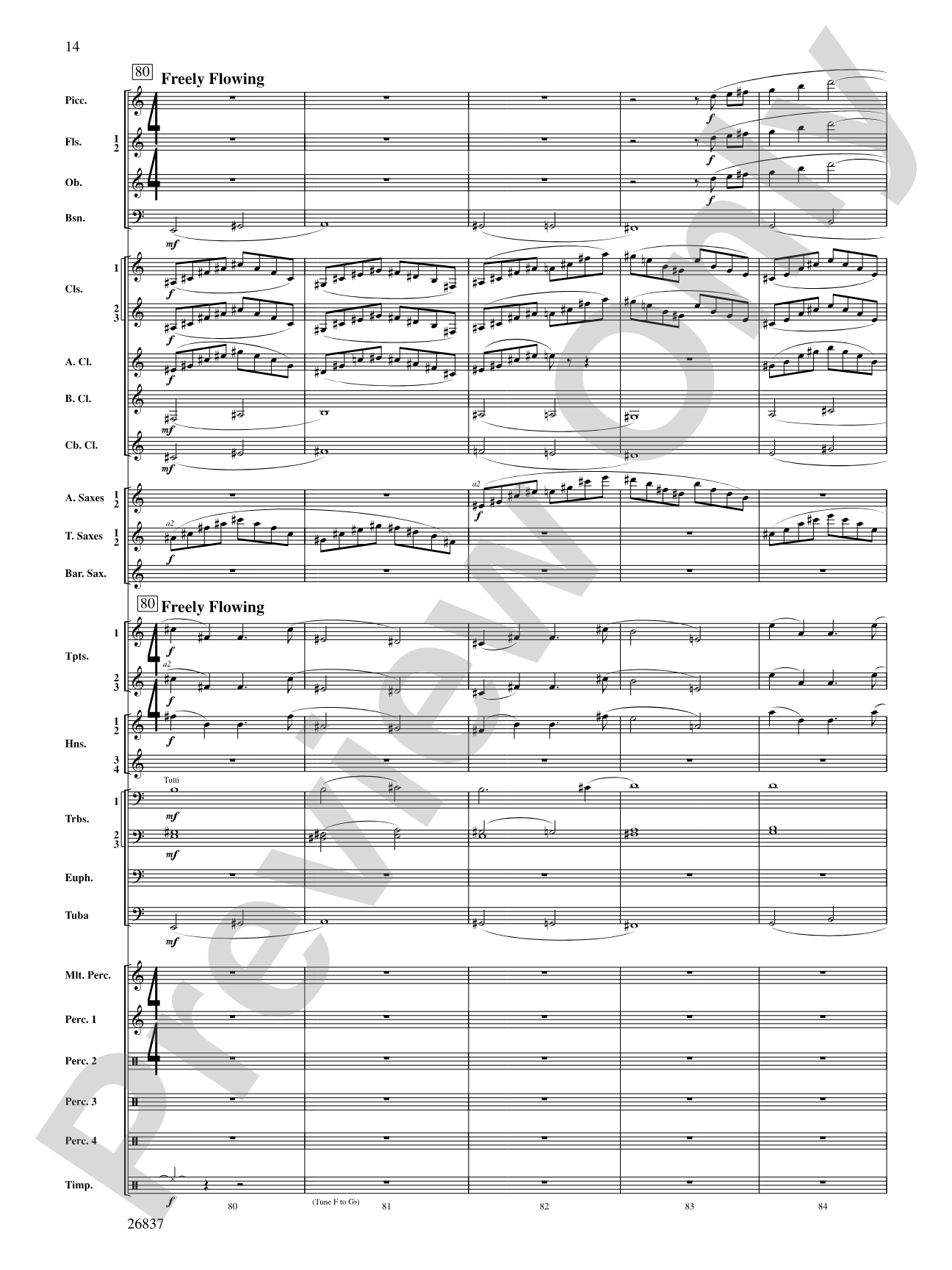
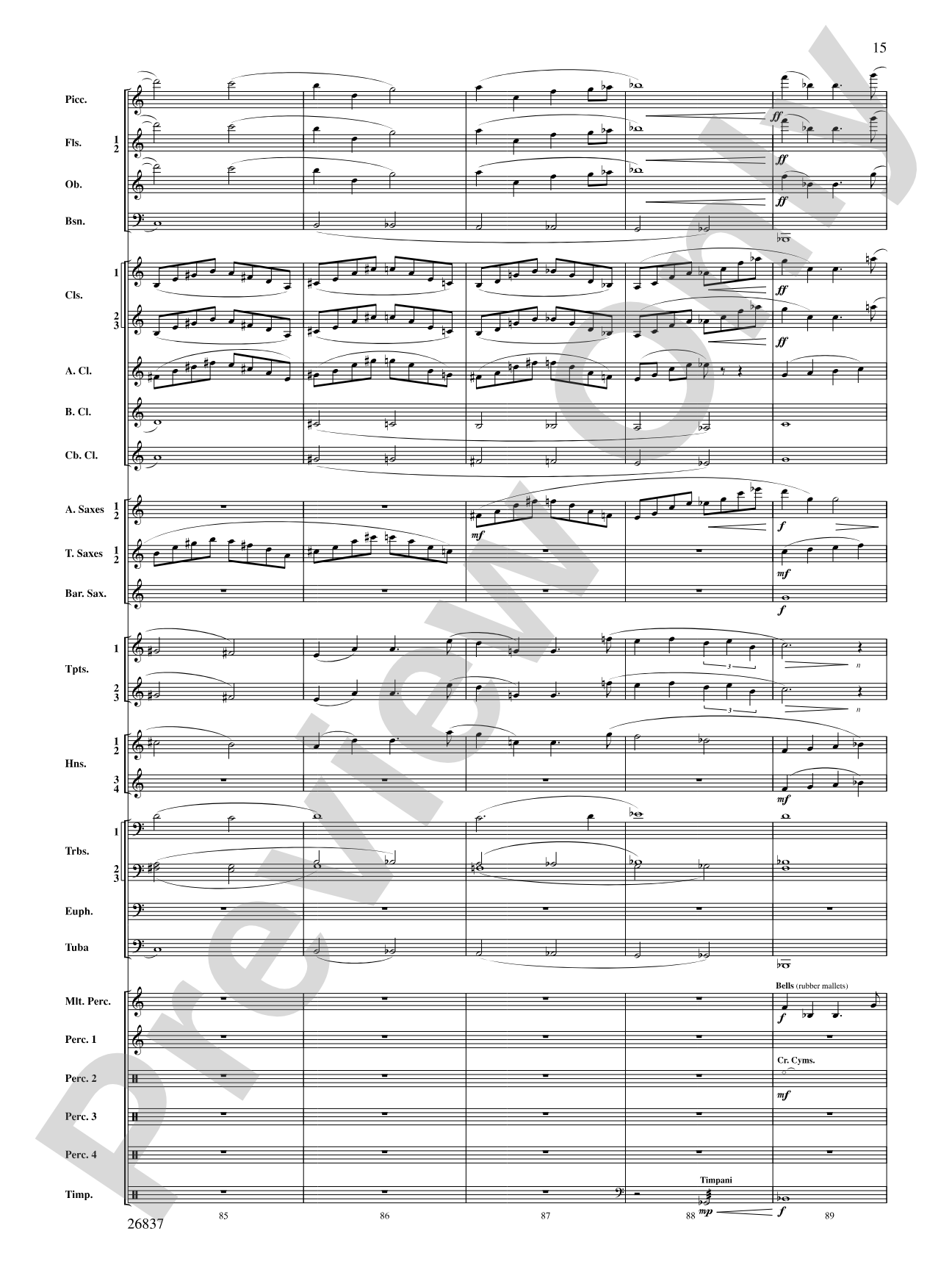
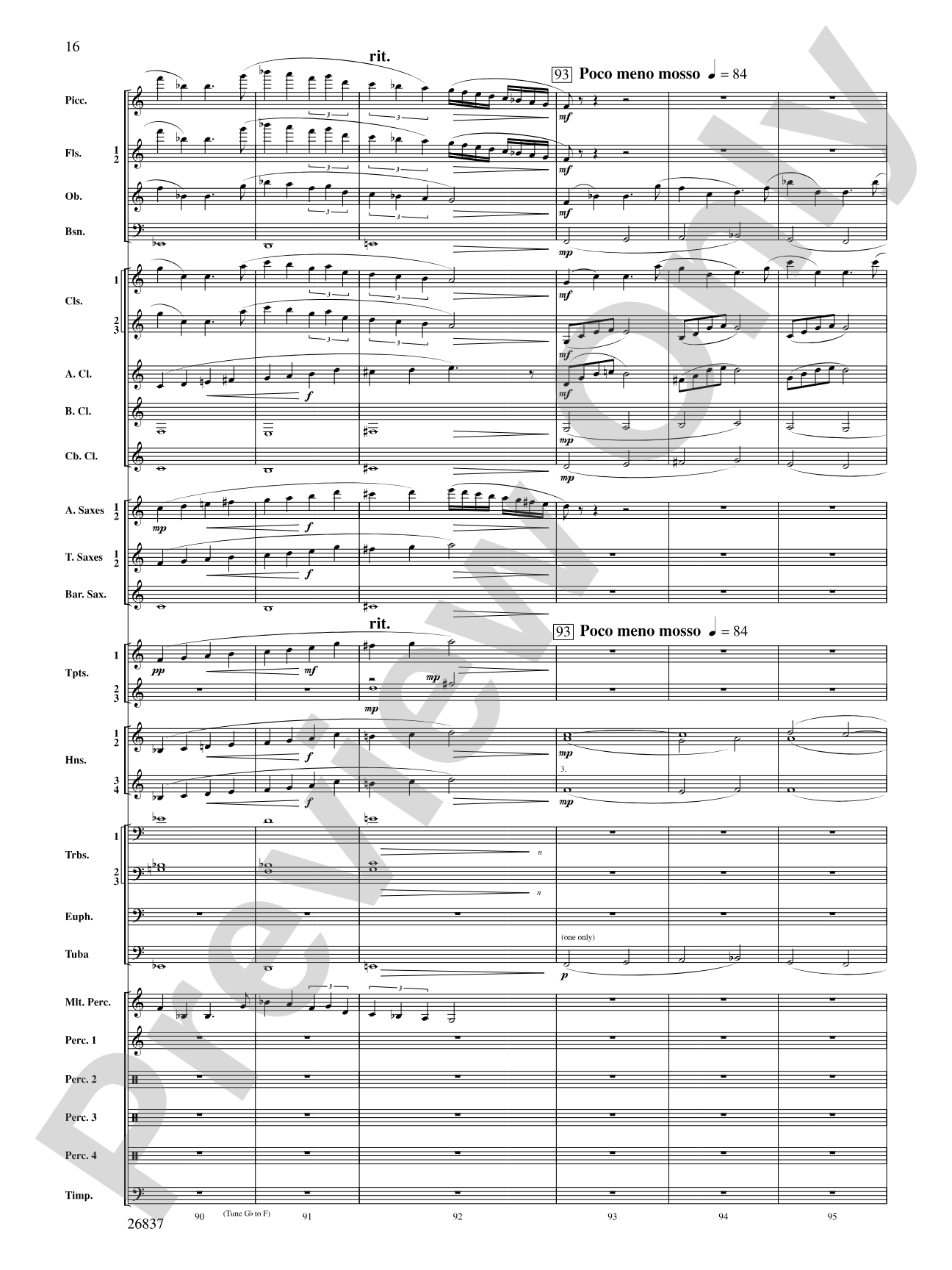
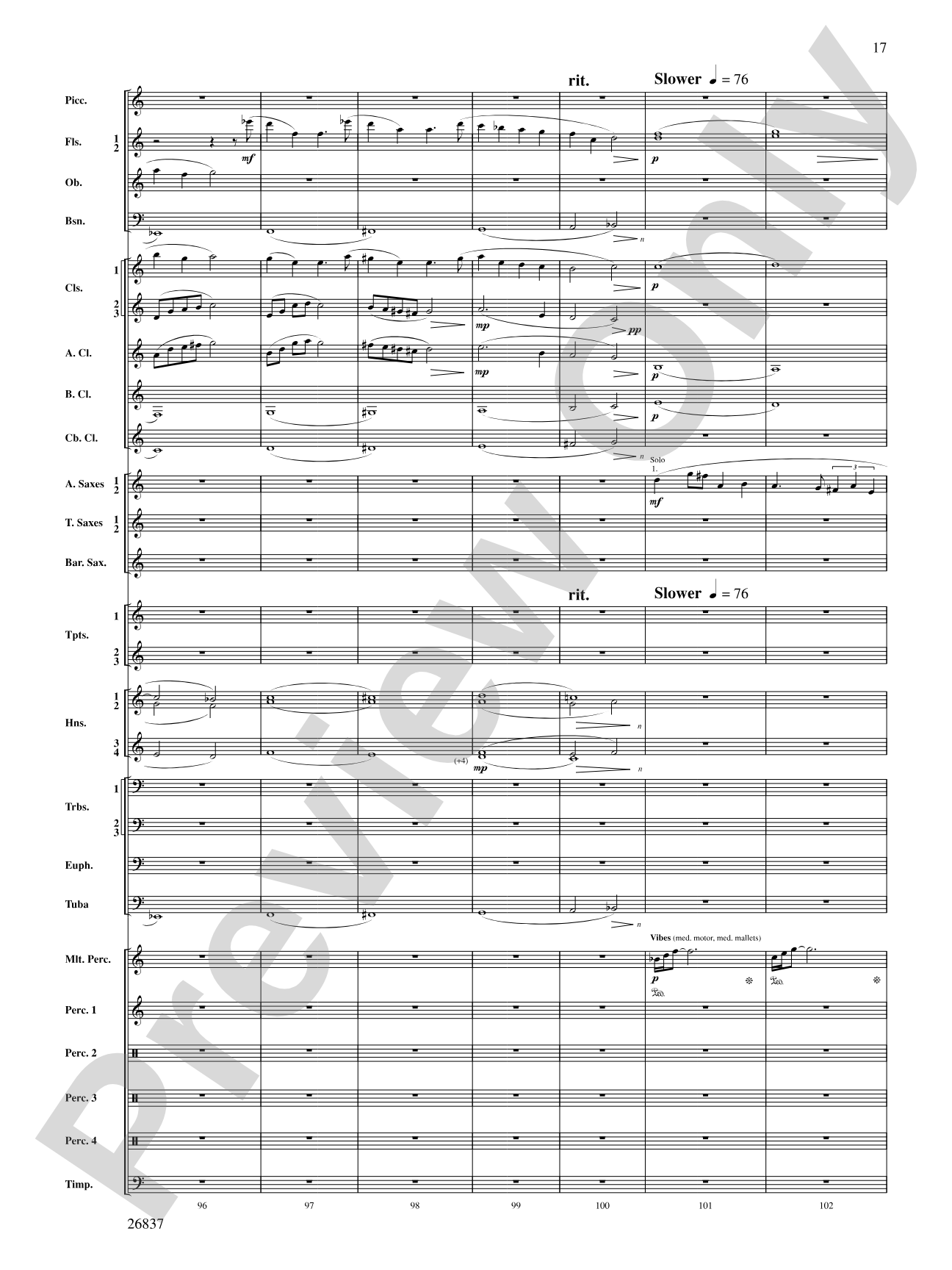
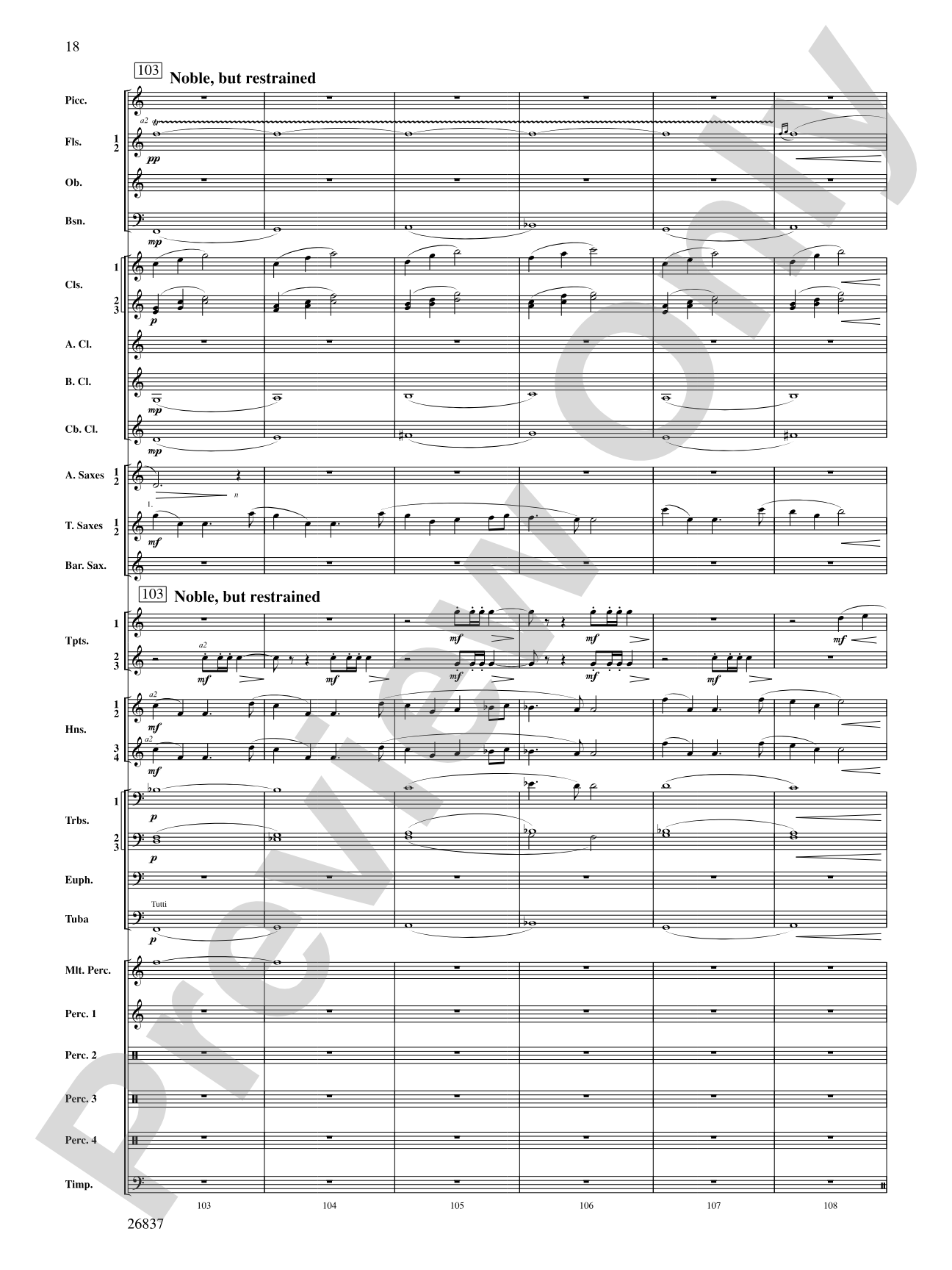
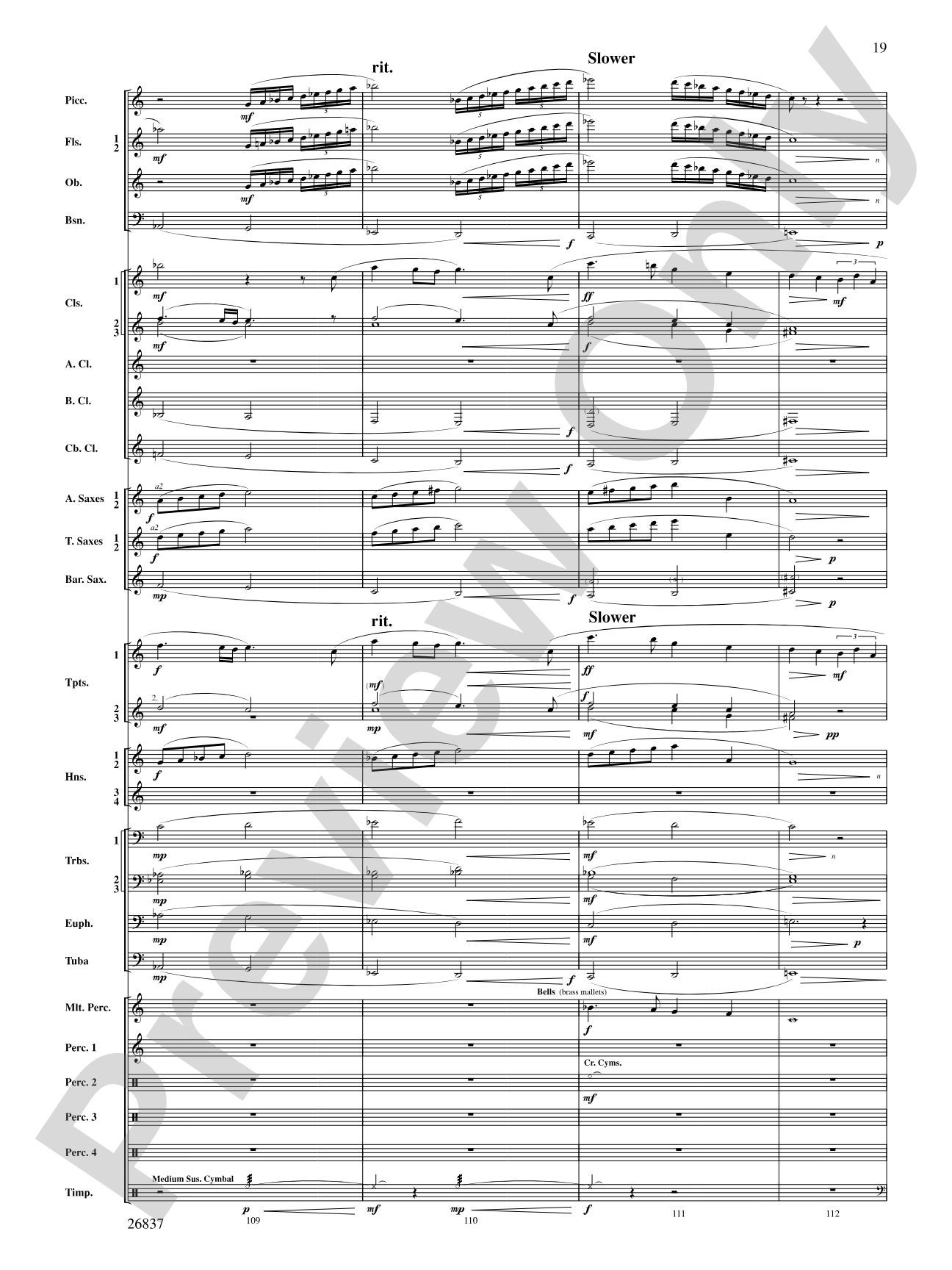
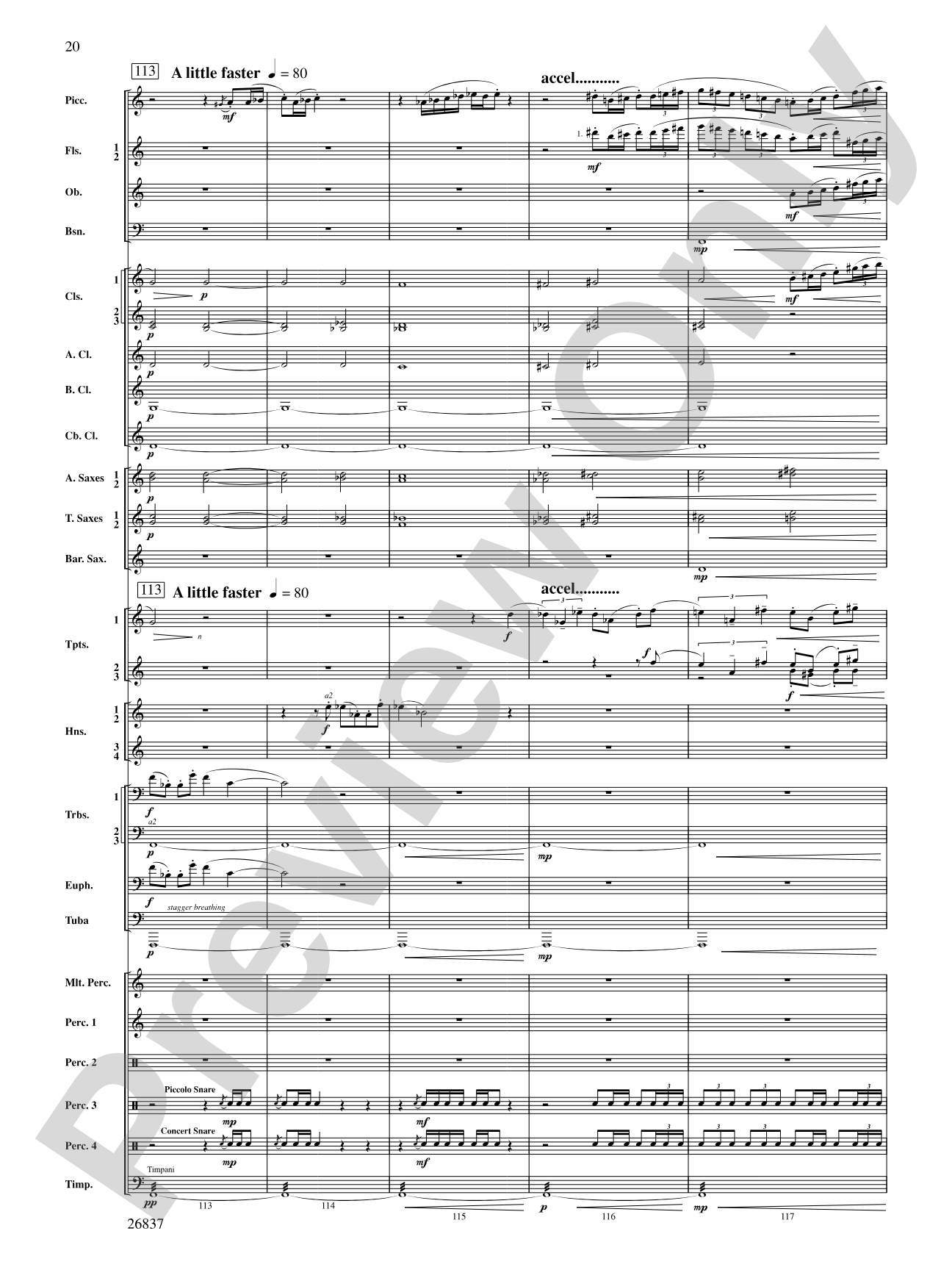
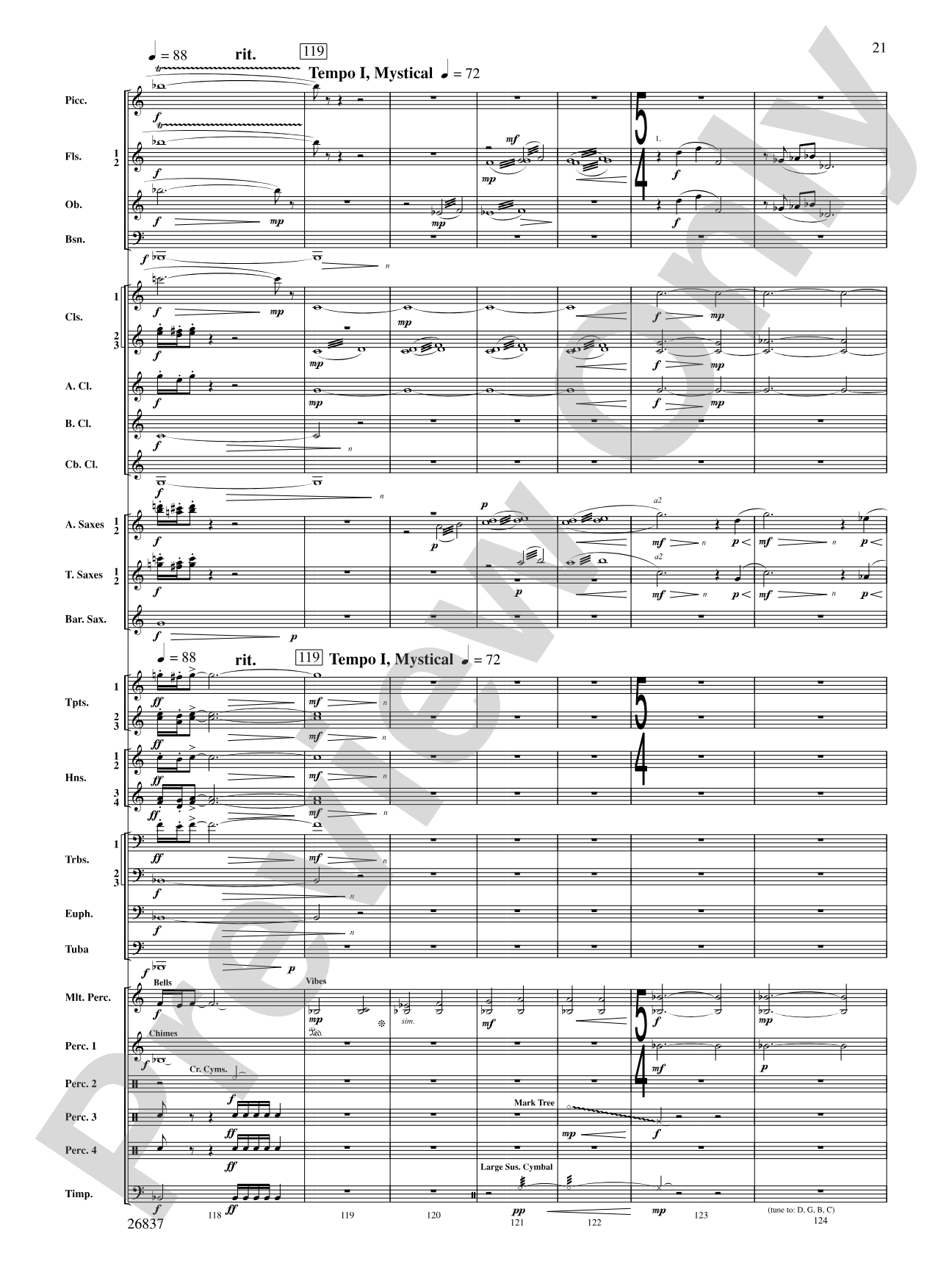
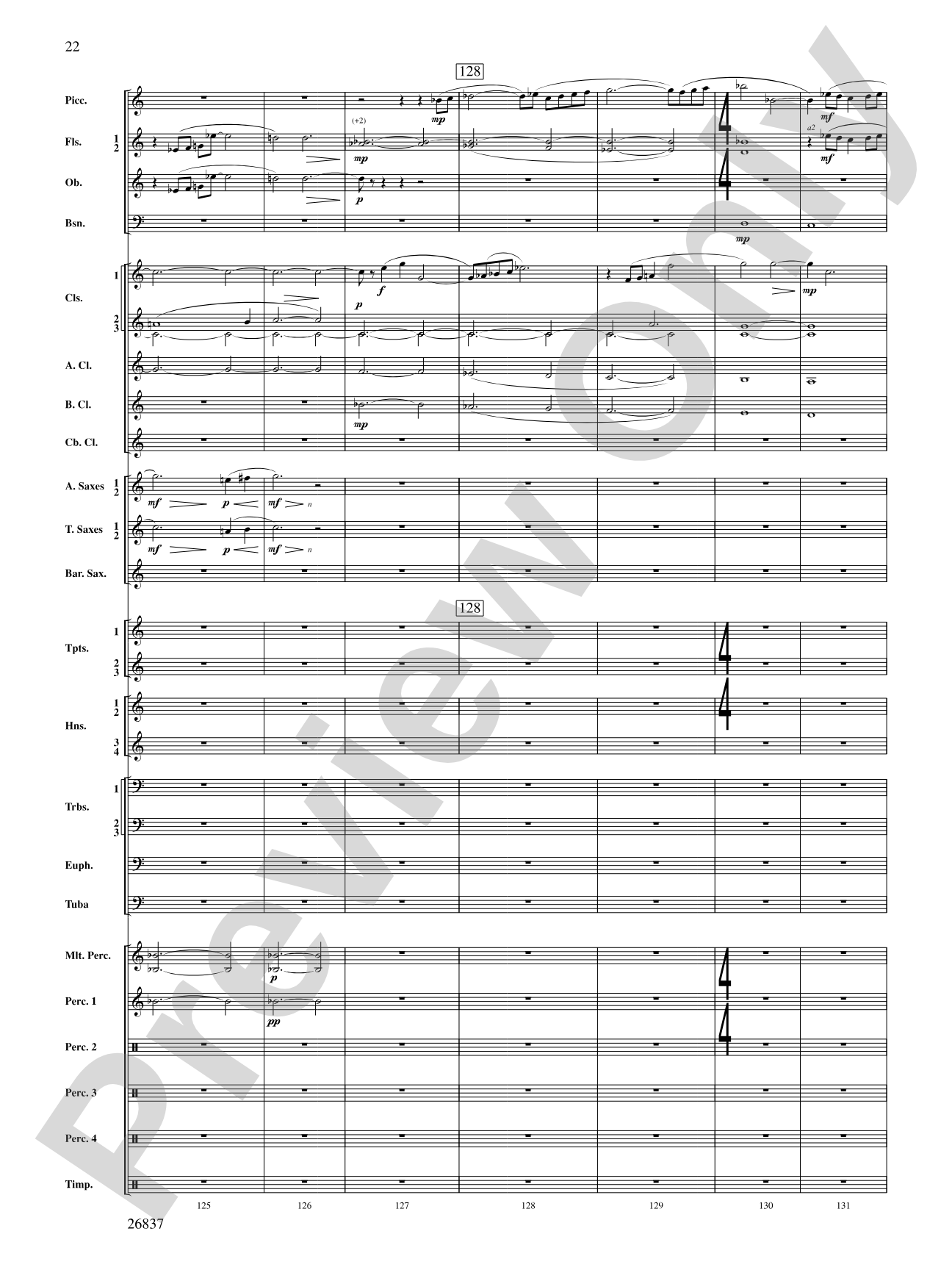
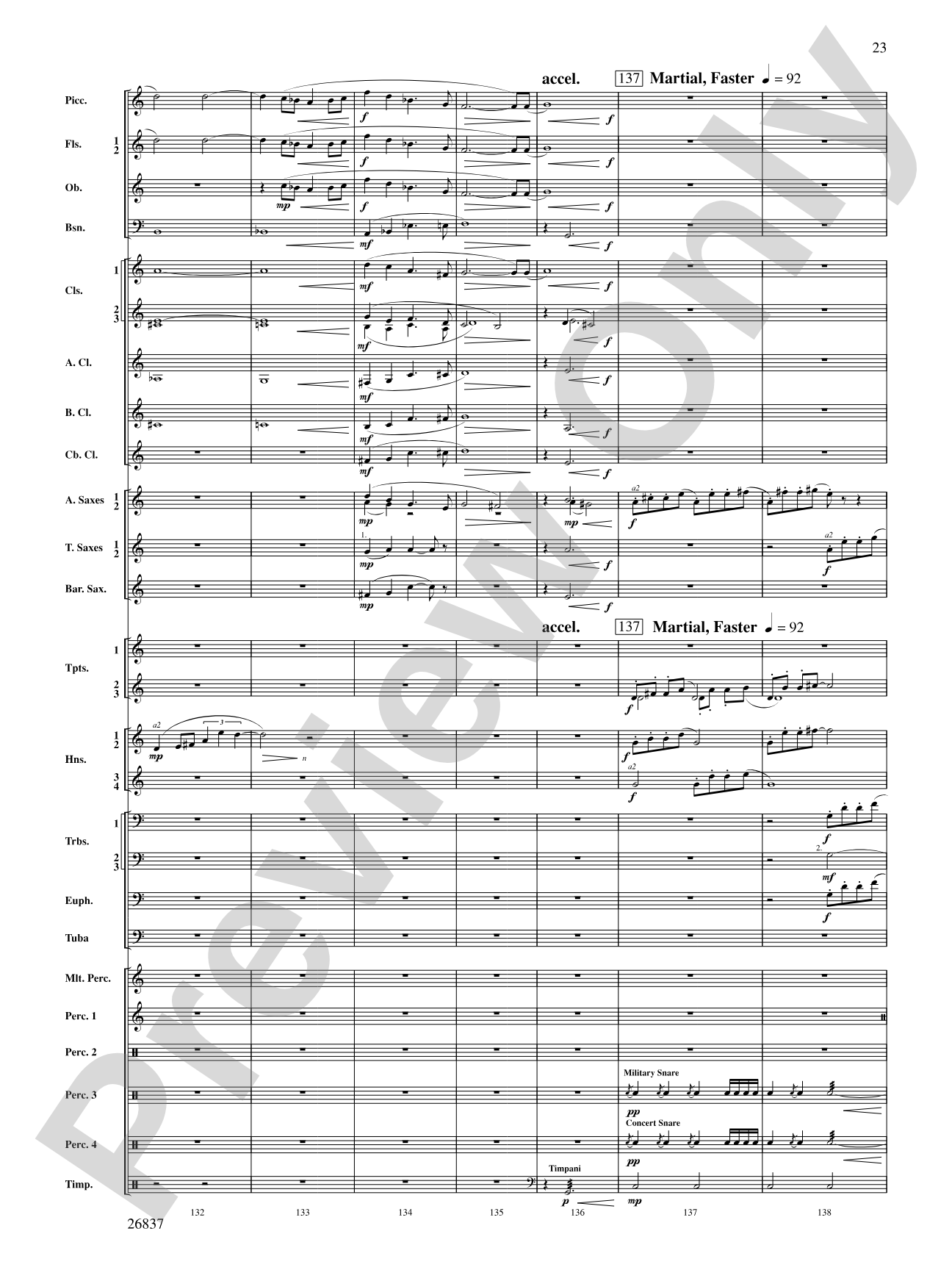
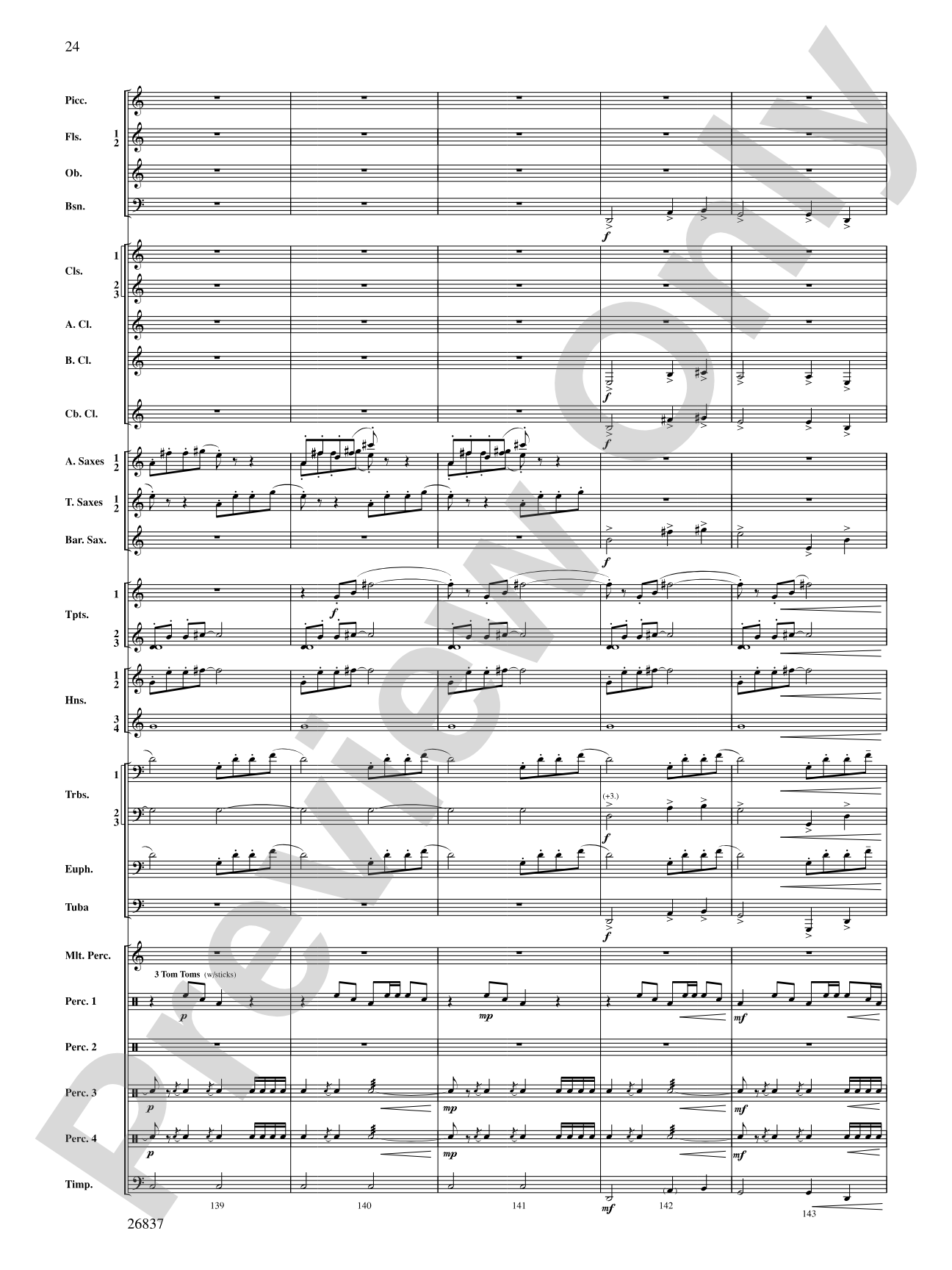
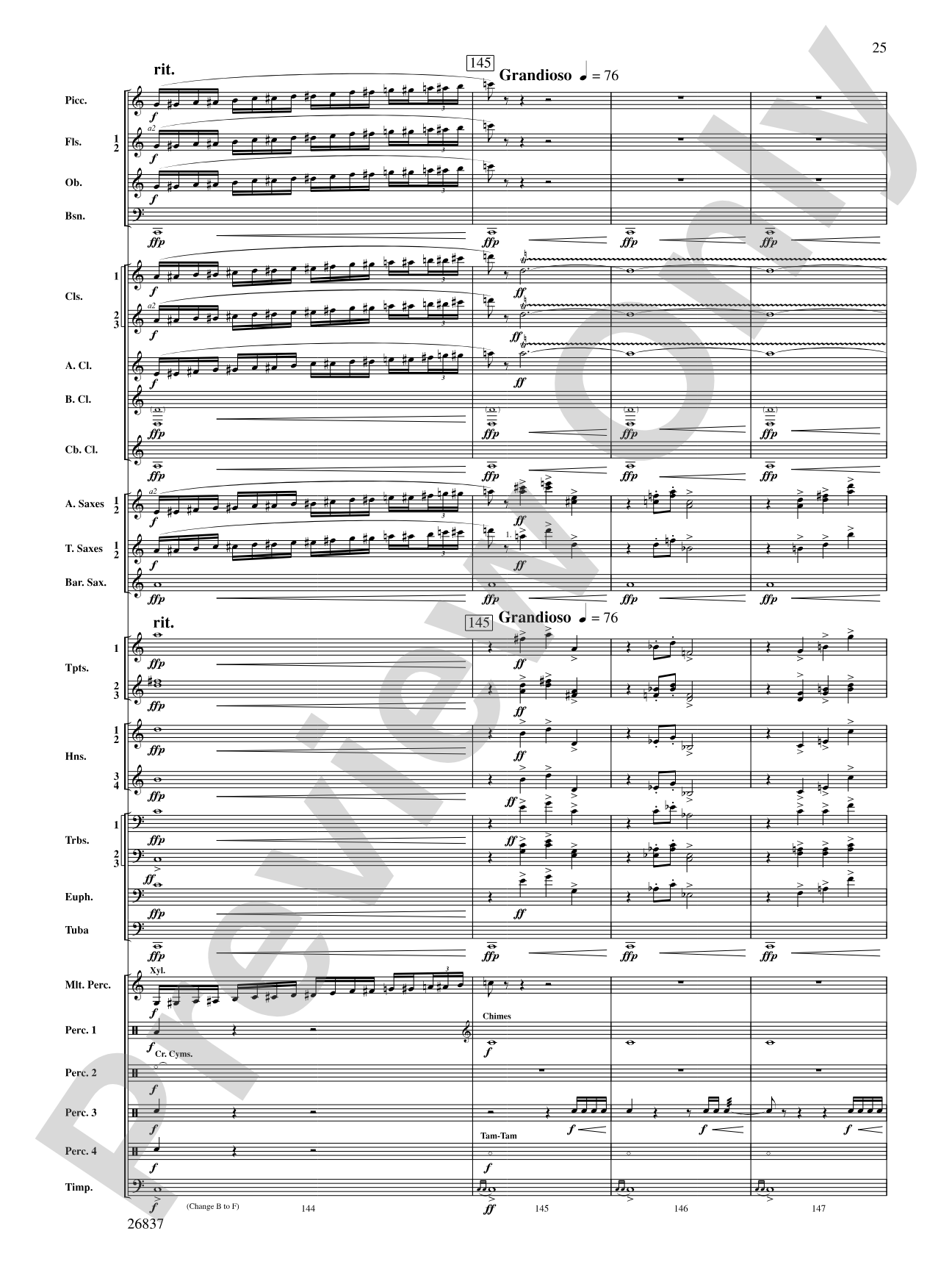
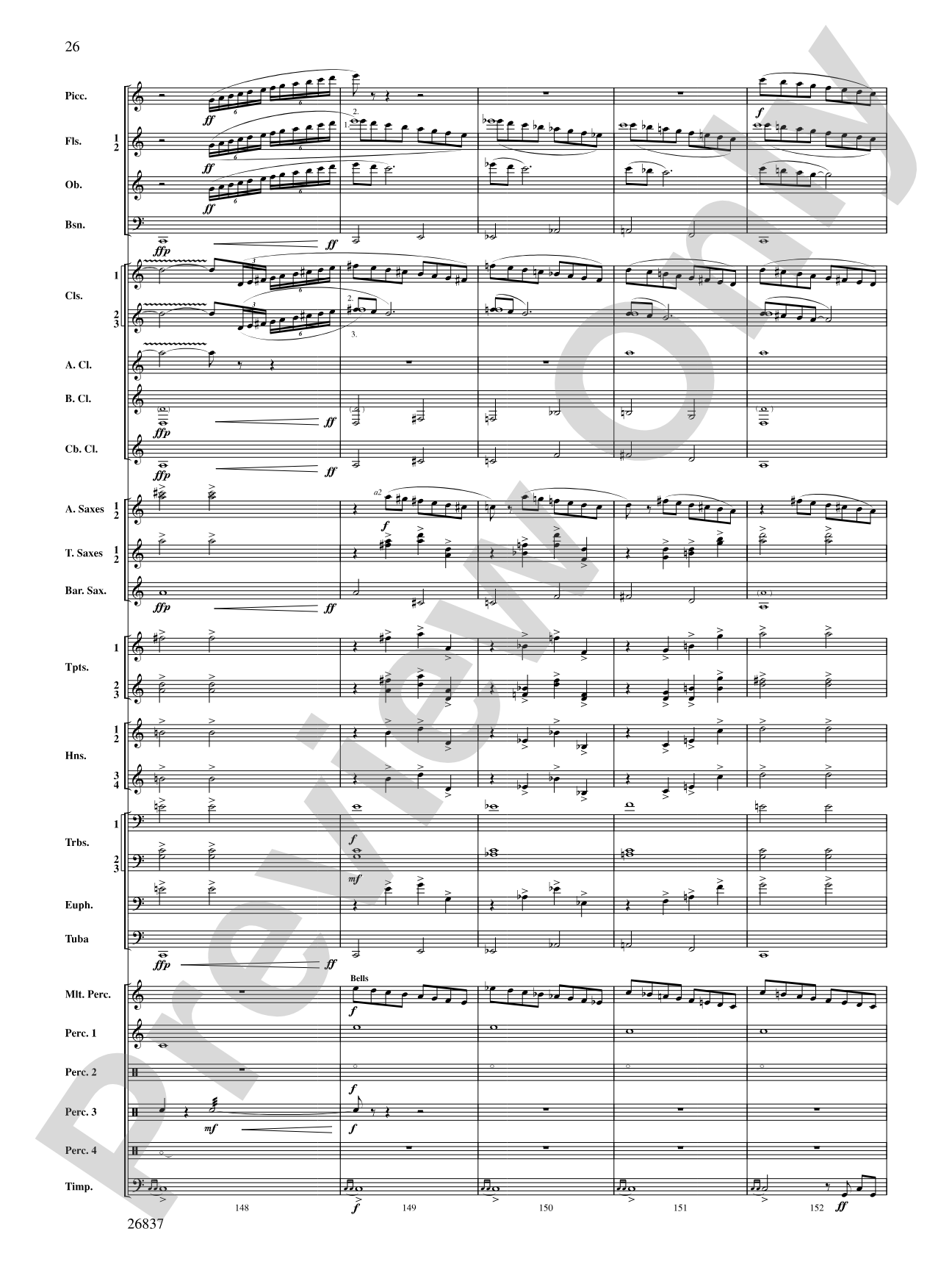
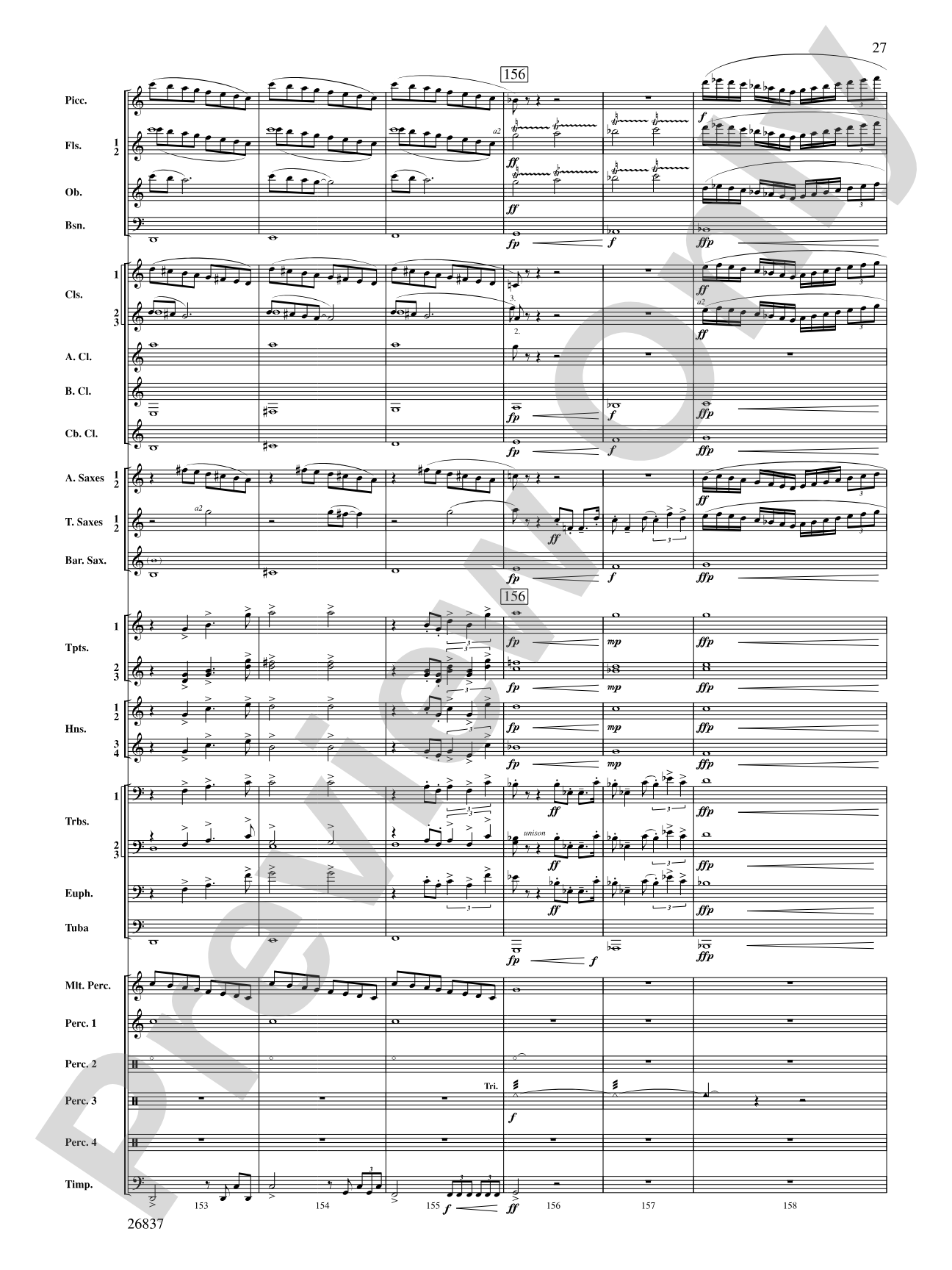
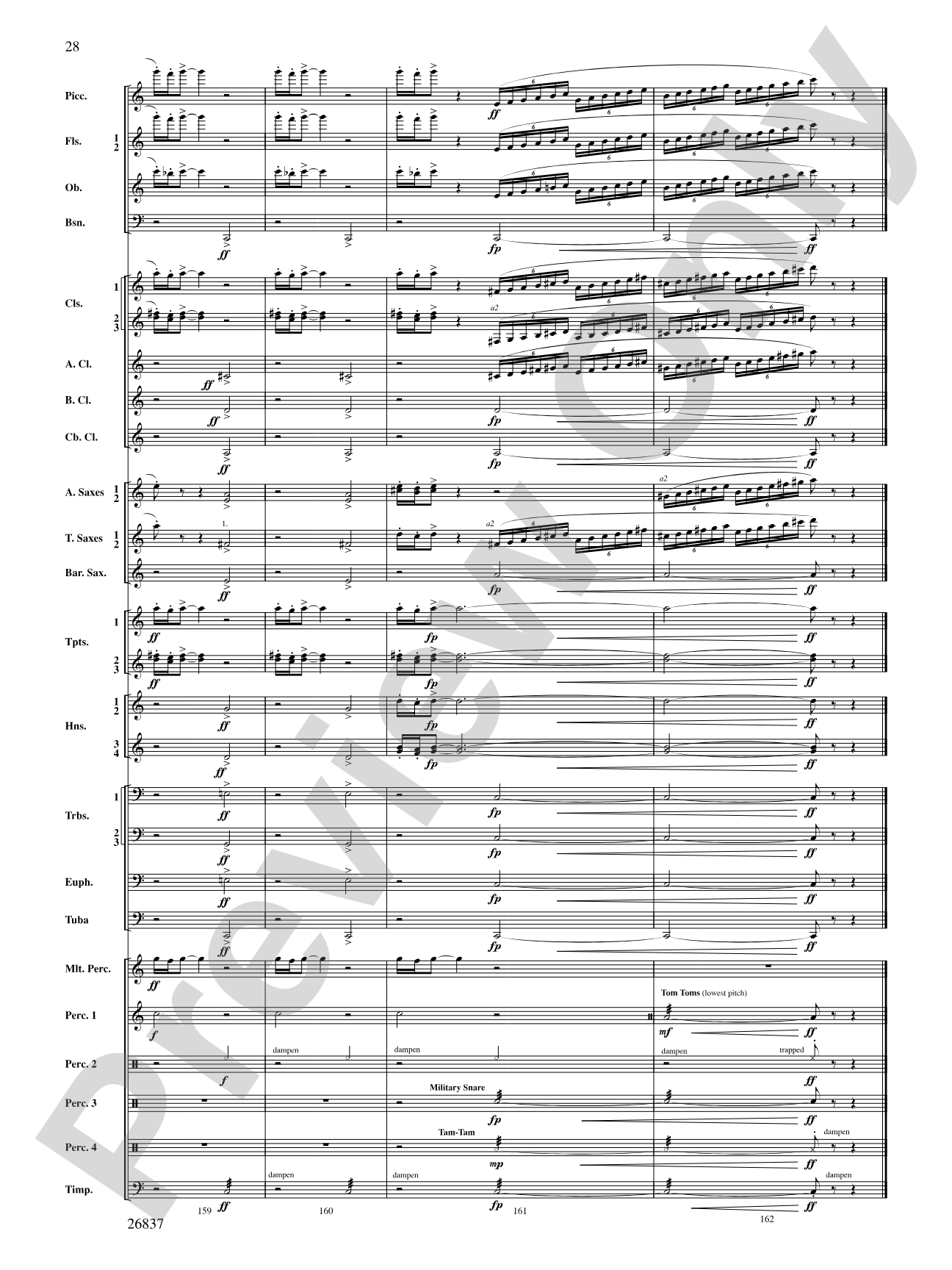

Adoration (Movement 1 from Symphony of Prayer): Concert Band Conductor Score & Parts
By J. Eric Schmidt
Grade: 4 (Medium Difficult)
Item: 00-PK-0001283

$78.00
Pickup currently not available
Buy Extra Parts (Digital PDF Download)
Parts Added to Cart!
Description
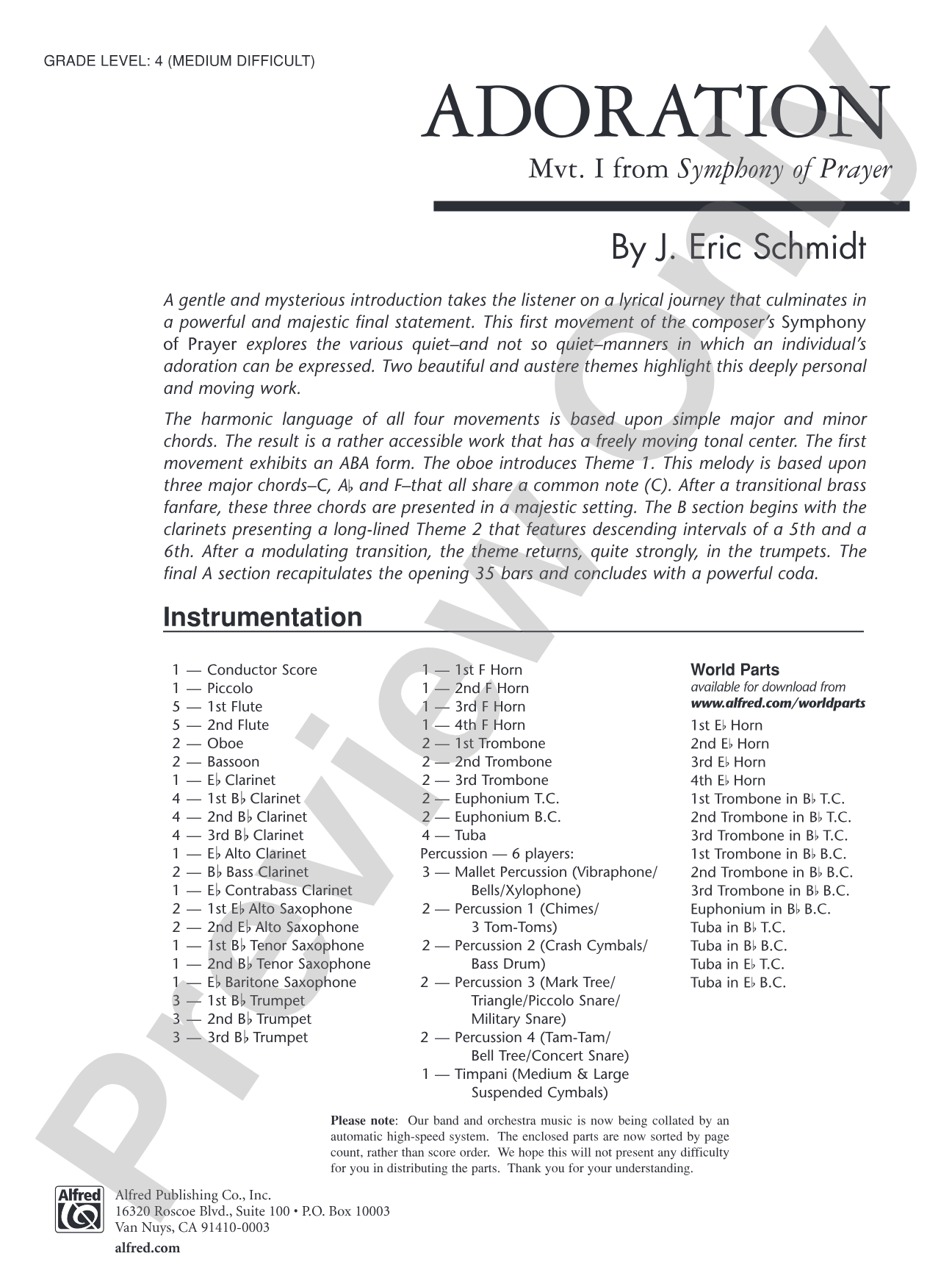
A gently mysterious introduction leads us on a lyrical journey that culminates with a powerful and majestic final statement. This first movement from Symphony of Prayer explores the various quiet, and not so quiet manners, in which adoration can be expressed. Two beautiful and austere themes highlight this deeply personal and moving work. This title is available in MakeMusic Cloud.


Don't just read it, hear it, play along with it, and watch your students grow with it. In MakeMusic Cloud, Adoration (Movement 1 from Symphony of Prayer): Concert Band Conductor Score & Parts comes alive with professional accompaniment, adjustable tempo, and built-in practice tools that turn solo practice into real progress.
Open in the Player
Jump straight in and assign it today.
Start Your Free Trial
Open this title and explore the full library in minutes.
Sample Audio
1
Audio File
--:--
0:00
0:00
Sample Video
No sample videos found.
Additional Details
Series:
Alfred Concert Band
Publisher:
Alfred Music
Page Count:
188
SKU:
00-PK-0001283
More about this title
About the Composer: J. Eric Schmidt
J. Eric Schmidt is a composer whose works for concert band blend lyrical writing with accessible orchestration, making his pieces popular choices in both competitive and concert settings. His compositions demonstrate a strong understanding of band sonorities and the importance of clear thematic development, qualities that emerge throughout the Symphony of Prayer cycle.
Why we love this
Schmidt writes for concert band with genuine lyricism and architectural clarity. The movement unfolds through two distinct thematic ideas that feel essential rather than decorative, giving your ensemble substantive material to shape and interpret. A work this reflective at Grade 4 is uncommon; most bands at this level don't encounter sacred music with this much harmonic sophistication and emotional restraint.
What to expect
A quiet reverence that gradually finds voice. The piece invites contemplation in its opening before building toward affirmation, creating a journey rather than a single emotional statement. There's an austerity to the thematic material that feels honest and undecorated.
Who it's for
Concert bands at Grade 4 working toward contest or concert performances with depth. Ensembles with enough tonal refinement to sustain long phrases and enough technical security to handle the harmonic language Schmidt employs.
How to get the most out of it
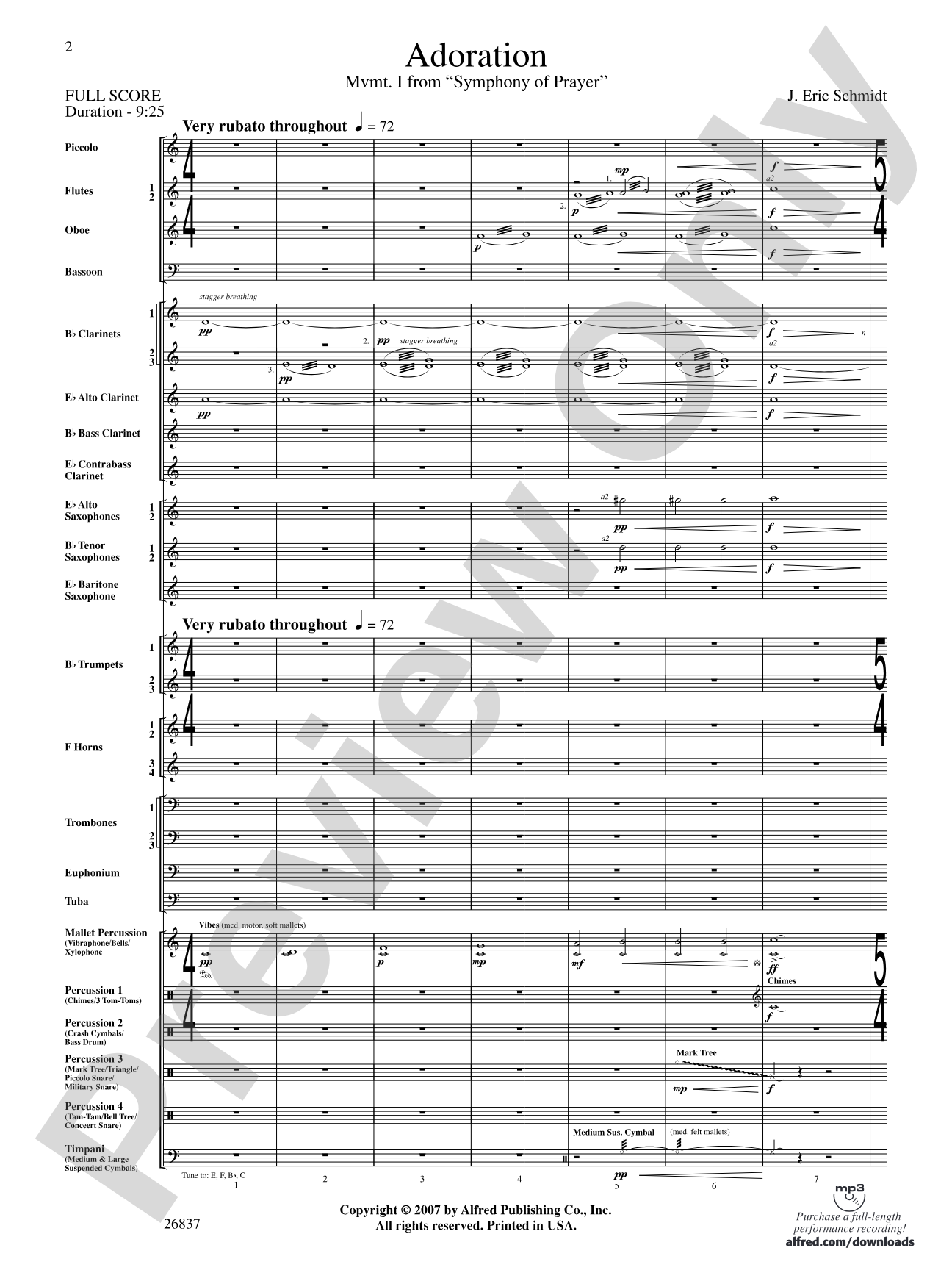
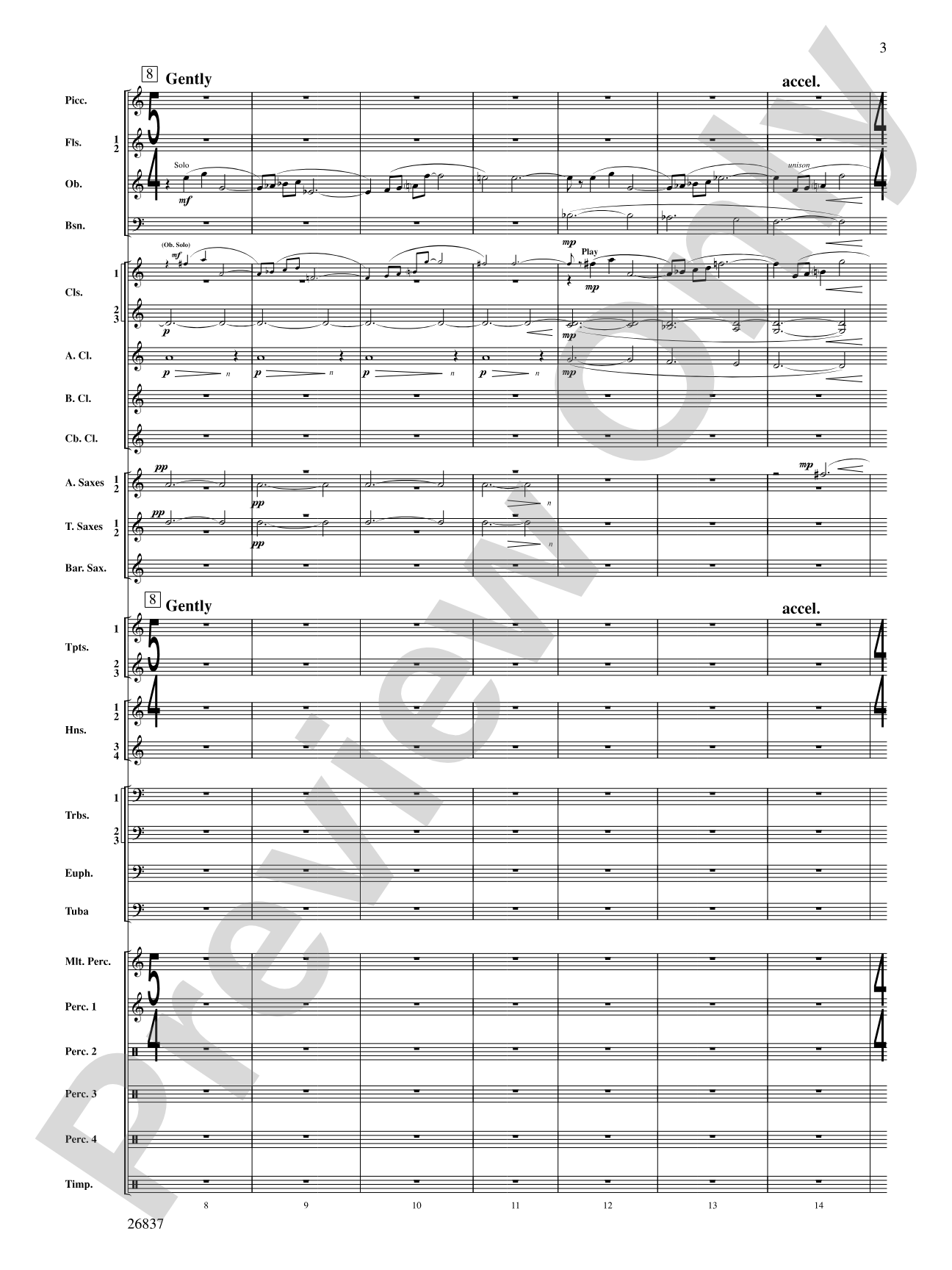
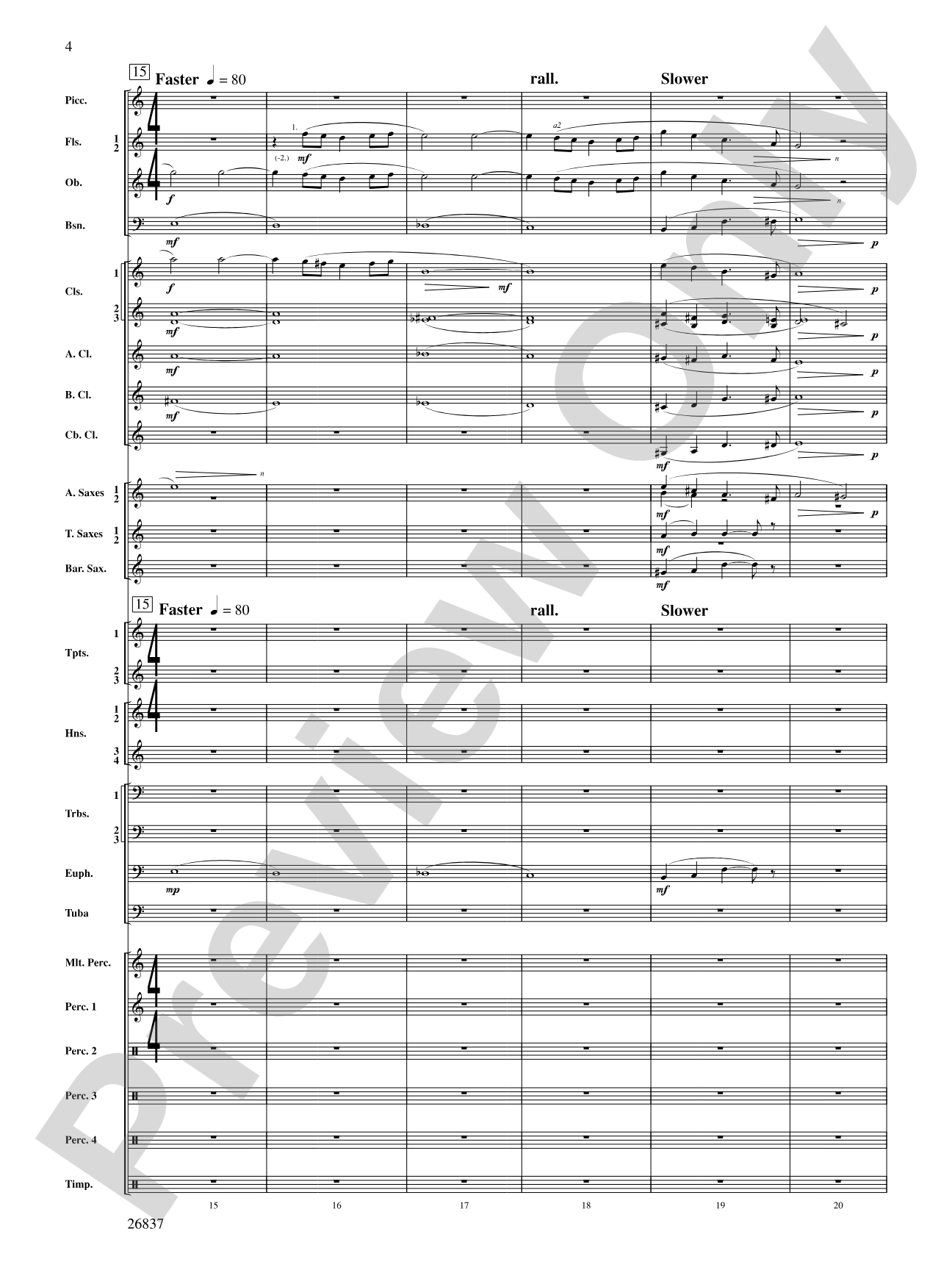
- Establish the dynamic shape of the opening mystery carefully in sectionals. The conductor score will reveal which voices carry the primary line and which provide harmonic foundation; make sure every section understands its role in building that introductory atmosphere.
- Balance the two themes by highlighting their distinct character in rehearsal. One austere idea will naturally contrast with the other, and players respond well when they can hear how their phrases contribute to that contrast.
- Approach the majestic final statement with attention to phrase architecture rather than simple volume. The power comes from collective commitment to the conductor's tempo and shape, not from pushing harder.
- Use sectionals focused on intonation in the quiet passages; precision here makes the contrast to the powerful conclusion land effectively.
How to use it
This movement works powerfully as a concert opener or as a centerpiece in a sacred or contemplative program. Its 188 pages (conductor score and parts) suggest a substantial work; pair it with contrasting repertoire rather than loading an entire program with introspective pieces.
Skills your students will build
- sustaining long lyrical phrases with consistent tone and intonation
- balancing ensemble texture when multiple voices carry thematic material simultaneously
- responding to subtle conducting gestures in slow, sparse passages
- building dynamic intensity through phrase architecture rather than raw volume
- performing contrasting thematic ideas with clear character differentiation