
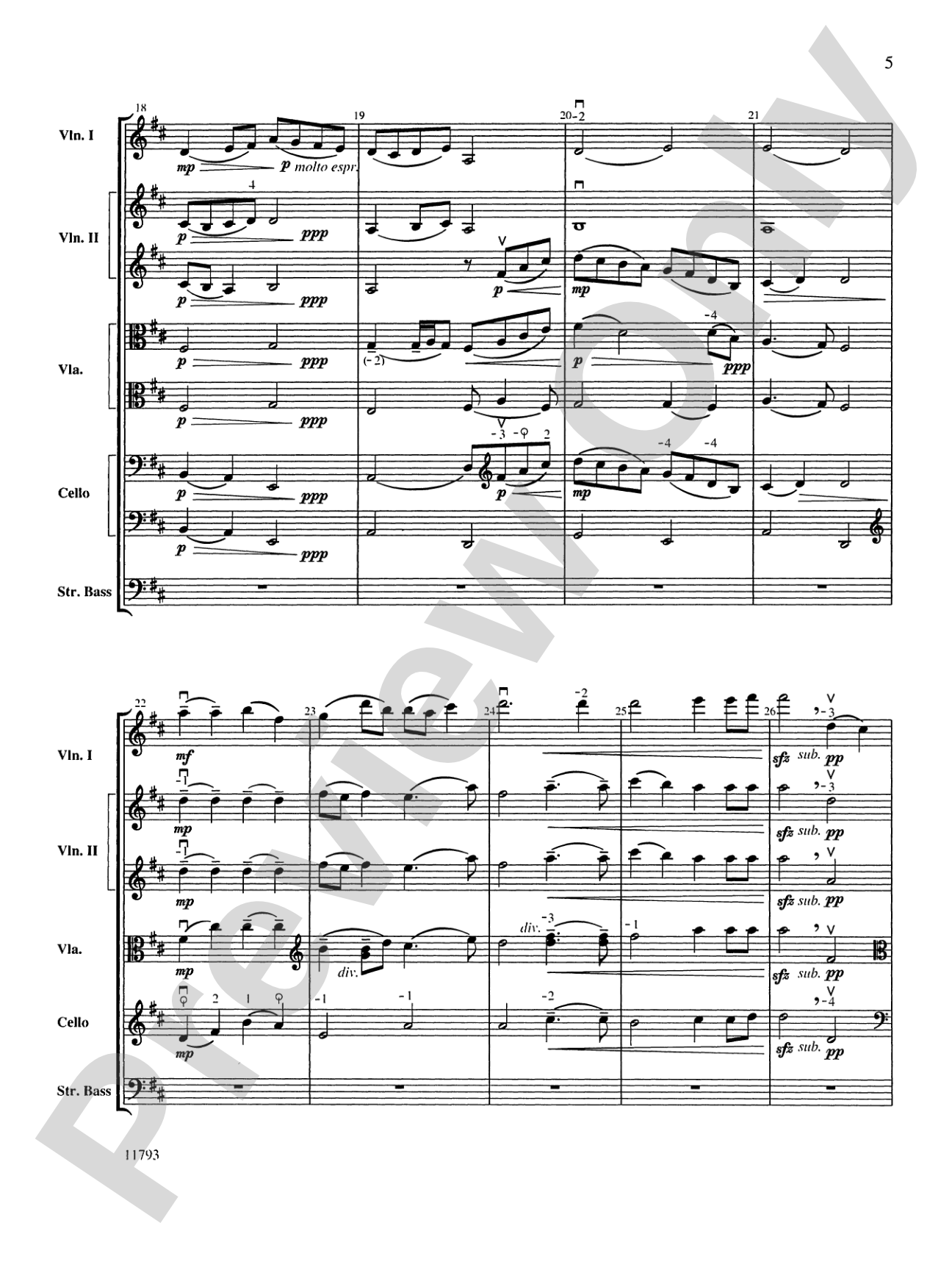
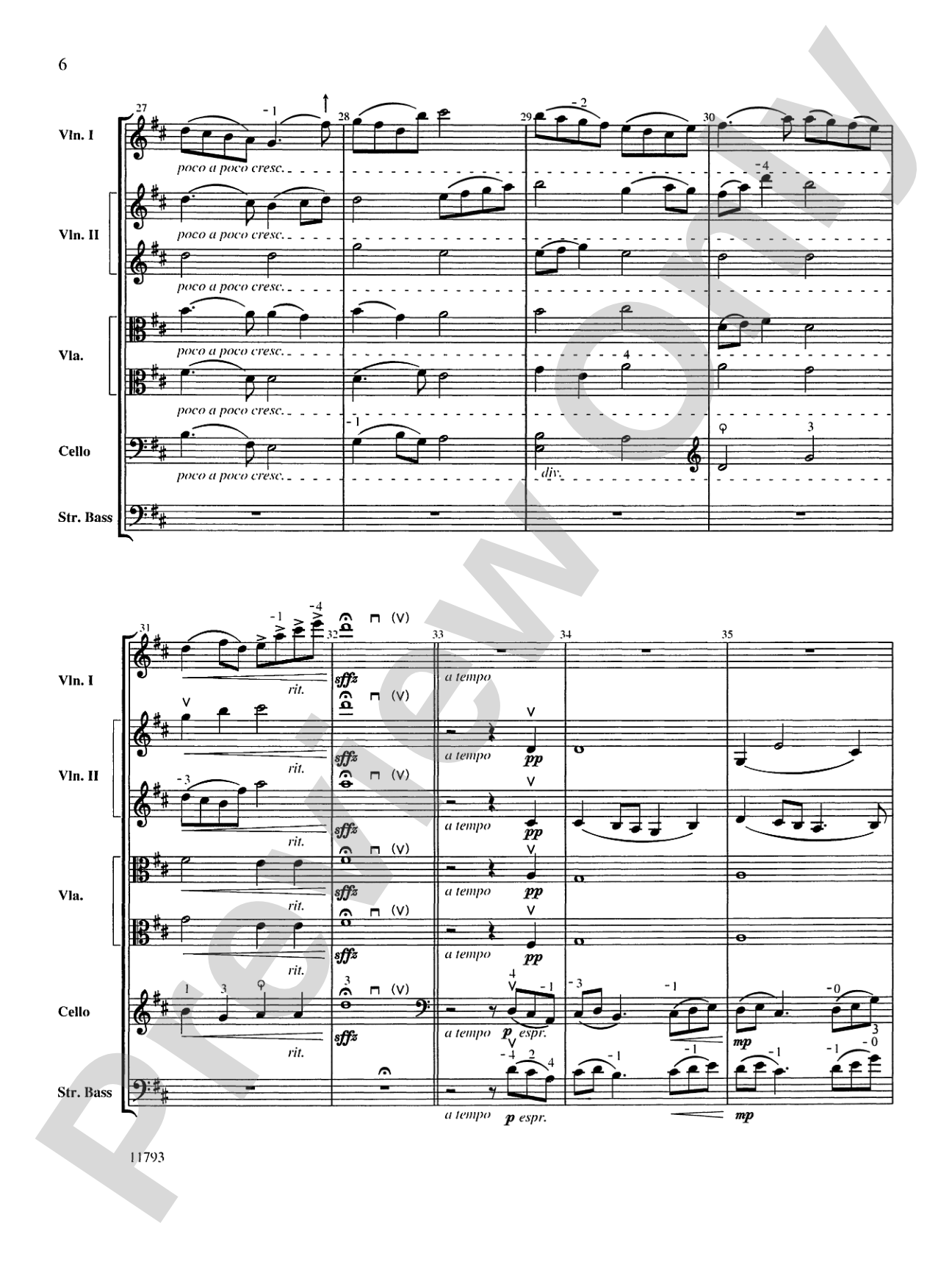
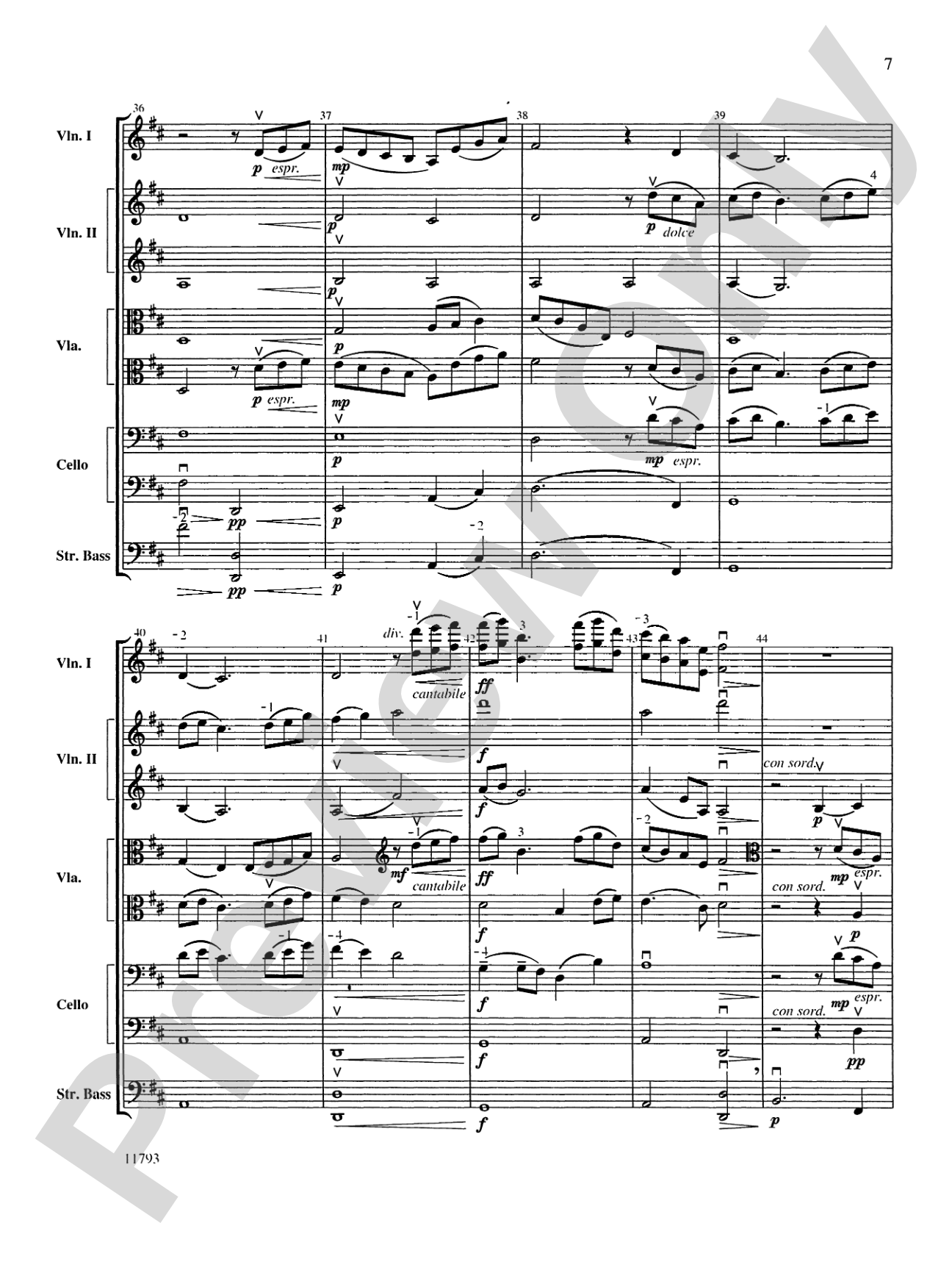
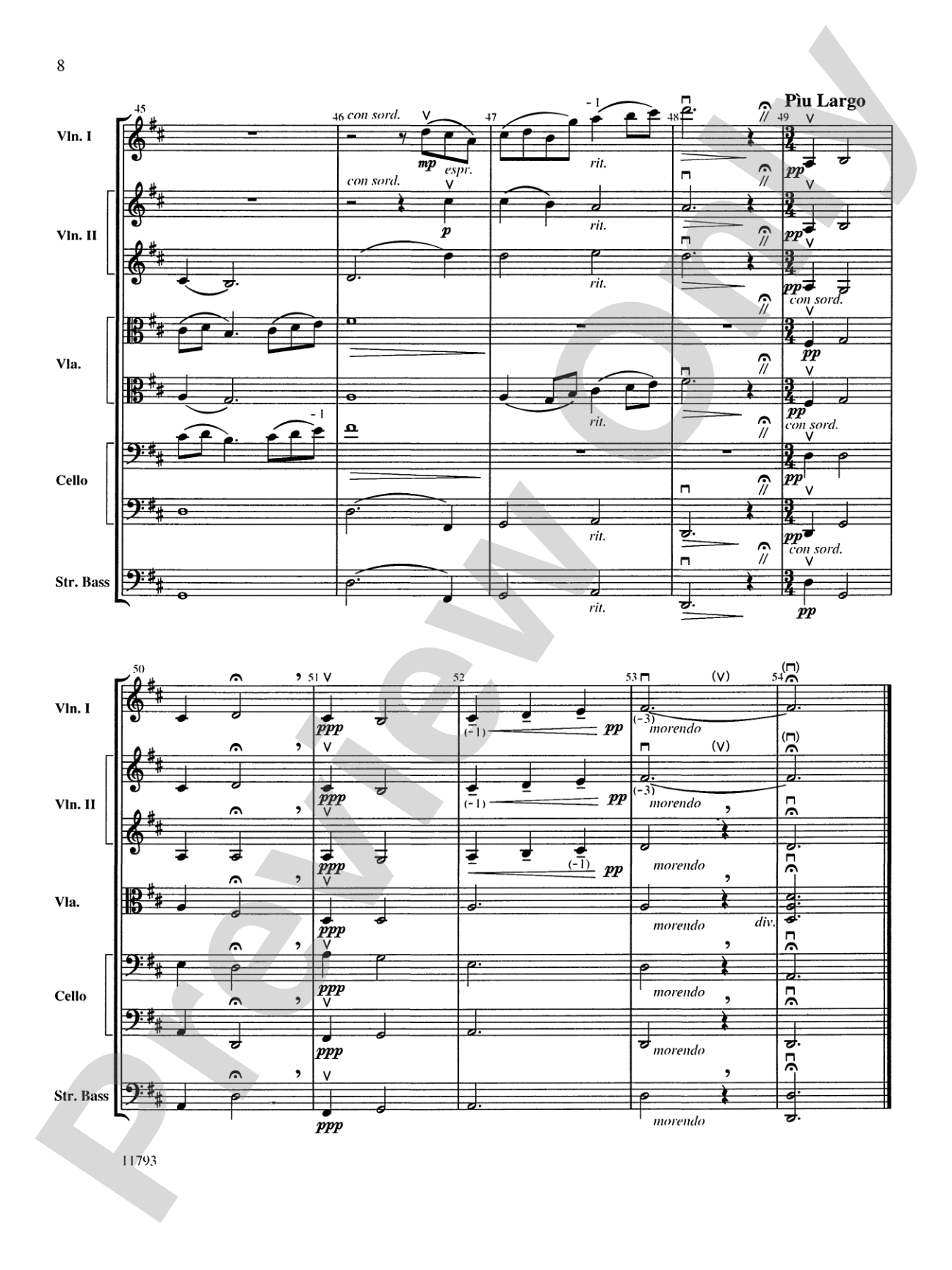

Adieu: String Orchestra Conductor Score & Parts
By Todd Coleman
Grade: 4
Item: 00-PK-0000031

$56.00
Pickup currently not available
Buy Extra Parts (Digital PDF Download)
| Product | Price | Quantity |
|---|---|---|
| Adieu: Score | $9.00 | |
| Adieu: 1st Violin | $5.99 | |
| Adieu: 2nd Violin | $5.99 | |
| Adieu: Viola | $5.99 | |
| Adieu: Cello | $5.99 | |
| Adieu: String Bass | $5.99 |
Parts Added to Cart!
Description
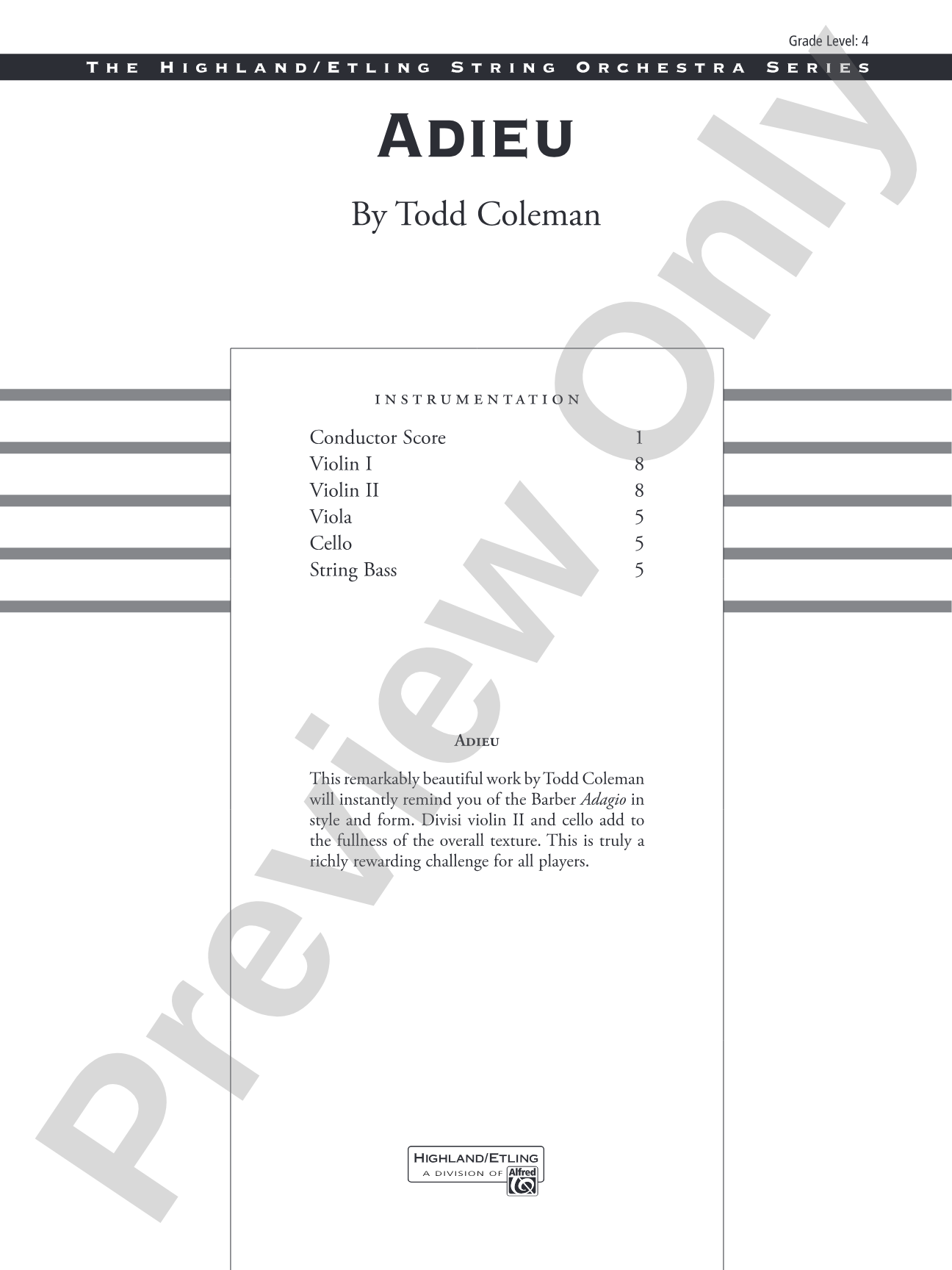
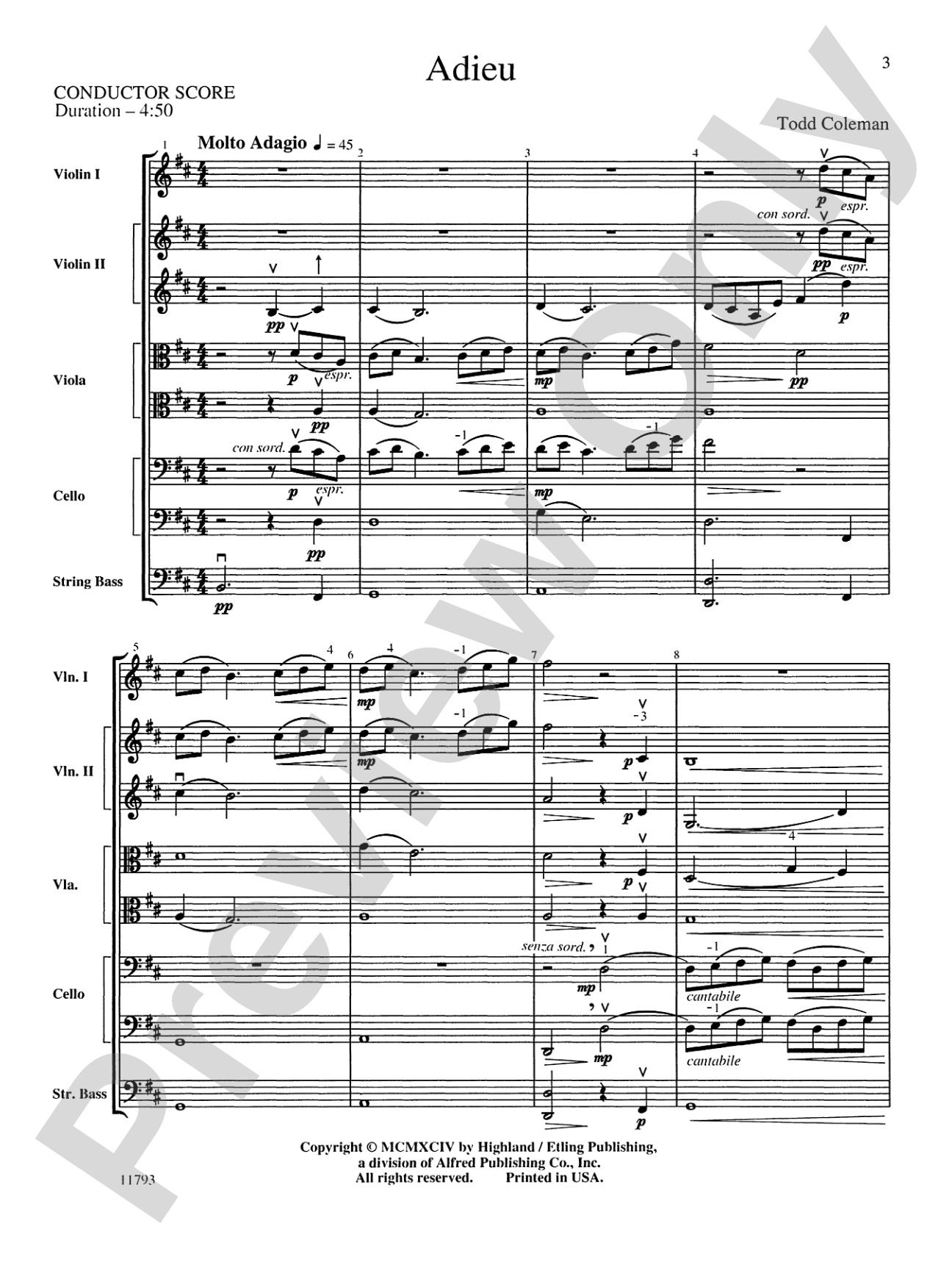
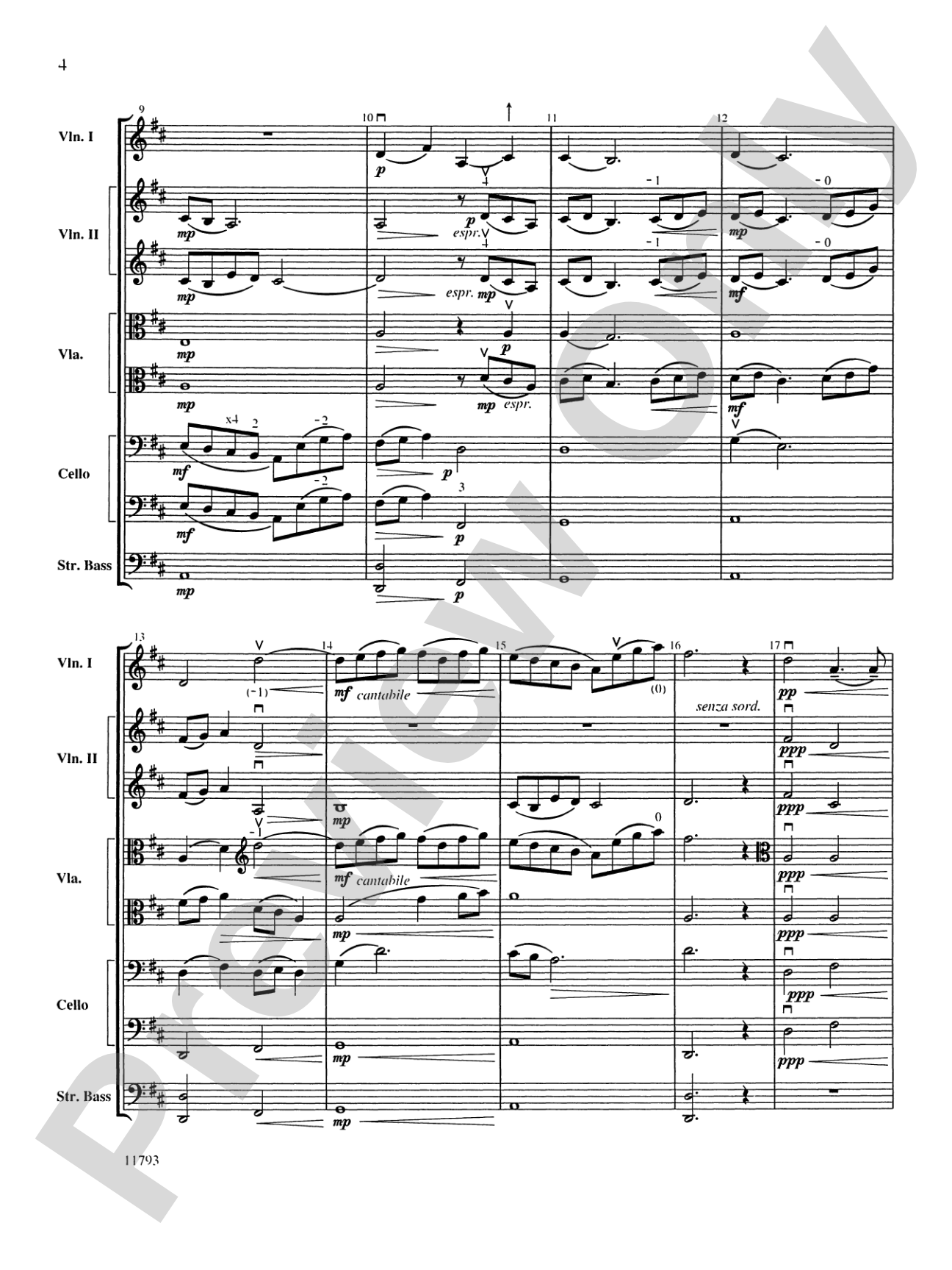
This remarkably beautiful work by Todd Coleman will instantly remind you of the Barber Adagio in style and form. Divisi violin II and cello add to the fullness of the overall texture. A richly rewarding challenge for all players. This title is available in MakeMusic Cloud.


Don't just read it, hear it, play along with it, and watch your students grow with it. In MakeMusic Cloud, Adieu: String Orchestra Conductor Score & Parts comes alive with professional accompaniment, adjustable tempo, and built-in practice tools that turn solo practice into real progress.
Open in the Player
Jump straight in and assign it today.
Start Your Free Trial
Open this title and explore the full library in minutes.
Sample Audio
1
Audio File
--:--
0:00
0:00
Sample Video
No sample videos found.
Additional Details
Series:
Highland/Etling String Orchestra
Publisher:
Alfred Music
Page Count:
120
SKU:
00-PK-0000031
More about this title
Why we love this
Coleman captures the meditative depth of the Barger Adagio tradition without imitating it, crafting an original work that feels both familiar and fresh. The divisi writing in violin II and cello creates genuine textural fullness, rewarding players who commit to the slow, sustained demands of the score. This is the kind of piece that reminds ensembles why they choose string music.
What to expect
Contemplative and spacious, with the kind of unhurried beauty that asks listeners to sit with their emotions rather than be swept along. The divisi textures create warmth and depth that feels almost vocal, as if the orchestra is singing rather than playing.
Who it's for
Intermediate to advanced string orchestras ready to tackle sustained, lyrical writing without relying on fast passage work. Conductors seeking contest or festival repertoire that challenges musicianship and ensemble blend rather than technical facility.
How to get the most out of it
- Shape the longer phrases with subtle dynamic waves rather than static volume; even in slow movements, small crescendos and diminuendos prevent the line from feeling static.
- Balance divisi passages by asking lower violin II voices to play with warmth and presence equal to the upper voices; divisi writing only works if both parts are equally heard.
- Encourage section leaders to establish consistent vibrato width and speed before rehearsal begins; unanimity in vibrato character across a section transforms the overall sound quality.
- Work through the score in sections first, then combine layers gradually; this slow-build approach helps players internalize their individual lines before navigating the fuller ensemble texture.
How to use it
Program this alongside works that share its meditative character, or use it to open a concert where you want the audience to settle into genuine listening. The piece works equally well as a festival submission or as the emotional centerpiece of a chamber concert program.
Skills your students will build
- Sustaining long, shaped phrases without sudden dynamic shifts
- Blending divisi sections so both voices contribute equally to ensemble texture
- Listening for tuning across sustained harmony with multiple voice parts
- Controlling vibrato consistency across an entire section
- Managing bow control over extended notes in soft dynamics