
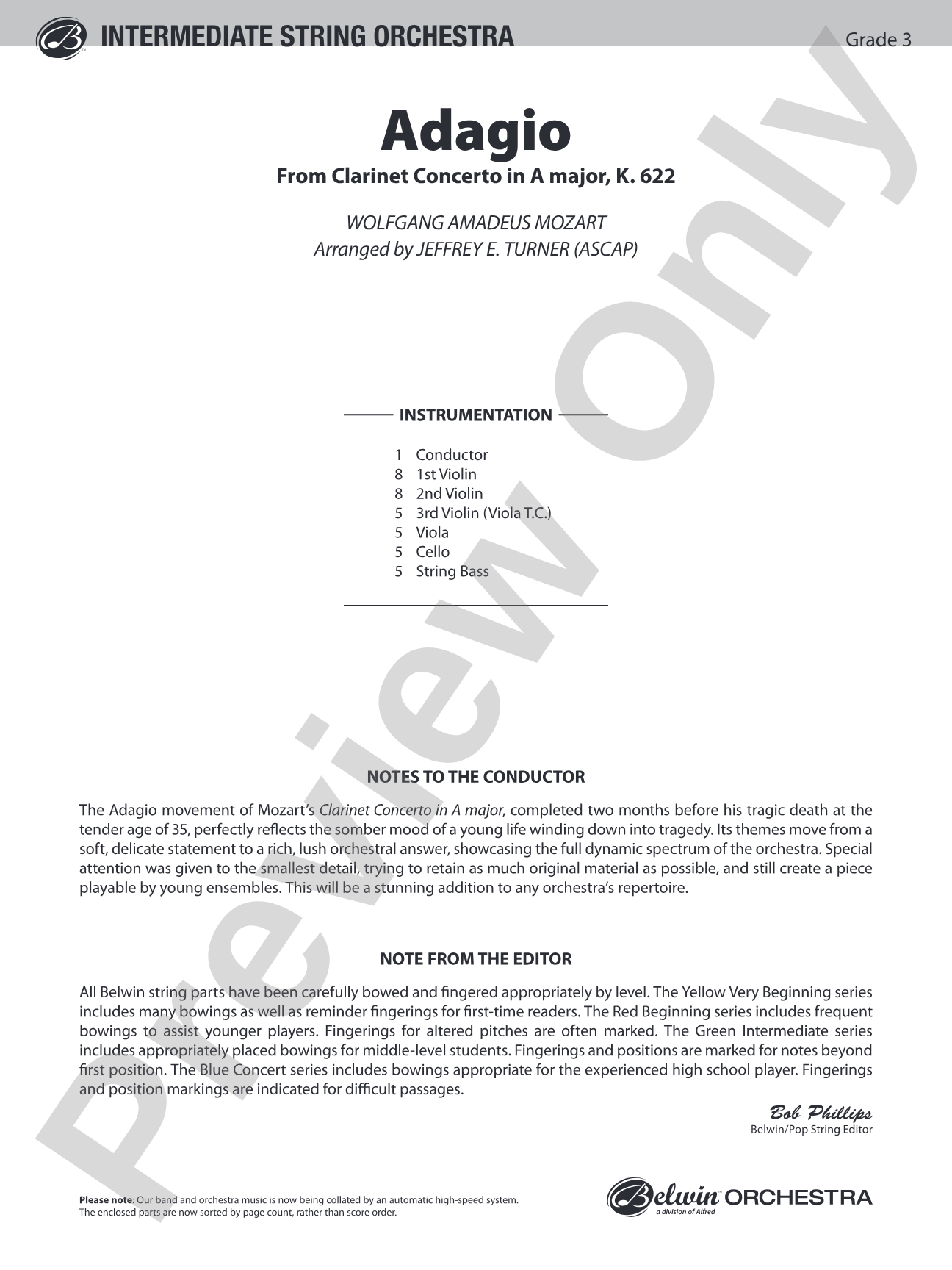
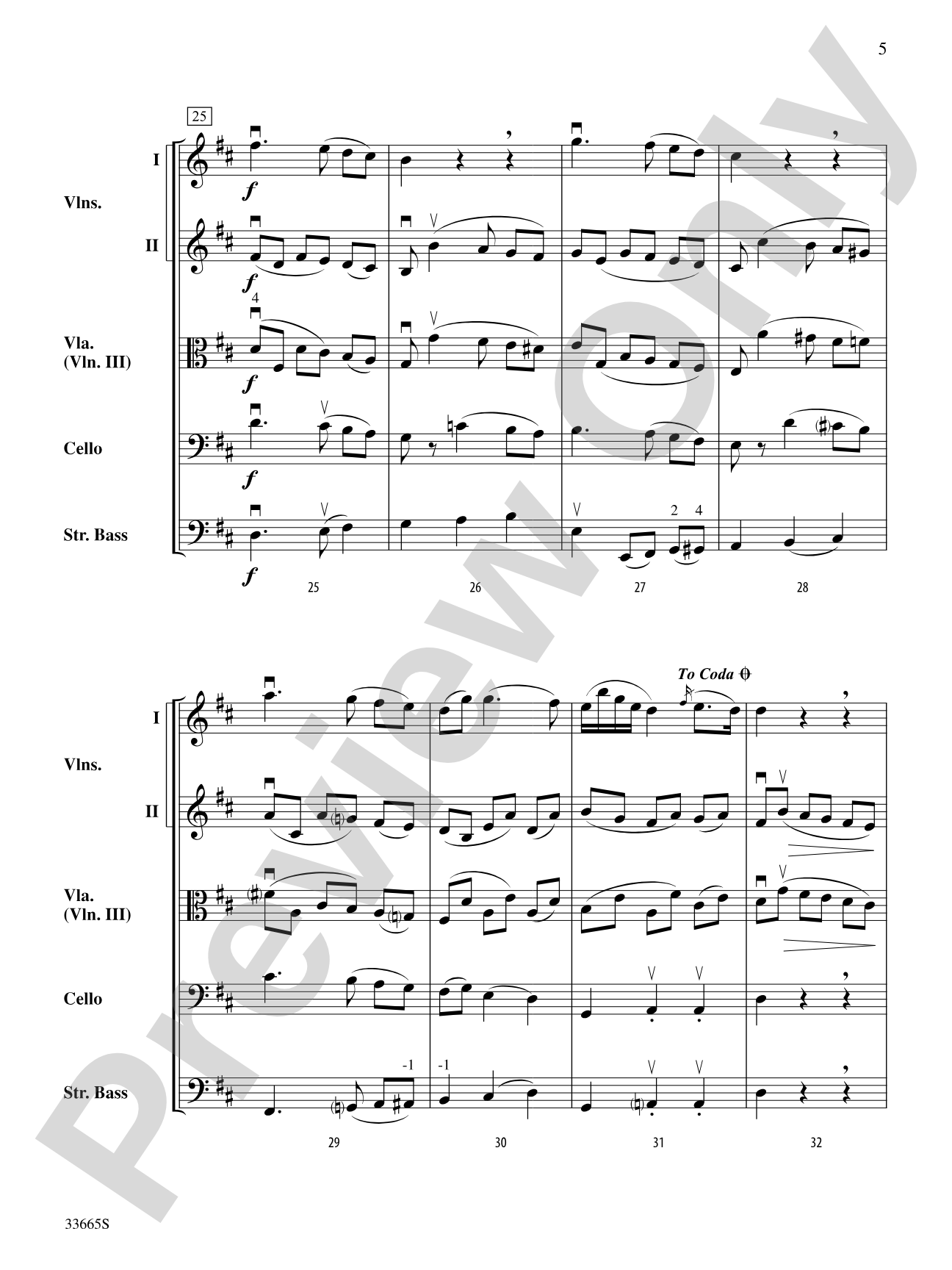
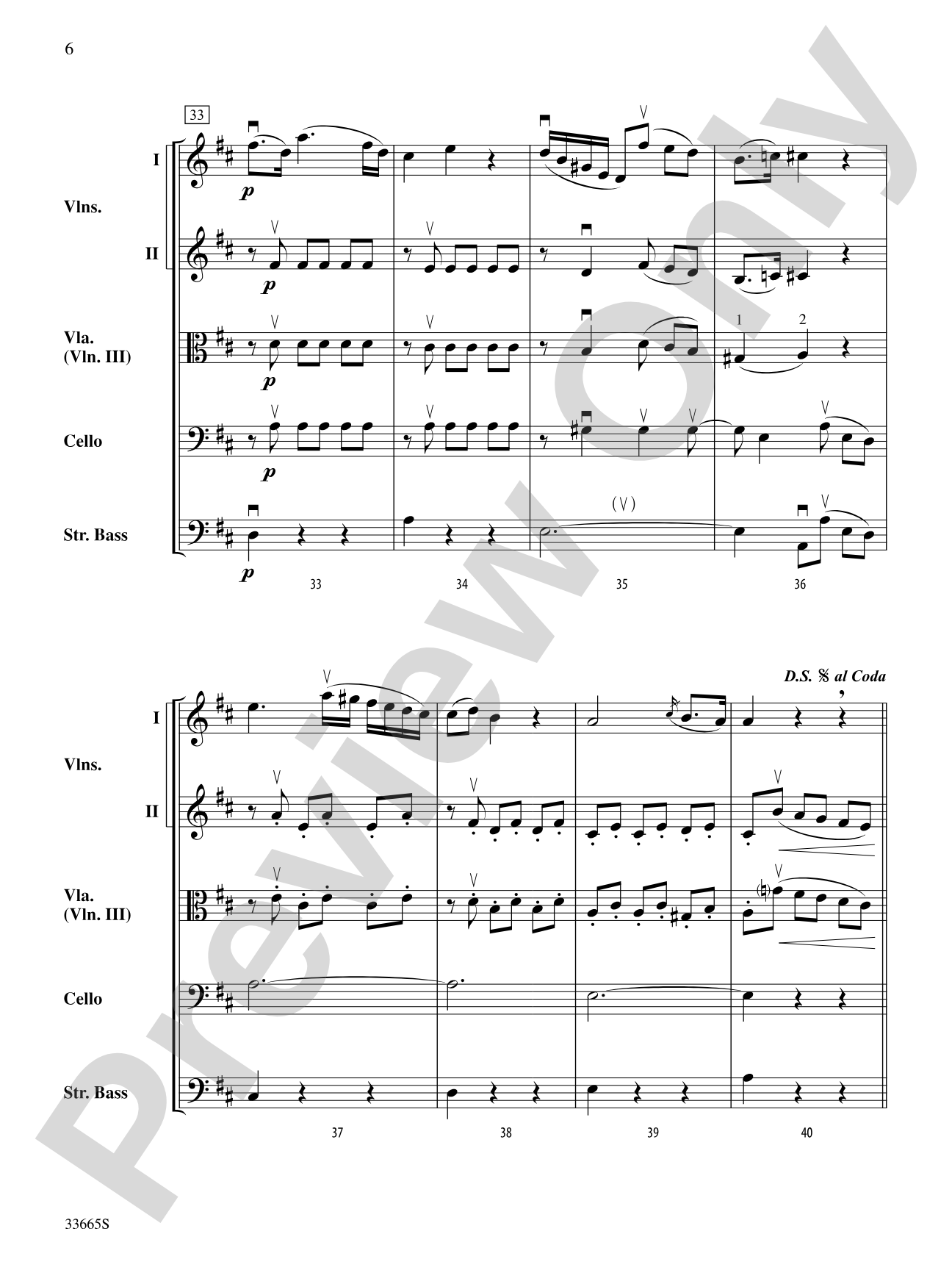
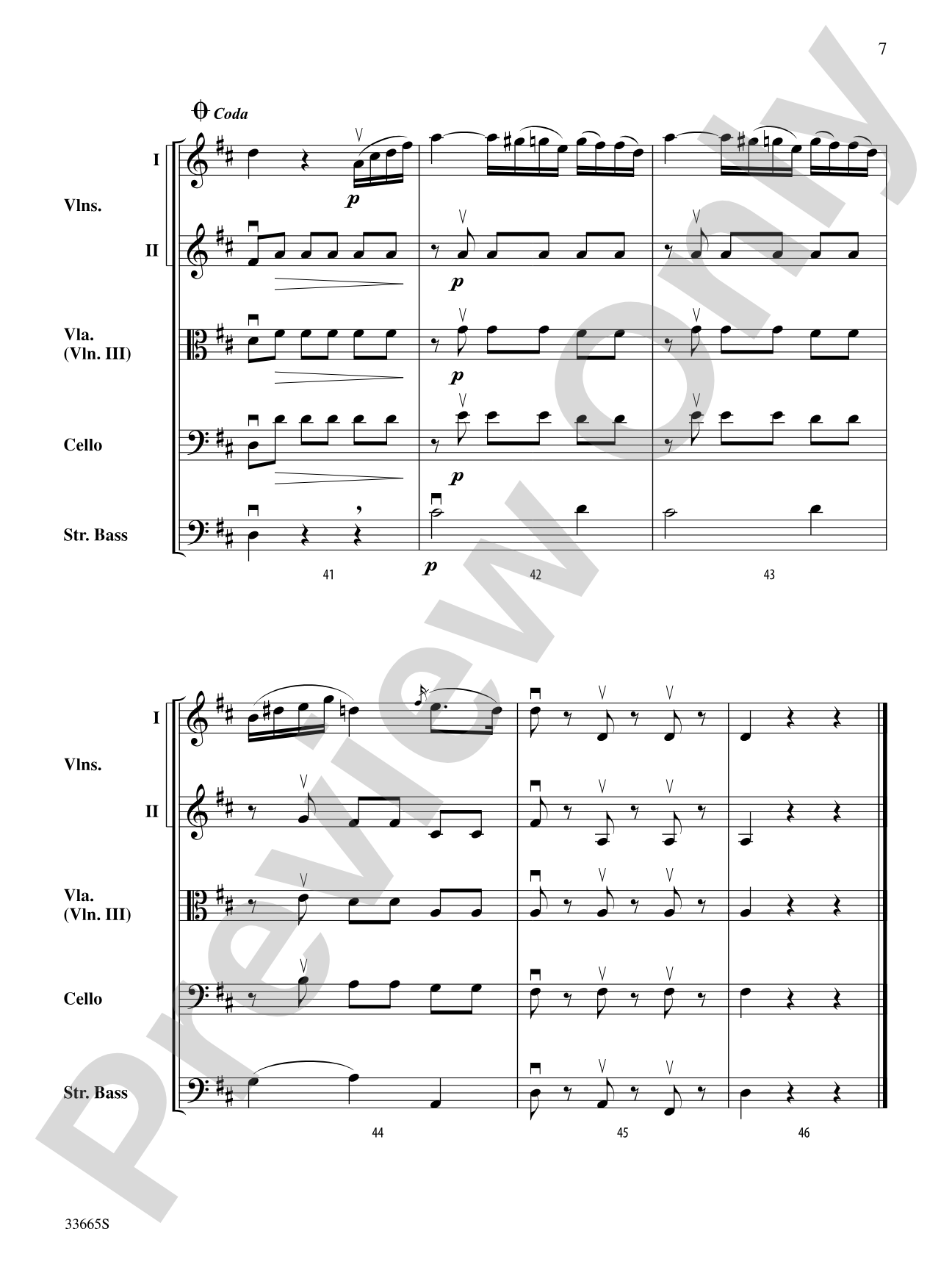


Adagio (from Clarinet Concerto in A Major, K. 622): String Orchestra Conductor Score & Parts
By Wolfgang Amadeus Mozart / arr. Jeffrey E. Turner
Grade: 3
Item: 00-PK-0004162

$45.00
Pickup currently not available
Buy Extra Parts (Digital PDF Download)
Parts Added to Cart!
Description
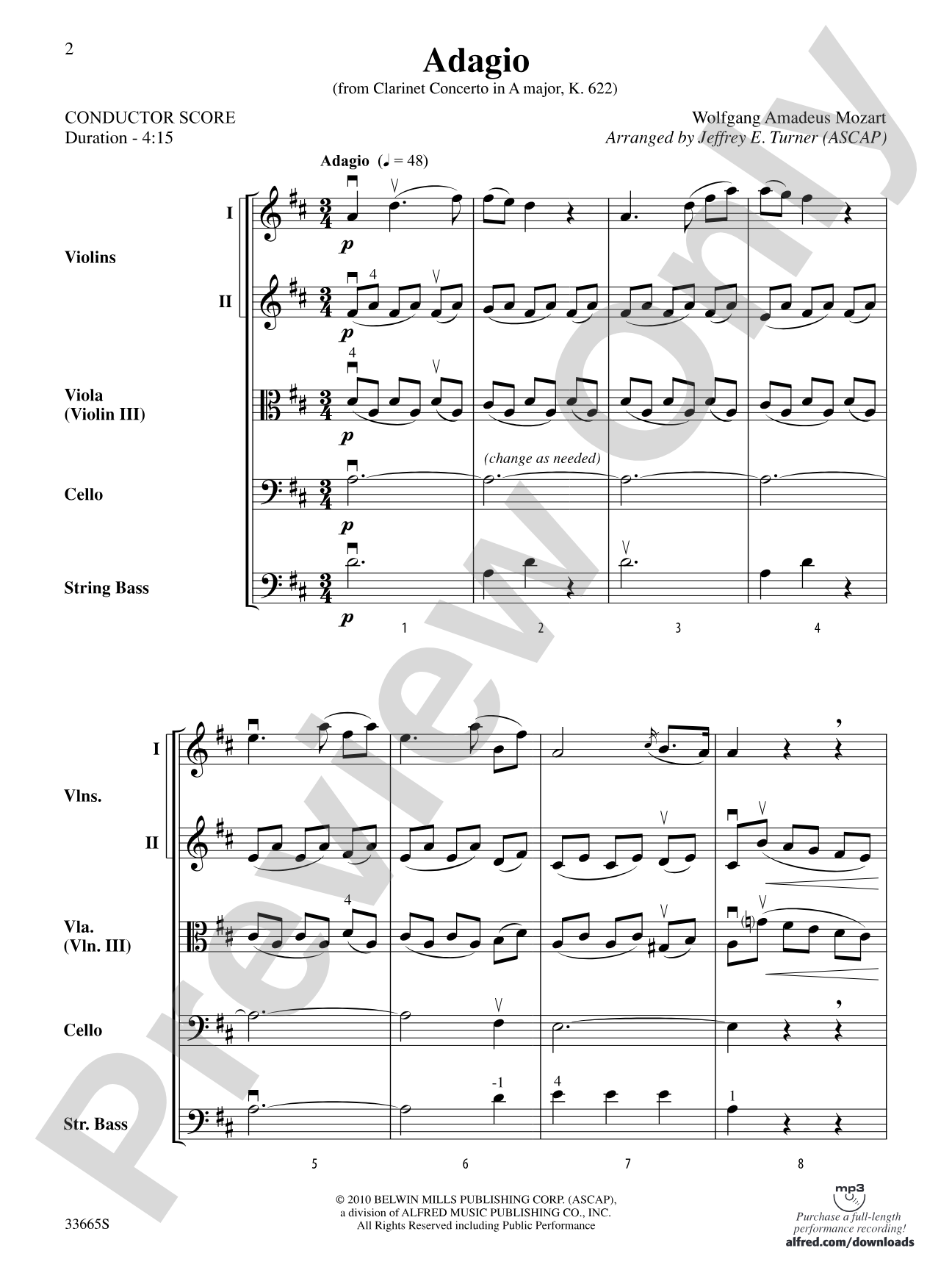
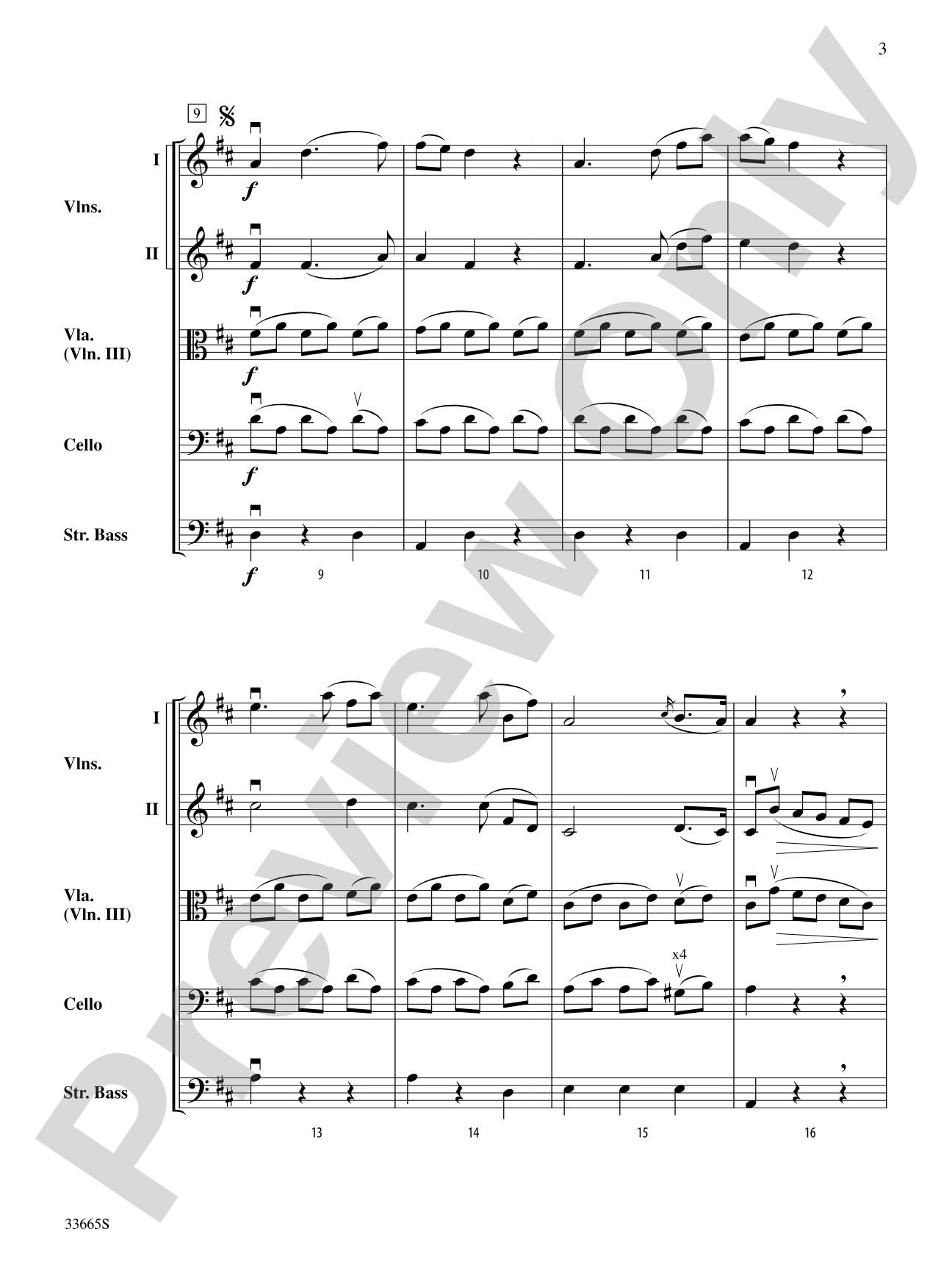
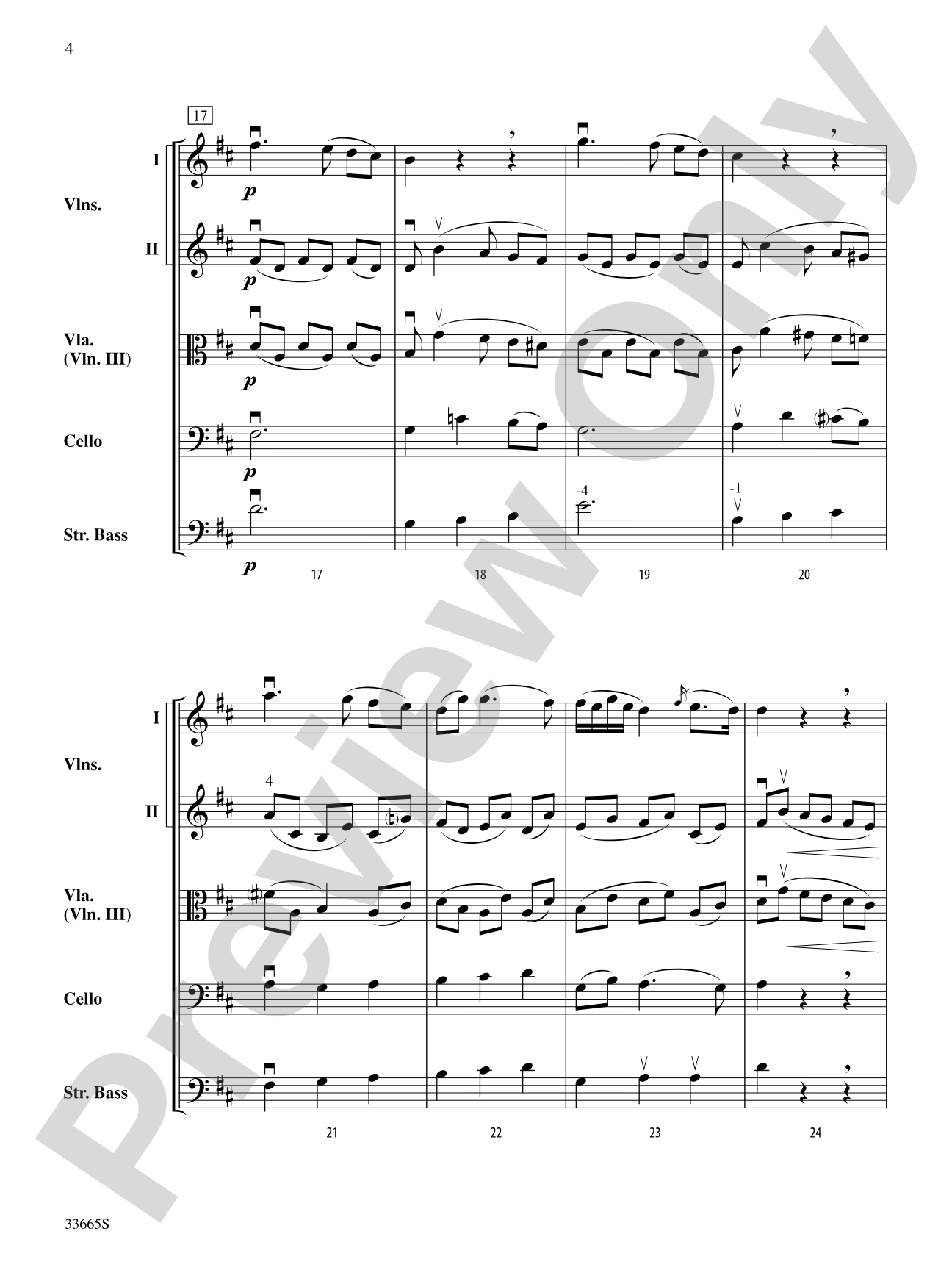
Reflecting the somber mood near the end of Mozart's life, the themes in this piece move from a soft, delicate statement to a rich, lush orchestral answer, showcasing the full dynamic spectrum of the string orchestra. Though playable by young ensembles, careful attention was paid by the arranger to retain as much original material as possible, creating a stunning addition to the repertoire. This title is available in MakeMusic Cloud.


Don't just read it, hear it, play along with it, and watch your students grow with it. In MakeMusic Cloud, Adagio (from Clarinet Concerto in A Major, K. 622): String Orchestra Conductor Score & Parts comes alive with professional accompaniment, adjustable tempo, and built-in practice tools that turn solo practice into real progress.
Open in the Player
Jump straight in and assign it today.
Start Your Free Trial
Open this title and explore the full library in minutes.
Sample Audio
1
Audio File
--:--
0:00
0:00
Sample Video
No sample videos found.
Additional Details
Series:
Belwin Intermediate String Orchestra
Publisher:
Alfred Music
Page Count:
72
SKU:
00-PK-0004162
More about this title
About the Composer: Wolfgang Amadeus Mozart
Wolfgang Amadeus Mozart (1756-1791) composed across every major genre of his era, from opera and symphony to chamber music and concertos. His output was staggering in both volume and quality; he created over 600 works before his death at 35. Mozart's ability to write idiomatically for instruments while maintaining profound emotional depth makes his music enduringly valuable for student ensembles learning to balance technical clarity with expressive depth.
The Clarinet Concerto in A Major, K. 622, stands among Mozart's final compositions. Written near the end of his life, it reflects a maturity of voice and a turn toward introspection; the Adagio movement in particular captures a tender, contemplative quality that reveals why orchestral arrangers continually return to his work.
Why we love this
This arrangement preserves Mozart's elegant voice while remaining genuinely playable for young string orchestras. The string texture unfolds naturally, with the delicate opening statement answered by fuller orchestral sonority, giving students a chance to shape genuine musical architecture rather than simplified gestures. Programming a Mozart masterwork at Grade 3 sends a clear message about your ensemble's musicianship.
What to expect
Quiet and introspective at first, with the violins offering a gentle, singing melody that seems almost private. The orchestral response brings warmth and depth, moving through a richer harmonic landscape before settling back into contemplation. The overall effect is lyrical and mature, with moments of genuine poignancy that remind listeners why this concerto mattered to Mozart at the end of his life.
Who it's for
String orchestras at Grade 3 level seeking authentic classical repertoire that challenges musicianship without requiring advanced technique. Ensembles preparing for contest or festival play will find a piece that stands on musical substance. Directors looking to include Mozart without settling for heavily simplified arrangements will appreciate how much original material Turner retained.
How to get the most out of it
- Shape the opening solo line with careful dynamic control; the 'soft, delicate statement' depends entirely on restraint and singing tone from the first violins.
- Balance the orchestral answer so it answers rather than overwhelms the initial theme. The contrast is meaningful only if both statements have clarity.
- Attend to the full dynamic spectrum mentioned in the description. Mark your parts with specific dynamic targets and rehearse transitions carefully so dynamics feel purposeful, not accidental.
- Use the conductor score to identify where voices take on the melody and where they provide harmonic foundation. This awareness helps each section understand its role in the larger texture.
How to use it
This works beautifully as the centerpiece of a classical music program, paired with a livelier Mozart work or a contrasting contemporary arrangement. Consider programming it as an intermission opener or as the reflective moment in a concert that otherwise features faster repertoire. Its brevity and emotional completeness also make it an excellent choice for festival adjudication.
Skills your students will build
- Balancing solo and tutti textures in a mature orchestral setting
- Shaping long-line melodies with controlled dynamics across phrase arcs
- Responding musically to conductor cues that shape structural answers and echoes
- Reading a full orchestral score while maintaining part independence
- Sustaining sustained notes and harmonic foundation without wavering