Adagio and Canzona Cover Image

Adagio and Canzona: String Orchestra Conductor Score

$5.00 USD
Sale price  $5.00 USD Regular price 
Skip to product information
Adagio and Canzona Cover Image

Adagio and Canzona: String Orchestra Conductor Score

Arranged by Bob Lipton

Grade: 3.5

Item: 98-ST6341S

$5.00
Shipped

One moment…

Description
A slow and starkly beautiful Adagio is followed by a riot of joyous counterpoint in this example of English Baroque writing at its finest. Paying tribute to Saint Cecilia (patron Saint of Musicians), this wonderful music comes from the introduction of the original and features a trio of 2 violins and cello.

Adagio and Canzona: String Orchestra Conductor Score isn't in MakeMusic Cloud just yet...but it could be. Let us know you'd like to see it, and you'll help shape what comes next. In the meantime, start a free trial and dive into thousands of interactive titles your students can play along with today.

Sample Pages

Sample Audio
No sample audio found.
Sample Video
Additional Details
Series: FJH String Orchestra
Publisher: The FJH Music Company, Inc.
UPC: 241444573778
SKU: 98-ST6341S

More about this title

About the Arranger: Bob Lipton
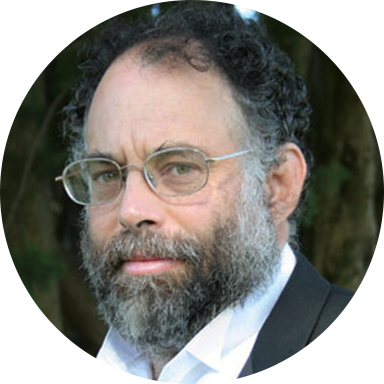
Bob Lipton

Bob Lipton holds a B.M. in music education from San Francisco State University and has spent the last 19 years teaching middle school orchestra and band in Silicon Valley, California. As a tuba player, he has performed with major West Coast orchestras including the San Jose, Oakland, Napa, Monterey, and Berkeley symphonies, and his performance credits span jazz festivals in San Francisco and Frankfurt, film awards in Mumbai, and touring engagements with the Colombia Artists Bel Canto Brass.

Beyond his classroom work, Lipton maintains an active life as a performer and arranger for brass quintet. His dual expertise in orchestral teaching and professional performance informs his arrangements for young string orchestras and bands, bringing both pedagogical insight and real-world musicianship to every score he creates.

Why we love this

This arrangement captures the emotional depth of English Baroque writing while remaining fully accessible to intermediate string players. The contrast between the austere Adagio and the spirited, contrapuntal Canzona gives students a genuine encounter with period style without requiring advanced technique, making it ideal repertoire for festivals and concerts where artistic substance matters.

What to expect

The Adagio unfolds with stark beauty and contemplative calm, invoking the reverence due to the patron saint of musicians. The Canzona then explodes into celebration, its bright counterpoint weaving the voices together in a cascade of joy that feels both intricate and completely natural.

Who it's for

Intermediate string orchestras at the middle school and early high school level who are ready to explore Baroque music with musical sophistication. This score works for conductors seeking concert-worthy repertoire that challenges students without overwhelming them technically.

How to get the most out of it

  • Shape the opening Adagio with long, singing lines and allow silence to breathe; resist the urge to rush between phrases.
  • In the Canzona's counterpoint, balance the three independent melodic voices (2 violins and cello) so each line emerges clearly without forcing volume.
  • Mark the transition between sections carefully in rehearsal so students hear the dramatic shift from stillness to joyful energy.
  • Balance the trio passages by seating violas and second violins where they can support the conversation between the upper and lower voices.

How to use it

Open a concert with this pairing to establish an artistic tone and show the range of your ensemble's musicality. Its contest/festival designation makes it particularly effective on adjudicated programs where the Baroque style and emotional arc create a memorable first impression.

Skills your students will build

  • Baroque phrasing and articulation conventions
  • Independent line playing within contrapuntal textures
  • Dynamic control and sustained tone in slow movements
  • Ensemble balance among three interweaving melodic voices
  • Stylistic contrast between slow and fast sections

You May Also Like