

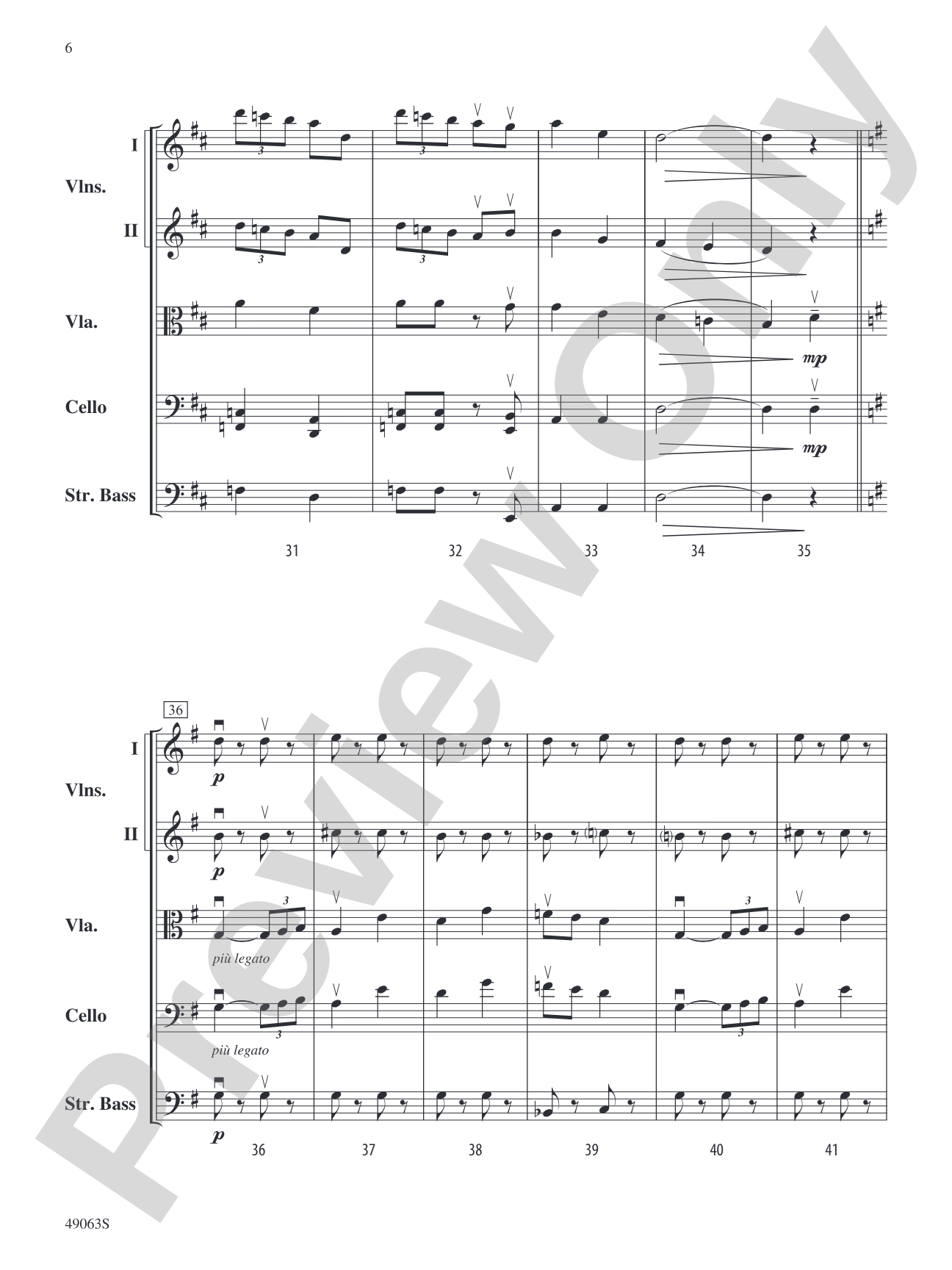
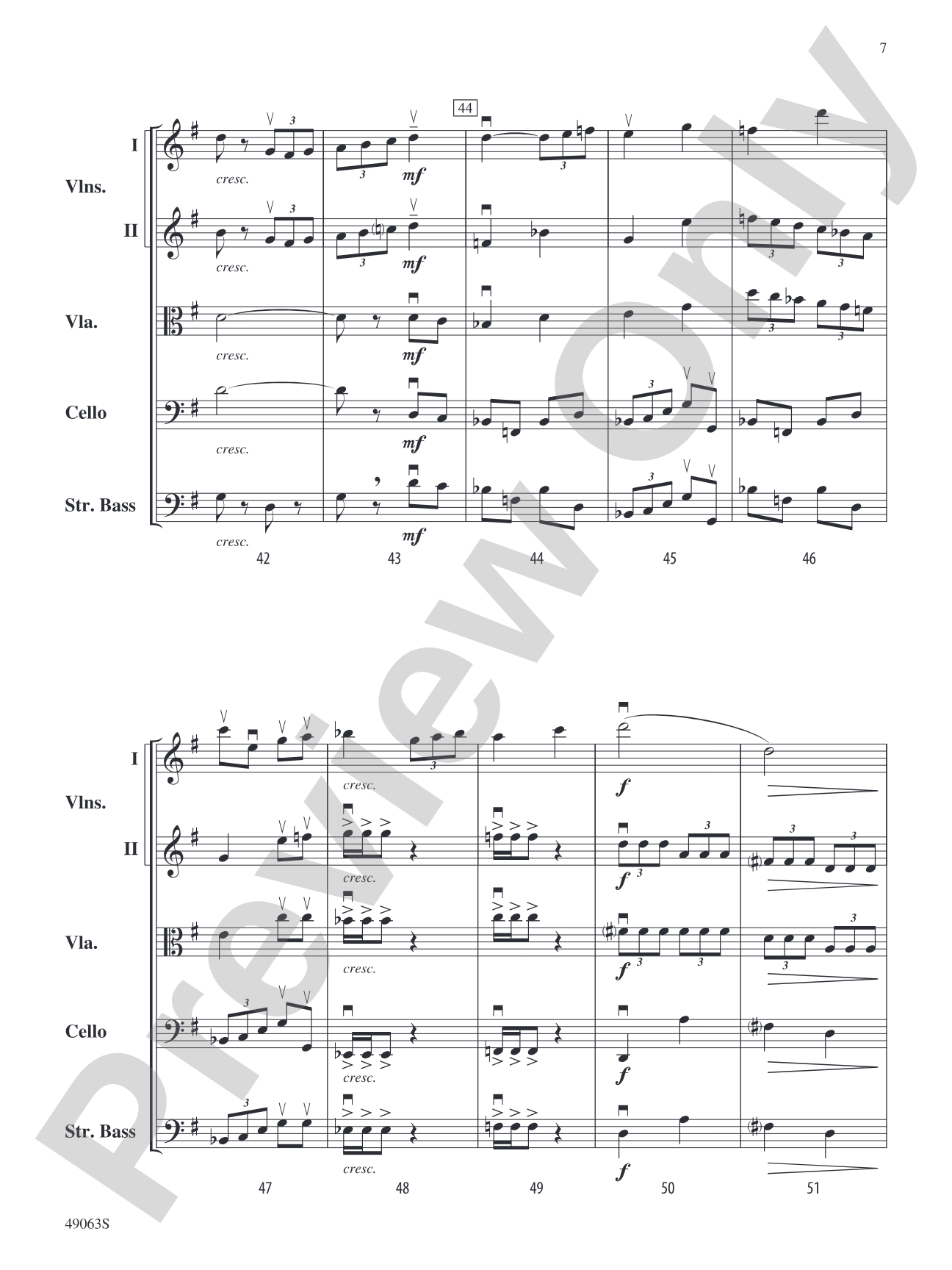
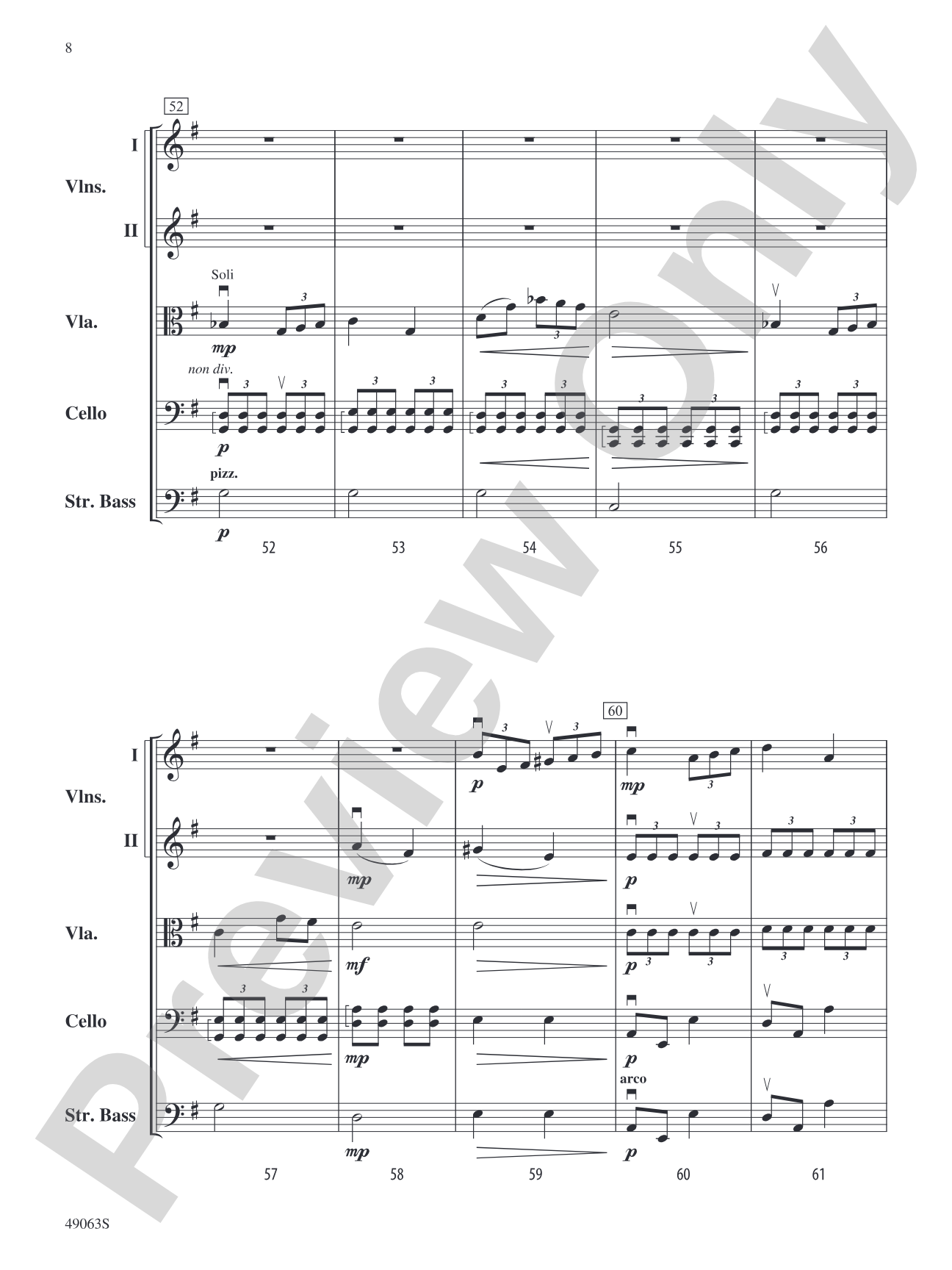
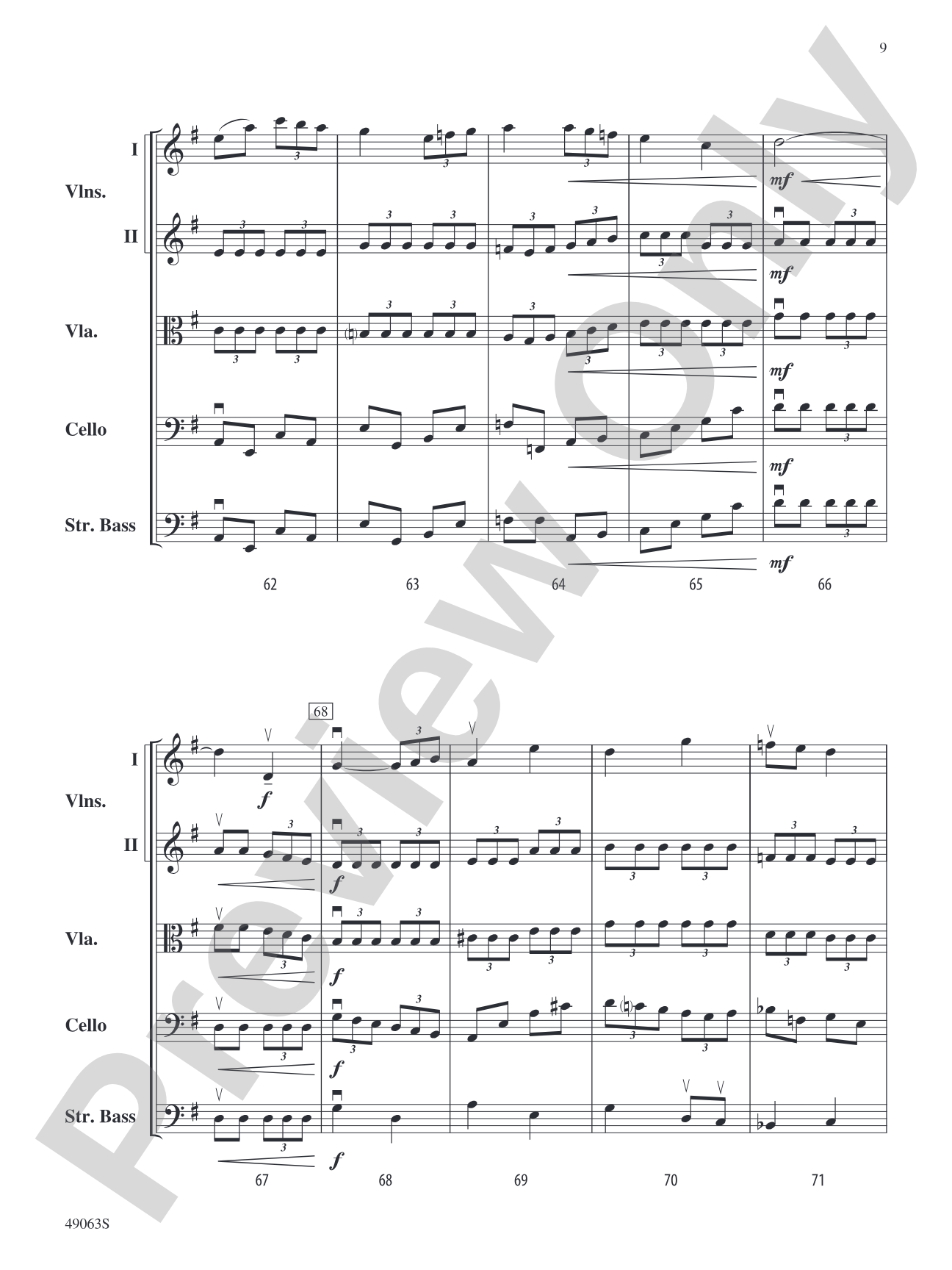
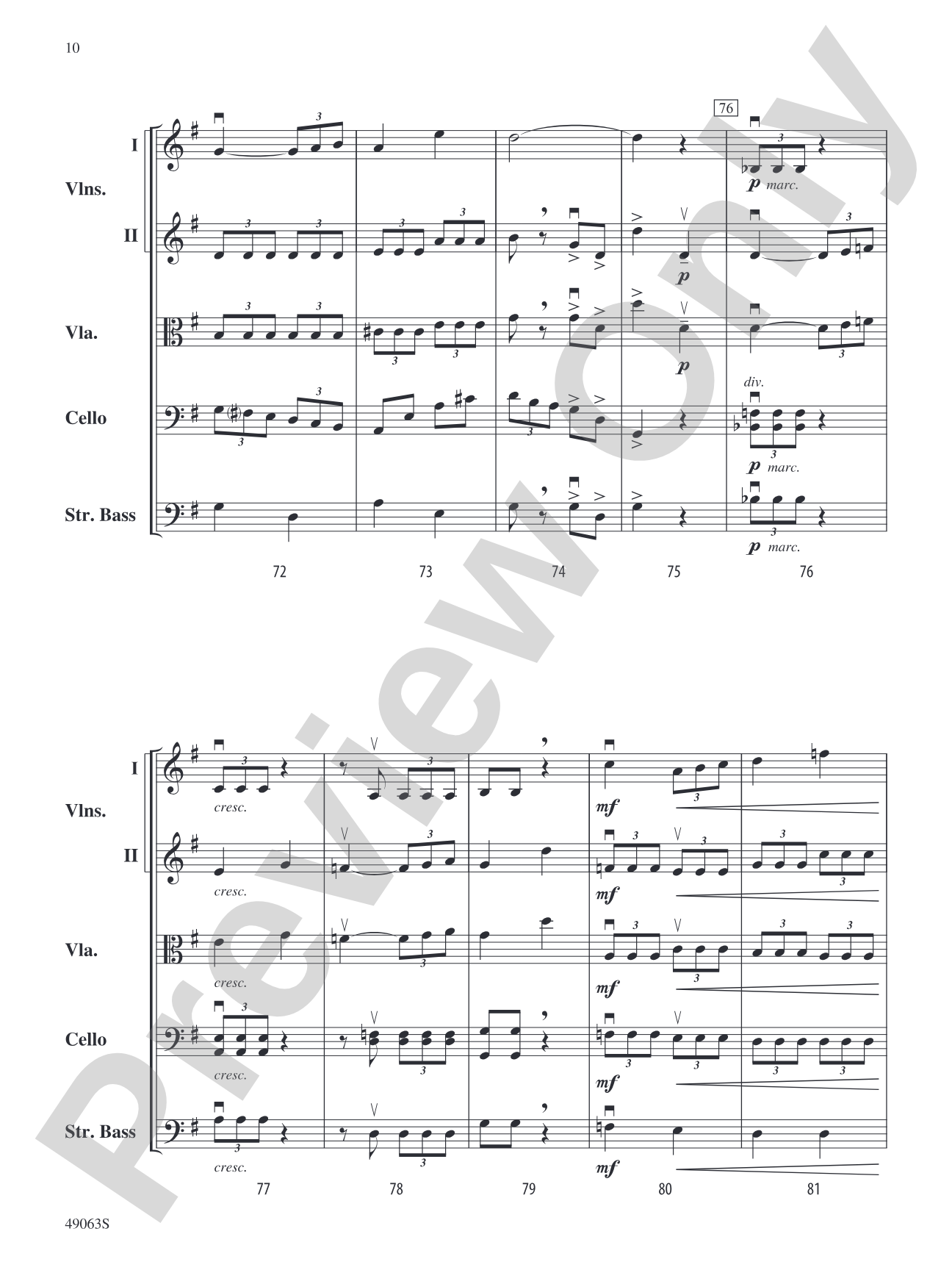
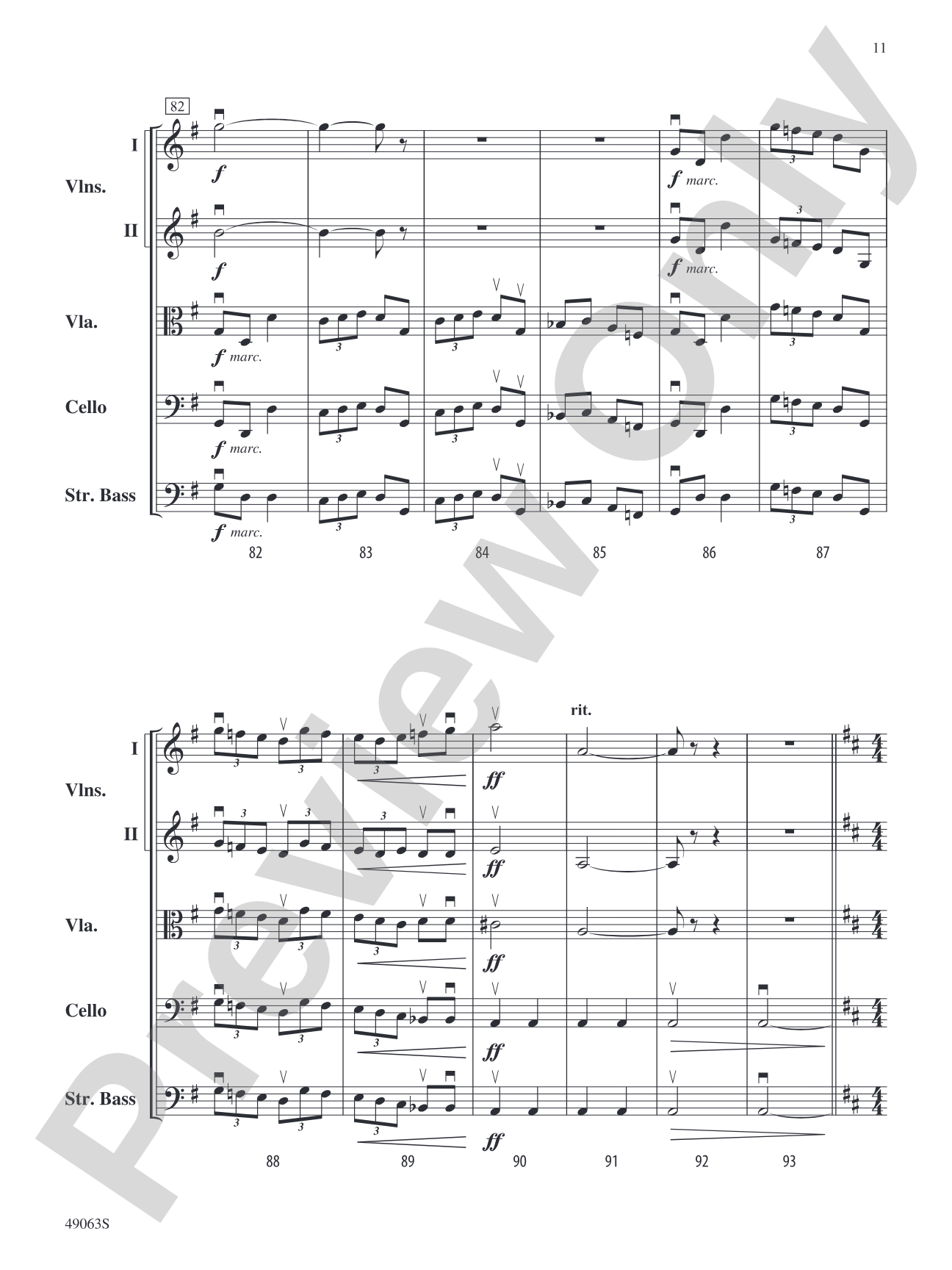
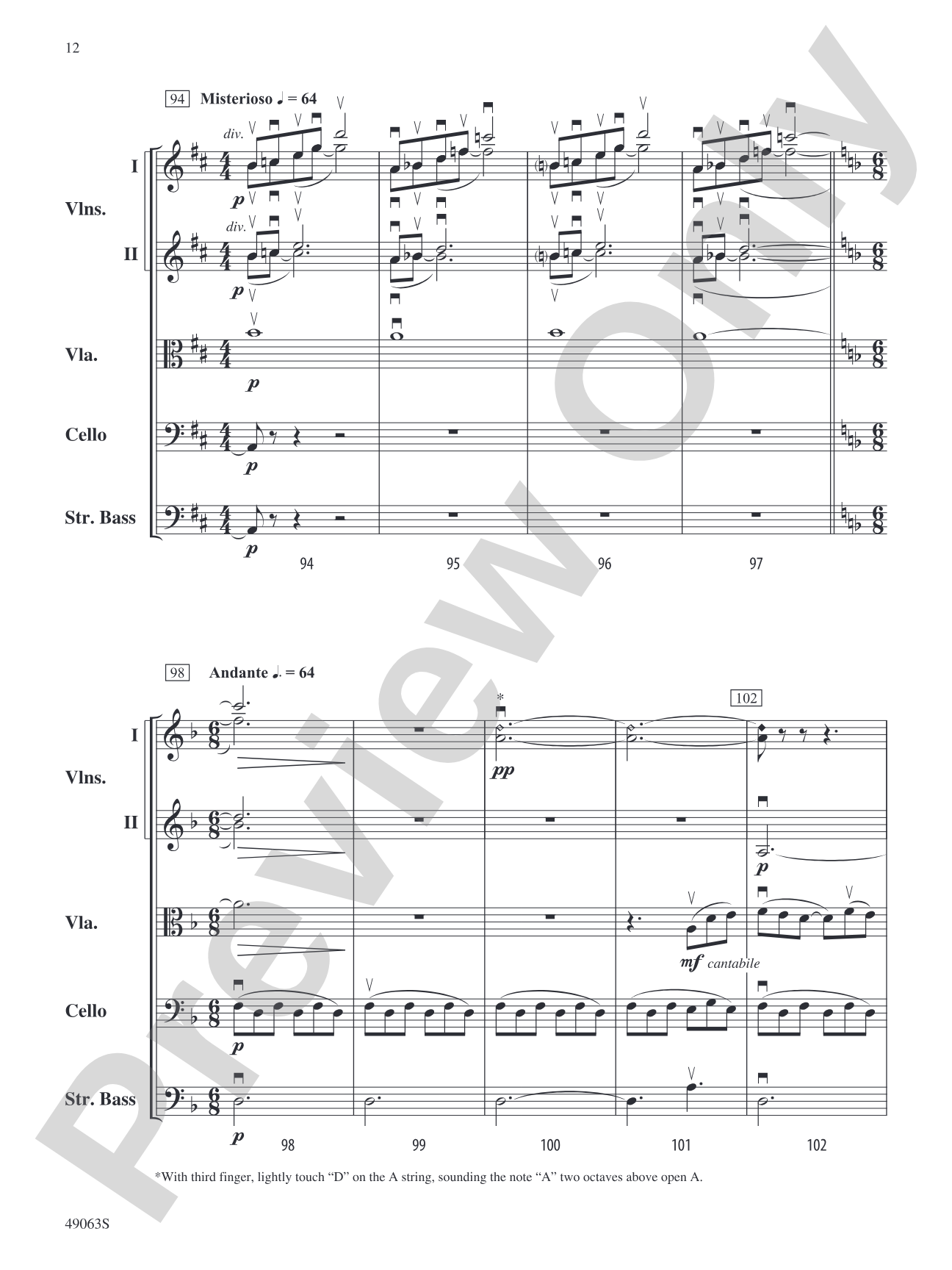
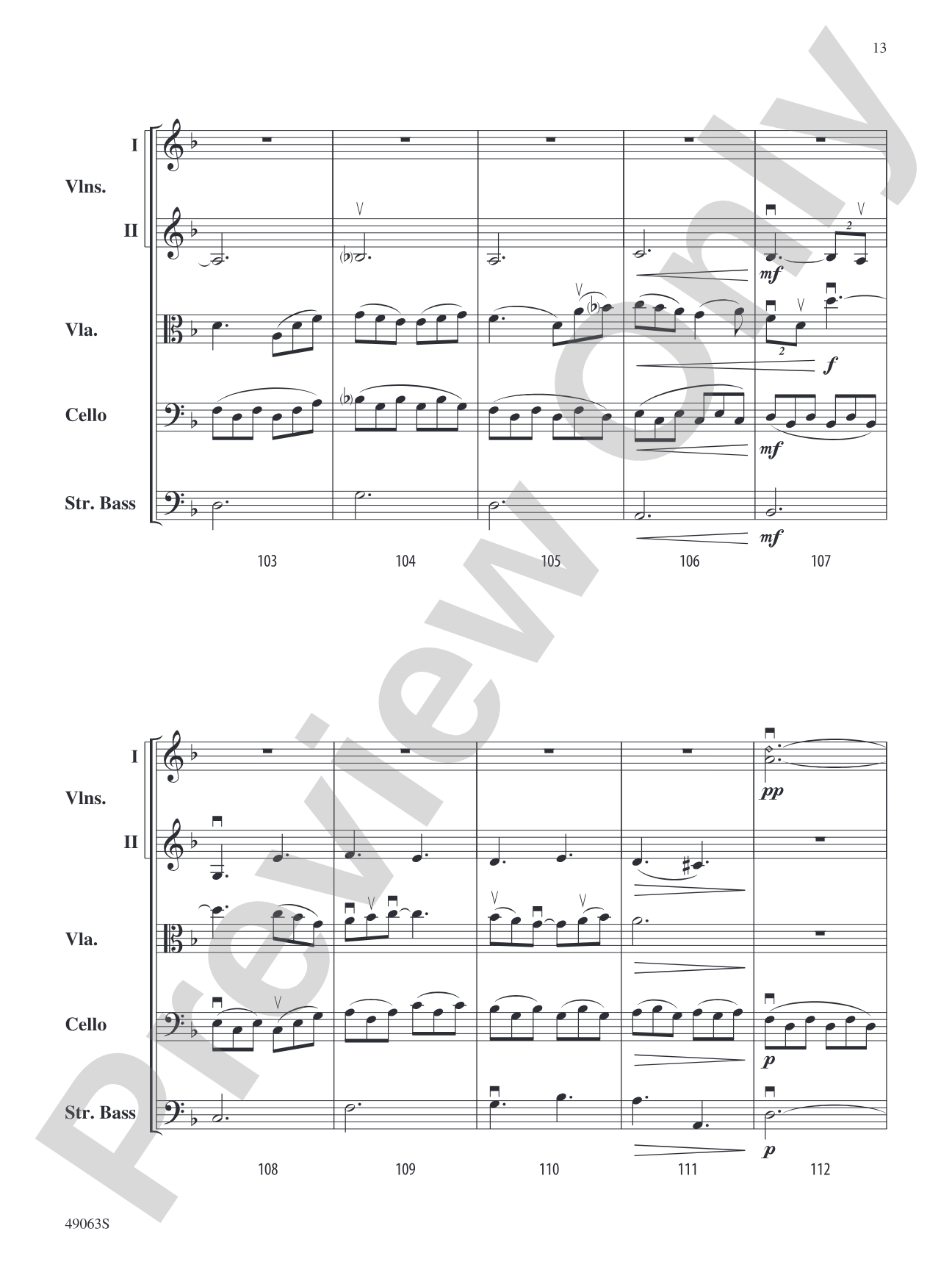
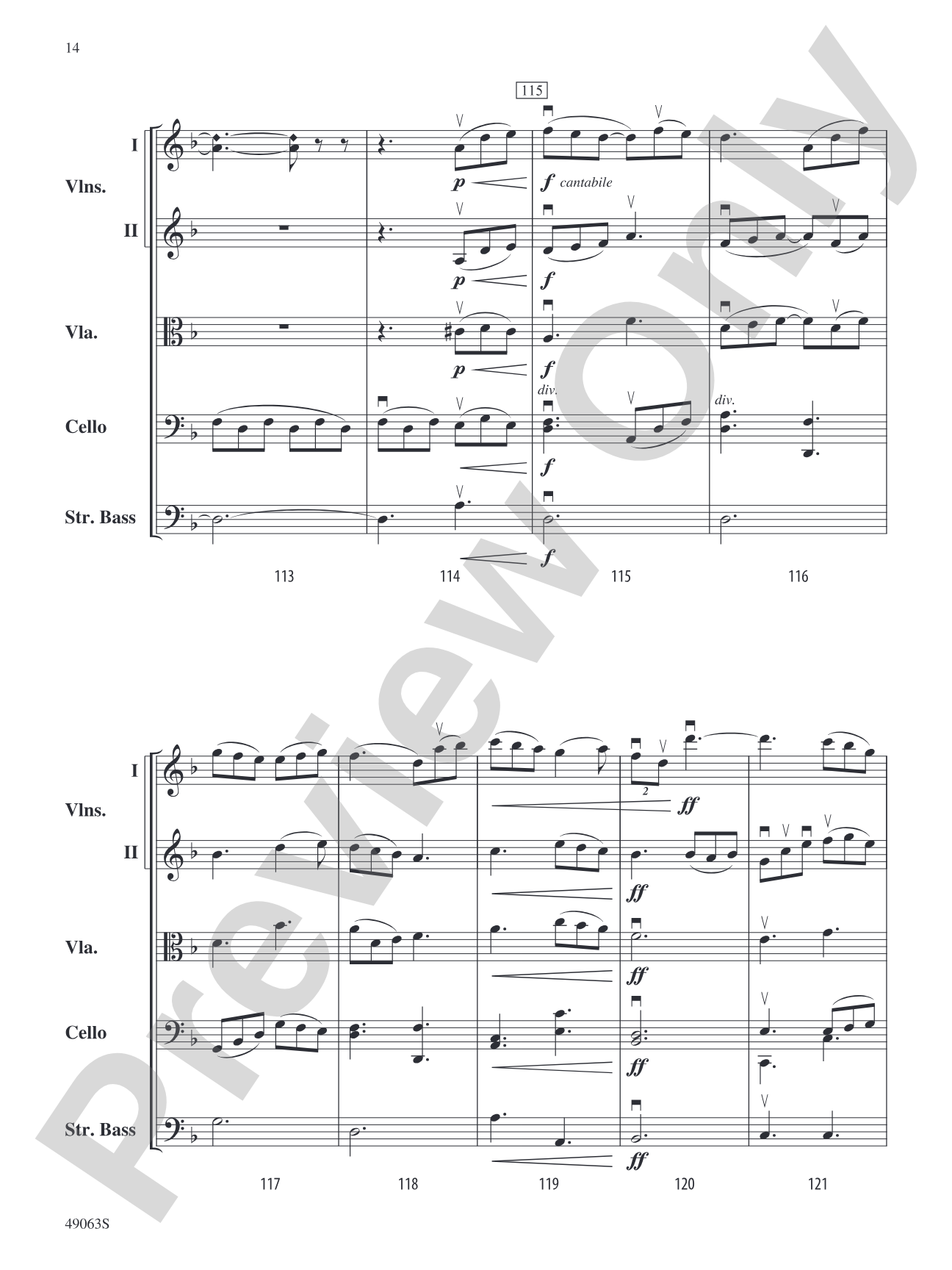
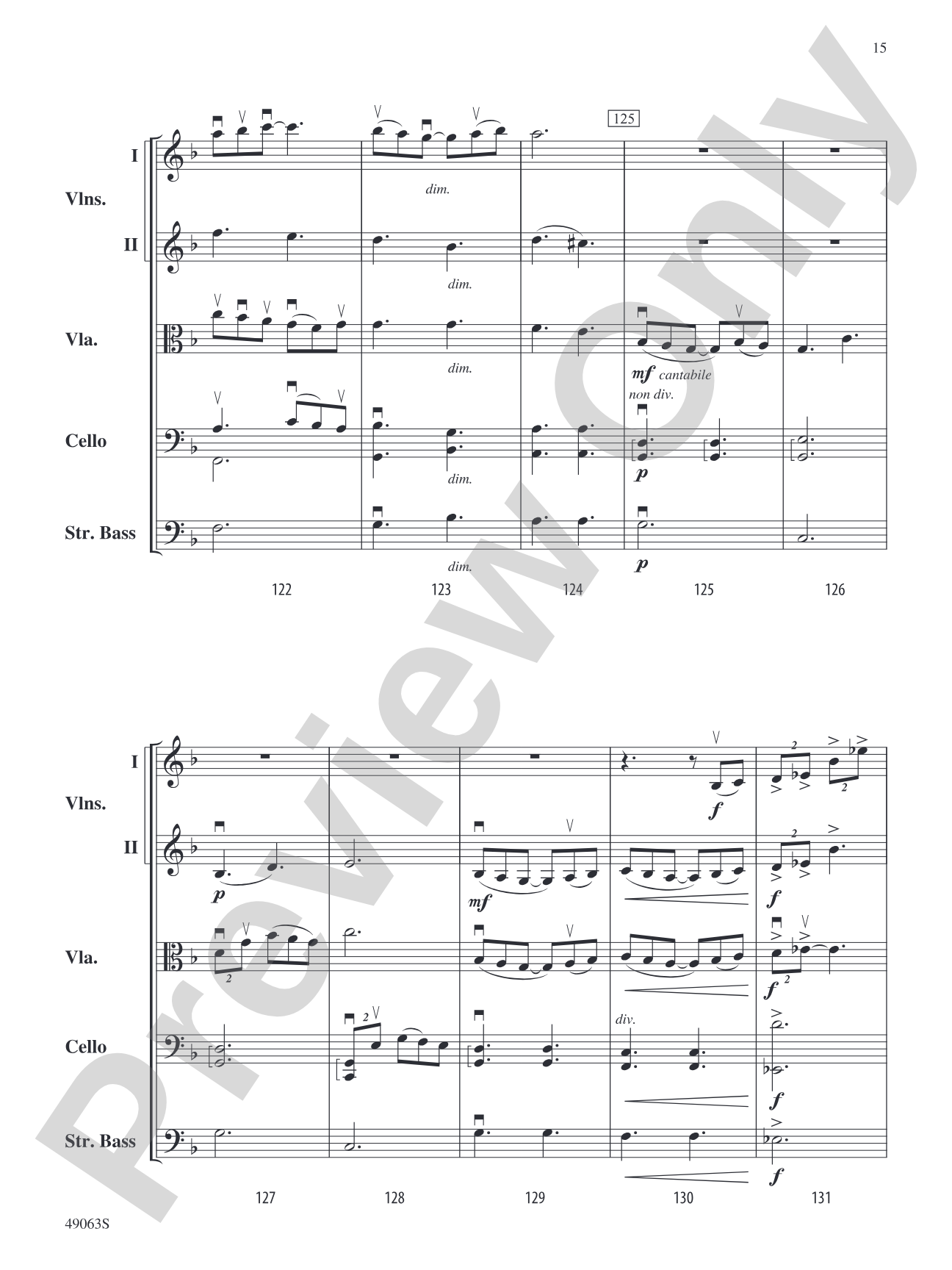
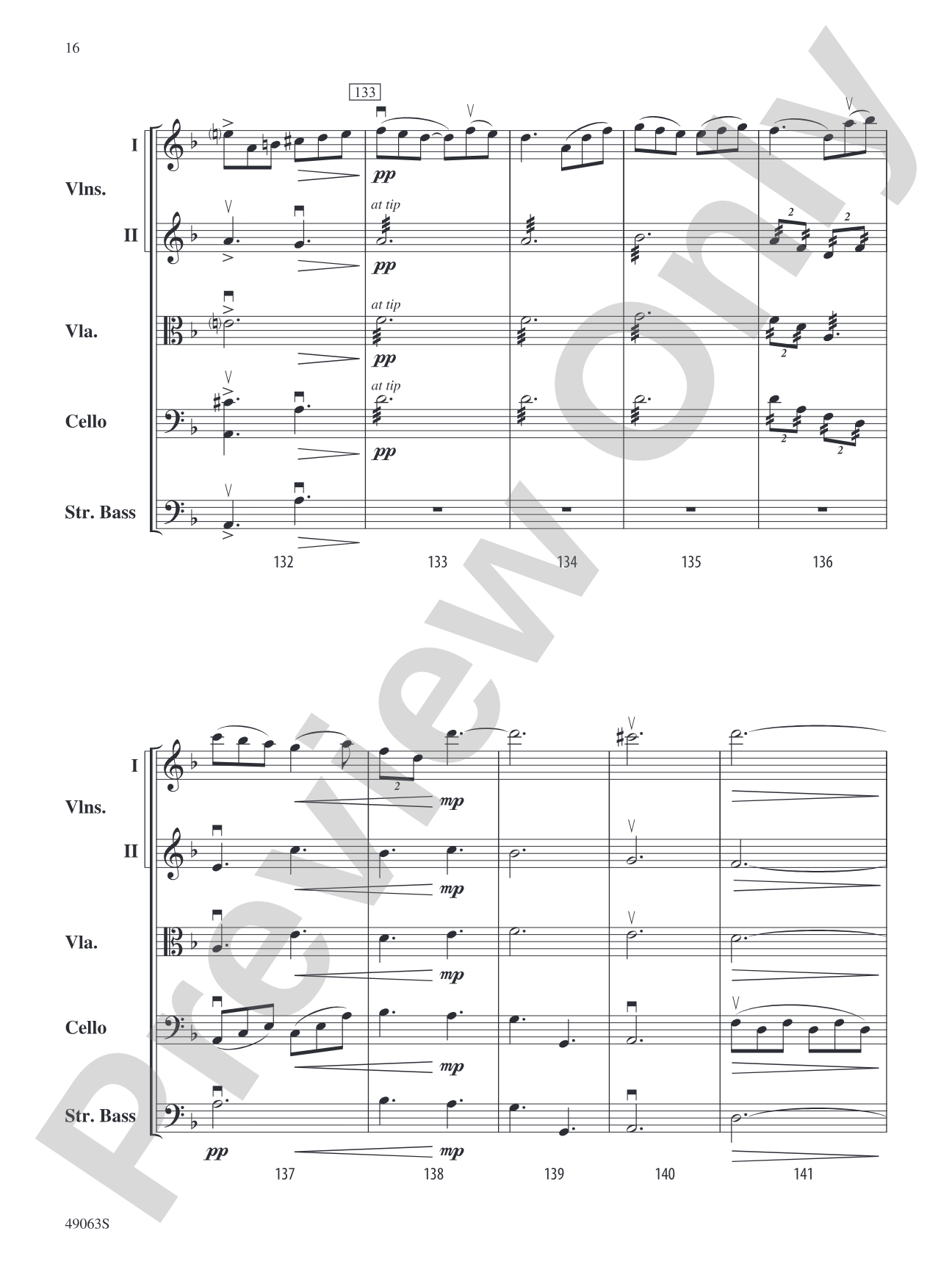
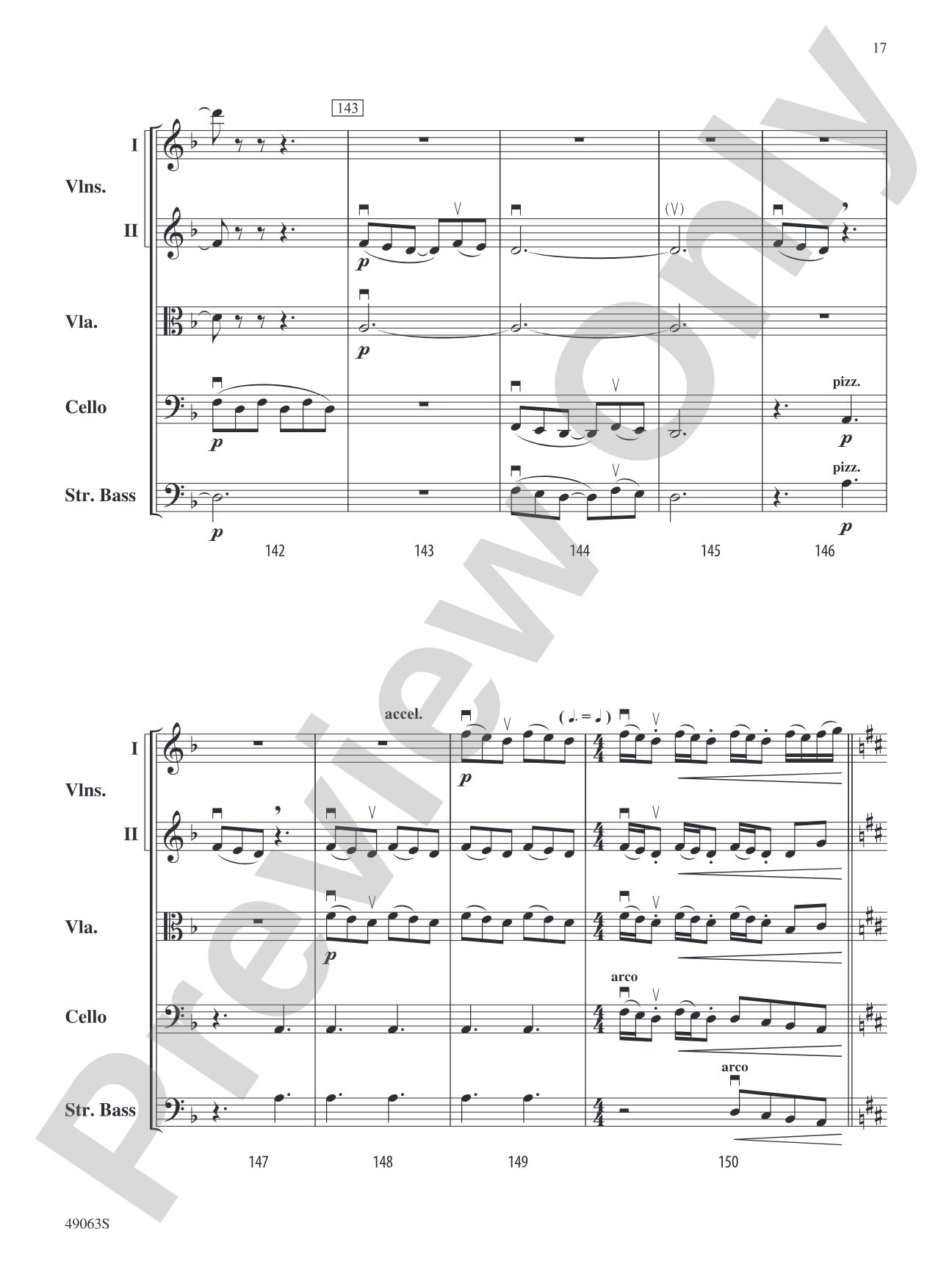
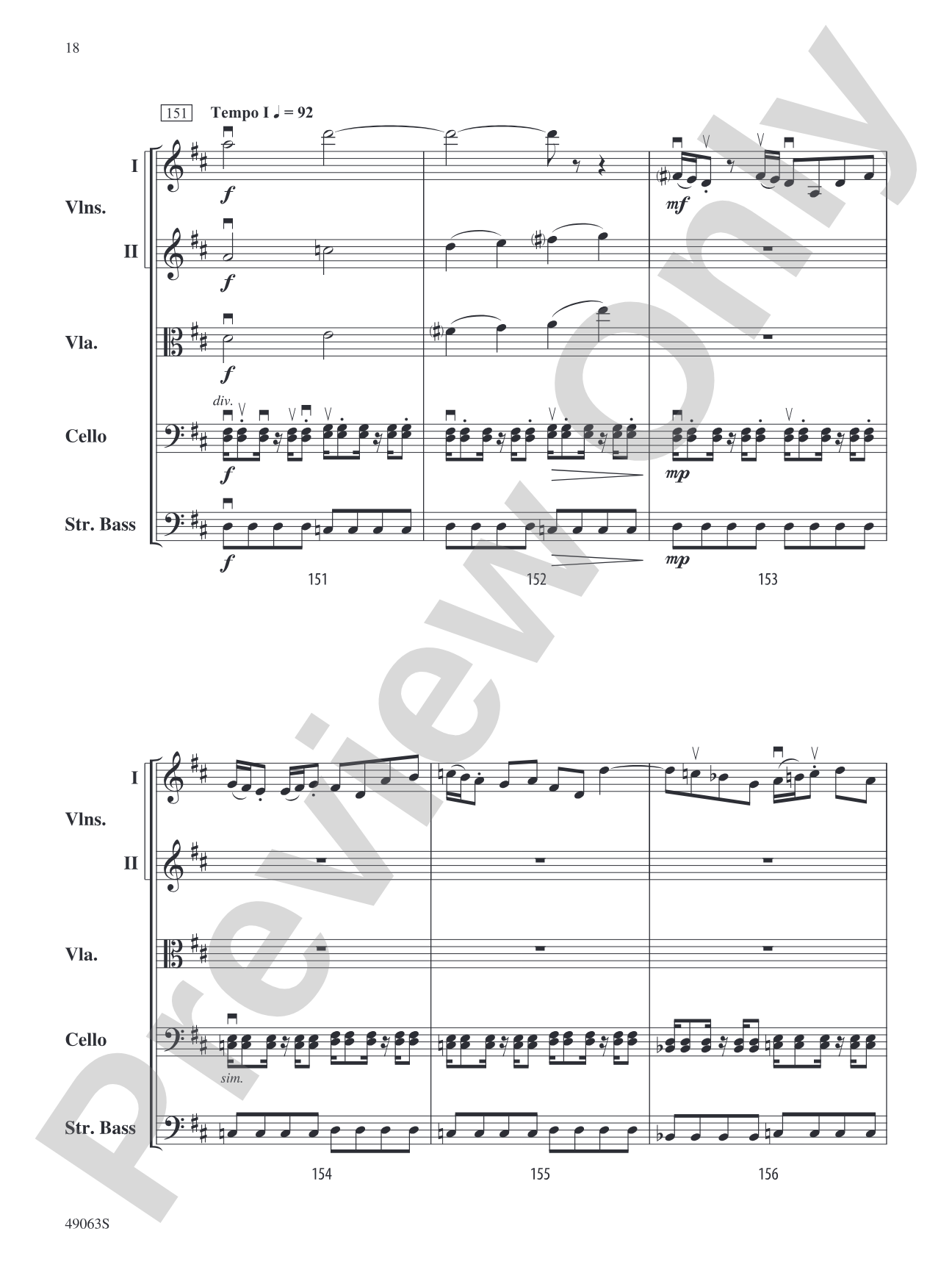
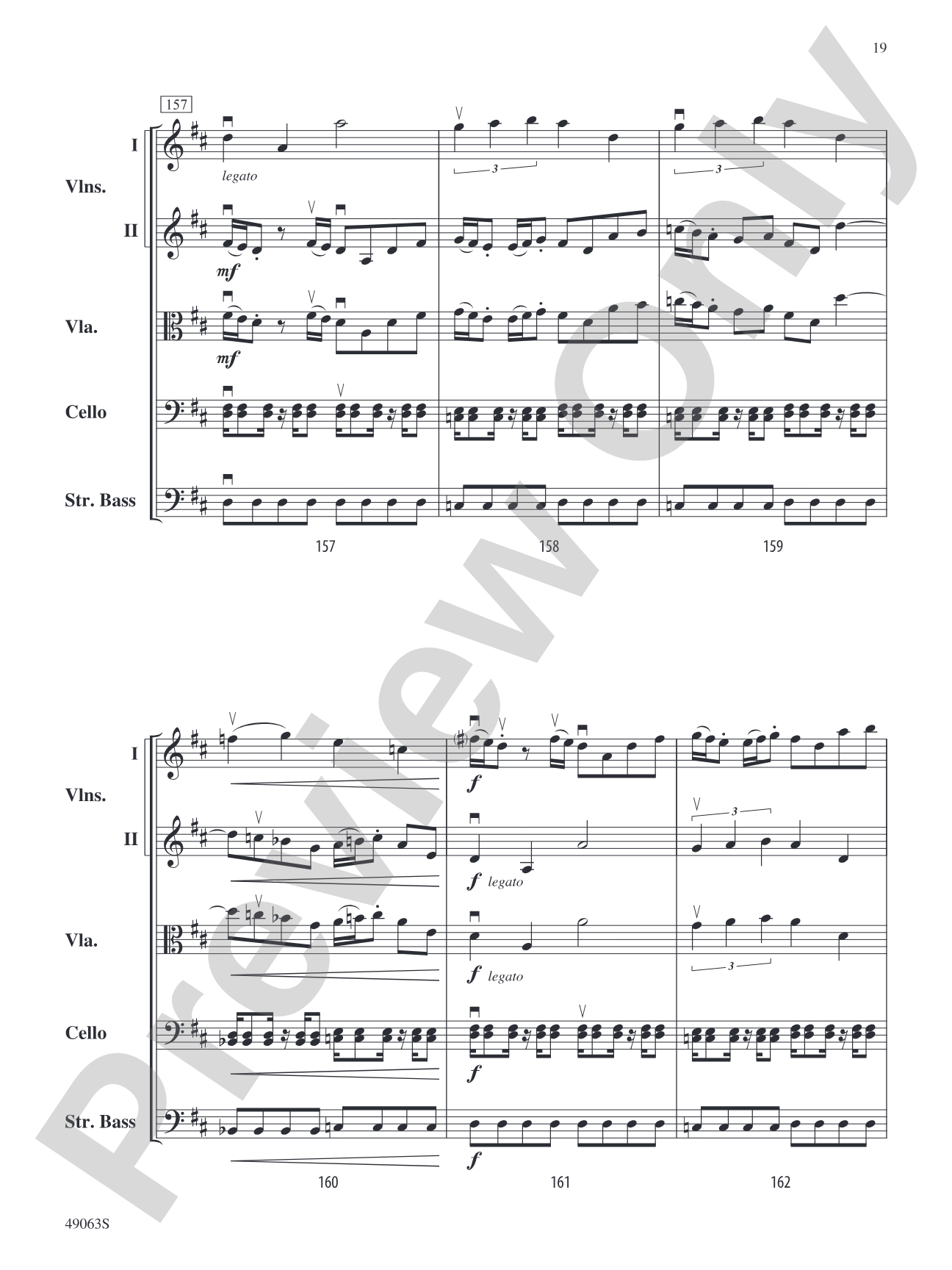
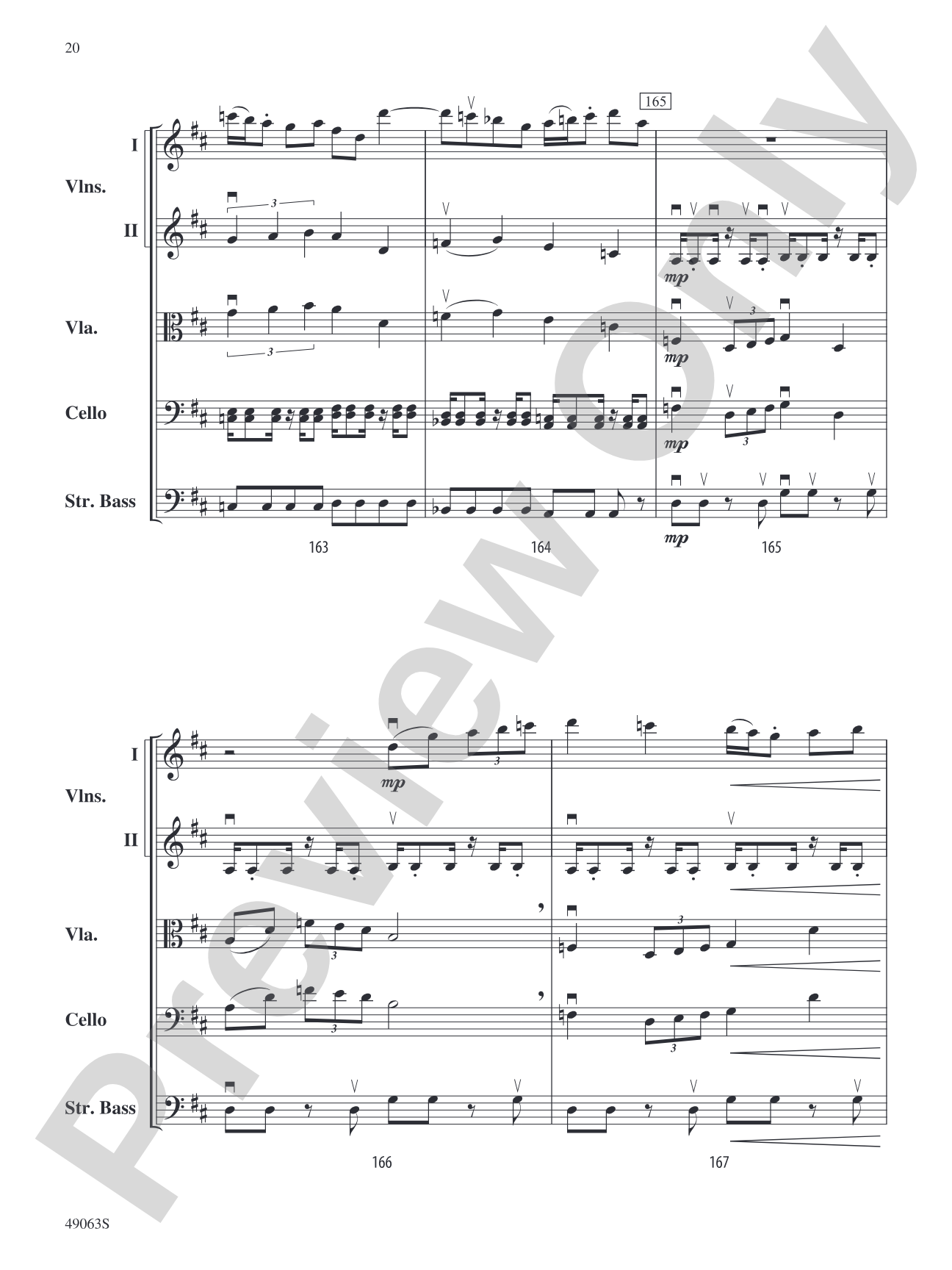
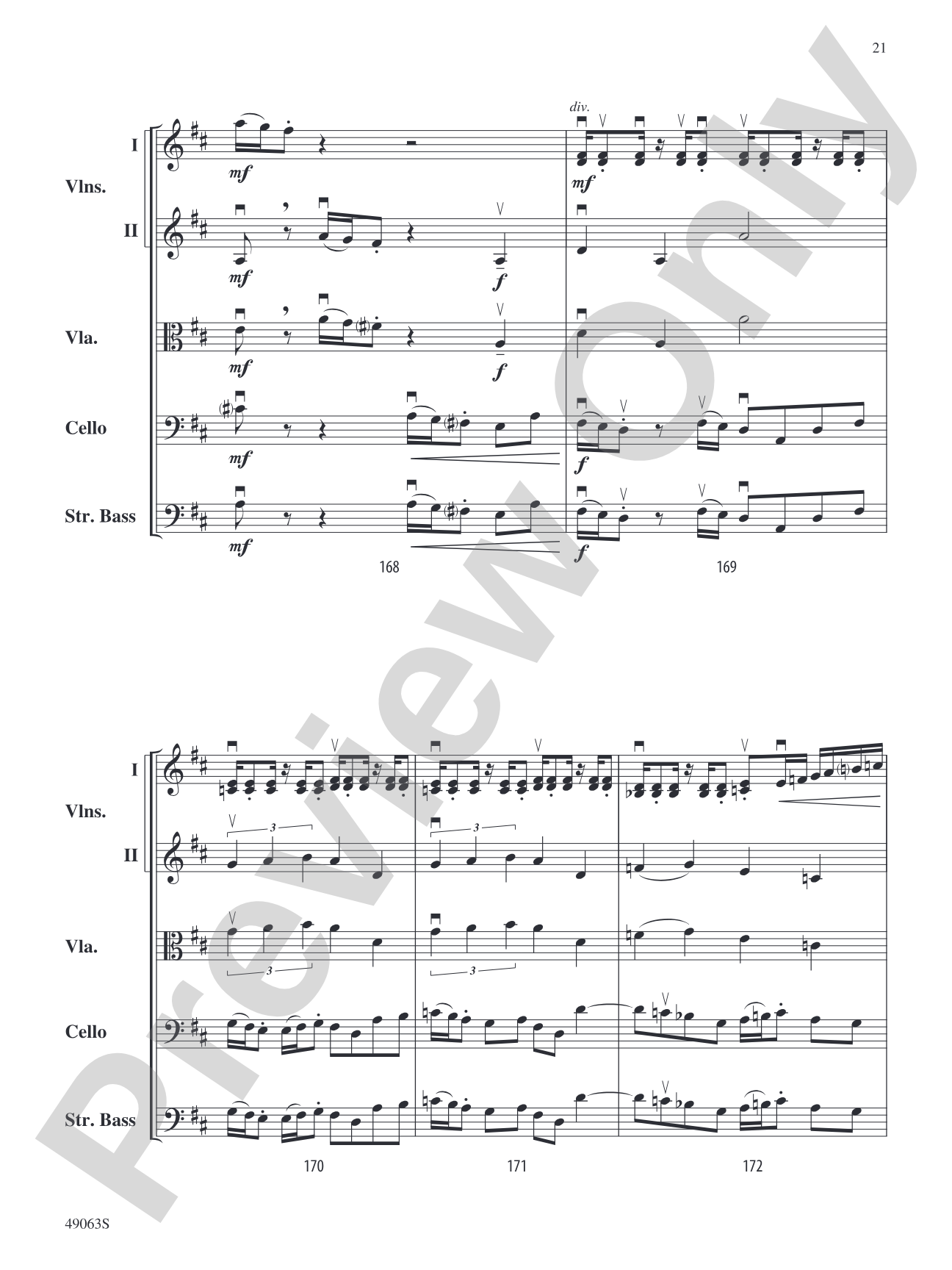
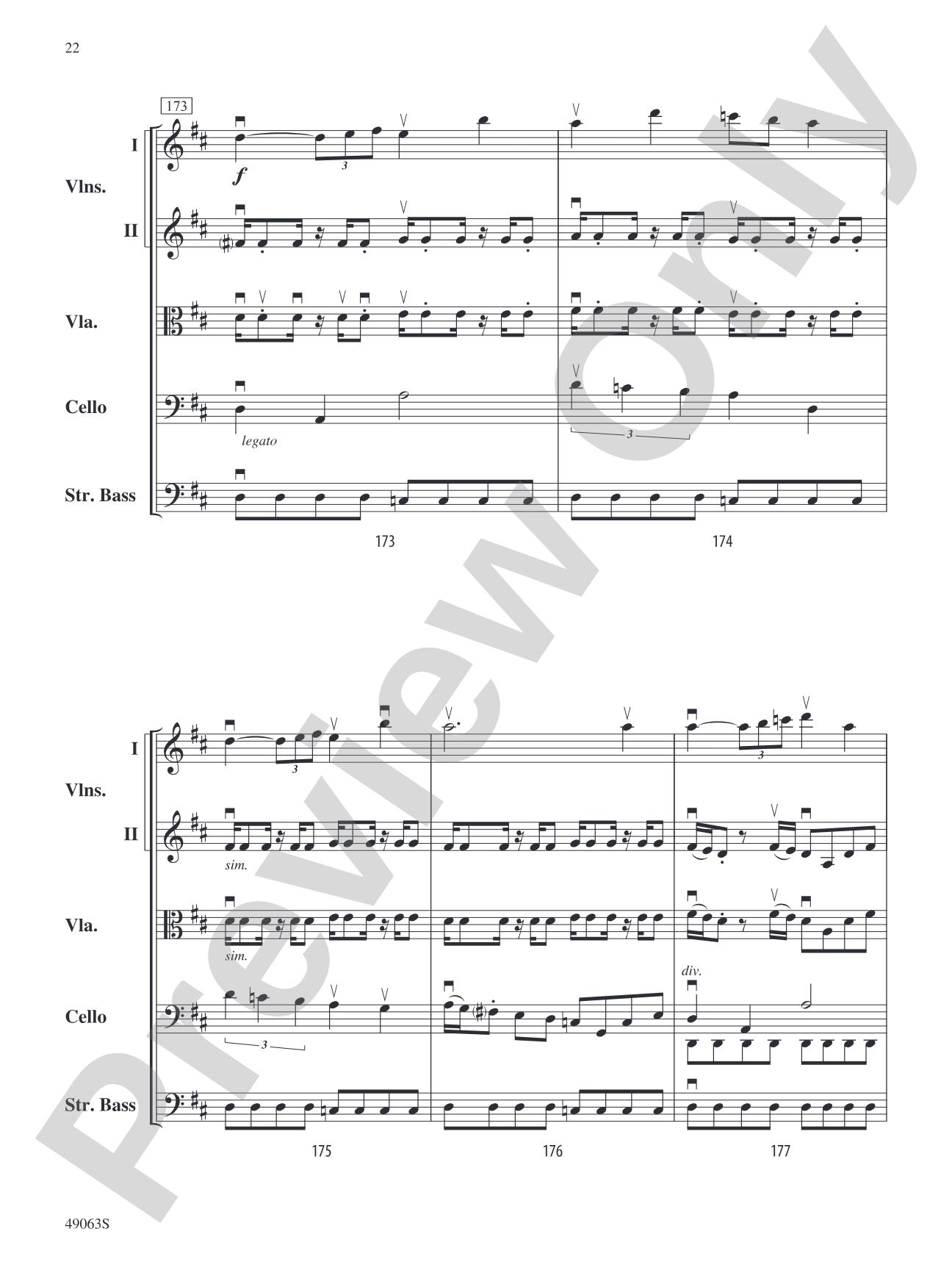
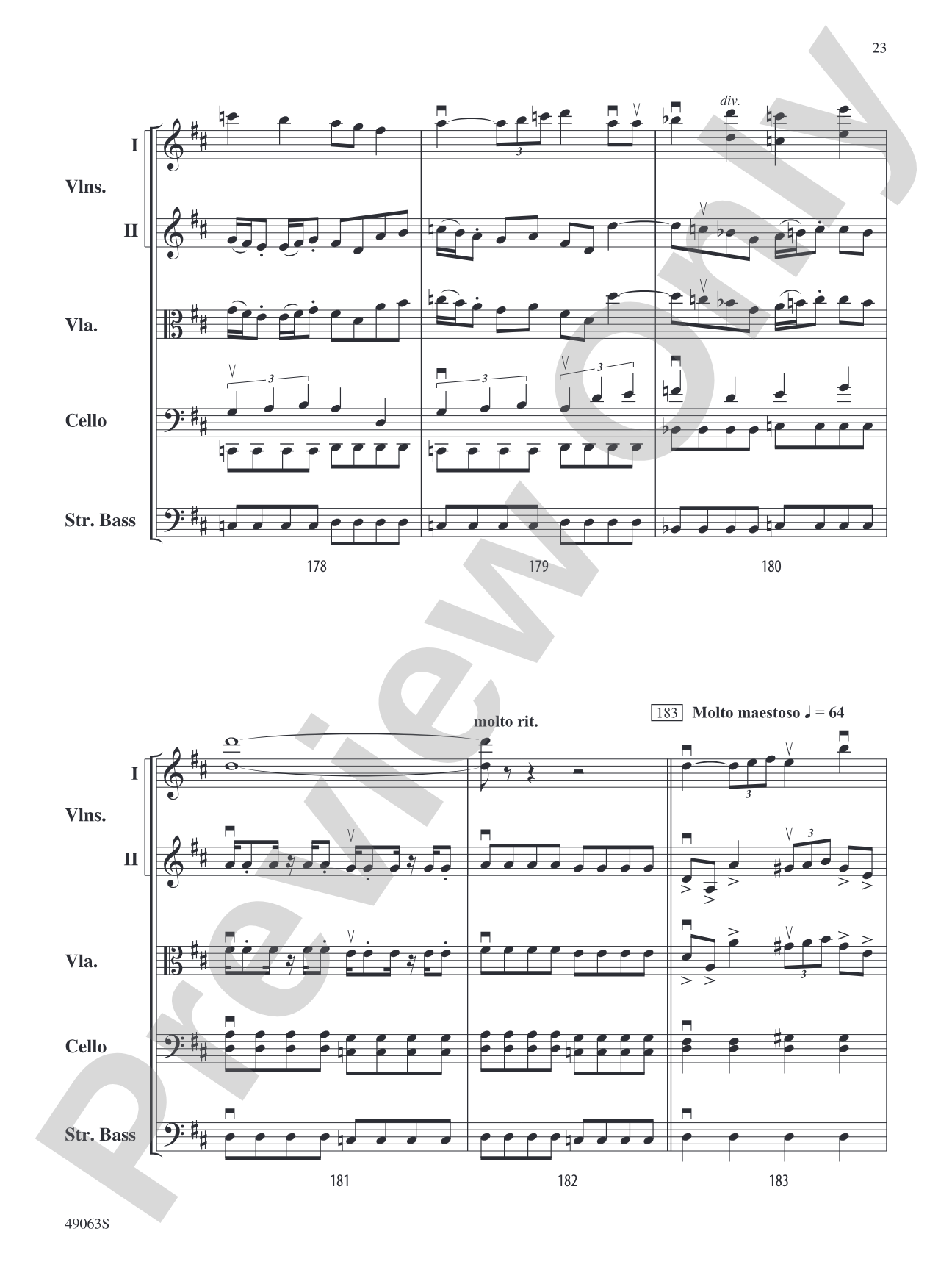
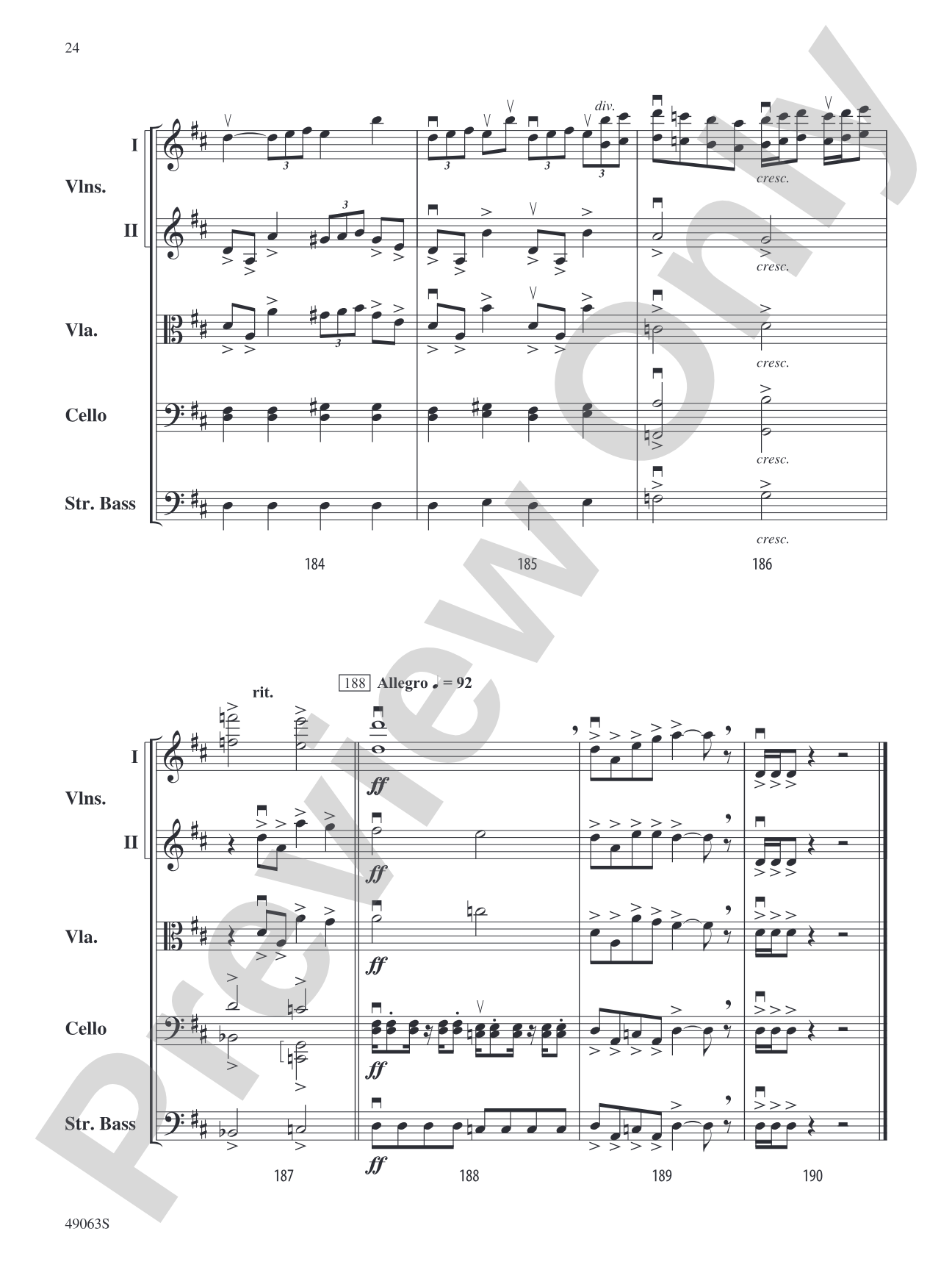

Ad Astra: String Orchestra Conductor Score & Parts
To the Stars
By Richard Meyer
Grade: 3
Item: 00-PK-0008368

$60.00
Pickup currently not available
Buy Extra Parts (Digital PDF Download)
| Product | Price | Quantity |
|---|---|---|
| Ad Astra: Score | $10.00 | |
| Ad Astra: 1st Violin | $3.00 | |
| Ad Astra: 2nd Violin | $3.00 | |
| Ad Astra: Viola | $3.00 | |
| Ad Astra: Cello | $3.00 | |
| Ad Astra: String Bass | $3.00 |
Parts Added to Cart!
Description
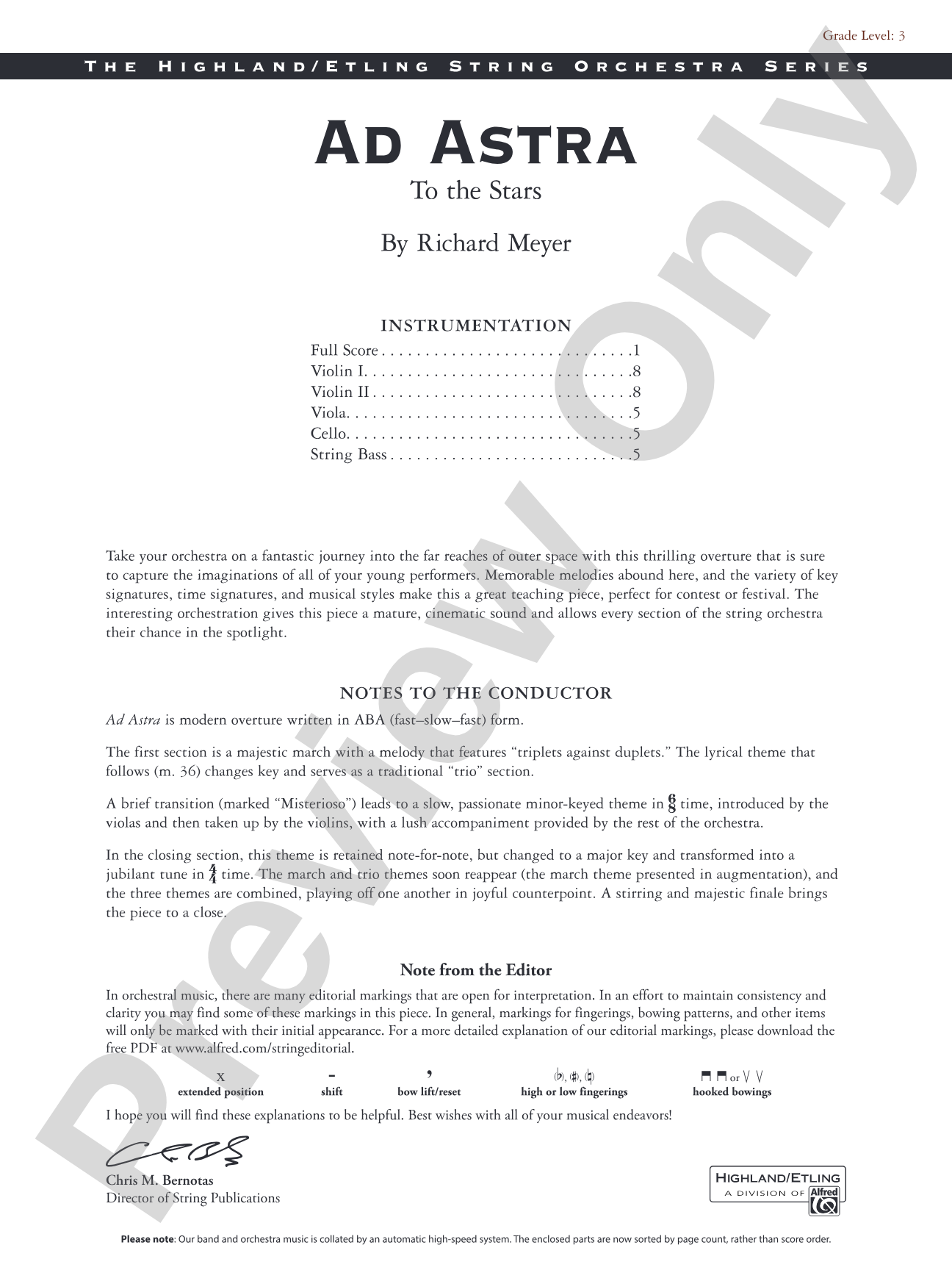
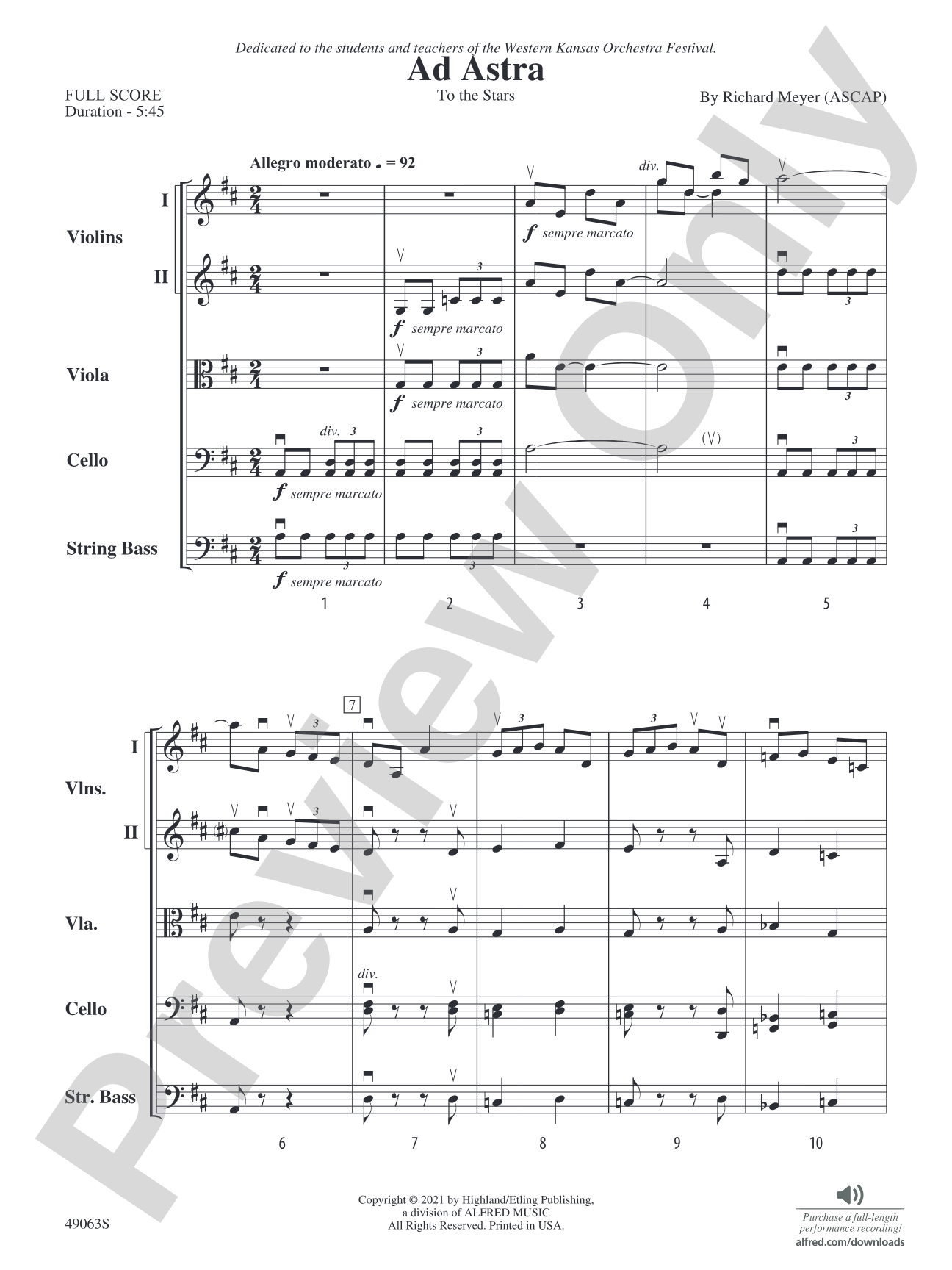
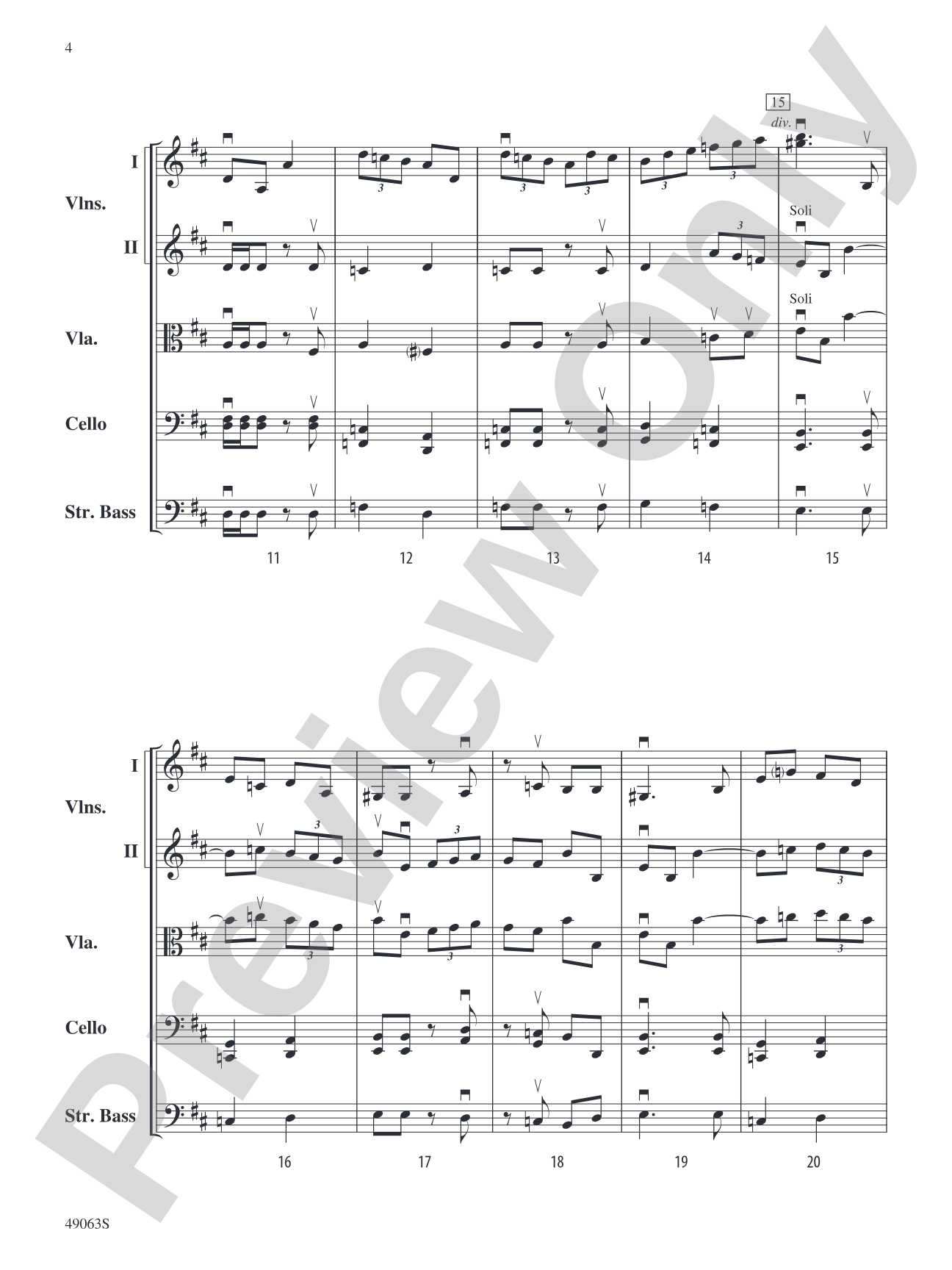
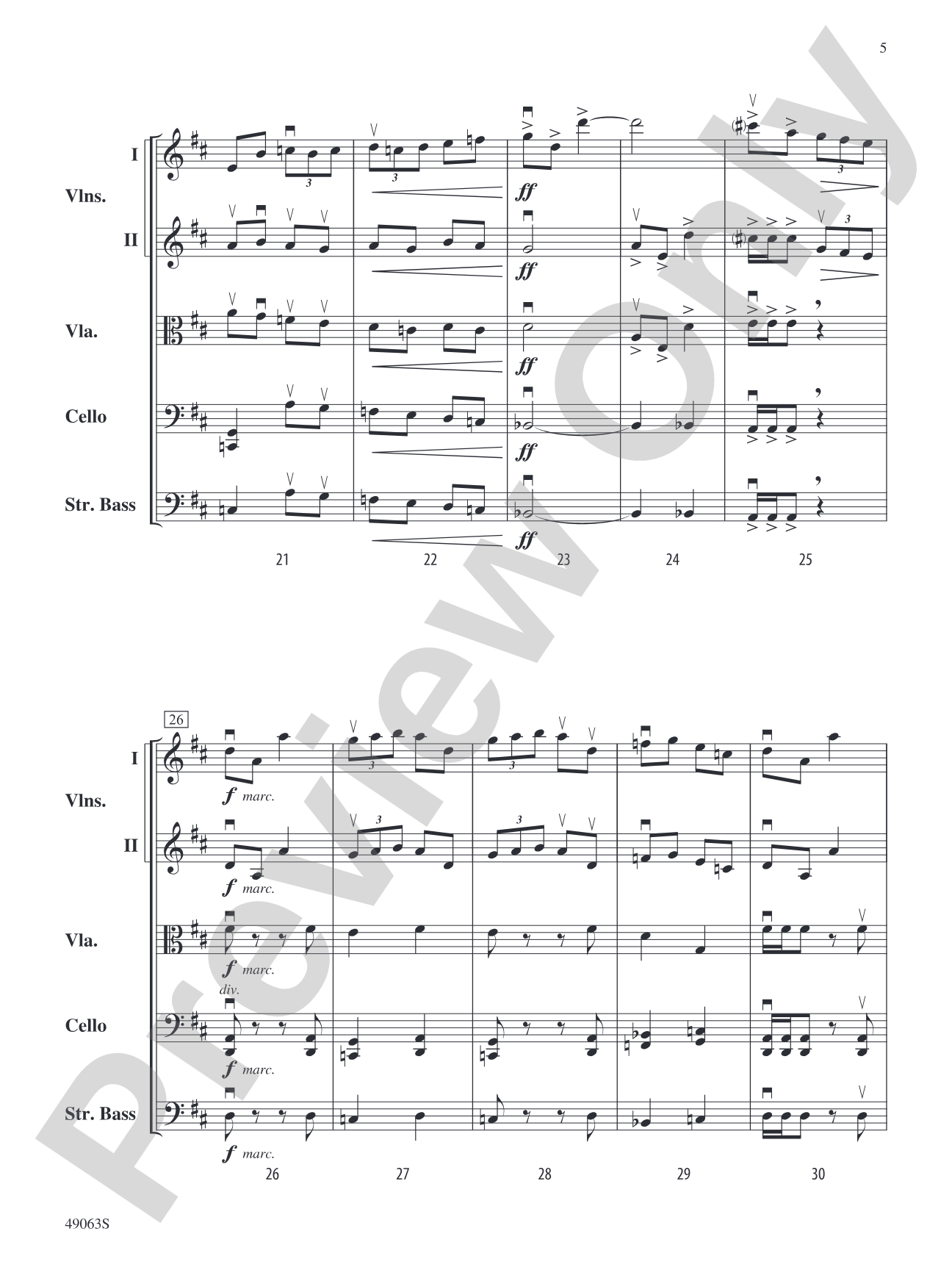
Take your orchestra on a fantastic journey into the far reaches of outer space with this thrilling overture that is sure to capture the imaginations of all of your young performers. Memorable melodies abound here, and the variety of key signatures, time signatures, and musical styles make this a great teaching piece perfect for contest or festival. The interesting orchestration gives this piece a mature, cinematic sound and allows every section of the string orchestra their chance in the spotlight. Ad Astra is a fantastic work by Richard Meyer! (5:50) This title is available in MakeMusic Cloud.


Don't just read it, hear it, play along with it, and watch your students grow with it. In MakeMusic Cloud, Ad Astra: String Orchestra Conductor Score & Parts comes alive with professional accompaniment, adjustable tempo, and built-in practice tools that turn solo practice into real progress.
Open in the Player
Jump straight in and assign it today.
Start Your Free Trial
Open this title and explore the full library in minutes.
Sample Audio
1
Audio File
--:--
0:00
0:00
Sample Video
Additional Details
Series:
Highland/Etling String Orchestra
Publisher:
Alfred Music
Page Count:
138
SKU:
00-PK-0008368
More about this title
About the Composer: Richard Meyer

Richard Meyer brings three decades of string education experience to his work as a composer and conductor. He transformed the orchestra program at Oak Avenue Intermediate School in Temple City, California, expanding it from 29 students to 200, and directed the city's elementary string initiative while simultaneously leading the Pasadena Youth Symphony Orchestra for 16 years. His ensembles performed across North America, Europe, and Australia, establishing him as a respected voice in string education.
Beyond the rehearsal room, Meyer has shaped string pedagogy through publications including the String Explorer Series and Sight-read It for Strings, and spent 16 years as string editor for Alfred Publishing Company. His "Giving Bach" program, launched in 2009, earned national recognition for using interactive concerts to reach special needs and under-resourced students throughout Southern California. As a composer, he has published over 190 works and arrangements, and his expertise as a clinician has extended to the A.S.T.A. National Conference, regional orchestras, and university string workshops across multiple states.
Why we love this
Meyer writes with genuine understanding of what string orchestras at this level can achieve, and Ad Astra proves it. Every section gets meaningful musical material rather than filler parts, and the variety of tonal colors and styles keeps student musicians engaged throughout a piece that works equally well as a concert opener or a festival entry. The cinematic orchestration sounds ambitious without being inaccessible, giving young players the satisfaction of producing something that actually sounds like real music.
What to expect
Ad Astra unfolds like a space exploration narrative, complete with soaring themes and shifting musical landscapes that evoke wonder and discovery. The orchestration gives it a sweeping, cinematic quality that makes young string players feel like they're part of something larger than a typical school concert piece.
Who it's for
Middle and high school string orchestras at the intermediate level who need a showpiece with substance. This works for orchestras seeking contest or festival repertoire that sounds more advanced than its technical demands, and for programs wanting to program something with genuine dramatic arc and memorable material.
How to get the most out of it
- Balance the melody between first and second violins in the opening sections so the memorable themes emerge clearly rather than dissolving into the texture.
- Establish steady pulse work in rehearsal with the time signature changes; breaking those transitions into isolated moments prevents the orchestra from losing confidence when the meter shifts.
- Give the violas and cellos their moment by bringing out the harmonic voices that anchor the middle sections; these parts often get overlooked but carry essential color here.
- Use the full five minutes and fifty seconds to your advantage; this is a longer overture that benefits from patience with phrasing and dynamic contrast rather than rushing through dramatic passages.
How to use it
Program this as a concert opener to establish sophistication and energy, or lead your festival entry with a piece that makes an immediate impression. It also pairs well with contrasting choral or lighter orchestral works, since its dramatic scope gives the program architectural balance.
Skills your students will build
- Reading multiple time signature changes within a single piece
- Navigating key signature shifts and tonal centers
- Playing secondary material that supports rather than doubles the melody
- Sustaining ensemble cohesion through longer formal structures
- Interpreting programmatic intent through orchestration and phrasing