
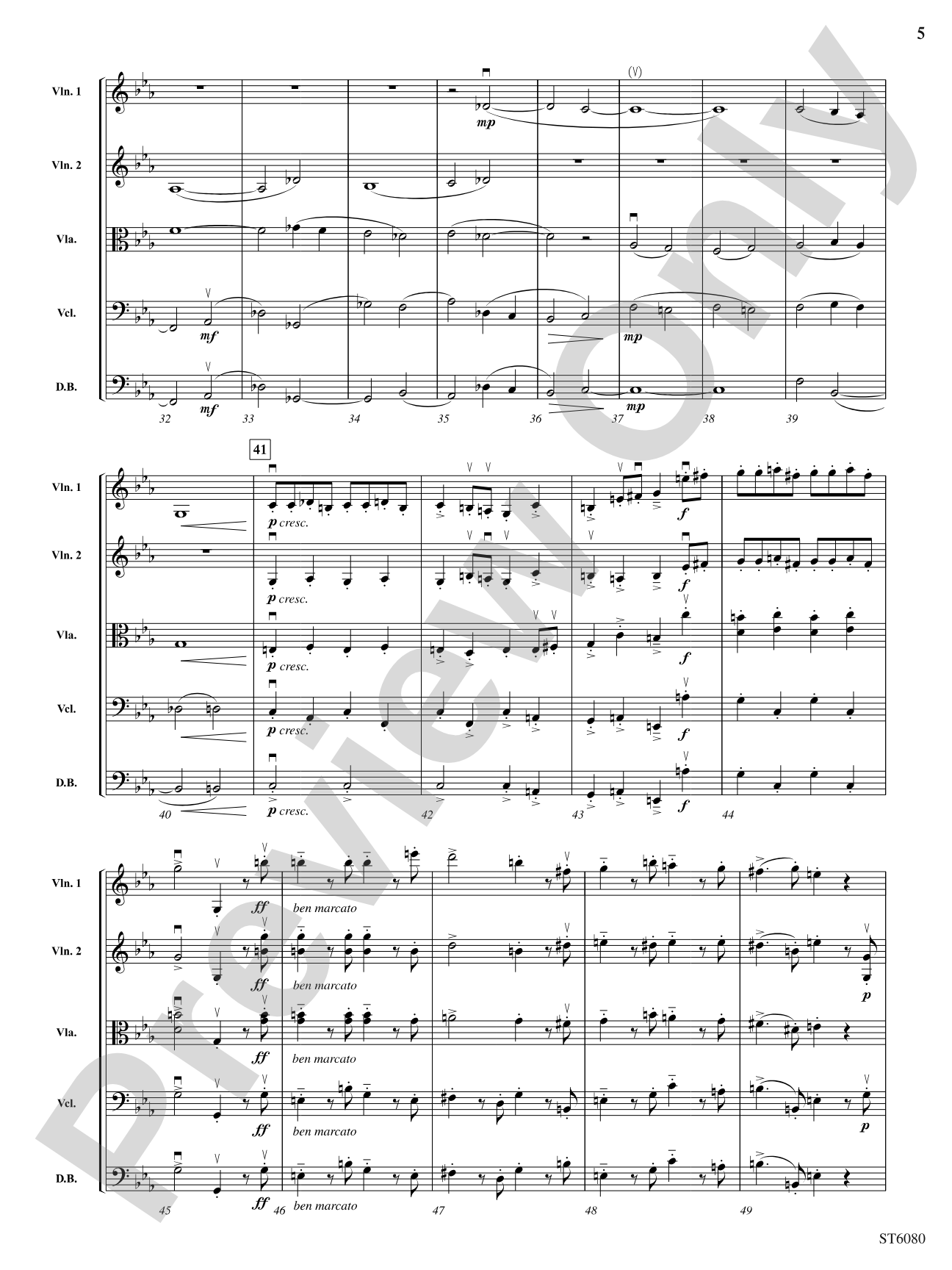
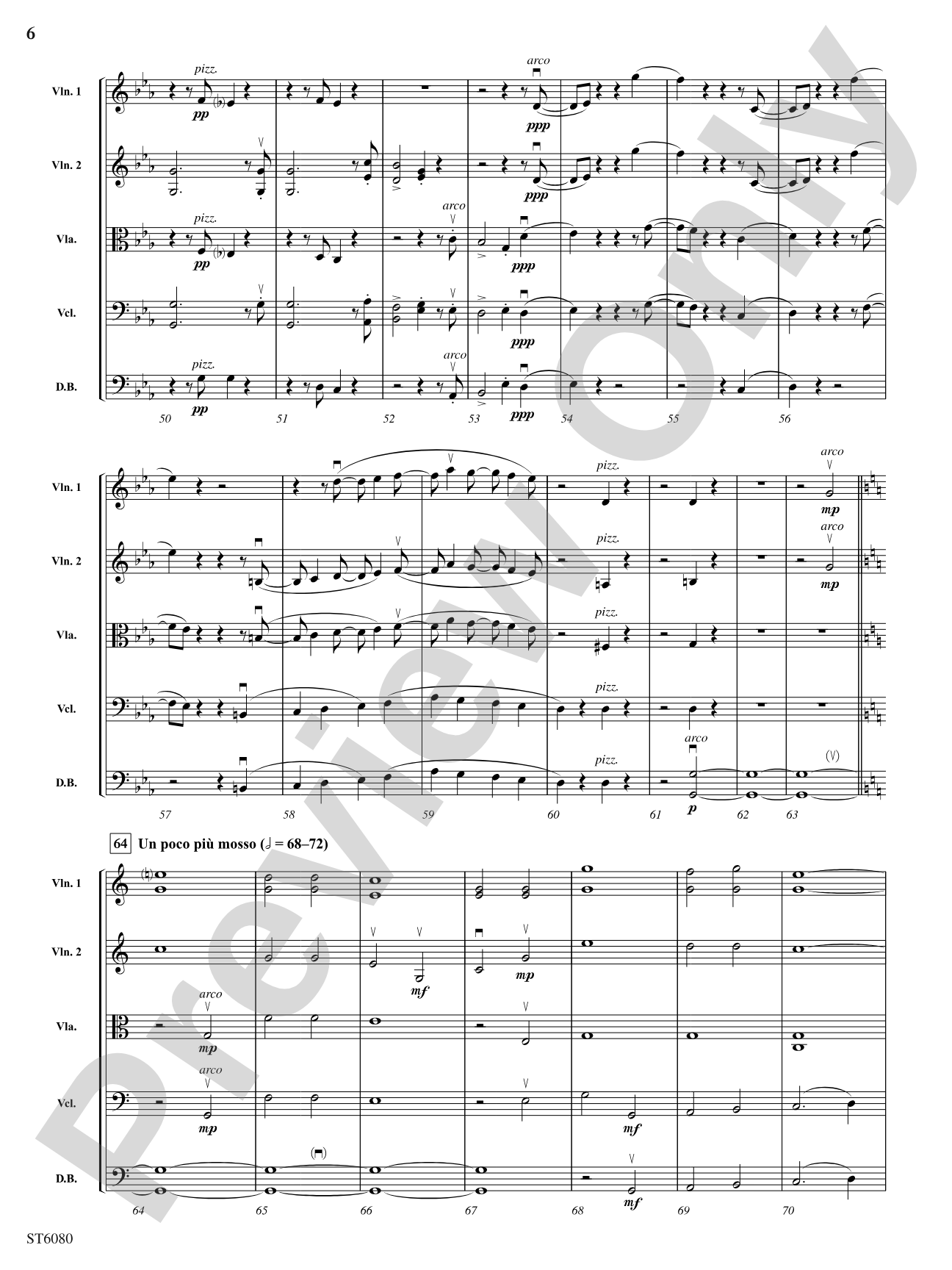
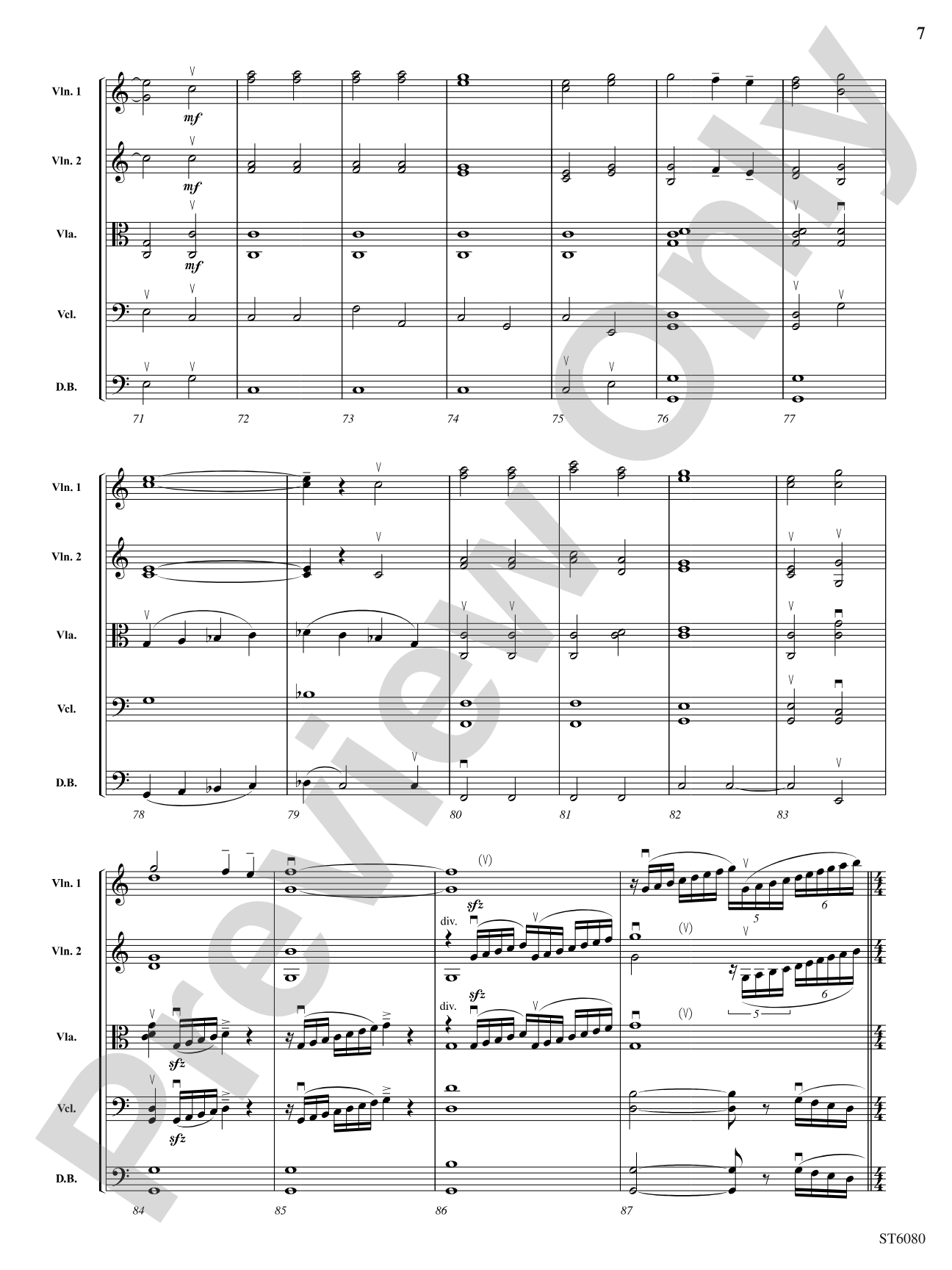
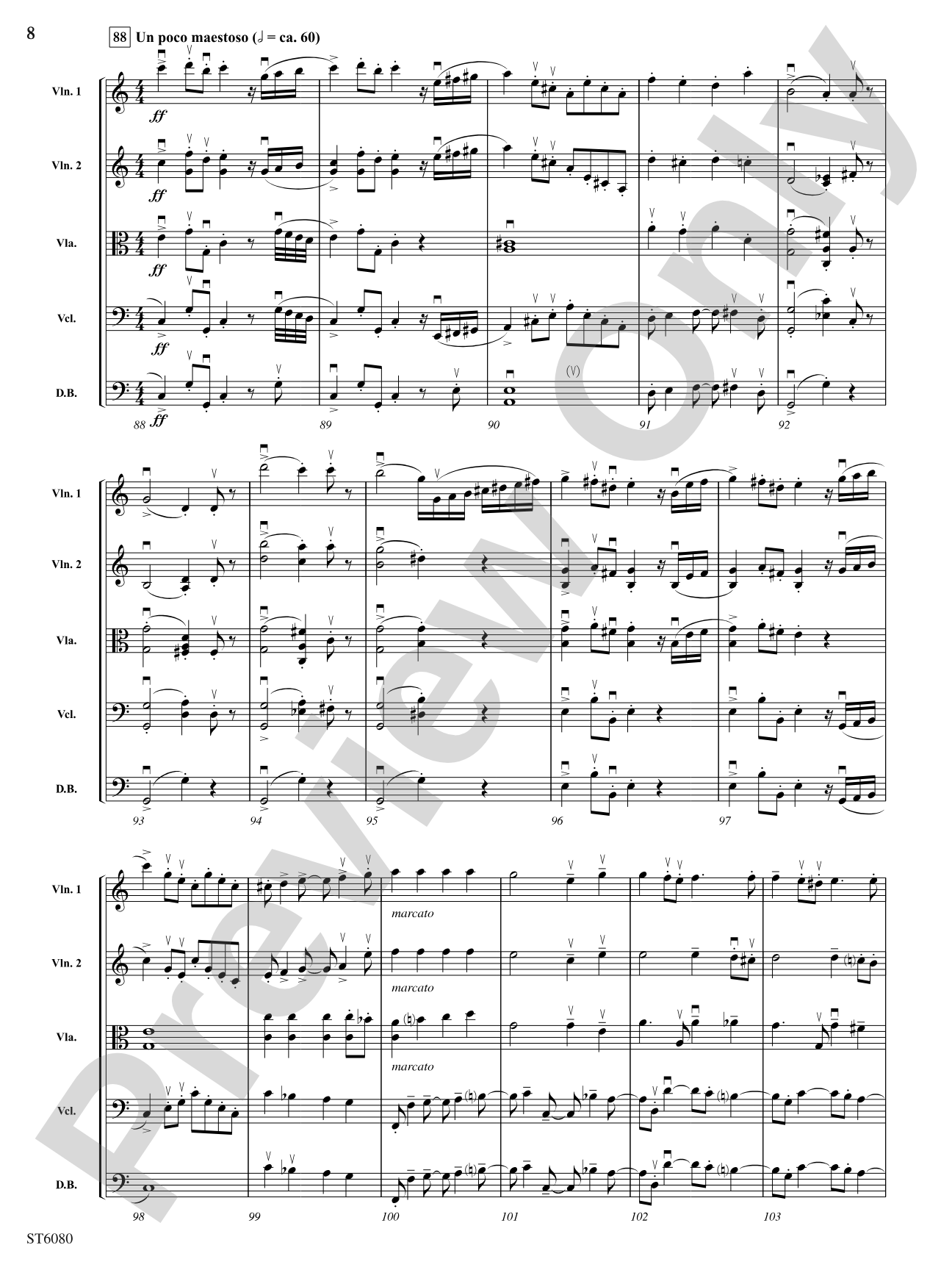
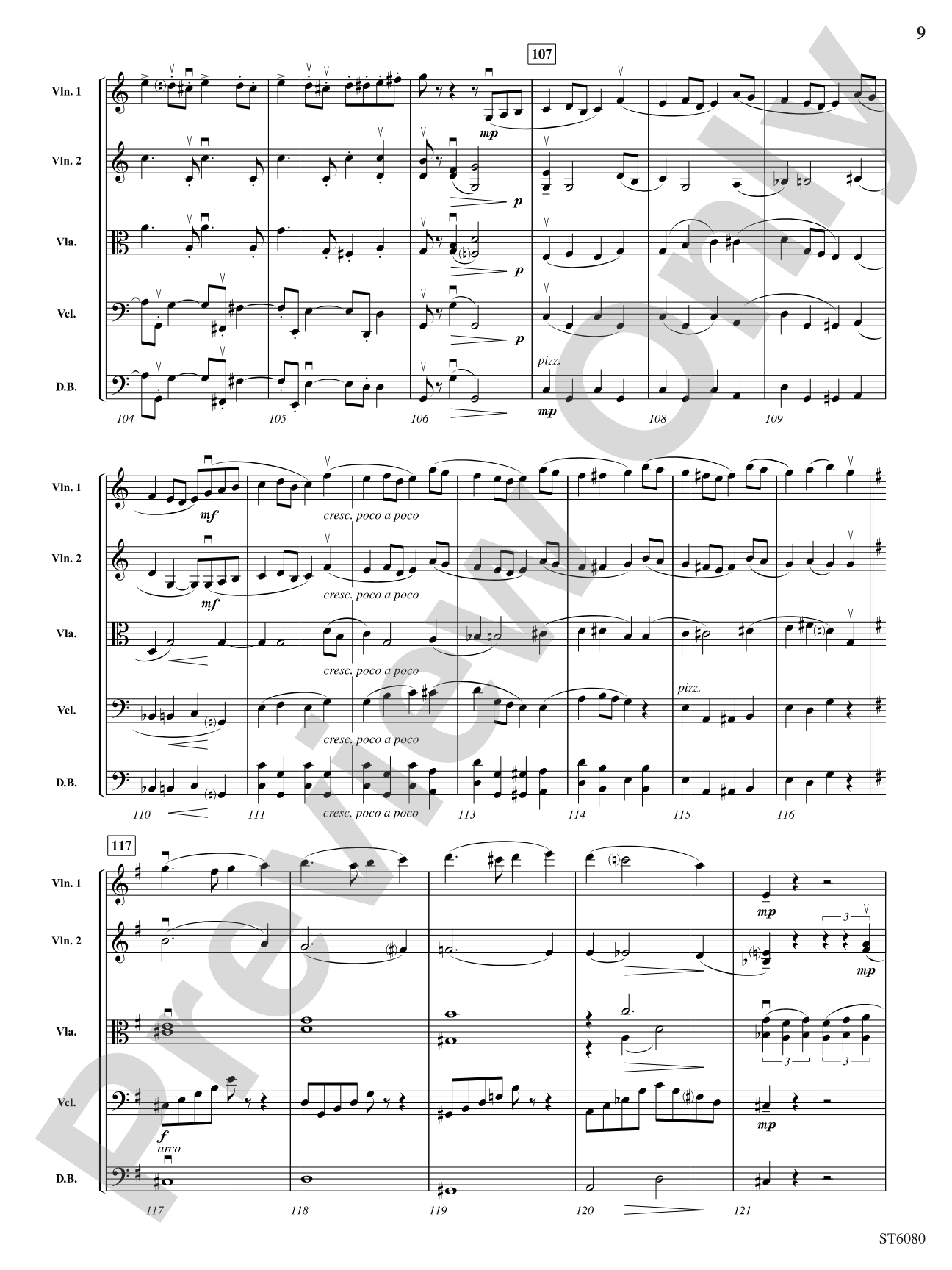
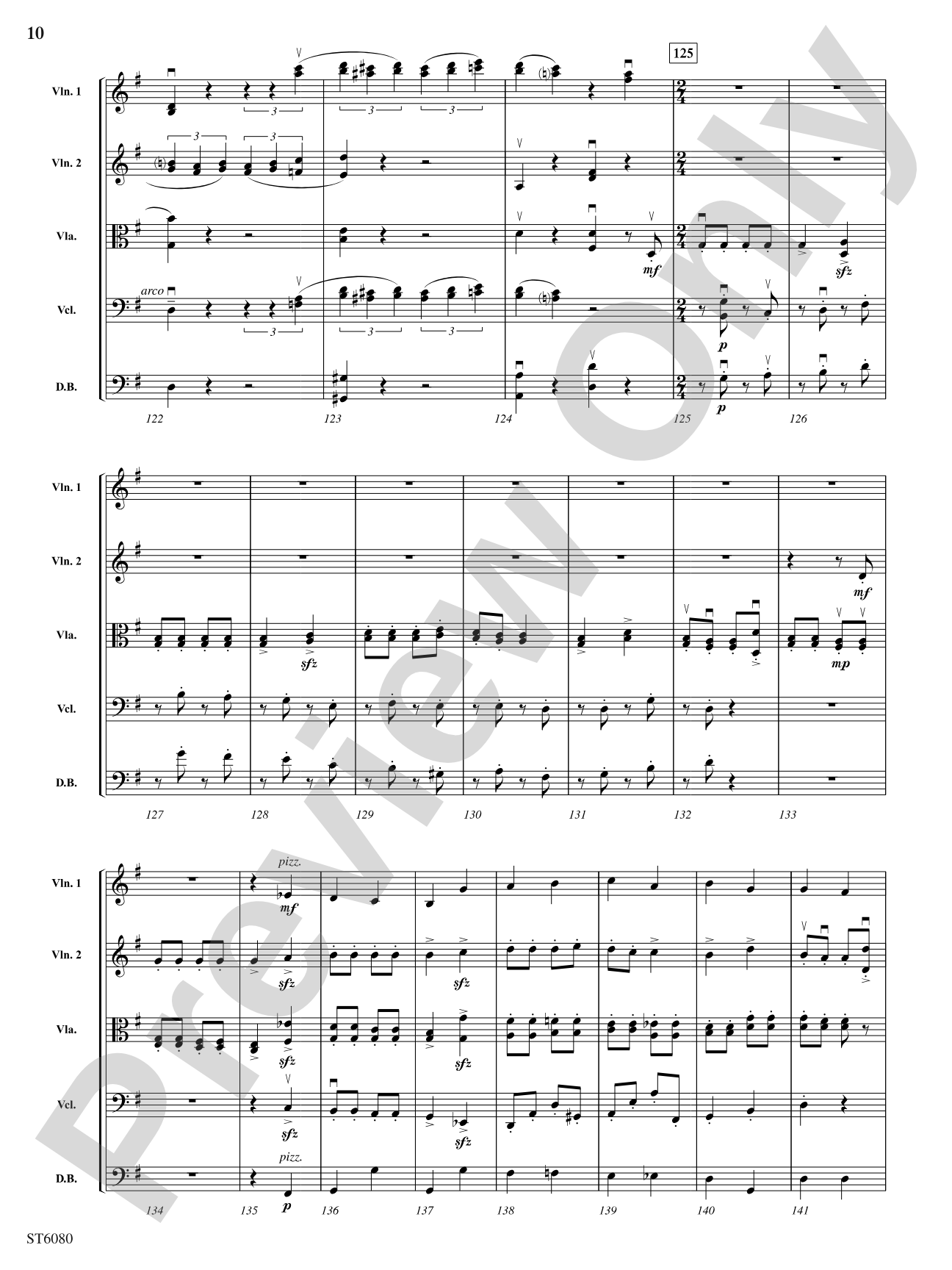
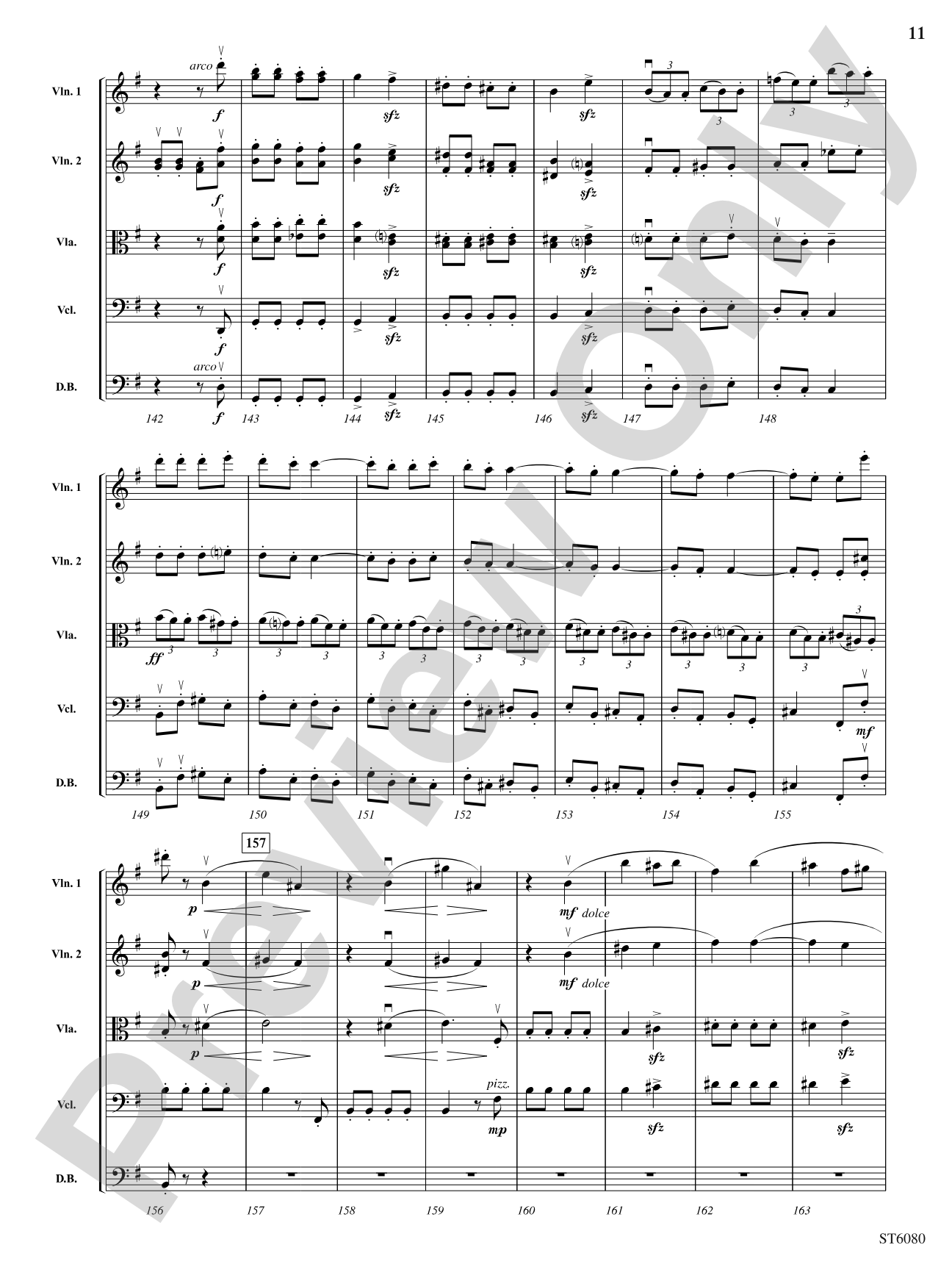
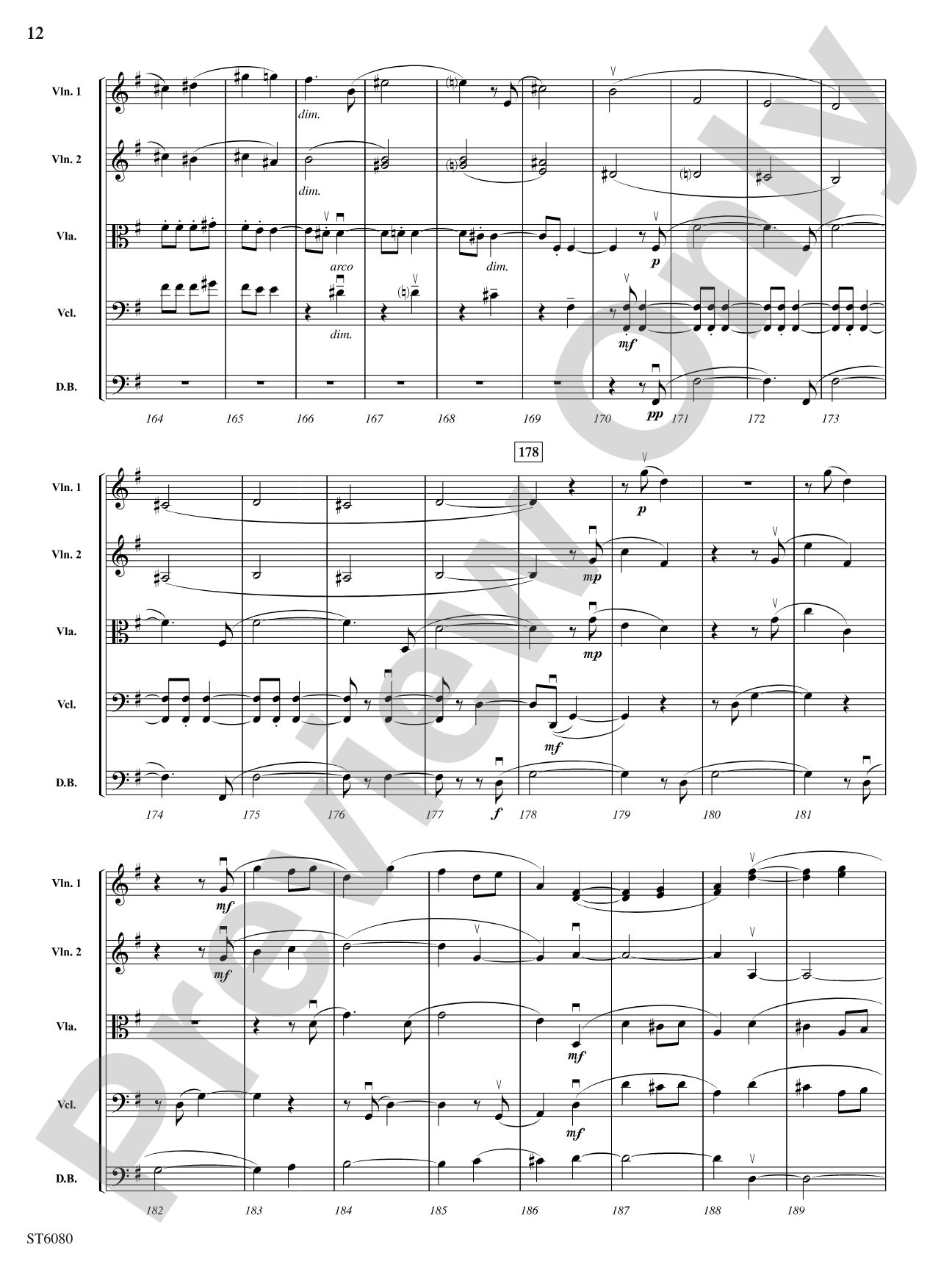
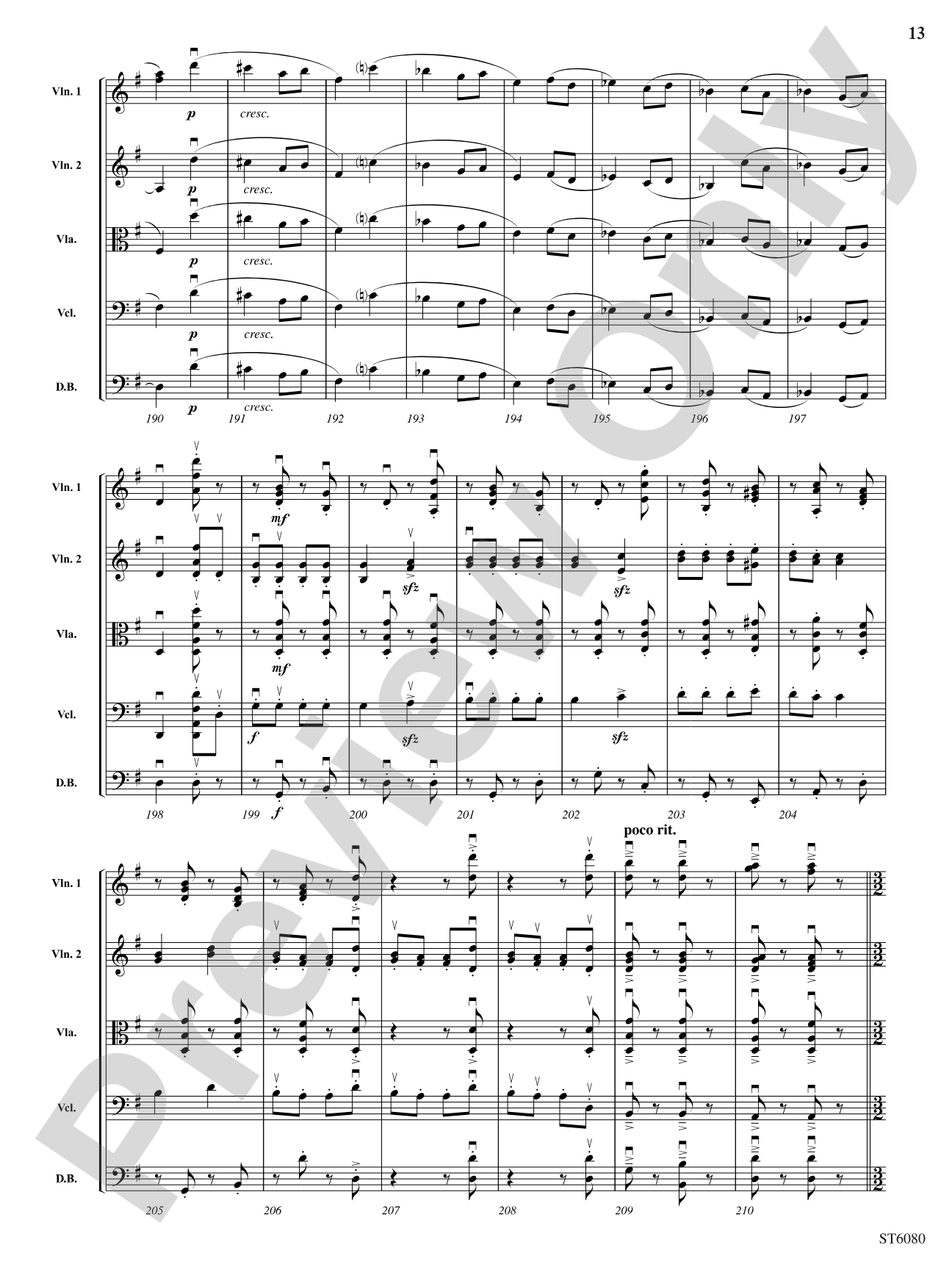
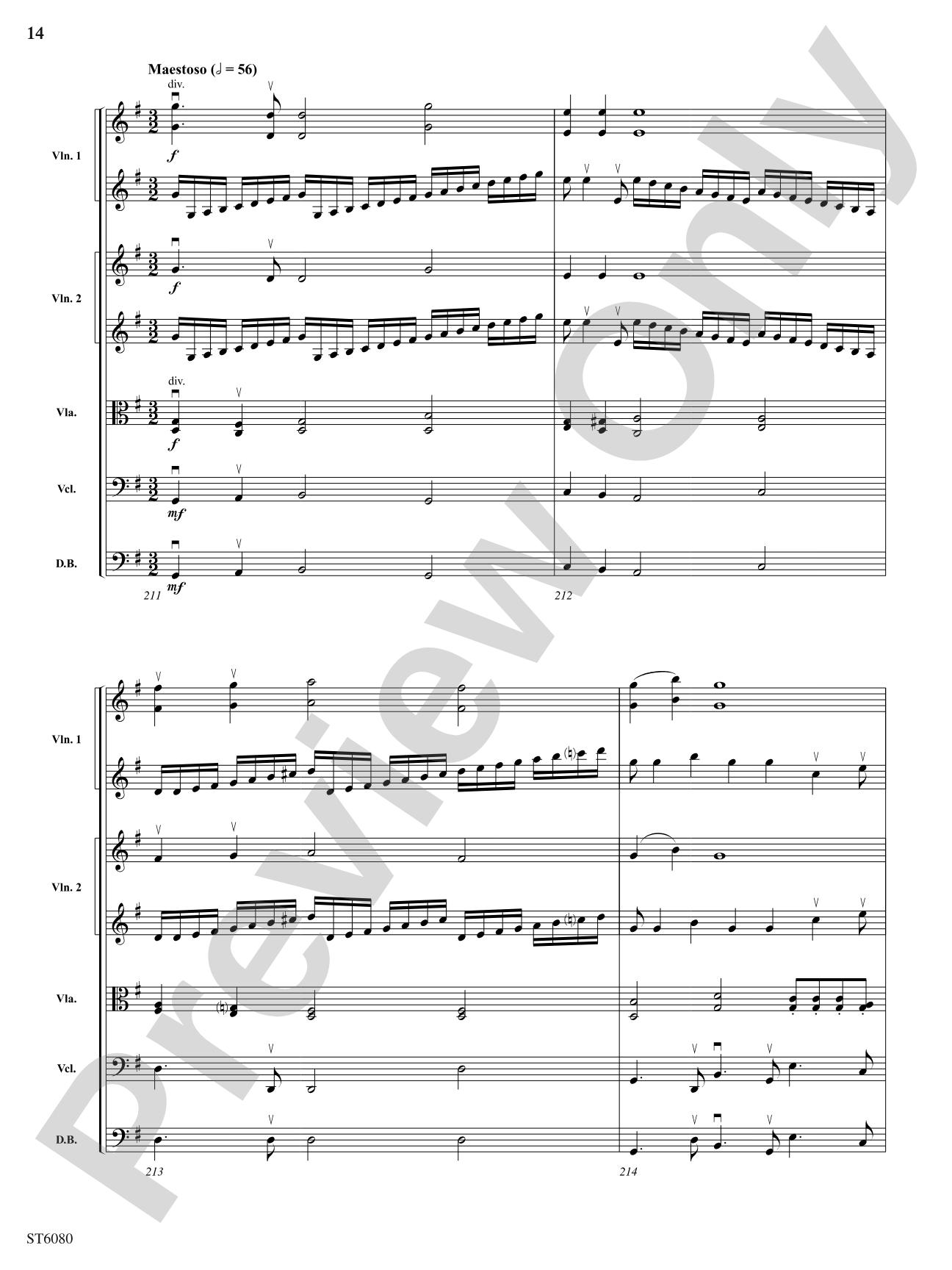
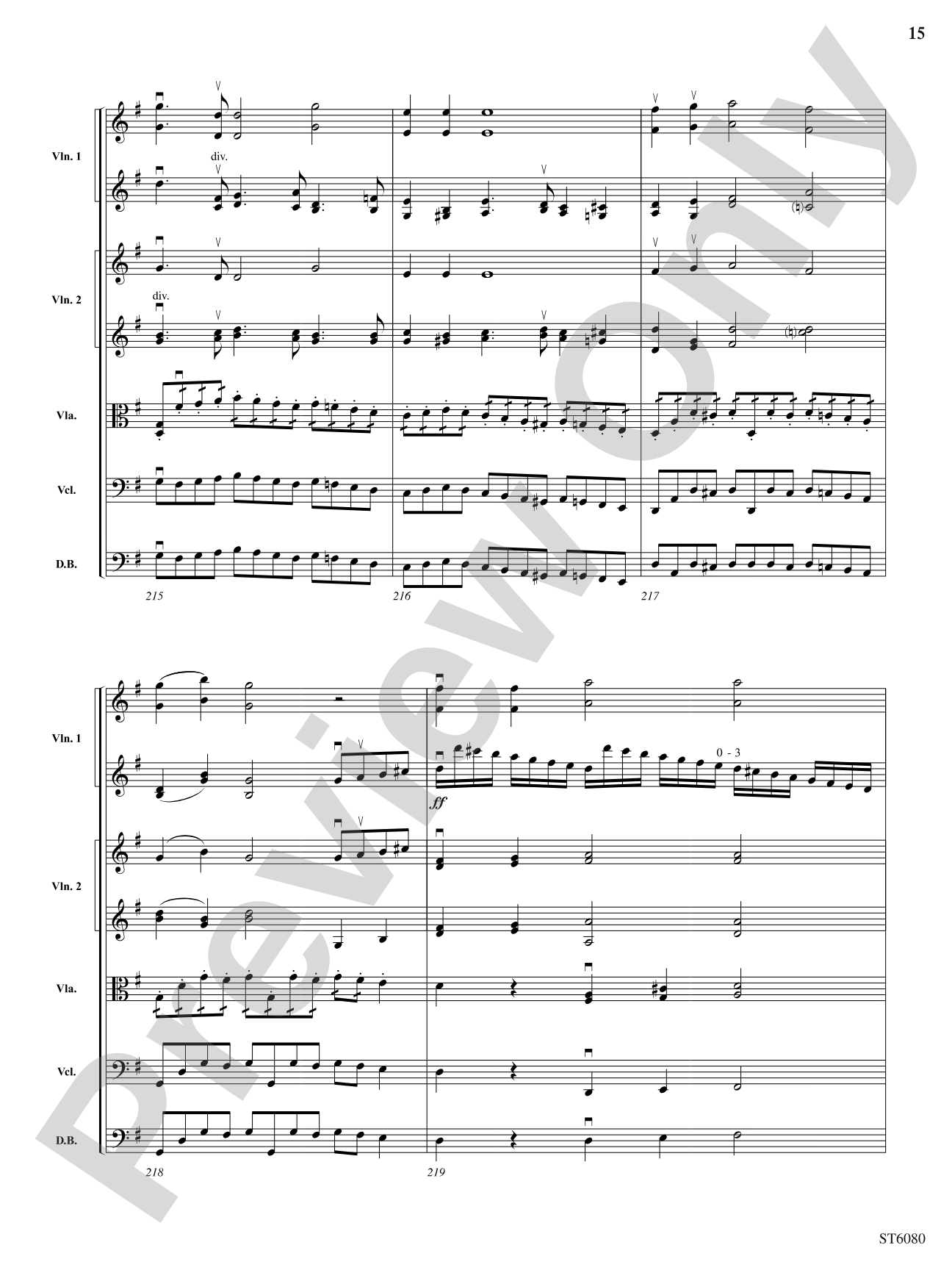
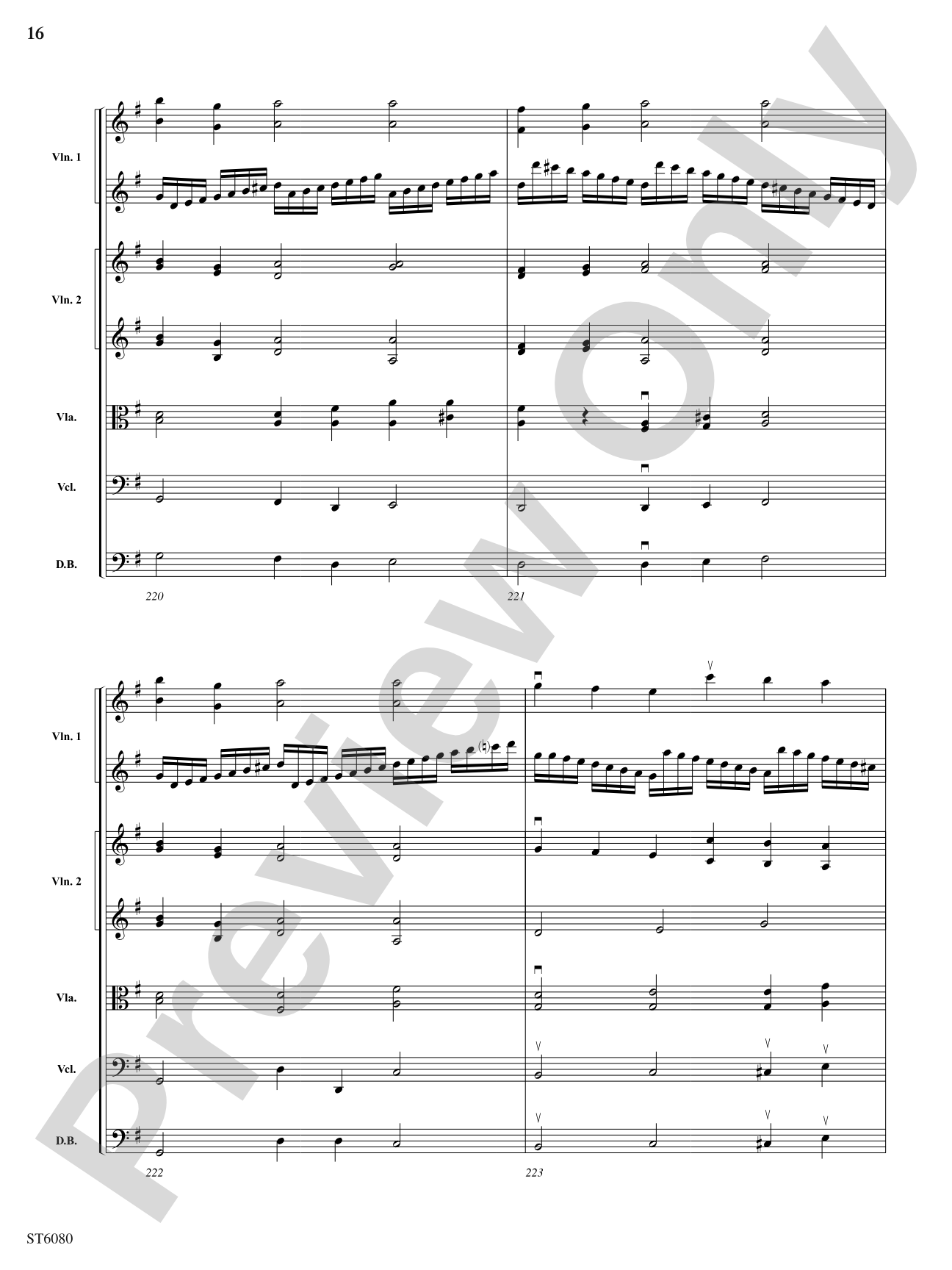

Academic Festival Overture, Opus 80: String Orchestra Conductor Score & Parts
By Johannes Brahms / arr. Robert D. McCashin
Grade: 5
Item: 98-DST6080

$65.00
Pickup currently not available
Buy Extra Parts (Digital PDF Download)
Parts Added to Cart!
Description
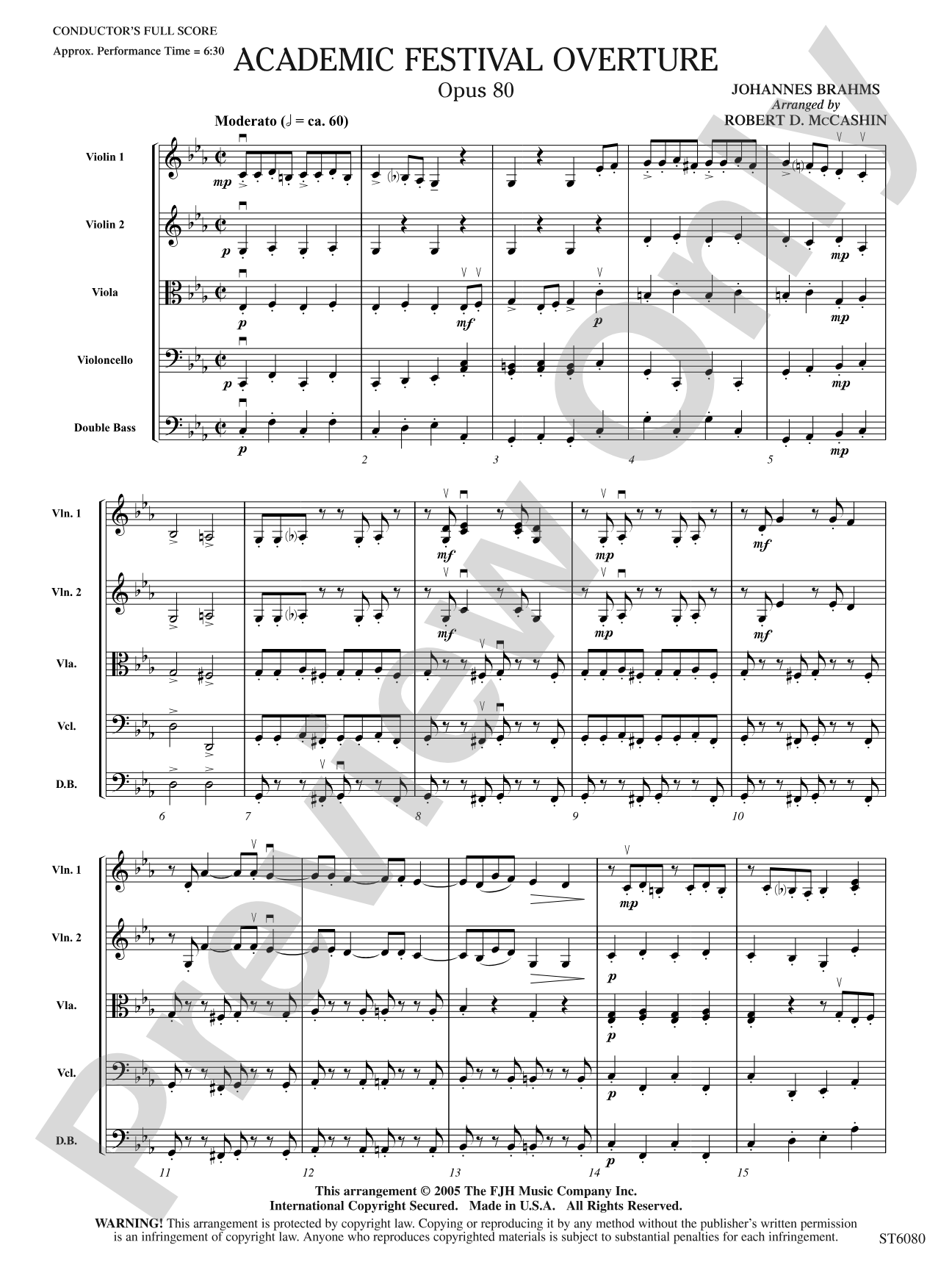
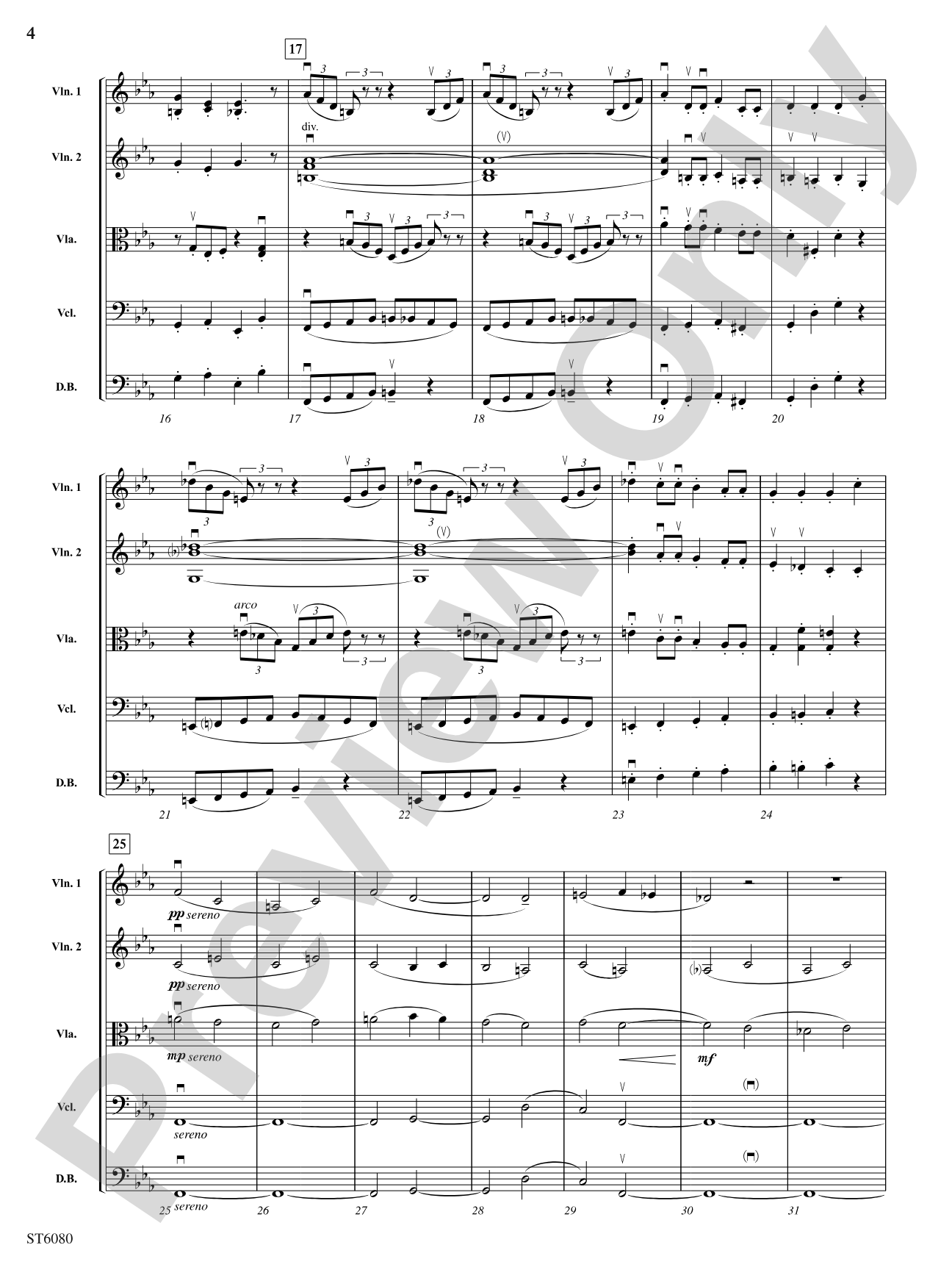
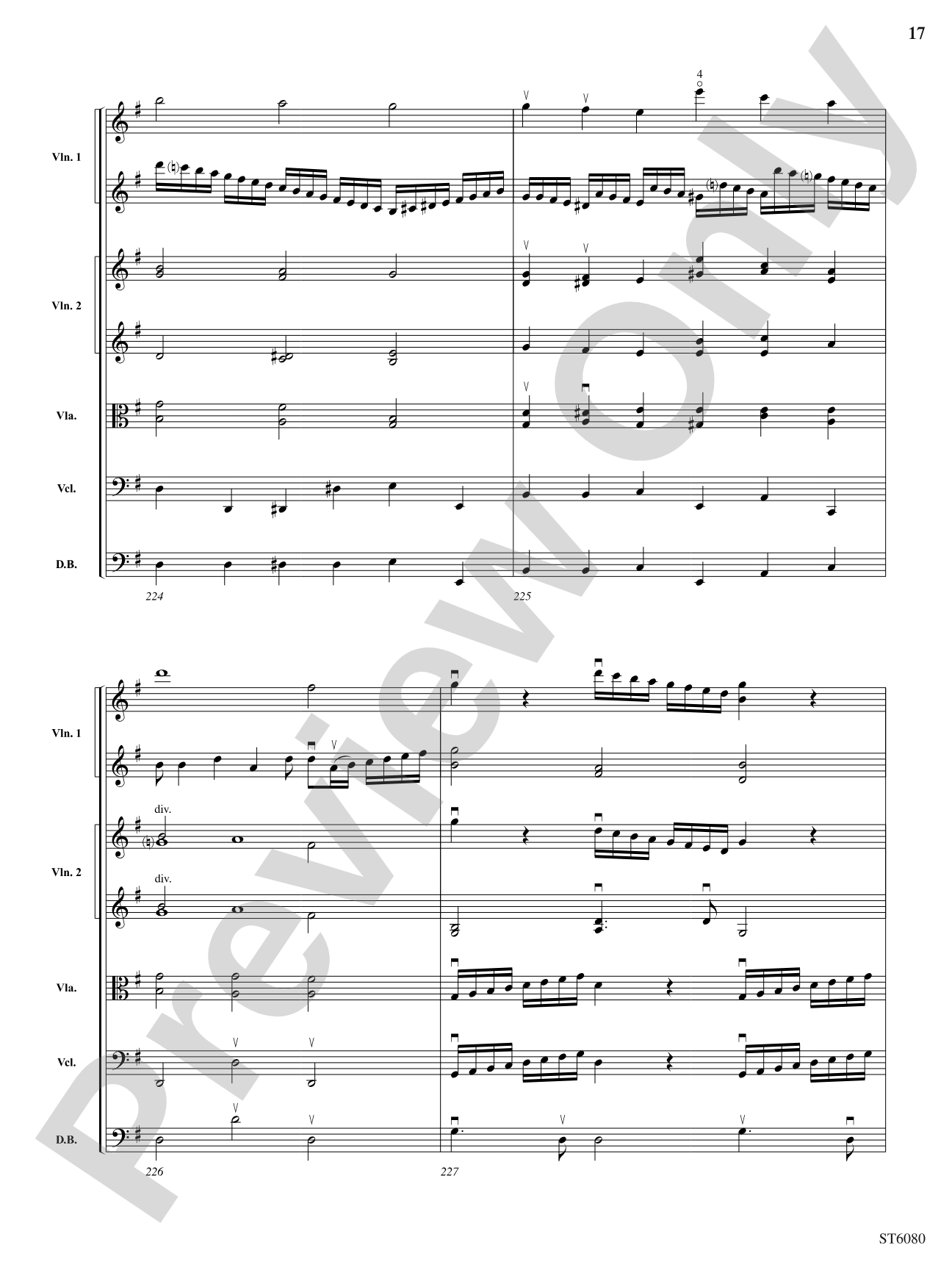
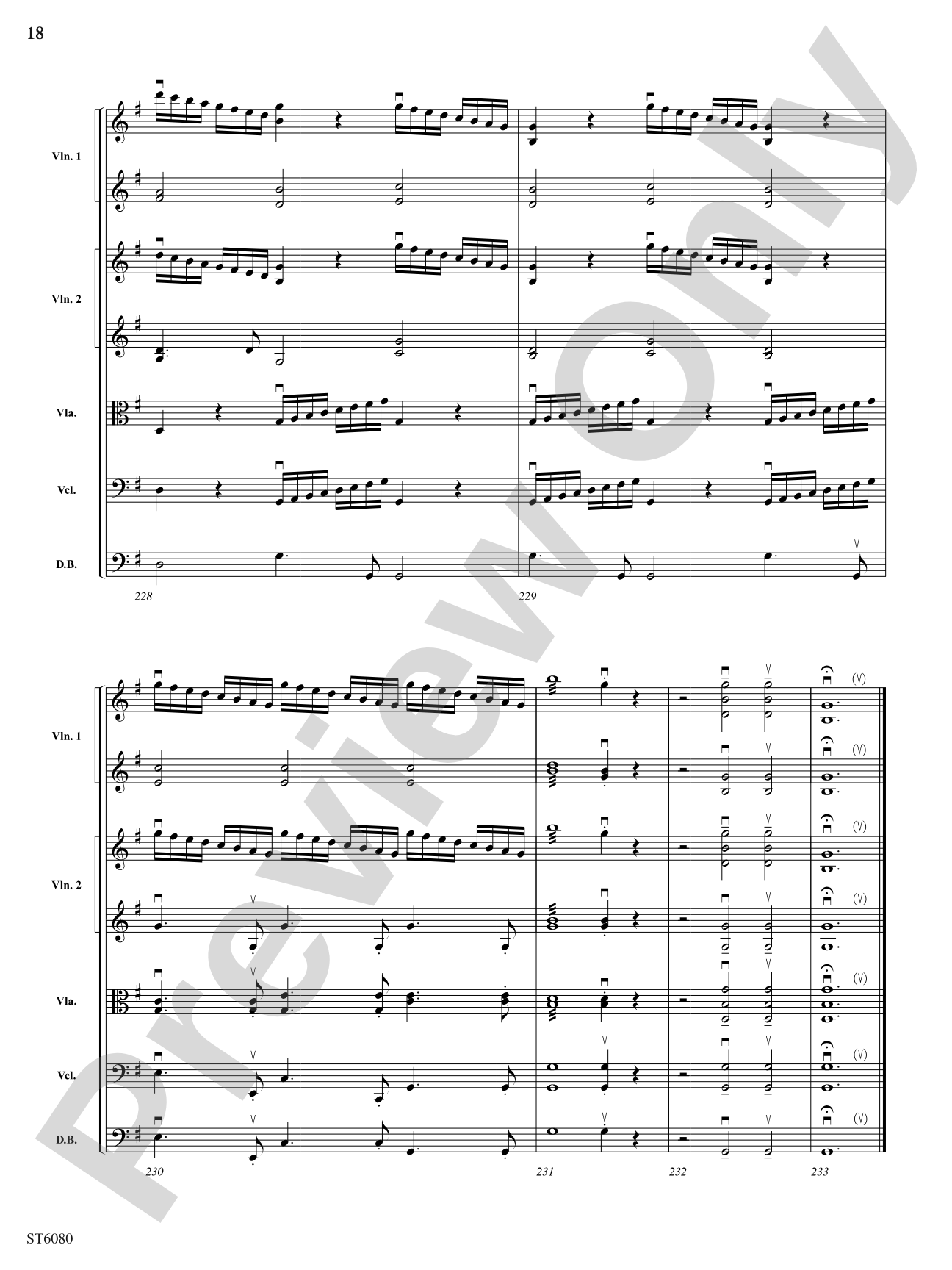
This arrangement offers exciting opportunities for more mature players. A combination of juxtaposed and interlocking double-stops are used to maintain the sonorous depth of Brahms' original work. Several edits have been made to bring this to a more appropriate length for concert and festival performances. Although this is ideal for large string orchestras, also consider using it for a chamber group of your finest musicians! (6:00)


Don't just read it, hear it, play along with it, and watch your students grow with it. In MakeMusic Cloud, Academic Festival Overture, Opus 80: String Orchestra Conductor Score & Parts comes alive with professional accompaniment, adjustable tempo, and built-in practice tools that turn solo practice into real progress.
Open in the Player
Jump straight in and assign it today.
Start Your Free Trial
Open this title and explore the full library in minutes.
Sample Audio
1
Audio File
--:--
0:00
0:00
Sample Video
No sample videos found.
Additional Details
Series:
FJH String Orchestra
Publisher:
The FJH Music Company, Inc.
SKU:
98-DST6080
More about this title
About the Composer: Johannes Brahms
Johannes Brahms (1833-1897) stands as one of the most consequential composers of the 19th century, bridging Romantic expression with structural rigor inherited from Beethoven and Bach. His instrumental works, from symphonies to concertos to chamber music, remain cornerstones of the concert repertoire and essential study for serious musicians. The Academic Festival Overture, composed in 1880 as a gift to the University of Breslau, showcases Brahms' gift for thematic development and his ability to weave folk melodies into sophisticated orchestral textures.
Why we love this
Robert McCashin's arrangement preserves the grandeur and architectural integrity of Brahms' masterwork while making it genuinely playable for mature string orchestras without sacrificing the sonorous depth of the original scoring. The double-stop writing keeps advanced players engaged without veering into gratuitous technical display, and the thoughtful edits bring the work to a concert-ready length that honors both the source material and the practical demands of performance. This is the rare Grade 5 piece that challenges musicians to think like professionals while delivering the unmistakable satisfaction of playing Brahms.
What to expect
The Academic Festival Overture radiates confidence and celebration, opening with energetic figuration that builds to triumphant sweeps of melody. The thick, resonant string writing creates warmth and weight; double-stops deepen the sonority throughout, giving even fast passages a substantial harmonic bed rather than the transparency of open strings.
Who it's for
Advanced high school orchestras and college-level string ensembles seeking repertoire that matches their technical maturity without overreaching into professional demands. This works equally well for a full string orchestra or as an option for your most accomplished chamber musicians if you want to spotlight advanced playing without doubling parts.
How to get the most out of it
- Balance the interlocking double-stops by encouraging players to listen across their section; the texture only sings when each voice is clearly heard in relation to the whole.
- Find the three folk melodies woven throughout (including Gaudeamus igitur) and help strings locate them melodically so accompaniment figures stay subservient.
- Shape phrases with longer breath lines rather than mechanically hitting every dynamic marking; Brahms' architecture demands architecture in the phrasing too.
- Use sectional rehearsals to lock the double-stop passages before bringing the full orchestra together, since intonation here reveals everything.
How to use it
Program this as the finale of a concert or festival appearance where you want to leave audiences with the unmistakable impression that your ensemble can handle repertoire with real substance. It also serves as an excellent centerpiece for a program pairing classical masters, or as the earned capstone after a season of building technique through smaller works.
Skills your students will build
- Double-stop intonation across the full range of the instrument
- Reading and executing complex articulation patterns in ensemble
- Balancing independent voices within a thick homophonic texture
- Sustaining tone quality and projection across extended passages with high position work
- Musical phrasing and architecture at a sophisticated structural level