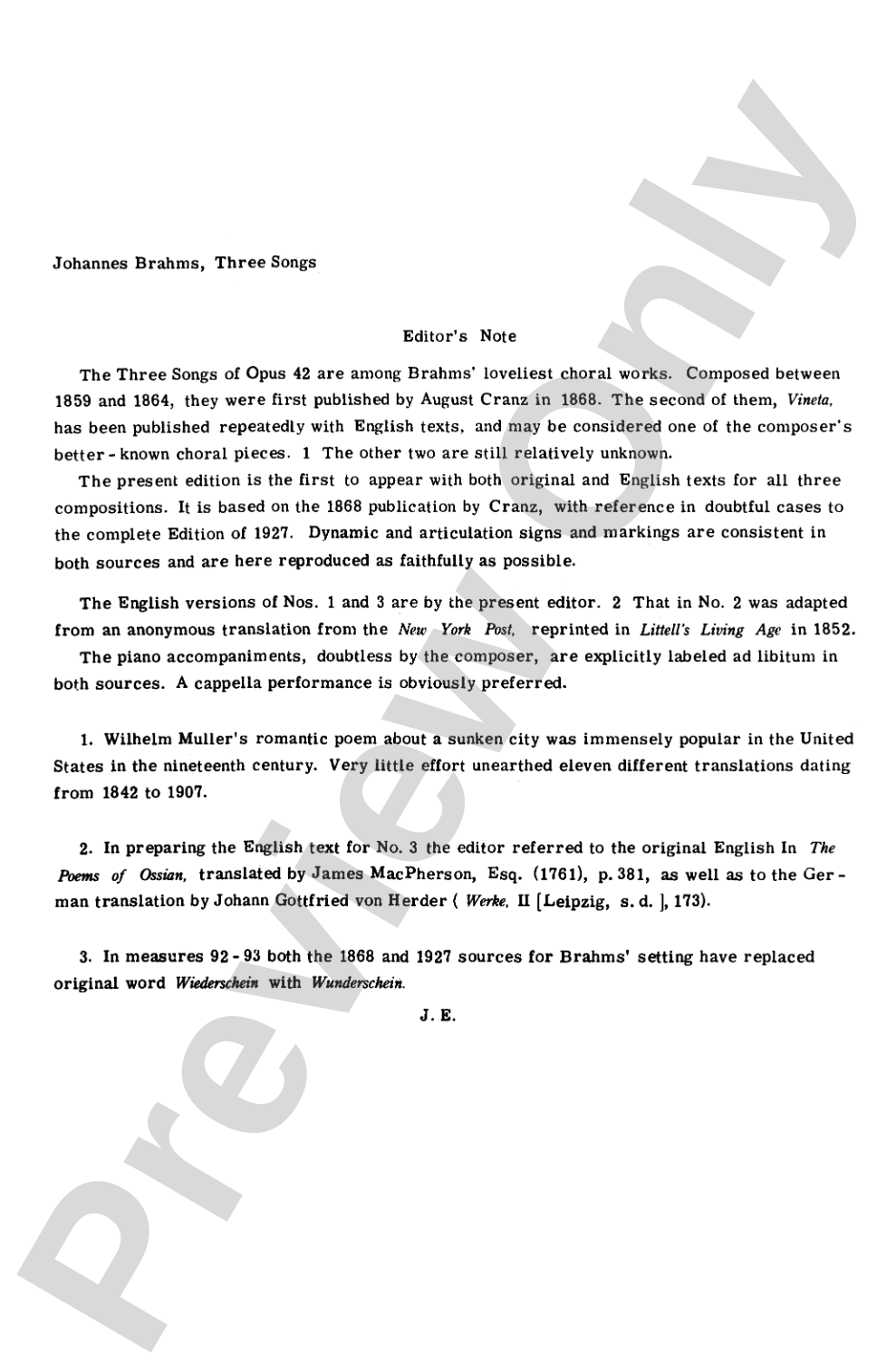
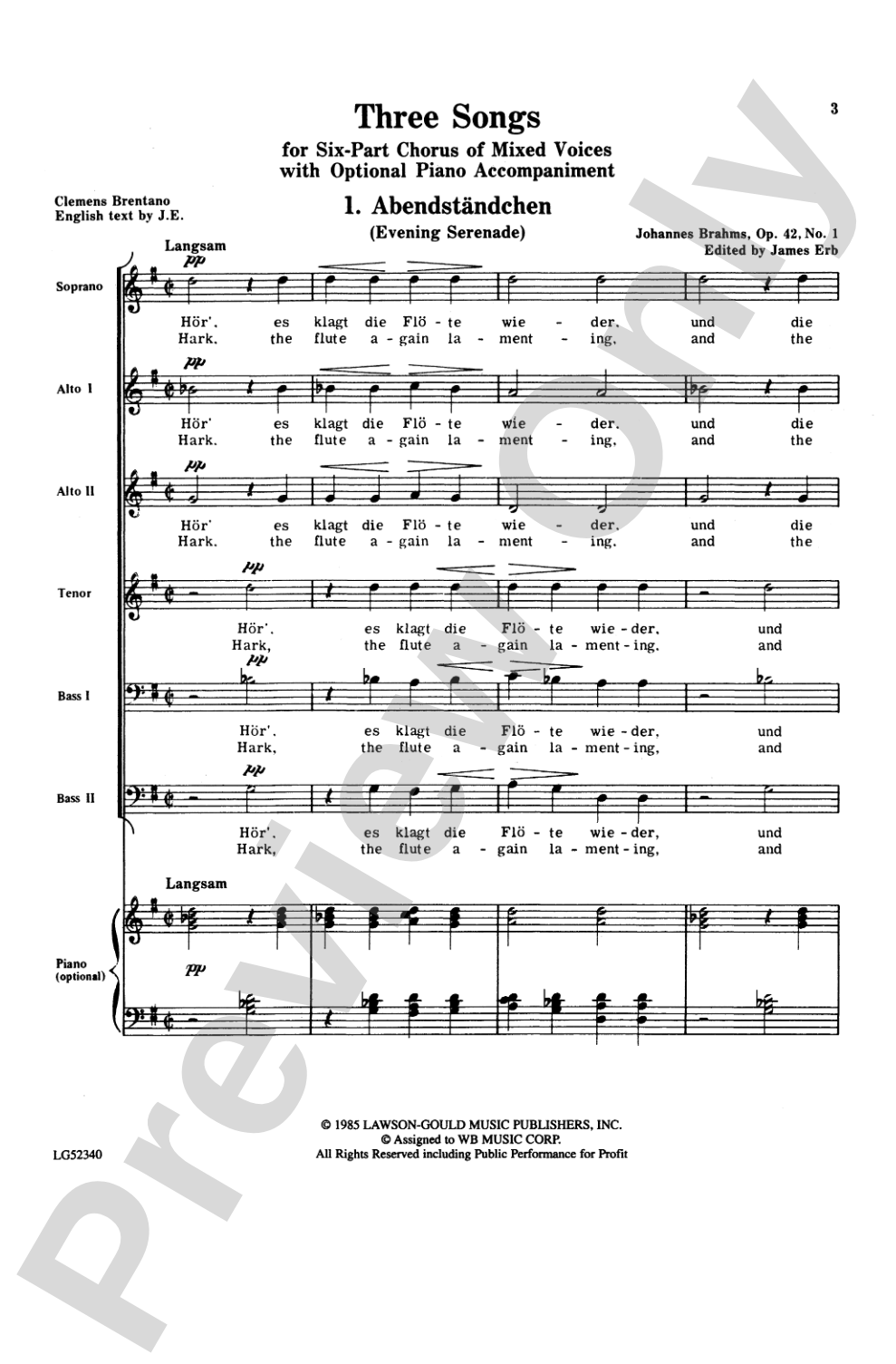
Johannes Brahms (1833-1897) stands as one of the most consequential composers of the Romantic era, bridging the structural rigor of Classical masters with the emotional depth and harmonic innovation of his time. His choral works span intimate chamber settings to large-scale symphonic forces, and his lieder and secular vocal music reveal a keen understanding of text, voice, and accompaniment that made him a defining voice in German musical culture.
Brahms' approach to composition was deliberate and fastidious. He revised extensively, destroyed works he deemed unfinished, and treated every detail of orchestration and voice leading as essential to his artistic vision. This care extended to his choral writing, where he balanced accessibility with sophistication, creating works that reward both singers and listeners with musical substance.