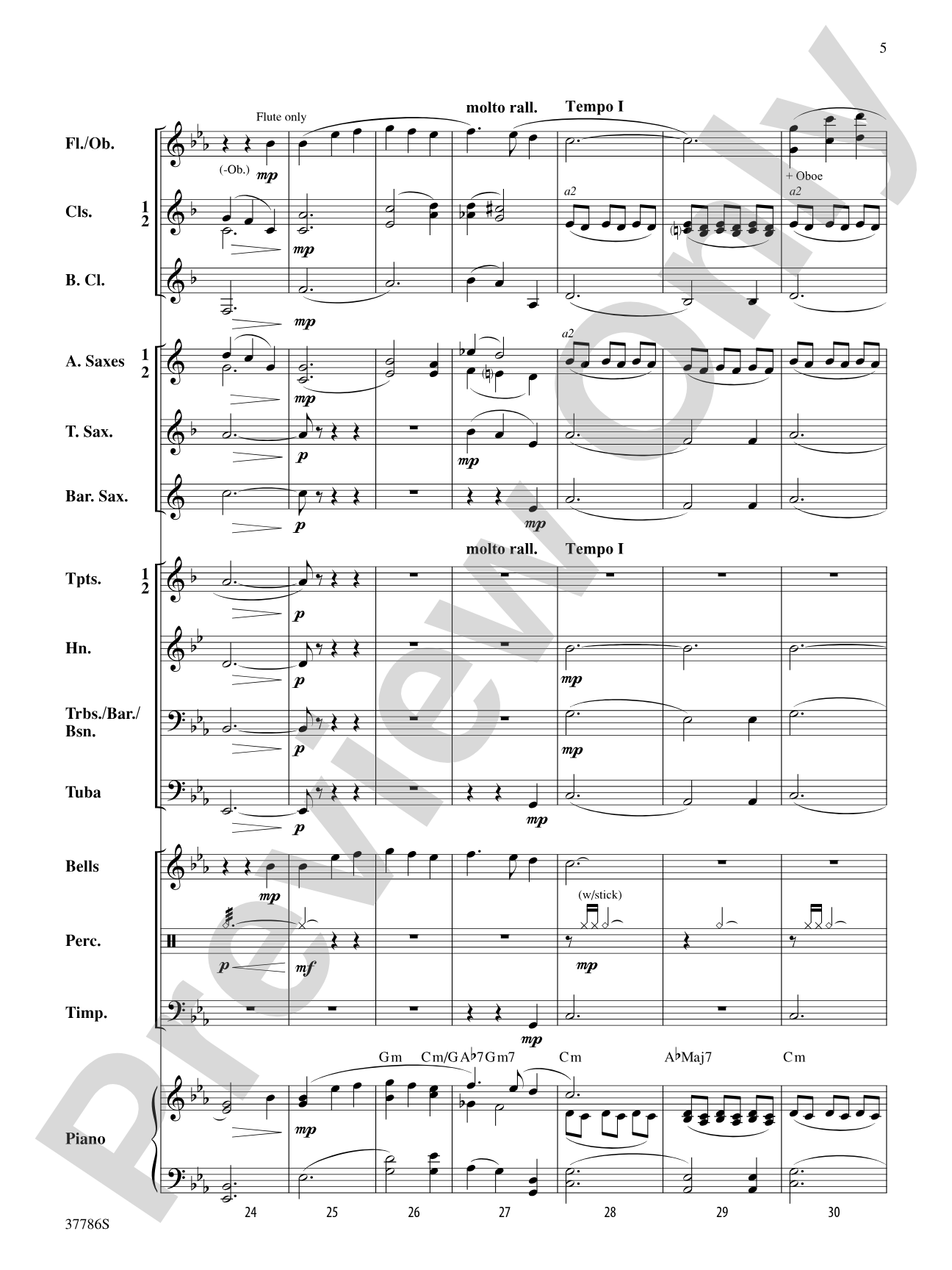
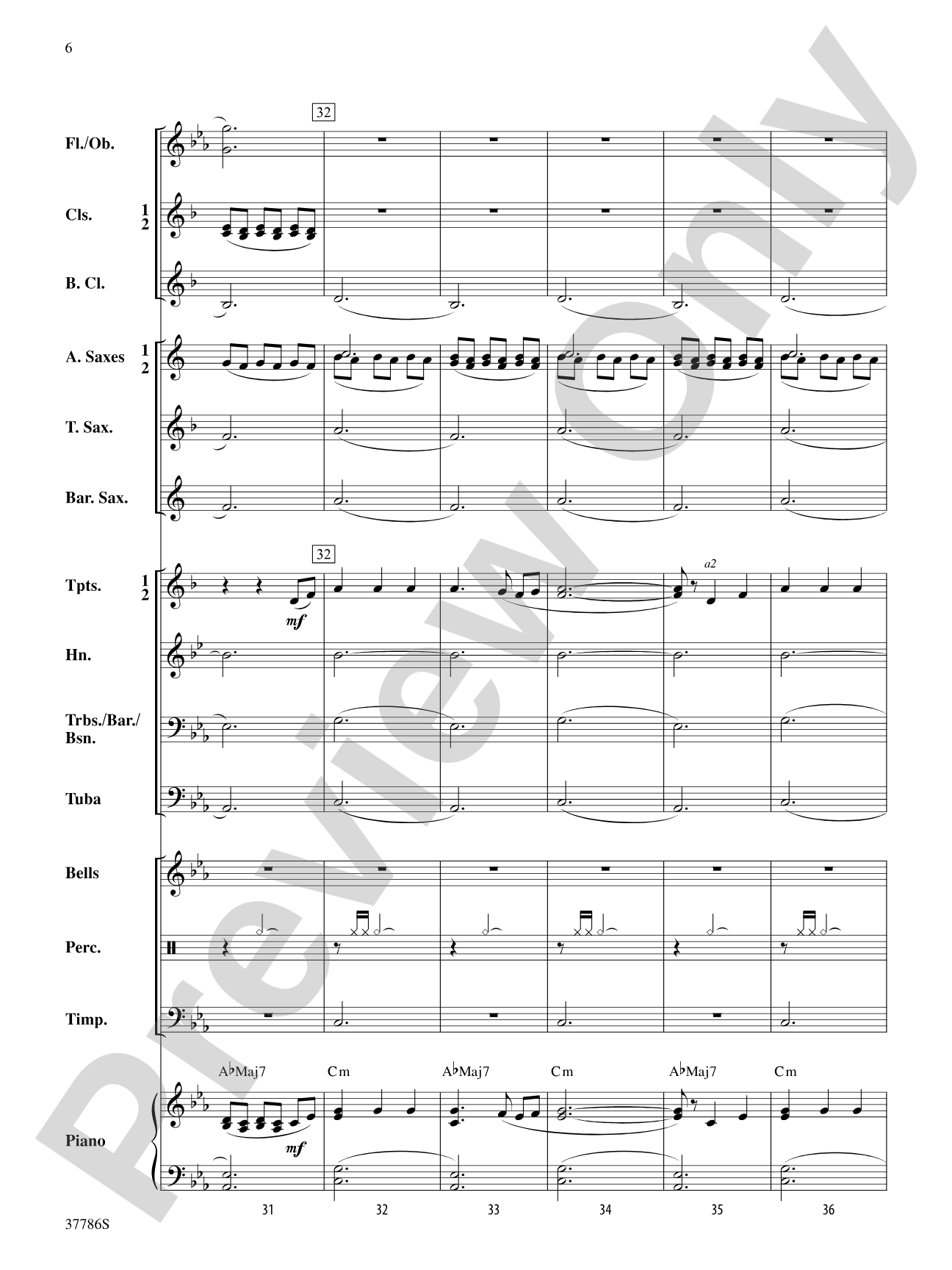
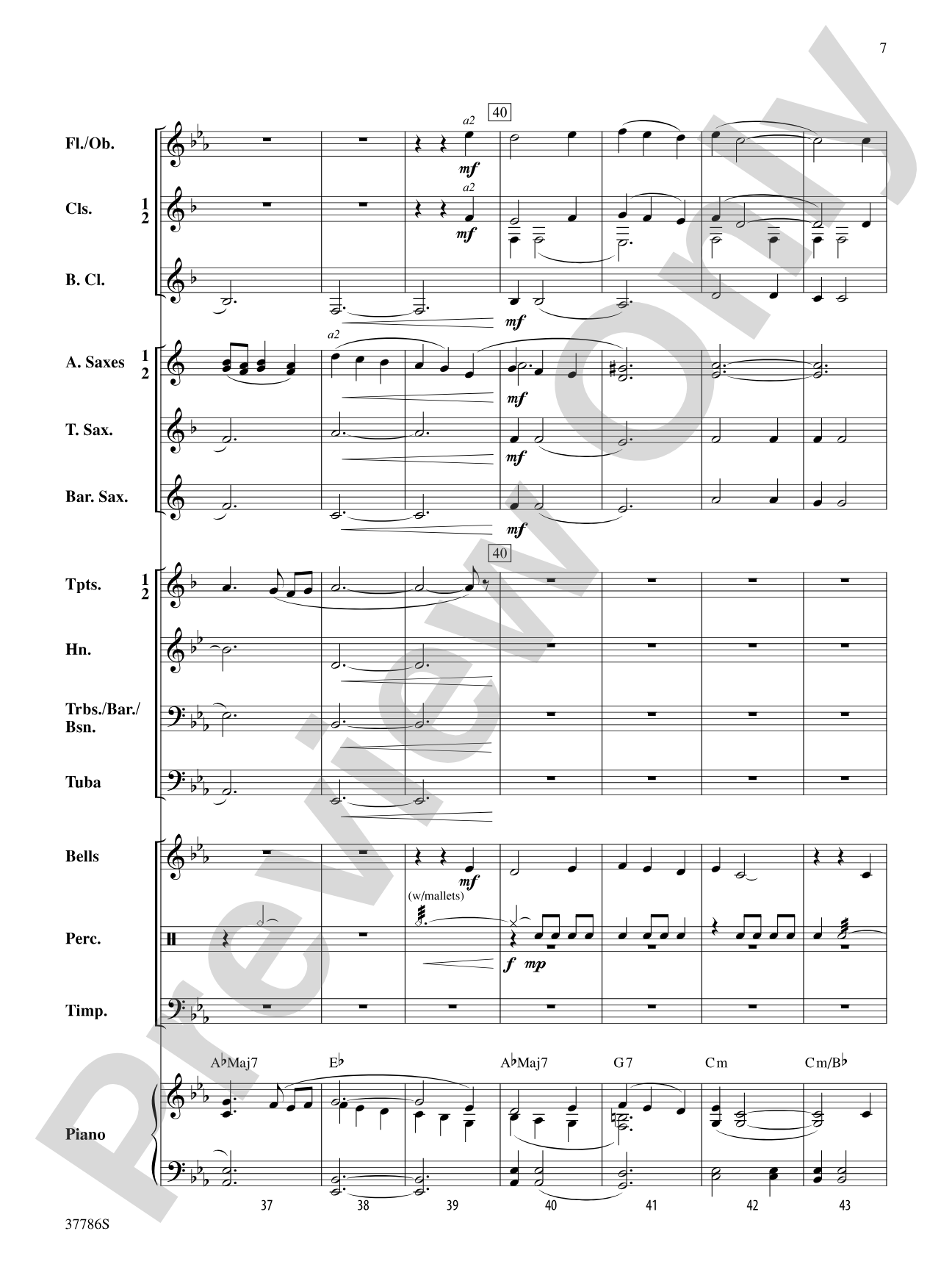
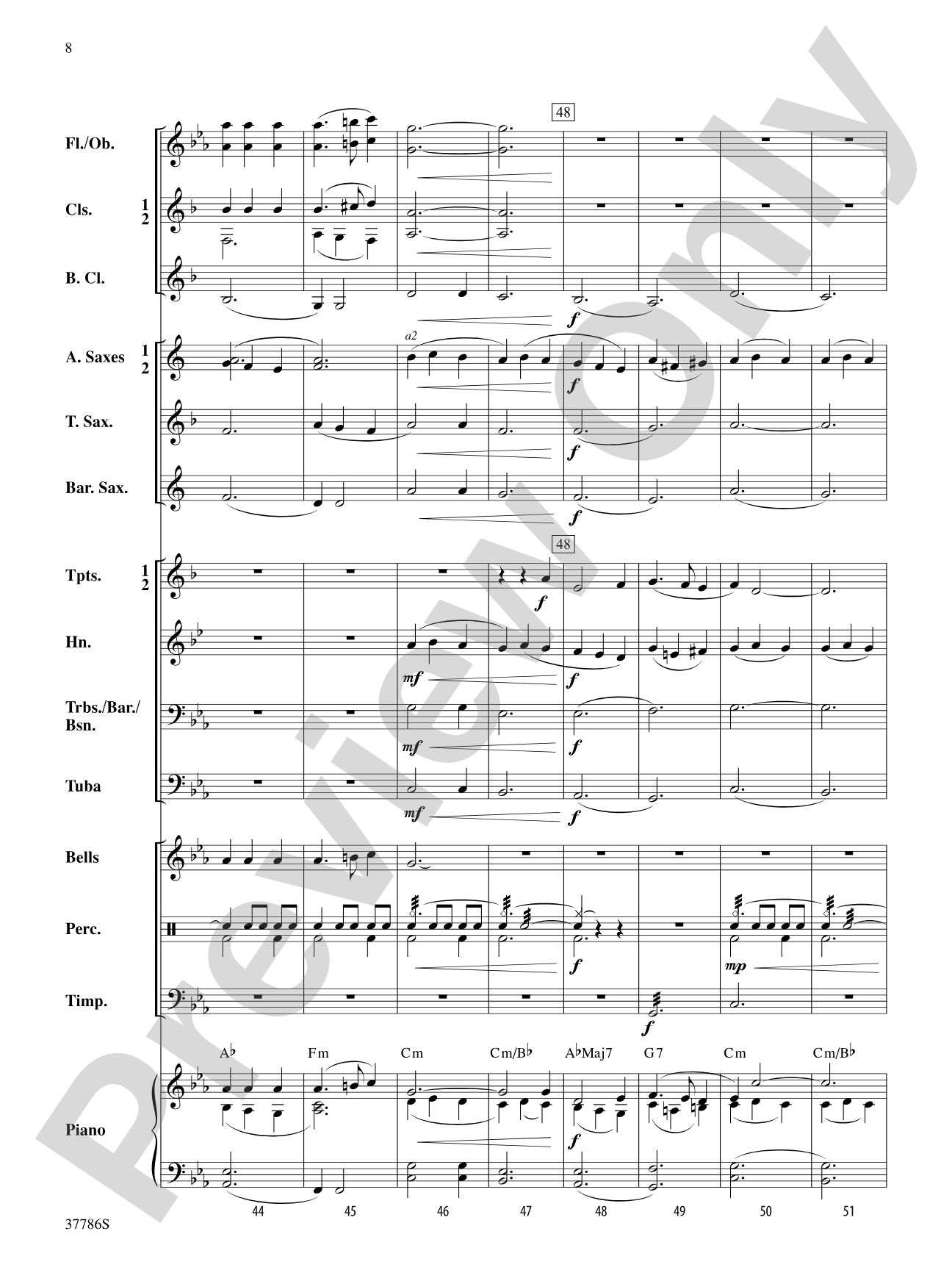
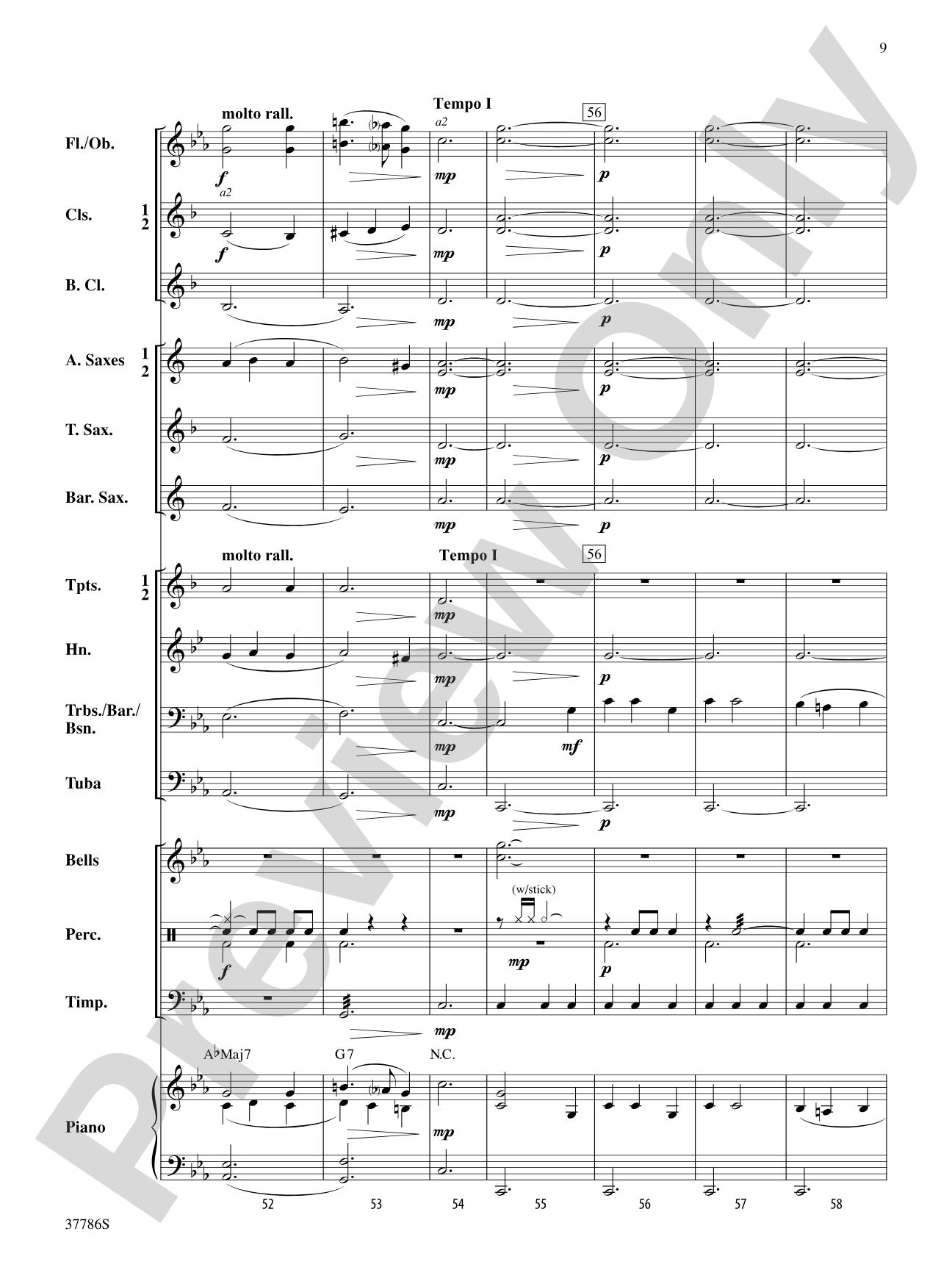
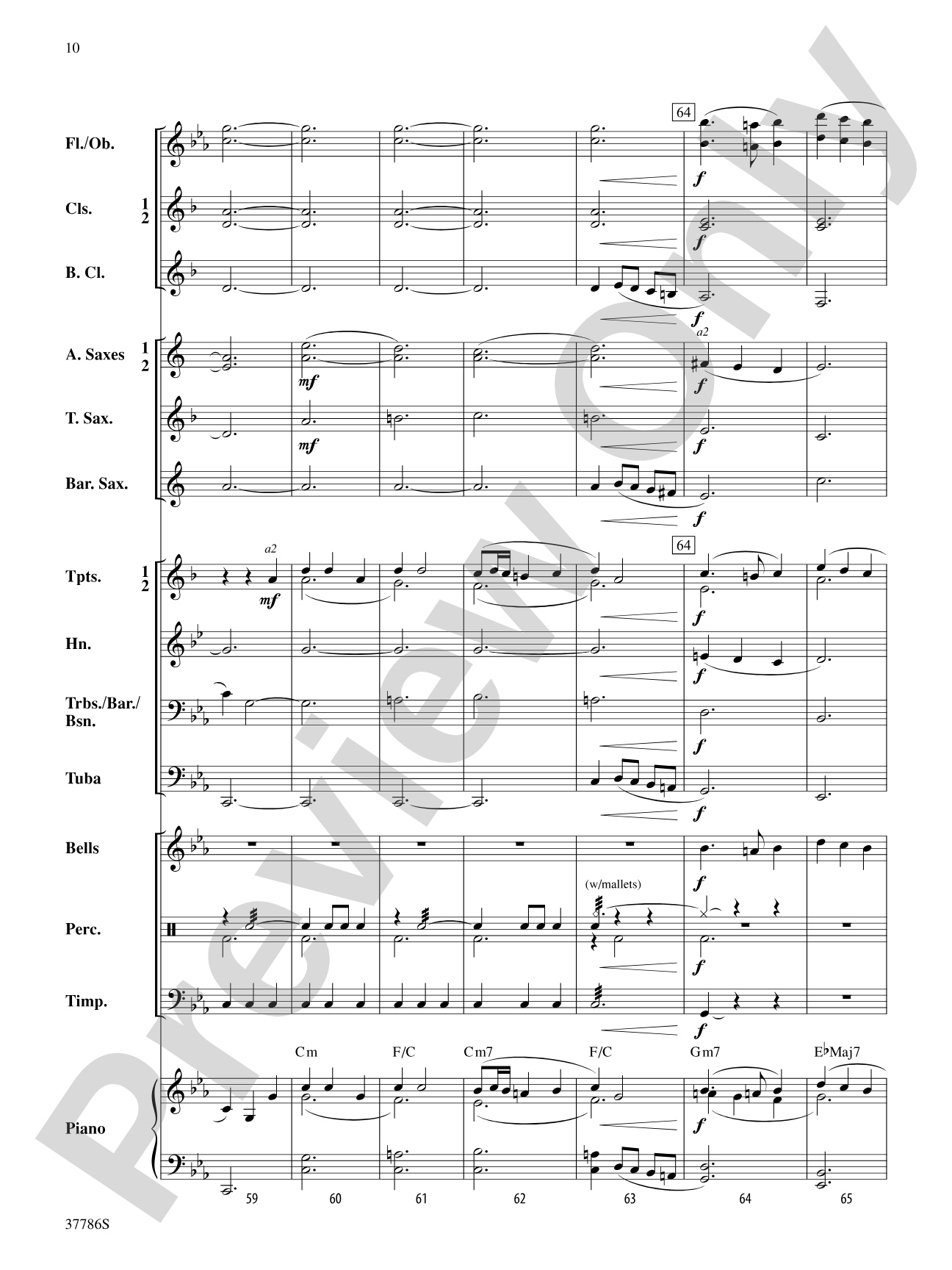
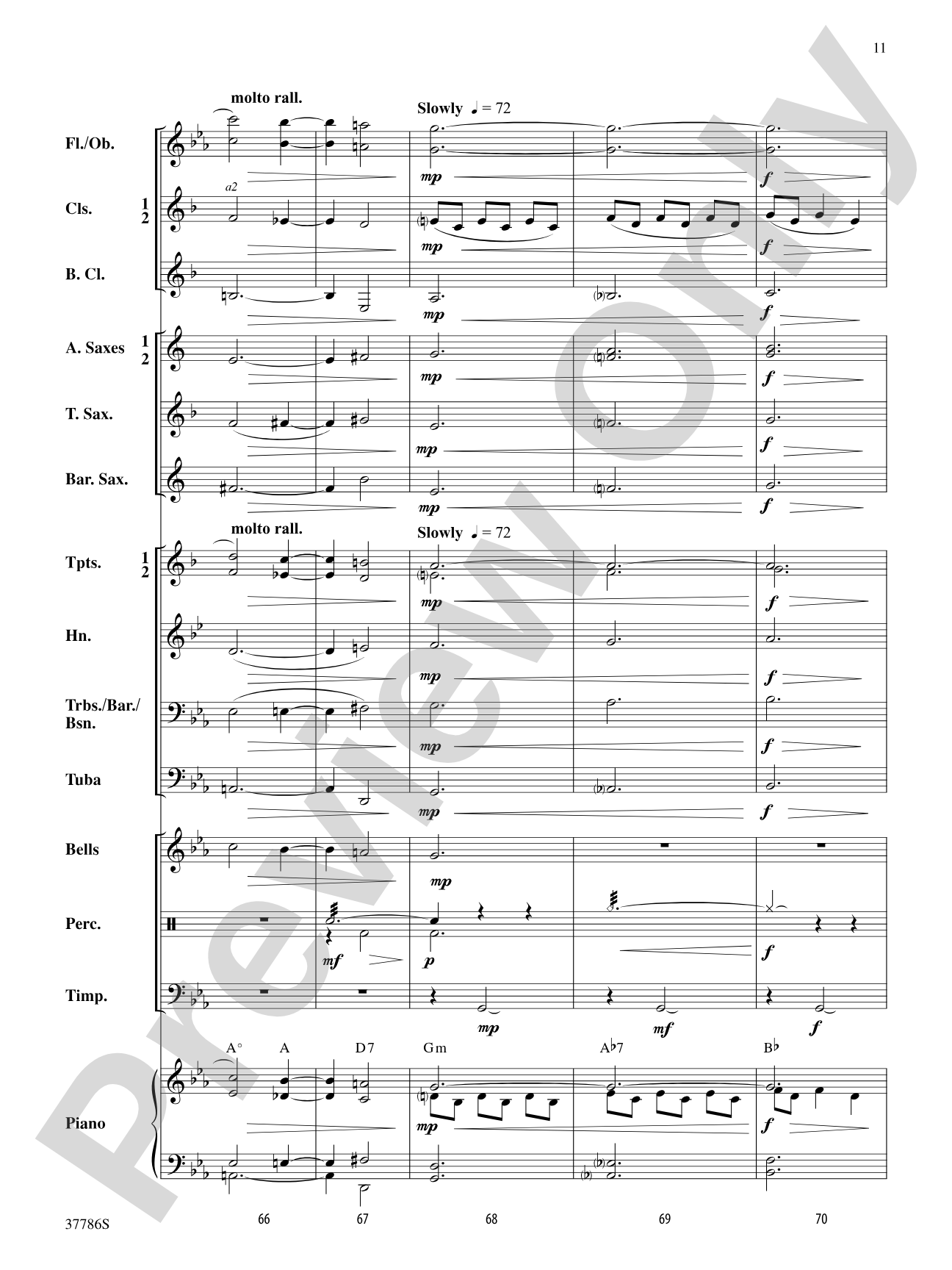
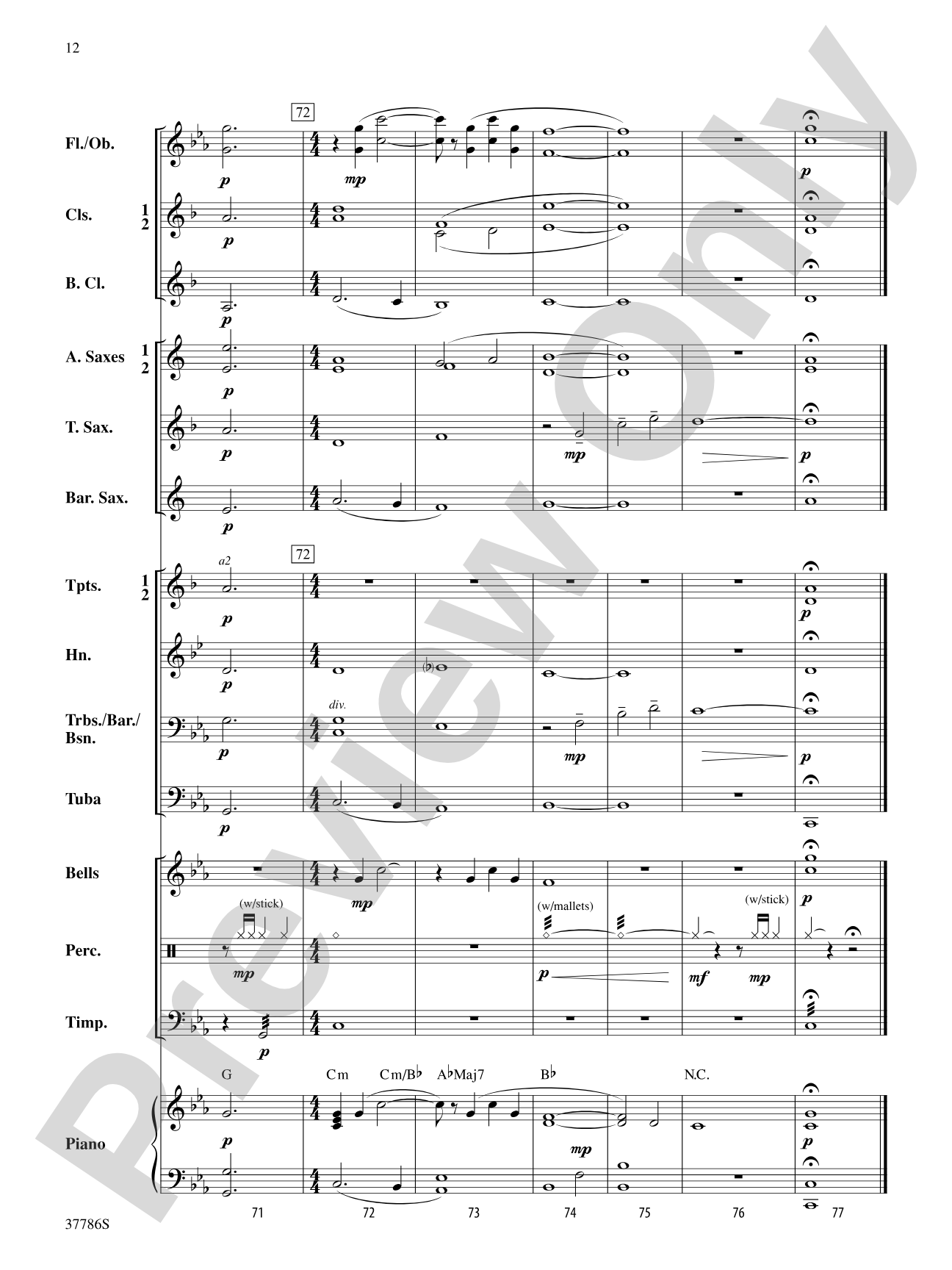
A Yiddish Lullaby: Score
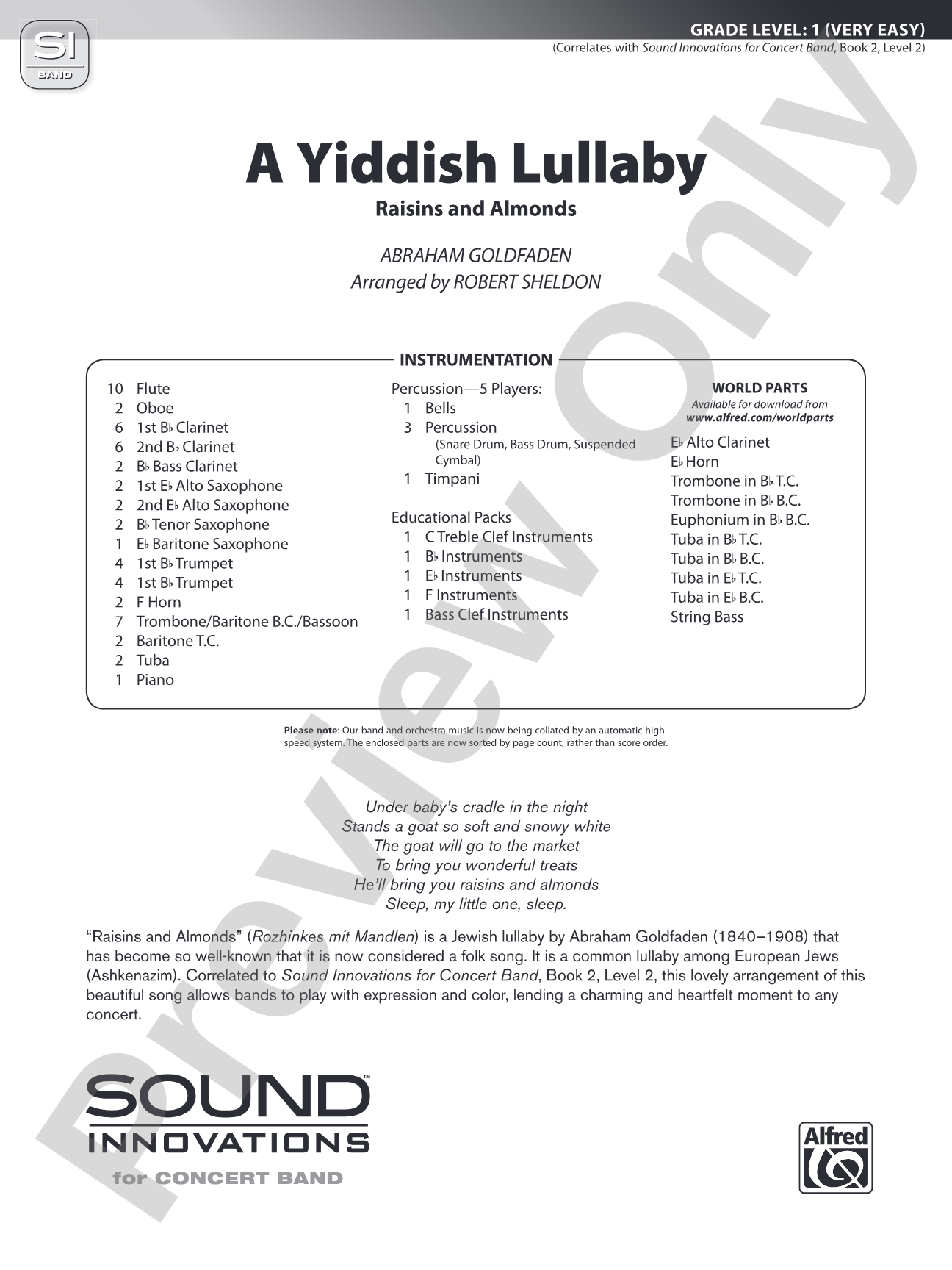
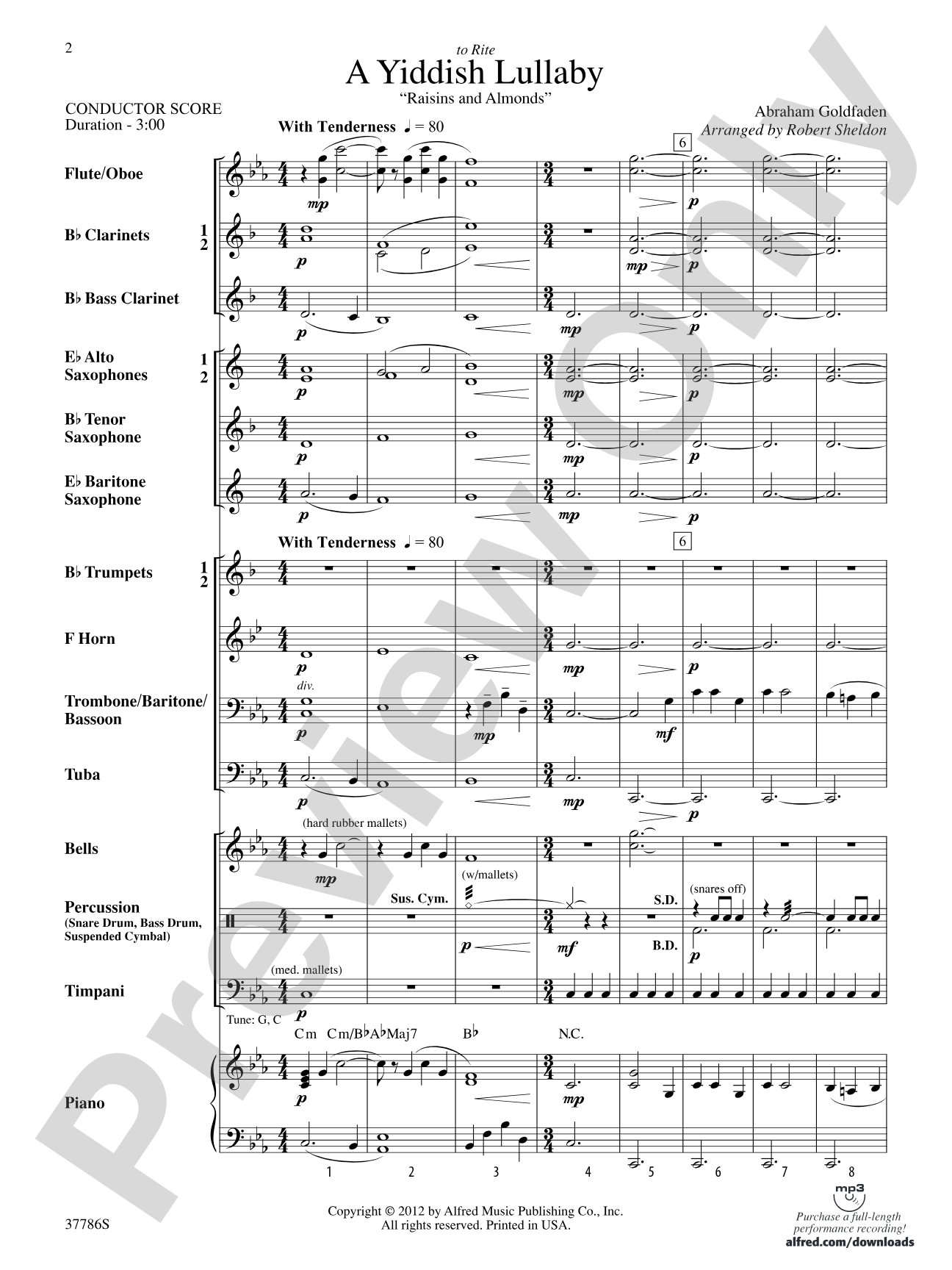
Raisins and Almonds
By Abraham Goldfaden / arr. Robert Sheldon
Grade: 1 (Very Easy)
Item: 00-PR-0003632
Pickup currently not available
Description
Don't just read it, hear it, play along with it, and watch your students grow with it. In MakeMusic Cloud, A Yiddish Lullaby: Score comes alive with professional accompaniment, adjustable tempo, and built-in practice tools that turn solo practice into real progress.
Jump straight in and assign it today.
Open this title and explore the full library in minutes.
Sample Audio
Sample Video
Additional Details
More about this title
About the Composer: Abraham Goldfaden
Abraham Goldfaden (1840–1908) was a Yiddish-language playwright, poet, and composer who founded modern Yiddish theater in the 1870s. His works drew deeply from Jewish folk traditions and everyday life, creating music that resonated across Ashkenazi communities throughout Eastern Europe and beyond. "Raisins and Almonds" stands among his most enduring compositions, preserved through generations as a beloved lullaby that bridges composed and folk traditions.
Why we love this
Sheldon's Grade 1 arrangement captures the gentle, nostalgic warmth of this iconic lullaby without sacrificing musical substance. It gives early-level bands an authentic cultural touchstone while building foundational skills in lyrical playing and ensemble balance. The piece works equally well as a festival selection or a meaningful concert moment that connects players to Jewish musical heritage.
What to expect
Warm, unhurried, and gently introspective. The music evokes the tenderness of a bedtime song, with a melody that floats over simple, supportive harmonies. There's a quiet dignity to the unfolding phrases that invites listeners into an intimate musical moment.
Who it's for
This arrangement serves Grade 1 bands ready to explore expressive, slower-paced repertoire. It works well for groups building confidence in lyrical ensemble playing and tone production without technical hurdles.
How to get the most out of it
- Shape the melody with subtle dynamic swells rather than abrupt changes; a lullaby's comfort comes from continuous, gentle phrasing across phrases.
- Balance the upper voice melody against supporting harmonies so the tune remains clear without forcing volume from younger players.
- Allow slight rubato in the sustained passages to create the unhurried, soothing quality intrinsic to the lullaby form.
- Pay attention to intonation in the slower harmonic progressions; tuning becomes more noticeable when the tempo and texture are intimate.
How to use it
Program this as a reflective transition between more energetic selections or as a closing piece that shifts the concert's emotional arc. Its modest length and universal appeal make it accessible for festival play and memorable enough to anchor a themed program celebrating cultural music.
Skills your students will build
- Sustained legato phrasing and breath control over longer lines
- Dynamic nuance within a narrow, expressive range
- Ensemble balance and listening for harmonic blend
- Sensitivity to cultural context and appropriate musical interpretation
- Intonation awareness in slower, chord-based textures