
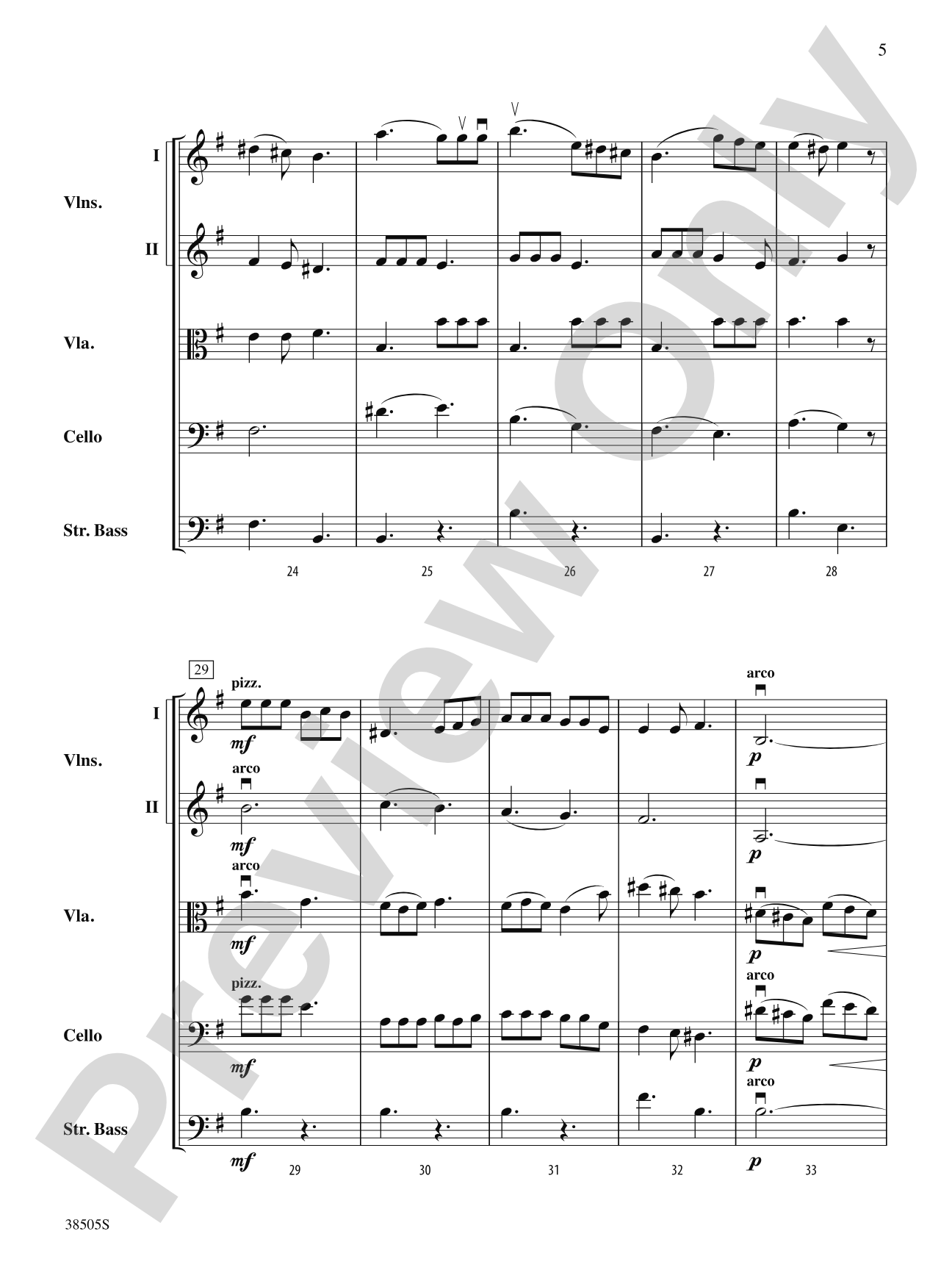
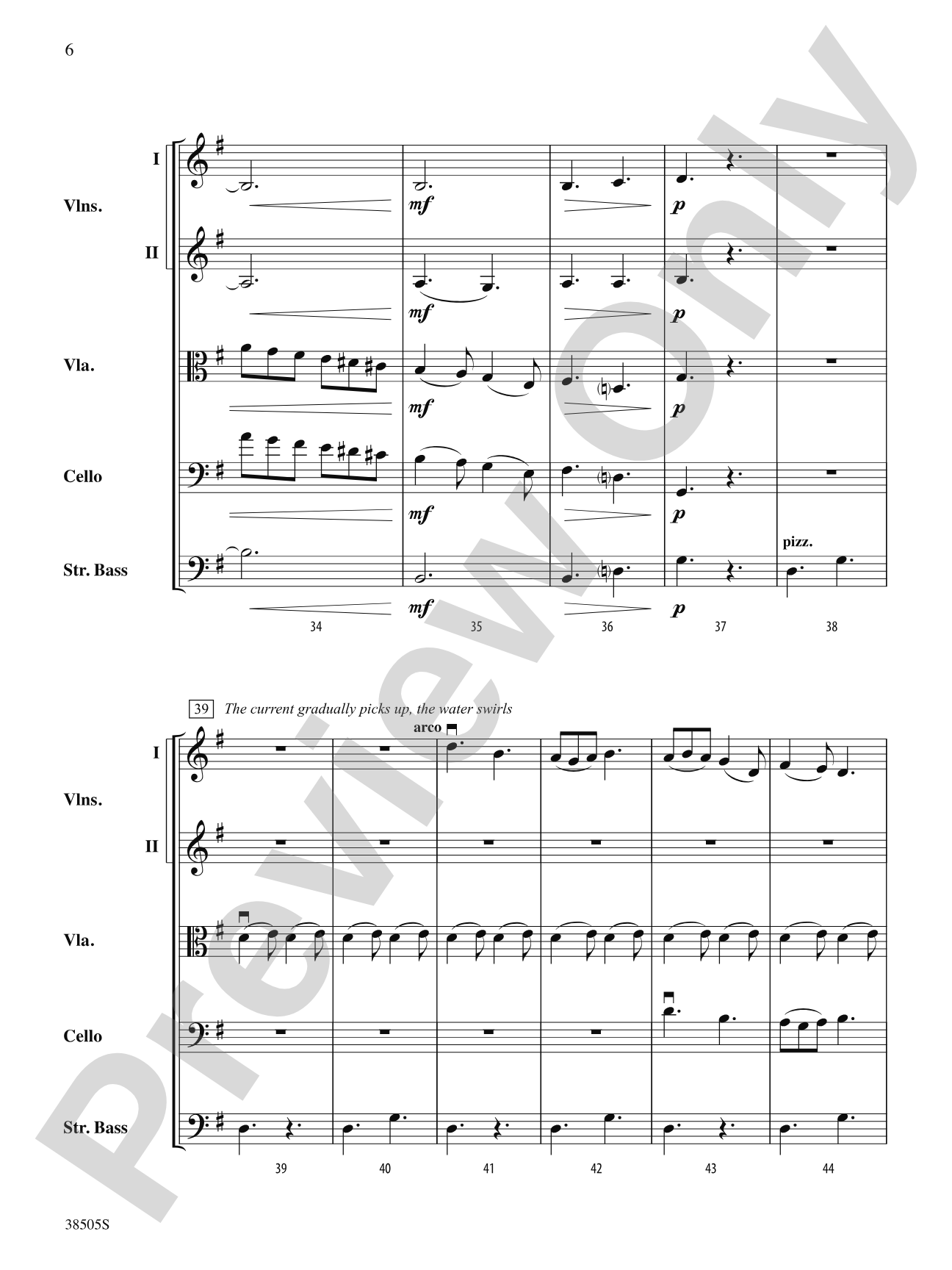
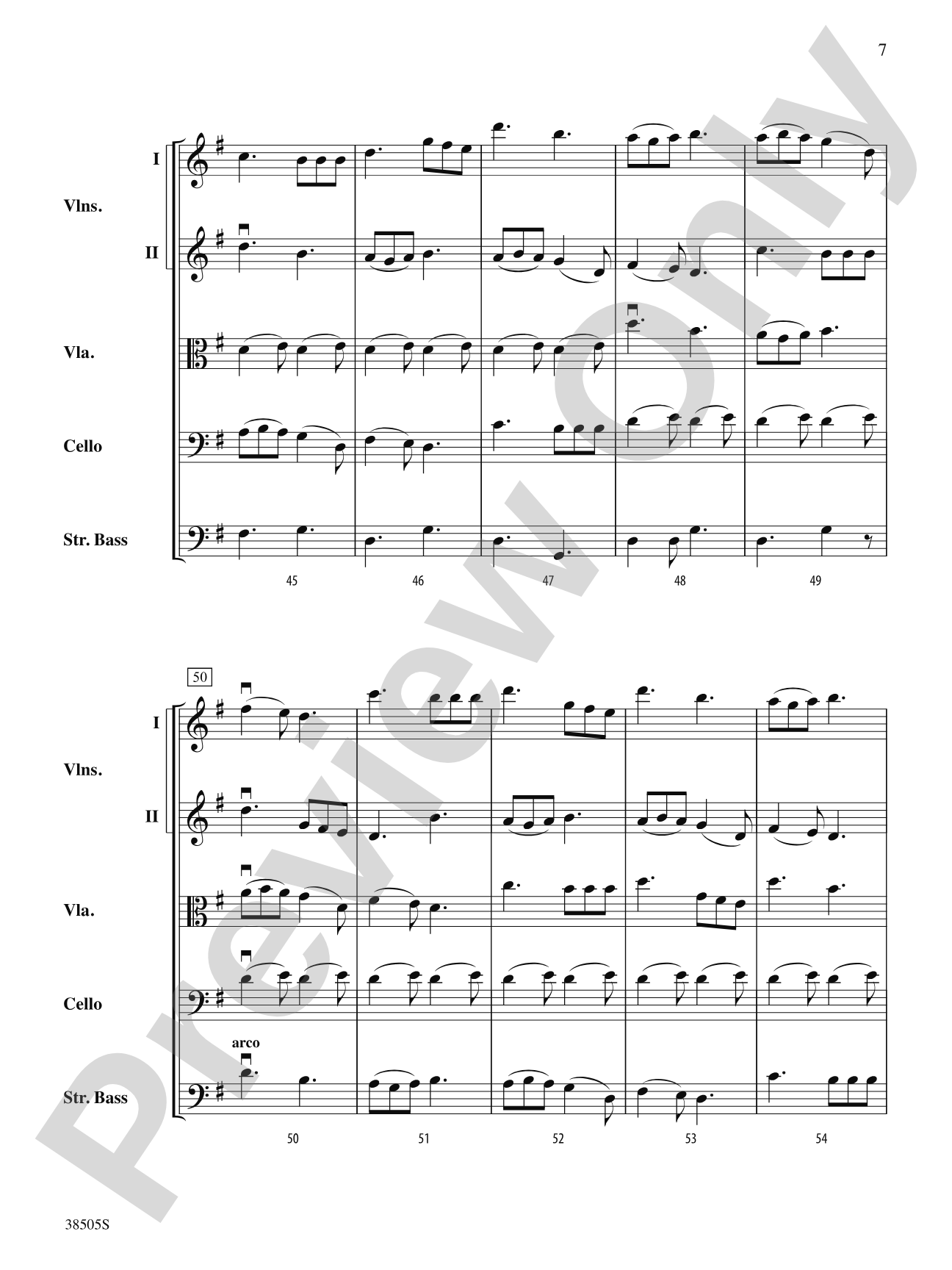
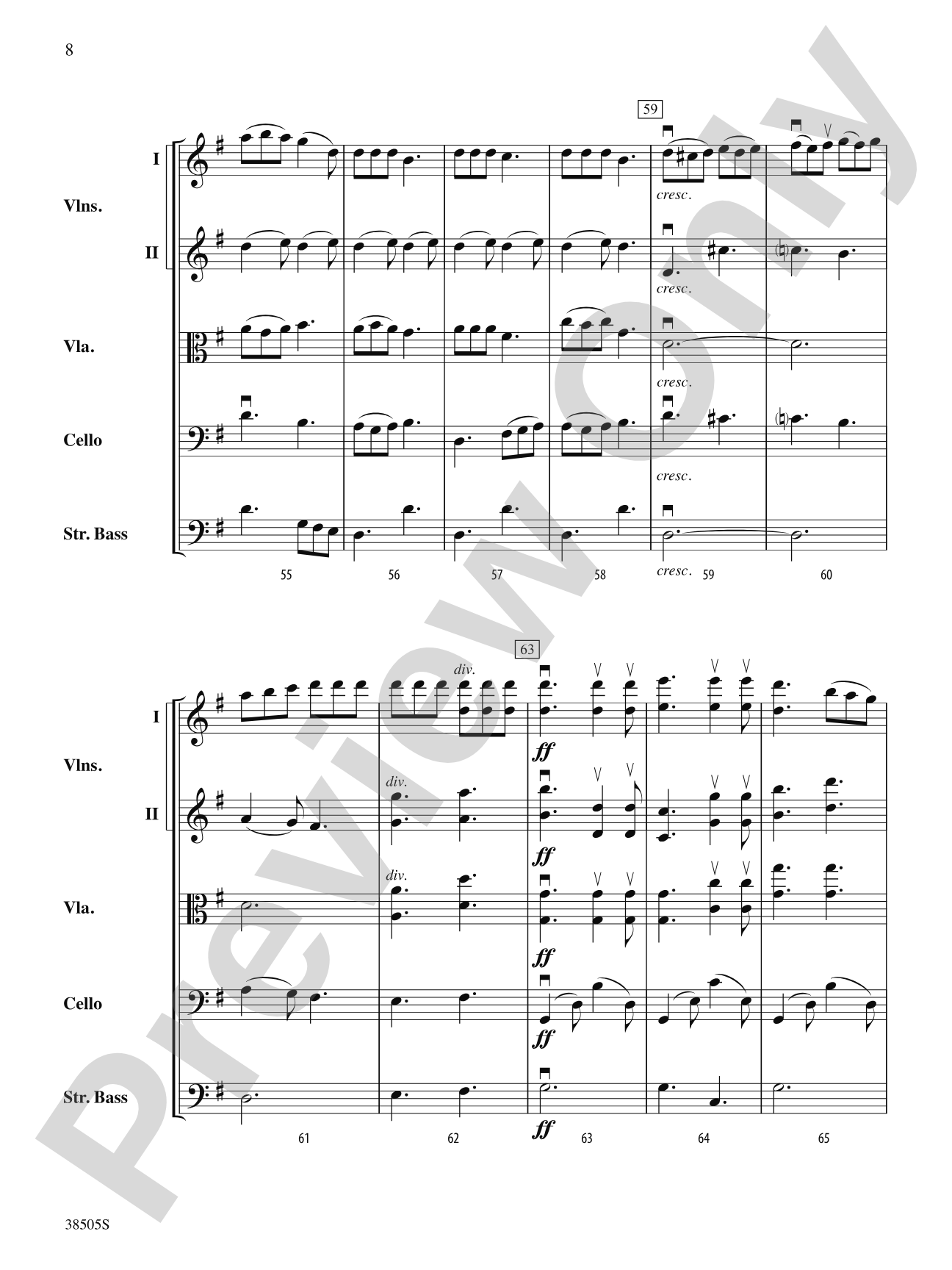
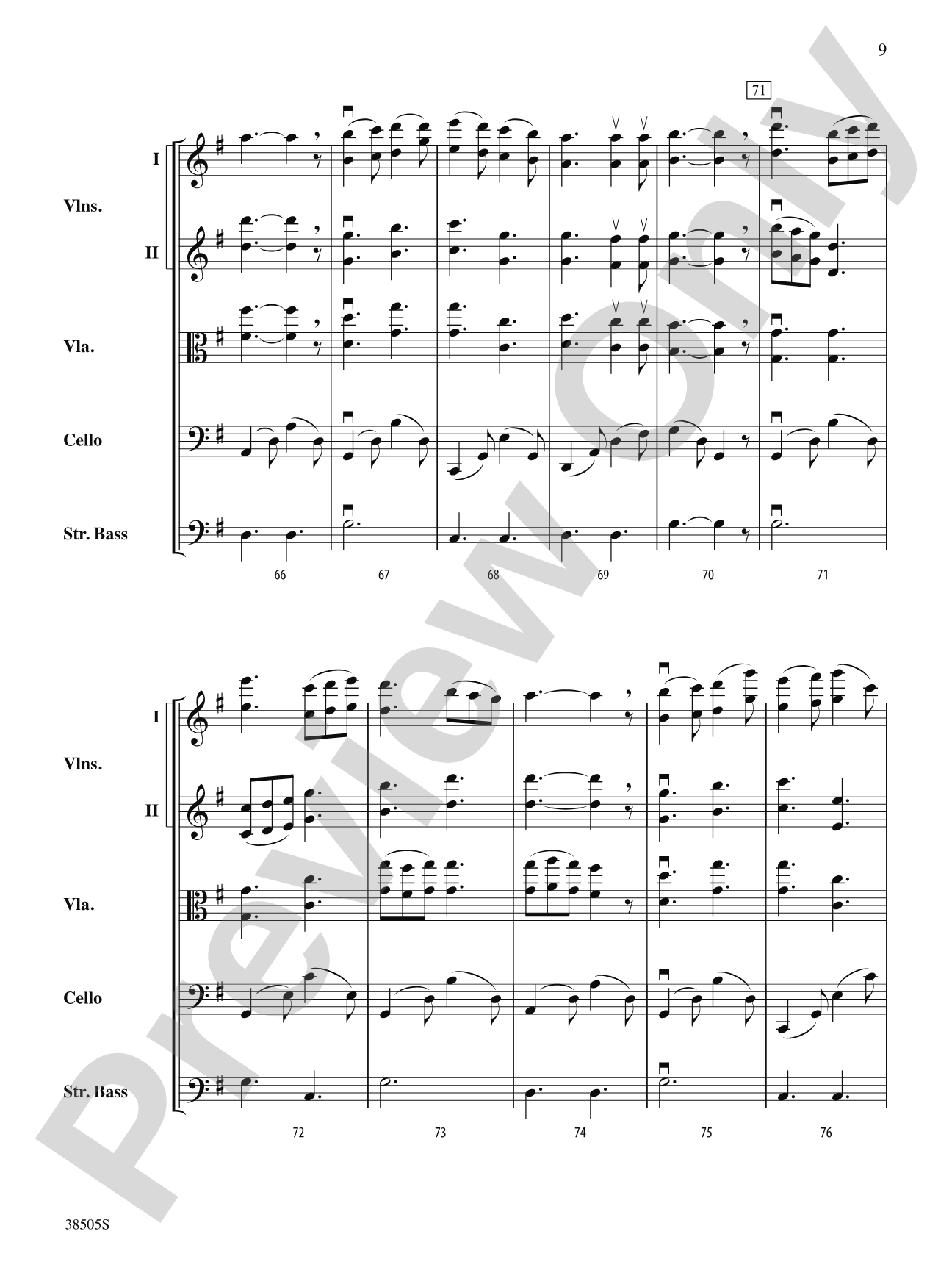
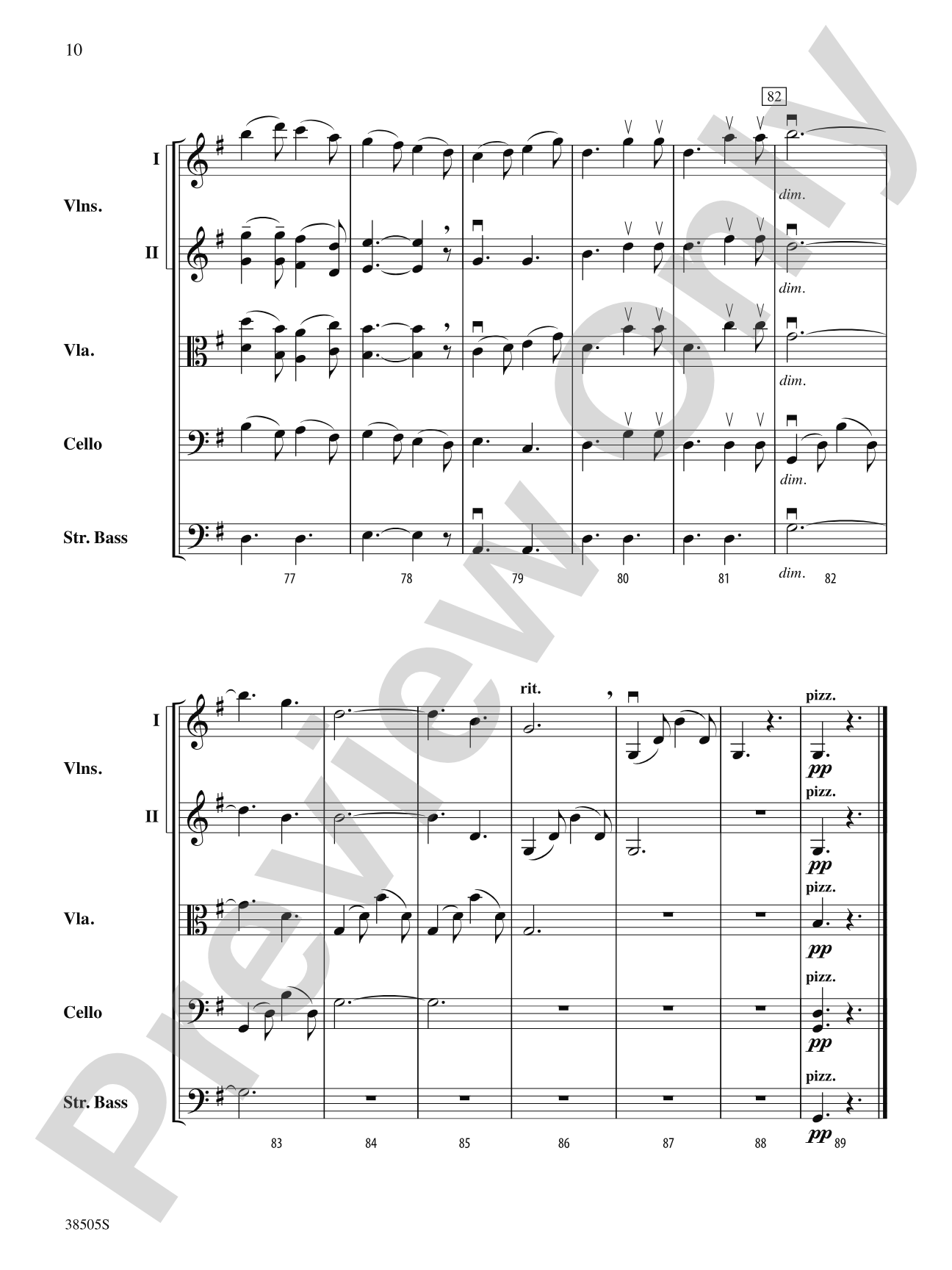
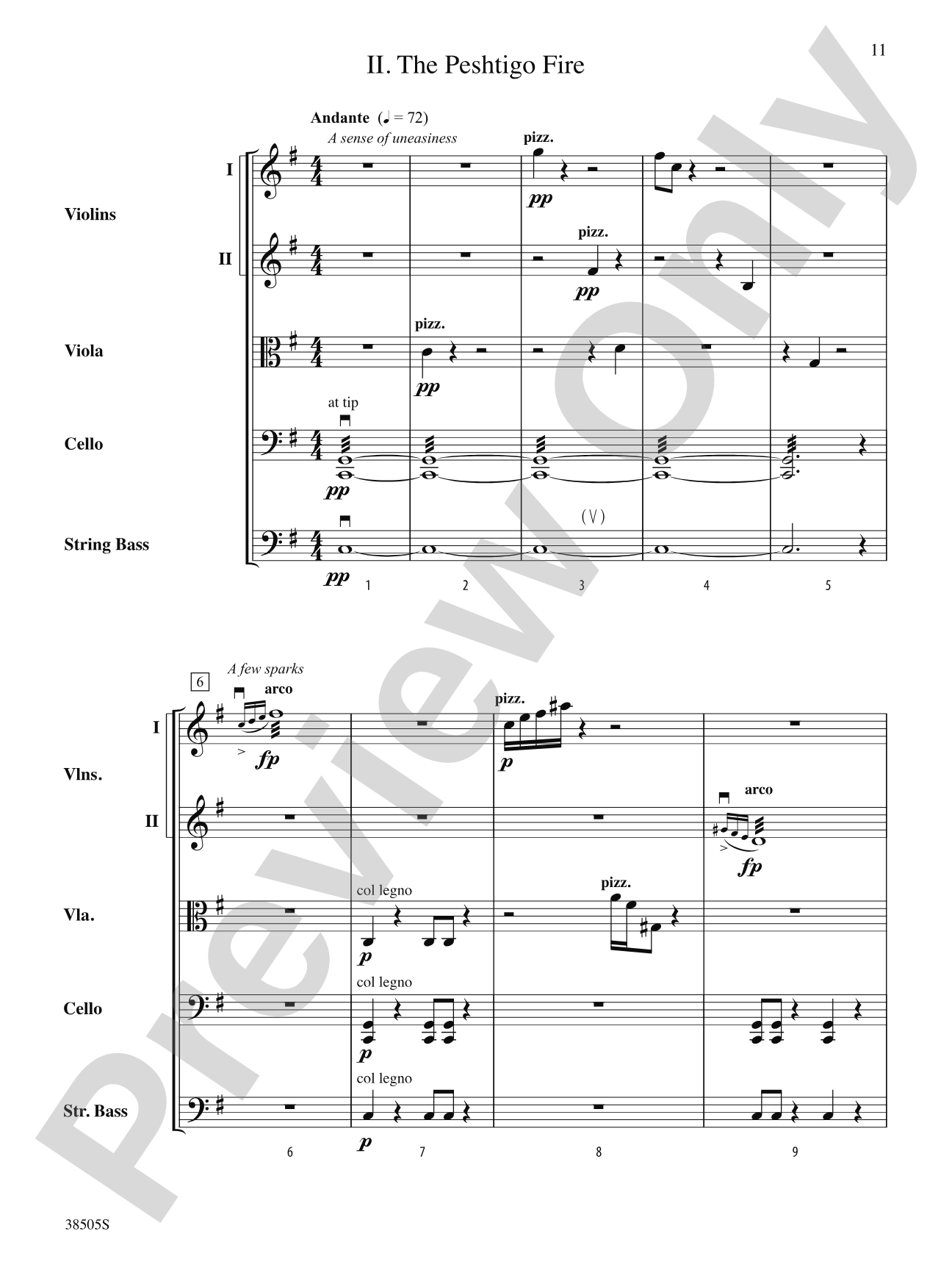
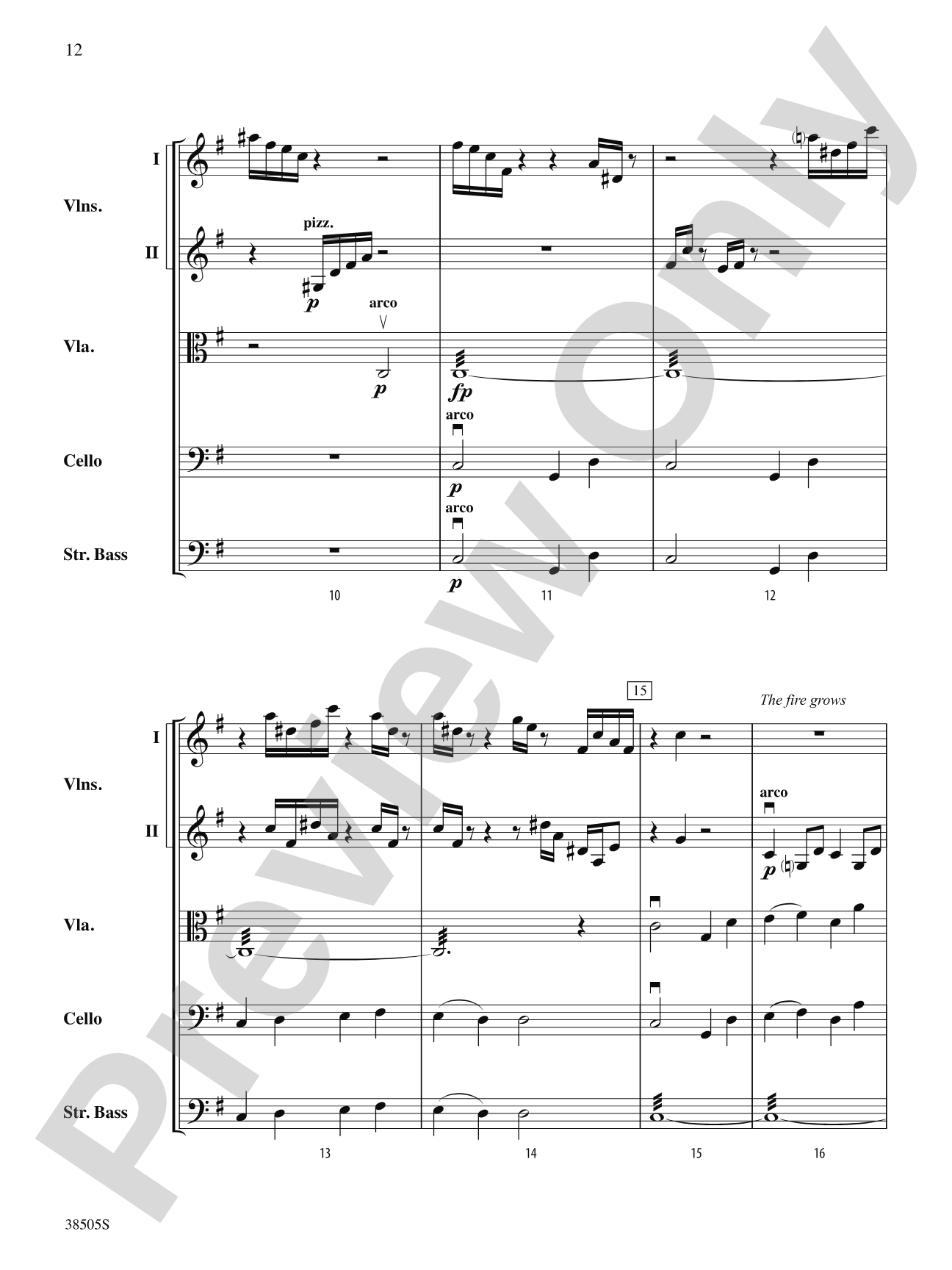
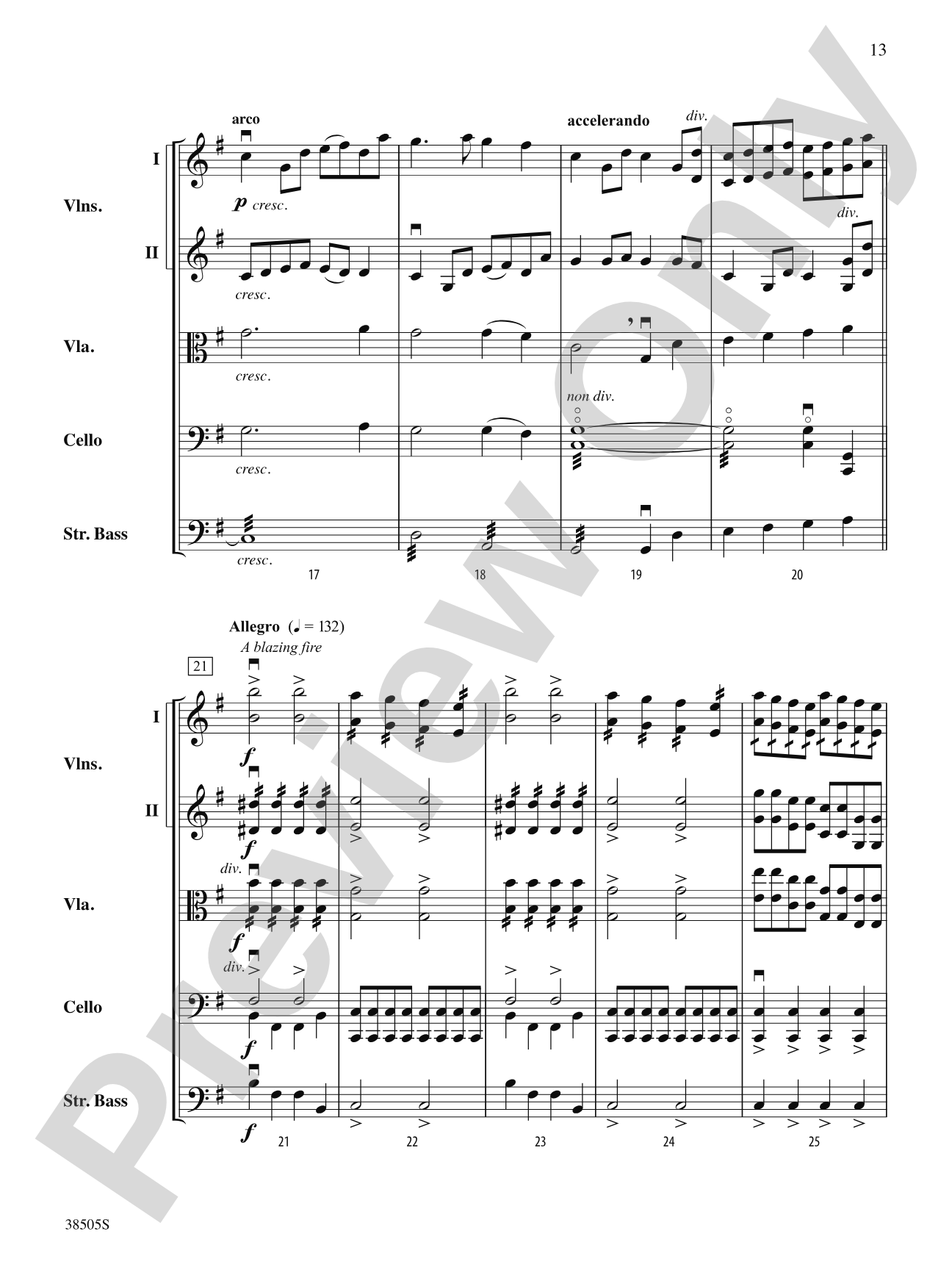
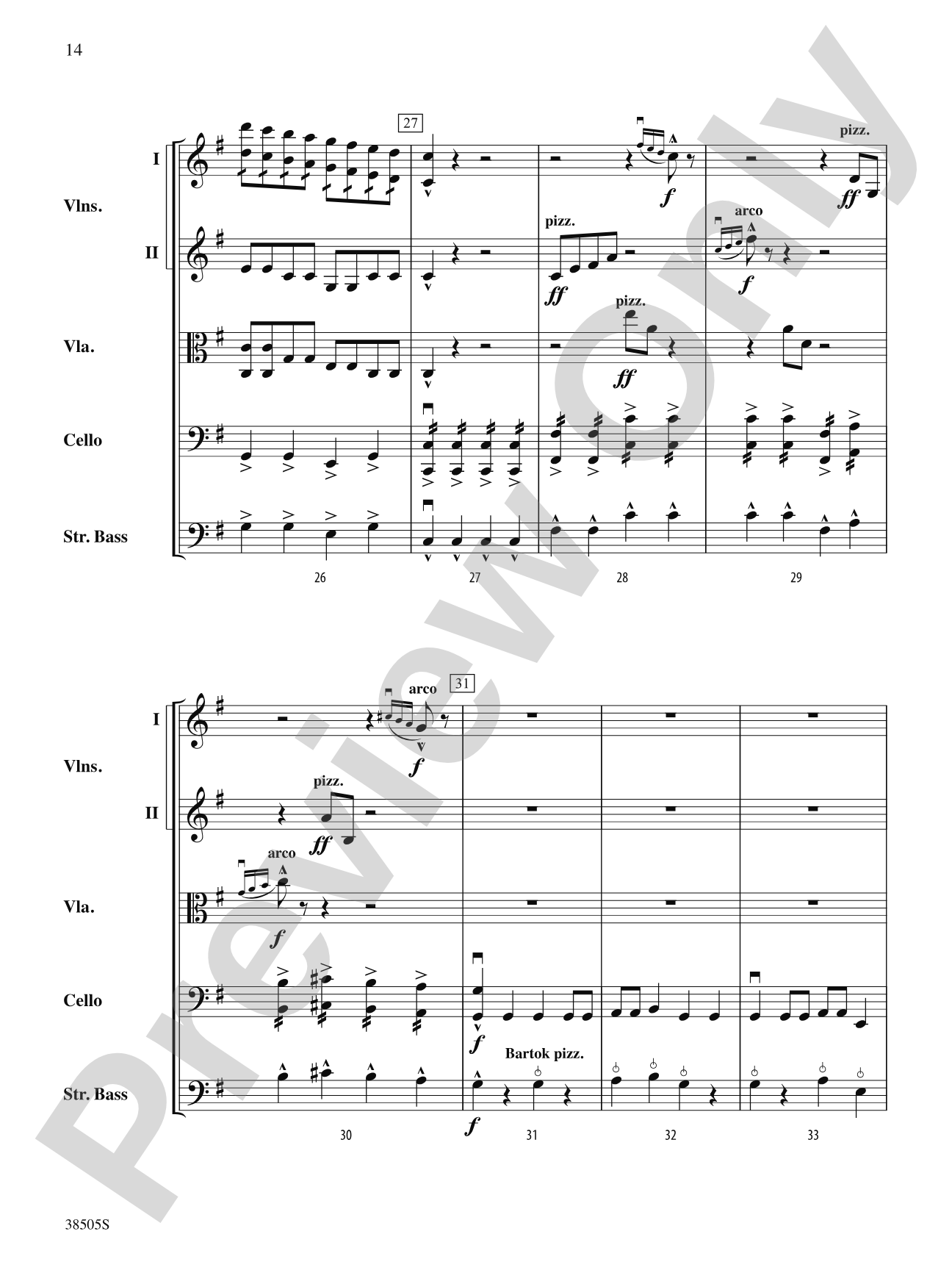
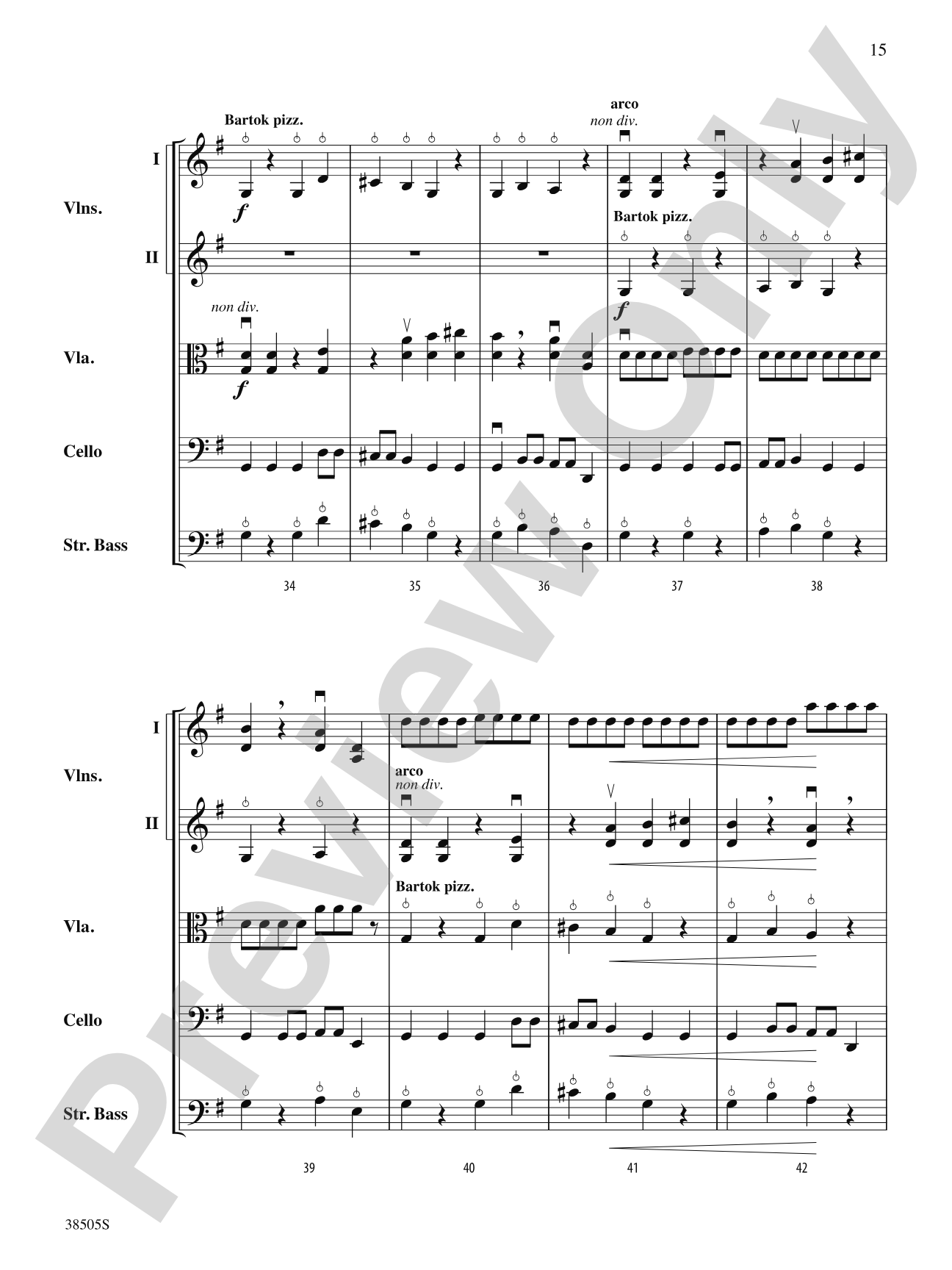
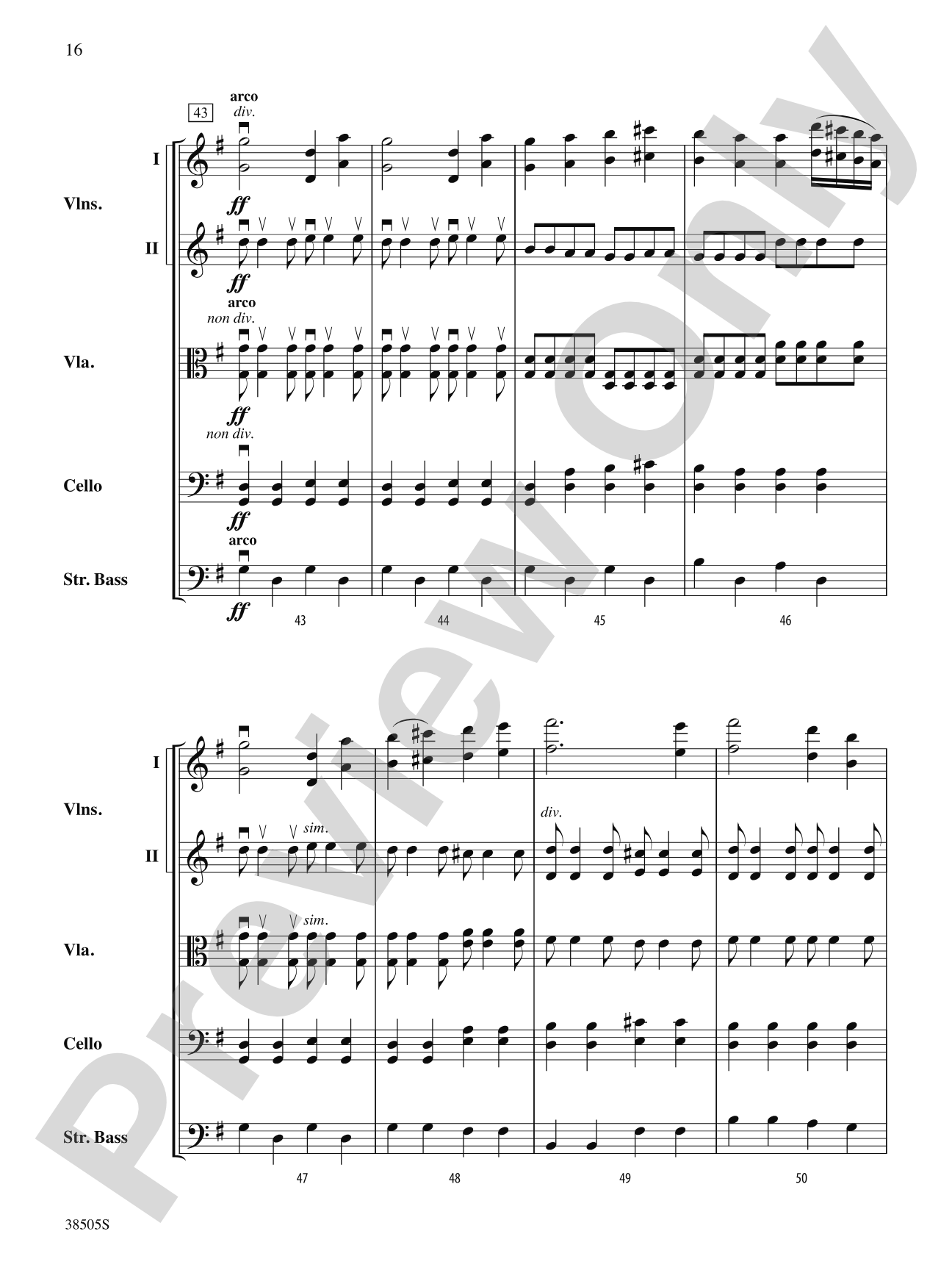
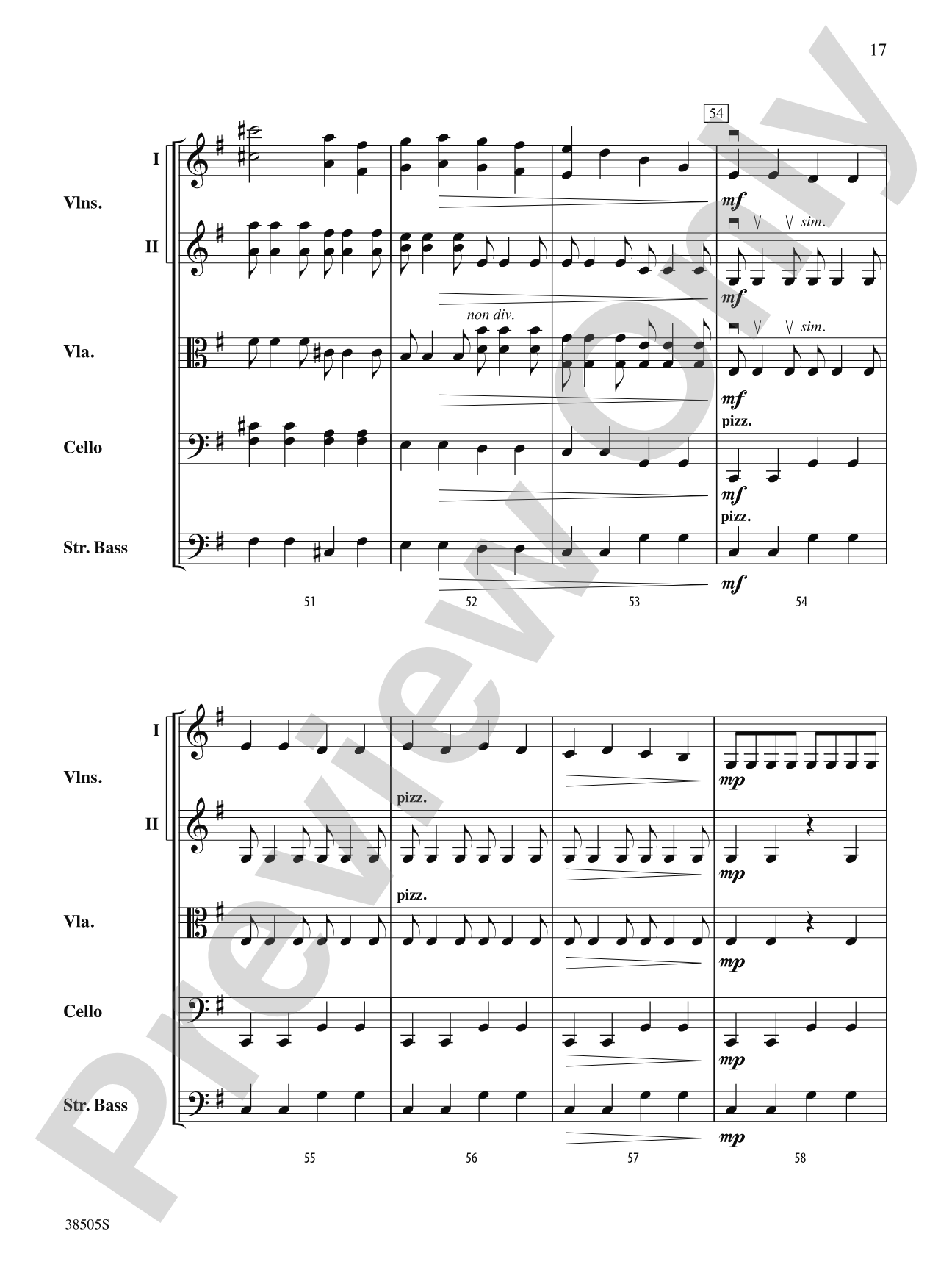
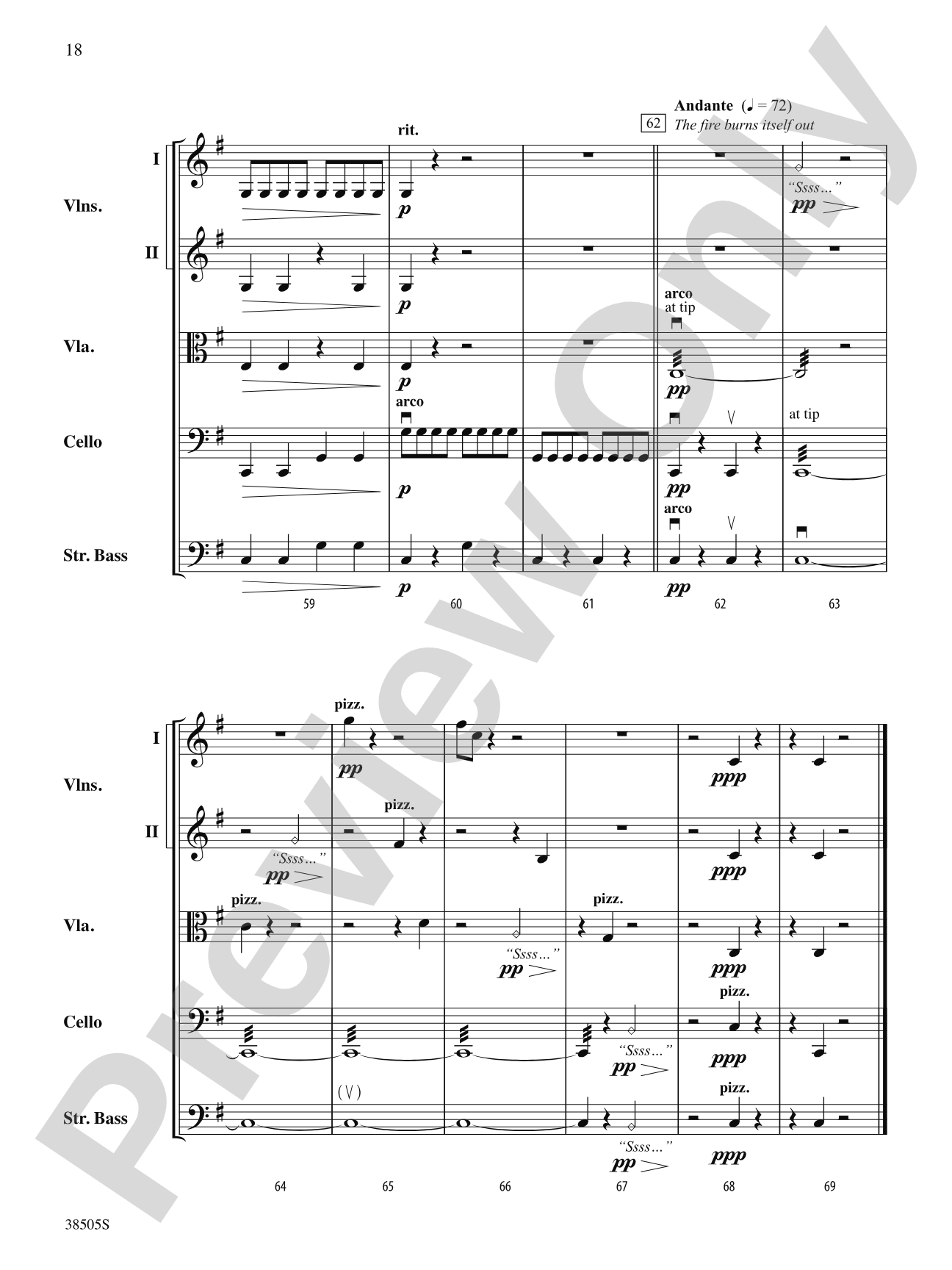
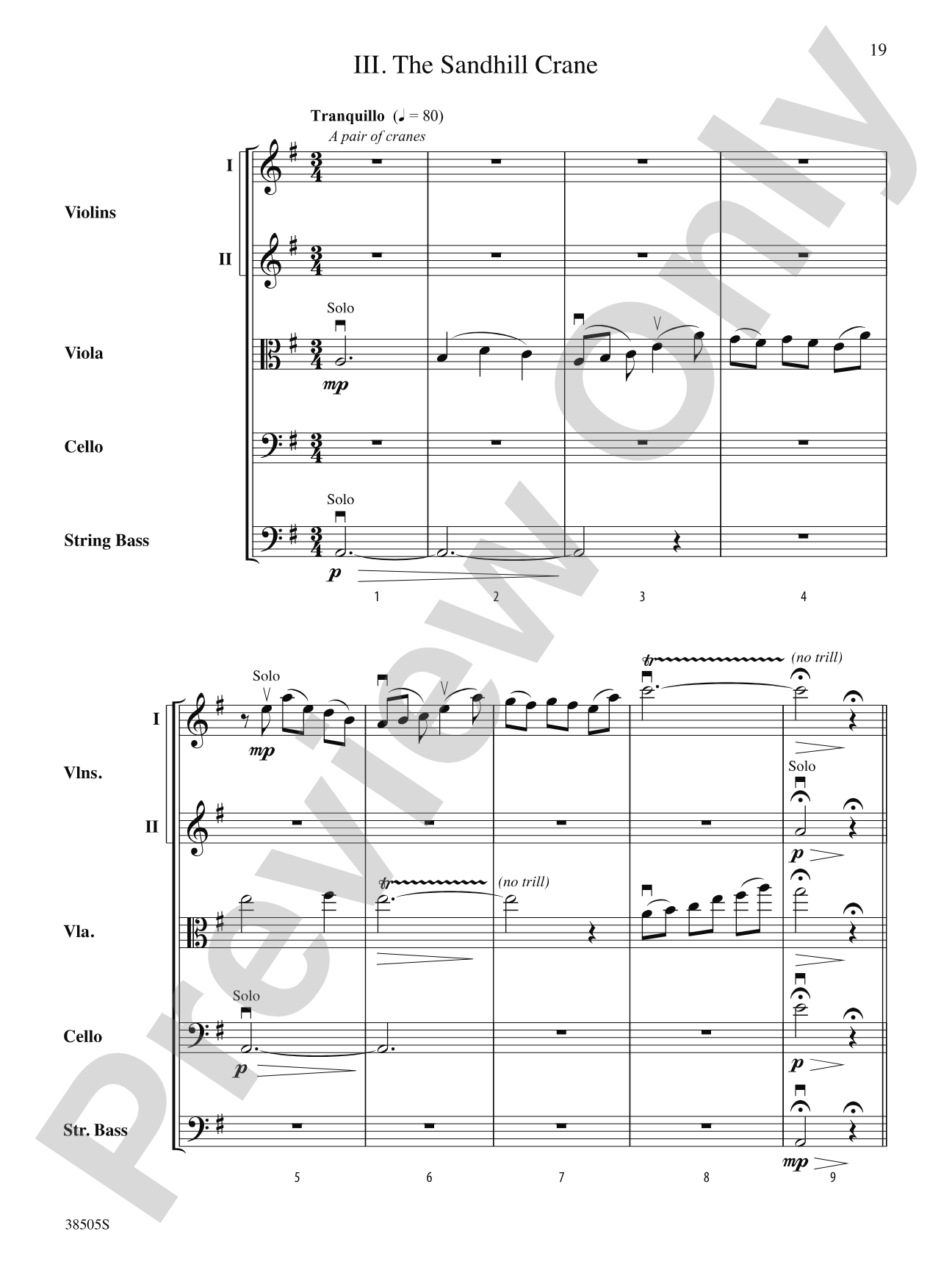
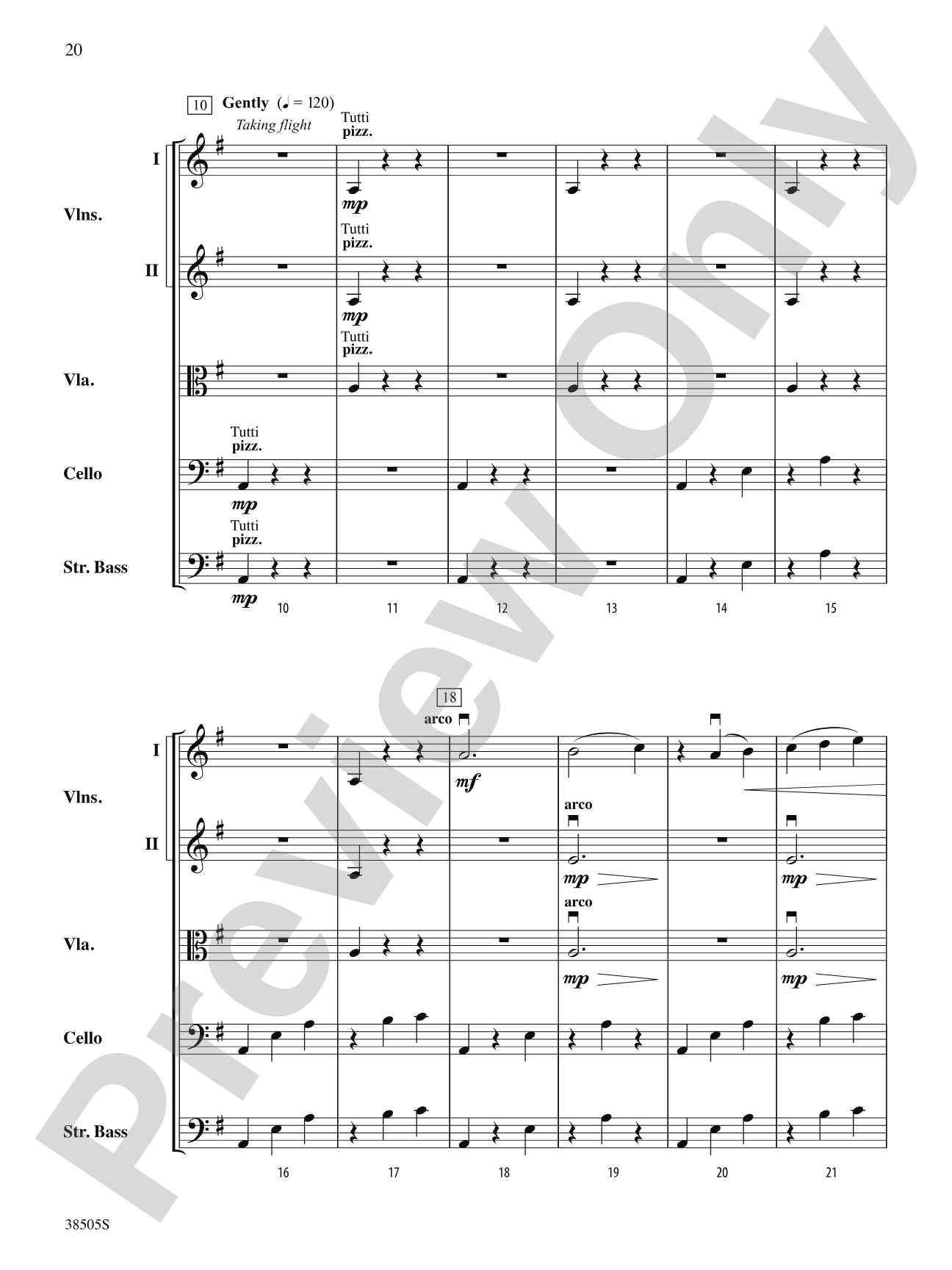
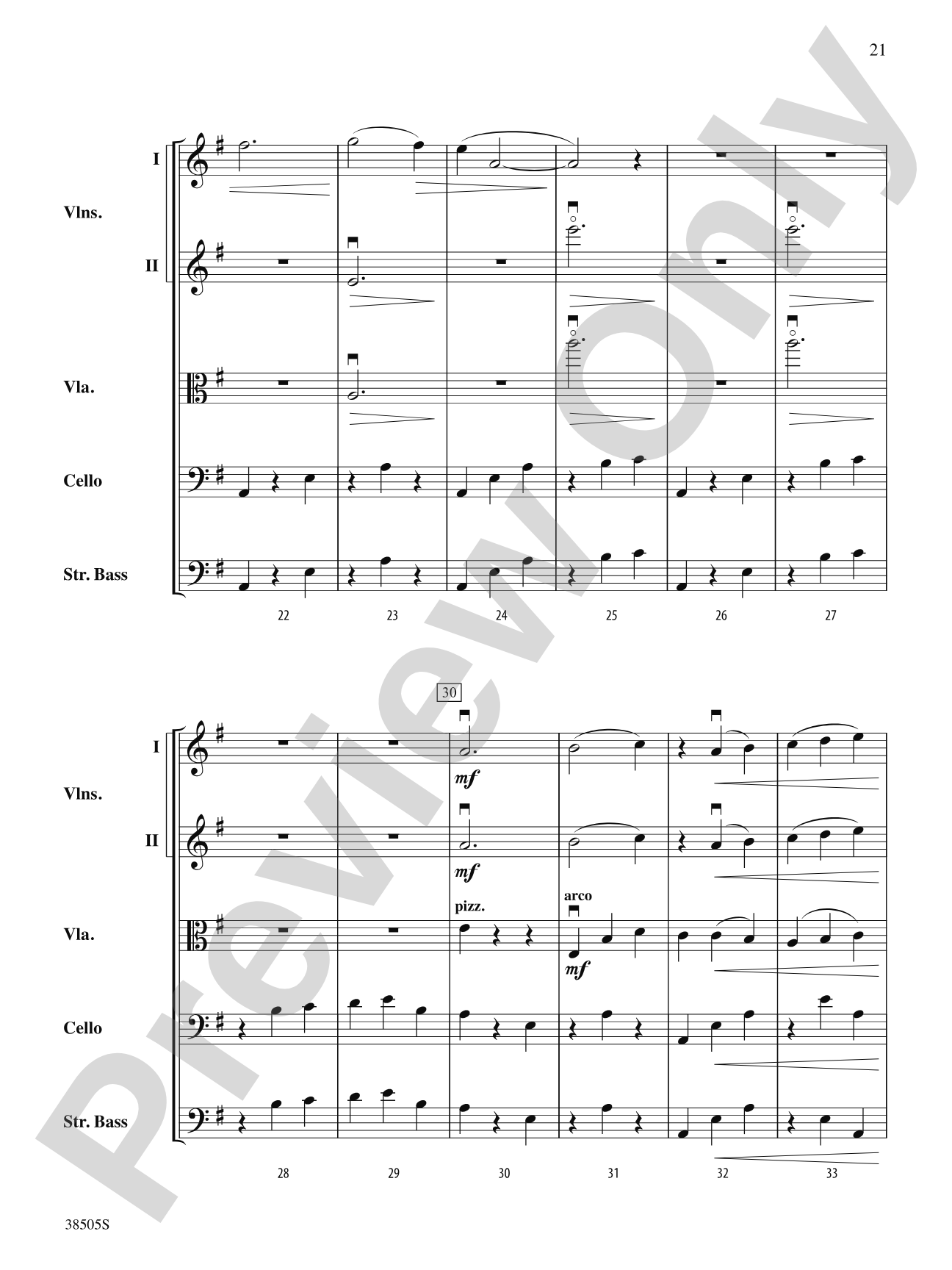
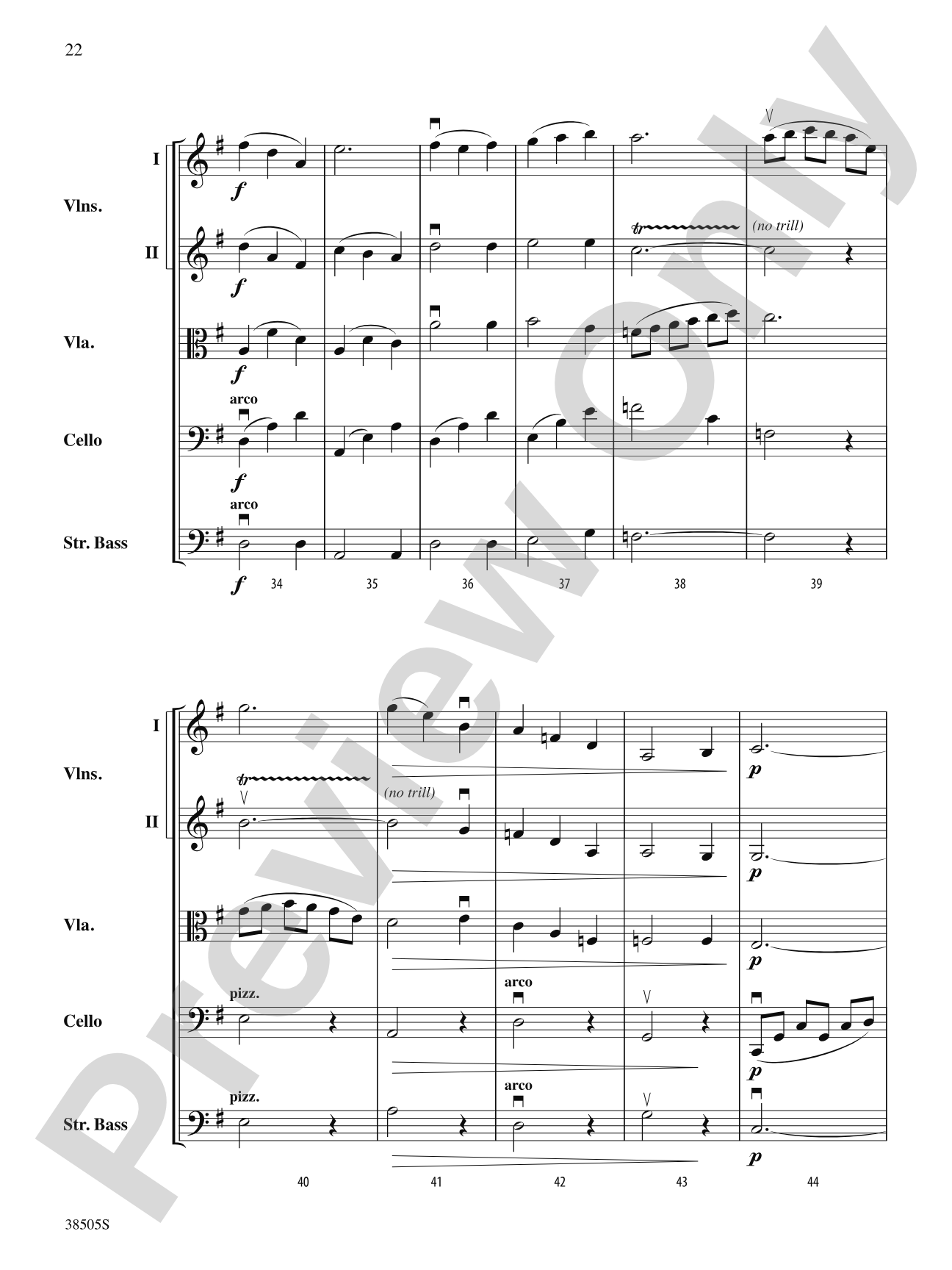
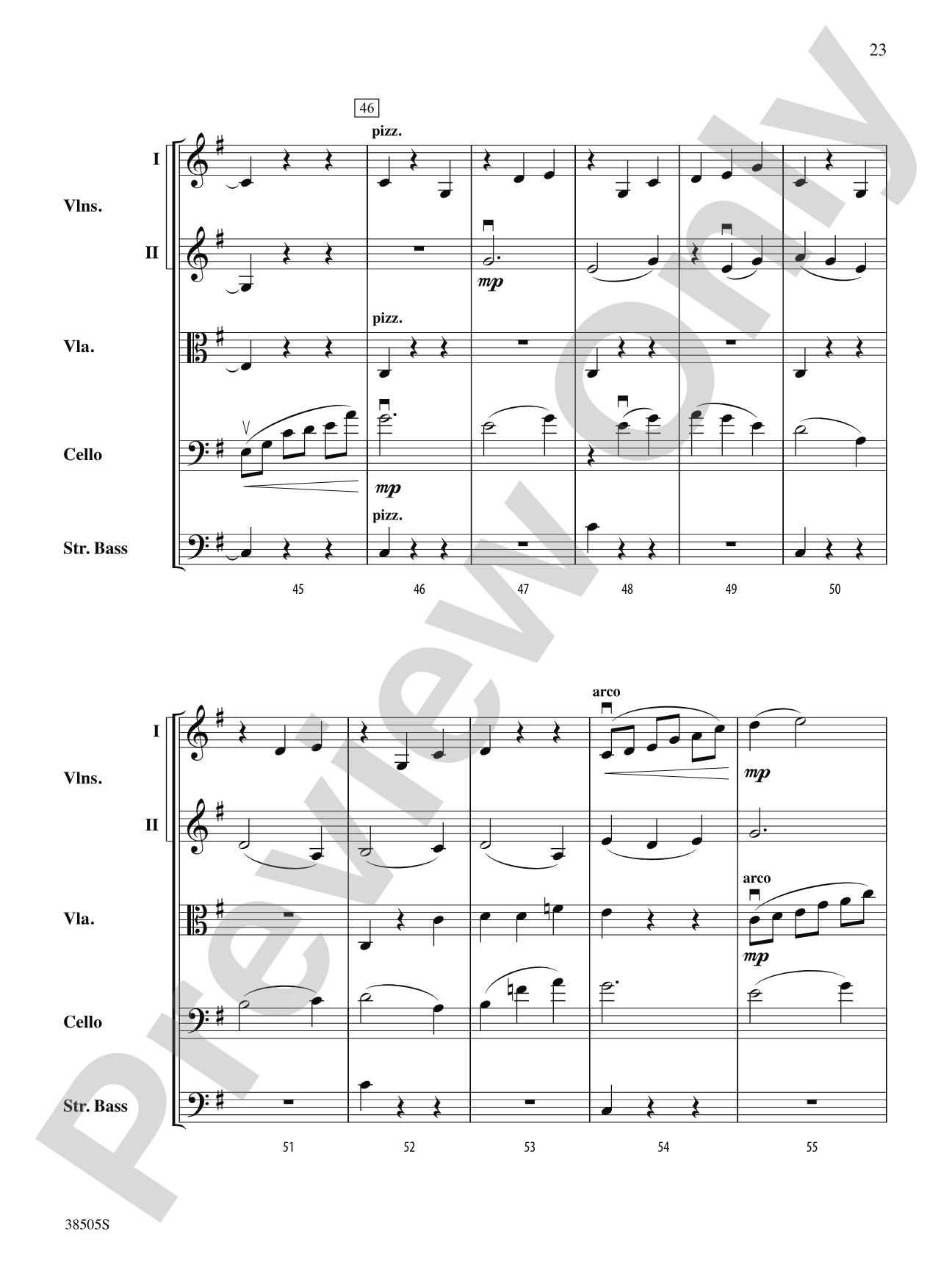
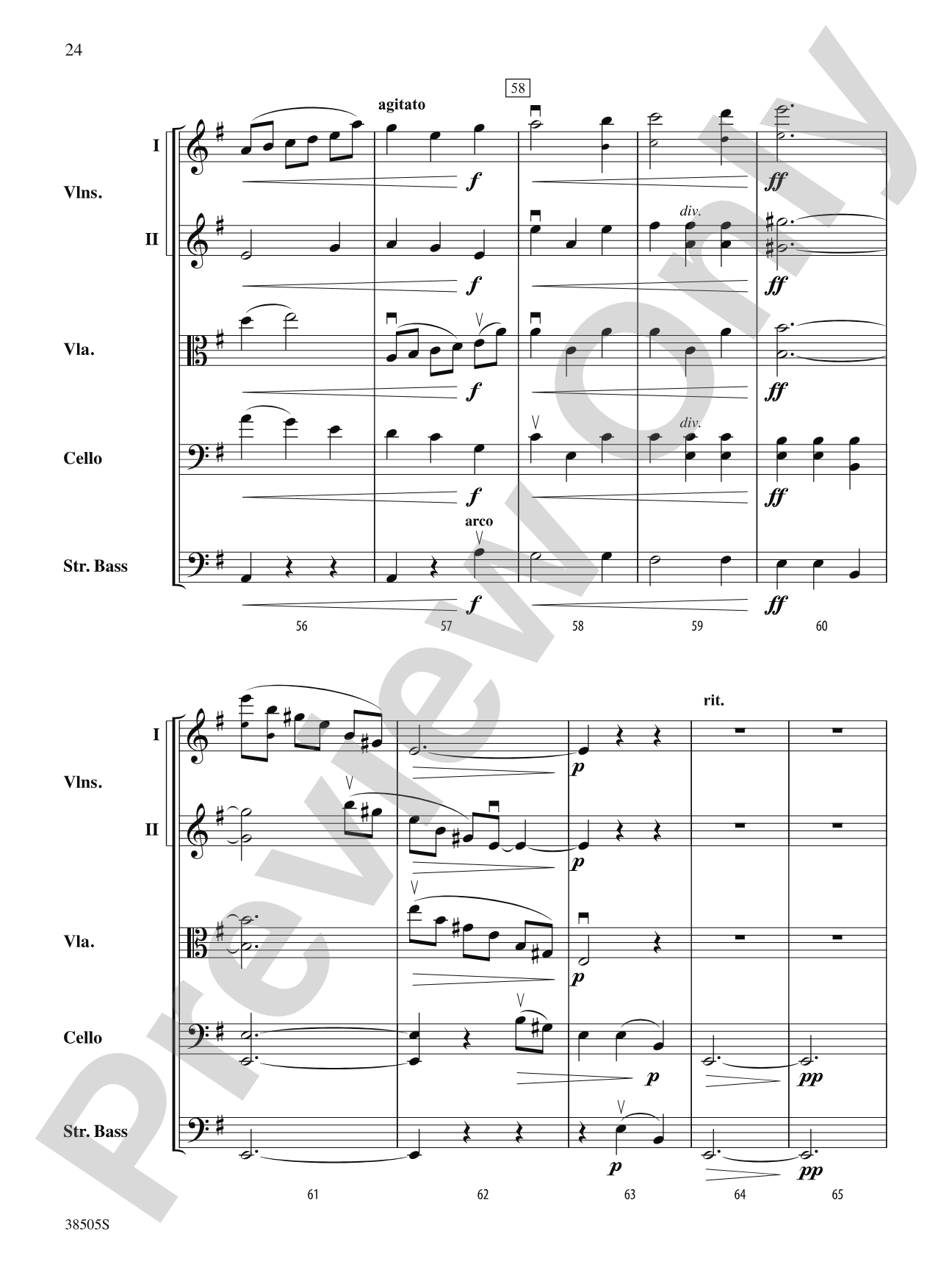
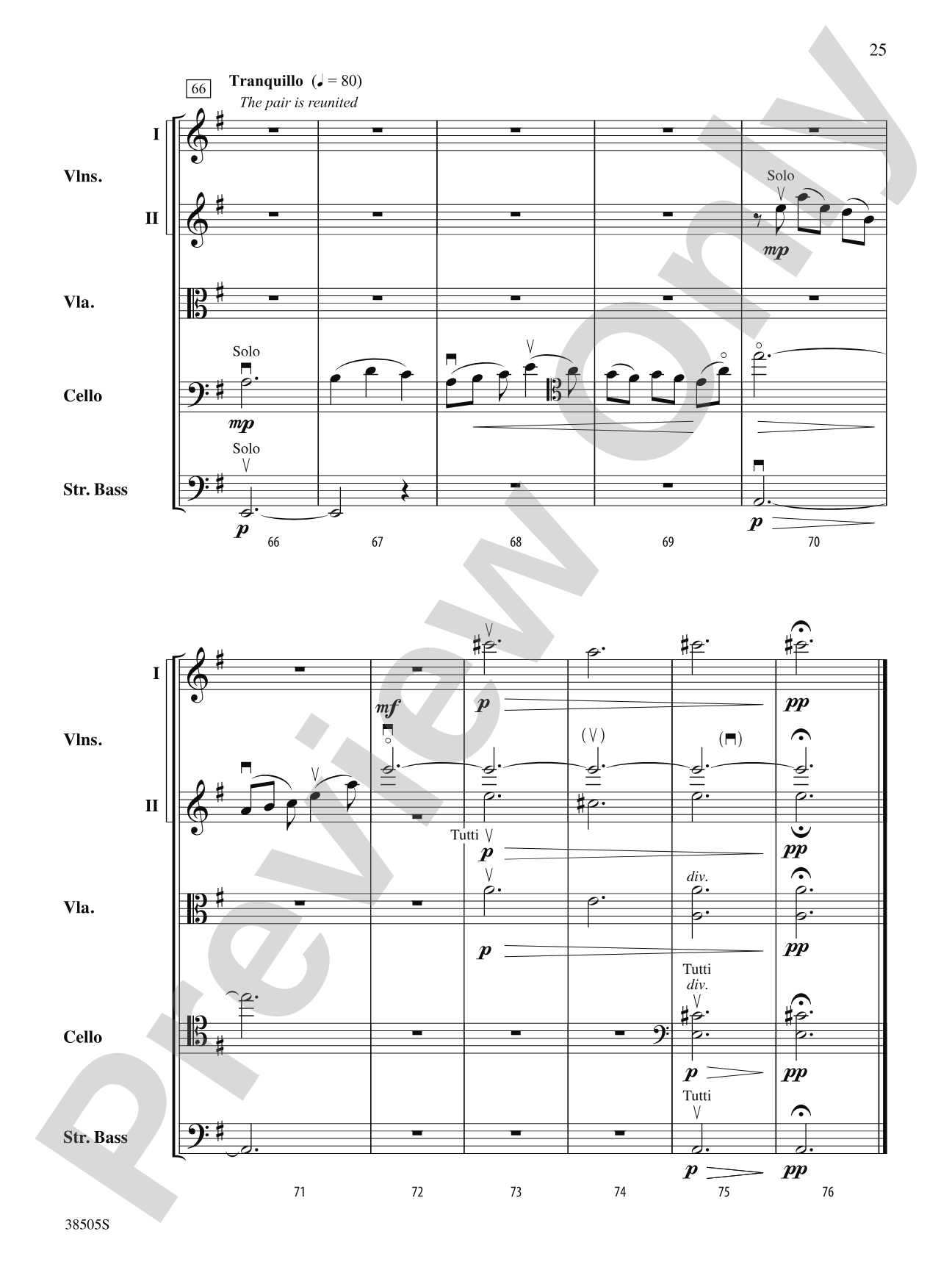
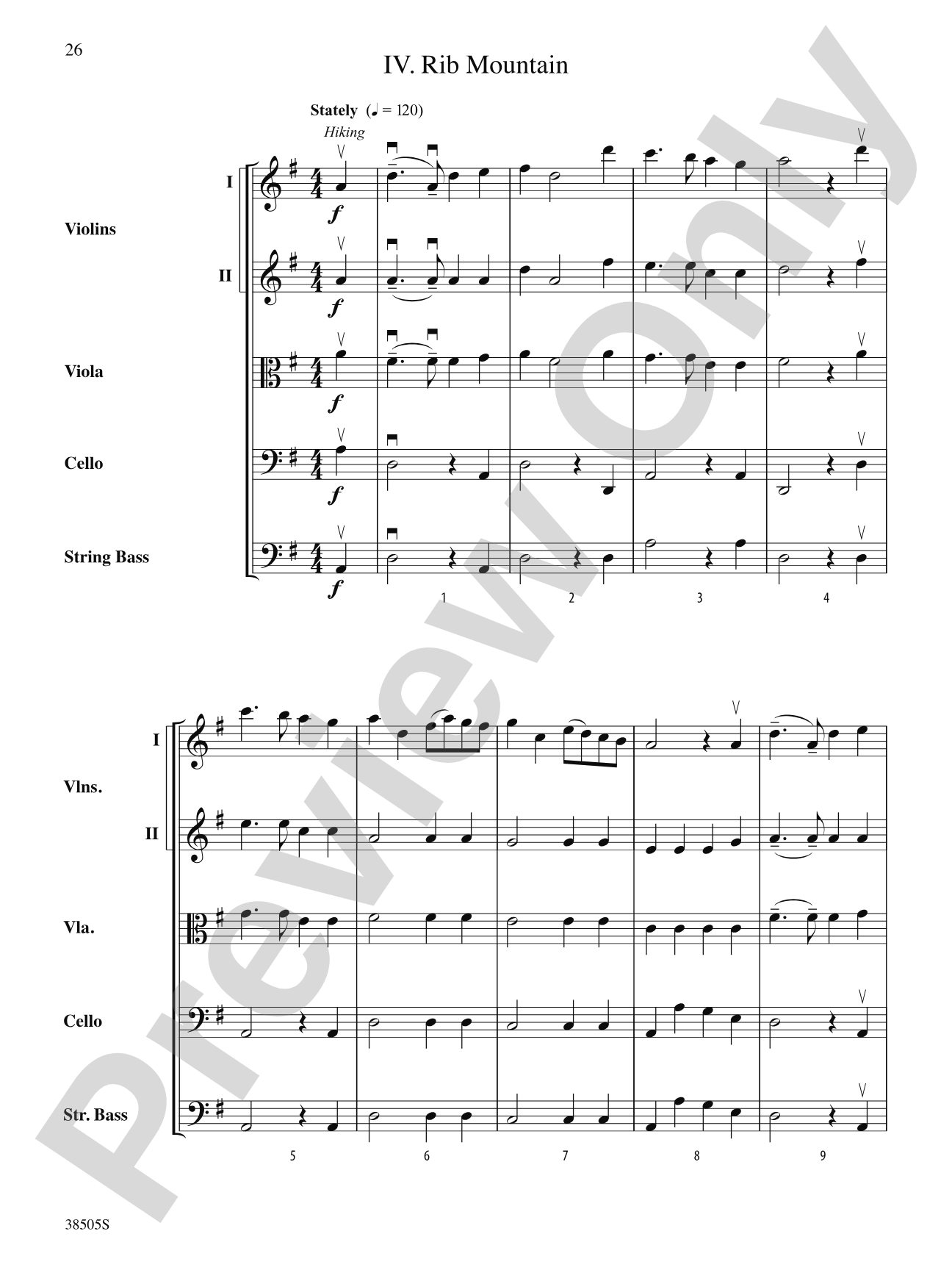
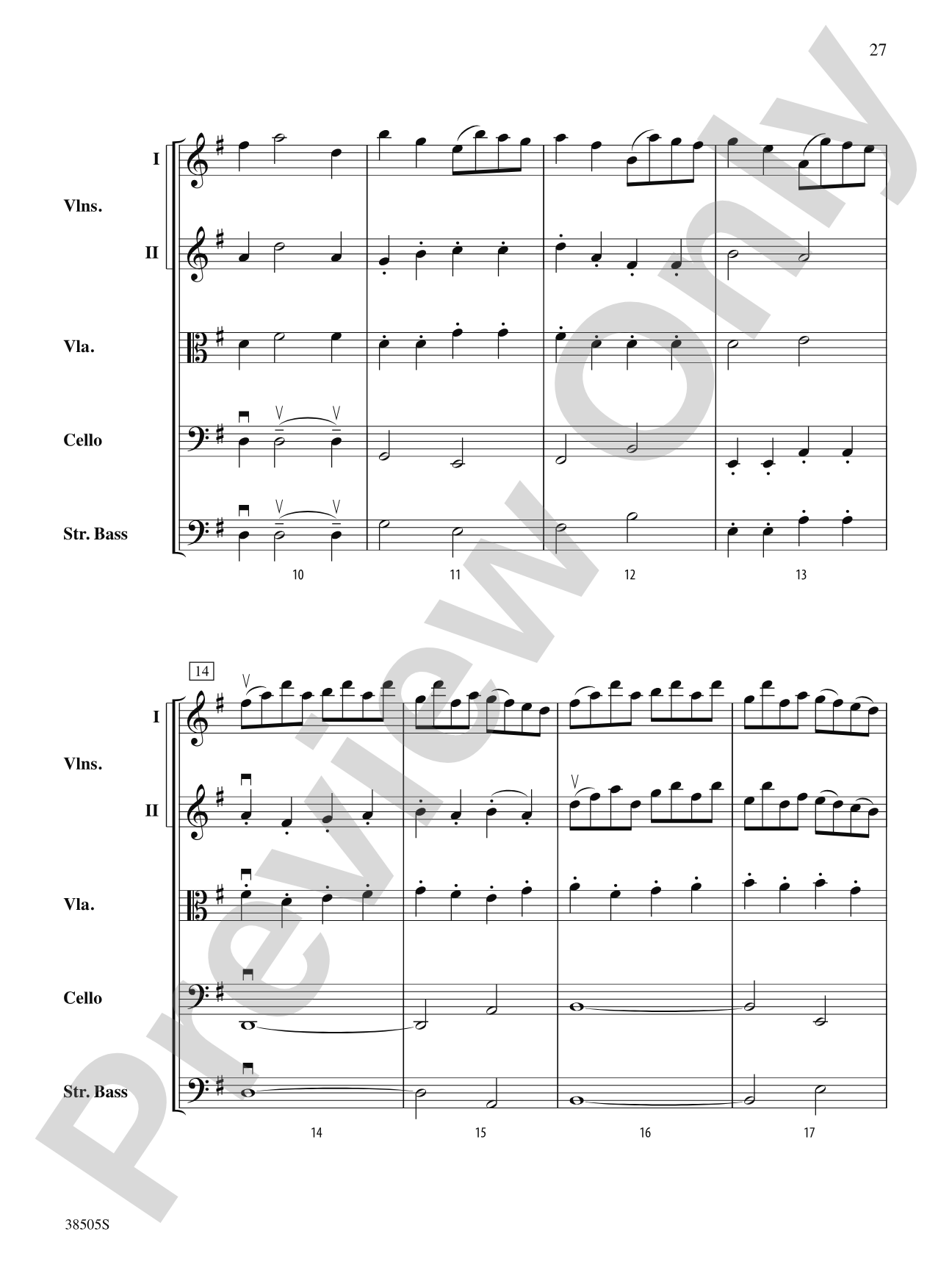
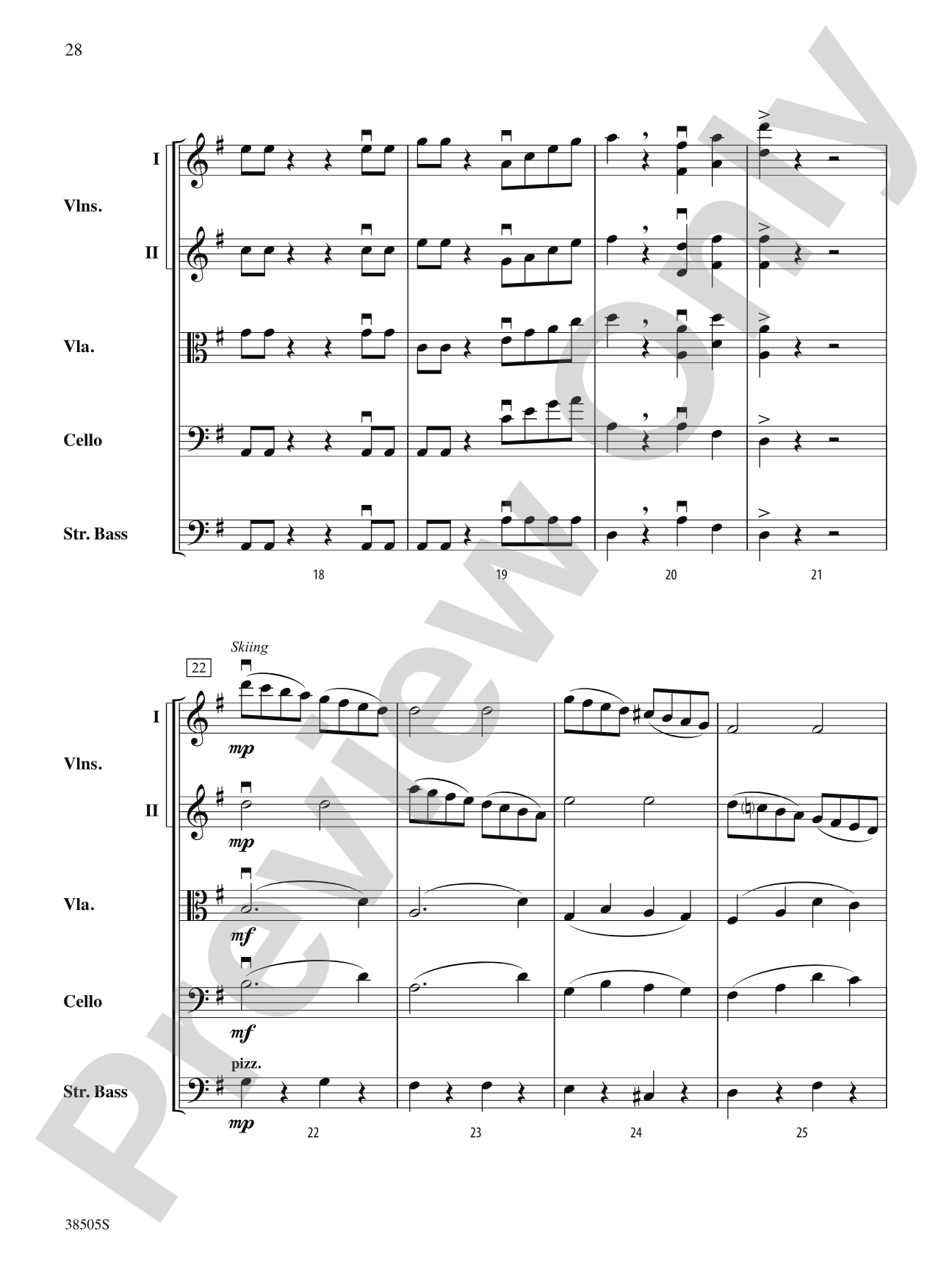
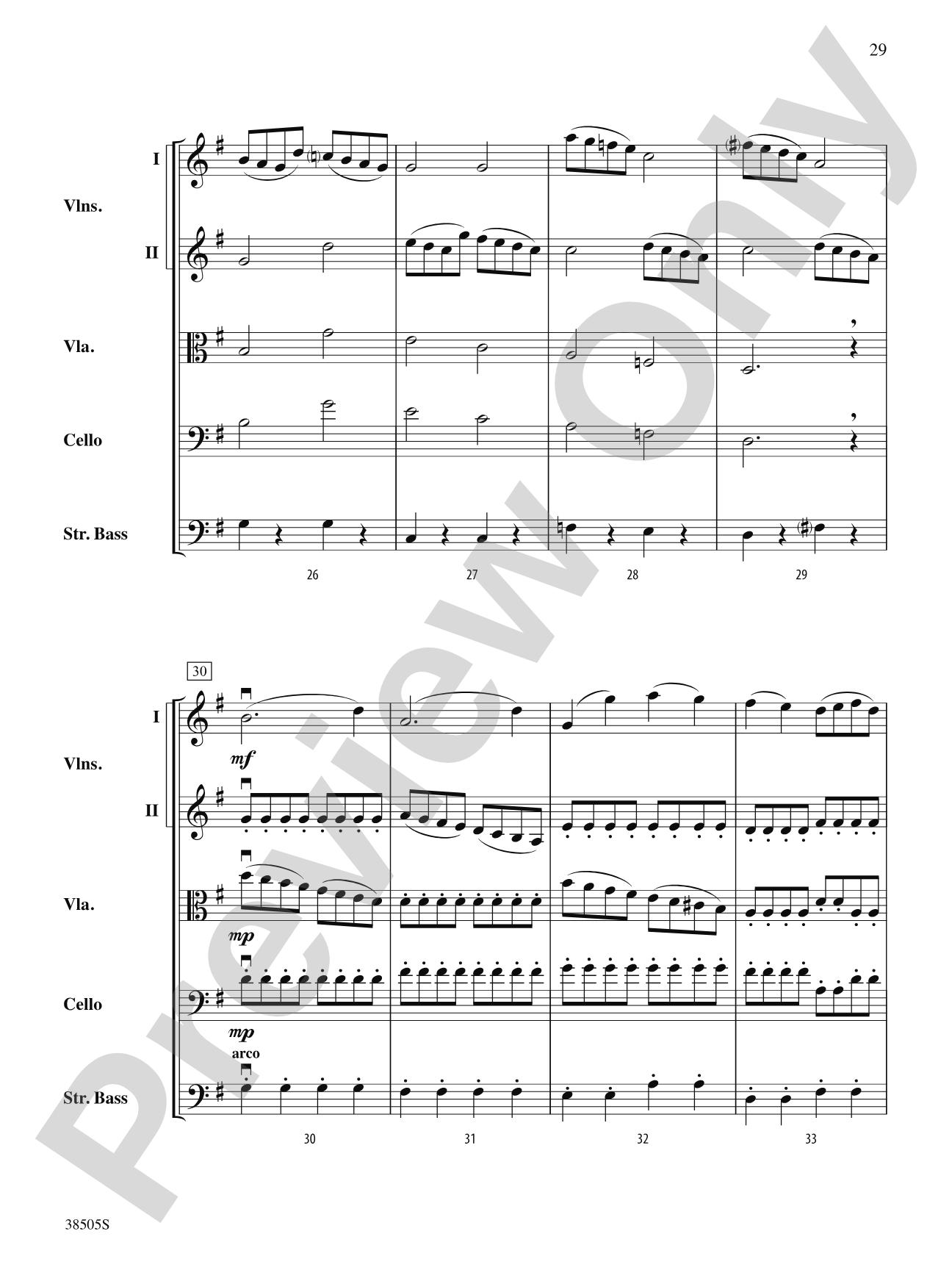
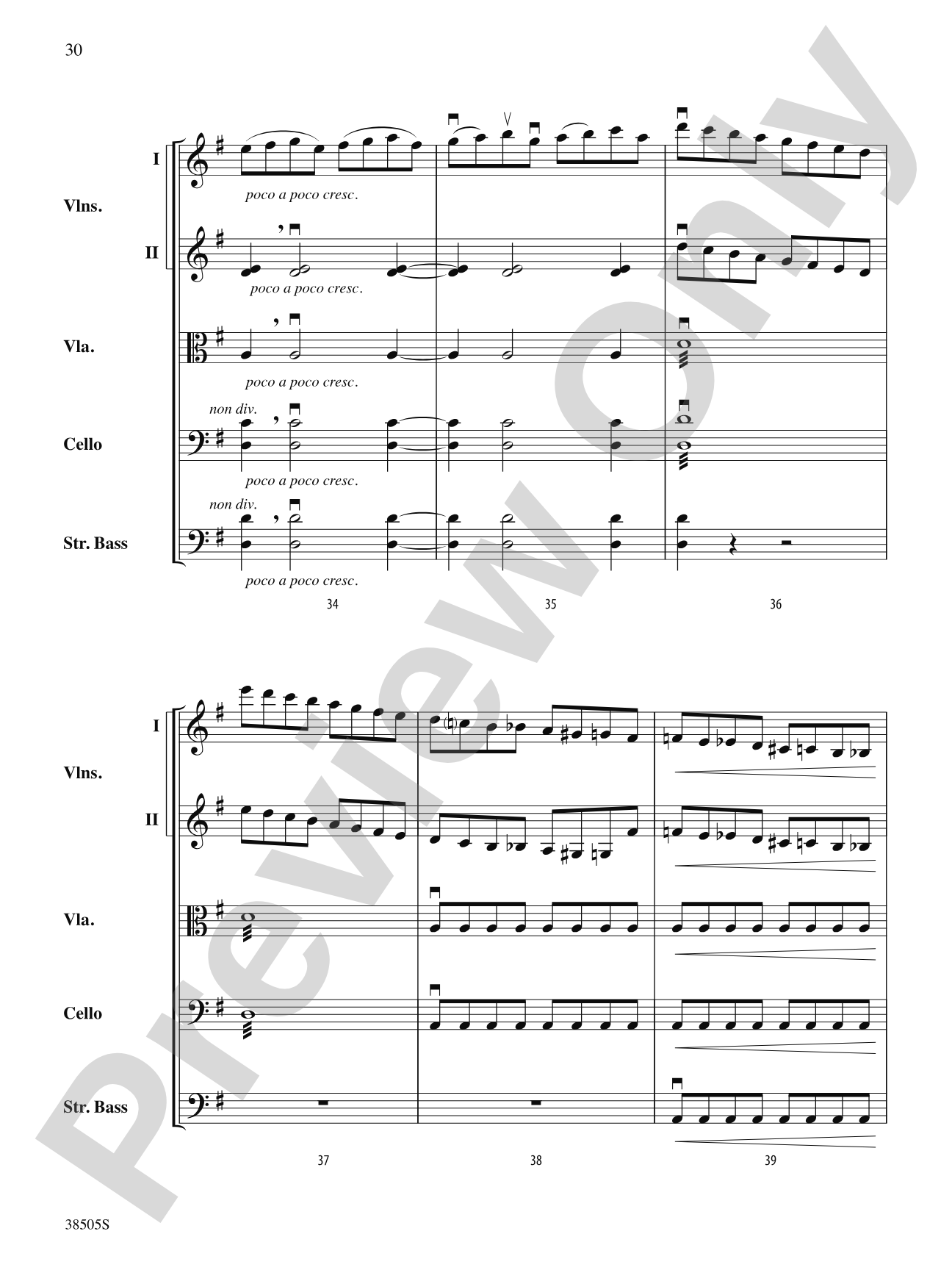
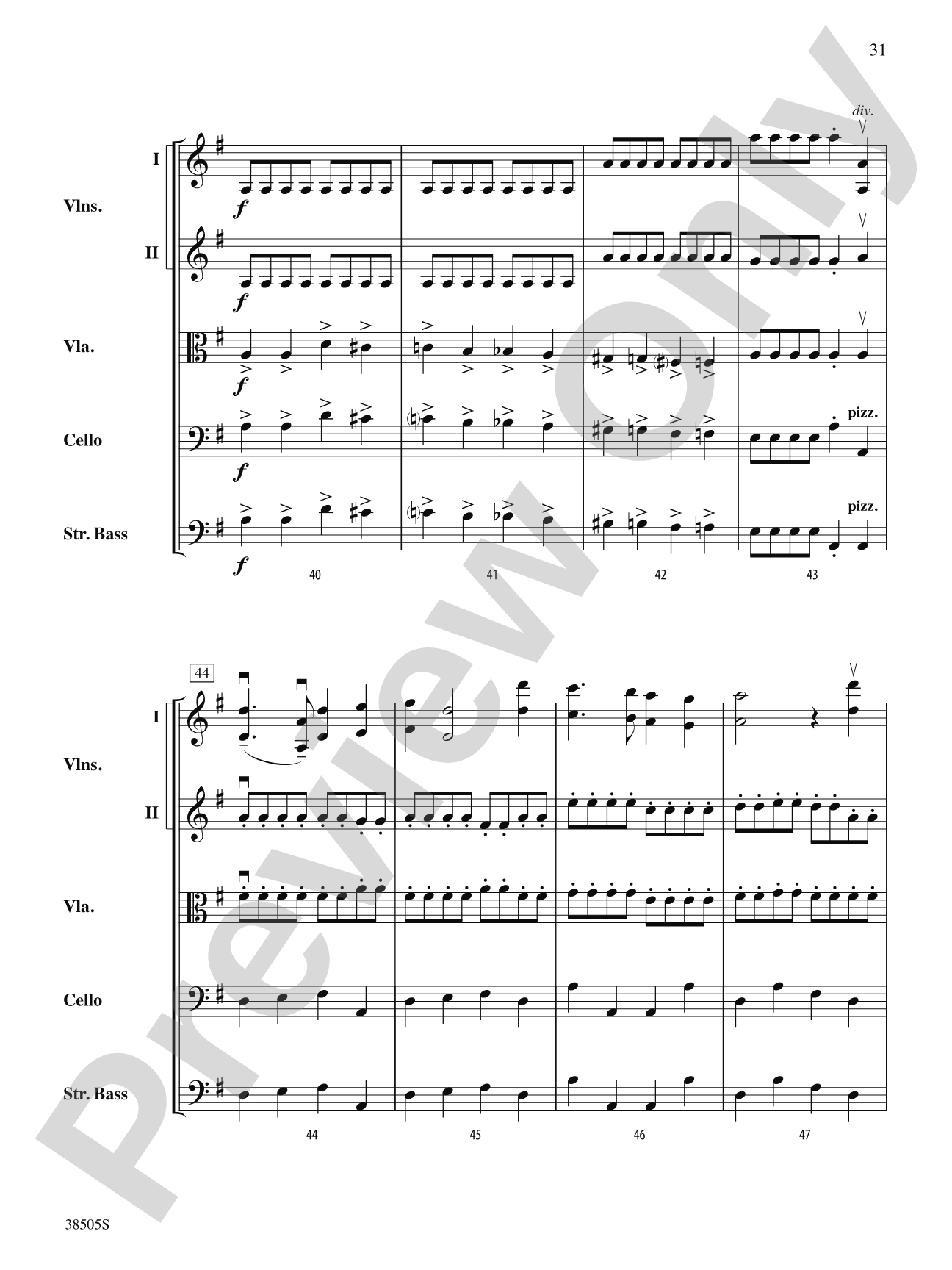
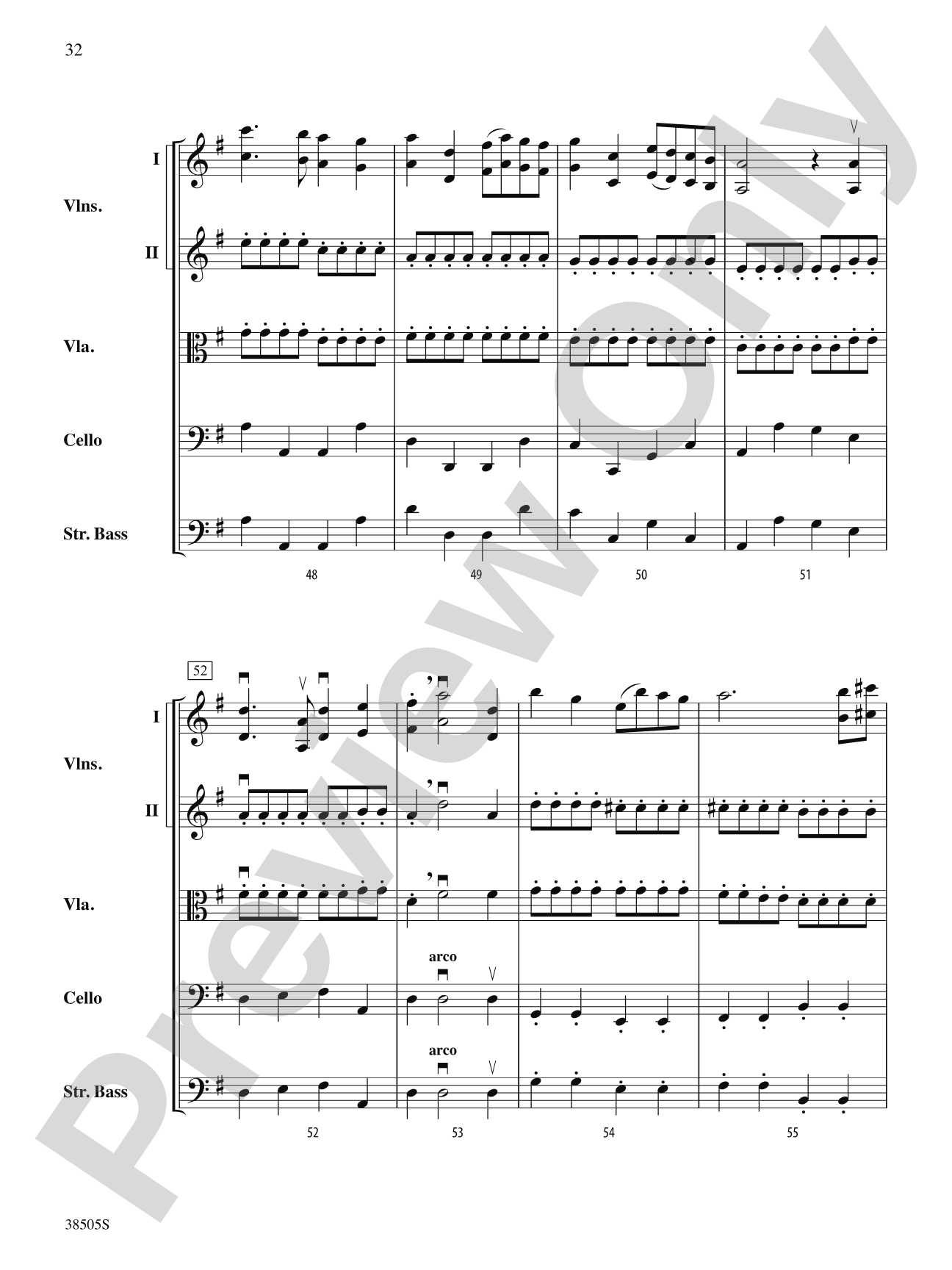
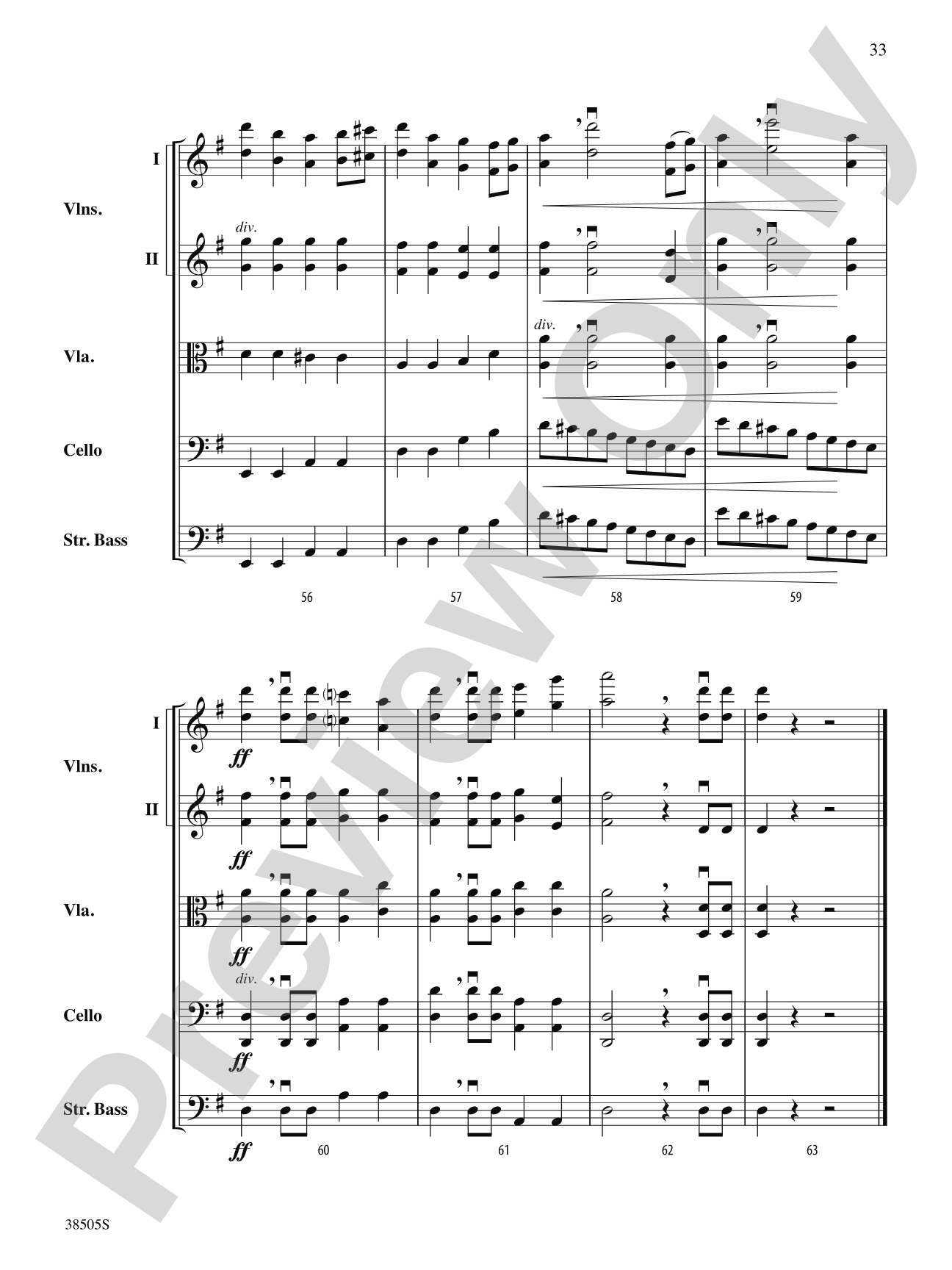




A Wisconsin Tableau: Score
By Carrie Lane Gruselle
Grade: 3
Item: 00-PR-0003863
$8.00
Pickup currently not available
Description
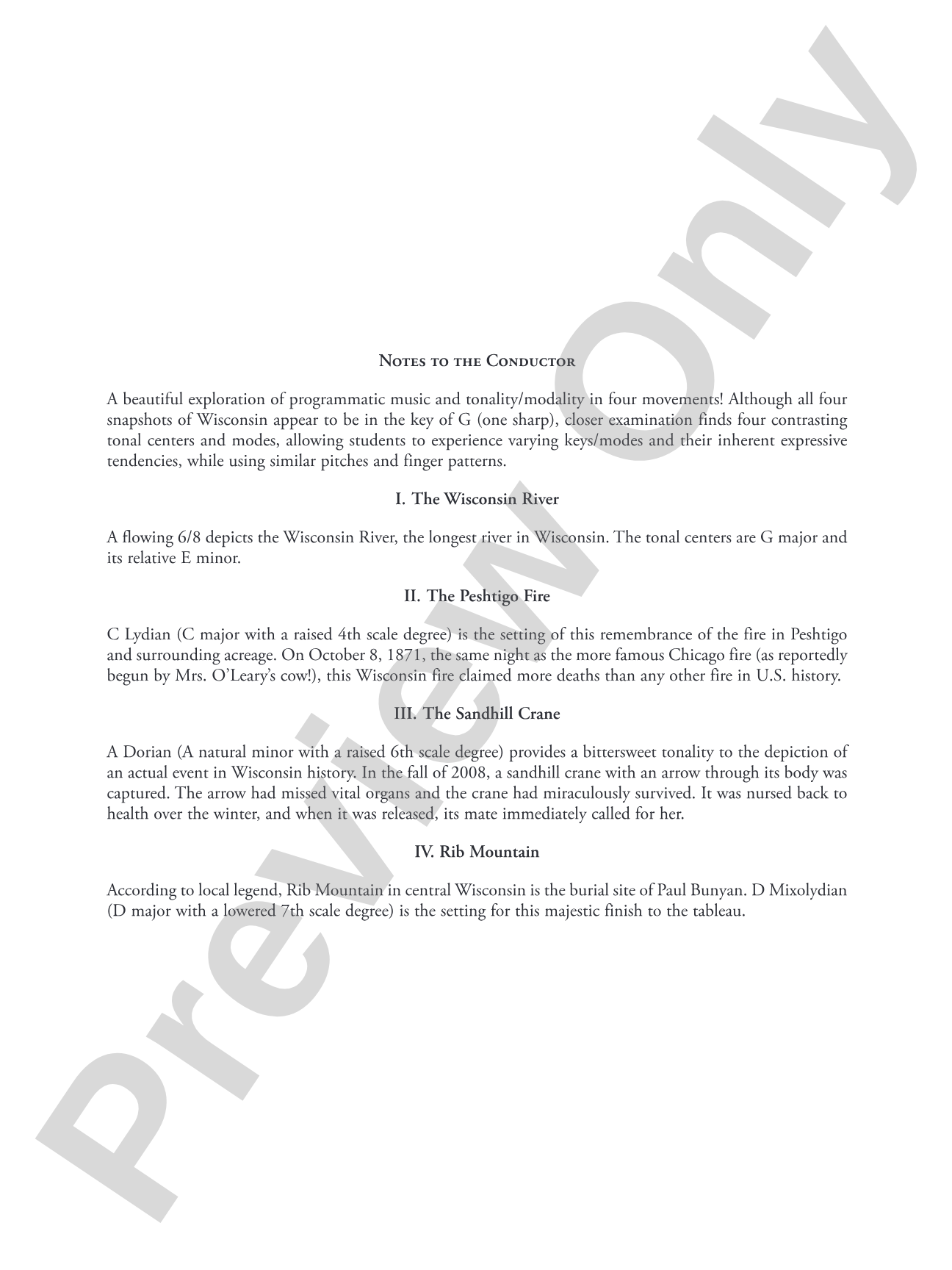
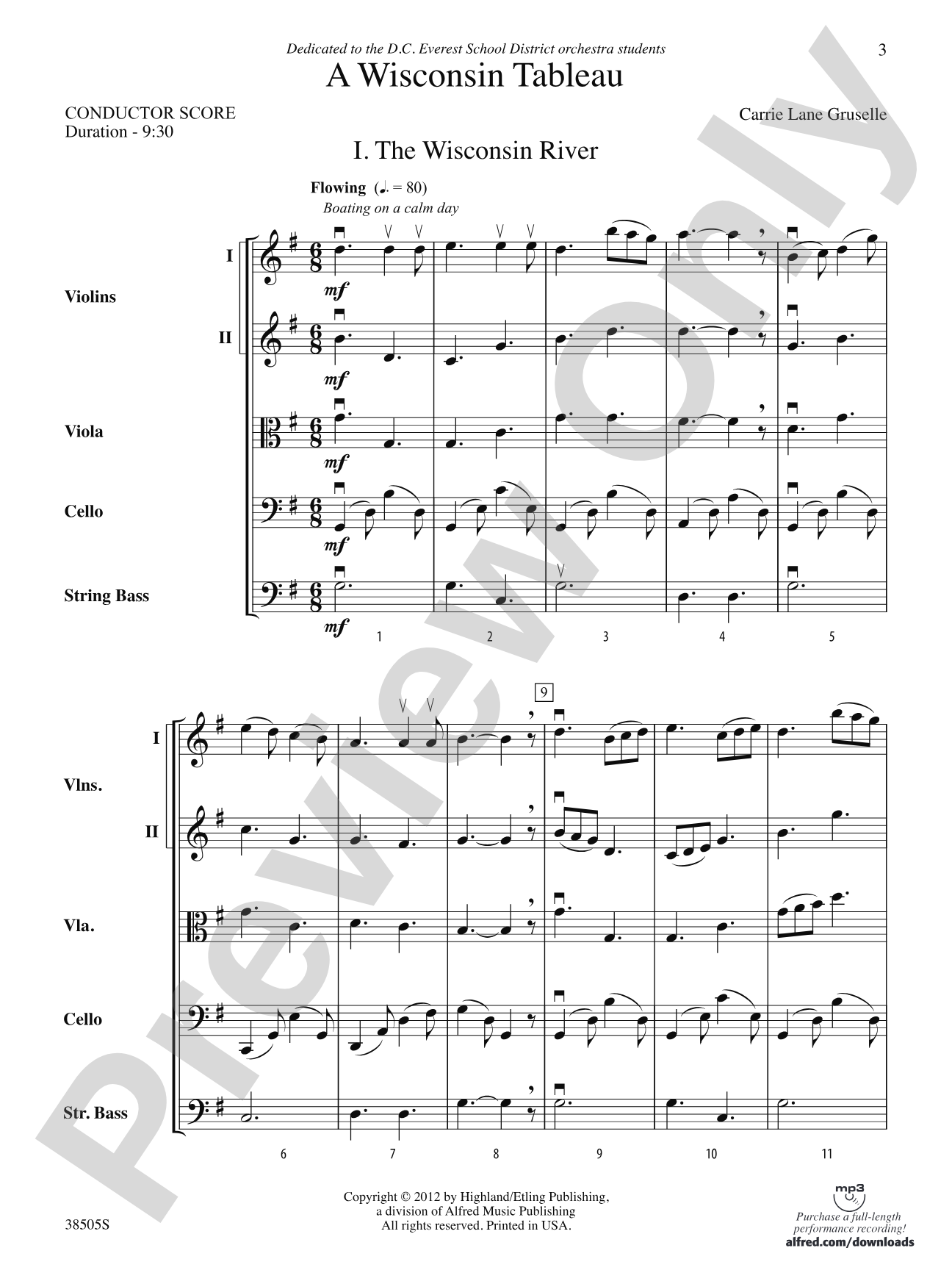
A beautiful exploration of programmatic music and tonality/modality in four movements! Although all four snapshots of Wisconsin appear to be in the key of G (one sharp), closer examination finds four contrasting tonal centers and modes, allowing students to experience varying keys/modes and their inherent expressive tendencies, while using similar pitches and finger patterns.


Don't just read it, hear it, play along with it, and watch your students grow with it. In MakeMusic Cloud, A Wisconsin Tableau: Score comes alive with professional accompaniment, adjustable tempo, and built-in practice tools that turn solo practice into real progress.
Open in the Player
Jump straight in and assign it today.
Start Your Free Trial
Open this title and explore the full library in minutes.
Sample Audio
1
Audio File
--:--
0:00
0:00
Sample Video
No sample videos found.
Additional Details
Series:
Highland/Etling String Orchestra
Publisher:
Alfred Music
Page Count:
156
SKU:
00-PR-0003863
More about this title
About the Composer: Carrie Lane Gruselle

Carrie Lane Gruselle earned her Bachelor of Music Education from the University of Wisconsin - Eau Claire, followed by a Master of Music Education from the University of Wisconsin - Stevens Point, where she specialized in Suzuki pedagogy. She teaches strings at the elementary and middle school levels in the Appleton Area School District and serves as cello instructor for the Lawrence University Arts Academy, also in Appleton.
Why we love this
This work demonstrates compositional sophistication at an accessible level: all four movements sit within the single-sharp key signature, yet Gruselle creates distinct harmonic landscapes by shifting tonal centers and modal frameworks. Students hear the expressive power of tonality without the notation barrier, and conductors gain a genuinely musical teaching tool that works for concert and festival programming alike.
What to expect
Four distinct moments unfold across Wisconsin's landscape: each movement breathes a different character despite their harmonic kinship. The piece invites listeners into specific places and moods, grounded in the composer's own region, while the orchestra explores how a shift in tonal perspective can completely transform the feeling of familiar pitch material.
Who it's for
String orchestra directors teaching Grade 3 ensembles who want to introduce modal thinking and harmonic color without overwhelming notation demands. This is ideal for students ready to move beyond major and minor scale thinking but who still benefit from familiar fingering patterns.
How to get the most out of it
- Drill the finger patterns across all four movements before rehearsing the full score; students will recognize the pitch sets returning in new harmonic contexts, deepening their understanding of how tonality shapes expression.
- Mark the tonal centers in your parts (G major, D Dorian, B Phrygian, E minor) so students develop awareness that 'one sharp' doesn't mean 'one tonal home.'
- Balance dynamic contrast between movements; each snapshot of Wisconsin deserves its own sonic character, so resist the urge to play everything at a similar volume level.
How to use it
Program this as a concert centerpiece that demonstrates ensemble musicianship and harmonic sophistication to parents and colleagues; its length and programmatic clarity work well as a standalone feature. It also fits naturally into a festival season where you want to showcase student growth in tonal awareness and expressive playing.
Skills your students will build
- Understanding tonal centers and modes within a single key signature
- Recognizing and performing contrasting harmonic colors (major, Dorian, Phrygian, natural minor)
- Transferring familiar finger patterns across shifting tonal contexts
- Responding to programmatic intent through dynamic and tonal shaping
- Reading and performing at Grade 3 string orchestra level with musical maturity