
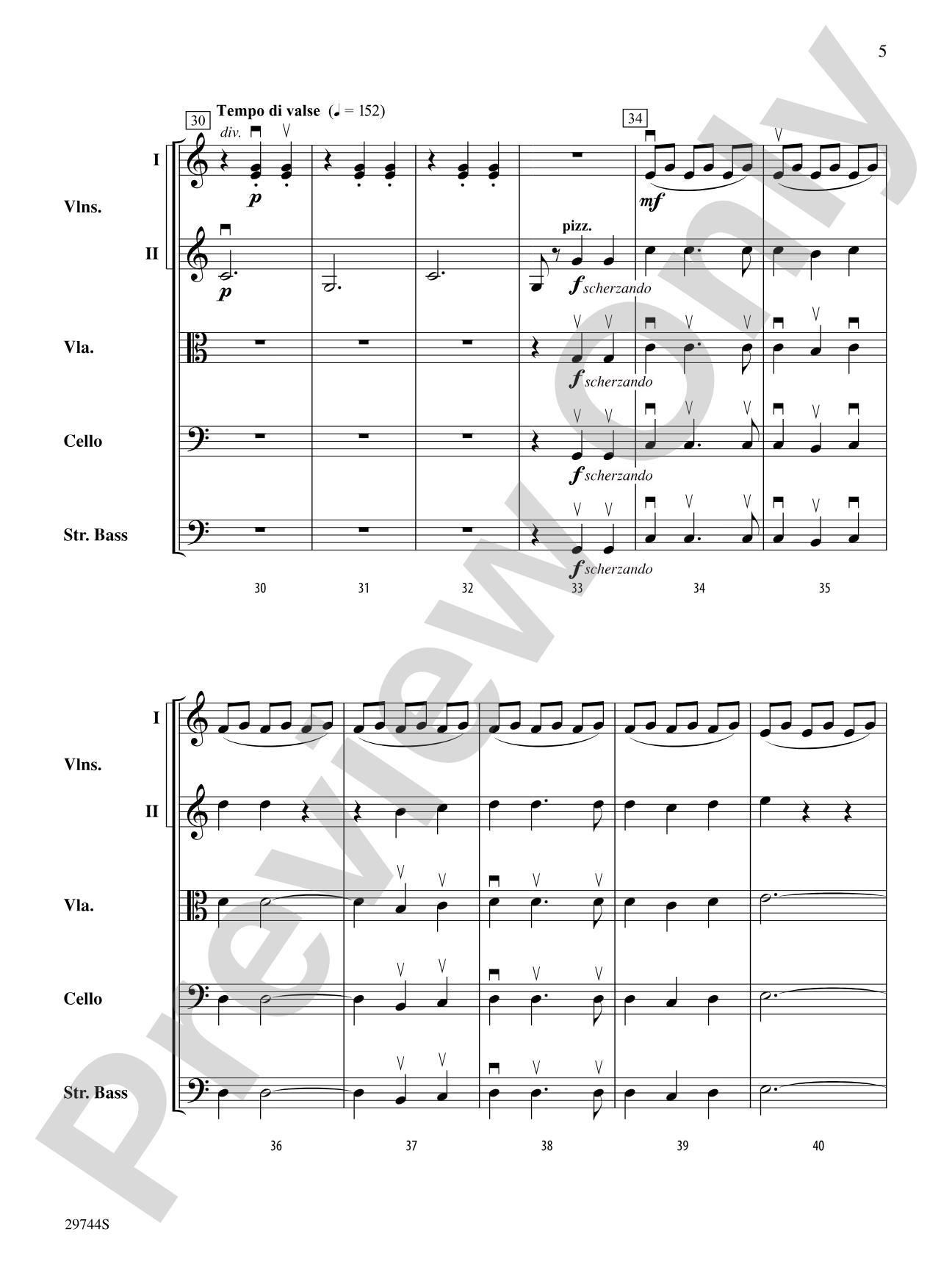
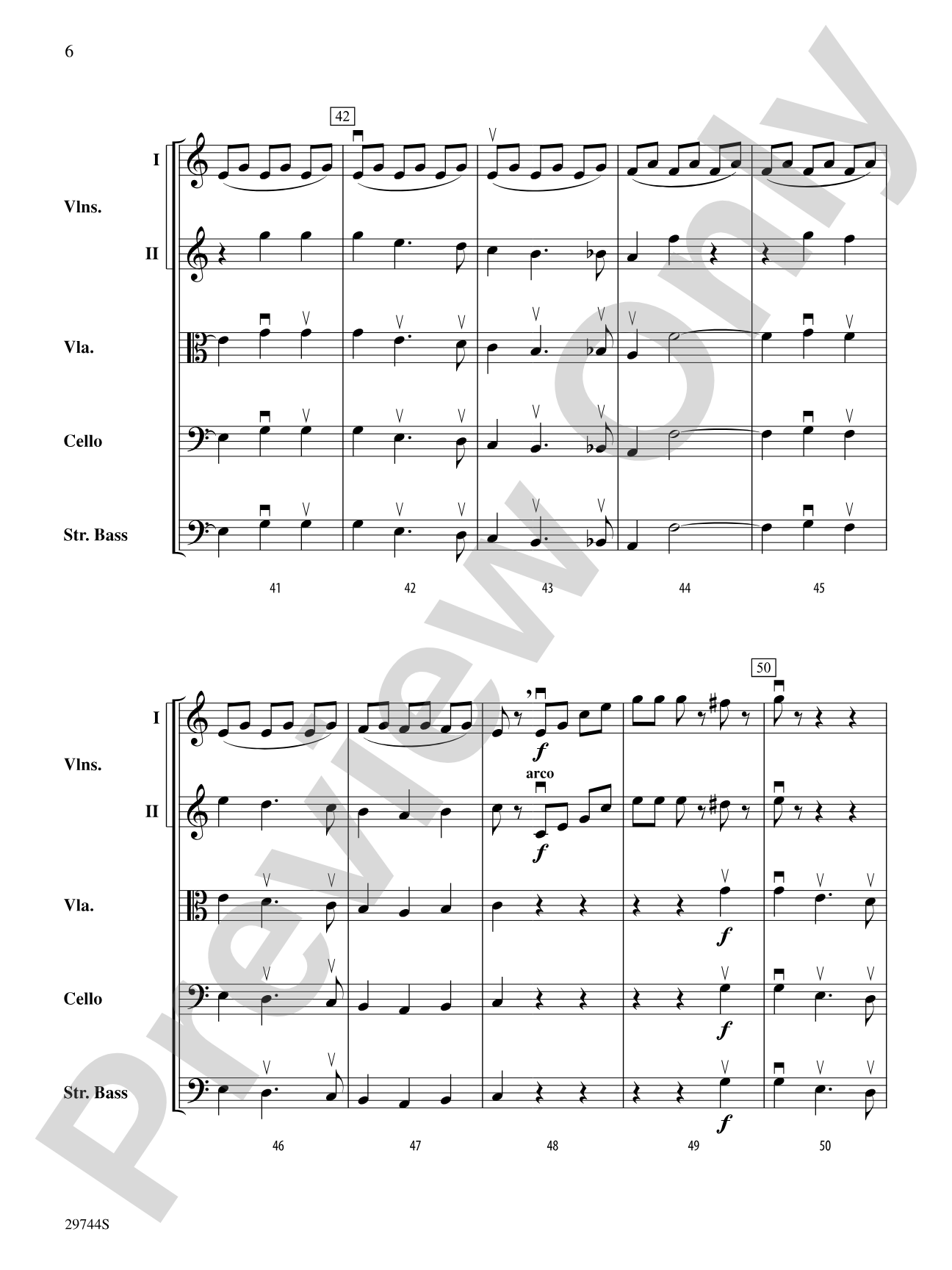
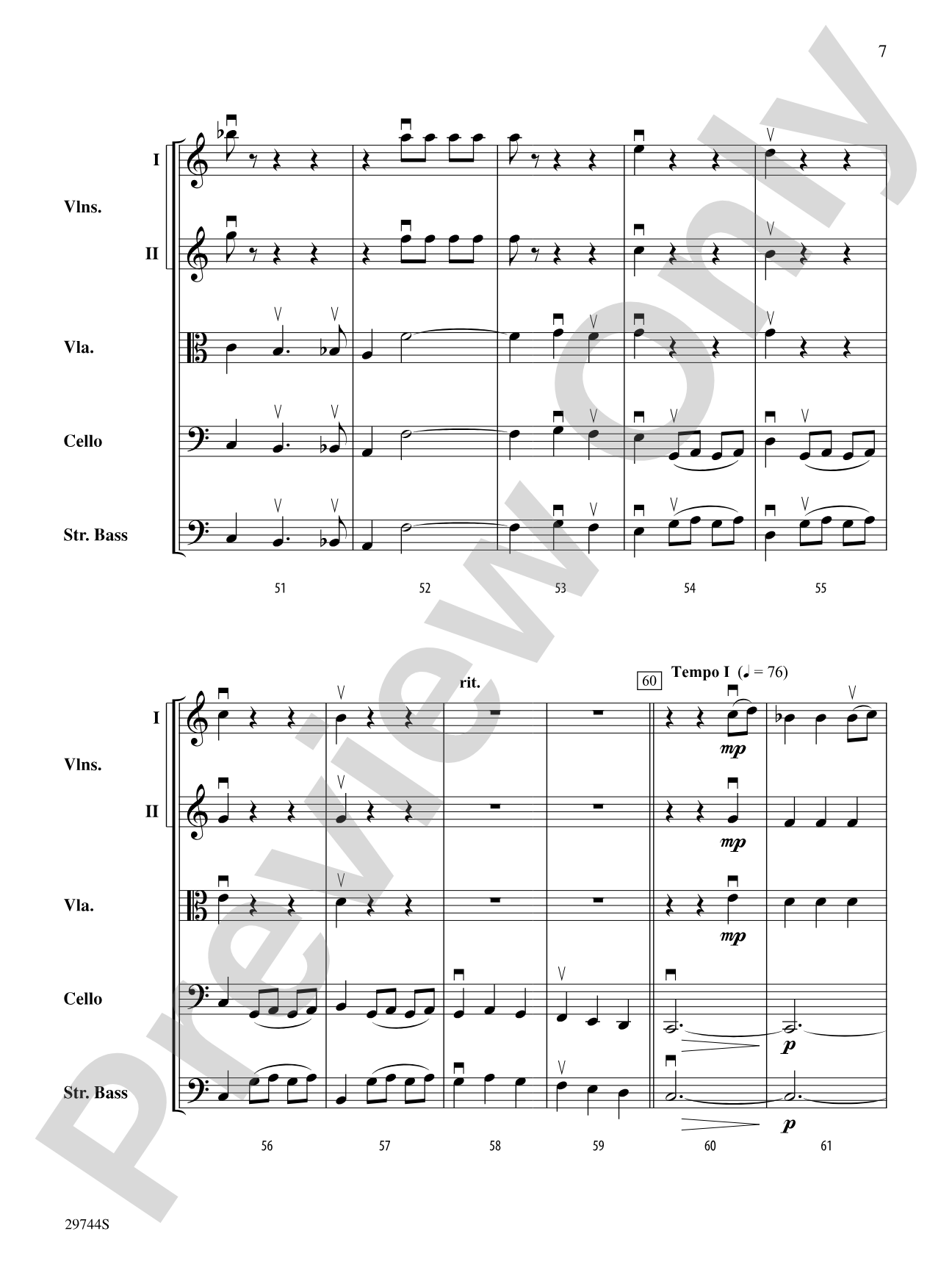
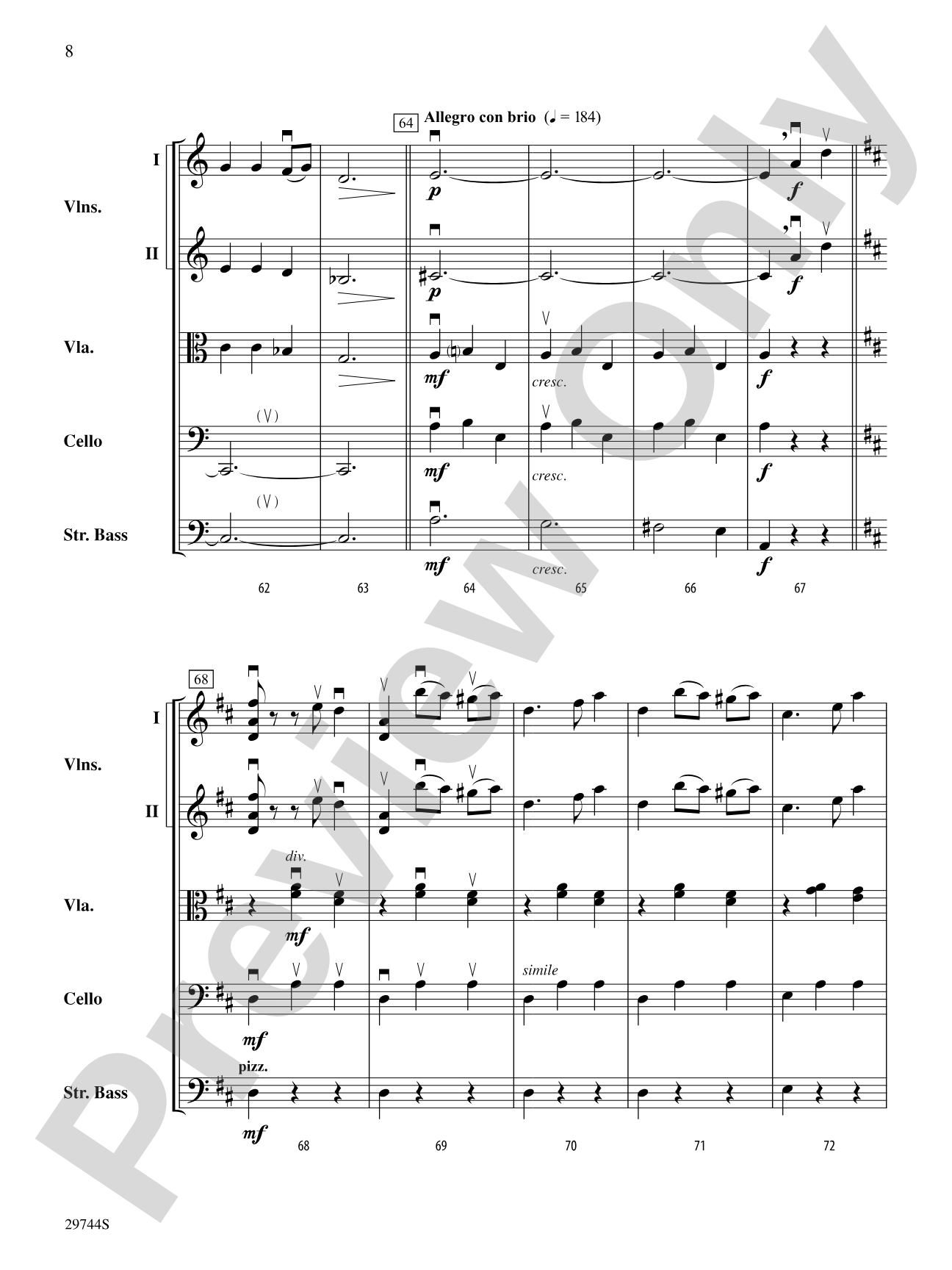
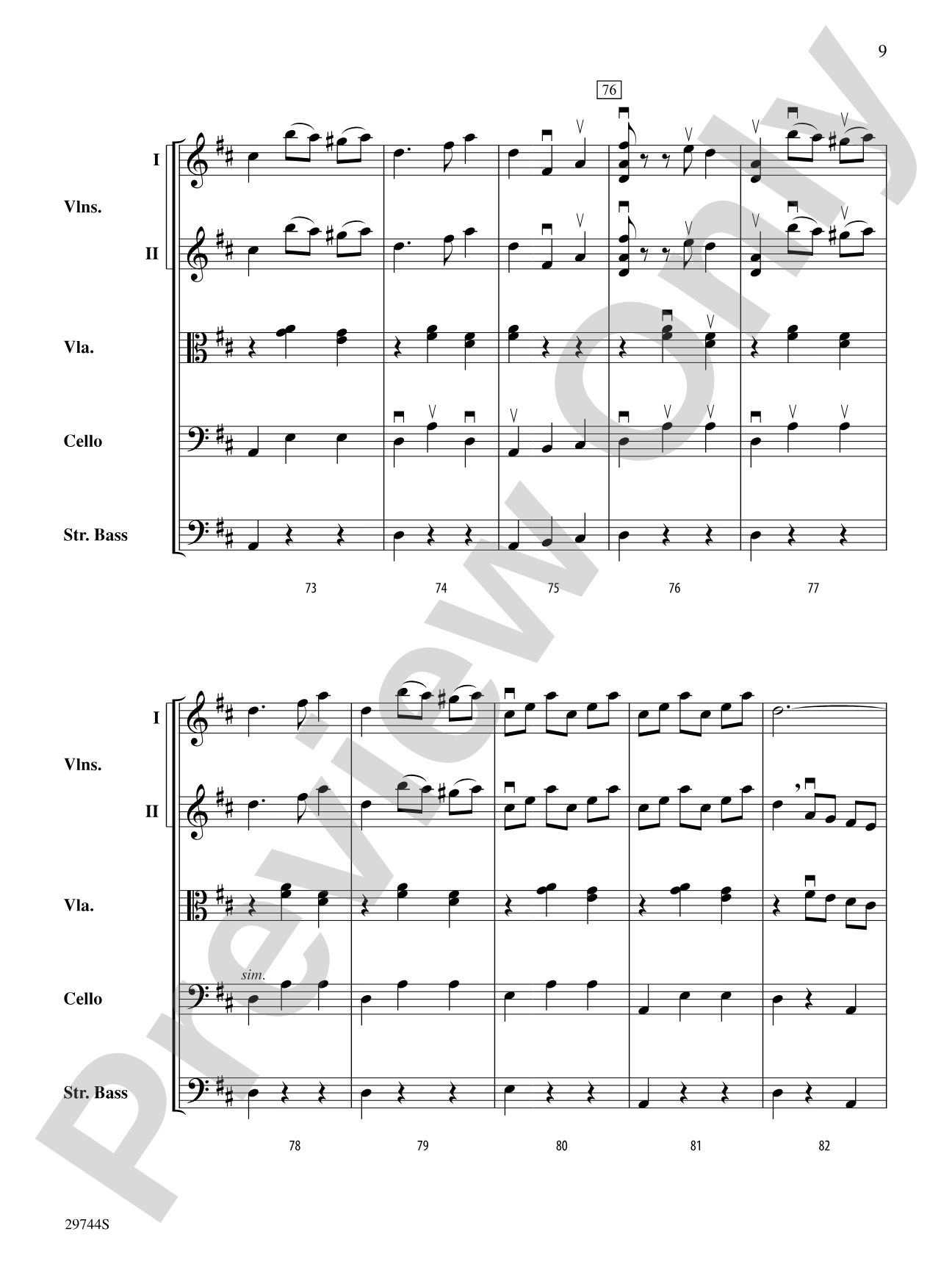
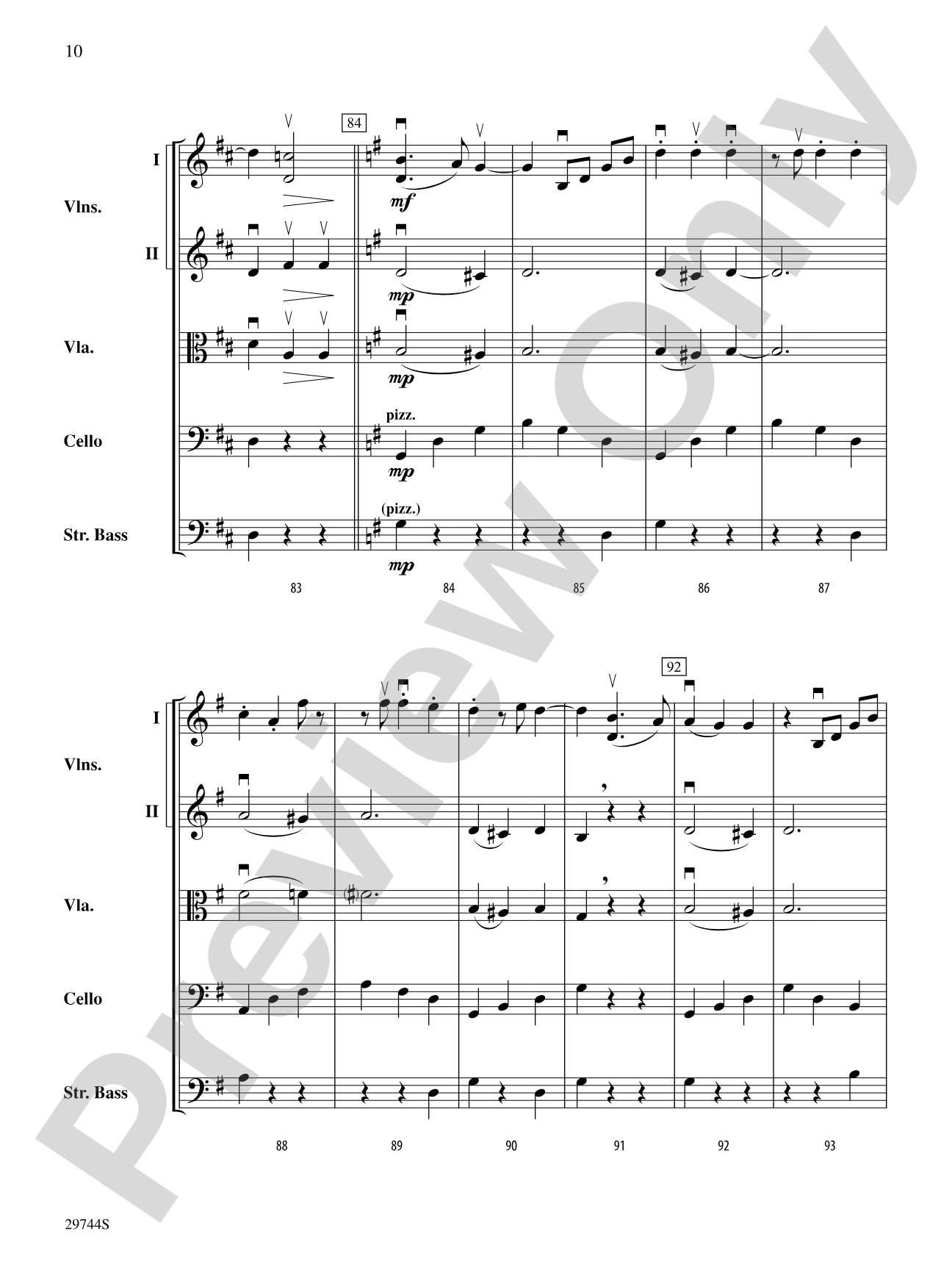
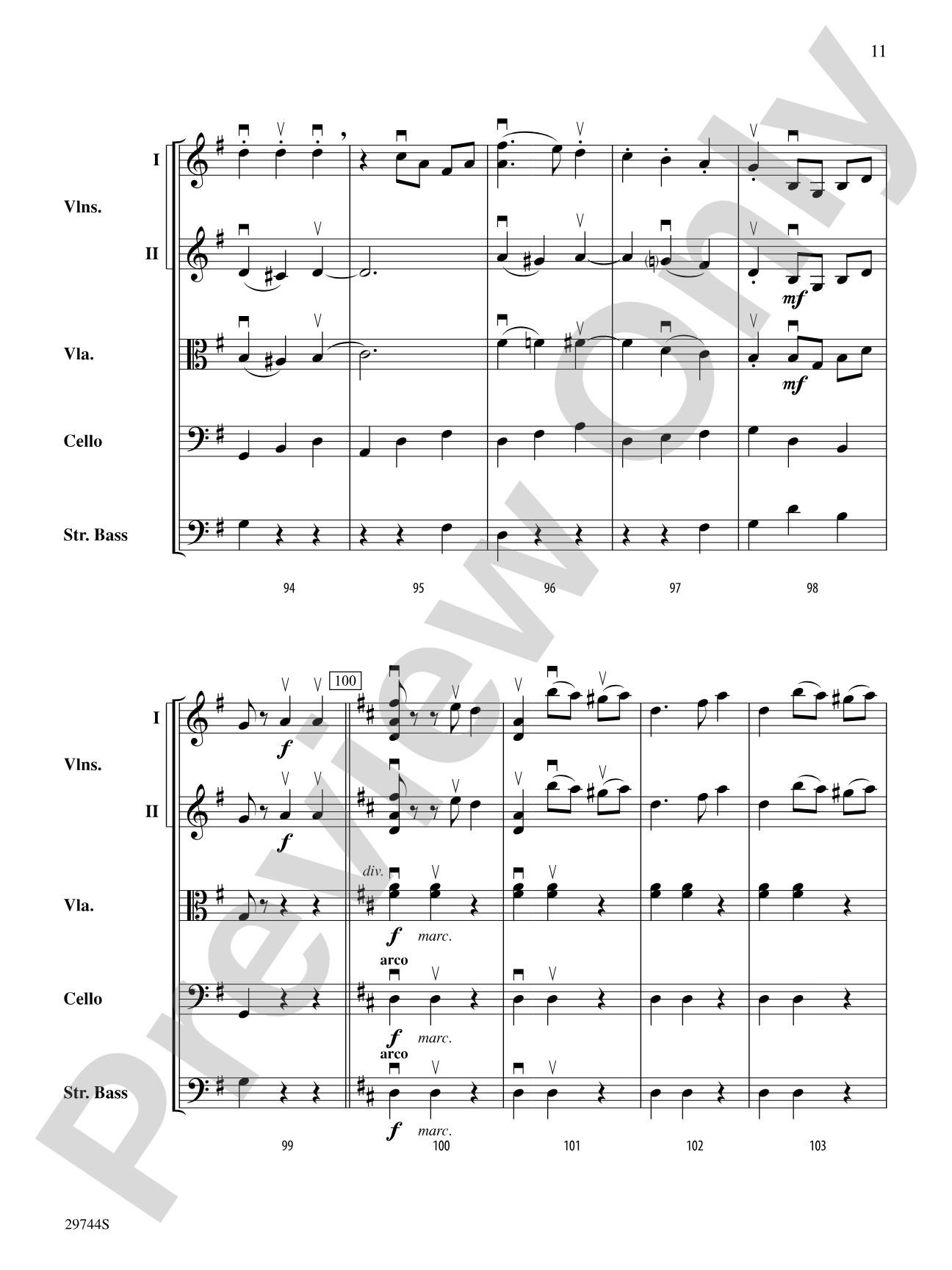
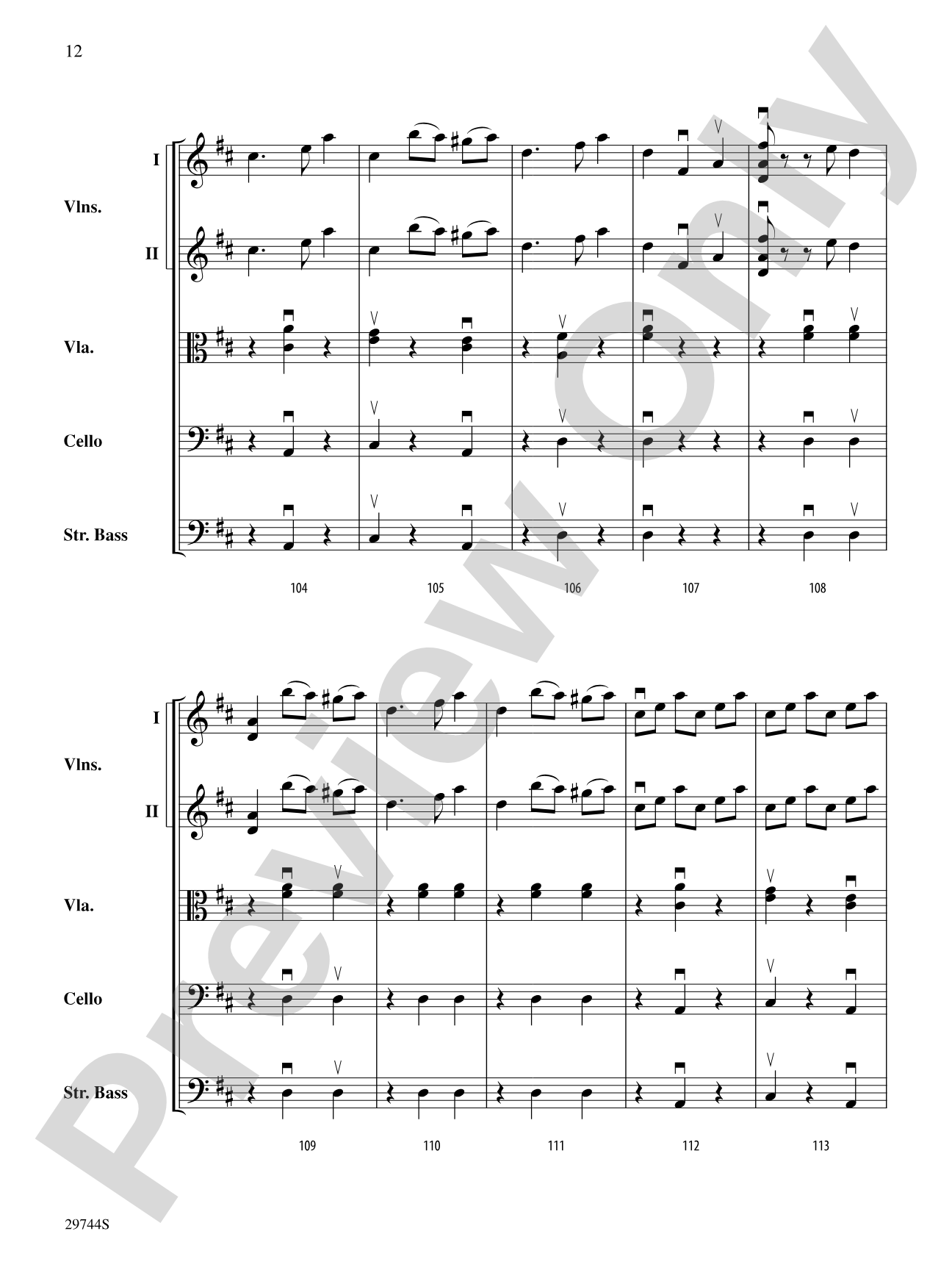
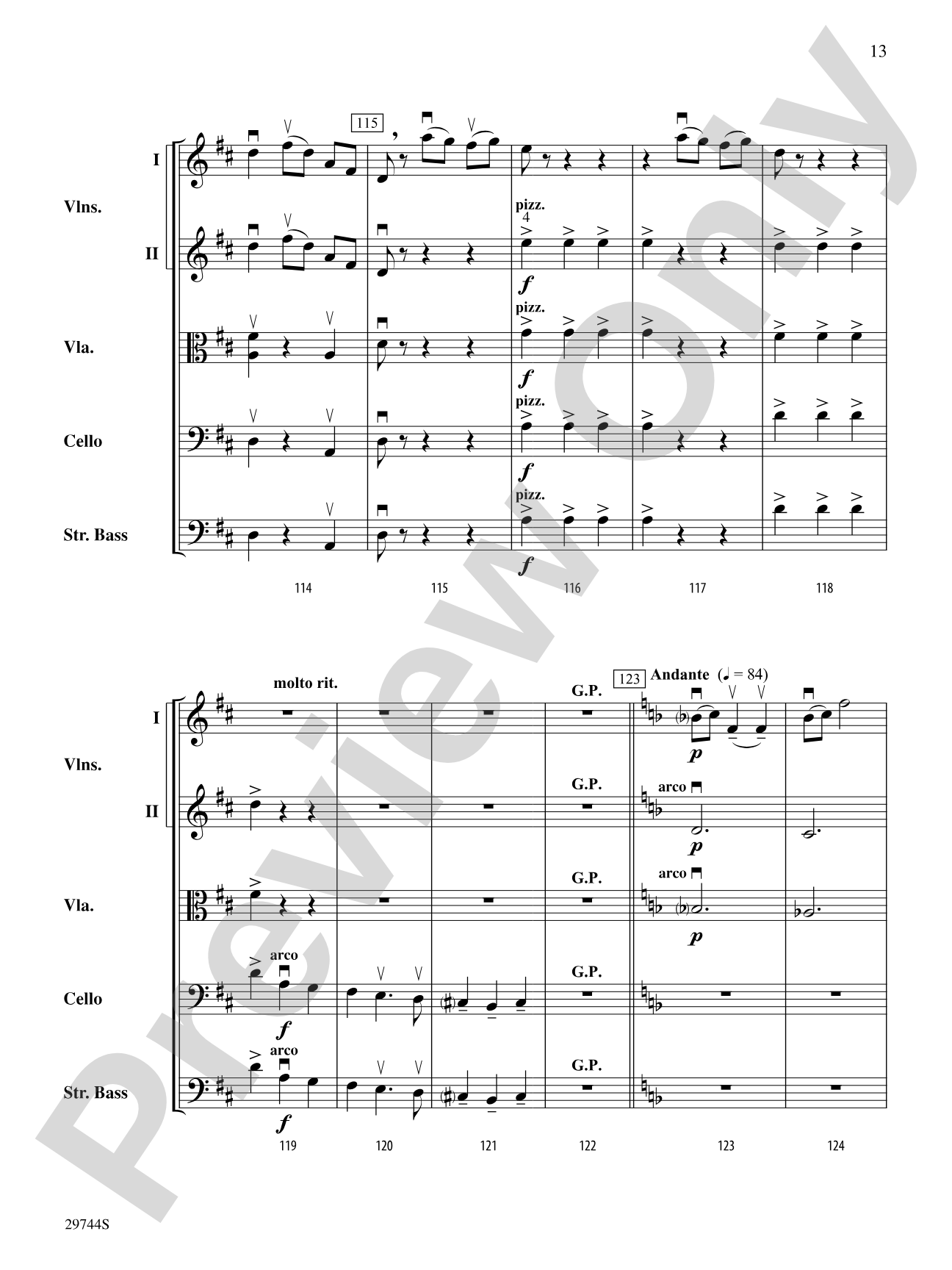
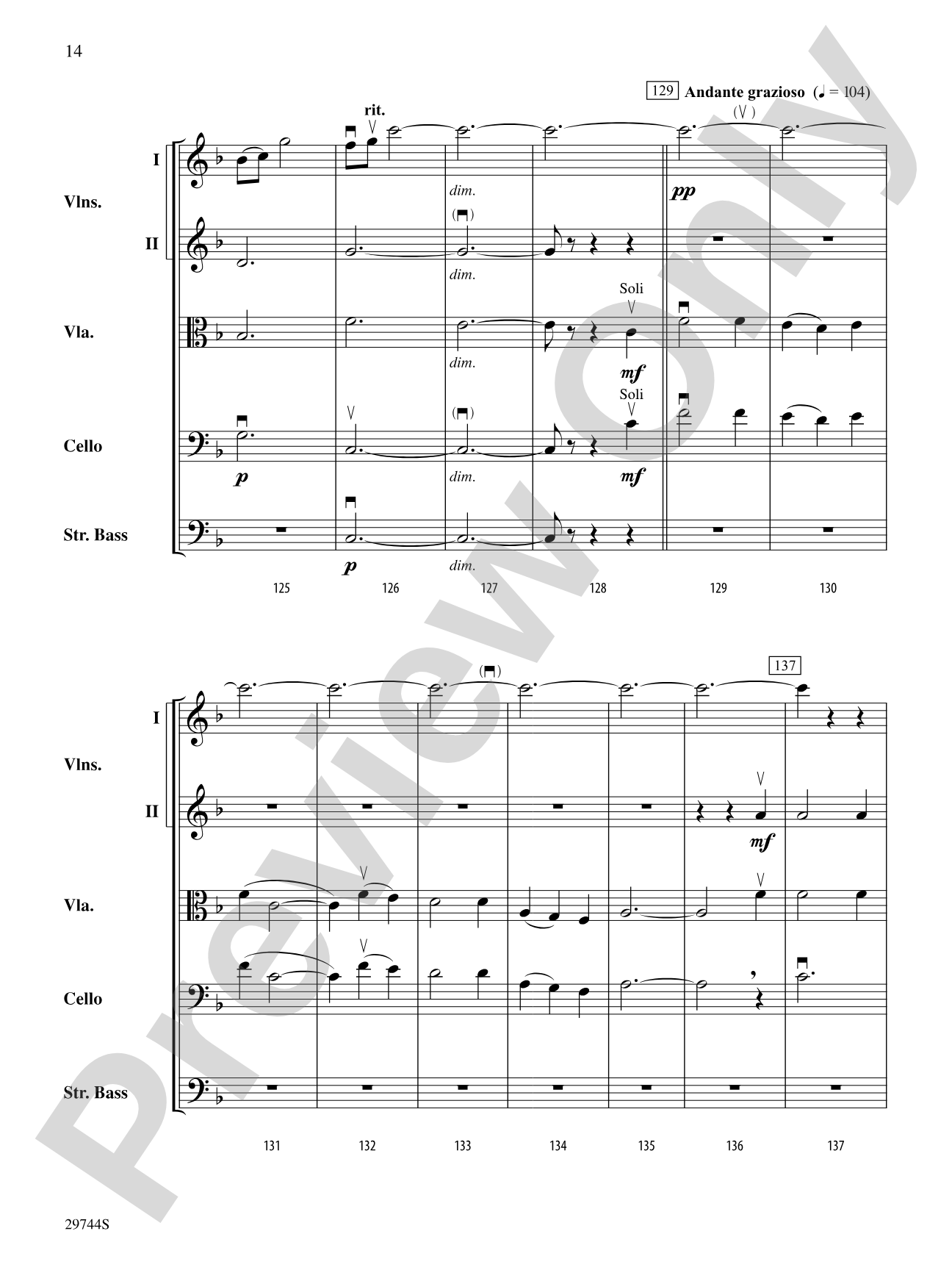
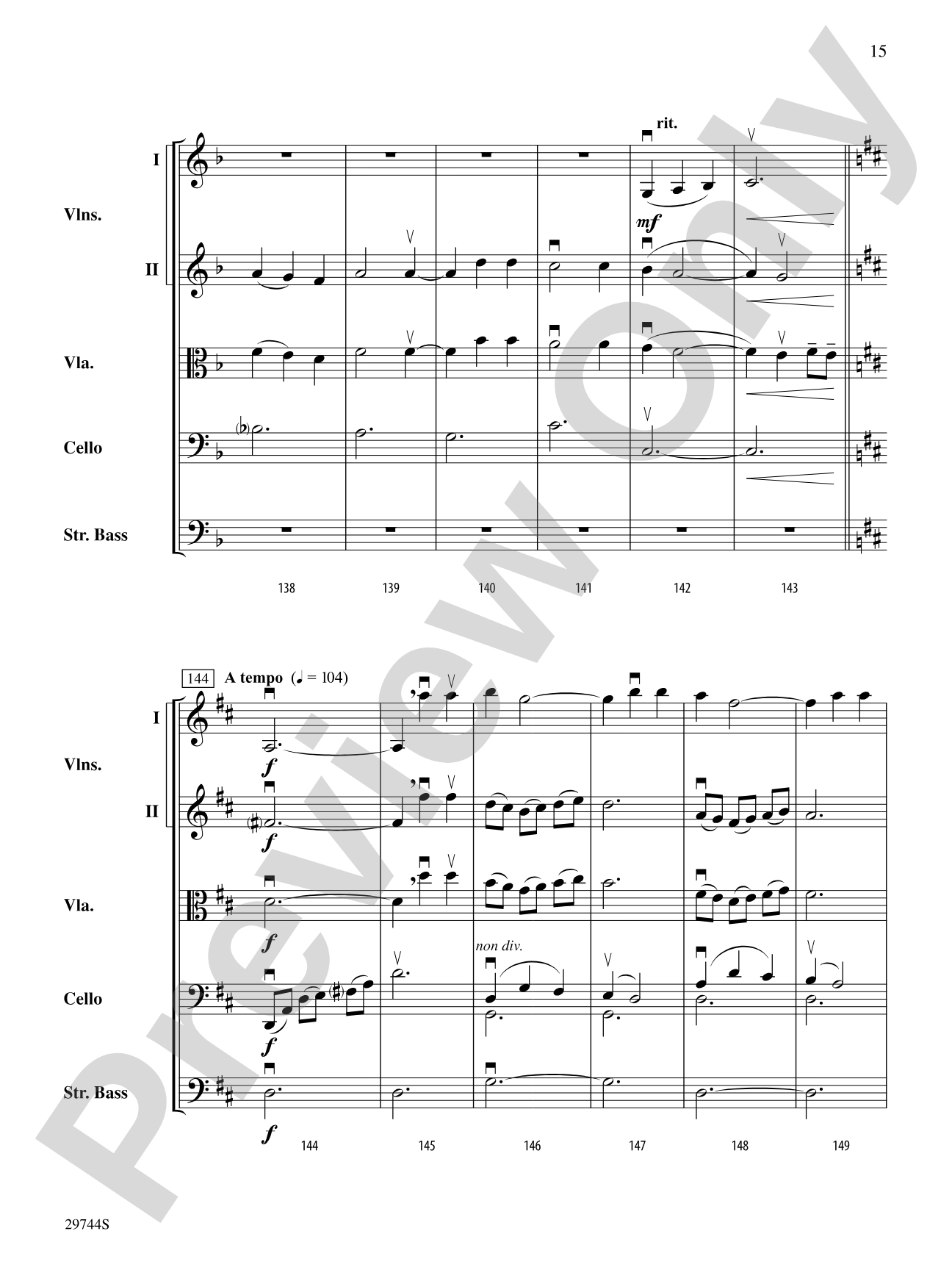
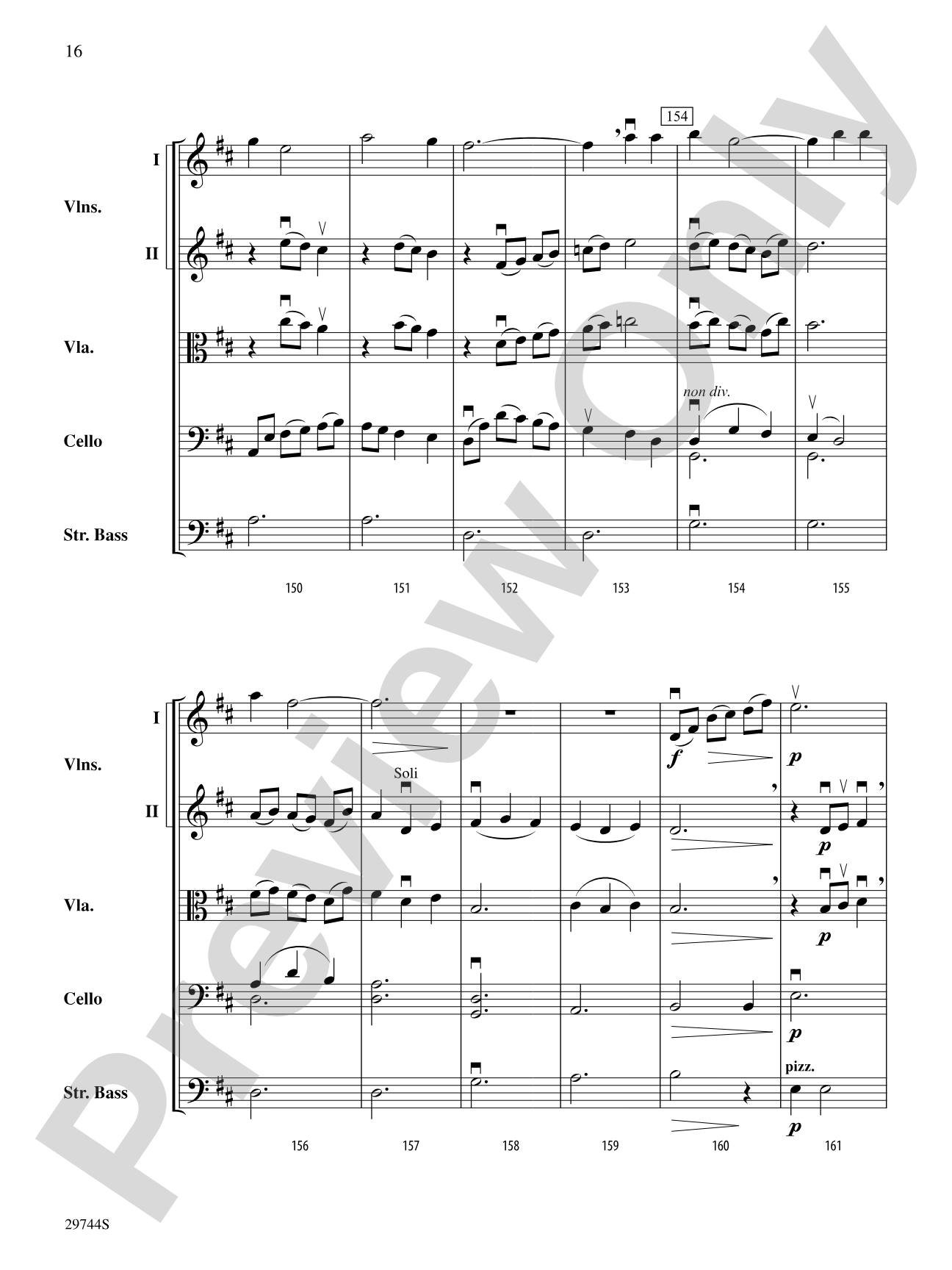


A Southwest Serenade: String Orchestra Conductor Score & Parts
By Richard Meyer
Grade: 3
Item: 00-PK-0001604

$55.00
Pickup currently not available
Buy Extra Parts (Digital PDF Download)
| Product | Price | Quantity |
|---|---|---|
| A Southwest Serenade: Score | $10.00 | |
| A Southwest Serenade: 1st Violin | $5.99 | |
| A Southwest Serenade: 2nd Violin | $5.99 | |
| A Southwest Serenade: Viola | $5.99 | |
| A Southwest Serenade: Cello | $5.99 | |
| A Southwest Serenade: String Bass | $5.99 |
Parts Added to Cart!
Related Items
A Southwest Serenade: String Orchestra Conductor Score |
$7.00
|
View |
Description
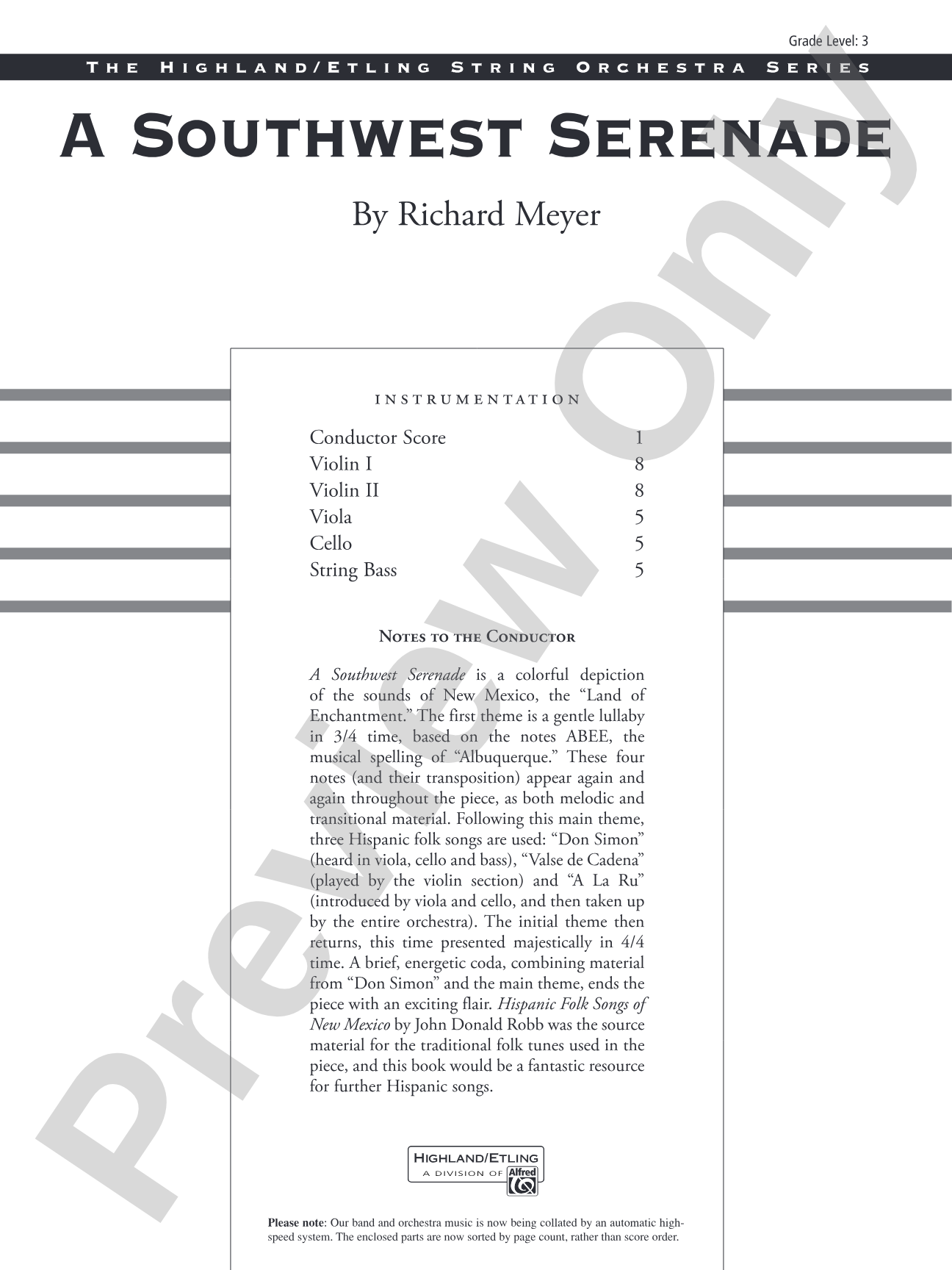
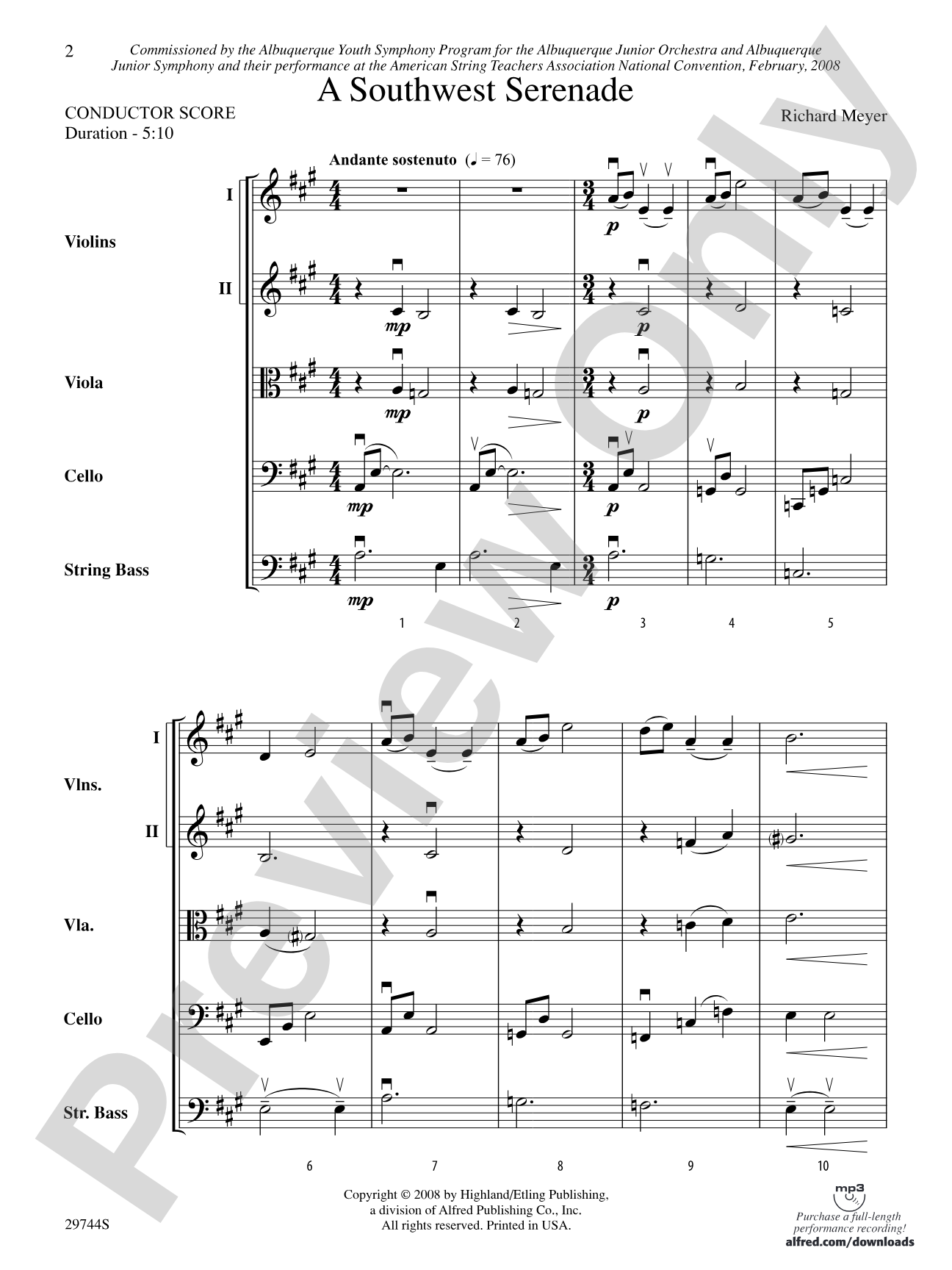
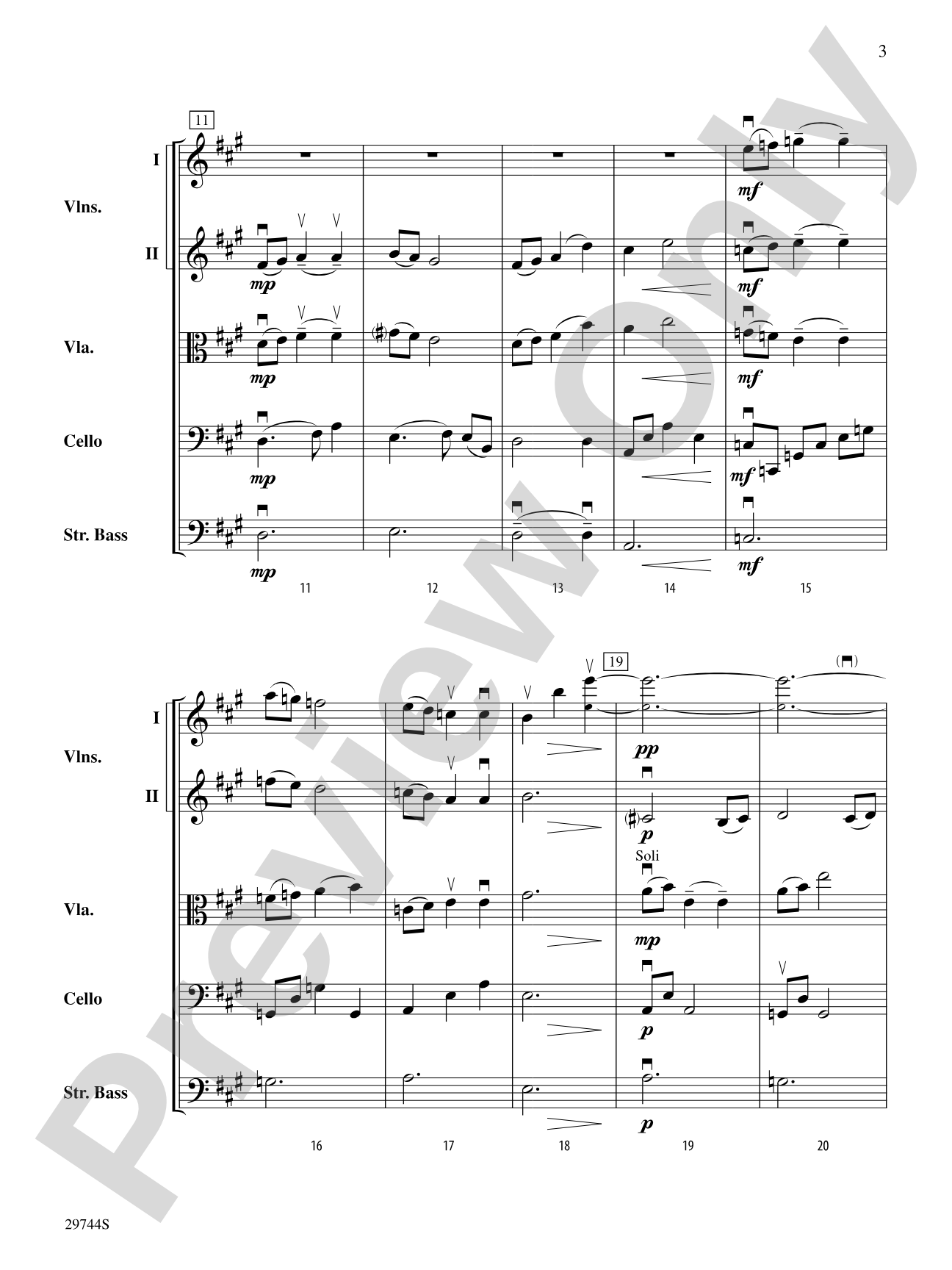
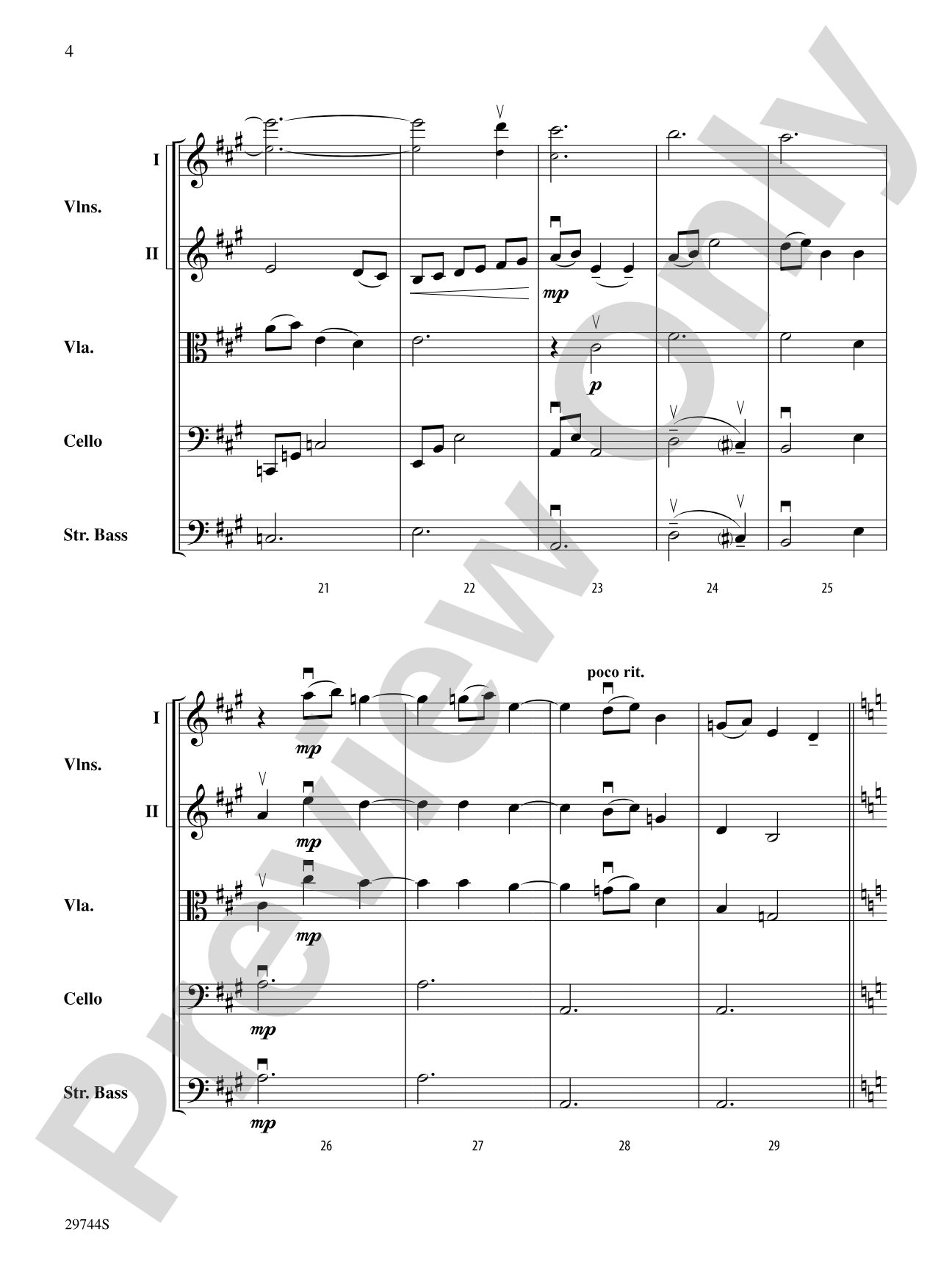
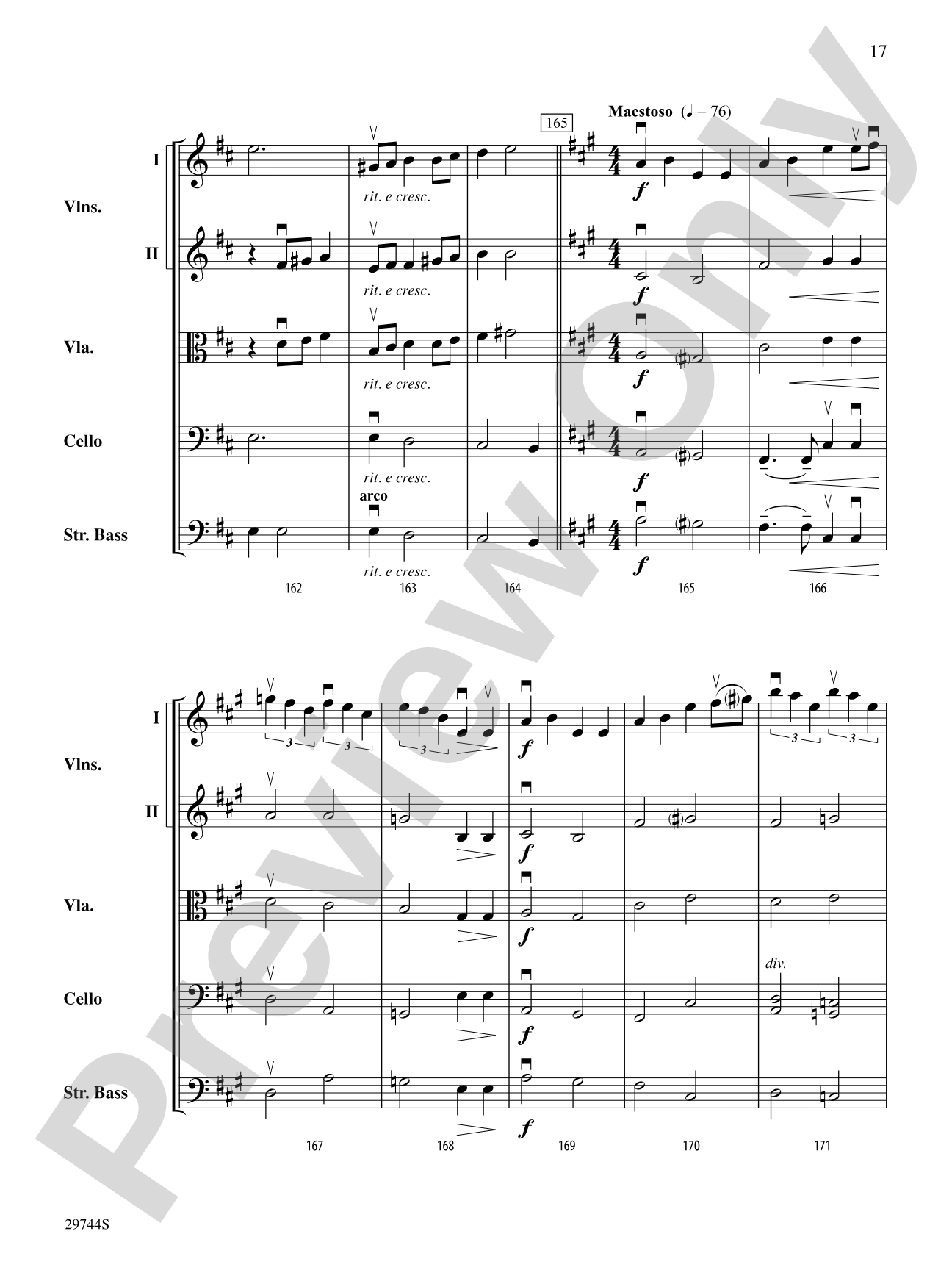
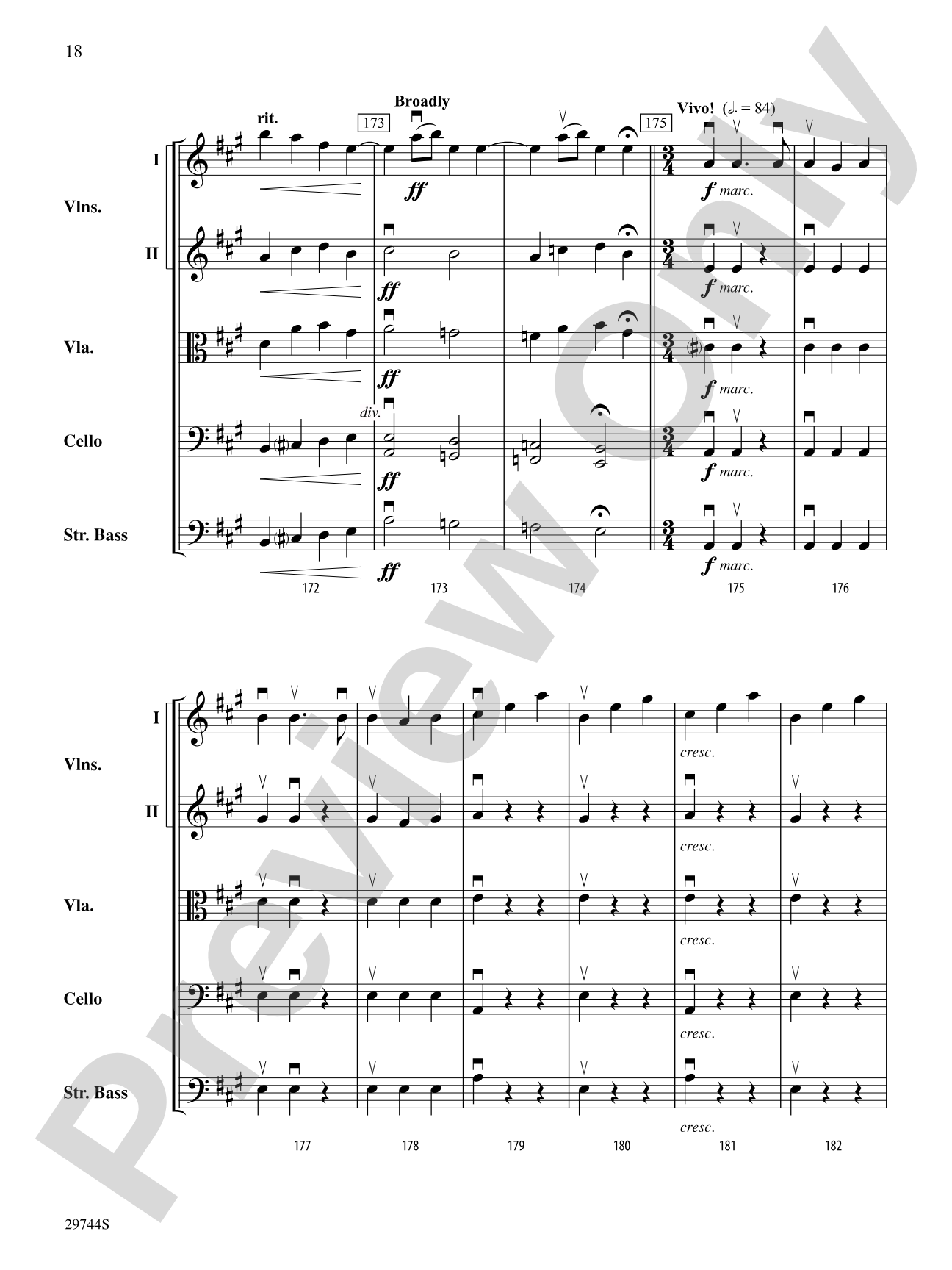
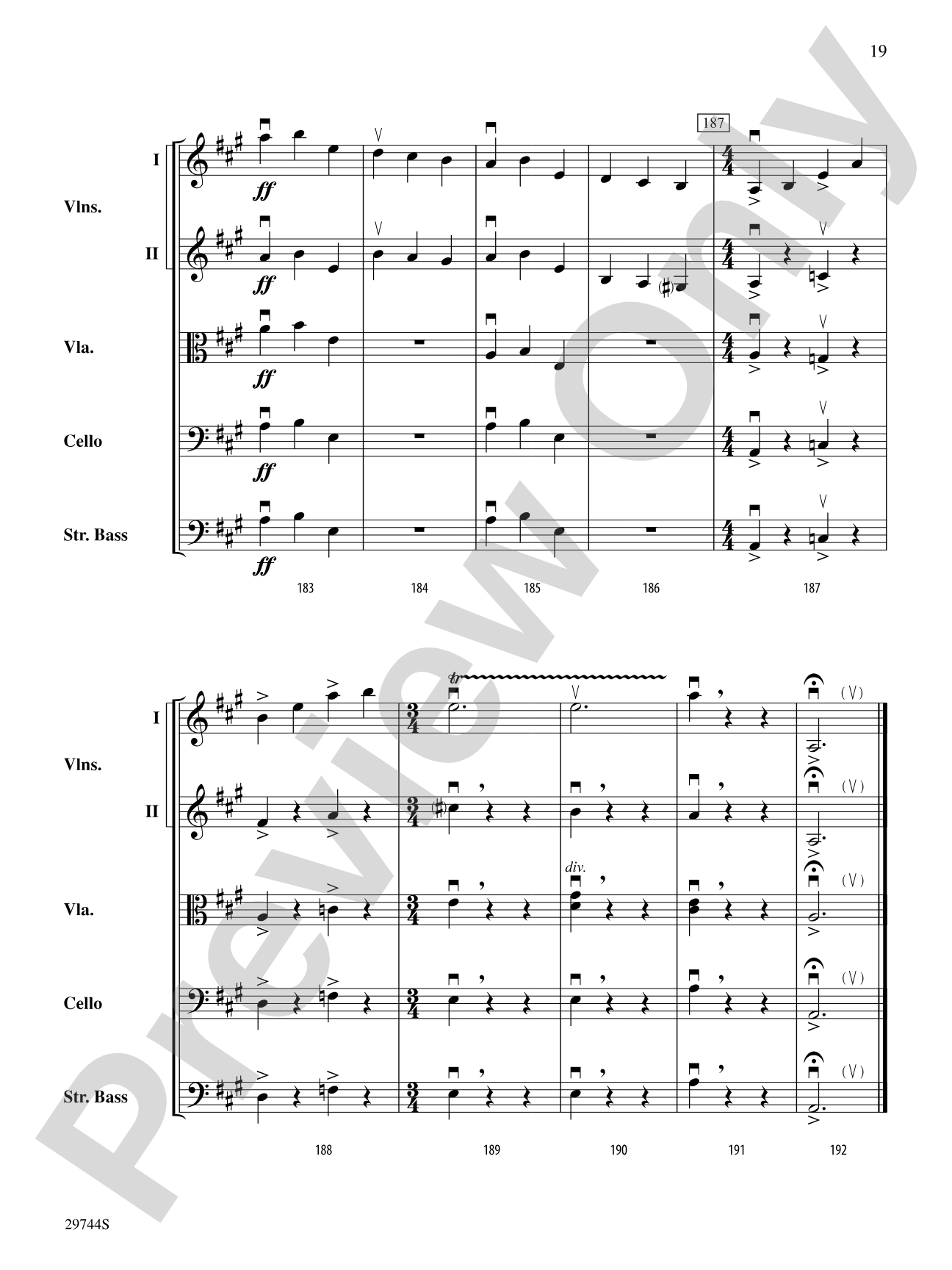
A colorful depiction of the sounds of New Mexico, the "Land of Enchantment!" Commissioned for the Albuquerque Youth Symphony for their performance at the 2008 National ASTA Conference, this piece combines an original theme followed by three Hispanic folk songs- "Don Simon," "Valse de Cadena" and "A La Ru"- each featuring various sections. First presented in 3/4 time and reprised in 4/4, the theme is a four-note musical spelling of the city name using the notes ABEE and builds to an exciting finish. (5:50)


Don't just read it, hear it, play along with it, and watch your students grow with it. In MakeMusic Cloud, A Southwest Serenade: String Orchestra Conductor Score & Parts comes alive with professional accompaniment, adjustable tempo, and built-in practice tools that turn solo practice into real progress.
Open in the Player
Jump straight in and assign it today.
Start Your Free Trial
Open this title and explore the full library in minutes.
Sample Audio
1
Audio File
--:--
0:00
0:00
Sample Video
No sample videos found.
Additional Details
Series:
Highland/Etling String Orchestra
Publisher:
Alfred Music
Page Count:
124
SKU:
00-PK-0001604
More about this title
About the Composer: Richard Meyer

Richard Meyer brings three decades of string teaching experience to his composing and conducting work. He spent 22 years building the orchestra program at Oak Avenue Intermediate School in Temple City, California, expanding it from 29 to 200 students, while simultaneously overseeing the district's elementary string curriculum. His work with the Pasadena Youth Symphony Orchestra spanned 16 years and took him to international stages across New York, Vienna, Australia, and Canada.
Beyond the podium, Meyer has established himself as a prolific composer with over 190 published works and arrangements. He served 16 years as string editor for Alfred Publishing Company and co-authored the widely-used String Explorer Series and Sight-read It for Strings method materials. Meyer remains active as a guest clinician at major conferences including the A.S.T.A. National Conference and has guest-conducted honor orchestras across multiple states. In 2009, he developed the "Giving Bach" program at his school, an initiative that has earned national recognition for using interactive concerts to reach special needs and underserved student populations throughout Southern California.
Why we love this
Meyer captures the authentic spirit of New Mexico through an ingenious structural conceit: a four-note theme spelling ABEE (the opening notes of "Albuquerque") that frames three genuine Hispanic folk melodies. The metric recontextualization of the theme from 3/4 to 4/4 creates a satisfying architectural journey while the folk material stays fresh across each iteration. This is the kind of piece that teaches students about regional American music and compositional sophistication in the same performance.
What to expect
Sunlit and spirited, with the warmth of familiar folk melodies woven through Meyer's own lyrical theme. The piece breathes with the rhythmic vitality of Hispanic music while maintaining the lyricism that Grade 3 orchestras can communicate convincingly. By the finish, students experience a genuine sense of compositional architecture: an idea introduced, developed through folk traditions, and brought home transformed.
Who it's for
Grade 3 string orchestras ready for repertoire that celebrates regional American music and rewards metric flexibility. This piece works for ensembles that have secure rhythmic reading and can sustain characterization across contrasting folk material without losing ensemble cohesion.
How to get the most out of it
- Balance the theme's four-note motive across your first and second violins on its opening statement; this melodic anchor needs to sing clearly so the folk songs that follow feel like natural extensions rather than separate ideas.
- Lean into the character shifts between movements. "Don Simon," "Valse de Cadena," and "A La Ru" each have distinct rhythmic and harmonic flavors; allow your ensemble to reset articulation and vibrato approach with each folk song.
- The reprised theme in 4/4 should feel inevitable rather than abrupt. Work the transition with your middle sections so the metric shift lands with confidence and builds genuine momentum toward the finish.
How to use it
Program this as a bridge between lighter festival repertoire and more substantial Grade 3 pieces; it's rewarding enough for concert or competition while its cultural specificity makes it ideal for a concert theme around regional American music or Southwestern culture. The 5:50 duration and clear sectional design also make it accessible for chamber orchestra settings or as a substantial opener.
Skills your students will build
- Reading and executing meter changes (3/4 to 4/4) within a unified musical statement
- Sustaining consistent tone and intonation across shifting folk idioms and articulation styles
- Balancing melody and accompaniment roles within a sectional structure
- Responding to dynamic range and tempo nuance that support regional character and folk authenticity