

A Scottish Ballade: Concert Band Conductor Score & Parts
Arr. Robert Sheldon
Grade: 2 (Medium Easy)
Item: 00-PK-0000539

$55.00
Pickup currently not available
Buy Extra Parts (Digital PDF Download)
Parts Added to Cart!
Description
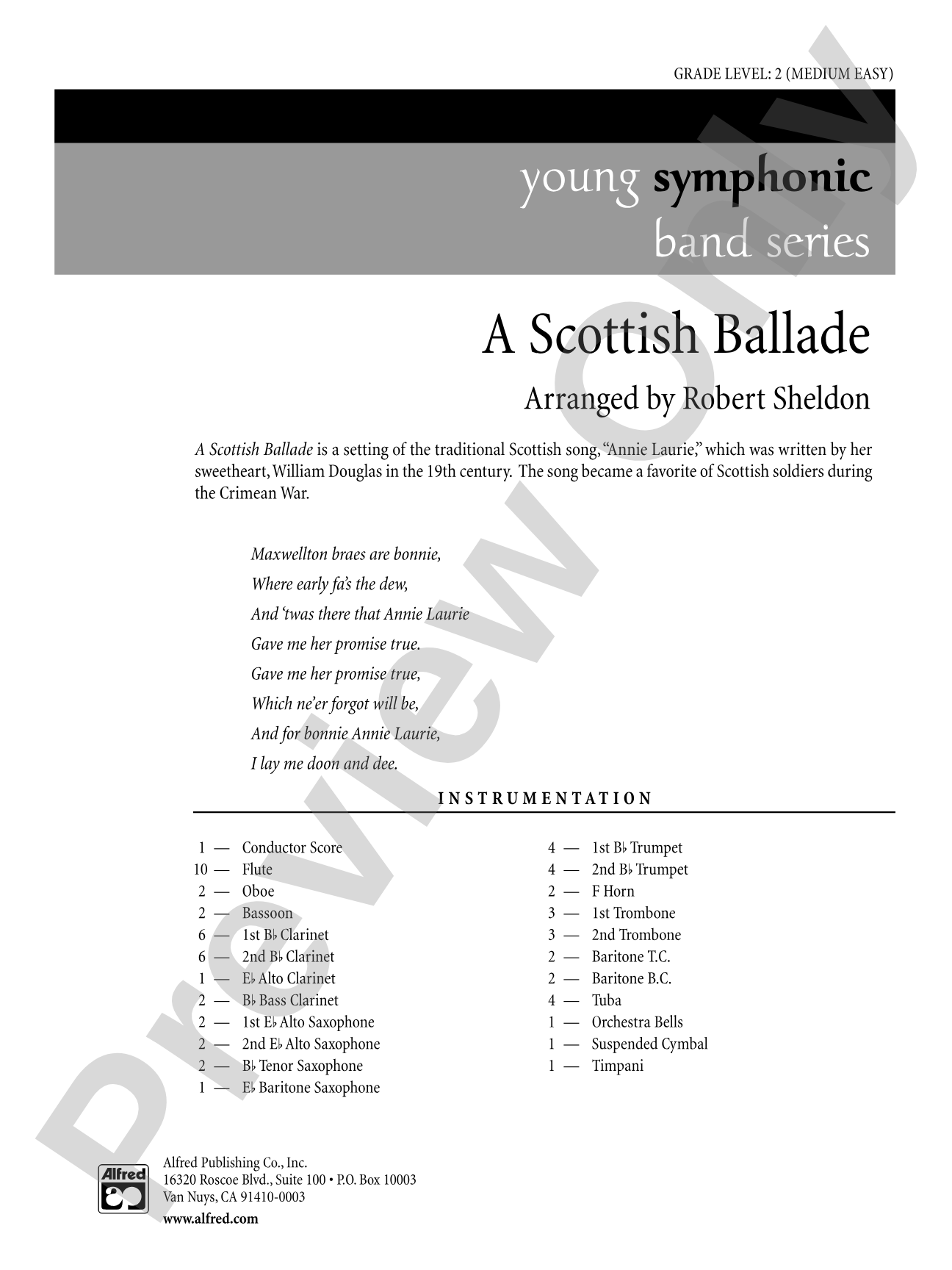
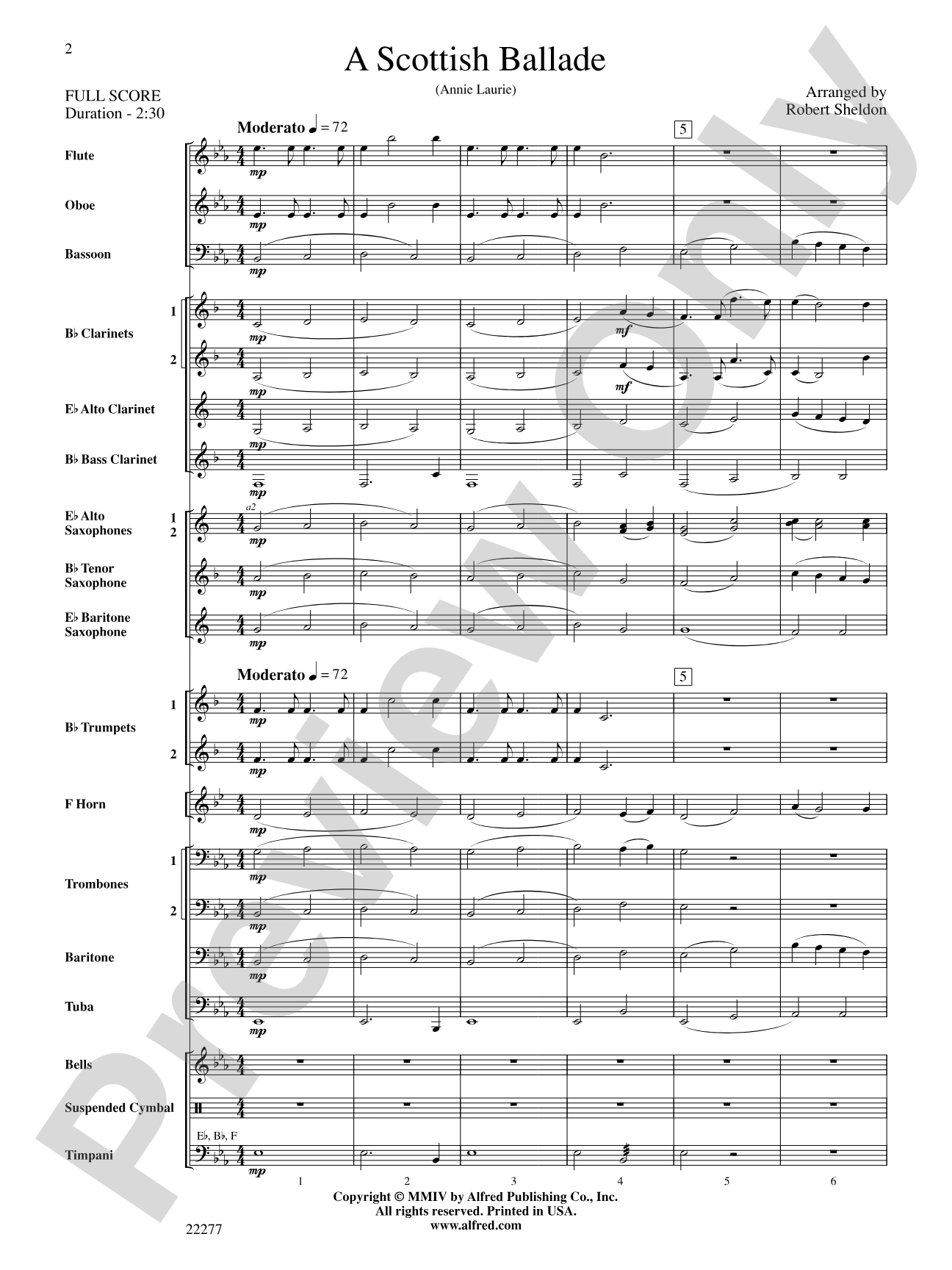
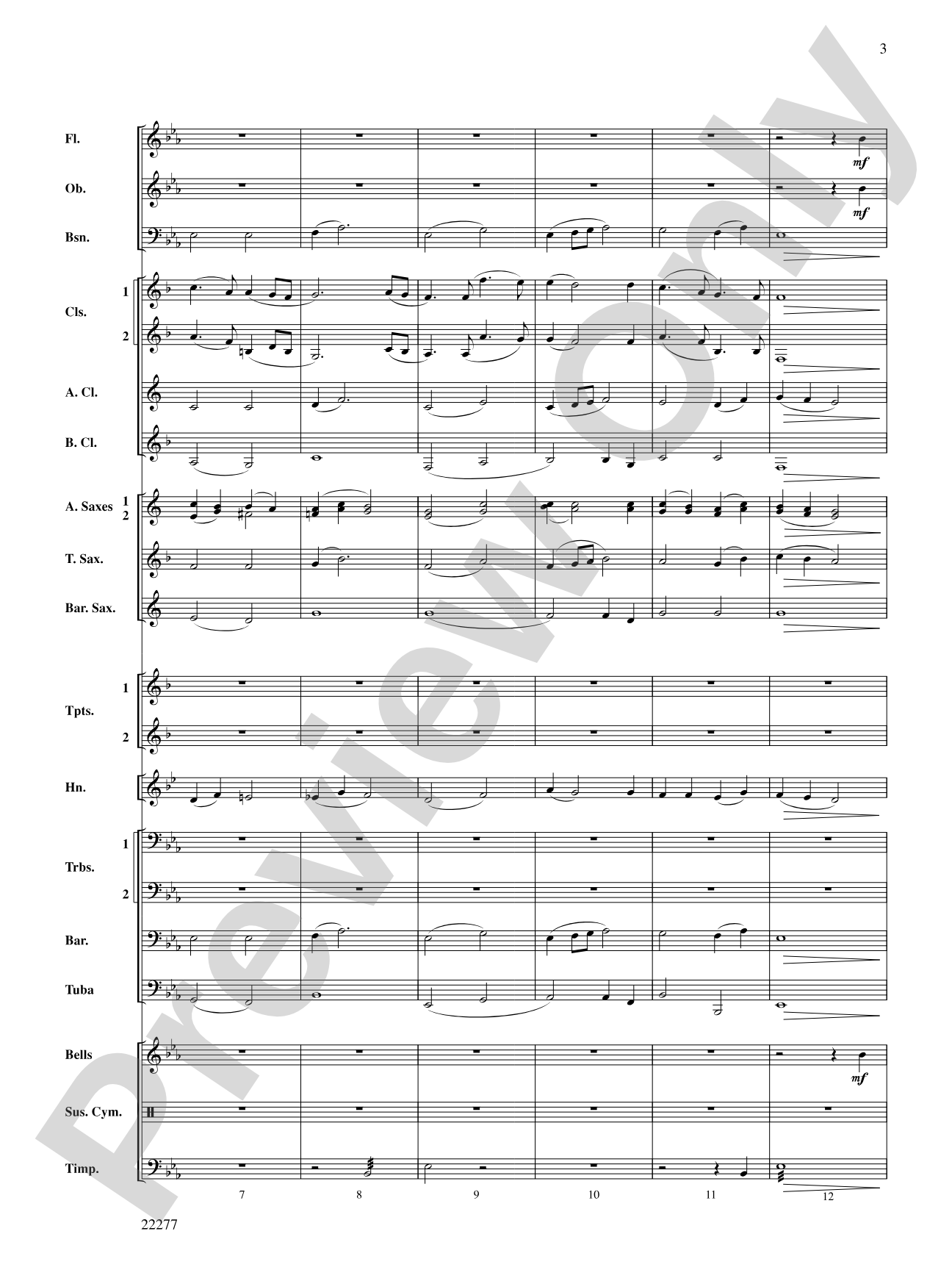
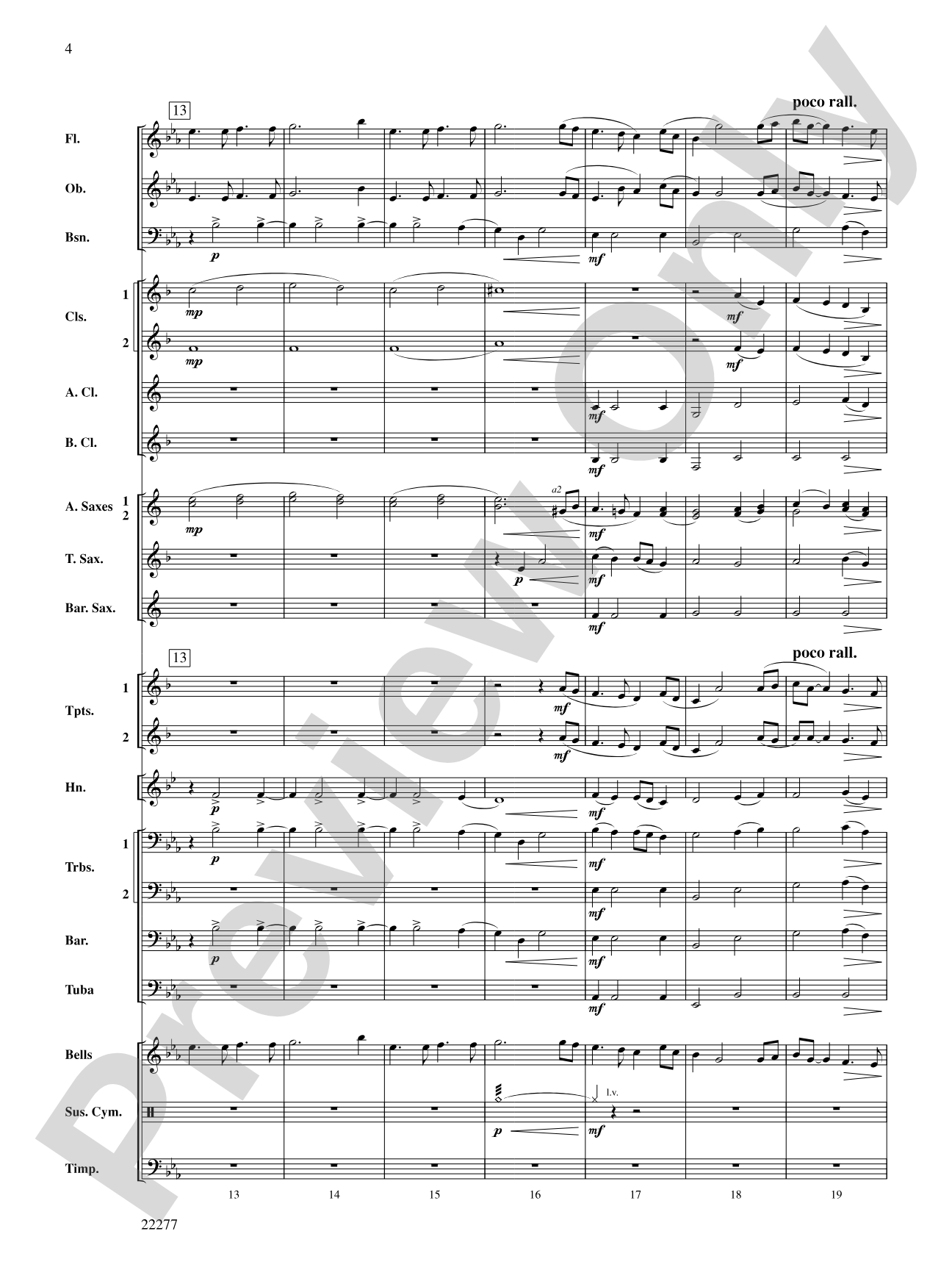
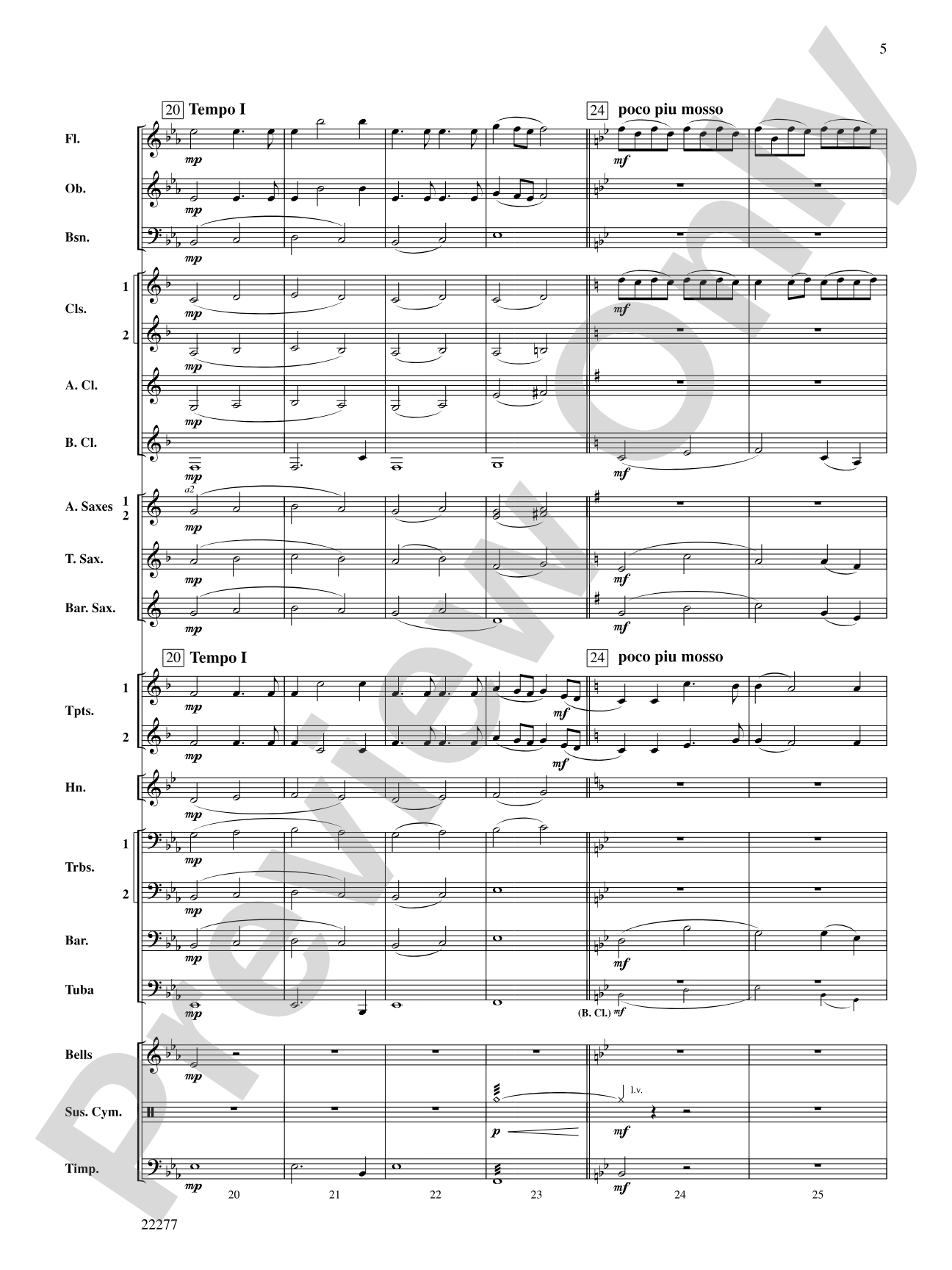
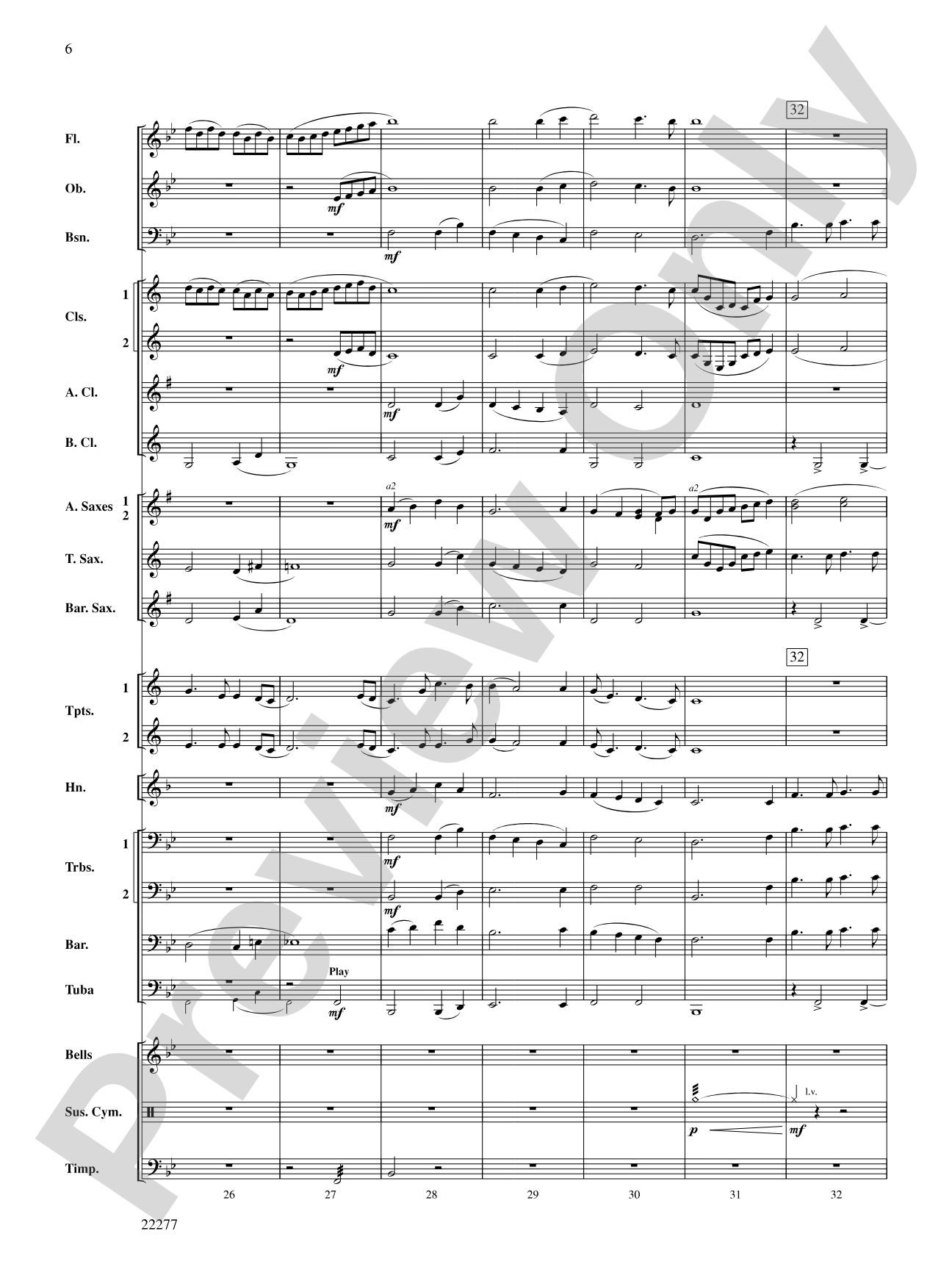
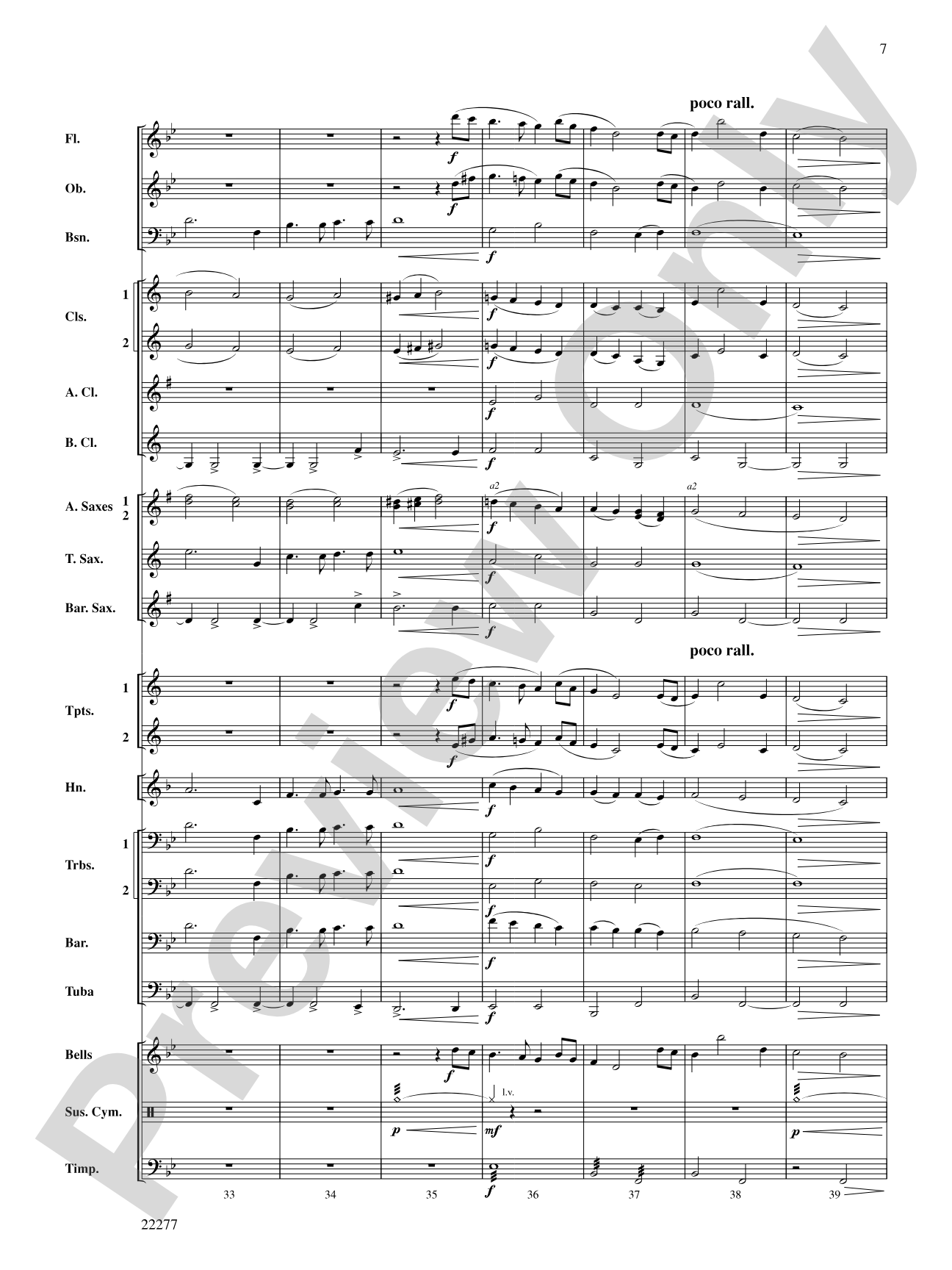
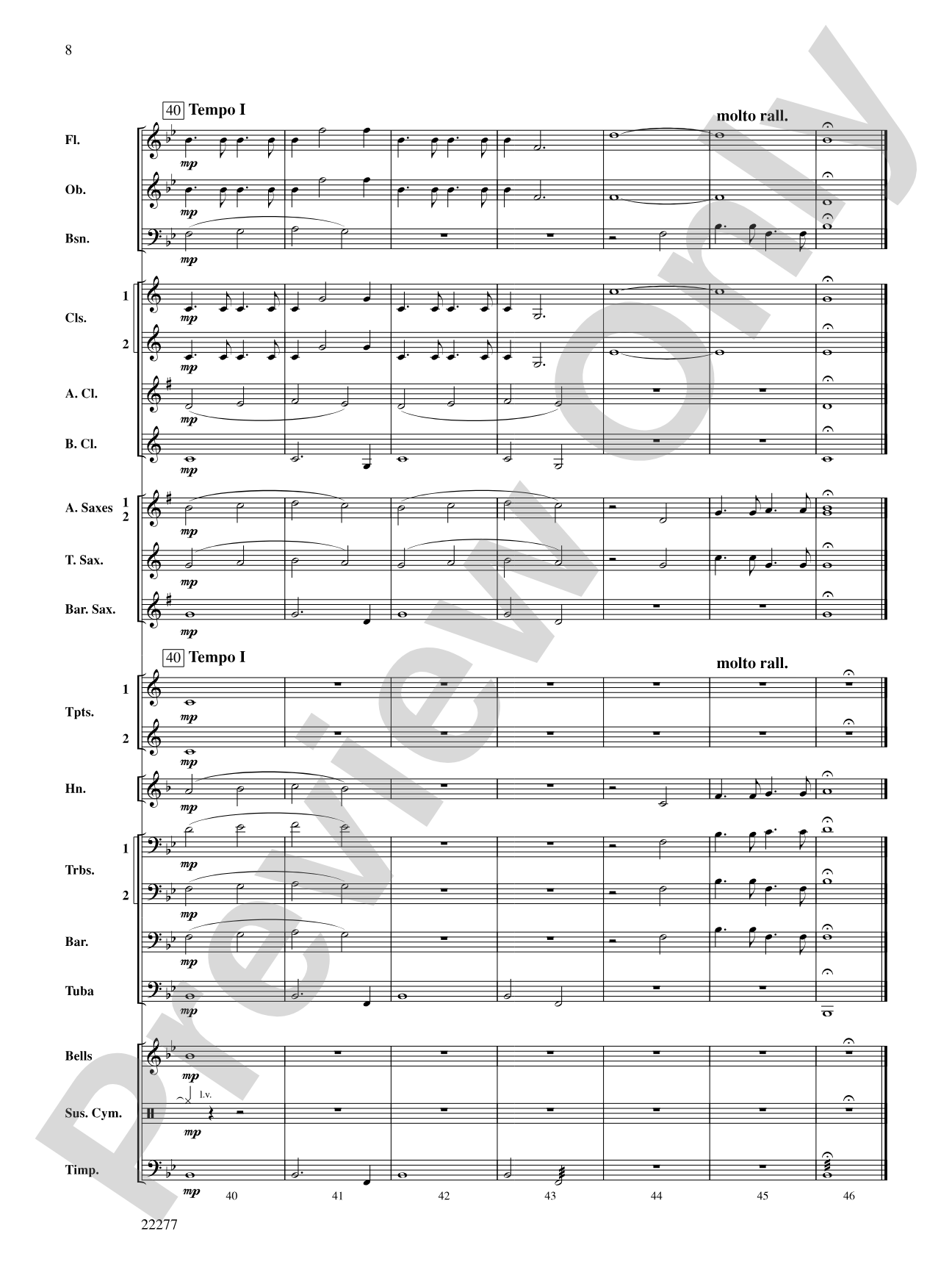
A Scottish Ballade is a setting of the traditional Scottish song, "Annie Laurie," which was written by her sweetheart, William Douglas in the 19th century. The song became a favorite of Scottish soldiers during the Crimean War. The well crafted and expressive scoring will make less-experienced ensembles sound their best. This title is available in MakeMusic Cloud.


Don't just read it, hear it, play along with it, and watch your students grow with it. In MakeMusic Cloud, A Scottish Ballade: Concert Band Conductor Score & Parts comes alive with professional accompaniment, adjustable tempo, and built-in practice tools that turn solo practice into real progress.
Open in the Player
Jump straight in and assign it today.
Start Your Free Trial
Open this title and explore the full library in minutes.
Sample Audio
1
Audio File
--:--
0:00
0:00
Sample Video
No sample videos found.
Additional Details
Series:
Young Symphonic
Publisher:
Alfred Music
Page Count:
126
SKU:
00-PK-0000539
More about this title
About the Arranger: Robert Sheldon

Robert Sheldon's arrangements and compositions for wind band appear on festival and contest programs across the globe. His work consistently earns recognition from the American School Band Director's Association, Phi Beta Mu, and ASCAP, and he has conducted his music in some of North America's most prestigious concert halls, from Carnegie Hall to the Kennedy Center. Beyond composition, Sheldon serves as lead author of Sound Innovations for Concert Band and maintains an active schedule as a guest conductor for All-State ensembles and as a clinician at universities and state music education conferences.
Sheldon's international conducting experience spans six continents, and he regularly commissions new works while publishing extensively for concert band each year. In 2020, VanderCook College of Music honored him with a doctorate for his sustained contributions to wind band repertoire and music education.
Why we love this
Sheldon understands exactly what Grade 2 ensembles need: music that sounds polished and substantial without overwhelming players still building fundamental skills. This arrangement of "Annie Laurie" sits comfortably in the band's range while the orchestration ensures every section has a role in the musical storytelling. The pacing and harmonic support make it equally suitable for a spring concert or a district festival.
What to expect
Warm, lyrical, and contemplative. This arrangement of a 19th-century love song carries the weight of its history without feeling heavy, inviting the band to play with genuine expression and emotional maturity. The scoring is generous with support, allowing young musicians to discover what it means to sing on their instruments.
Who it's for
Grade 2 concert bands and beginning ensembles looking for repertoire that builds musicianship without technical demands. Directors seeking a piece that programs well at festivals, serves as a strong concert closer, or offers a traditional Scottish song in an accessible arrangement.
How to get the most out of it
- Balance the lyrical melody line carefully; the scoring will support less-experienced lead players, but they still need to shape the phrase with purpose.
- Work the ensemble's blend before drilling individual parts. The arrangement's effectiveness depends on how well the harmonies sit together across the full band.
- Let the rubato breathe naturally. This is a song, not a march, and slight flexibility in tempo at phrase turns will help younger players feel the emotional arc.
How to use it
Program this as a contrasting middle section in a concert built around Scottish or folk themes, or use it as a lyrical anchor in a program that opens with faster material. It works beautifully as a finale that sends the audience out with a memorable, well-played tune, and its contest-appropriate difficulty makes it a reliable choice for spring festivals.
Skills your students will build
- Shaping long phrases with intentional phrasing and breath placement
- Balancing harmonic parts to create ensemble blend
- Playing with lyrical, song-like tone quality
- Reading and interpreting expressive markings in an arrangement
- Supporting and complementing a melody line without overshadowing it