
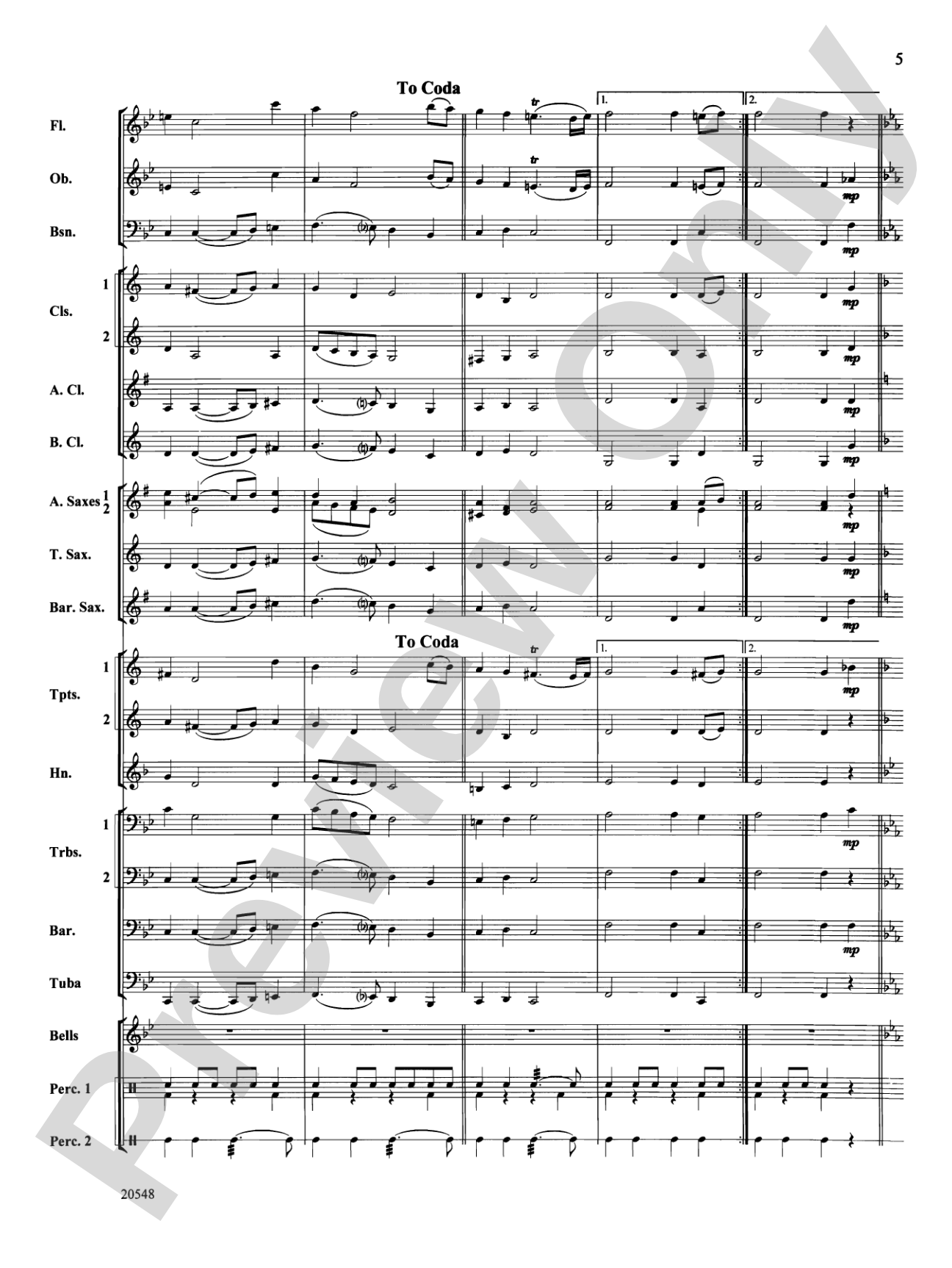
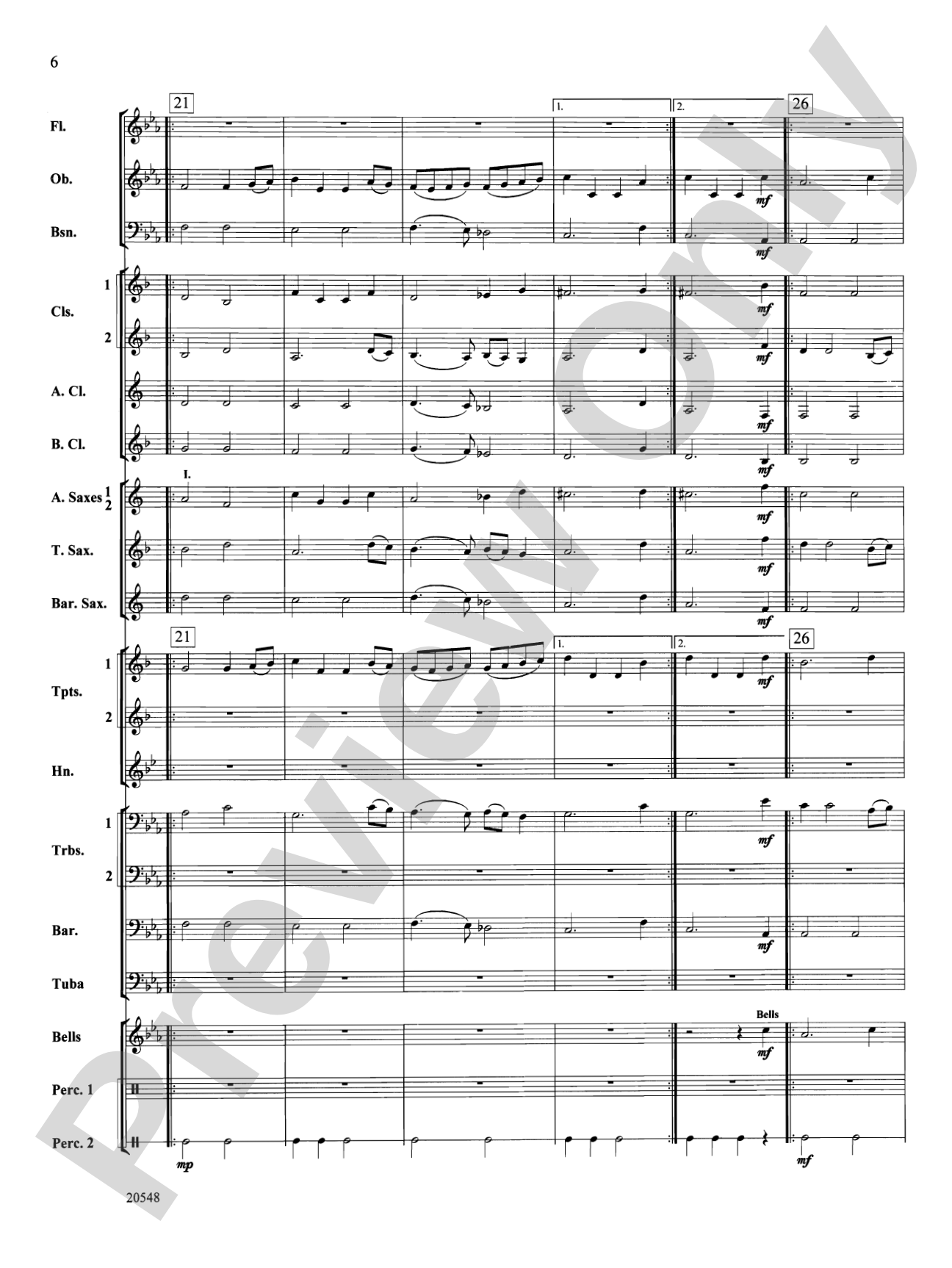
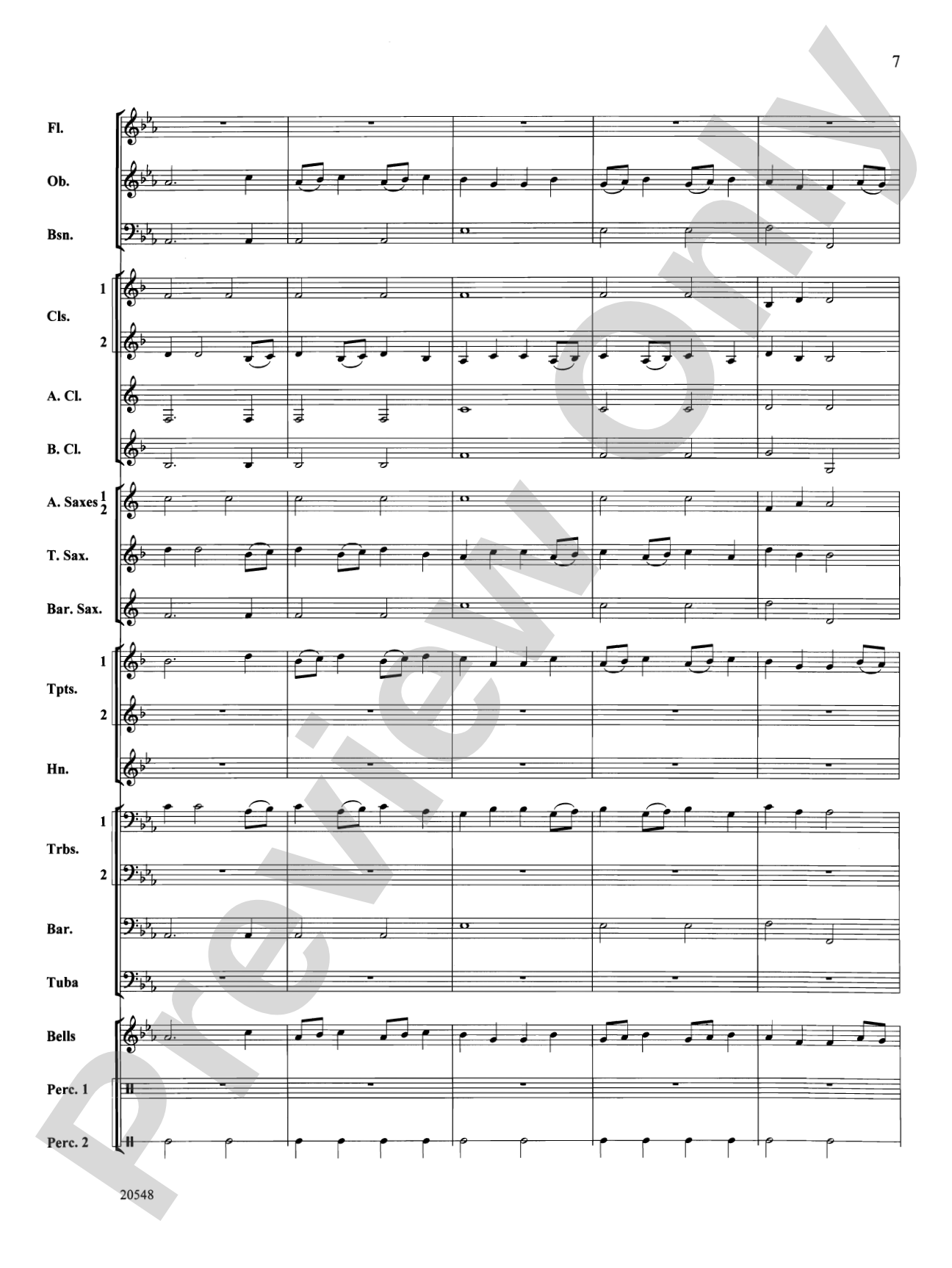
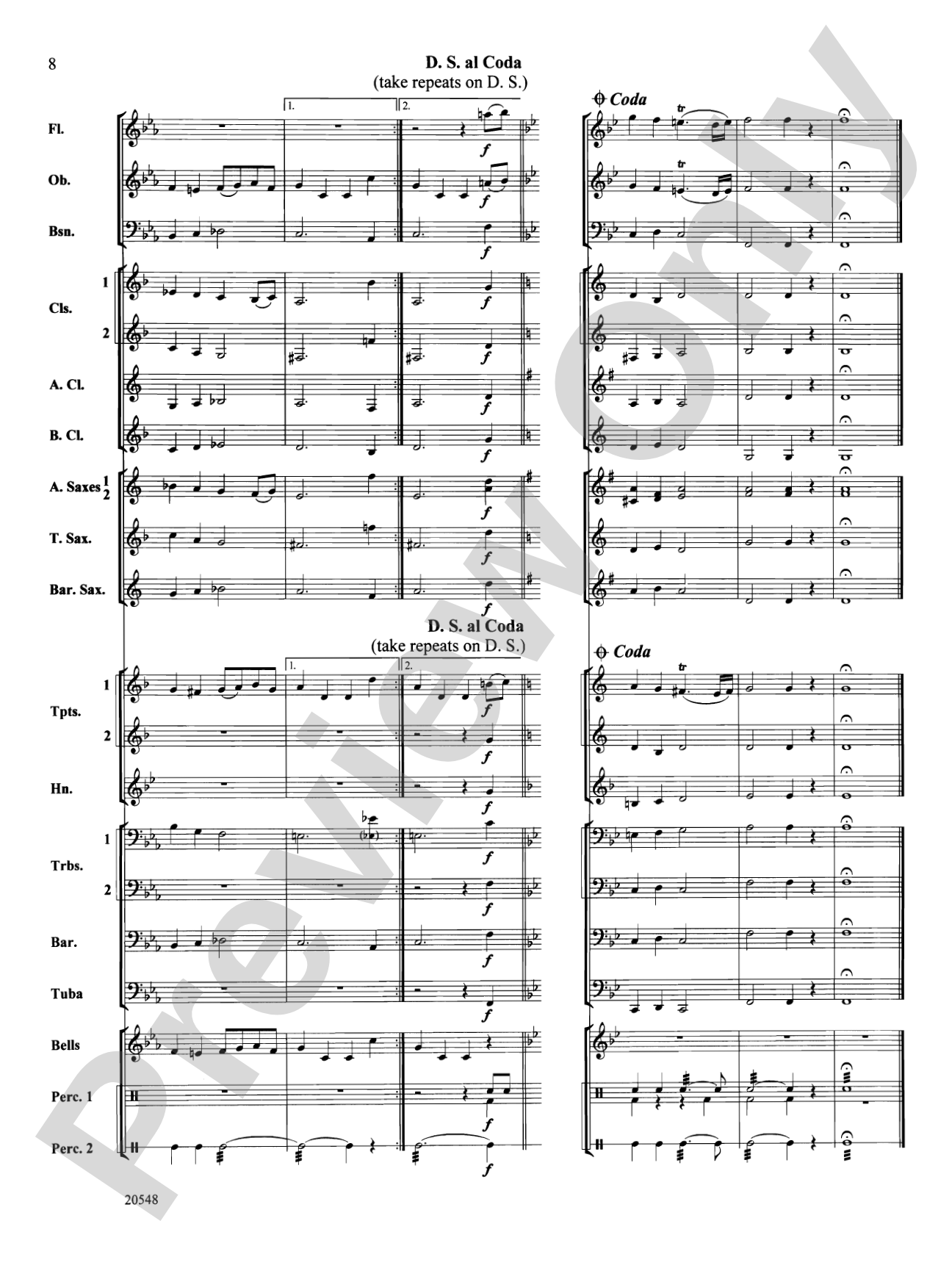
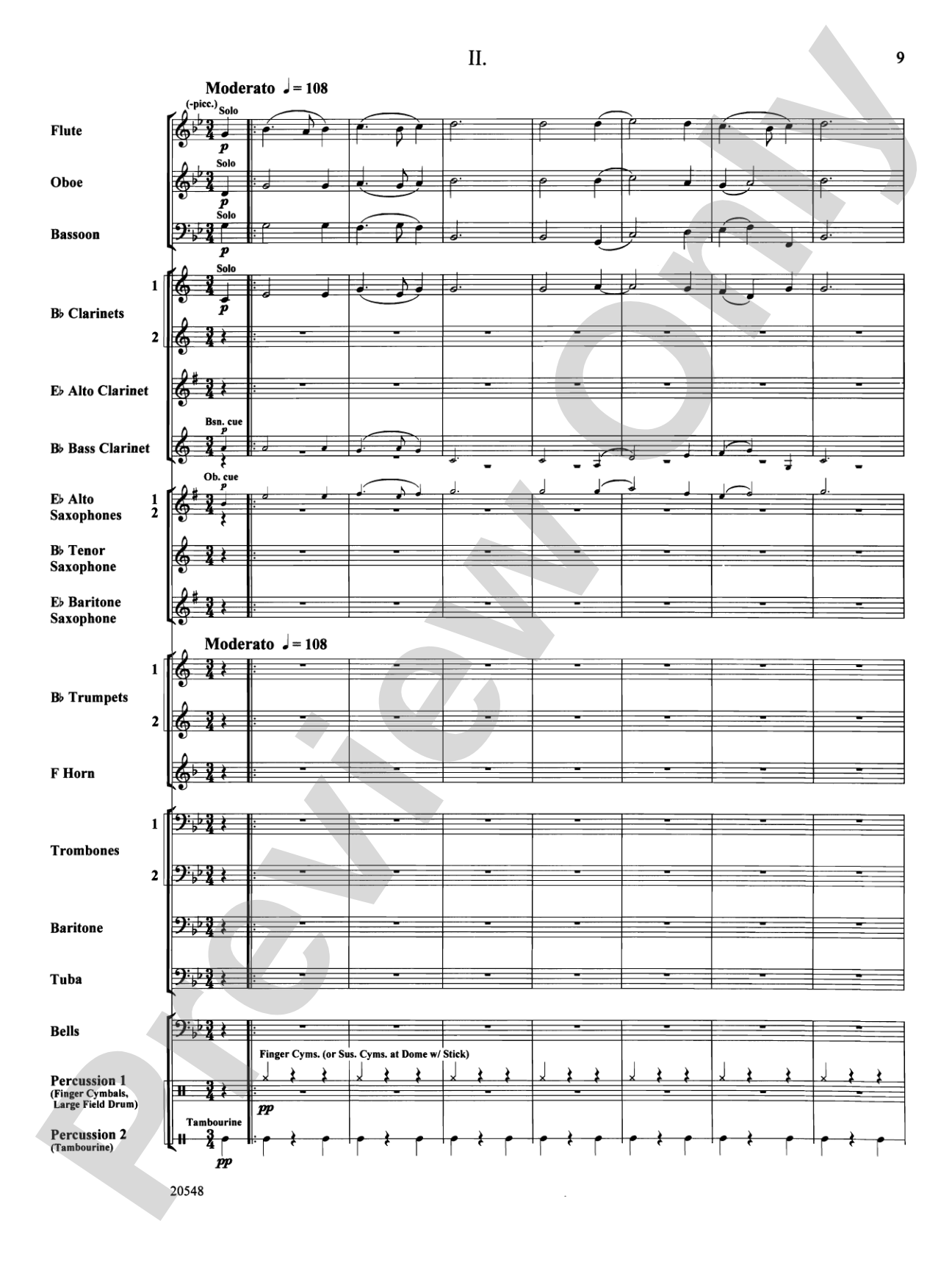
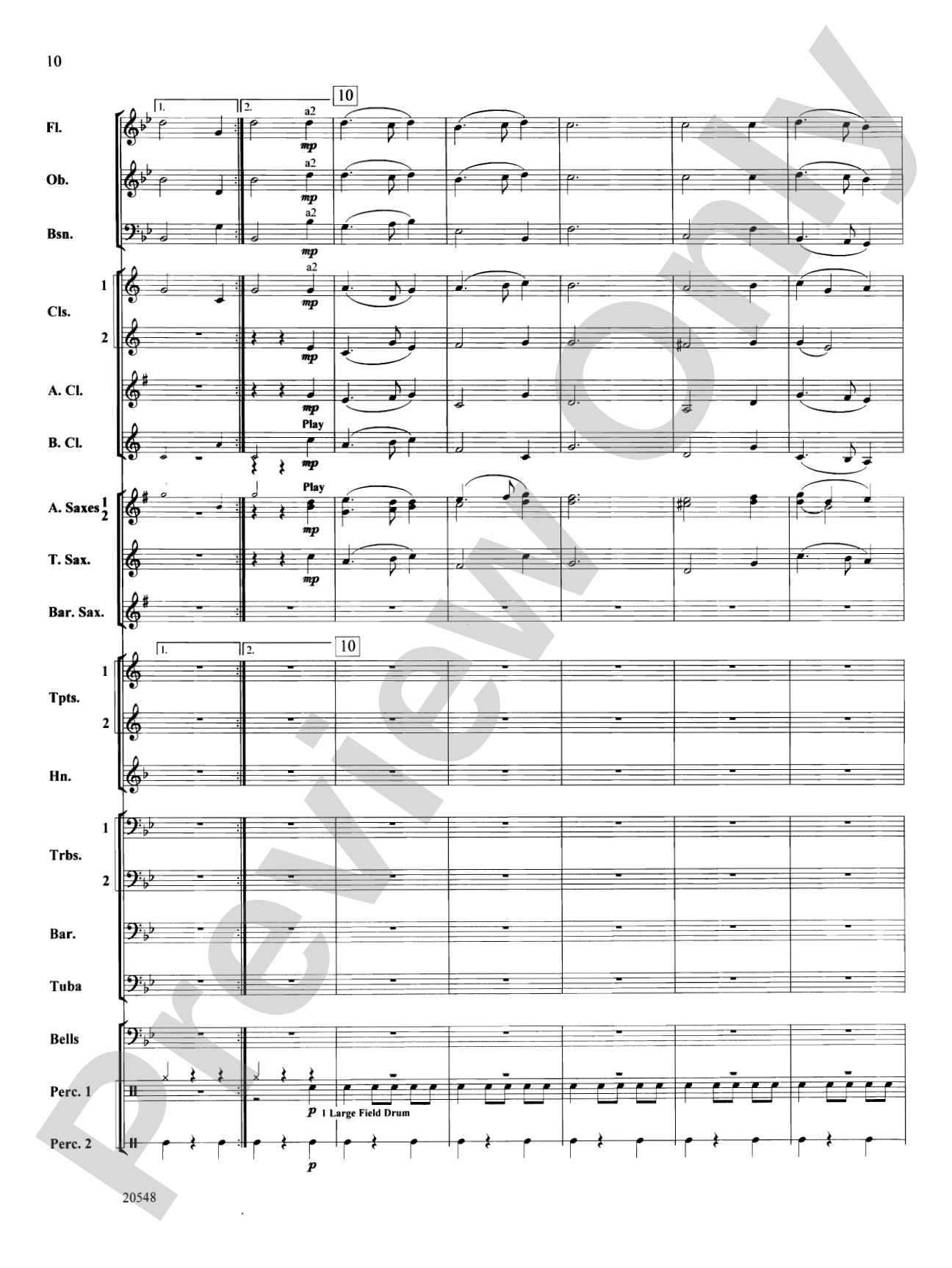
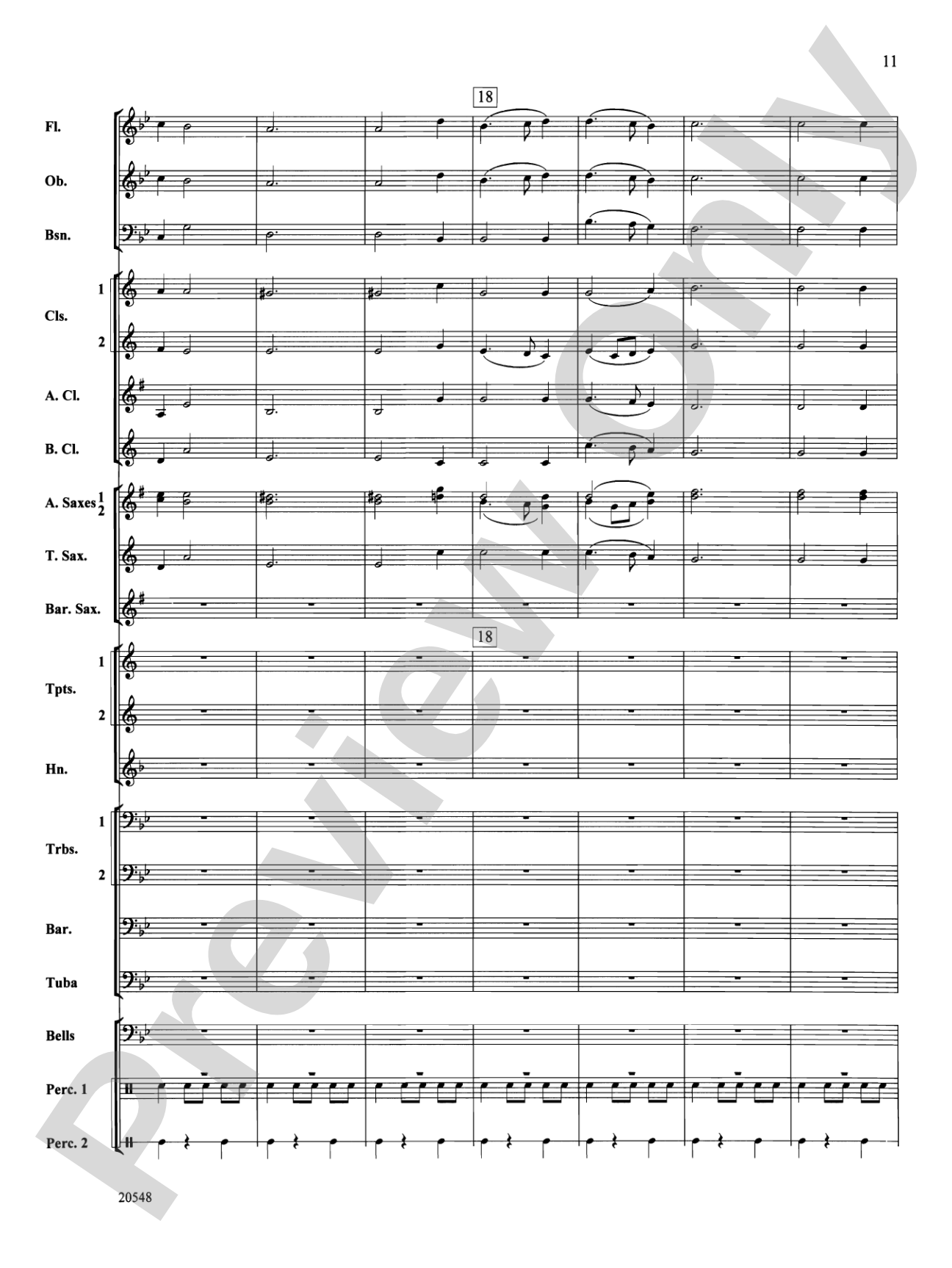
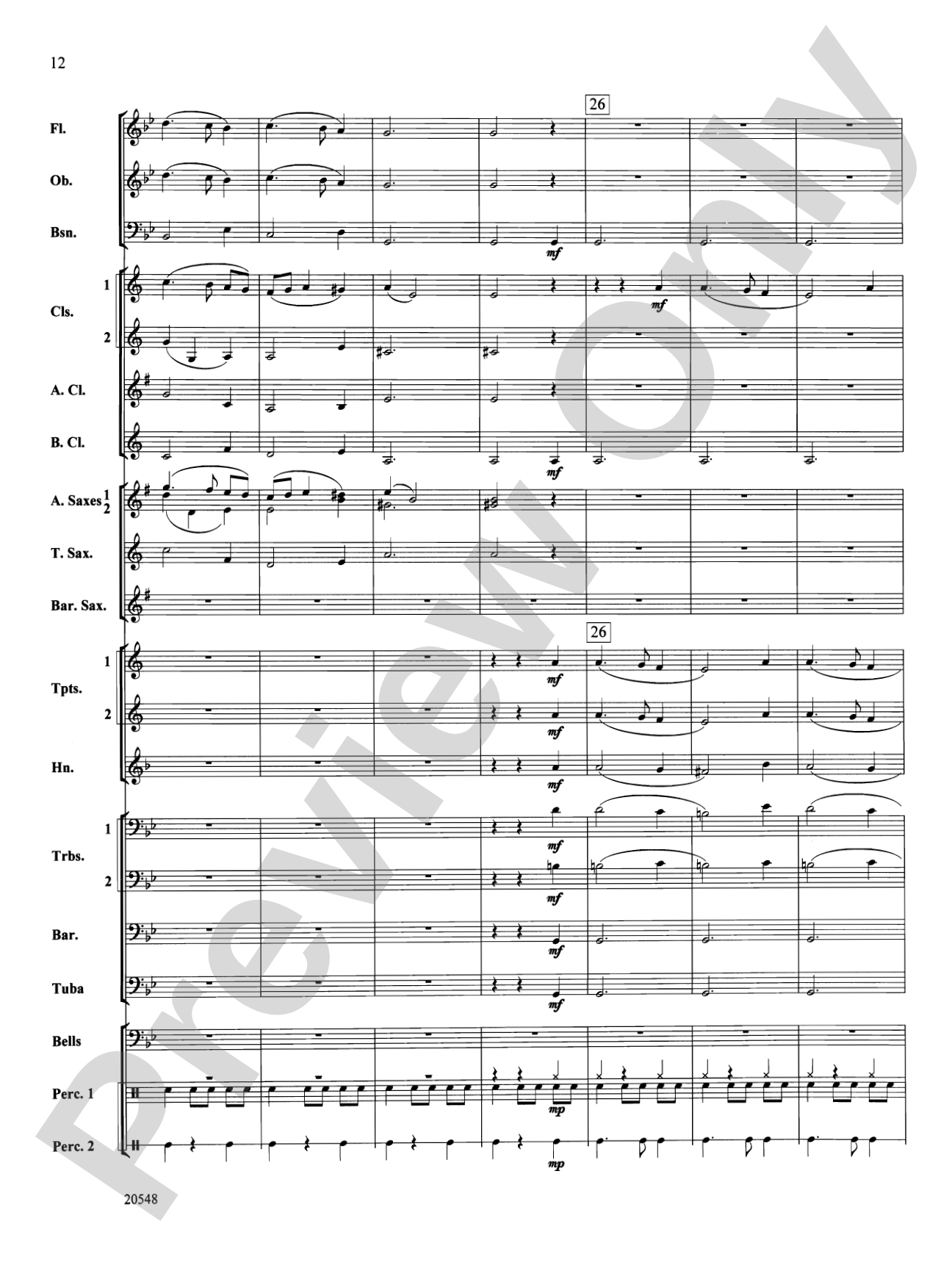
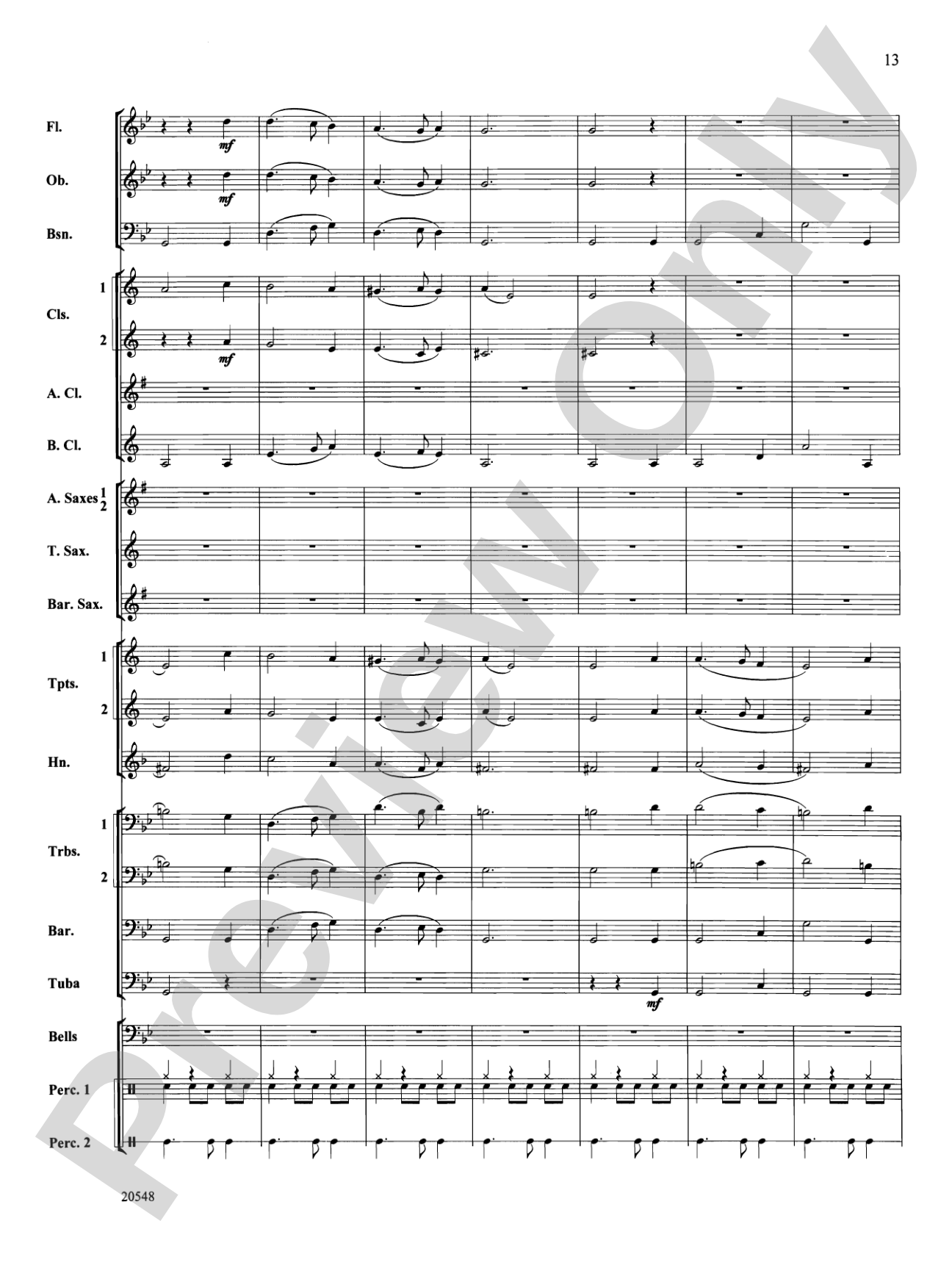
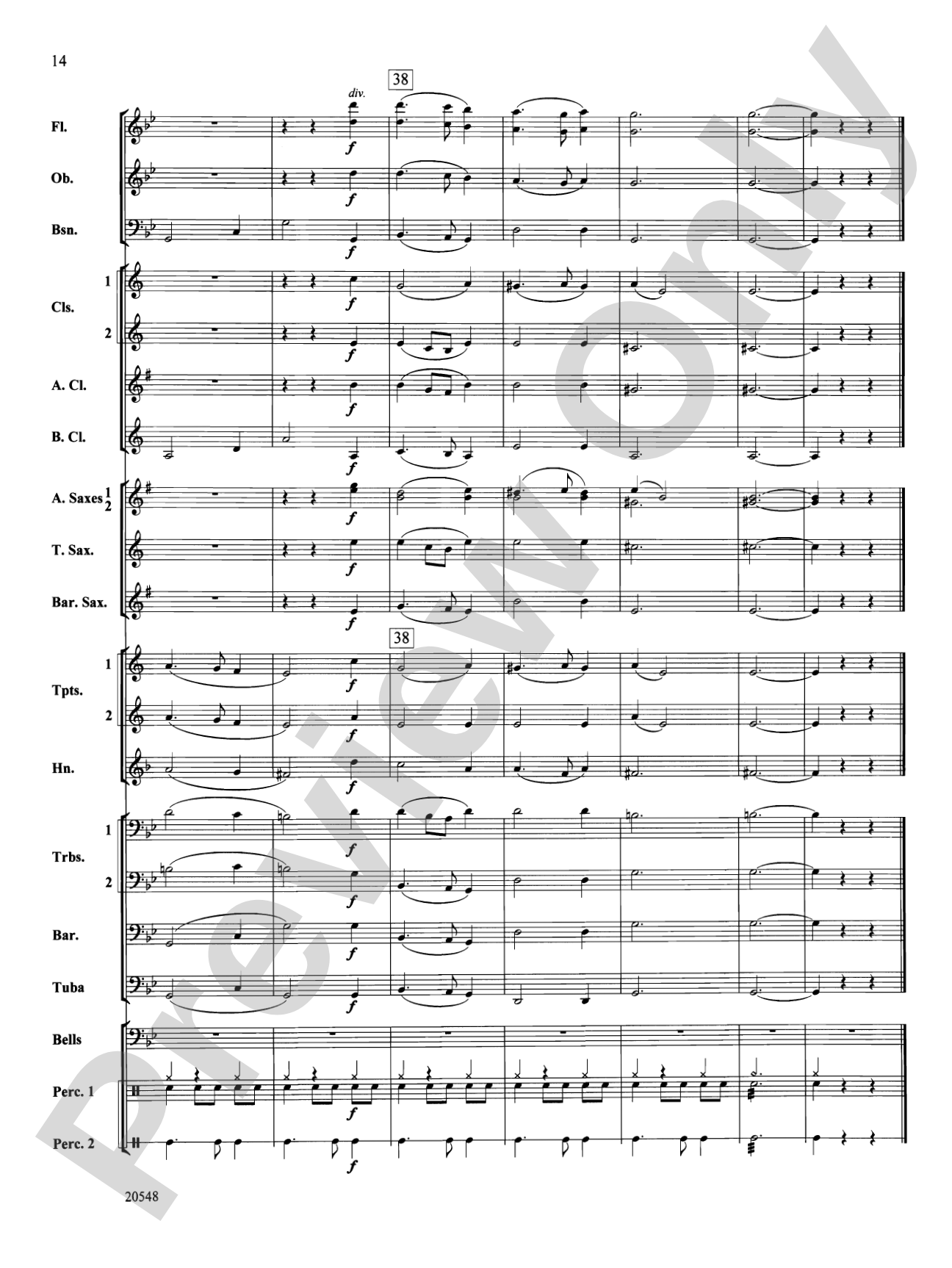
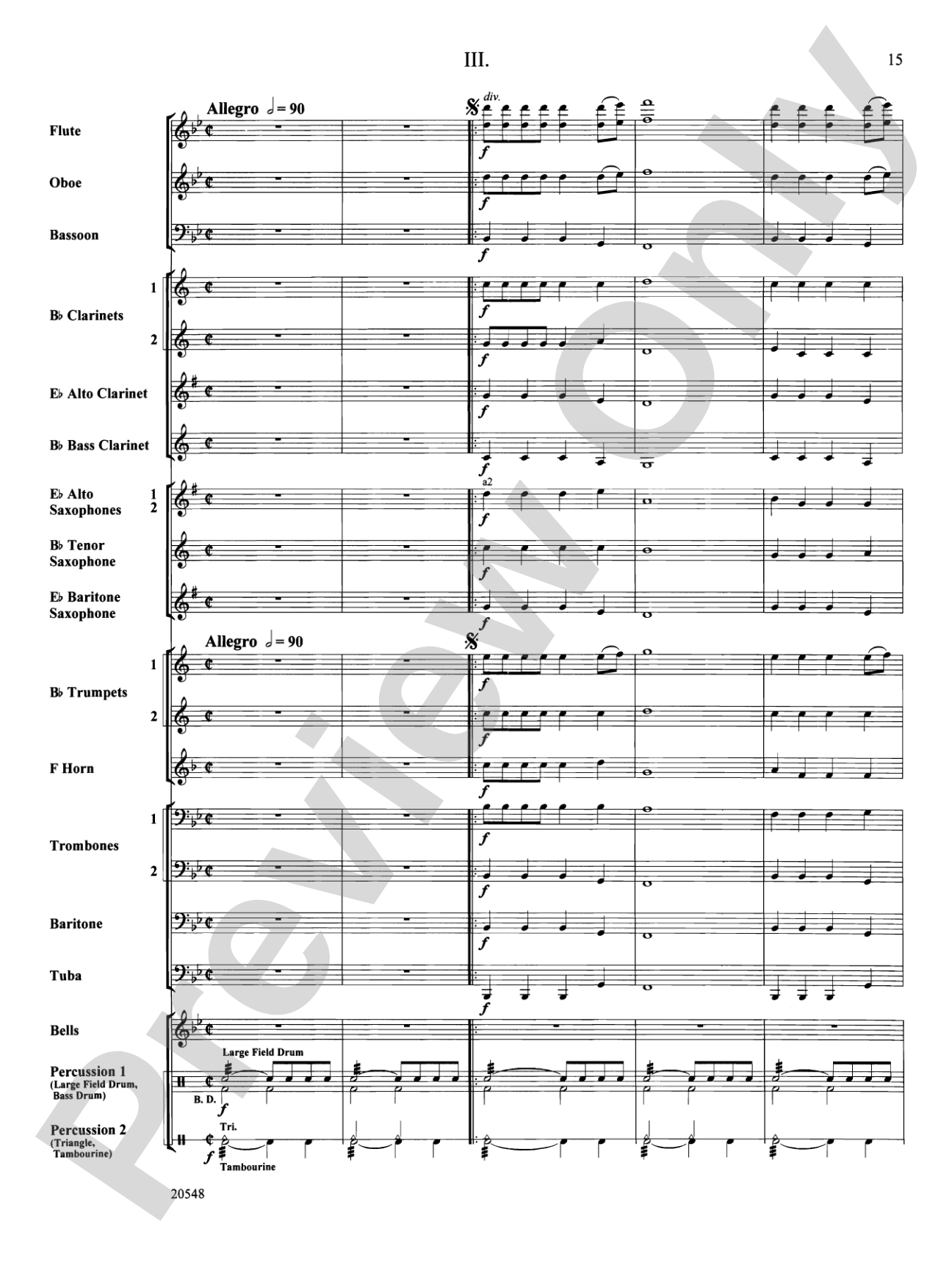
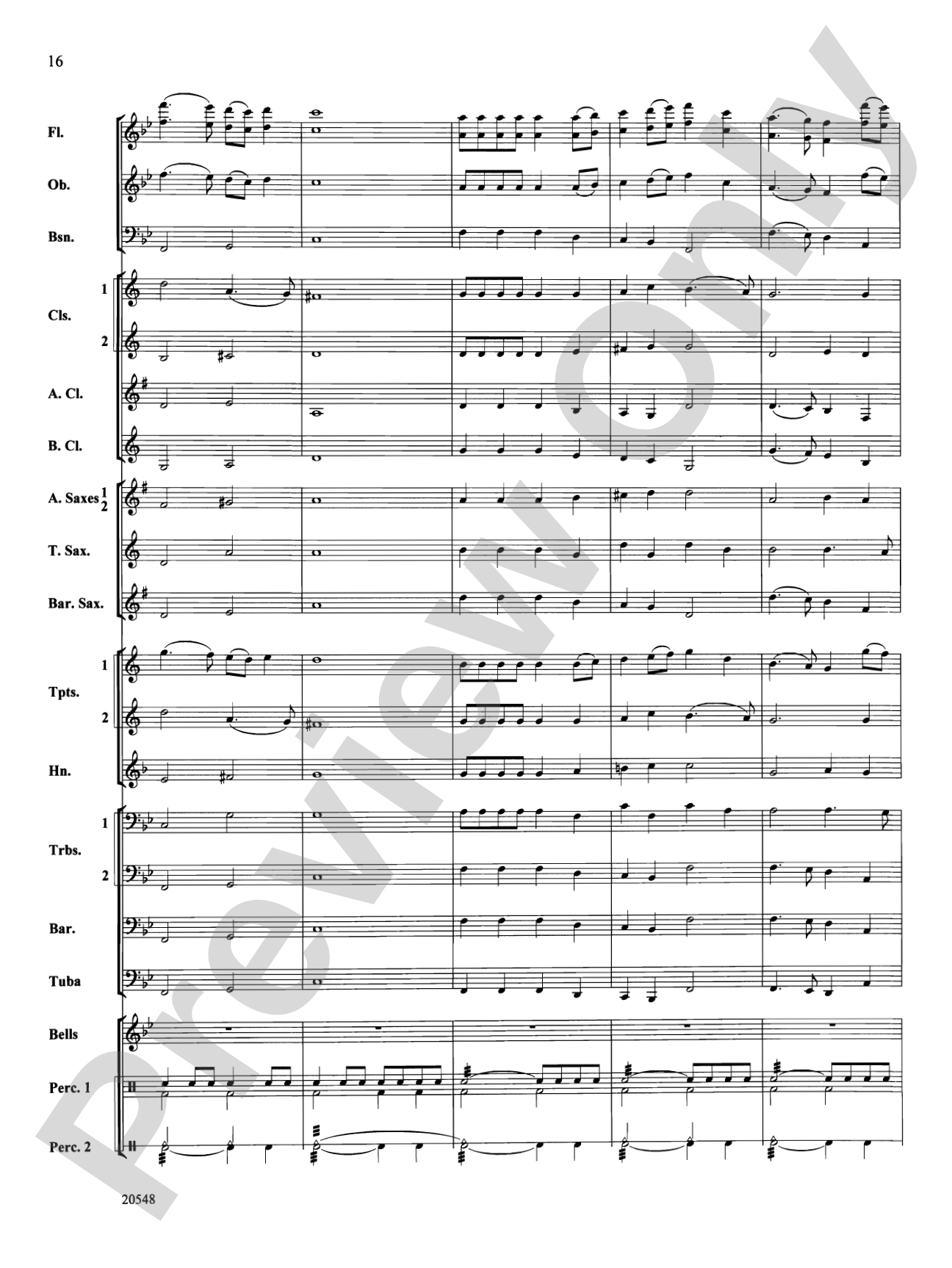
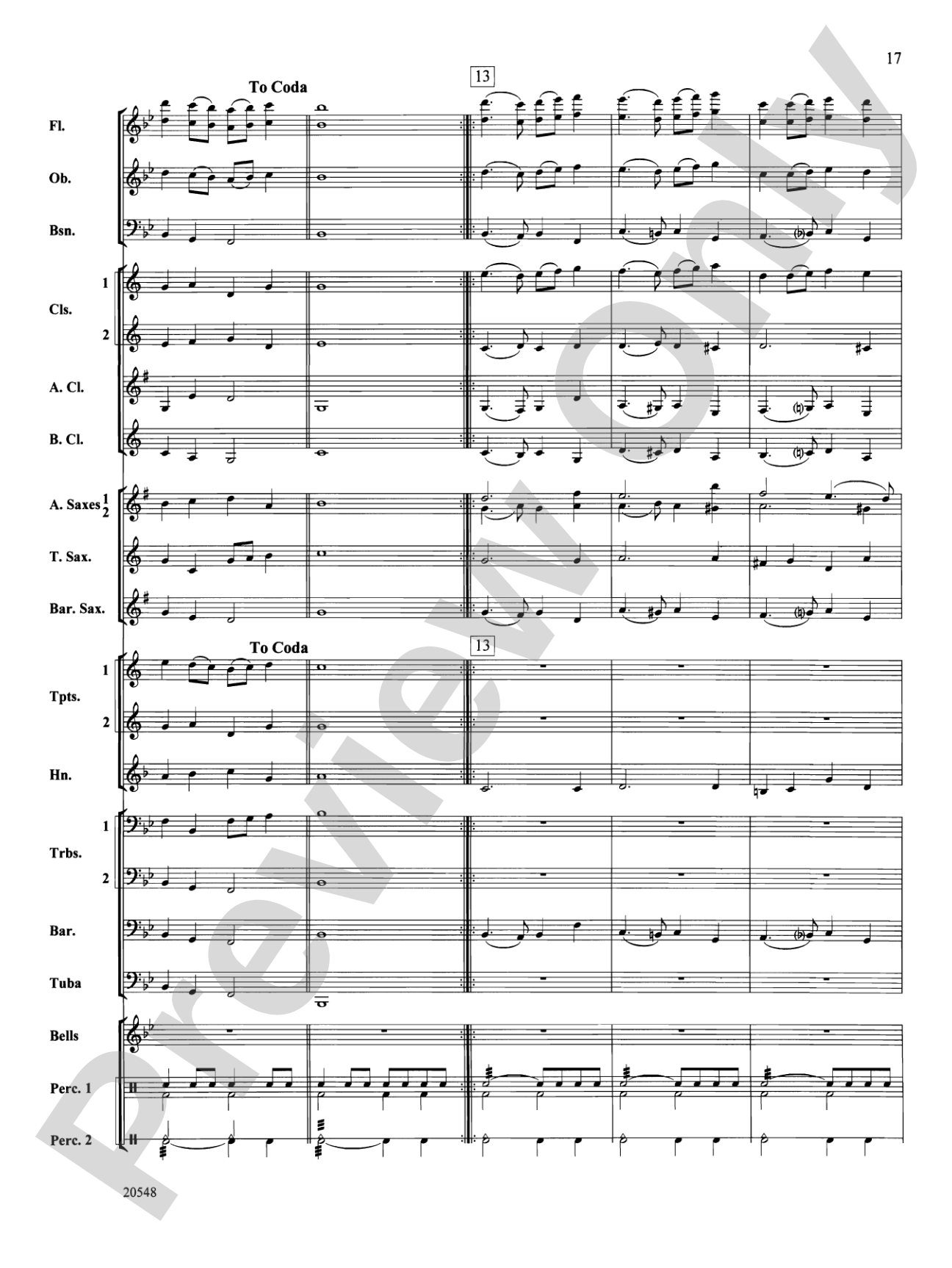
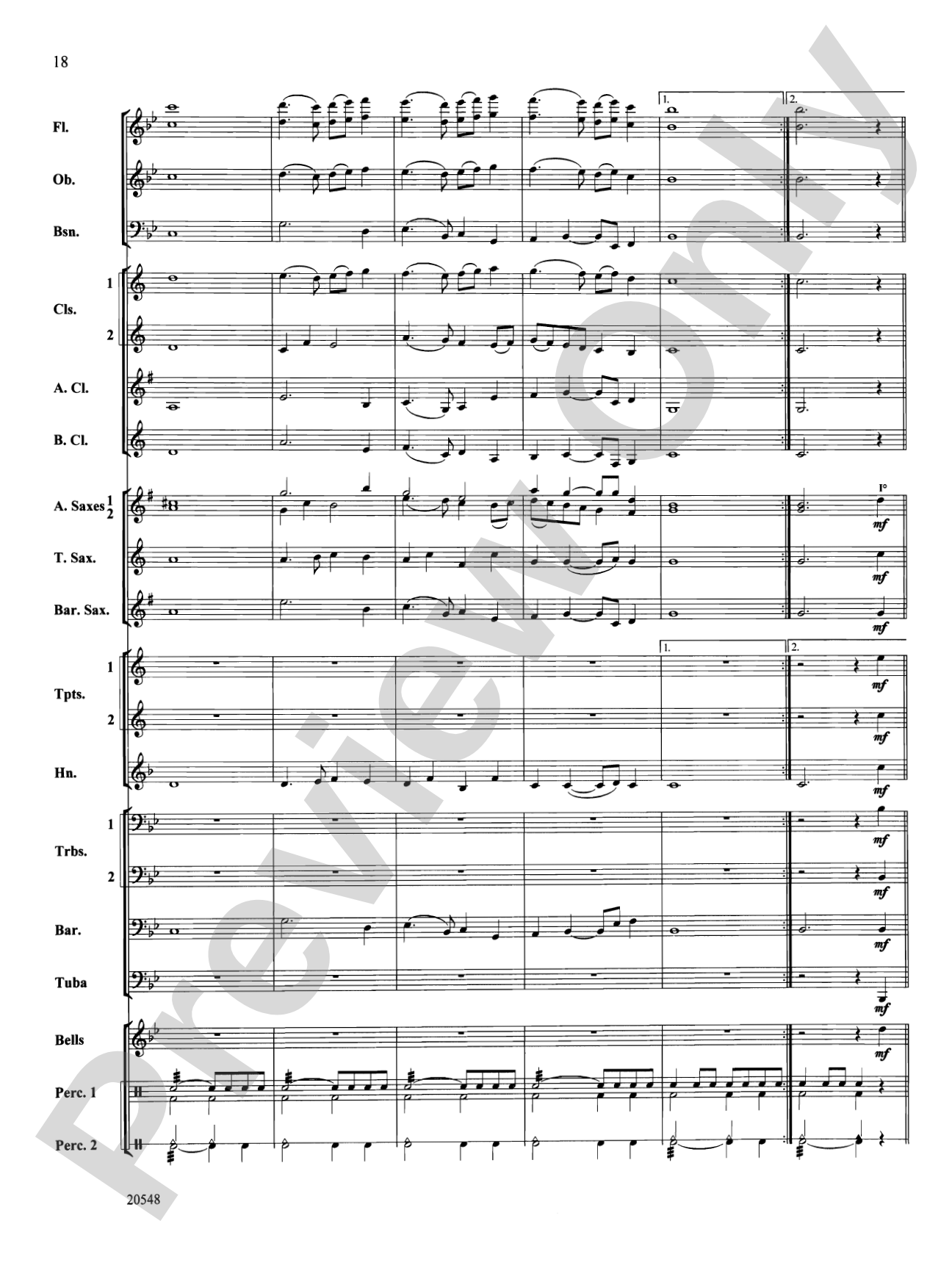
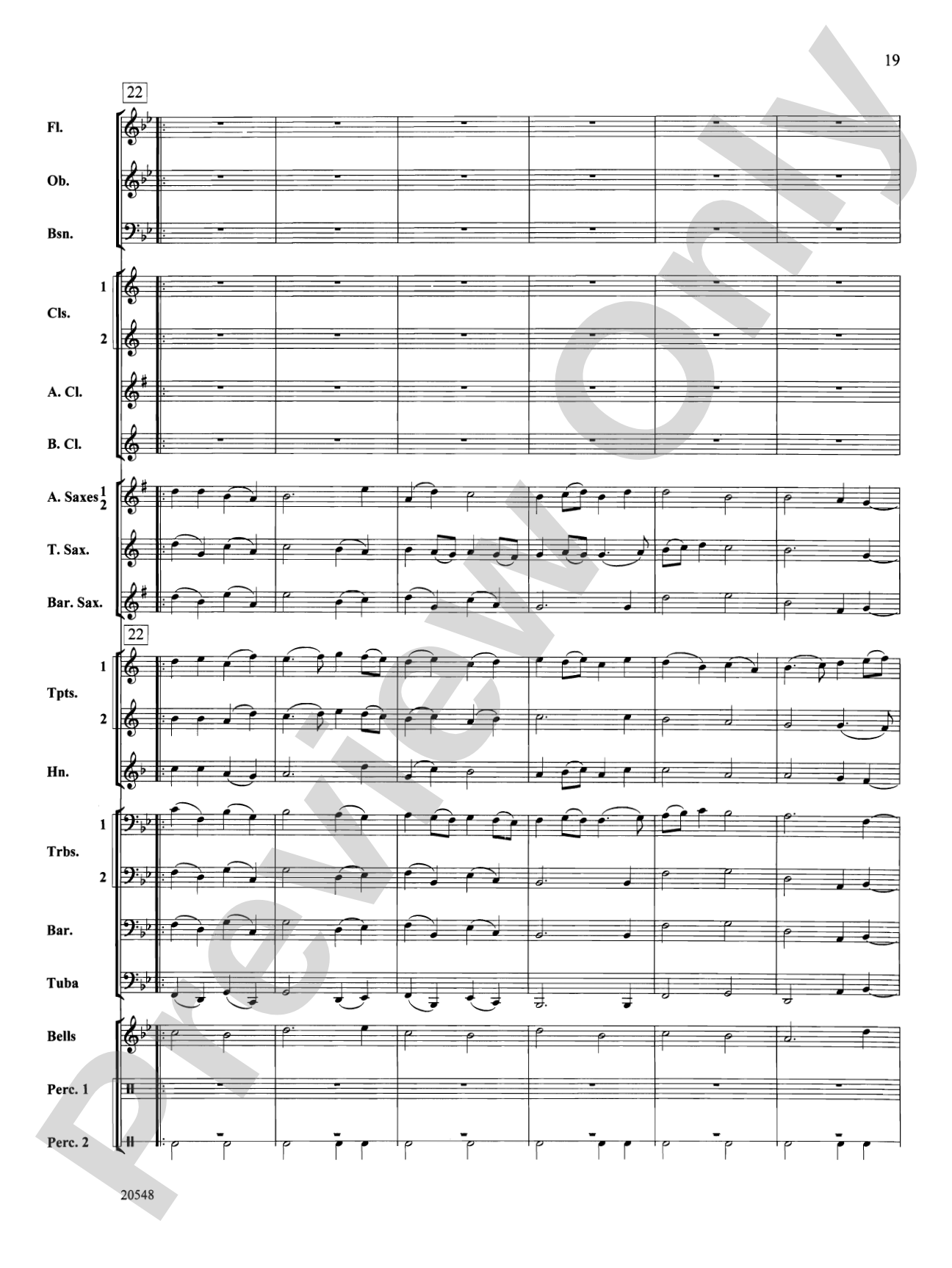
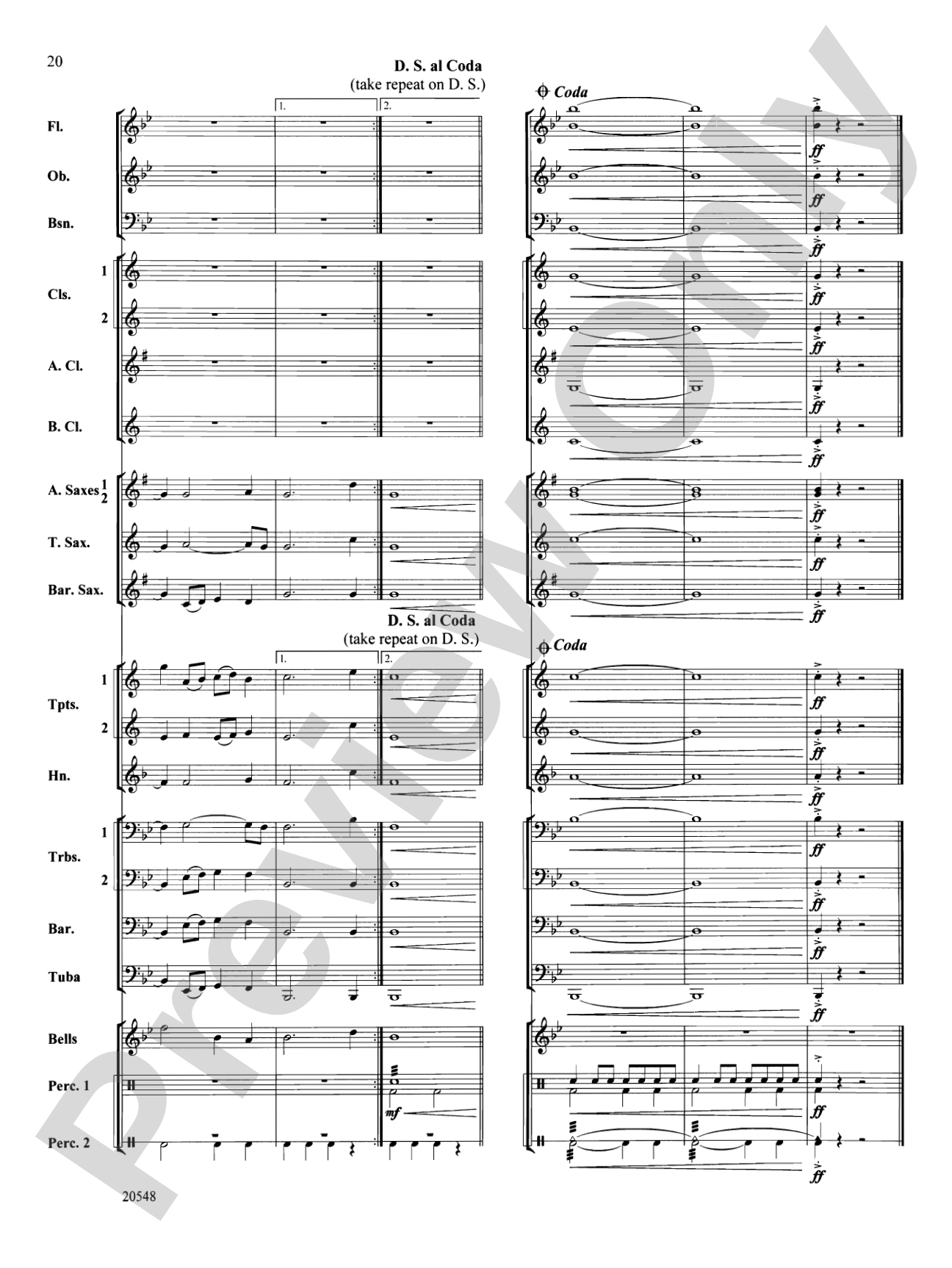

A Renaissance Pageant: Concert Band Conductor Score & Parts
Music by Michael Praetorius / arr. L. C. Harnsberger
Grade: 2 (Medium Easy)
Item: 00-PK-0004500

$58.00
Pickup currently not available
Buy Extra Parts (Digital PDF Download)
Parts Added to Cart!
Description
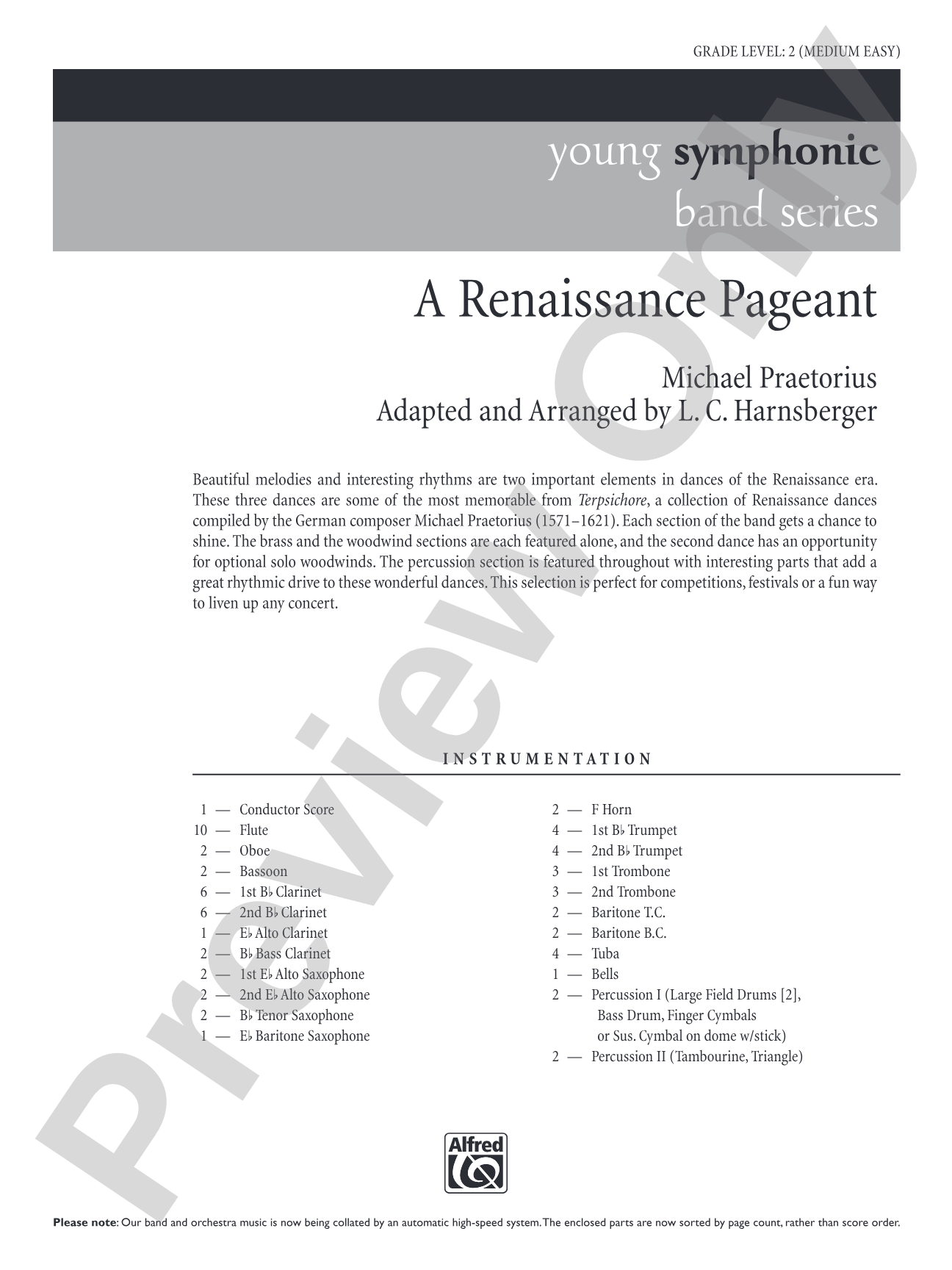
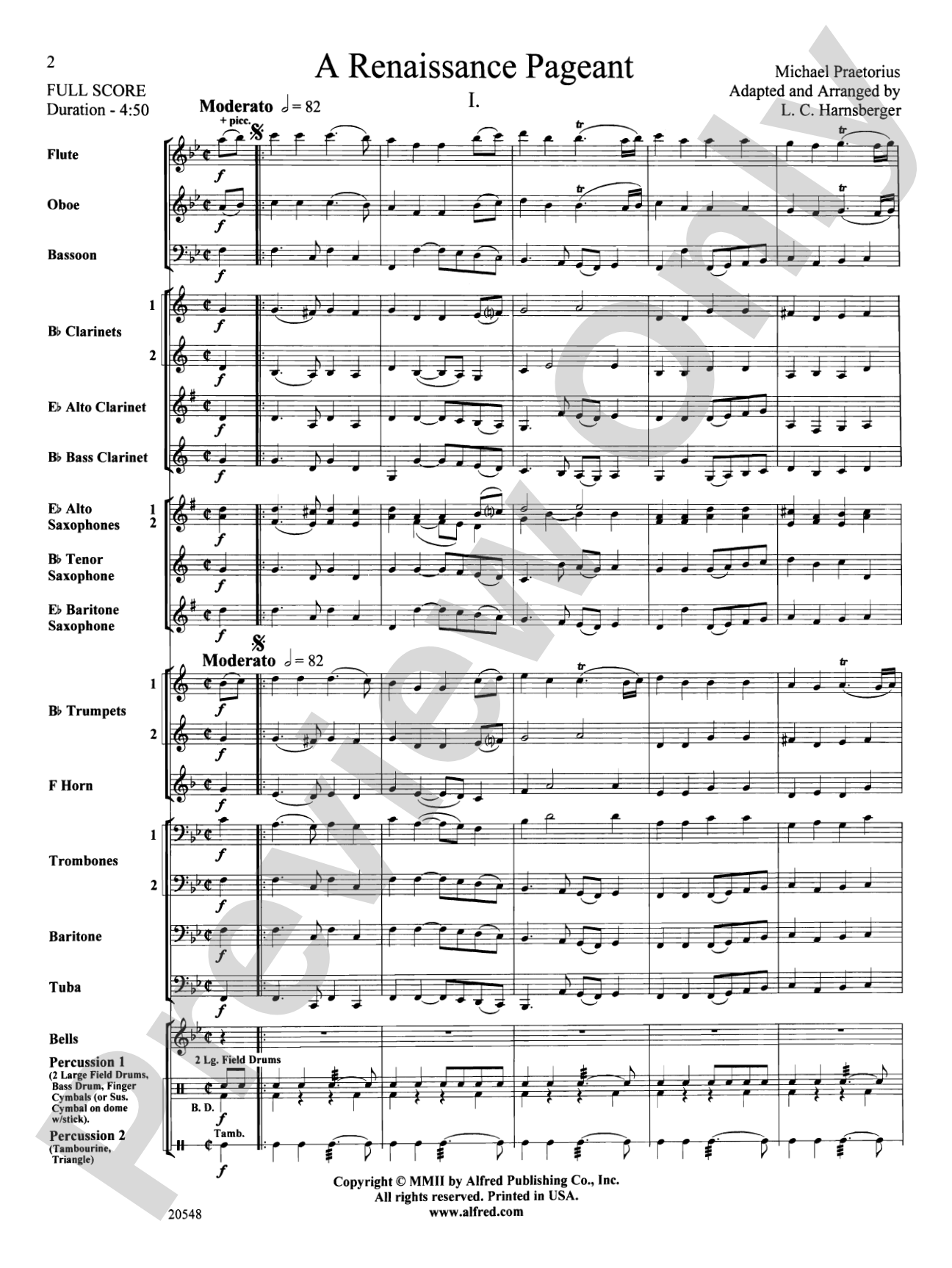
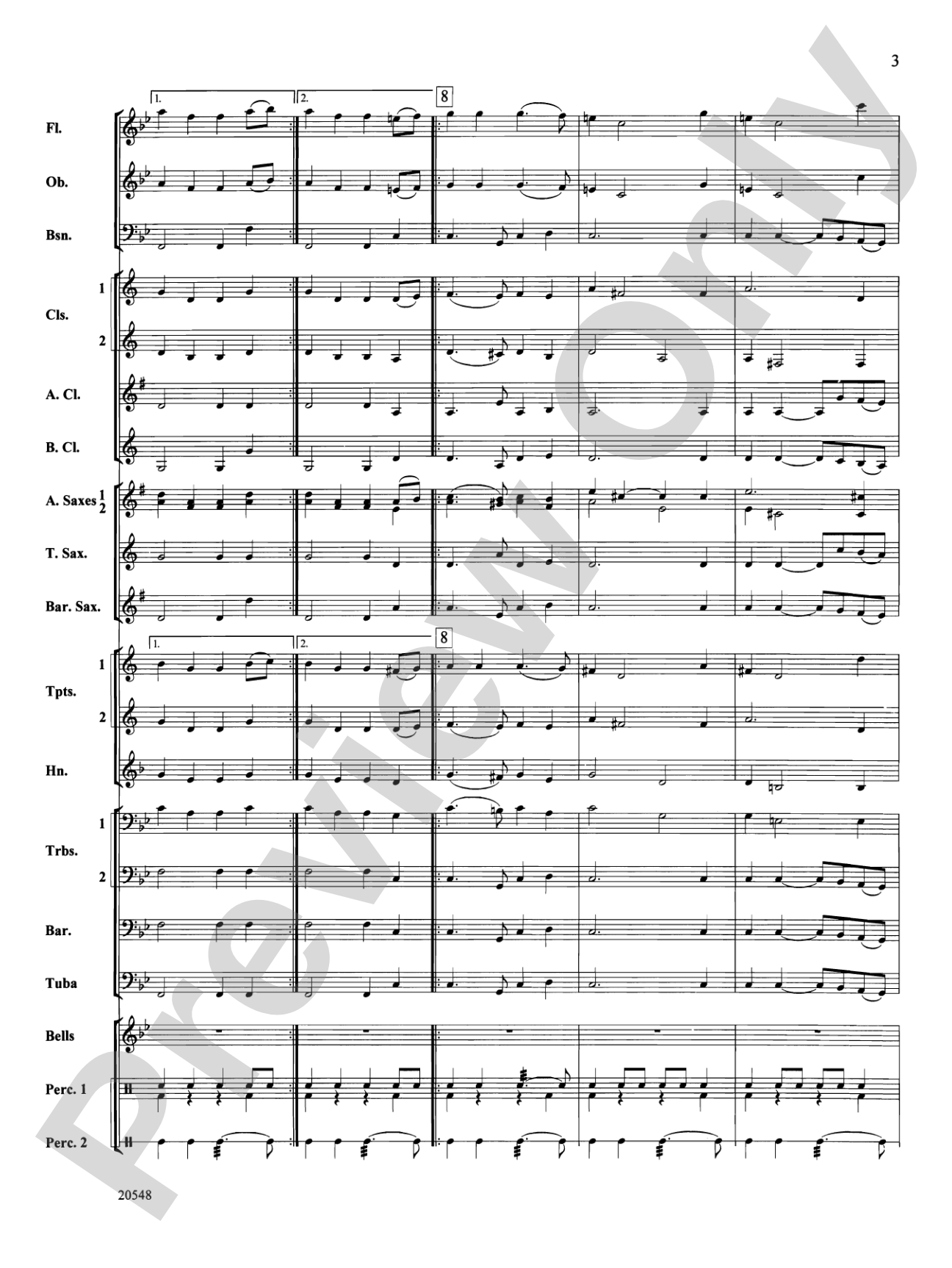
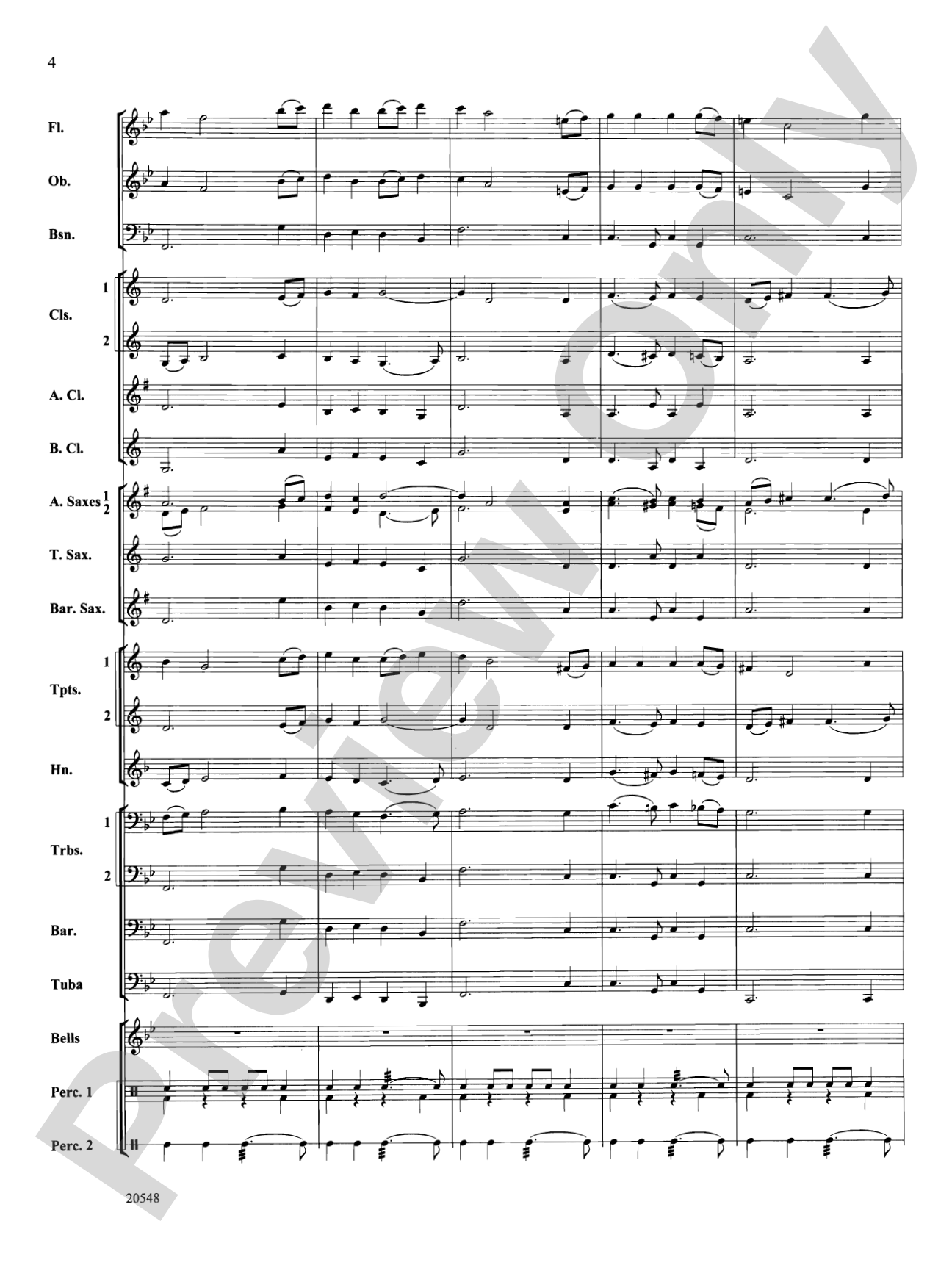
Take a vacation to the beautiful Renaissance era with A Renaissance Pageant. Comprised of three dances compiled by Praetorius, this arrangement captures the spirit of the days of yore and yields beautiful melodies and interesting rhythms for dancing. Let each section shine on your next concert with A Renaissance Pageant. This title is available in MakeMusic Cloud.


Don't just read it, hear it, play along with it, and watch your students grow with it. In MakeMusic Cloud, A Renaissance Pageant: Concert Band Conductor Score & Parts comes alive with professional accompaniment, adjustable tempo, and built-in practice tools that turn solo practice into real progress.
Open in the Player
Jump straight in and assign it today.
Start Your Free Trial
Open this title and explore the full library in minutes.
Sample Audio
1
Audio File
--:--
0:00
0:00
Sample Video
No sample videos found.
Additional Details
Series:
Young Symphonic
Publisher:
Alfred Music
Page Count:
258
SKU:
00-PK-0004500
More about this title
About the Composer: Michael Praetorius
Michael Praetorius (1571-1621) was a German composer and music theorist whose prolific output defined the musical landscape of early Baroque Germany. His instrumental dances and sacred works were foundational to German musical culture, and his theoretical writings remain essential texts for understanding Renaissance and early Baroque practice.
Why we love this
Harnsberger's arrangement brings these three period dances into the concert band setting with remarkable clarity, allowing Grade 2 ensembles to experience Renaissance textures and melodic integrity without overwhelming technical demands. The rhythmic variety and sectional scoring give every part of your band something rewarding to play, and the inherent character of the original material carries the performance without relying on modern tricks.
What to expect
You enter a courtly garden where musicians gather for celebration. The melodies flow with the grace of a slower processional, then quicken into the lively rhythms of period dances. There is elegance without pretension, and a sense of occasion that feels both timeless and immediate.
Who it's for
This score works beautifully for Grade 2 concert bands seeking repertoire with genuine historical substance and musical integrity. It also serves directors programming educational concerts or festivals where you want to introduce students to Renaissance music through an authentic, accessible lens.
How to get the most out of it
- Honor the dance origins of these pieces by maintaining clear, steady pulse and crisp articulation in the rhythmic figures; let the natural buoyancy of the movement speak rather than over-conducting.
- Balance melody and accompaniment carefully across sections so that the beautiful Praetorius lines sing through without getting buried under supporting voices.
- Attend to the transitions between dances; each shift in character should feel intentional and give the ensemble a moment to reset their approach without dead time.
How to use it
These three dances pair well on a concert where you are exploring different historical periods or styles; they anchor a program with artistic substance while keeping the technical load manageable for developing ensembles. Consider programming them as a contrasting set between a contemporary piece and a Romantic selection to highlight musical evolution.
Skills your students will build
- Articulation and phrasing in Baroque style
- Rhythmic precision in period dance forms
- Balance between melodic and accompaniment voices
- Sectional independence and clarity
- Ensemble blend across changing textures