
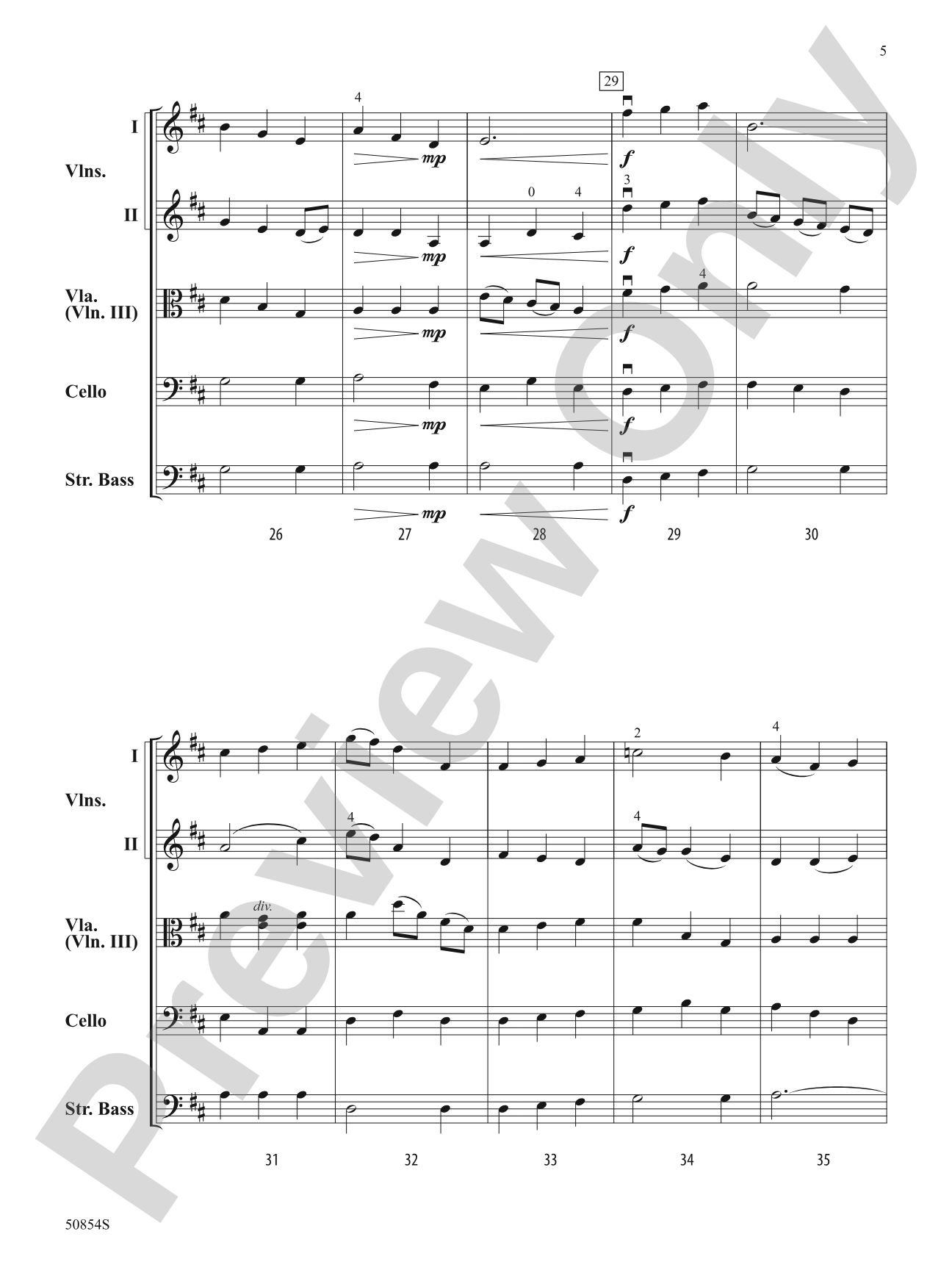
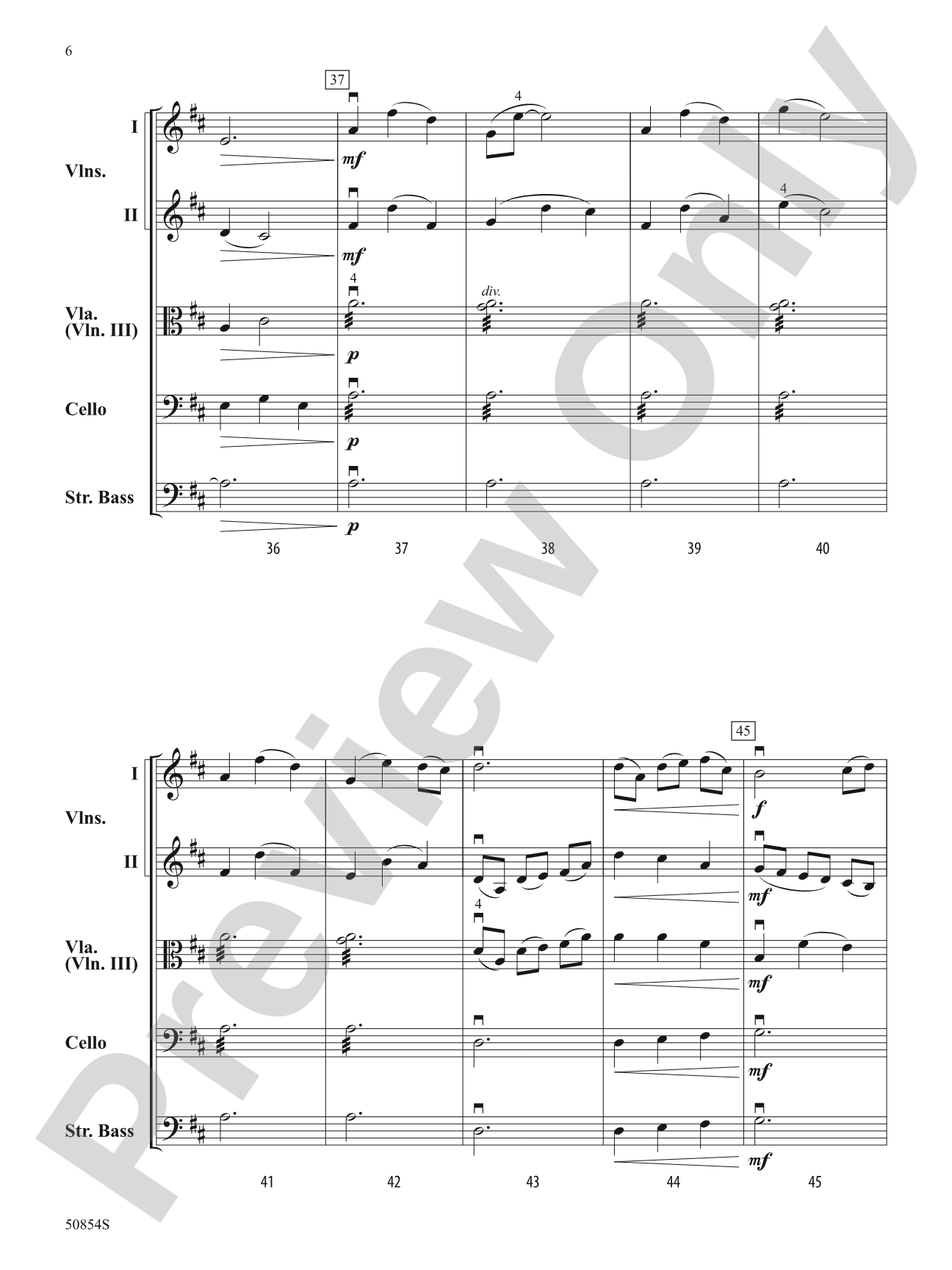
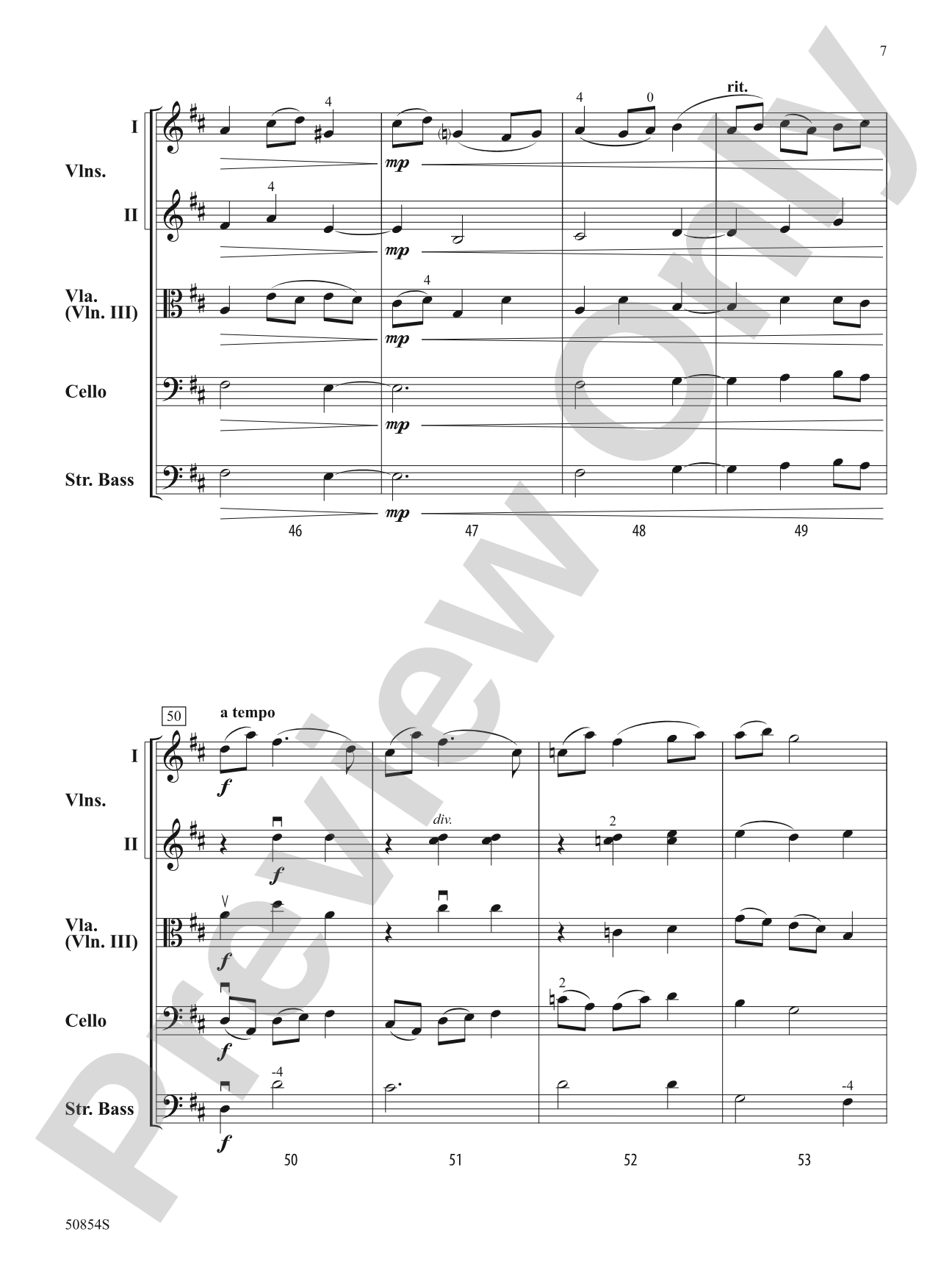
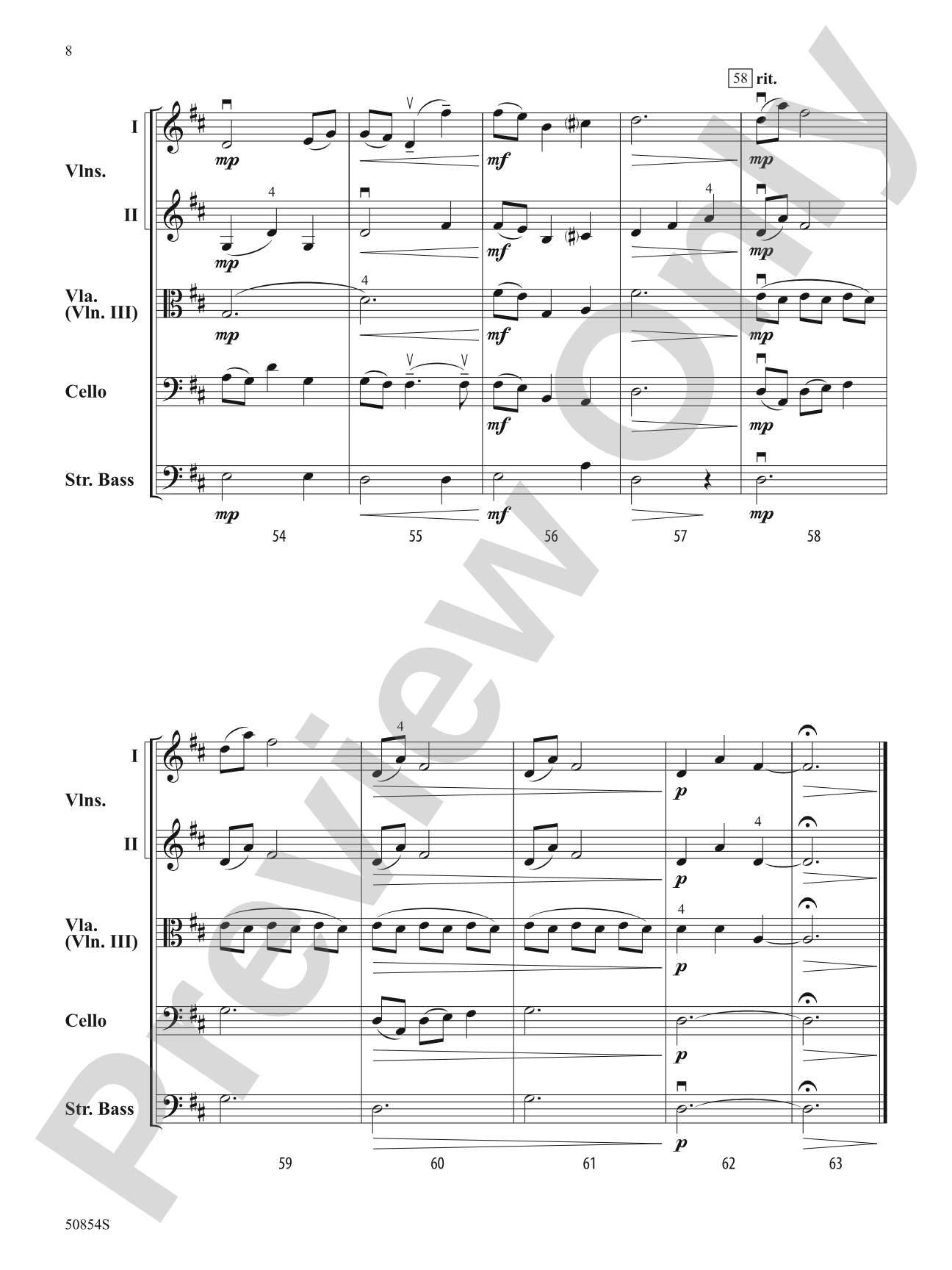

A Ray of Joy: String Orchestra Conductor Score & Parts
By Adrian Gordon
Grade: 2
Item: 00-PK-0009041

$55.00
Pickup currently not available
Buy Extra Parts (Digital PDF Download)
| Product | Price | Quantity |
|---|---|---|
| A Ray of Joy: Score | $10.00 | |
| A Ray of Joy: 1st Violin | $3.00 | |
| A Ray of Joy: 2nd Violin | $3.00 | |
| A Ray of Joy: 3rd Violin (Viola [TC]) | $3.00 | |
| A Ray of Joy: Viola | $3.00 | |
| A Ray of Joy: Cello | $3.00 | |
| A Ray of Joy: String Bass | $3.00 |
Parts Added to Cart!
Description
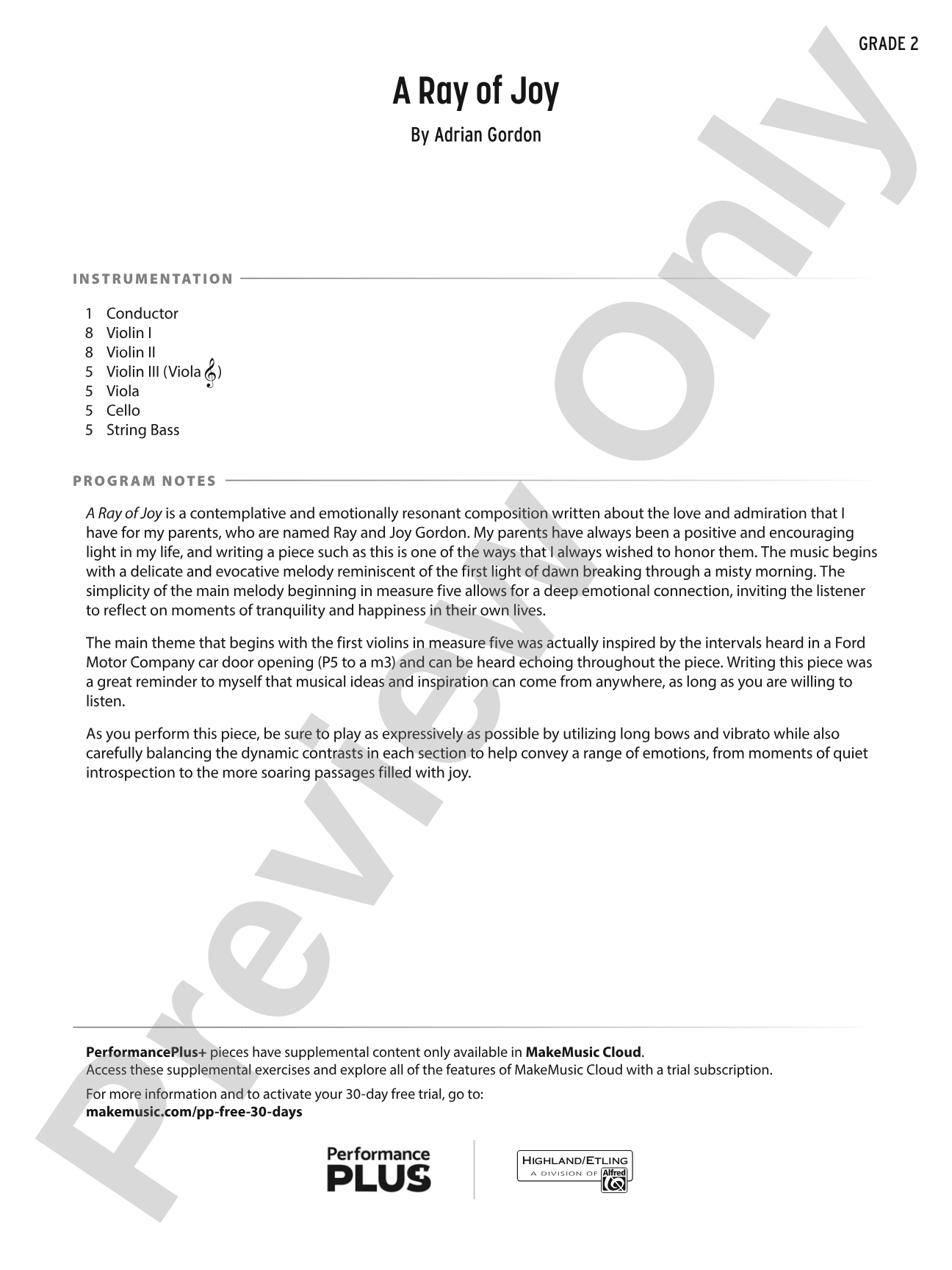
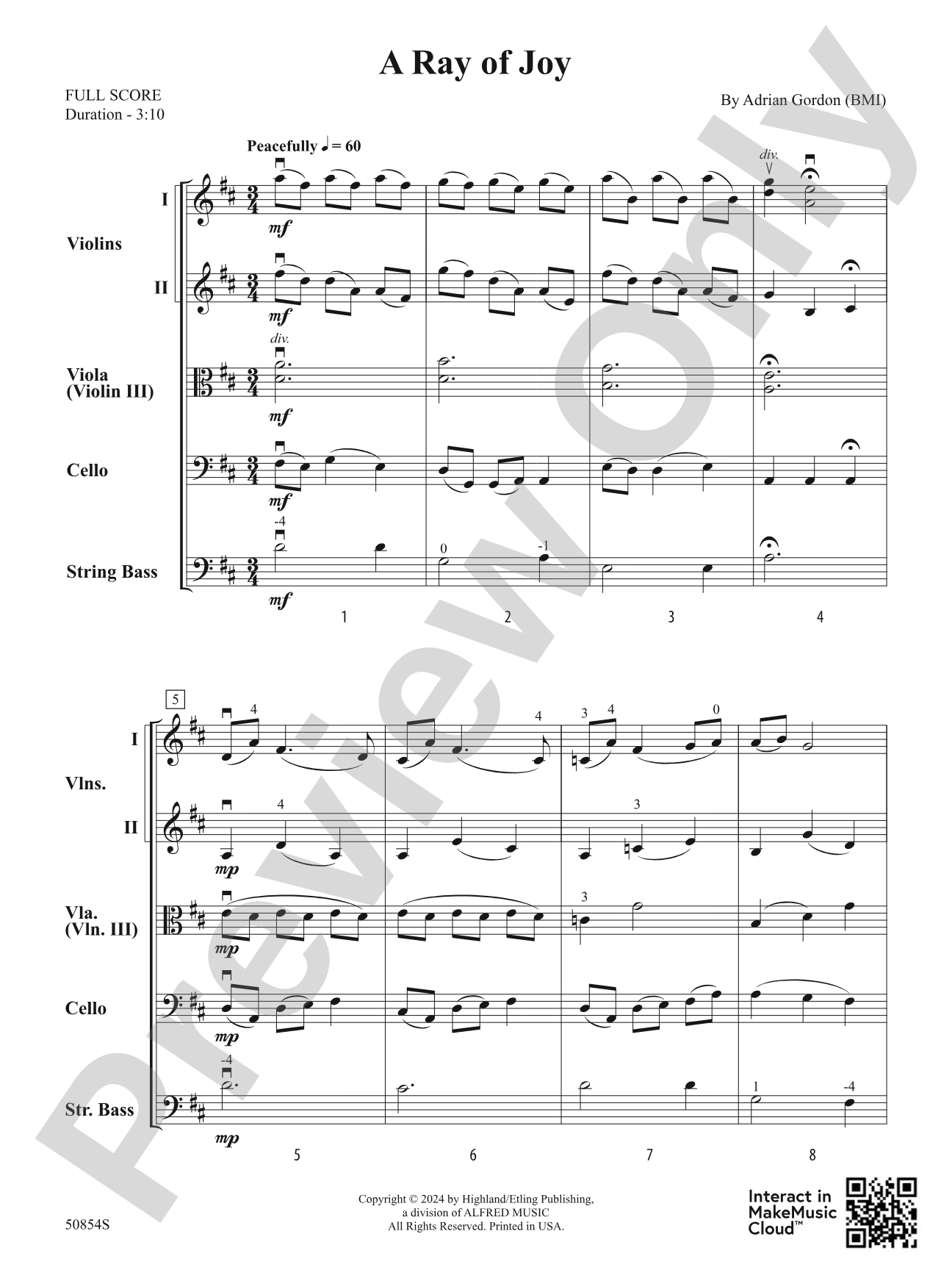
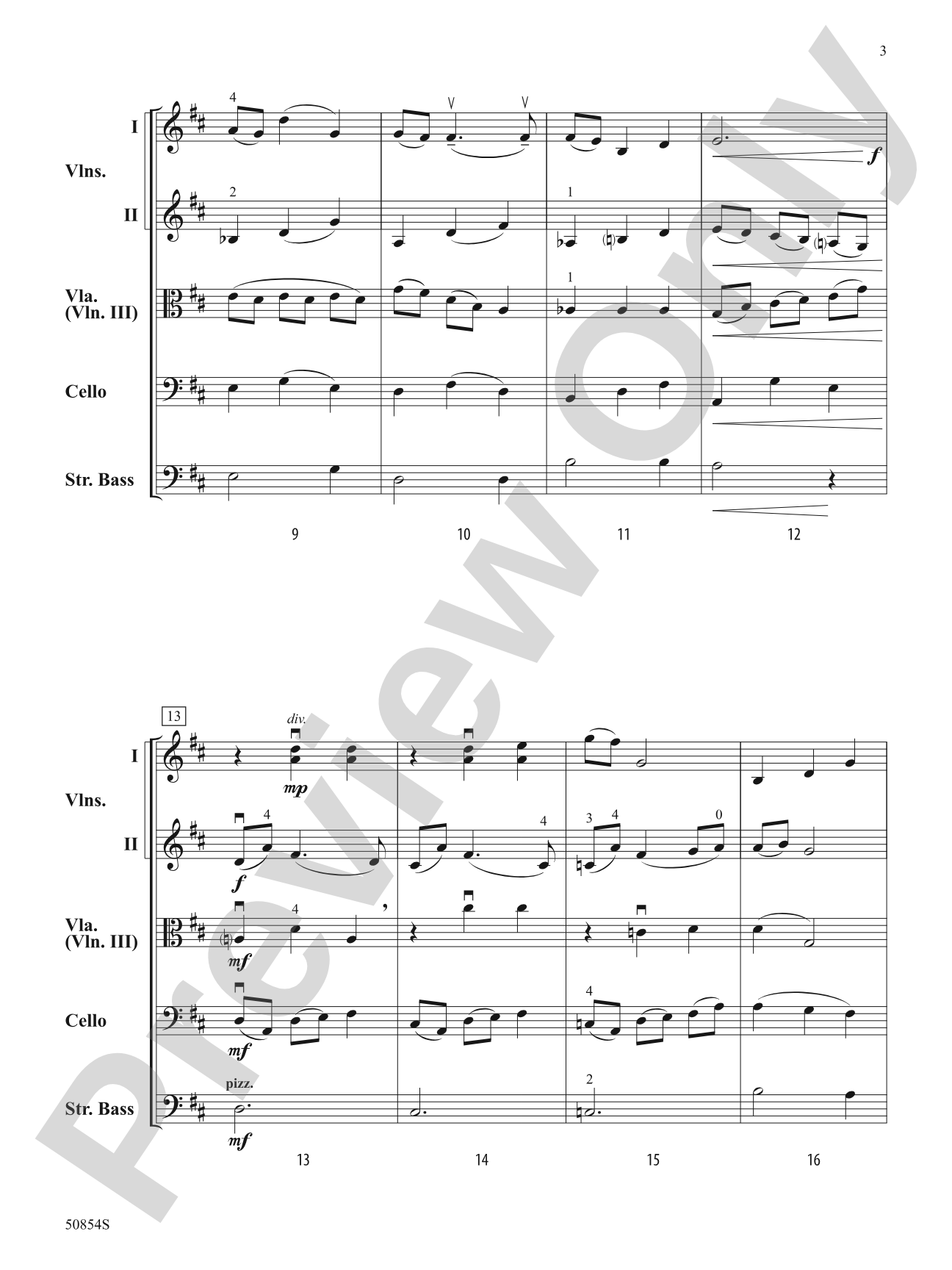
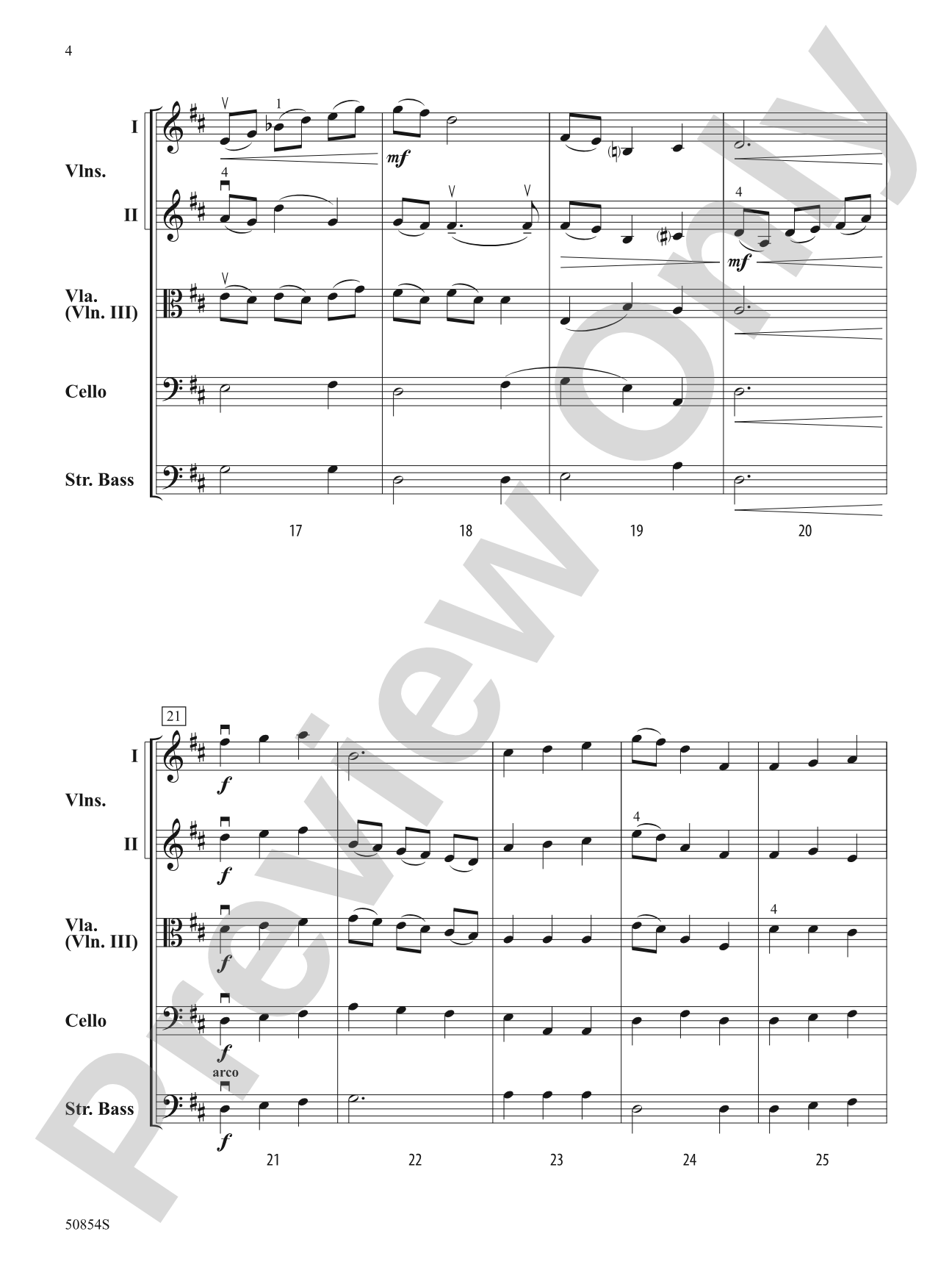
A Ray of Joy, by Adrian Gordon, is a heartwarming and emotionally resonant piece that performers and audience members alike will fall in love with. Employing an unhurried tempo, this peaceful setting in the key of D major is accessible for developing orchestras while promoting lyrical and expressive playing in each orchestra section. (3:10)
The PerformancePlus+ series is an innovative addition to the ever-expanding MakeMusic Cloud interactive library. These engaging selections are presented with educational resources designed to enrich the rehearsal process and create outstanding performances. Including:


The PerformancePlus+ series is an innovative addition to the ever-expanding MakeMusic Cloud interactive library. These engaging selections are presented with educational resources designed to enrich the rehearsal process and create outstanding performances. Including:
- Assignment, recording, and assessment tools within MakeMusic Cloud
- Piece-specific exercises focused on skills and techniques
- Educational tips and suggestions to support learning
Available in print and digital formats.
Don't just read it, hear it, play along with it, and watch your students grow with it. In MakeMusic Cloud, A Ray of Joy: String Orchestra Conductor Score & Parts comes alive with professional accompaniment, adjustable tempo, and built-in practice tools that turn solo practice into real progress.
Open in the Player
Jump straight in and assign it today.
Start Your Free Trial
Open this title and explore the full library in minutes.
Sample Audio
1
Audio File
--:--
0:00
0:00
Sample Video
Additional Details
Series:
Highland/Etling String Orchestra - PerformancePlus+
Publisher:
Alfred Music
SKU:
00-PK-0009041
More about this title
About the Composer: Adrian Gordon

Adrian Gordon has spent over twenty years teaching strings across two states, developing a deep understanding of what works in the rehearsal room at every level. He holds degrees from the University of Miami and Florida International University, grounding his teaching in both performance excellence and pedagogical training. His catalog of more than 25 published educational compositions reflects his commitment to writing music that challenges students while remaining accessible; these works have earned recognition on state orchestra assessment lists and have been performed at venues including the Midwest Clinic.
Beyond the classroom, Gordon remains active as a clinician and conductor at all-state events, keeping his finger on the pulse of string education nationally. He lives in Charlotte, North Carolina, with his family.
Why we love this
Gordon writes with genuine warmth and emotional intelligence without overshooting the technical grasp of developing players. The unhurried pacing and D major tonality create an ideal platform for teaching expressive string tone and sustained phrasing, while the piece's accessibility means your rehearsal time goes toward musicianship rather than decoding complexity.
What to expect
Calm and introspective, with a quiet confidence that unfolds naturally over its three-minute duration. The D major tonality radiates warmth without sentimentality, inviting players to discover their own lyrical voice rather than playing toward an obvious emotional peak.
Who it's for
String orchestras at the Grade 2 level looking for repertoire that develops musicianship and emotional expression without technical overload. Directors who want a piece that works equally well in concert settings and festival or contest environments will find this an excellent fit.
How to get the most out of it
- Shape the melodic line with subtle dynamic contours rather than holding a flat mezzo-forte; this piece rewards sensitivity to phrase breathing even at Grade 2.
- Balance the string sections carefully so that moving inner voices remain audible without overwhelming the primary melody.
- Take time in early rehearsals to establish a unified bow stroke across all players; the lyrical character depends on consistent, connected sound production.
- Use the PerformancePlus+ exercises and recordings to lock in the gentle tempo and reinforce intonation in the key of D major.
How to use it
A Ray of Joy pairs beautifully with more energetic or technically demanding pieces, offering your audience a moment of reflection and your players a chance to demonstrate the artistry that underpins string playing. Consider programming it mid-concert to create a thoughtful transition, or open a second half with it to reset the room.
Skills your students will build
- Sustained legato and bow control across phrase lengths
- Dynamic shaping and expressive phrasing
- Balanced ensemble intonation in D major
- Section blend and voice independence
- Responding to conducting gestures with sensitivity to tempo and character