

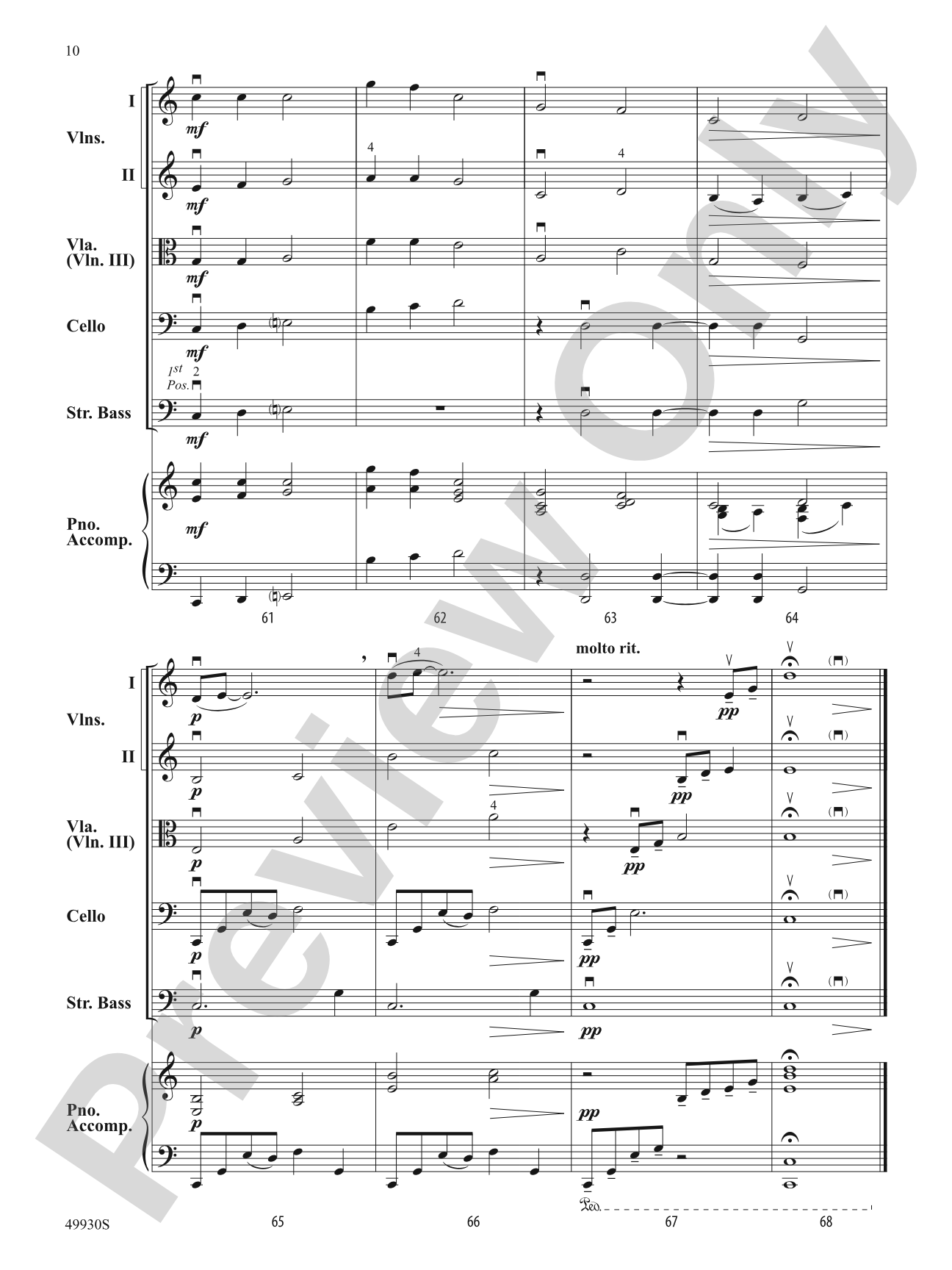

A Quiet Peace: Score
By Richard Meyer
Grade: 2
Item: 00-PR-0007270
$10.00
Pickup currently not available
Description
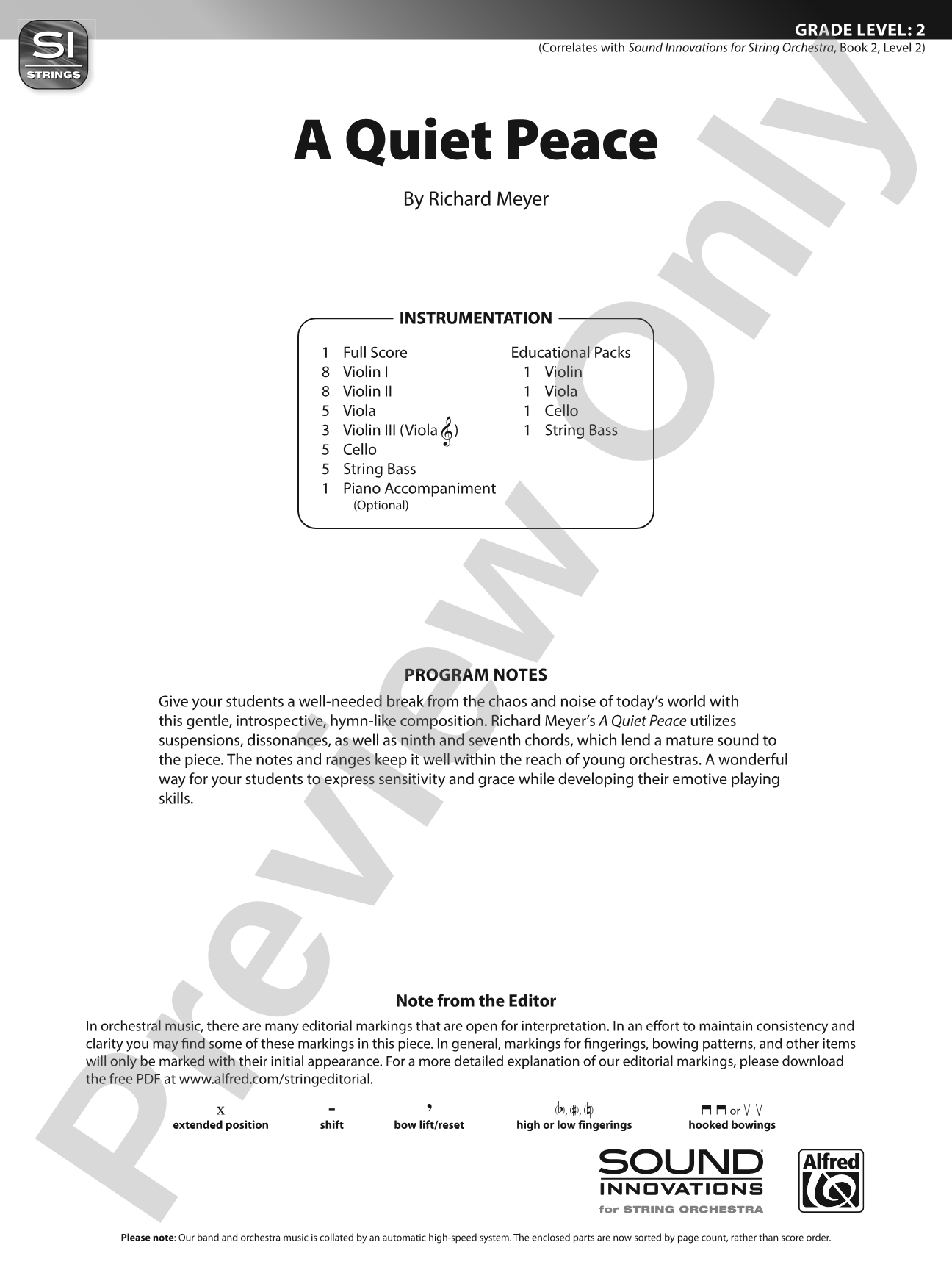
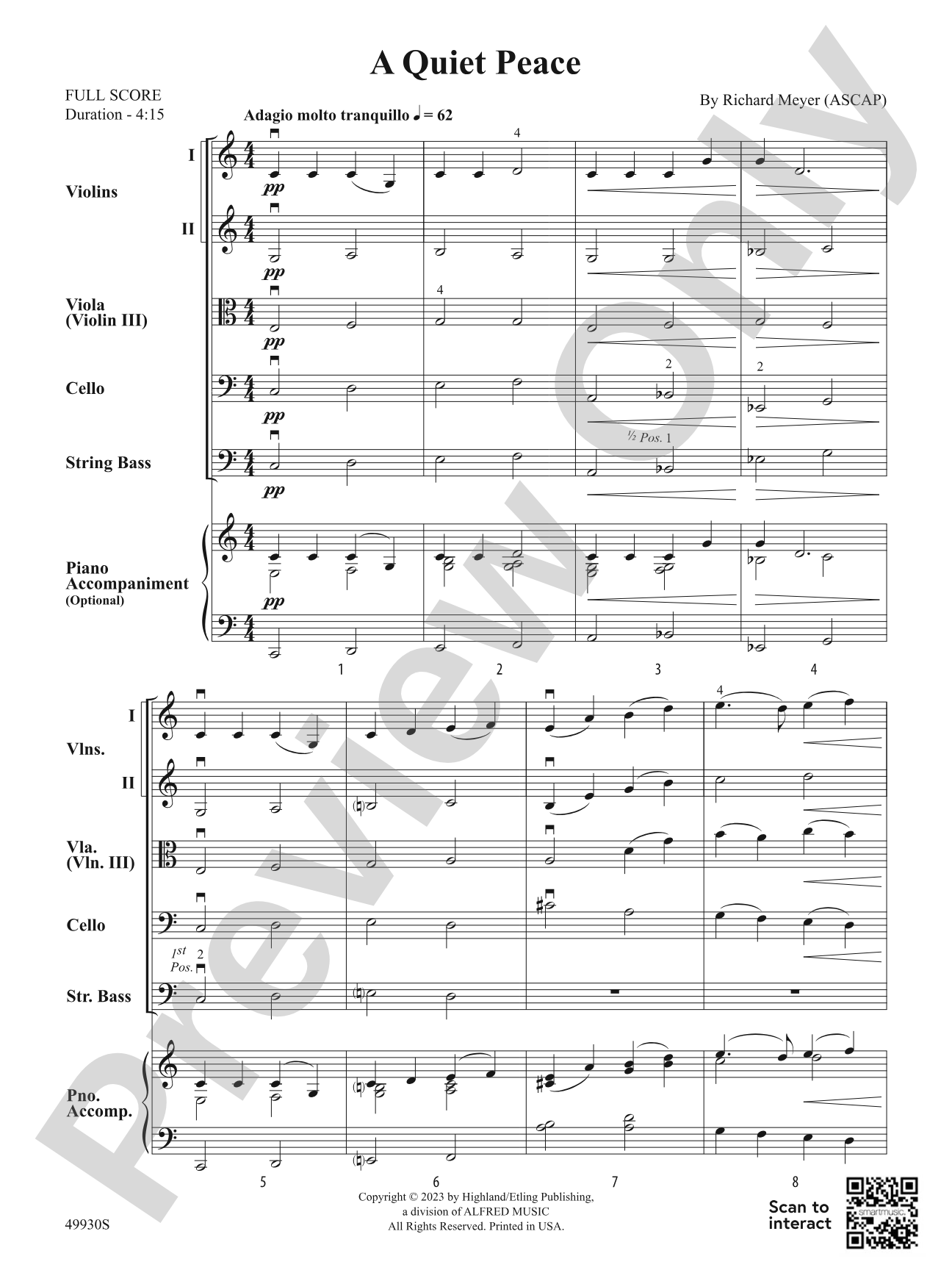
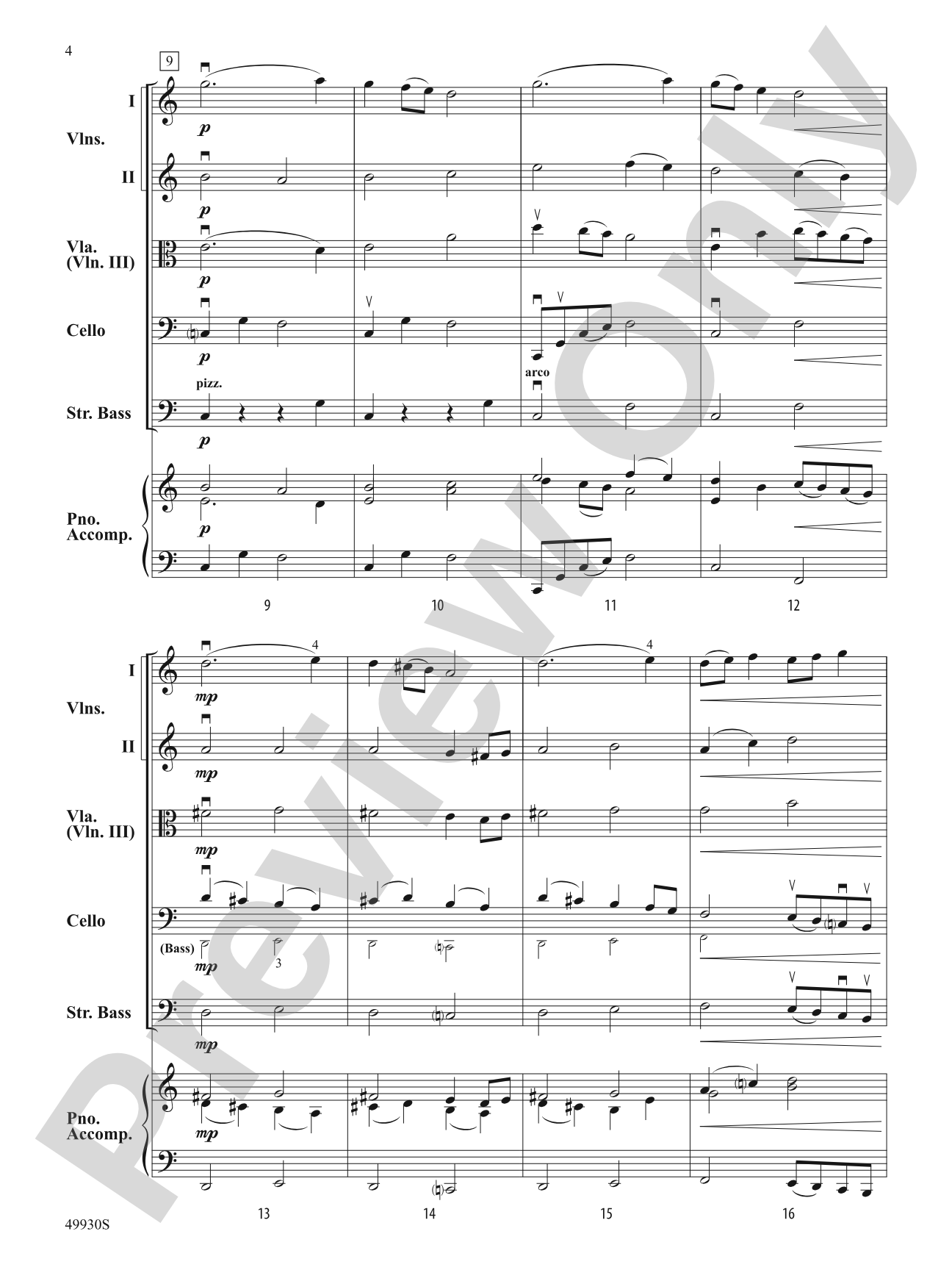
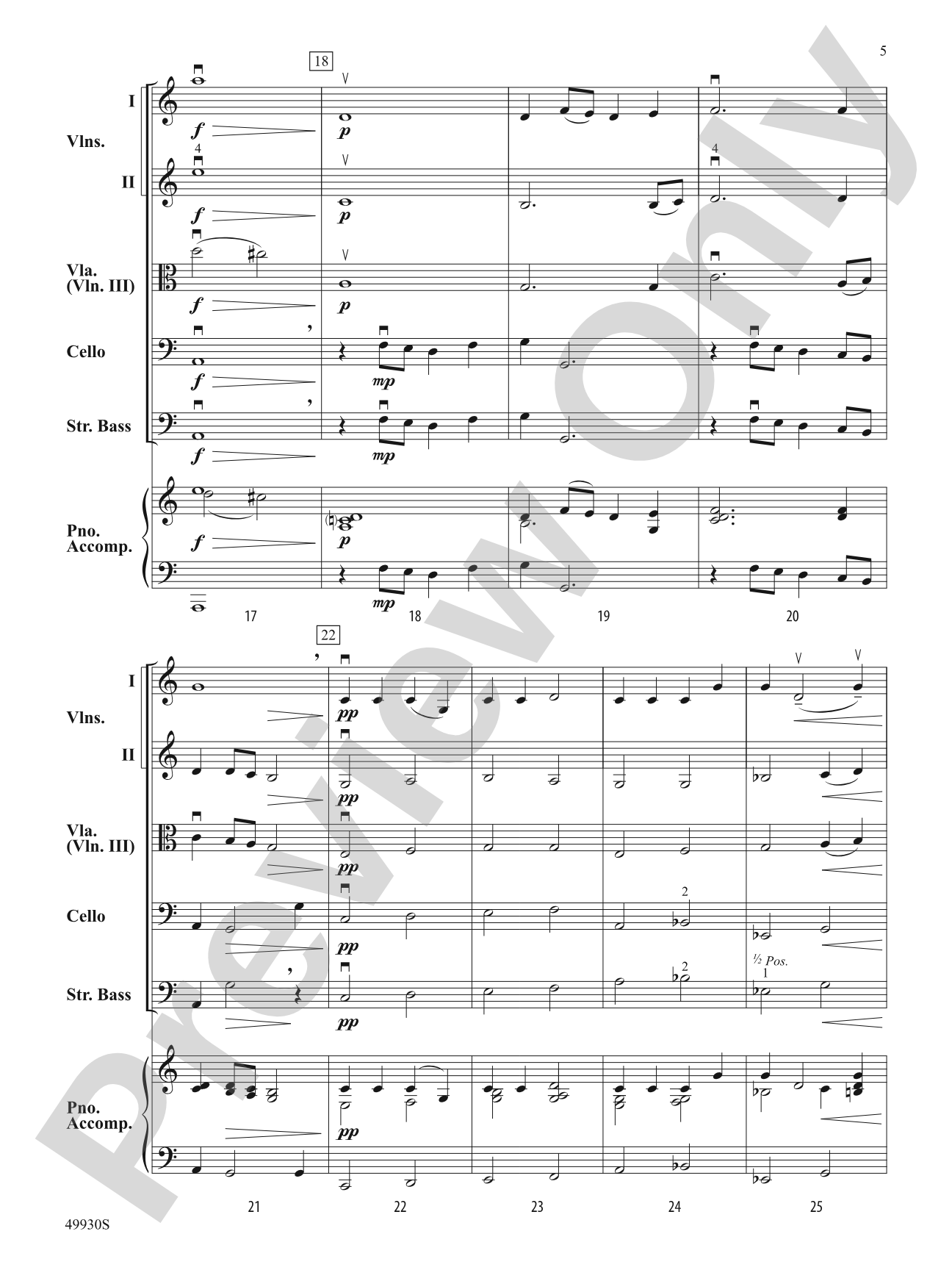
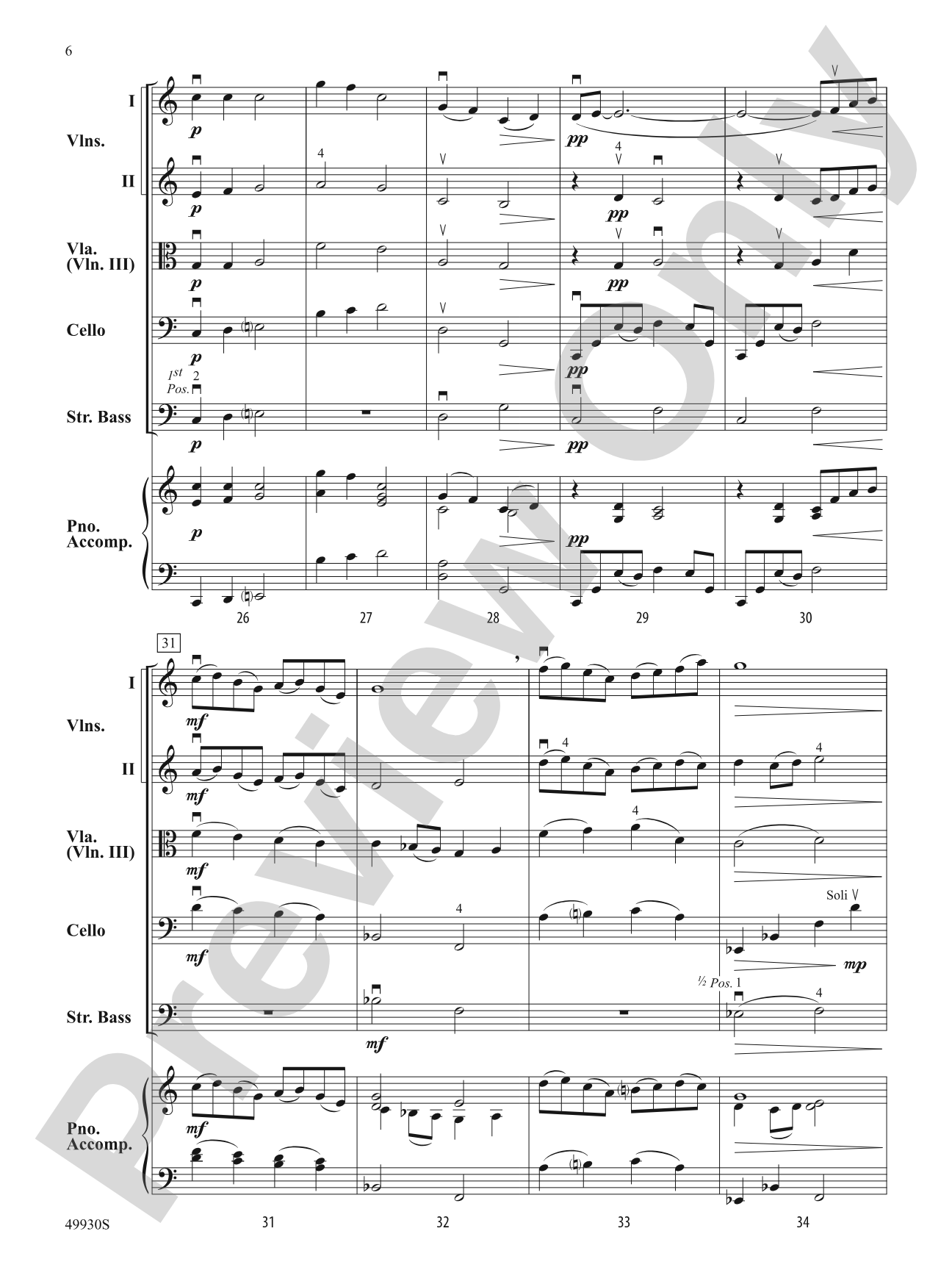
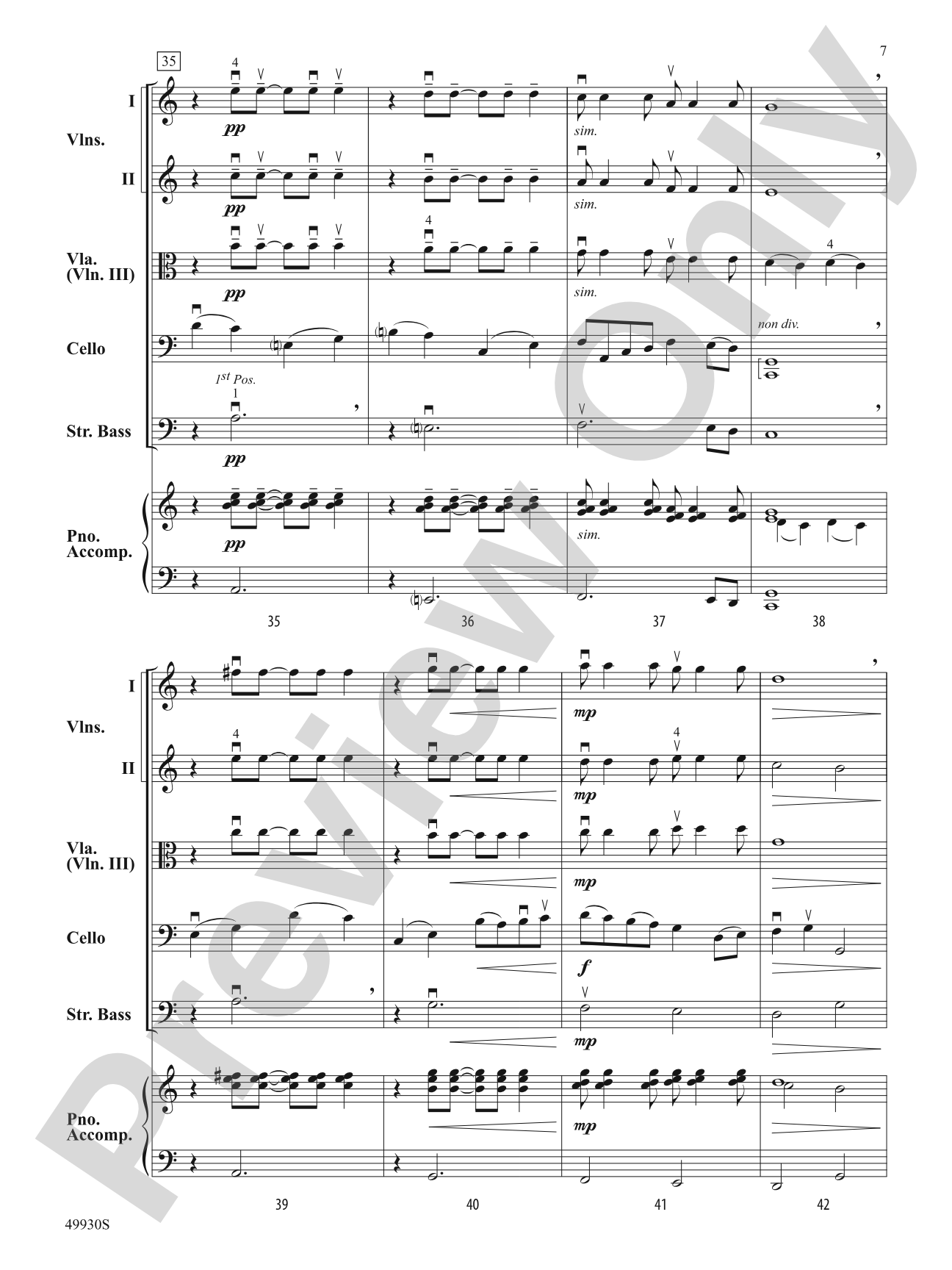
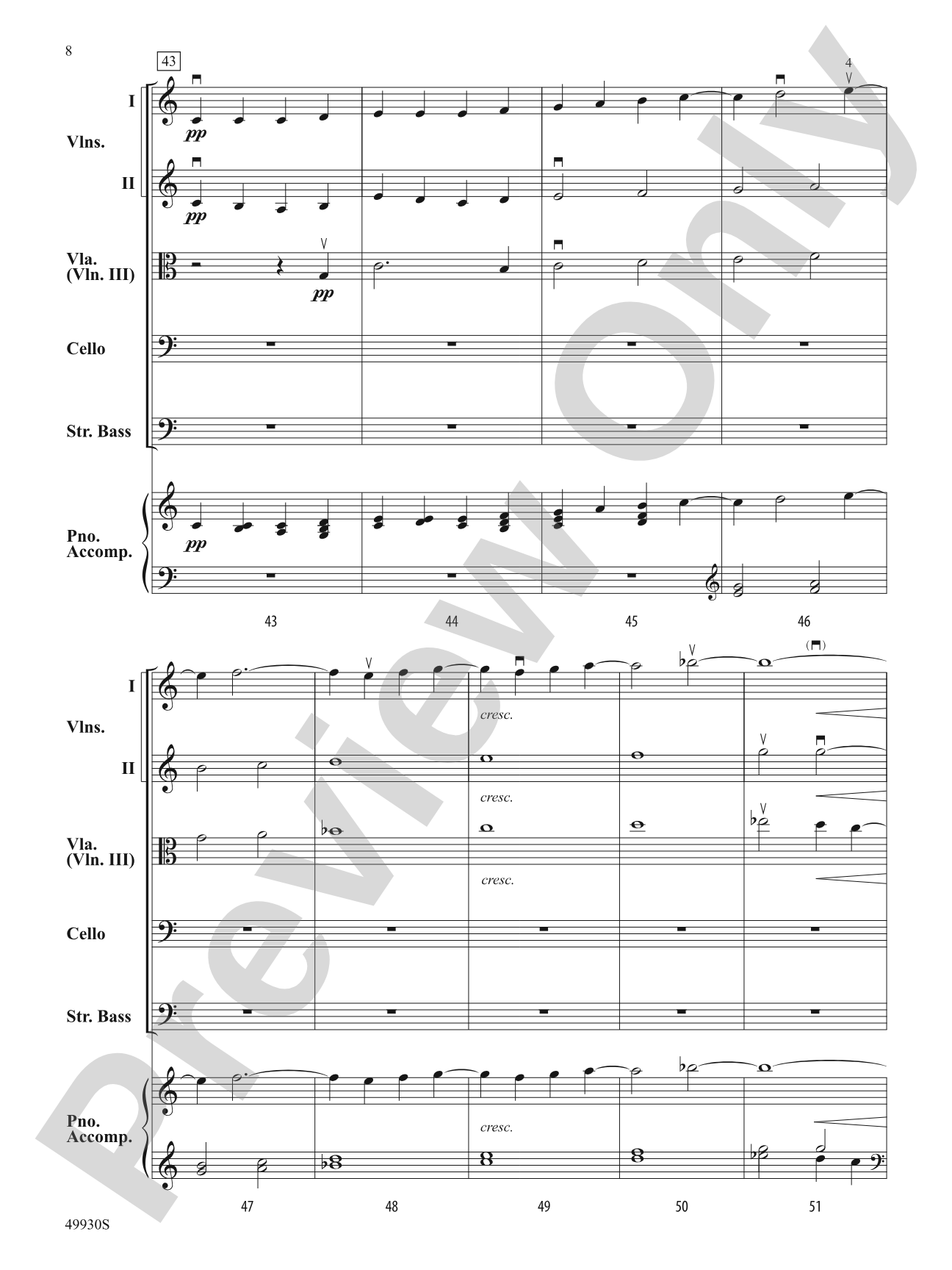
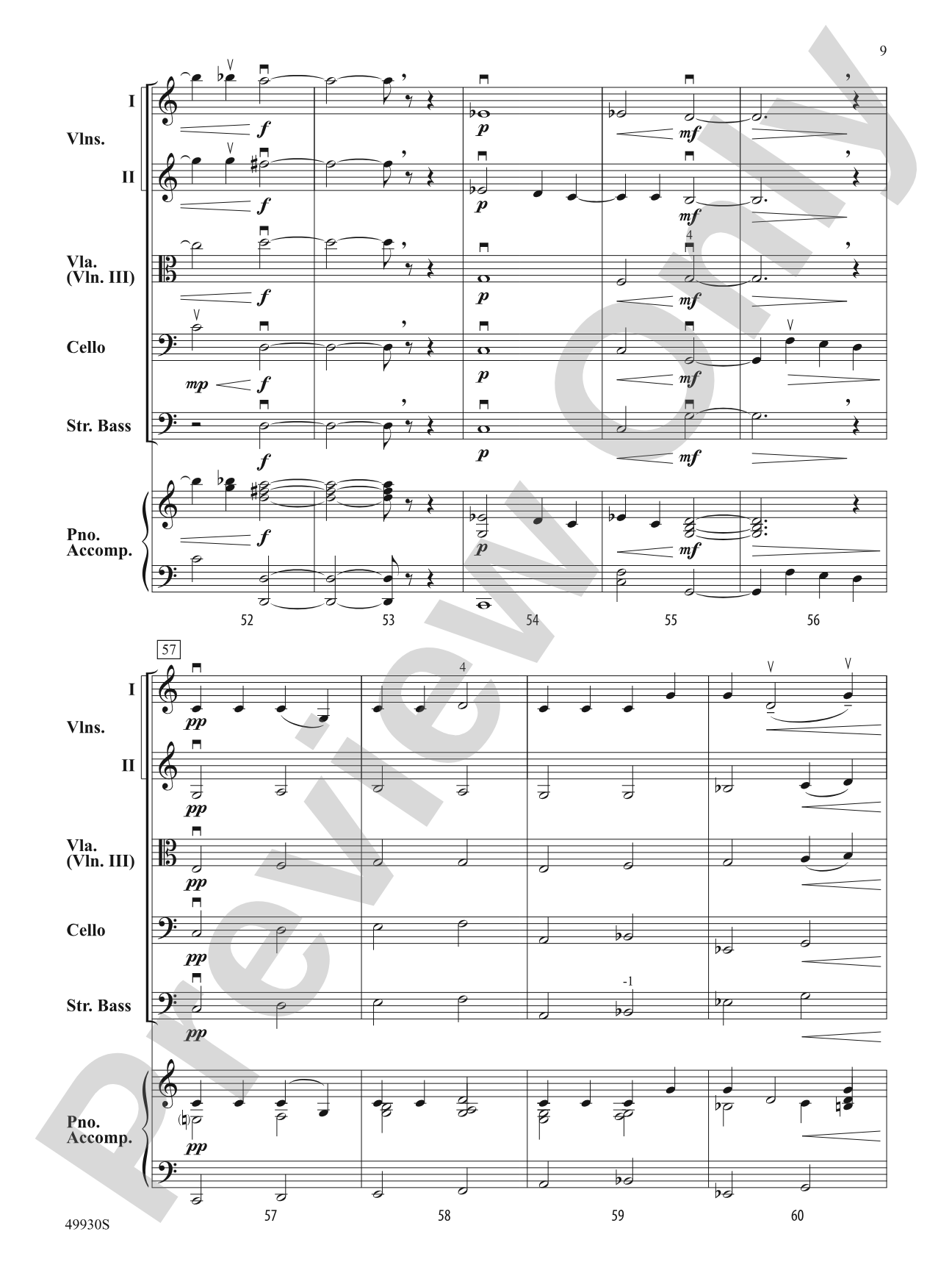
Give your students a well-needed break from the chaos and noise of today's world with this gentle, introspective, hymn-like composition. Richard Meyer's A Quiet Peace uses suspensions, dissonances, and ninth and seventh chords, which lend a mature sound to the piece. The notes and ranges keep it well within reach of the young orchestra. An excellent way for your students to express sensitivity and grace while developing their emotive playing skills. (4:15) Correlates to Sound Innovations, Book 2, Level 2.


Don't just read it, hear it, play along with it, and watch your students grow with it. In MakeMusic Cloud, A Quiet Peace: Score comes alive with professional accompaniment, adjustable tempo, and built-in practice tools that turn solo practice into real progress.
Open in the Player
Jump straight in and assign it today.
Start Your Free Trial
Open this title and explore the full library in minutes.
Sample Audio
1
Audio File
--:--
0:00
0:00
Sample Video
Additional Details
Series:
Sound Innovations for String Orchestra
Publisher:
Alfred Music
SKU:
00-PR-0007270
More about this title
About the Composer: Richard Meyer

Richard Meyer spent 35 years teaching string students across elementary, middle, and high school levels in public schools. At Oak Avenue Intermediate School in Temple City, California, he directed orchestras for 22 years, expanding the program from 29 students to 200 while simultaneously overseeing the district's elementary string curriculum. For 16 years he led the Pasadena Youth Symphony Orchestra, taking them on performance tours to New York, Washington D.C., Vienna, Australia, and Canada.
Beyond the classroom, Meyer has established himself as a nationally recognized composer with over 190 published works and arrangements. He served 16 years as string editor for Alfred Publishing Company and co-authored several influential string methods, including the String Explorer Series and Sight-read It for Strings. His 2009 creation of the "Giving Bach" program at his school brought interactive concerts to special needs and underserved students throughout Southern California, earning national recognition for its innovative approach to music access.
Why we love this
Meyer writes with deep understanding of what young orchestras need: music that sounds sophisticated without demanding technical fireworks. The harmonic language (suspensions, sevenths, ninths) gives students genuine expressive material to work with, teaching them that maturity comes through nuance and sensitivity rather than rapid passages or high notes.
What to expect
Quiet introspection that never turns sentimental. The piece creates space for listening rather than displaying, with gentle suspensions and seventh chords that suggest complexity without overwhelming. There's a hymn-like quality to the writing that invites focus and care from every player.
Who it's for
Grade 2 string orchestras ready to move beyond unison melodies and explore harmonic color. Students benefit from scores and parts that sit comfortably on their instruments while introducing jazz-influenced harmonies. This works equally well for ensembles building concert-ready repertoire or preparing for festival performance.
How to get the most out of it
- Shape the suspensions with slight dynamic swells; they're the emotional spine of the piece and deserve gentle emphasis rather than passive holding.
- Balance the parts so the harmonic movement is audible; ask musicians to listen across the section for how chords resolve, not just play their individual line.
- Approach the overall arc as a meditation: tempo should feel unhurried but never drag, allowing the gentle dissonances room to breathe.
How to use it
Program this as a centerpiece for a concert devoted to lyrical string writing, where it can anchor a set of contrasting moods. Its four-minute length and gentle intensity make it ideal for opening a program on a reflective note or closing one with quiet dignity. It also works well in a young orchestra festival, offering judges a clear view of ensemble balance and expressive control.
Skills your students will build
- Playing with dynamic restraint and sensitivity in lower ranges
- Hearing and tuning seventh and ninth chord sonorities
- Managing suspensions rhythmically while maintaining phrase shape
- Balancing multiple harmonic lines to create clear chord voicing
- Sustaining focus and tone quality over longer held notes