
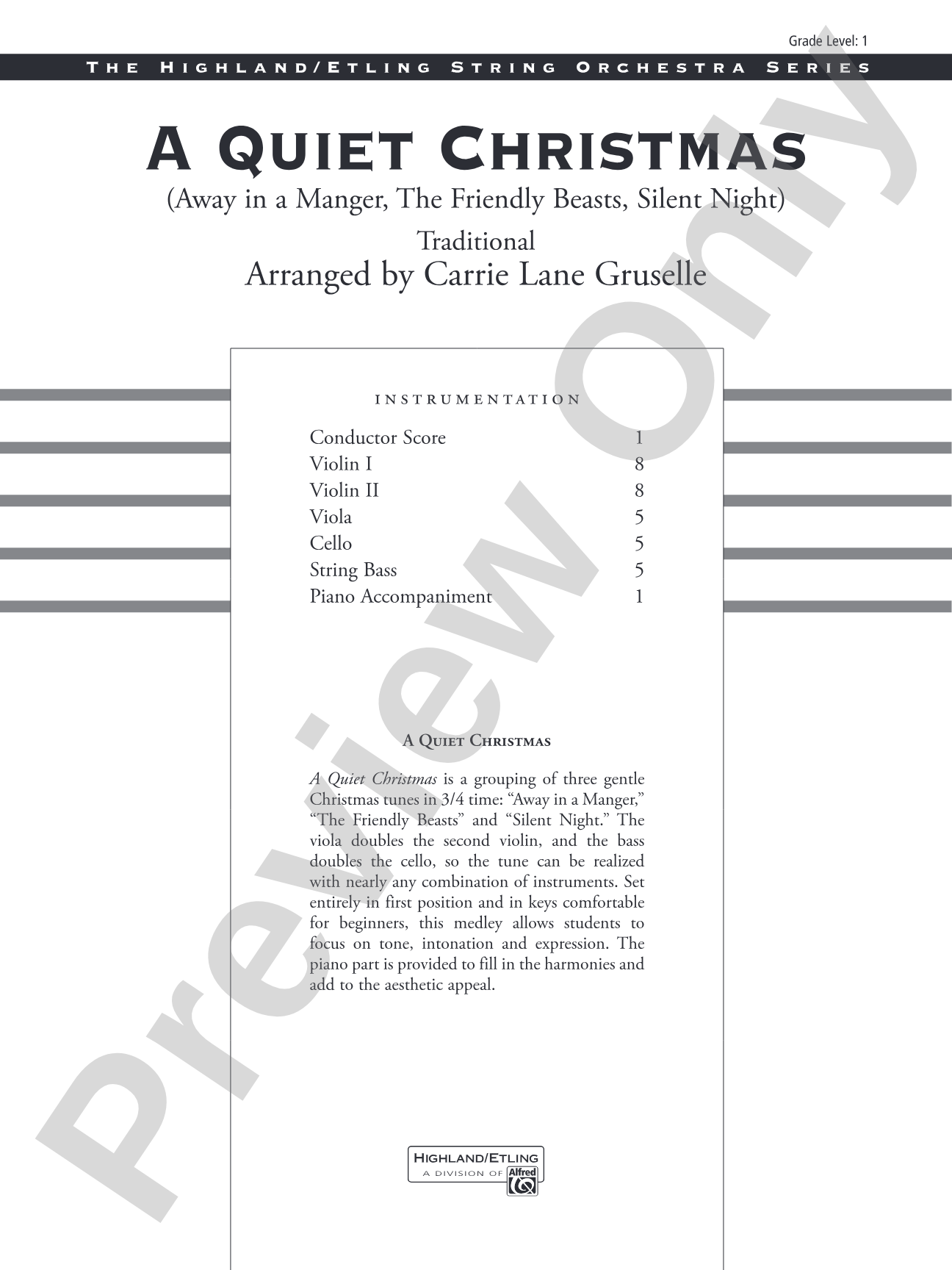
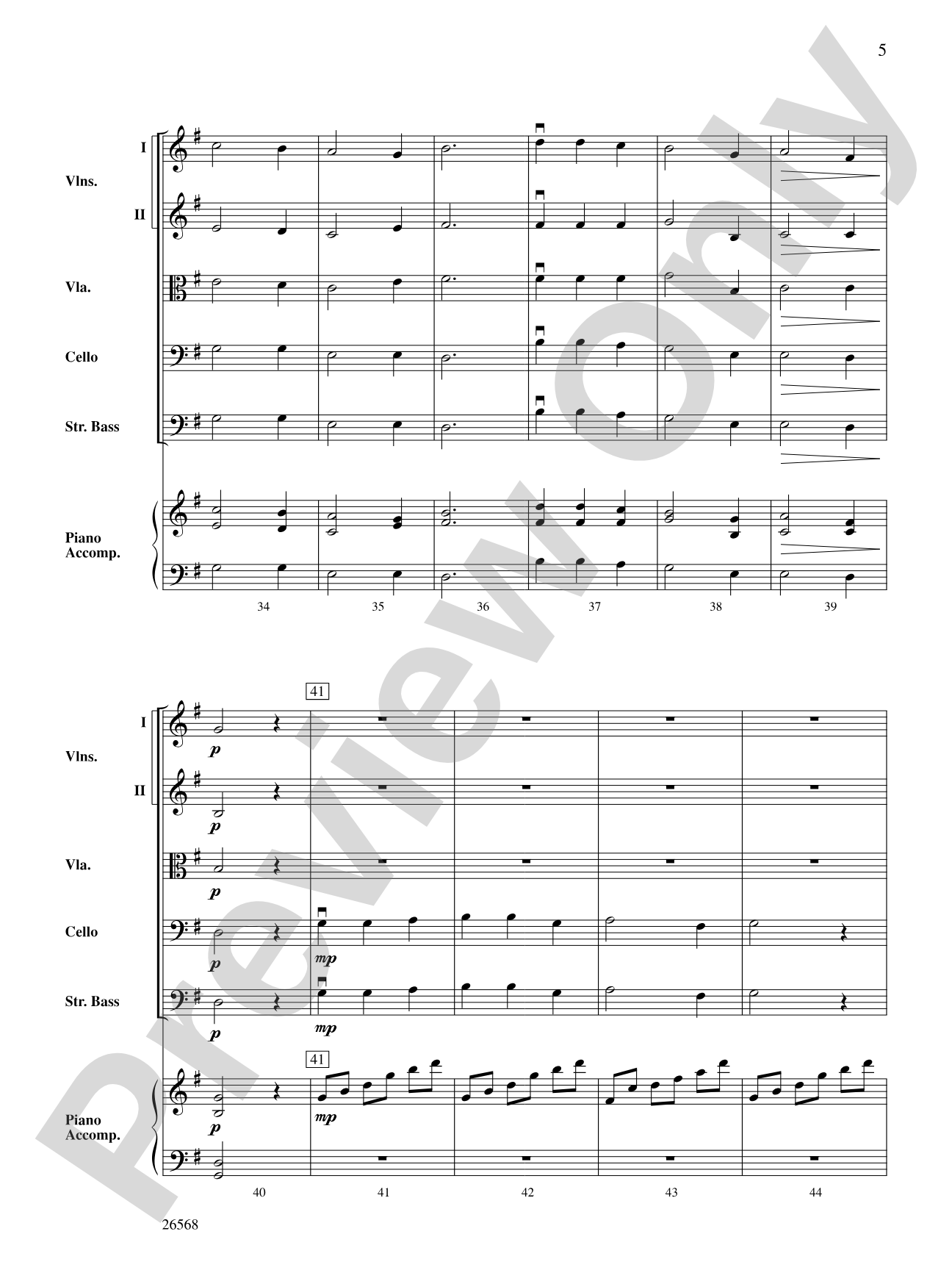
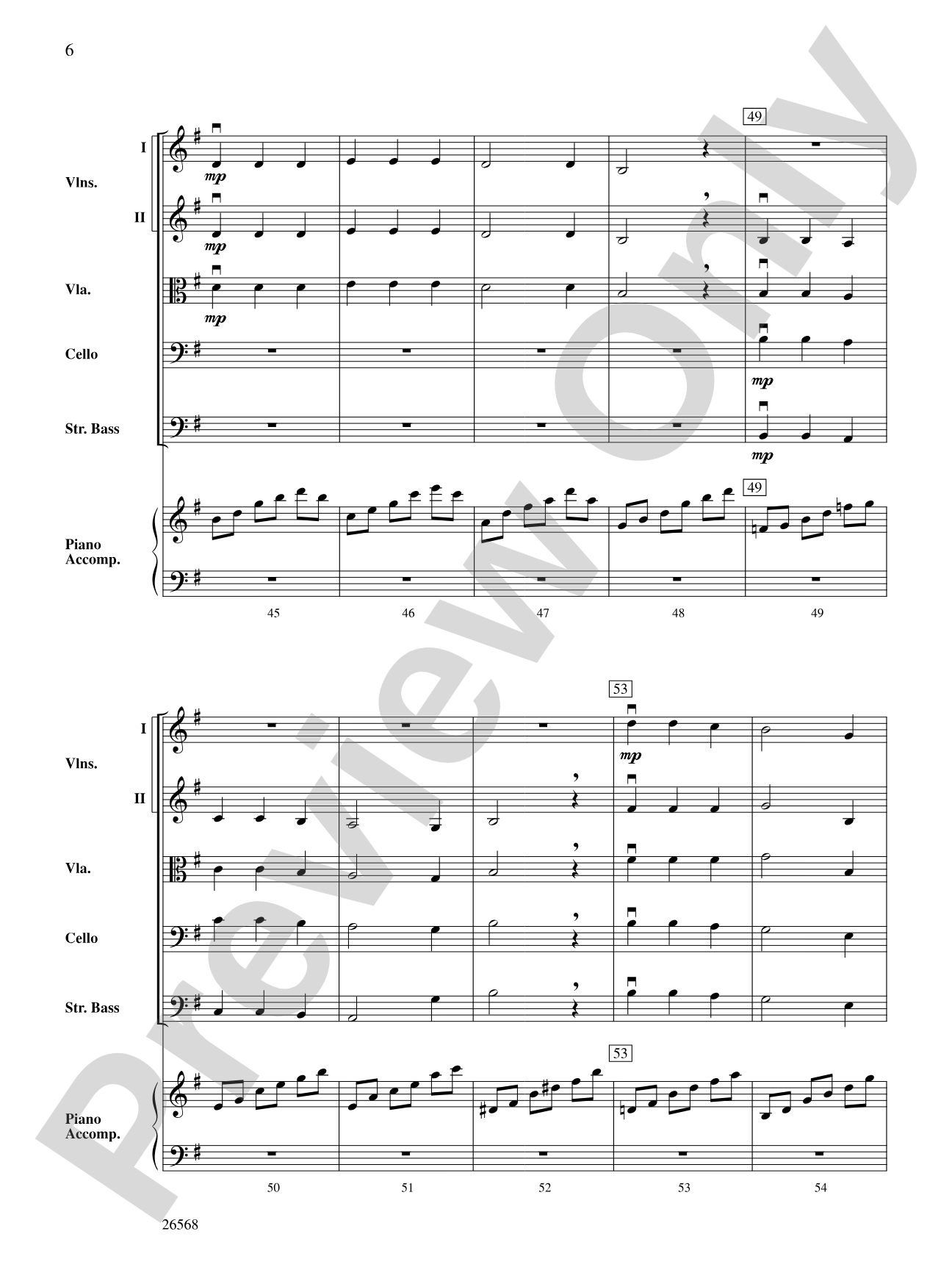
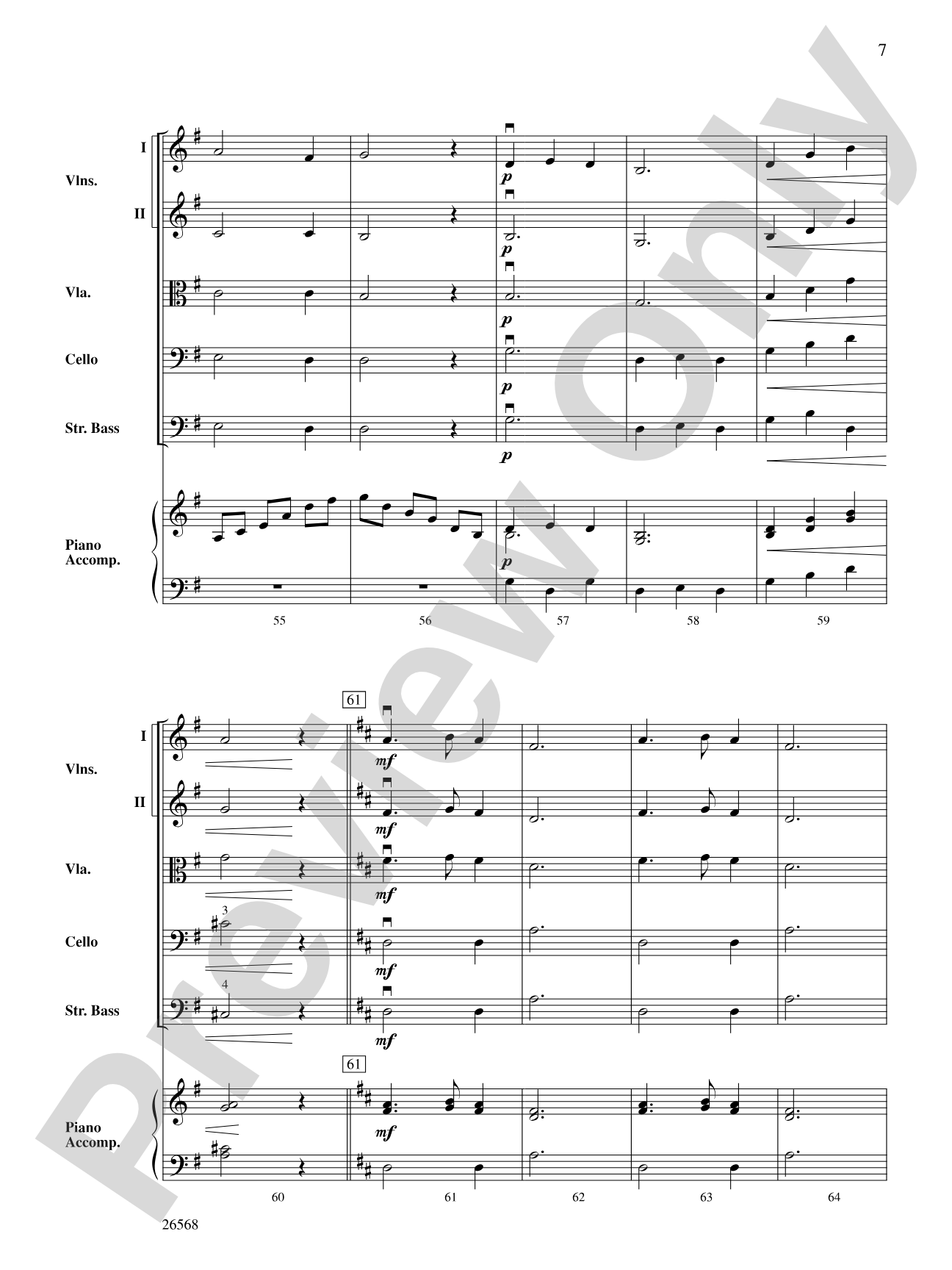
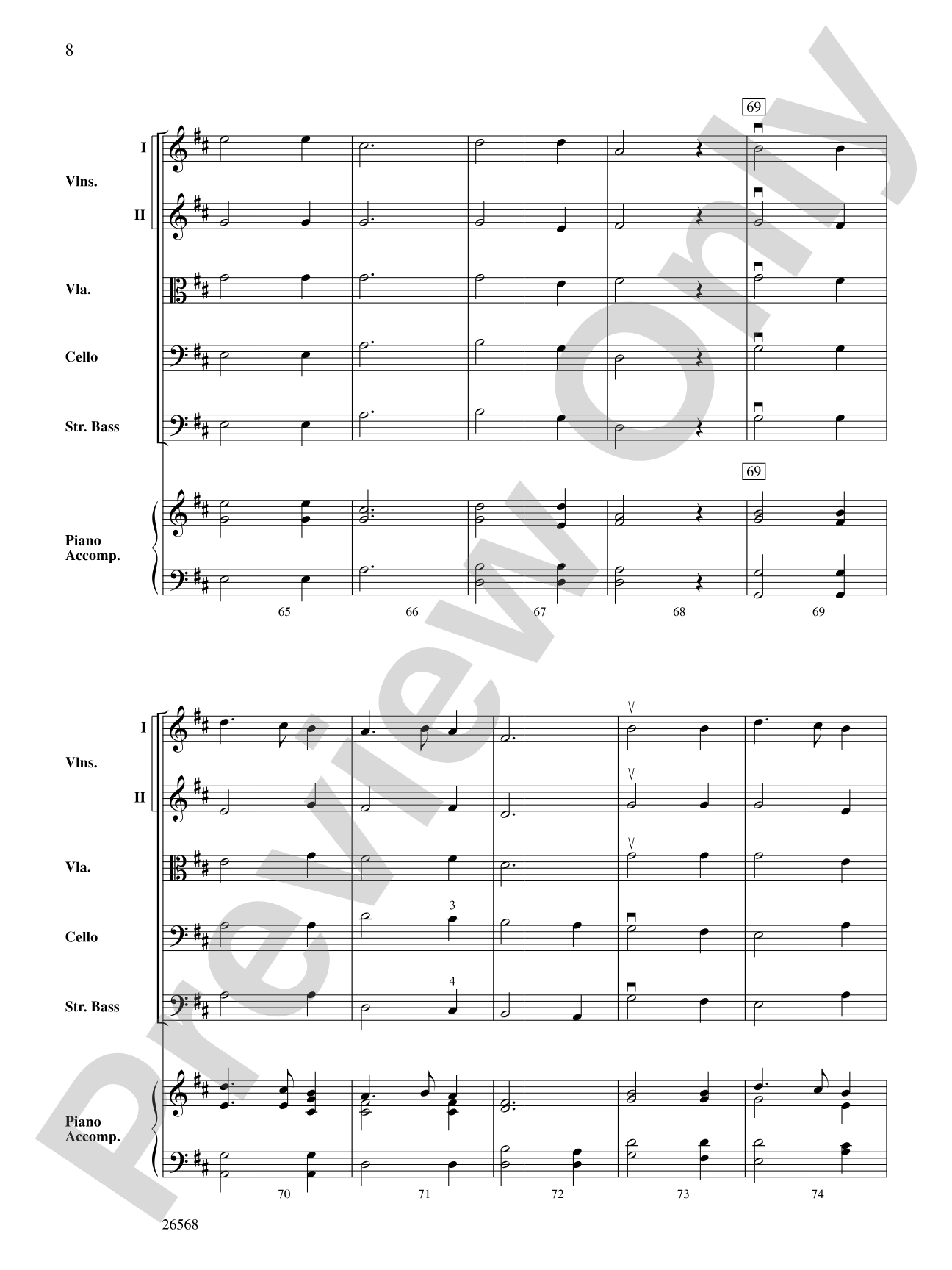



A Quiet Christmas: String Orchestra Conductor Score & Parts
Featuring: Away in a Manger / The Friendly Beasts / Silent Night
Traditional / arr. Carrie Lane Gruselle
Grade: 1
Item: 00-PK-0001092

$45.00
Pickup currently not available
Buy Extra Parts (Digital PDF Download)
| Product | Price | Quantity |
|---|---|---|
| A Quiet Christmas: Score | $9.00 | |
| A Quiet Christmas: 1st Violin | $7.99 | |
| A Quiet Christmas: 2nd Violin | $7.99 | |
| A Quiet Christmas: Viola | $7.99 | |
| A Quiet Christmas: Cello | $7.99 | |
| A Quiet Christmas: String Bass | $7.99 | |
| A Quiet Christmas: Piano Accompaniment | $7.99 |
Parts Added to Cart!
Description
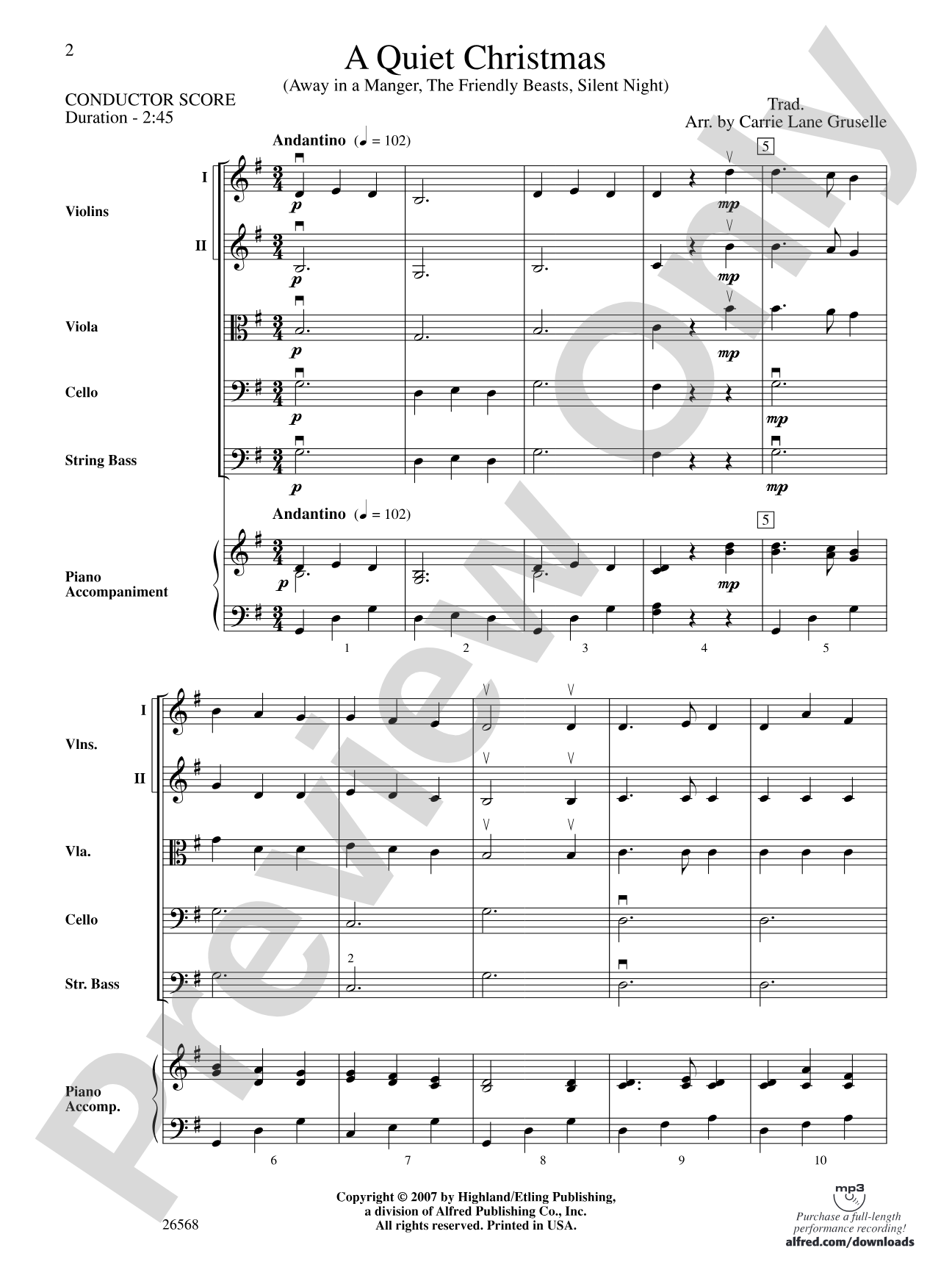
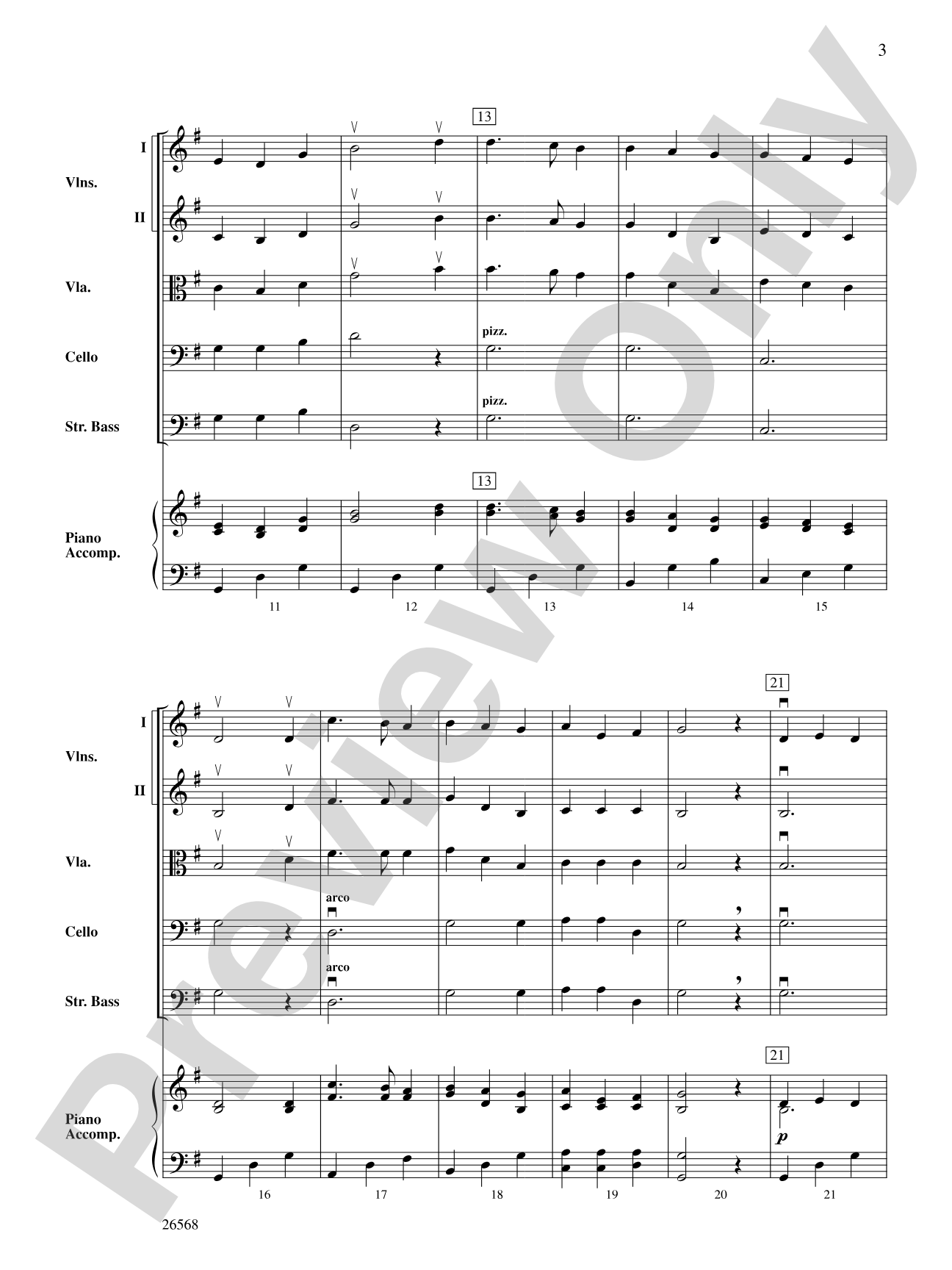
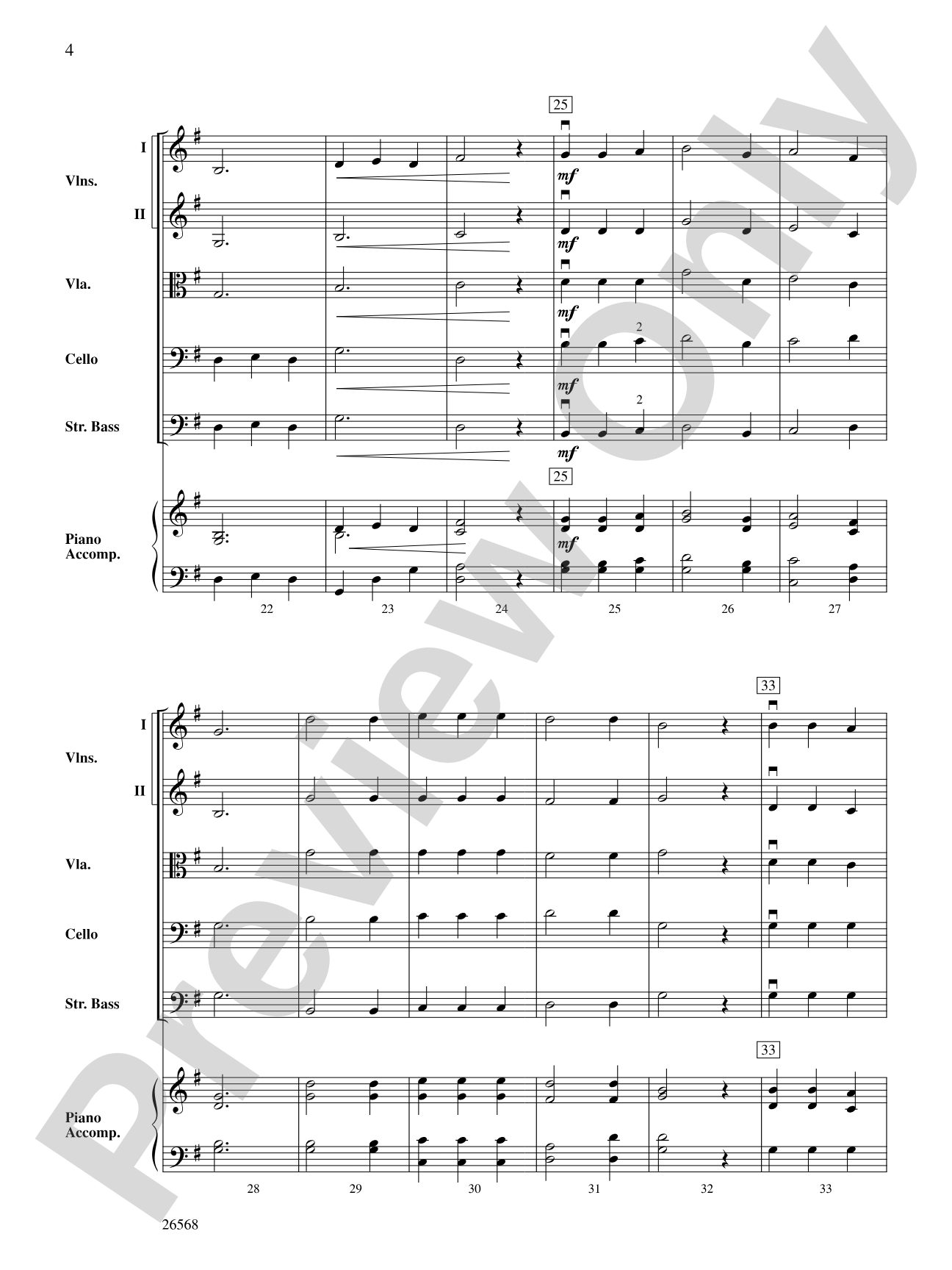
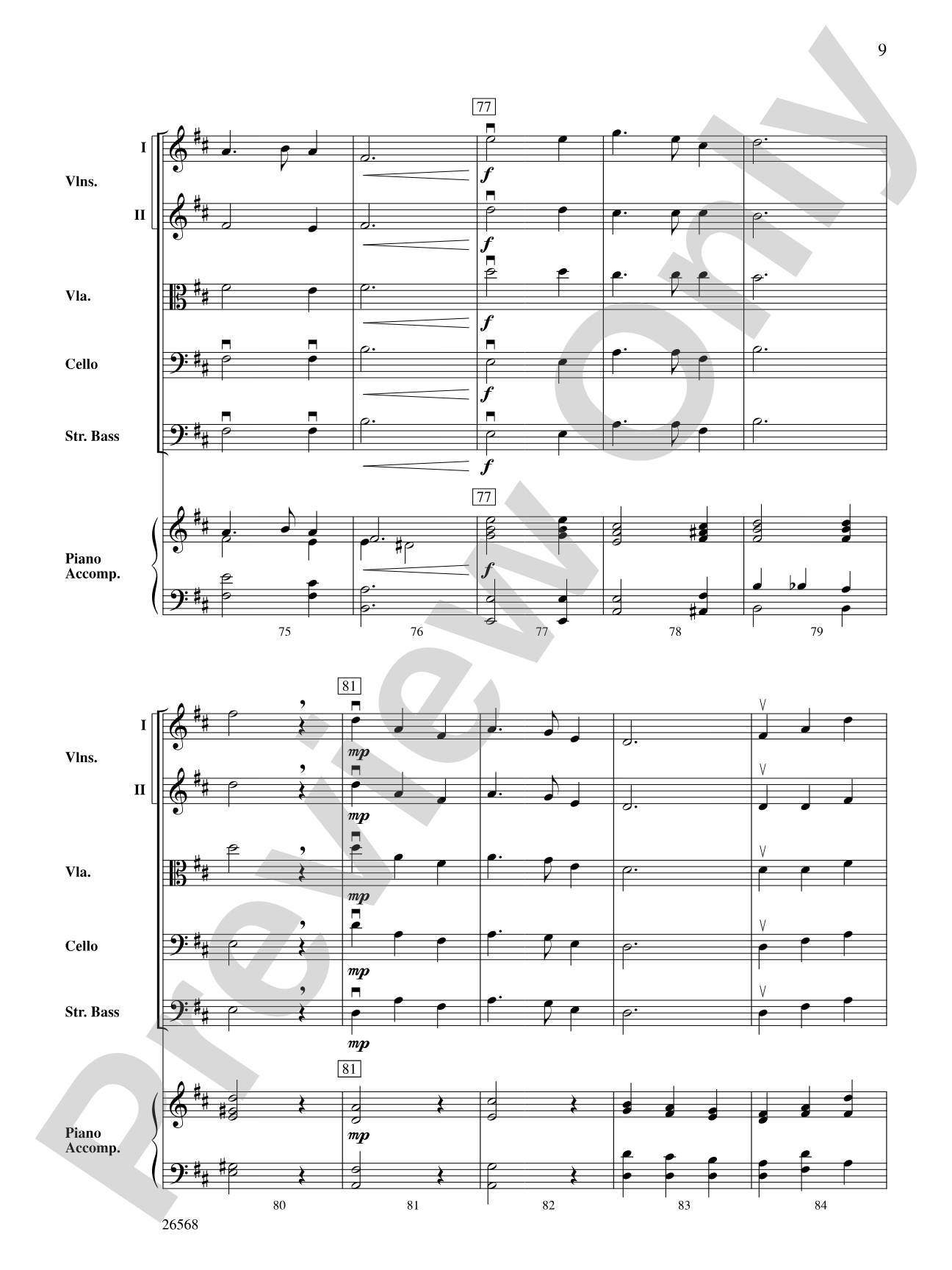
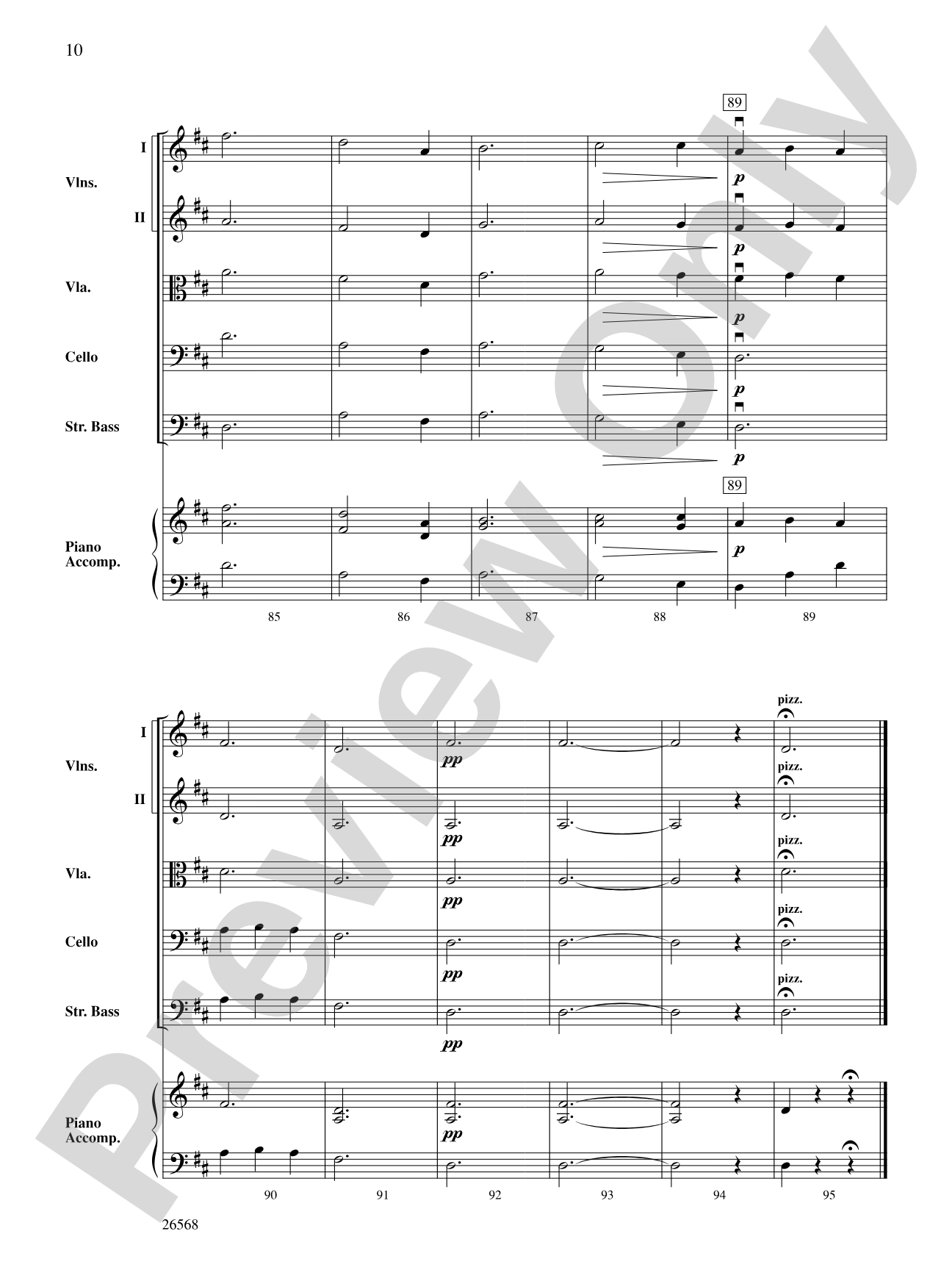
Here's a grouping of gentle Christmas tunes, all in 3/4 time: Away in a Manger, The Friendly Beasts and Silent Night. The viola doubles the second violin, and the bass doubles the cello, so it can be studied with nearly any instrumentation. Set entirely in first position and in keys comfortable to beginners, students will focus on tone, intonation and expression. The piano part is also provided. This title is available in MakeMusic Cloud.


Don't just read it, hear it, play along with it, and watch your students grow with it. In MakeMusic Cloud, A Quiet Christmas: String Orchestra Conductor Score & Parts comes alive with professional accompaniment, adjustable tempo, and built-in practice tools that turn solo practice into real progress.
Open in the Player
Jump straight in and assign it today.
Start Your Free Trial
Open this title and explore the full library in minutes.
Sample Audio
1
Audio File
--:--
0:00
0:00
Sample Video
No sample videos found.
Additional Details
Series:
Highland/Etling String Orchestra
Publisher:
Alfred Music
Page Count:
33
SKU:
00-PK-0001092
More about this title
About the Arranger: Carrie Lane Gruselle
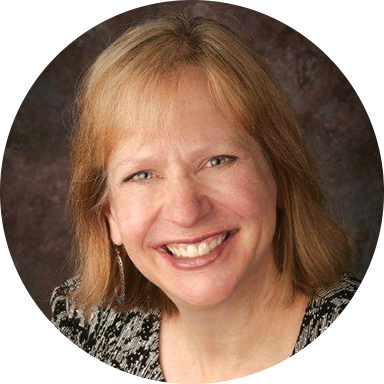
Carrie Lane Gruselle earned her Bachelor of Music Education from the University of Wisconsin, Eau Claire and went on to complete a Master's degree in Music Education with Suzuki emphasis at the University of Wisconsin, Stevens Point. Her training spans both traditional and Suzuki pedagogies, giving her insight into how young string players develop.
Gruselle teaches elementary and middle school strings in the Appleton Area School District while also serving as cello instructor for the Lawrence University Arts Academy. Her arrangements reflect her daily work with developing musicians, balancing accessibility with genuine musicality.
Why we love this
Gruselle knows exactly what beginning string orchestras need: literature that sounds warm and expressive without demanding technical heroics. Three beloved carols in a single consistent key center and meter mean your students can focus entirely on making beautiful sound together, rather than wrestling with shifting tonalities. The doubling strategy (viola with second violin, bass with cello) gives you flexibility to perform this with whatever instrumentation walks through your door.
What to expect
Serene and communal. These three carols settle into 3/4 with a gentle sway, offering students the satisfaction of playing recognizable, meaningful music without the pressure of complex technique. The consistent key center creates a cohesive emotional arc across the three pieces, building a reflective, reverent mood.
Who it's for
Beginning string orchestras in Grades 2–4 who are establishing tone and intonation skills and ready for the challenge of playing multiple parts together. This set also serves schools with mixed instrumentation, since the doubling structure accommodates gaps in typical ensembles.
How to get the most out of it
- Treat vibrato as an expressive choice rather than an automatic technique. Even if your students can vibrato, encouraging a clear, warm tone in first position without it often sounds more appropriate for these gentle arrangements.
- Balance the melody between first and second violin carefully. The arrangements work best when both parts blend seamlessly, so listen for blend across the section rather than projection of the first violin line.
- Let the piano part anchor harmonic support without overwhelming the strings. A measured, transparent accompaniment will allow the orchestral tone to shine.
- Shape phrases through dynamic shape and bow control rather than tempo variation. These carols breathe naturally if you allow slight room to relax at phrase ends while keeping the overall tempo steady.
How to use it
Program this as a unified set during winter concerts or holiday assemblies to create a meditative opening or interlude between more energetic works. The familiar melodies invite family recognition while clearly demonstrating your students' growth in tone production and ensemble balance.
Skills your students will build
- Sustaining warm, centered tone in first position across an entire phrase
- Matching intonation across multiple string parts and viola/cello doublings
- Responding to conductor cues for dynamic shaping and phrasing
- Playing in 3/4 time with consistent rhythmic accuracy
- Balancing melody and accompanying parts within a string orchestra texture