

A Pirate's Dream: String Orchestra Conductor Score & Parts
By Susan H. Day
Grade: 1
Item: 00-PK-0006122

$46.00
Pickup currently not available
Buy Extra Parts (Digital PDF Download)
| Product | Price | Quantity |
|---|---|---|
| A Pirate's Dream: Score | $7.00 | |
| A Pirate's Dream: 1st Violin | $5.99 | |
| A Pirate's Dream: 2nd Violin | $5.99 | |
| A Pirate's Dream: Viola | $5.99 | |
| A Pirate's Dream: Cello | $5.99 | |
| A Pirate's Dream: String Bass | $5.99 |
Parts Added to Cart!
Description
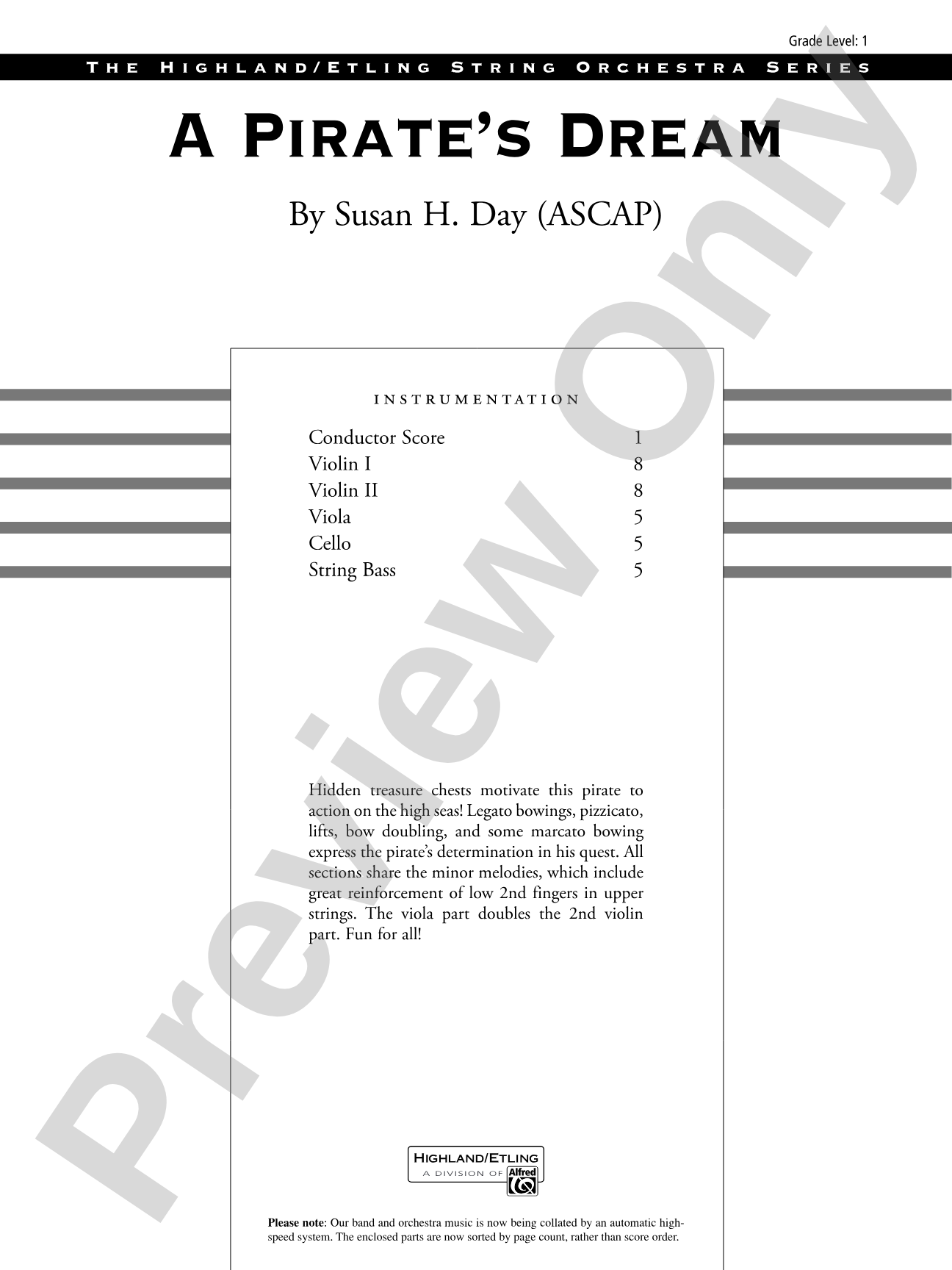
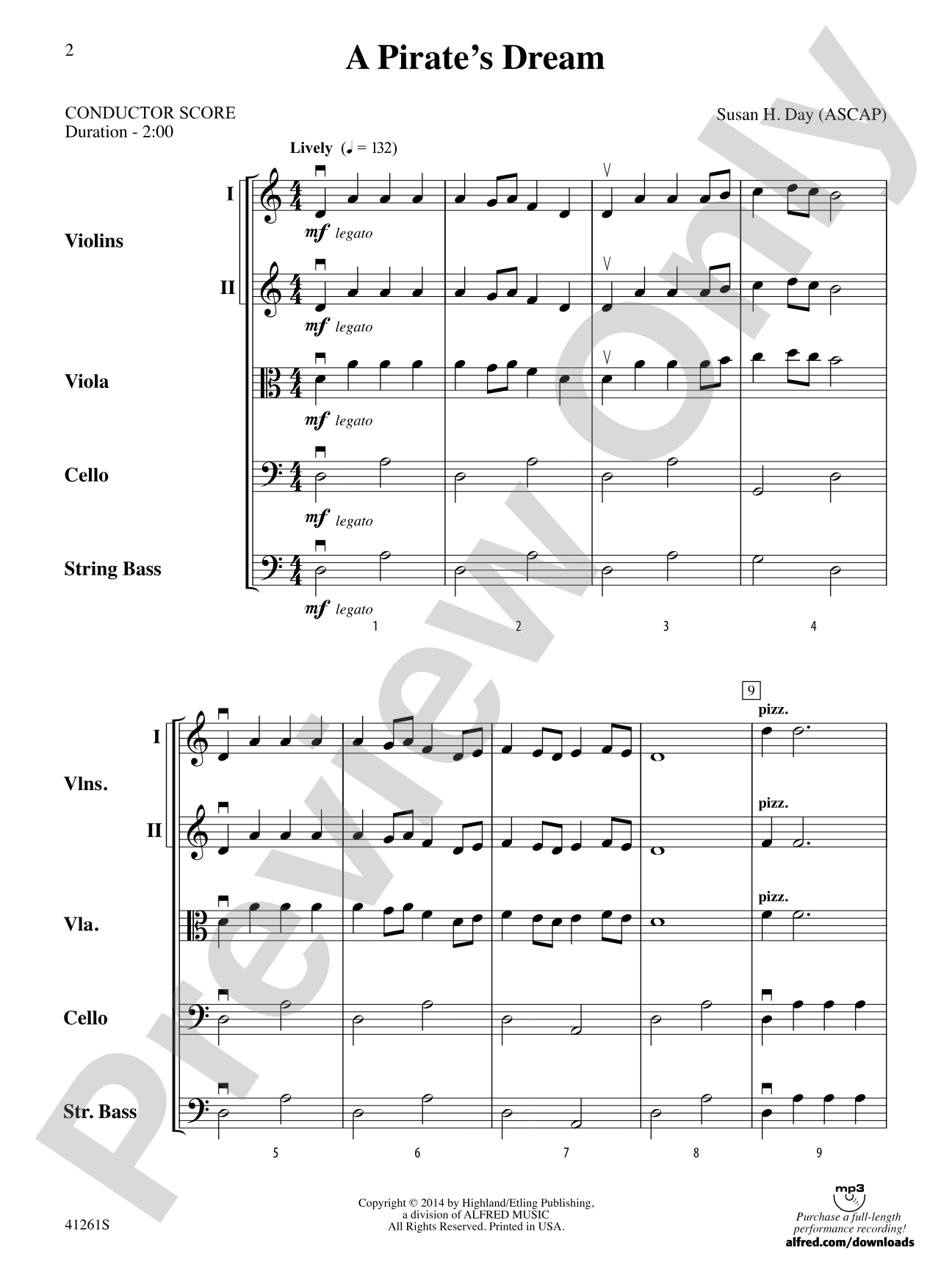
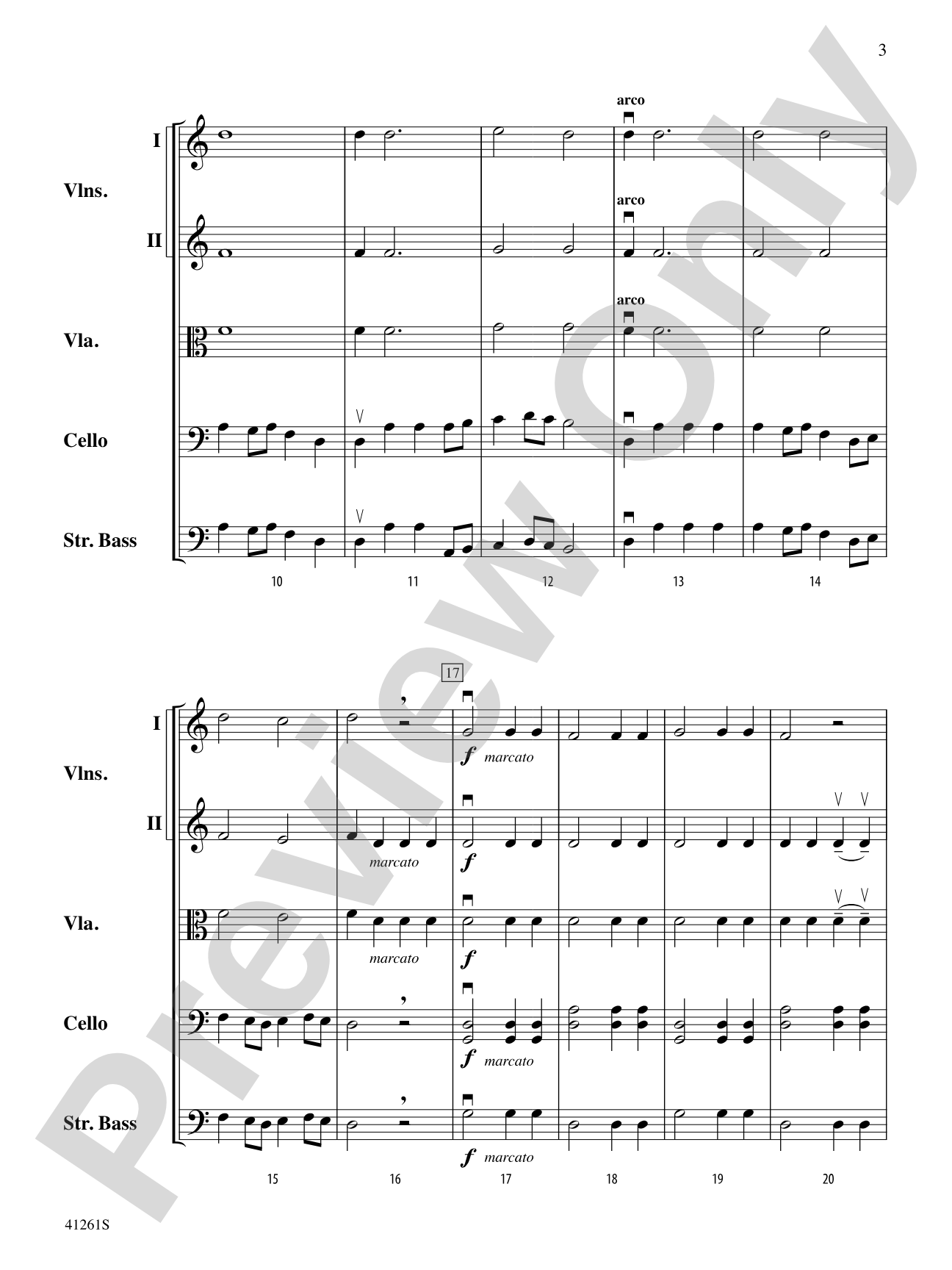
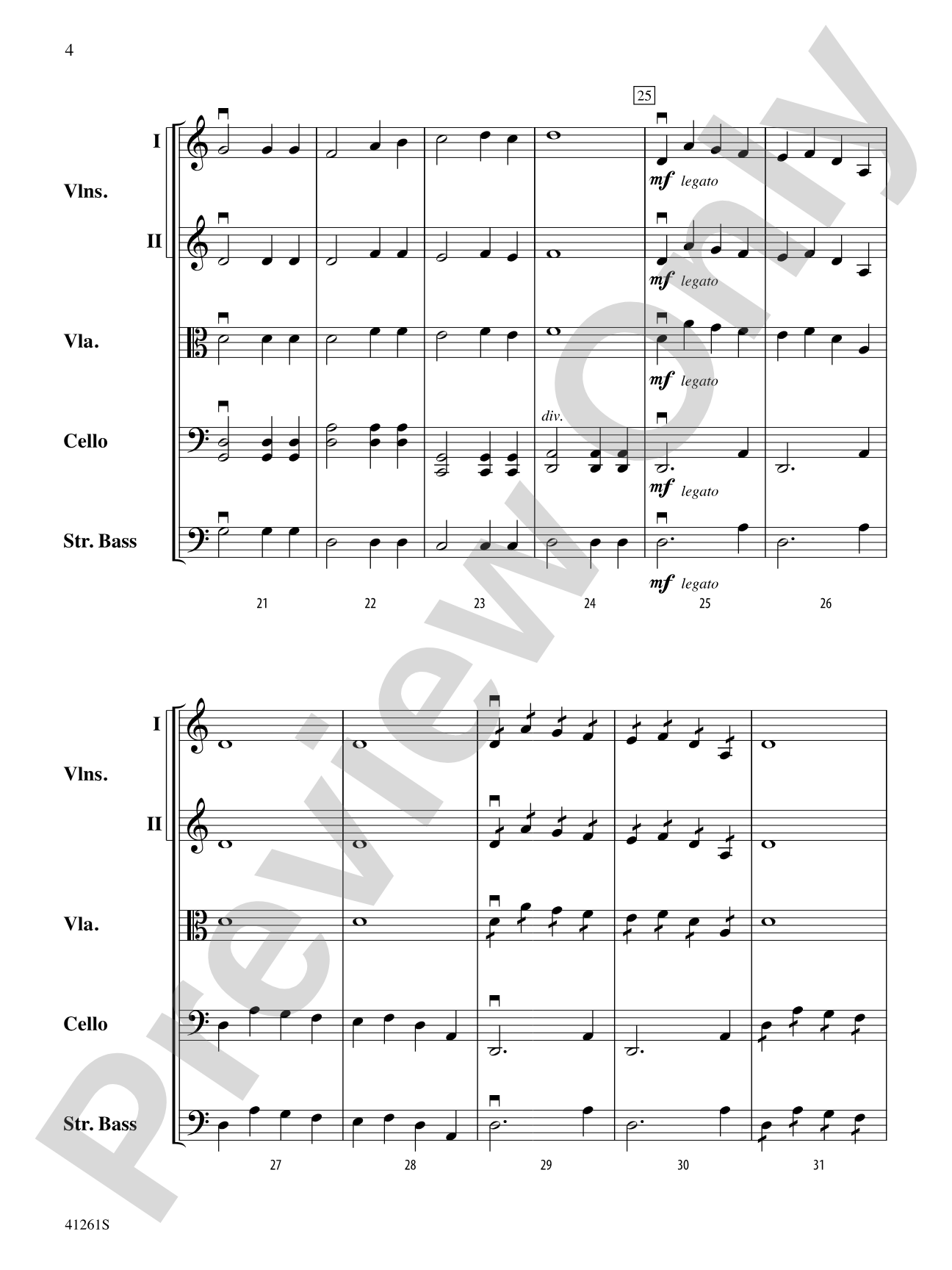
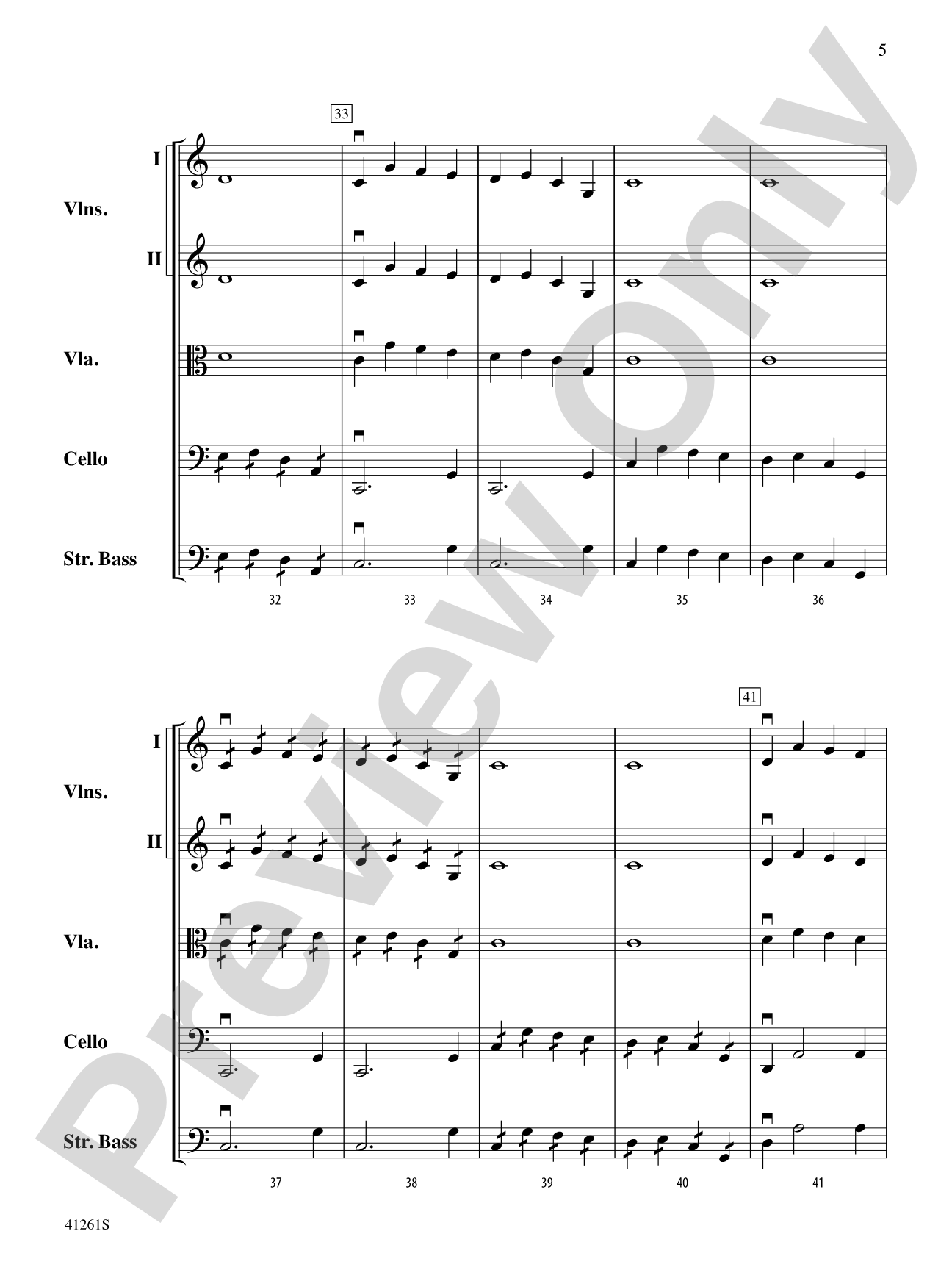
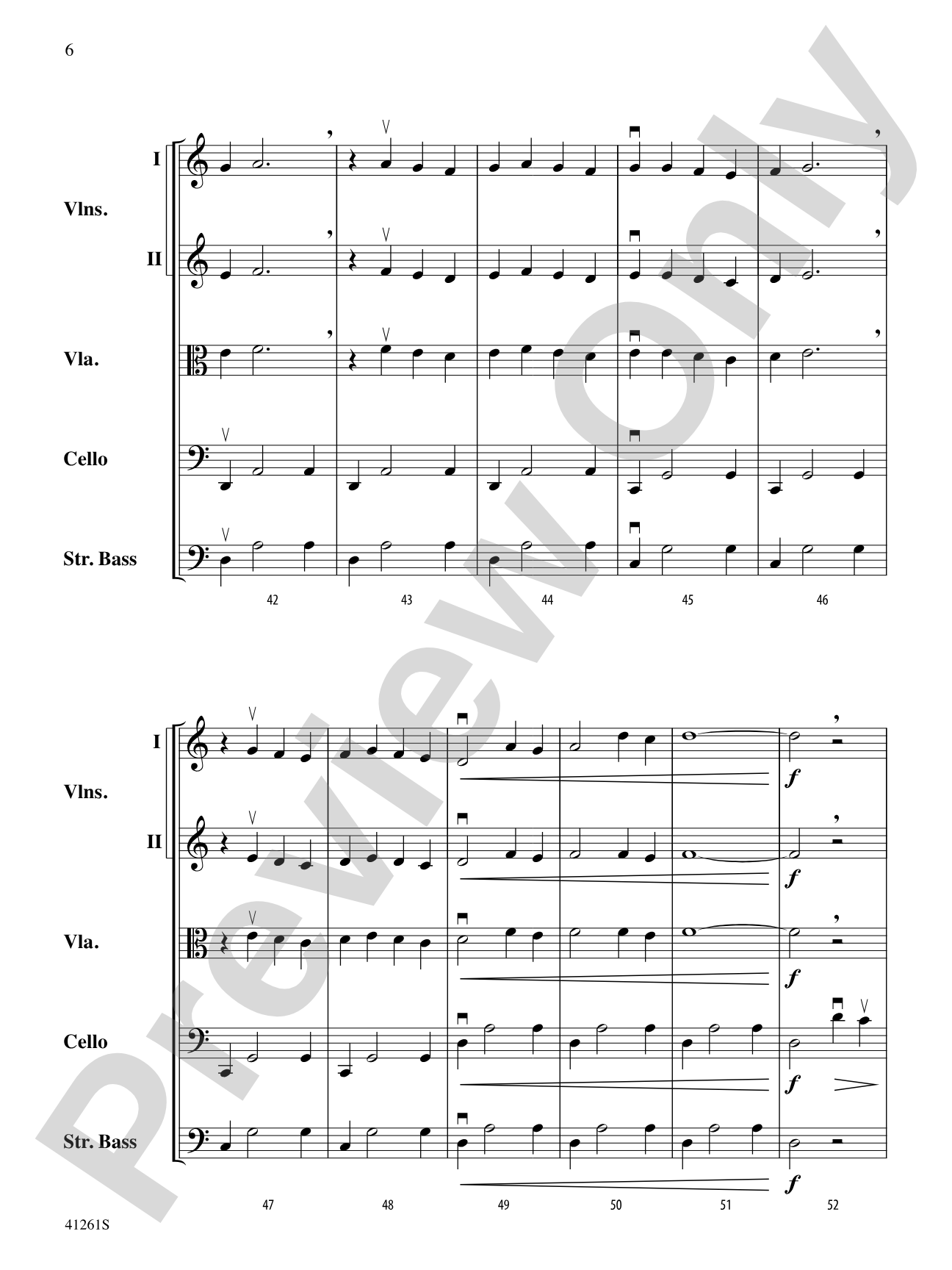
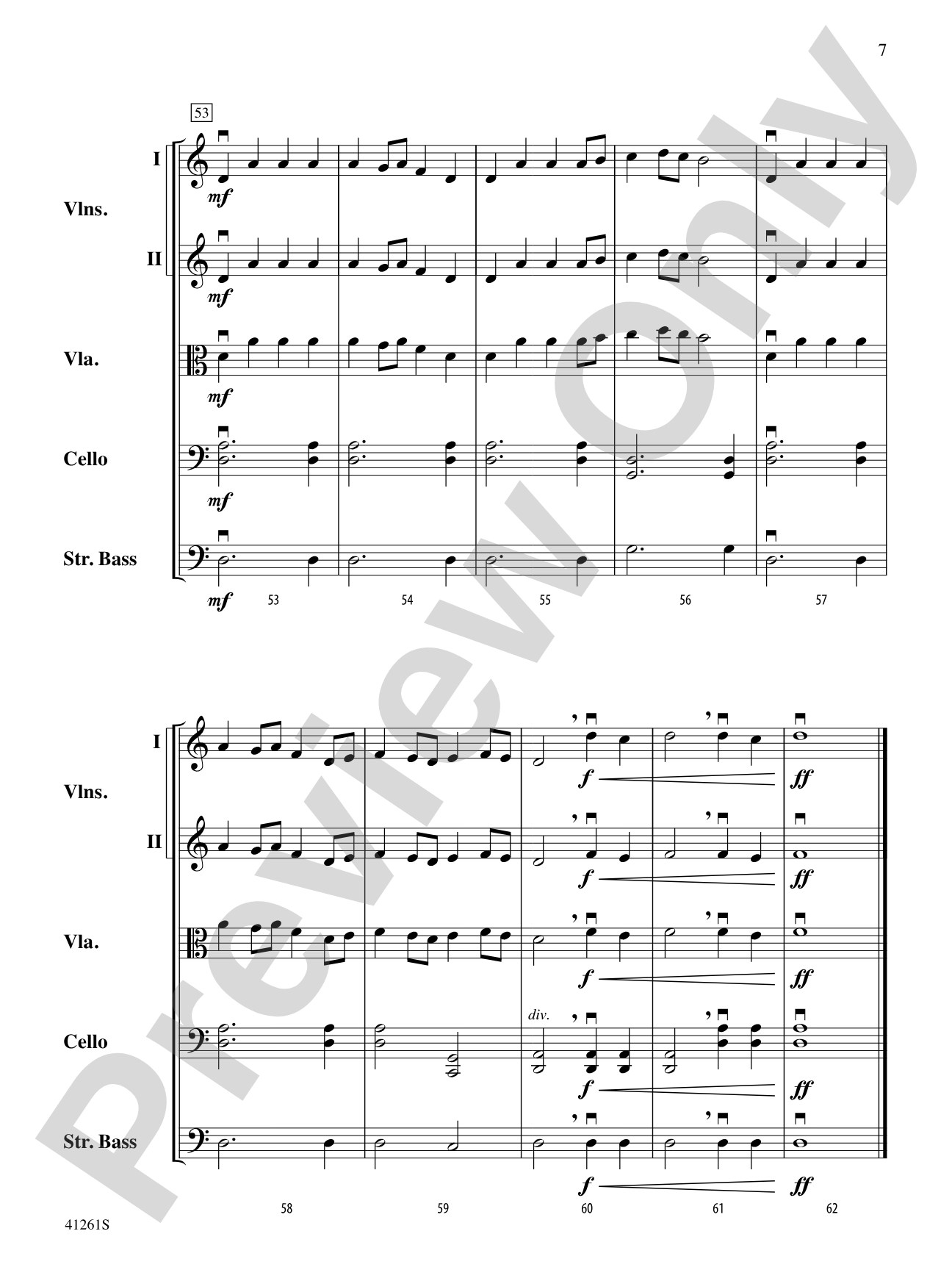
Hidden treasure chests motivate this pirate to action on the high seas! Legato bowings, pizzicato, lifts, and some marcato bowing express the pirate's determination in his quest. All sections share the minor melodies, which include great reinforcement of low 2nd fingers in upper strings. The viola part doubles the 2nd violin part. Fun for all! (2:00) This title is available in Music Prodigy. This title is available in MakeMusic Cloud.


Don't just read it, hear it, play along with it, and watch your students grow with it. In MakeMusic Cloud, A Pirate's Dream: String Orchestra Conductor Score & Parts comes alive with professional accompaniment, adjustable tempo, and built-in practice tools that turn solo practice into real progress.
Open in the Player
Jump straight in and assign it today.
Start Your Free Trial
Open this title and explore the full library in minutes.
Sample Audio
1
Audio File
--:--
0:00
0:00
Sample Video
No sample videos found.
Additional Details
Series:
Highland/Etling String Orchestra
Publisher:
Alfred Music
Page Count:
62
SKU:
00-PK-0006122
More about this title
About the Composer: Susan H. Day
Susan H. Day has built a career writing accessible, engaging repertoire for young string players. Her work across the Highland/Etling String Orchestra series demonstrates a gift for creating pieces that are genuinely fun to play while maintaining solid pedagogical value.
Why we love this
Day writes with clarity and purpose for young orchestras. She understands how to build melodic interest across all sections without sacrificing playability, and her use of pizzicato and marcato articulation creates genuine character without technical overreach. Grade 1 orchestras often struggle to feel invested in their parts; this piece gives every player a reason to be there.
What to expect
Swashbuckling and determined without being bombastic. The minor tonality gives the piece a hint of adventure tinged with real effort, while the pizzicato and bowing variety keep the texture fresh across its two-minute span. Young players feel the character in their hands.
Who it's for
Grade 1 string orchestras seeking concert repertoire with genuine musical purpose. This piece works equally well for festival performances or end-of-year concerts where programming a recognizable narrative helps young players feel the stakes of their work.
How to get the most out of it
- Shape the legato phrases with a gentle crescendo to their midpoint, then taper. Young musicians often hold notes at the same volume; modeling dynamic contour in early run-throughs makes the melody breathe naturally.
- Isolate the pizzicato sections in separate rehearsals before combining them with the bowed parts. Precision in rhythm and tone matters more than speed.
- Have the violas watch the second violins closely during doublings. This reinforces ensemble listening and prevents the viola section from drifting into an accompanying role.
How to use it
Pair this with contrasting lighter fare to showcase range and energy. The programmatic nature makes it an ideal opener or closer for a concert built around a theme, and its brevity allows room for longer works that demand more ensemble maturity.
Skills your students will build
- Sustaining legato through bow changes
- Clean pizzicato articulation and release
- Reading and executing marcato bowing
- Reinforcing low 2nd finger placement in upper strings
- Coordinating articulation across sections