


A Percussionist's Guide to Check Patterns: Building a Fundamental Rhythmic Vocabulary
Building a Fundamental Rhythmic Vocabulary
By Thom Hannum
Item: 00-PB-0001826
$20.99
Pickup currently not available
Related Items
A Percussionist's Guide to Check Patterns: Drum Book & Online Audio |
$20.99
|
View |
Description
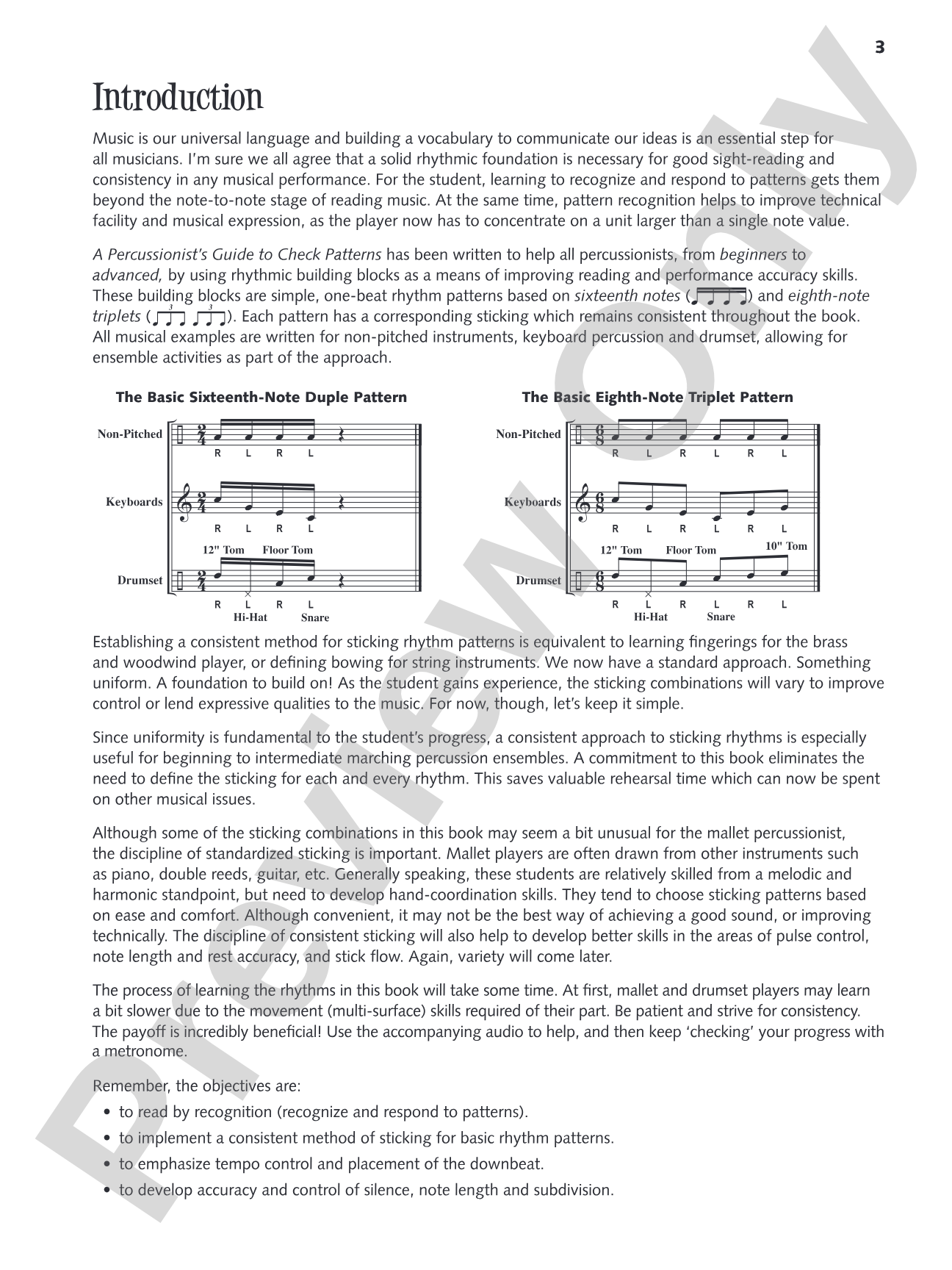
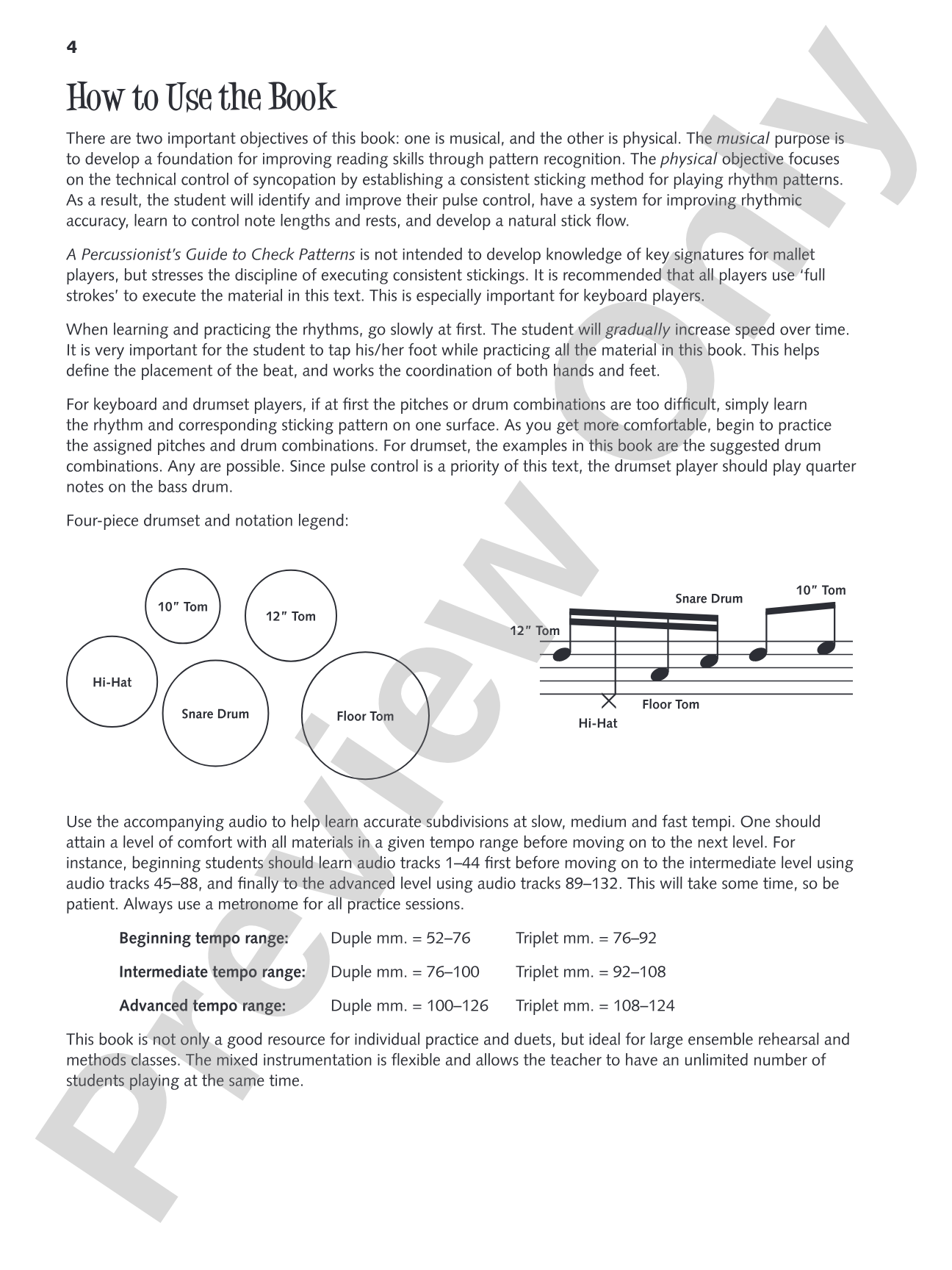
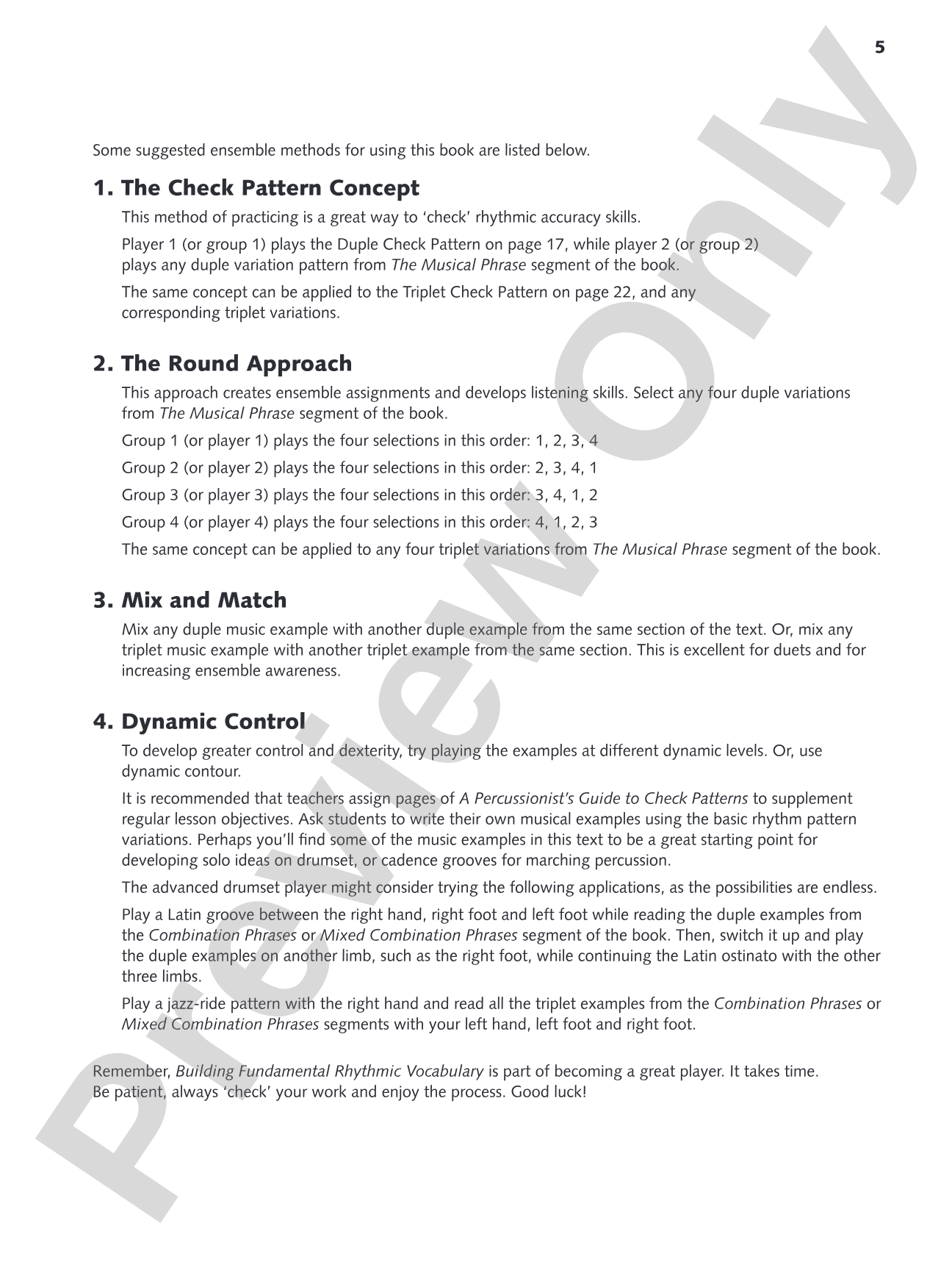
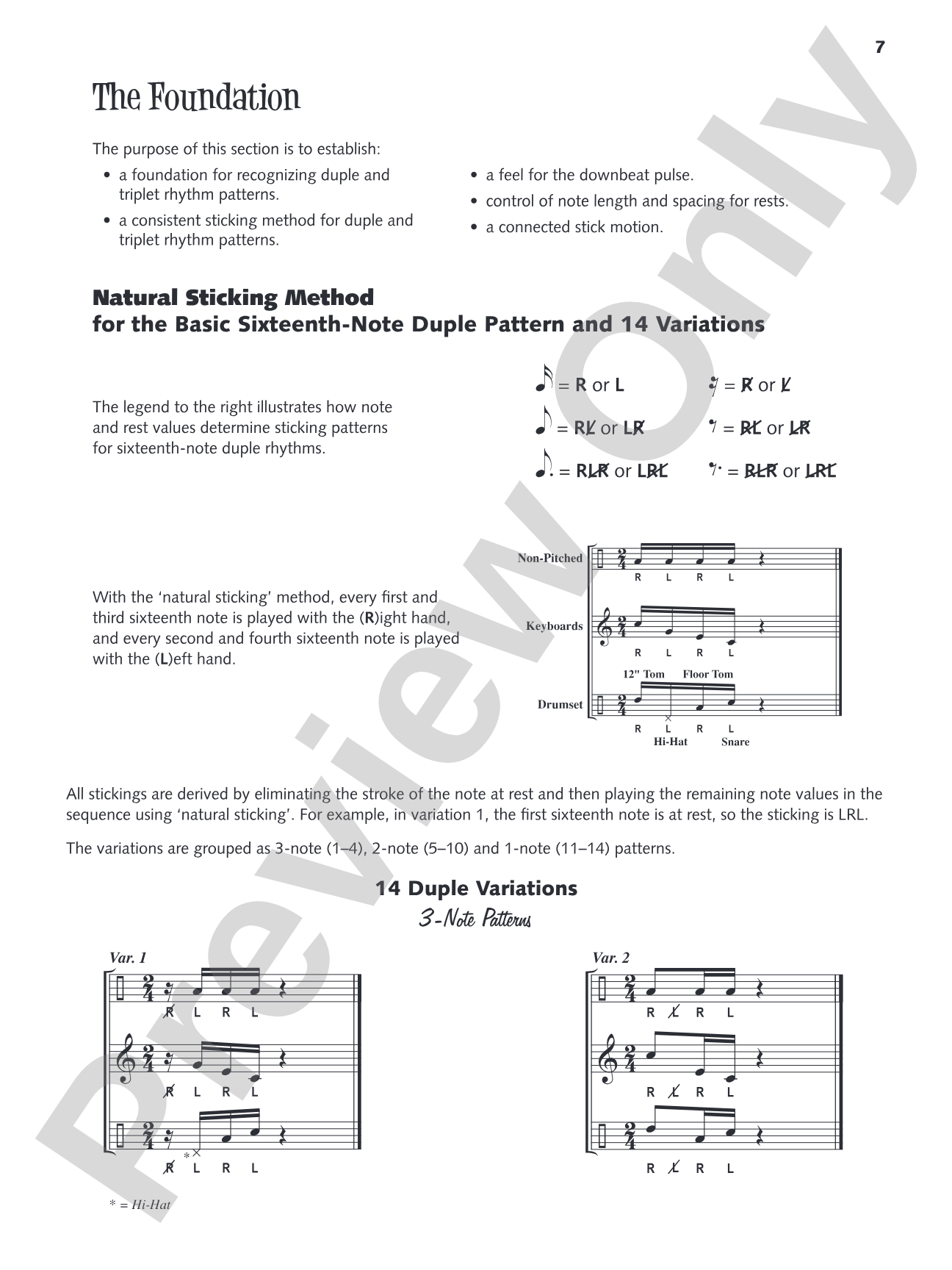
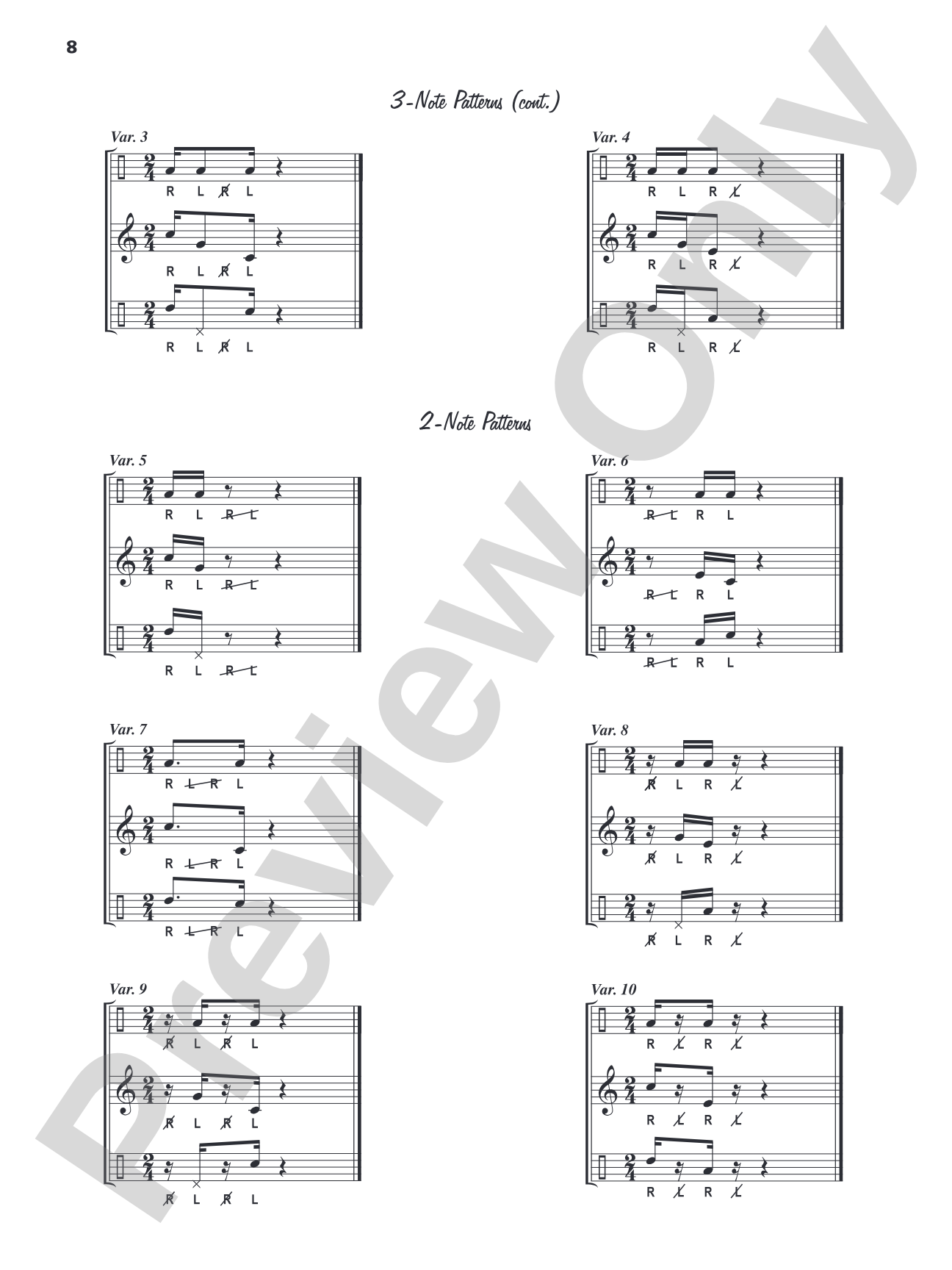
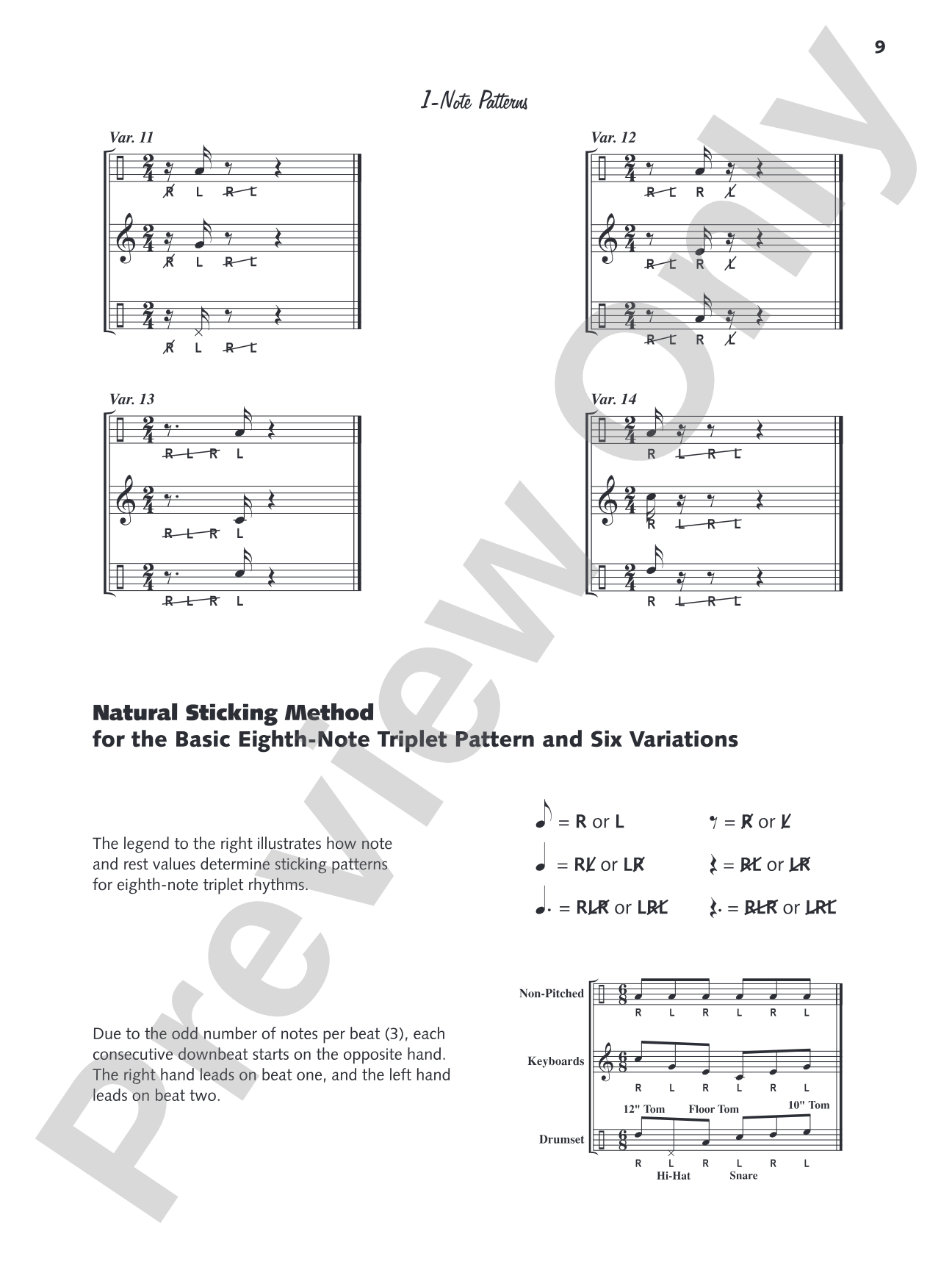
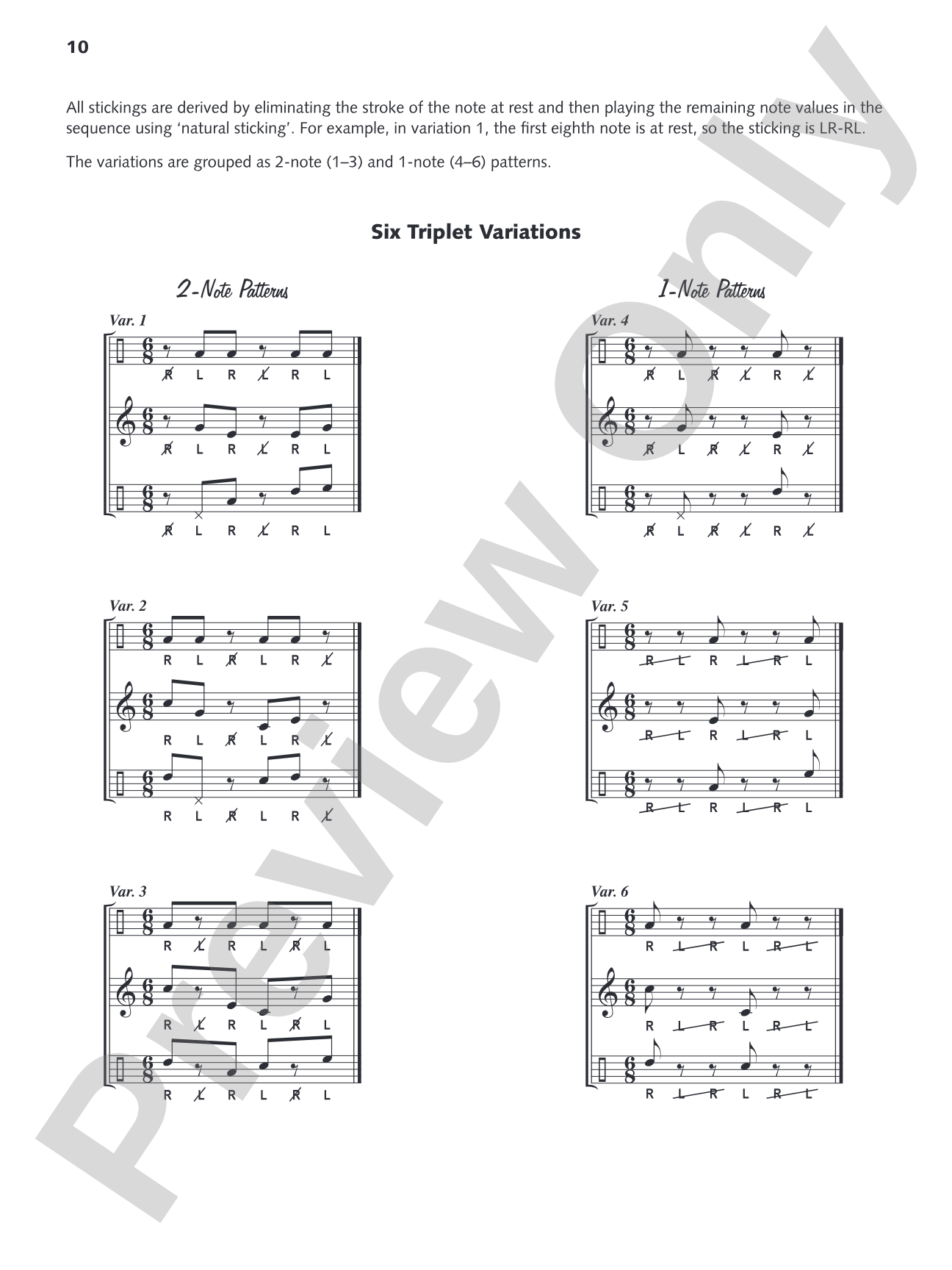
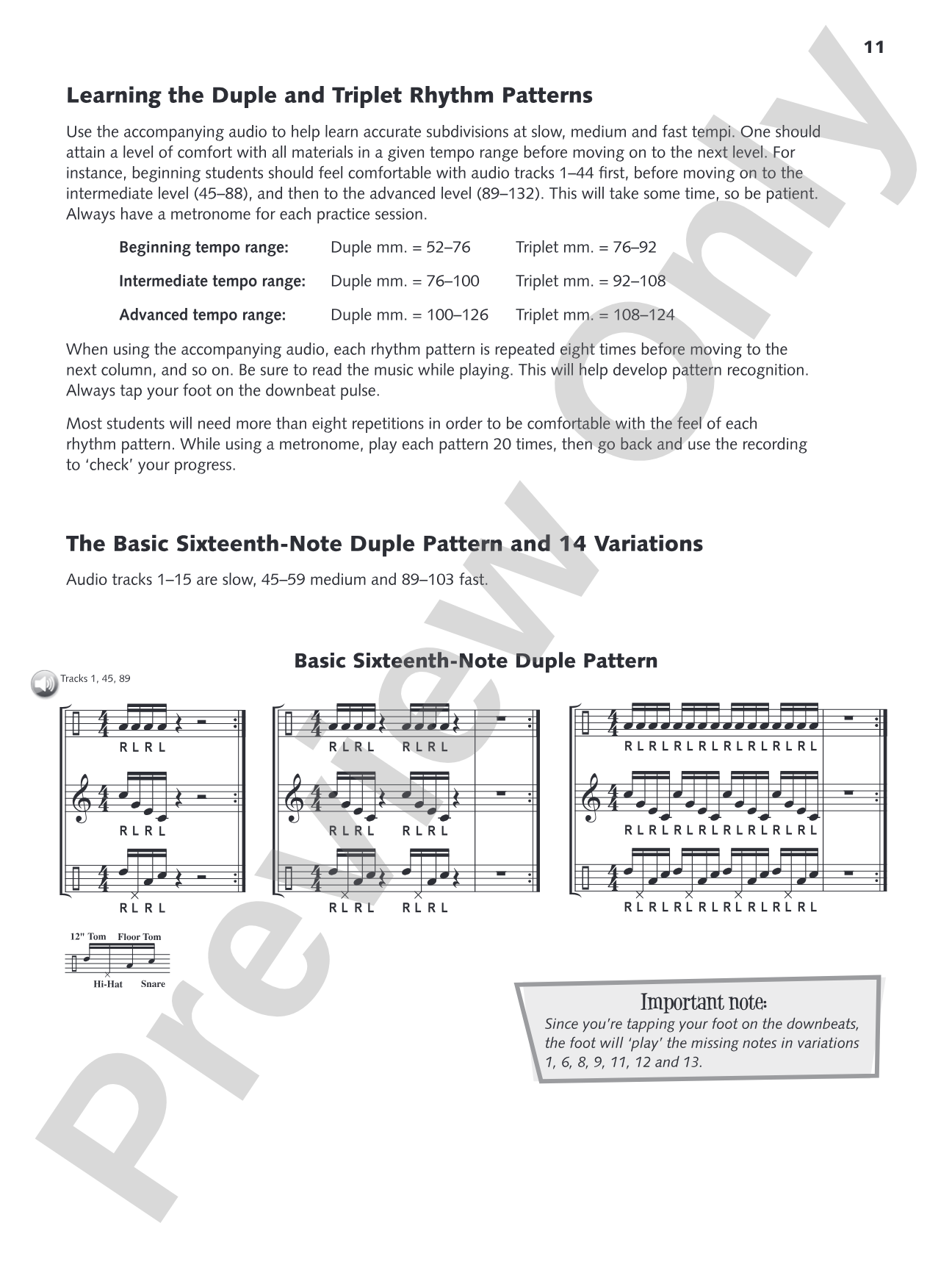
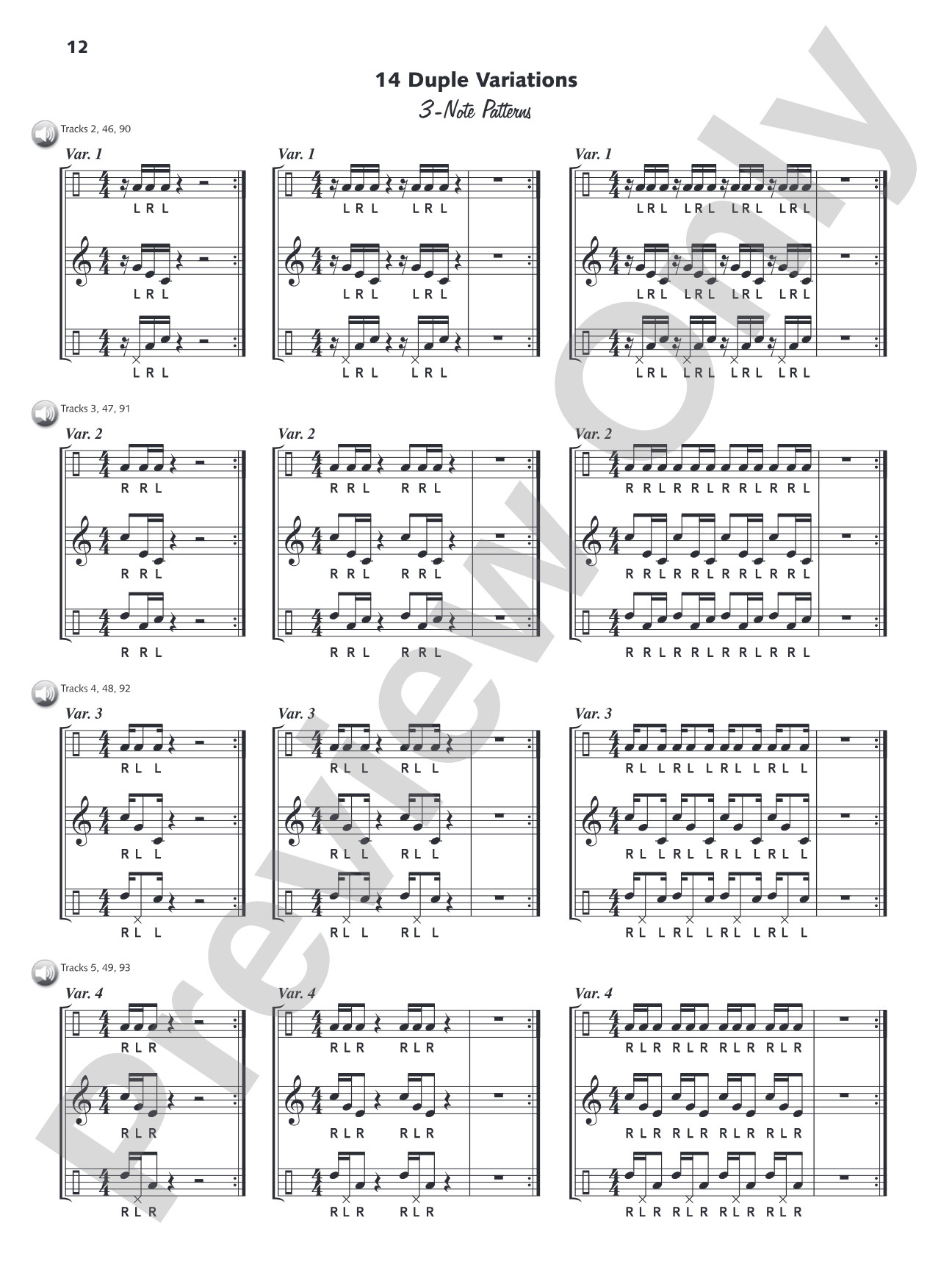
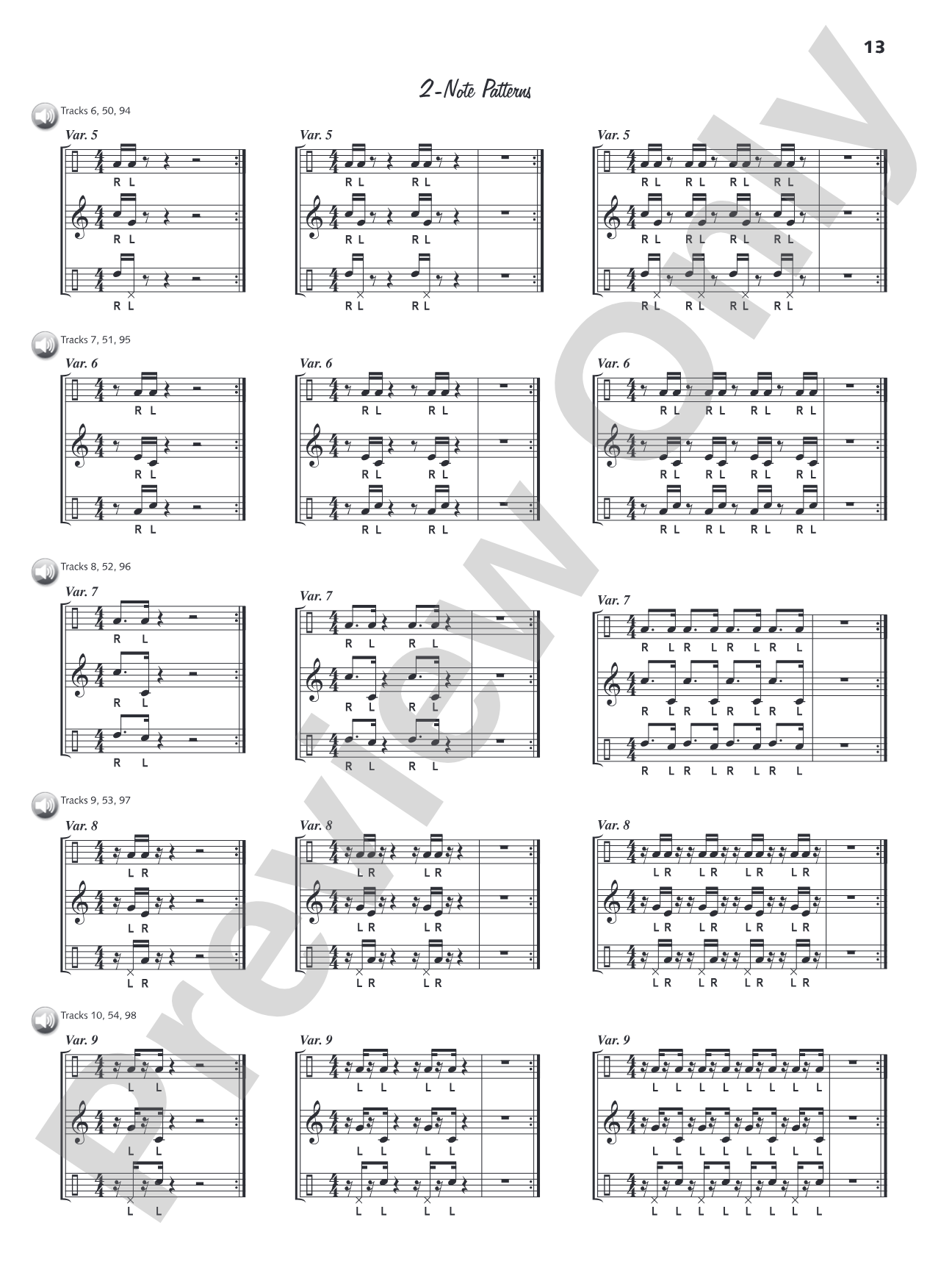
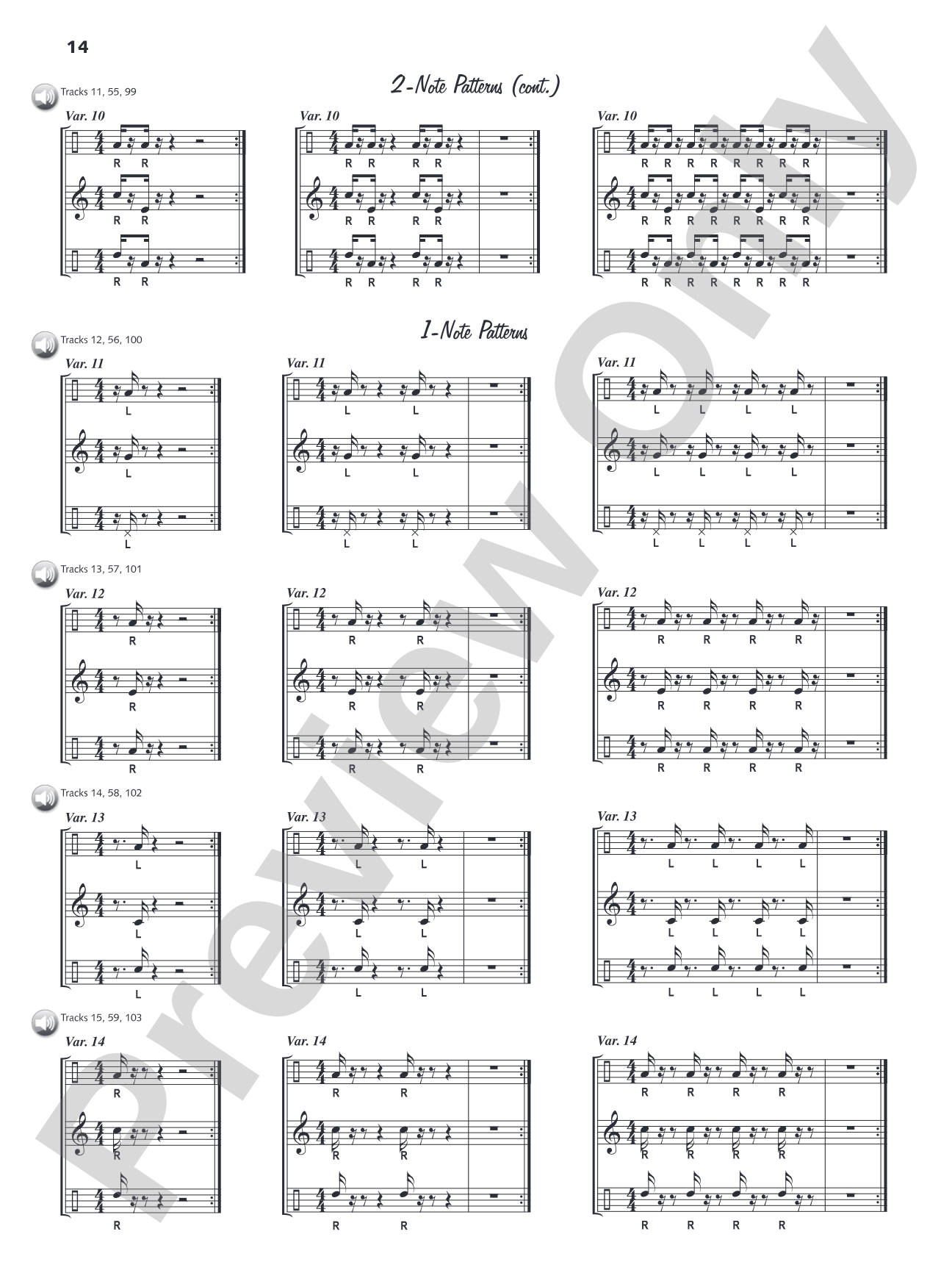
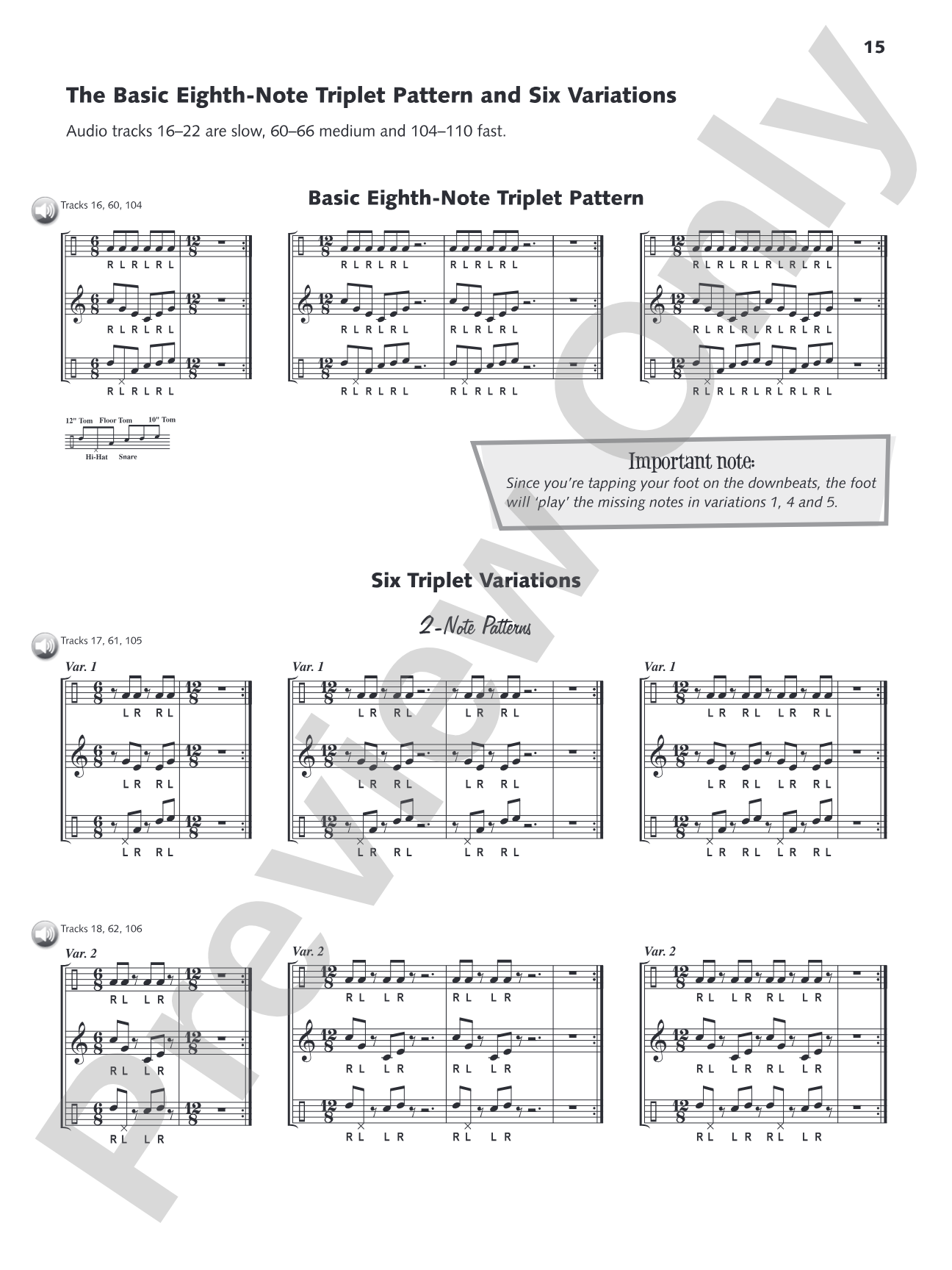
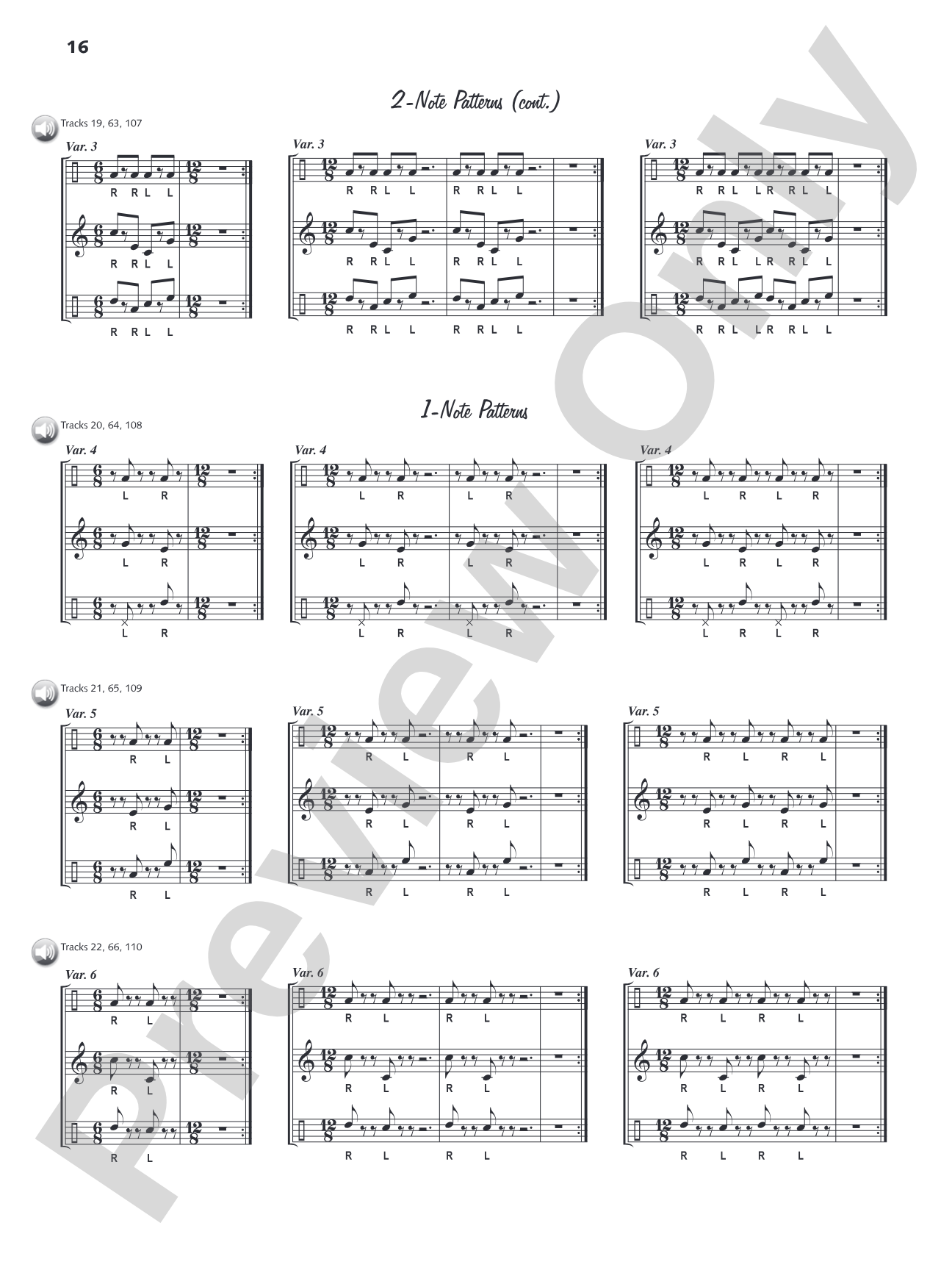
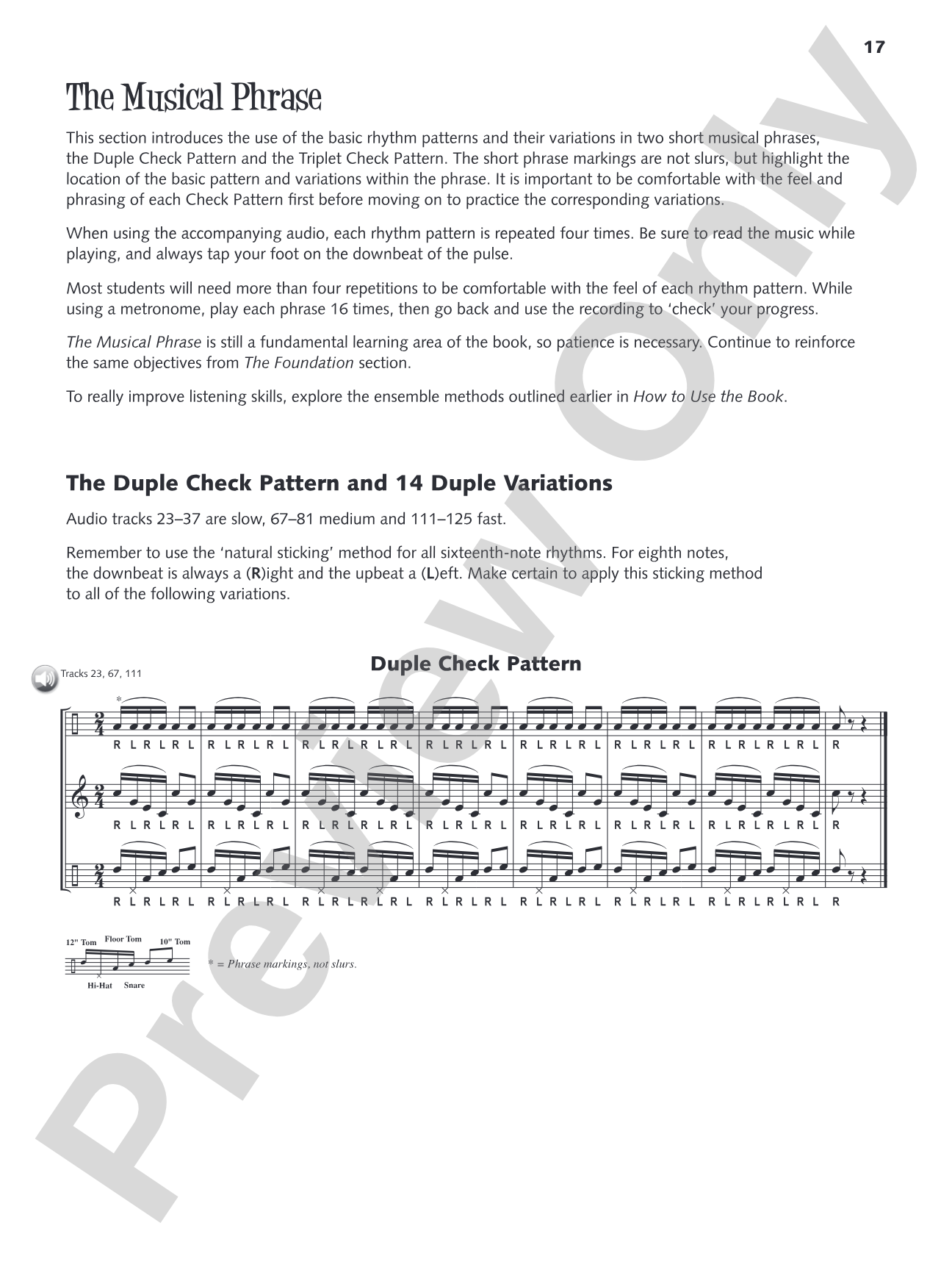
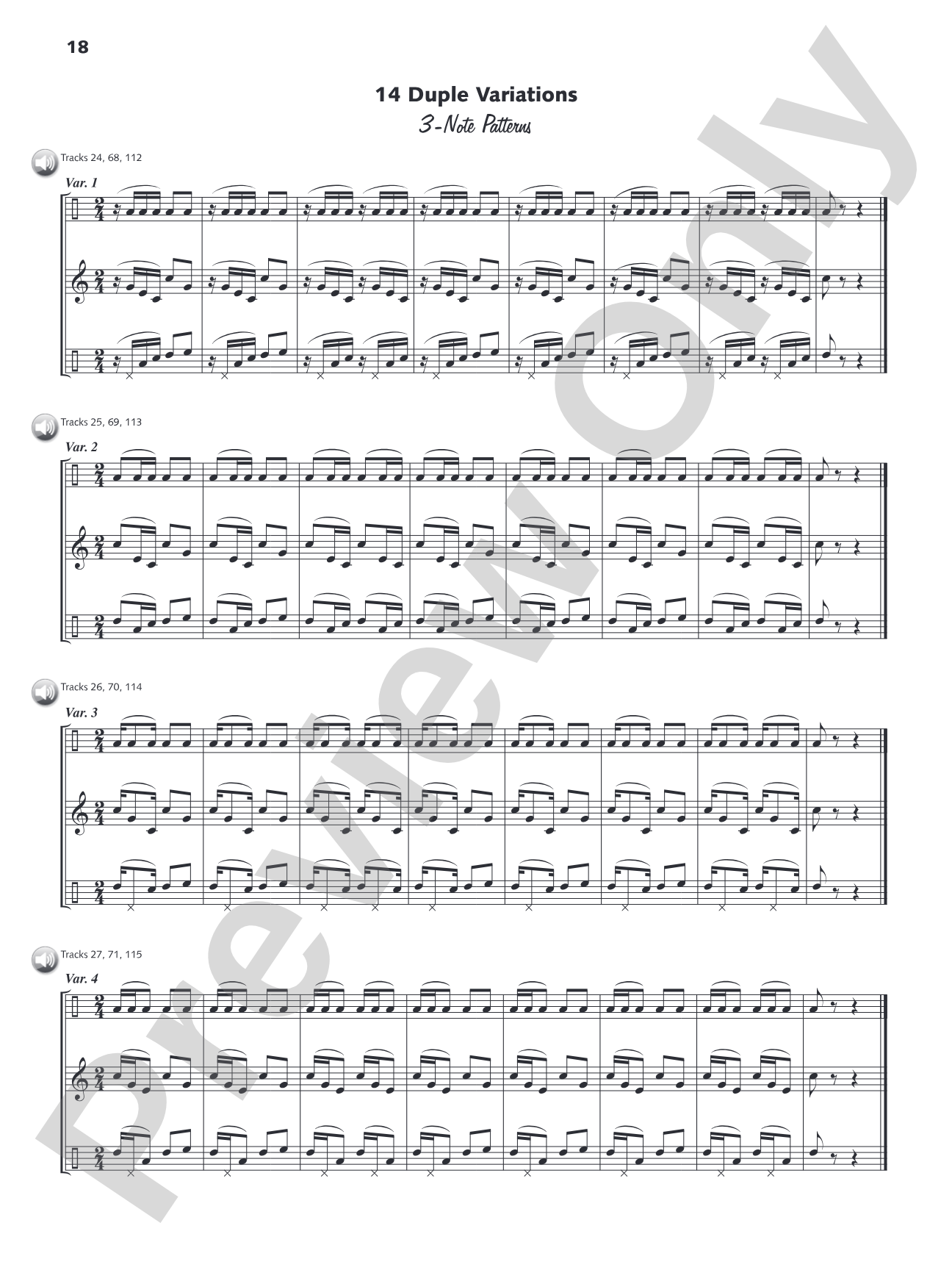
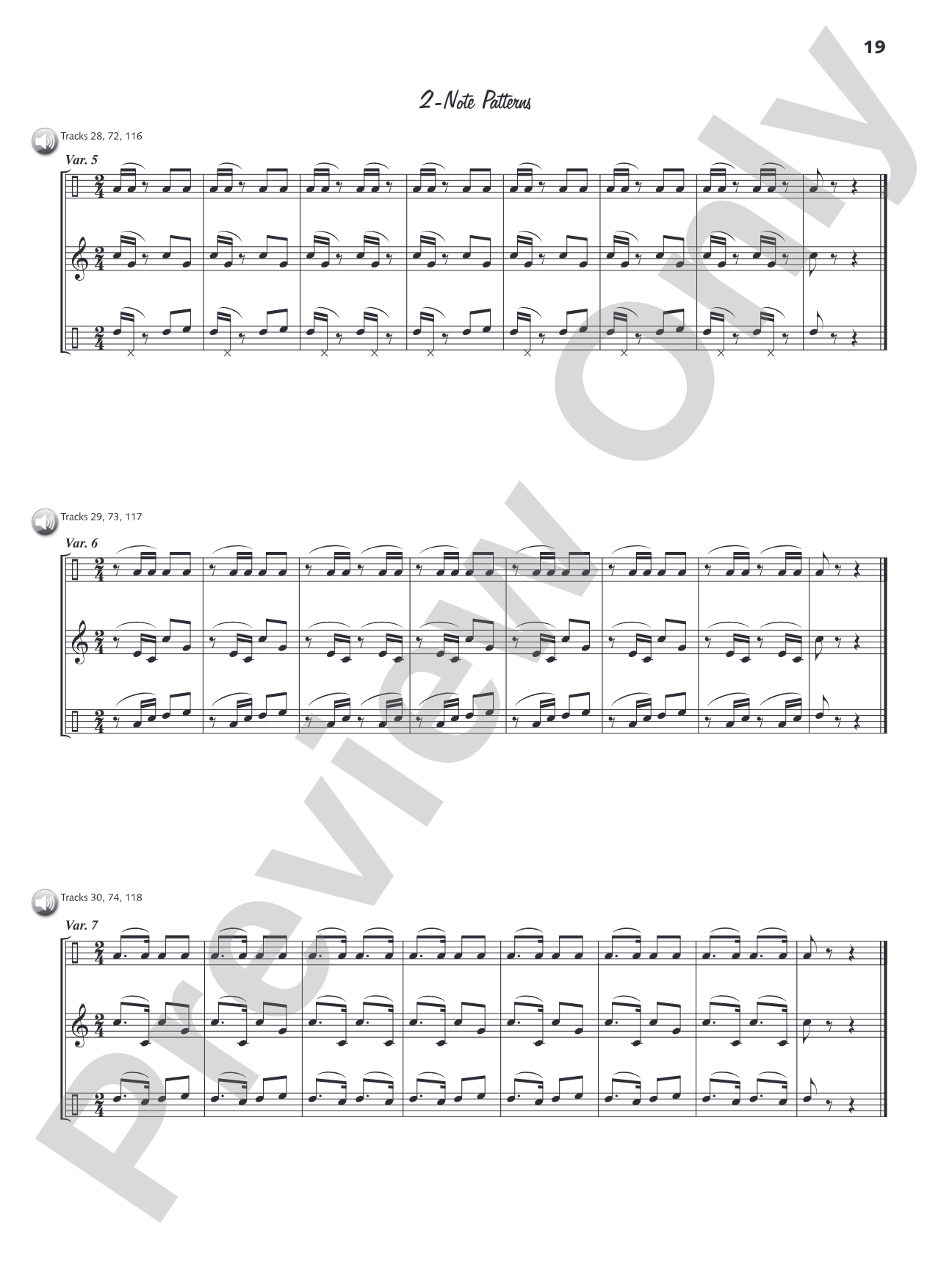
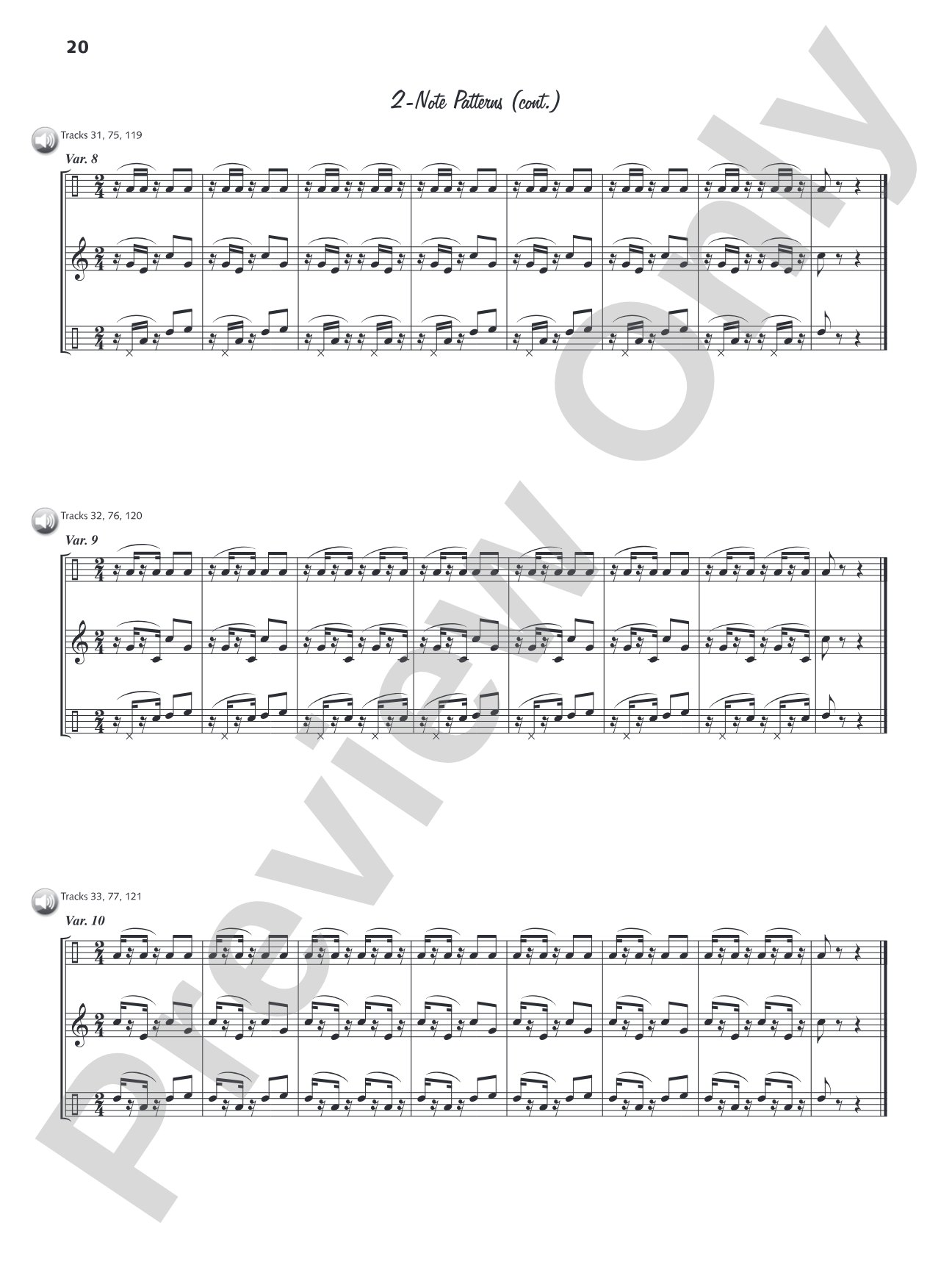
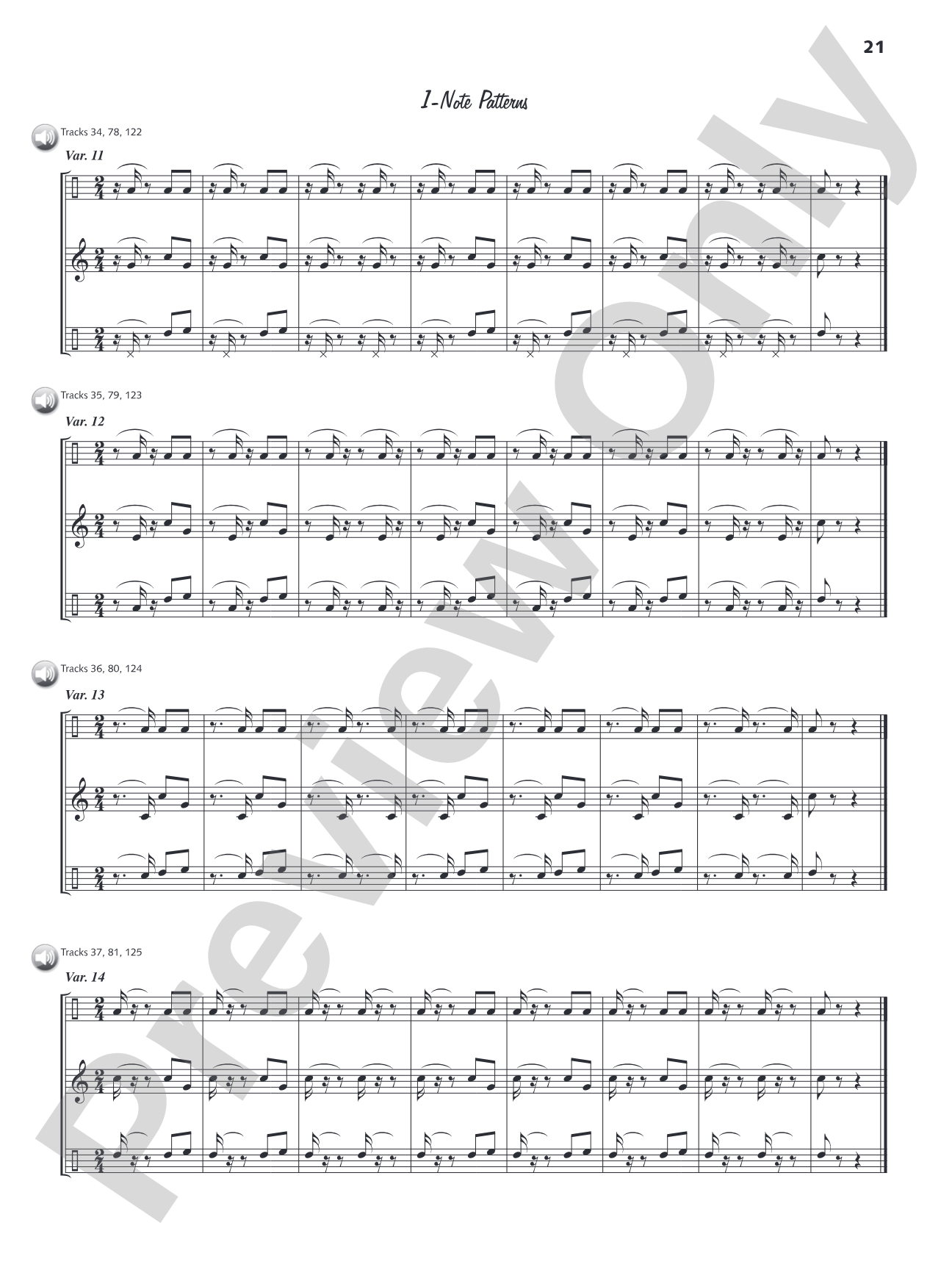
An ideal book for private lessons, small group instruction or percussion ensemble rehearsals, A Percussionist's Guide to Check Patterns focuses on mastering the essential basics of reading and controlling one-beat rhythmic patterns. It provides a systematic approach to sticking duple- and triplet-based rhythms that all beginning to advanced percussionists encounter in everyday music. All musical examples are written for non-pitched percussion, keyboards and drumset, and the step-by-step presentation is guaranteed to improve syncopation control and coordination.
"It is pleasing to listen to, well constructed, and the virtuosic aspects should be highly effective for the audience."
Jeff Moore, Percussive Notes


"It is pleasing to listen to, well constructed, and the virtuosic aspects should be highly effective for the audience."
Jeff Moore, Percussive Notes
A Percussionist's Guide to Check Patterns: Building a Fundamental Rhythmic Vocabulary isn't in MakeMusic Cloud just yet...but it could be. Let us know you'd like to see it, and you'll help shape what comes next. In the meantime, start a free trial and dive into thousands of interactive titles your students can play along with today.
Request This Title
Tell us you want it.
Start Your Free Trial
Explore everything that's ready to play right now.
Sample Audio
No sample audio found.
Sample Video
No sample videos found.
Additional Details
Publisher:
Alfred Music
Page Count:
104
SKU:
00-PB-0001826
More about this title
About the Composer: Thom Hannum
Thom Hannum is a percussion educator and author whose work centers on building technical foundations for drummers and percussionists. His writing emphasizes systematic, step-by-step approaches to rhythm mastery, making complex sticking patterns accessible to students at all levels.
Hannum's pedagogical philosophy values clarity and measurable progress. His materials are widely used in private lessons and ensemble settings because they translate abstract rhythmic concepts into concrete, playable exercises.
Why we love this
This book fills rehearsal time with purpose. Rather than working through generic rudiments, your students tackle the specific rhythmic patterns they'll actually encounter in jazz, pop, classical, and contemporary music. The systematic progression from simple to complex means every player, regardless of ability, finds exactly where they need to work.
What to expect
Working through this book is deliberate and rewarding. Each exercise builds on what came before, so progress feels tangible rather than abstract. The patterns demand focus and precision, but Hannum's layout makes every page feel manageable rather than overwhelming.
Who it's for
Beginning through advanced percussionists benefit from this systematic approach. Drumset players preparing for jazz, fusion, or contemporary contexts find targeted sticking solutions. Percussion ensemble members and keyboard players also gain solid rhythmic control through the non-pitched percussion examples included throughout.
How to get the most out of it
- Start with the stickings written on the page. Memorizing patterns comes later; first priority is accuracy with the notation in front of you.
- Isolate the coordination challenges. If your hands and feet aren't syncing cleanly on a particular pattern, slow it down and repeat that single measure until it's solid.
- Record yourself playing through a section. Hearing the patterns back reveals rhythmic inconsistencies that feel fine in the moment but sound sloppy to an ear trained to listen critically.
- Transfer the patterns to different instruments once the sticking is secure. A pattern mastered on snare drum should transfer cleanly to vibraphone, timpani, or mallets on the kit.
How to use it
Use this as the spine of your private percussion lessons. Work through sections systematically over weeks or months, allowing students to internalize one rhythmic family before moving to the next. In ensemble settings, pull specific patterns that relate to repertoire your ensemble is learning, turning rehearsal problems into focused technical work with a written resource students can reference.
Skills your students will build
- Reading and executing duple-meter check patterns (eighth notes, sixteenths, syncopation)
- Reading and executing triplet-based check patterns with consistent sticking control
- Hand-foot coordination in rhythmic contexts ranging from simple to complex
- Syncopation control across both pitched and non-pitched percussion instruments
- Translating sticking patterns from one instrument to another
- Tempo stability and rhythmic precision with repeated pattern work