
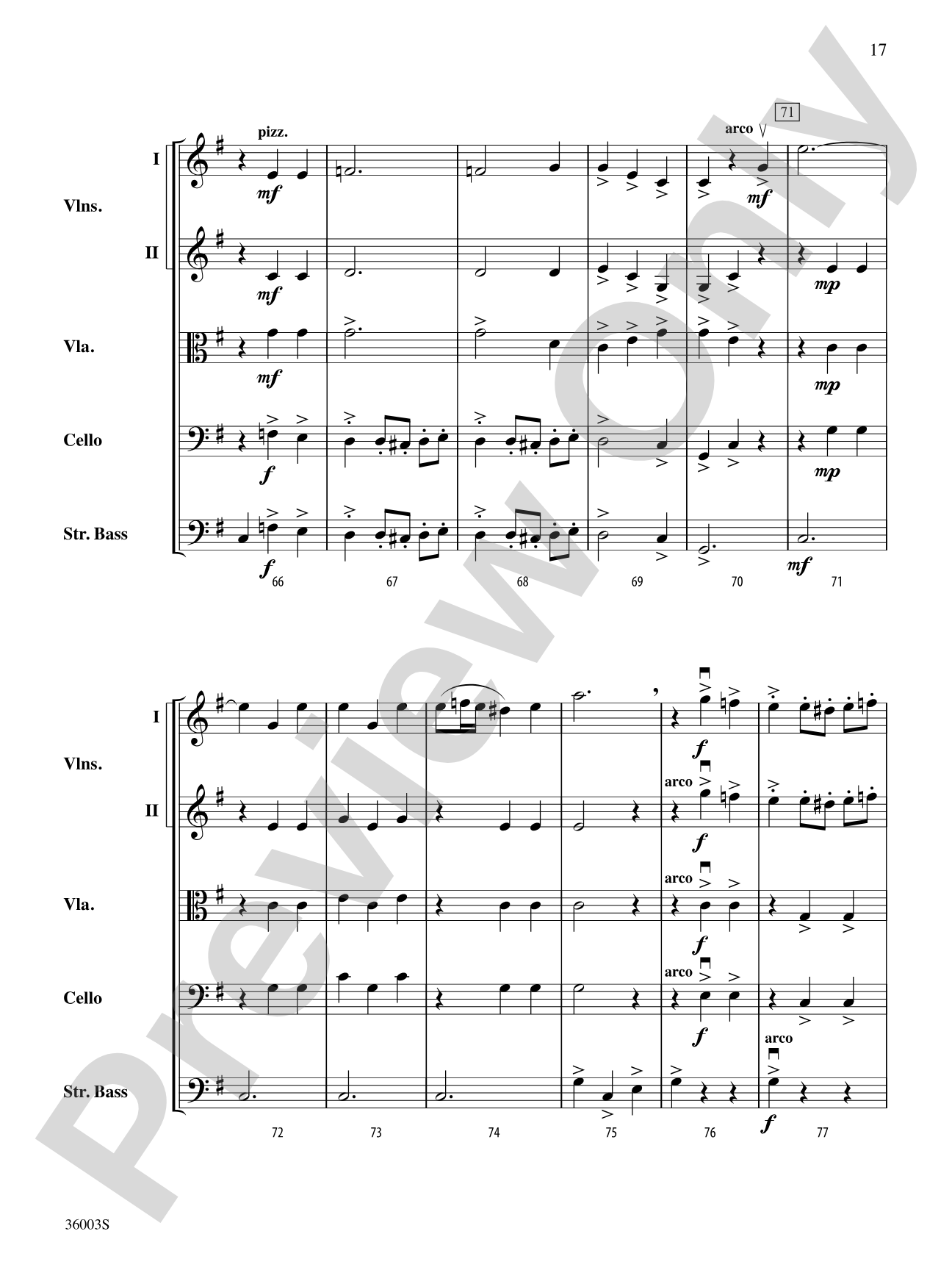
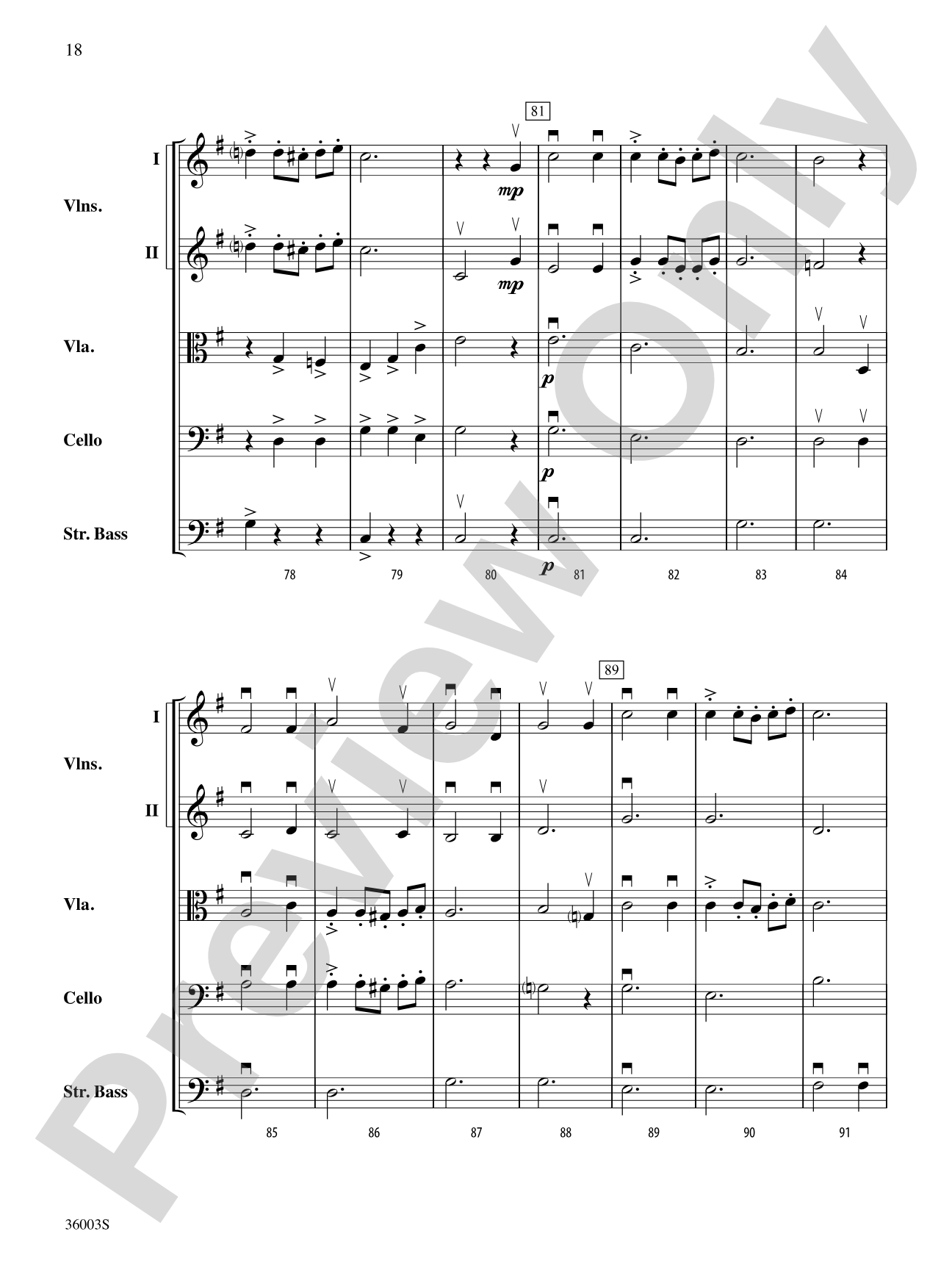
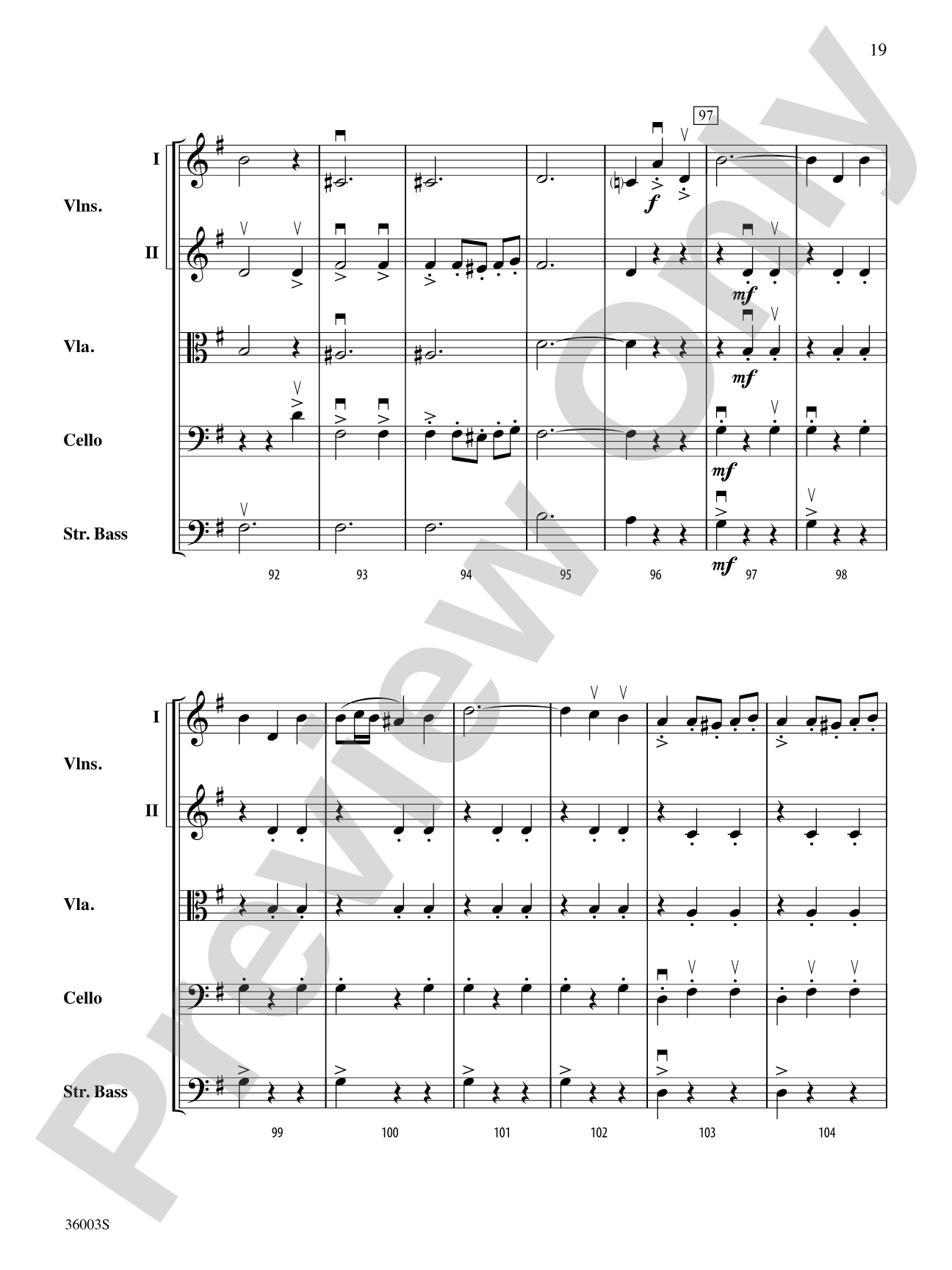
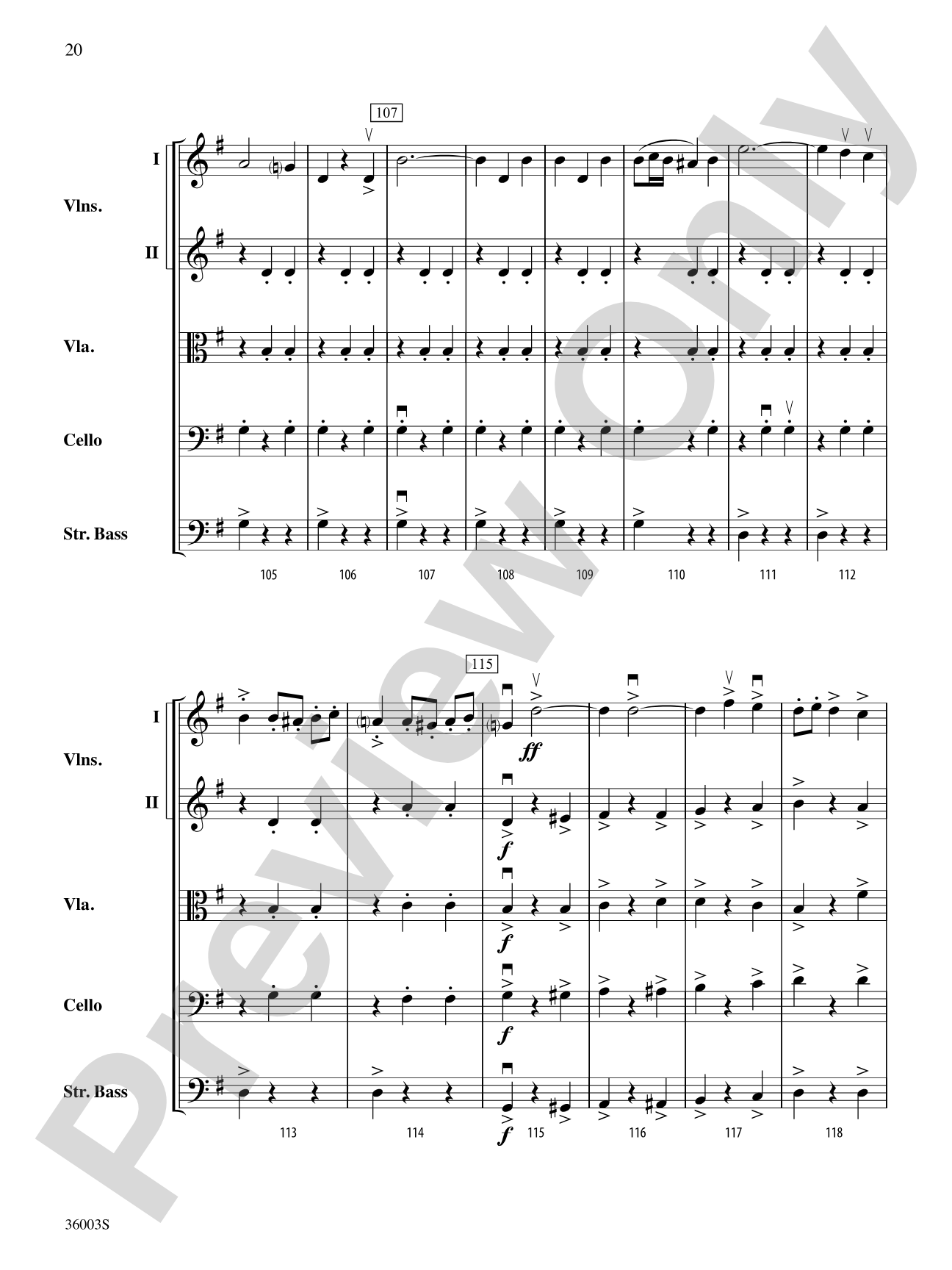




A Night at the Opera: String Orchestra Conductor Score & Parts
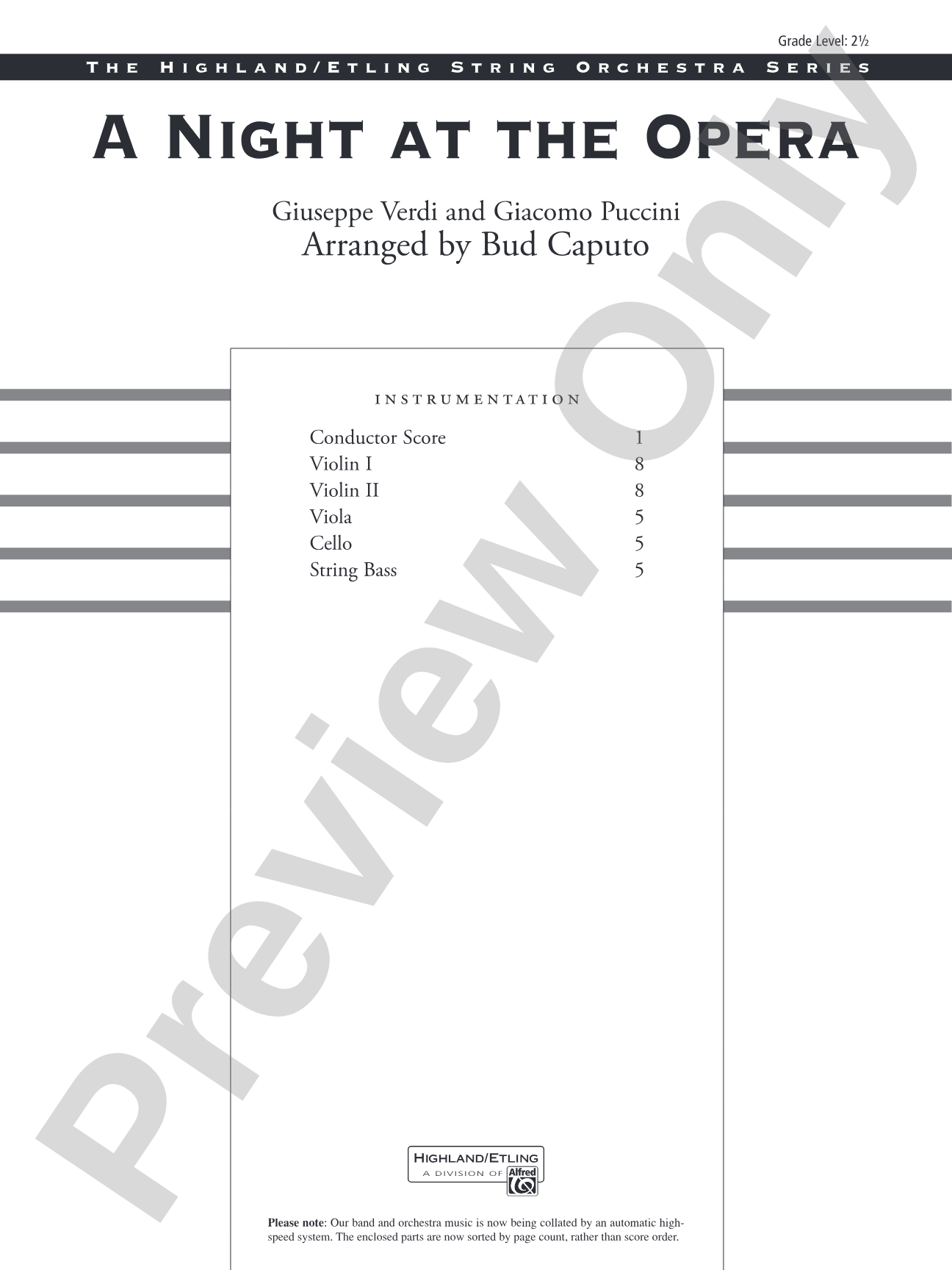
By Giuseppe Verdi and Giacomo Puccini / arr. Bud Caputo
Grade: 2.5
Item: 00-PK-0004789

$56.00
Pickup currently not available
Buy Extra Parts (Digital PDF Download)
| Product | Price | Quantity |
|---|---|---|
| A Night at the Opera: Score | $10.00 | |
| A Night at the Opera: 1st Violin | $5.99 | |
| A Night at the Opera: 2nd Violin | $5.99 | |
| A Night at the Opera: Viola | $5.99 | |
| A Night at the Opera: Cello | $5.99 | |
| A Night at the Opera: String Bass | $5.99 |
Parts Added to Cart!
Description
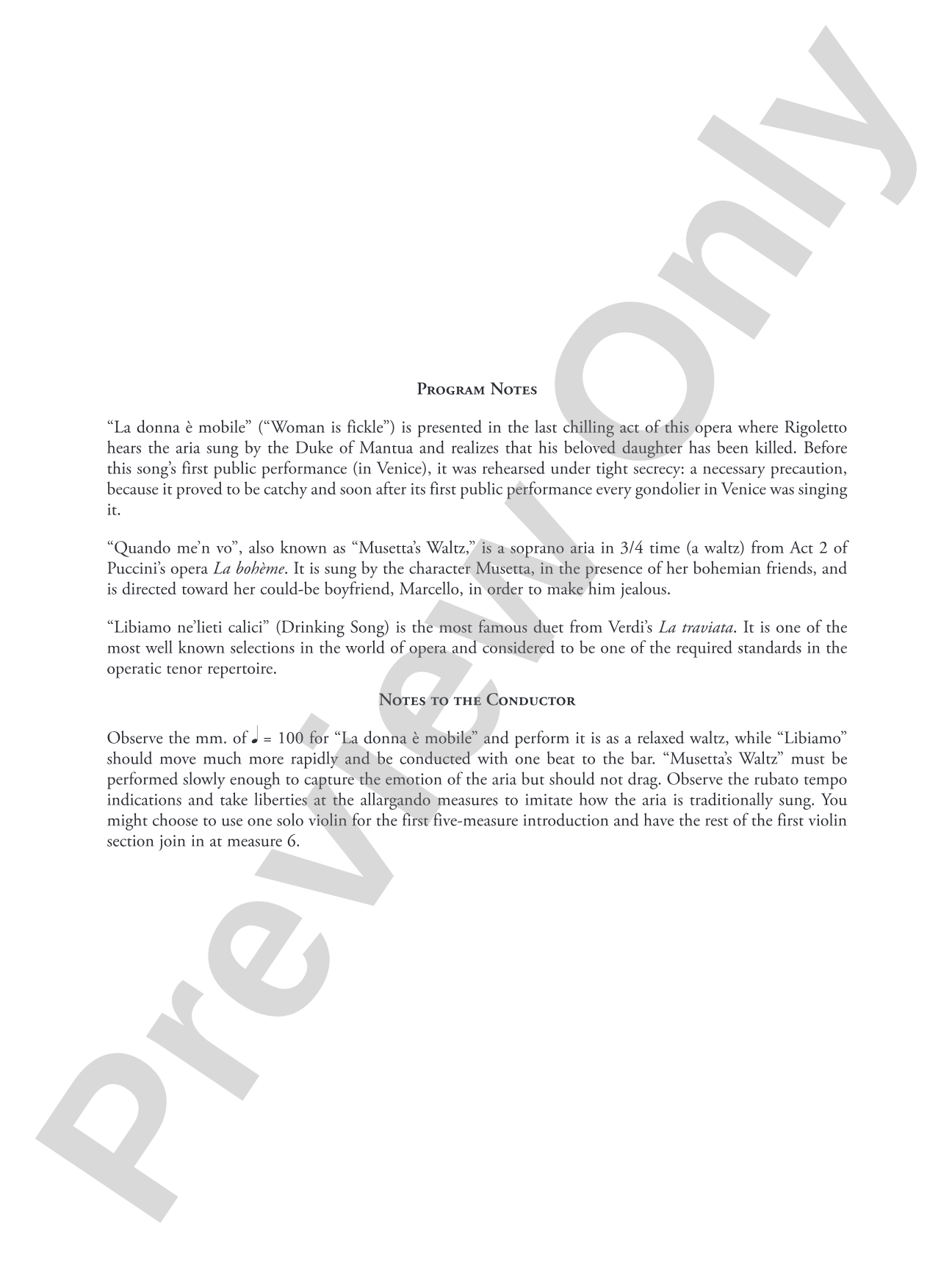
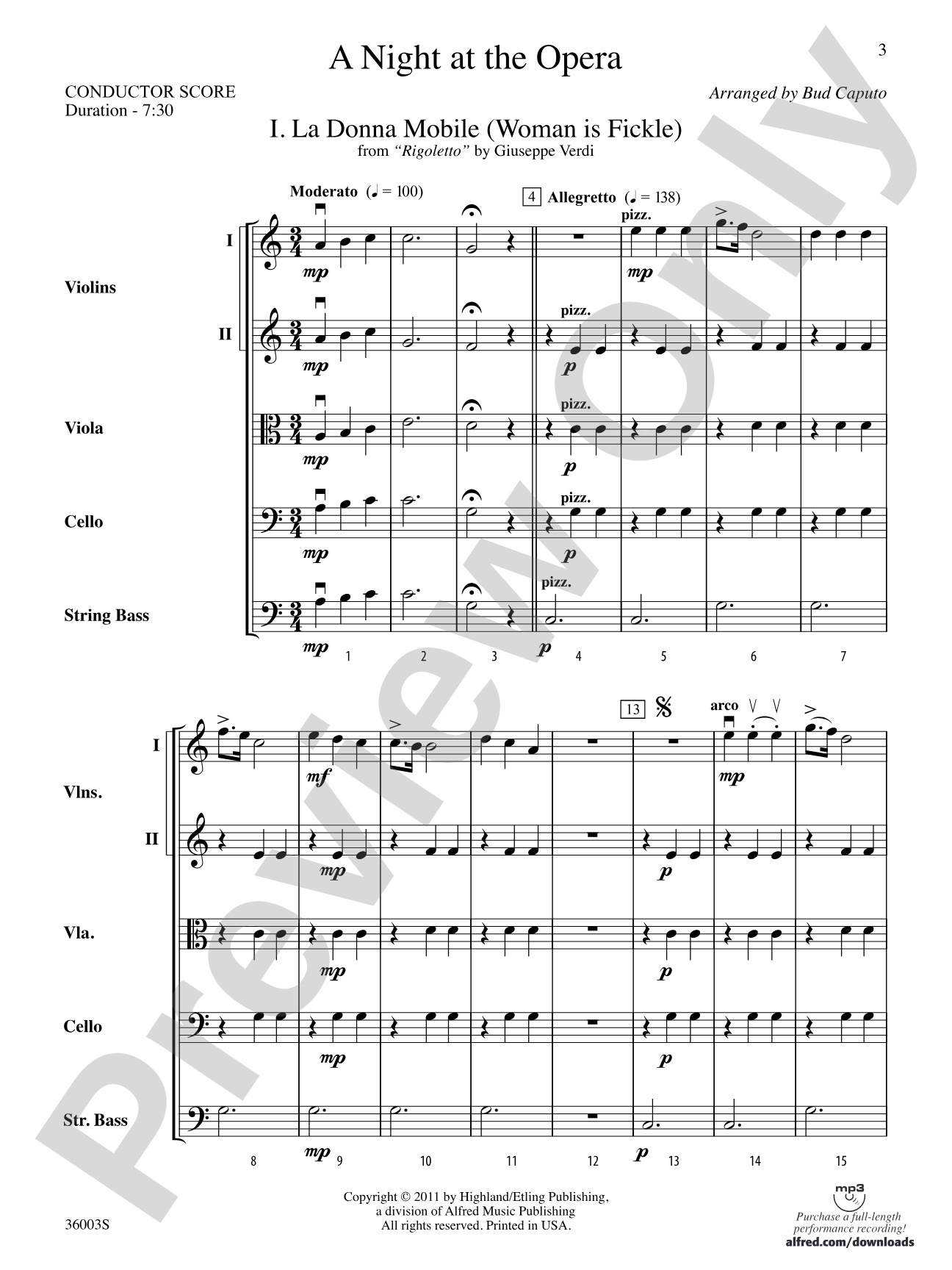
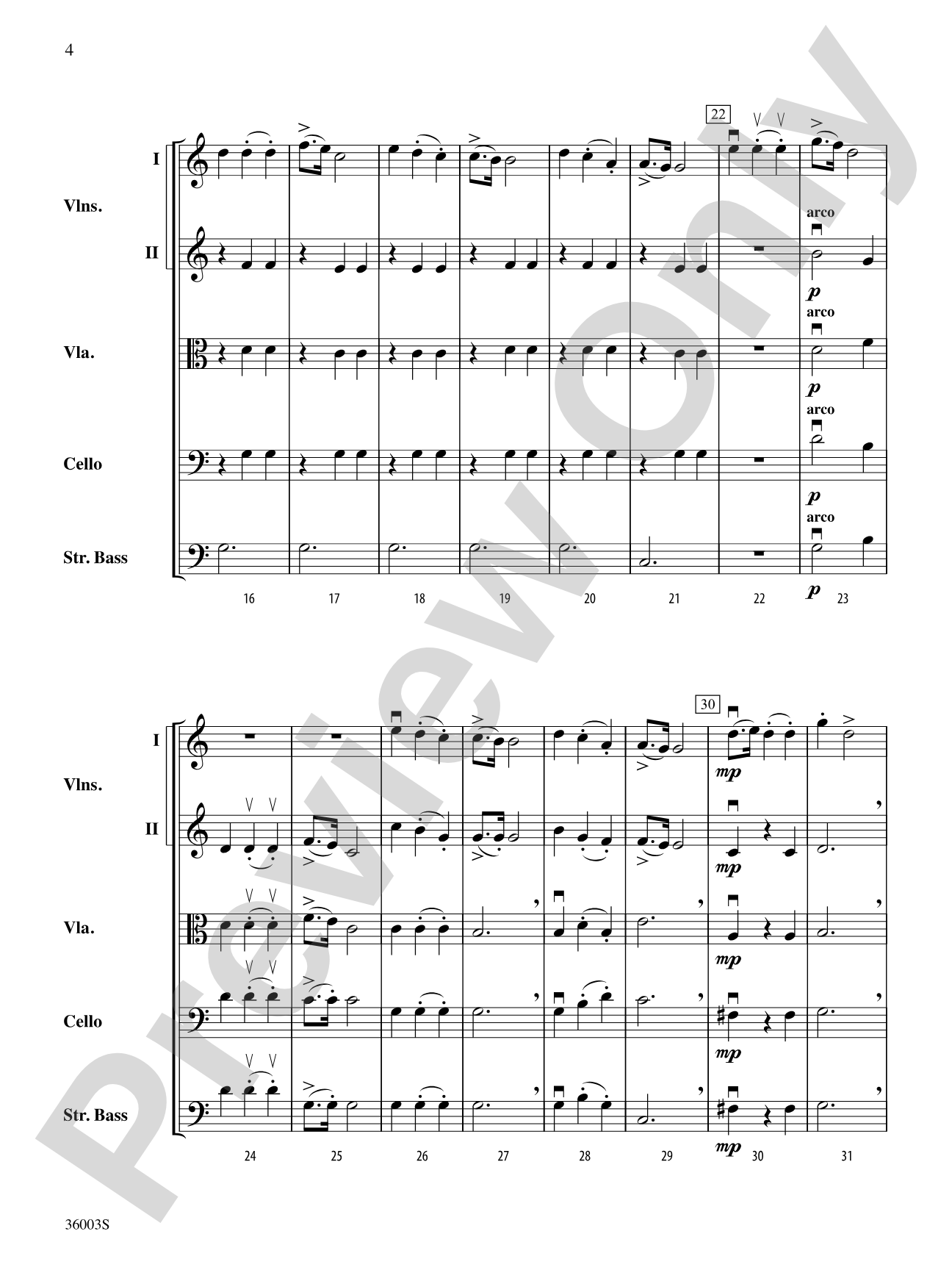
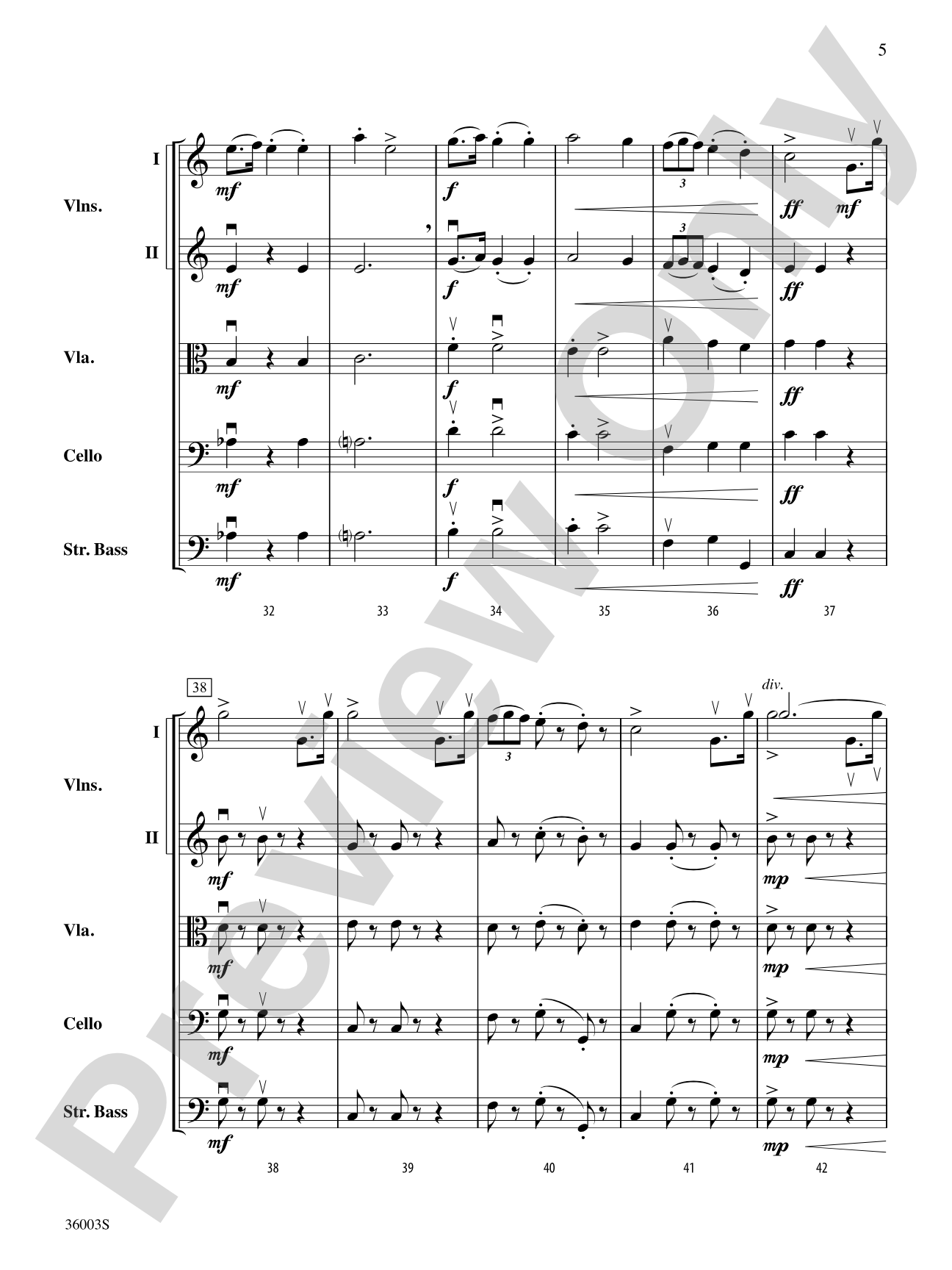
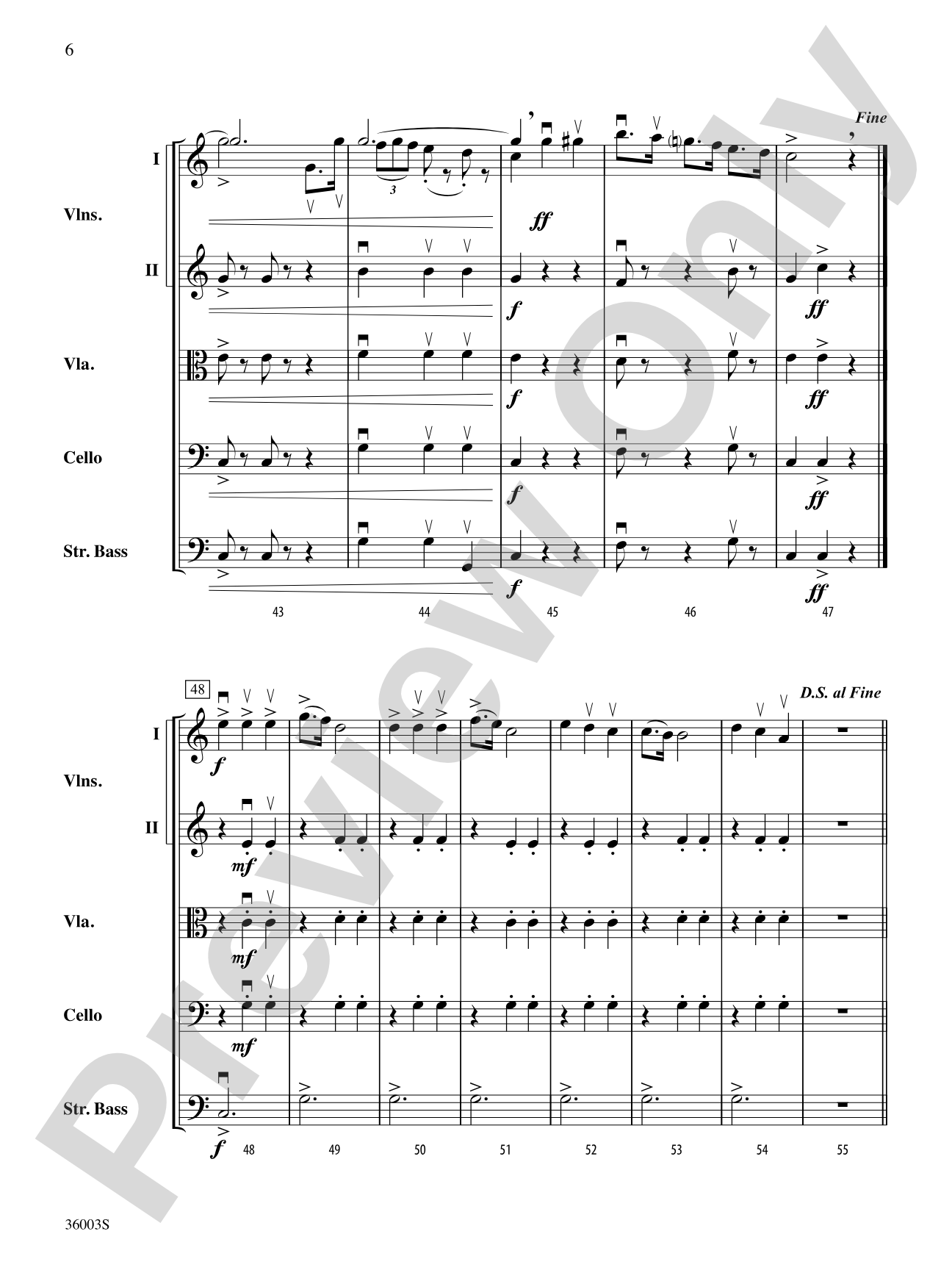
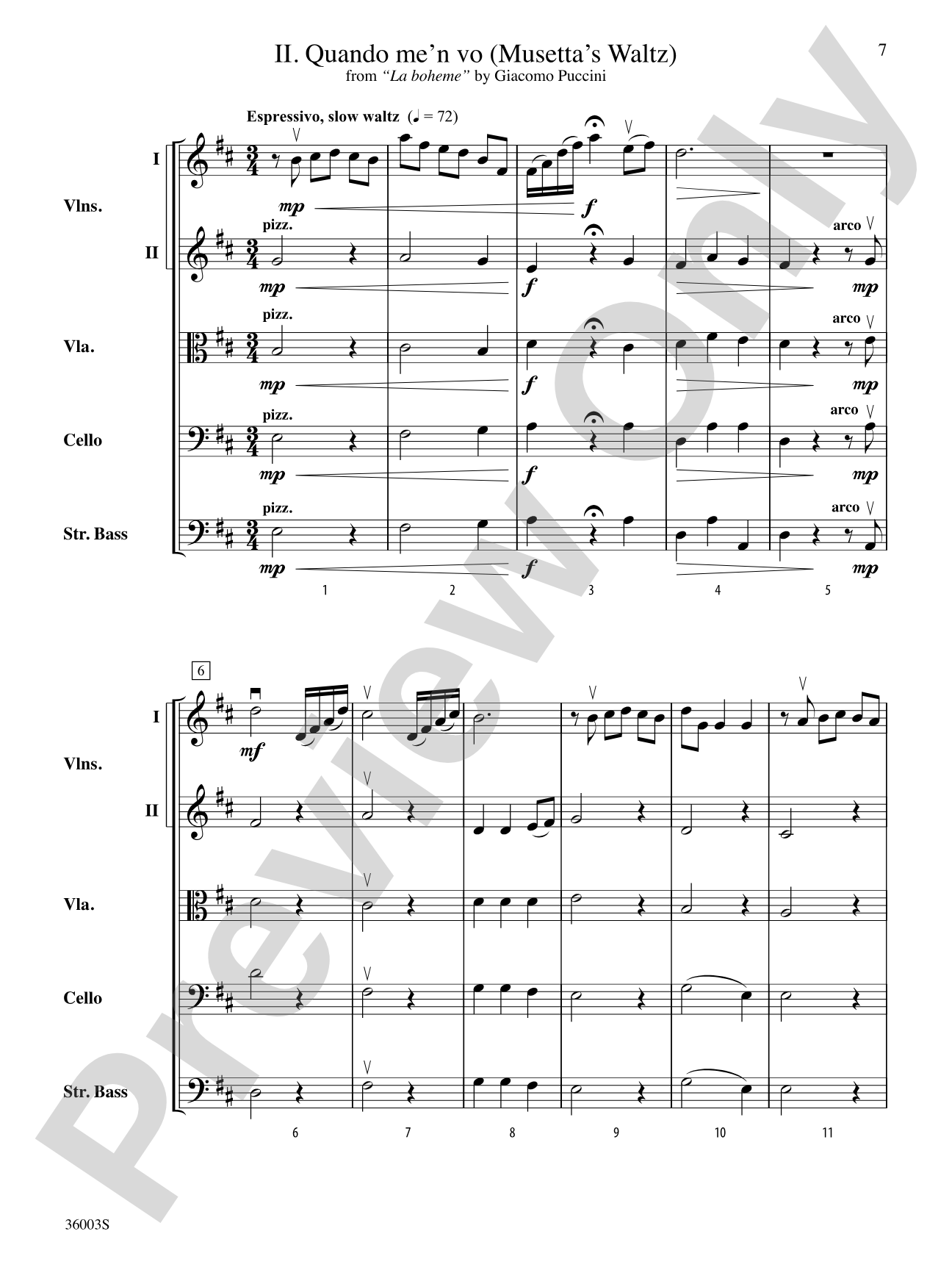
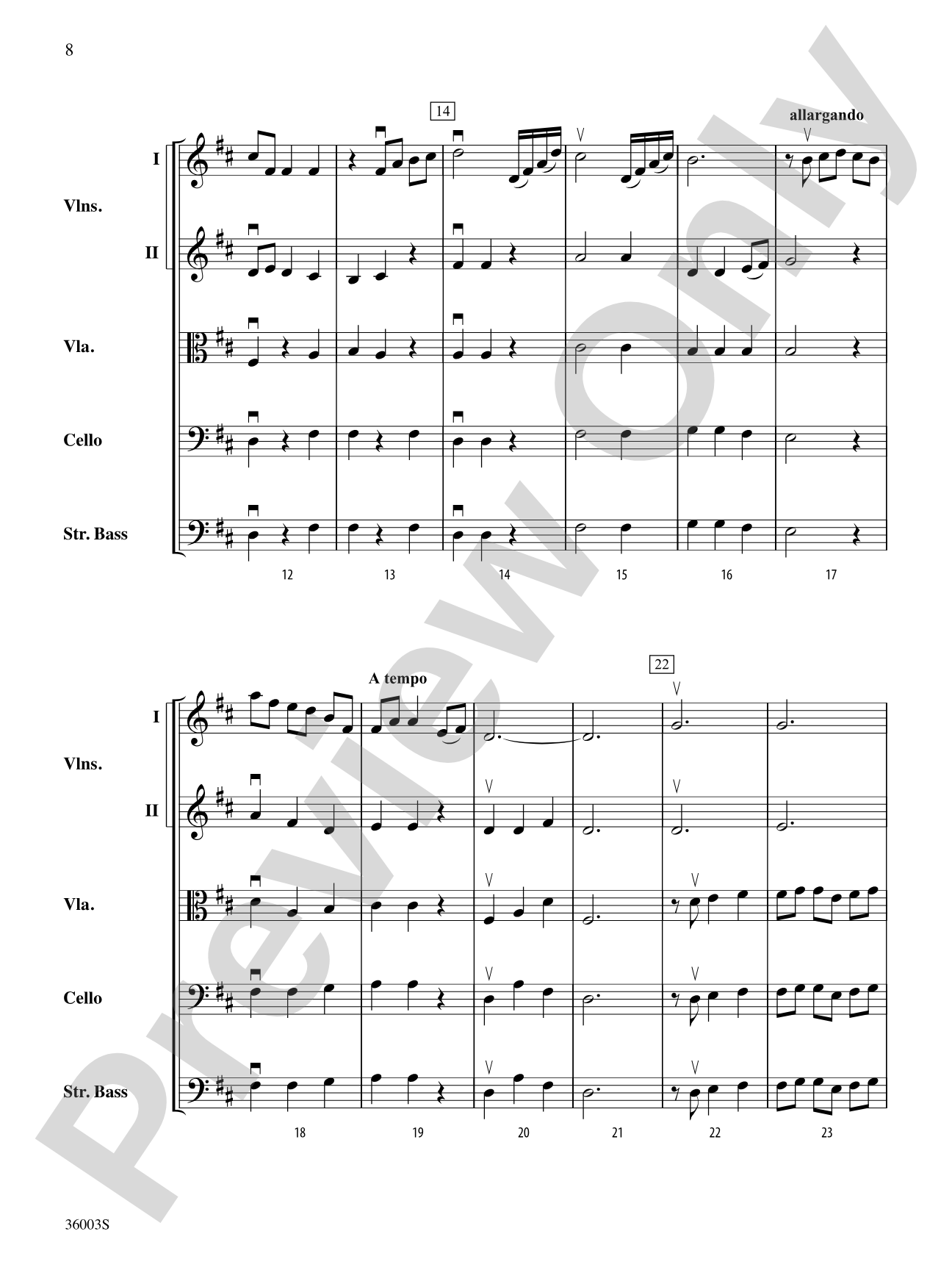
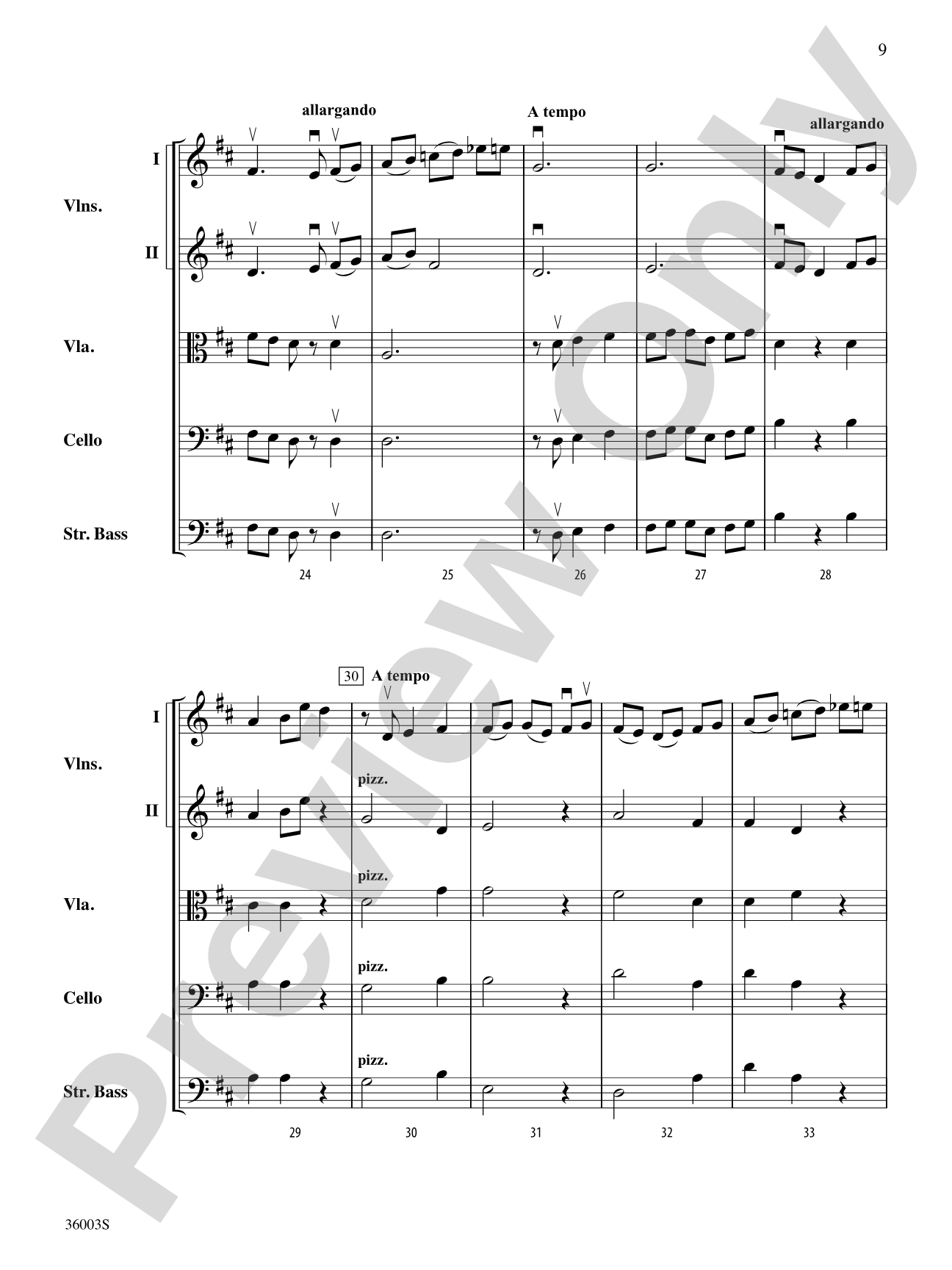
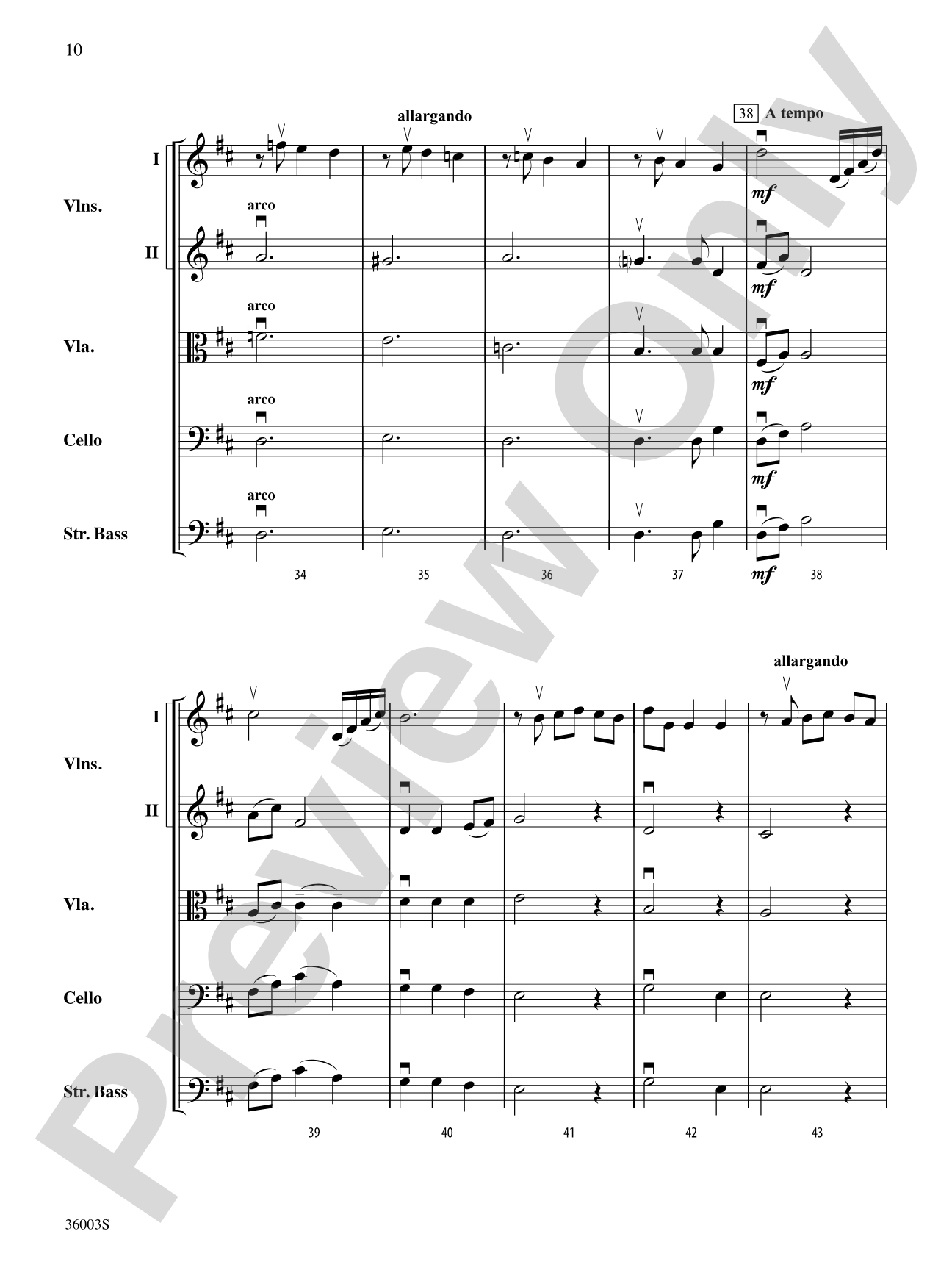
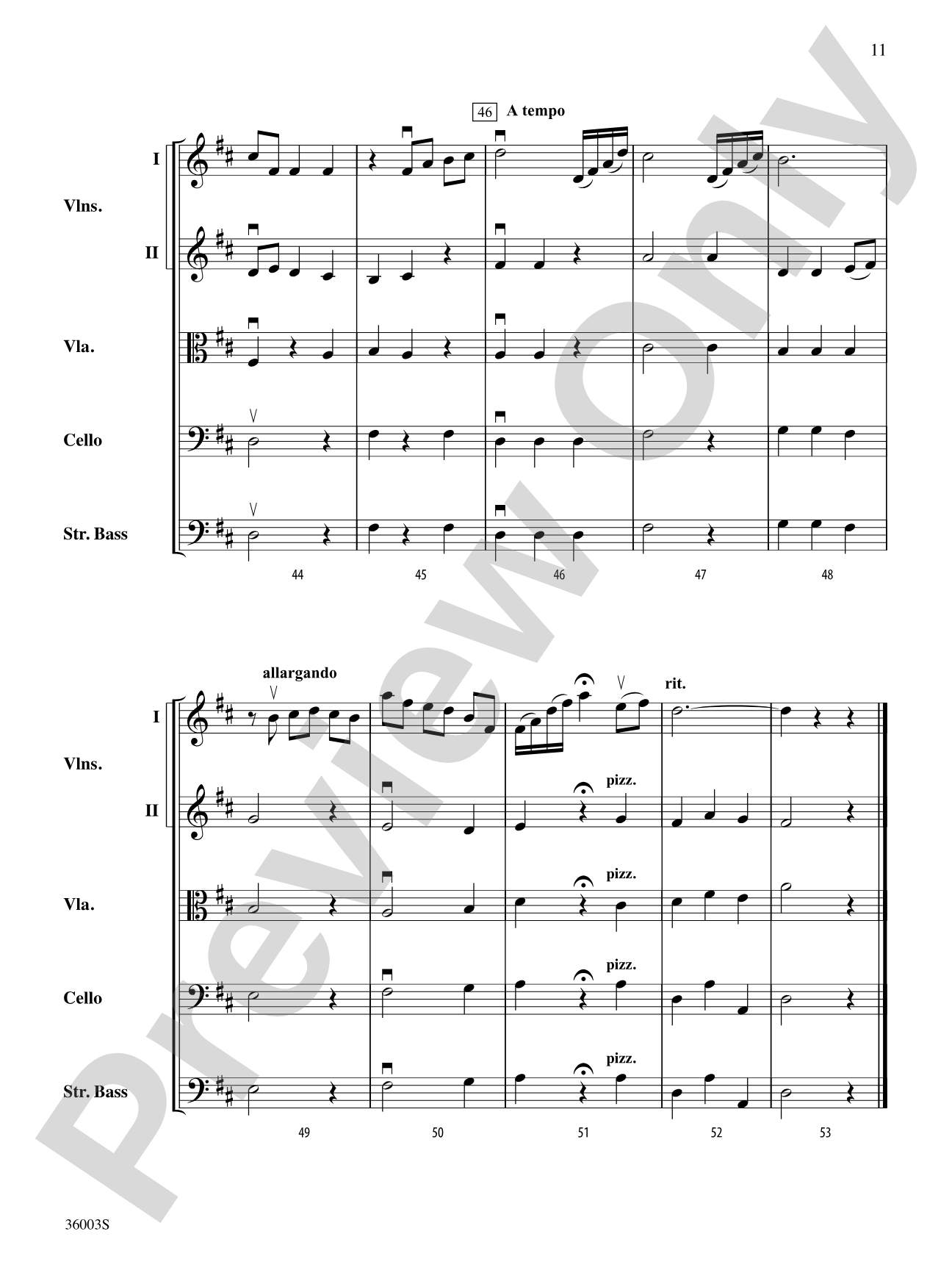
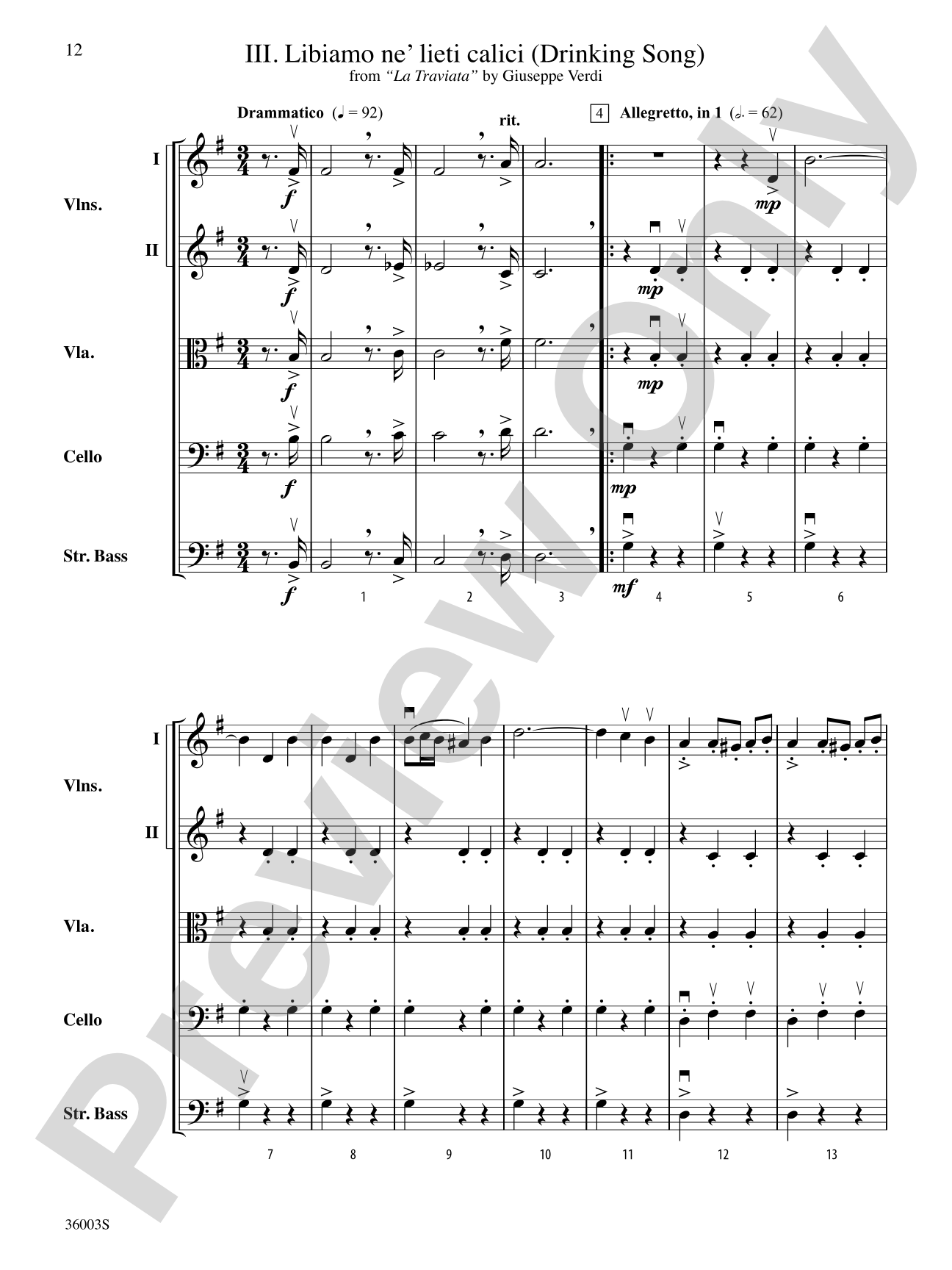
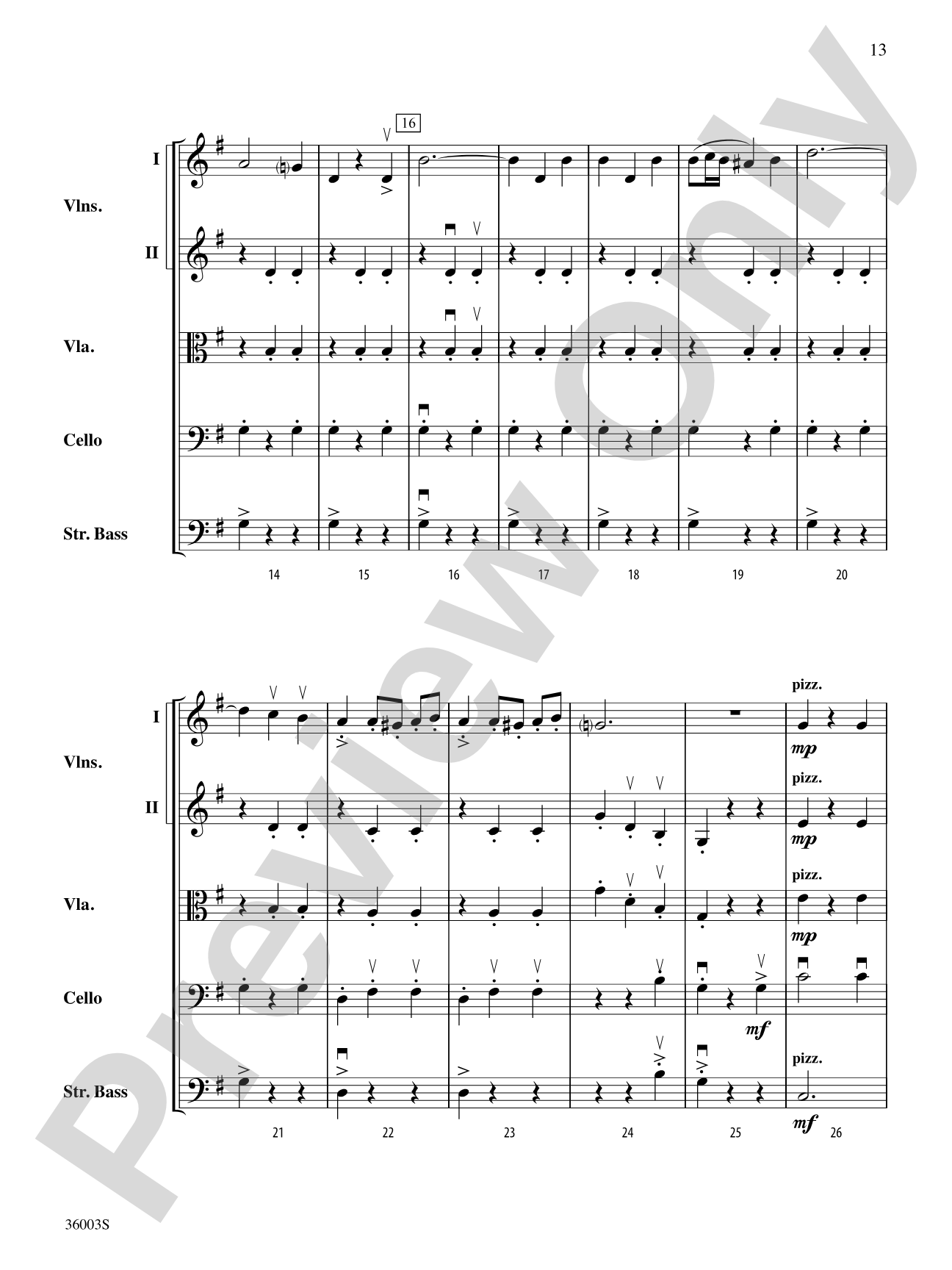
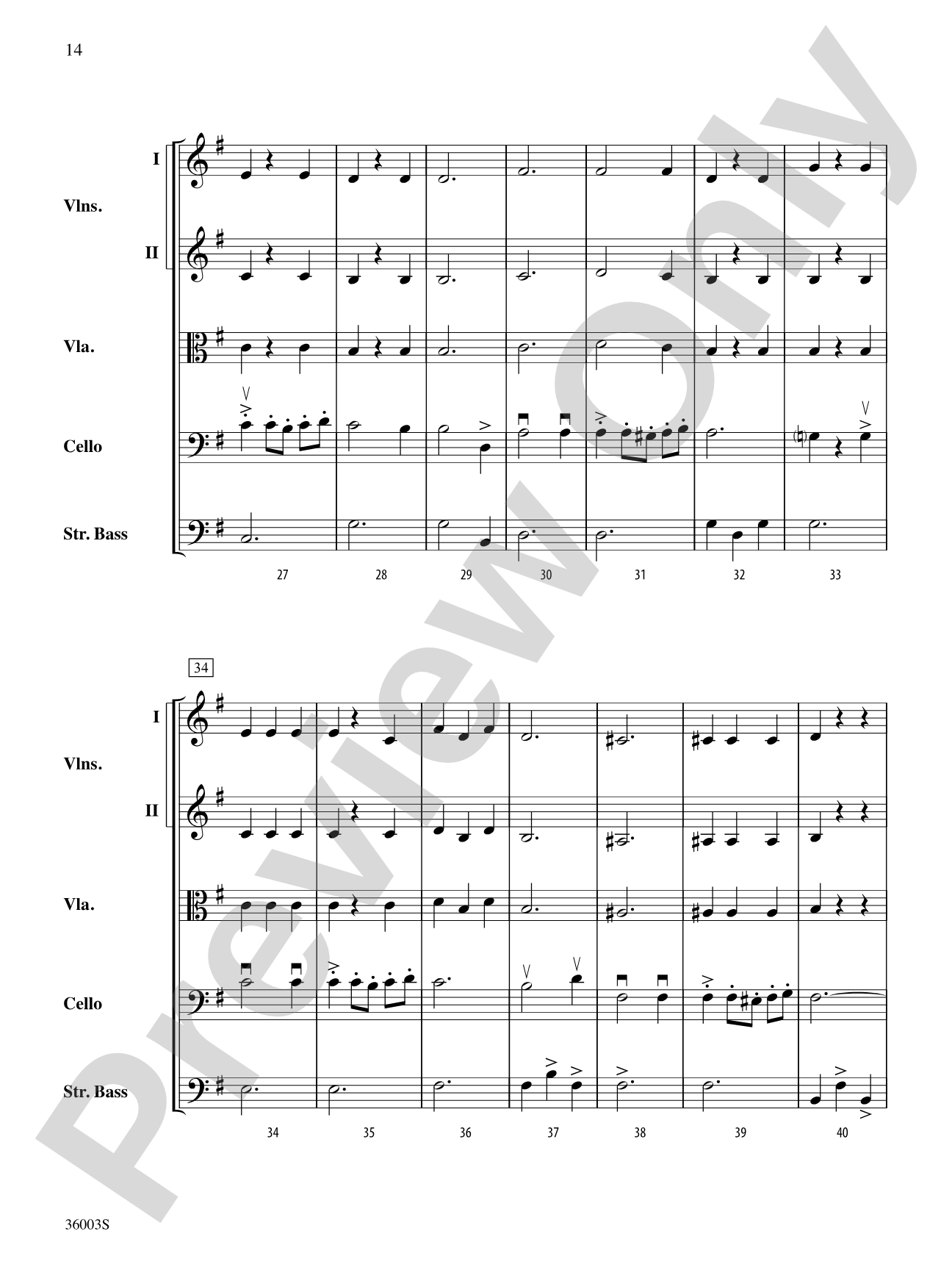
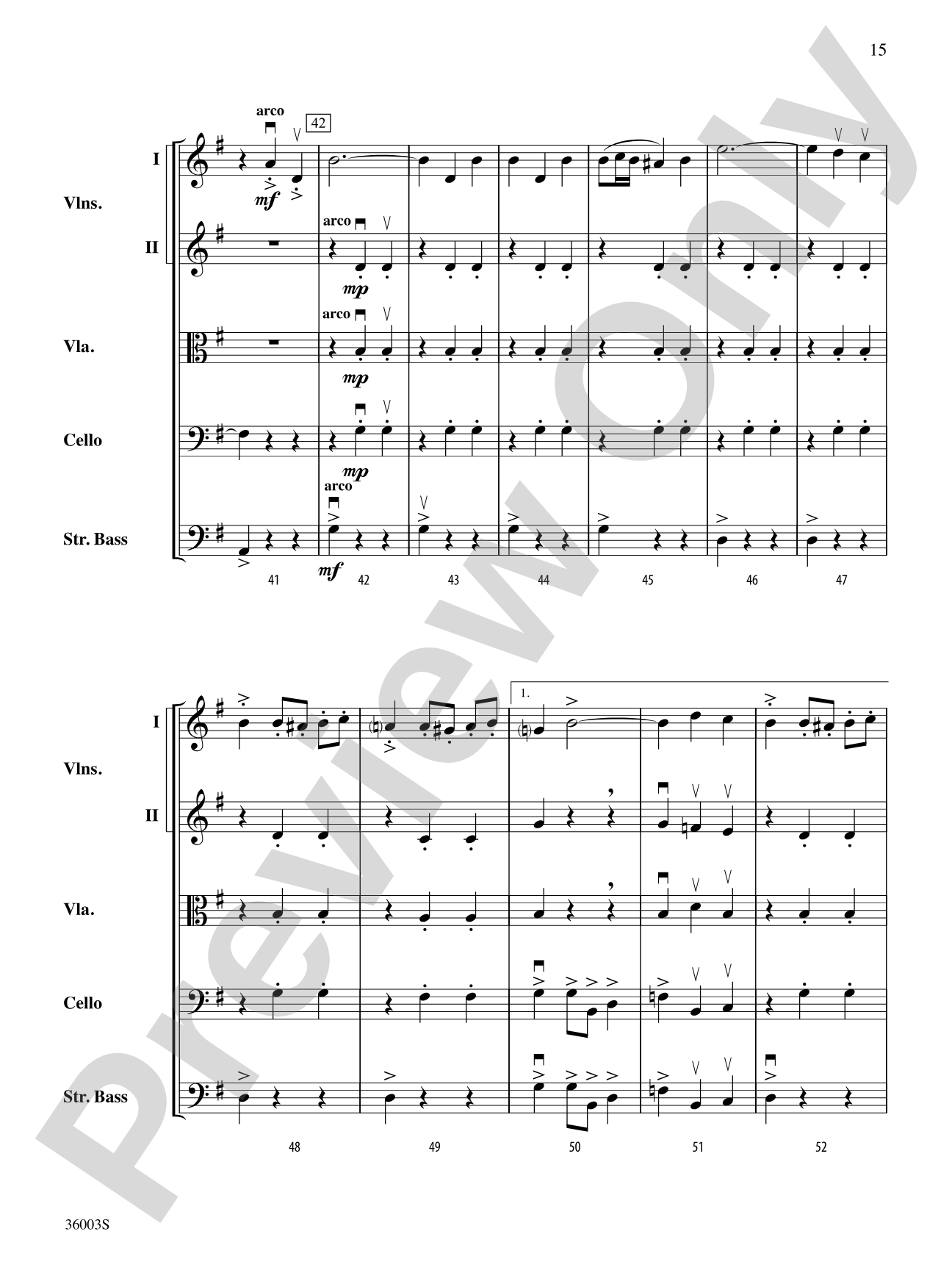
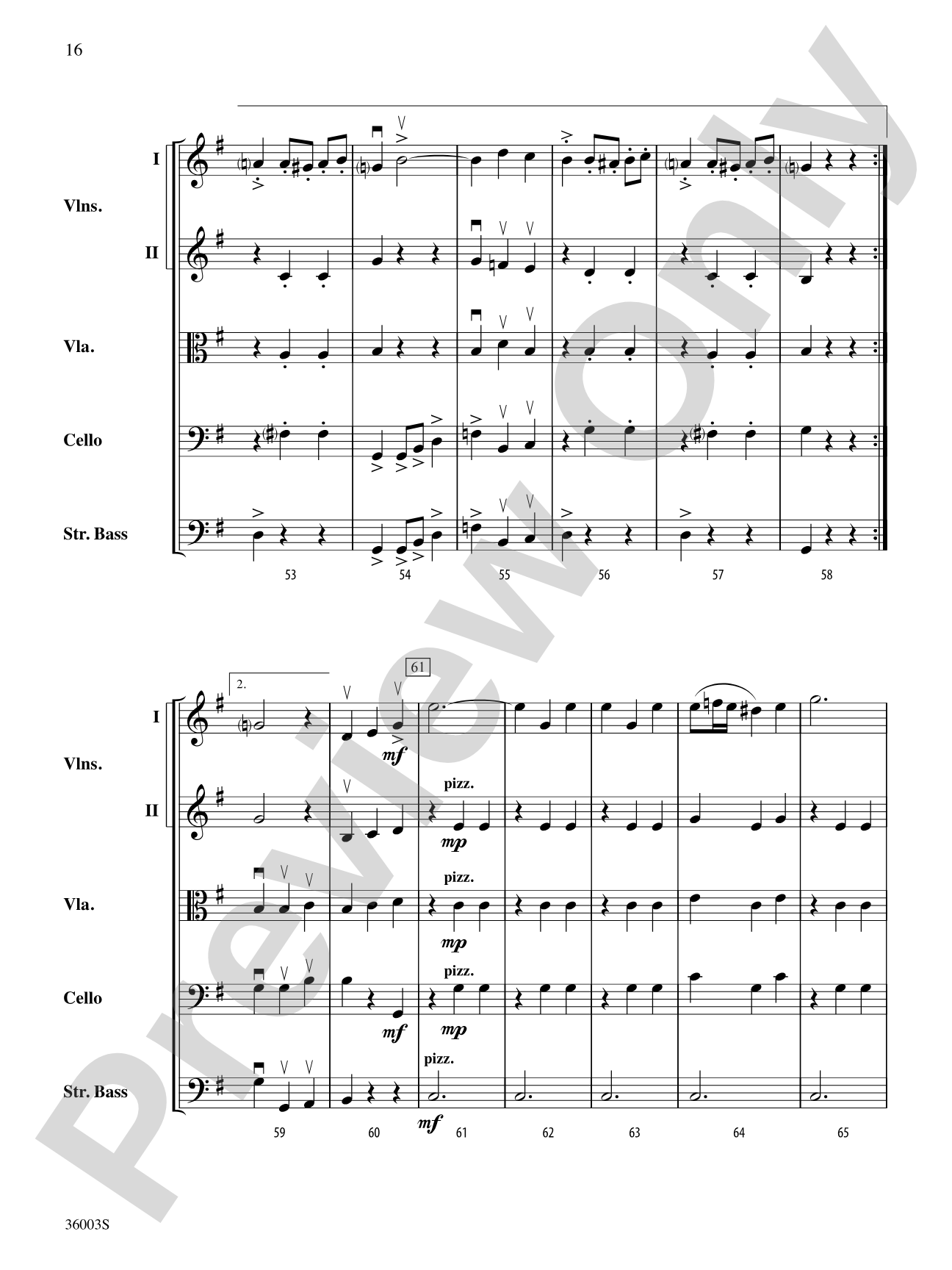
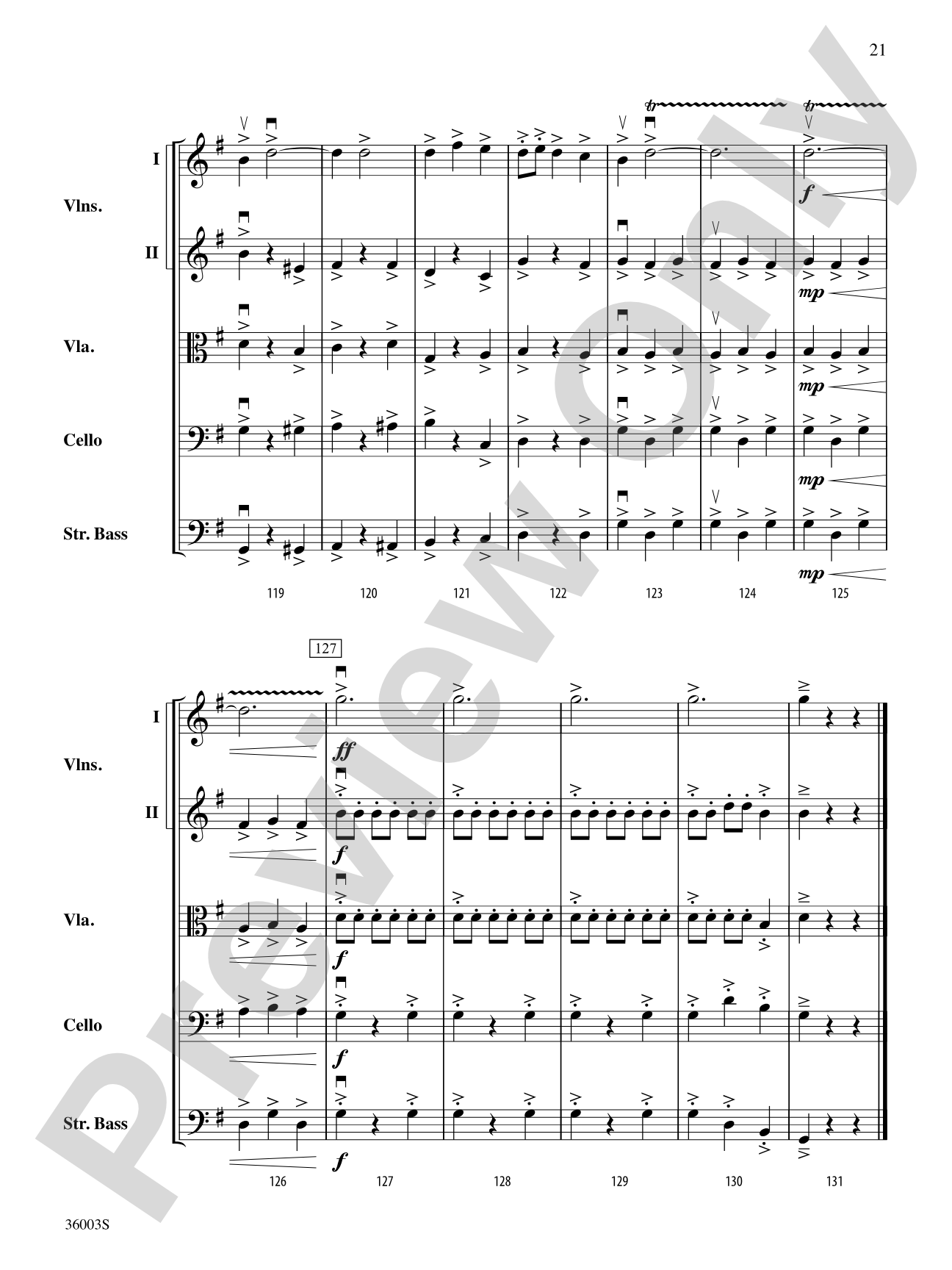
Three of the most memorable operatic vocal arias are presented here for young strings. The arias are set in comfortable keys and remain in first position. Your audiences will appreciate hearing these familiar tunes from the world of Italian Grand Opera, which are performable as separate movements or as a small suite. Features "La Donna Mobile" from Rigoletto, "Quando me'n vo (Musetta's Waltz)" from La Boheme, and "Libiamo ne'lieti calici" from La Traviata.
Students will be additionally challenged as they work to follow the conductor's rubato interpretations that characterize the style of Musetta's Waltz, and strive to create a wide range of dynamics that are required for the dance-like rollicking flow of the other two waltzes.


Students will be additionally challenged as they work to follow the conductor's rubato interpretations that characterize the style of Musetta's Waltz, and strive to create a wide range of dynamics that are required for the dance-like rollicking flow of the other two waltzes.
Don't just read it, hear it, play along with it, and watch your students grow with it. In MakeMusic Cloud, A Night at the Opera: String Orchestra Conductor Score & Parts comes alive with professional accompaniment, adjustable tempo, and built-in practice tools that turn solo practice into real progress.
Open in the Player
Jump straight in and assign it today.
Start Your Free Trial
Open this title and explore the full library in minutes.
Sample Audio
1
Audio File
--:--
0:00
0:00
Sample Video
No sample videos found.
Additional Details
Series:
Highland/Etling String Orchestra
Publisher:
Alfred Music
Page Count:
124
SKU:
00-PK-0004789
Instrumentation:
string
More about this title
About the Composer: Giuseppe Verdi
Giuseppe Verdi (1813–1901) stands as the defining voice of Italian opera, a composer whose works reshaped the genre across the 19th century. His mastery of melody, dramatic pacing, and orchestration made him a model for generations of musicians, and his operas remain central to repertoire worldwide. For string students, Verdi's gift for soaring, memorable themes offers an accessible entry point into the operatic tradition and the expressive possibilities of sustained melodic playing.
Why we love this
Young string players rarely get to perform music this broadly recognizable, and the psychological lift of playing melodies their audiences already know is genuine. Bud Caputo's arrangements preserve the character and appeal of these arias while keeping the technical demands in first position, making this ideal for building confidence and musicality without asking students to master new fingerboard territory.
What to expect
Each movement radiates the theatrical elegance and lyrical warmth of Italian Romantic opera. The opening La Donna is buoyant and confident; Musetta's Waltz sways with graceful sentiment; the final drinking song from La Traviata sparkles with festive, rollicking energy. Together, they transport an audience to a different era and artistic world.
Who it's for
String orchestras at the late beginner to early intermediate level who benefit from playing music with immediate cultural and artistic weight. This is ideal for young musicians ready to leave simple etudes behind and engage with genuine repertoire, whether for a spring concert, a string festival, or a community pops program.
How to get the most out of it
- Allow time in rehearsal for students to hear recordings of the original operatic arias; understanding the vocal context deepens their interpretation and helps them shape phrases with proper breath.
- Approach Musetta's Waltz with flexibility in tempo, modeling the rubato and subtle timing shifts that characterize the original. Young orchestras can achieve this effect through conductor cuing rather than complex notation.
- Shape the dynamic arc of each movement deliberately. The waltzes thrive on clear contrasts between soft passages and stronger tutti sections; mark these in parts so students know where the piece requires restraint and where it opens up.
- Balance the melody line across your first violin section so it carries warmly over the accompaniment. In operatic arrangements, the tune is everything.
How to use it
Program these three movements consecutively as a short suite to give your concert a moment of operatic color and historical depth, or space them across the program as contrasting intermission pieces. They work equally well as individual selections if you're building a thematic program or need distinct items for a festival appearance.
Skills your students will build
- Sustained, singing tone production across multiple measures
- Following conductor interpretation and tempo flexibility (rubato)
- Dynamic shaping and contrast (soft passages versus full sound)
- Phrase awareness and musical breathing aligned with vocal style
- First-position secure intonation at varying dynamics