A Night at the Ballet Cover Image

A Night at the Ballet: Piano Book

$9.99 USD
Sale price  $9.99 USD Regular price 
Skip to product information
A Night at the Ballet Cover Image

A Night at the Ballet: Piano Book

Stories of Great Ballets with Late Elementary to Early Intermediate Piano Arrangements

Arr. Margaret Goldston and Bernadine Johnson

Level: Late Elementary / Early Intermediate

Item: 00-17578

$9.99
Shipped

One moment…

Description
A Night at the Ballet will take piano students on a fascinating journey into the exciting world of ballet. It presents the stories and music from some of the most beloved ballets in history. Along with appealing late elementary and early-intermediate arrangements, you will find instructions for organizing a ballet-themed recital, interesting highlights of ballet history, an explanation of ballet terms, brief composer biographies and more. In addition, fun activity pages are included for each of the seven ballets explored.

A Night at the Ballet: Piano Book isn't in MakeMusic Cloud just yet...but it could be. Let us know you'd like to see it, and you'll help shape what comes next. In the meantime, start a free trial and dive into thousands of interactive titles your students can play along with today.

Sample Pages

Sample Audio
No sample audio found.
Sample Video
Additional Details
Publisher: Alfred Music
Page Count: 56
ISBN10: 0-7390-1218-5
ISBN13: 978-0-7390-1218-5
UPC: 038081185330
SKU: 00-17578

More about this title

About the Arranger: Margaret Goldston
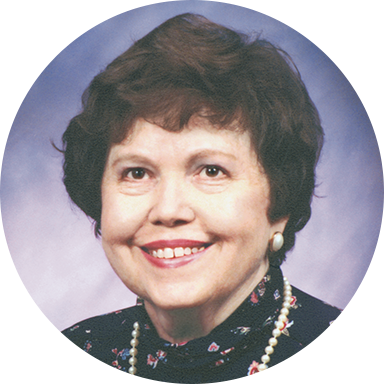
Margaret Goldston

Margaret Goldston brought decades of experience as a performer, composer, and educator to her work with piano students across North Carolina. A Louisiana State University graduate in piano performance, she studied composition privately with Pulitzer Prize winner Robert Ward and earned recognition as Composer of the Year by the North Carolina Federation of Music Clubs in both 1983 and 1994.

Goldston's impact extended far beyond her studio. She conducted masterclasses and clinics throughout the United States and Canada, contributed commissioned work to Clavier Magazine, and built a catalog of compositions that remain fixtures on competitive festival lists and NFMC Junior Festivals programming. Her legacy continued to grow after her death in 2003, when the Music Teachers National Association honored her as a Foundation Fellow in 2020.

Why we love this

This collection transforms iconic ballet music into genuinely pianistic arrangements that don't sacrifice either the melodic integrity of the originals or the joy of playing them. The book goes far beyond simple transcriptions by weaving in historical context, composer backgrounds, and activity pages that turn preparation into cultural exploration. Students encounter the stories they're playing while developing musical maturity, making this an ideal anchor for a thematic recital or unit that connects classical music to visual art.

What to expect

Stepping into the world of ballet through the piano brings elegance, drama, and storytelling into the practice room. These arrangements capture the sweep and beauty of iconic ballet moments—the delicacy of swans, the mischief of enchanted dolls, the grandeur of grand finales—while remaining accessible to growing pianists.

Who it's for

Late elementary and early-intermediate pianists ready to engage with masterwork literature beyond simplified arrangements but not yet at the technical level of full ballet scores. Teachers seeking a bridge between early repertoire and the classical canon who want their students to understand both musical and cultural context.

How to get the most out of it

  • Let the narrative guide your interpretation. Because each piece tells part of a larger story, listening to full ballet recordings before practicing helps you shape phrasing and dynamics with dramatic intent rather than mechanical precision.
  • Pay attention to the activity pages and ballet term explanations. Understanding the movement vocabulary behind the music helps you make performance choices that honor the choreography, even when performing at the keyboard.
  • Balance clarity with lyricism in the arrangements. Many of these pieces work best when melody sings without being overpowered, so find the sweet spot between accompanying textures and storytelling.
  • Use the recital planning section to shape your performance arc. The book's guidance on organizing a ballet-themed recital means you can structure practice around creating a coherent musical and thematic journey for your audience.

How to use it

Design a spring recital entirely around this collection, using the book's recital planning advice to create a cohesive ballet-themed concert that includes spoken introductions or program notes. Alternately, weave individual pieces throughout the year as students progress, pairing ballet music with movement-based activities or interdisciplinary study with dance or visual arts classes.

Skills your students will build

  • Playing lyrical melody with consistent voicing and singing tone
  • Balancing melody and accompaniment in varied textures
  • Understanding narrative structure and emotional phrasing in programmatic music
  • Sight-reading arrangements of familiar classical themes
  • Building confidence with multi-page repertoire
  • Connecting musical interpretation to cultural and historical context

You May Also Like