
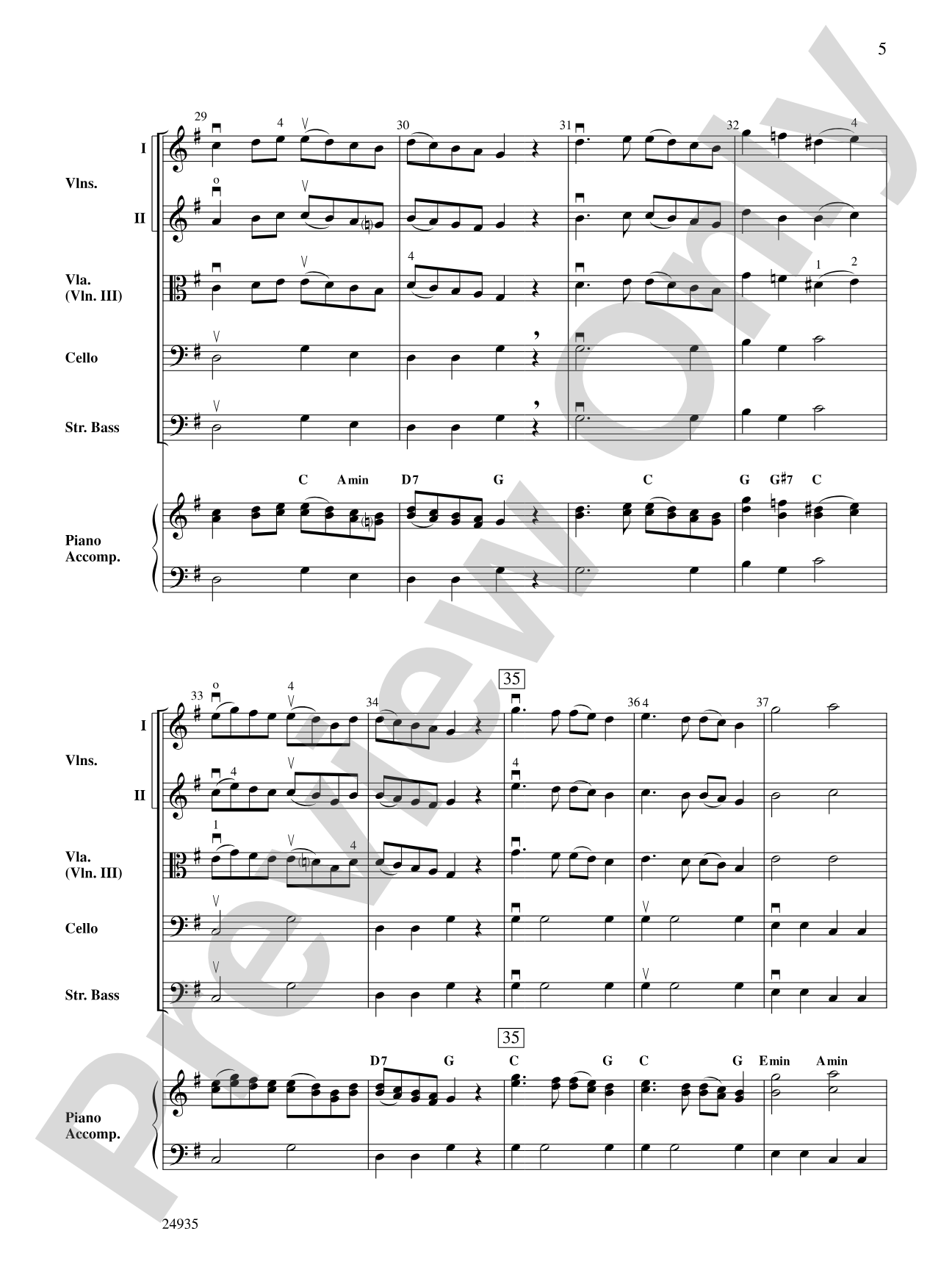
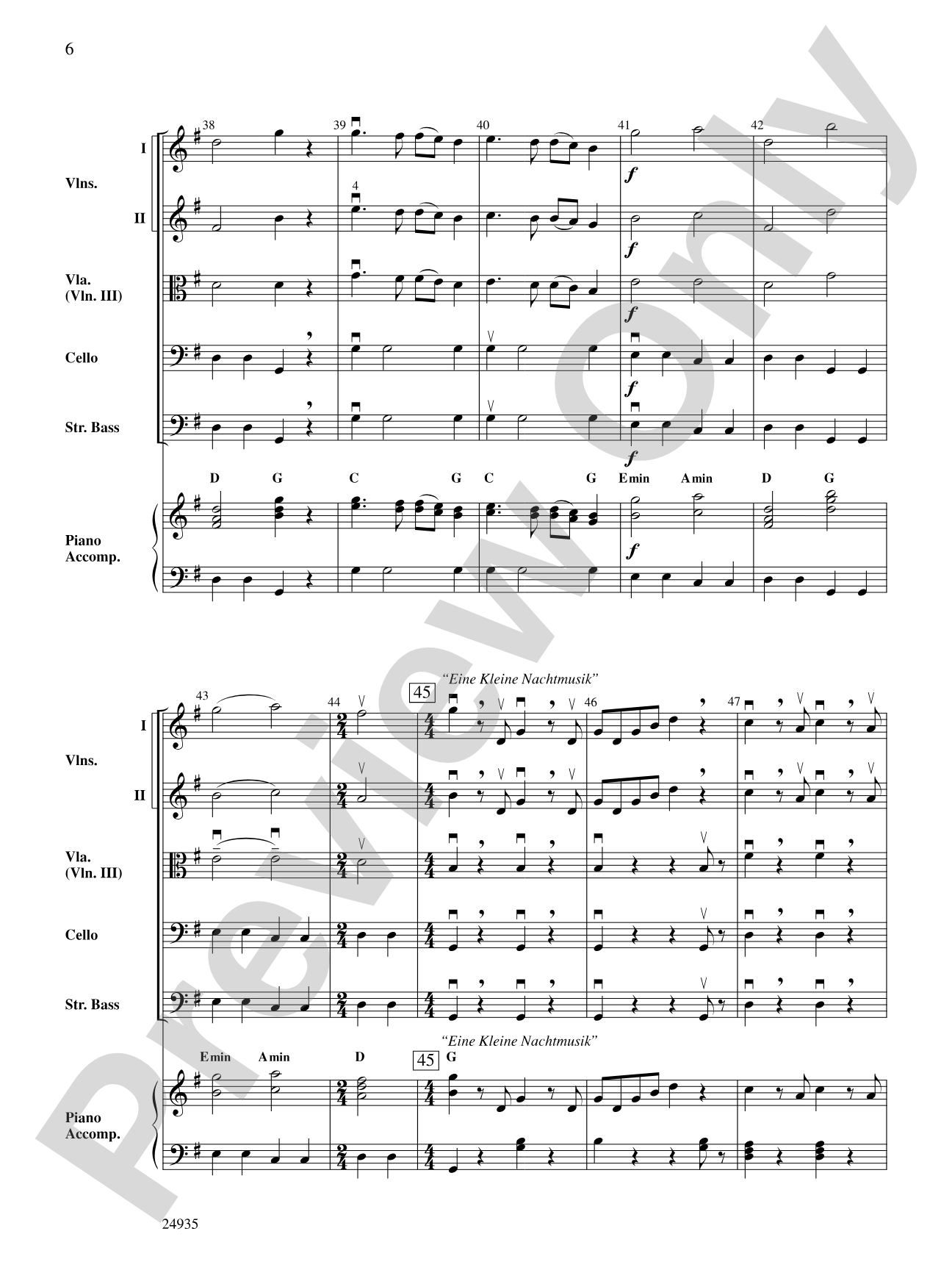
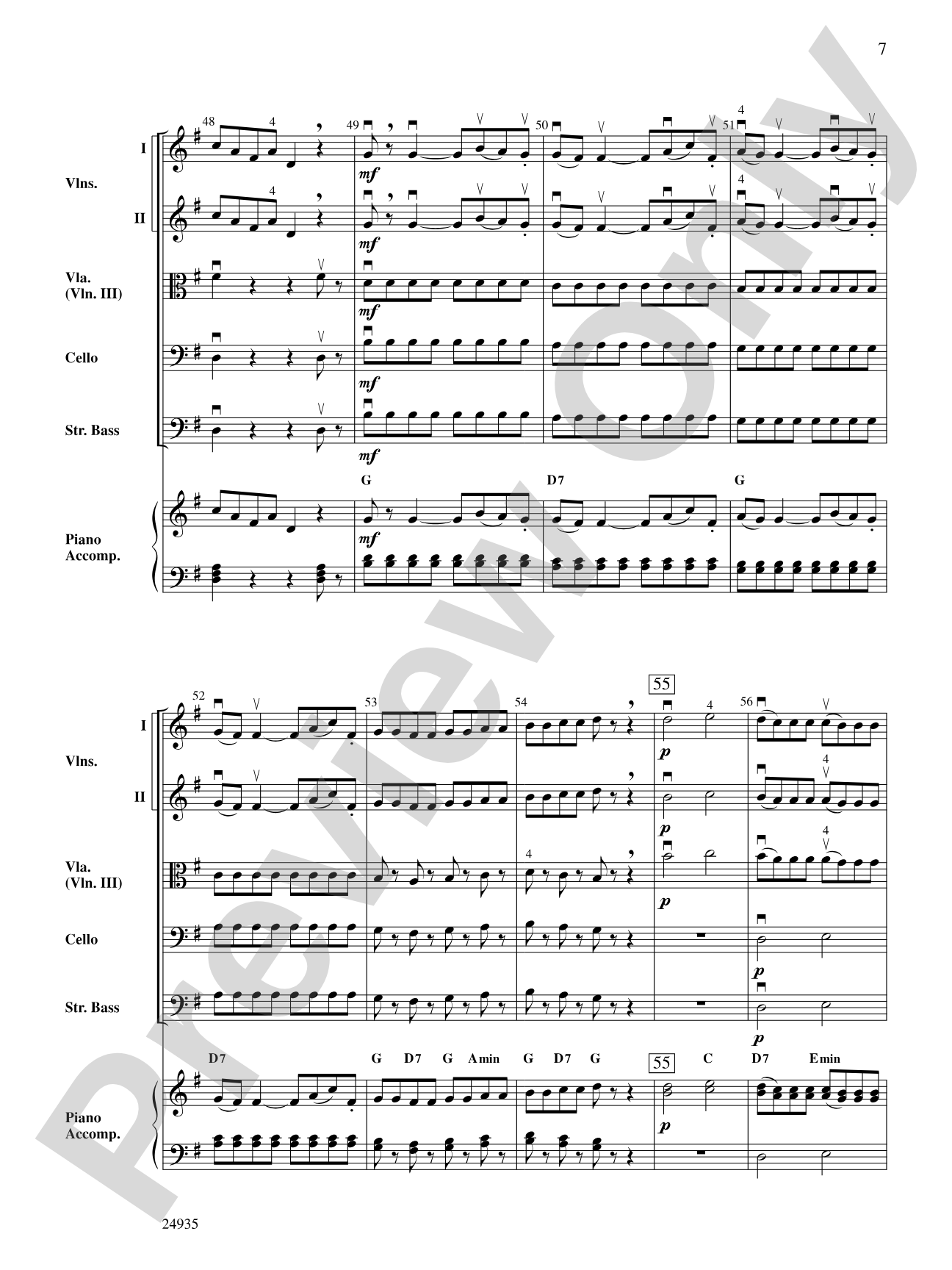
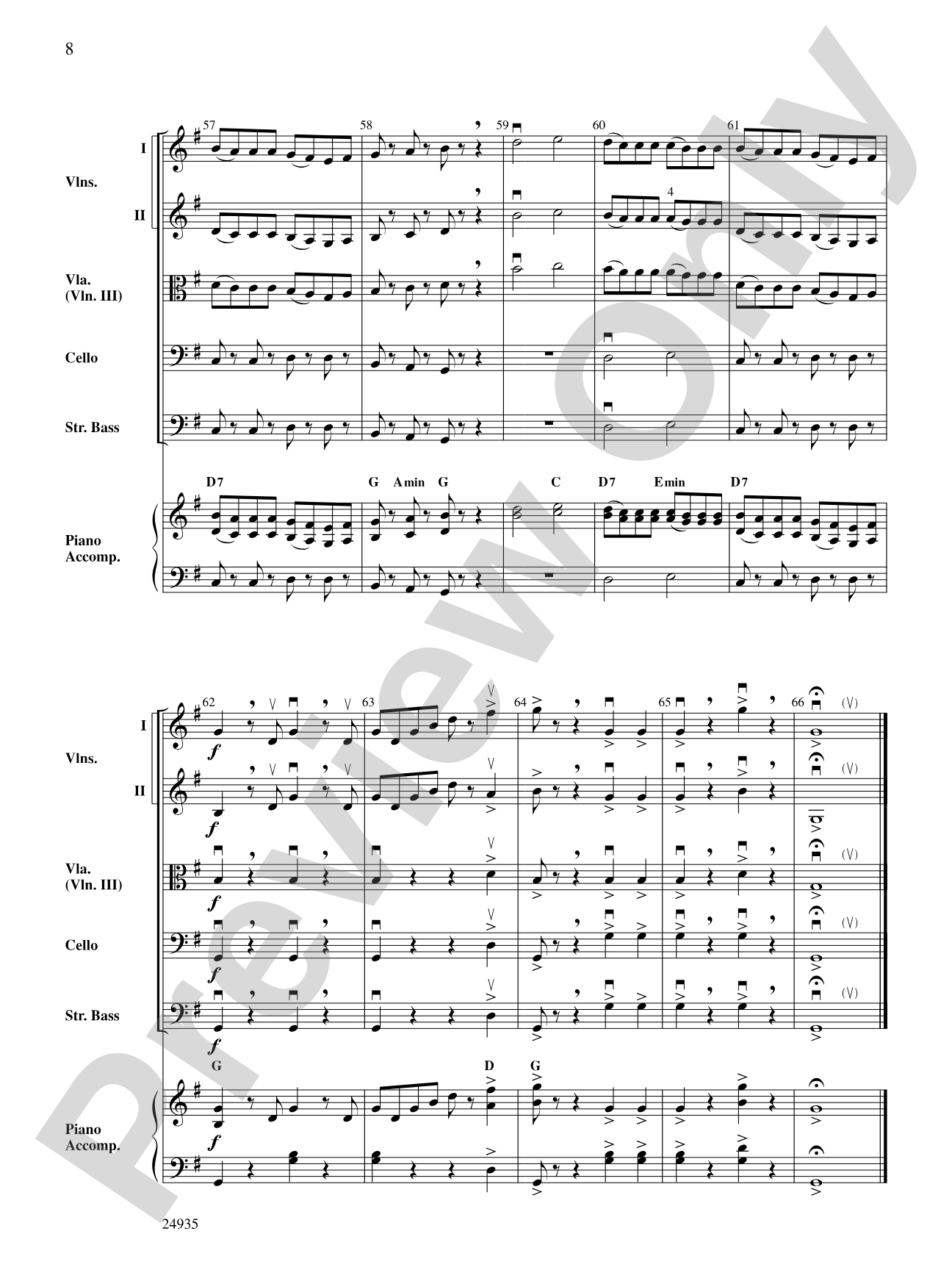

A Mozart Mix: Score
By Wolfgang Amadeus Mozart / arr. John O'Reilly
Grade: 2.5
Item: 00-PR-0000918
$8.00
Pickup currently not available
Description
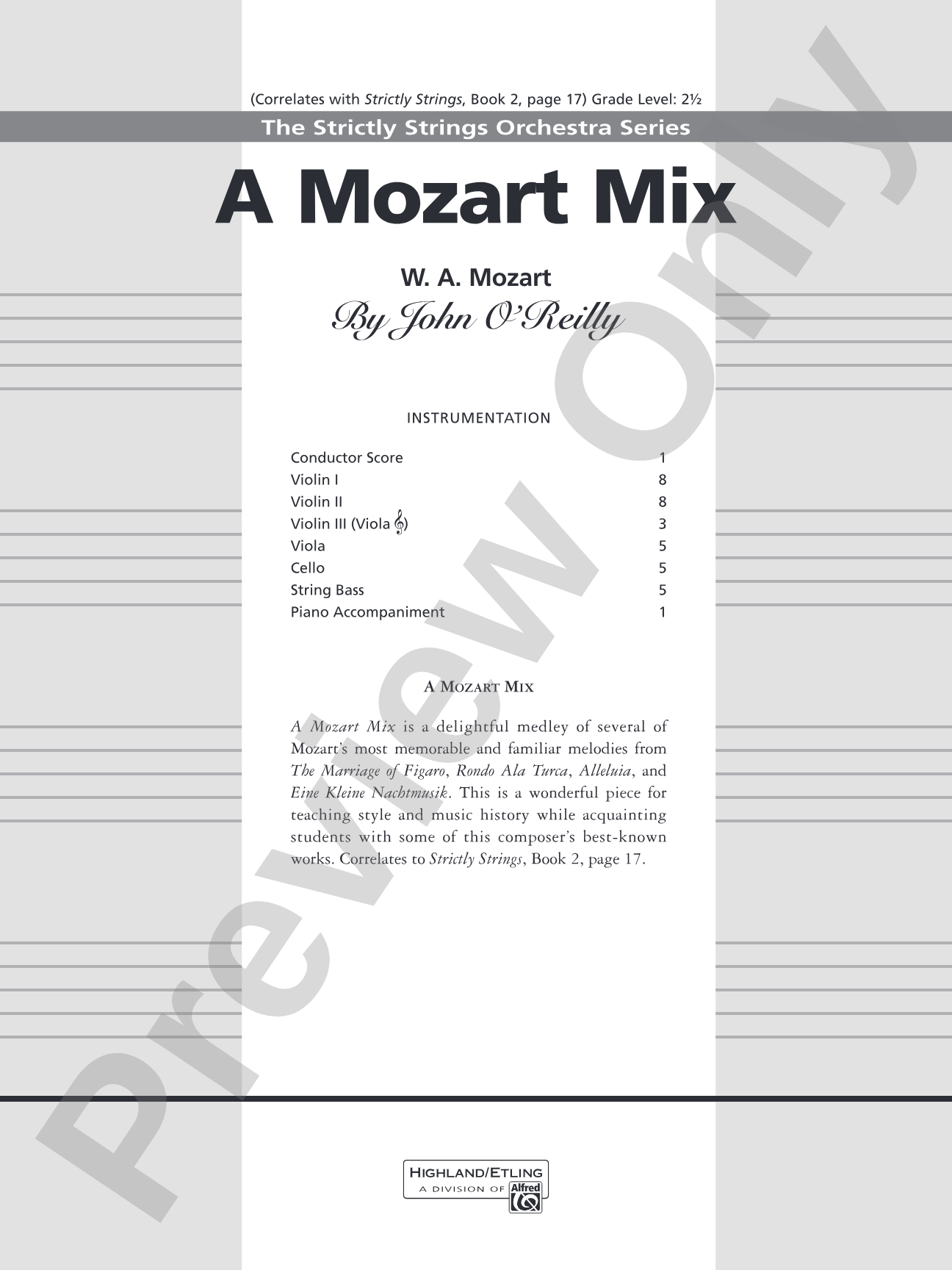
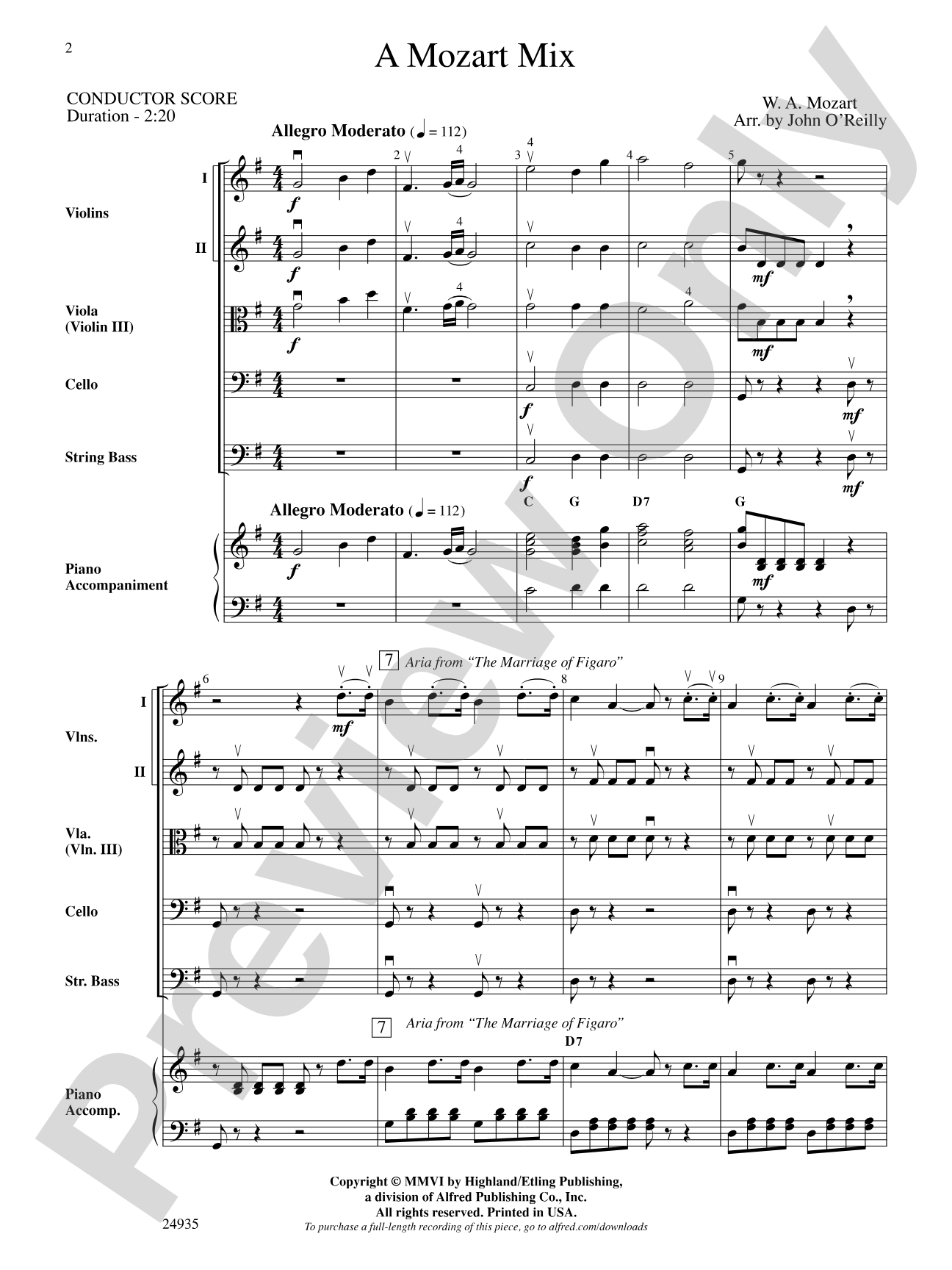
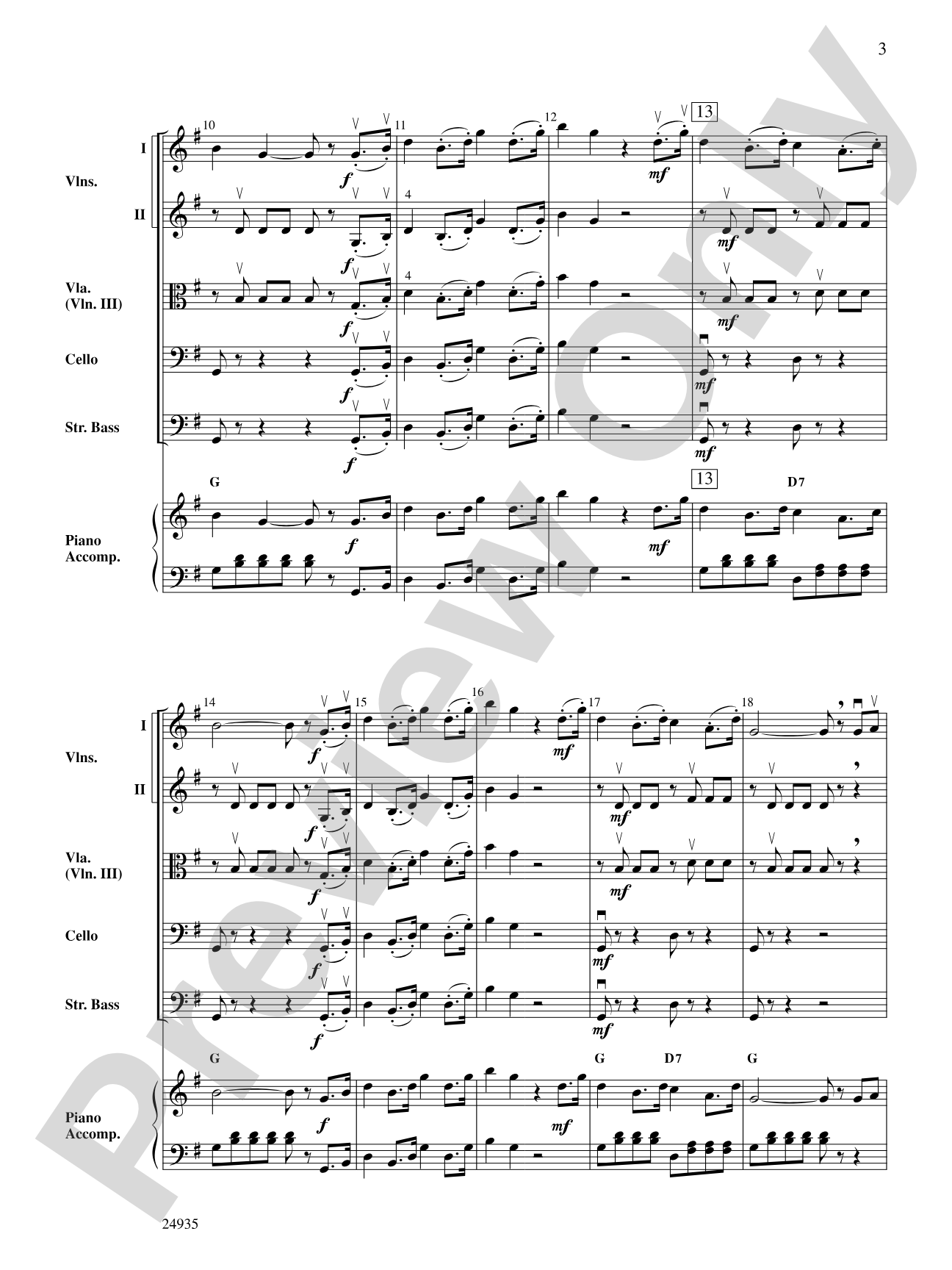
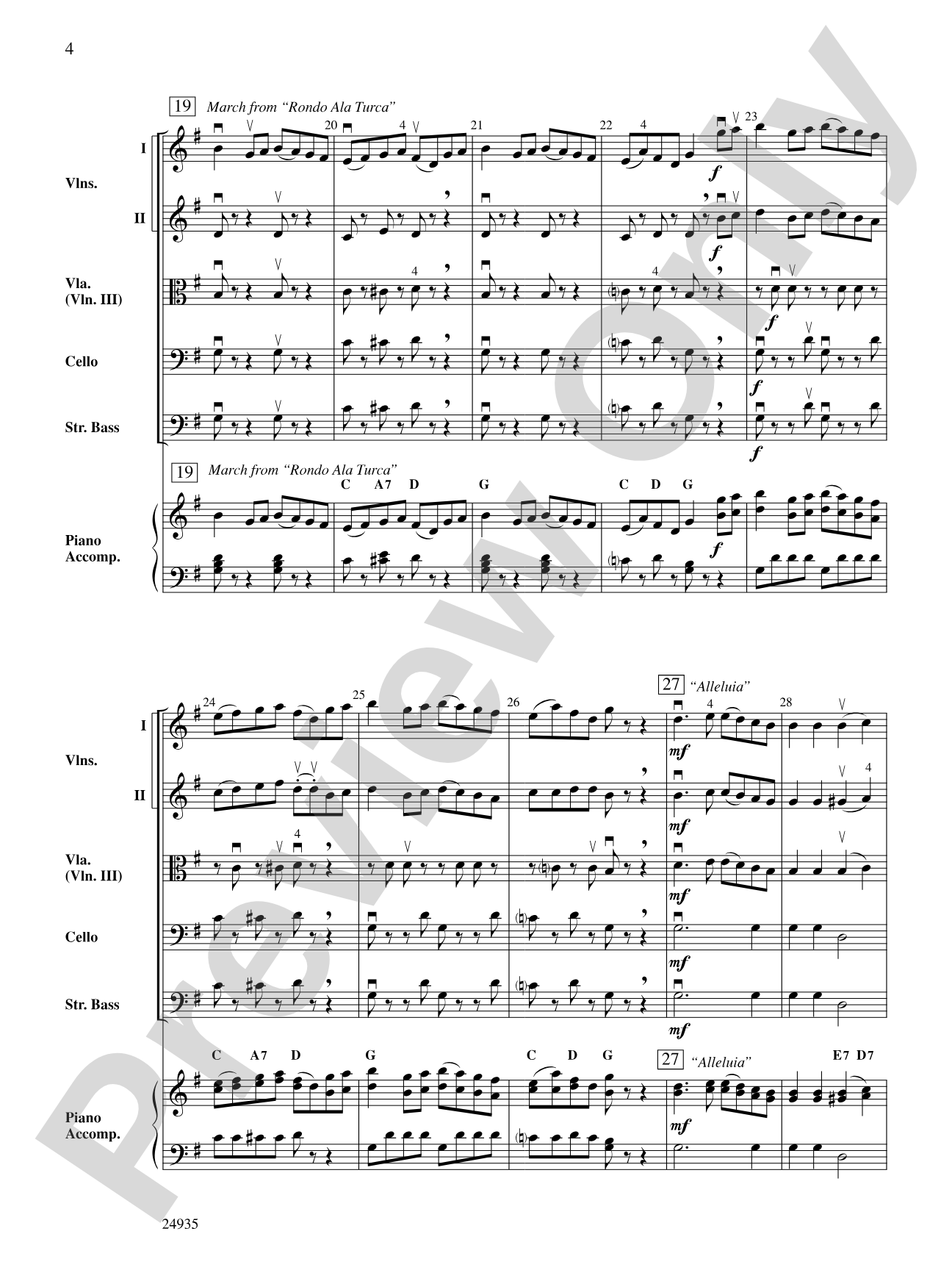
"A Mozart Mix" is a delightful medley of several of Mozart's most memorable and familiar melodies from The Marriage of Figaro, "Rondo Alla Turca," "Alleluia," and "Eine Kleine Nachtmusik." This is a wonderful piece for teaching style and music history while acquainting students with some of this composer's best known works. Correlates to Strictly Strings Book 2 Page 17.


Don't just read it, hear it, play along with it, and watch your students grow with it. In MakeMusic Cloud, A Mozart Mix: Score comes alive with professional accompaniment, adjustable tempo, and built-in practice tools that turn solo practice into real progress.
Open in the Player
Jump straight in and assign it today.
Start Your Free Trial
Open this title and explore the full library in minutes.
Sample Audio
1
Audio File
--:--
0:00
0:00
Sample Video
Additional Details
Series:
Highland/Etling Strictly Strings
Publisher:
Alfred Music
Page Count:
140
SKU:
00-PR-0000918
More about this title
About the Composer: Wolfgang Amadeus Mozart
Wolfgang Amadeus Mozart (1756-1791) composed over 600 works across every major genre during his brief but extraordinarily productive life. Born in Salzburg, Austria, Mozart was a prodigy performer and composer whose music bridges the Classical period's elegance with emotional depth that audiences still recognize immediately. His operas, symphonies, concertos, and chamber works remain cornerstones of the concert repertoire and teaching studios alike.
Why we love this
This medley captures why Mozart remains essential repertoire for young orchestras. Arranging familiar melodies into a cohesive concert piece lets students recognize and own pieces they may know by reputation while building confidence through recognizable material. The variety of moods within a single work gives you a teaching opportunity that's both musically substantial and genuinely engaging for an audience.
What to expect
Bright, elegant, and instantly charming. These melodies carry the hallmark of Mozart's gift for tunefulness; even young players feel the satisfaction of bringing recognizable, beloved music to life. There's a lightness to the writing that lets emerging string players focus on musicianship rather than technical strain.
Who it's for
String orchestras at the intermediate level (approximately grades 6-8 or community youth groups) will find this piece accessible yet satisfying to perform. It's ideal for ensembles ready to explore Classical repertoire and composers with confidence, and for programs seeking contest or festival material that educates while entertaining.
How to get the most out of it
- Maintain the stylistic clarity of each melodic section. Mozart's elegance depends on crisp articulation and transparent phrasing rather than heavy vibrato or thick tone production.
- Balance solo lines carefully when they pass between sections. These melodies are known works; audiences will notice if a principal voice gets buried in the ensemble.
- Shape the transitions between medley sections intentionally. The shifts in character (from operatic to rondo to sacred) are part of what makes this arrangement musically intelligent.
- Use the conductor score to mark where harmonic or textural changes signal new material to your students. This helps them understand Mozart's technique across these different pieces.
How to use it
This works beautifully as a standalone concert opener or closer when you want to showcase your orchestra's growing sophistication while honoring the composers your community already knows. It's equally effective in a concert built around music history or Classical period studies, where it can anchor a thematic program alongside works by Mozart's contemporaries.
Skills your students will build
- Recognizing melodic themes across different musical contexts
- Balancing ensemble texture while highlighting principal voices
- Performing with Classical-era articulation and style conventions
- Shifting interpretively between operatic, dance, and sacred musical character
- Reading from conductor score and individual parts in coordination