
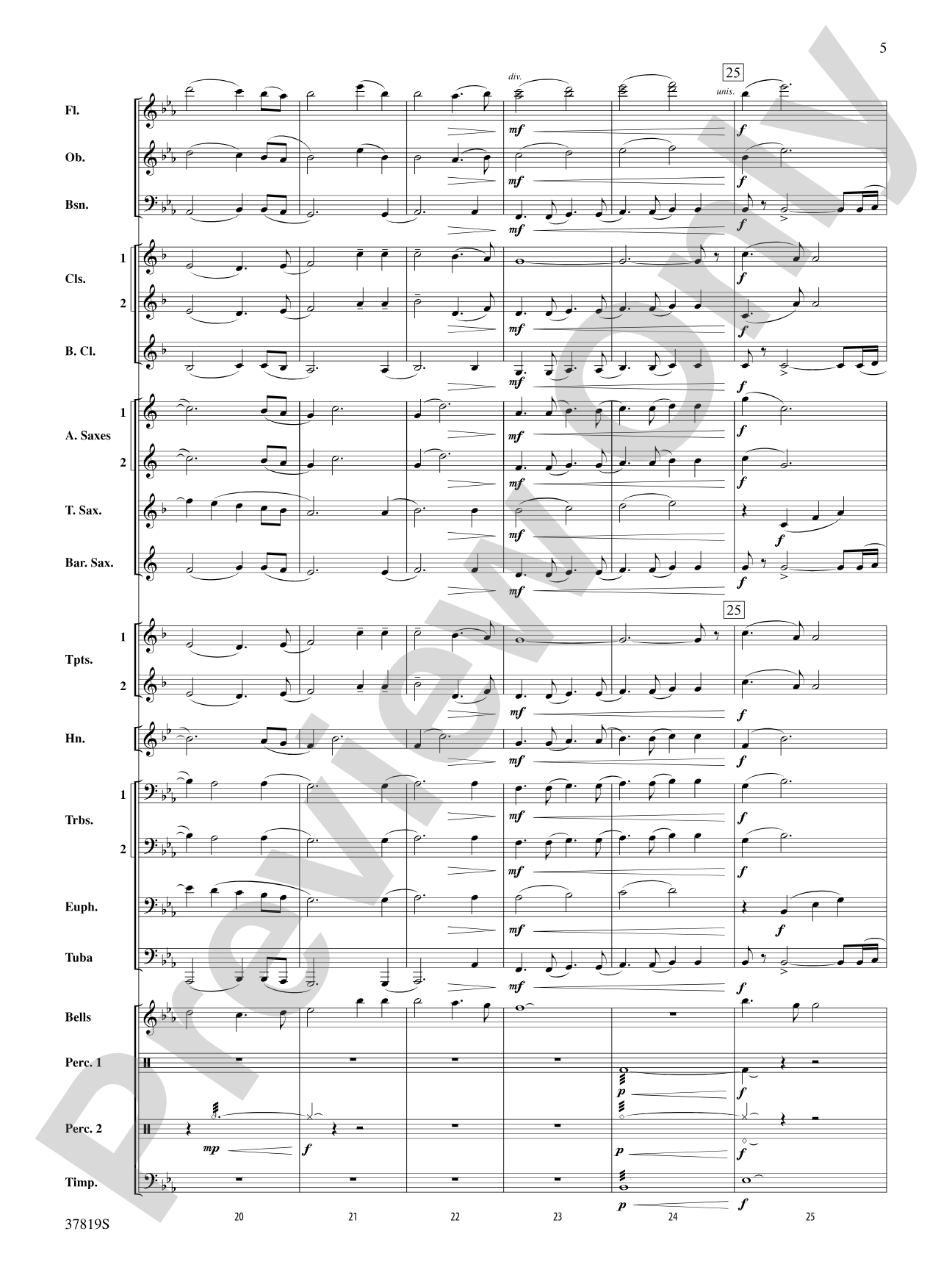
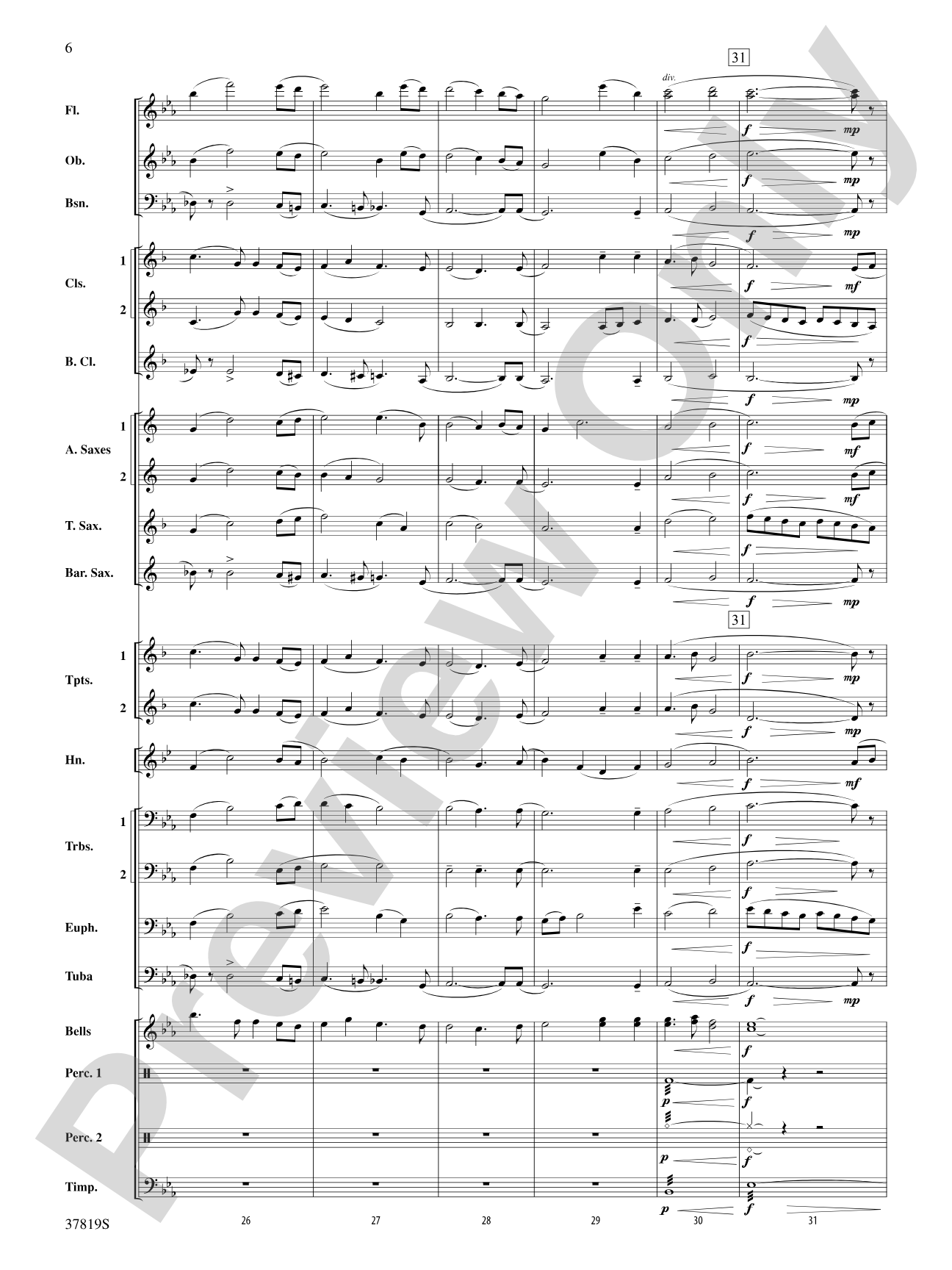
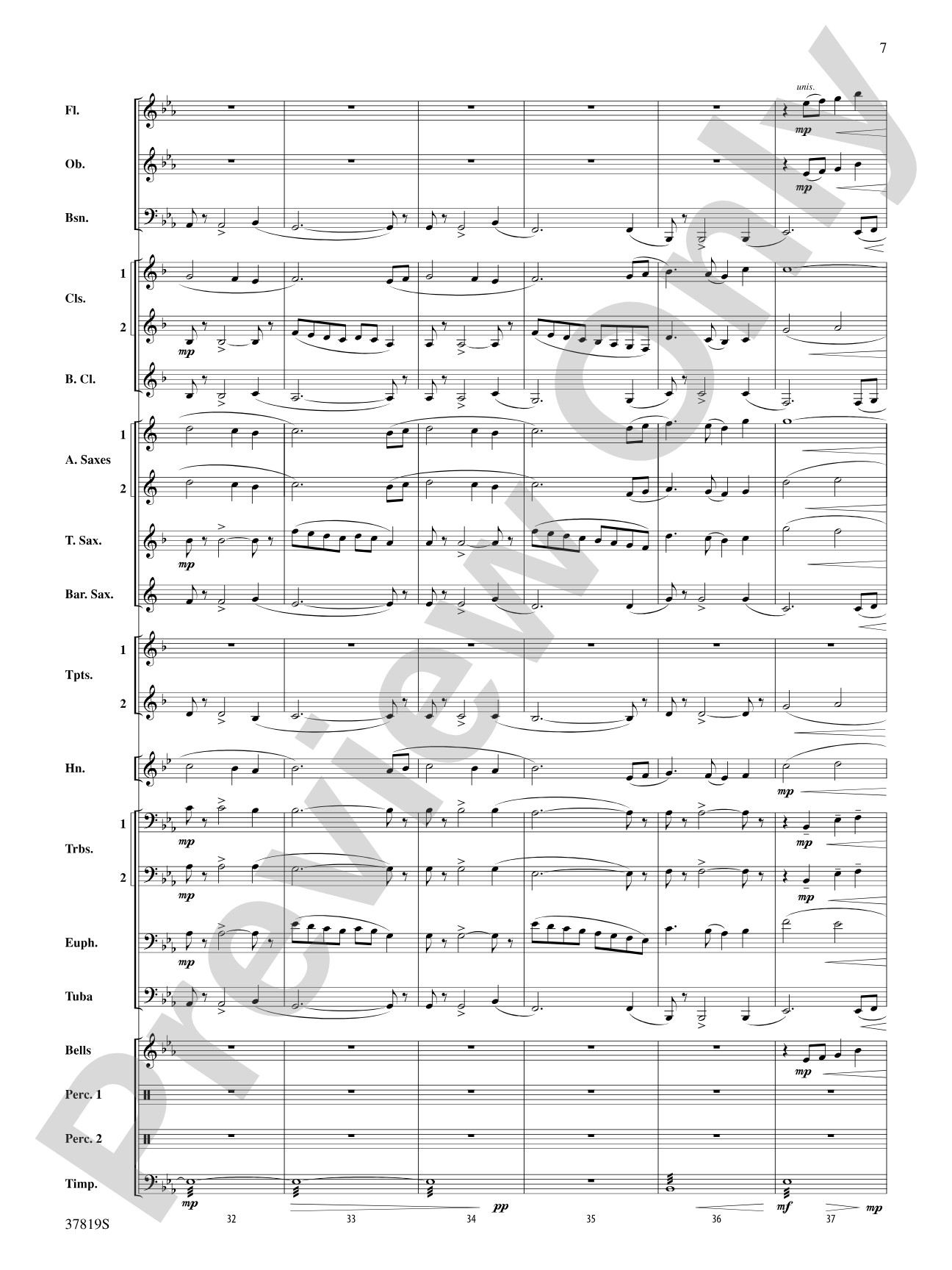
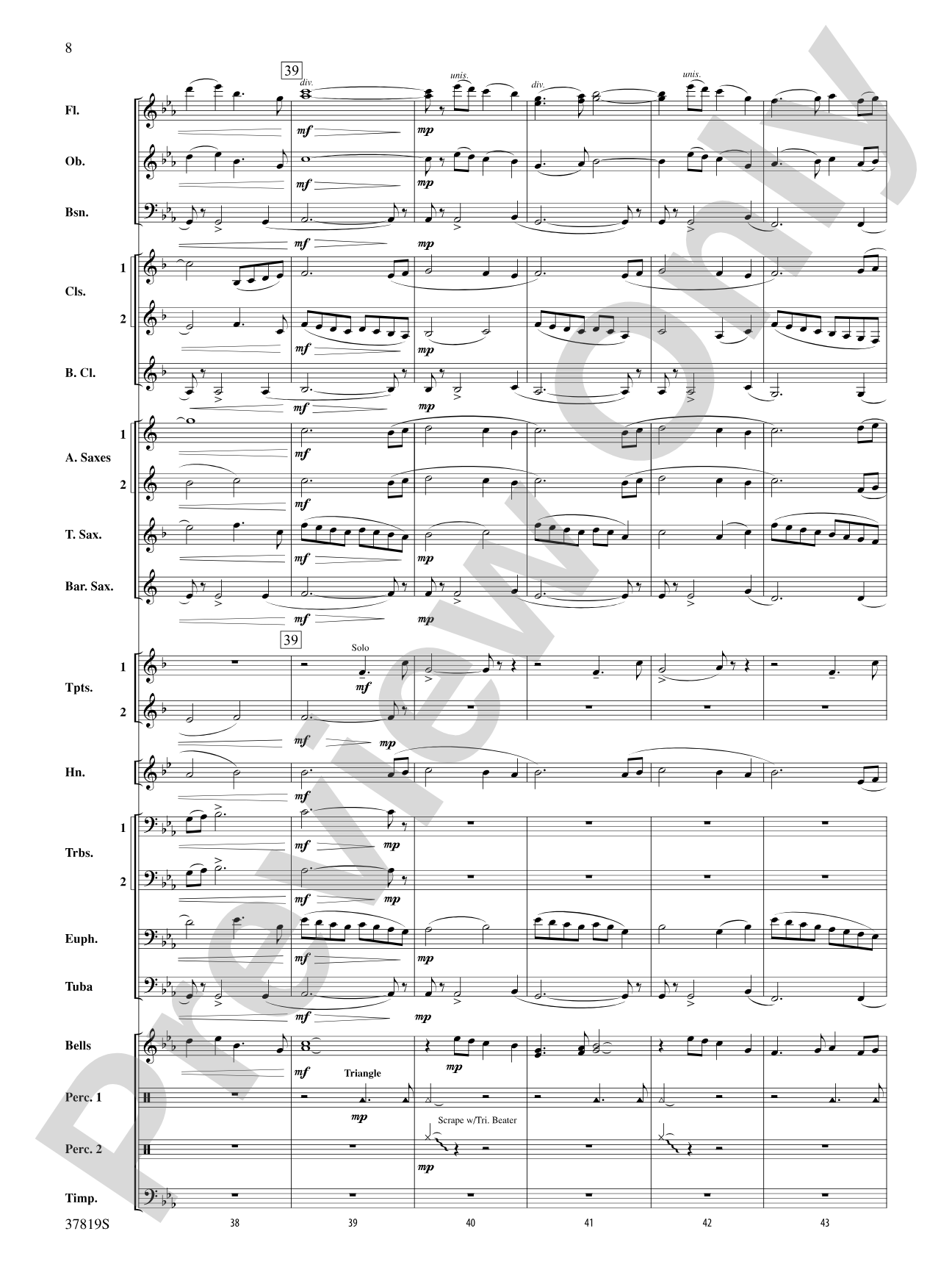
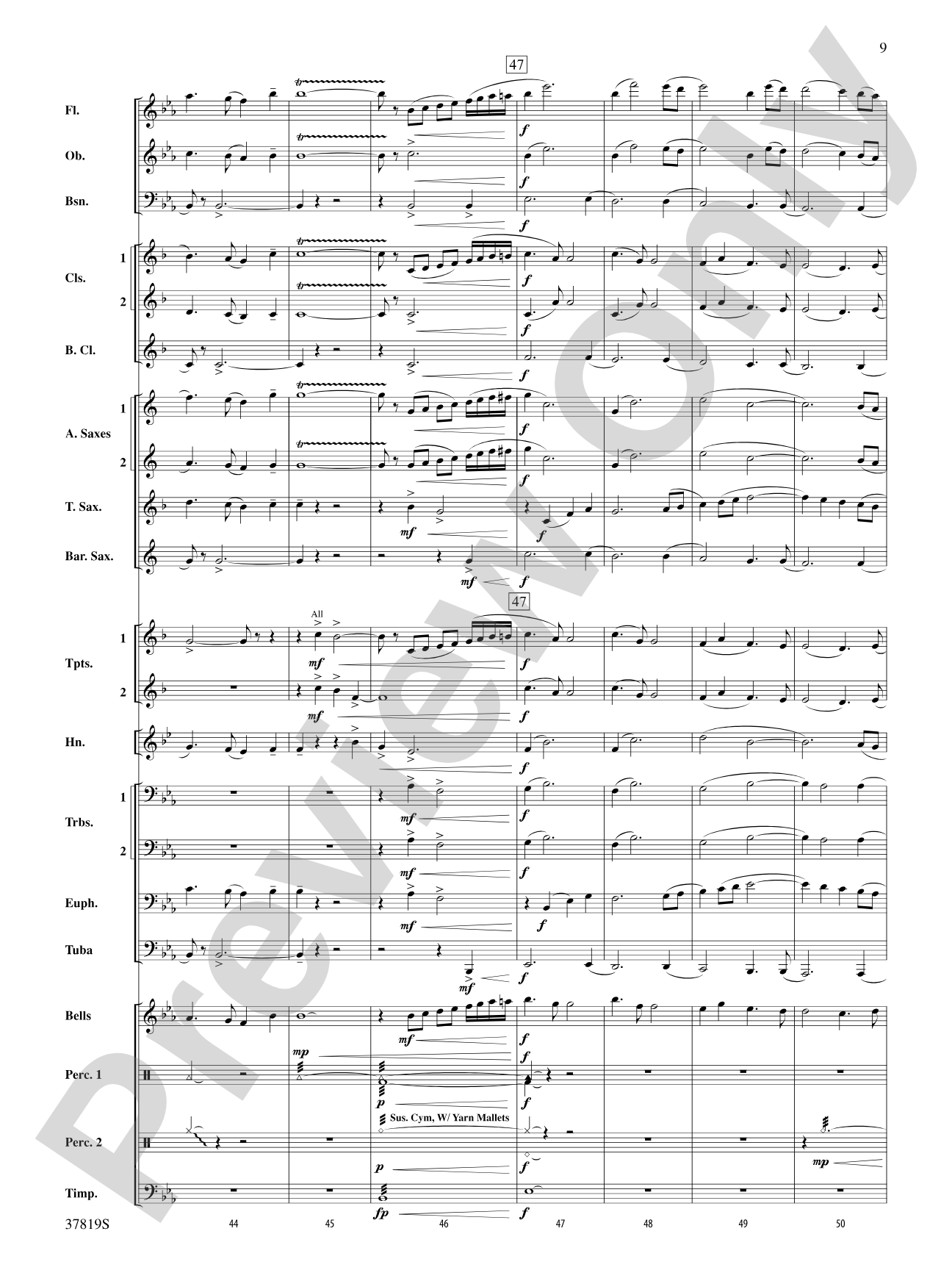
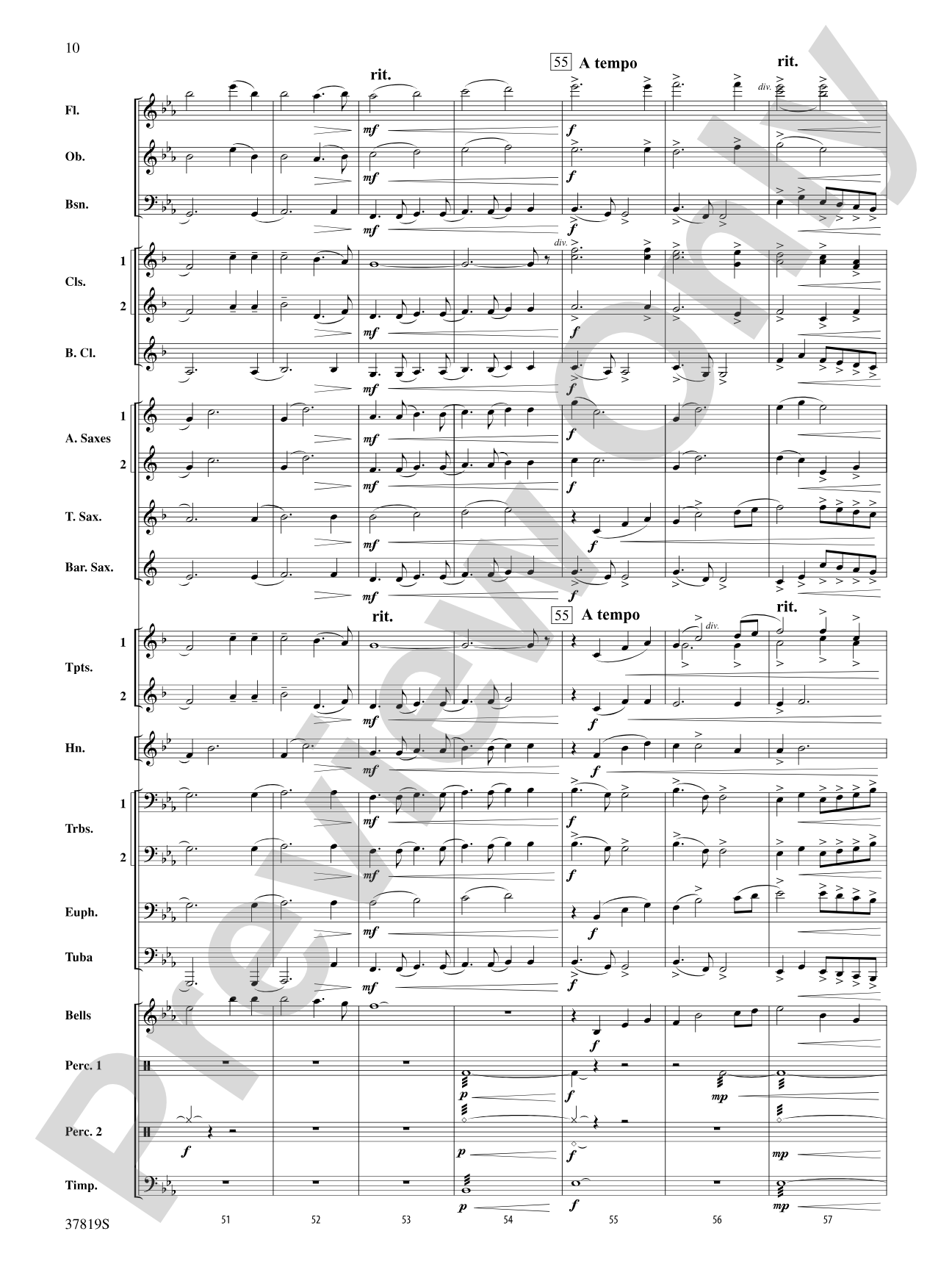
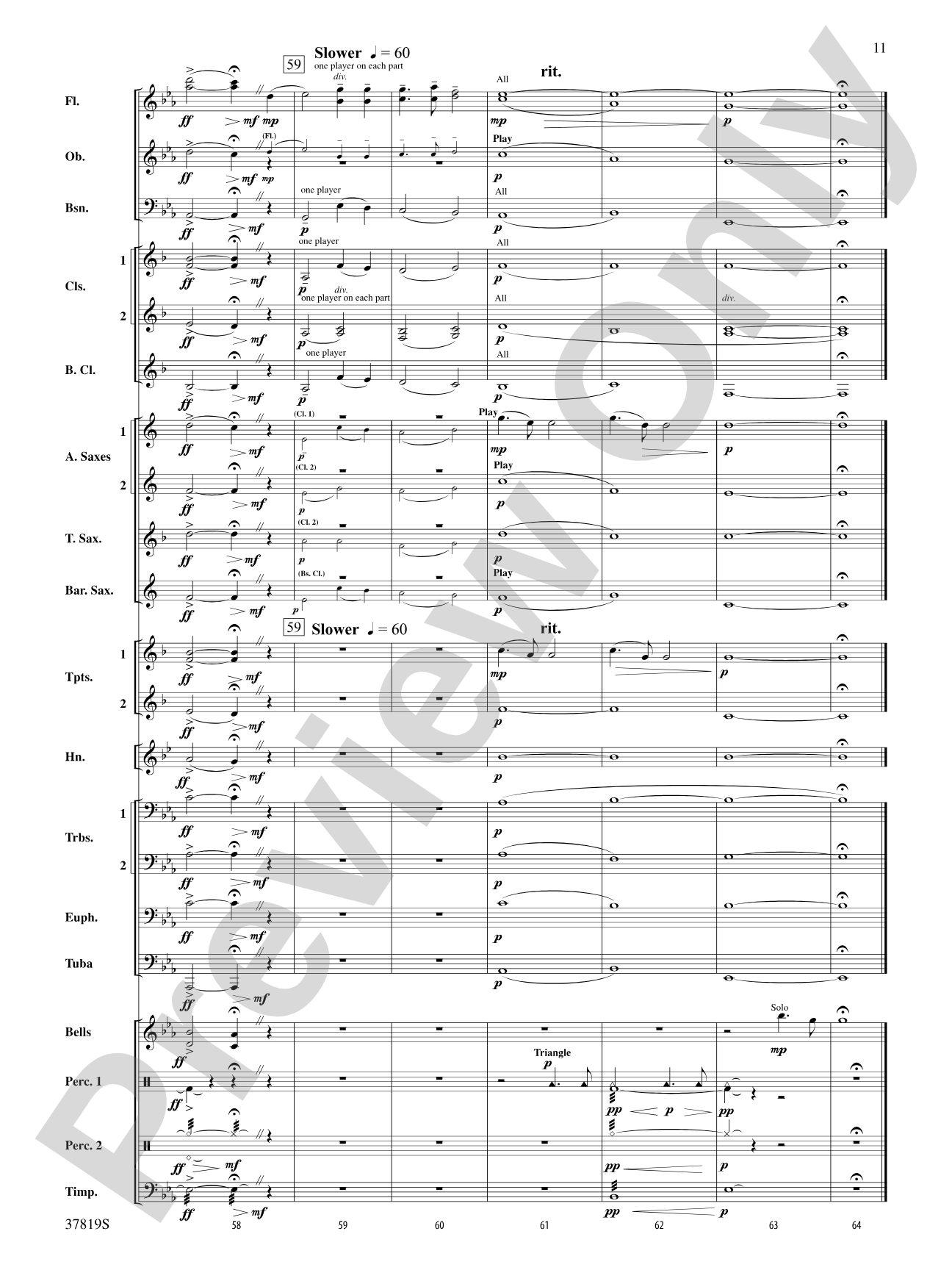


A Mother's Love: Score
By Brad Ciechomski
Grade: 2 (Medium Easy)
Item: 00-PR-0003664
$7.00
Pickup currently not available
Description
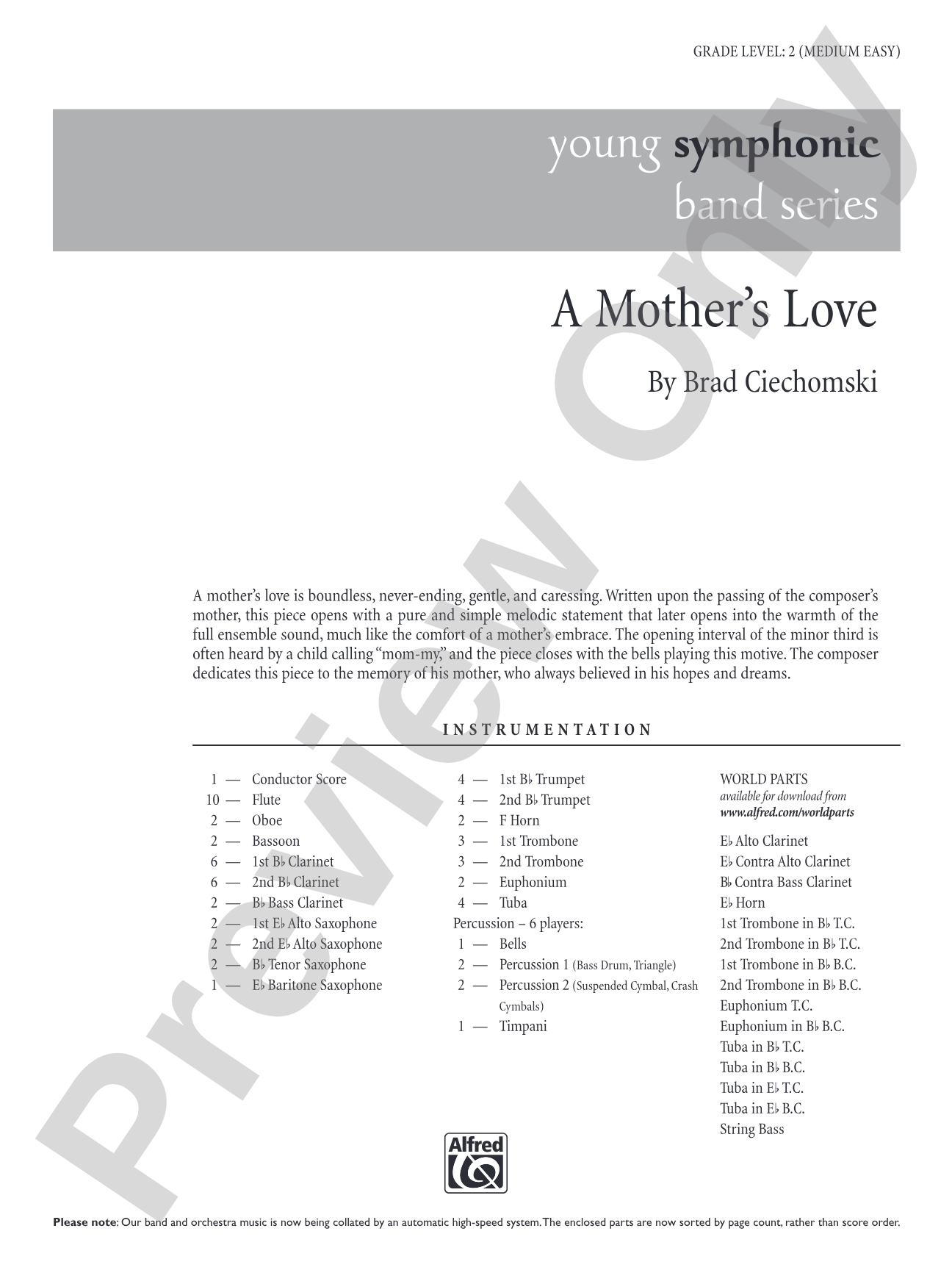
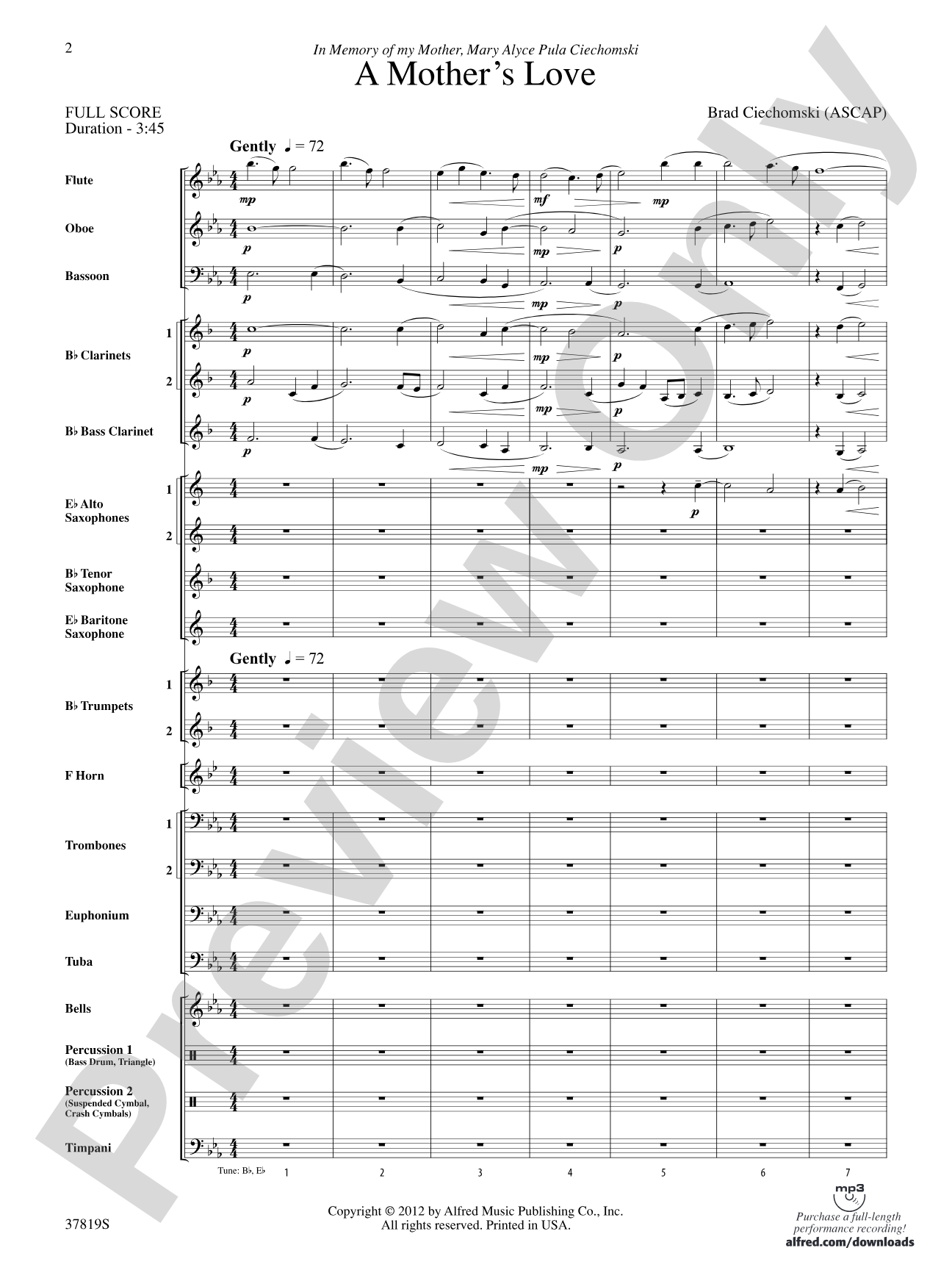
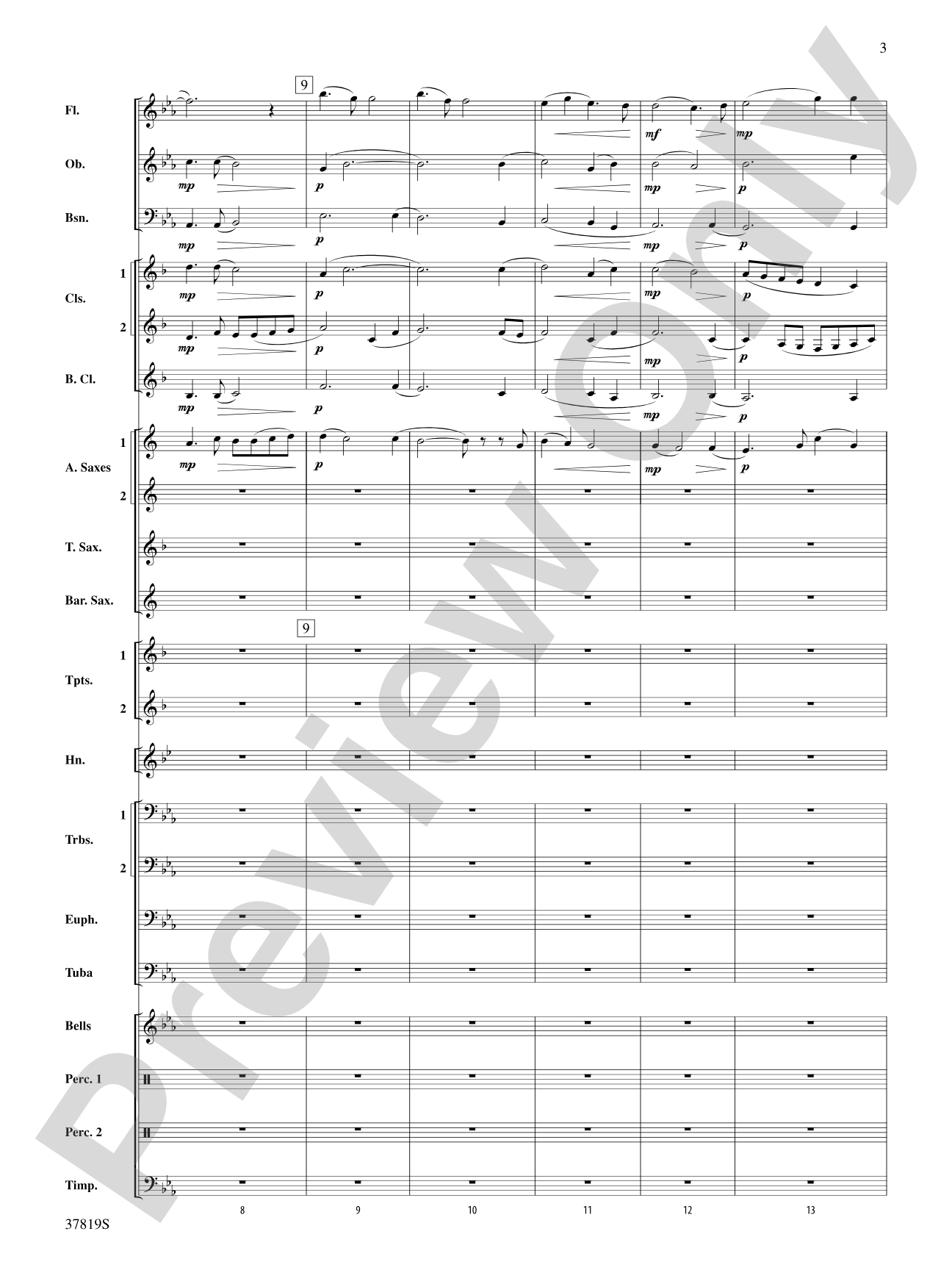
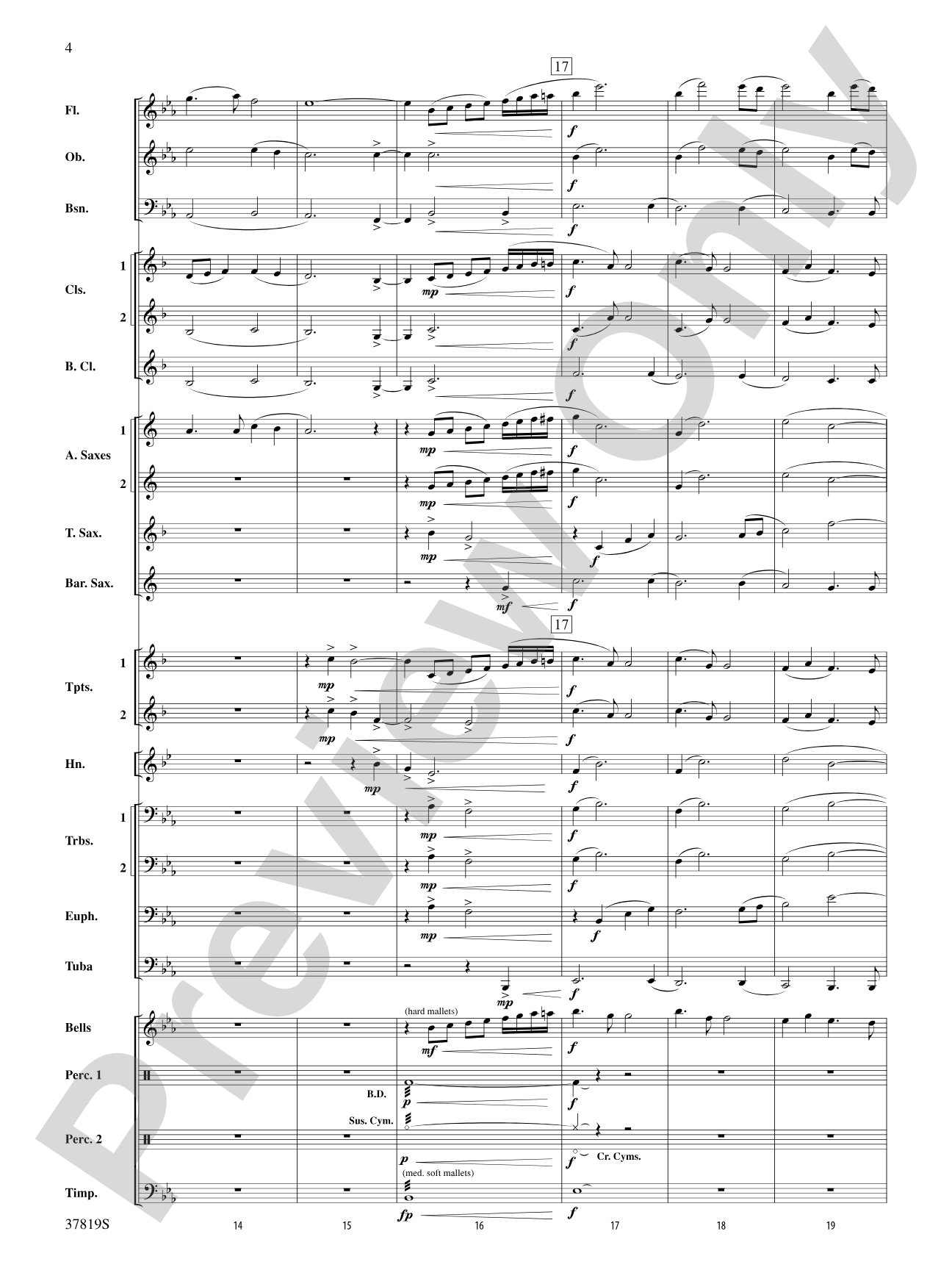
A mother's love is boundless, never-ending, gentle, and caressing. Written upon the passing of the composer's mother, this composition opens with a pure and simple melodic statement that later opens into the warmth of the full ensemble sound, much like the comfort of a mother's embrace. The opening interval of the minor third is often heard by a child calling "mom-my," and the piece closes with the bells playing this motive. The composer dedicates this piece to the memory of his mother, who always believed in his hopes and dreams. (3:45)


Don't just read it, hear it, play along with it, and watch your students grow with it. In MakeMusic Cloud, A Mother's Love: Score comes alive with professional accompaniment, adjustable tempo, and built-in practice tools that turn solo practice into real progress.
Open in the Player
Jump straight in and assign it today.
Start Your Free Trial
Open this title and explore the full library in minutes.
Sample Audio
1
Audio File
--:--
0:00
0:00
Sample Video
No sample videos found.
Additional Details
Series:
Young Symphonic
Publisher:
Alfred Music
Page Count:
126
SKU:
00-PR-0003664
More about this title
About the Composer: Brad Ciechomski

Brad Ciechomski serves as Director of Bands at Harrison Middle School in Yarmouth, Maine, where his commitment to music education earned him Teacher of the Year honors in 2005-2006 and recognition as an American Star of Teaching in 2008. He holds degrees in composition from the University of New Hampshire, where he studied with Andrew Boysen Jr., and has received commissions from bands at every educational level. His works have been featured at national conventions, and he maintains an active presence across New England as a clinician, adjudicator, and guest conductor at regional festivals.
Beyond the podium, Ciechomski is an accomplished freelance drummer who has performed with jazz luminaries including Clark Terry, Mel Torme, and Bob Mintzer, as well as touring musicians across the greater New England area. He lives in Portland, Maine with his family, including his bass-playing wife and two daughters.
Why we love this
A Mother's Love captures profound emotion through Grade 2 accessibility, making it ideal for middle school bands ready to explore meaningful programming beyond technical display. The musical architecture is ingenious: a simple opening that grows into full ensemble warmth mirrors the emotional arc perfectly, while the recurring minor-third motive (the "mom-my" interval) gives students a tangible, memorable musical idea to shape throughout rehearsal. Programming this piece creates space for genuine reflection on artistry rather than difficulty.
What to expect
A Mother's Love unfolds like a quiet moment of gratitude: the opening is intimate and tender, almost fragile in its simplicity. As the ensemble swells around the melody, there's a sense of warmth and embrace. The journey culminates not in climax but in return, as the bells voice the opening motive again, creating a sense of peace and continuity.
Who it's for
Middle school and early high school bands seeking accessible concert literature with genuine emotional depth. Students at this level benefit from experiencing how simple musical ideas can carry complex feelings, and conductors value material that rewards musicianship over technical virtuosity.
How to get the most out of it
- Shape the opening melody with careful attention to phrase breathing. The pure, simple statement needs legit silence between phrases to let its simplicity breathe; avoid over-thinking the line.
- Balance the full ensemble sound when the piece expands. With Grade 2 instrumentation, the melody can easily disappear; mark cues and rehearse sectionally to ensure every voice serves the warmth of the overall sound.
- Give the bell motive at the close its own weight. After the ensemble's journey, this return to the opening interval deserves space and clarity; underscore its function as a musical and emotional resolution.
- Use the 3:45 duration to plan your rehearsal pacing. This allows time for students to internalize the emotional content without rushing, creating ownership of the piece's narrative arc.
How to use it
This works beautifully as a centerpiece for a concert honoring family, community, or legacy themes. Its accessible Grade 2 level allows it to sit comfortably alongside lighter fare or more technical selections without disrupting flow. Consider pairing it with contrasting repertoire earlier in the concert, allowing this piece to serve as a transformative moment that audiences will carry home.
Skills your students will build
- Sustaining long melodic lines with shape and direction
- Balancing sectional roles within ensemble texture
- Responding to emotional content through interpretive choice rather than technical demand
- Understanding how simple musical ideas (the minor-third motive) can anchor a larger compositional structure