
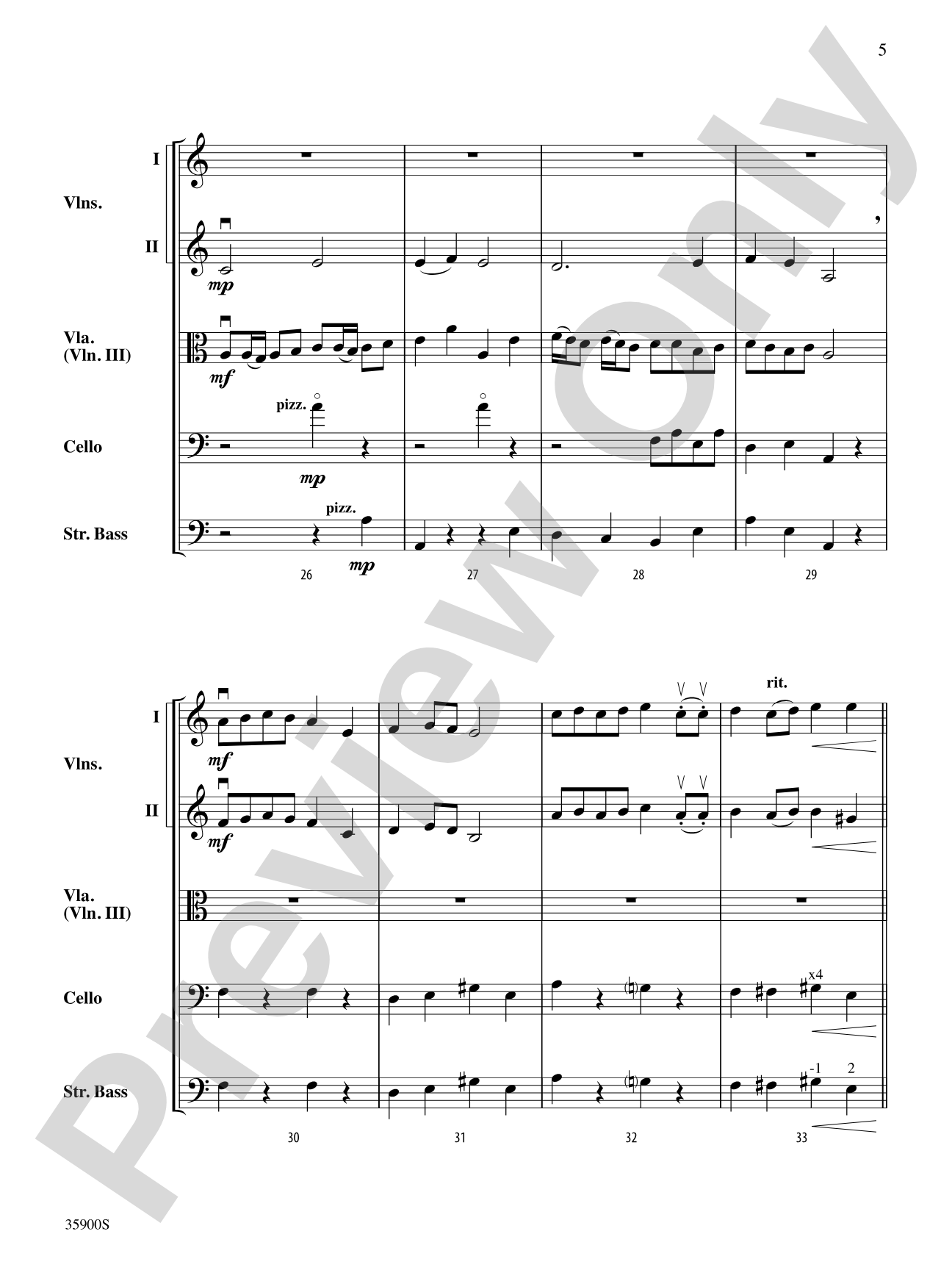
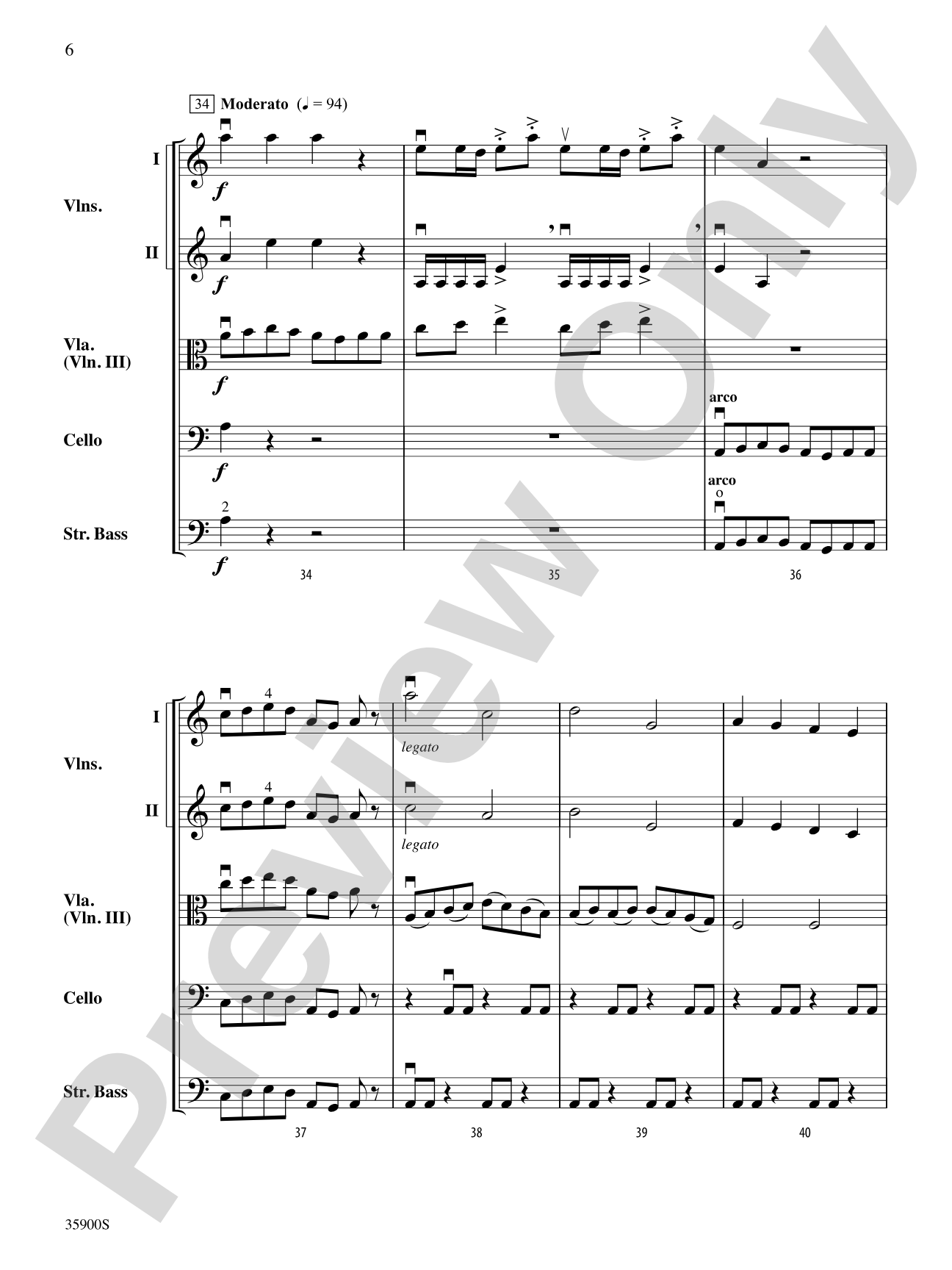
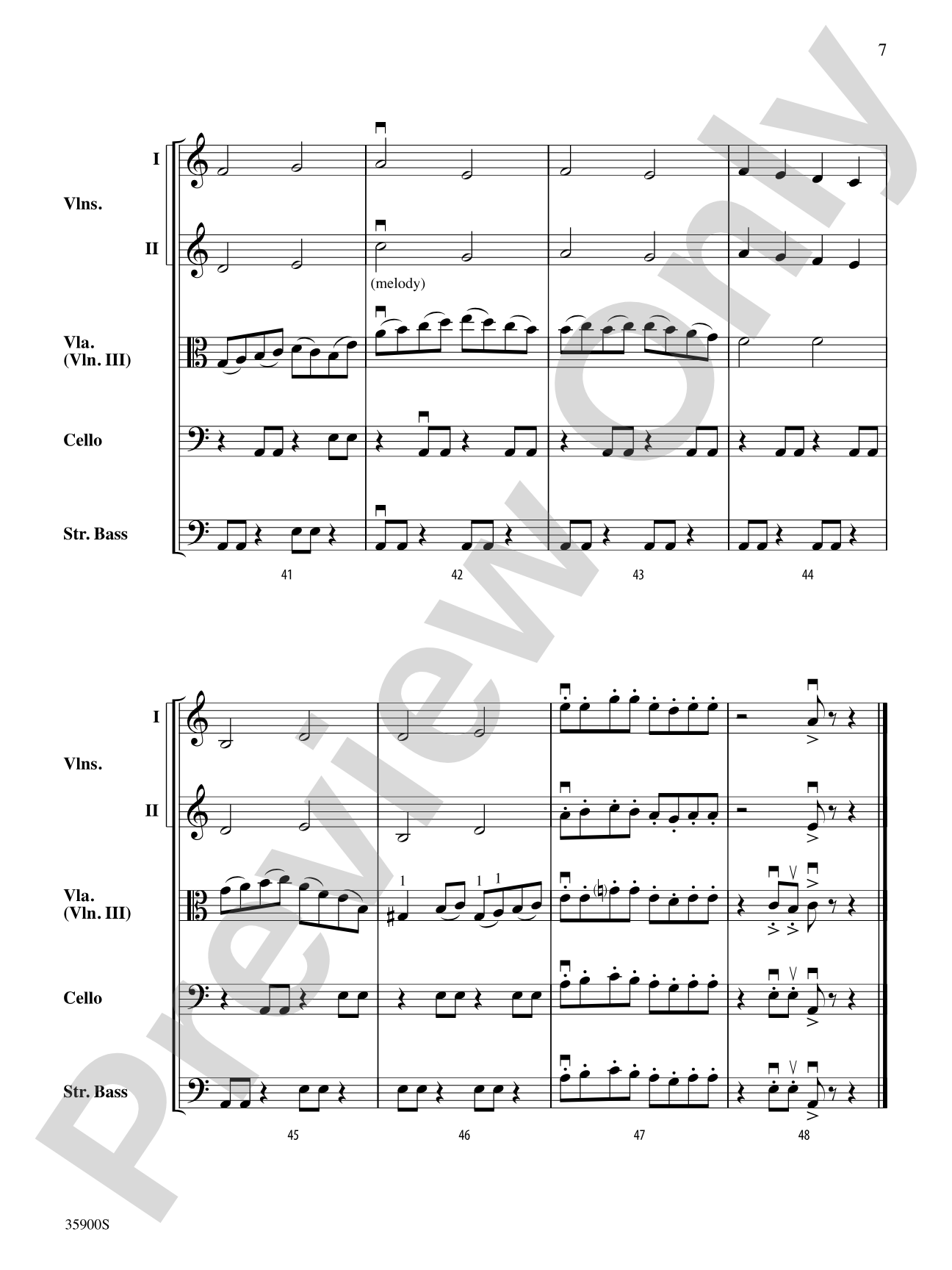


A Minor Mishap: Score
By Christian Williams
Grade: 2.5
Item: 00-PR-0003301
$6.00
Pickup currently not available
Description
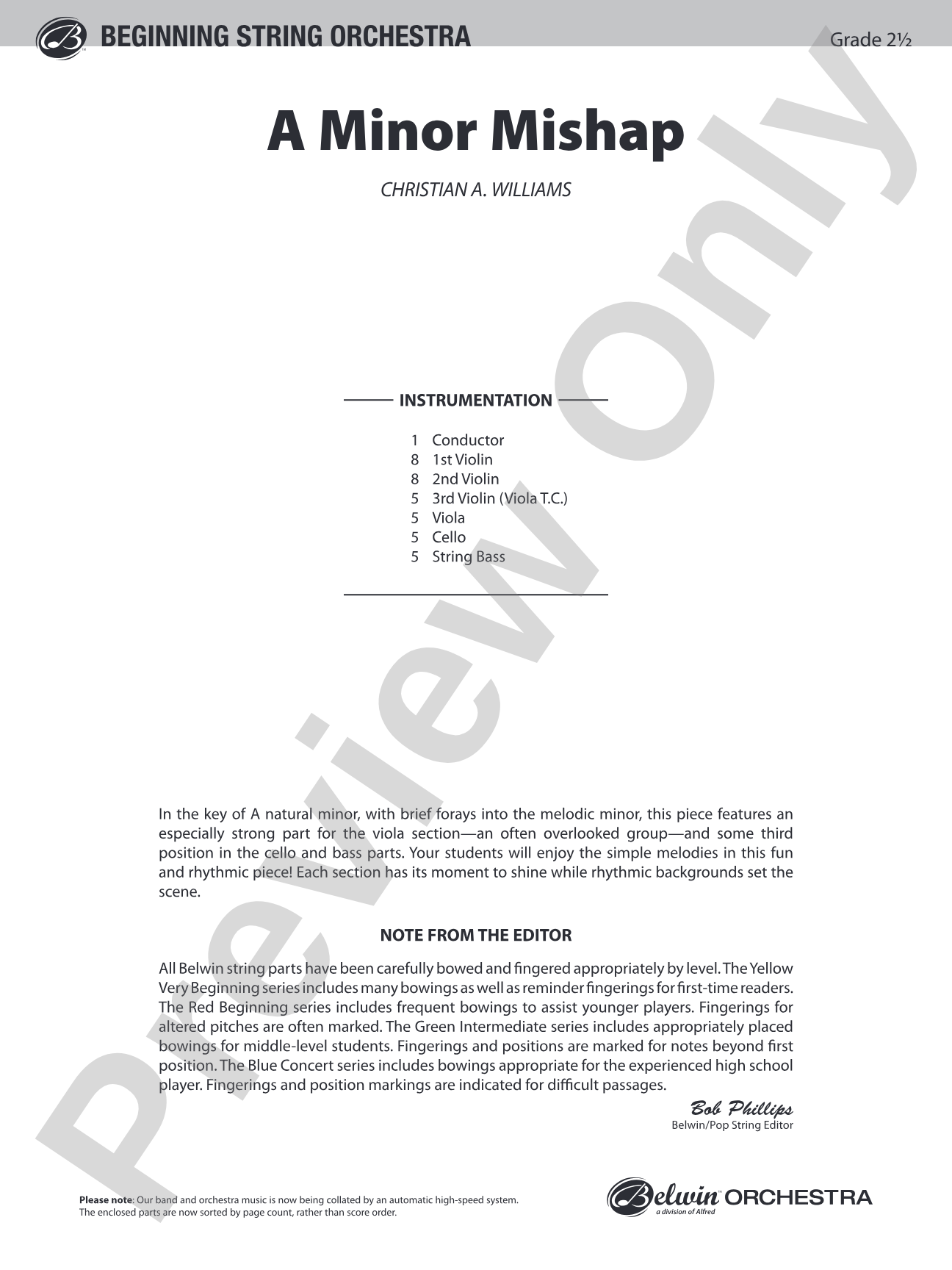
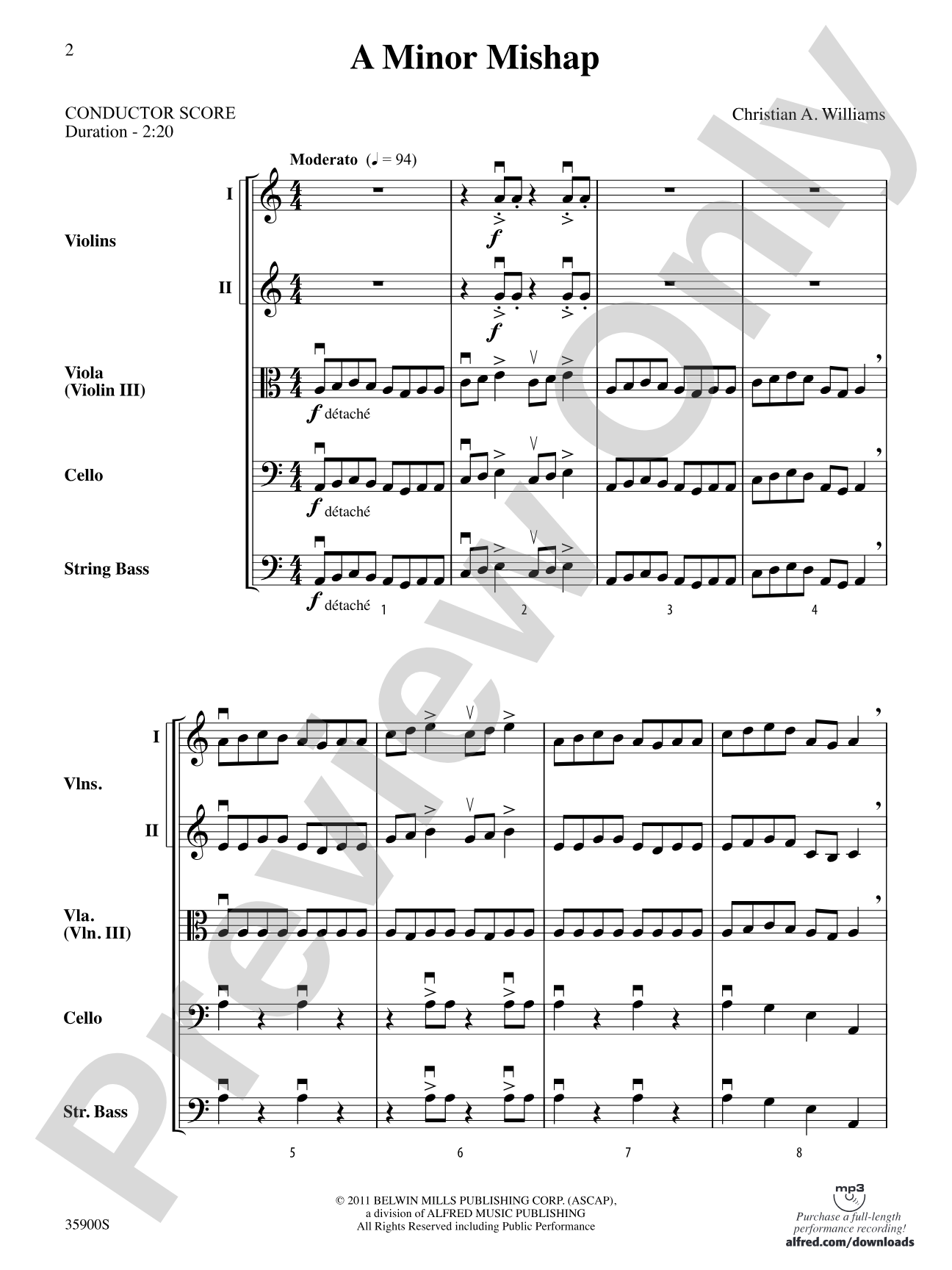
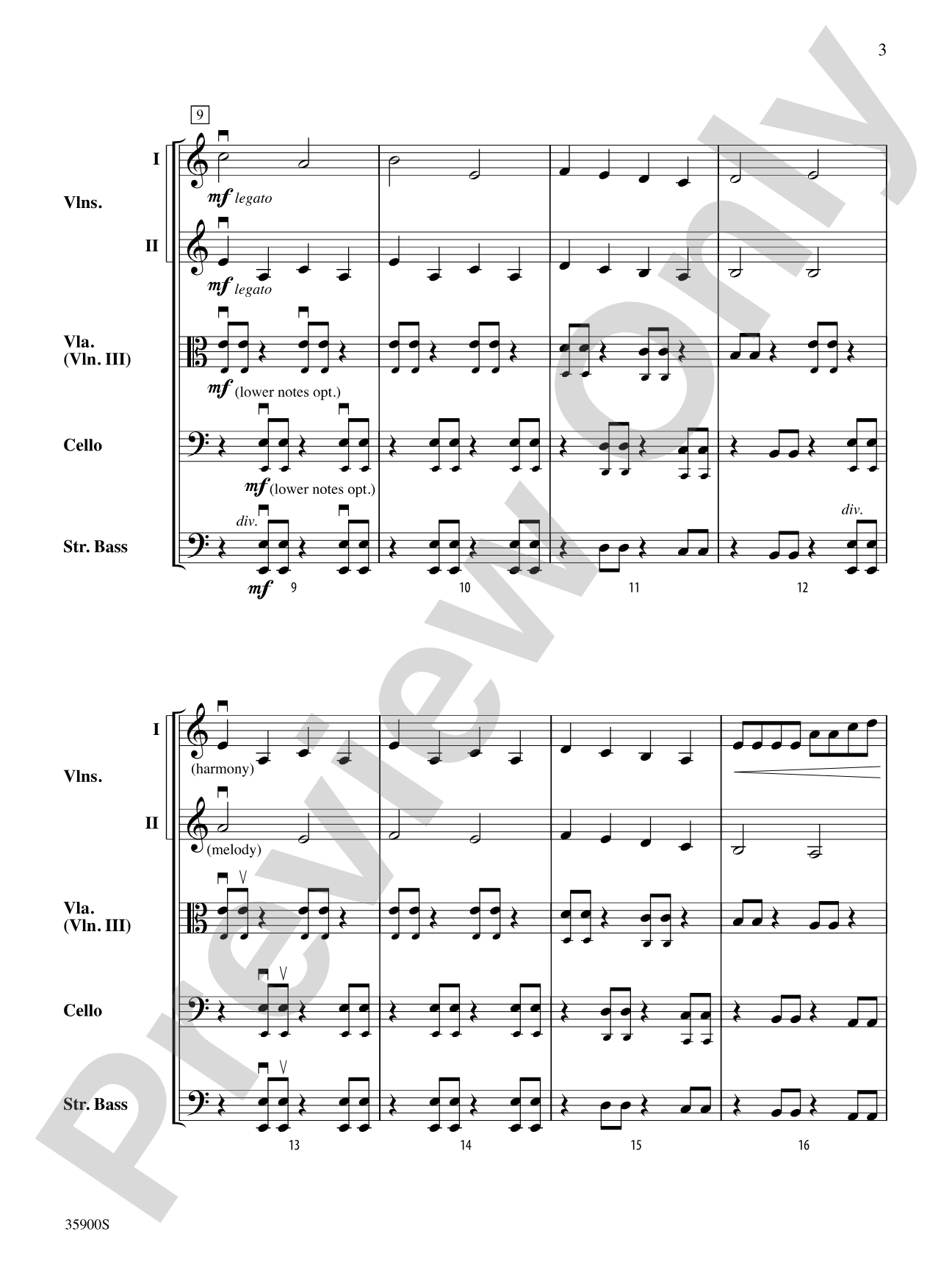
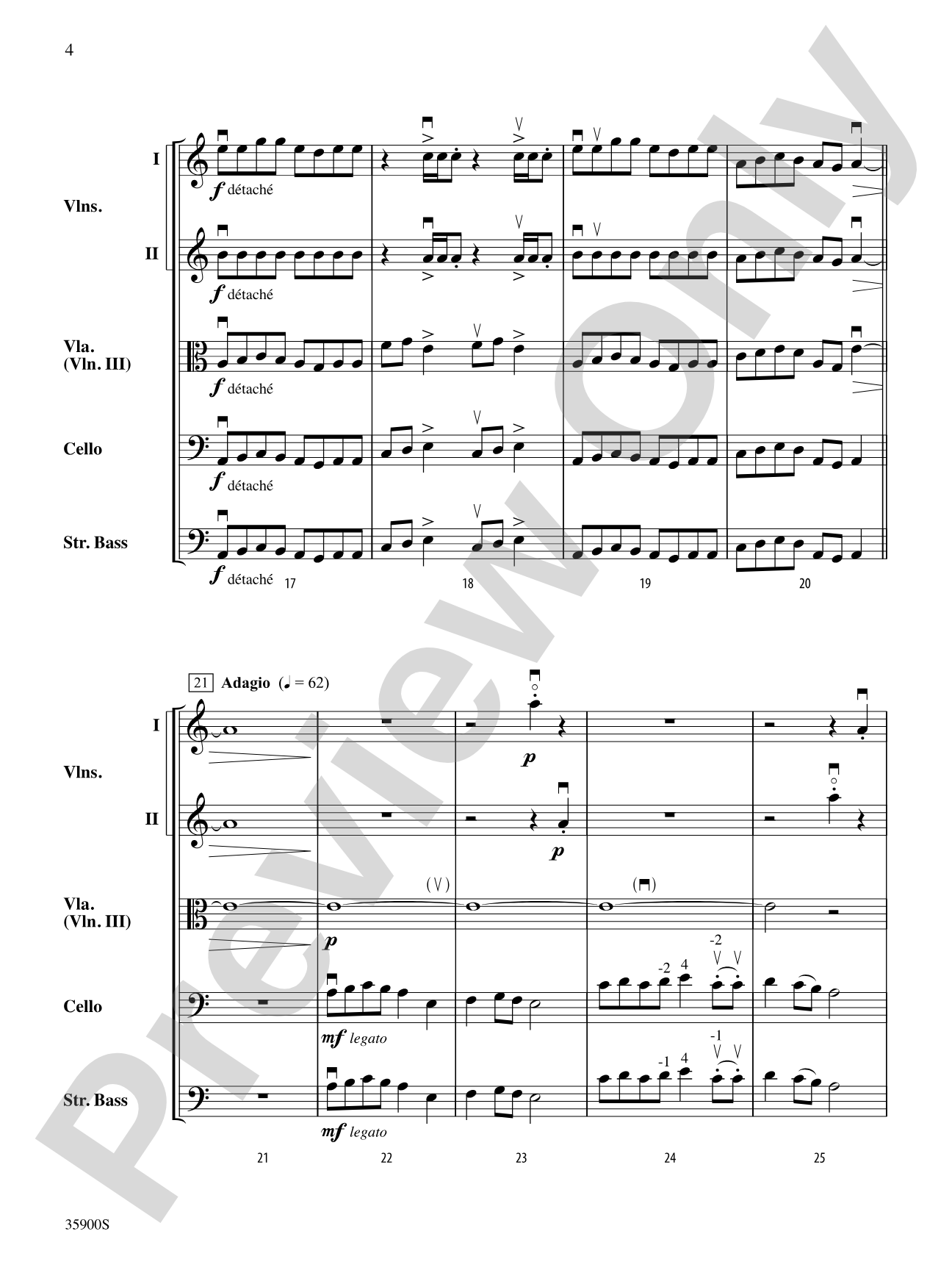
In the key of a natural minor, with brief forays into the melodic minor, this piece features an especially strong part for the viola section---an often overlooked group---and some third position in the cello and bass parts. Your students will enjoy the simple melodies in this fun and rhythmic piece! Each section has its moment to shine while rhythmic backgrounds set the scene.


Don't just read it, hear it, play along with it, and watch your students grow with it. In MakeMusic Cloud, A Minor Mishap: Score comes alive with professional accompaniment, adjustable tempo, and built-in practice tools that turn solo practice into real progress.
Open in the Player
Jump straight in and assign it today.
Start Your Free Trial
Open this title and explore the full library in minutes.
Sample Audio
1
Audio File
--:--
0:00
0:00
Sample Video
No sample videos found.
Additional Details
Series:
Belwin Beginning String Orchestra
Publisher:
Alfred Music
Page Count:
72
SKU:
00-PR-0003301
Instrumentation:
string w/ vln 3
More about this title
About the Composer: Christian Williams

Christian Williams grew up in South Carolina with violin in hand, beginning his studies at age 10 and playing through high school and college. His compositional journey started during those high school years, driven by fascination with harmonic language and the expressive possibilities music offers.
Williams holds a Bachelor's degree in Music Education from Furman University and currently directs beginning strings and high school orchestra programs in Spartanburg County School District 6 while maintaining a private studio teaching violin and viola. His work as both educator and composer gives him insight into what engages young musicians and what challenges build their skills meaningfully.
Why we love this
Williams writes for string orchestras with a genuine appreciation for ensemble balance. Rather than burying the violas in harmonic filler, he gives them genuinely musical material that makes them feel central to the piece's success, a choice that teaches young violists their instrument matters. The rhythmic energy and clear melodic moments keep students engaged while the modal color (natural minor with melodic minor touches) introduces harmonic variety without overwhelming a Grade 2.5 ensemble.
What to expect
A minor tonality gives this piece a reflective, slightly mysterious undertone that contrasts with the rhythmic energy driving it forward. Simple, singable melodies sit atop kinetic accompaniment patterns, creating a piece that feels both approachable and engaging to perform.
Who it's for
String orchestras at the Grade 2 to 2.5 level, particularly those ready for slightly longer forms and harmonic language beyond major keys. Directors seeking repertoire that honors viola players and moves beyond violin-dominated writing will find this piece especially valuable.
How to get the most out of it
- Bring out the viola lines in rehearsal before adding the full ensemble; their prominence is intentional and will sink if violins overwhelm them during early run-throughs.
- Use the rhythmic backgrounds as an opportunity to discuss texture and accompaniment patterns; have students who are playing those figures explain their harmonic function to the ensemble.
- Isolate the cello and bass sections when they move into third position so they develop comfort with the shift without pressure from the full section sound.
- Emphasize the natural minor tonality in your opening rehearsals; mark the few melodic minor passages so players recognize when the character shifts intentionally.
How to use it
Program this as a standalone concert piece or use it to build confidence in less advanced ensembles; the accessibility of the material and the clear structural moments make it rewarding in performance contexts. It also works well in curricular settings where modal harmony is being introduced, since the natural and melodic minor interaction becomes a teaching point rather than a stumbling block.
Skills your students will build
- Reading and performing in natural minor and melodic minor tonalities
- Viola independence and confidence in secondary melodic roles
- Cello and bass third position technique in context
- Rhythmic accompaniment patterns and their relationship to melody
- Dynamic control and balance in multi-textured writing