A Messy Day Sheet Music Preview

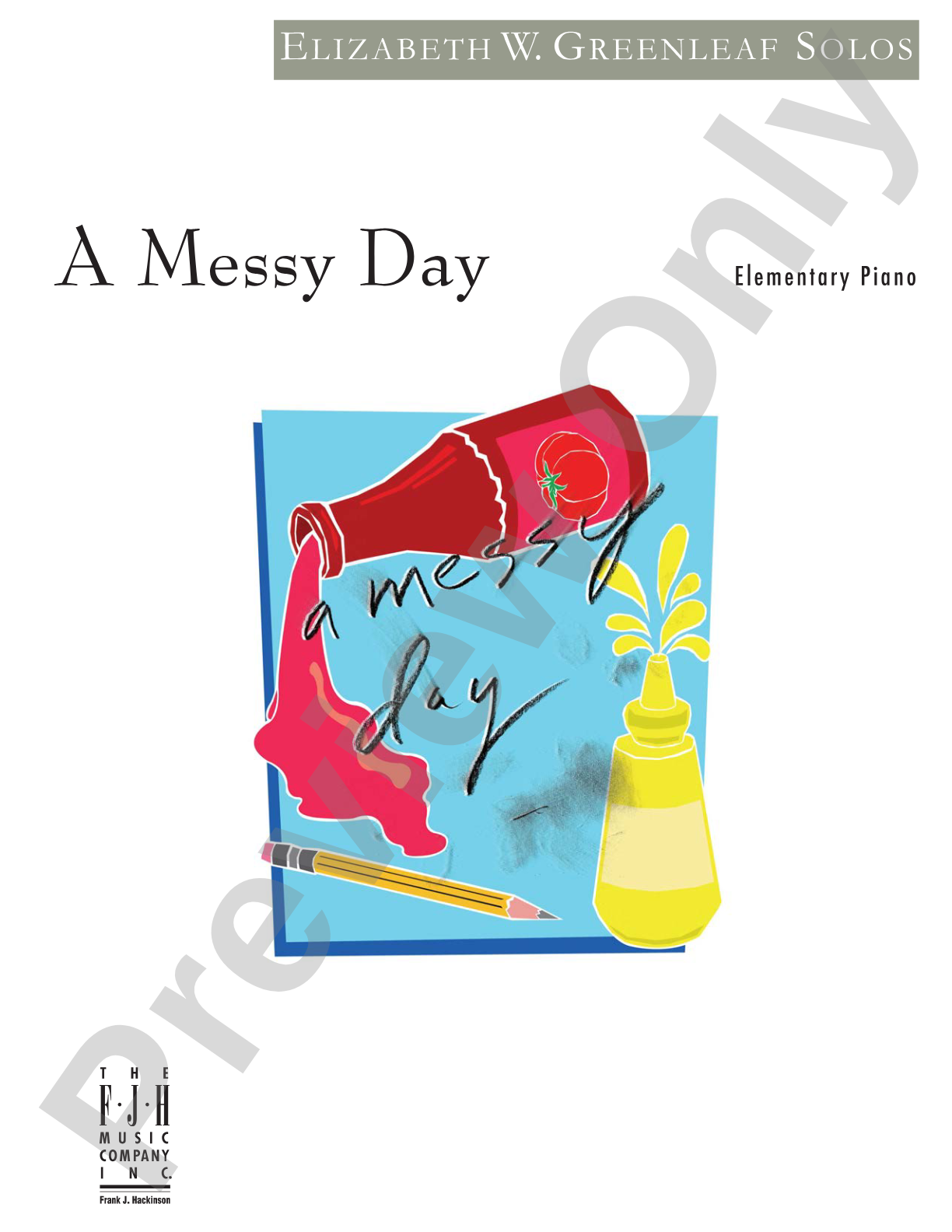
A Messy Day: Piano

By Elizabeth W. Greenleaf

Item: 98-DW9244

Digital Download
$2.95
Description
This fun elementary piece offers much more than the amusing lyrics and light hearted sound of the music. A Messy Day contains legato and staccato articulations within one phrase which helps in the development of the student's ability to change articulations quickly. This piece also utilizes a wide range of dynamic variation.

A Messy Day: Piano isn't in MakeMusic Cloud just yet...but it could be. Let us know you'd like to see it, and you'll help shape what comes next. In the meantime, start a free trial and dive into thousands of interactive titles your students can play along with today.

Sample Audio
No sample audio found.
Sample Video
Additional Details
Series: Written For You
Publisher: The FJH Music Company, Inc.
SKU: 98-DW9244

More about this title

Why we love this

Greenleaf writes with real insight into what elementary pianists need to practice. She layers articulation challenges and dynamic control into a piece that sounds playful and approachable, so students stay engaged while building genuine technique. The narrative element keeps younger players invested in the musicality, not just note-reading.

What to expect

Playful and mischievous, with moments of intentional chaos captured in music. The mix of legato and staccato creates conversational gestures, while the dynamic variety keeps the piece bouncing and alive rather than predictable.

Who it's for

Elementary pianists ready to balance multiple technical demands within a single piece. Students who respond well to narrative or character-driven music will connect with the lighthearted premise while building real skills in articulation control and dynamic expression.

How to get the most out of it

  • Map out the legato and staccato sections before playing at tempo. Mark them clearly on your score so you can visualize the contrast during practice.
  • Practice the dynamic shifts in isolation. Play a phrase using only the dynamic markings without worrying about articulation first, then add the articulation layers.
  • Use the story as your guide. Think about what "messy" sounds like musically in each section, and let that inform your touch and timing.

How to use it

Program this as a recital opener or as part of a thematic concert exploring everyday life through music. It pairs well with other character pieces at the elementary level and works equally well in studio recitals or school performances where audiences appreciate humor and personality.

Skills your students will build

  • Alternating legato and staccato articulation within a single phrase
  • Rapid articulation changes without losing rhythmic stability
  • Dynamic shaping across a wider range (soft to loud and back)
  • Interpretation of programmatic content through musical choices

You May Also Like