
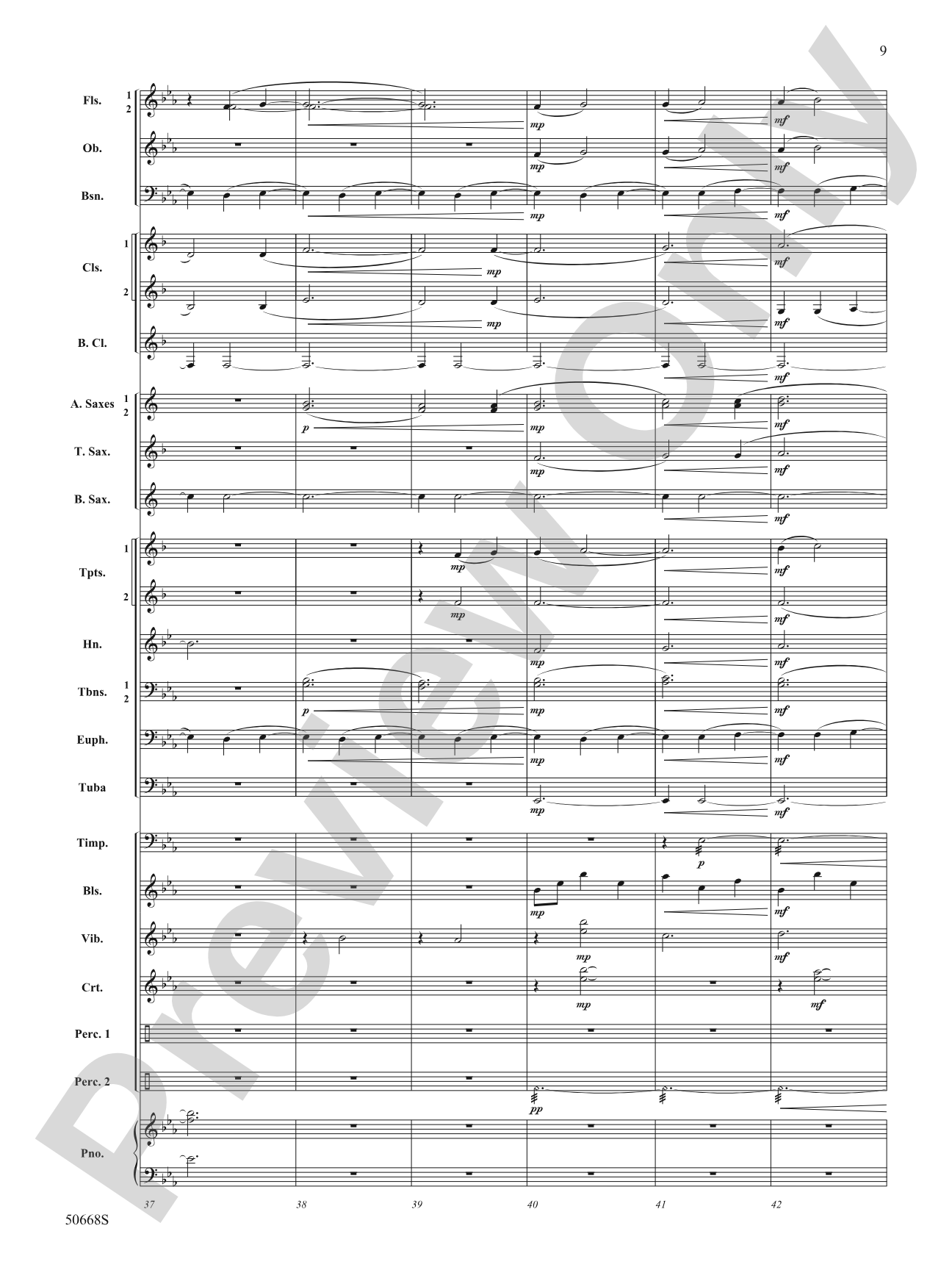
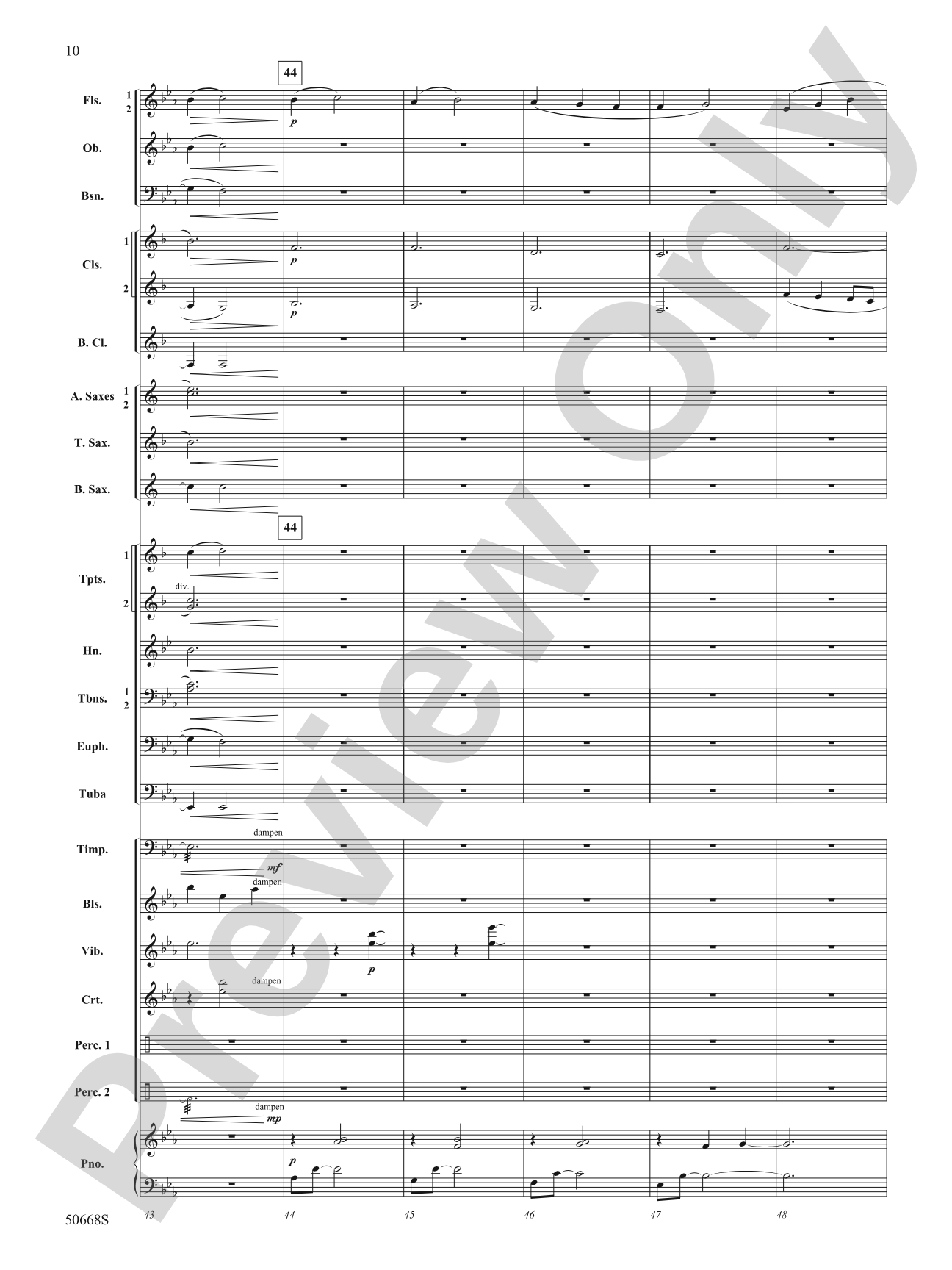
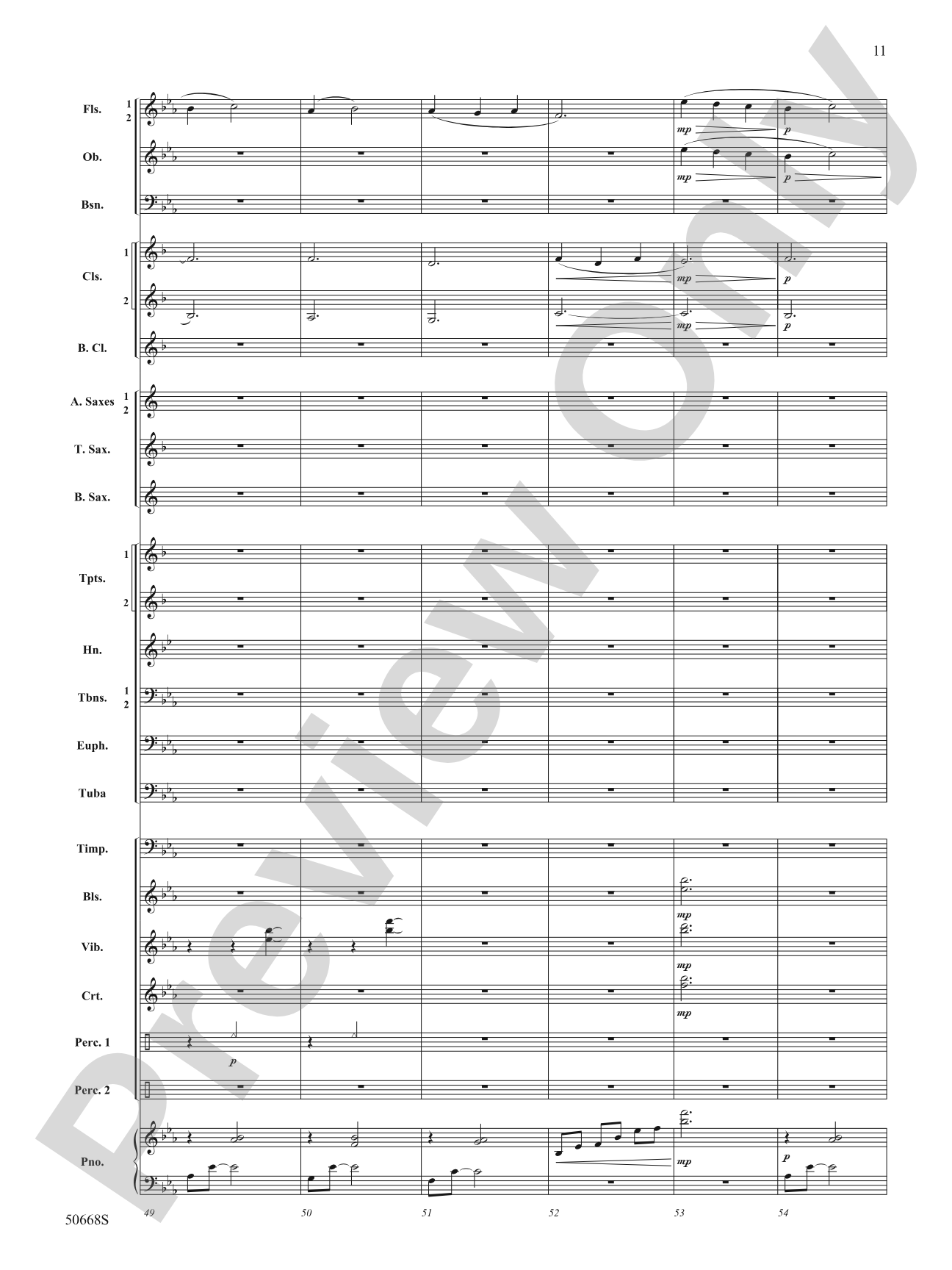
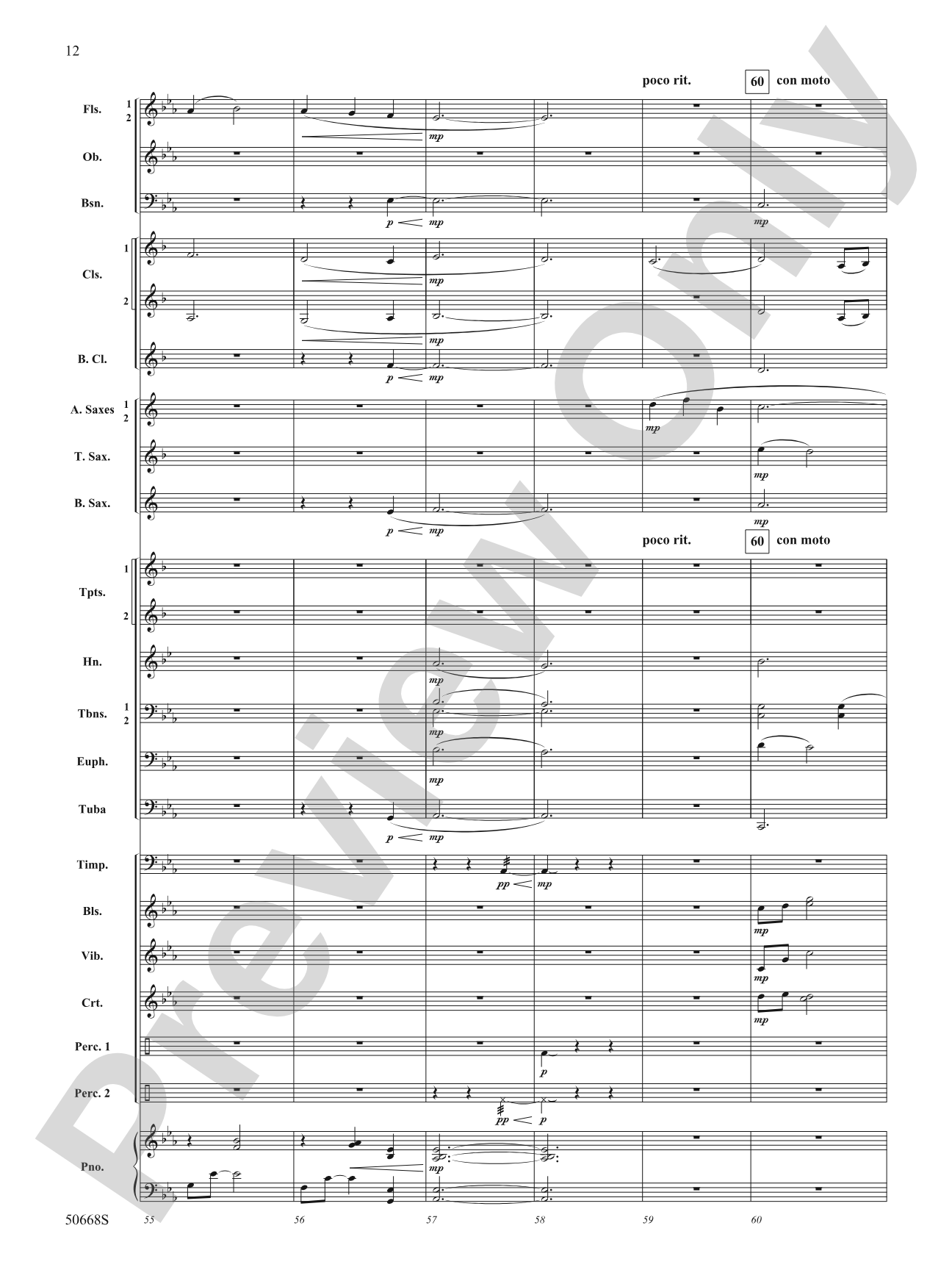
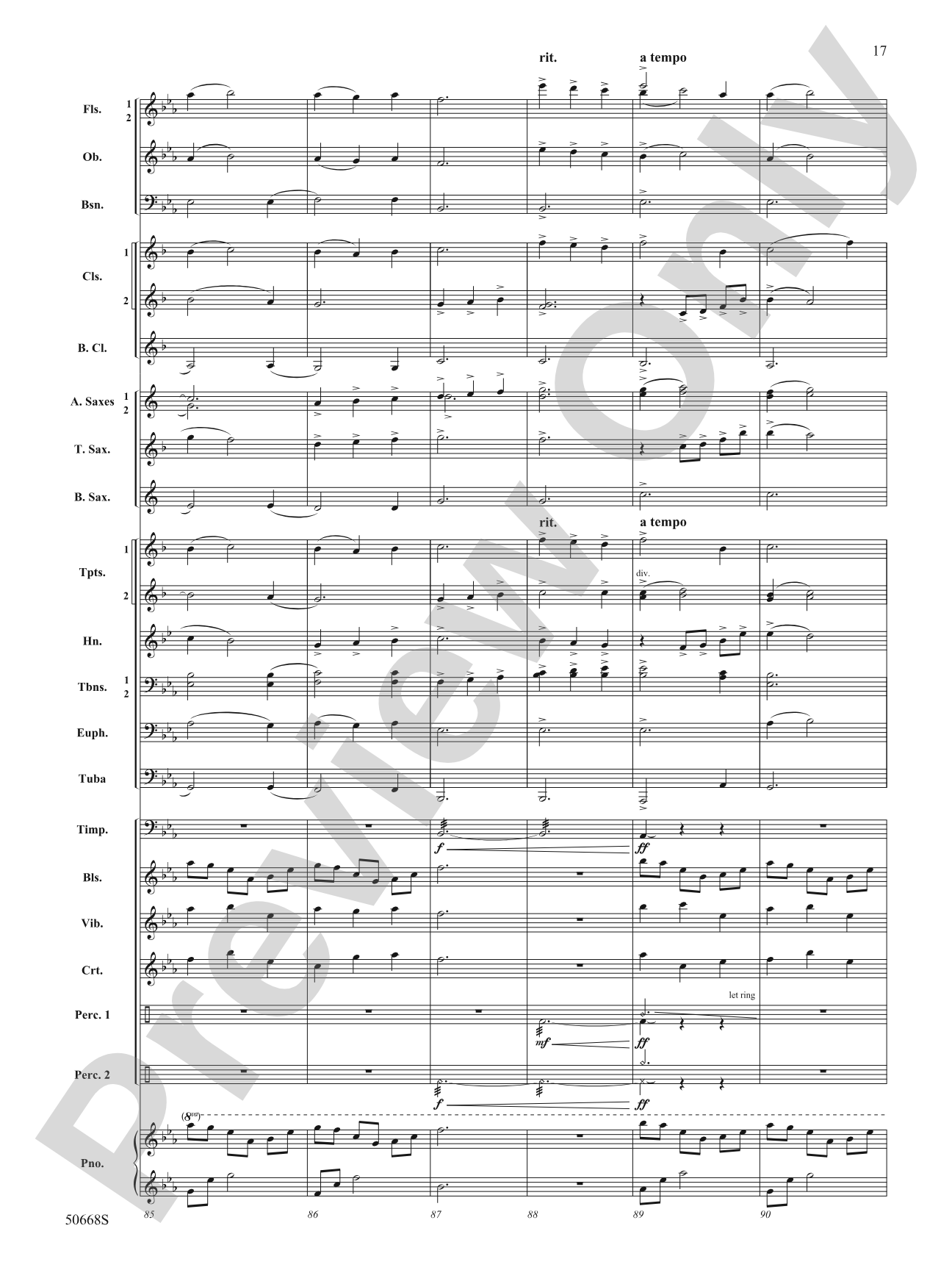
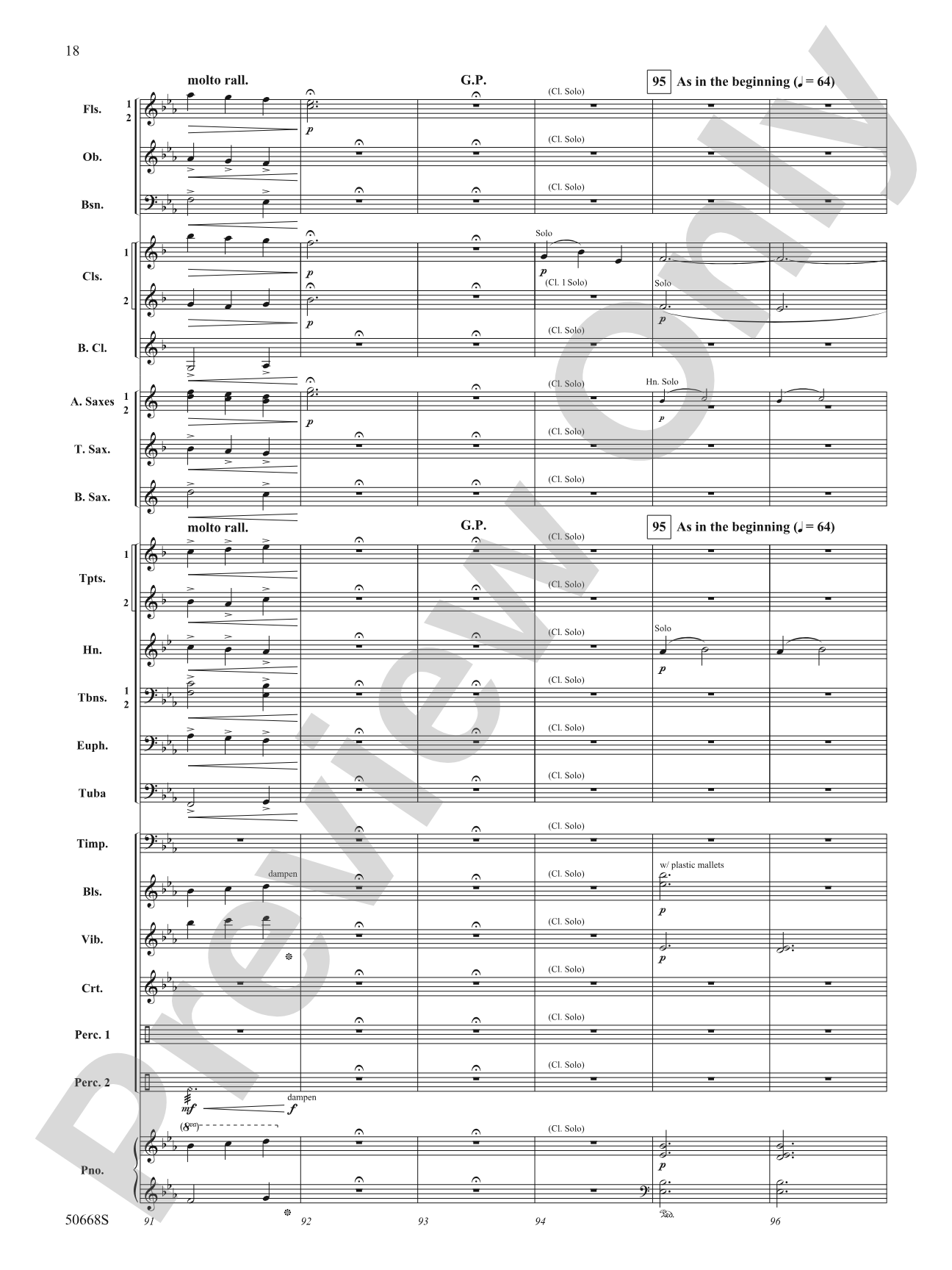
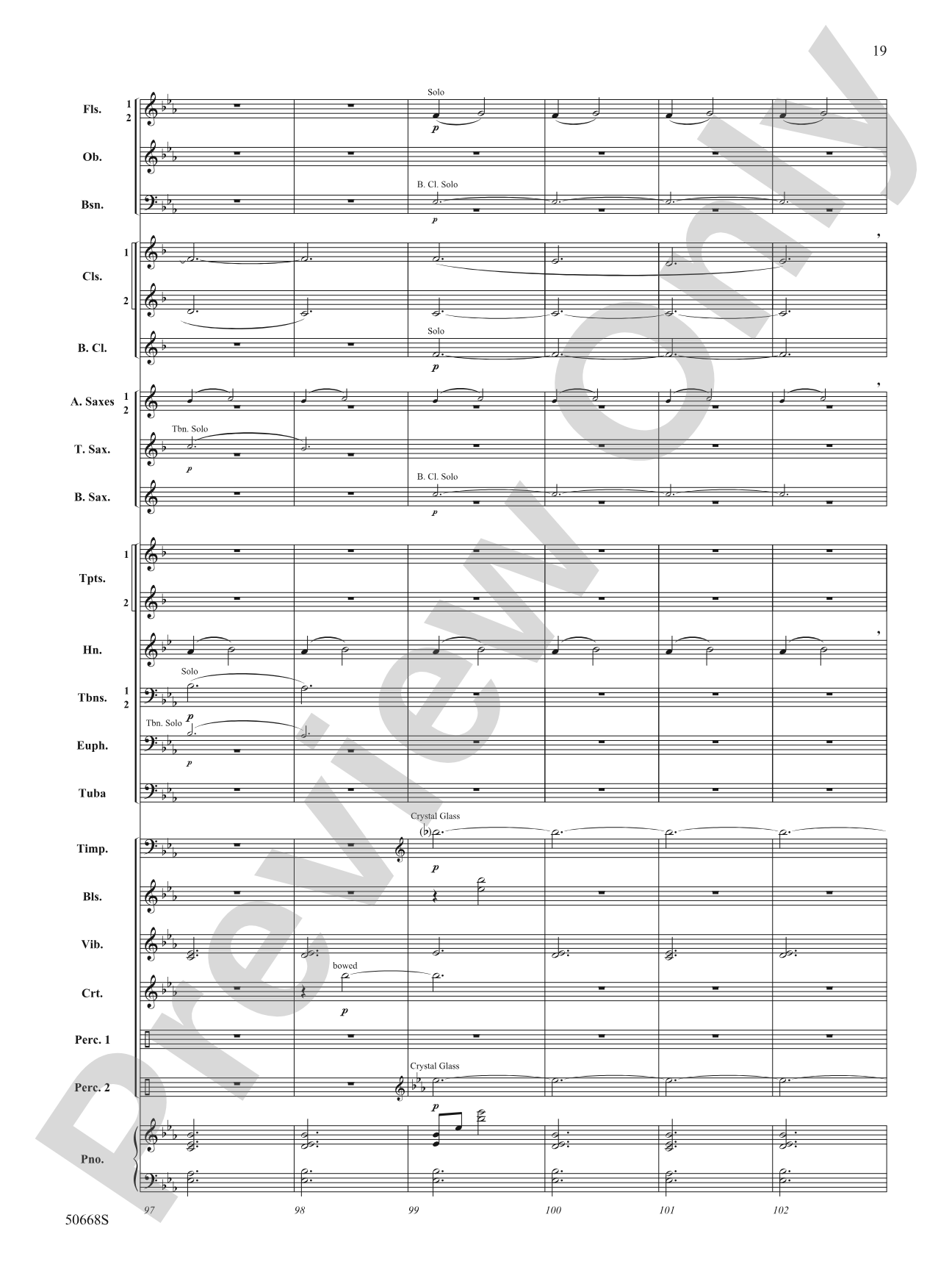
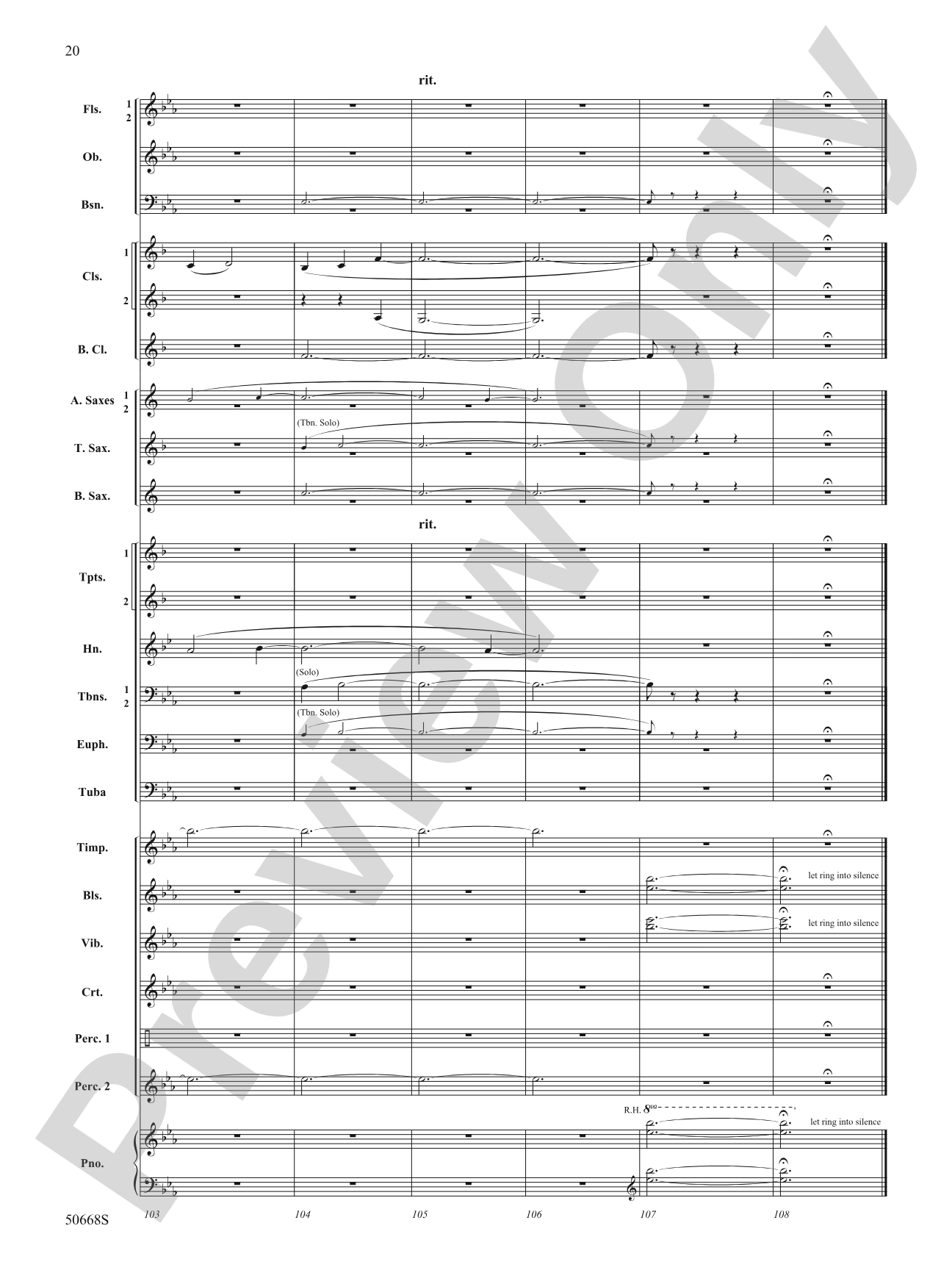

A Life Worth Living: Concert Band Conductor Score & Parts
By Brian Balmages
Grade: 2.5-3
Item: 00-PK-0008775

$75.00
One moment…
Description
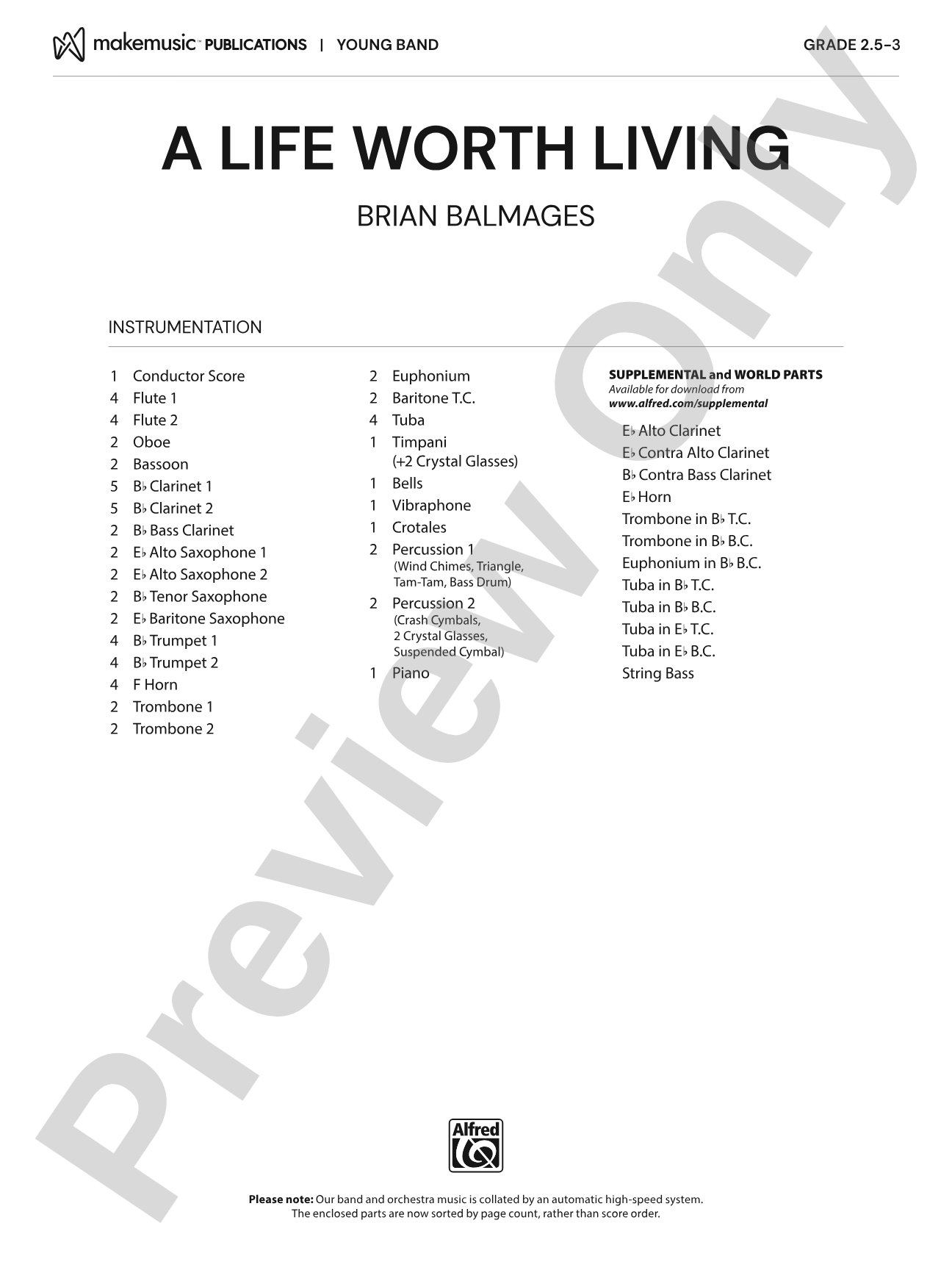
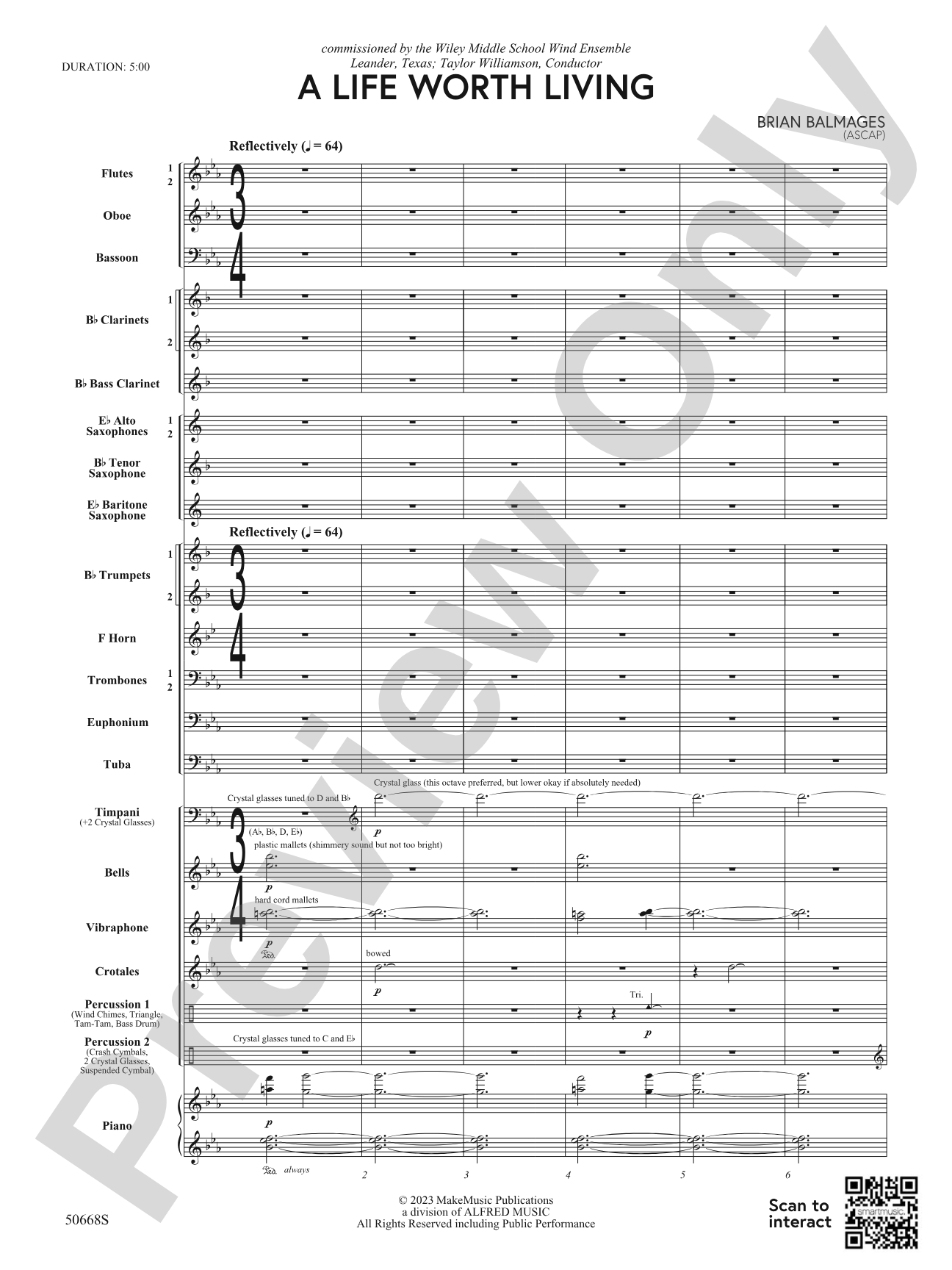
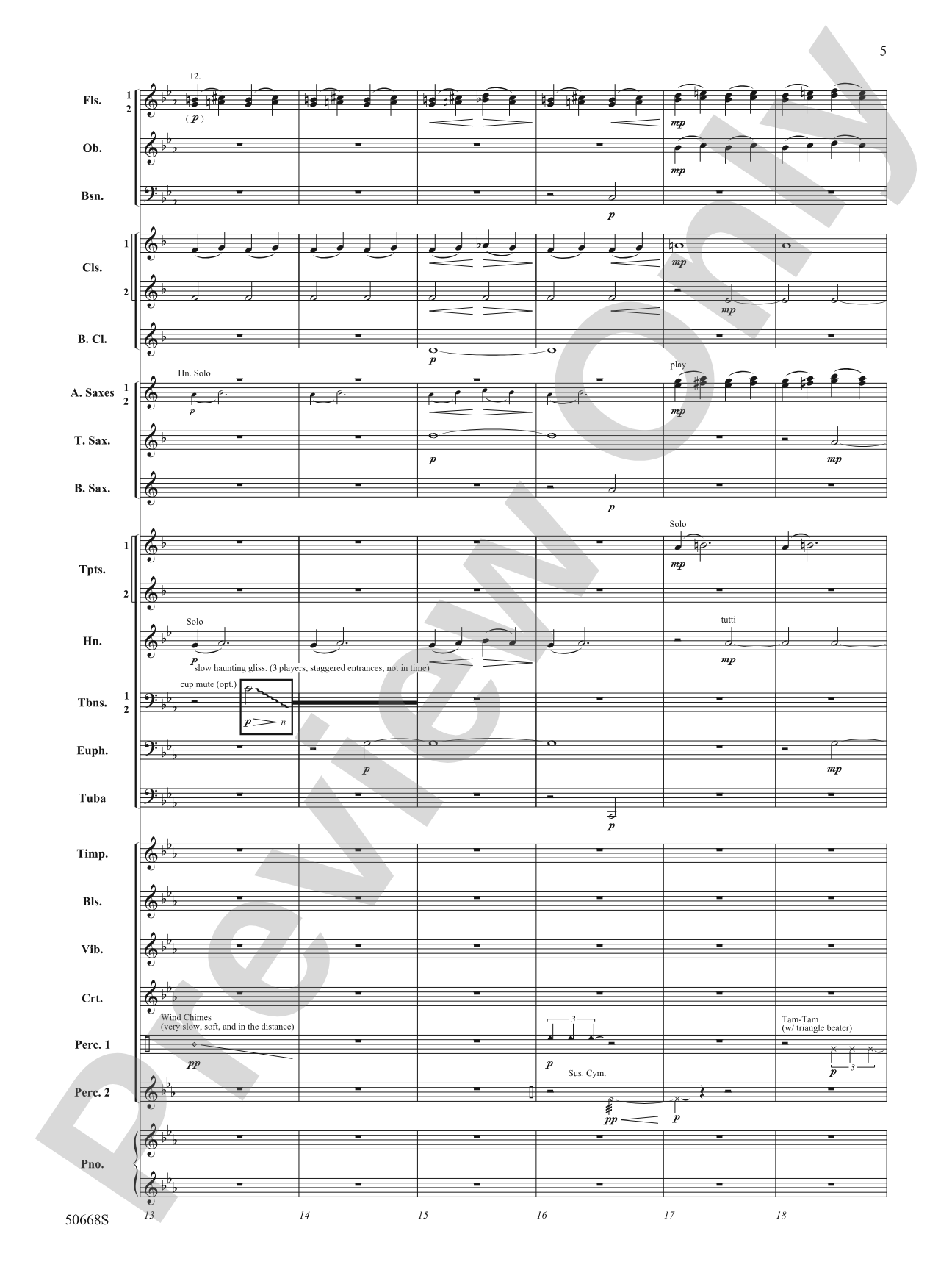
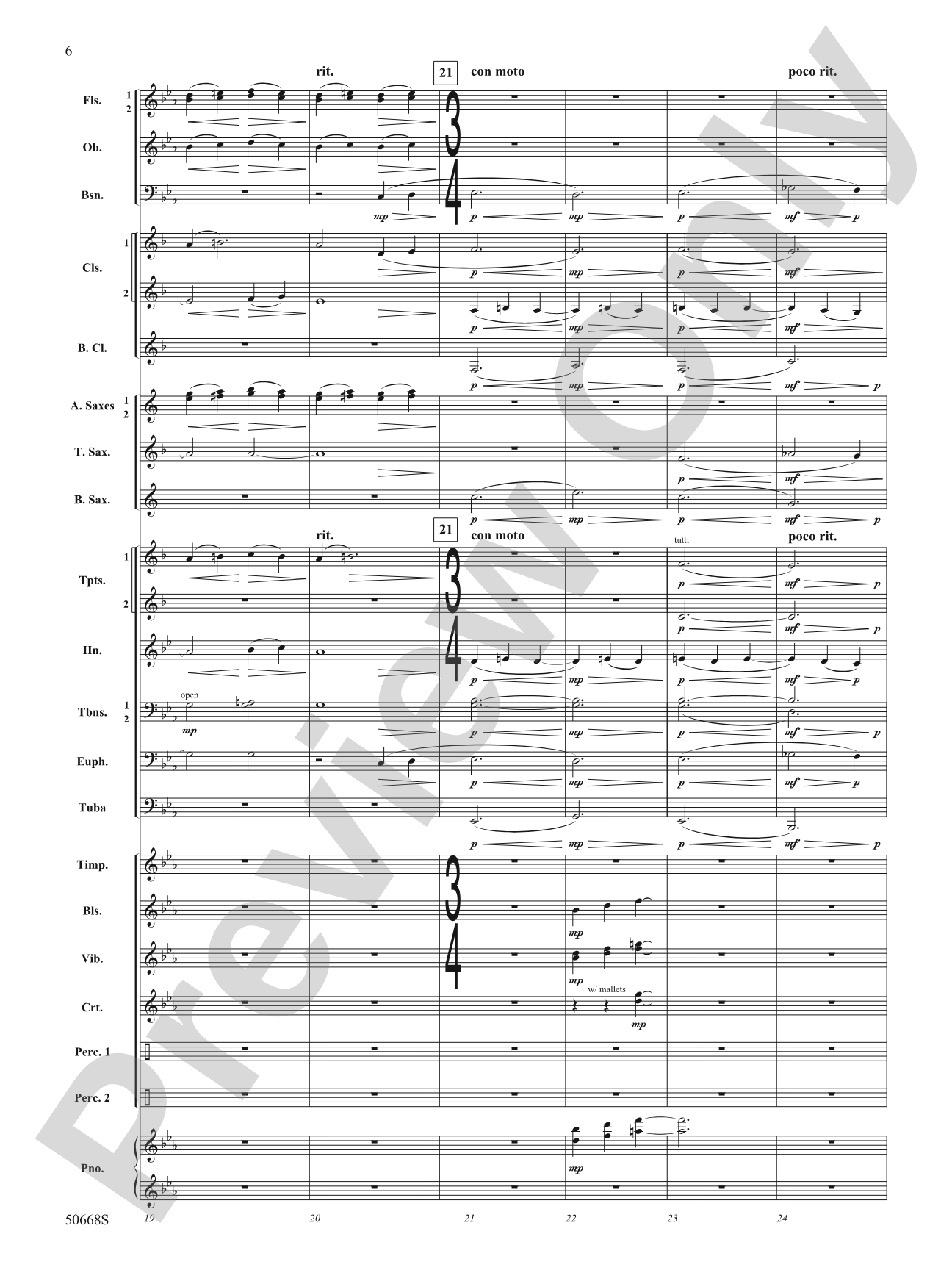
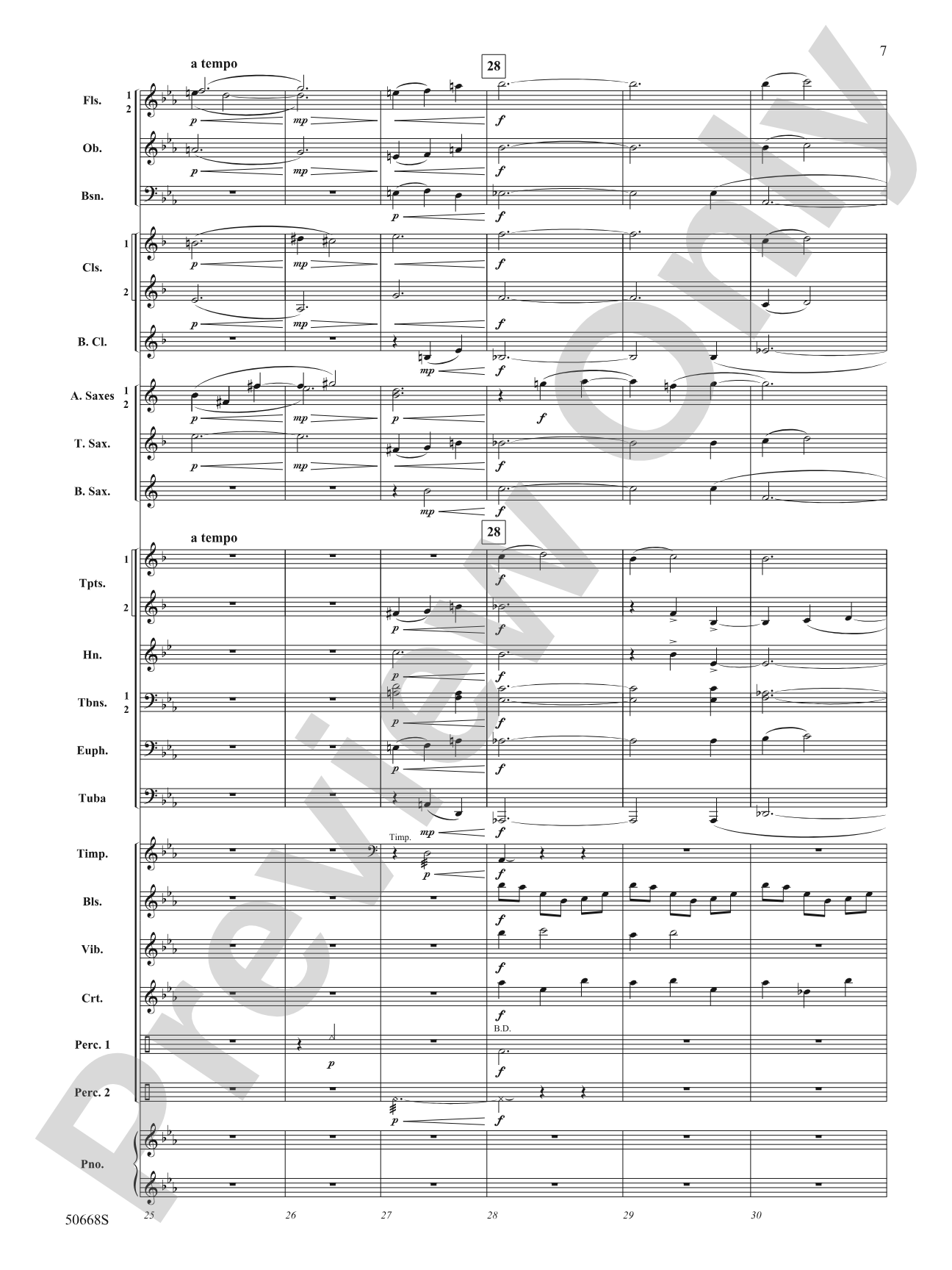
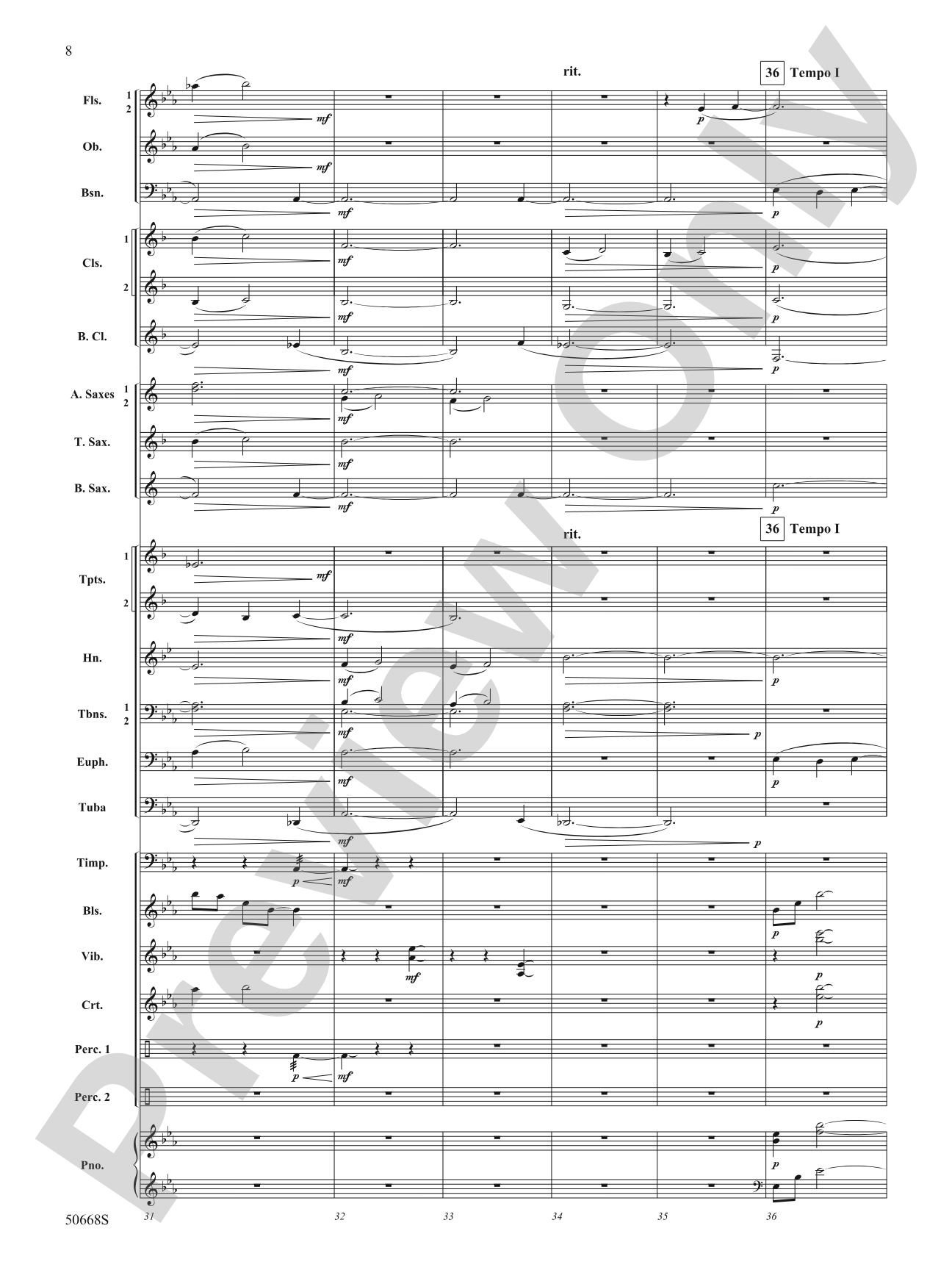
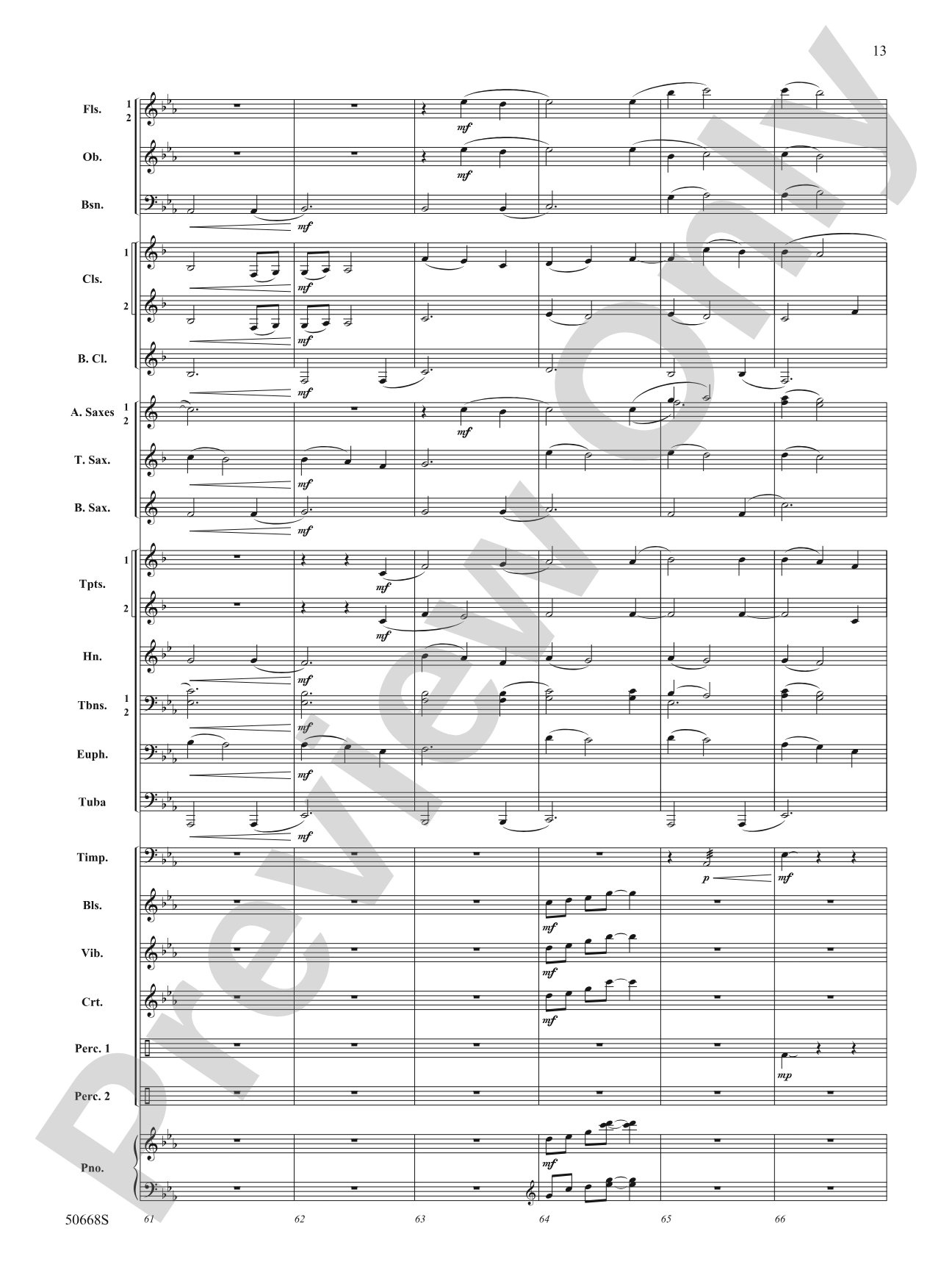
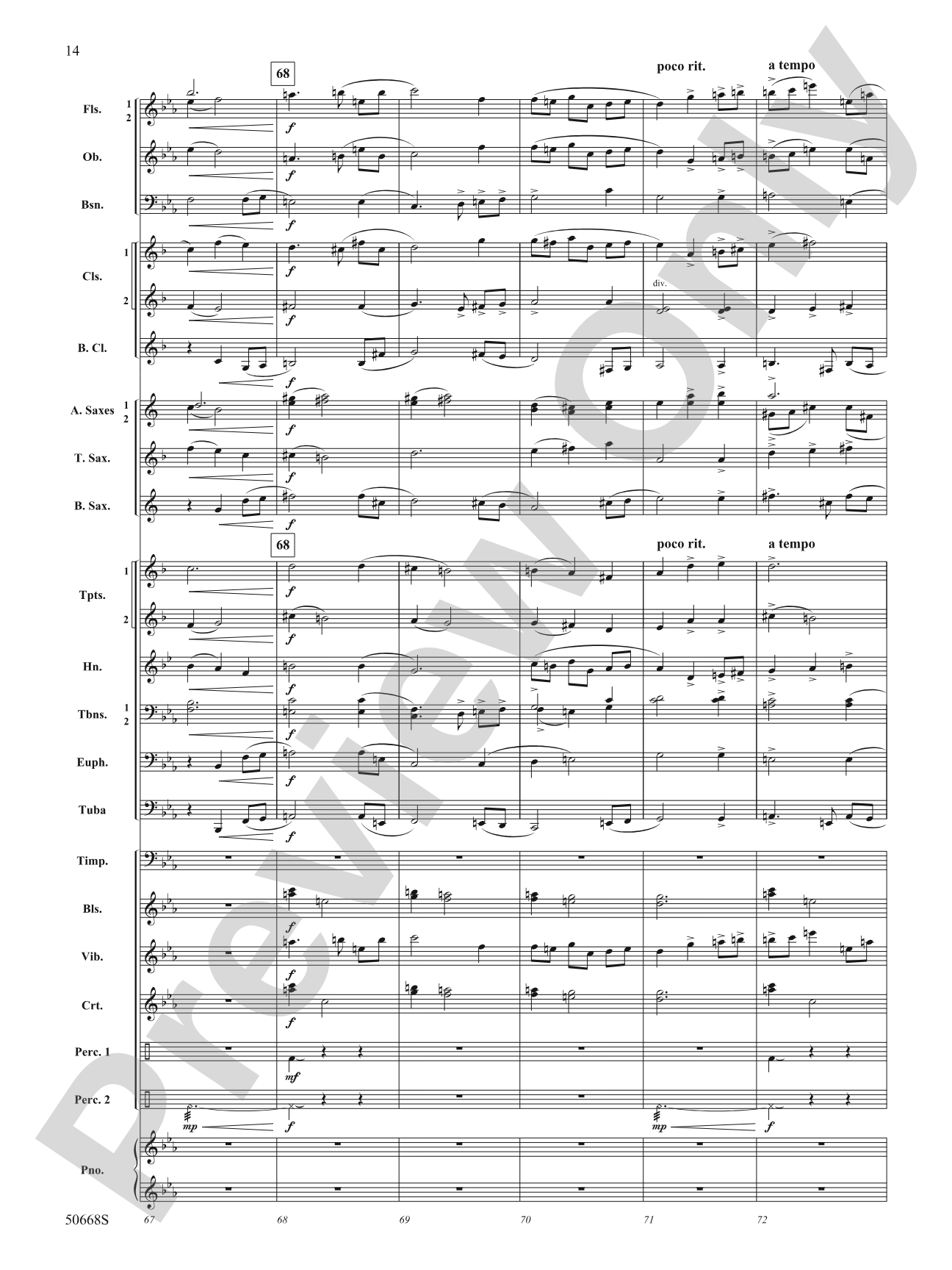
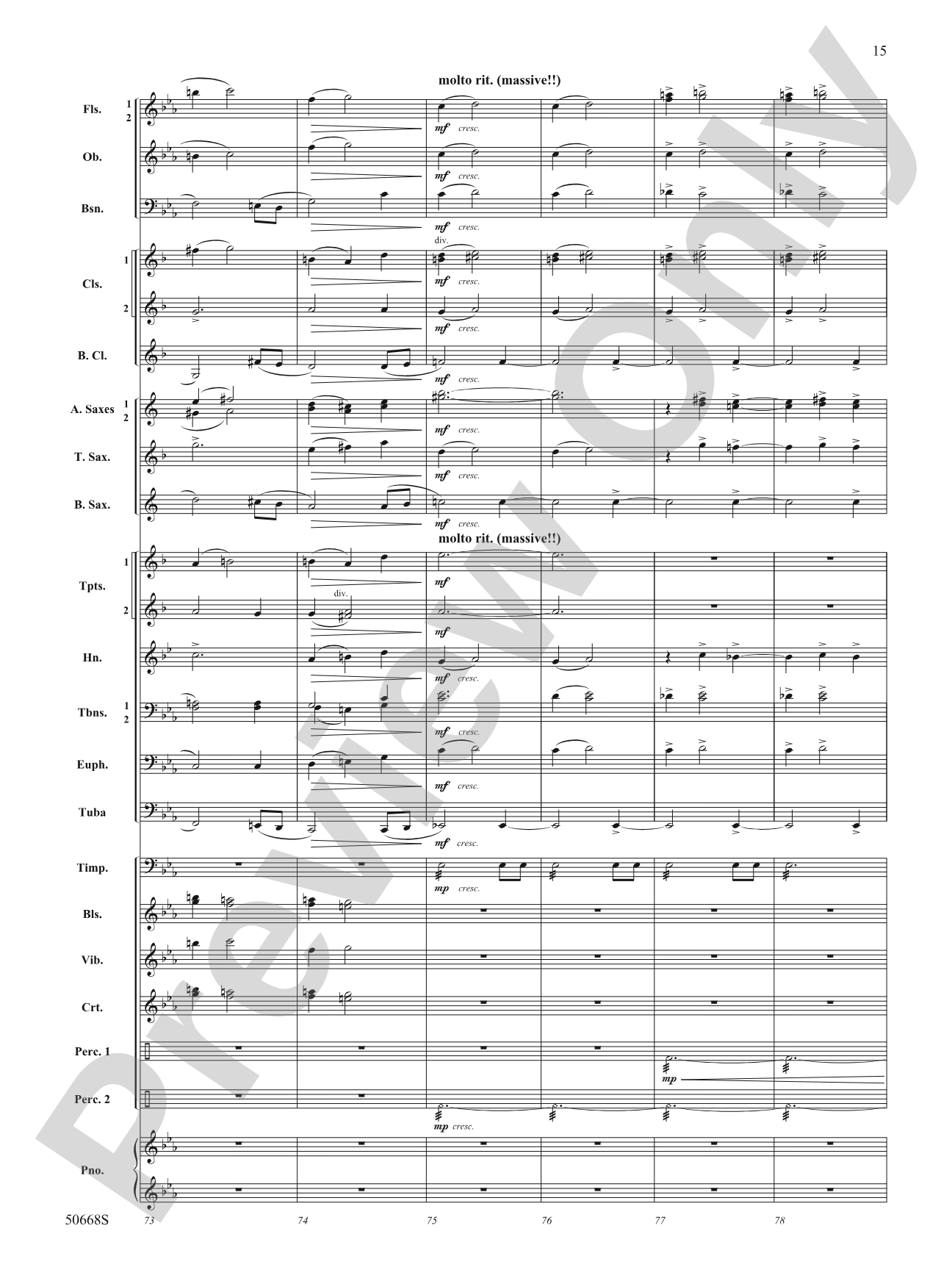
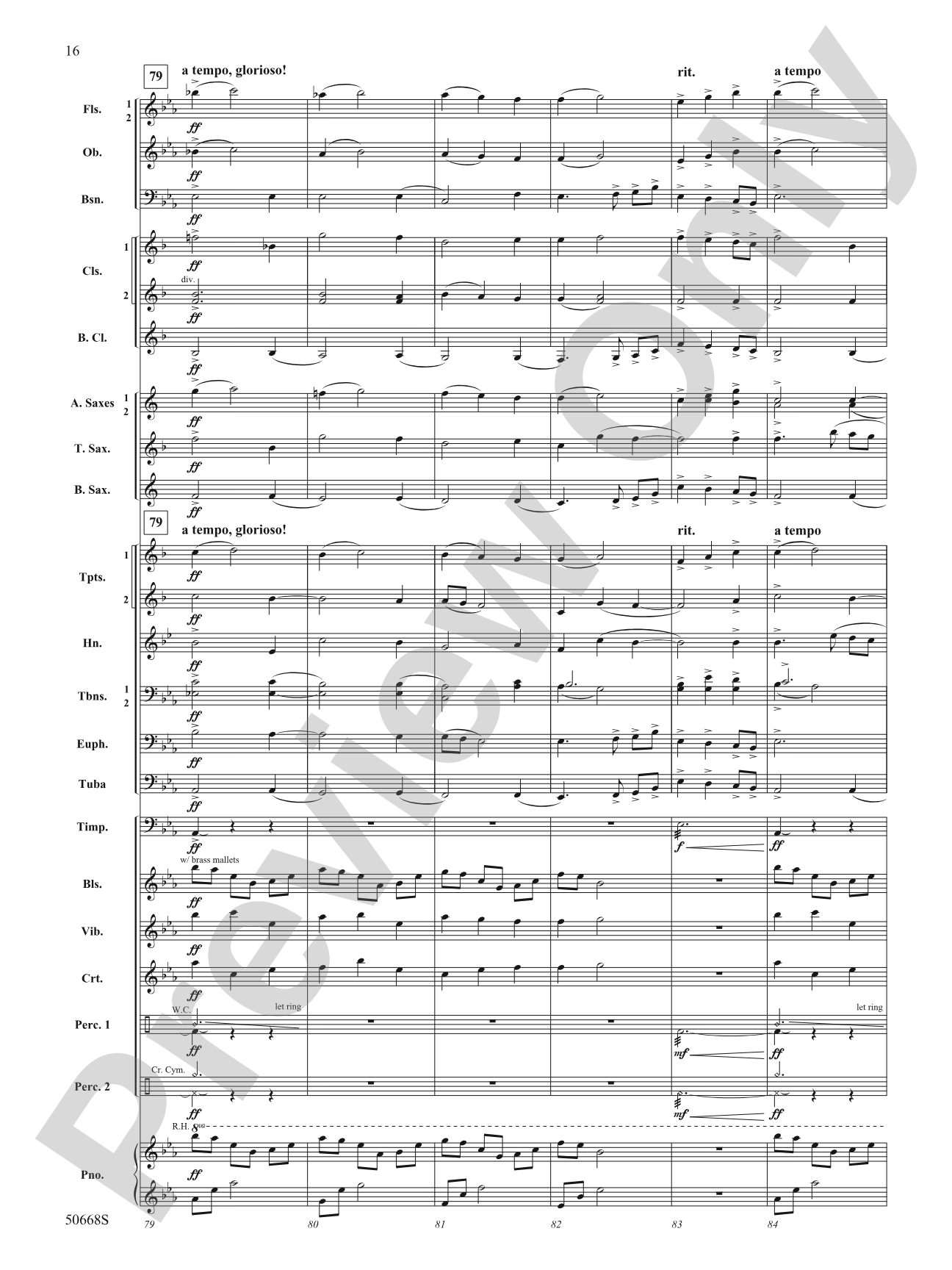
A powerfully lyrical work, A Life Worth Living facilitates meaningful discussions about self-worth, caring for others, and much more. Using harmonies, colors, and textures not often found in pieces at this level, Brian Balmages has created a work playable by younger musicians yet musically appropriate for any level ensemble. Absolutely stunning. (5:00)


Don't just read it, hear it, play along with it, and watch your students grow with it. In MakeMusic Cloud, A Life Worth Living: Concert Band Conductor Score & Parts comes alive with professional accompaniment, adjustable tempo, and built-in practice tools that turn solo practice into real progress.
Open in the Player
Jump straight in and assign it today.
Start Your Free Trial
Open this title and explore the full library in minutes.
Sample Audio
1
Audio File
--:--
0:00
0:00
Sample Video
Additional Details
Series:
MakeMusic Young Band
Publisher:
MakeMusic Publications
SKU:
00-PK-0008775
More about this title
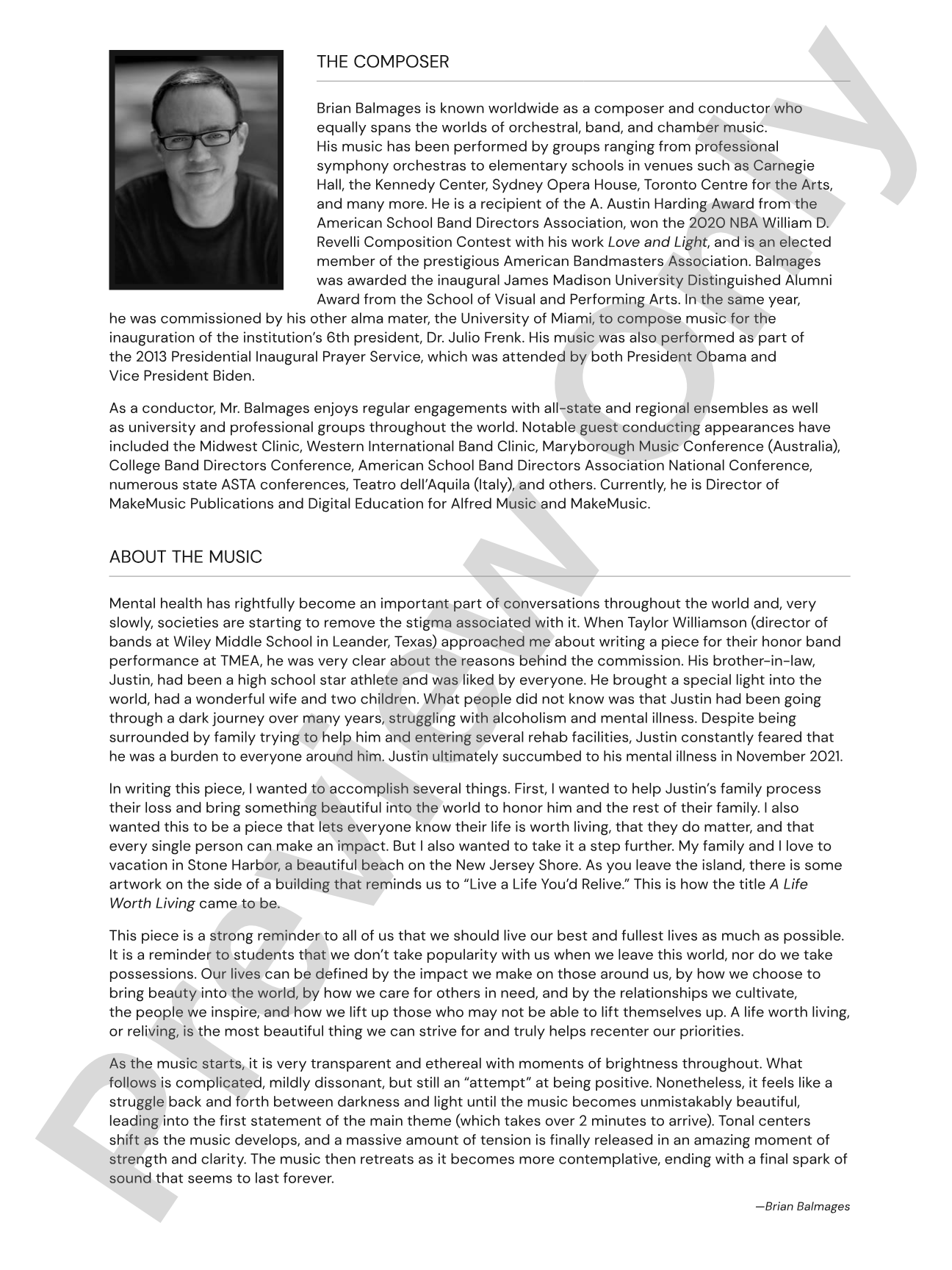
About the Composer: Brian Balmages

Brian Balmages has established himself as a composer and conductor working across orchestral, band, and chamber idioms, with performances ranging from professional symphony orchestras to school ensembles in prestigious venues including Carnegie Hall, the Kennedy Center, and the Sydney Opera House. He holds membership in the American Bandmasters Association and received the A. Austin Harding Award from the American School Band Directors Association, along with the 2020 NBA William D. Revelli Composition Contest award for Love and Light.
Balmages earned the inaugural James Madison University Distinguished Alumni Award from the School of Visual and Performing Arts and was commissioned by the University of Miami to compose for the inauguration of its 6th president. His work was performed at the 2013 Presidential Inaugural Prayer Service. As a conductor, he maintains regular engagements with all-state ensembles, university groups, and professional orchestras worldwide, with notable guest appearances at the Midwest Clinic, Western International Band Clinic, and numerous state and national conferences. He currently serves as Director of MakeMusic Publications and Digital Education for Alfred and MakeMusic.
Why we love this
Balmages strikes an uncommon balance here: the harmonic language and orchestration feel genuinely sophisticated, yet the technical demands remain accessible to Grade 2.5-3 ensembles. The piece accomplishes its thematic work without didacticism, letting the music itself carry the weight of its message about resilience and human connection. For a program that needs substance without requiring advanced sight-reading or extended techniques, this delivers artistic integrity at an honest grade level.
What to expect
The music unfolds with quiet dignity and warmth, building emotional landscapes through careful orchestration rather than bombast. Textures shift between moments of intimacy and fuller ensemble sound, creating a journey that feels both introspective and affirming.
Who it's for
Conductors leading Grade 2.5-3 bands who want repertoire that respects their students' developing musicianship while offering genuine artistic substance. This piece works equally well for festival programs, concert showcases, or thematic performance series exploring topics of character and resilience.
How to get the most out of it
- Bring out the lyrical contours in the melodic sections by shaping phrases through dynamic subtlety rather than relying on sudden shifts; younger musicians often need explicit direction about where lines breathe and swell.
- Balance the harmonic colors Balmages employs by ensuring section leaders hear and match tone quality across parts; unconventional voicings can sound muddy if intonation isn't clean.
- Use the five-minute duration to build narrative momentum; resist the temptation to linger too long on any single section, even beautiful ones, so the piece maintains emotional forward motion.
- Schedule sectional rehearsals to isolate the most exposed passages, particularly in the winds and brass where the harmonic richness depends on accurate tuning and ensemble blend.
How to use it
Program this as a centerpiece for a concert built around themes of personal growth or community; its musical maturity and accessible difficulty make it an ideal anchor work that doesn't overshadow surrounding pieces. It also serves as a strong solo concert selection for an honors ensemble or as a festival entry where substantive programming matters as much as technical difficulty.
Skills your students will build
- Sustaining lyrical phrasing across longer melodic lines
- Blending harmonies in unconventional voicings
- Balancing independent part writing while maintaining ensemble cohesion
- Responding to emotional and programmatic content through expressive playing
- Fine-tuning intonation in complex harmonic contexts