A Knight's Tale Cover Image

A Knight's Tale: Concert Band Conductor Score & Parts

$52.00 USD
Sale price  $52.00 USD Regular price 
Skip to product information
A Knight's Tale Cover Image

A Knight's Tale: Concert Band Conductor Score & Parts

By Carl Strommen

Grade: 2 (Medium Easy)

Item: 00-33844

makemusic Cloud badge

Need it now?

Buy Digital Version
$52.00
Shipped

One moment…

Description
Images of a procession of the Knights of the Roundtable are brought to mind with the opening fanfare of A Knight's Tale. As the piece progresses, the story of chivalry, battle, camaraderie, and the essence of knighthood unfold.

Don't just read it, hear it, play along with it, and watch your students grow with it. In MakeMusic Cloud, A Knight's Tale: Concert Band Conductor Score & Parts comes alive with professional accompaniment, adjustable tempo, and built-in practice tools that turn solo practice into real progress.

Sample Pages

Sample Audio
0:00
0:00
Sample Video
Additional Details
Series: Young Symphonic
Publisher: Alfred Music
Page Count: 124
UPC: 038081382616
SKU: 00-33844

More about this title

About the Composer: Carl Strommen
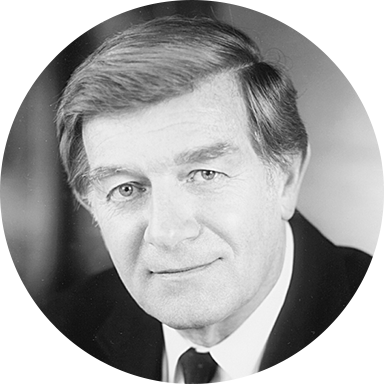
Carl Strommen

Carl Strommen's catalog spans concert band, orchestra, jazz ensemble, and vocal music, establishing him as one of the most frequently performed composer/arrangers across North America and internationally. His work appears consistently in concert halls, on television, and in film; he remains actively sought as both a clinician and commission composer, earning the ASCAP Standard Writers Award annually throughout his career.

A City College of New York graduate, Strommen maintains strong ties to academic music education as an adjunct professor of orchestration and composition at C.W. Post Campus of Long Island University. He resides on Long Island and divides his time between there and Colorado, where his family regularly gathers.

Why we love this

Strommen crafts this Grade 2 band work with genuine narrative arc rather than shallow programmaticism. The opening fanfare immediately signals drama and scale, then the composer sustains musical interest through genuine thematic development across the middle sections, giving student musicians real material to shape and balance rather than just marking time until the next flashy moment.

What to expect

A cinematic unfolding: fanfare and pageantry open the stage, then the music shifts through moments of heroism, struggle, and reflection. Throughout runs an underlying sense of noble purpose, balanced with accessible orchestration that lets younger ensembles feel the grandeur of the material.

Who it's for

Band directors seeking repertoire that engages students with storytelling without condescending to Grade 2 musicians. This score works equally well for concert programs and festival performance, offering substantial material without excessive technical demands.

How to get the most out of it

  • Shape the opening fanfare to suggest pageantry without letting it become rhythmically loose; think procession clarity rather than concert-march precision.
  • Listen carefully to balance during thematic transitions. Strommen layers story through instrumental color, so secondary melodies in lower voices and middle voices need space to emerge.
  • Build intensity gradually through the battle passages by bringing dynamics into the supporting figures, not just the melody line; this keeps energy moving forward naturally.
  • Mark entrances during key structural moments so all sections understand when the musical 'scene' shifts. This piece rewards conductors who clarify the narrative through clear, confident gesture.

How to use it

Program this as a concert centerpiece for a fall or winter band concert, where its thematic clarity and moderate length create strong programming momentum. It also pairs well with a lighter opening number and a contrasting closing piece, forming a satisfying three-work arc for a full recital.

Skills your students will build

  • Sustaining lyrical phrasing across longer melodic lines
  • Balancing ensemble texture when melody moves between sections
  • Responding to clear narrative structure through musical interpretation
  • Controlling crescendos and diminuendos over multiple measures
  • Coordinating articulation changes that shift the character of a theme

You May Also Like
