
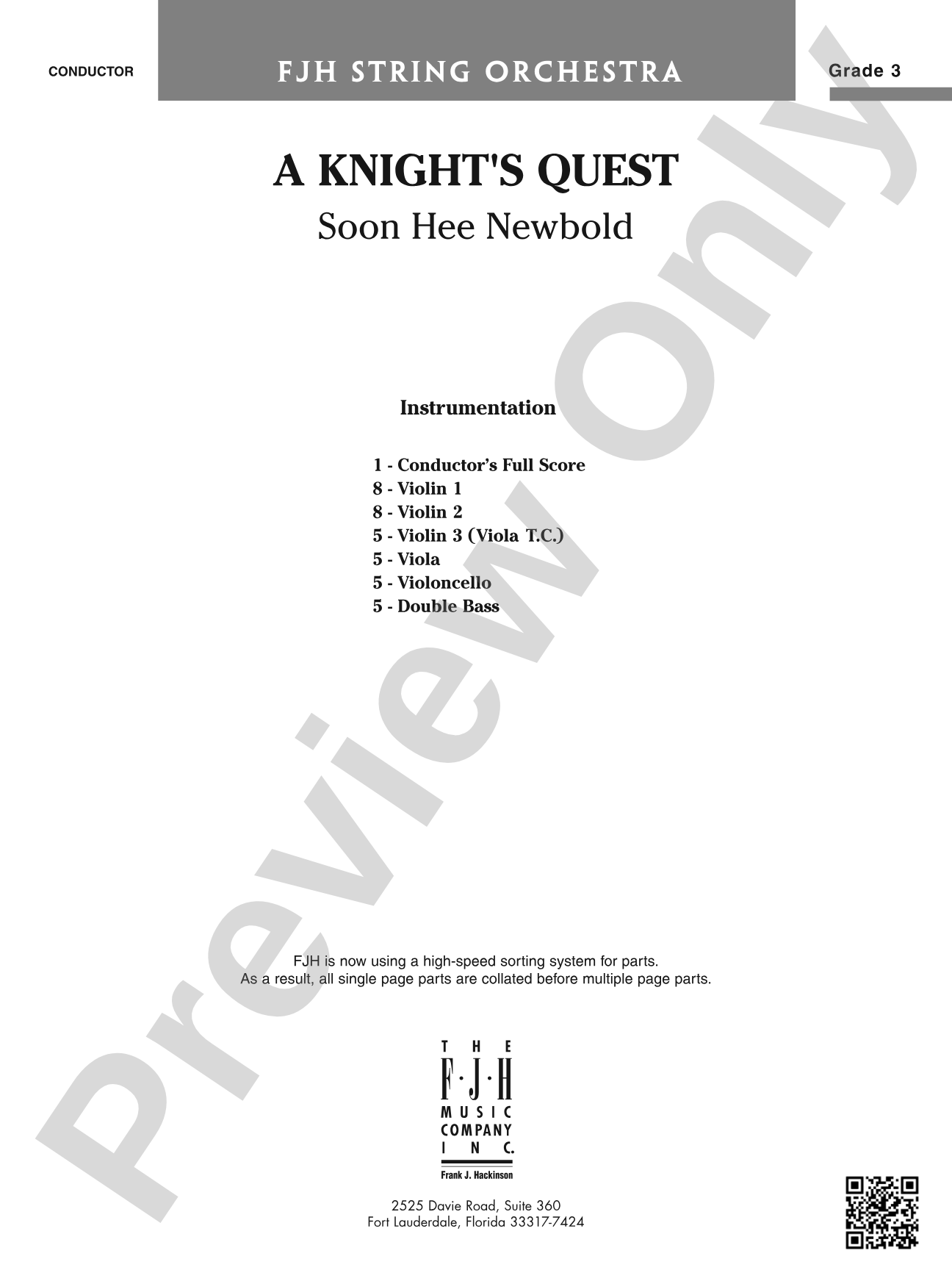

A Knight's Quest: String Orchestra Conductor Score & Parts
By Soon Hee Newbold
Grade: 3
Item: 98-DST6094

$80.00
Pickup currently not available
Buy Extra Parts (Digital PDF Download)
| Product | Price | Quantity |
|---|---|---|
| A Knight's Quest: Score | $11.00 | |
| A Knight's Quest: Violin 1 | $7.00 | |
| A Knight's Quest: Violin 2 | $7.00 | |
| A Knight's Quest: Violin 3 (Viola T.C.) | $7.00 | |
| A Knight's Quest: Viola | $7.00 | |
| A Knight's Quest: Violoncello | $7.00 | |
| A Knight's Quest: Double Bass | $7.00 |
Parts Added to Cart!
Description
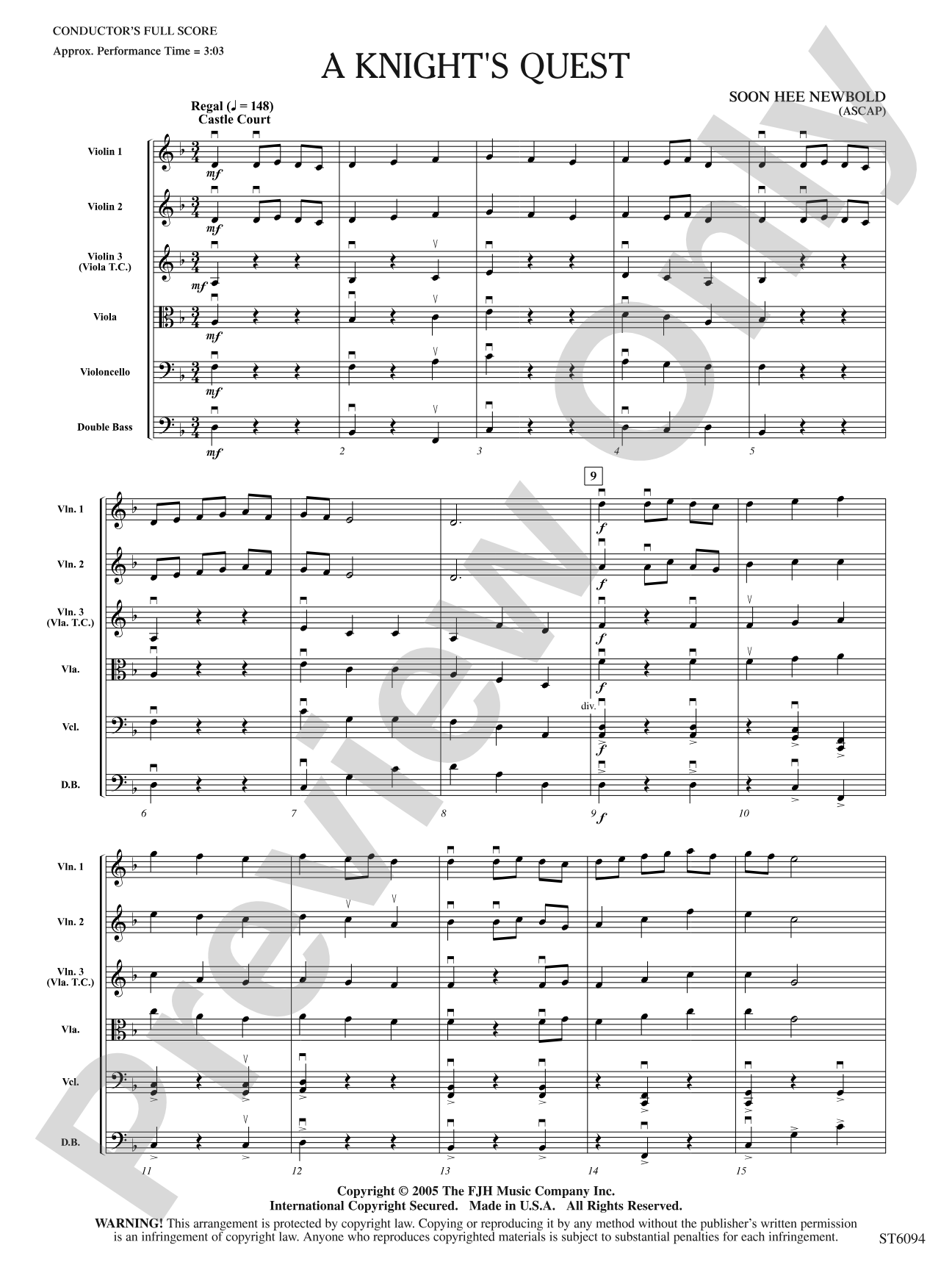
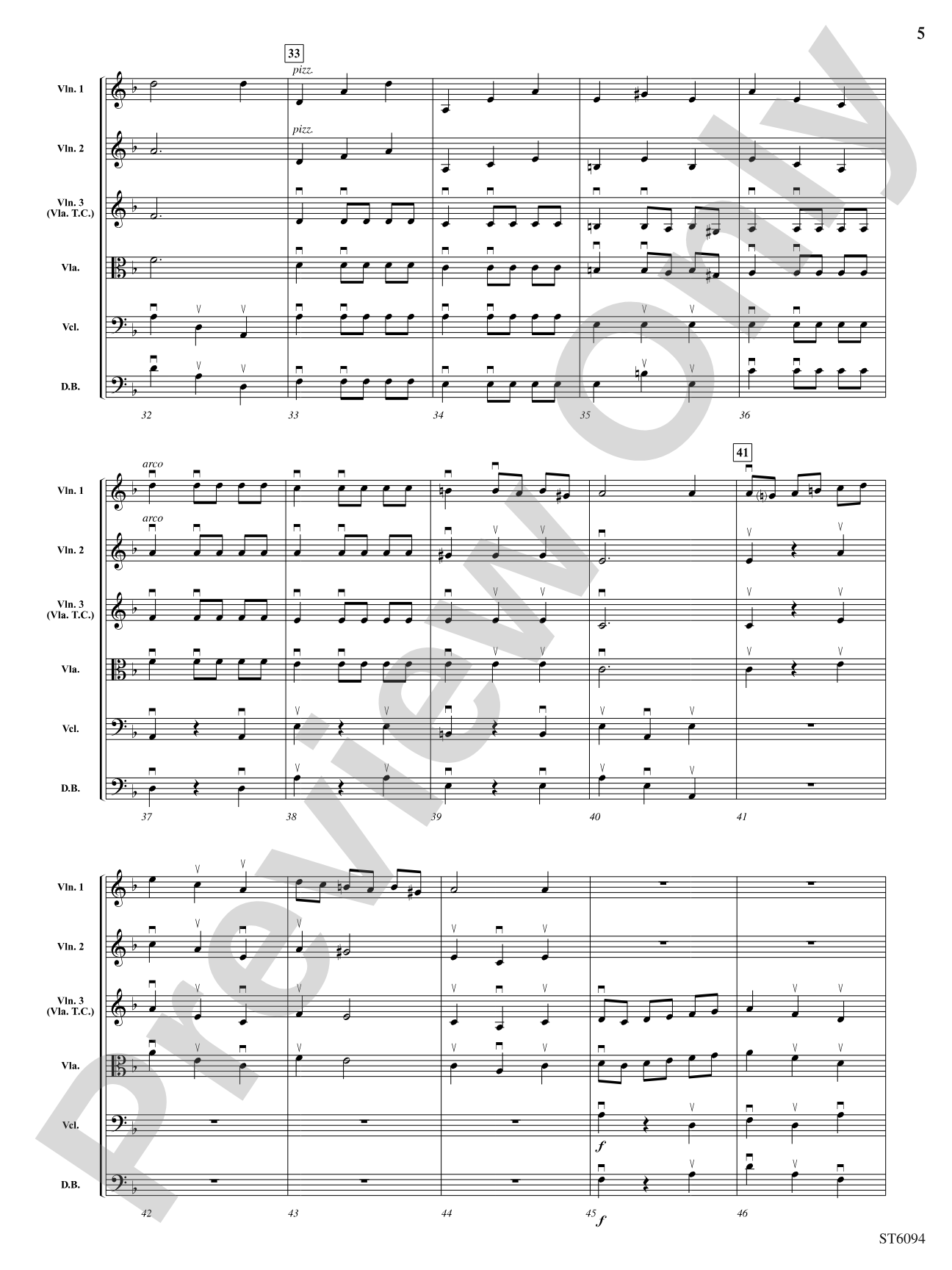
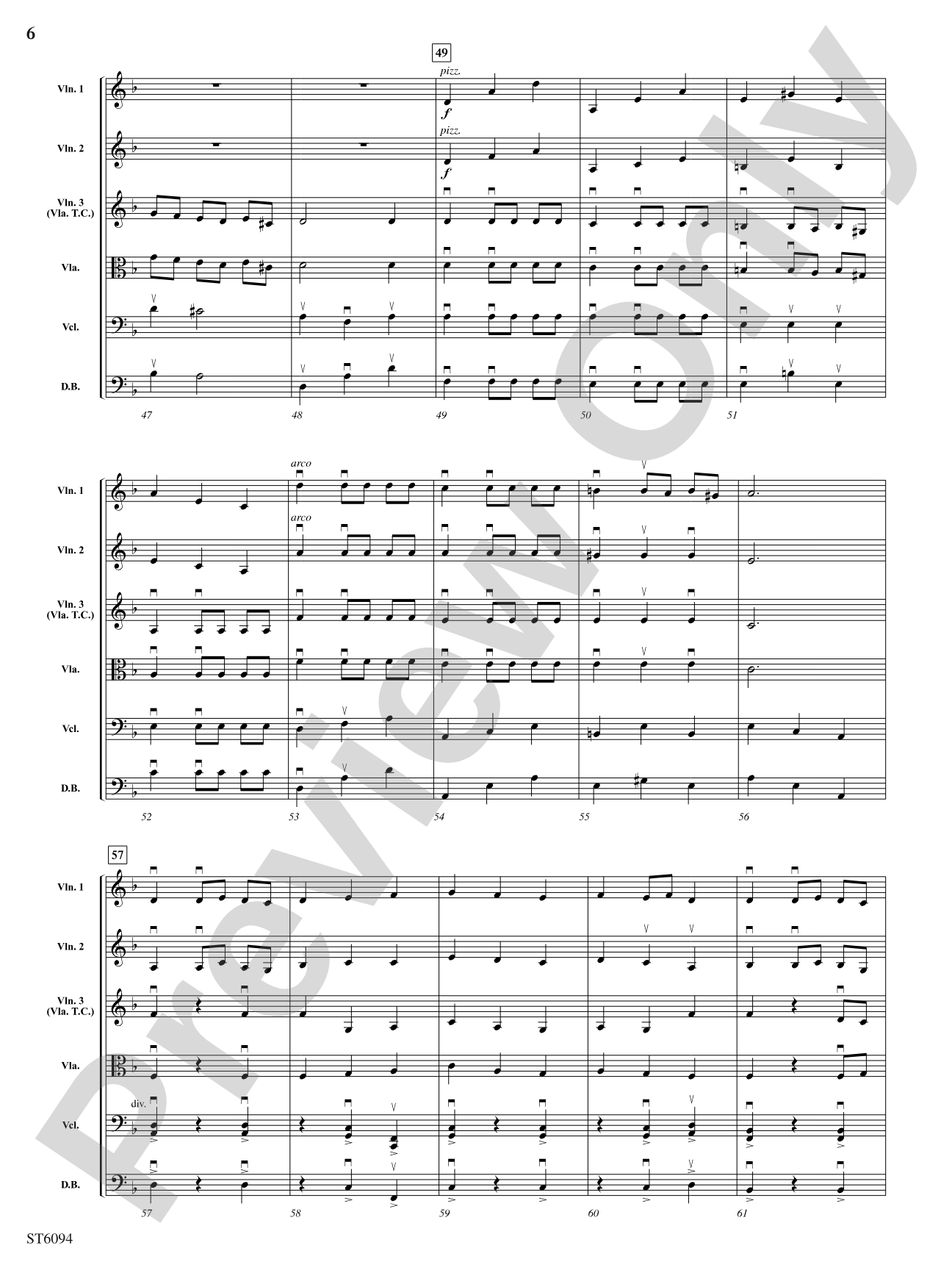
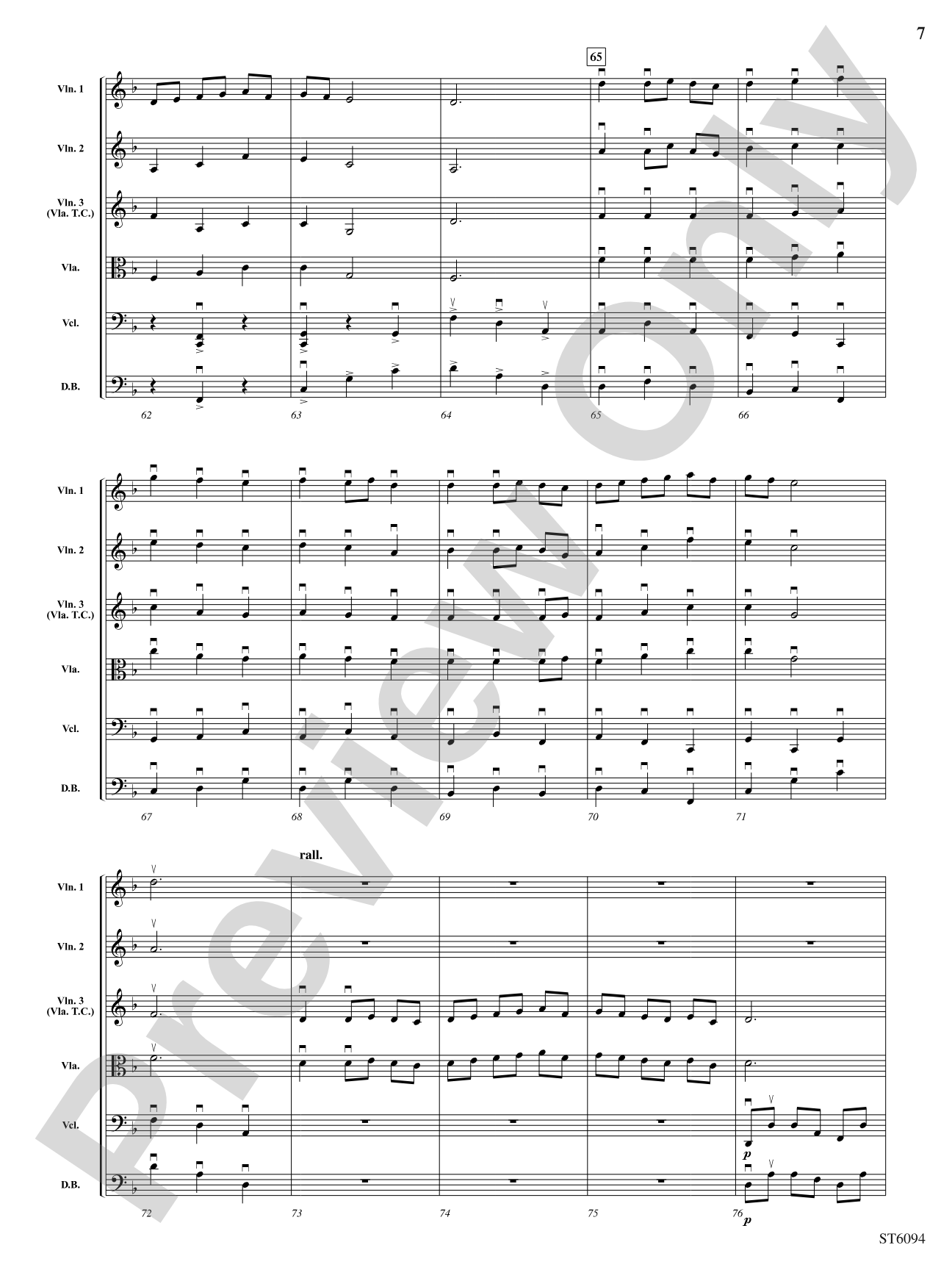
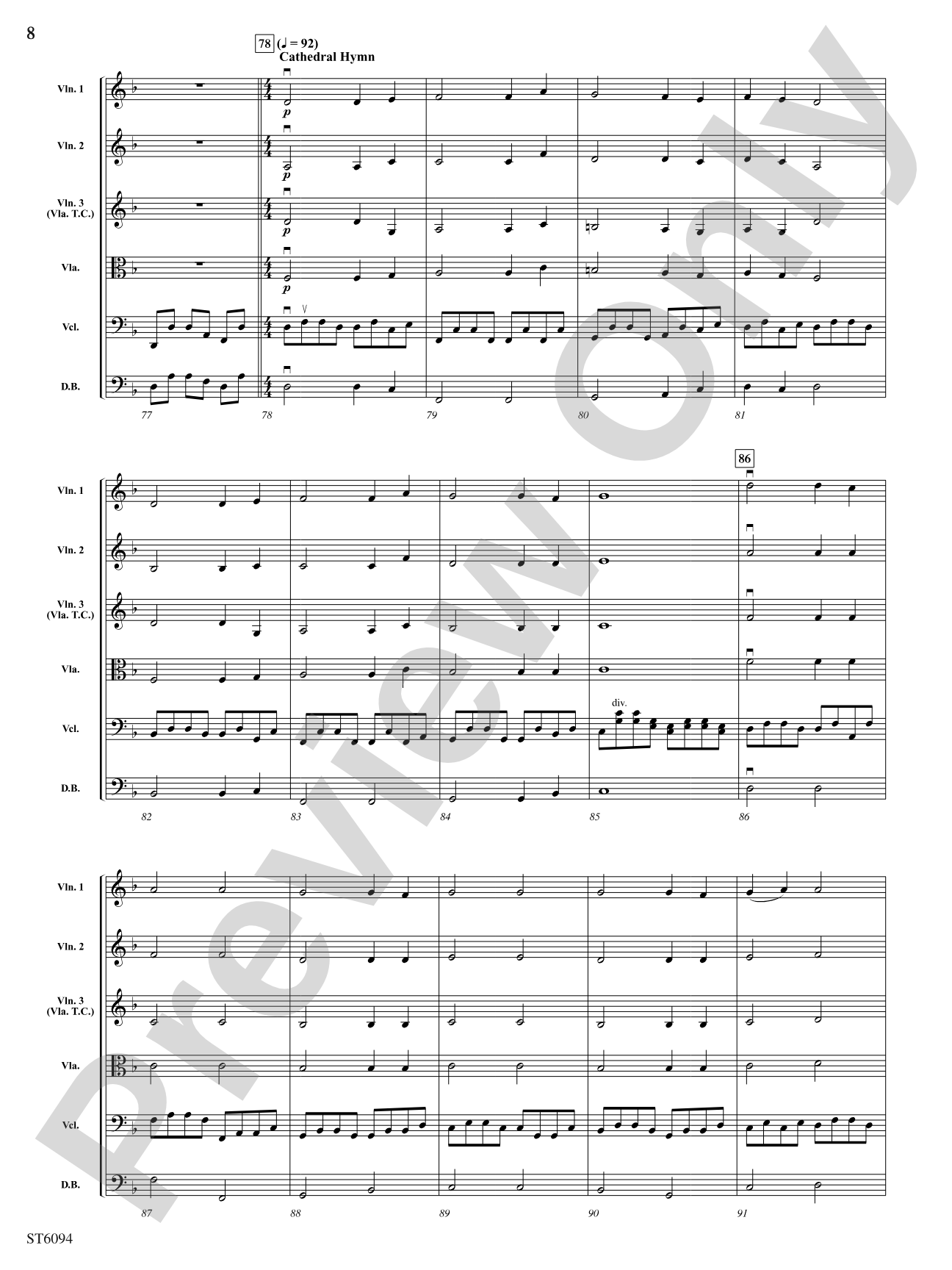
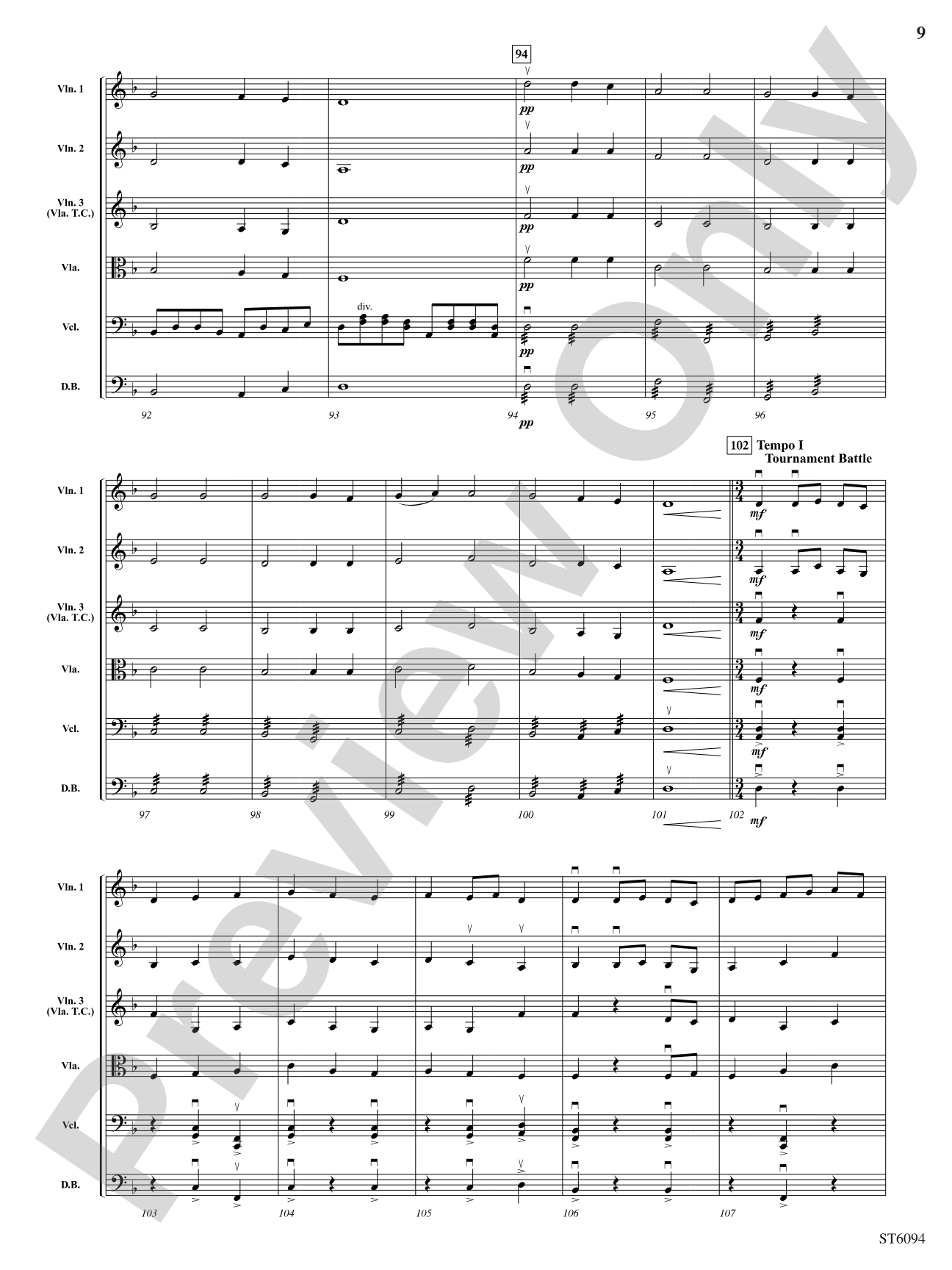
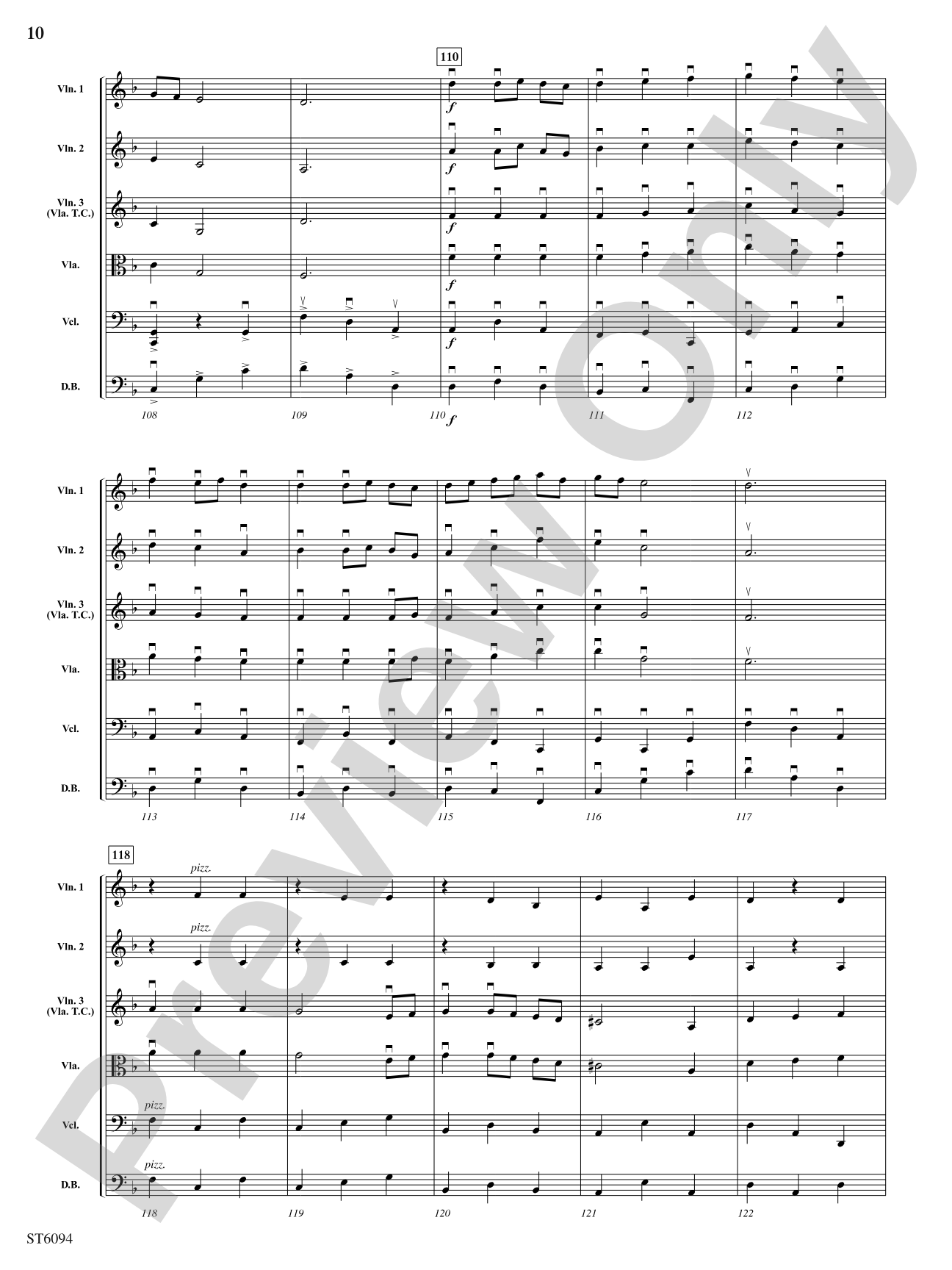
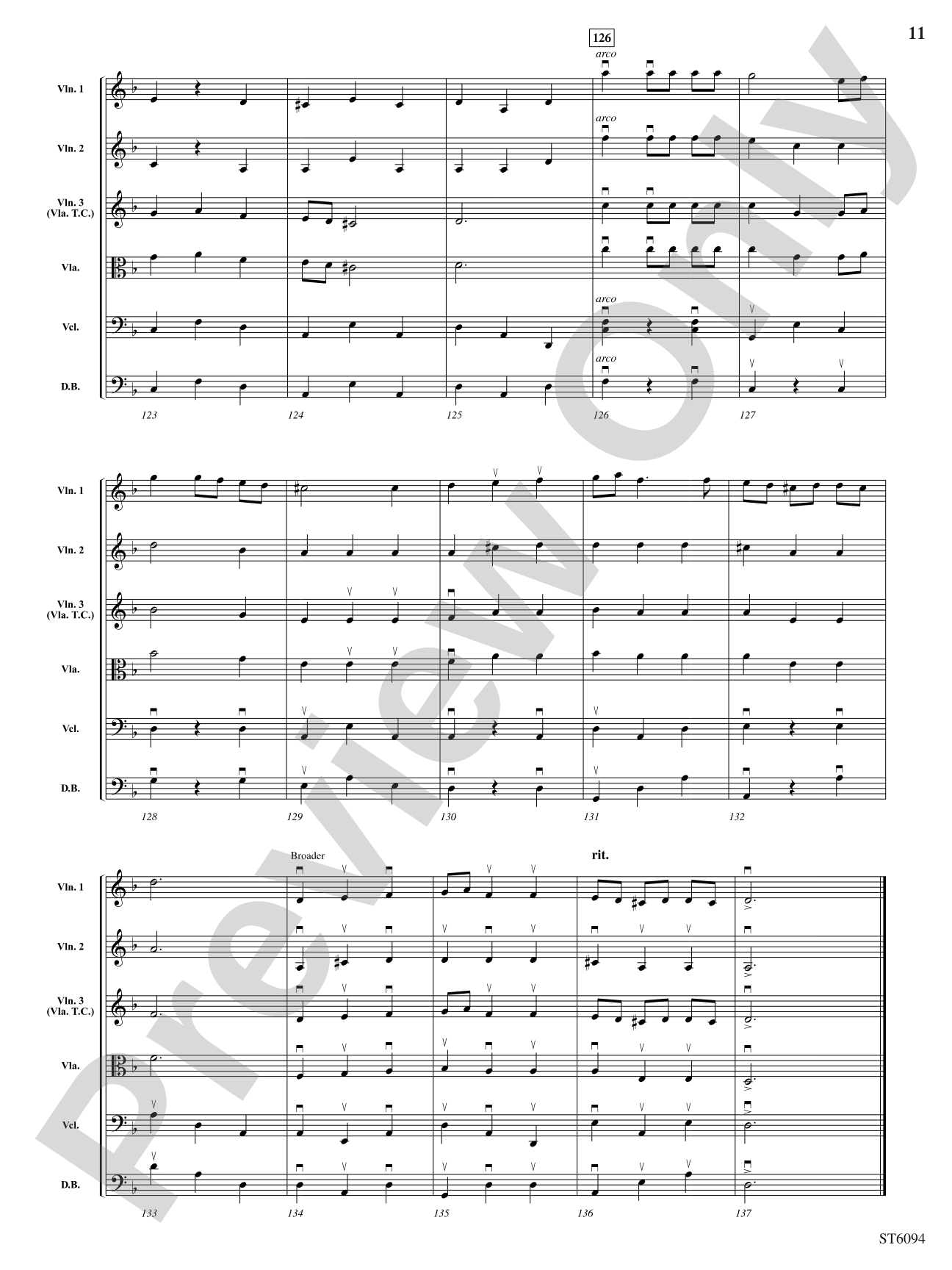
Soon Hee Newbold captures the medieval spirit with a contemporary sound in this powerful new work, inspired by tales of heroic knights. The different sections are titled: Castle Court, Cathedral Hymn, and Tournament Battle. Highly programmatic and exciting, this is sure to be a favorite of directors around the country!


Don't just read it, hear it, play along with it, and watch your students grow with it. In MakeMusic Cloud, A Knight's Quest: String Orchestra Conductor Score & Parts comes alive with professional accompaniment, adjustable tempo, and built-in practice tools that turn solo practice into real progress.
Open in the Player
Jump straight in and assign it today.
Start Your Free Trial
Open this title and explore the full library in minutes.
Sample Audio
1
Audio File
--:--
0:00
0:00
Sample Video
No sample videos found.
Additional Details
Series:
FJH String Orchestra
Publisher:
The FJH Music Company, Inc.
SKU:
98-DST6094
More about this title
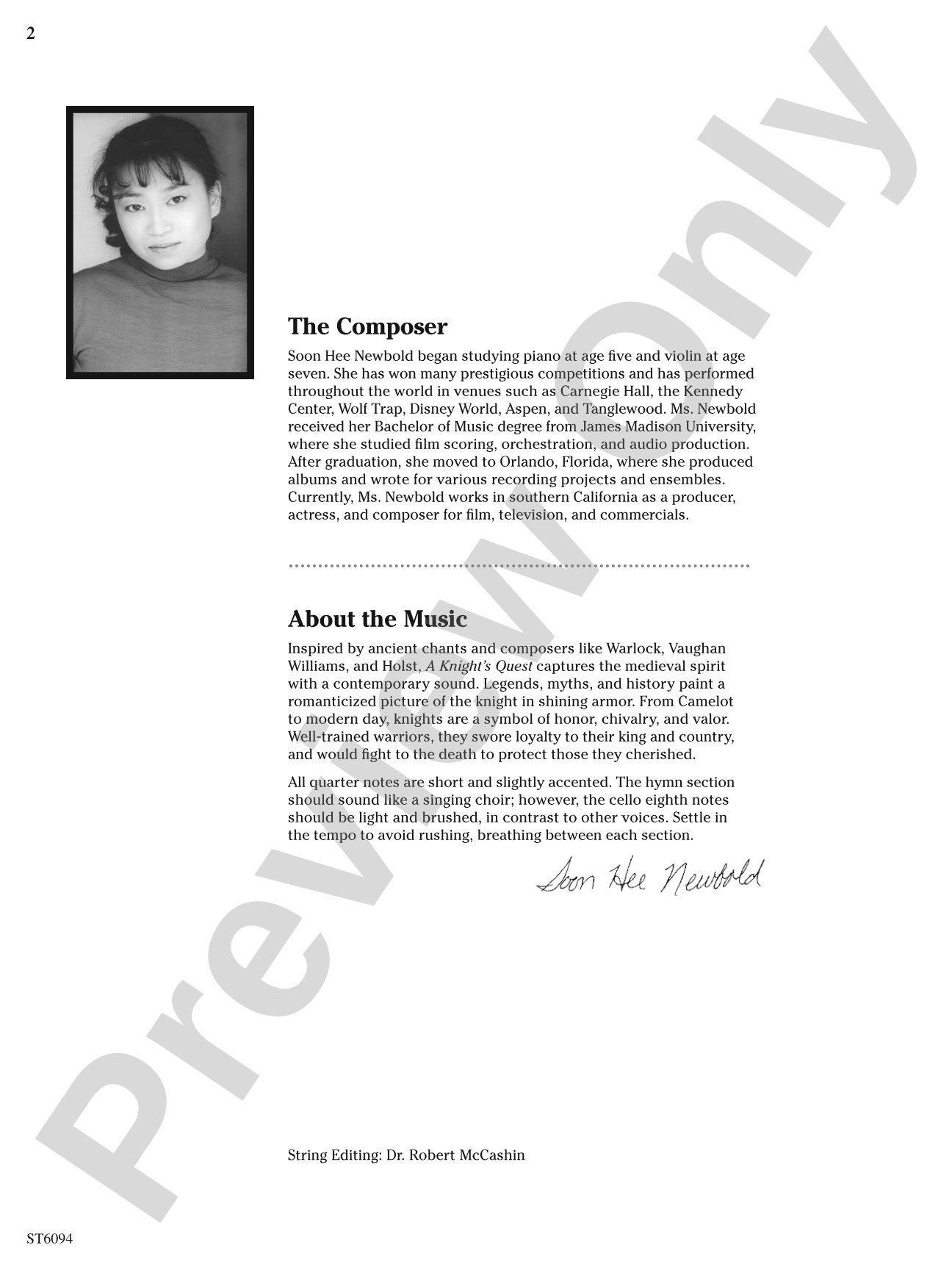
About the Composer: Soon Hee Newbold

Soon Hee Newbold draws on a lifetime of musical training and global experience to craft works that bridge cultural traditions with contemporary compositional voices. Beginning her studies at five on piano and violin at seven, she has performed as a concert artist across professional ensembles worldwide and conducted orchestras and bands throughout the United States, Europe, Australia, and Asia. Her compositions reach audiences from elementary ensembles to professional symphonies in spaces ranging from Carnegie Hall and the Kennedy Center to the Midwest Band and Orchestra Clinic, and she regularly appears as a guest clinician and keynote speaker at major music education conferences.
Beyond concert hall work, Newbold has contributed to film and recording projects in Hollywood, weaving her compositional voice across multiple artistic disciplines. Her catalog reflects her commitment to cultural authenticity and accessibility, creating repertoire that serves emerging musicians while maintaining artistic substance.
Why we love this
A Knight's Quest marries vivid storytelling with string writing that sits comfortably at Grade 3 without sacrificing drama or color. The three movement structure gives your orchestra clear narrative anchors while the contemporary harmonic language keeps the piece from feeling like a period pastiche, making it equally effective in a spring concert or festival competition.
What to expect
Medieval pageantry filtered through a modern compositional lens. From the ceremonial grandeur of the castle court through the introspective beauty of the cathedral hymn to the kinetic energy of the tournament field, the piece channels adventure and heroism with orchestral color and momentum.
Who it's for
String orchestra directors seeking programmatic work with contemporary appeal and manageable technical demands. This score works equally well for high school orchestras building festival experience and intermediate youth orchestras looking for exciting, narrative-driven repertoire.
How to get the most out of it
- Shape each movement as a distinct character: the opening Castle Court should feel stately and processional, the Cathedral Hymn benefits from sustained phrasing and dynamic control, and Tournament Battle demands rhythmic precision and ensemble cohesion across the sections.
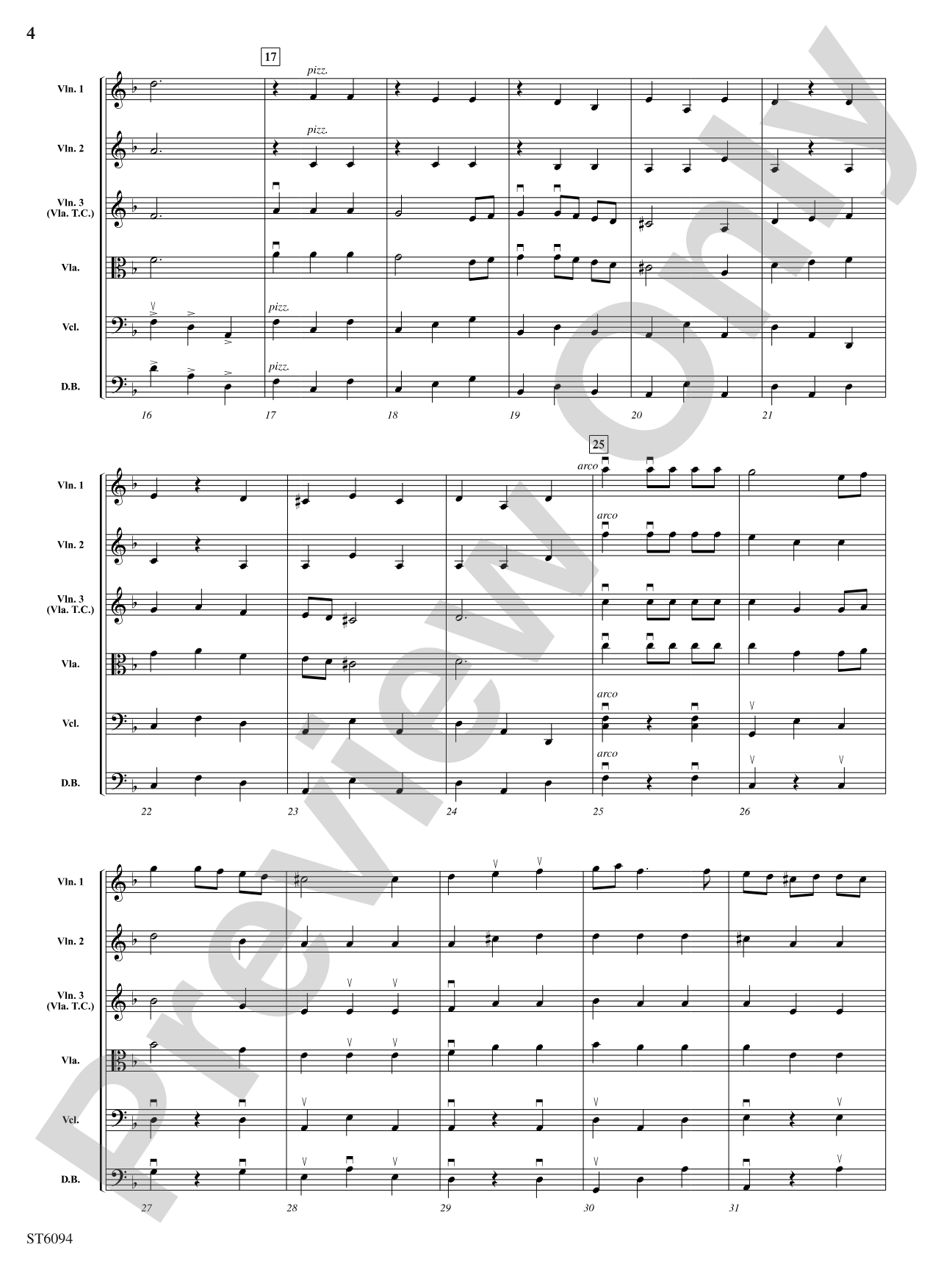
- Balance pizzicato and arco passages carefully, especially in the faster sections where string crossings can muddy the texture if rushed.
- Use the contrasting key areas and thematic material between movements to rehearse transitions independently before putting the piece together as a unified whole.
How to use it
Program A Knight's Quest as your centerpiece for a thematic concert built around storytelling or history, or feature it as a strong mid-program selection that showcases both the lyrical and rhythmic capabilities of your ensemble. The three-movement structure works particularly well at festivals where judges appreciate formal architecture alongside engaging content.
Skills your students will build
- Dynamic contrast and sustained phrasing across longer phrases
- Rhythmic precision and ensemble alignment in faster articulated passages
- Stylistic differentiation between contrasting sections and thematic material
- Balance between melodic sections and accompanying figures