A Joyful Madrigal Cover Image

A Joyful Madrigal: 3-Part Mixed or SAB, <I>a cappella</I> Choral Octavo

$2.25 USD
Sale price  $2.25 USD Regular price 
Skip to product information
A Joyful Madrigal Cover Image

A Joyful Madrigal: 3-Part Mixed or SAB, a cappella Choral Octavo

Music by Donald Moore

Item: 00-21109

makemusic Cloud badge

Need it now?

Buy Digital Version
$2.25
Shipped

One moment…

Description
Here's a new work by Donald Moore in madrigal style that's appropriate for general or Christmas use. Dynamic changes create interest; repetition makes for quick learning. Perfect when you need just one more piece for your Christmas or Spring concert. Lots of optional notes in the boys' part of the mixed voice edition. An outstanding learning piece for young and developing choirs.

Don't just read it, hear it, play along with it, and watch your students grow with it. In MakeMusic Cloud, A Joyful Madrigal: 3-Part Mixed or SAB, a cappella Choral Octavo comes alive with professional accompaniment, adjustable tempo, and built-in practice tools that turn solo practice into real progress.

Sample Pages

Sample Audio
0:00
0:00
Sample Video
Additional Details
Series: Alfred Archive Edition: Alfred Choral Designs
Publisher: Alfred Music
Page Count: 12
UPC: 038081200309
SKU: 00-21109

More about this title

About the Composer: Donald Moore
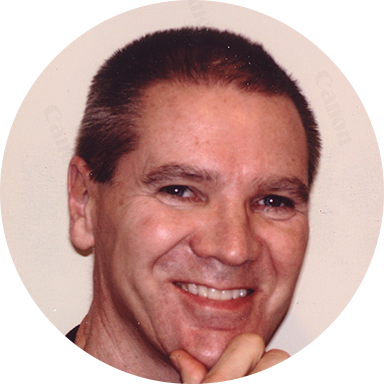
Donald Moore

Donald Moore earned his Bachelor of Music in organ performance and Master of Arts in Teaching from Kent State University. As Organist-Choirmaster at Pilgrim United Church of Christ in Cuyahoga Falls, Ohio, he has built a prolific career spanning sacred, secular, educational, and pop choral works alongside organ and piano compositions.

With over 500 published works across Alfred Music, Hal Leonard, Heritage Music Press, and other major publishers, Moore's compositions appear regularly at state contests and festivals. He has been recognized with seventeen ASCAP Composers Standard Awards and was recently cited by the American Choral Directors Association Choral Journal as one of 400 elite composers of significance in American choral music history.

Why we love this

Moore's madrigal-style writing balances structural integrity with immediate accessibility. The dynamic shifts create musical momentum without demanding extended rehearsal time, and the built-in flexibility of optional boy's part notes means you can shape the piece to match your choir's current development level rather than the other way around.

What to expect

Bright and buoyant, this madrigal carries playful energy without the ornate complexity of historical models. Dynamic shifts and textural interplay create a work that feels crafted and intentional while remaining approachable for singers still building confidence.

Who it's for

Young and developing choirs that need a polished piece without excessive technical demands. Directors seeking repertoire that works for both Christmas and general concerts will find this especially useful, particularly when timing requires a quick study that still sounds accomplished.

How to get the most out of it

  • Let the dynamic changes breathe. Rather than treating them as sudden jumps, shape them as natural peaks and valleys in the melodic line to highlight the madrigal's contrapuntal character.
  • Take advantage of the optional notes in the boys' part to balance blend. Using them can add textural fullness when your lower voices need reinforcement, or leaving them out creates a leaner, more transparent sound.
  • Rehearse the repetitive sections strategically. While repetition aids learning, mark places where you want slight variations in approach (dynamics, articulation, vowel shape) to keep the piece from feeling static in performance.

How to use it

Place this as a concert anchor when you need reliable a cappella literature that spans both holiday and spring programming. Its compact page count and learning efficiency make it ideal for the final pieces locked into your set list when rehearsal time is limited.

Skills your students will build

  • Reading three-part voicing and voice independence
  • Responding to dynamic contrast and musical shaping
  • Blending without instrumental support
  • Quick score acquisition through repetition

You May Also Like
