
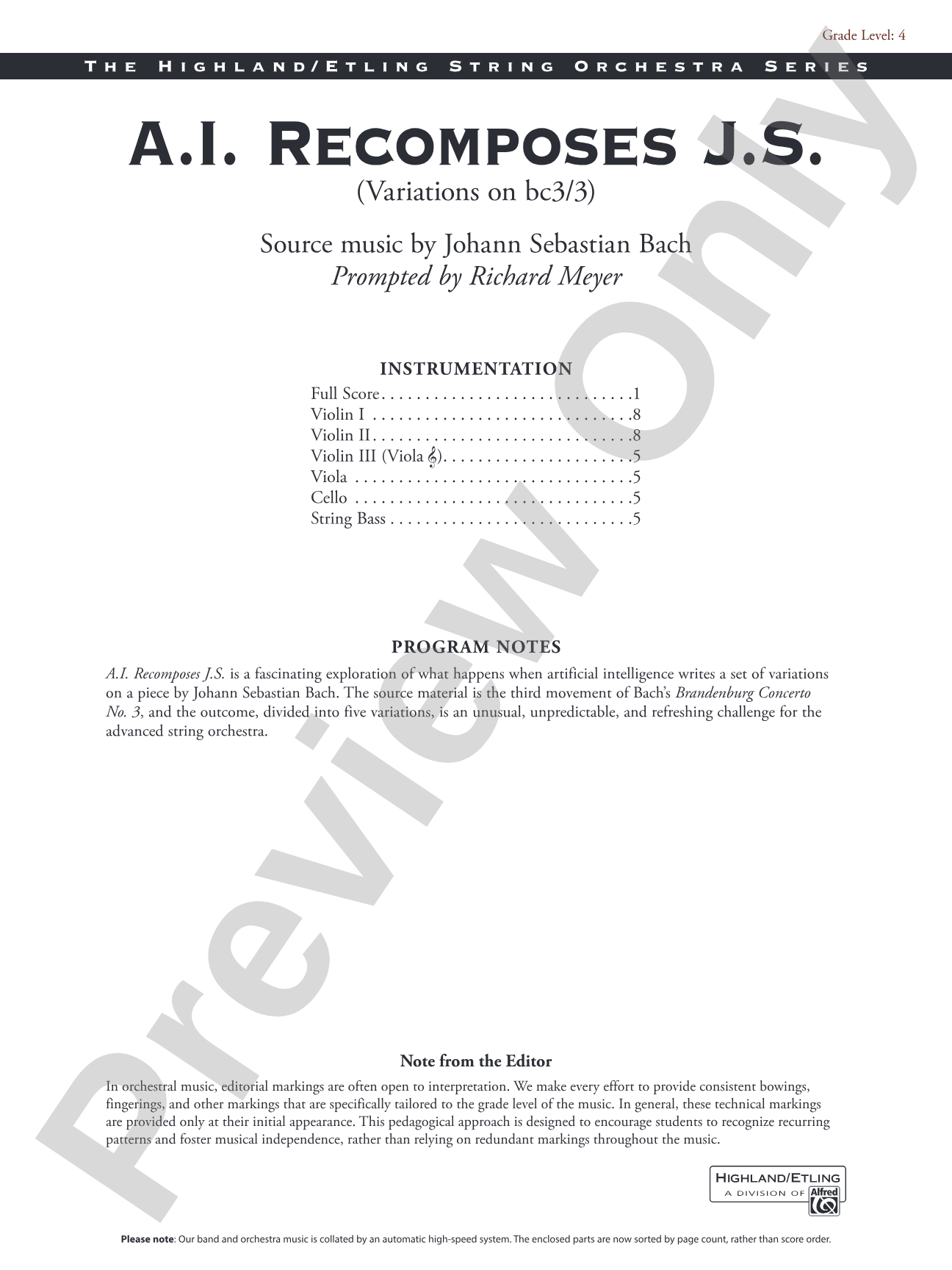
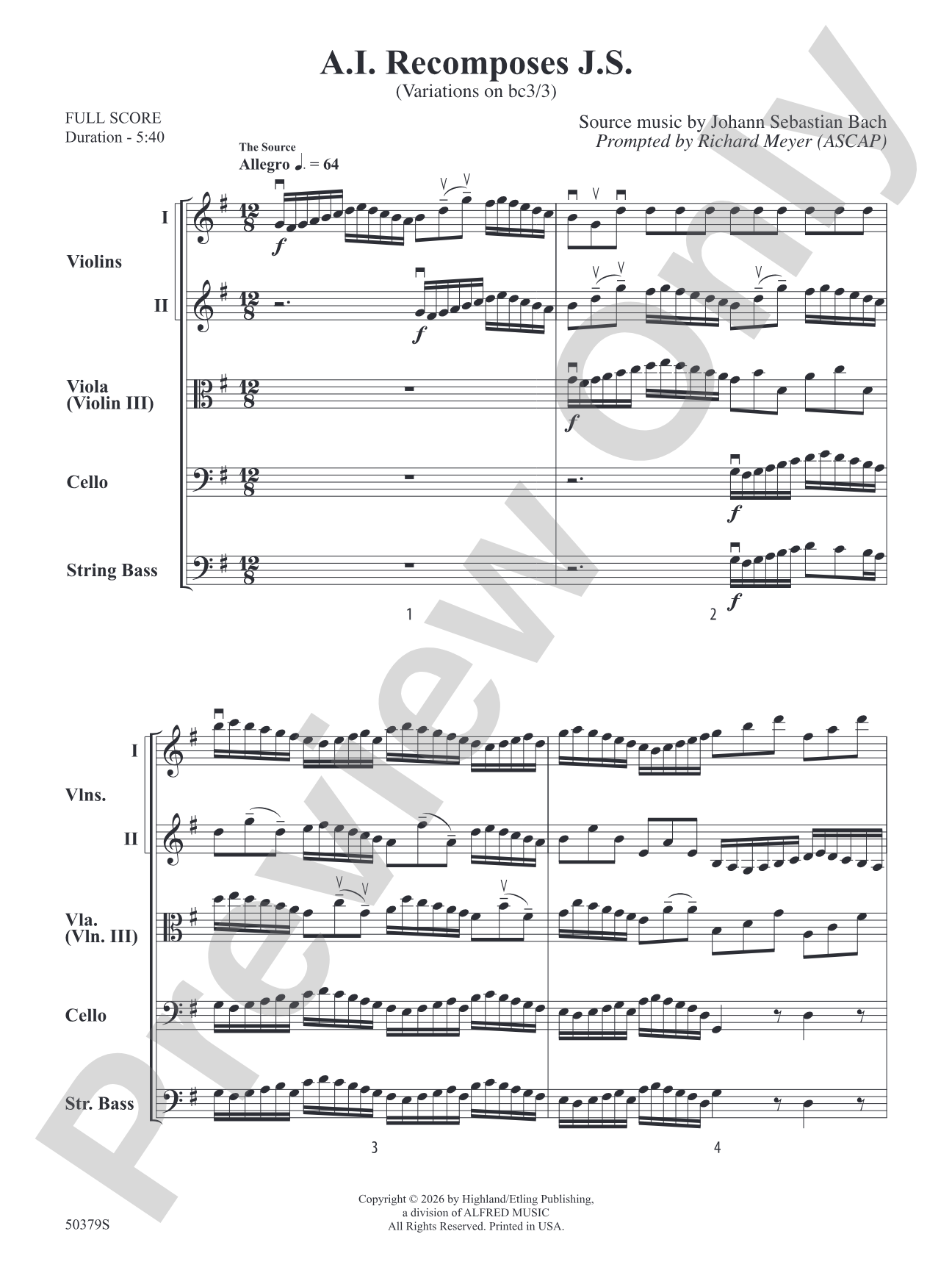
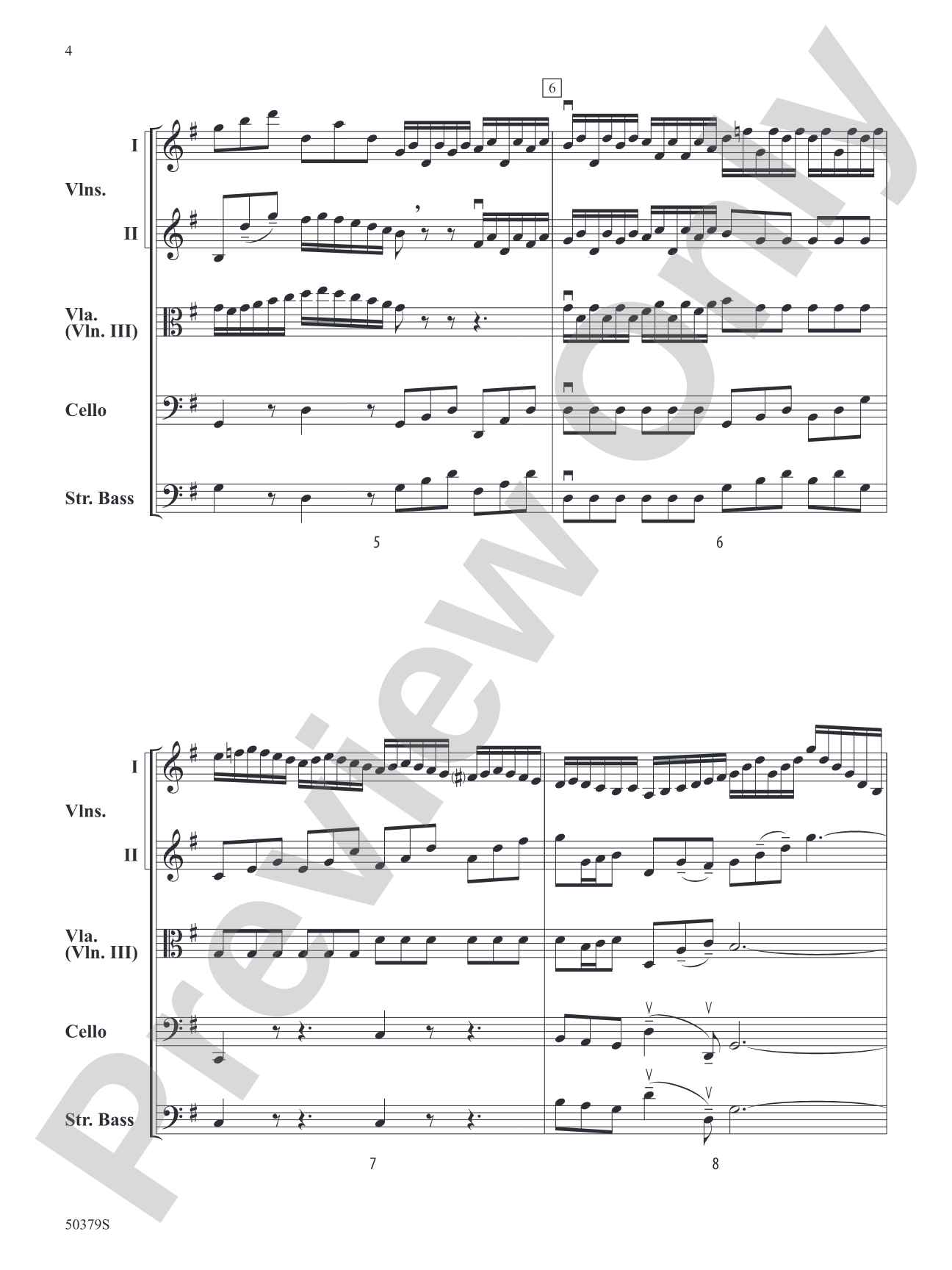
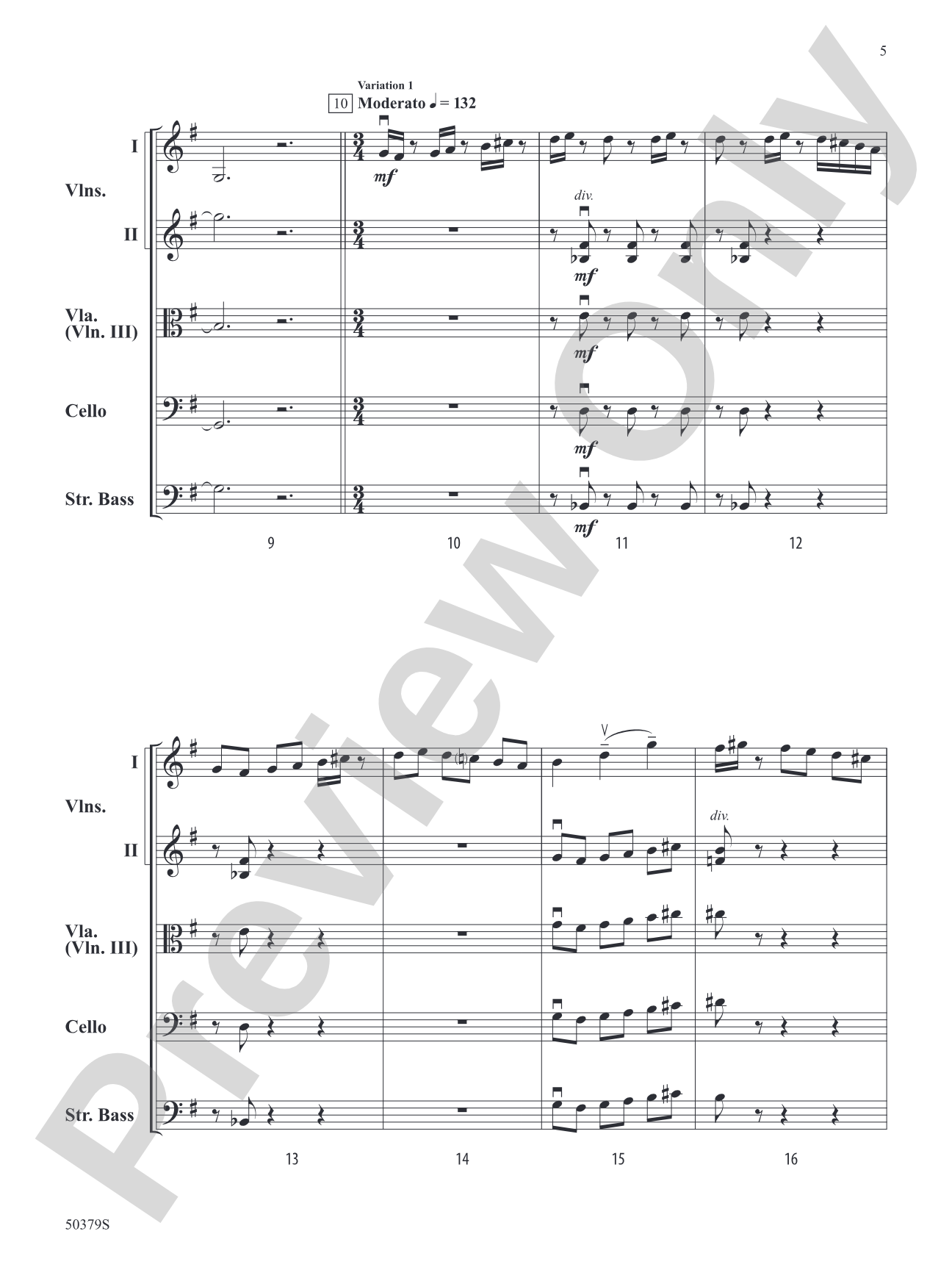
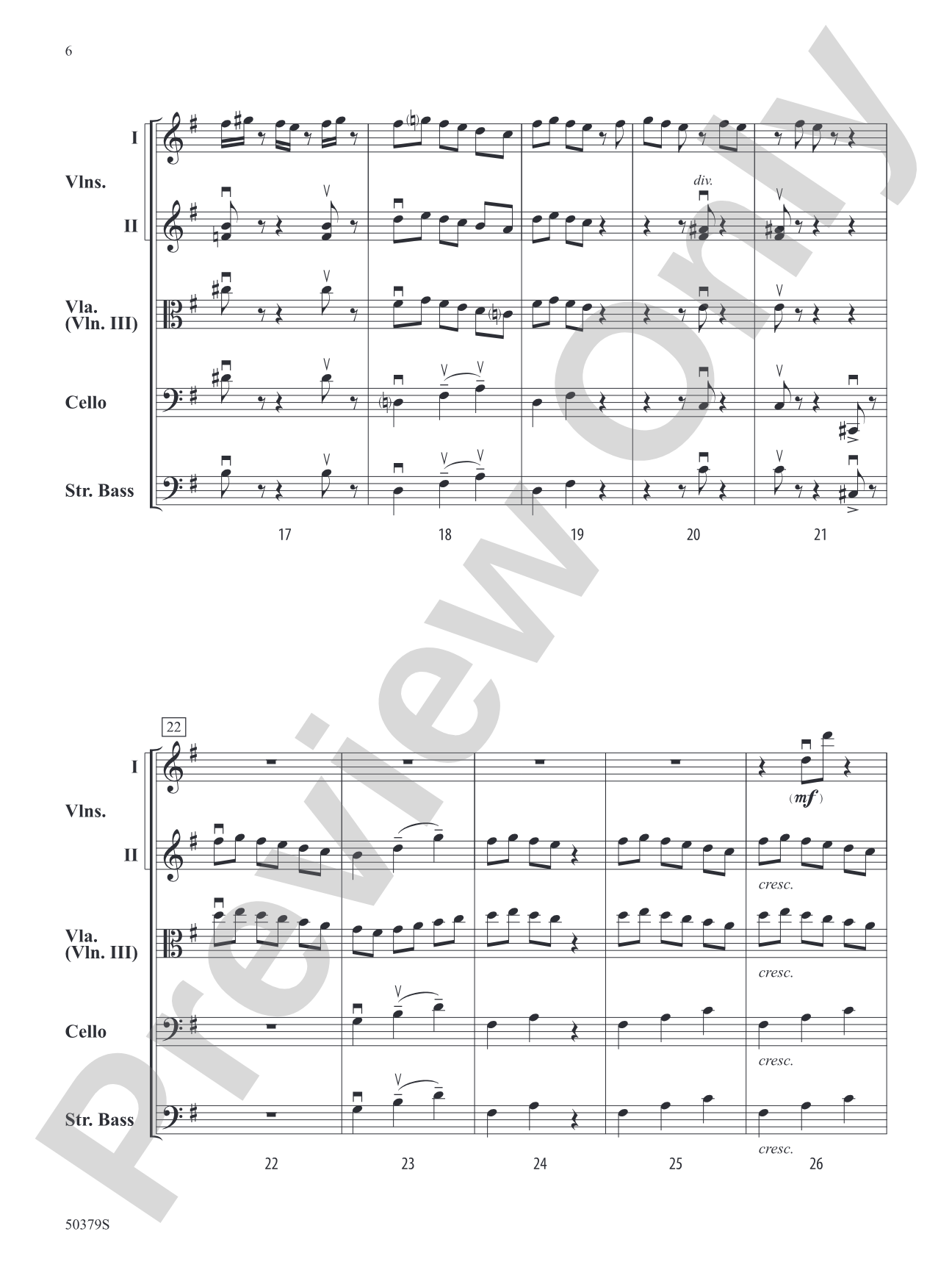
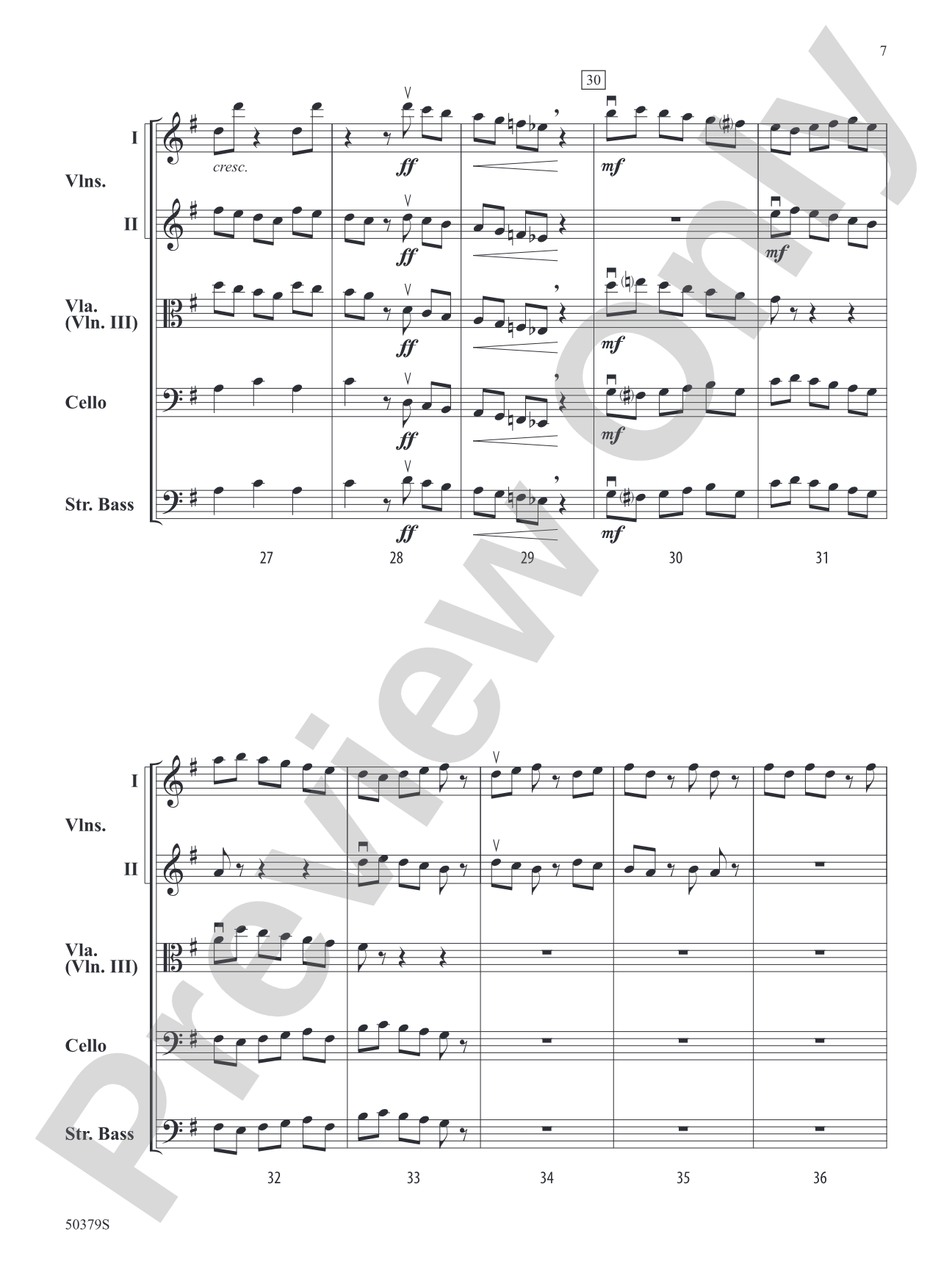
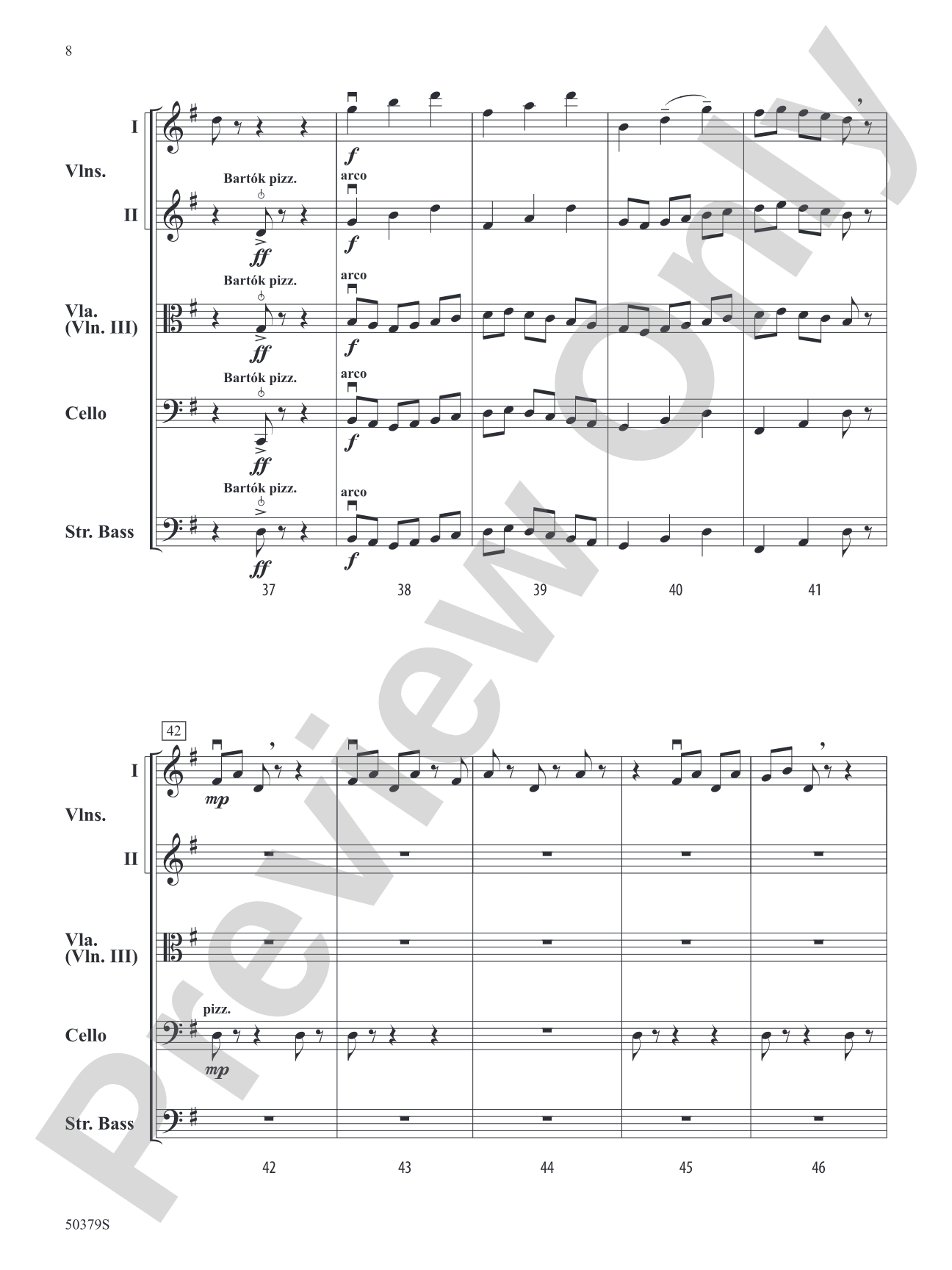
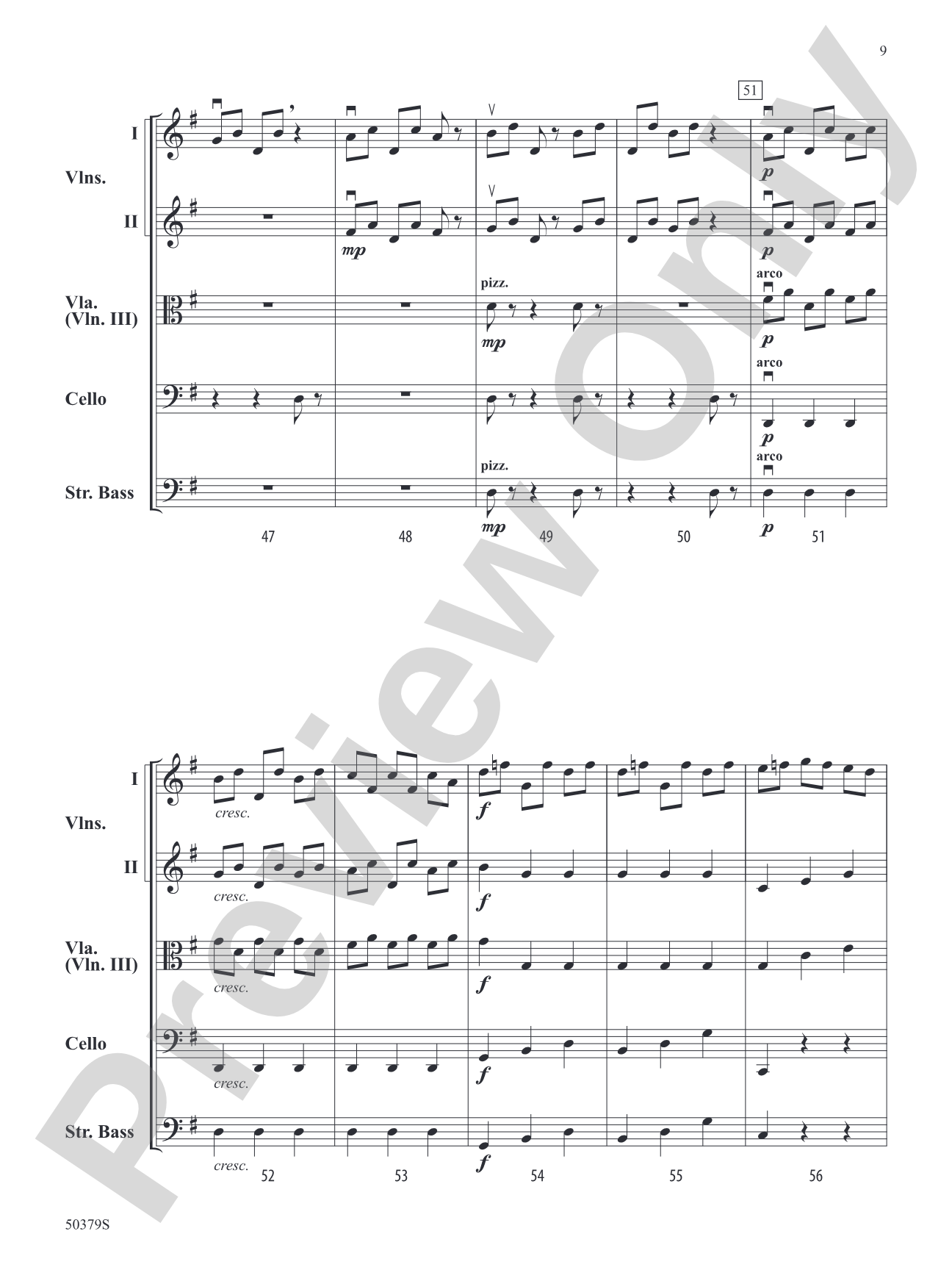
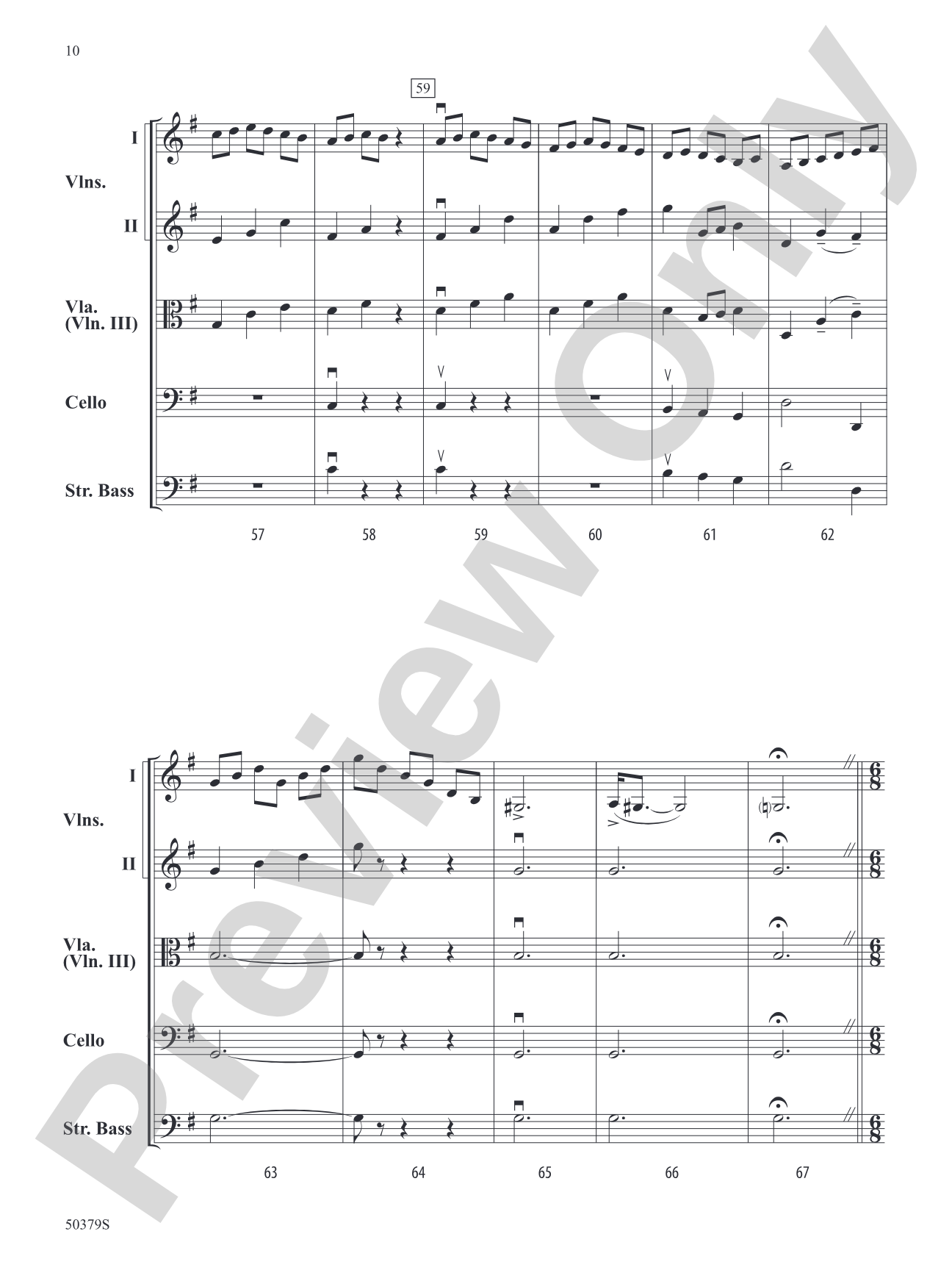
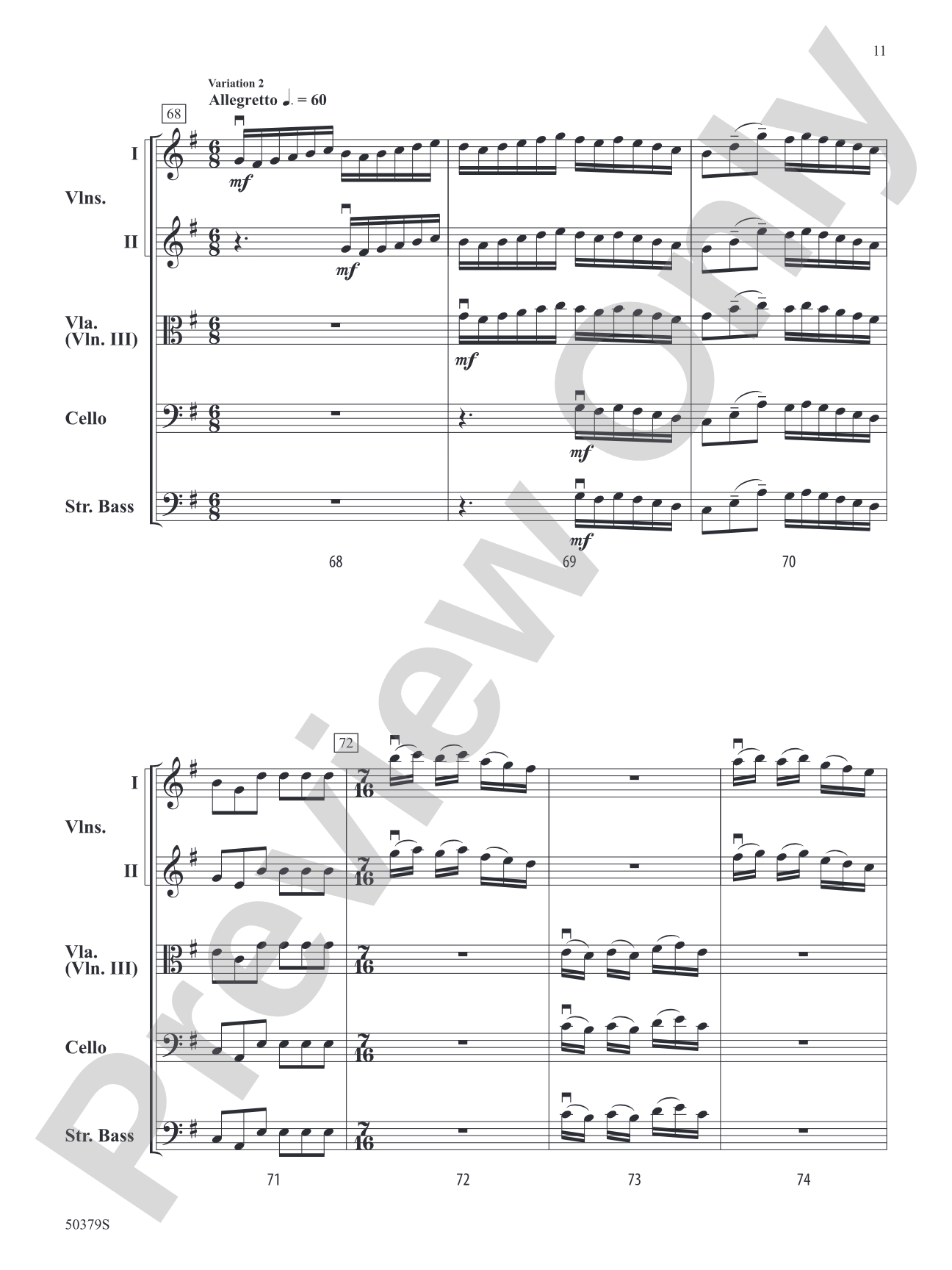
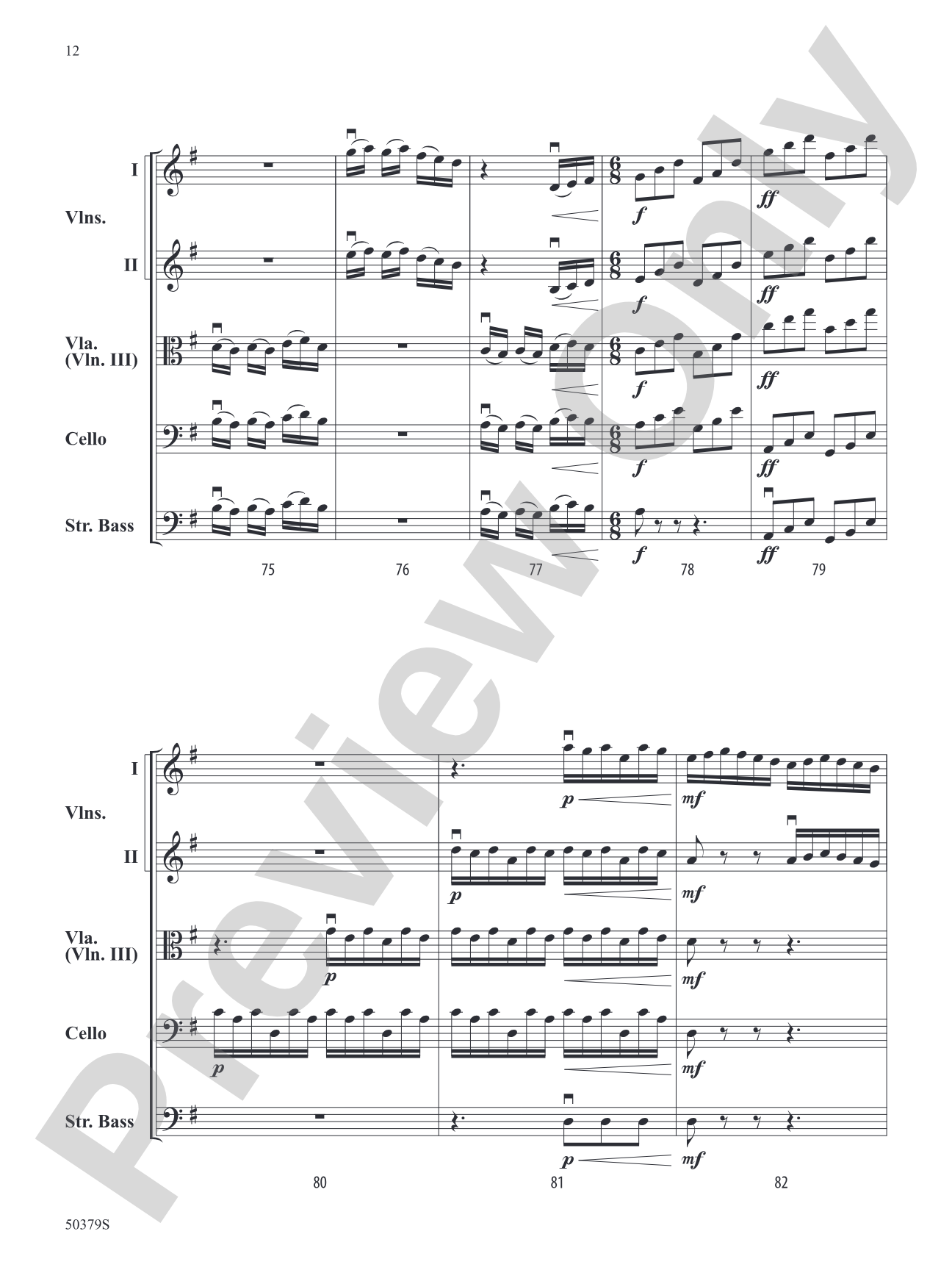
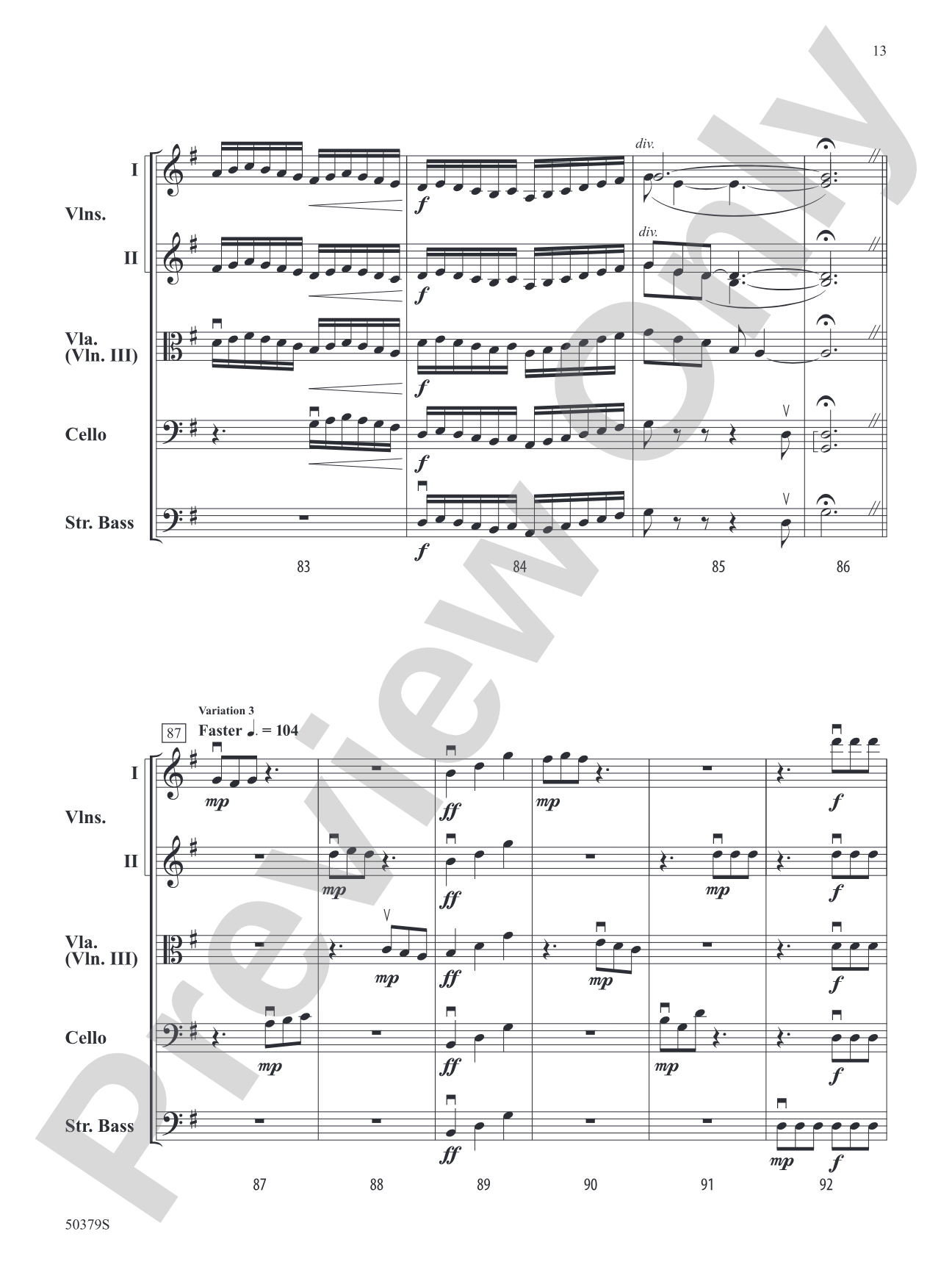
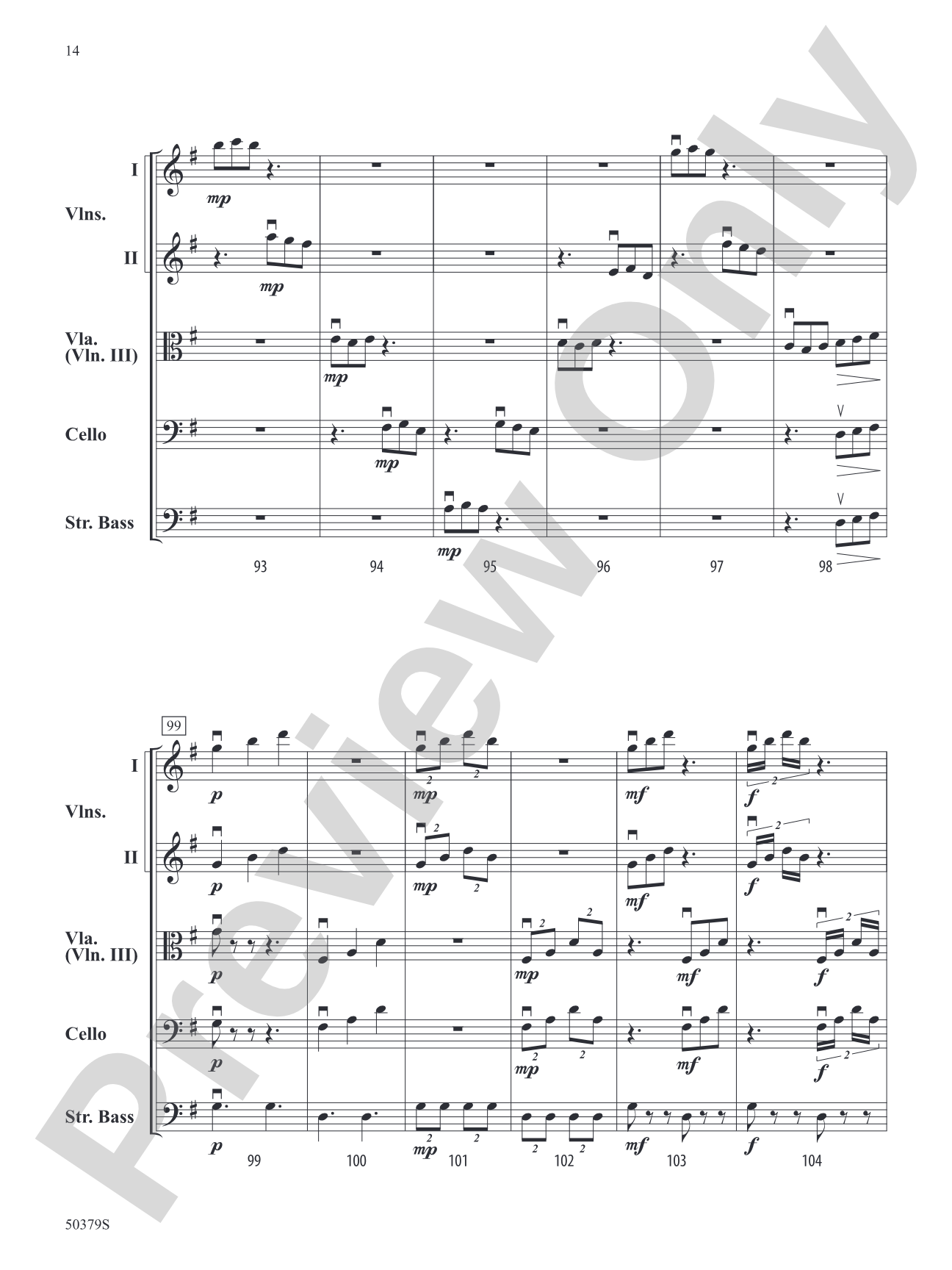
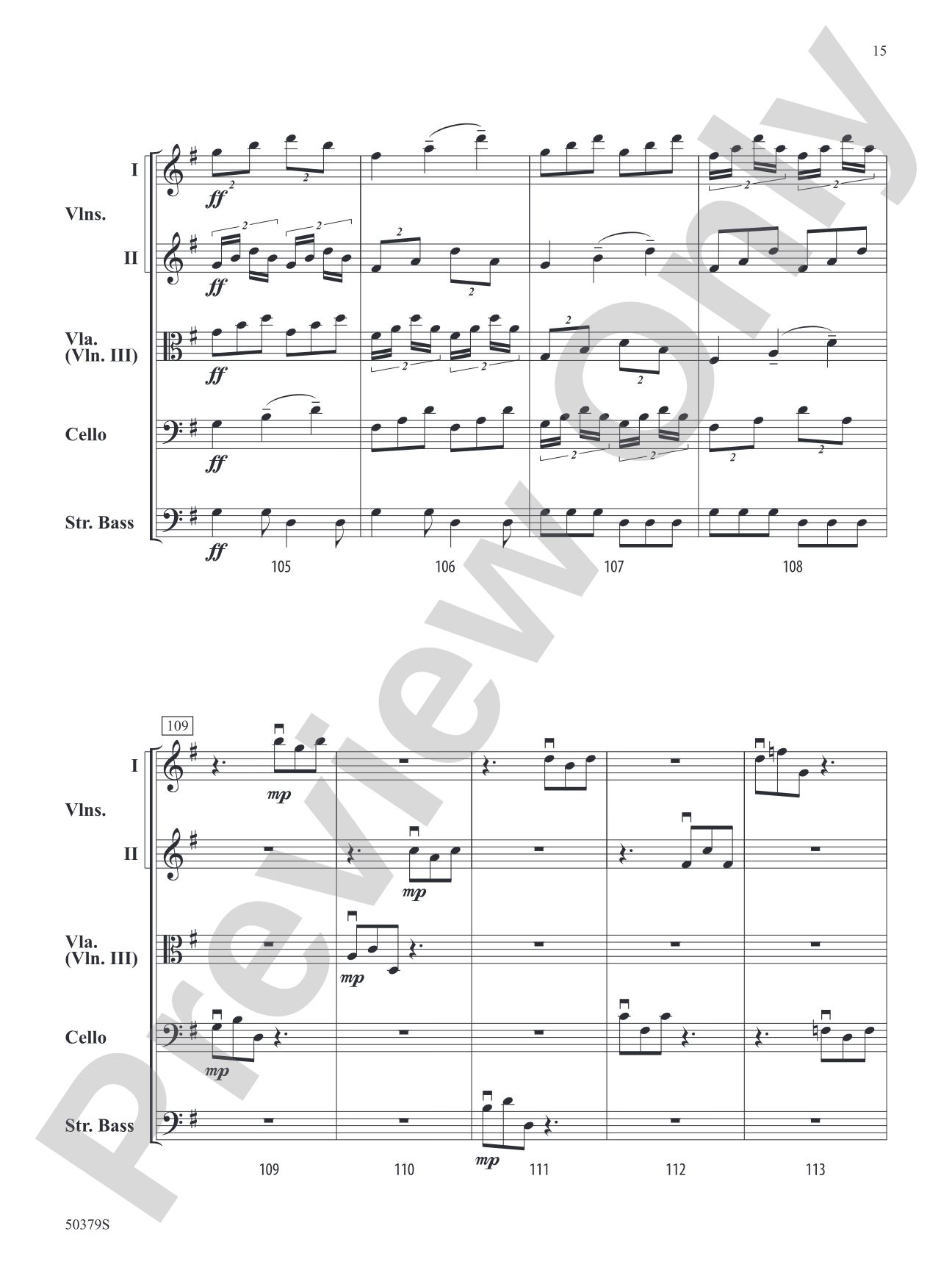
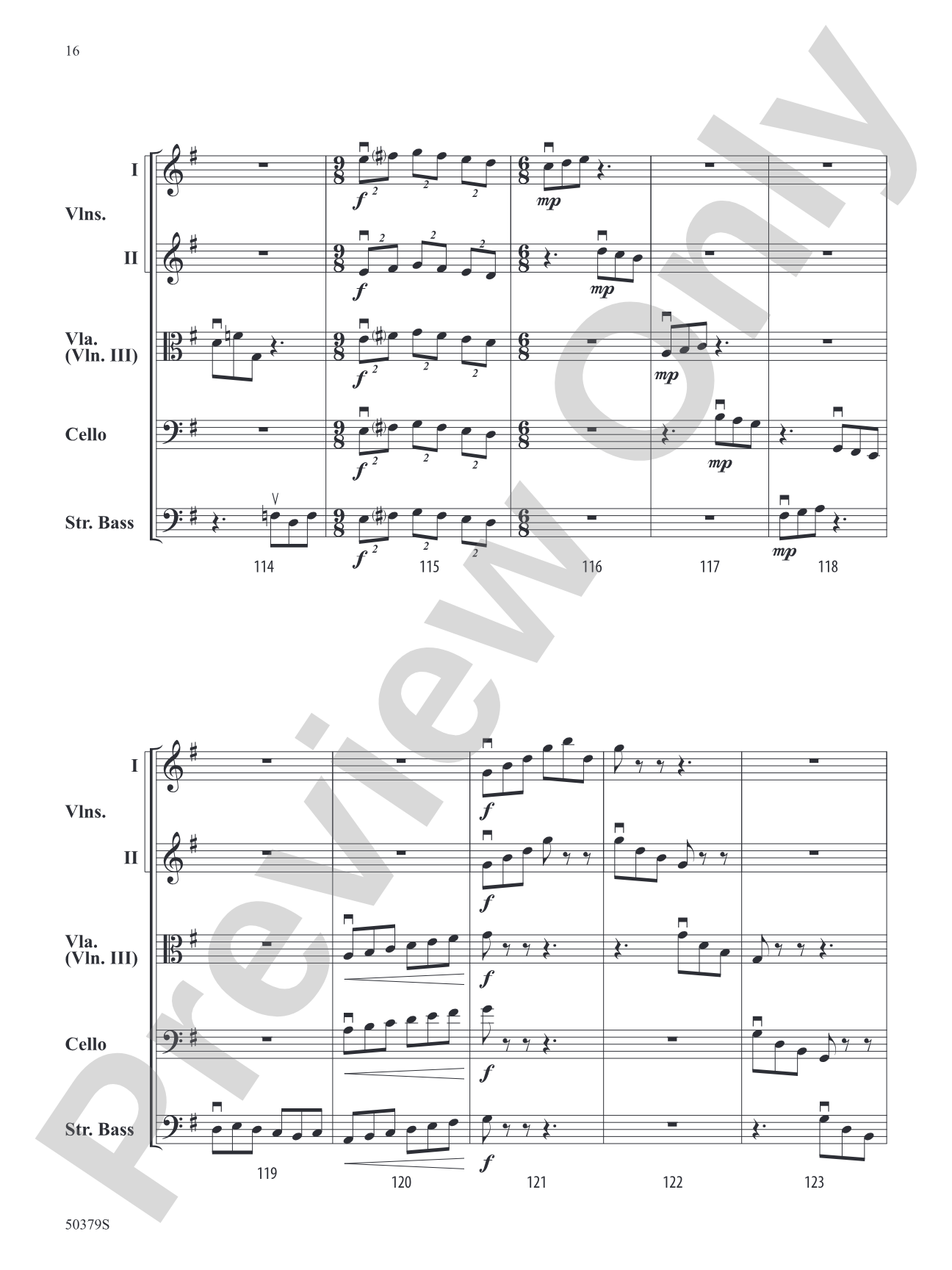
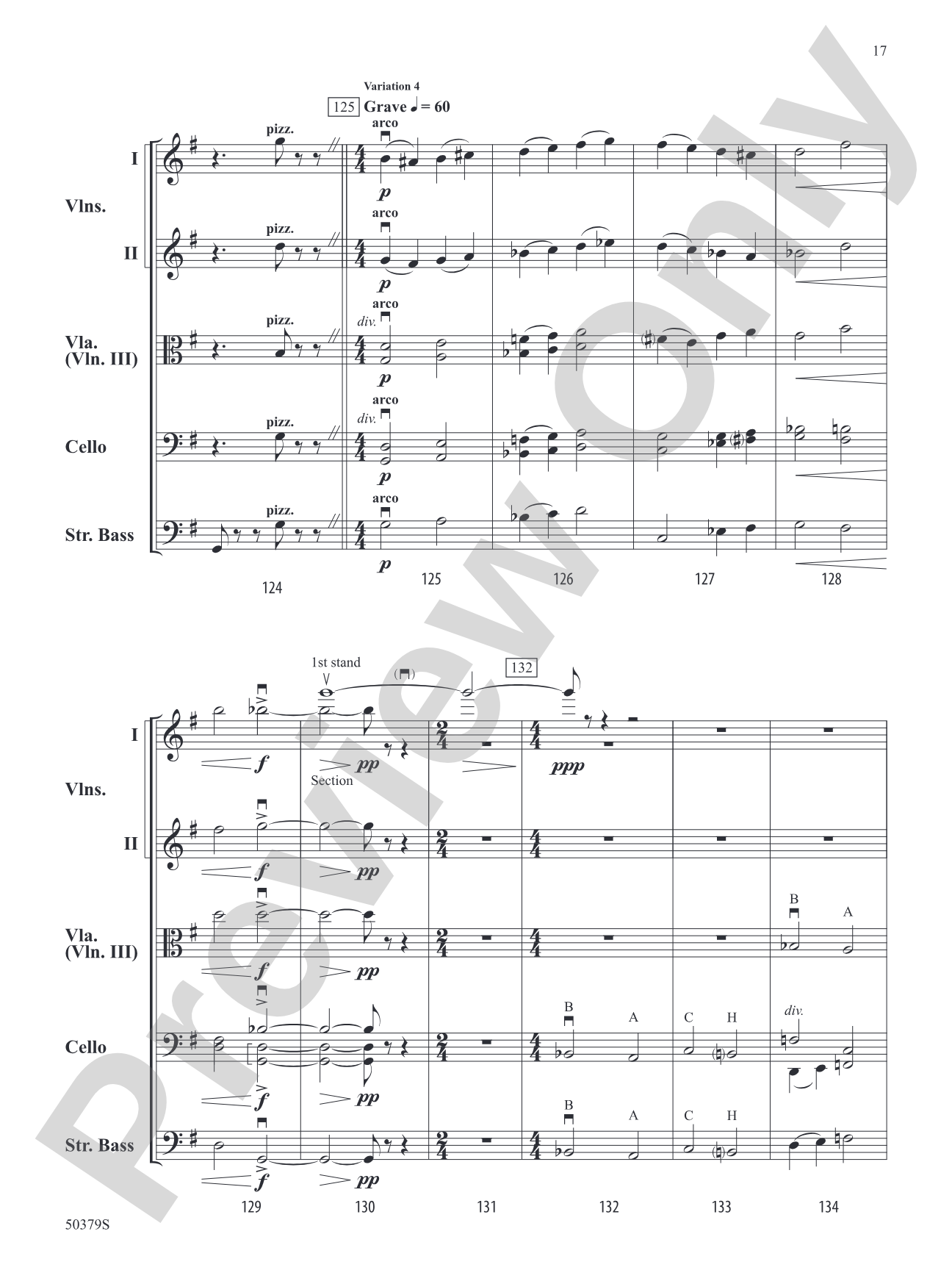
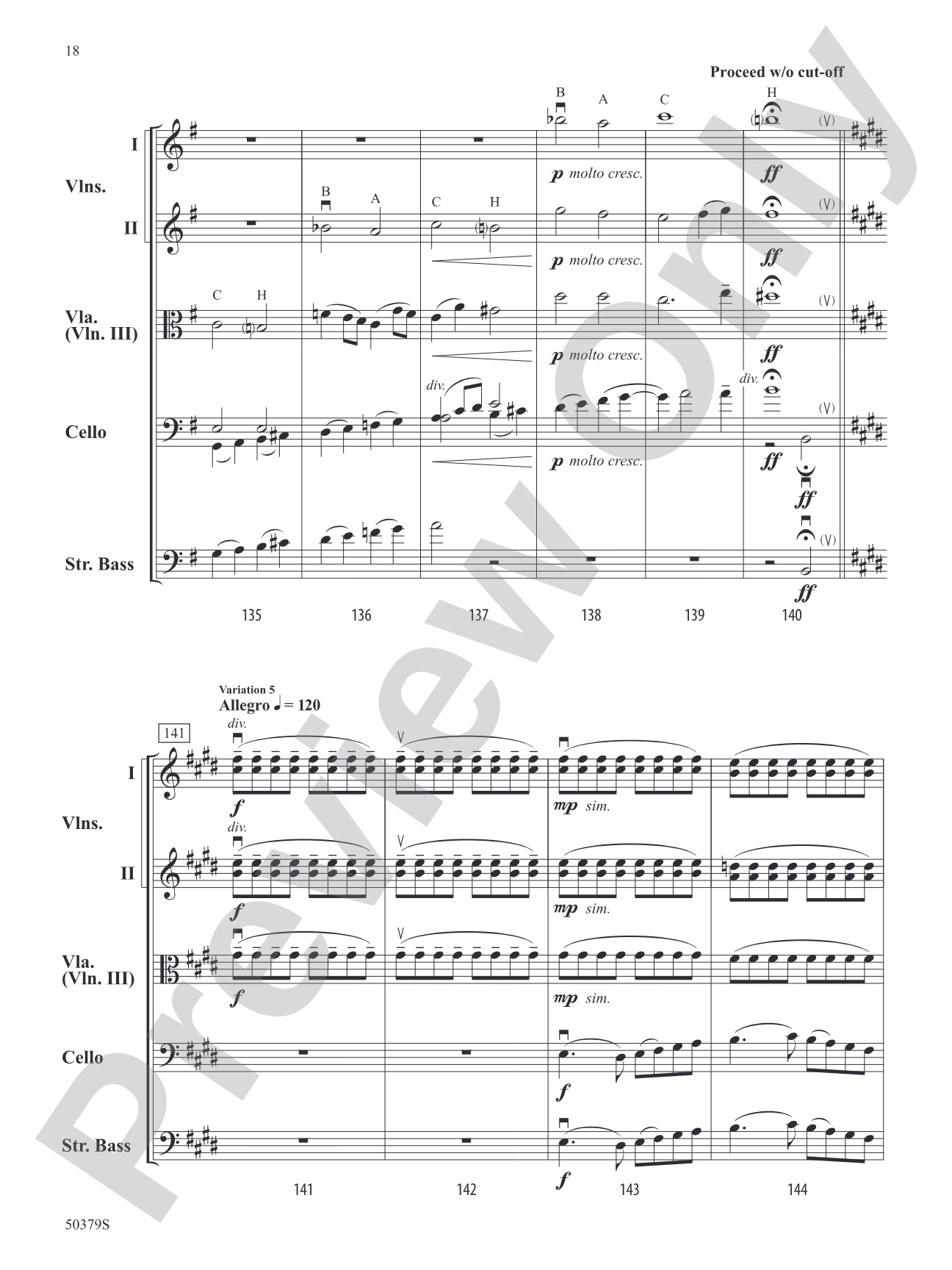
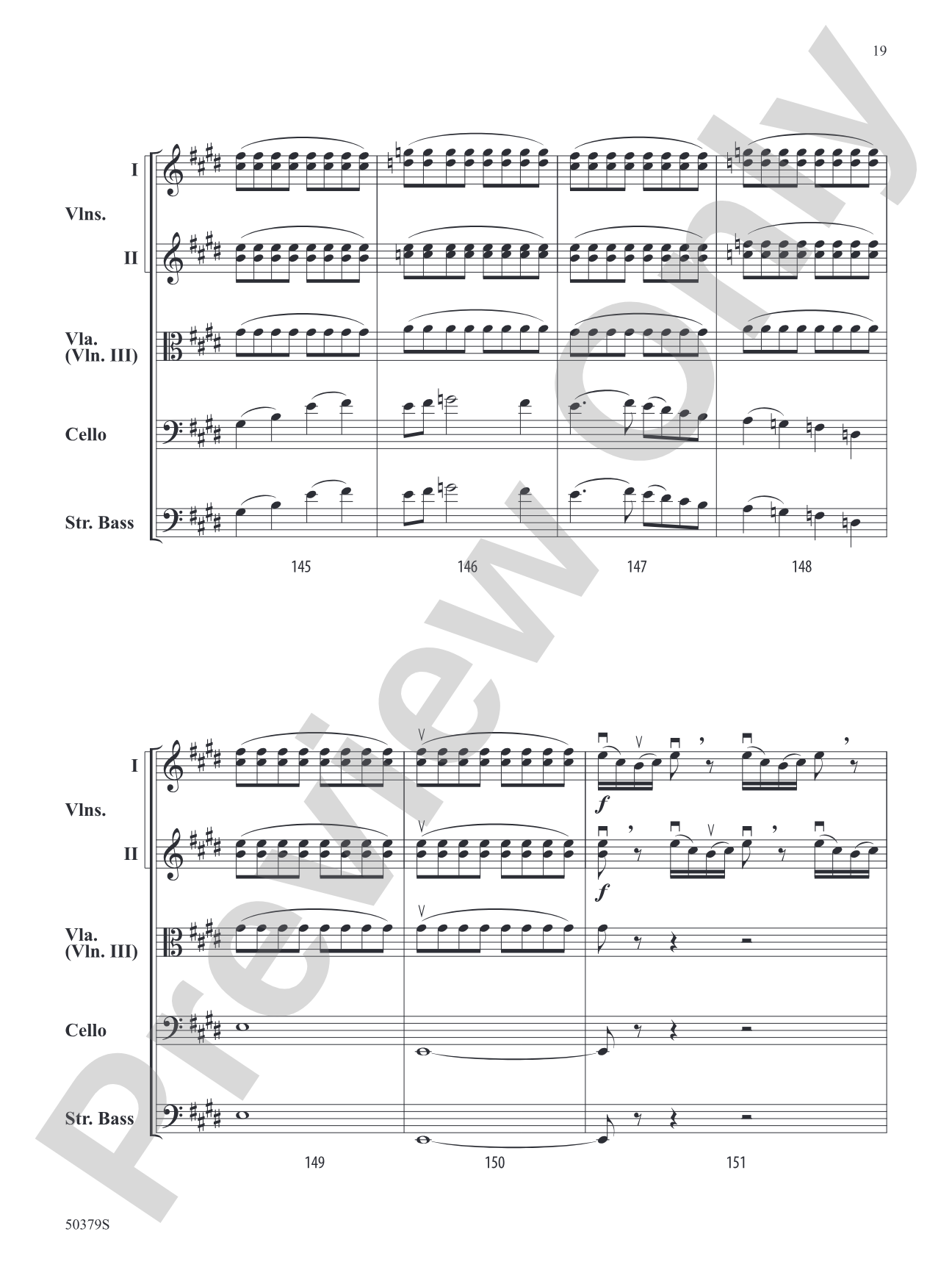
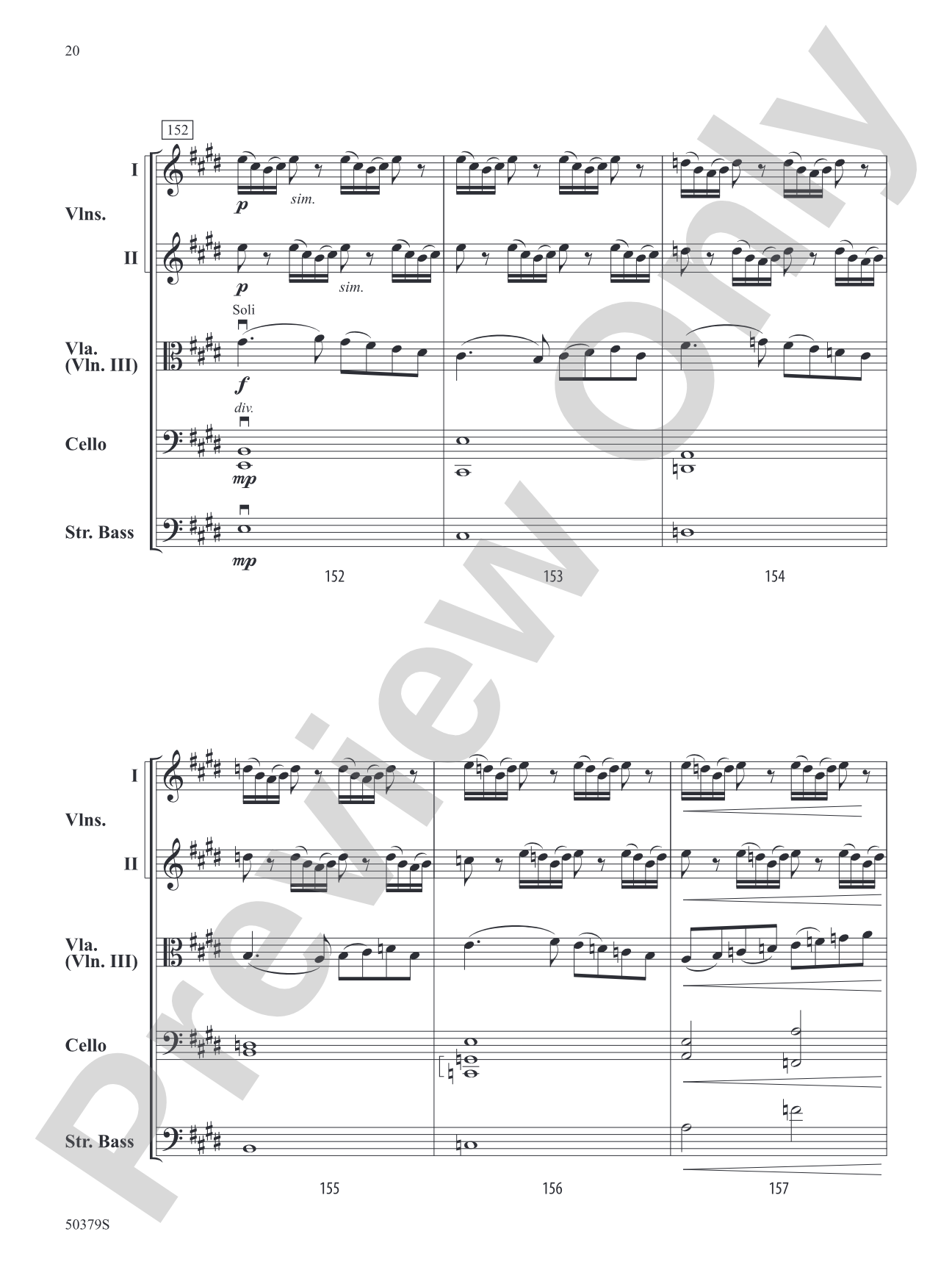
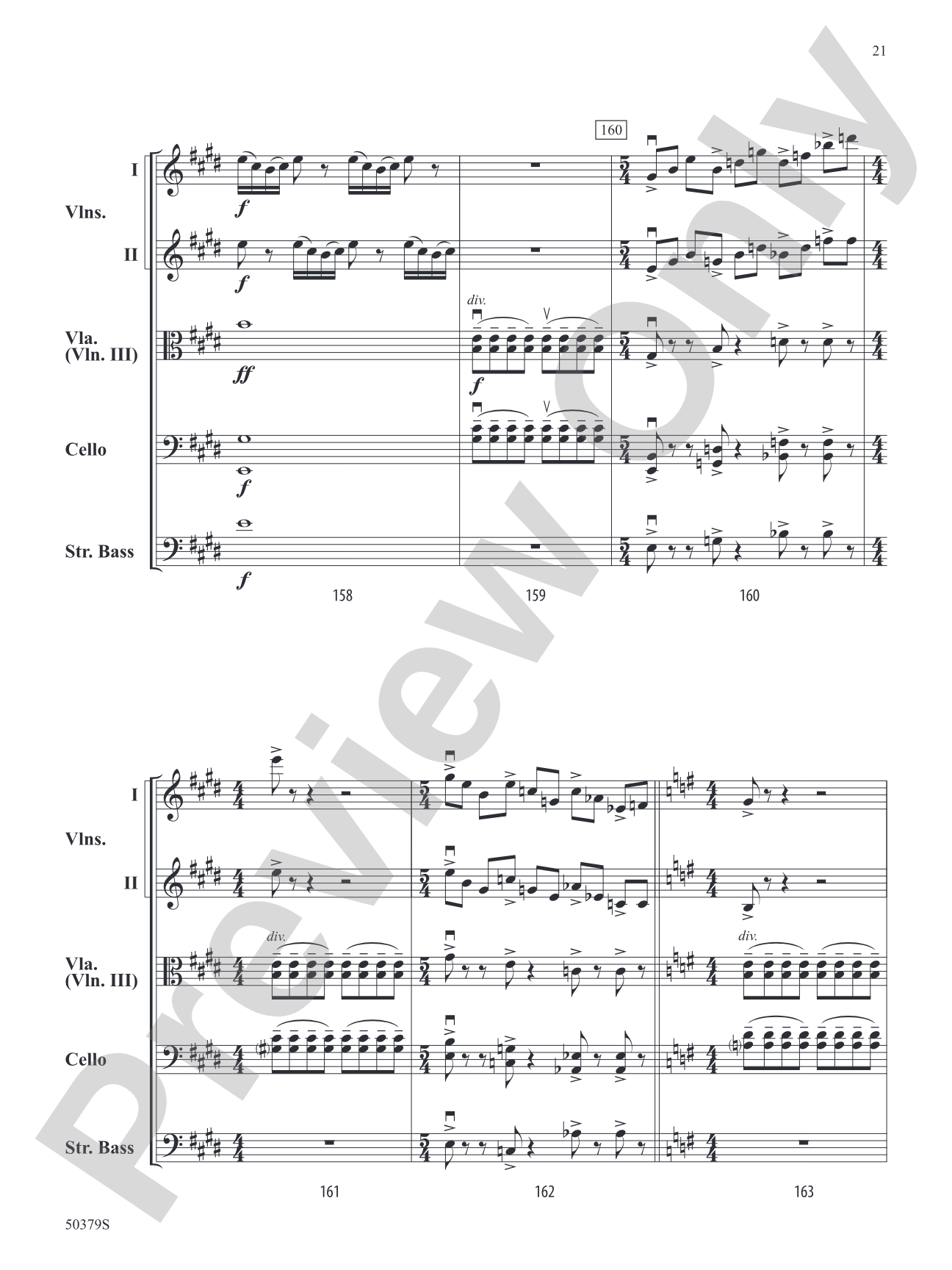
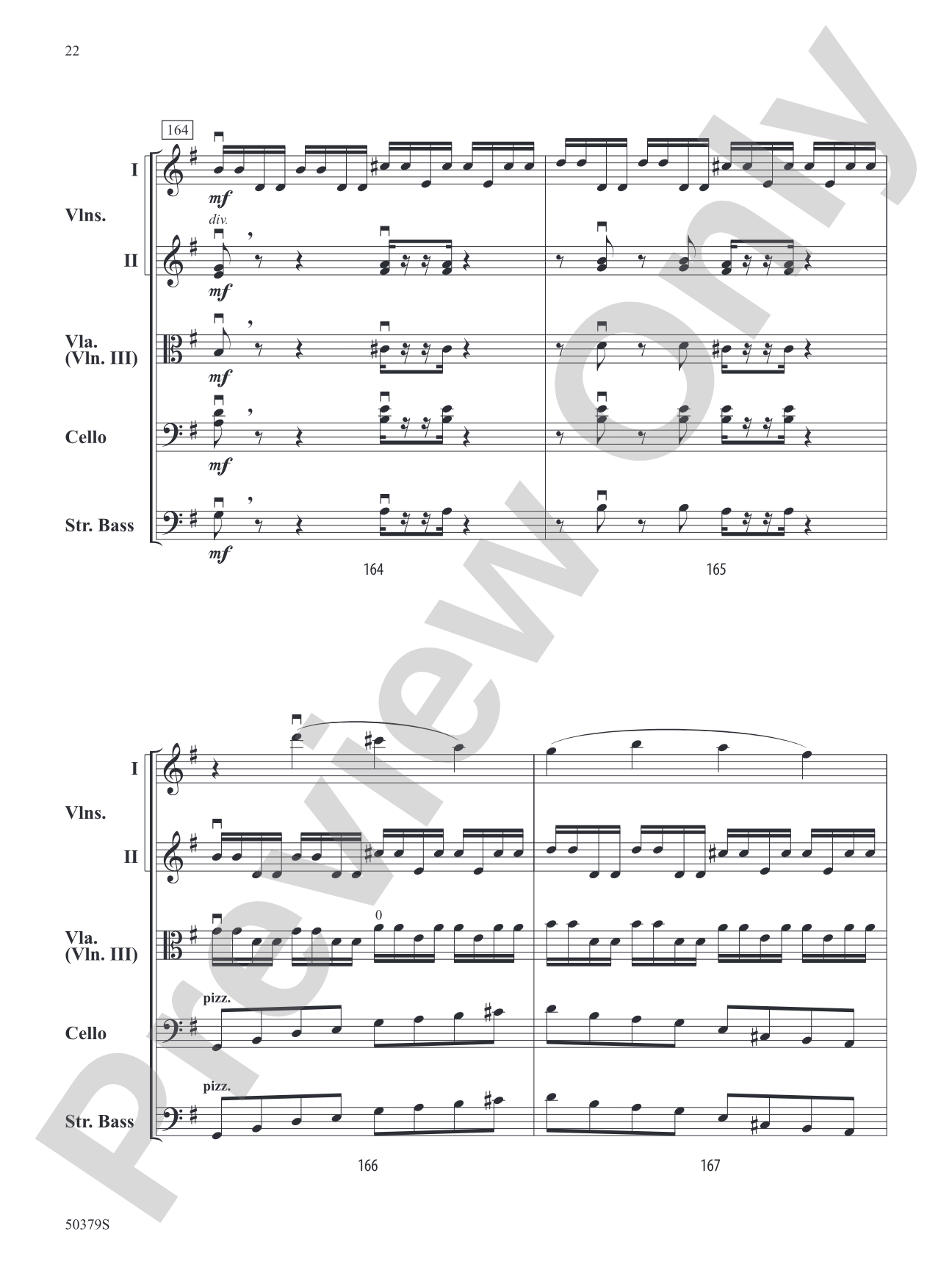
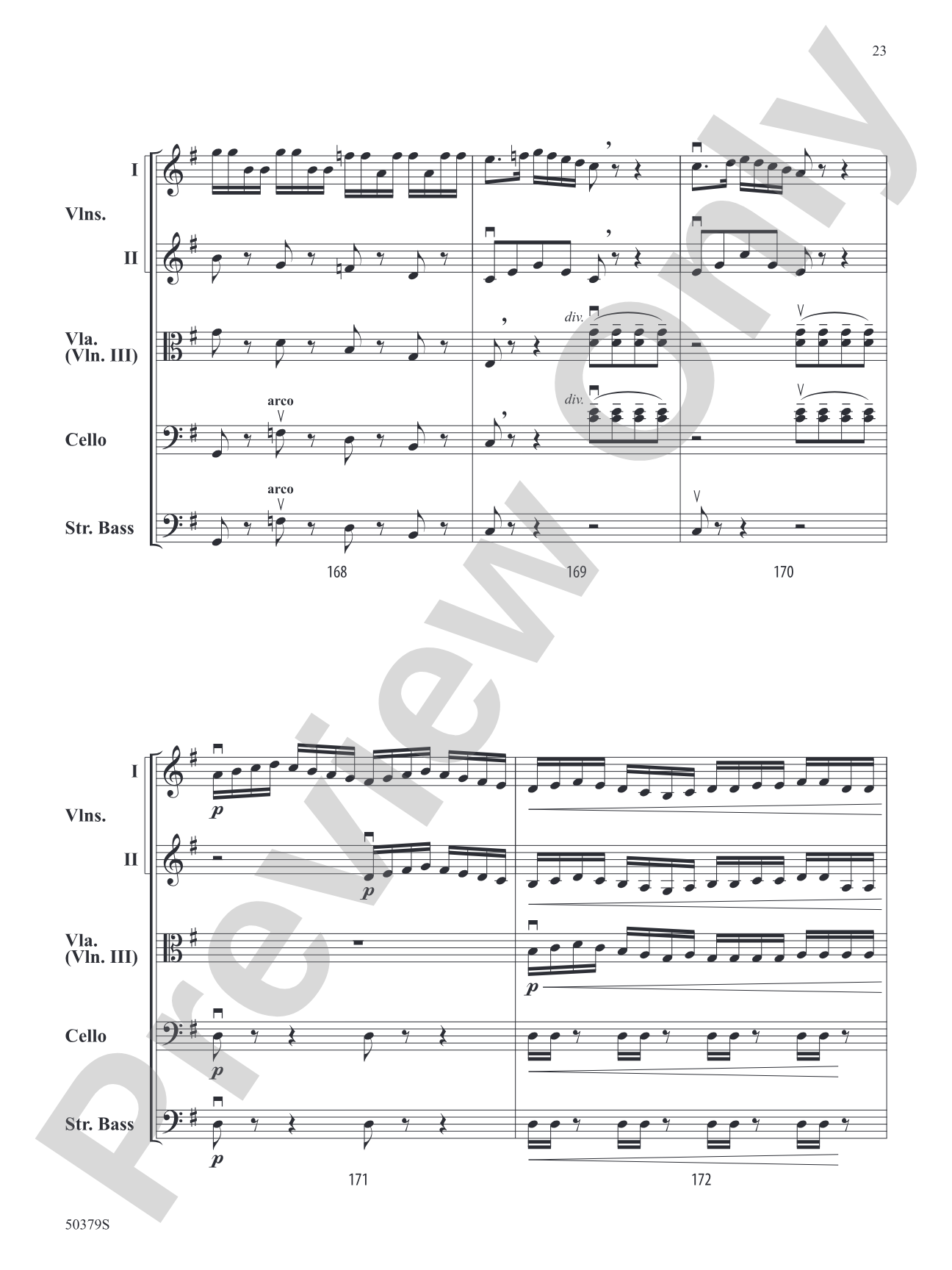
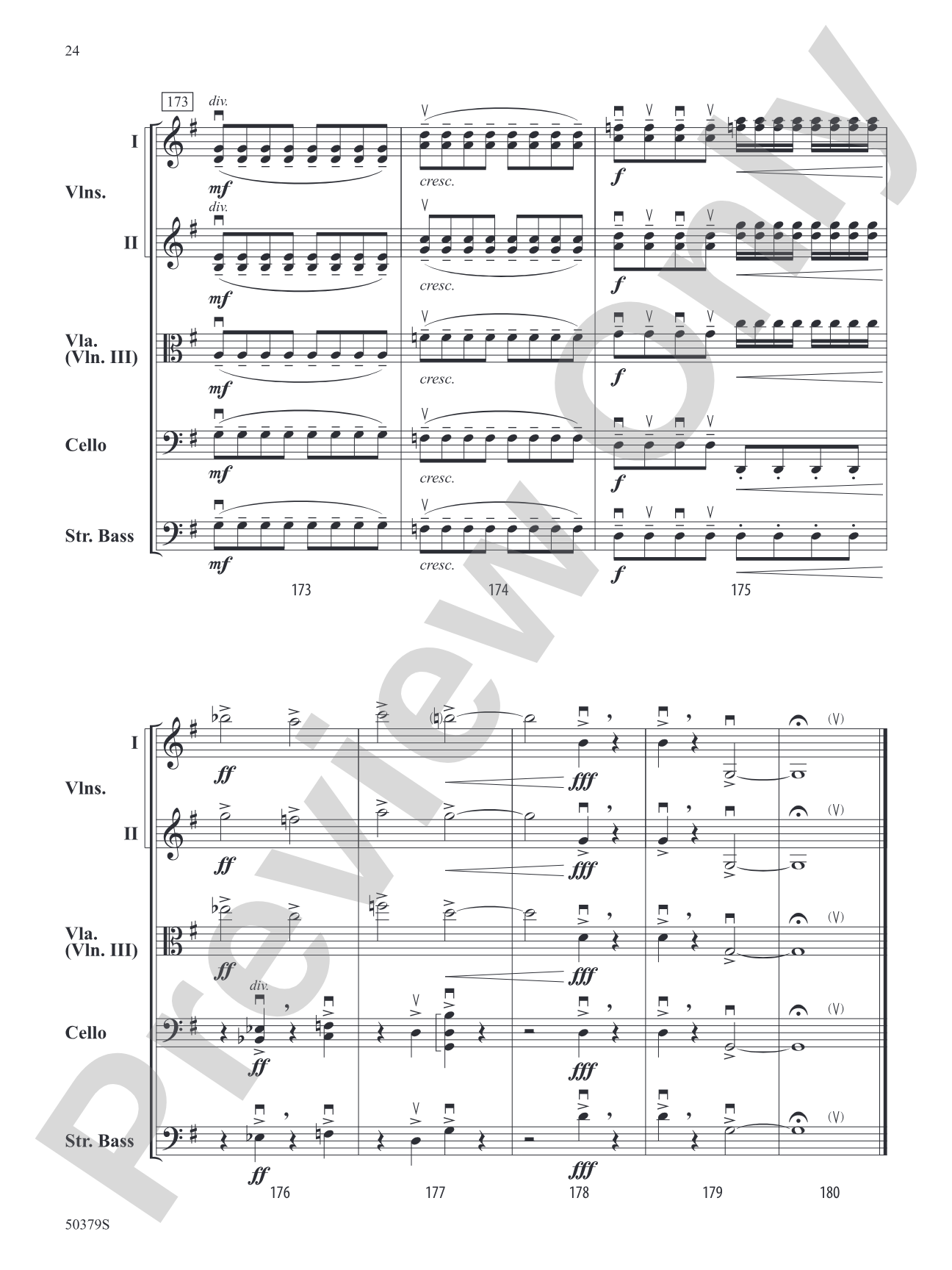

A.I. Recomposes J.S.: Score
(Variations on bc3/3)
Source music by Johann Sebastian Bach / by Richard Meyer
Grade: 4
Item: 00-PR-0008060
$15.00
Pickup currently not available
Description
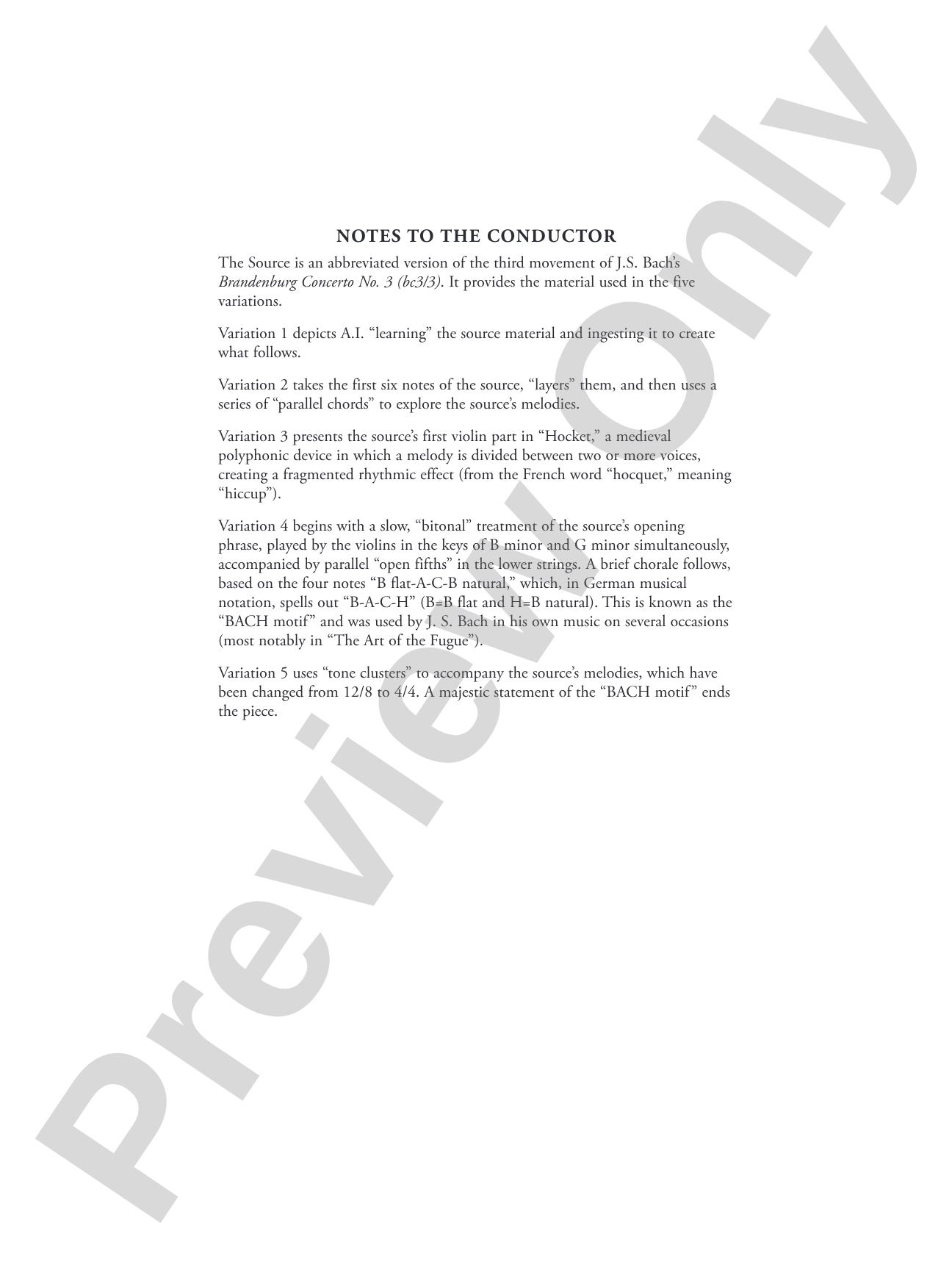
Despite its title, A.I. Recomposes J.S. is a fully original work for string orchestra composed by a Richard Meyer. The piece serves as a creative "what-if" scenario, using the third movement of Bach's Brandenburg Concerto No. 3 as source material to simulate the erratic, fascinating patterns of machine learning. These five variations provide a refreshing and unpredictable challenge for advanced ensembles.


Don't just read it, hear it, play along with it, and watch your students grow with it. In MakeMusic Cloud, A.I. Recomposes J.S.: Score comes alive with professional accompaniment, adjustable tempo, and built-in practice tools that turn solo practice into real progress.
Open in the Player
Jump straight in and assign it today.
Start Your Free Trial
Open this title and explore the full library in minutes.
Sample Audio
1
Audio File
--:--
0:00
0:00
Sample Video
Additional Details
Series:
Highland String Orchestra
Publisher:
Alfred Music
SKU:
00-PR-0008060
More about this title
About the Composer: Johann Sebastian Bach
Johann Sebastian Bach (1685-1750) stands as one of history's most systematically brilliant composers. His mastery of counterpoint, fugue, and structural architecture set the standard for Western music for centuries, and his output across every major genre except opera established him as a foundational figure in music education and professional practice alike.
Bach's Brandenburg Concertos rank among his most enduring contributions to ensemble music. Originally composed for the court at Köthen, these six concertos showcase his gift for balancing instrumental voices and exploring rhythmic vitality. The third movement of Brandenburg Concerto No. 3, in particular, demonstrates his characteristic blend of melodic clarity and harmonic sophistication, making it an ideal source for contemporary reinterpretation.
Why we love this
Meyer's compositional approach respects Bach's original third movement while using it as a springboard for something genuinely unpredictable. The five variations capture the disorienting logic of machine learning in musical form, offering your ensemble a modernist challenge that avoids pure abstraction. Advanced groups will relish the technical and interpretive demands of navigating erratic patterns without losing ensemble cohesion.
What to expect
The piece unfolds like watching a familiar melody splinter under pressure. Bach's architecture remains audible, yet unpredictable rhythmic interruptions and sudden instrumental reshufflings create a sense of controlled chaos. You hear order dissolving and reforming simultaneously, creating an unsettling but intellectually engaging listening experience.
Who it's for
Advanced string orchestras preparing for festival or contest performance will find this piece demands the technical security and musical confidence their ensembles have developed. Directors seeking contemporary repertoire that engages with classical material in a thoughtful, non-trivial way will appreciate Meyer's compositional approach. This work rewards ensembles ready to explore 21st-century compositional thinking without sacrificing the precision that Bach demands.
How to get the most out of it
- Study the five variations individually before linking them together. Each section demands a distinct ensemble sonic quality and rhythmic temperament.
- Exploit the notated surprises. Meyer's variations often shift instrumental doublings and dynamic emphasis suddenly; mark these shifts clearly in parts so nobody gets caught off guard.
- Maintain pulse clarity even when the textures feel fragmented. Use a secure, visible beat that doesn't impose traditional phrase shaping onto the machine-learning aesthetic.
- Balance ensemble tuning in fast, disjunct passages. Stopping points and rhythmic gaps can expose intonation drift, so lock intervals carefully during sectional rehearsals.
How to use it
Position this as a centerpiece for a contemporary or festival program where it can stand alongside or contrast with traditional repertoire. The single-movement form and moderate length make it ideal as a competition selection, and its connection to Bach provides a sophisticated historical anchor that audiences and adjudicators will recognize immediately.
Skills your students will build
- Navigating sudden tonal and textural shifts without losing ensemble security
- Maintaining rhythmic precision in fragmented, non-traditional phrase structures
- Balancing historical awareness with contemporary compositional thinking
- Responding to unconventional notation and articulation demands
- Building ensemble resilience through technically demanding modern writing