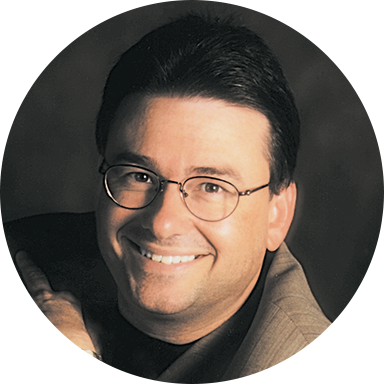
Joseph M. Martin studied piano performance at Furman University and later earned his master's degree from the University of Texas at Austin, where he subsequently taught in the Piano Pedagogy Department for five years. His performance career has taken him across the United States and Mexico, including a featured appearance with the Guadalajara Symphony Orchestra following his win in the Nina Plant Wideman Competition, and a nationally broadcast solo recital from Ex-convento del Carman in Mexico.
Though Martin continues to perform as a concert pianist, his primary focus has shifted toward church music and composers' conferences. His compositions and arrangements have found their way into an impressive range of venues, from Carnegie Hall to hundreds of worship services throughout the United States and Canada. He resides in Austin, Texas, with his wife Sue and their children Jonathan and Aubrey.
Why we love this
Martin brings sophisticated harmonic language and genuine spiritual depth to this setting without demanding technical gymnastics from your singers. The piece balances accessibility with musical substance, giving choirs at intermediate to advanced levels material that sounds far more complex than it is to prepare. Directors appreciate Martin's clear part writing and his instinct for moments that land with real emotional weight in a worship or concert context.
What to expect
Warm and introspective, with the kind of harmonic richness that invites singers to listen to one another. The piece unfolds with genuine devotion without veering into sentimentality, creating a space for both congregation and performer to reflect.
Who it's for
This octavo works for choirs with solid sight-reading skills and reliable intonation. It's equally at home in a church service, community choir concert, or festival performance where a reverent, contemplative moment serves the program.
How to get the most out of it
Balance the voices so the text remains intelligible even through thicker harmonic passages. Martin's writing can obscure lyrics if any section oversings.
Work for legato line throughout, treating even rhythmically active passages as part of a continuous musical phrase rather than isolated rhythmic gestures.
Let the accompaniment breathe. This isn't a piece that needs aggressive pacing; allow space between phrases to let the spiritual character settle.
Shape dynamics gradually rather than jumping between extremes. Martin's harmonic progression often suggests subtle crescendos and diminuendos that emerge naturally from the chord movement.
How to use it
Place this at a turning point in a concert, perhaps after something with more energy or complexity, to let your audience settle into a moment of quiet contemplation. It also works beautifully as a processional or recessional in a service structure, or as the centerpiece of a smaller, focused concert on texts of praise and thanksgiving.
Skills your students will build
Balancing SATB blend in four-part writing with varied harmonic density
Singing legato lines while maintaining clear diction through longer phrases
Listening for and correcting intonation in chromatic harmonic movements
Interpreting dynamic and emotional shape in texts of spiritual reflection
You May Also Like
Scan to Complete Your Purchase
Use your phone's camera to scan the code below
You'll log in on your phone and the order will be added to your account