
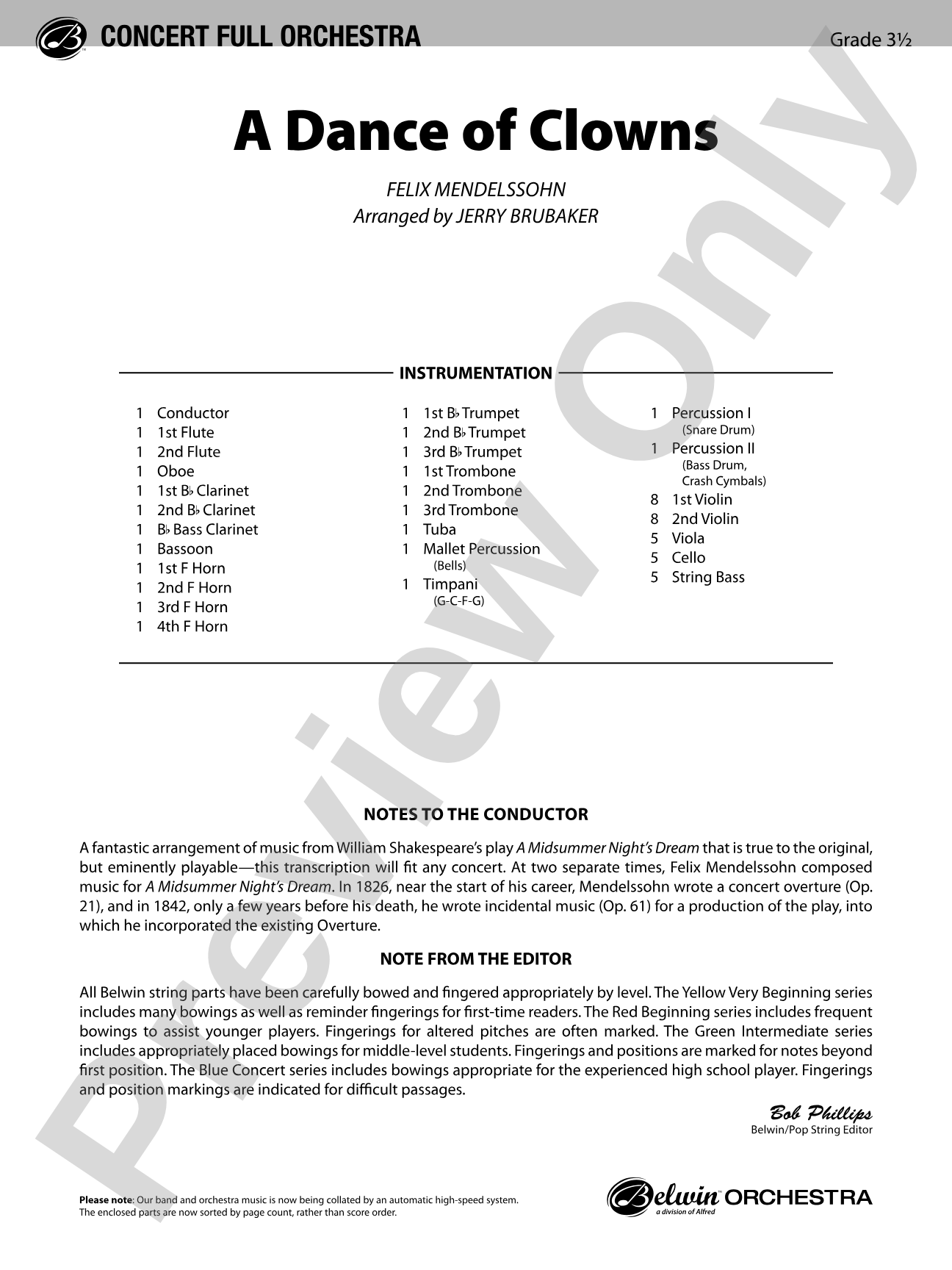
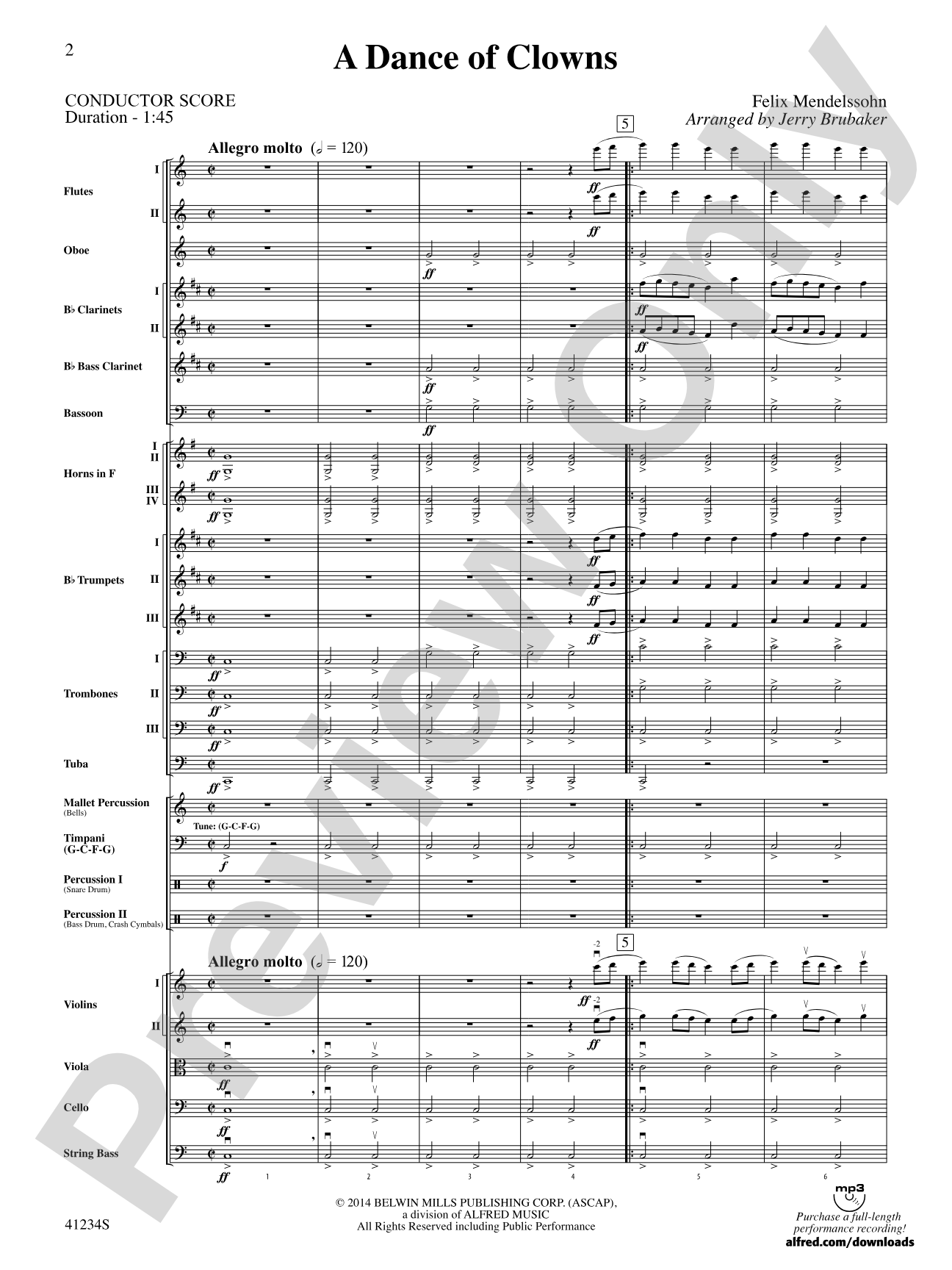
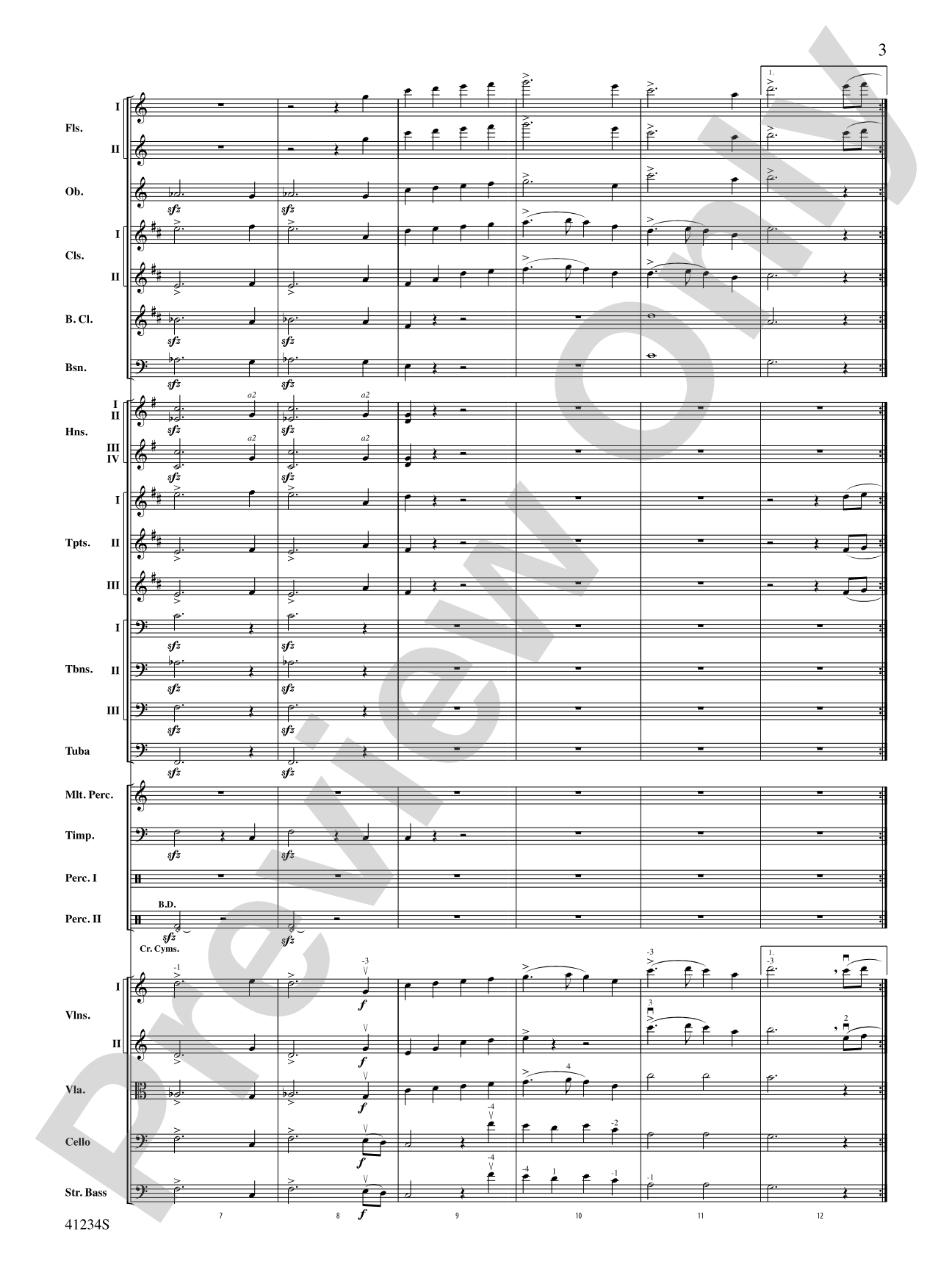
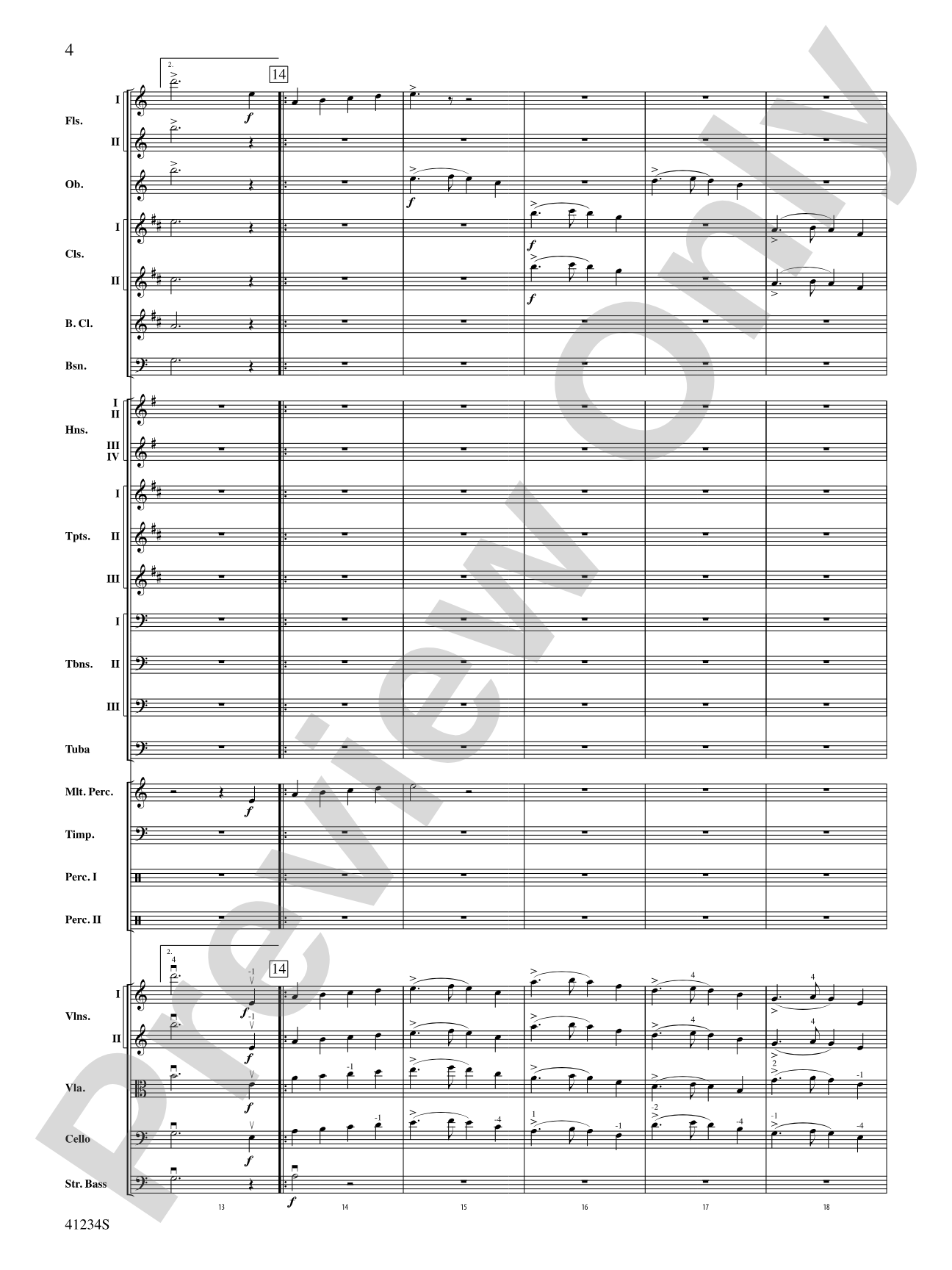
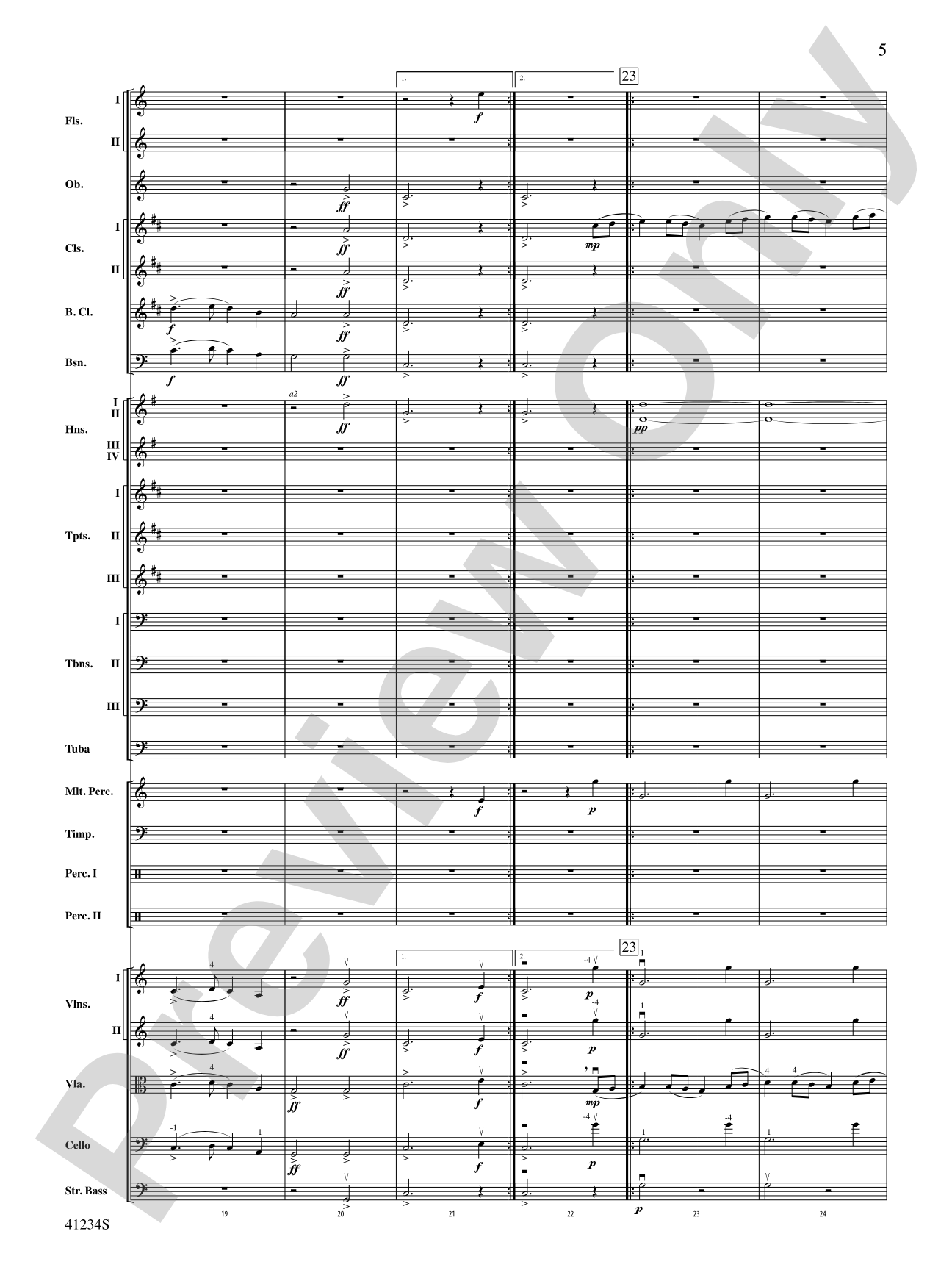
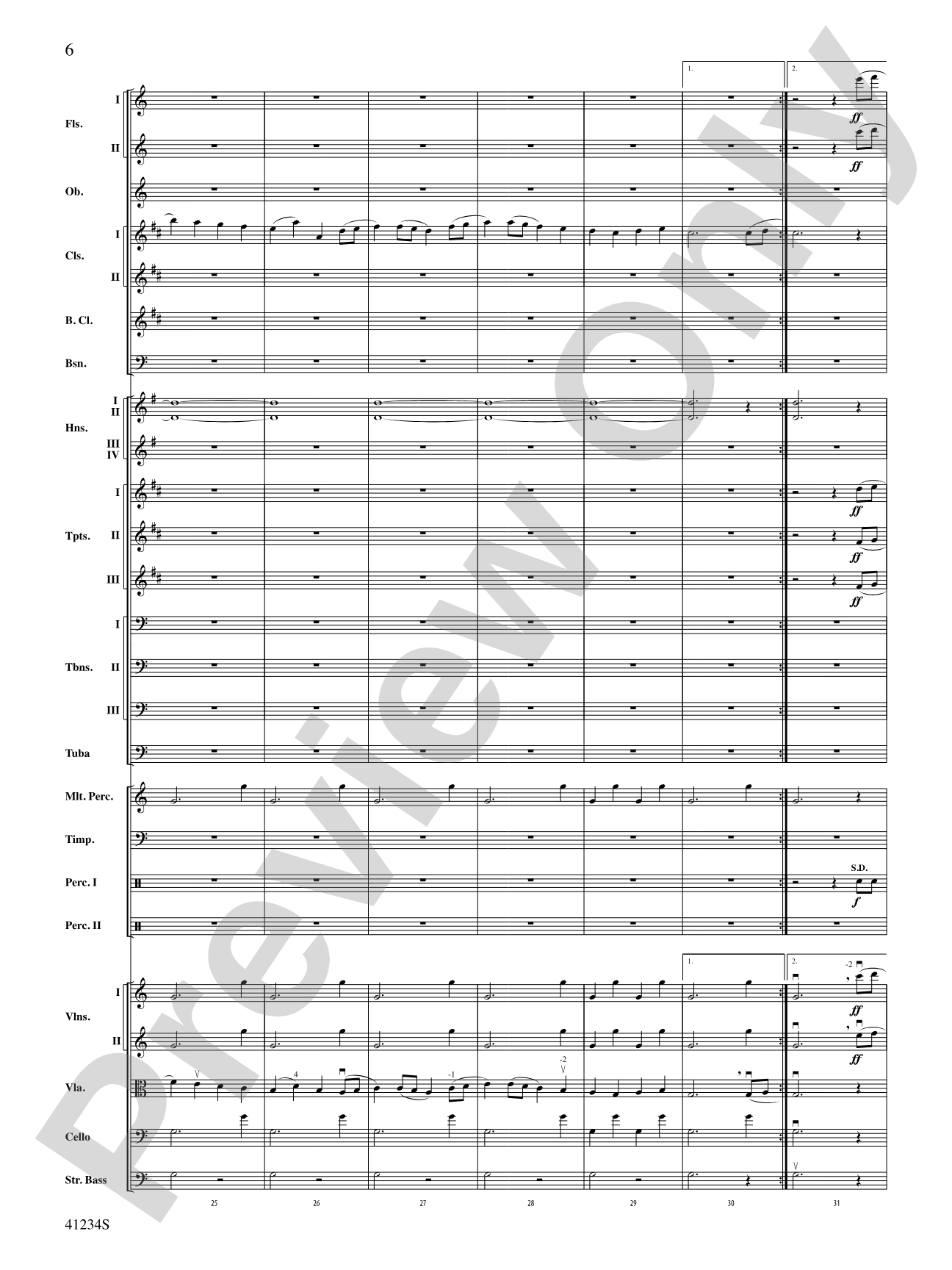
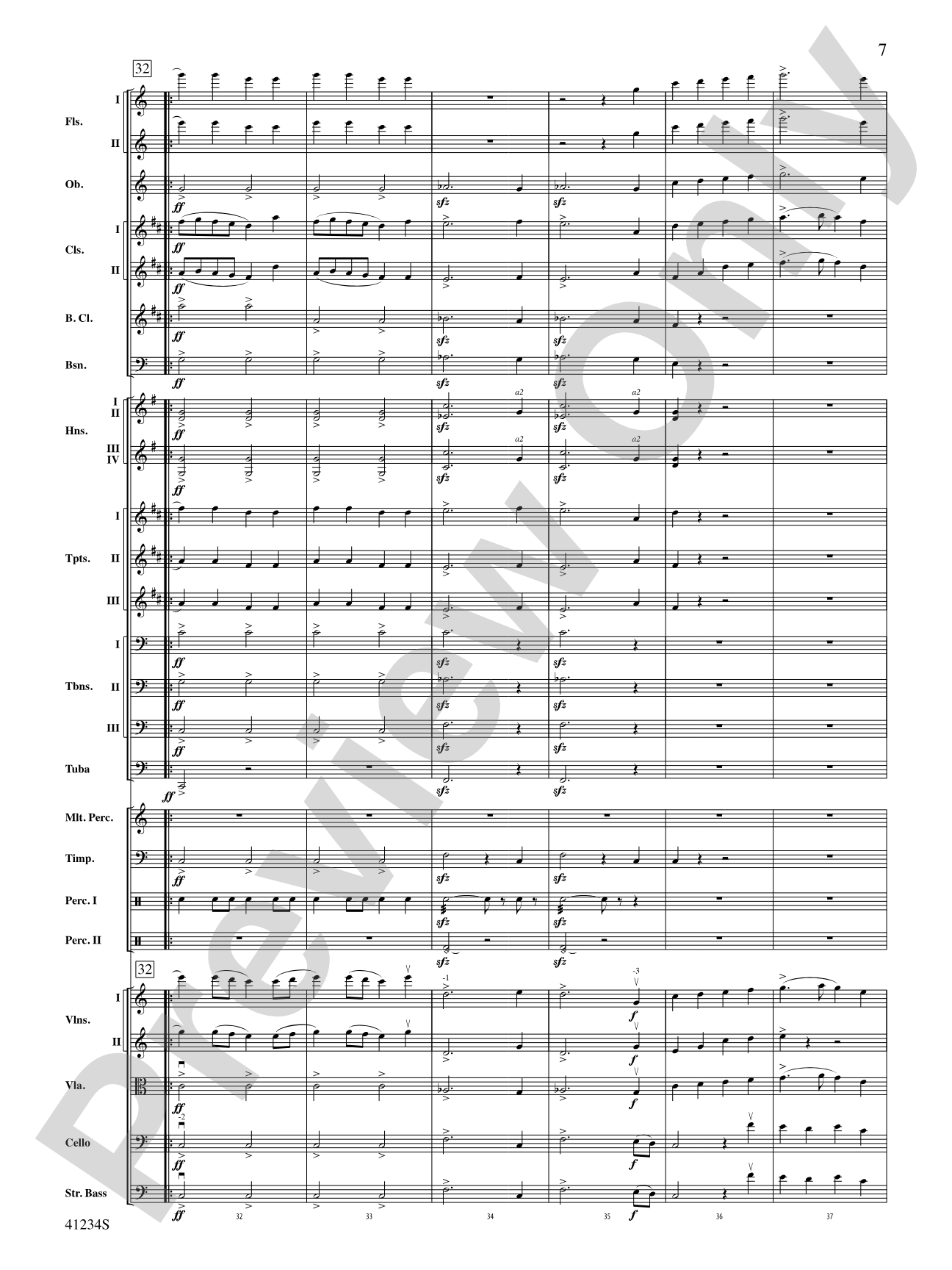
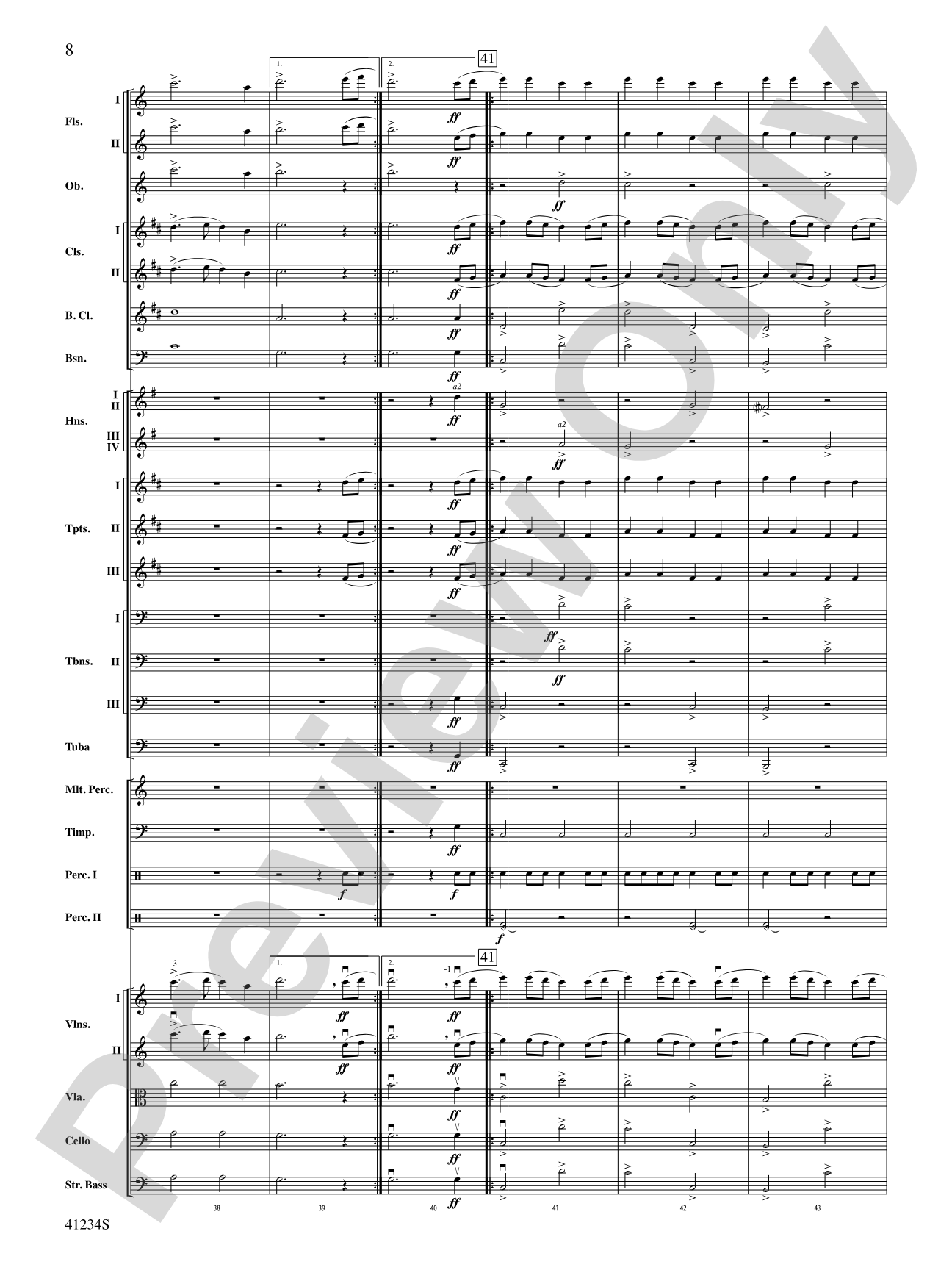
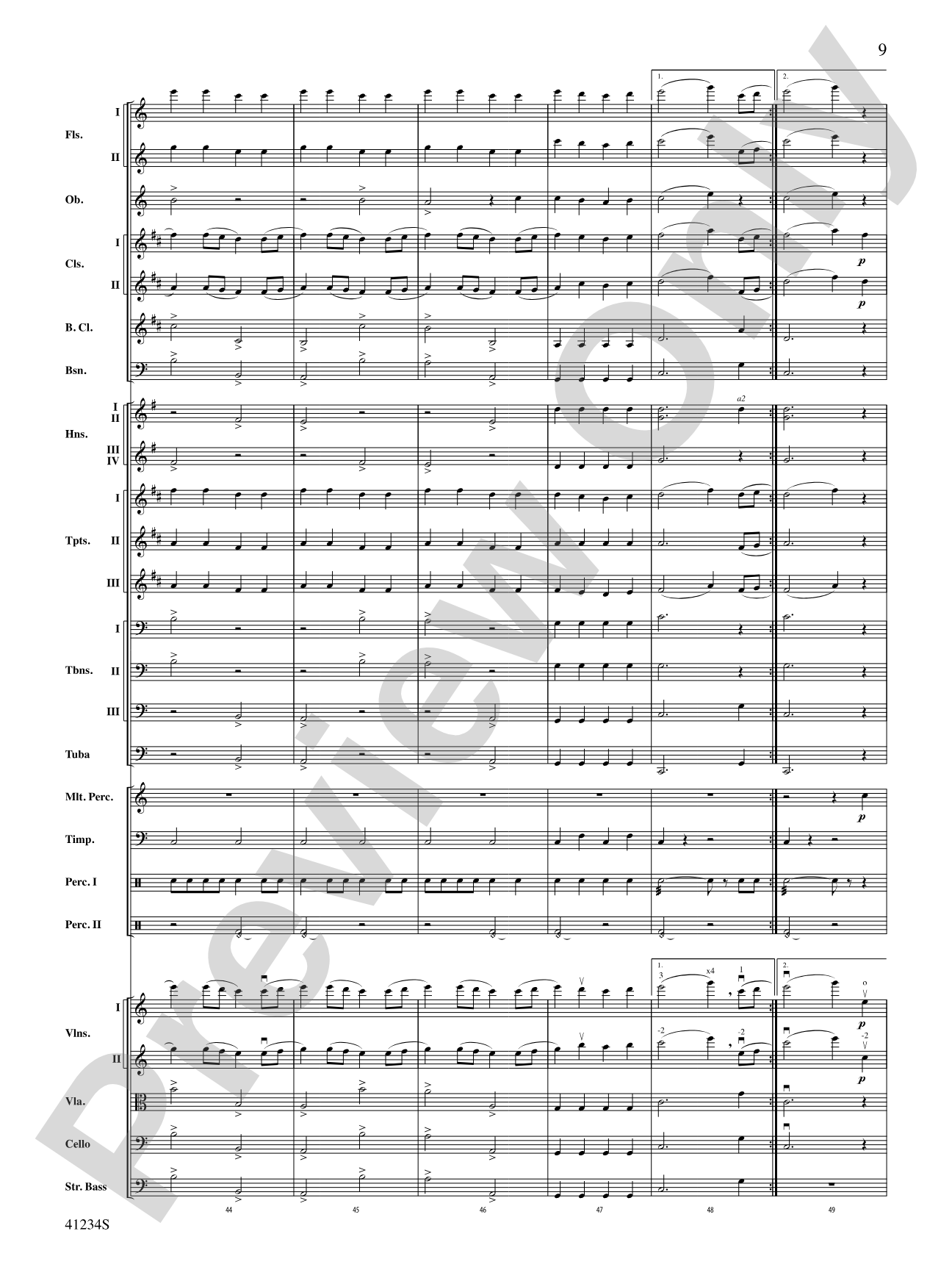
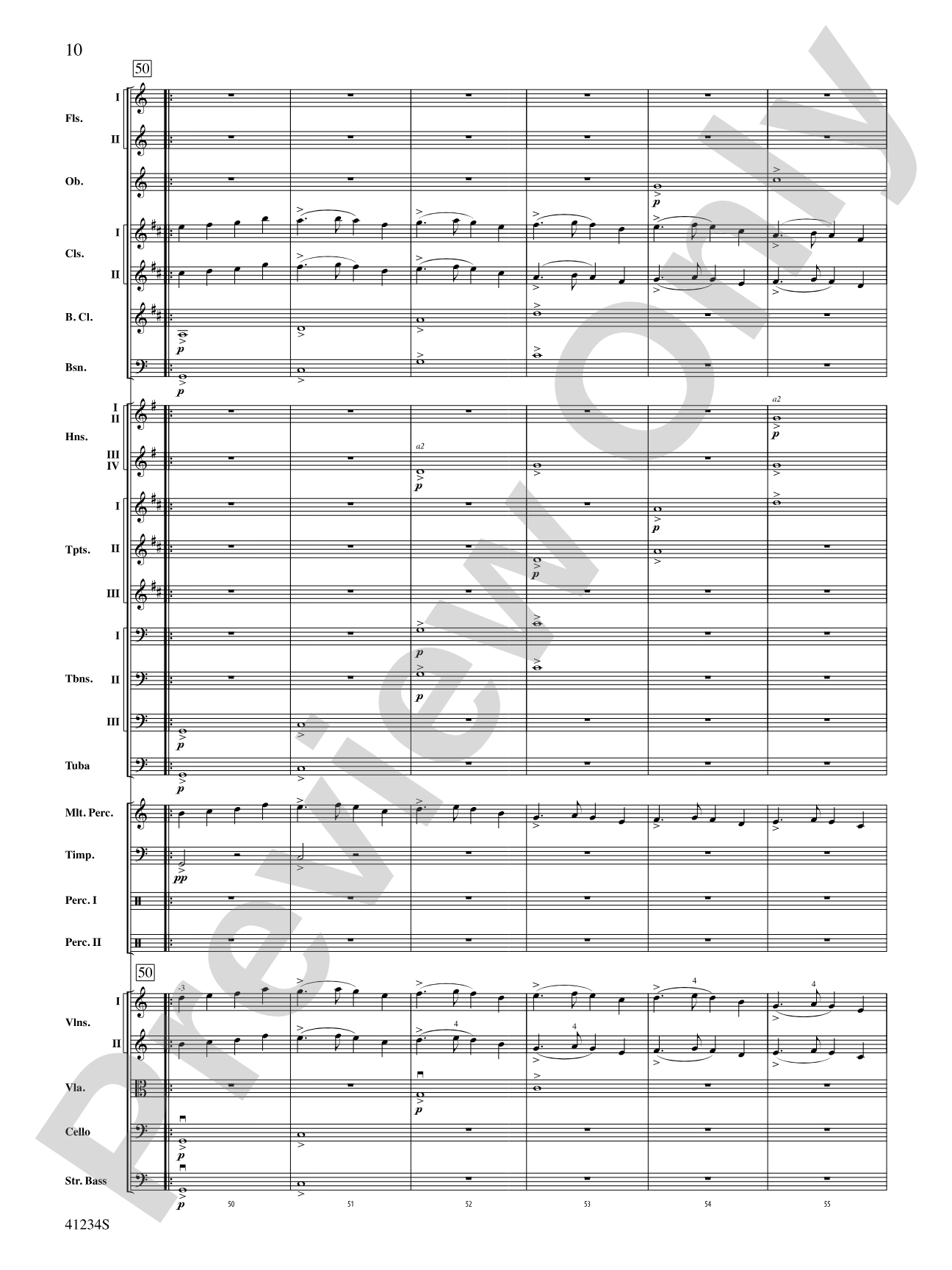
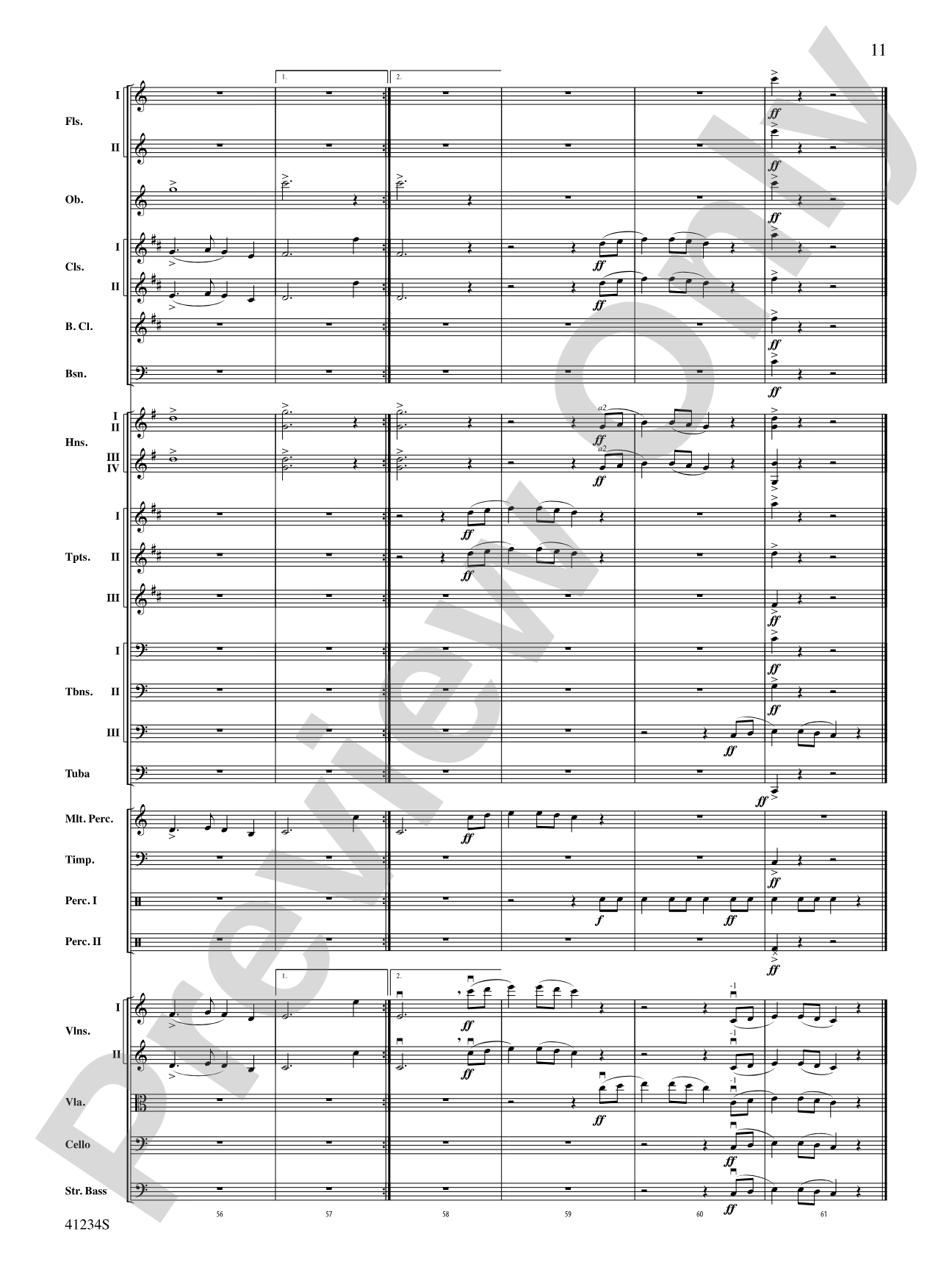

A Dance of Clowns (from A Midsummer Night's Dream): Full Orchestra Conductor Score & Parts
From A Midsummer Night's Dream
By Felix Mendelssohn / arr. Jerry Brubaker
Grade: 3.5
Item: 00-PK-0006101

$65.00
Pickup currently not available
Buy Extra Parts (Digital PDF Download)
Parts Added to Cart!
Description
A fantastic arrangement of music from Shakespeare's play, A Midsummer Night's Dream, that is true to the original but eminently playable, this transcription will fit any concert. (1:45) This title is available in MakeMusic Cloud.


Don't just read it, hear it, play along with it, and watch your students grow with it. In MakeMusic Cloud, A Dance of Clowns (from A Midsummer Night's Dream): Full Orchestra Conductor Score & Parts comes alive with professional accompaniment, adjustable tempo, and built-in practice tools that turn solo practice into real progress.
Open in the Player
Jump straight in and assign it today.
Start Your Free Trial
Open this title and explore the full library in minutes.
Sample Audio
1
Audio File
--:--
0:00
0:00
Sample Video
No sample videos found.
Additional Details
Series:
Belwin Concert Full Orchestra
Publisher:
Alfred Music
Page Count:
106
SKU:
00-PK-0006101
More about this title
About the Composer: Felix Mendelssohn
Felix Mendelssohn (1809-1847) stands among the nineteenth century's most gifted orchestrators. His concert overtures and incidental music shaped how composers approached Shakespeare, and his ability to capture character and atmosphere through orchestration made him a model for generations of musicians who followed.
Mendelssohn's score for A Midsummer Night's Dream, written when he was in his twenties, reveals a composer fully in command of the orchestra. The work balances lyrical beauty with rhythmic vitality, and pieces like this one showcase his gift for translating theatrical drama into purely instrumental terms.
Why we love this
Jerry Brubaker's arrangement preserves Mendelssohn's orchestration while making the piece genuinely accessible to Grade 3.5 ensembles. You get the authoriticity and harmonic sophistication of the original without asking student musicians to stretch beyond their current abilities. The comedy in the piece comes through clearly, and orchestras at this level find it deeply satisfying to play.
What to expect
Mischief and delight spring from every measure. The music captures the bumbling energy of comic characters without a trace of condescension, instead celebrating their antics with affection and rhythmic wit. Playful gestures in the orchestra create a transparent, joyful soundscape that students immediately connect with.
Who it's for
This arrangement serves orchestras ready to tackle concert repertoire with real musical substance. Directors seeking works that challenge students' ensemble skills while keeping individual part difficulty manageable will find this invaluable for mid-season programming or festival performance.
How to get the most out of it
- Balance the rhythmic figures across the woodwind section so the quick articulations land together without sounding frantic. The clowns' entrance works best when the ensemble feels in control of the tempo rather than chasing it.
- Shape the melodic lines with subtle rubato in the lyrical passages. Allow the music to breathe naturally between phrases instead of maintaining a metronomic pulse throughout.
- Emphasize the pizzicato string figures that underscore the comic action. They define much of the character, so bring them forward slightly in the mix without overwhelming the upper voices.
- Treat the dynamic contrasts as deliberate choices, not sudden shocks. Gradual hairpins into forte moments give the orchestration time to settle and stay balanced.
How to use it
Program this alongside lighter concert works to create a program with real variety. At 1 minute 45 seconds, it works beautifully as a bridge piece between heavier selections or as an energetic conclusion to a concert segment. Festival adjudicators recognize it immediately, and its reputation as a classroom staple makes it a crowd favorite.
Skills your students will build
- Maintaining rhythmic precision in fast, syncopated passages
- Balancing independent lines across sectional entrances
- Shaping musical phrases through dynamic control
- Coordinating articulation clarity across mixed woodwind textures
- Responding to a conductor's expressive interpretation in a well-known work