
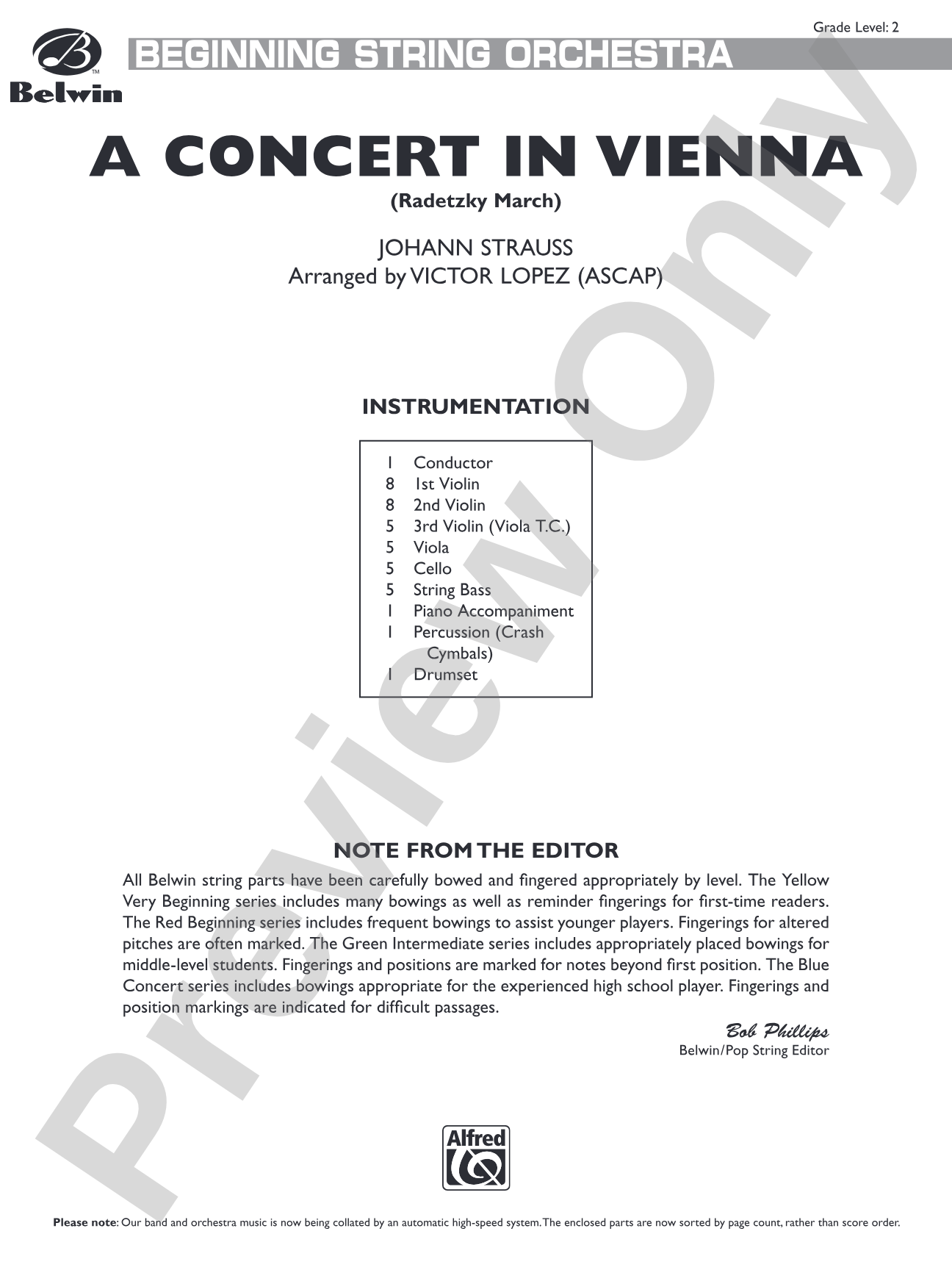
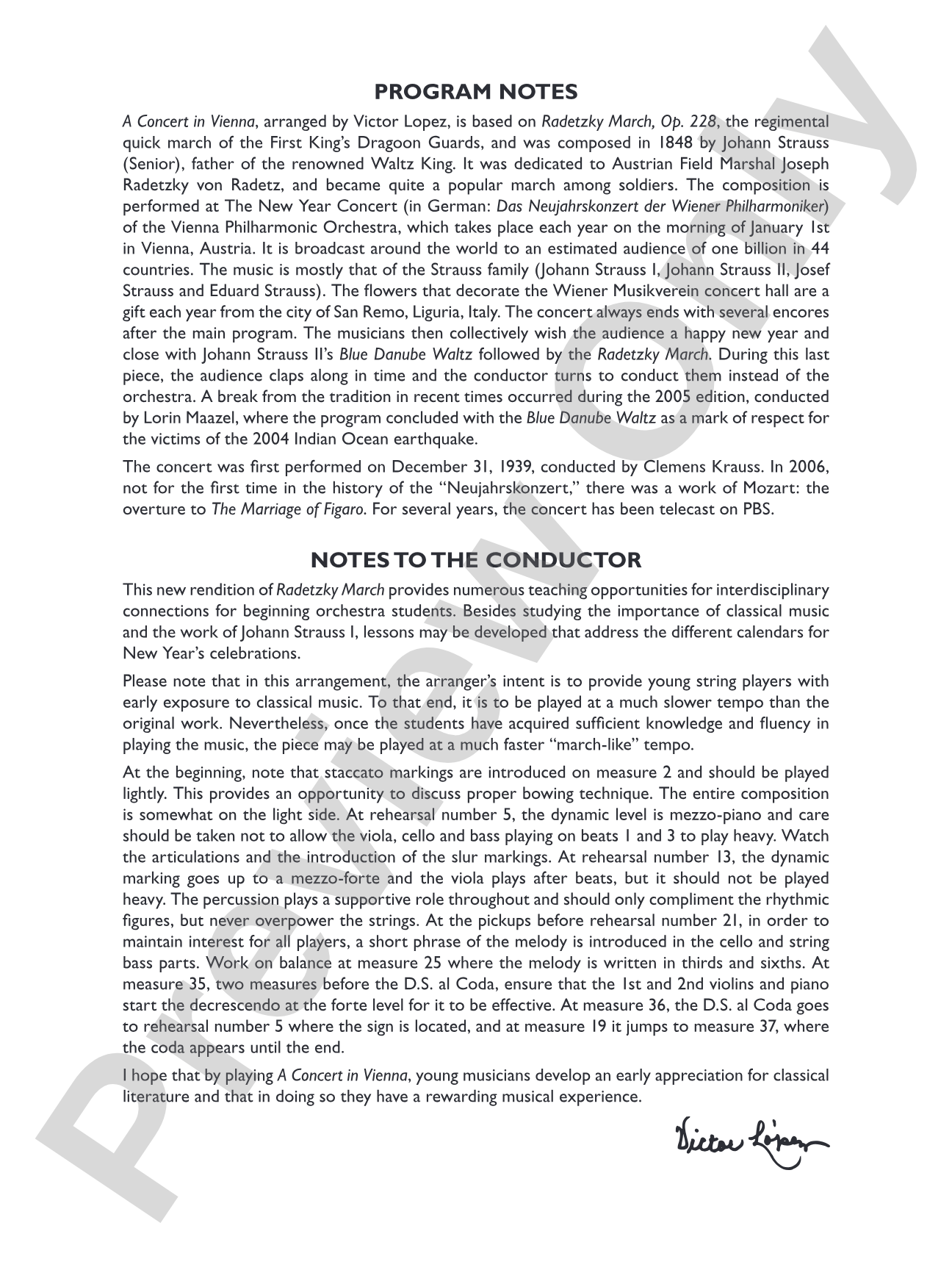
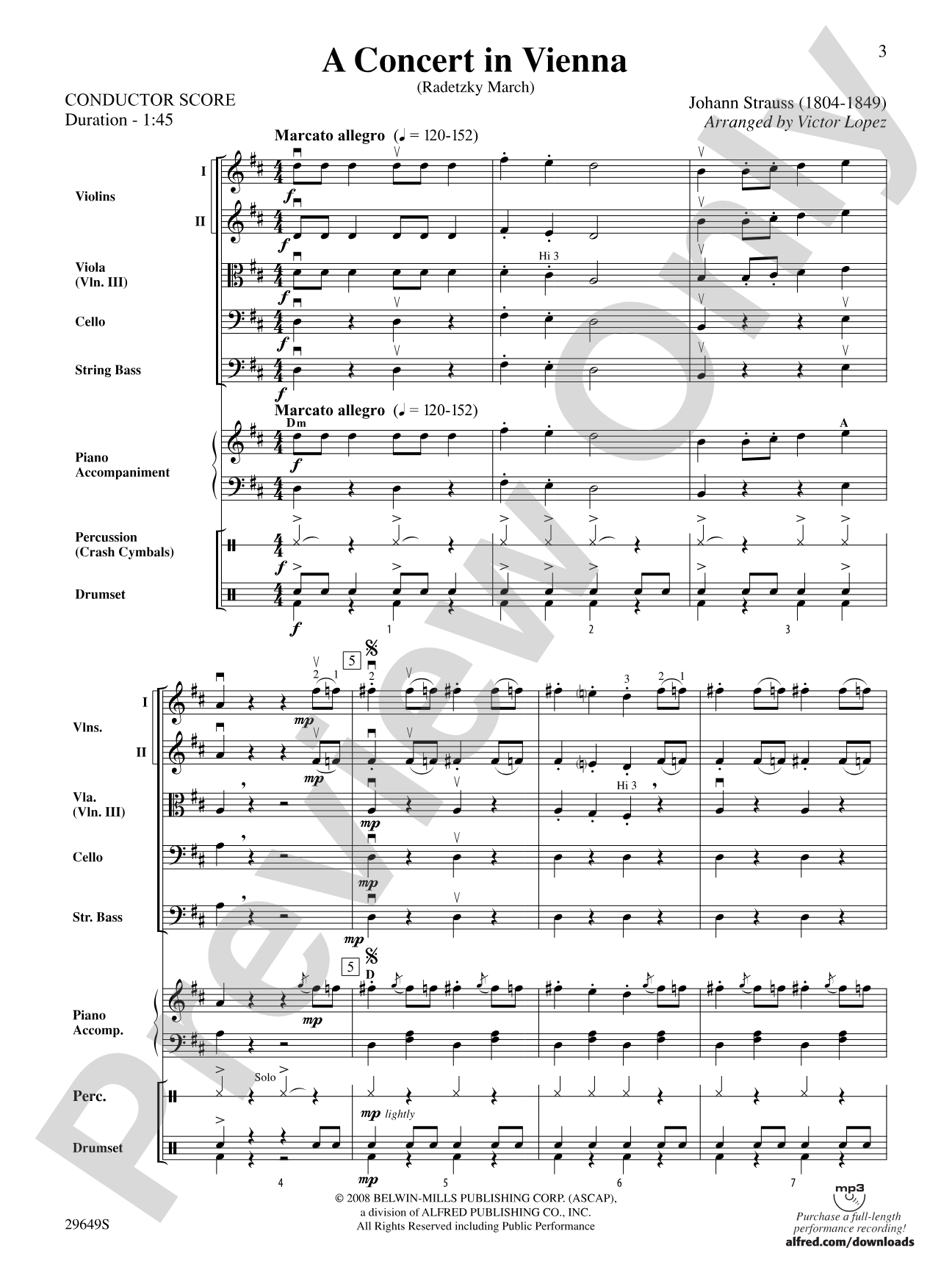
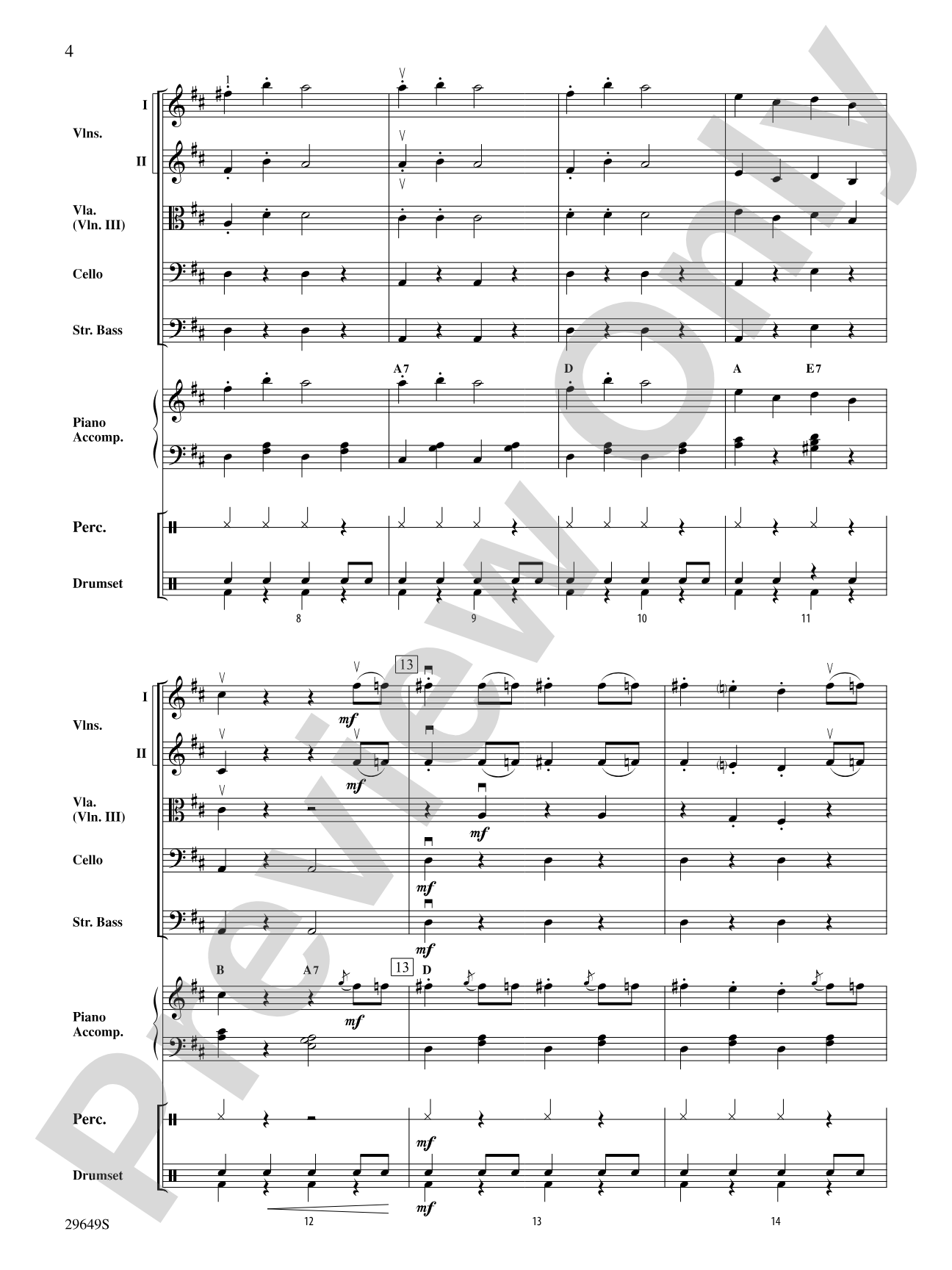
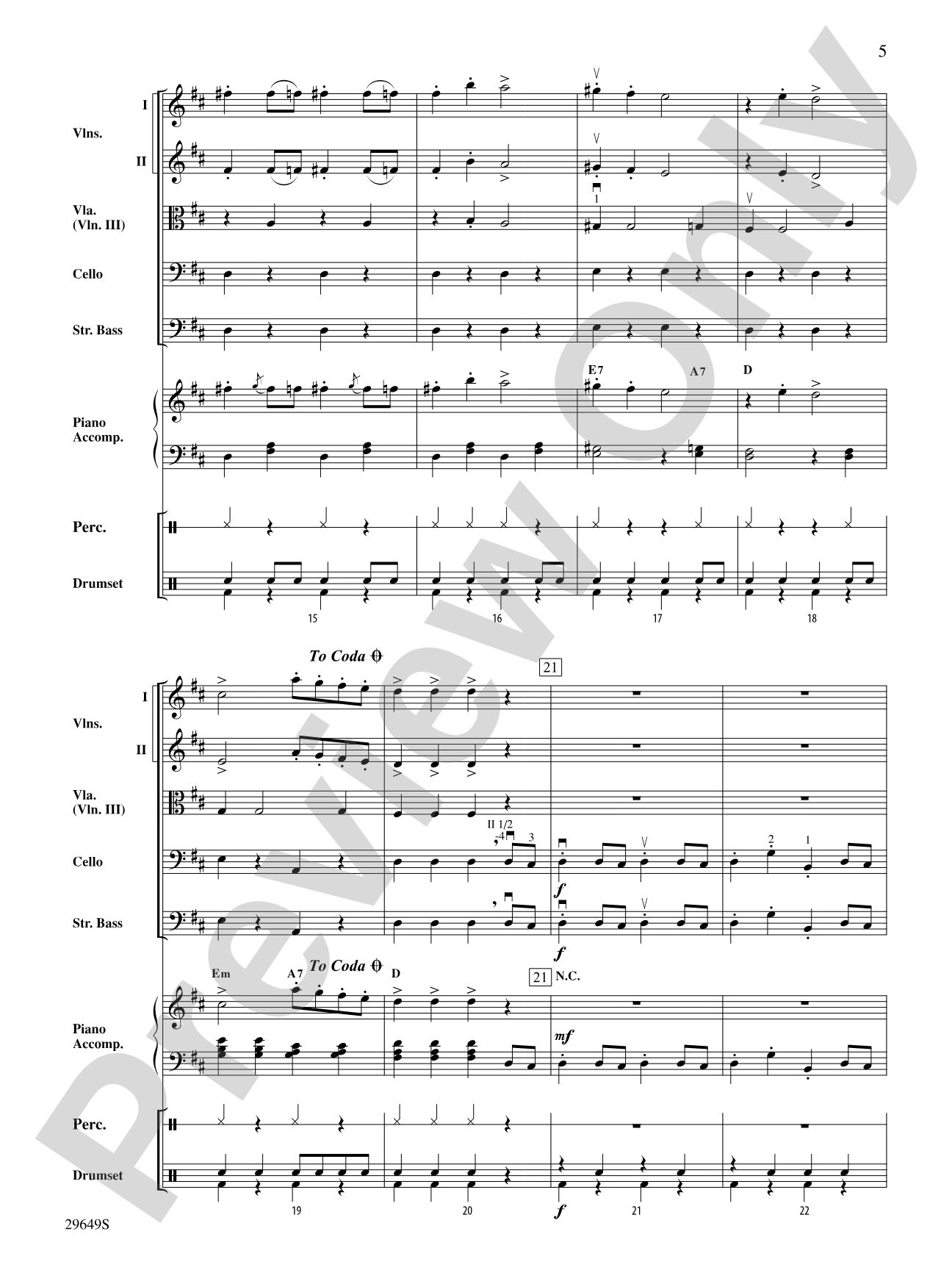
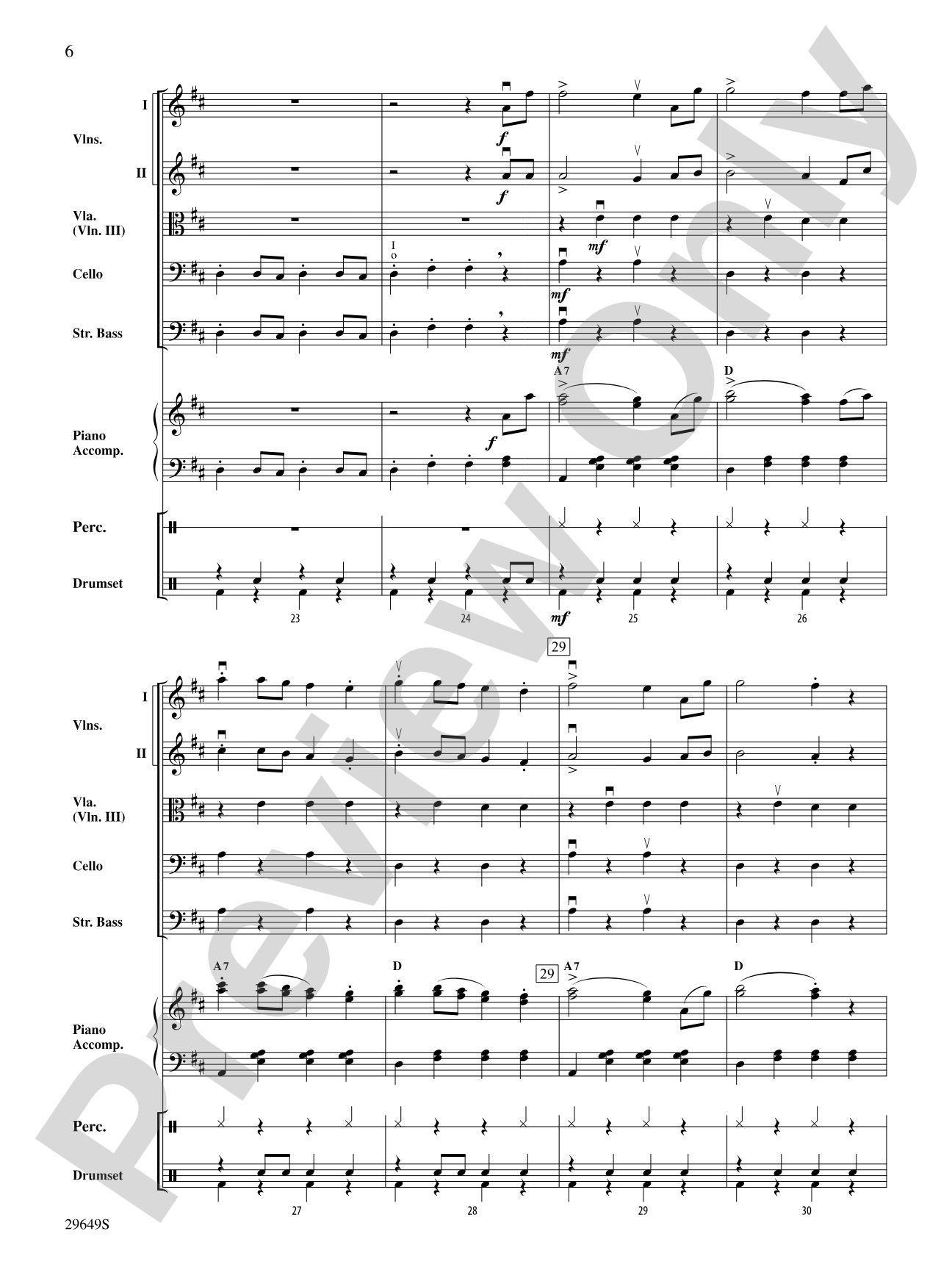
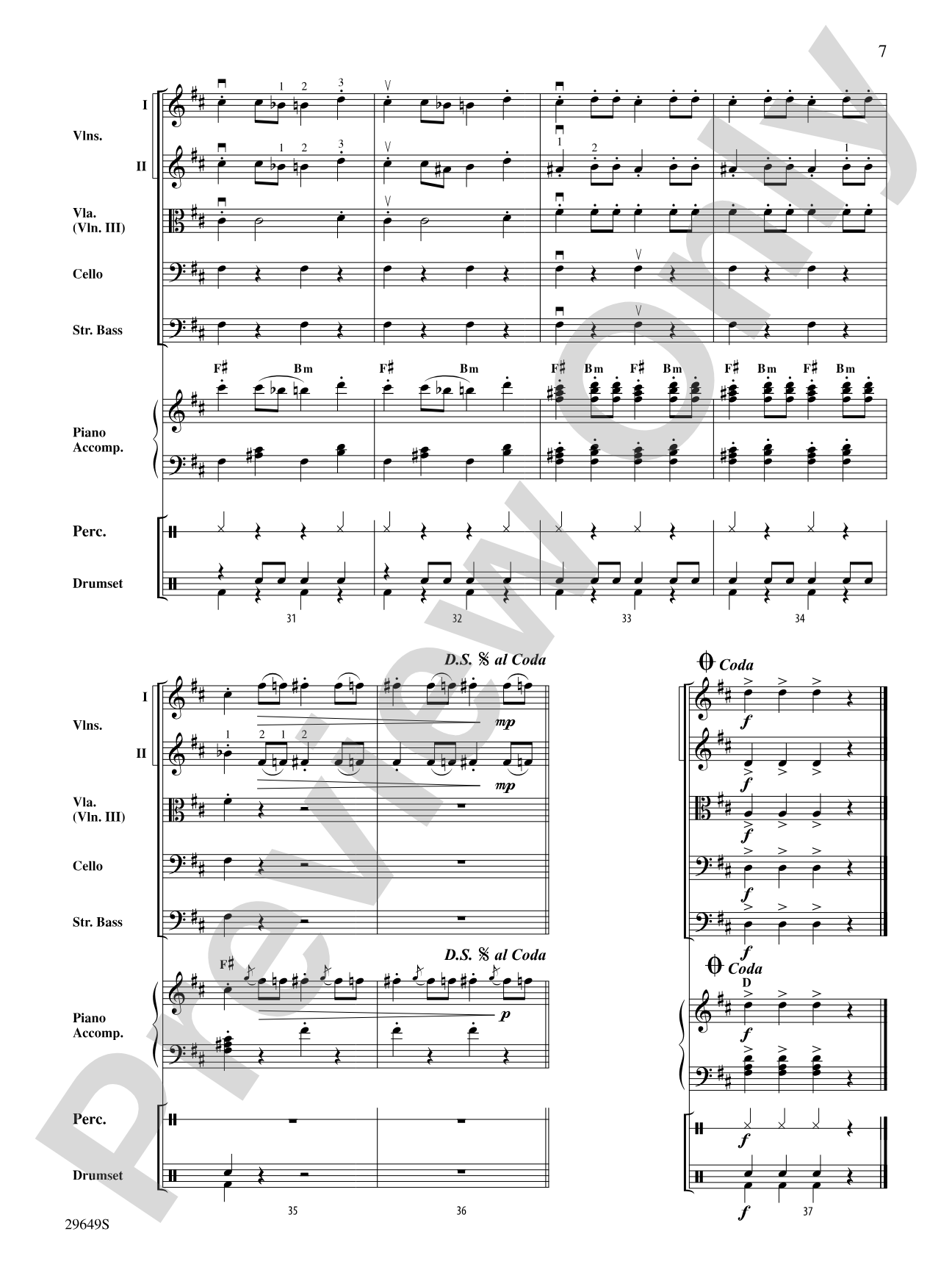


A Concert in Vienna: String Orchestra Conductor Score & Parts
Arr. Victor López
Grade: 2
Item: 00-PK-0001535

$46.00
Pickup currently not available
Buy Extra Parts (Digital PDF Download)
| Product | Price | Quantity |
|---|---|---|
| A Concert in Vienna: Score | $6.00 | |
| A Concert in Vienna: 1st Violin | $5.99 | |
| A Concert in Vienna: 2nd Violin | $5.99 | |
| A Concert in Vienna: 3rd Violin (Viola [TC]) | $5.99 | |
| A Concert in Vienna: Viola | $5.99 | |
| A Concert in Vienna: Cello | $5.99 | |
| A Concert in Vienna: String Bass | $5.99 | |
| A Concert in Vienna: Piano Accompaniment | $5.99 | |
| A Concert in Vienna: 1st Percussion | $5.99 | |
| A Concert in Vienna: Drums | $5.99 |
Parts Added to Cart!
Related Items
A Concert in Vienna: String Orchestra Conductor Score & Parts |
$40.00
|
View |
Description
Traditionally closing the Vienna Philharmonic Orchestra's New Year's concert, Johann Strauss' "Radetzky March" is a musical wish for a happy new year. It's jovial in nature with the pleasant melody shared throughout the orchestra. An uplifting Victor López arrangement of this classic march is perfect for programming anytime. (1:45)


Don't just read it, hear it, play along with it, and watch your students grow with it. In MakeMusic Cloud, A Concert in Vienna: String Orchestra Conductor Score & Parts comes alive with professional accompaniment, adjustable tempo, and built-in practice tools that turn solo practice into real progress.
Open in the Player
Jump straight in and assign it today.
Start Your Free Trial
Open this title and explore the full library in minutes.
Sample Audio
1
Audio File
--:--
0:00
0:00
Sample Video
No sample videos found.
Additional Details
Series:
Belwin Beginning String Orchestra
Publisher:
Alfred Music
Page Count:
80
SKU:
00-PK-0001535
More about this title
About the Arranger: Victor Lopez
Victor López is an accomplished arranger known for making classical and traditional works accessible to student ensembles across multiple levels. His arrangements for beginning and intermediate orchestras balance musical authenticity with pedagogical clarity, allowing young musicians to experience repertoire they might otherwise encounter only at advanced levels.
Why we love this
López's treatment preserves the infectious energy and ceremonial character of Strauss' original while tailoring the orchestration for beginning string players. The clarity of line writing ensures that every section gets moments to shine, and the 1:45 duration makes it ideal for concert programs that need a crowd-pleasing finale without overextending young musicians.
What to expect
Bright and festive without being cutesy. The Radetzky March carries the weight of tradition, it's been rung in countless New Years, but López's arrangement captures the optimism rather than the pomp. Expect your players to feel proud playing something recognizable and genuinely joyful.
Who it's for
This arrangement suits beginning string orchestras (Grade 2) ready to tackle a recognizable standard in a format that doesn't demand advanced technique. It works equally well for students making their first concert appearance and for established ensembles needing a reliable closer.
How to get the most out of it
- Balance the melody line carefully as it passes between sections; resist the urge to let any one part dominate, since the march's charm depends on that orchestral conversation.
- Keep the tempo steady and energetic throughout, especially in repeated sections where younger players sometimes unconsciously slow down.
- Shape the phrasing in two-bar or four-bar units to help students hear the march form and understand where the architecture breathes.
- Give extra attention to rhythmic precision in any syncopated figures; march character lives or dies on rhythmic clarity.
How to use it
Program this as a concert finale to send audiences home smiling, or pair it with other march-form works to create a thematic set. It also serves well as a contest piece where musicality and ensemble balance matter more than technical difficulty.
Skills your students will build
- Sustaining consistent tempo through repeated sections
- Playing melodic lines with phrasing and shape
- Balancing sectional parts in a homophonic texture
- Executing rhythmic patterns common to march form
- Responding to conductor cues that shape the overall architecture