
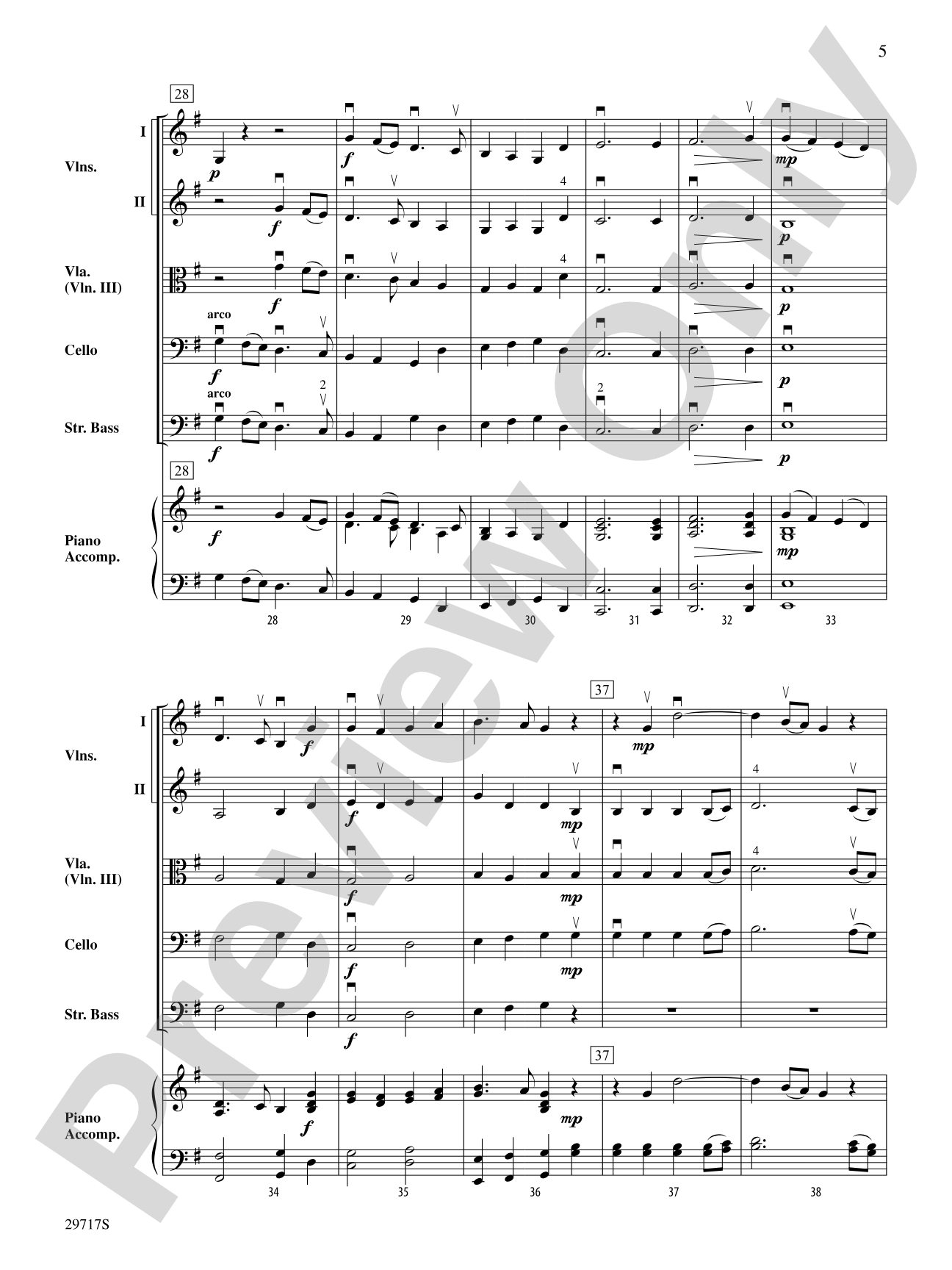
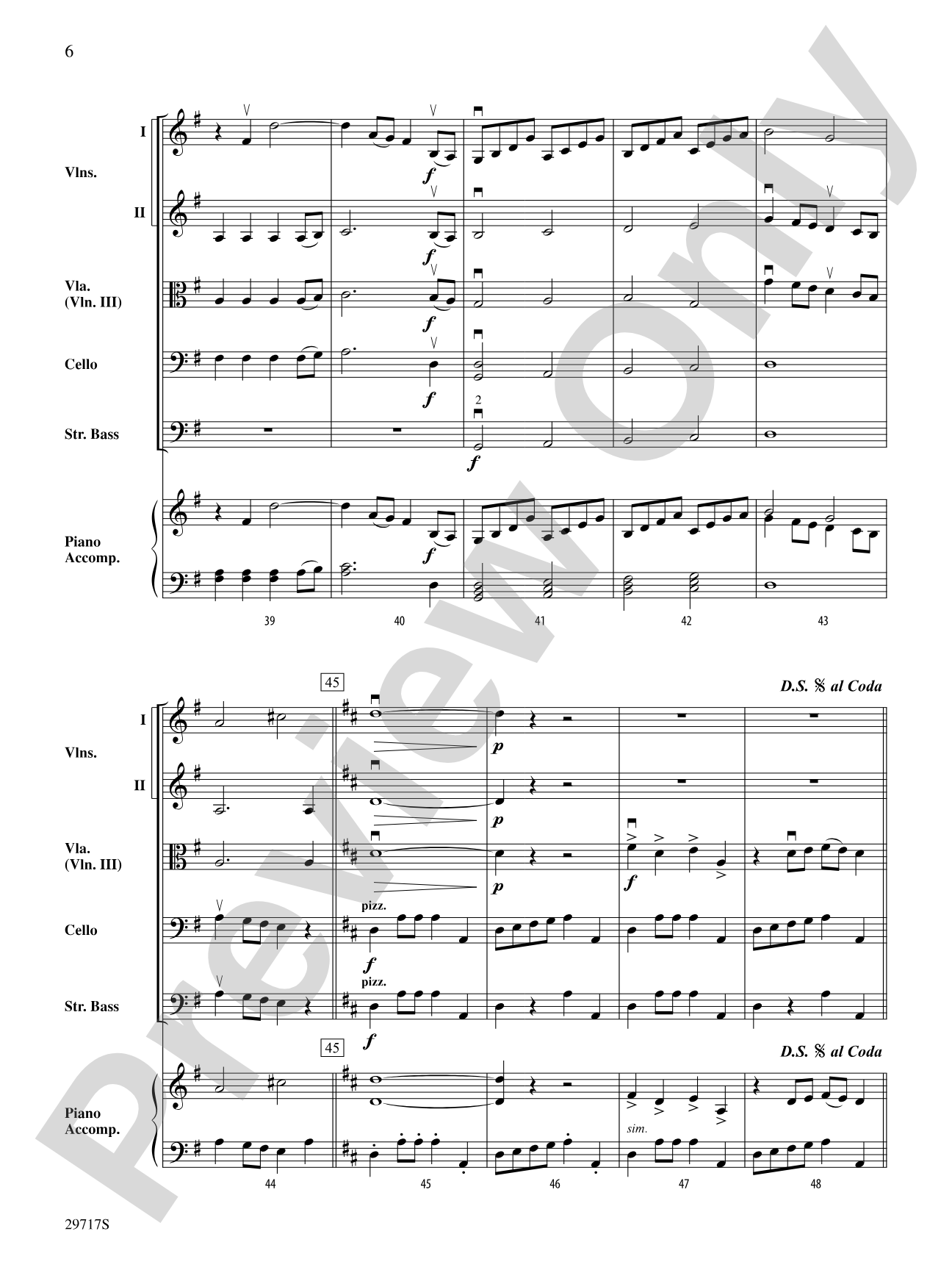
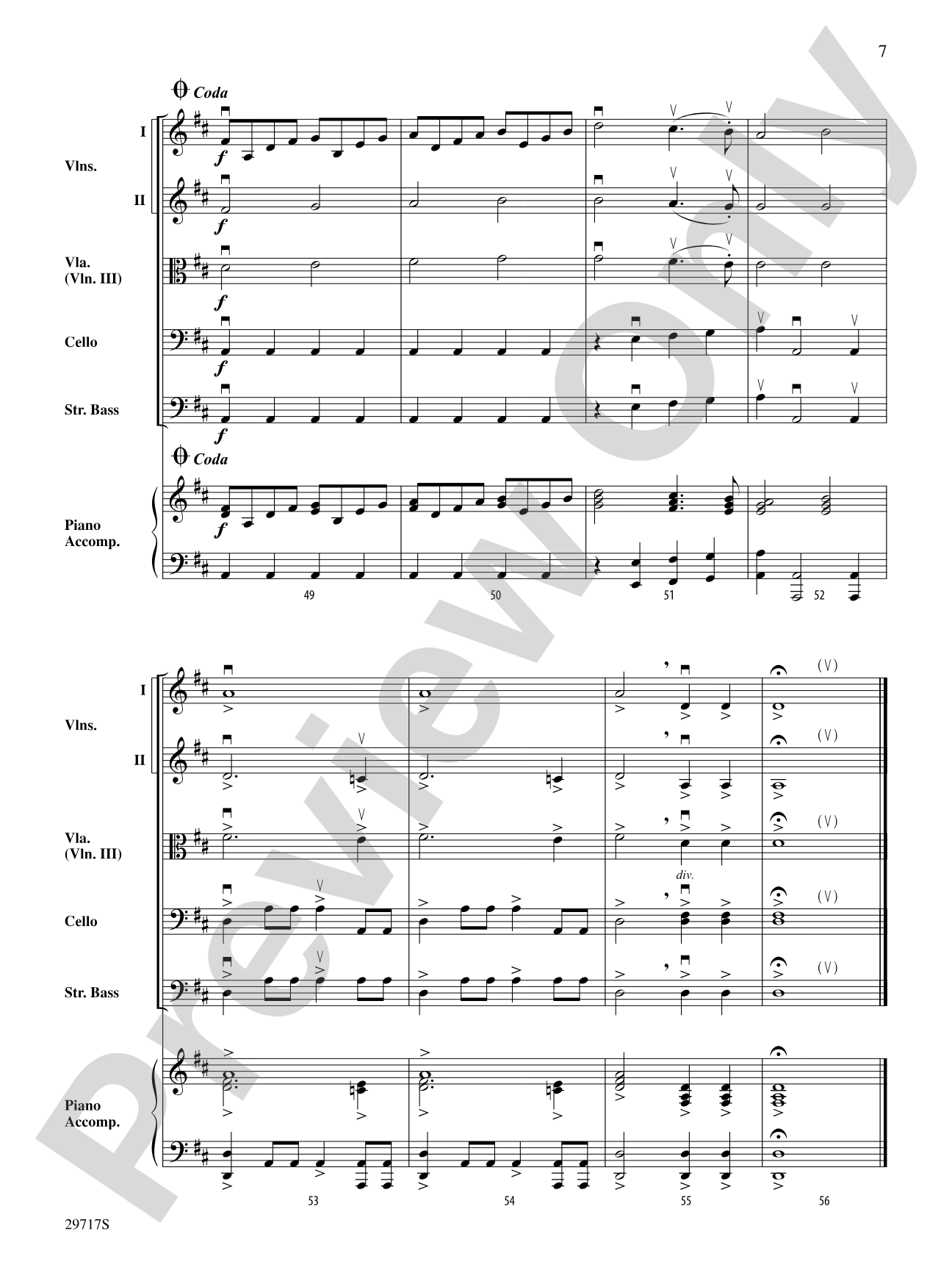


A Christmas March: String Orchestra Conductor Score & Parts
By George Frideric Handel / arr. Richard Meyer
Grade: 1.5
Item: 00-PK-0001578

$46.00
Pickup currently not available
Buy Extra Parts (Digital PDF Download)
| Product | Price | Quantity |
|---|---|---|
| A Christmas March: Score | $8.00 | |
| A Christmas March: 1st Violin | $7.99 | |
| A Christmas March: 2nd Violin | $7.99 | |
| A Christmas March: 3rd Violin (Viola [TC]) | $7.99 | |
| A Christmas March: Viola | $7.99 | |
| A Christmas March: Cello | $7.99 | |
| A Christmas March: String Bass | $7.99 | |
| A Christmas March: Piano Accompaniment | $7.99 |
Parts Added to Cart!
Description
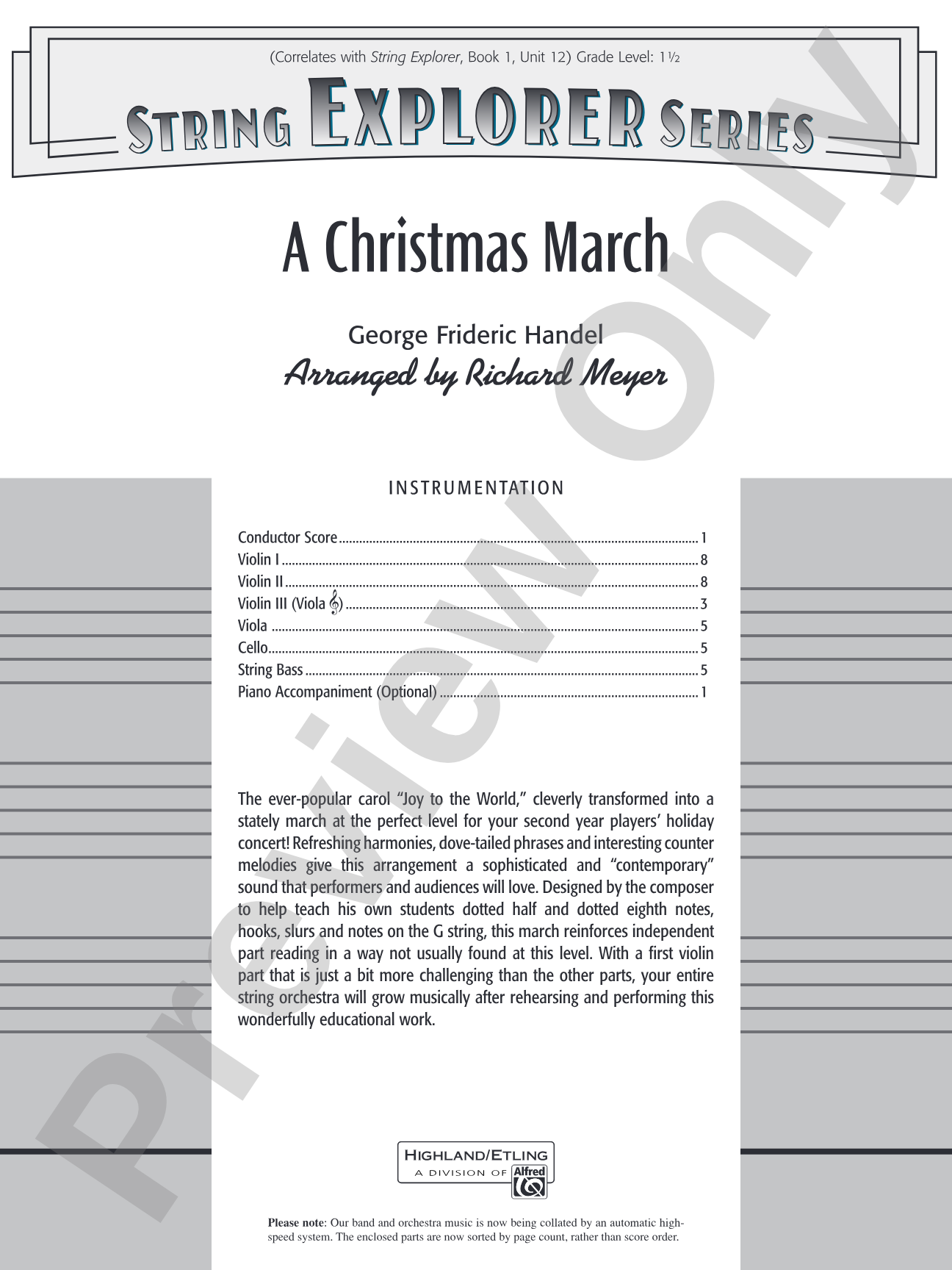
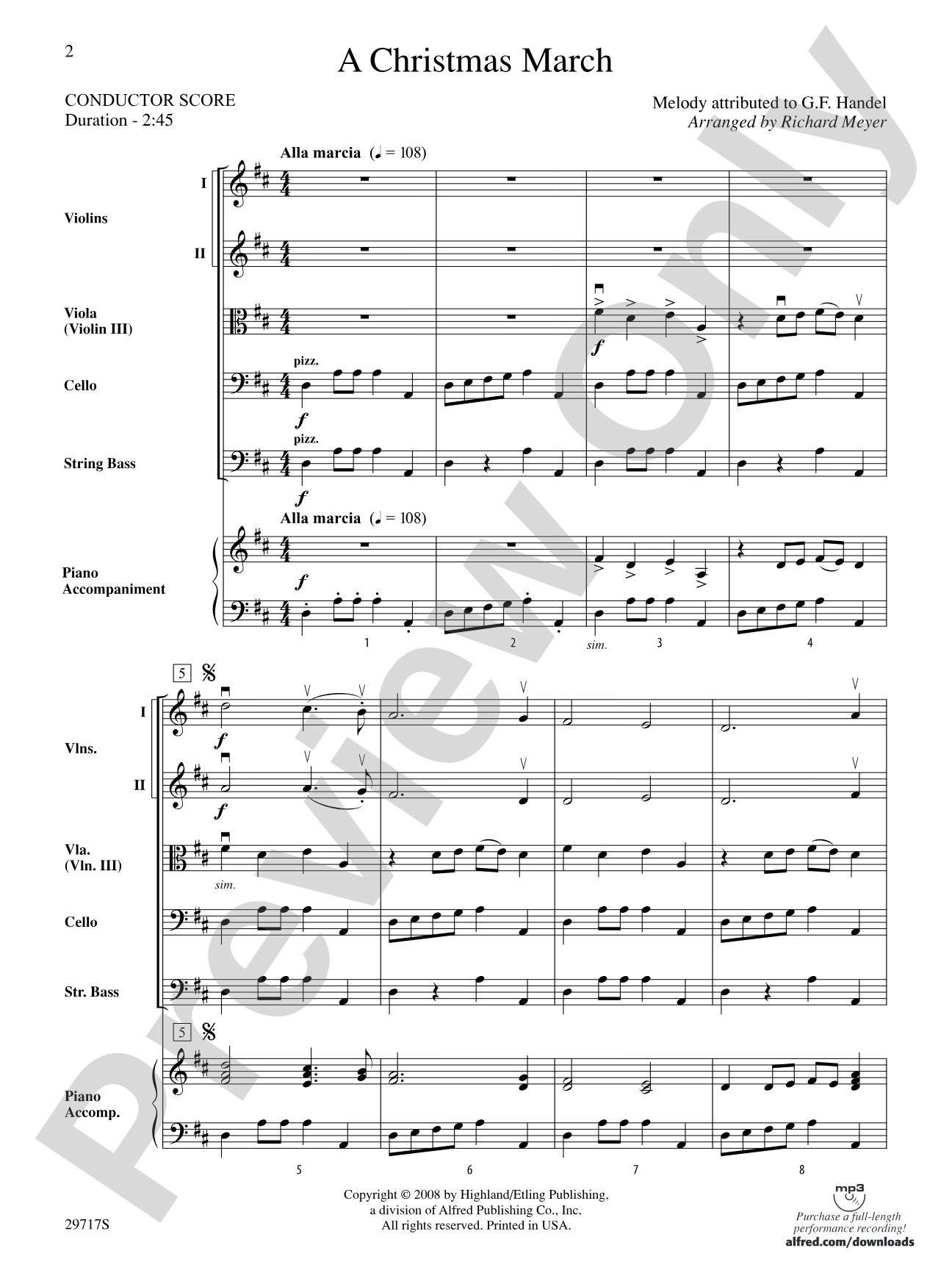
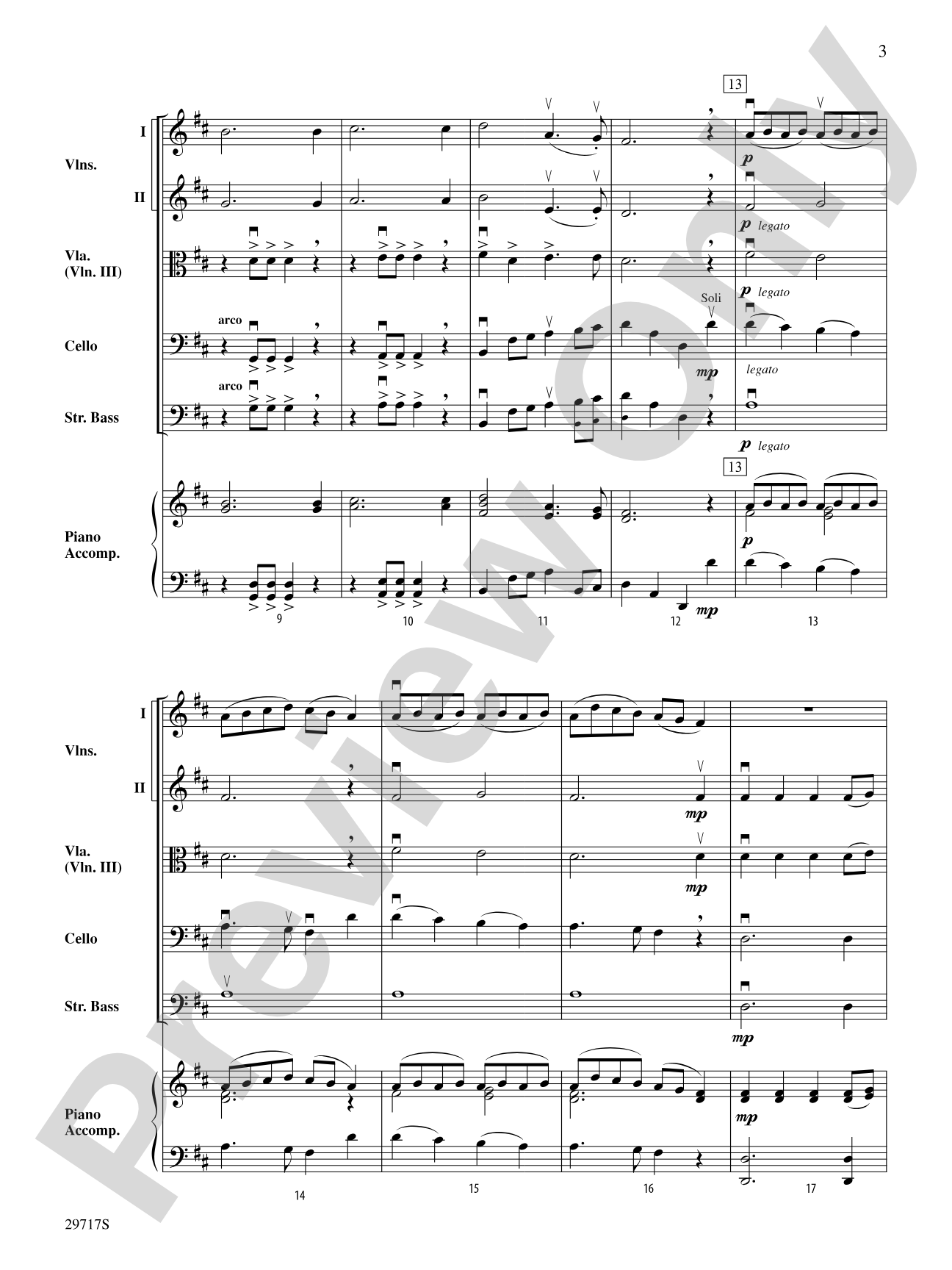
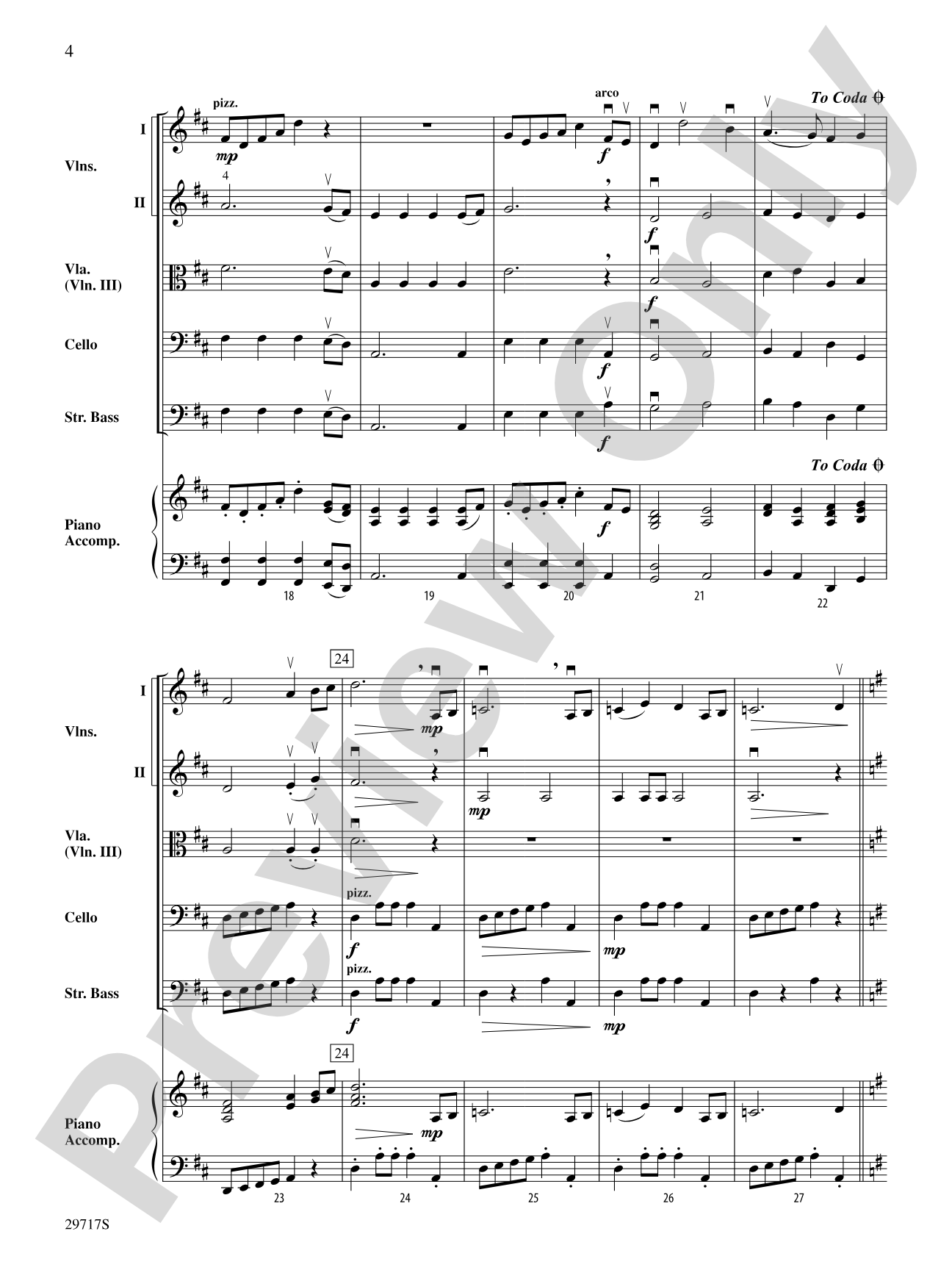
The ever-popular carol "Joy to the World," cleverly transformed into a stately march at the perfect level for your second-year players' holiday concert! Refreshing harmonies, dove-tailed phrases and interesting countermelodies give this arrangement a sophisticated and contemporary sound that performers and audiences will love. Designed by the composer to help teach his own students dotted half and dotted eighth-notes, hooks, slurs, and notes on the G string, this march reinforces independent part reading in a way not usually found at this level. With a first violin part that is just a bit more challenging than the other parts, your entire string orchestra will grow musically after rehearsing and performing this wonderfully educational work. (2:45)
Correlates with String Explorer, Book 1, Unit 12.


Correlates with String Explorer, Book 1, Unit 12.
Don't just read it, hear it, play along with it, and watch your students grow with it. In MakeMusic Cloud, A Christmas March: String Orchestra Conductor Score & Parts comes alive with professional accompaniment, adjustable tempo, and built-in practice tools that turn solo practice into real progress.
Open in the Player
Jump straight in and assign it today.
Start Your Free Trial
Open this title and explore the full library in minutes.
Sample Audio
1
Audio File
--:--
0:00
0:00
Sample Video
Additional Details
Series:
Highland/Etling String Explorer
Publisher:
Alfred Music
Page Count:
72
SKU:
00-PK-0001578
More about this title
About the Composer: George Frideric Handel
George Frideric Handel (1685, 1759) shaped the Baroque era as a master of vocal and instrumental music, moving fluidly between Italian opera, English oratorio, and instrumental works. His melodies are built to stick with performers and listeners alike, which is precisely why his music has never left the teaching studio or concert hall.
In the classroom, Handel's clarity and directness make his work an ideal entry point for understanding larger musical structures. His ability to craft memorable lines that still demand technical attention from young players explains why arrangers continue returning to his catalog for educational repertoire.
Why we love this
This arrangement strikes a rare balance: it's accessible enough for second-year orchestras yet sophisticated in its harmonic language and voice leading. Richard Meyer's setting uses contemporary arranging techniques (dovetailed phrases, countermelodies, interesting harmonies) that keep the familiar carol fresh while targeting specific notational and technical skills your students actually need. The differentiated first violin part gives your more advanced players something to sink their teeth into without leaving the rest of the ensemble behind.
What to expect
A Christmas march that balances reverence with forward energy. The stately tempo and dotted rhythms give it dignity, while the contemporary harmonies and independent part writing prevent it from feeling quaint or overly familiar. There's a sense of celebration here, confident and warm, that resonates with both performer and audience without ever feeling trite.
Who it's for
String orchestras at the Grade 1.5 level who are ready to move beyond unison and simple two-part textures. This arrangement is especially valuable for ensembles using String Explorer materials or programs that want holiday repertoire with genuine musical substance. It works equally well for ensembles preparing their winter concert or looking for a showcase piece that teaches real skills.
How to get the most out of it
- Isolate the countermelodies in rehearsal so players understand how their lines interact with the main tune; this textural independence is what makes the piece educationally valuable.
- Practice the dotted rhythms separately before putting them in context. The dotted halves and dotted eighths are central to the march's character, and precision here pays off immediately.
- Shape phrases through the dovetailed sections by thinking of the music as passing a baton from one section to the next; this creates forward momentum and showcases the clever voice leading.
- Give the first violins space to shine in their passages without overwhelming them, but trust that the rest of the orchestra's independent lines will support rather than compete.
How to use it
Program this as the finale of a winter concert or holiday pops concert, where its familiar melody will land with the audience while the orchestral sophistication signals how much your students have grown. It pairs well with other Baroque arrangements or with contemporary holiday pieces that explore different harmonic colors. At 2 minutes 45 seconds, it fits naturally alongside longer works or as a polished conclusion to a concert segment.
Skills your students will build
- Reading and performing dotted half notes and dotted eighth-note rhythmic patterns
- Sustaining and executing notes on the G string with consistent tone
- Reading and executing slurs and articulation markings with independence
- Maintaining independent melodic lines while listening to countermelodies in other parts
- Recognizing and navigating phrase structure across multiple voice parts
- Recognizing and adapting to harmonic content beyond primary triads