

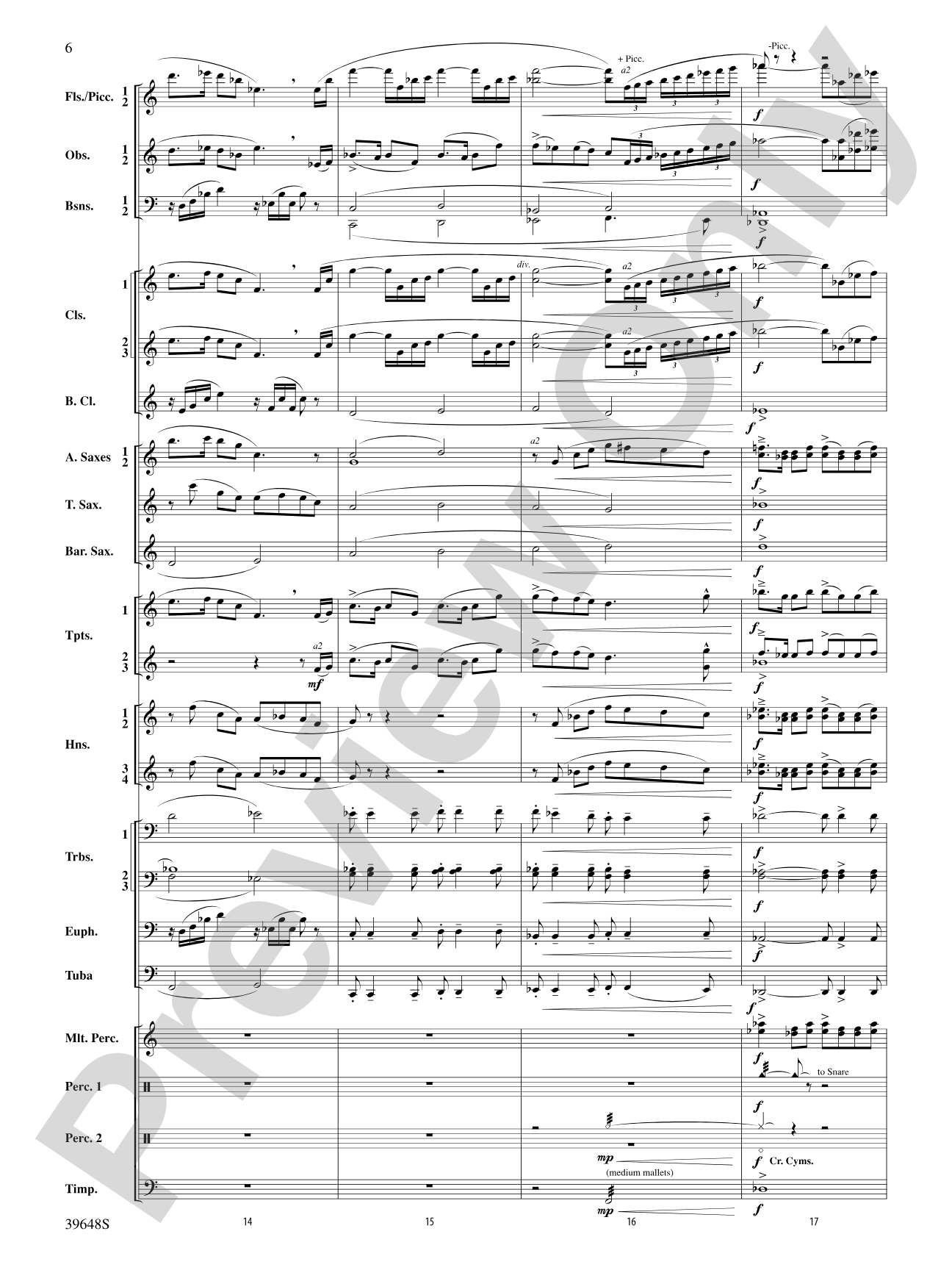
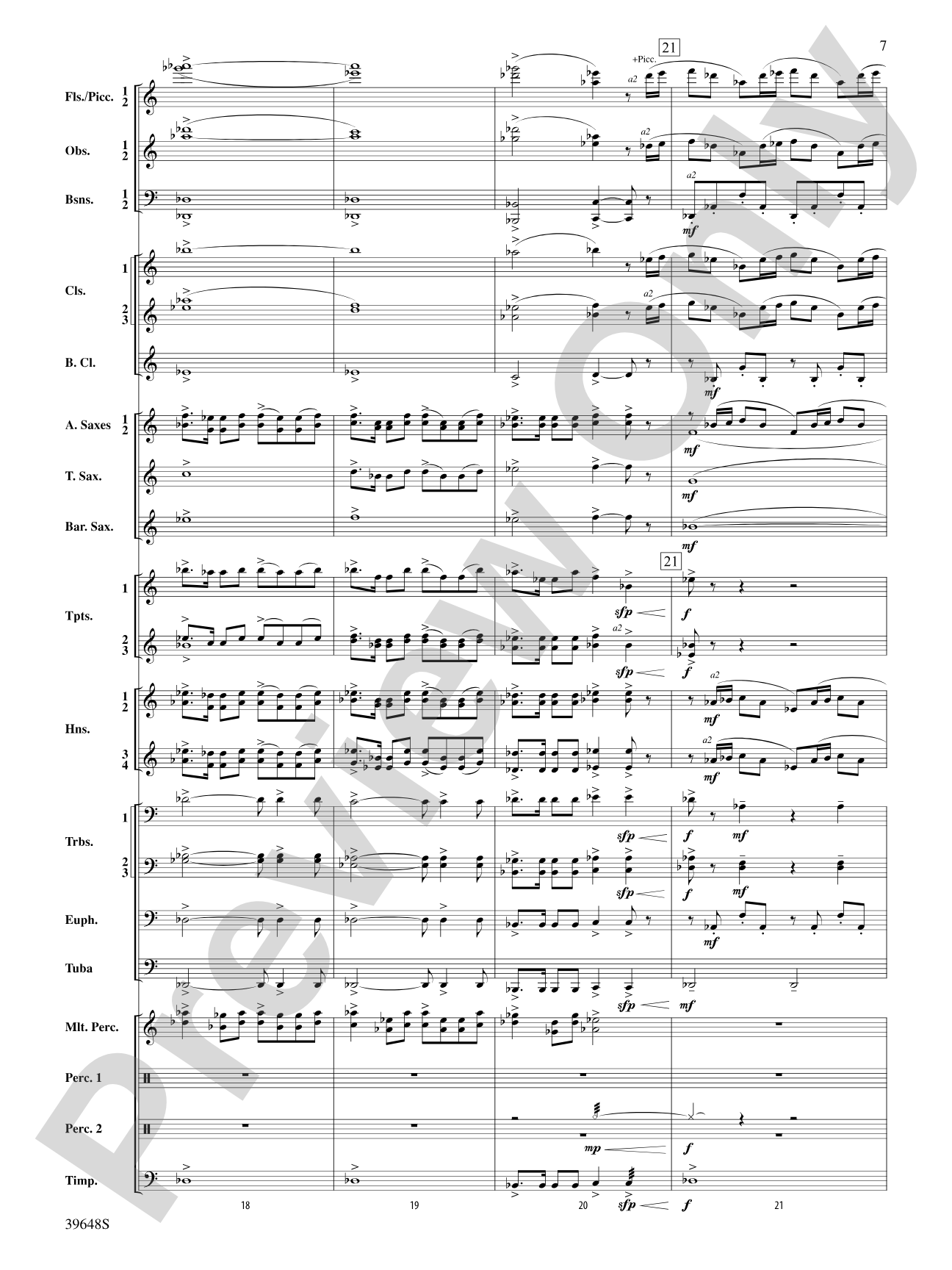
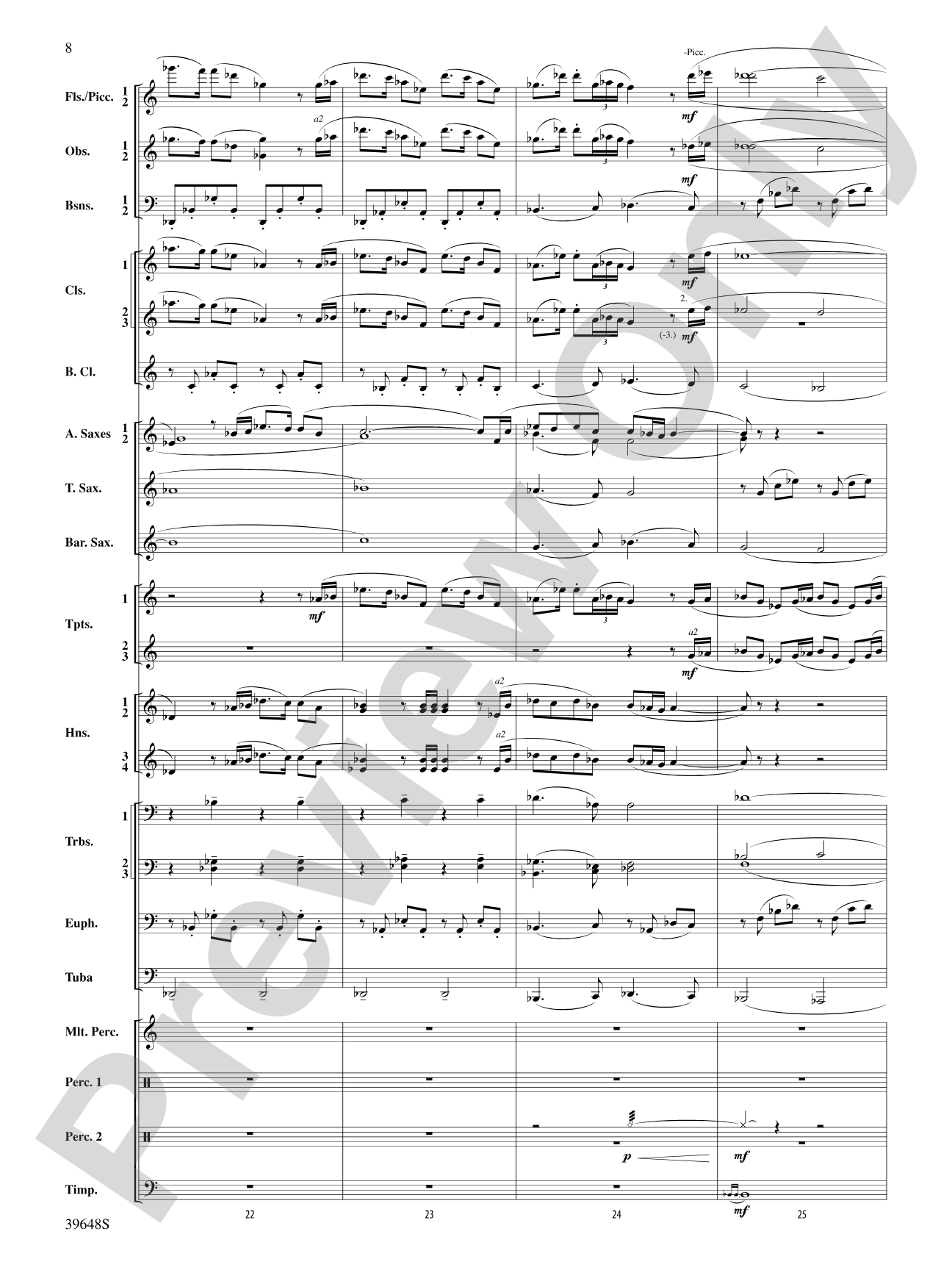
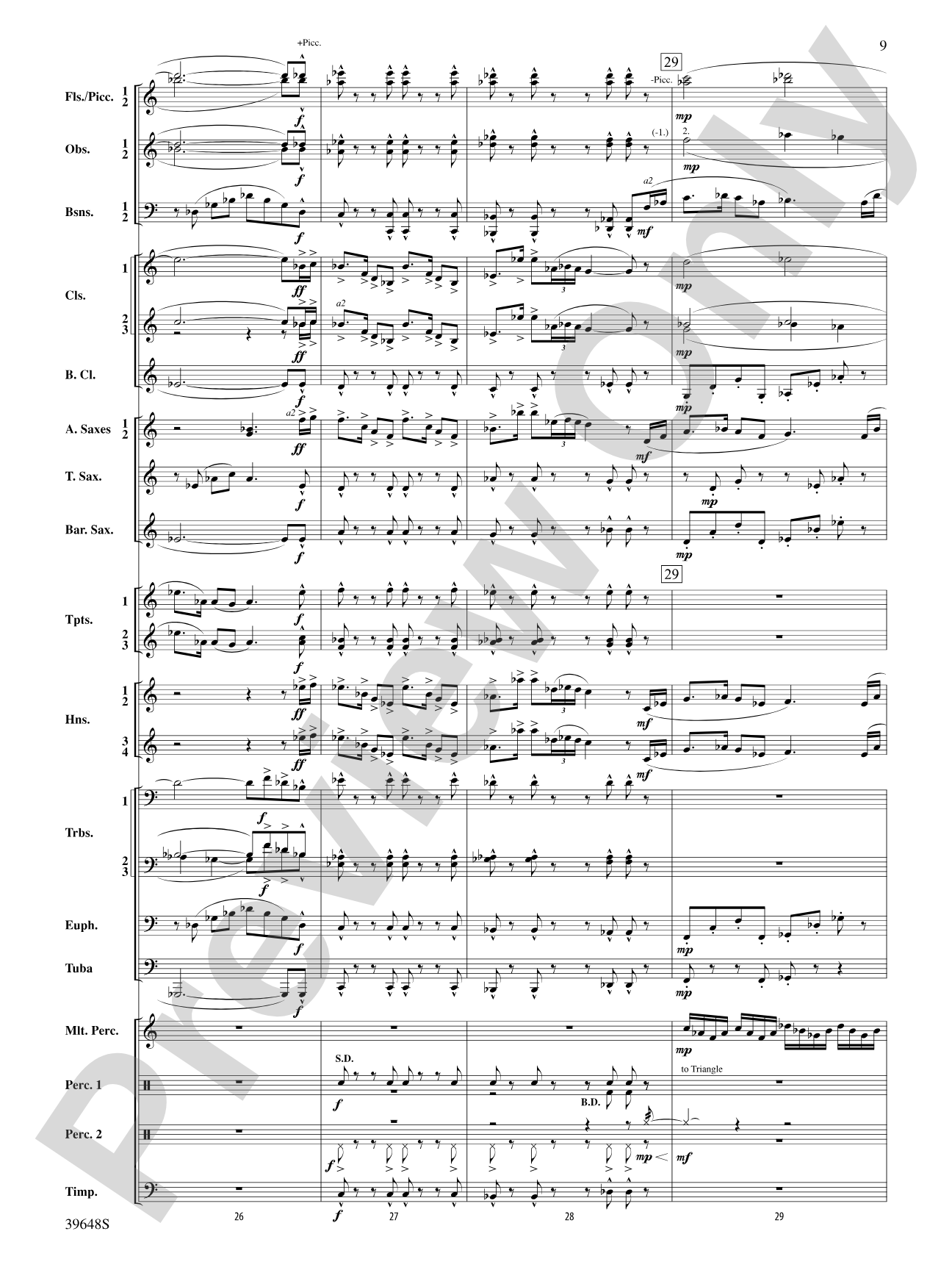
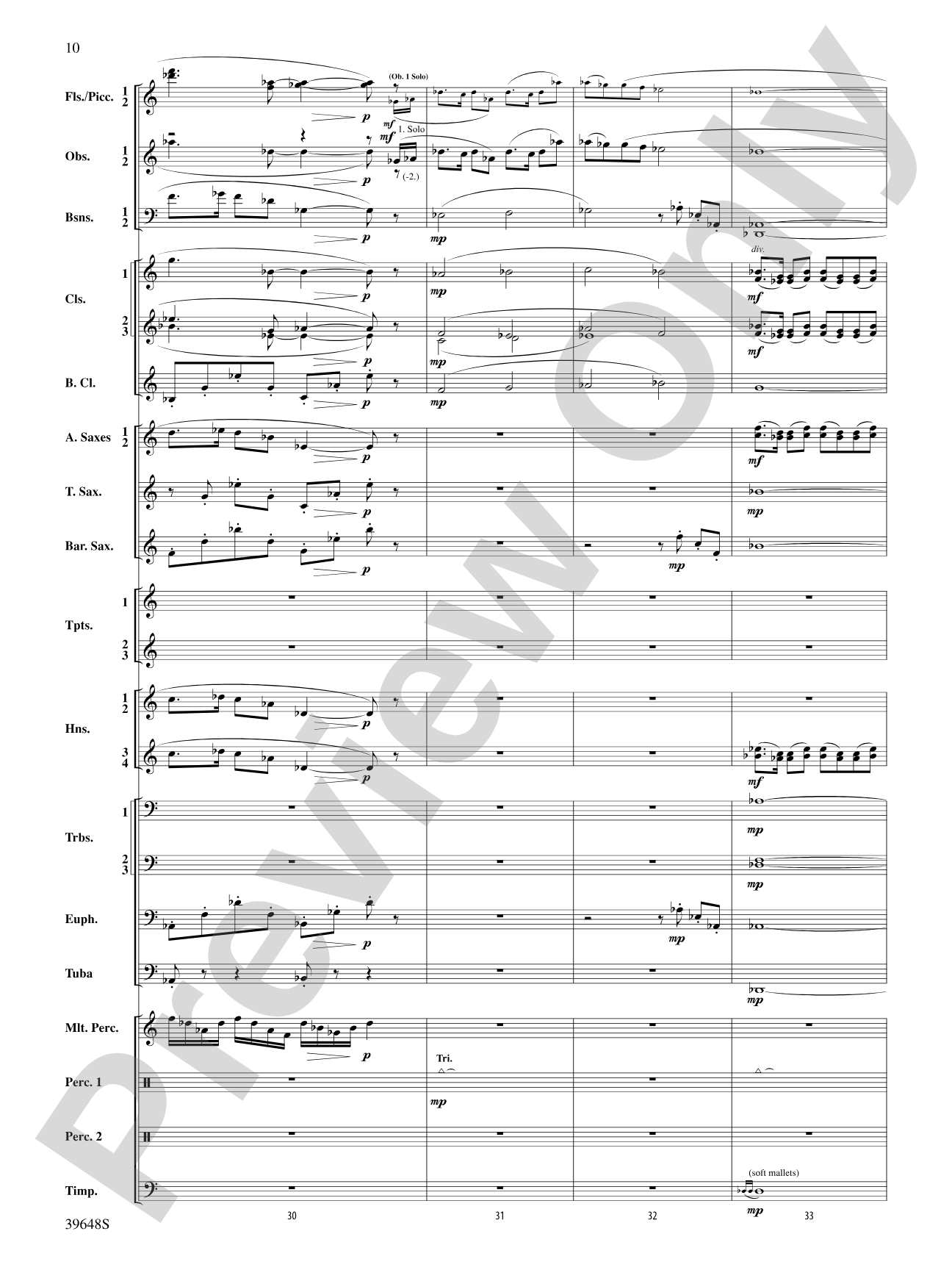
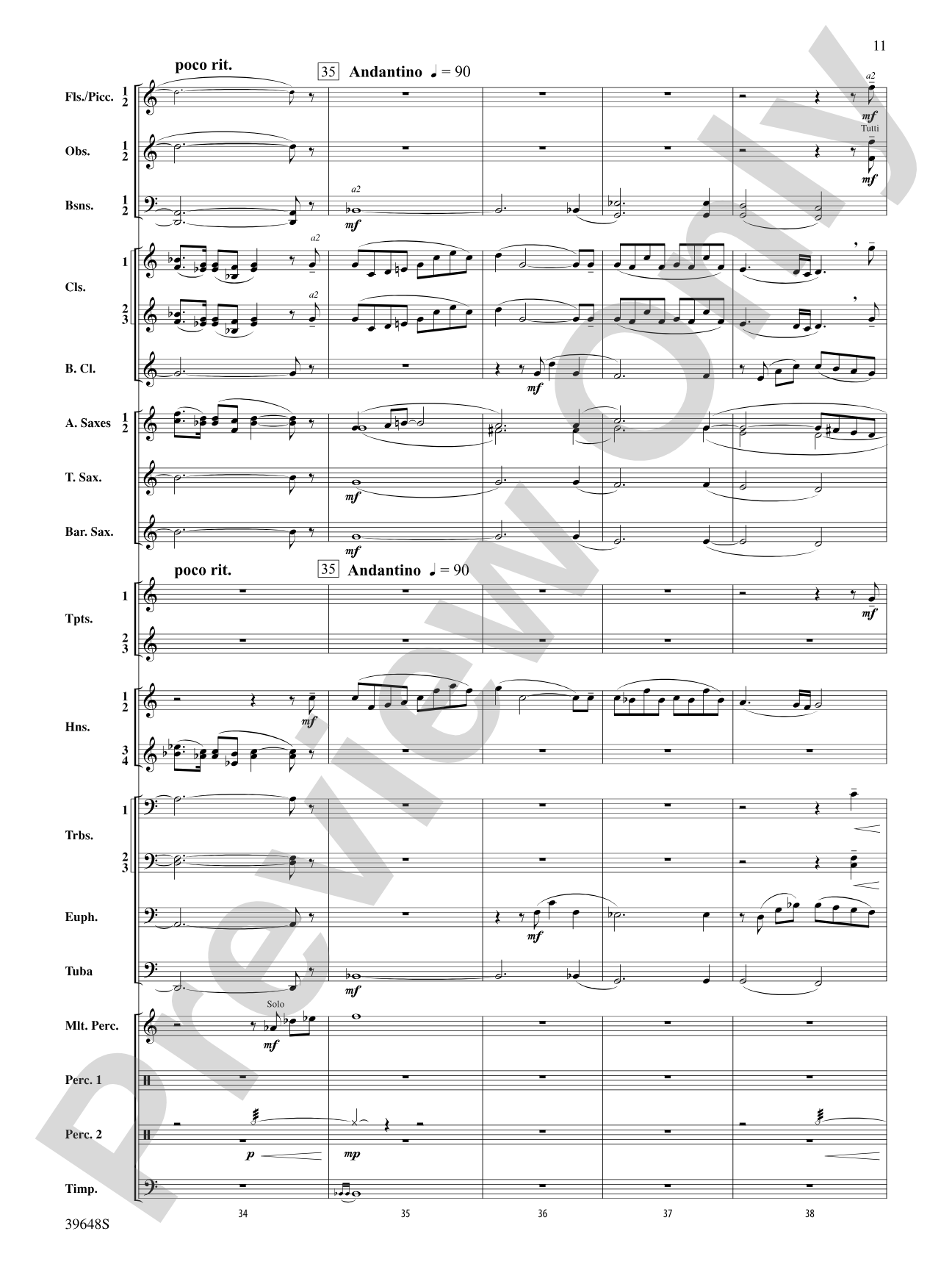
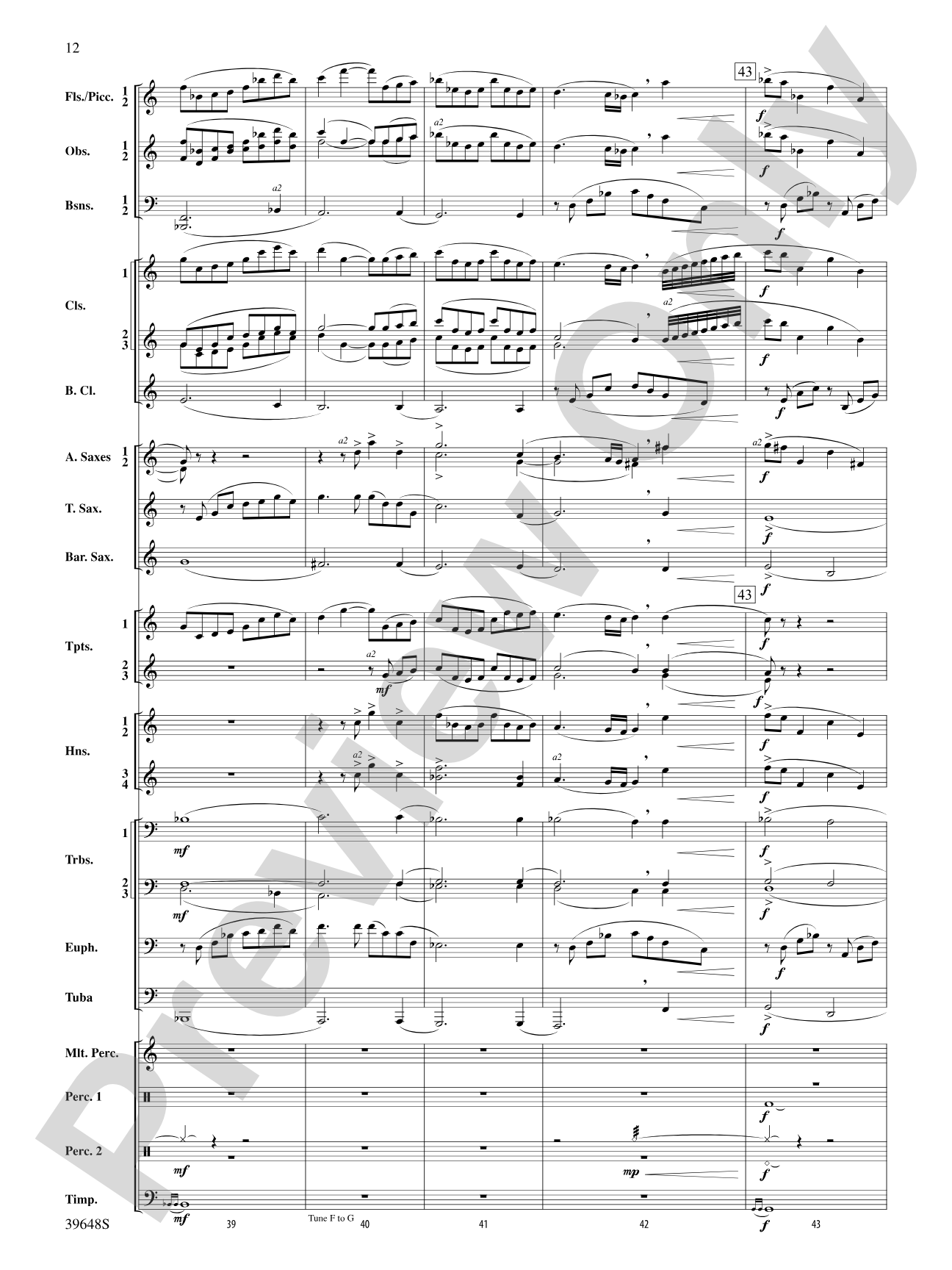
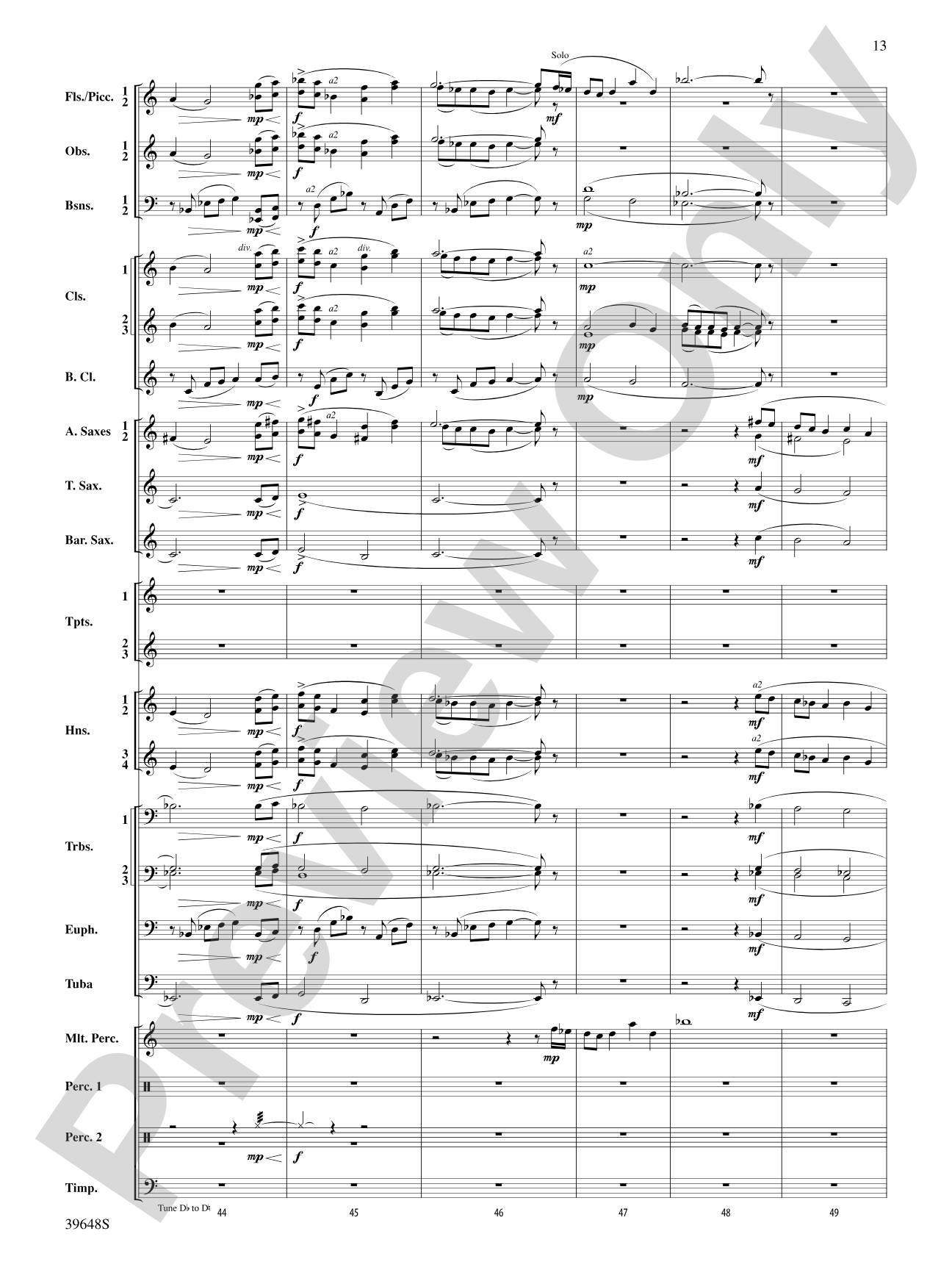
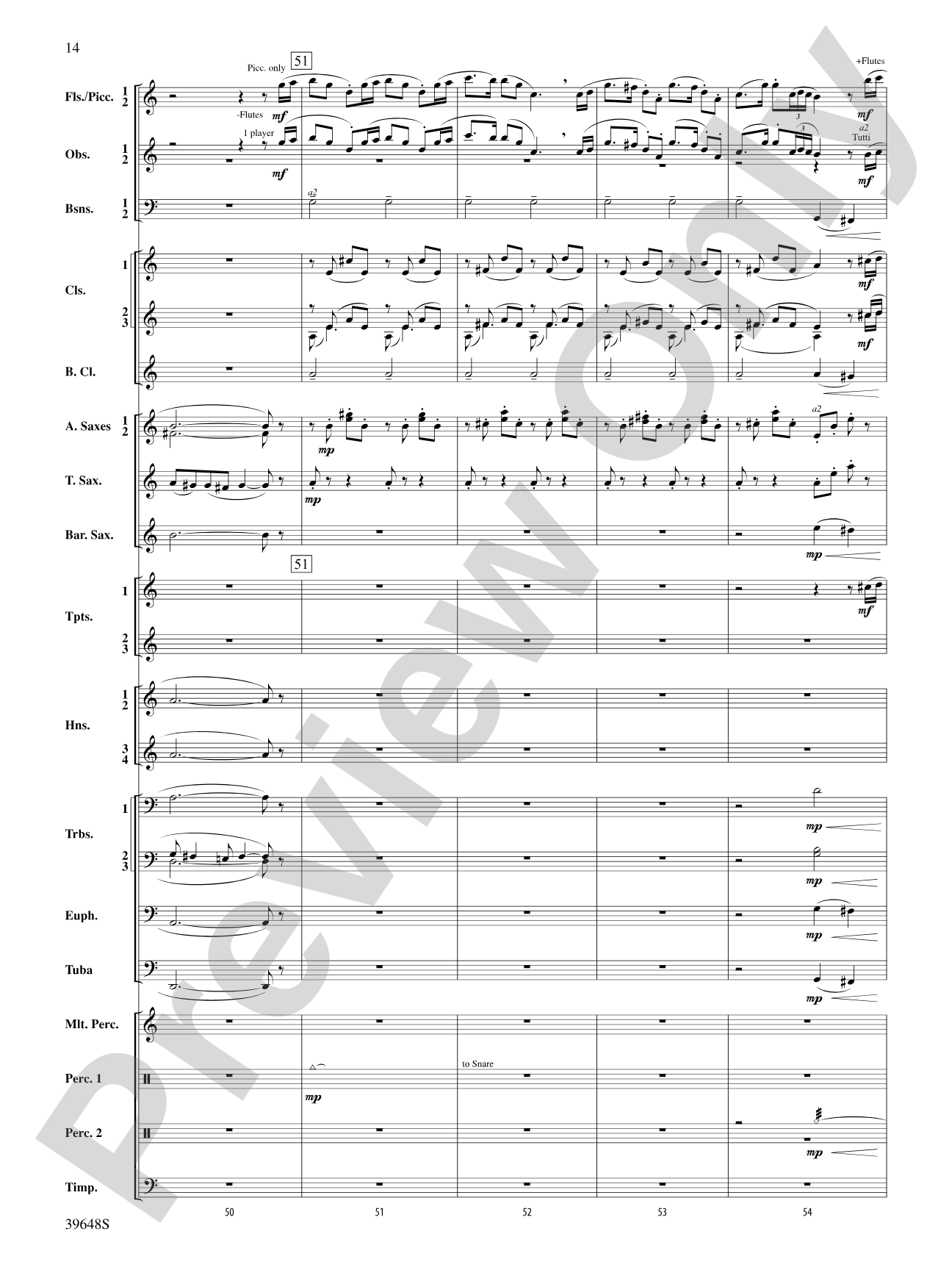
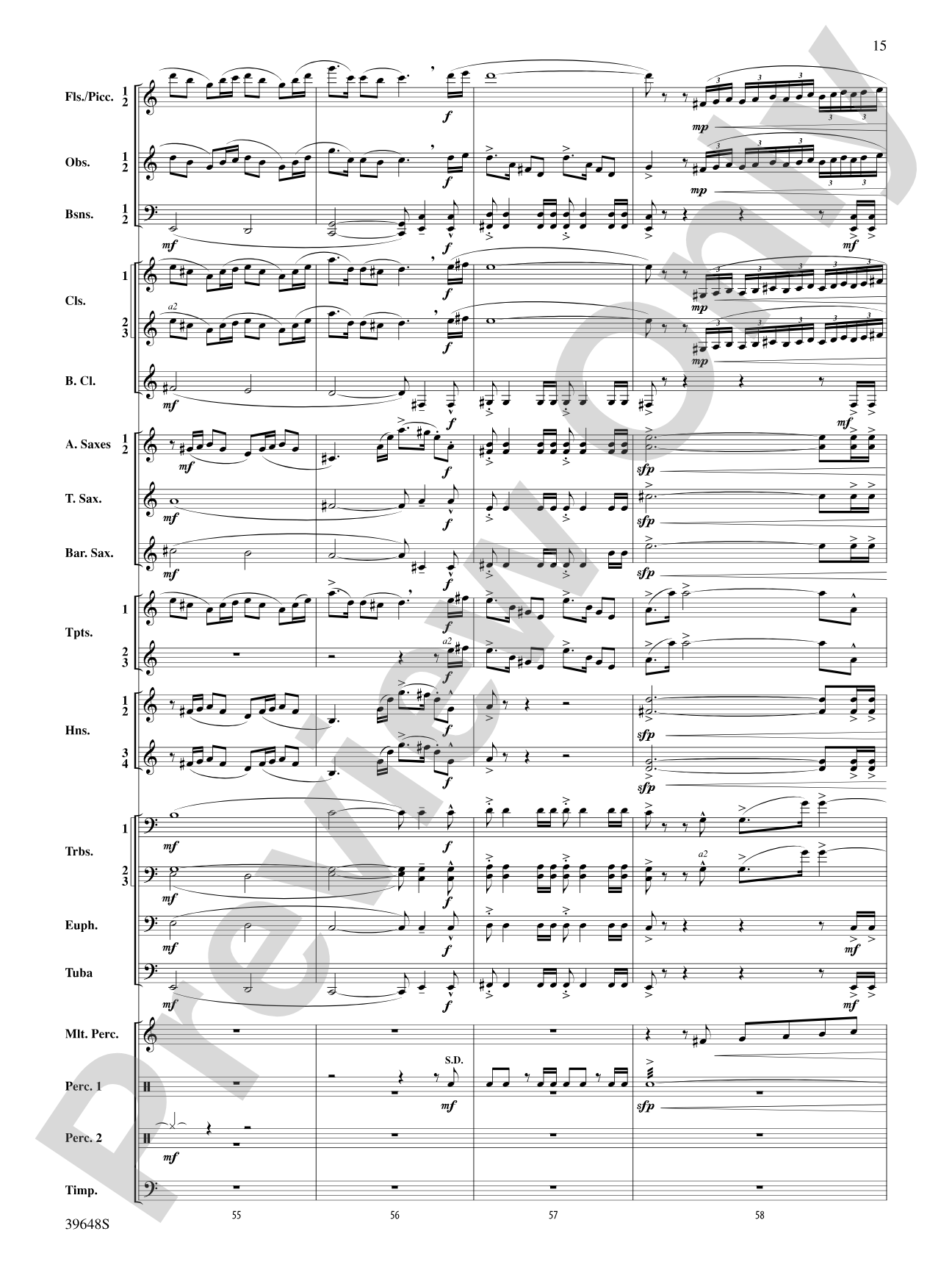
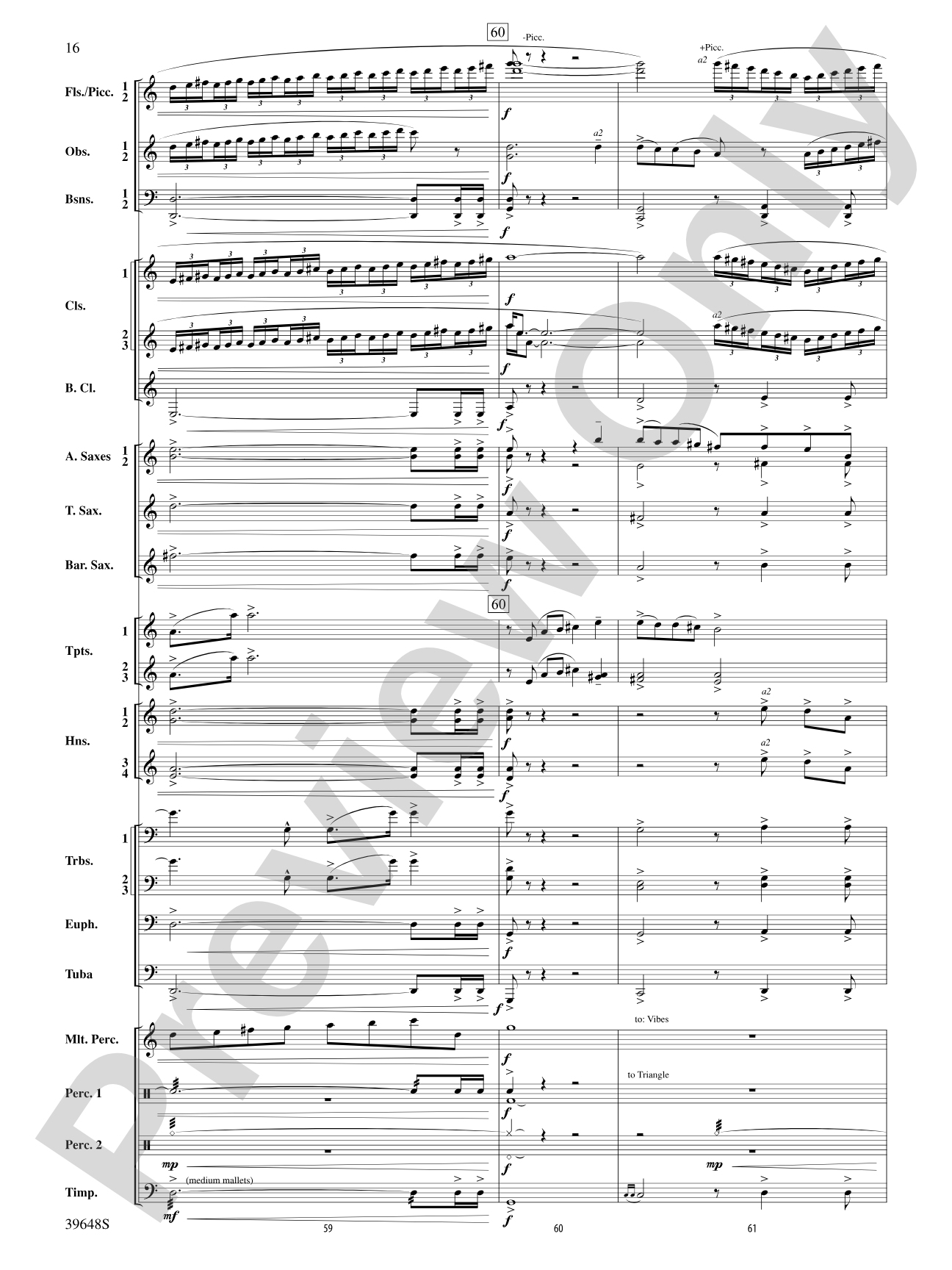
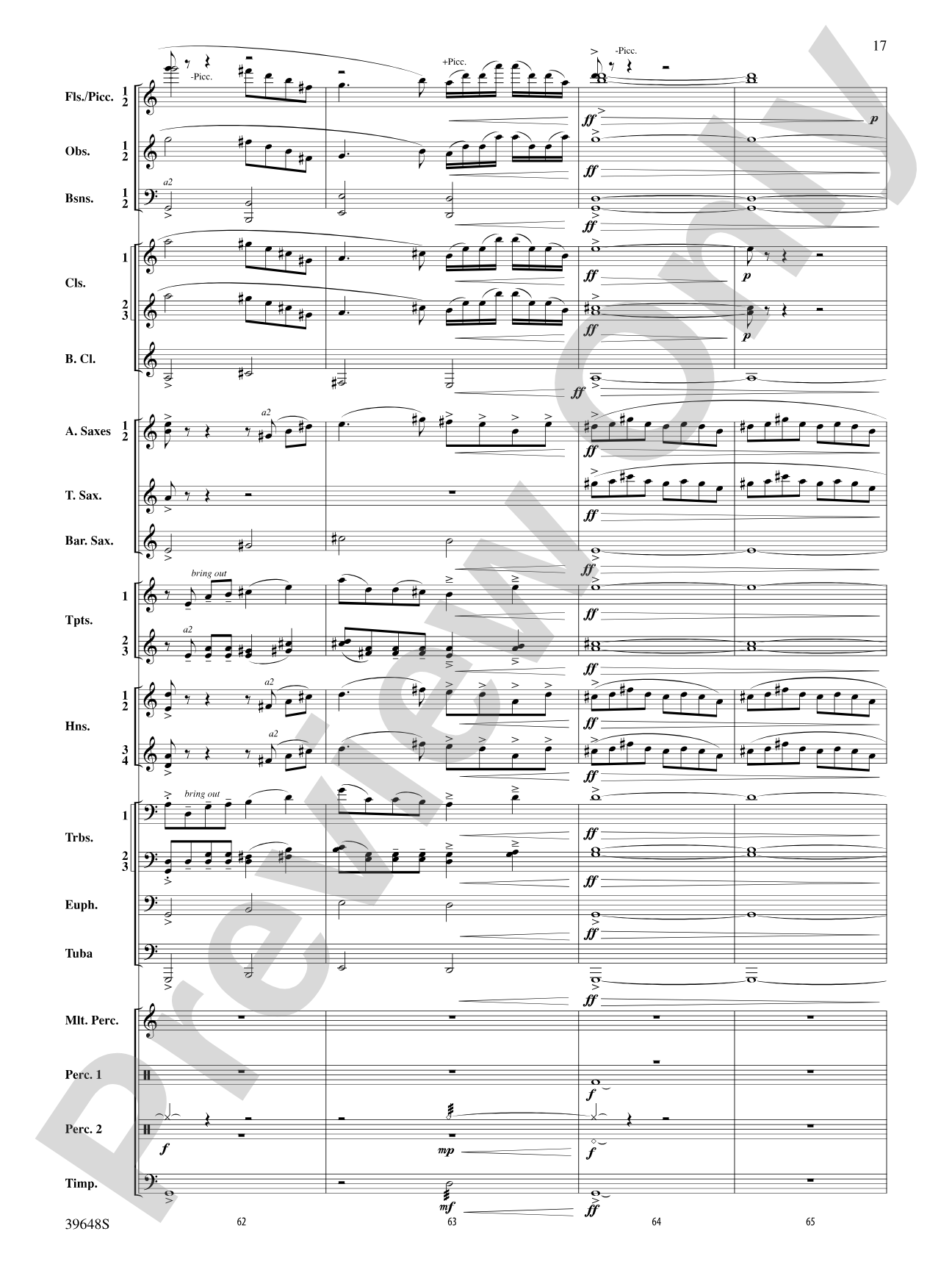
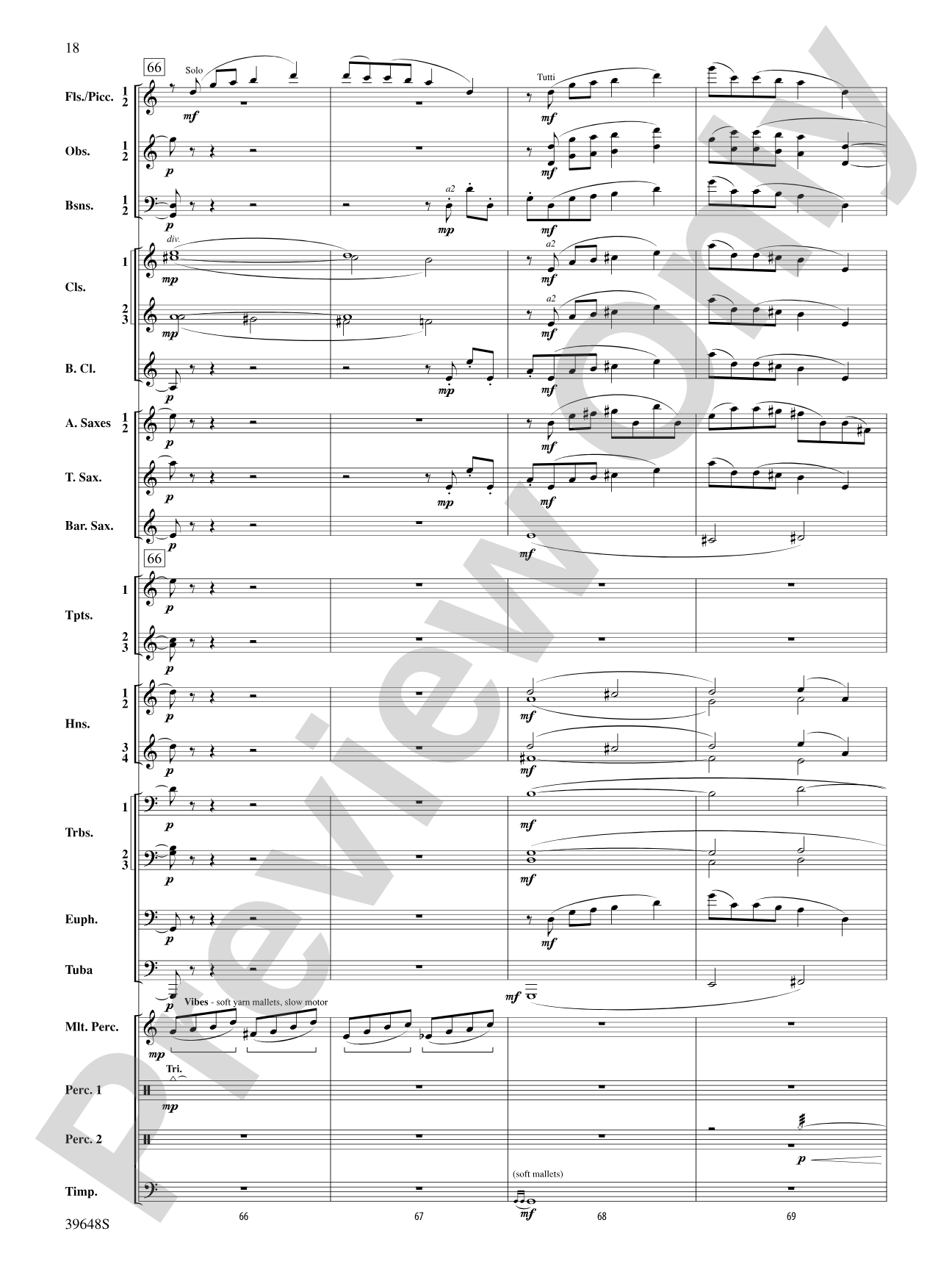
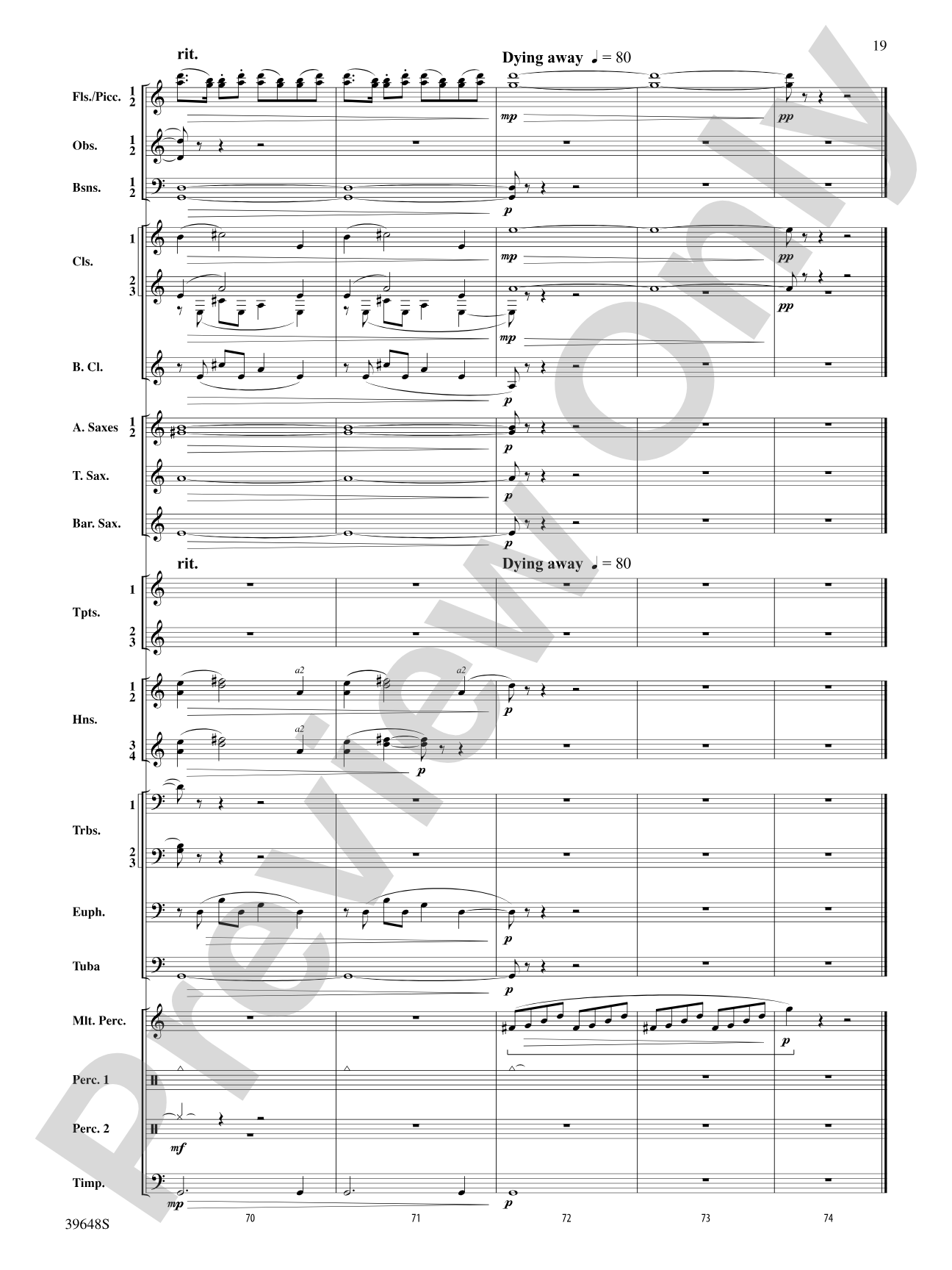


A Childhood Remembered: Score
By Rossano Galante
Grade: 4 (Medium Difficult)
Item: 00-PR-0004235
$10.00
Pickup currently not available
Description
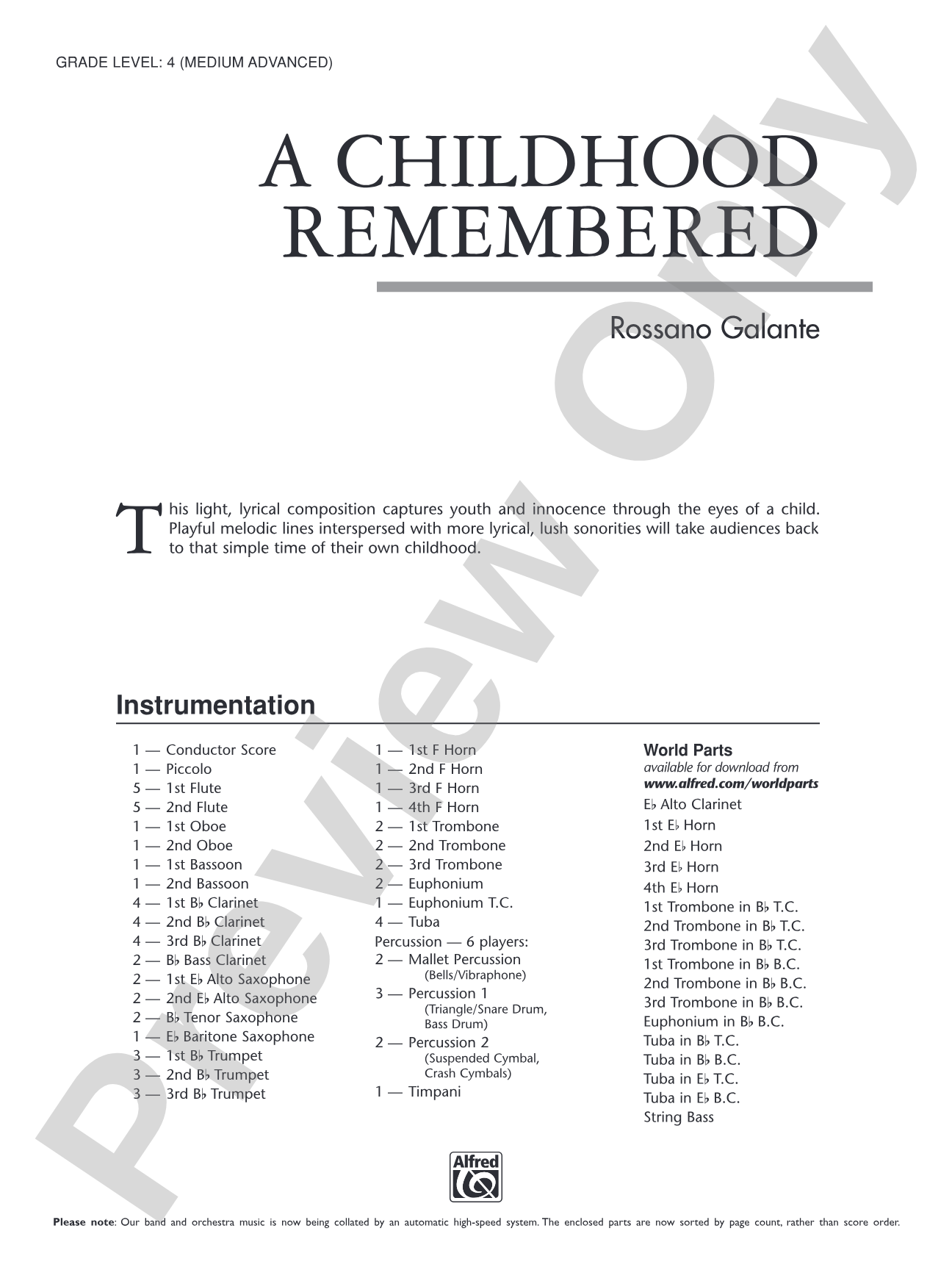
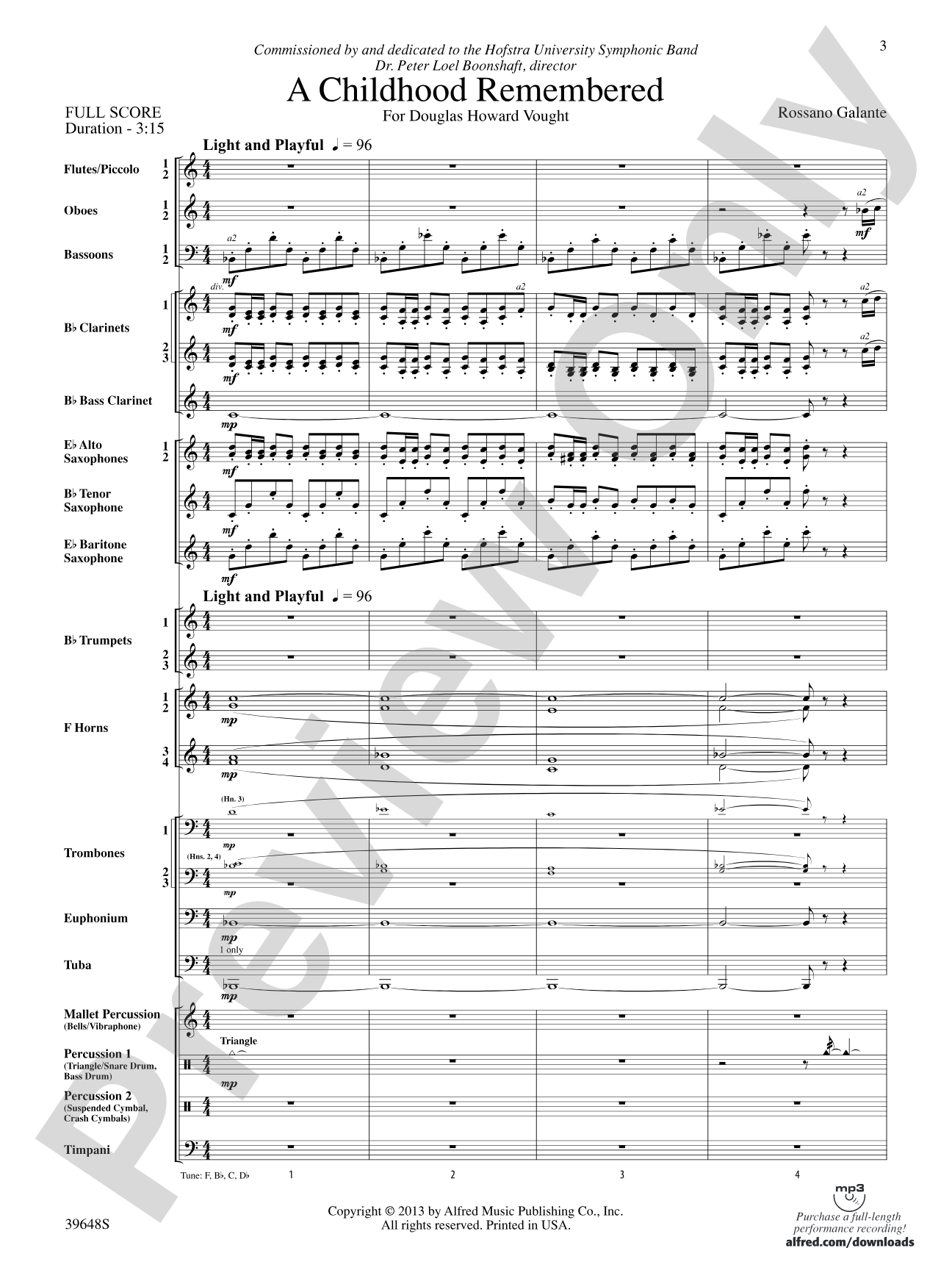
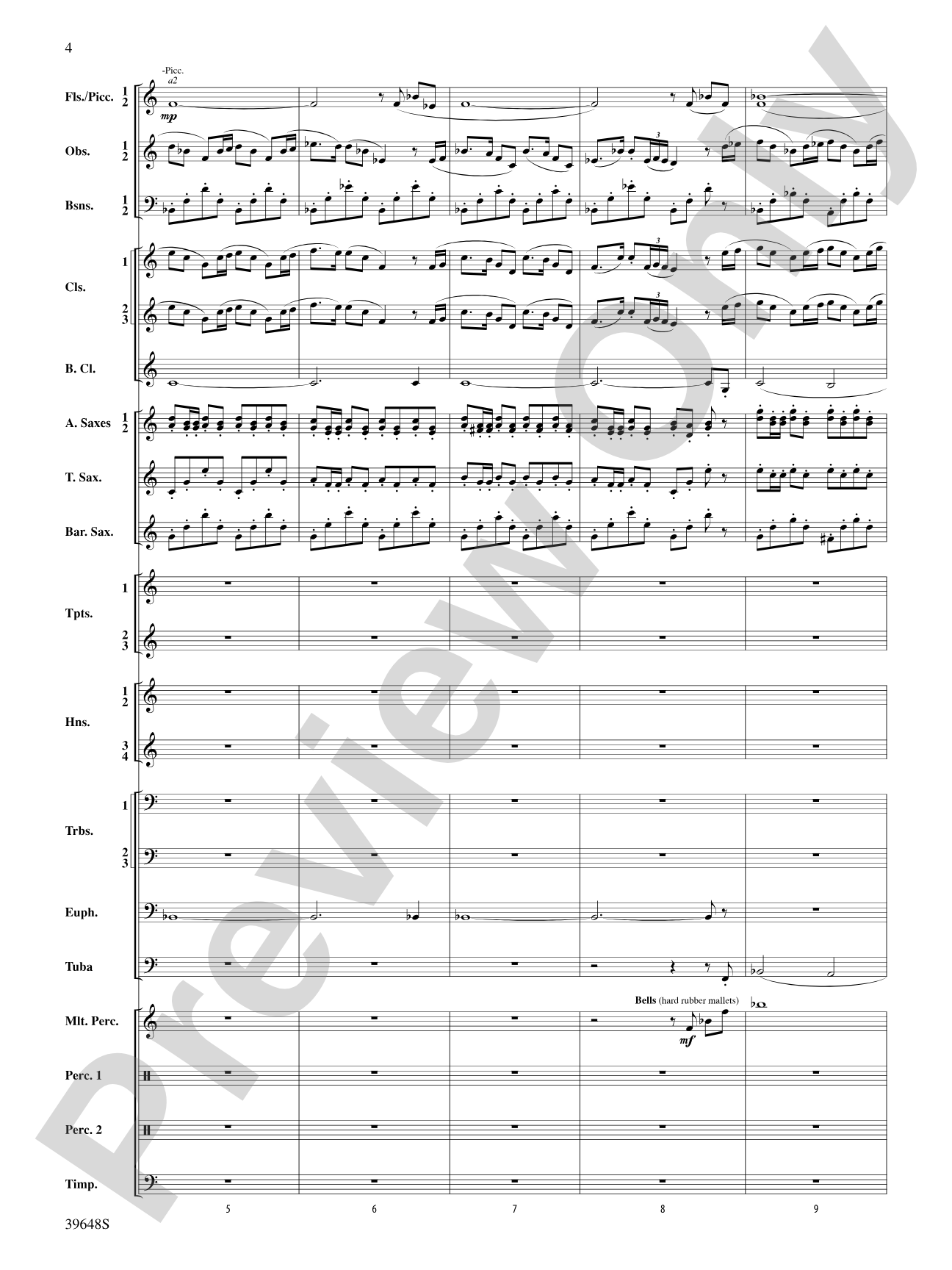
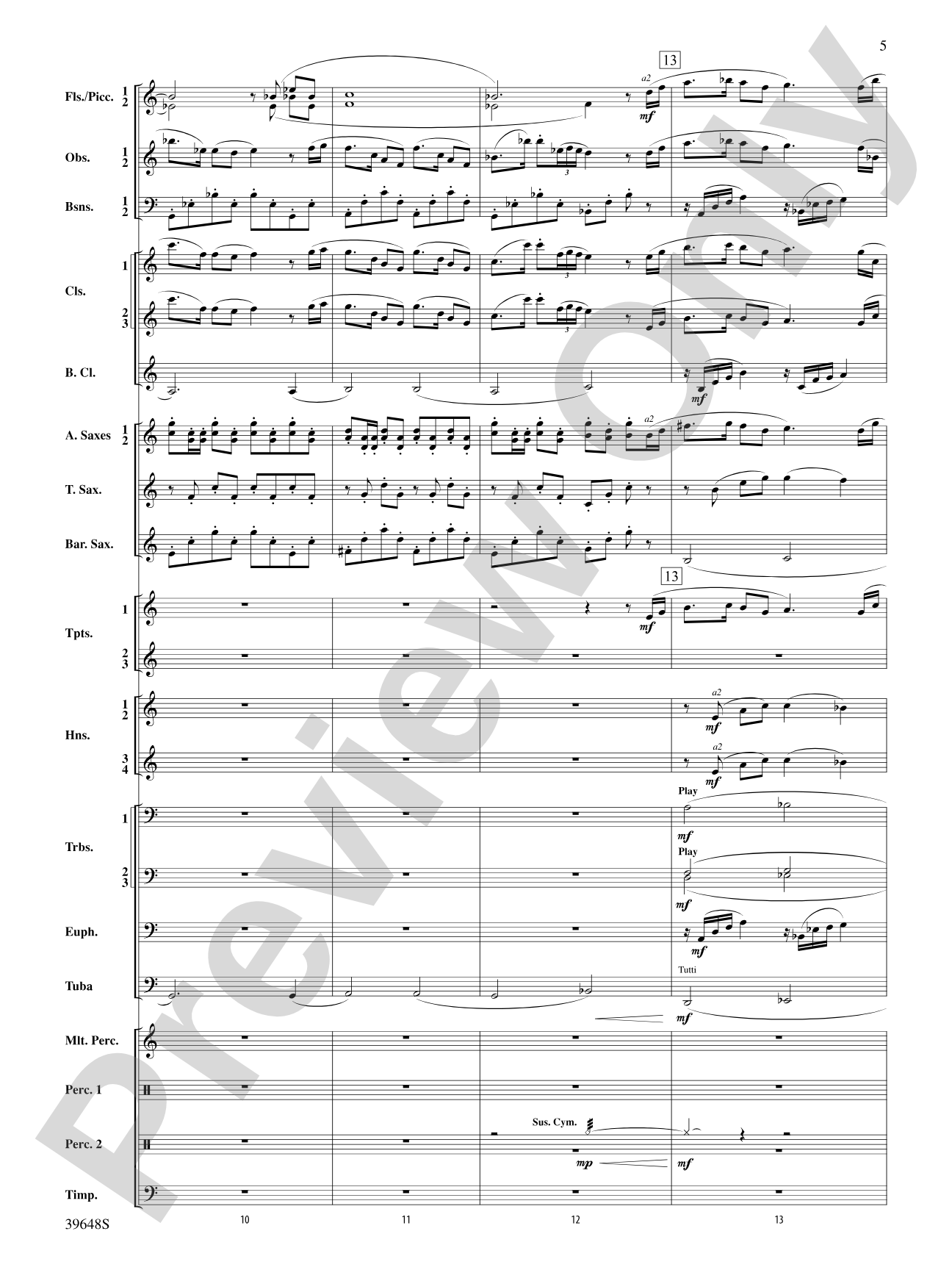
This light, lyrical composition captures youth and innocence through the eyes of a child. Playful melodic lines interspersed with more lyrical, lush sonorities will take audiences back to that simple time of their own childhood. (3:15)
This title is available in MakeMusic Cloud.


This title is available in MakeMusic Cloud.
Don't just read it, hear it, play along with it, and watch your students grow with it. In MakeMusic Cloud, A Childhood Remembered: Score comes alive with professional accompaniment, adjustable tempo, and built-in practice tools that turn solo practice into real progress.
Open in the Player
Jump straight in and assign it today.
Start Your Free Trial
Open this title and explore the full library in minutes.
Sample Audio
1
Audio File
--:--
0:00
0:00
Sample Video
Additional Details
Series:
Alfred Concert Band
Publisher:
Alfred Music
Page Count:
204
SKU:
00-PR-0004235
More about this title
About the Composer: Rossano Galante

Rossano Galante began his musical training as a trumpet player at SUNY Buffalo, earning his Bachelor of Arts in 1992. That same year, he was selected as one of nineteen international students admitted to USC's Film Scoring Program, where he studied under Jerry Goldsmith, the Academy Award-winning composer of The Omen.
Since relocating to California in 1999, Galante has established himself as a prolific orchestrator and composer. He has collaborated with Oscar-nominated composers Marco Beltrami, Christophe Beck, Brian Tyler, and Christopher Lennertz on over eighty feature films, including blockbuster franchises like the Avengers, A Quiet Place, Venom, and Fast X. Beyond film work, Galante maintains an active concert music practice, with more than sixty-eight published compositions for concert band and orchestra across multiple international publishers.
Why we love this
Galante brings the sophistication of his film orchestration background into the concert band medium without overwhelming Grade 4 ensembles. The balance between playful character writing and genuinely lyrical passages gives conductors room to shape dynamics and color in ways that feel cinematic yet accessible, making this piece rewarding to rehearse and perform.
What to expect
This composition inhabits a nostalgic space where simple childhood moments are given orchestral dignity. Bright, dancing passages evoke the energy of play, then shift into warmer, more reflective territory that asks listeners to remember their own small joys and quiet observations of the world.
Who it's for
Concert band directors seeking a program piece that appeals to audiences of all ages without requiring advanced technical demands. Grade 4 ensembles with developing musicianship will find this accessible in terms of range and rhythm while still offering genuine interpretive challenges.
How to get the most out of it
- Shape the melodic lines with clear direction from phrase to phrase; the playful passages need buoyancy and light articulation, while the lyrical sections benefit from legit, singing tone across all voices.
- Balance the instrumental colors carefully during the lush sonorities to avoid muddiness; transparency in the harmonies allows the nostalgic character to resonate with audiences.
- Use the recorded accompaniment (available separately) in rehearsal to help sections lock into the overall arc, especially during transitions between playful and lyrical material.
- Take the middle section with patience; younger ensembles often rush through tender moments, but this piece's emotional landscape depends on restraint and attention to intonation.
How to use it
Ideal for mid-year or spring concerts when your ensemble has the security to balance technical demands with expressive playing. Position it alongside other Grade 4 pieces with different emotional profiles to showcase the range of your band's capabilities.
Skills your students will build
- Balanced ensemble blend across multiple instrumental families
- Phrase shaping and long-line thinking in contrasting musical contexts
- Intonation refinement in slower, exposed passages
- Stylistic contrast between staccato articulation and legit singing tone
- Listening skills for dynamic balance and color mixing