

A Child for Three Kings: String Orchestra Conductor Score & Parts
Traditional / arr. Jim Palmer
Grade: 2.5
Item: 00-PK-0007394

$49.00
Pickup currently not available
Buy Extra Parts (Digital PDF Download)
| Product | Price | Quantity |
|---|---|---|
| A Child for Three Kings: Score | $9.00 | |
| A Child for Three Kings: 1st Violin | $7.99 | |
| A Child for Three Kings: 2nd Violin | $7.99 | |
| A Child for Three Kings: Viola | $7.99 | |
| A Child for Three Kings: Cello | $7.99 | |
| A Child for Three Kings: String Bass | $7.99 |
Parts Added to Cart!
Related Items
A Child for Three Kings: String Orchestra Conductor Score |
$9.00
|
View |
Description
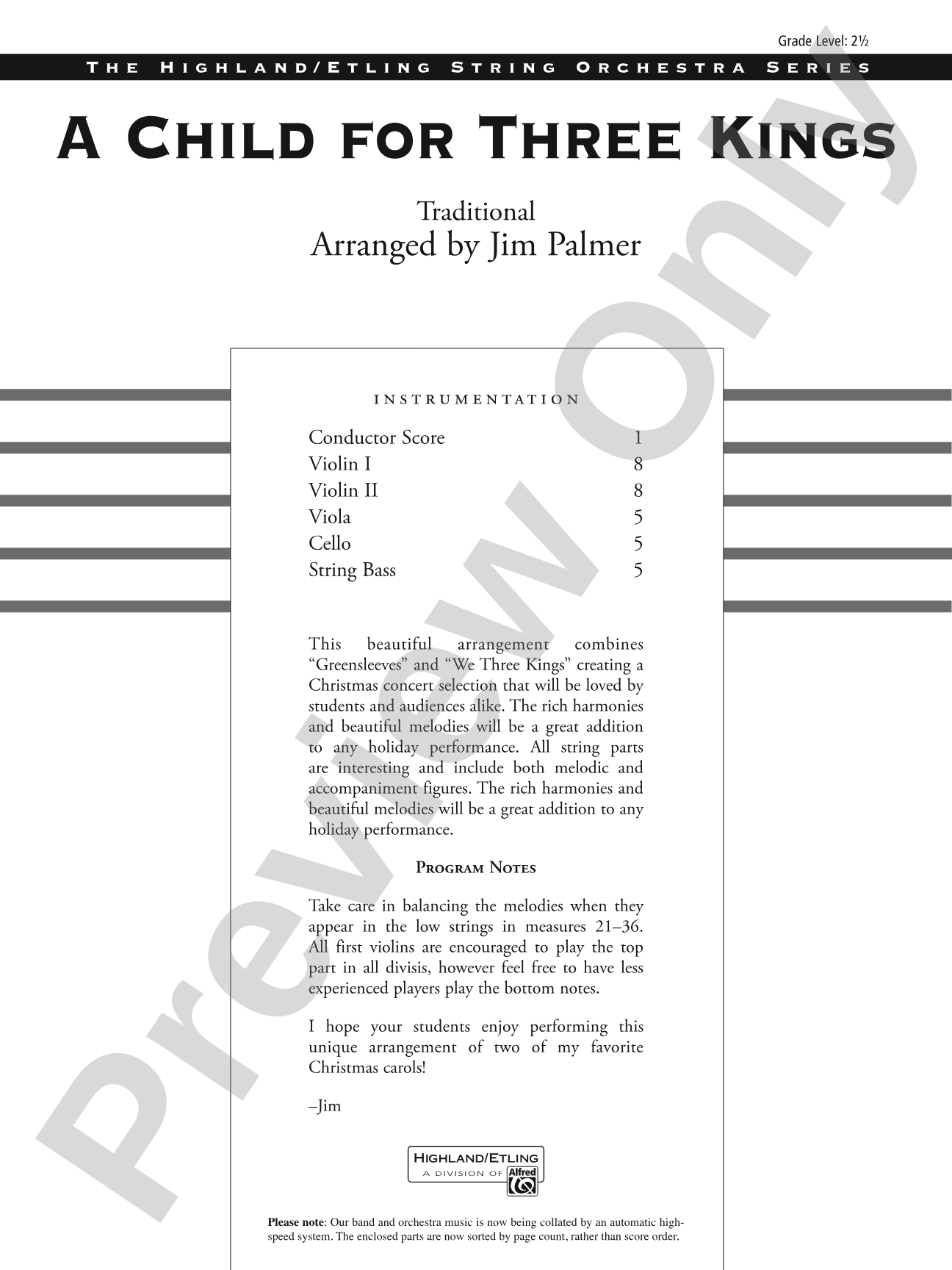
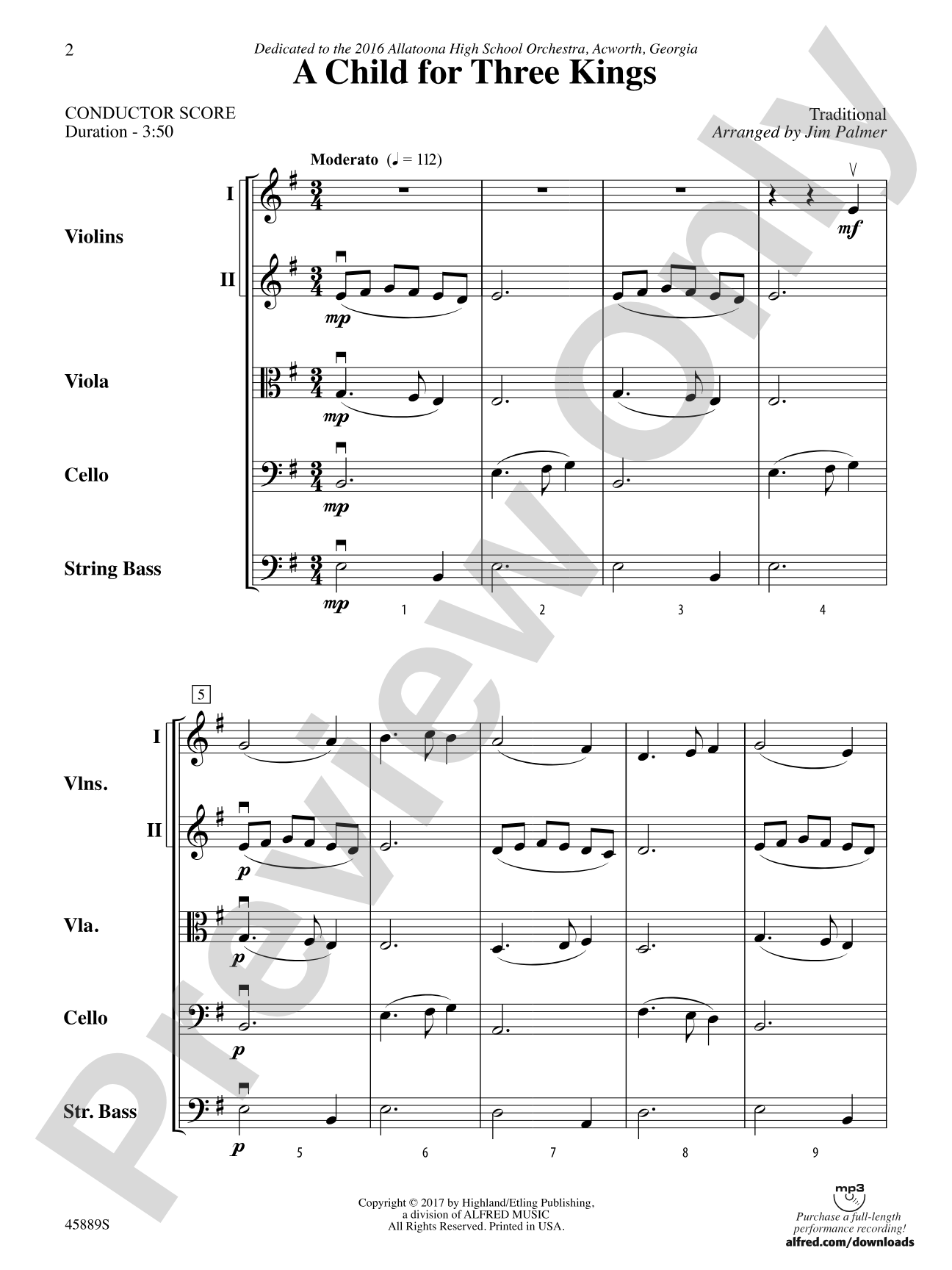
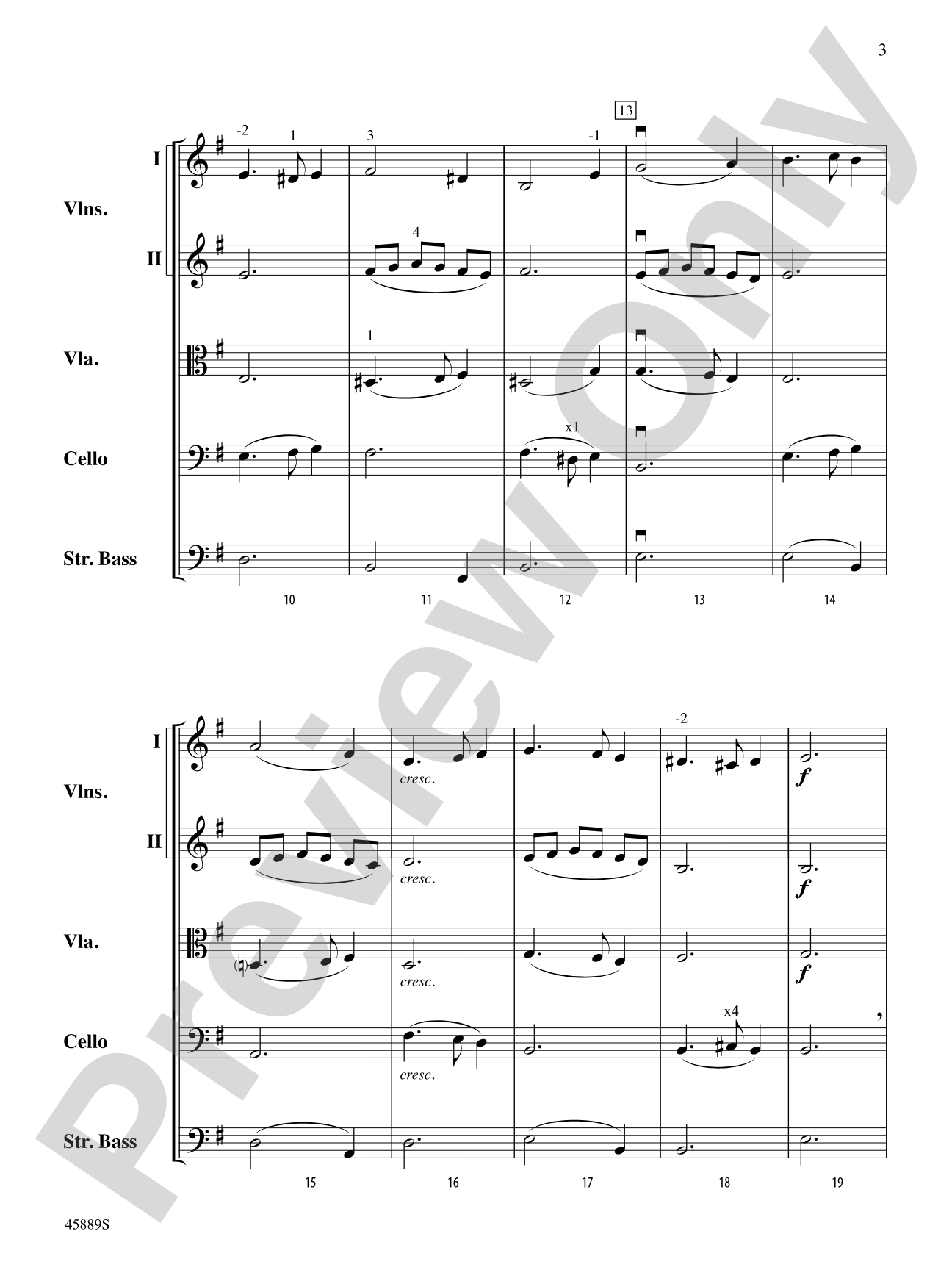
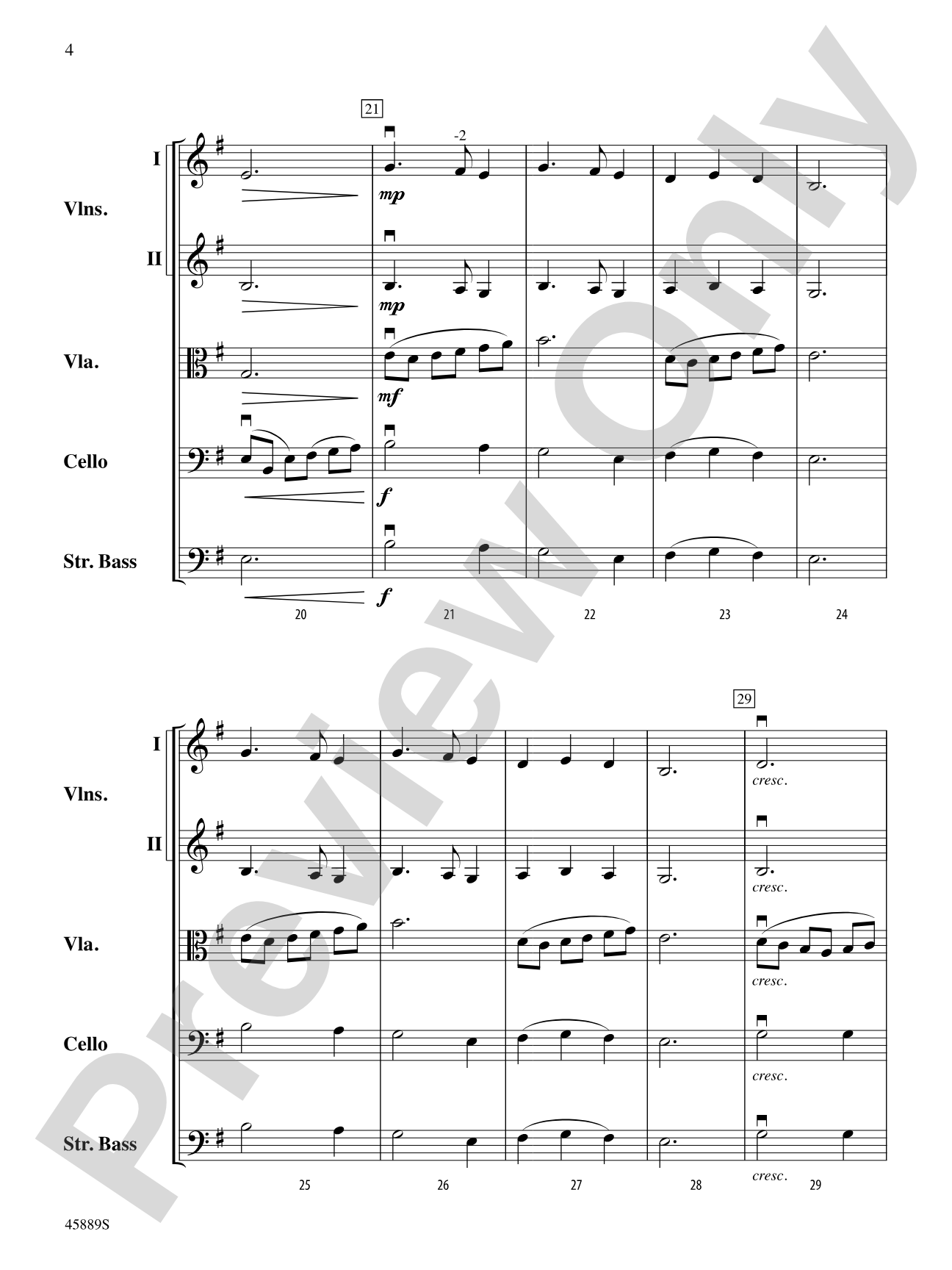
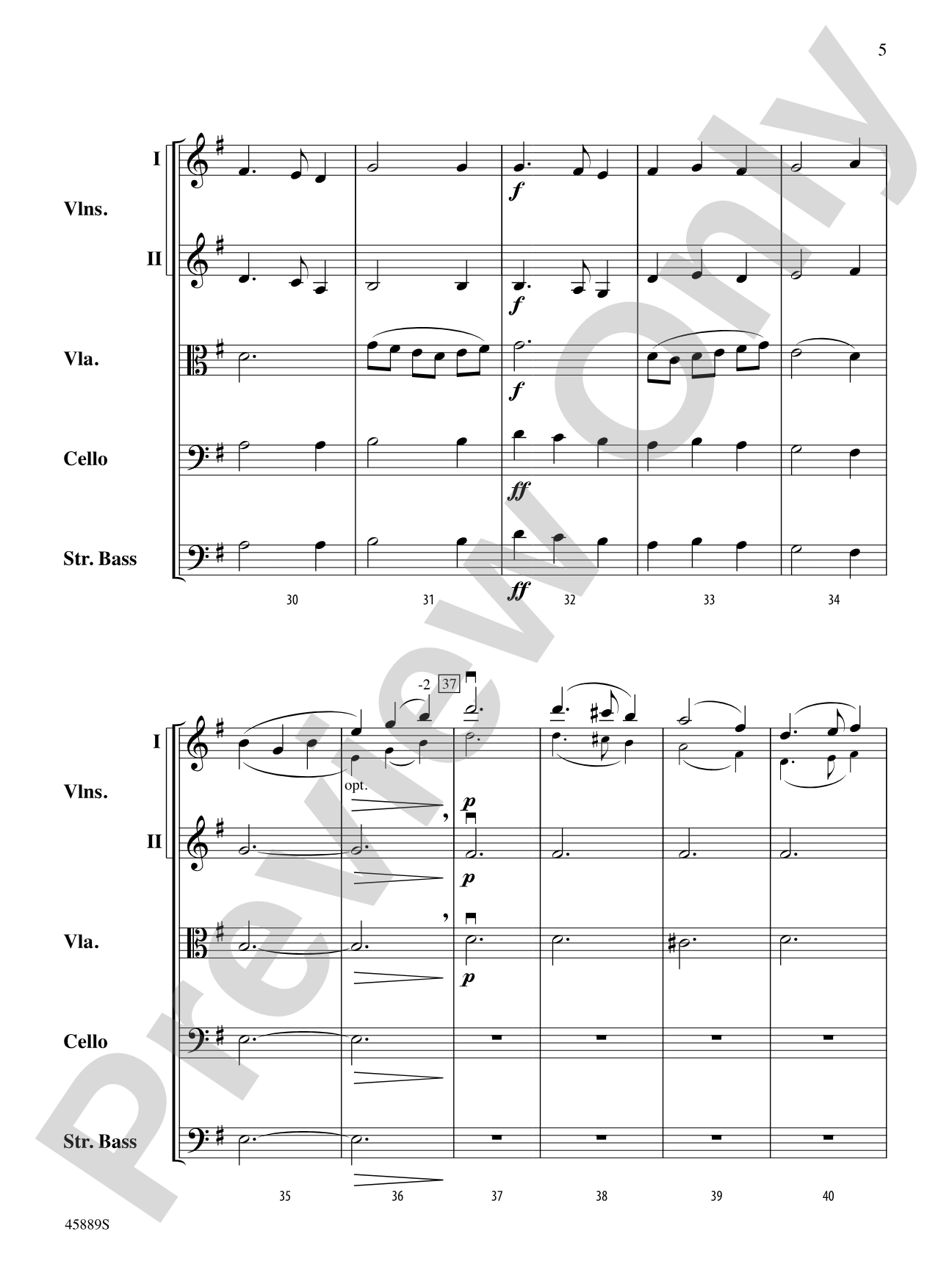
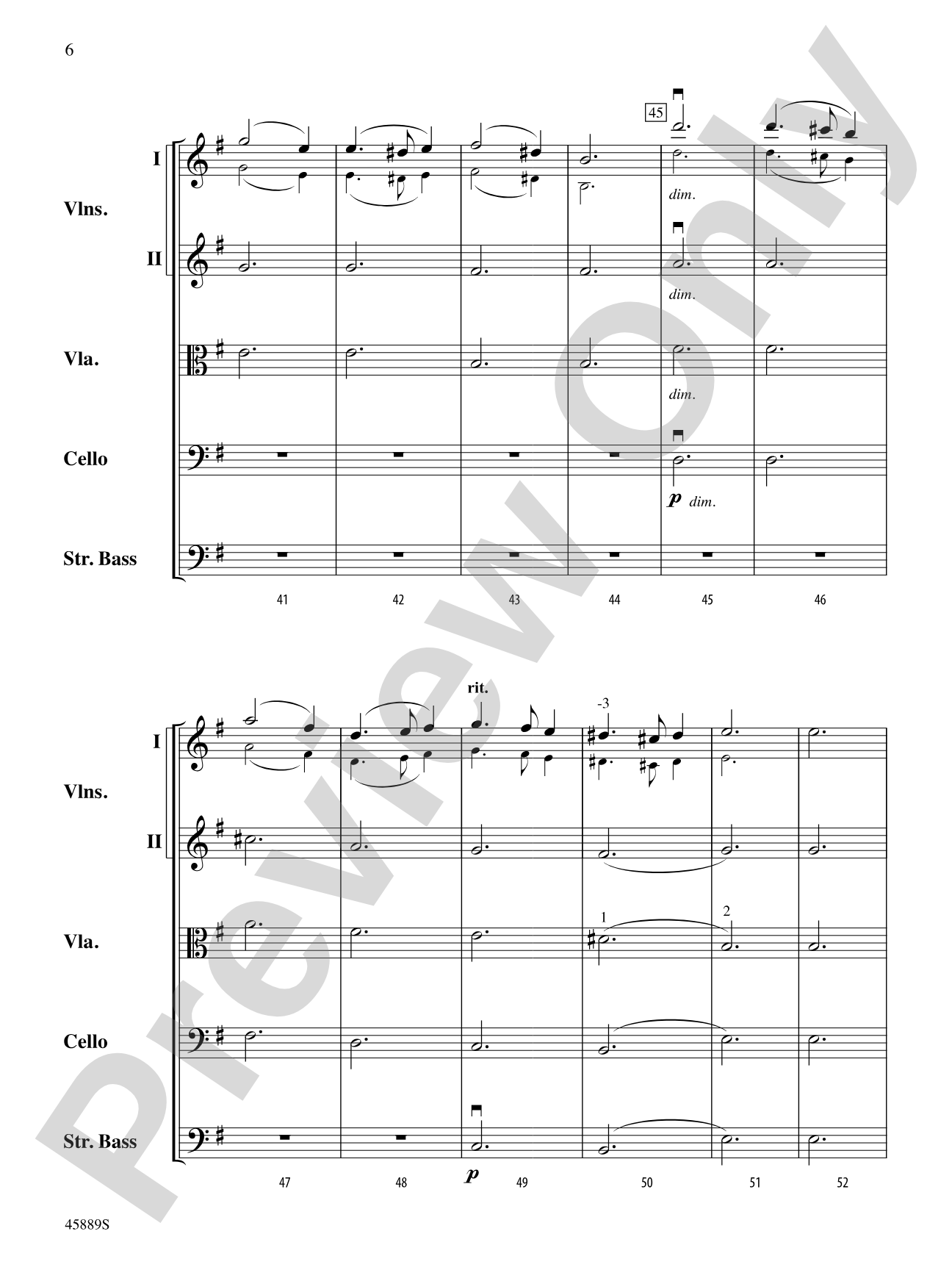
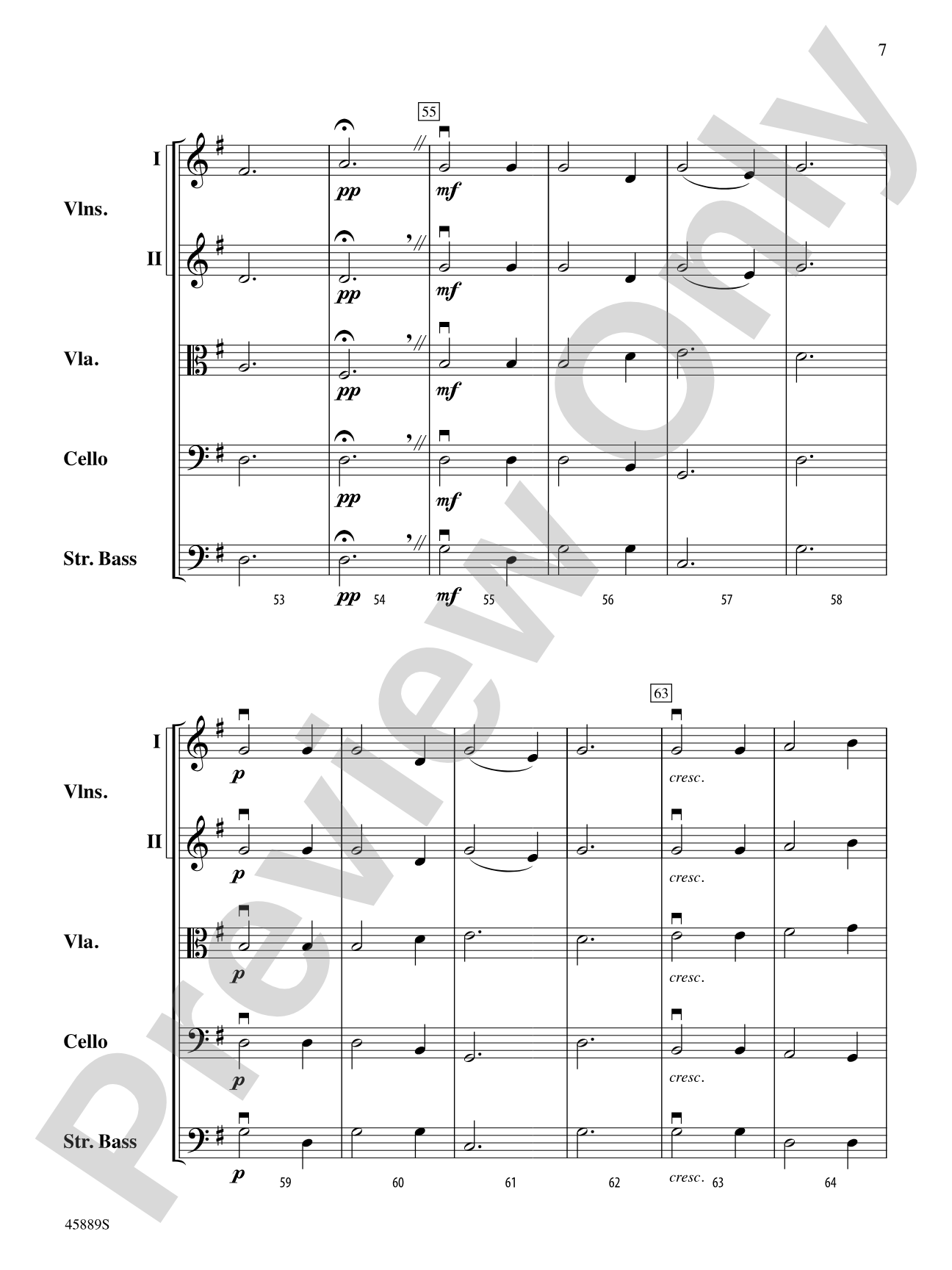
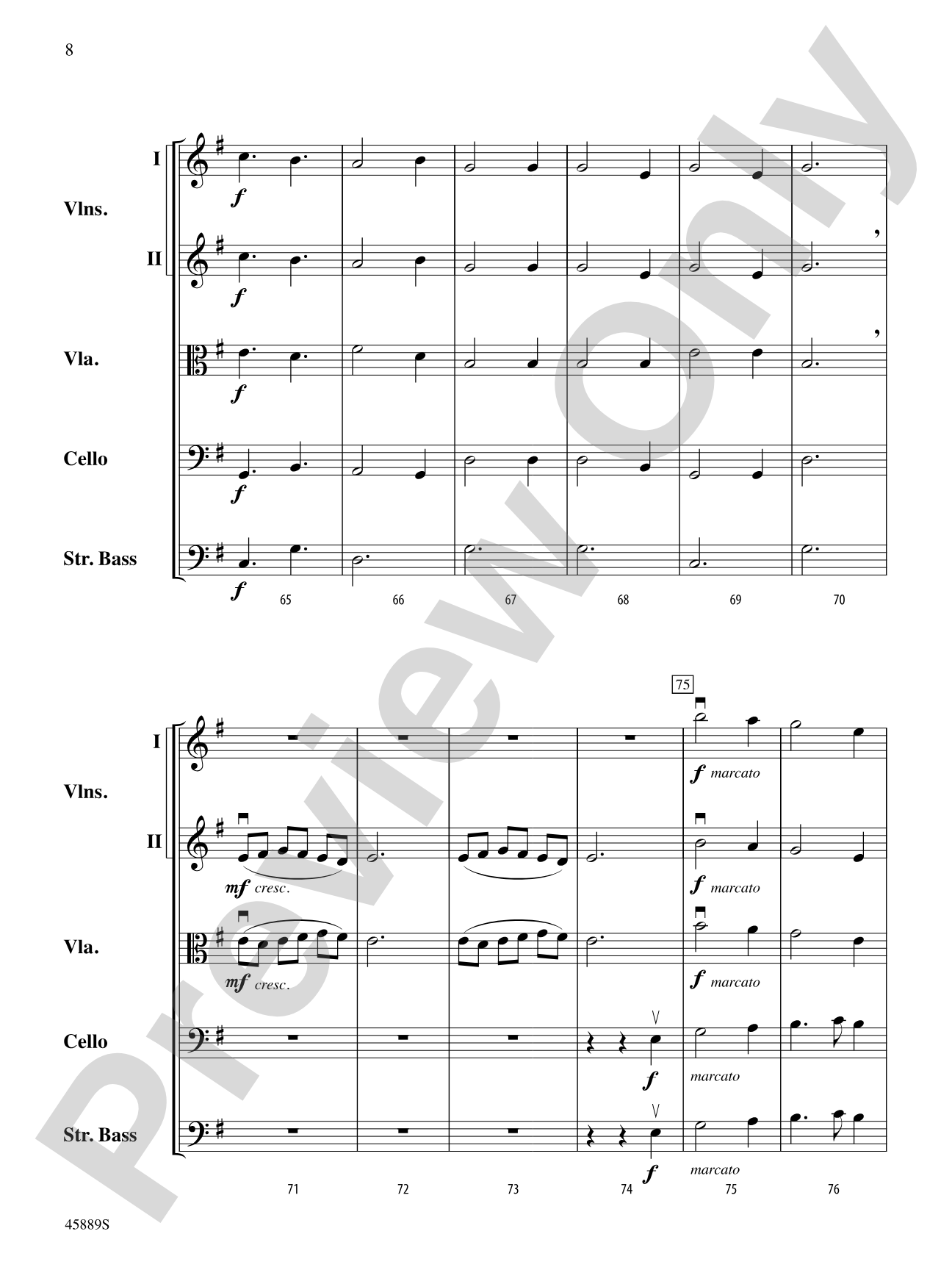
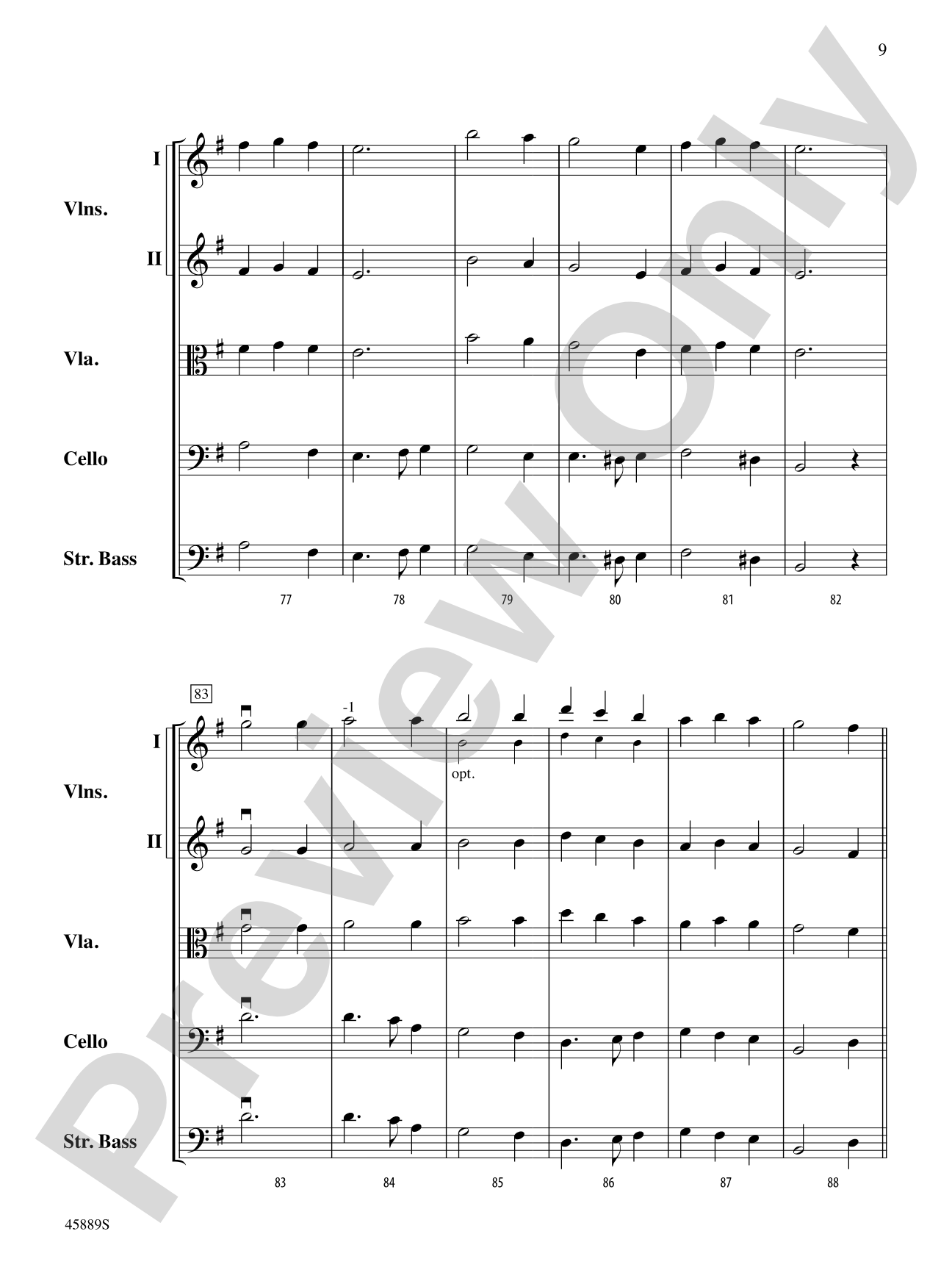
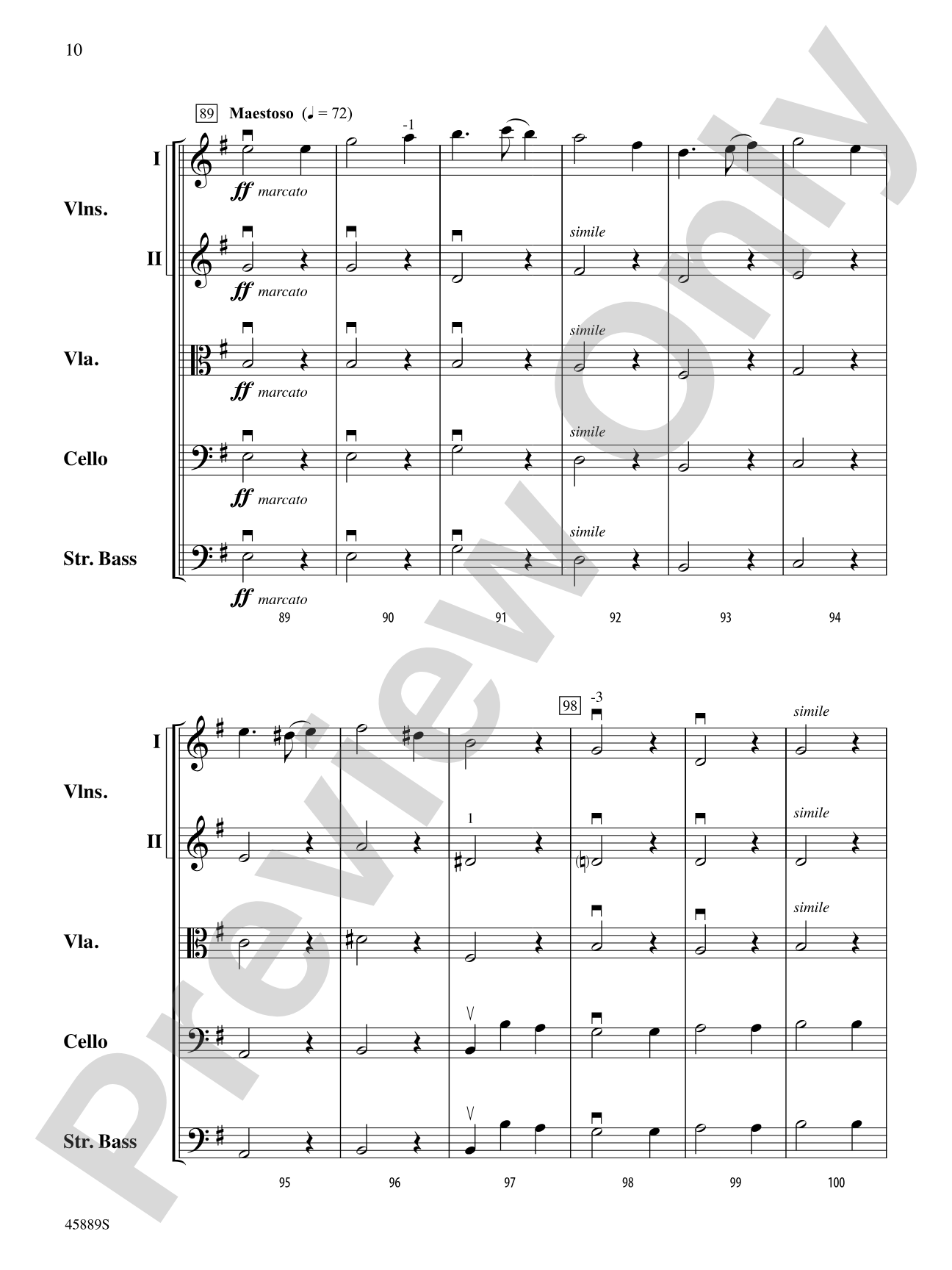
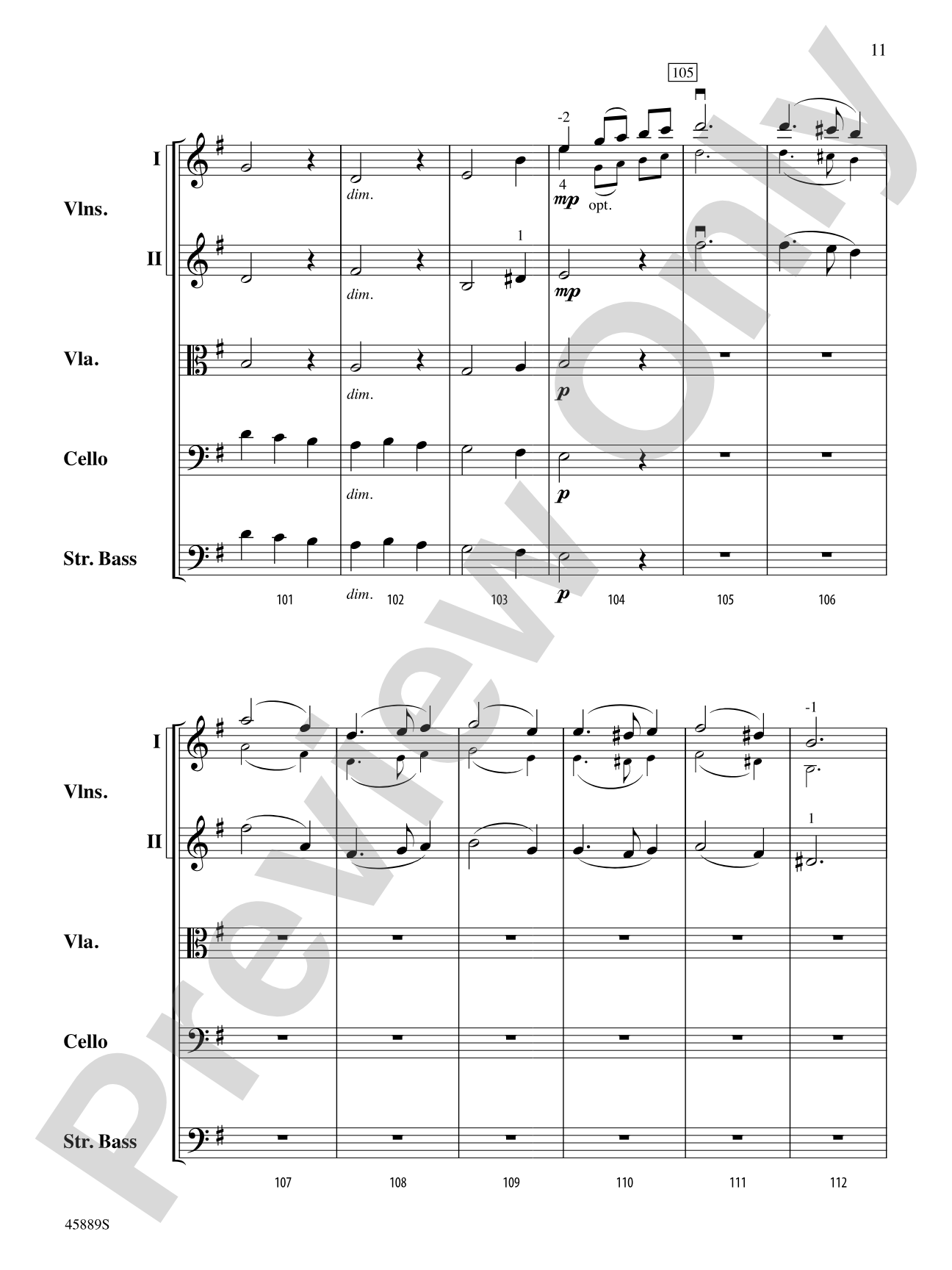
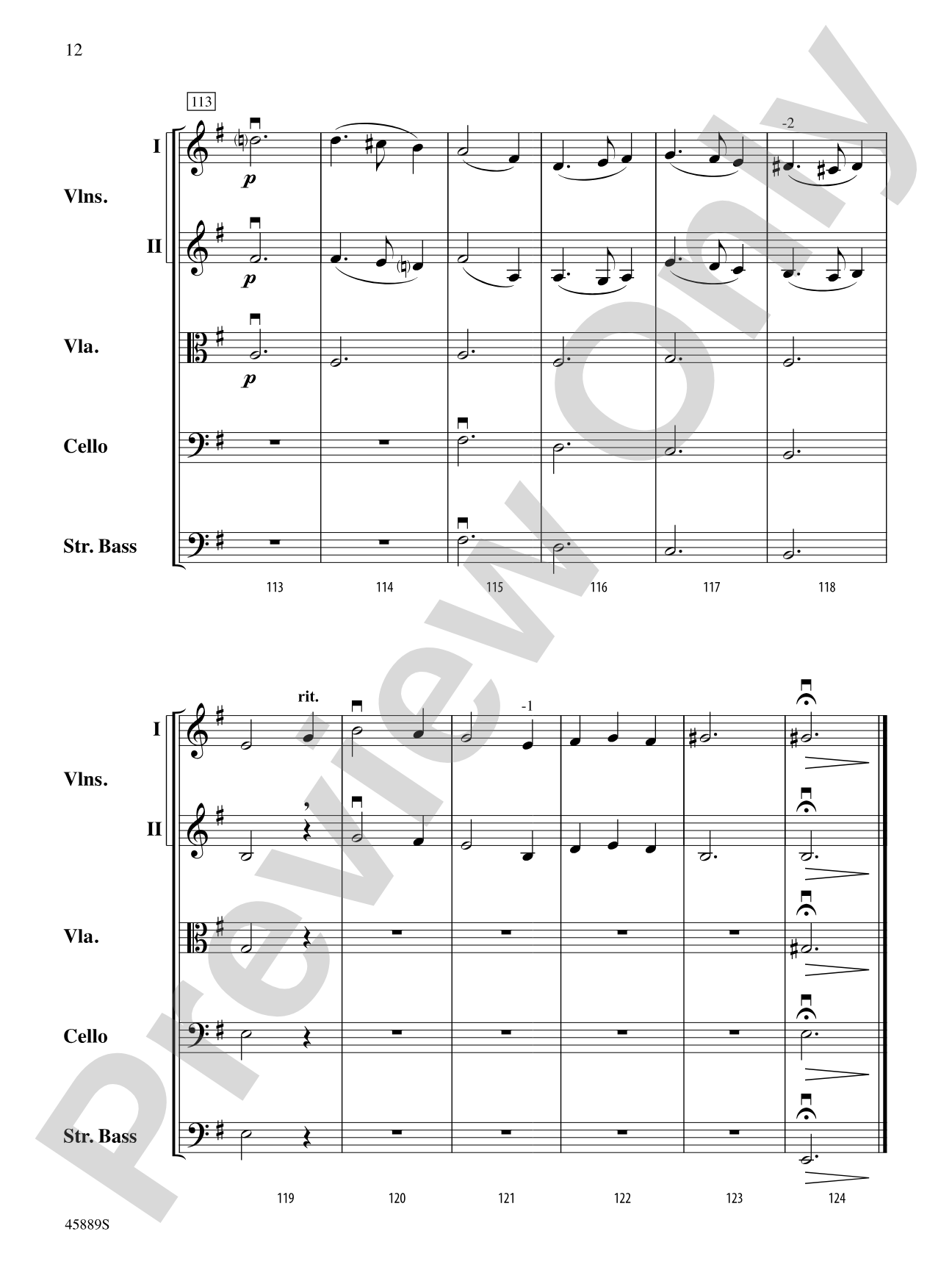
A Child for Three Kings, a beautiful arrangement by Jim Palmer, combines "Greensleeves" and "We Three Kings" to create a Christmas concert selection that will be loved by students and audiences alike. All string parts are interesting and include both melodic and accompaniment figures. The rich harmonies and beautiful melodies will be a great addition to any holiday performance. (3:50)


Don't just read it, hear it, play along with it, and watch your students grow with it. In MakeMusic Cloud, A Child for Three Kings: String Orchestra Conductor Score & Parts comes alive with professional accompaniment, adjustable tempo, and built-in practice tools that turn solo practice into real progress.
Open in the Player
Jump straight in and assign it today.
Start Your Free Trial
Open this title and explore the full library in minutes.
Sample Audio
1
Audio File
--:--
0:00
0:00
Sample Video
Additional Details
Series:
Highland/Etling String Orchestra
Publisher:
Alfred Music
Page Count:
124
SKU:
00-PK-0007394
More about this title
Why we love this
This arrangement takes two beloved carols and weaves them into a single coherent work that feels fresh without losing the familiarity audiences expect. The string writing distributes melodic interest across the entire ensemble, so every player has moments that matter and no section is reduced to mere filler.
What to expect
Warm and nostalgic, with the kind of quiet elegance that comes from genuine voice leading rather than simple doubling. The arrangement respects the dignity of both carols while creating a unified sound that surprises listeners with how naturally the two melodies coexist.
Who it's for
String orchestras at the Grade 2.5 level looking for a polished Christmas selection that doesn't sacrifice musical substance for accessibility. This works equally well for school ensembles and community orchestras building a balanced holiday program.
How to get the most out of it
- Balance the interweaving melodic lines carefully; mark cues in each part so players know when the familiar tune moves to a neighboring voice and can listen across the ensemble rather than focusing only on their own line.
- Shape the rich harmonies with subtle dynamic shaping in the accompanimental figures, particularly in the middle voices, which supports the melody without overshadowing it.
- Allow the piece to breathe at phrase endings, especially when transitioning between the two familiar melodies, to give the audience a moment to recognize where they are in the arrangement.
How to use it
Place this toward the center of a winter concert, after you've established energy and before any faster or more dramatic selections. Its moderate length and accessible difficulty make it ideal for a program that balances familiar repertoire with pieces that challenge your ensemble.
Skills your students will build
- Tracking melodic material across different instrumental voices
- Dynamic control in accompaniment figures while maintaining harmonic texture
- Phrase shaping across longer harmonic progressions
- Listening to and responding to entrances and exits in full ensemble
- Performing both sustained harmonic support and independent melodic lines within the same piece