
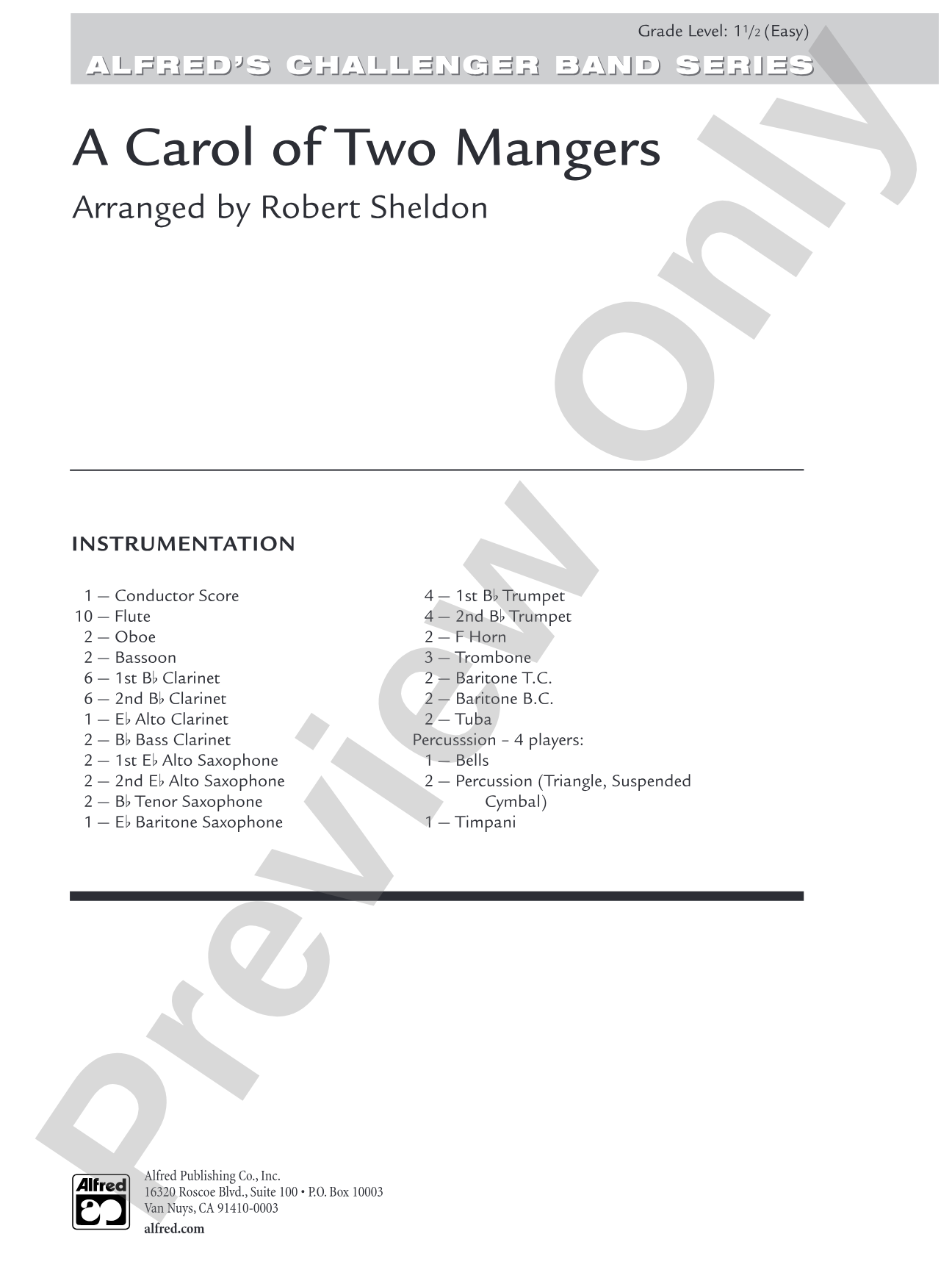
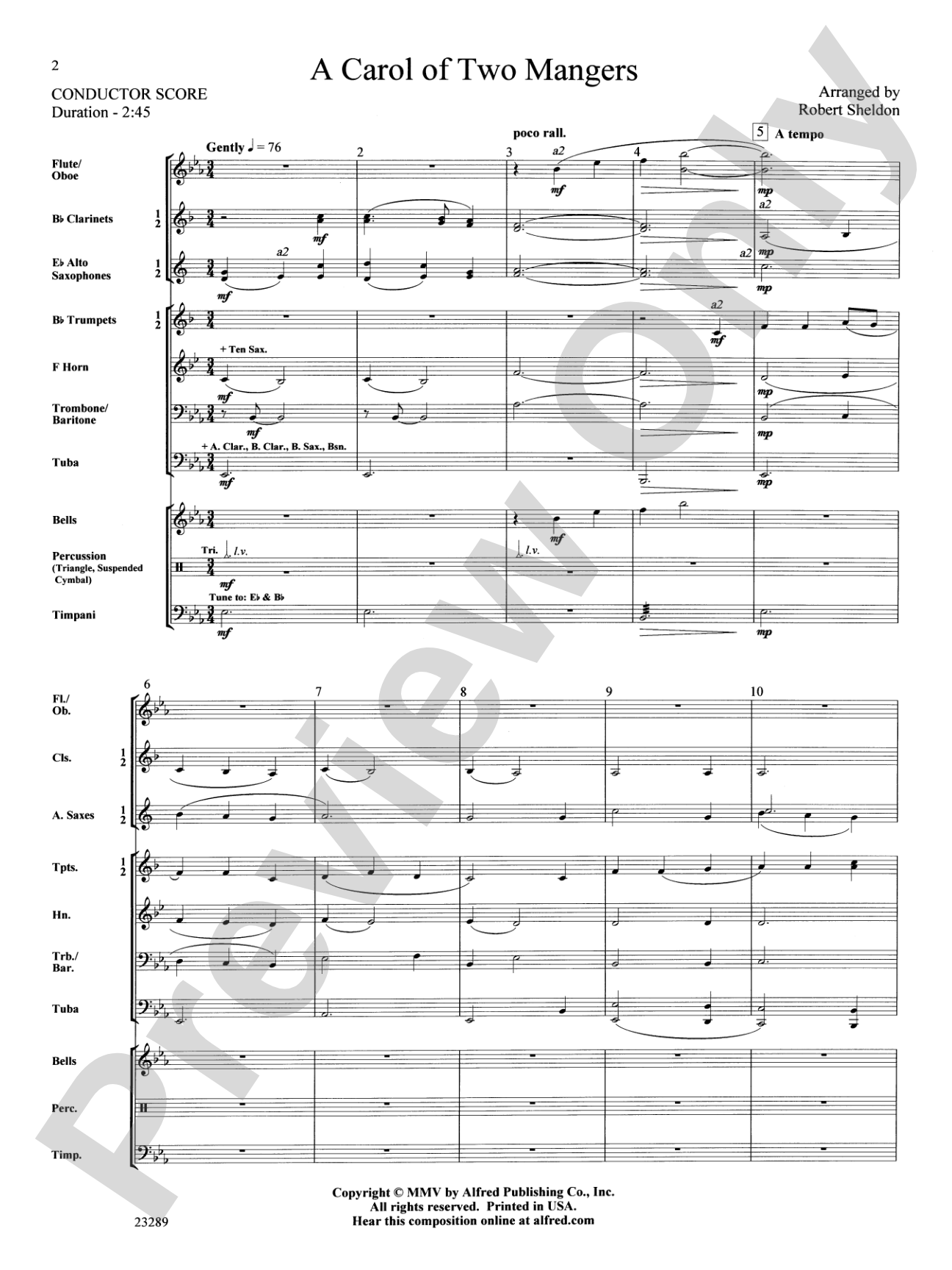
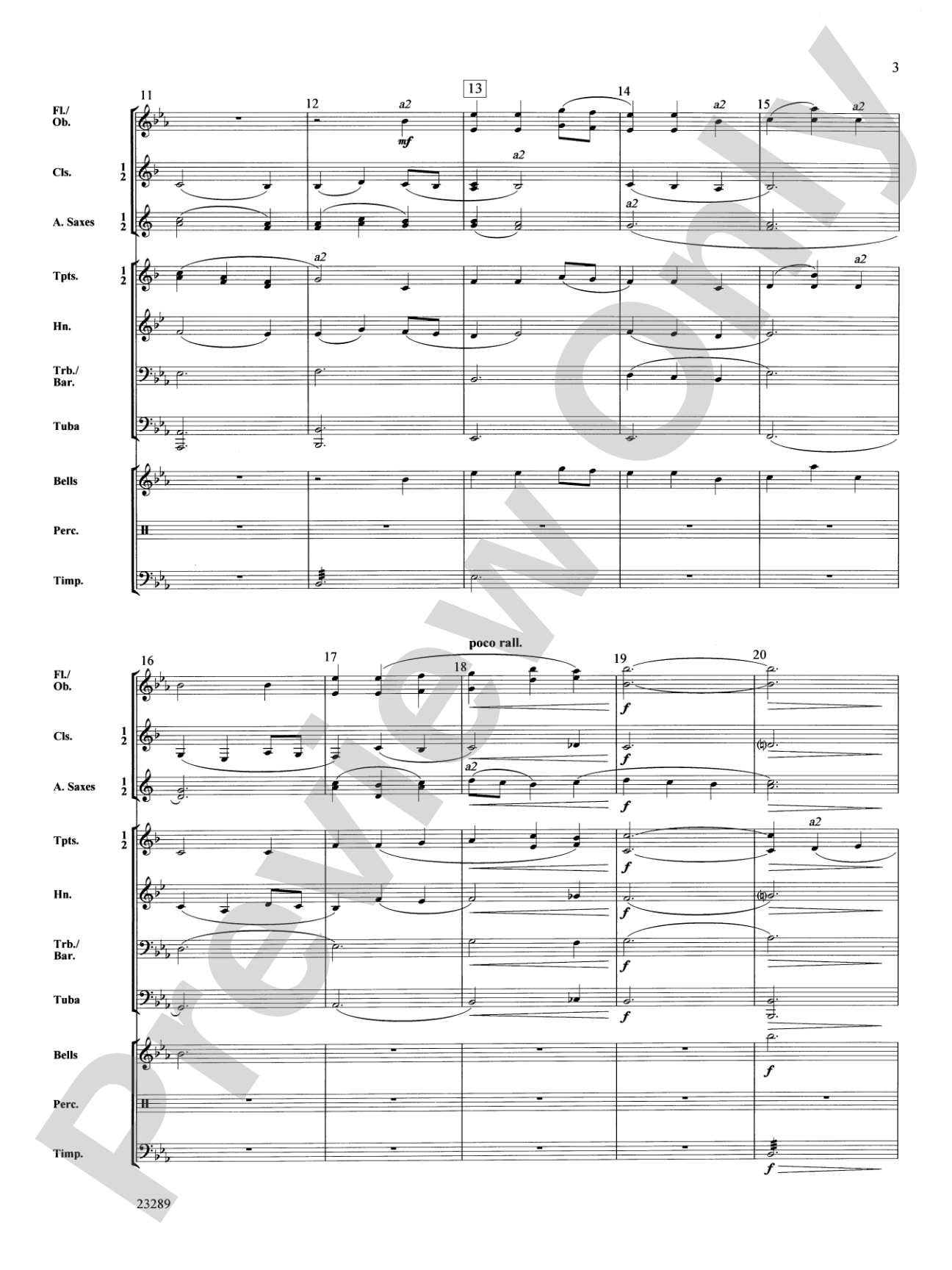
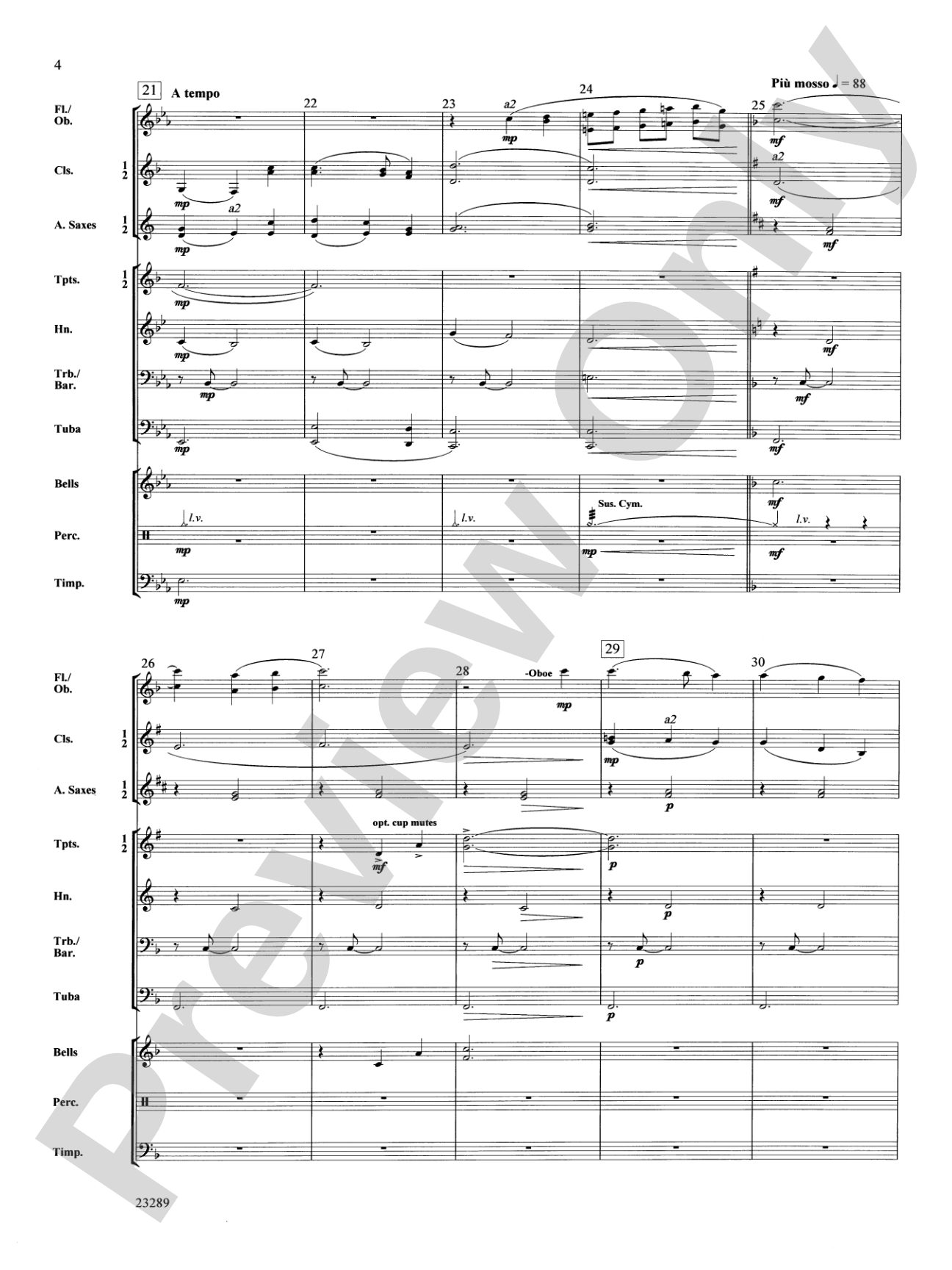
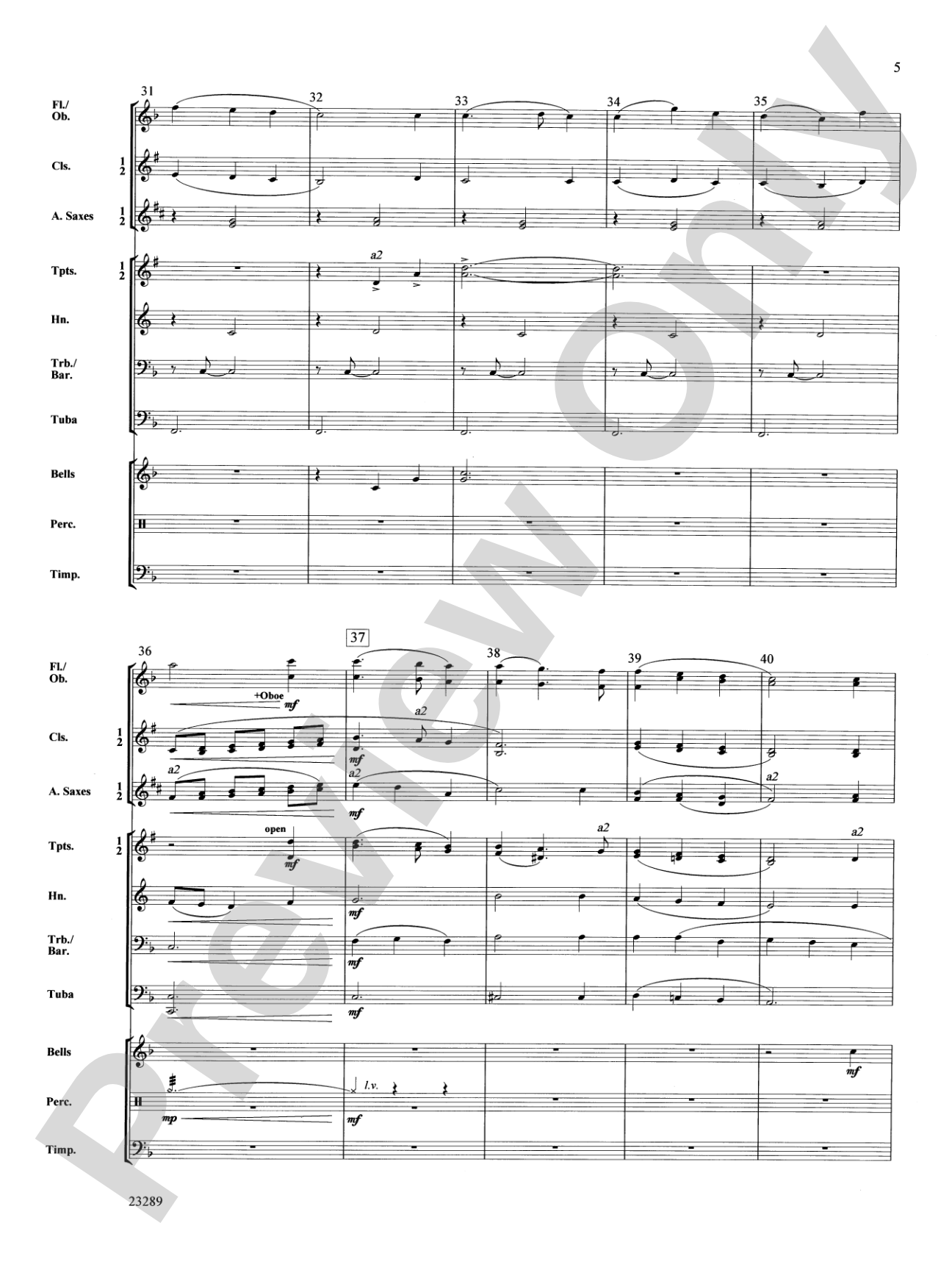
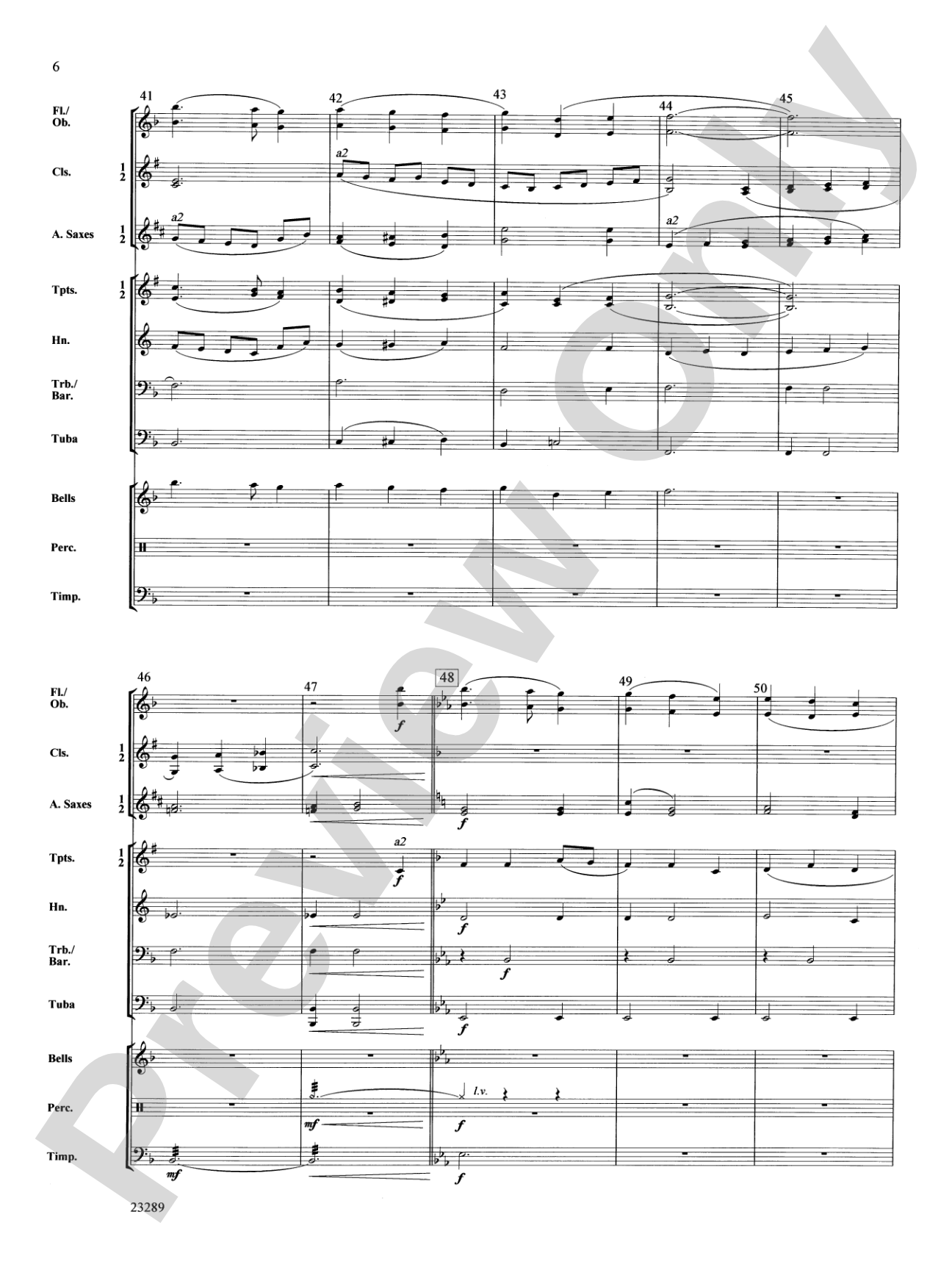
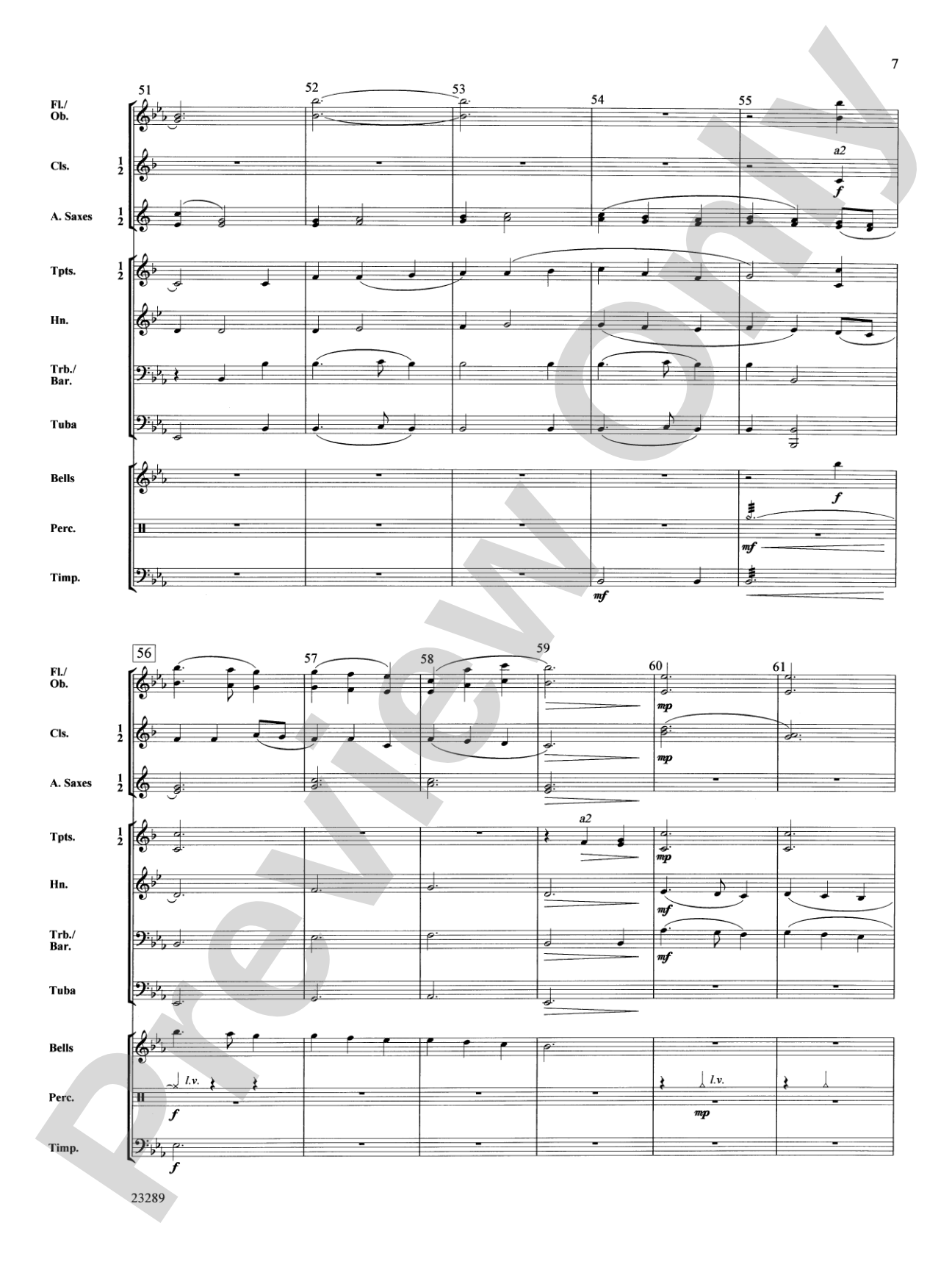
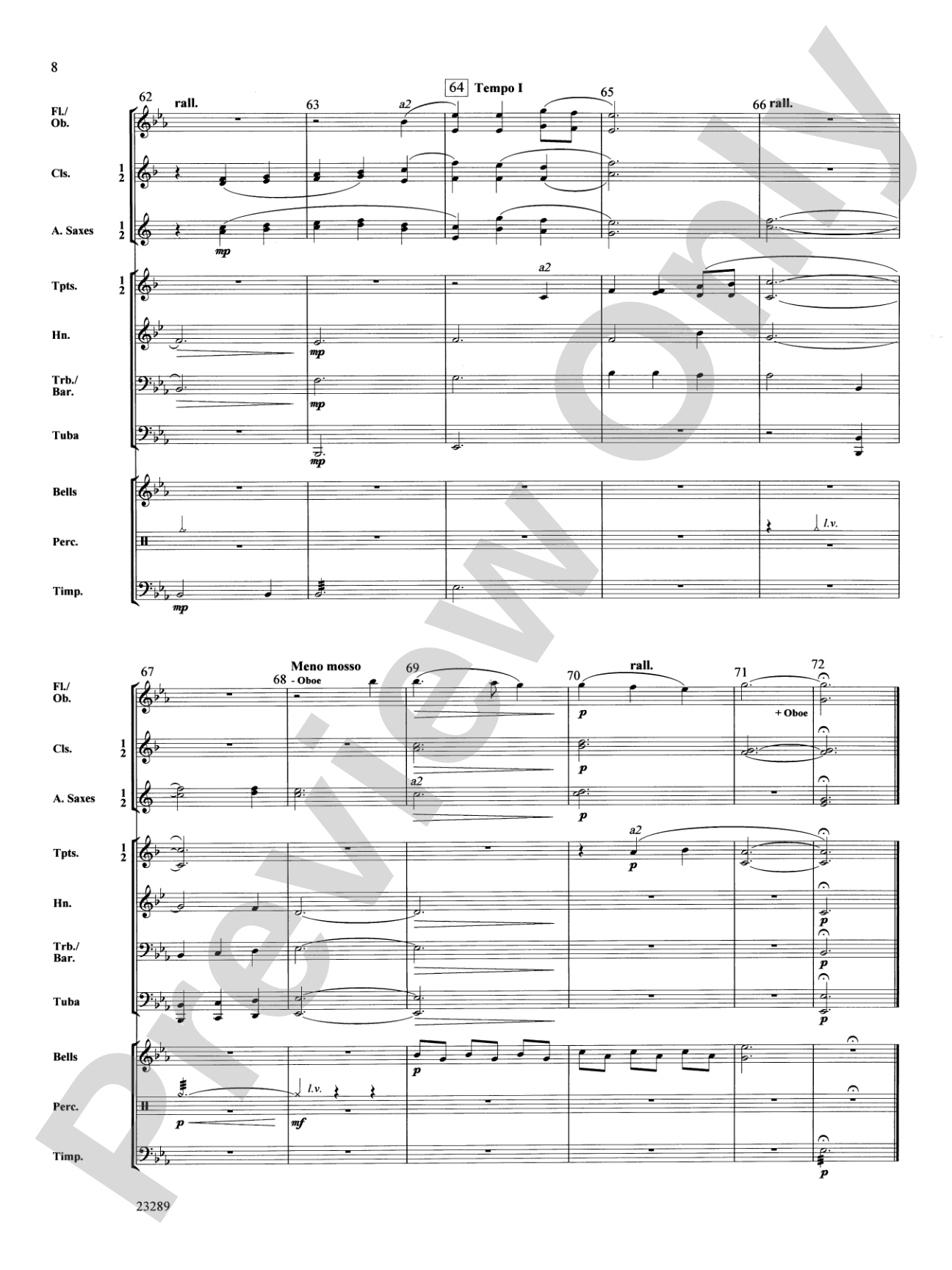

A Carol of Two Mangers: Concert Band Conductor Score & Parts
Arr. Robert Sheldon
Grade: 1.5 (Easy)
Item: 00-PK-0000647

$44.00
Pickup currently not available
Buy Extra Parts (Digital PDF Download)
Parts Added to Cart!
Description
This delightful and gentle holiday selection combines the two most familiar melodies associated with the Christmas carol, "Away in the Manger." Each melody is introduced and played alone, then played simultaneously at the end of the piece. This lovely setting exudes warmth and expression, making this a rather sophisticated yet very playable program selection.


Don't just read it, hear it, play along with it, and watch your students grow with it. In MakeMusic Cloud, A Carol of Two Mangers: Concert Band Conductor Score & Parts comes alive with professional accompaniment, adjustable tempo, and built-in practice tools that turn solo practice into real progress.
Open in the Player
Jump straight in and assign it today.
Start Your Free Trial
Open this title and explore the full library in minutes.
Sample Audio
1
Audio File
--:--
0:00
0:00
Sample Video
No sample videos found.
Additional Details
Series:
Challenger Band Series
Publisher:
Alfred Music
Page Count:
118
SKU:
00-PK-0000647
More about this title
About the Arranger: Robert Sheldon

Robert Sheldon stands among the most frequently performed composers in wind band repertoire. His works appear regularly on state and national contest lists, performed by ensembles at every level across the globe. He has received significant recognition from the American School Band Directors Association, Phi Beta Mu, and ASCAP, and holds a honorary doctorate from VanderCook College of Music.
Why we love this
Sheldon's gift for melody shines in this arrangement, which takes two beloved "Away in the Manger" tunes and lets each breathe separately before weaving them together. The sophistication comes not from complexity but from careful voice leading and tasteful orchestration, giving your ensemble permission to sound polished without burning through rehearsal time on technical hurdles.
What to expect
Warm, intimate, and reflective. The piece unfolds with quiet grace, allowing each melody its moment before the two intertwine. It captures the gentle nostalgia of familiar carols without sentimentality, creating space for genuine expression within straightforward musical lines.
Who it's for
This piece fits naturally into programs for Grade 1.5 bands seeking holiday repertoire that sounds mature without demanding advanced technique. Directors programming mid-winter concerts will find a selection that works equally well as a centerpiece or supporting piece, engaging audiences without overwhelming younger ensembles.
How to get the most out of it
- Balance the introduction of each melody so the opening stands on its own. The first tune deserves a warm, uncluttered entrance; resist the urge to overdrive the dynamics early.
- When both melodies sound together in the final section, clarify which voices carry the primary tune and which provide harmonic support. Light sectional rehearsals before full band run-throughs prevent this from becoming muddy.
- Shape the phrases with breath, not just by marking crescendos and diminuendos. The gentle character calls for conductor and players thinking in arcs rather than hitting targets.
How to use it
Position this near the center of a winter concert to shift mood from more energetic selections into something introspective. It pairs well with other accessible holiday fare and provides a natural transition between different sections of a program. Its modest technical demands also make it suitable for early-season performance, building confidence before tackling more demanding winter repertoire.
Skills your students will build
- Balancing melody and accompaniment in ensemble scoring
- Sustaining legato phrasing across longer note values
- Listening to and responding to another section's musical line
- Dynamic control in softer dynamics (piano and mezzo-piano ranges)