
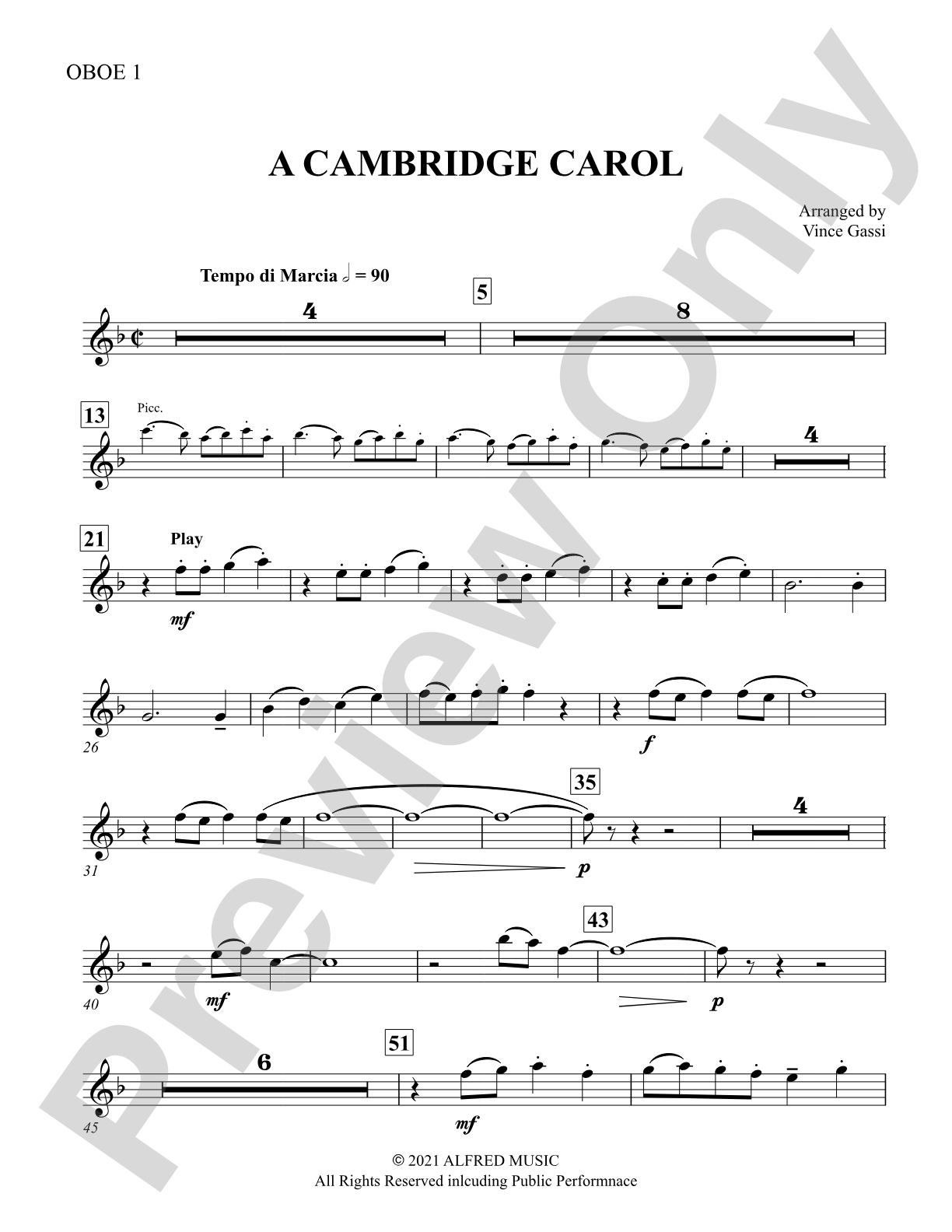

A Cambridge Carol: Oboe
By Vince Gassi
Grade: 3.5
Item: 00-PC-0018734_O1
$3.00
Pickup currently not available
Description
A Cambridge Carol is a delightful full orchestra arrangement of "Ding Dong Merrily on High" and is sure to become a seasonal favorite with audiences. The tune dates back to the 16th century and the lyrics were added in the 20th century by English composer George Ratcliffe Woodword. The song appeared in his 1924 publication, The Cambridge Carol Book. Vince Gassi is a Canadian composer whose joyous harmonies and cheerful rhythms will immediately put you in the Christmas spirit! (3:30)


A Cambridge Carol: Oboe isn't in MakeMusic Cloud just yet...but it could be. Let us know you'd like to see it, and you'll help shape what comes next. In the meantime, start a free trial and dive into thousands of interactive titles your students can play along with today.
Request This Title
Tell us you want it.
Start Your Free Trial
Explore everything that's ready to play right now.
Sample Audio
1
Audio File
--:--
2
Audio File
--:--
Audio File
0:00
0:00
Sample Video
No sample videos found.
Additional Details
Series:
Alfred Digital Full Orchestra
SKU:
00-PC-0018734_O1
More about this title
About the Composer: Vince Gassi
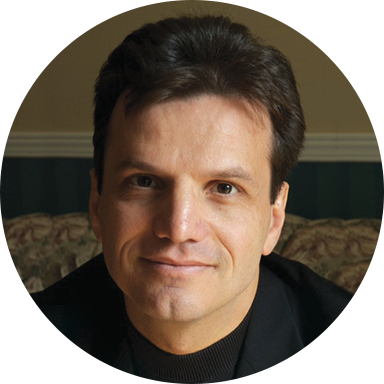
Vince Gassi has been composing for Alfred Music since 2006 and has established himself as a prolific voice in music education, with over 100 published works to his name. His training spans the University of Western Ontario (Bachelor of Music), the Dick Grove School of Music in Los Angeles, and York University in Toronto, where he earned his Ph.D. His compositions balance accessibility with musical substance, earning frequent performances at major festivals and on contest lists across North America, Europe, and Japan.
Beyond composing, Gassi brings twenty-five years of classroom experience as an instrumental music educator at elementary and secondary levels. He actively works as a guest conductor, adjudicator, and clinician throughout the United States and Canada. His seminars on creative arranging and digital workflows for music directors reflect his commitment to helping teachers and students engage more deeply with the compositional and technological sides of music making.
Why we love this
Gassi transforms a 16th-century melody into something that feels freshly contemporary without losing its carol simplicity. The Grade 3.5 orchestration sits at that sweet spot where young players get real work with interesting harmonic color, and the festive spirit practically conducts itself. This is the kind of arrangement that sounds big and celebratory in performance while remaining genuinely teachable in rehearsal.
What to expect
Bright, buoyant, and unmistakably festive. The arrangement wraps the ancient melody in modern harmonies that shimmer without overwhelming, creating that particular blend of nostalgia and joy that makes holiday music so compelling. You hear the carol's essential character preserved and celebrated, not buried under complexity.
Who it's for
Orchestra directors working with Grade 3.5 ensembles who want a proven seasonal centerpiece that audiences love. The full orchestra arrangement welcomes every instrument in the section with parts that are idiomatically written and musically engaging, making it equally valuable for concert programming or contest festivals.
How to get the most out of it
- Balance the melody line between sections during the thematic statements so the familiar tune cuts through the orchestration clearly.
- Shape the dynamic arc across the full three minutes and thirty seconds; resist the temptation to maintain the same energy throughout, and let sections breathe between phrases.
- Lock the rhythm section (timpani, bass, and low brass) into a steady groove early in rehearsal; their precision will anchor the lighter textures above.
- Conduct with the carol's inherent warmth in mind; even at forte passages, this piece should sound inviting rather than aggressive.
How to use it
Program this as the centerpiece of a winter or holiday concert, or pair it with other seasonal works to build a thematic set. At Grade 3.5, it sits perfectly in the program after pieces requiring intense technical focus, giving your ensemble a chance to play something genuinely musical and immediately satisfying. It also reads well as a contest festival opener that establishes audience goodwill from the opening notes.
Skills your students will build
- Balancing independent section lines while supporting a central melody
- Shaping longer phrases with subtle dynamic and rhythmic inflection
- Playing in the context of full orchestral texture and color
- Interpreting seasonal and stylistic performance conventions