
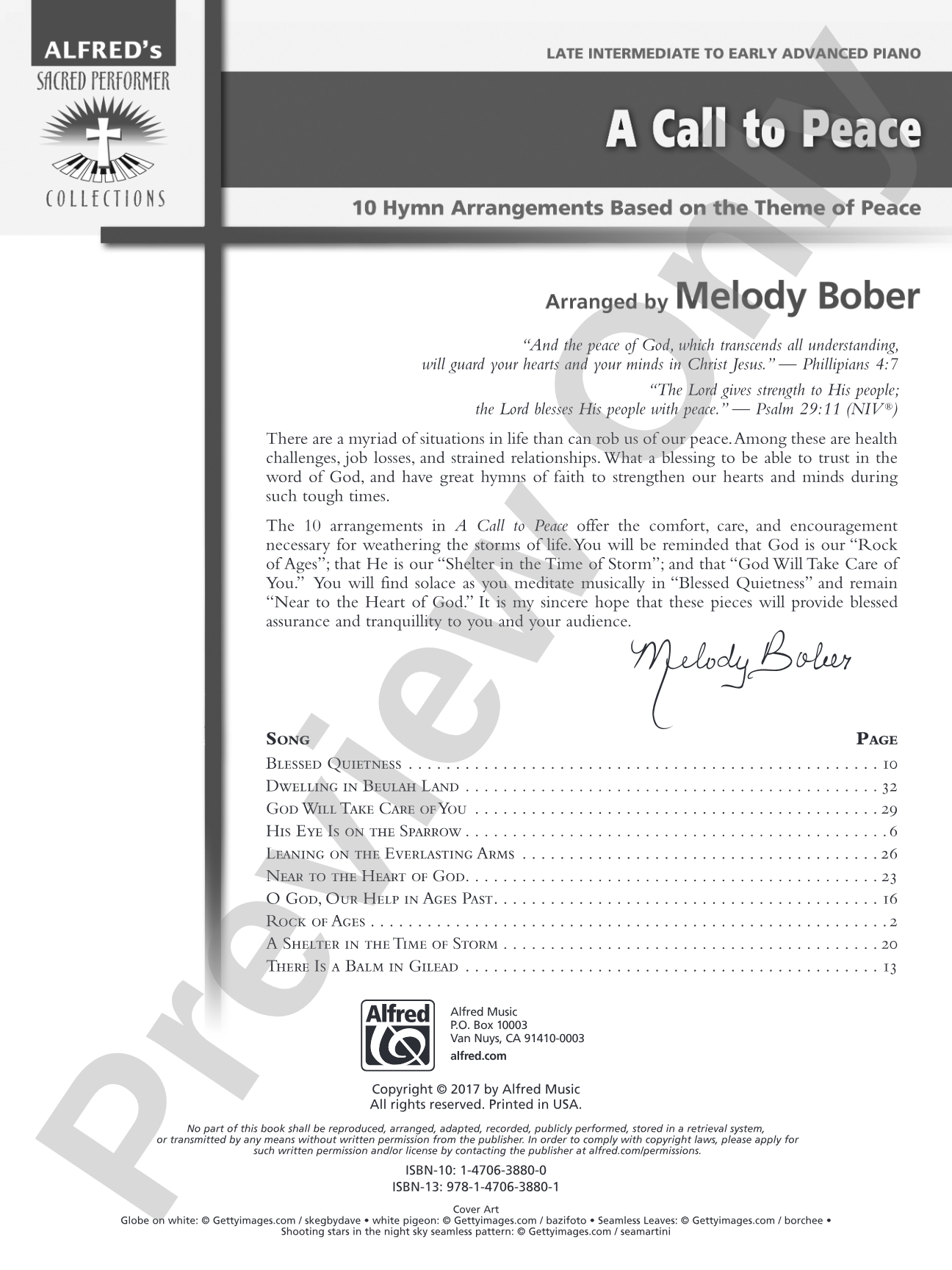
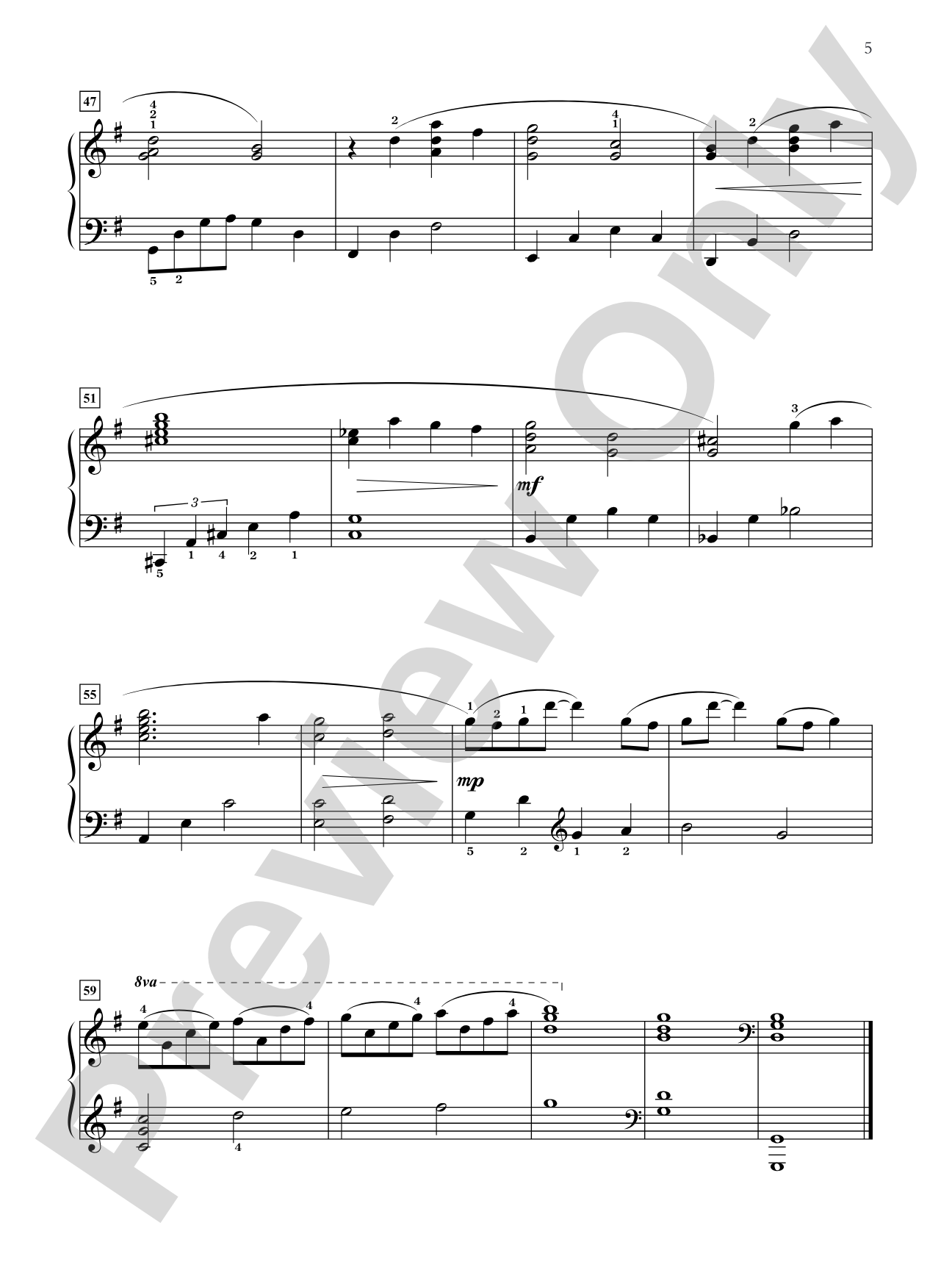
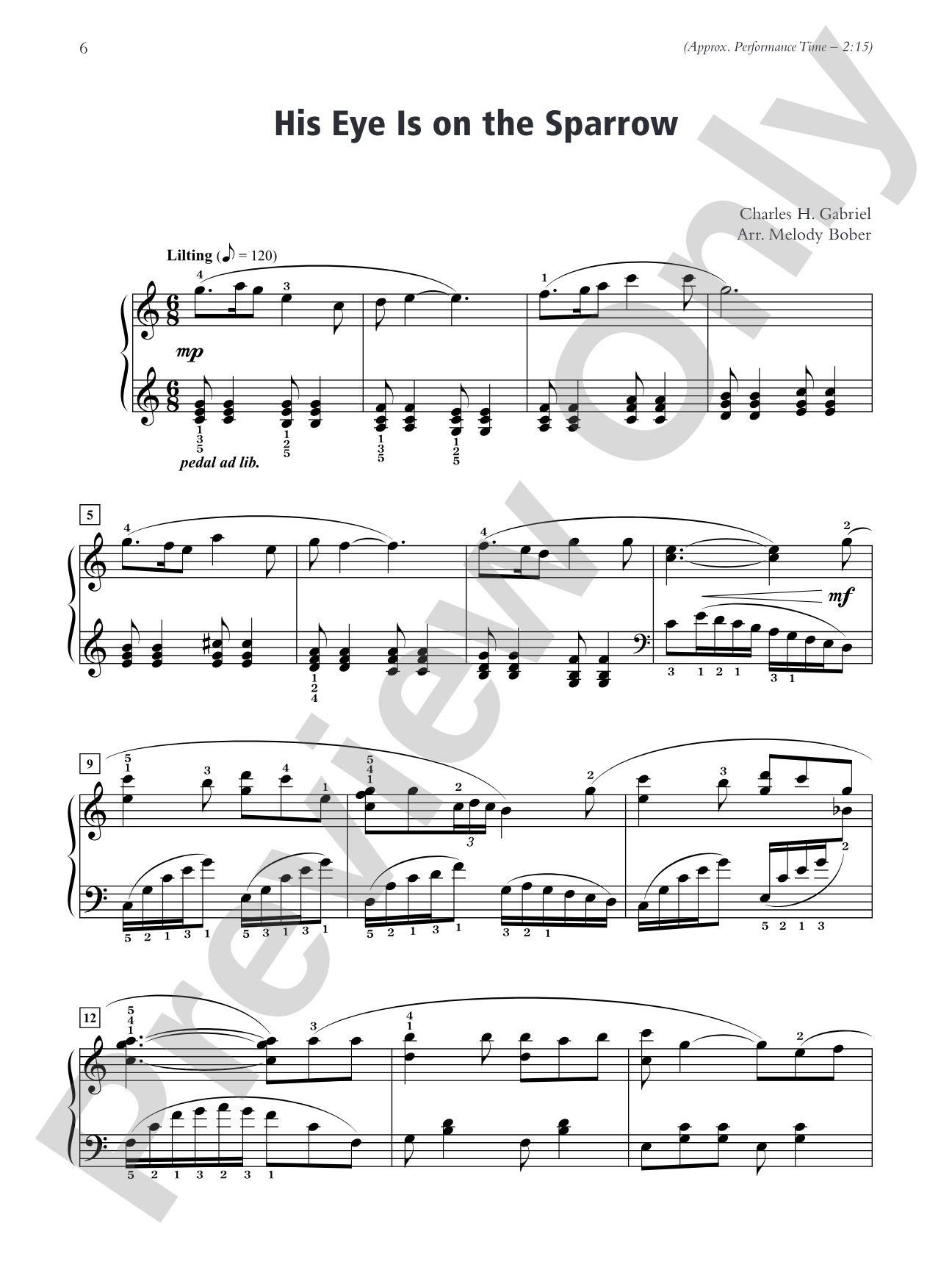
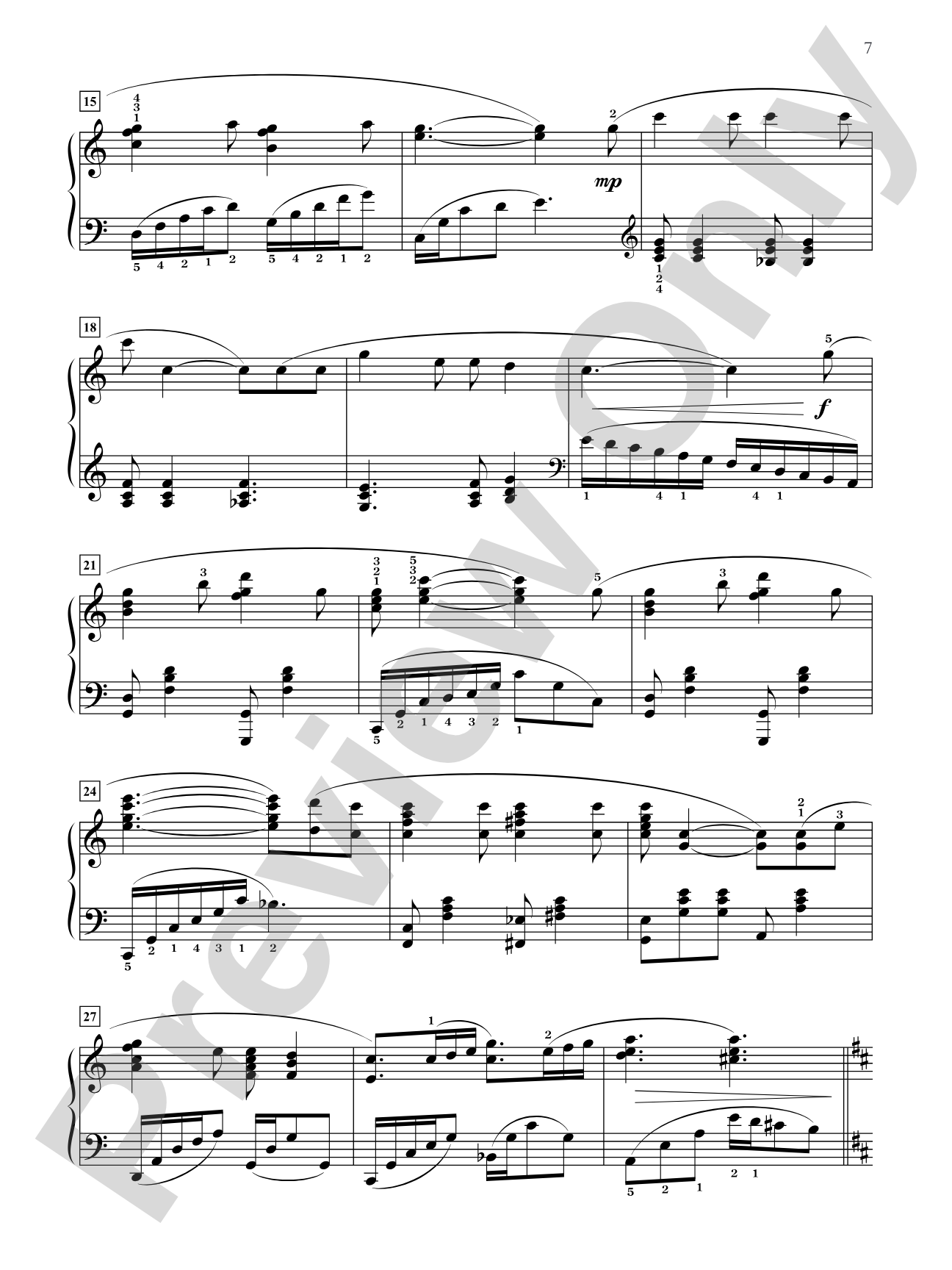
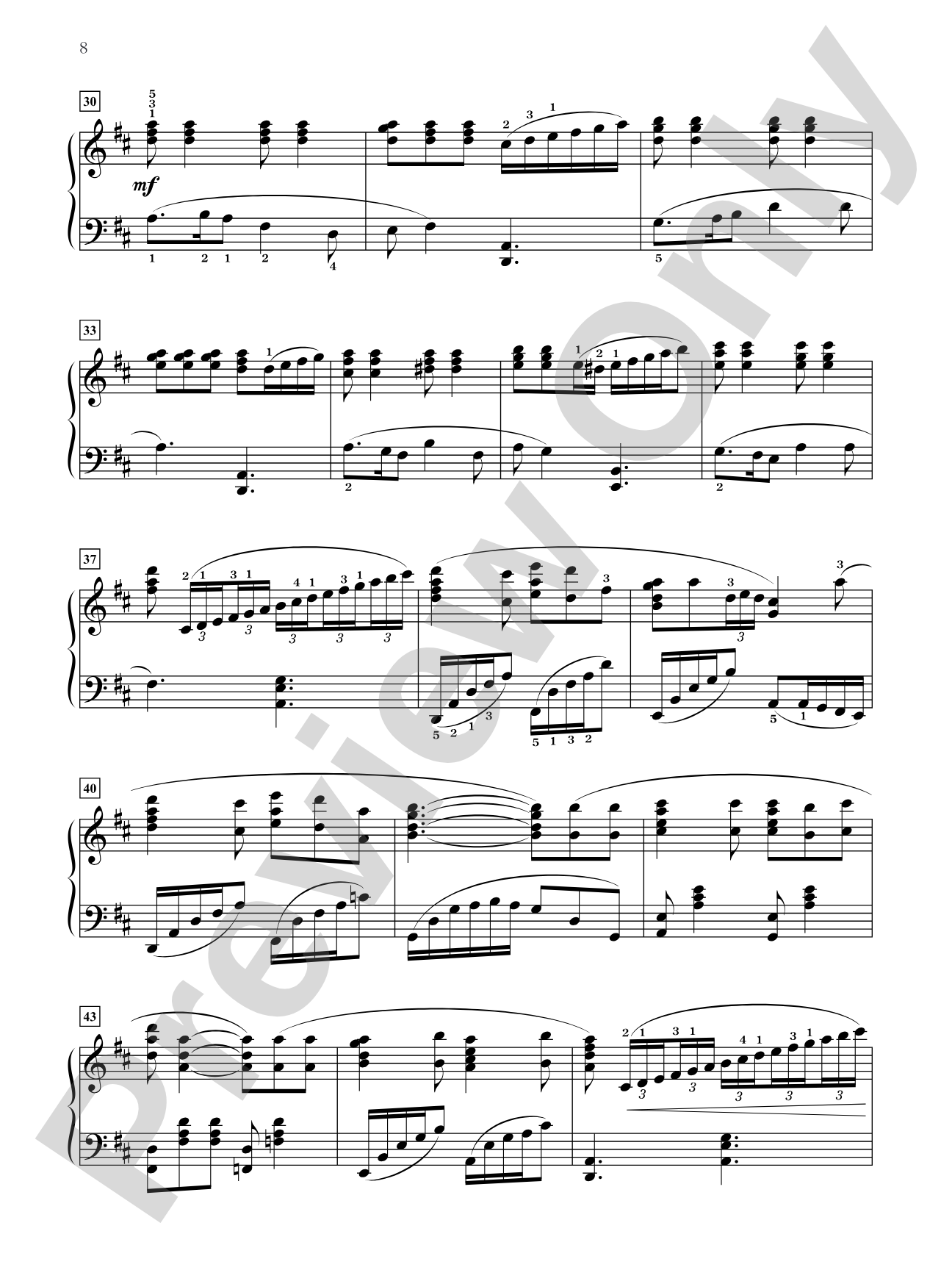

A Call to Peace: 10 Hymn Arrangements Based on the Theme of Peace: Piano
10 Hymn Arrangements Based on the Theme of Peace
Arranged by Melody Bober
Level: Late Intermediate / Early Advanced
Item: 00-PB-0000899
$12.99
Pickup currently not available
Related Items
A Call to Peace: Piano Book |
$12.99
|
View |
Description
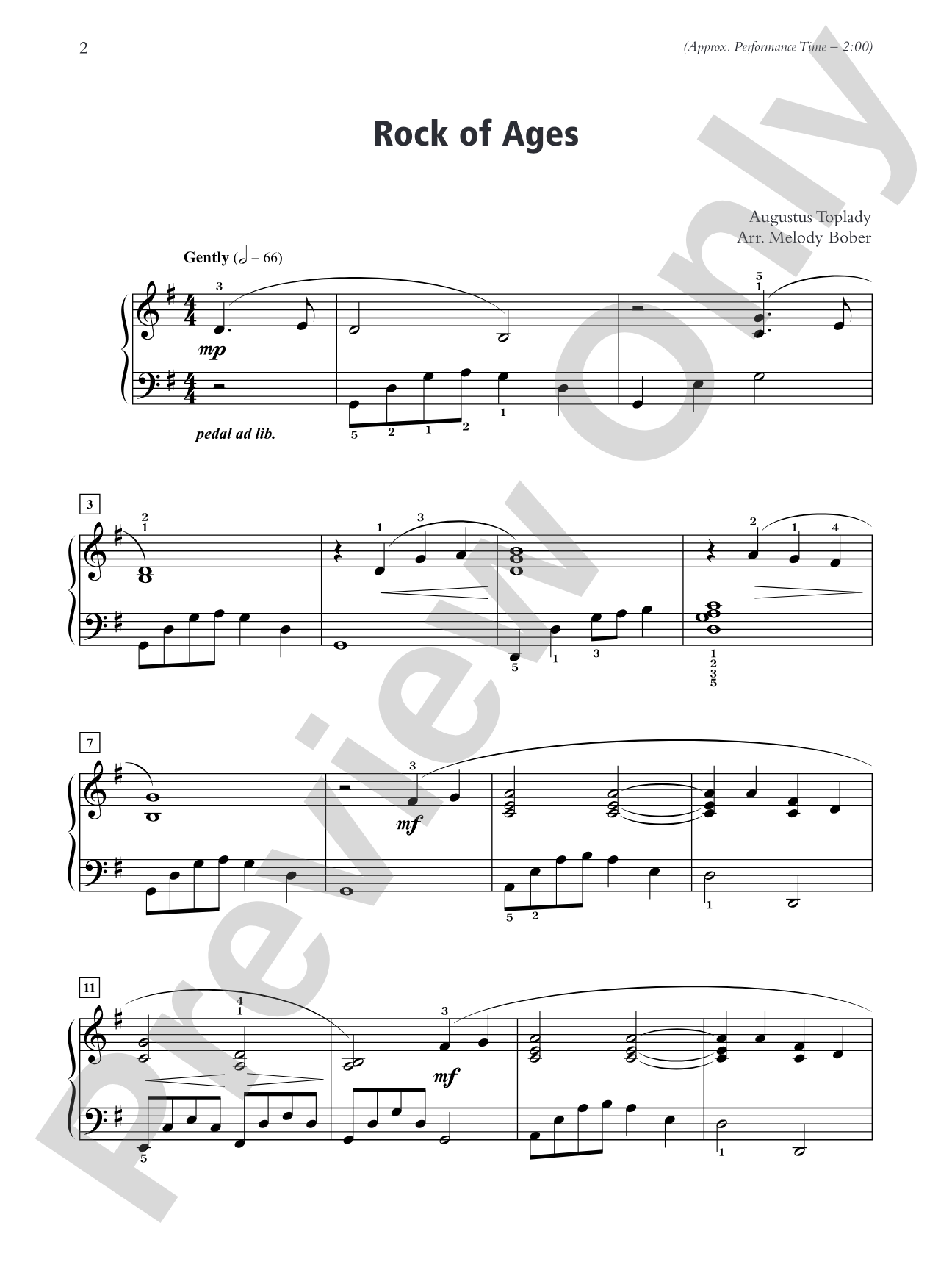
A Call to Peace contains 10 favorite hymns skillfully arranged for late intermediate to early advanced pianists by Melody Bober. These arrangements offer the comfort, care, and encouragement necessary for weathering the storms of life. Additionally, approximate performance times are included with each arrangement, making them easy to incorporate into church services. Titles: Blessed Quietness * Dwelling in Beulah Land * God Will Take Care of You * His Eye Is on the Sparrow * Leaning on the Everlasting Arms * Near to the Heart of God * O God, Our Help in Ages Past * Rock of Ages * A Shelter in the Time of Storm * There Is a Balm in Gilead. A Federation Festivals 2024-2028 selection.


A Call to Peace: 10 Hymn Arrangements Based on the Theme of Peace: Piano isn't in MakeMusic Cloud just yet...but it could be. Let us know you'd like to see it, and you'll help shape what comes next. In the meantime, start a free trial and dive into thousands of interactive titles your students can play along with today.
Request This Title
Tell us you want it.
Start Your Free Trial
Explore everything that's ready to play right now.
Sample Audio
No sample audio found.
Sample Video
No sample videos found.
Additional Details
Series:
Sacred Performer Collections
Publisher:
Alfred Music
Page Count:
36
SKU:
00-PB-0000899
More about this title
About the Arranger: Melody Bober
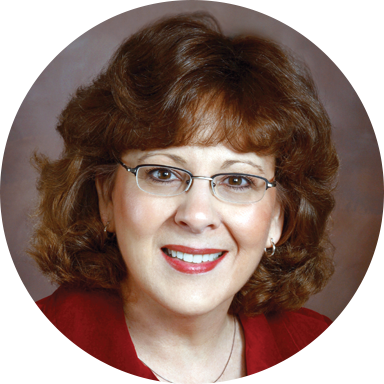
Melody Bober holds degrees in music education from the University of Illinois at Champaign-Urbana and in piano performance from Minnesota State University, Moorhead. Her teaching journey spans public school classrooms, university instruction, and two decades of private studio work, alongside her active role as a church pianist and former music director.
Bober's reputation as both clinician and composer has made her a sought-after presenter at piano teacher conventions and workshops throughout North America. She attributes her musical foundation to study with prominent teachers including Joel Shapiro and Andrew Froelich on piano, Mary Hoffman in music education, and Tony Caramia in jazz. Her compositions consistently prioritize student engagement and musical understanding, reflecting her deep commitment to music education.
Why we love this
Bober's arranging voice honors the hymn melodies while creating pianistically engaging middle voices and accompaniment patterns that sustain interest without overwhelming the late intermediate player. The inclusion of performance times removes the guesswork from church programming, and the collection's thematic coherence around peace makes it ideal for specific liturgical seasons or memorial services. Each arrangement sits comfortably under the hands while maintaining the emotional weight these hymns deserve.
What to expect
These arrangements wrap familiar hymn texts in rich harmonies and thoughtful voicing that invite contemplation. Each piece offers quiet strength rather than drama, creating space for reflection and offering musical comfort that honors both the tradition and the pianist's emotional investment in the music.
Who it's for
This collection suits pianists who have moved beyond early intermediate studies and are ready for hymn arrangements with genuine harmonic depth and contrapuntal writing. Church musicians, piano students preparing for recitals or festivals, and teachers seeking sacred repertoire for upper-intermediate students will find these arrangements particularly valuable.
How to get the most out of it
- Balance the melody against inner voices by listening for contrapuntal movement rather than treating all notes equally; let supporting voices emerge naturally without forcing dynamic contrast.
- Allow the pedal to sustain harmonic color, but change it cleanly at phrase boundaries to prevent muddiness in these richly voiced arrangements.
- Shape phrases around the text and emotional arc of each hymn, even though you're playing without a congregation; pacing and breathing matter as much in solo performance.
How to use it
Include these in church services as prelude or postlude music, drawing from individual titles as the liturgy or occasion demands. A piano recital might feature three to five selections from the collection as a thematic program section, or use individual arrangements as set pieces for music theory students to study voice leading and harmonic function.
Skills your students will build
- Reading and balancing multiple melodic lines within a single staff system
- Sustaining harmonic color through informed pedal changes
- Interpreting hymn texts musically to shape phrasing and tempo flexibility
- Playing block chord voicings with independence between hands
- Managing dense harmonic textures at moderate tempos without rushing