
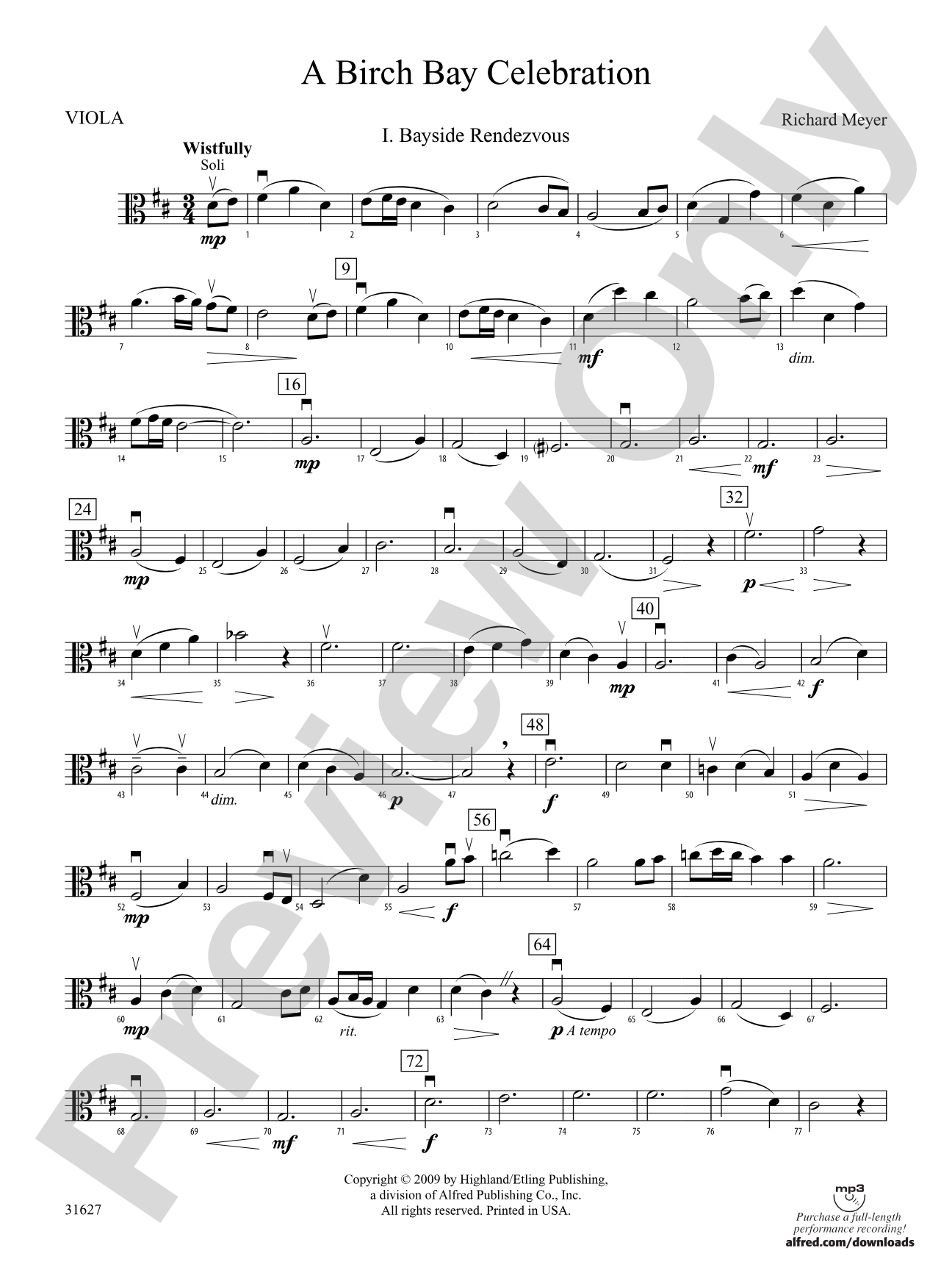

A Birch Bay Celebration: Viola
By Richard Meyer
Grade: 3.5
Item: 00-PC-0001786_VA1
$5.99
Pickup currently not available
Description
Join the celebration of the 50th anniversary of the annual string teachers' workshop in Birch Bay, Washington with this two-movement commemoration. The piece develops musical style and provides a great challenge! First presenting a tender and wistful folksong, and then moving to a rousing, virtuosic, "fiddle-tune meets ragtime" feel, this energetic romp is a non-stop workout that your students will love to play, practice and perform! This title is available in MakeMusic Cloud.


Don't just read it, hear it, play along with it, and watch your students grow with it. In MakeMusic Cloud, A Birch Bay Celebration: Viola comes alive with professional accompaniment, adjustable tempo, and built-in practice tools that turn solo practice into real progress.
Open in the Player
Jump straight in and assign it today.
Start Your Free Trial
Open this title and explore the full library in minutes.
Sample Audio
1
Audio File
--:--
0:00
0:00
Sample Video
No sample videos found.
Additional Details
Series:
Highland/Etling String Orchestra
Publisher:
Alfred Music
Page Count:
124
SKU:
00-PC-0001786_VA1
More about this title
About the Composer: Richard Meyer
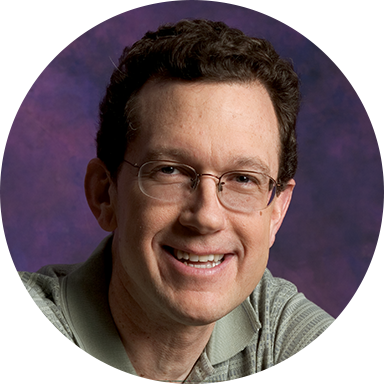
Richard Meyer brings nearly four decades of string teaching experience to his compositions, having built one of California's largest school orchestra programs from the ground up. At Oak Avenue Intermediate School in Temple City, he grew the string population from 29 students to 200 while simultaneously directing the district's elementary string initiative. His work extends far beyond the classroom; he founded the "Giving Bach" program, which uses interactive concerts to reach special needs and underserved students across Southern California, earning national recognition for its innovative approach.
As a conductor, Meyer has led the Pasadena Youth Symphony Orchestra for 16 years and guest-conducted All-State ensembles across multiple states, while also appearing at major conferences including the A.S.T.A. National Conference and regional orchestra directors' associations. His publishing credits span over 190 compositions and arrangements, and he served as string editor for Alfred Publishing Company for 16 years. Meyer is also a co-author of widely-used string method materials, including the String Explorer Series and Sight-read It for Strings.
Why we love this
Meyer captures the dual character of this occasion brilliantly. The first movement's reflective folksong gives your ensemble room to build warm, singing tone and phrasing, while the second movement's fiddle-tune energy transforms practicing into pure fun. This is the kind of piece that reminds students why they love playing together.
What to expect
The piece opens with quiet introspection, inviting players into a tender folksong melody that lingers with wistful longing. Then it pivots completely, unleashing kinetic energy that fuses fiddle tradition with ragtime swagger, creating an irresistible romp that builds joy with every measure.
Who it's for
String orchestras at the intermediate level seeking a two-movement work that challenges technique while remaining deeply rewarding to perform. This piece works equally well for groups preparing for festival competition or planning a celebratory concert, and it gives developing musicians a genuine sense of accomplishment.
How to get the most out of it
- Balance the ensemble's voice in the opening folksong by having first violins support the melody gently rather than dominating; let the inner voices and lower strings create harmonic depth.
- Establish a steady rhythmic foundation in the ragtime-influenced section by locking the cellos and basses early in rehearsals, then layer the faster violin passages on top.
- Build dynamics gradually through the second movement's repeated figures; avoid jumping to full volume too early, so you have room to intensify toward the finale.
- Mark individual bowings clearly in the fiddle passages, especially for quick string crossings, and drill them slowly before attempting tempo.
How to use it
Pair this as the centerpiece of a concert exploring American musical traditions, letting the folksong and fiddle elements speak to different chapters of string music in this country. It also functions as an excellent festival selection at the 3.5 grade level, offering judges something technically engaging and genuinely entertaining. The two-movement arc makes it substantial enough to anchor a program without overwhelming younger ensembles.
Skills your students will build
- Sustained singing tone and long-phrase phrasing in the ballad movement
- Rhythmic precision in syncopated and ragtime-influenced passages
- Quick string crossing and agility in fiddle-style fast passagework
- Dynamic control and gradual intensity building across both movements
- Ensemble balance between melody, harmony, and bass foundation
- Intonation stability across multiple key areas and extended passages