
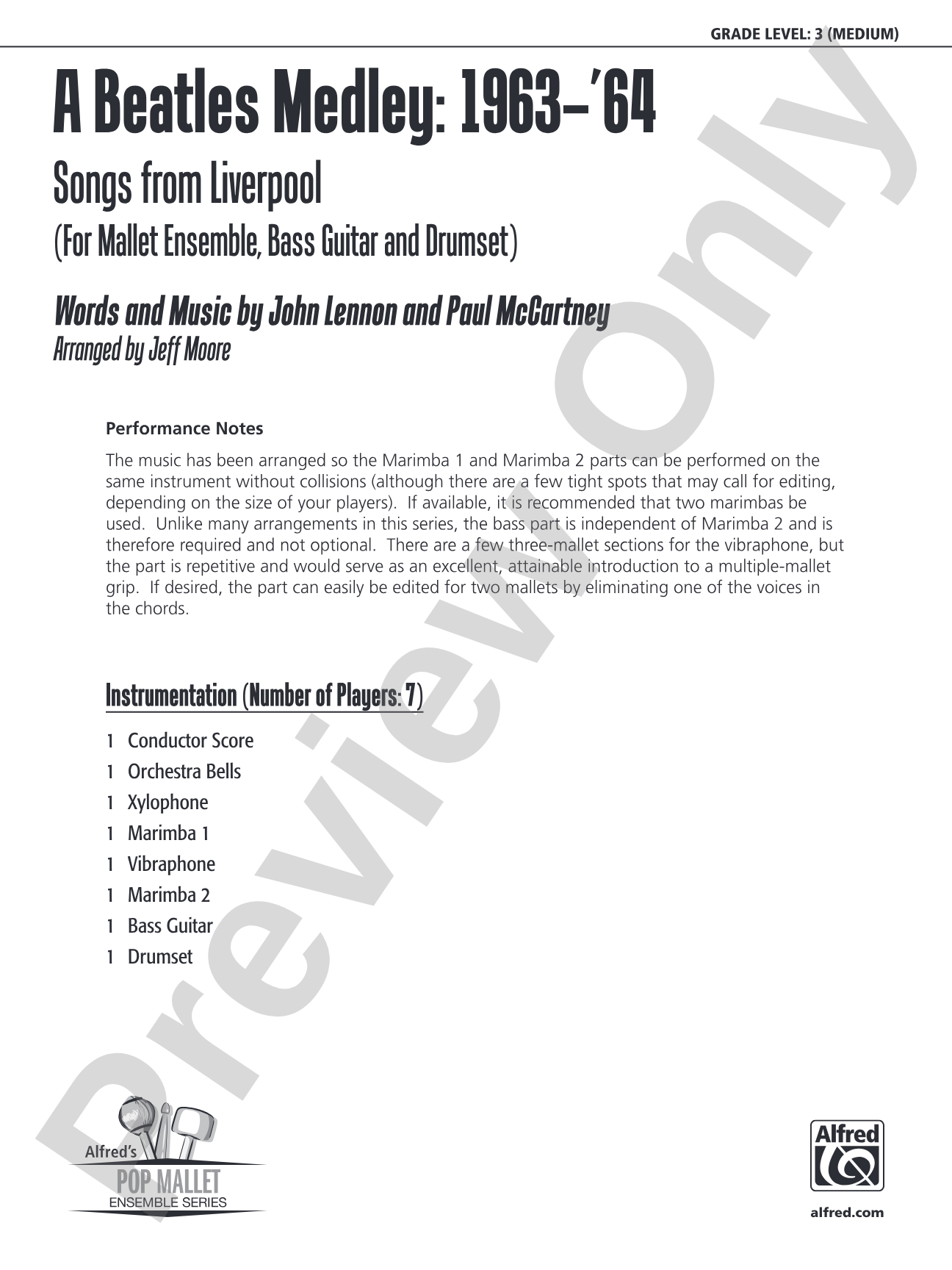
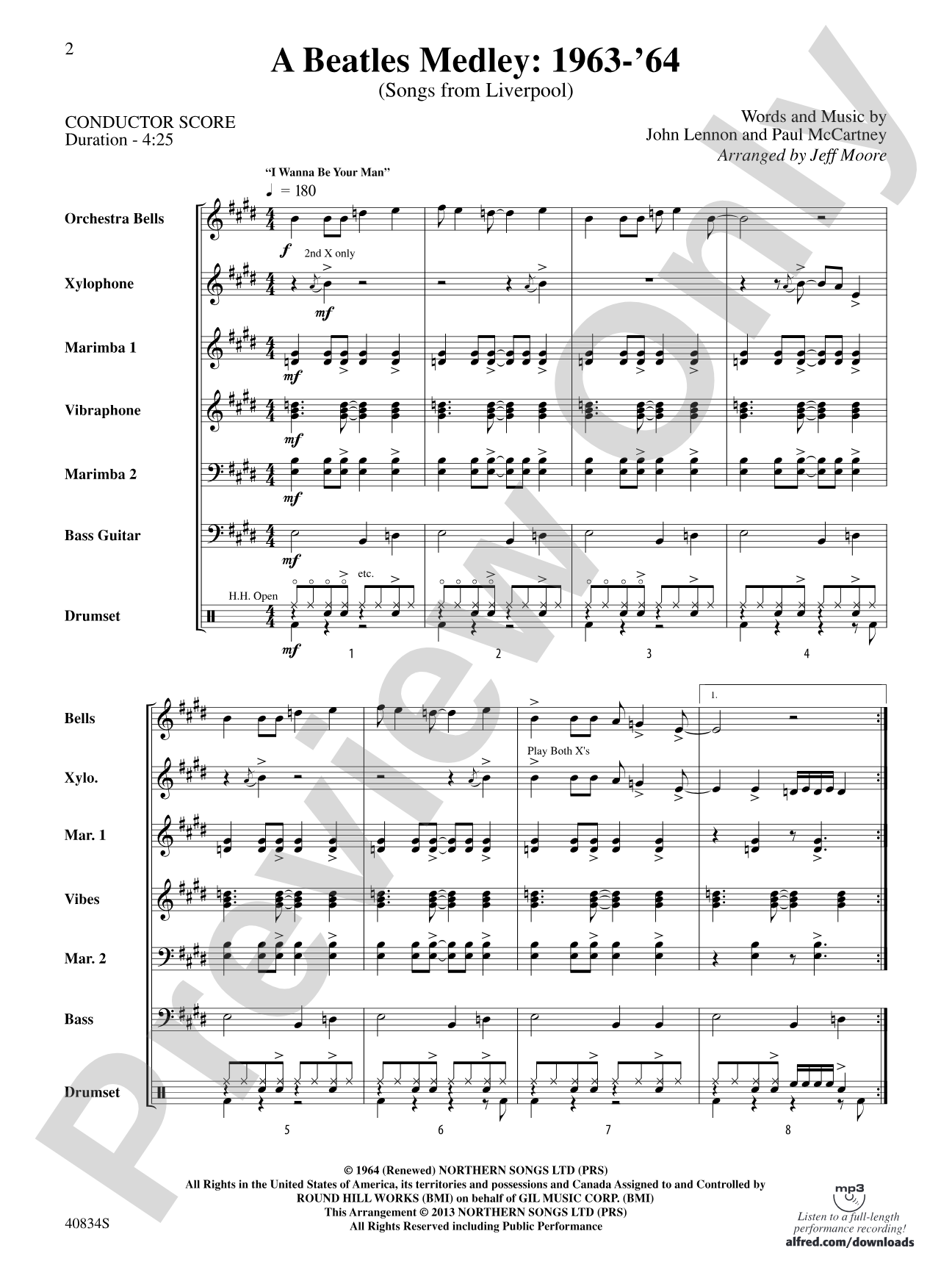
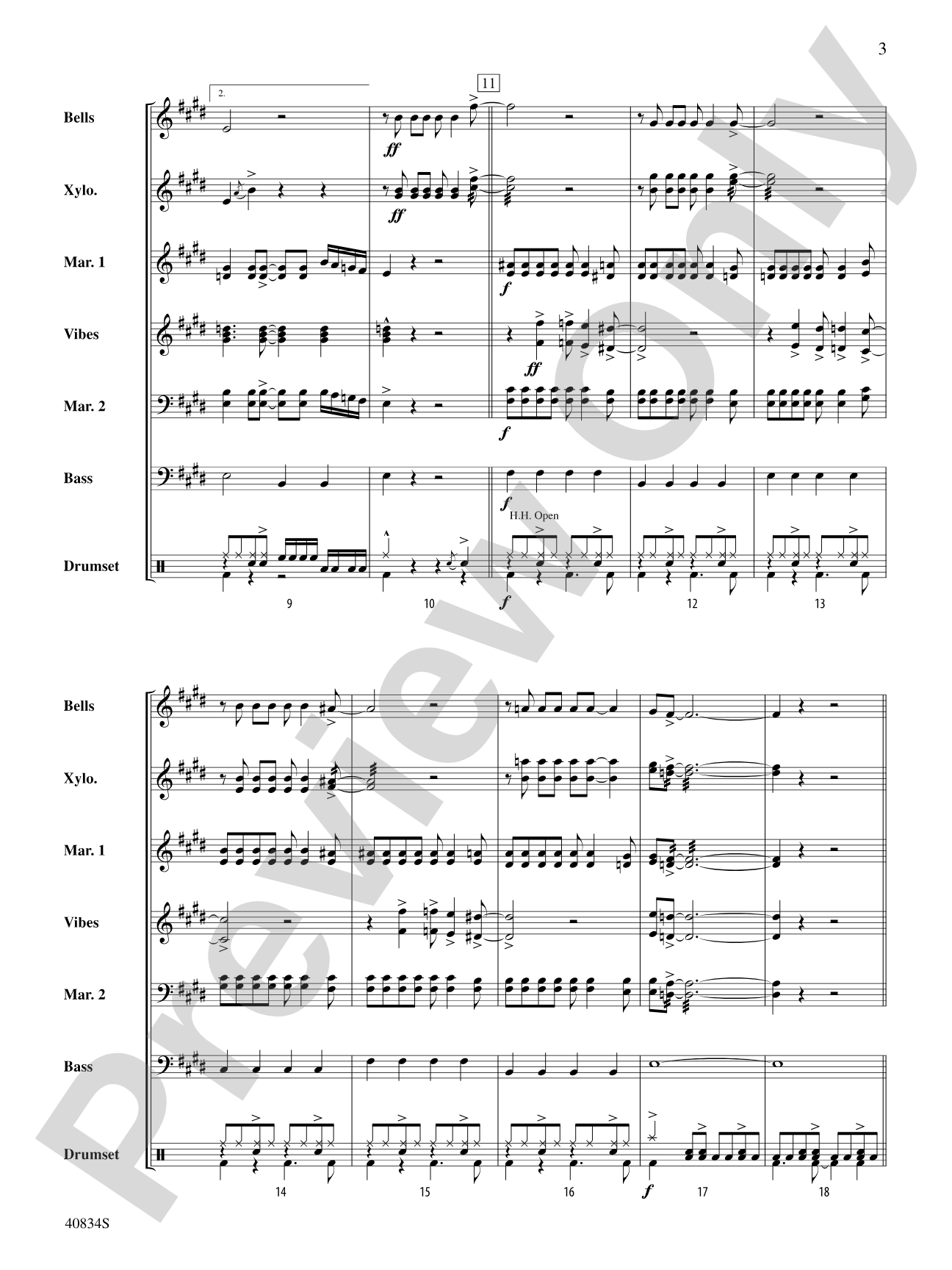
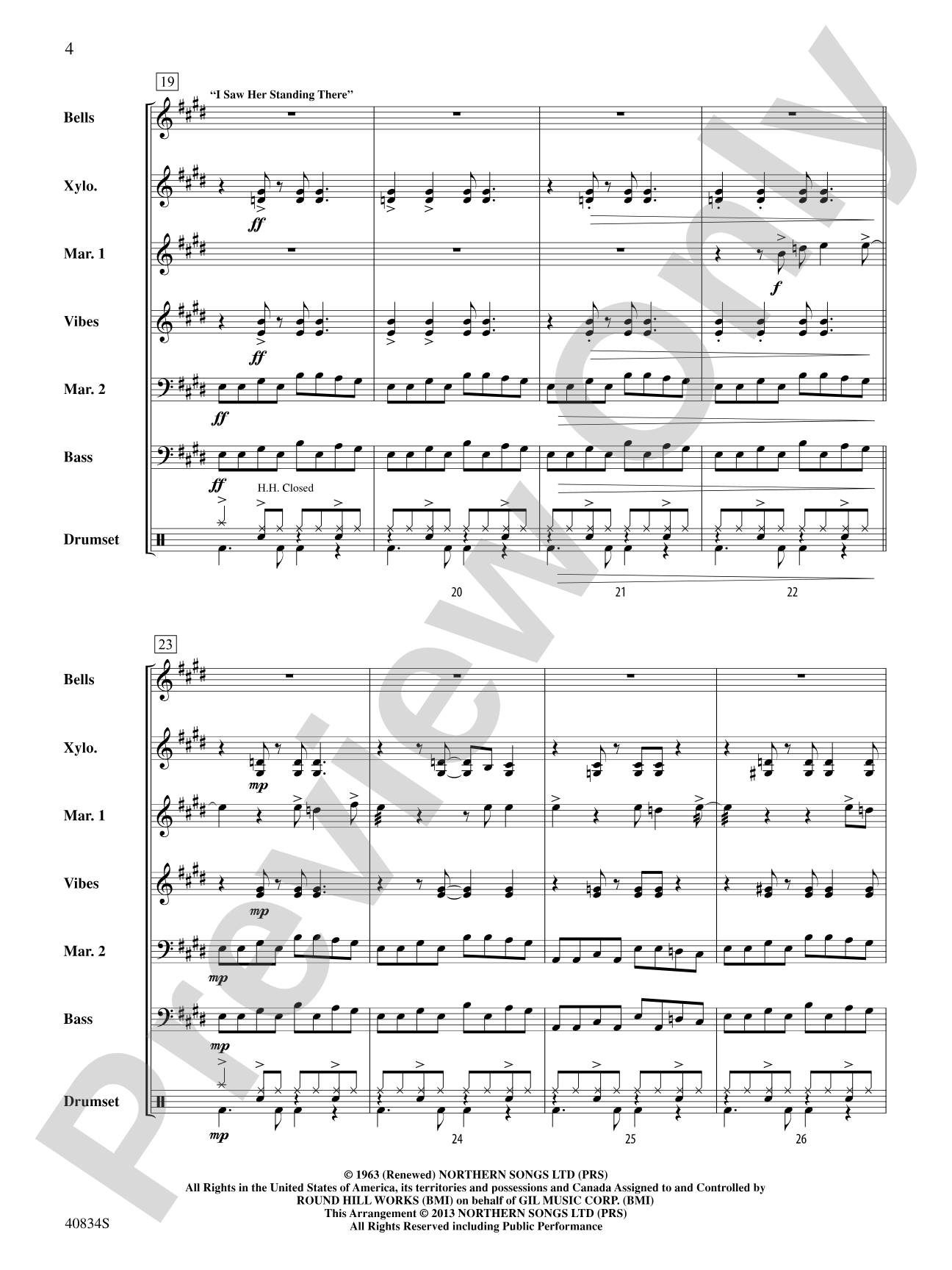
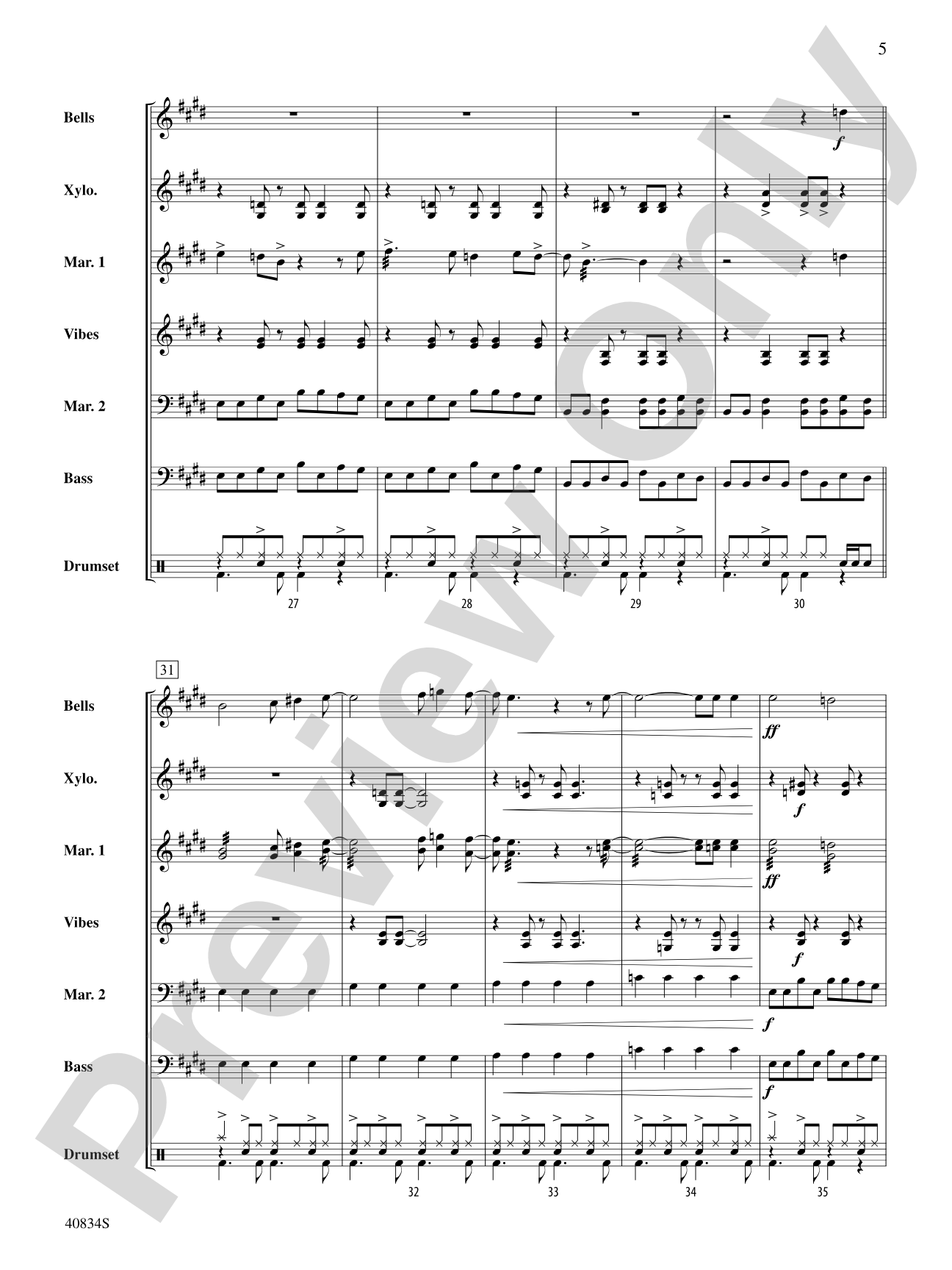
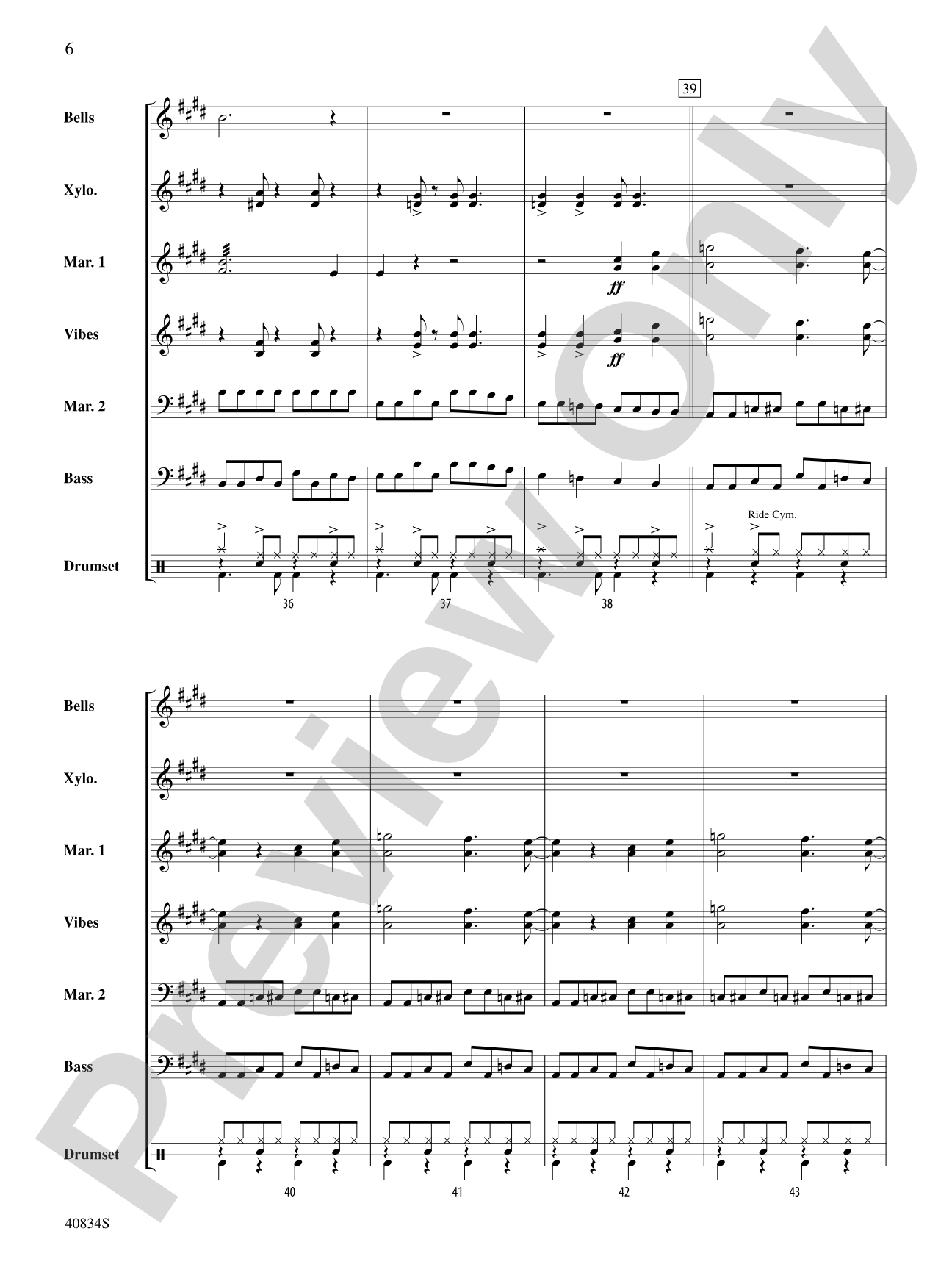
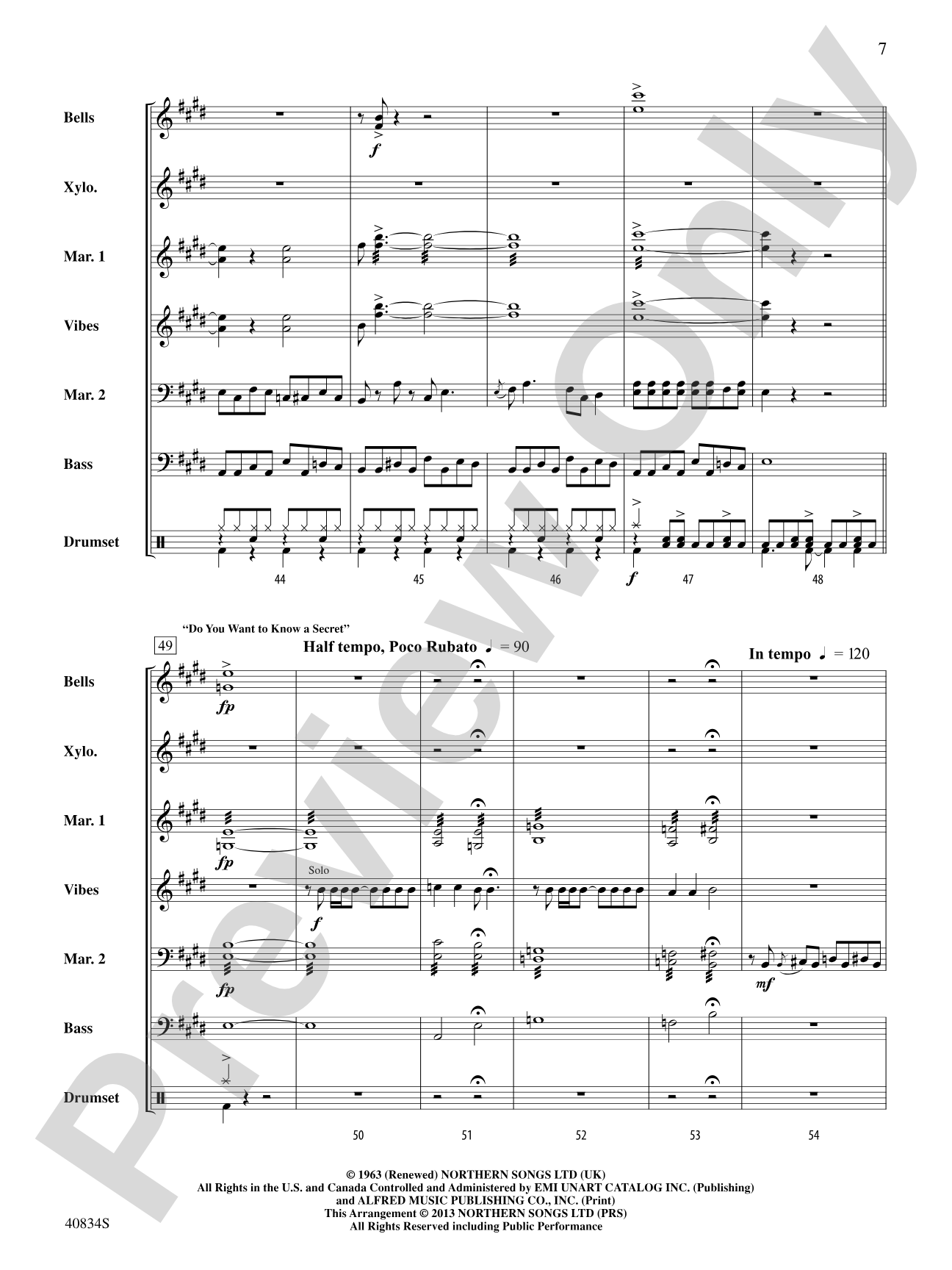
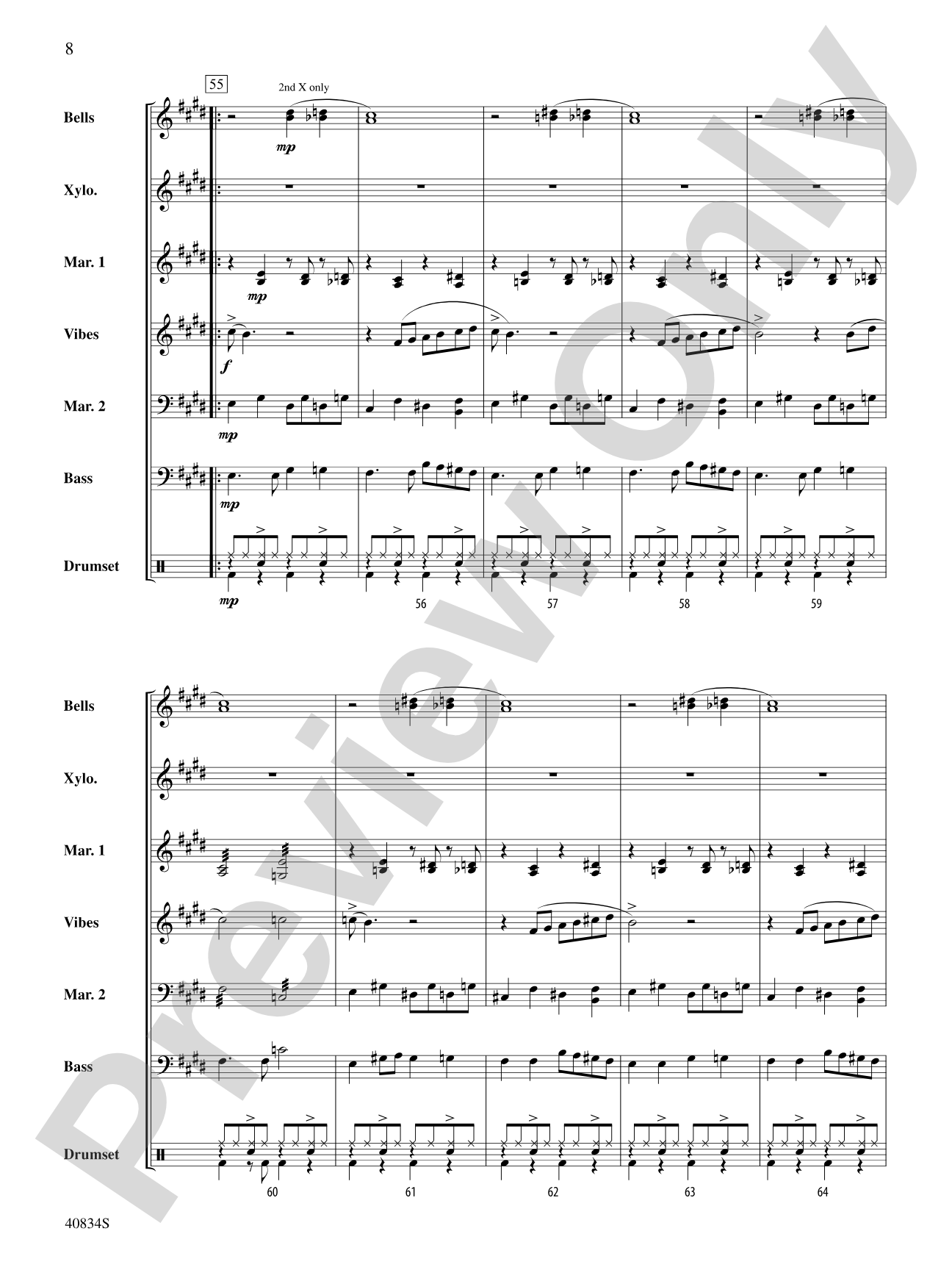
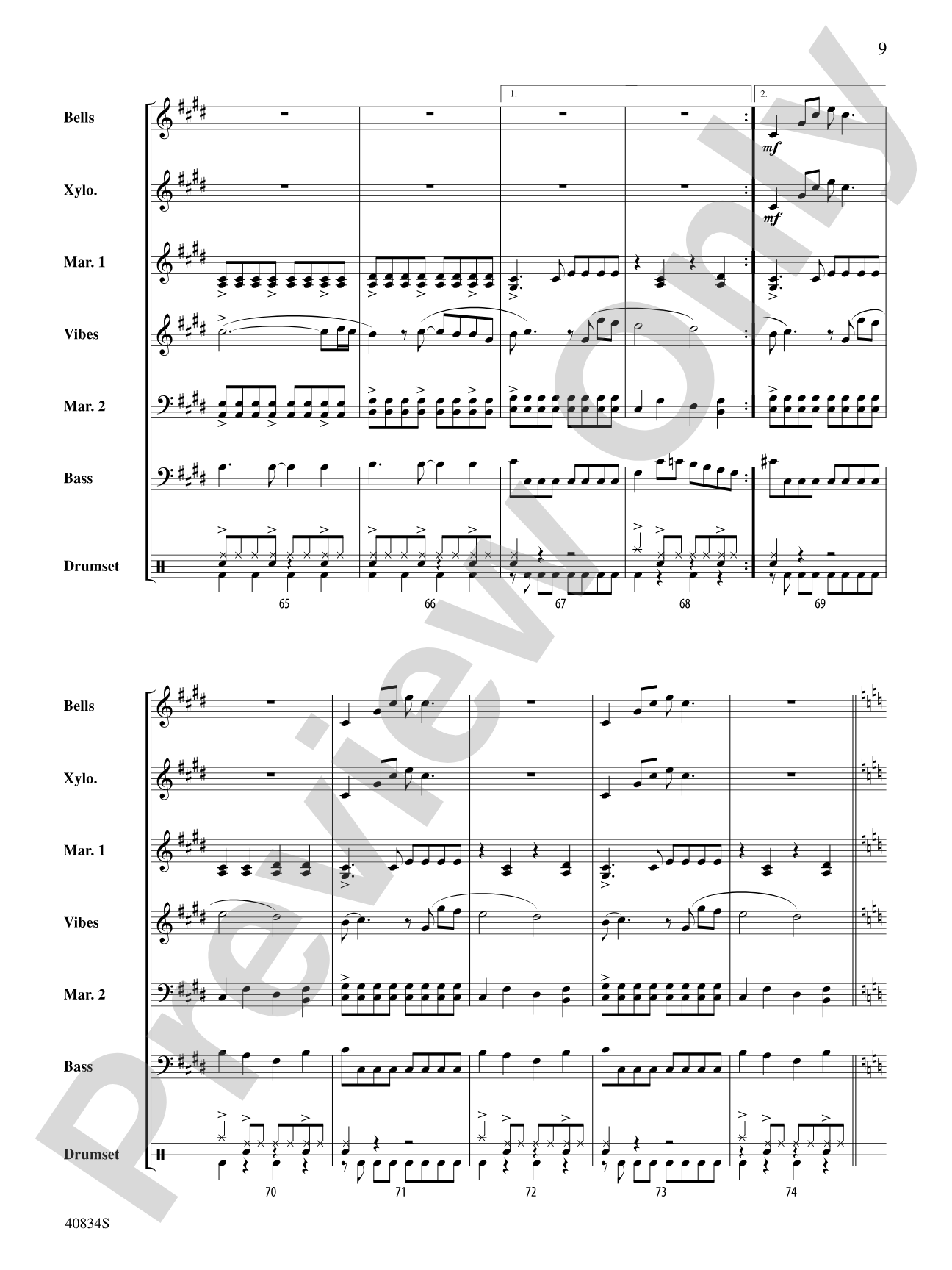
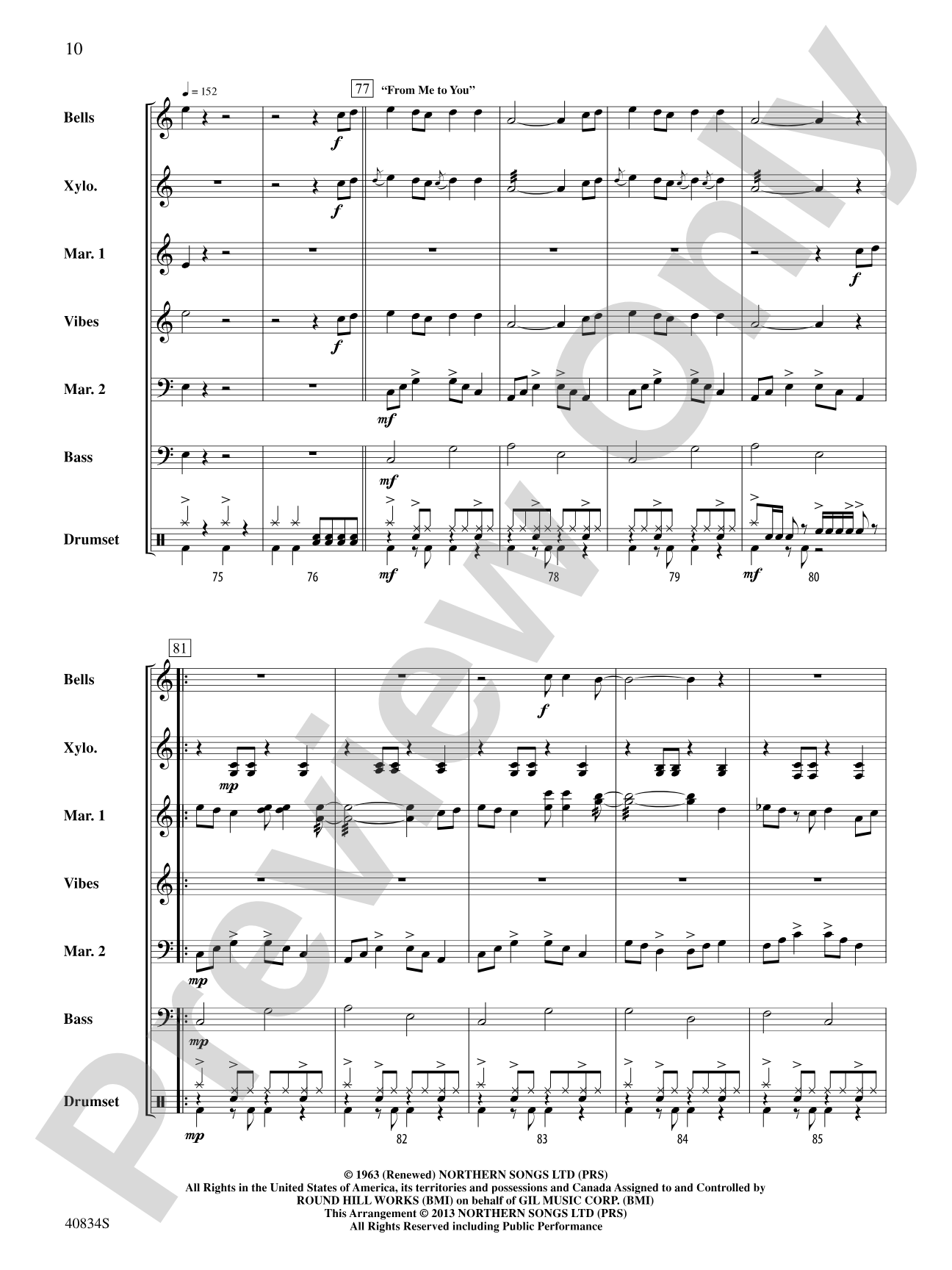
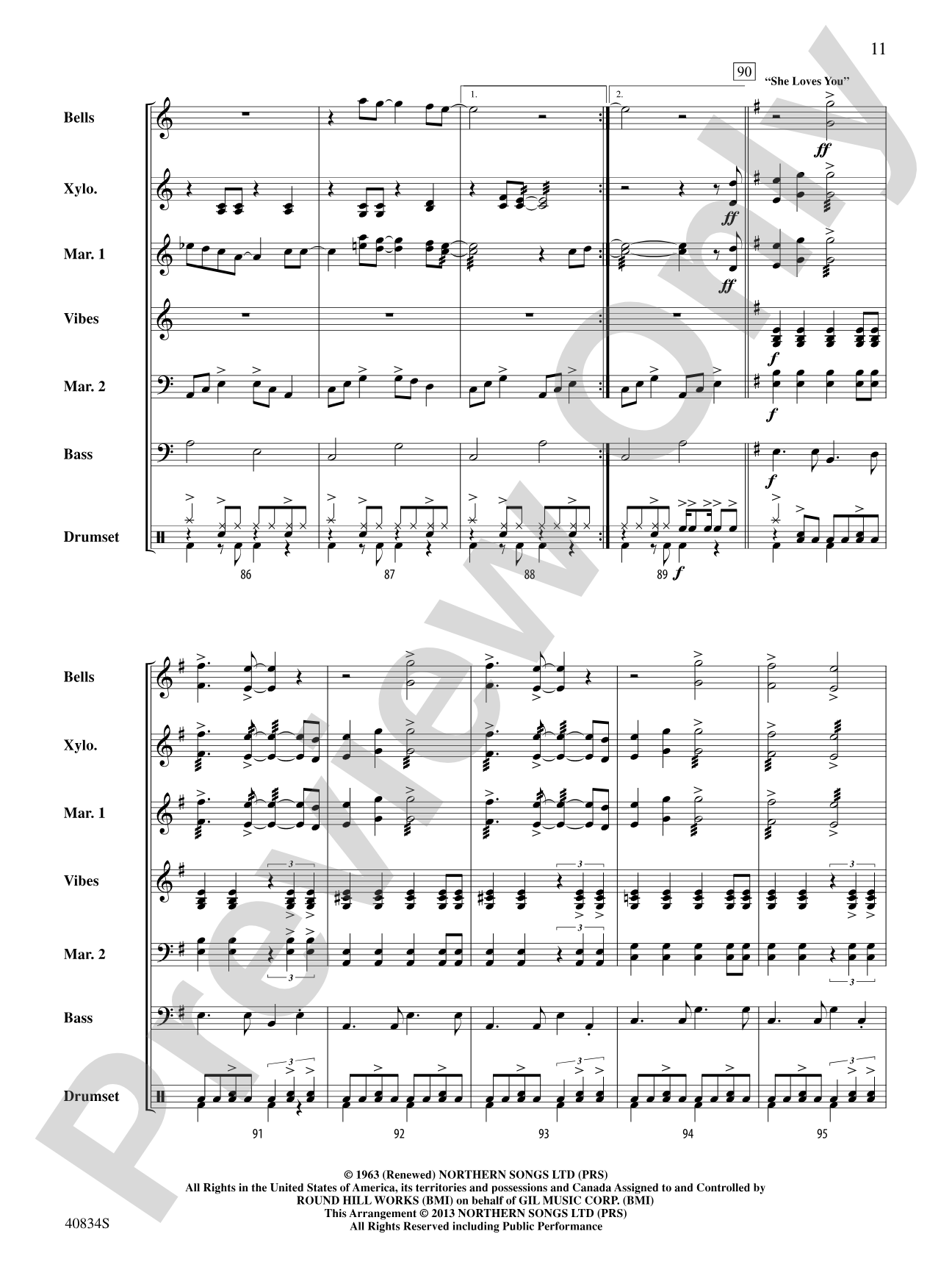
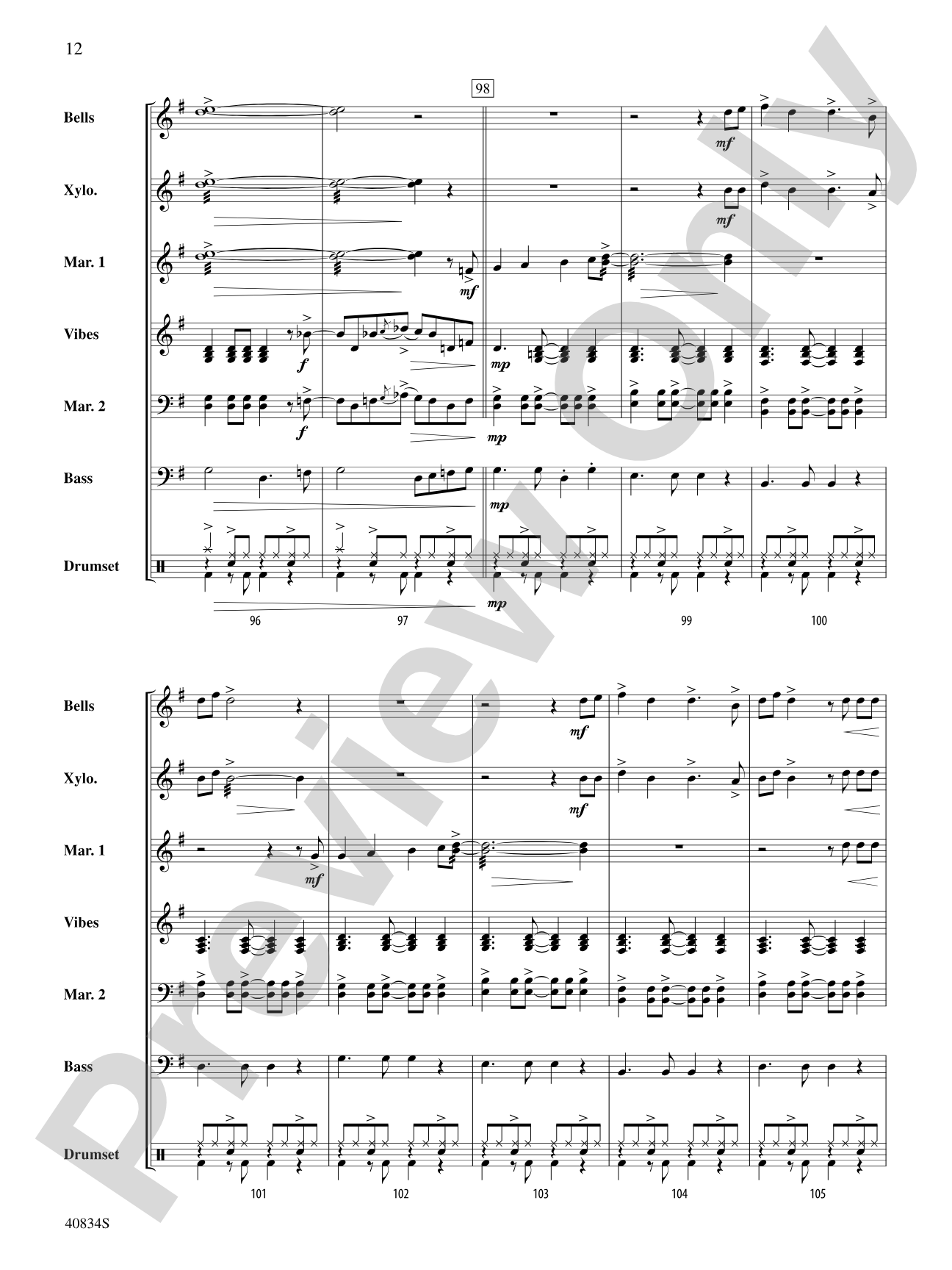


A Beatles Medley: 1963–'64: Percussion Ensemble Conductor Score & Parts
Songs from Liverpool (For 7 Players)
Words and music by John Lennon and Paul McCartney [The Beatles] / arr. Jeff Moore
Grade: 3 (Medium)
Item: 00-PK-0005789

$18.99
One moment…
Related Items
A Beatles Medley: 1963--'64: Percussion Ensemble Conductor Score & Parts |
$18.99
|
View |
Description
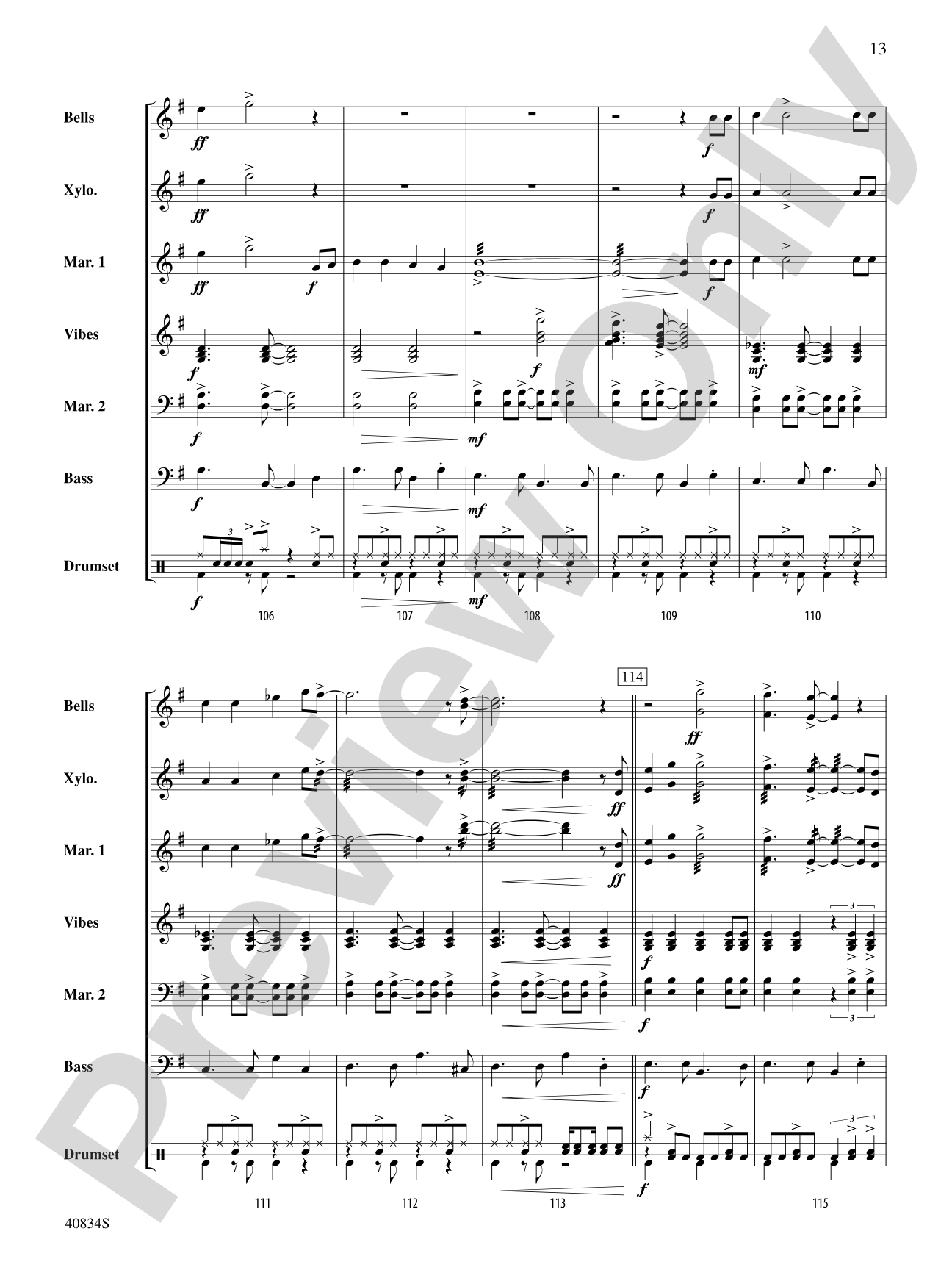
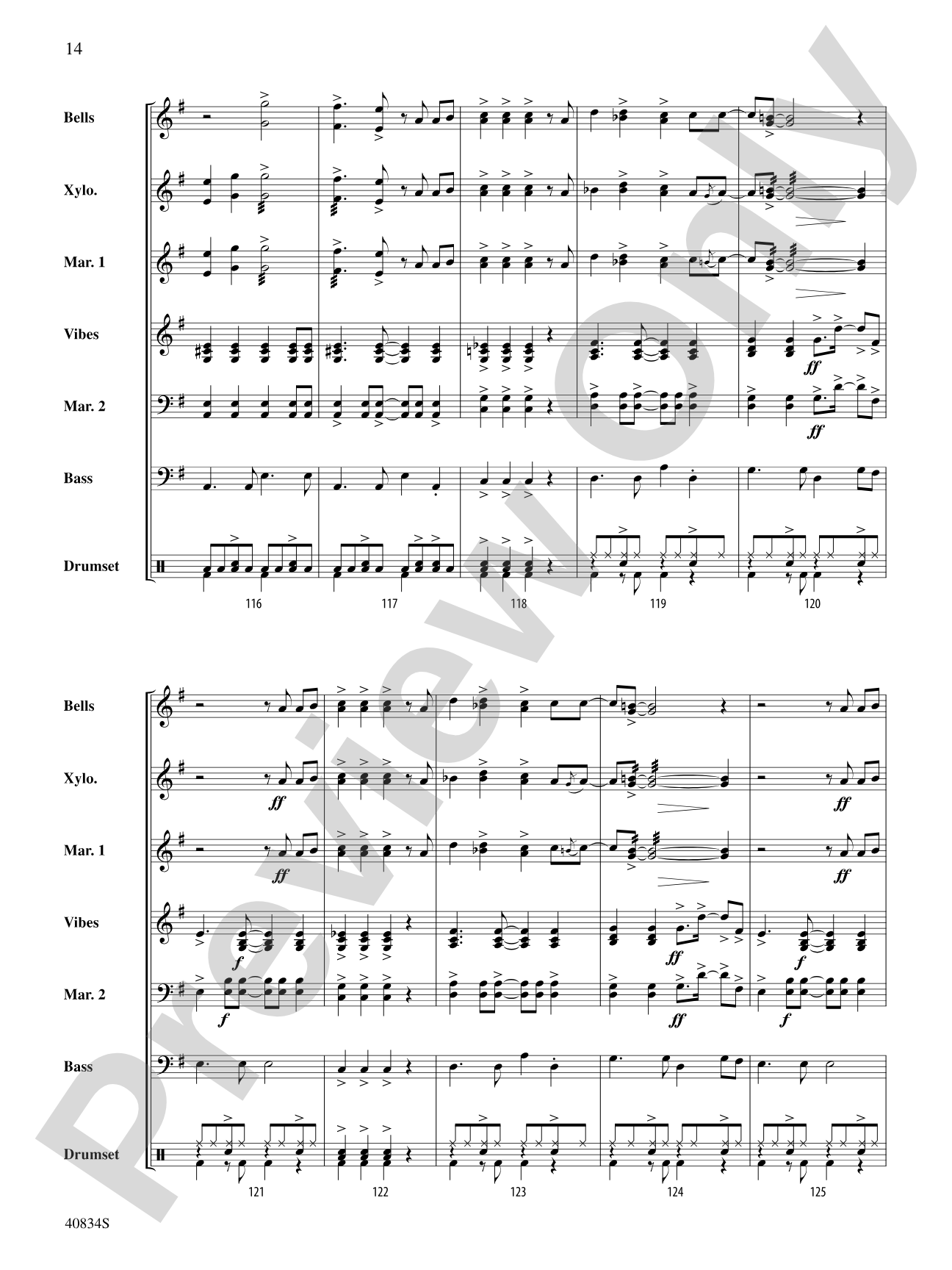
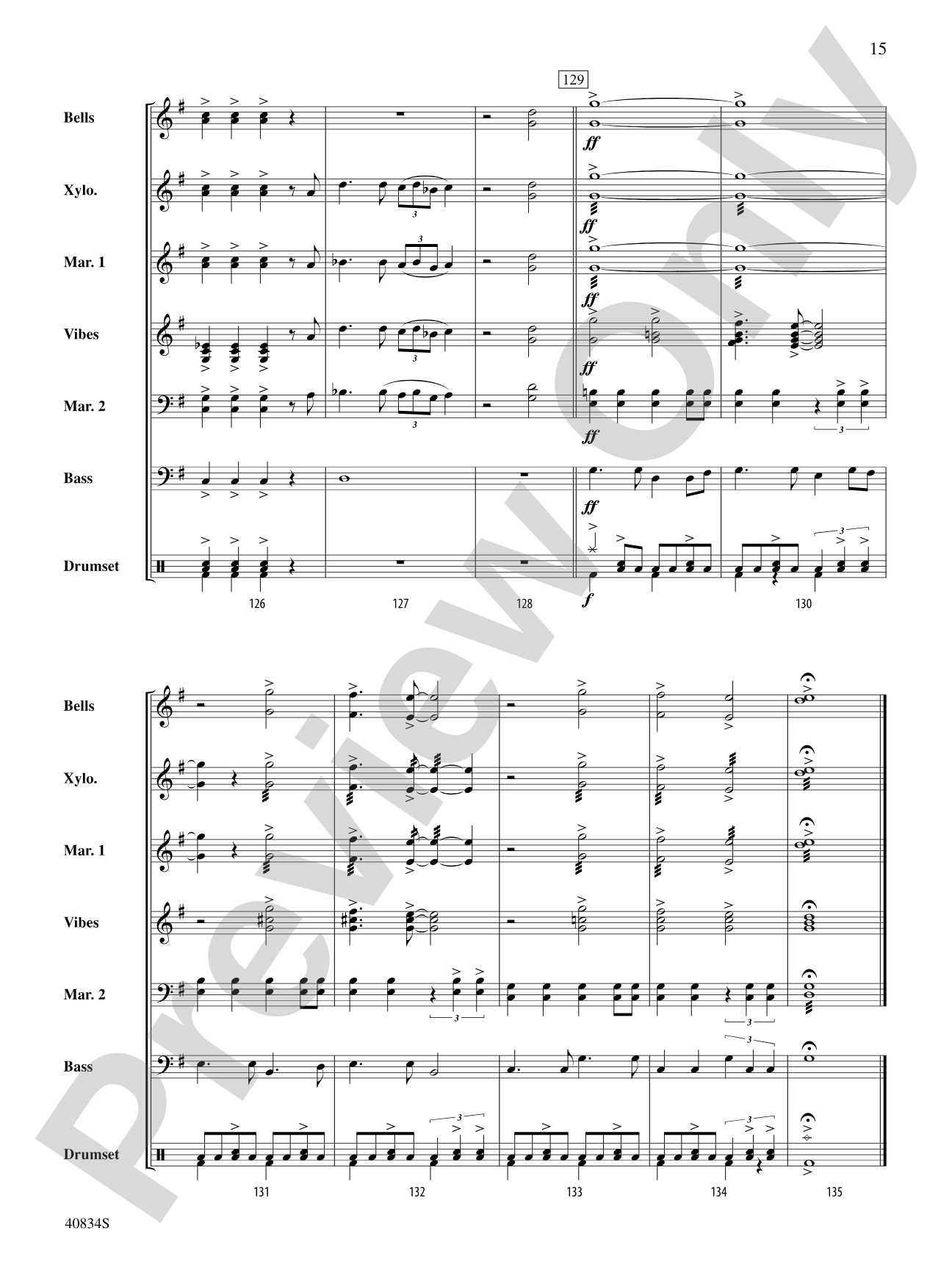
This medley is a tribute to the early years of the Beatles. The songs selected featured each of the "Fab Four" on lead vocals along with Ringo Starr and Paul McCartney's signature early grooves. The ensemble parts have been arranged to capture the essence of these iconic songs and to provide the drummer with a realistic setting to perform these classic drum parts. This music helped launch the most popular rock band of all time and now you can perform them with your percussion ensemble! Instrumentation: orchestra bells, xylophone, marimba 1, vibraphone, marimba 2, bass guitar, drumset.


Don't just read it, hear it, play along with it, and watch your students grow with it. In MakeMusic Cloud, A Beatles Medley: 1963–'64: Percussion Ensemble Conductor Score & Parts comes alive with professional accompaniment, adjustable tempo, and built-in practice tools that turn solo practice into real progress.
Open in the Player
Jump straight in and assign it today.
Start Your Free Trial
Open this title and explore the full library in minutes.
Sample Audio
No sample audio found.
Sample Video
No sample videos found.
Additional Details
Series:
Alfred's Pop Mallet Ensemble Series
Publisher:
Alfred Music
Page Count:
28
SKU:
00-PK-0005789
More about this title
About the Composer: John Lennon
John Lennon (1940–1980) was a founding member of The Beatles and one of the most influential songwriters of the 20th century. His partnership with Paul McCartney produced some of rock's most enduring melodies and harmonies, establishing the template for modern popular songwriting. In the classroom and rehearsal room, Lennon's work remains a gateway to understanding how simple, singable phrases and clever rhythmic ideas can create music that resonates across generations and skill levels.
Paul McCartney, also a founding Beatle, brought melodic sophistication and rhythmic invention to the band's early catalog. His bass lines and drum arrangements defined the grooves that made Beatles recordings immediately recognizable, making his contributions essential study material for any ensemble learning to perform with precision and style.
Why we love this
This medley captures the raw energy and deceptively simple grooves that made the Beatles revolutionary, all while giving your percussion ensemble a genuine reason to master their parts. The arrangement respects both the iconic drum figures and the harmonic intelligence behind these songs, so students aren't just playing "rock stuff"—they're learning the actual voice-leading and rhythmic architecture that made 1963–'64 such a transformative moment in music. It's the kind of repertoire that makes rehearsal feel like something more than technique work.
What to expect
Infectious and purposeful. These early Beatles songs radiate confidence and simplicity, with melodies that stick in your head and grooves that make you want to move. The arrangement preserves that immediacy while giving your ensemble the harmonic and rhythmic texture to make these classics sound full and cohesive.
Who it's for
Percussion ensemble directors working at the intermediate level who want repertoire that engages students emotionally while building genuine musicianship. This medley works for ensembles with a solid grounding in mallet technique and rhythm section reading who are ready to tackle rock idioms with accuracy and style.
How to get the most out of it
- Lock the drumset to the bass guitar from the first rehearsal. These grooves depend on absolute rhythmic unity between the low end and the pulse, so isolate that section early and often.
- Balance the mallets carefully across the ensemble. Orchestra bells and xylophone can dominate quickly; make sure vibraphone and marimbas cut through without overwhelming.
- Study the original recordings. Your students don't need to imitate them, but hearing how Ringo Starr and the rhythm section sit in these arrangements will clarify phrasing and swing feel.
- Address dynamic control in the transition passages. Moving between songs cleanly requires confidence in soft playing and clean cutoffs, not just loud moments.
How to use it
Pair this with a concert exploring how rock and pop have shaped contemporary music education, or program it as a crowd-pleasing anchor in a spring concert that balances classical and contemporary repertoire. The 28-page score makes it substantial enough to anchor a full rehearsal cycle, and the recognition factor means audiences connect instantly.
Skills your students will build
- Locking rhythm section fundamentals (drumset, bass guitar, and mallet bass lines)
- Balancing mallet ensemble voicing across multiple keyboard percussion instruments
- Reading and performing rock/pop rhythmic figures with accuracy and style
- Transitioning smoothly between multiple songs within a medley structure
- Interpreting swing feel and groove sensibility in a contemporary context