
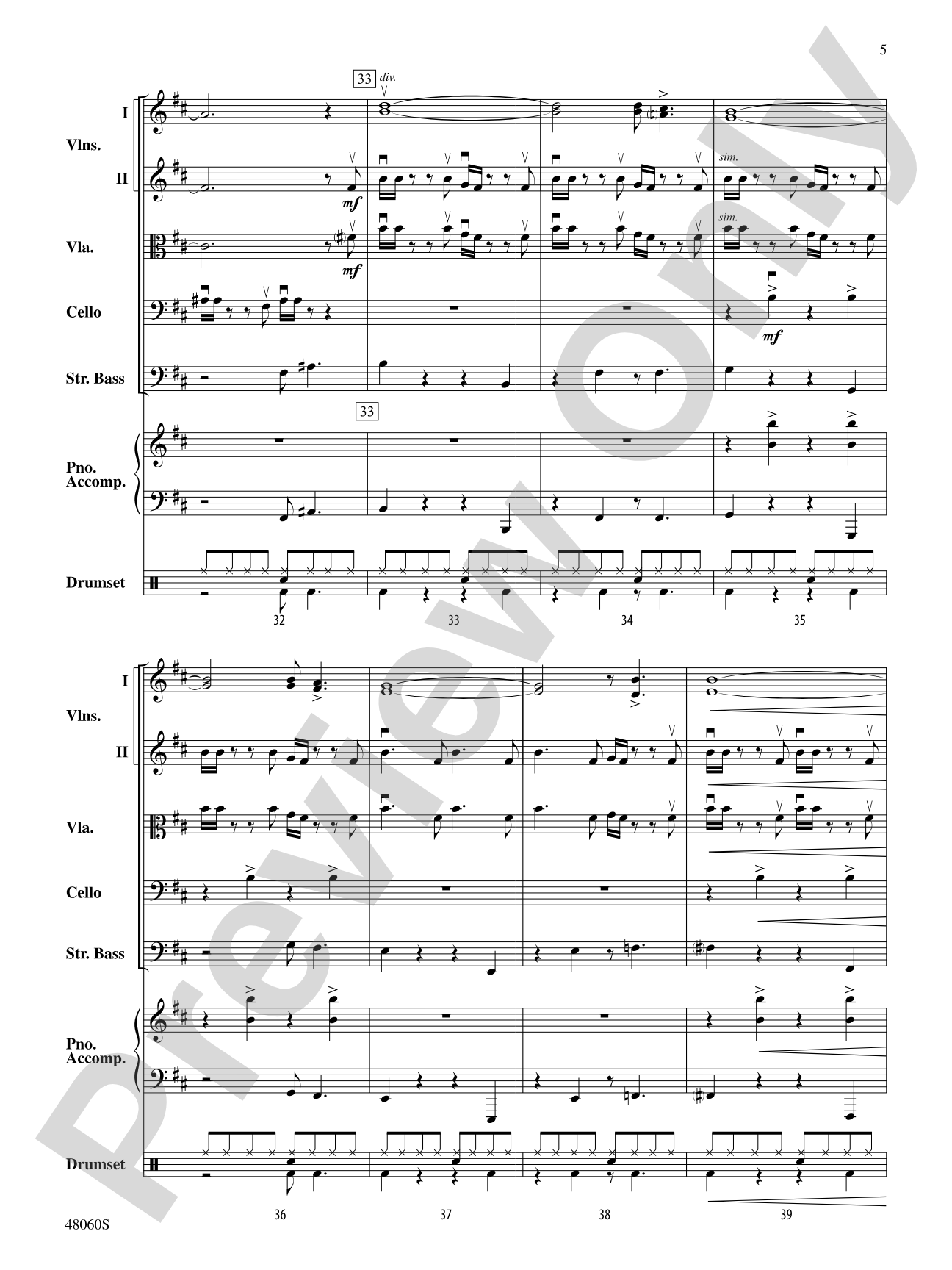
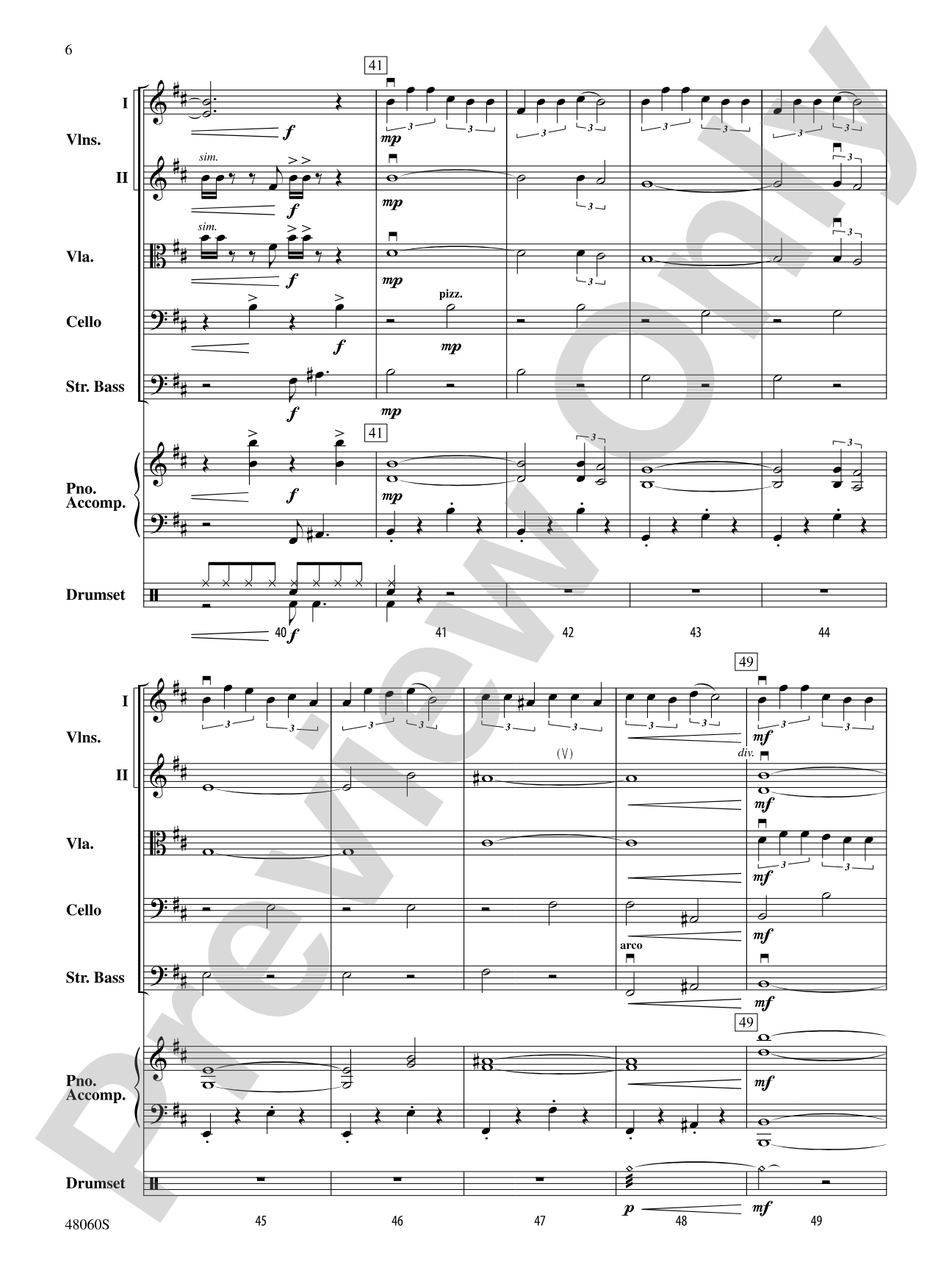
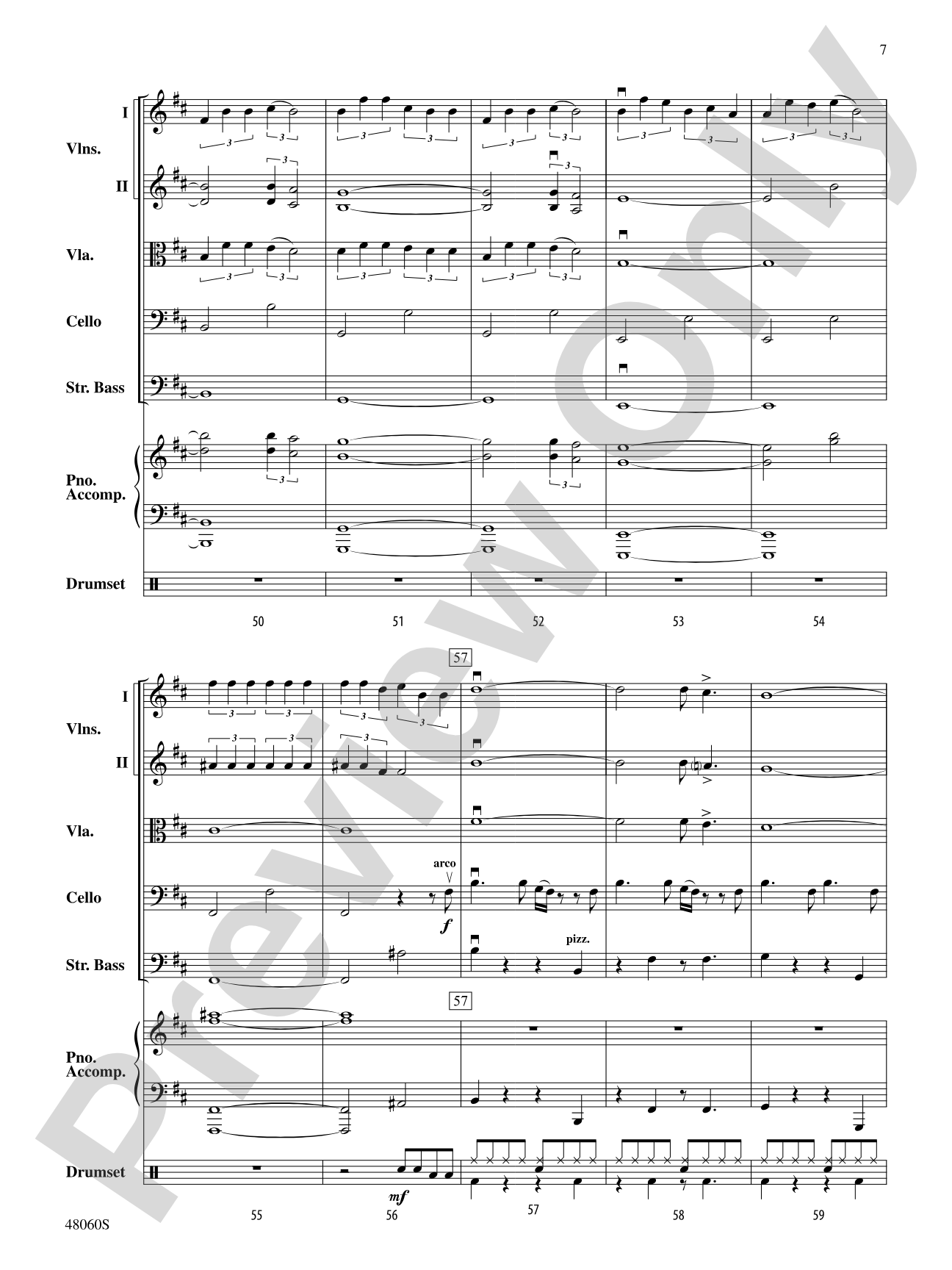
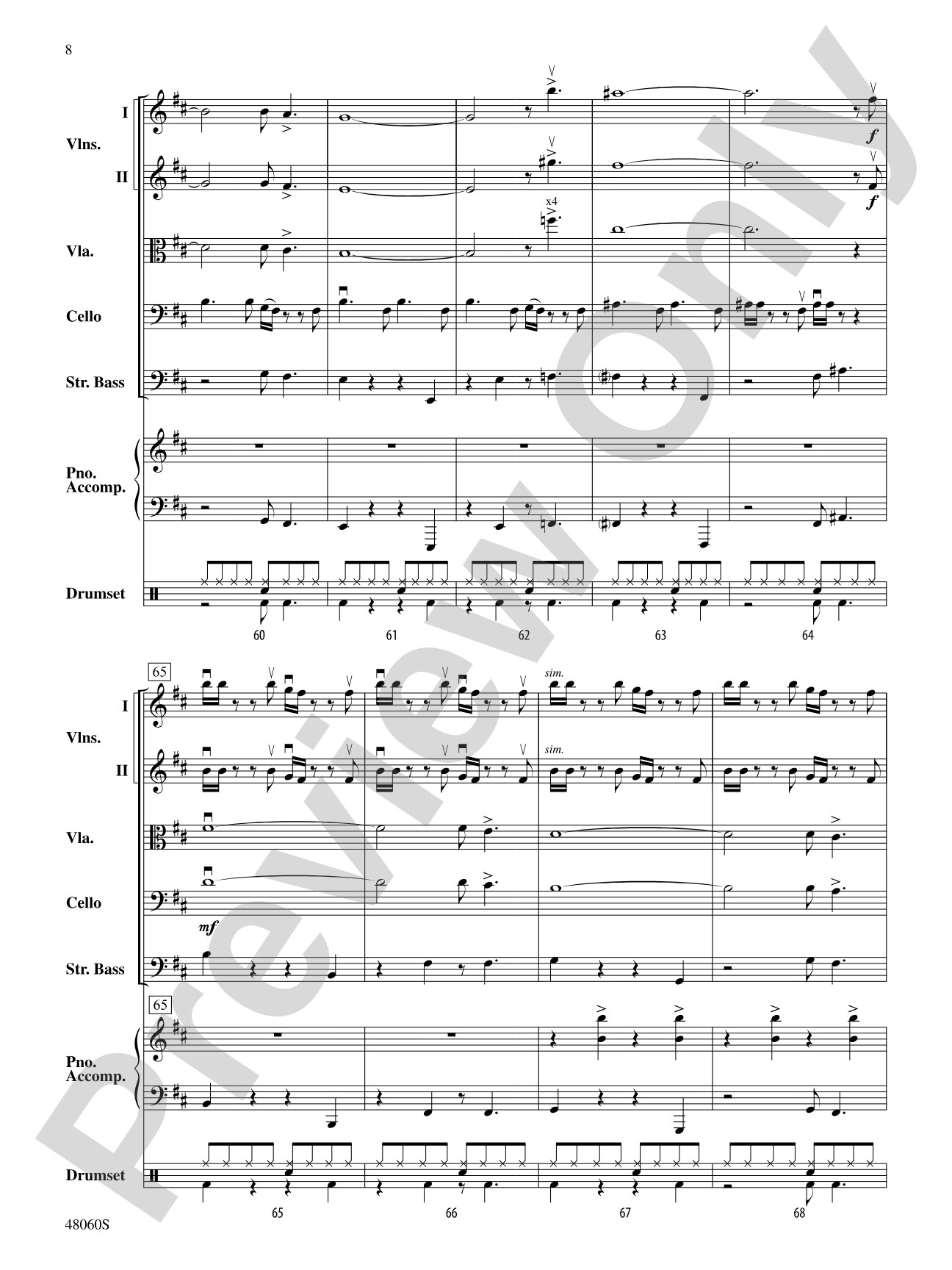
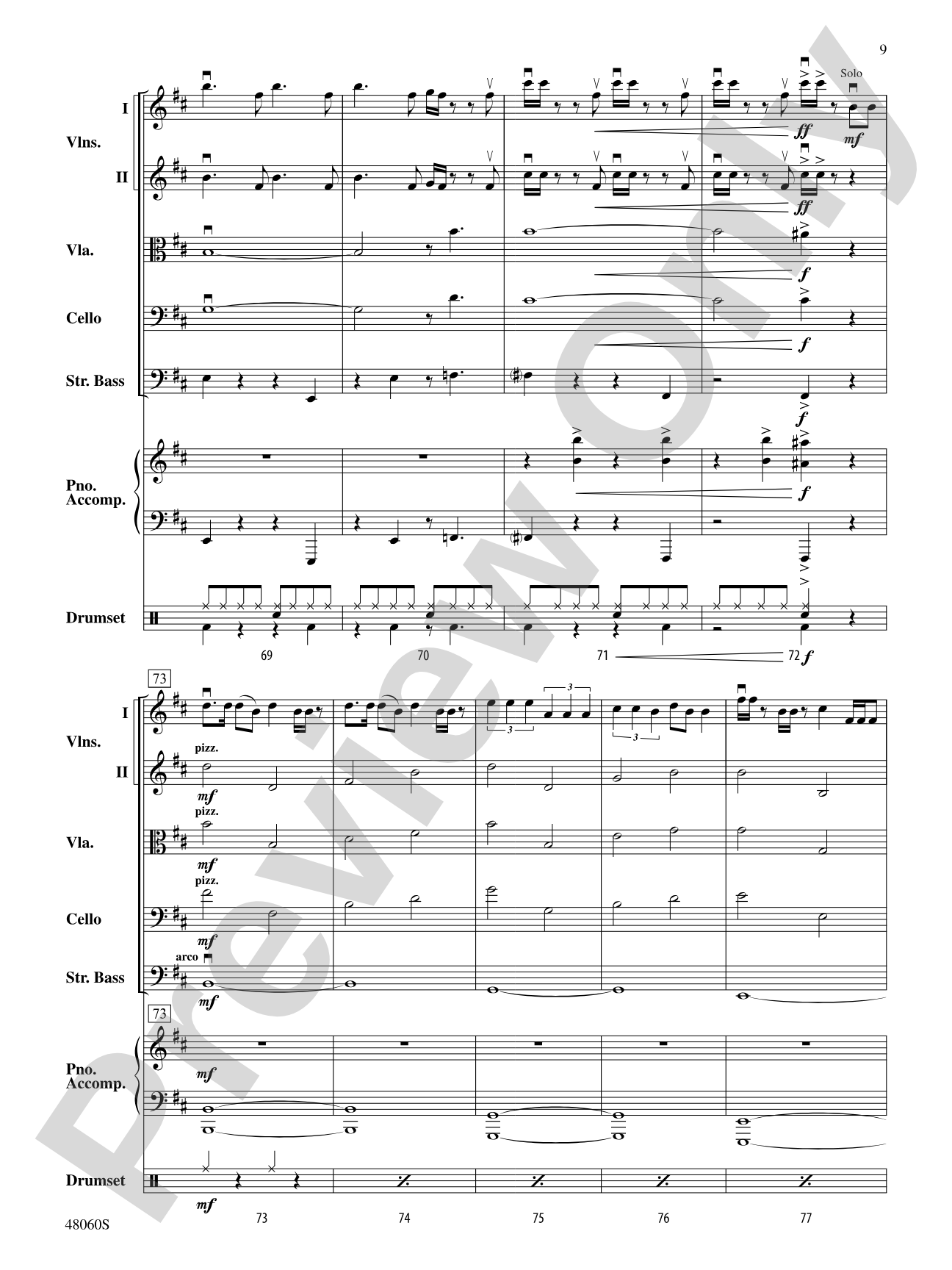
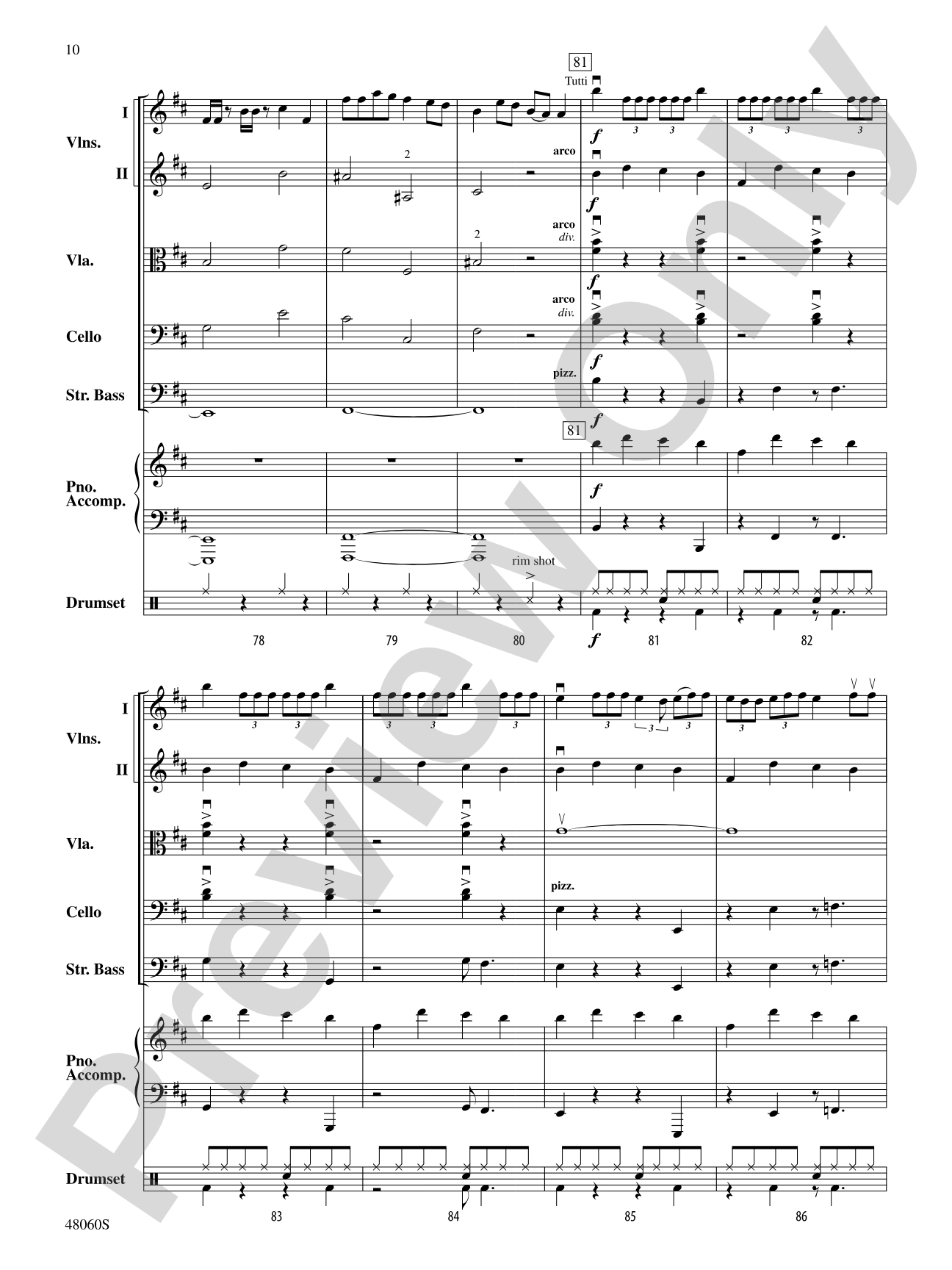
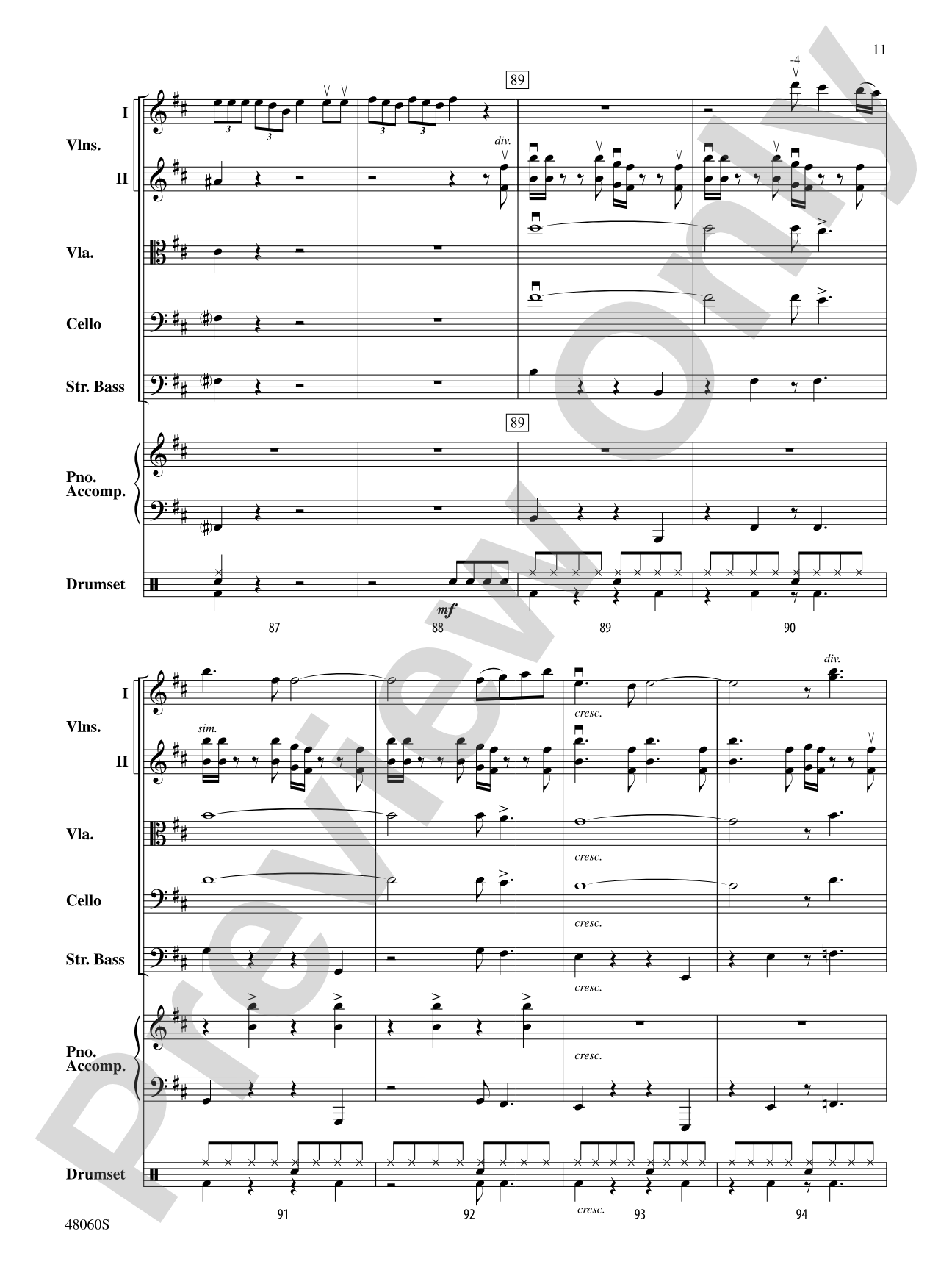
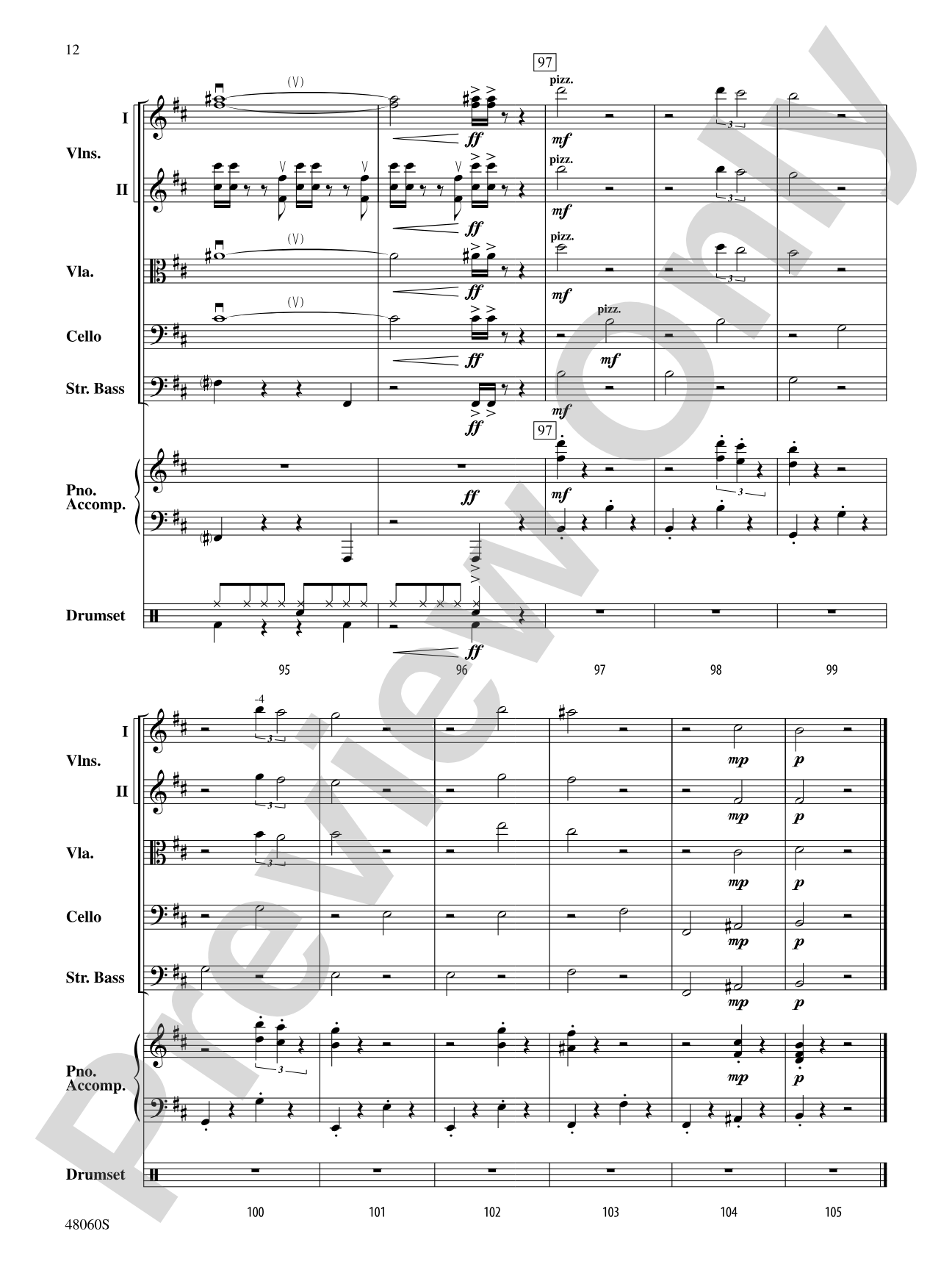

7 Rings: String Orchestra Conductor Score & Parts
As Performed by Ariana Grande
Words and music by Tayla Parx, Victoria Monet, Ariana Grande, Njomza Vitia, Kimberly Krysiuk, Oscar Hammerstein II, and Richard Rodgers / arr. Michael Kamuf
Grade: 3
Item: 00-PK-0008099

$65.00
One moment…
Description
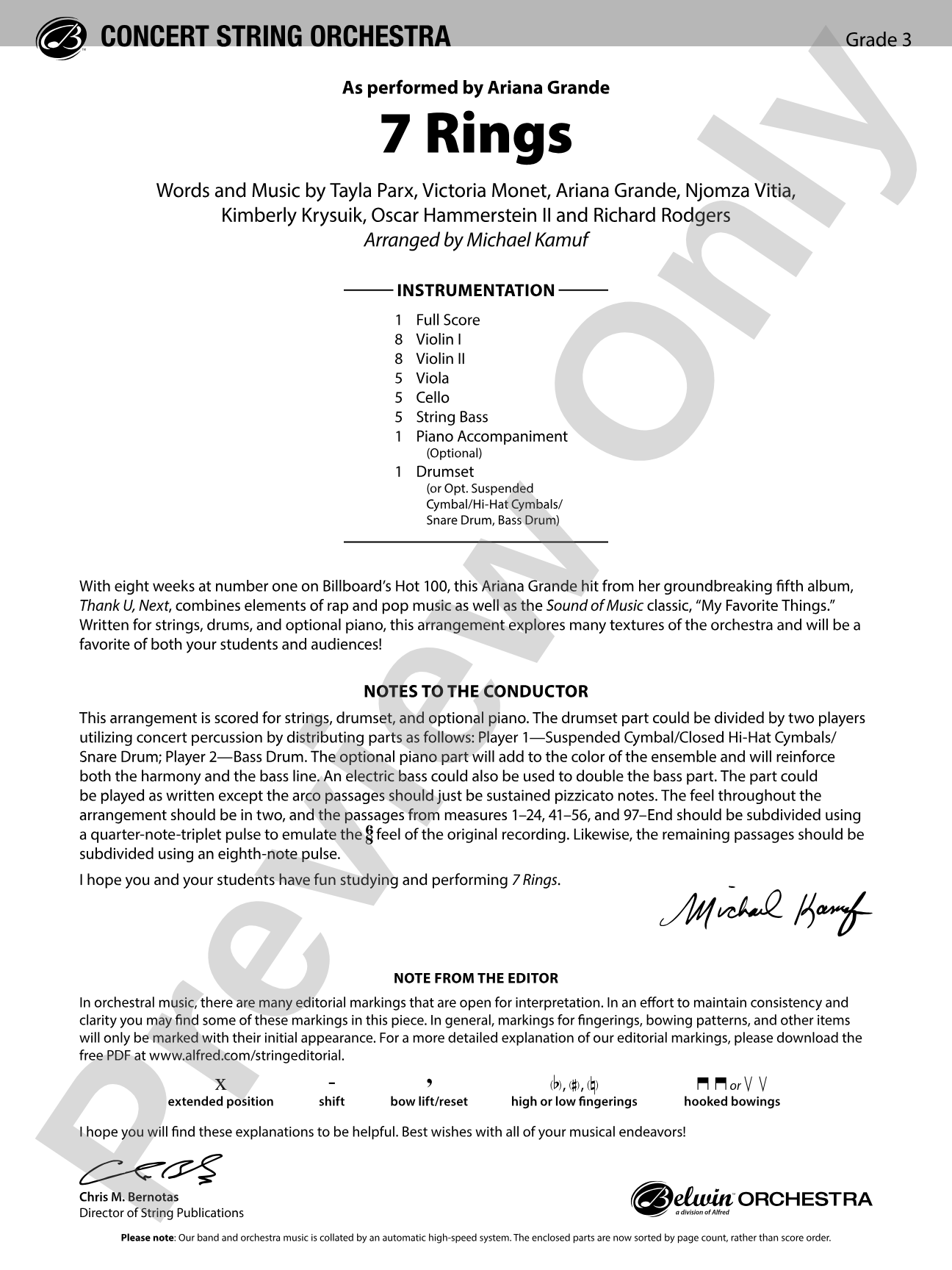
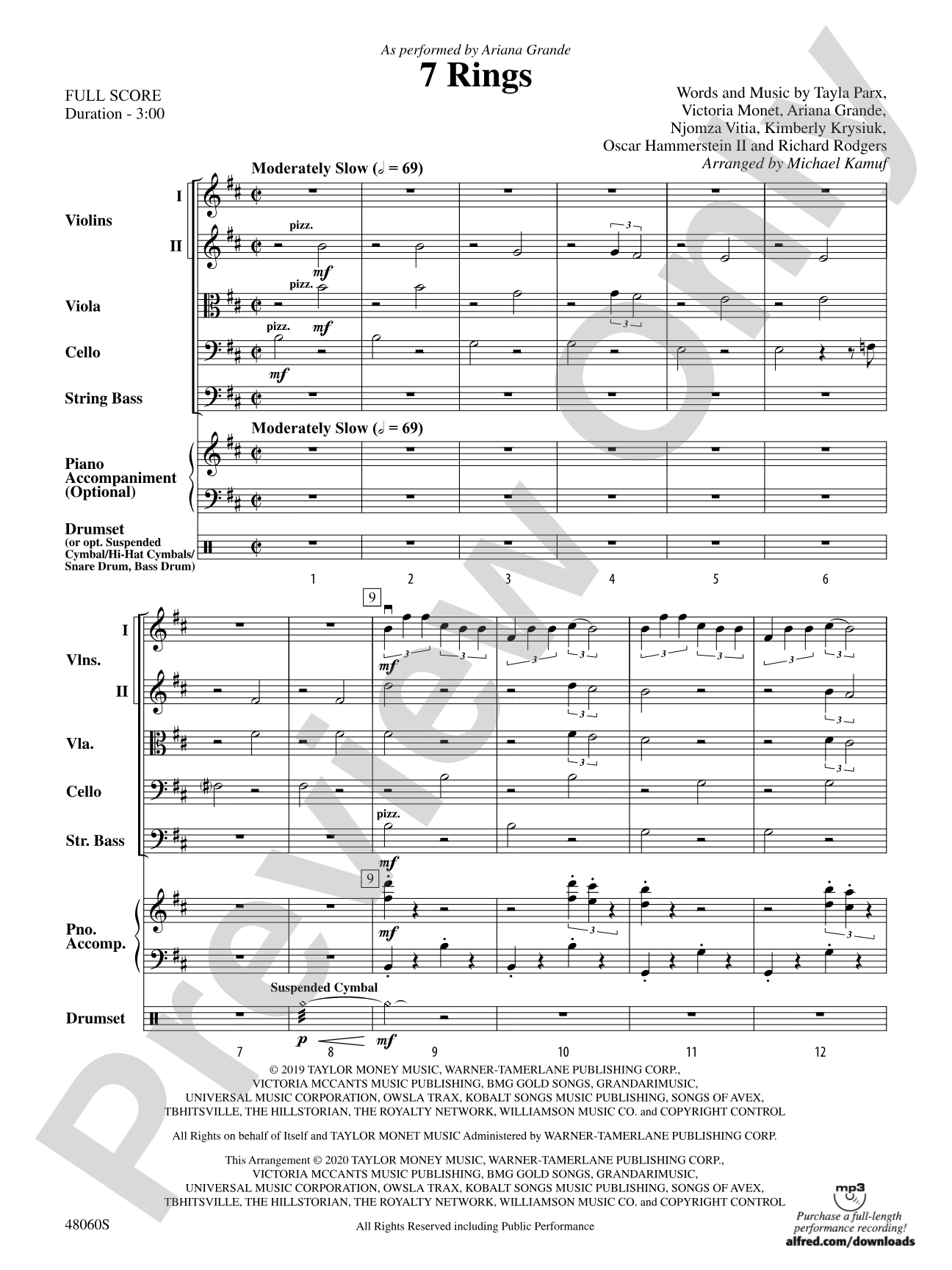
With eight weeks at number one on Billboard's Hot 100, this Ariana Grande hit from her groundbreaking fifth album, Thank U, Next, combines elements of rap and pop music as well as the Sound of Music classic, "My Favorite Things." Written for strings, drums, and optional piano, this arrangement of 7 Rings by Michael Kamuf explores many textures of the orchestra and will be a favorite of both your students and audiences! (3:00)


Don't just read it, hear it, play along with it, and watch your students grow with it. In MakeMusic Cloud, 7 Rings: String Orchestra Conductor Score & Parts comes alive with professional accompaniment, adjustable tempo, and built-in practice tools that turn solo practice into real progress.
Open in the Player
Jump straight in and assign it today.
Start Your Free Trial
Open this title and explore the full library in minutes.
Sample Audio
1
Audio File
--:--
0:00
0:00
Sample Video
Additional Details
Series:
Pop Concert String Orchestra
Publisher:
Alfred Music
Page Count:
132
SKU:
00-PK-0008099
More about this title
About the Composer: Tayla Parx
Tayla Parx is a songwriter and producer whose work spans multiple genres and has shaped hits across pop, R&B, and hip-hop. She co-wrote "7 Rings" alongside Victoria Monet, Ariana Grande, and others, demonstrating her skill at crafting memorable melodic hooks within complex production frameworks. Her contributions to contemporary pop songwriting make her work valuable for string arrangers seeking to bridge the gap between current repertoire and orchestral texture.
Why we love this
This arrangement captures what makes "7 Rings" culturally resonant for students while giving them substantive orchestral writing to perform. Michael Kamuf's orchestration layers string textures intelligently, avoiding the trap of simply transcribing a pop track; instead, he reimagines the song's architecture for ensemble voices. Programming a contemporary hit alongside the "My Favorite Things" DNA hidden in the piece creates natural conversation starters about how modern songwriting samples and reinterprets classic material.
What to expect
The piece moves with infectious rhythmic energy while maintaining the sophistication of orchestral voicing. Moments of lush harmonic richness contrast with driving, lean textures, mirroring the song's original blend of rap and pop production. It feels current without being novelty, allowing students to perform music they genuinely connect with while developing serious orchestration literacy.
Who it's for
String orchestras at the Grade 3 level, particularly ensembles seeking accessible contemporary music that resonates with student musicians. Directors programming modern repertoire will find this arrangement playable without sacrificing musical integrity or audience appeal.
How to get the most out of it
- Balance the rhythmic precision of the drum part with the sustained string lines; the percussion should anchor without overwhelming the melodic voices.
- Explore the different textural layers in the score (unison sections, divisi passages, harmonic support) during rehearsal to help students understand how orchestration creates depth from a single song.
- Work the optional piano part into your sections strategically; it can serve as a rehearsal tool for intonation on complex chords before removing it for final performance.
- Lock tempo early and rehearse with a click track, especially during transitions where rap and orchestral elements interact.
How to use it
Pair this with your spring or end-of-year concert to reach families and community members who know the original recording. The three-minute duration and contemporary setting make it an excellent closer or second-half opener. Consider programming it alongside other pop-influenced orchestral works to show students how arrangers approach the intersection of commercial and concert music.
Skills your students will build
- Playing syncopated rhythmic figures within 4/4 framework
- Sustaining intonation through sustained harmonic accompaniment
- Responding to textural changes and ensemble layering
- Balancing rhythmic precision with lyrical phrasing
- Reading divisi passages and understanding voice independence